Liveaboards · Indonesia
Damai II — a small, wood-built Indonesian dive boat with serious food and attentive guiding
What makes this boat unique
- Damai II carries up to 12 divers in seven air-conditioned cabins, each with a private bathroom.
- A four-to-one divemaster-to-diver ratio keeps dive groups small.
- Two high-speed tenders serve the dive sites, with a dedicated dive platform and separate camera rinse area.
- Routes run year-round through Komodo, Alor, Forgotten Islands, Triton Bay, Banda Sea and Gorontalo.
- Food is one of the boat's strongest points, with local and Western dishes, vegetarian and vegan choices, and dinner wine included.
For subtitles in English: start the video firstthen click the gearat the top right of the video, select “Subtitles/CC”, then “Auto-translate” and choose “English”.
The invitation
Damai II suits divers who choose a liveaboard for the water first, but do not want to give up good food, private cabins or a little care between dives. Her routes reach Komodo, Alor, Triton Bay, the Forgotten Islands and the Banda Sea, with departures available throughout the year. The small passenger load matters underwater: a four-to-one divemaster ratio is a practical advantage when currents are running and the reef is busy with life. A spa service, panoramic cabin windows and accessible balconies make the boat more comfortable than a basic working platform, without turning the trip into a resort cruise. The reason to choose Damai II is the combination: demanding Indonesian sites, a small group, and a crew whose strongest marks are reflected in the food, guiding and day-to-day service.
Boarding
Damai II arrives as a proper Indonesian wooden liveaboard rather than a purpose-built hotel at sea. The hull and superstructure use ironwood, giving the boat a solid, traditional character, while the layout has been made specifically around diving. With only 12 guests, the boat becomes familiar quickly: the same faces at the dive deck, the same crew handling the daily details, and no crowd spread across a large passenger ship. A single Mitsubishi engine drives the vessel, so engine noise is part of the boat's character rather than something to pretend away. The maximum speed is modest, but these cruises are about reaching remote reefs safely and launching from the tenders, not racing between islands. Damai II's boat score sits below the crew, food and diving scores; that is a fair reading of an older vessel whose people are the main reason guests remember the trip.
The atmosphere on board
The atmosphere is small enough for the crew to shape the trip directly. Guests describe the crew as the stronger part of the Damai II experience, with a 9.3 score compared with 9.0 for the boat itself; food reaches 10.0 and diving 9.3. That balance is useful to know before booking. The hull is not the selling point on its own, but the people make the practical side of a week work: meals arrive when divers need them, tenders handle the transfers, and the dive groups stay manageable. The crew speaks English, German, Spanish, Portuguese, Indonesian and Italian. Evenings can remain quiet after a night dive, or move to the saloon and outdoor dining area over dinner and a drink. With 12 passengers, the social circle is formed by the second day without requiring a crowded communal ship.
The sites you’ll dive
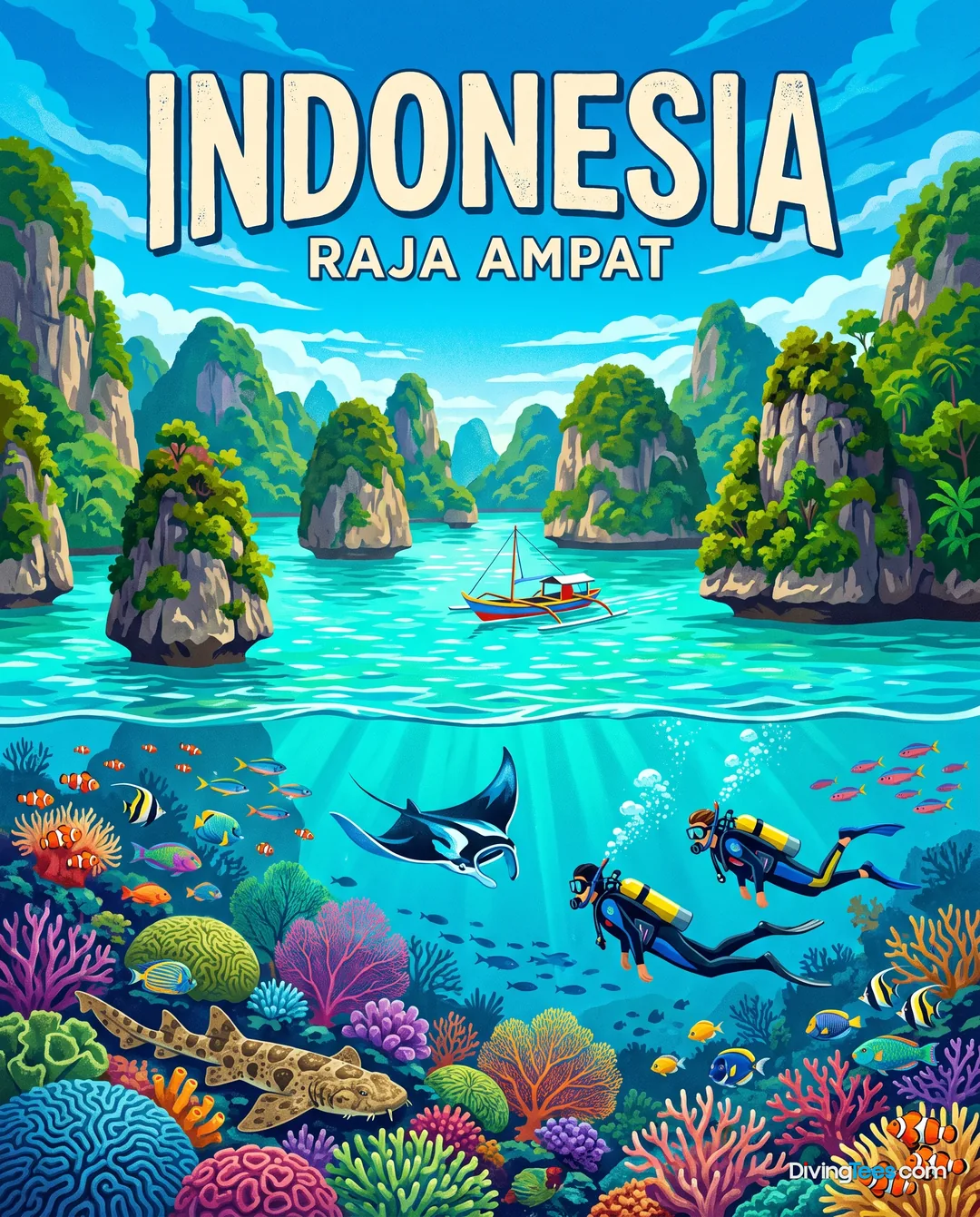
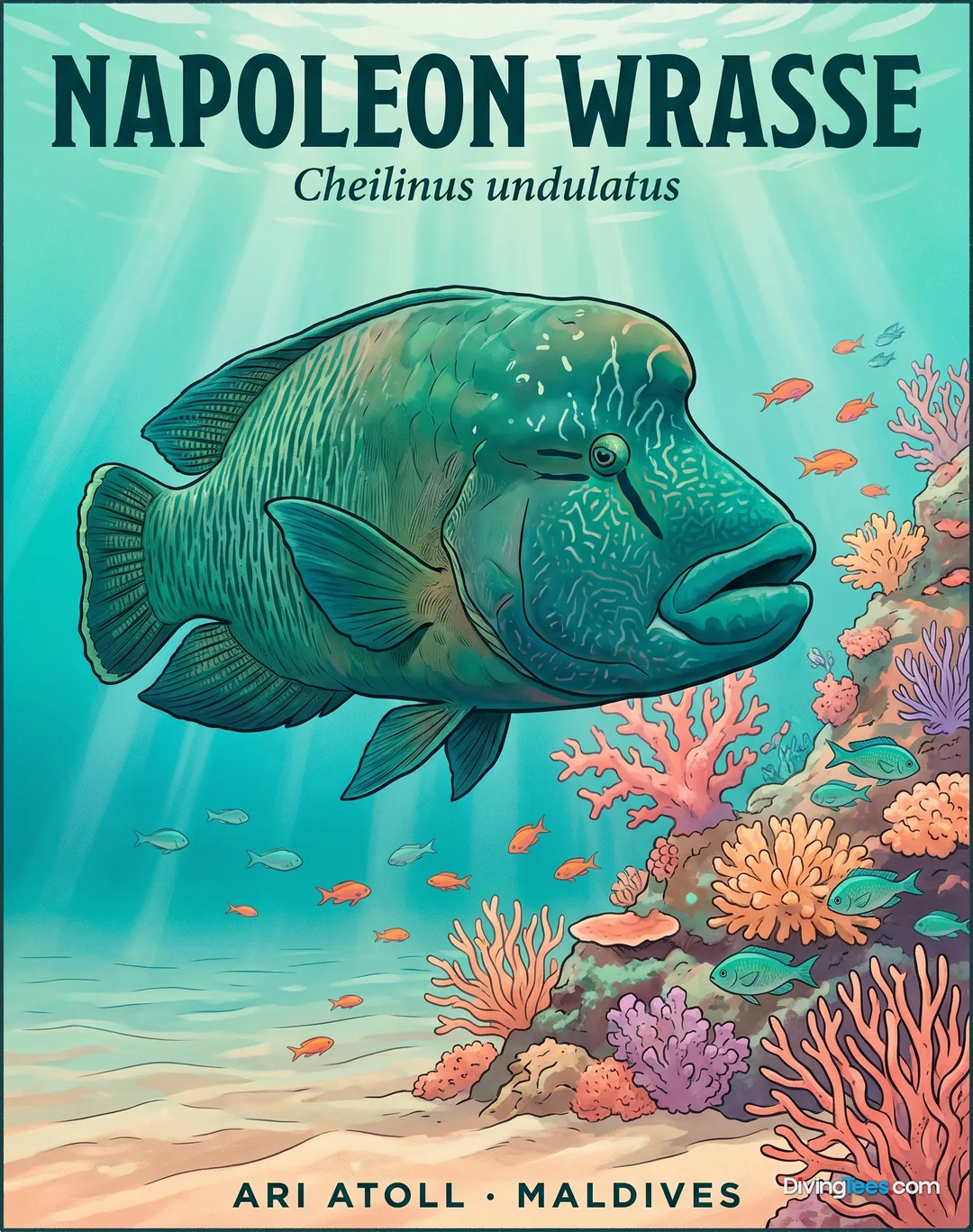
The route mixes Komodo's current-swept pinnacles with the coral and macro sites of Kaimana and Triton Bay. In Komodo, Batu Bolong drops to a maximum of -40m around a tiny pinnacle covered in coral, where giant trevally, Napoleon wrasse and reef sharks move through the blue. Castle Rock reaches -30m, while Crystal Rock in the Lintah Strait reaches -30m; both use strong, nutrient-rich currents to draw in pelagic life. Shotgun reaches -25m and carries divers along a wall where manta rays and sharks gather. Siaba Besar is the gentler counterpoint at -18m, with frogfish and blue-ringed octopuses hidden among coral bommies. Kaimana brings softer, more intimate terrain. Bo's Rainbow reaches -16m over coral-encrusted boulders and sandy slopes. White Rock reaches -14m on soft-coral slopes, with wobbegong and frogfish possible. Macro Rocks reaches -20m over white sand and nudibranch life. Flasher Beach reaches -20m and is visited for the late-afternoon courtship displays of flasher wrasse, including the endemic P. Nursalim. Christmas Rock reaches -18m around an isolated reef fed by strong currents; Boulders uses huge sea-fan-covered rocks, while Batu Jatuh builds hard-coral gardens around immense fallen boulders. Saruenus Island and Andy's Point add drift diving, barracuda schools and reef sharks. Recorded itineraries include eight days and seven nights round trip from Labuan Bajo in Komodo, ten days and nine nights from Labuan Bajo to Maumere, nine days and eight nights from Maumere to Kupang in Alor, and longer crossings: 14 days and 13 nights from Kupang to Kaimana, or 12 days and 11 nights from Kaimana to Ambon.
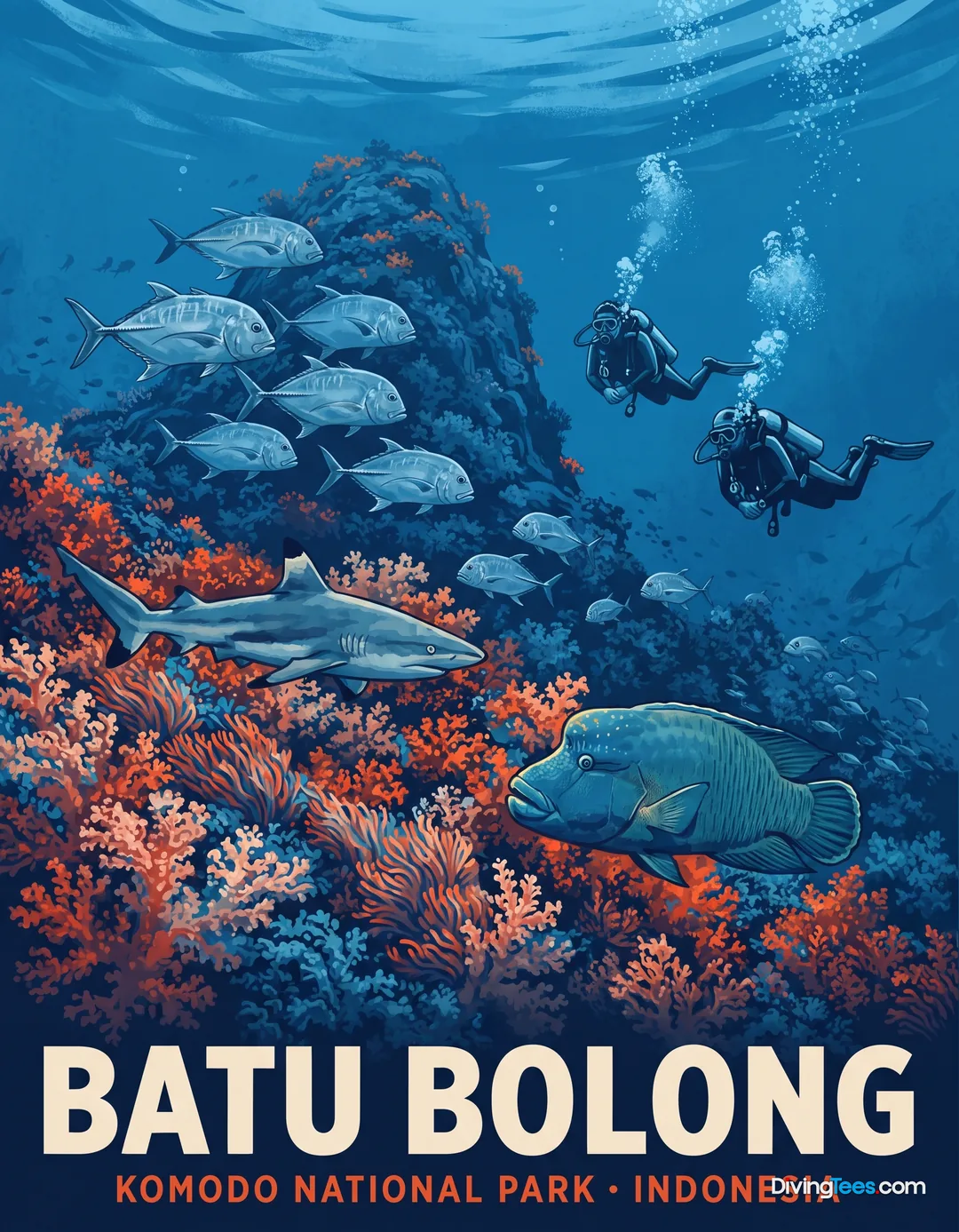
Batu Bolong →
Max. depth · 40 m
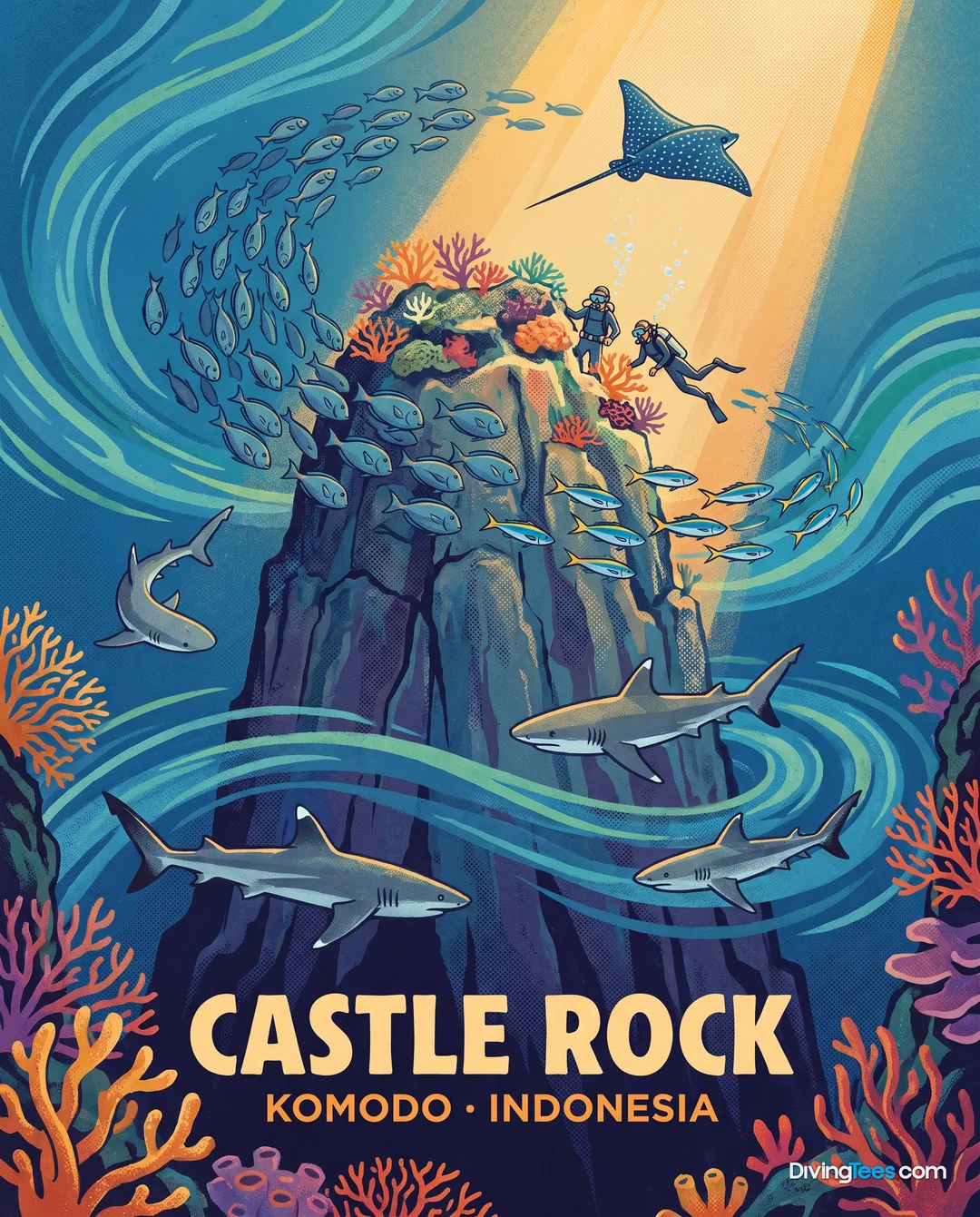
Castle Rock →
Max. depth · 30 m
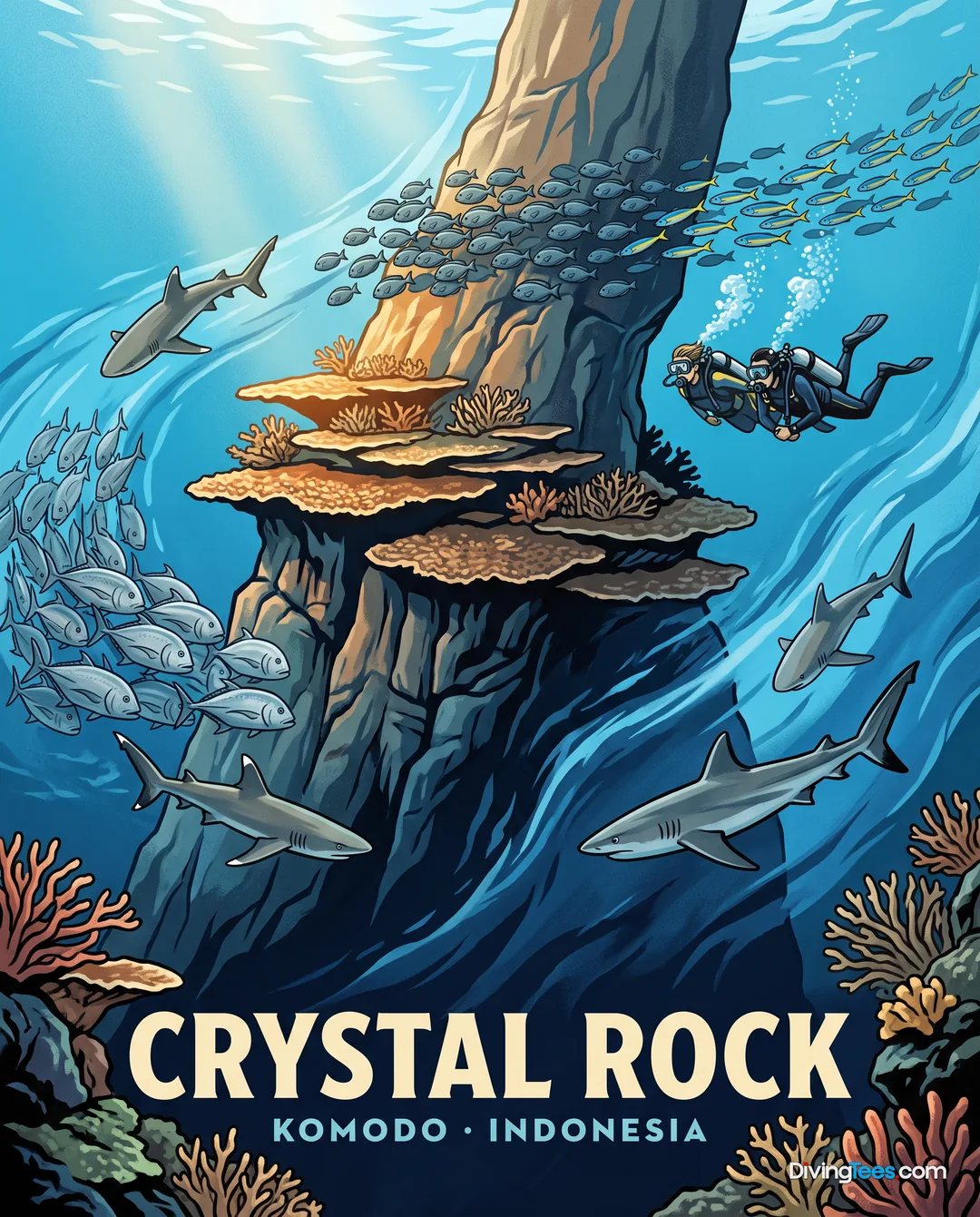
Crystal Rock →
Max. depth · 30 m
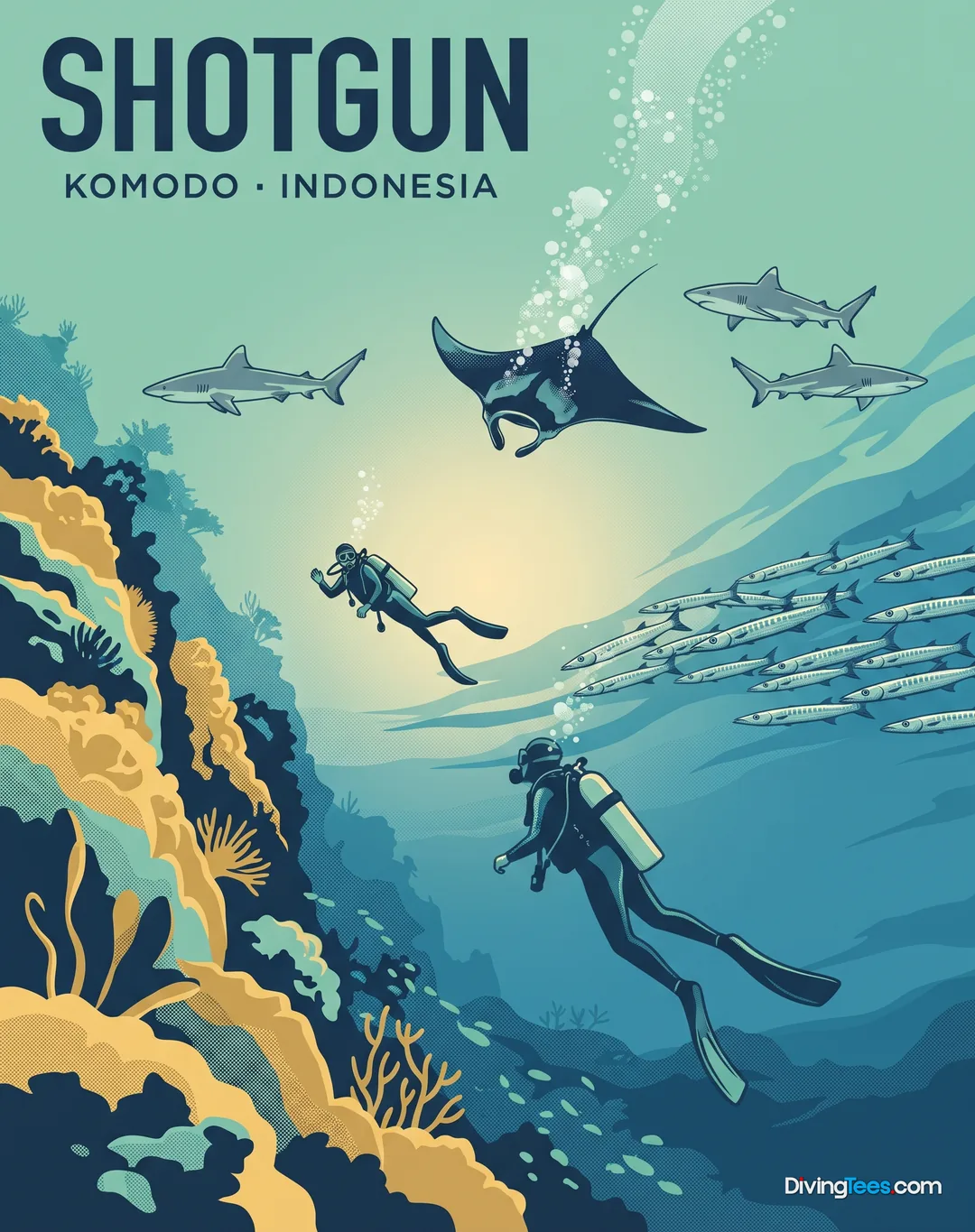
Shotgun →
Max. depth · 25 m
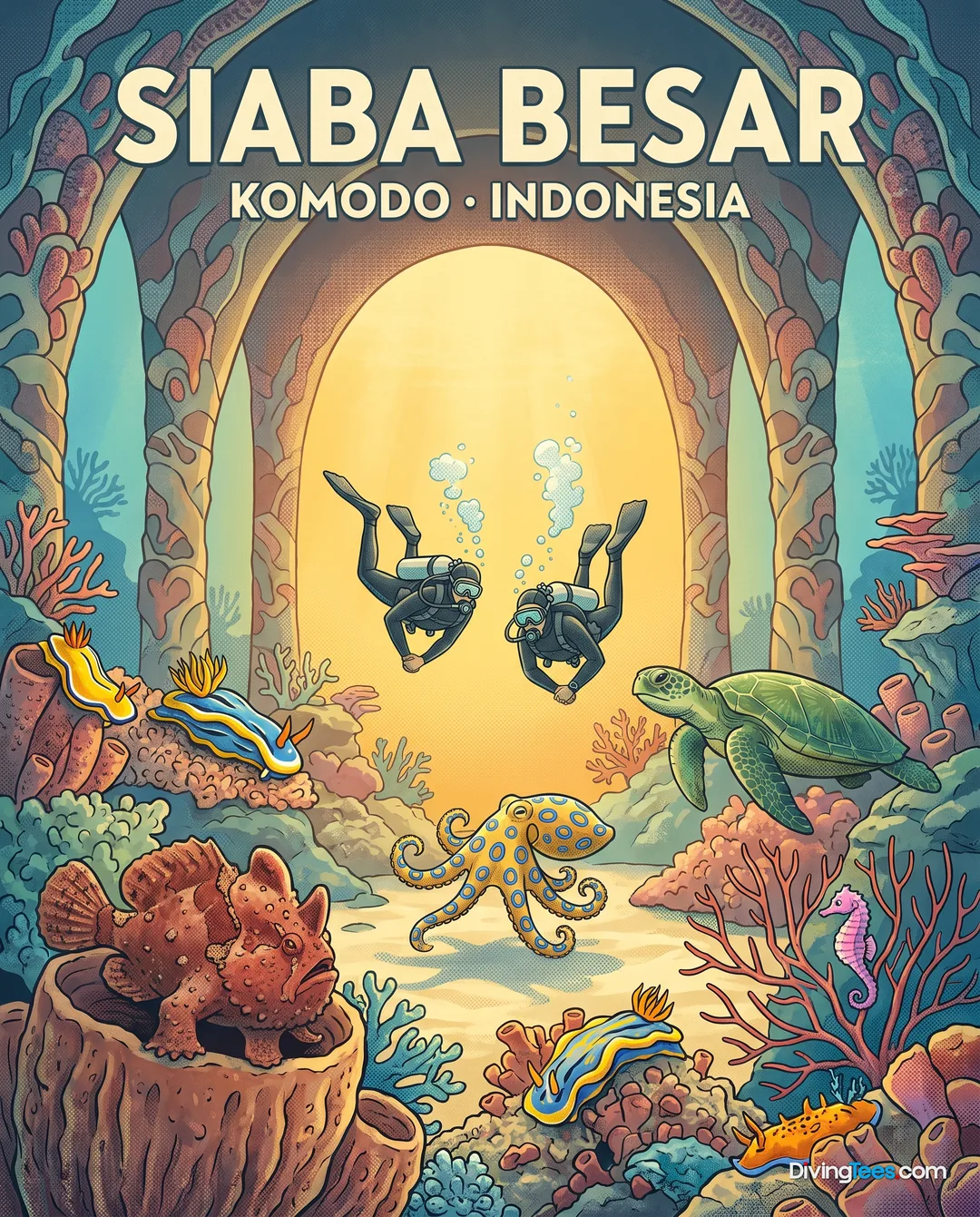
Siaba Besar →
Max. depth · 18 m
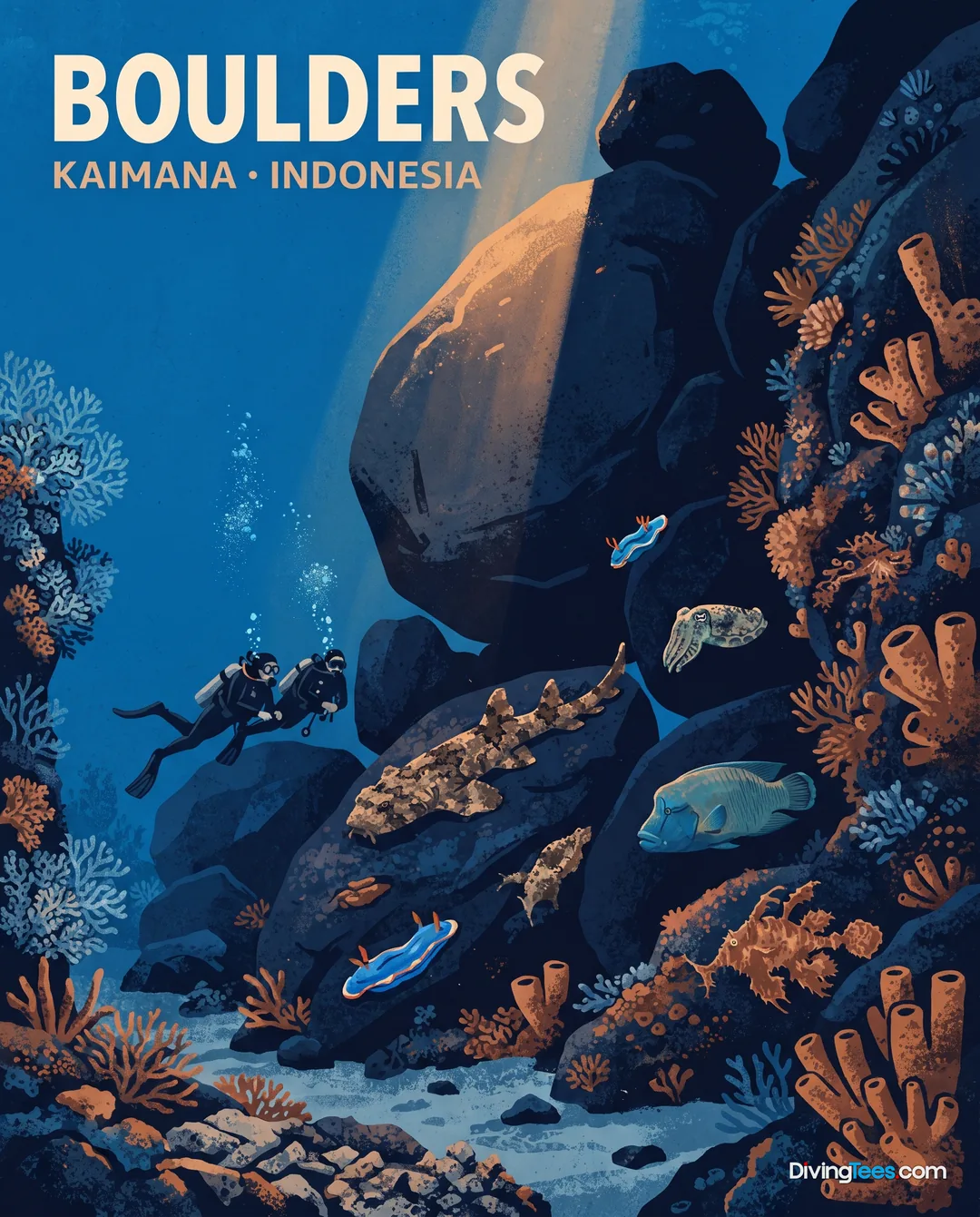
Boulders →
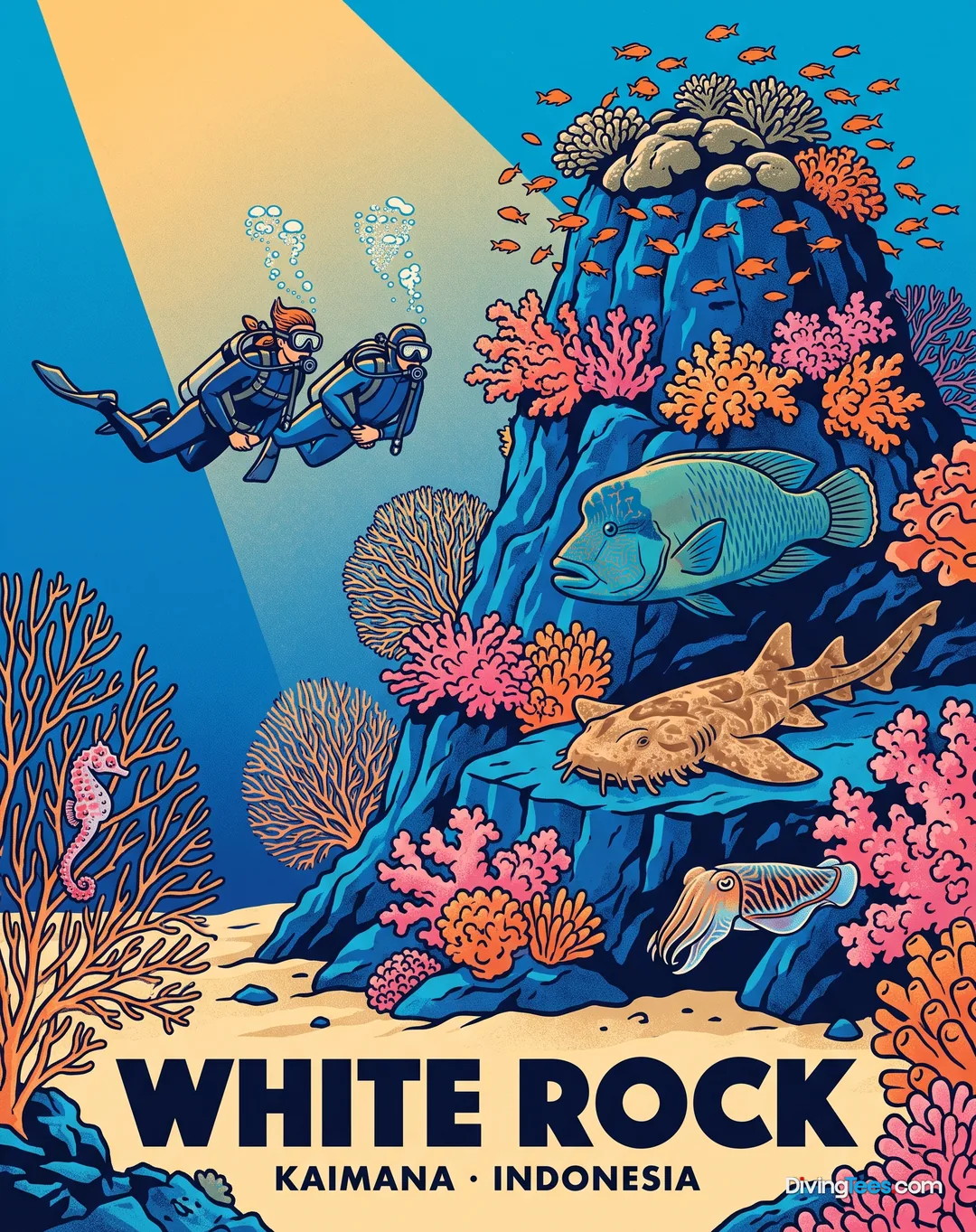
White Rock →
Max. depth · 14 m
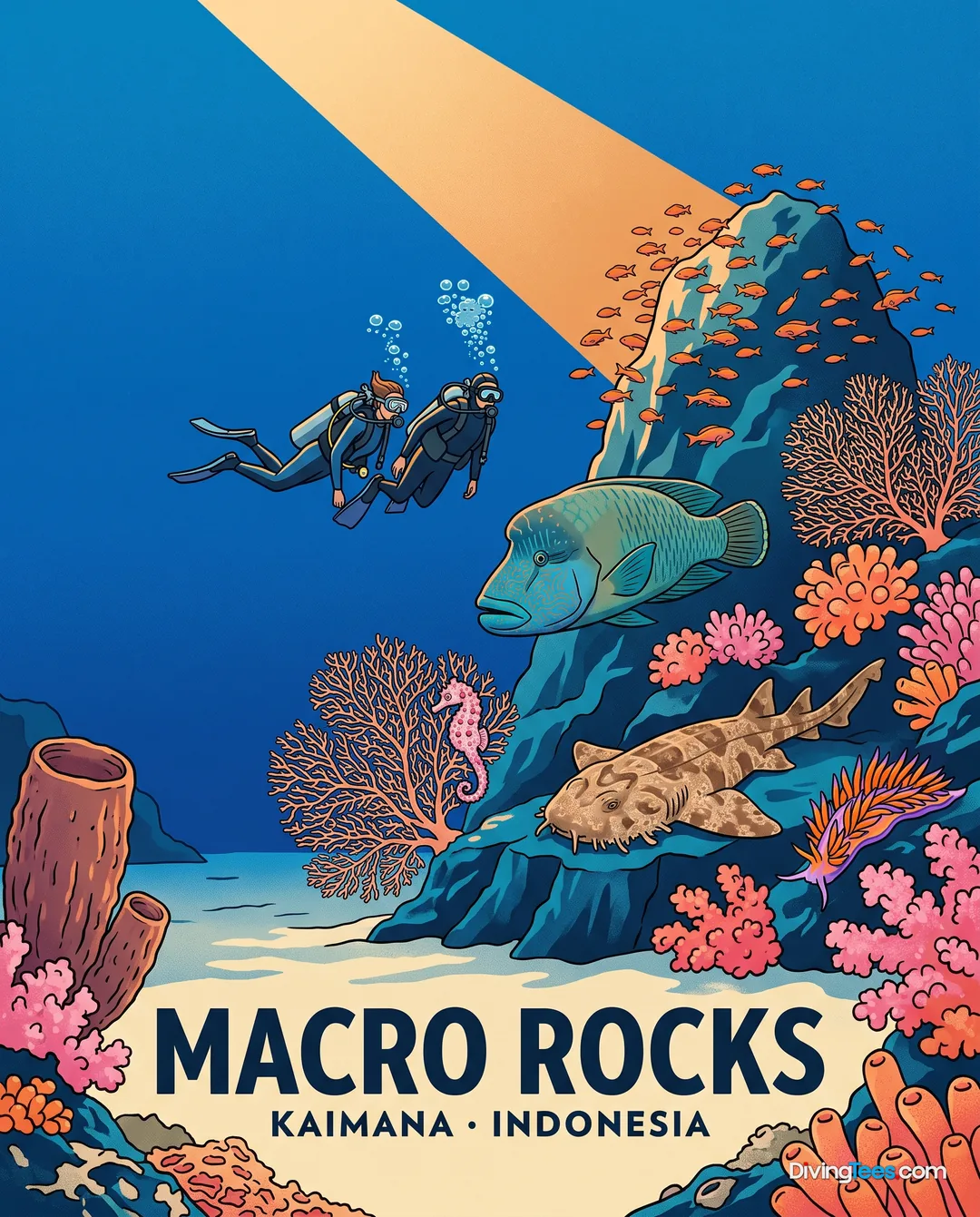
Macro Rocks →
Max. depth · 20 m
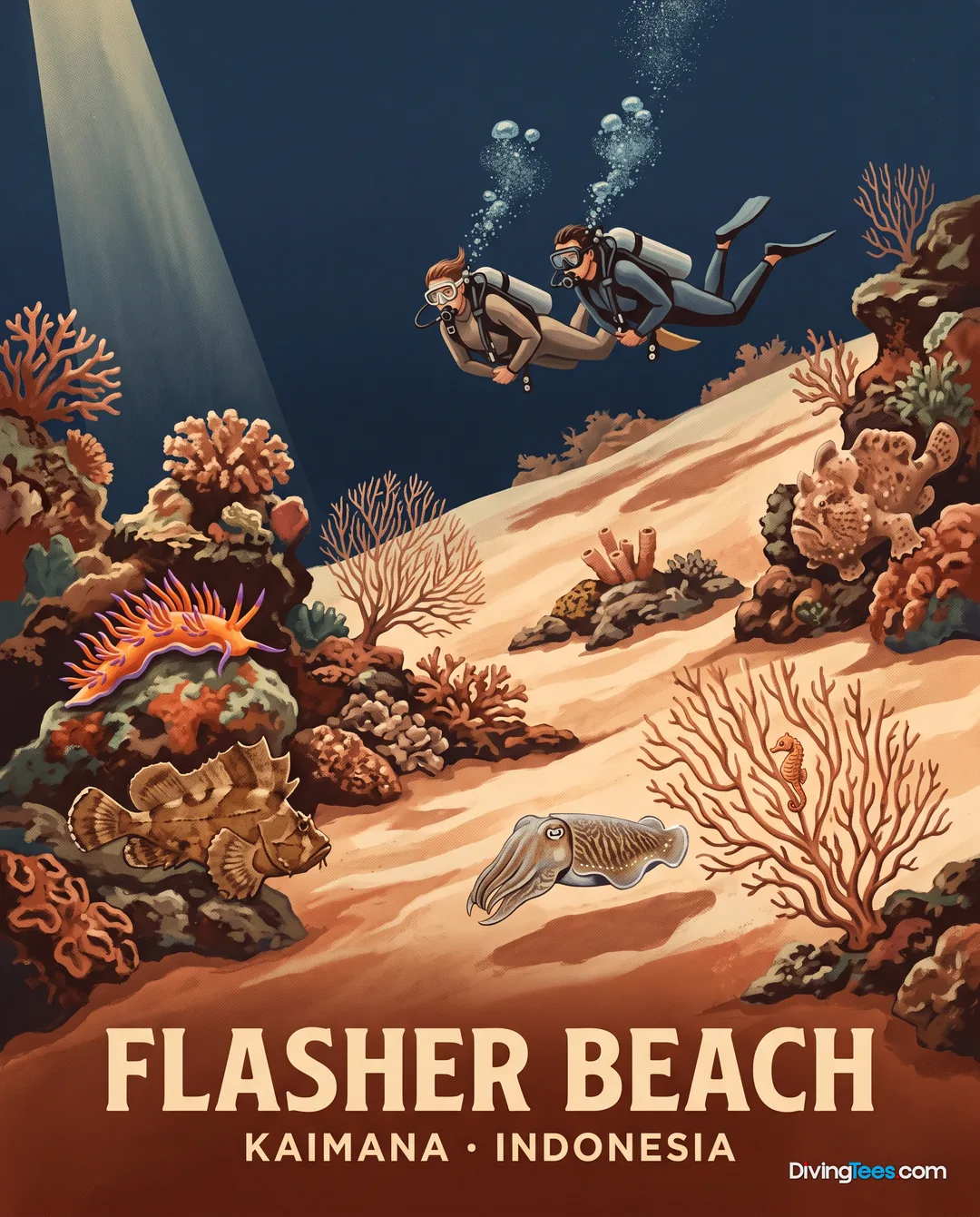
Flasher Beach →
Max. depth · 20 m
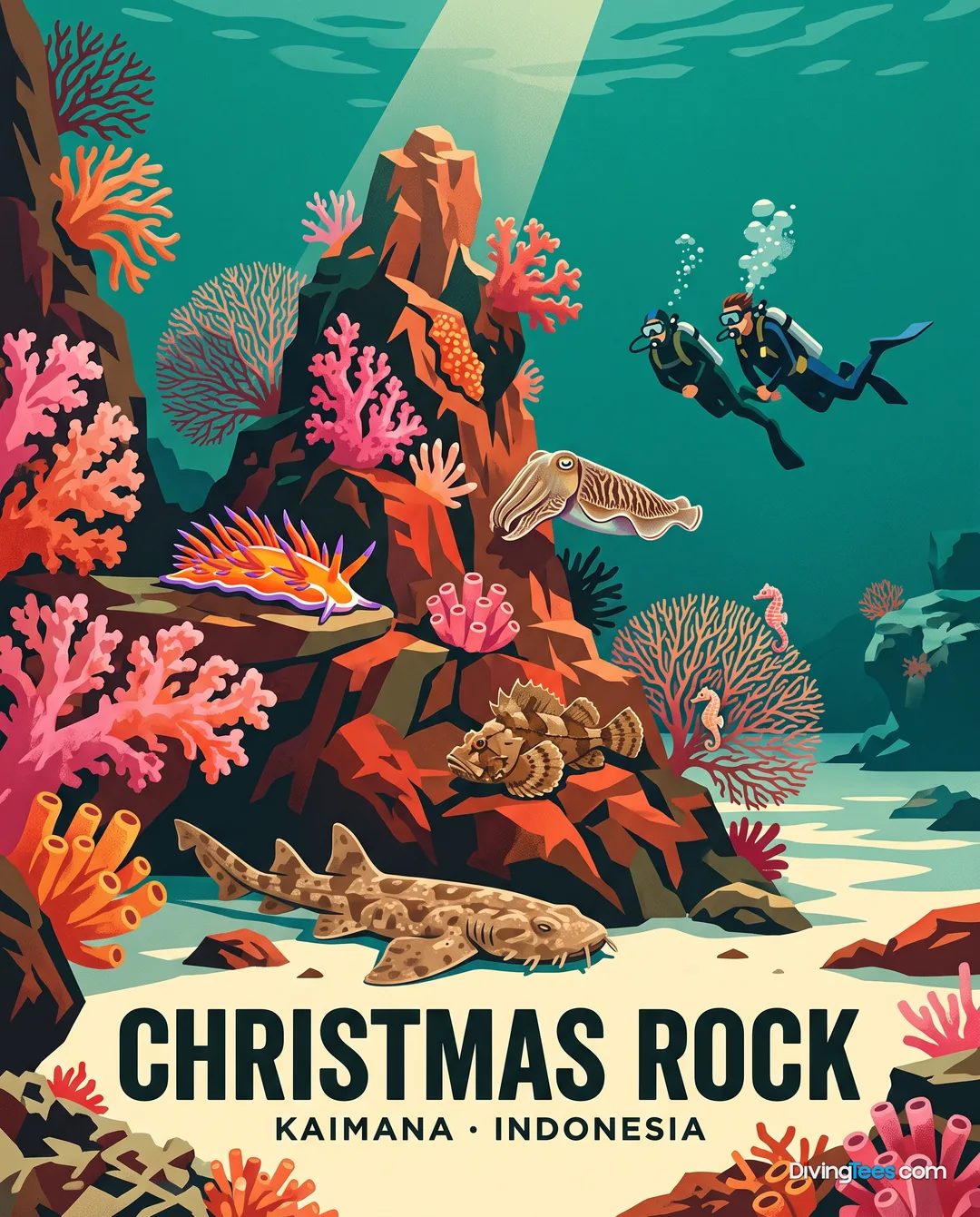
Christmas Rock →
Max. depth · 18 m
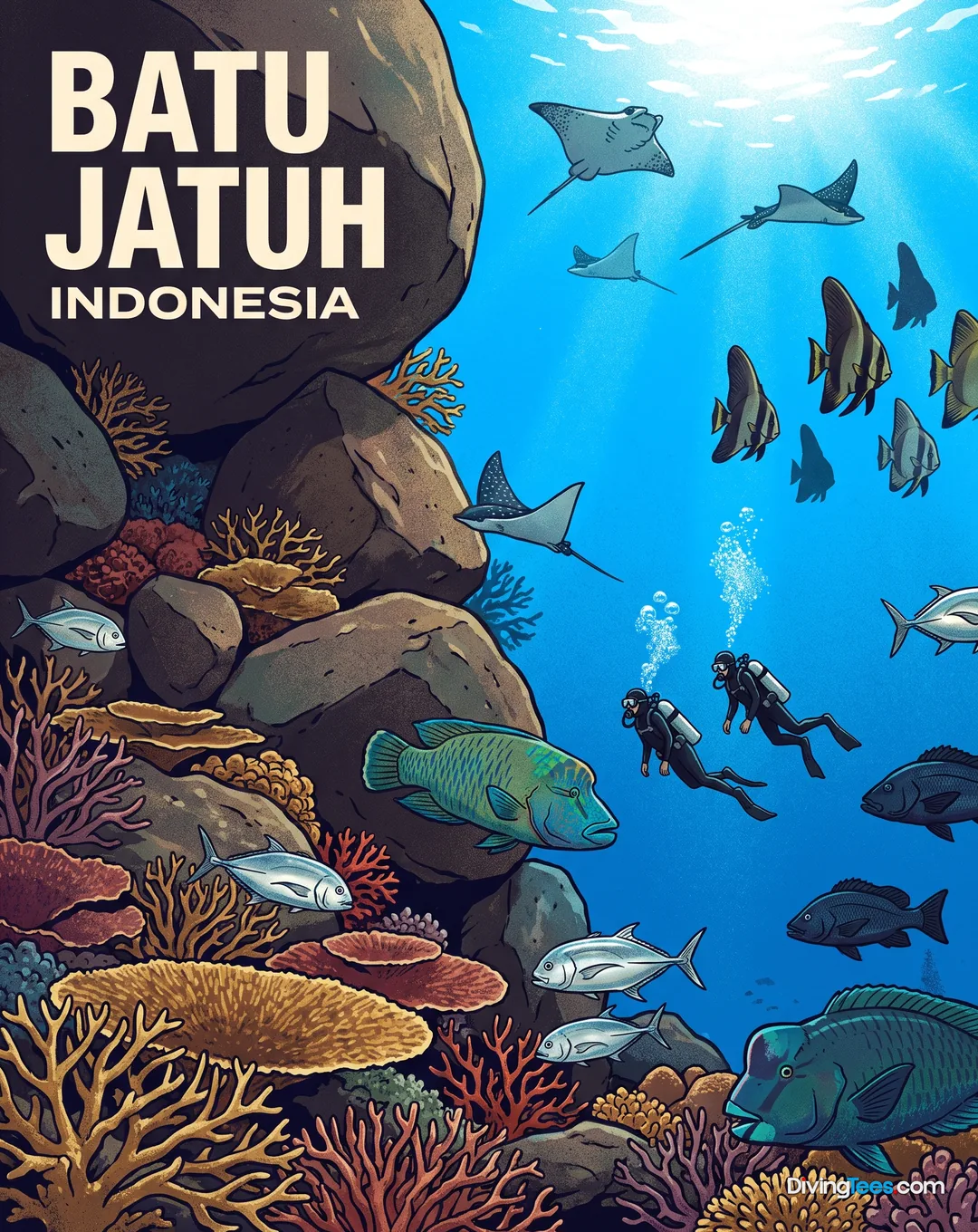
Batu Jatuh →
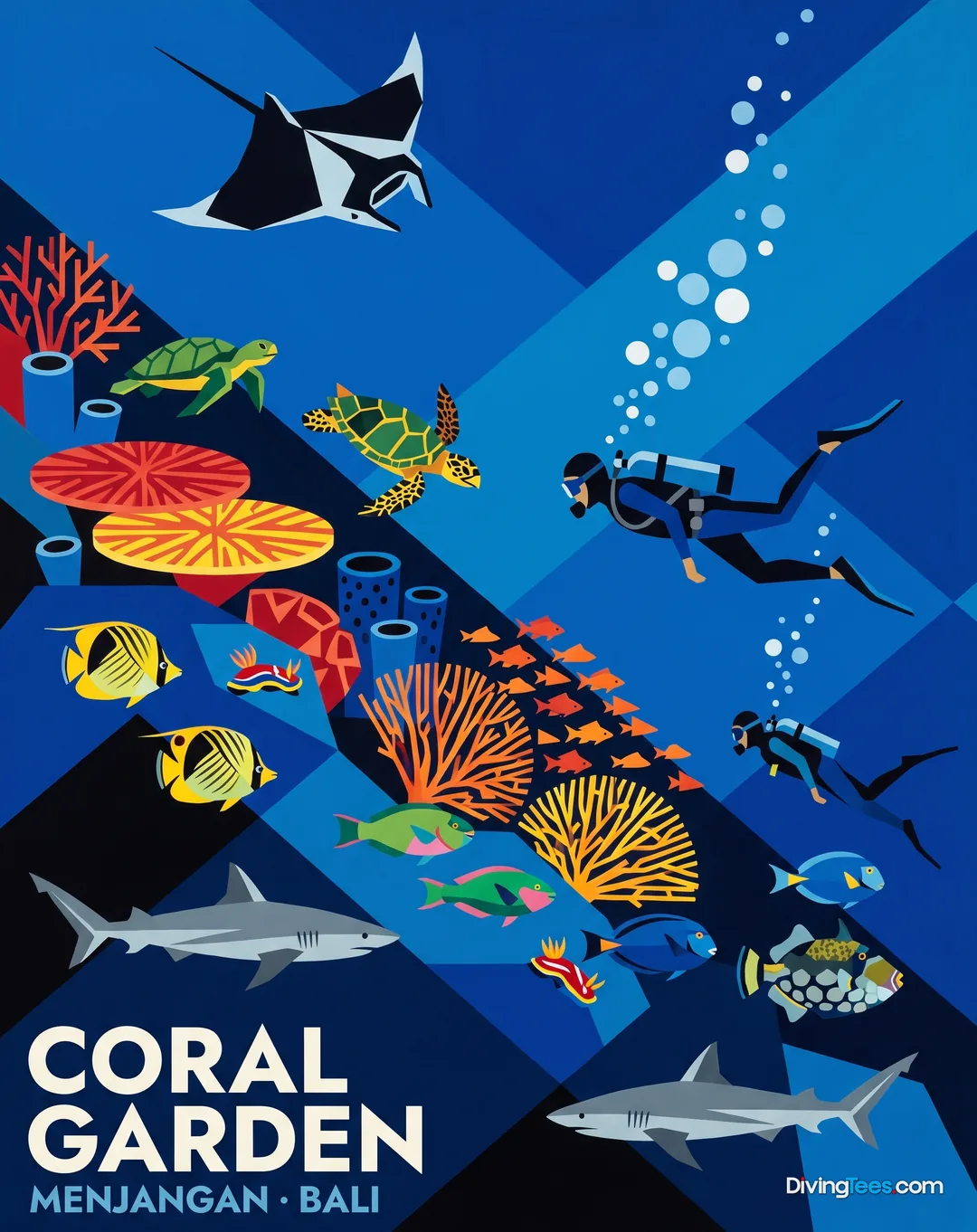
Coral Garden →
Max. depth · 28 m
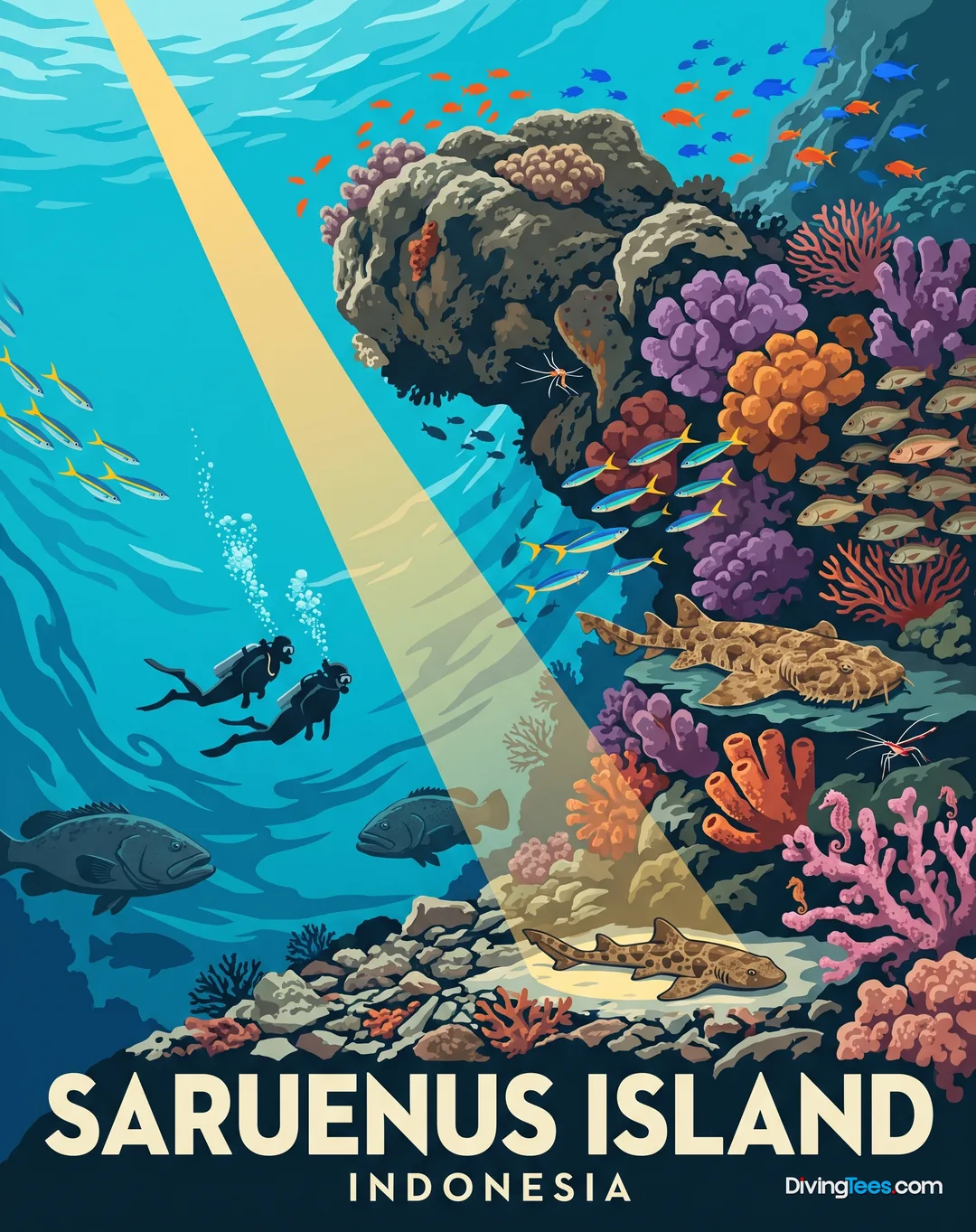
Saruenus Island →
What you’ll meet underwater
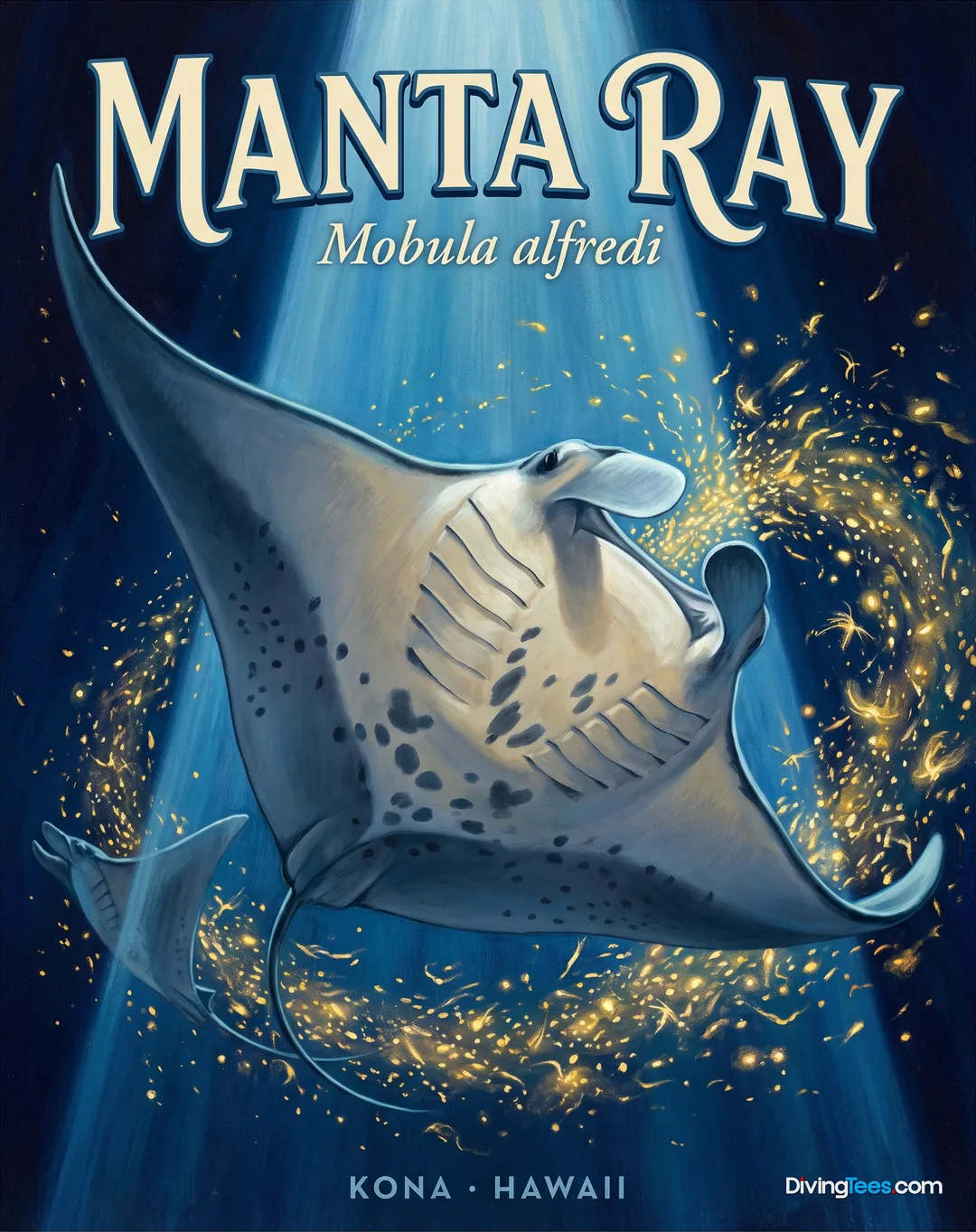
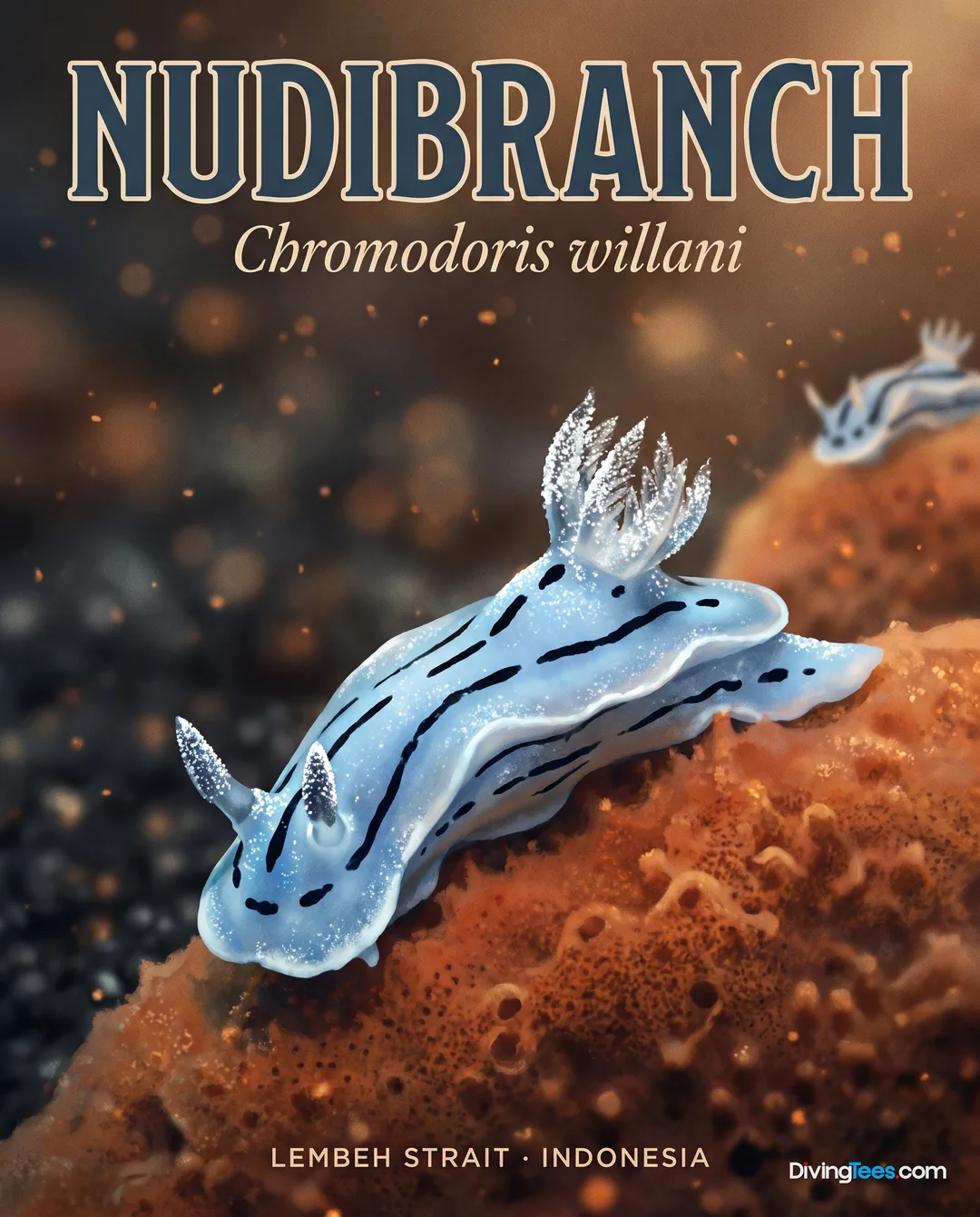
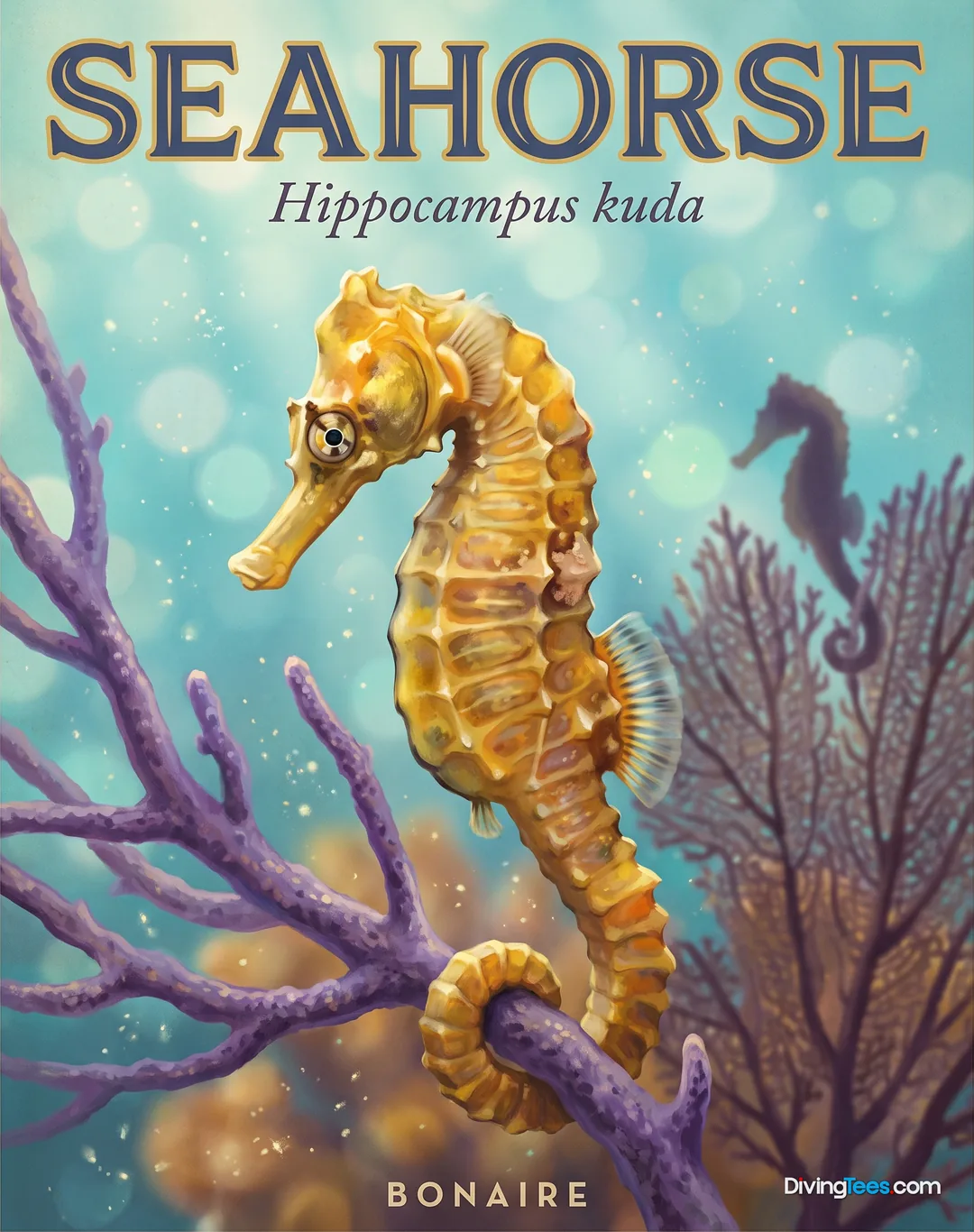
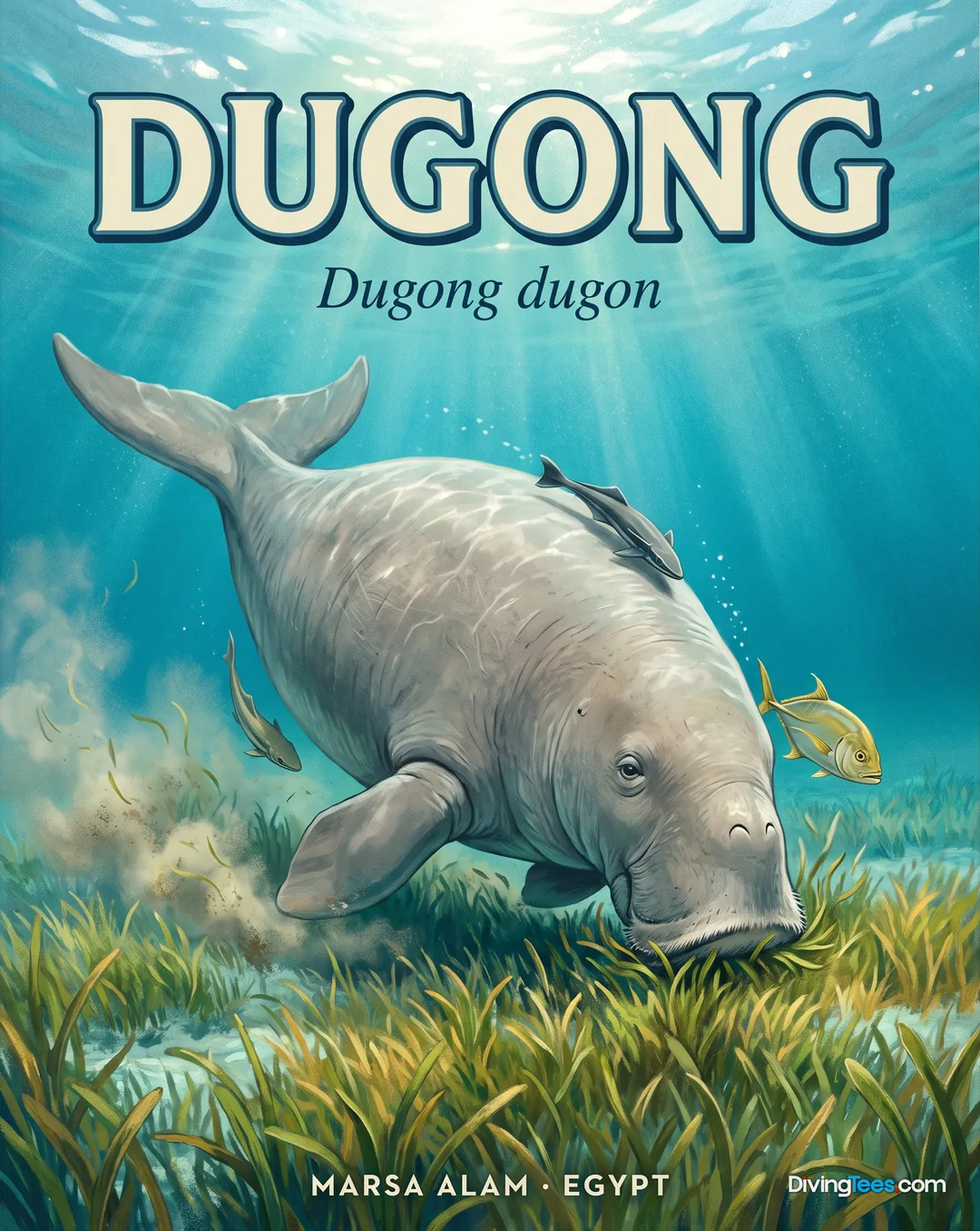
The route is built for movement in the blue as much as for patient searching on the reef. Manta rays are recorded at six sites, fusiliers at six, pygmy seahorses at six and nudibranchs at eight, while Napoleon wrasse and reef sharks appear across several sites. Currents explain much of the larger spectacle: Andy's Point can bring yellowfin barracuda, humphead parrotfish and reef sharks into view; Batu Jatuh may produce mobula rays, eagle rays and mantas; the Komodo pinnacles concentrate trevally, reef sharks and other pelagic fish. The rarer encounters give certain dives their purpose. Siaba Besar is the place for a possible dugong, seahorse, ornate ghost pipefish, trumpetfish or unicornfish among shallow coral, though none is guaranteed. Saruenus Island is the only listed site for giant grouper and castagnole. Boulders is the site associated with dense glassfish schools. Castle Rock is the only listed site for blacktip reef sharks and coachfish. At Flasher Beach, the late-afternoon display of several flasher-wrasse species, including P. Nursalim, is the event worth waiting for.
Who puts you in the water
Dive groups are organised around a four-to-one divemaster-to-diver ratio, one of Damai II's clearest operational strengths. The crew can brief and assist guests in English, German, Spanish, Portuguese, Indonesian and Italian. Oxygen, first-aid kits and a crew trained in first aid are carried on board, alongside marine radio, satellite and mobile communication, GPS, radar, sonar and a locating beacon. Life rafts, life jackets, fire alarms, extinguishers and distress flares cover the boat's wider safety equipment. The dive groups and briefings are handled by the dive team rather than left to a large, anonymous crowd. No qualification level, minimum logged-dive number, instructor roster, defibrillator or onboard course programme is stated, so Damai II is best assessed from the itinerary and current conditions rather than assumed to offer training.
The dive deck and the gear
The dive deck is built around getting divers from tank to water without a long procession. Tanks are set up on the dive platform, and two high-speed tenders take groups to sites or collect them after the dive. DIN adaptors are available, as are rinse tanks and a separate rinse area for cameras. Nitrox is available as an optional extra rather than included by default. The boat also has a dedicated camera room, charging stations, a photo area and separate camera rinsing, which gives photographers a better working routine than a single shared basin. Divers return to a platform designed for repeated entries and exits, with outdoor showers available afterwards. Rental equipment is available as an optional extra. Tank size, tank material, compressor type, SMB provision and hot-water arrangements at the platform are not stated here, so those details should not be assumed.
Between dives
Between dives, Damai II gives guests several ways to get out of the gear and the heat. The outdoor terrace and observation deck are the natural places for shade, air and a look at the next island, while the air-conditioned saloon offers a cooler retreat when the sun is high. Photographers can use the camera room, charging stations and photo area instead of spreading equipment through the cabins. A library, audio and video entertainment, cabin televisions and a bar fill the quieter stretches without forcing a programme on anyone. The spa and massage service add a more deliberate pause after a long day in current. Non-divers and snorkellers are welcome, so a partner can enjoy the boat without following the full dive schedule.
A day on board
A day follows the water rather than a clock. The first briefing comes before the opening dive, then the boat moves through the day around a sequence of three listed dives, with meals and snacks keeping the gaps useful rather than empty. Between entries, divers rinse gear, review photographs, eat, sleep or move to the terrace and observation deck while the boat changes position. The current decides the shape of some dives, and local permission can also change the start of the first dive at certain sites, so the group needs to accept adjustments. A night dive is part of the dive package and gives the day a final entry after the main schedule. The pattern is repetitive in the best sense: briefing, tender, reef, return, food, surface interval, then back to the platform.
What you eat aboard
Food is where Damai II makes its clearest mark. Meals combine local Indonesian dishes with Western cooking, and the galley also handles vegetarian and vegan requests. Dinner can be ordered à la carte, with wine included at the evening table; non-alcoholic drinks, tea, coffee and drinking water are available throughout the trip, while beer and other alcohol are separate. Snacks are served through the day, which matters when three dives and a possible night dive leave little time between meals. The boat's food score is 10.0, higher than every other published criterion. That tells a diver what the table is doing here: it is not just fuel after a dive, but one of the reliable high points of the day.
Nights at sea
The seven cabins keep the night simple and private. Twin or double cabins and the two master cabins are air-conditioned and have private bathrooms with hot-water showers. Panoramic windows give the cabins a wider view than a small porthole, and the accessible balconies add somewhere to step outside without going to the main deck. The cabins are not presented as identical: the categories include Twin or Double Cabin, Master Cabin 5 and Master Cabin 6. Outside the room, the boat provides an air-conditioned interior saloon, an observation deck and an outdoor terrace, so sleeping is not the only way to escape the engine or the heat. At night, the useful luxury is having a door, a shower and a place to dry out properly after the last dive. The boat has seven bathrooms for seven cabins, which keeps the morning queue short.
Twin or Double Cabin
Master Cabin 5
Master Cabin 6
What to know before boarding
Departures and returns depend on the itinerary: recorded routes include Labuan Bajo to Labuan Bajo, Labuan Bajo to Maumere, Maumere to Kupang, Kupang to Kaimana, Kaimana to Ambon, and Gorontalo to Gorontalo. Airport and hotel transfers are included. The exact pickup and drop-off arrangements are communicated for the booked trip. Arriving the night before departure is the sensible choice, especially for routes beginning in Labuan Bajo, Maumere, Kupang, Kaimana or Ambon.
Deck plan
- Year built
- 2011
- Length
- 47
- Beam
- 9 m
- Maximum number of passengers
- 12
- Number of cabins
- 7
- Number of bathrooms
- 7
- Engines
- 1 × Mitsubishi 10M20-OA - 640 hp serial
- Cruising speed
- 7 knots
- Tenders
- 2 high-speed tenders
- Website
- dive-damai.com ↗
Hello, I'm Marina, DivingDeal.com's AI assistant. I answer in detail about hotels, dive centres and liveaboards.

Thinking about the whole trip and the flights? Talk it over with Edith →
Marina is an AI. Some links are affiliate links: DivingDeal may earn a commission, at no extra cost to you. Bookings are made with the partner.