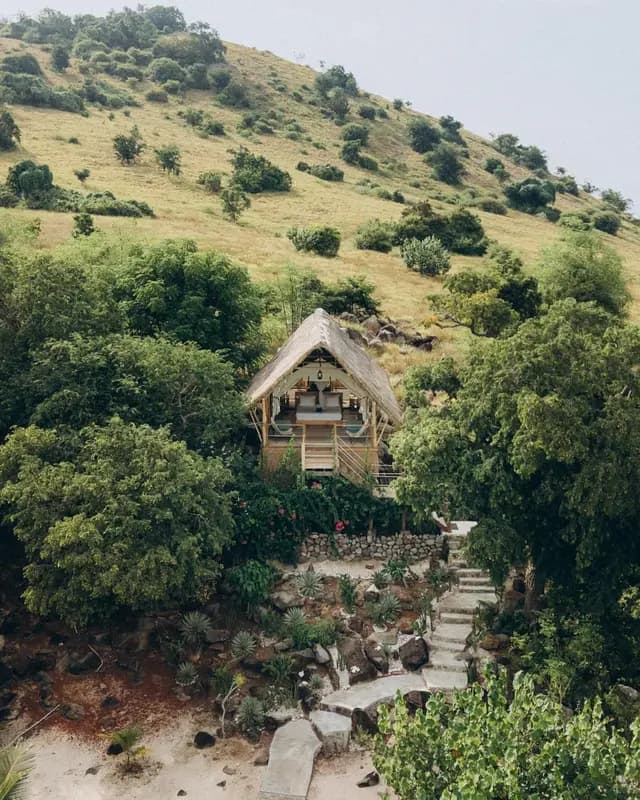
Le Pirate Island - Adults Only
★ 9.6/10 (1,405 reviews)
13 km away as the crow flies
Dive centre · Komodo · Indonesia
5.0900 Google reviewsExperience the biodiversity of Indonesia with an SSI Diamond centre operating in both Komodo and Raja Ampat since 2002.
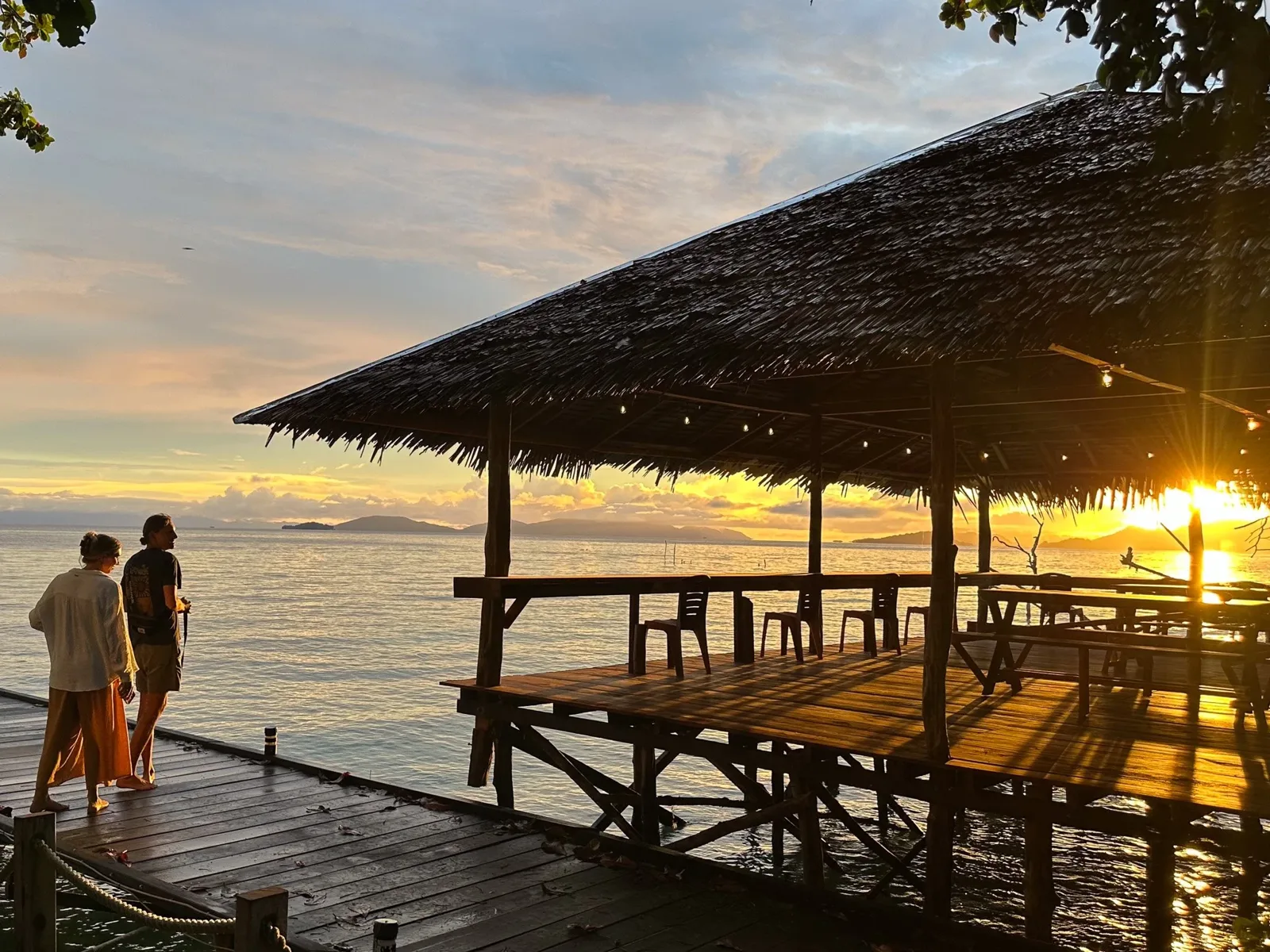
Scuba Republic Indonesia operates in two of the most significant marine environments on the planet: the Komodo National Park in Flores and the Raja Ampat archipelago in West Papua. Whether you are looking for the high-energy drift dives of the Komodo currents or the unparalleled reef density of Raja Ampat, the centre provides the logistical backbone for both experiences.
In Komodo, the centre is located on the main road in Labuan Bajo, serving as a hub for daily trips and liveaboard departures. For those heading to Raja Ampat, the operation is based at the Waisai Basecamp, which offers bungalow accommodation and direct access to the Dampier Strait and surrounding reefs.
As an SSI Diamond centre, Scuba Republic maintains a high standard of training and operational safety. The team has been guiding divers through these specific Indonesian waters since 2002, bringing deep local knowledge of current patterns, seasonal shifts, and marine life movements to every dive.
The centre manages small groups to ensure personal attention, with a maximum of four divers per guide. This ratio is particularly important in the high-current environments of Komodo, where precise navigation and buddy monitoring are essential for a safe and successful dive.
The centre is a full-service training facility offering the complete range of SSI certifications. You can start with Discover Scuba Diving and progress through Open Water Diver and Advanced Open Water Diver, or specialise with courses such as Deep Diver and Perfect Buoyancy.
For those looking to advance their skills or career, they offer the SSI Adventure Dive series, including Ecology and Tides & Current, as well as the Divemaster programme. Refresher courses are also available for divers returning to the water after a break.
The Komodo operation utilises a fleet of four boats, including the Bajak and Capoeng, which are used for shorter safaris and day trips. For longer expeditions in Raja Ampat, the Jaya and Epica liveaboards provide extended stays of up to 11 days, allowing for deeper exploration of the remote islands.
On the day trips and safaris, lunch, snacks, fruit, water, tea, and coffee are provided on board. The liveaboard experiences include full meal service to ensure you are well-rested between dives.
The centre provides full kit hire for those not travelling with their own equipment, including BCD, regulator, boots, fins, mask, and wetsuit. For those needing extra gear, Suunto Zoop dive computers and DJI Osmo Action cameras are available for rent. If you require more gas, 15-litre cylinders are also available.
Safety is a priority on site, with oxygen availability maintained for all operations. The centre is well-equipped to handle the needs of both recreational divers and those looking to complete specific training modules.
Blue Magic is a compact underwater pinnacle that rises from 30 metres up to 7 metres. It is a high-energy site that attracts large pelagics and massive schools of fusiliers, best suited for advanced divers.
Batu Bolong is a world-renowned pinnacle that descends to 75 metres. The upper section is a riot of colour and fish, though the strong currents require experienced divers to manage the site effectively.
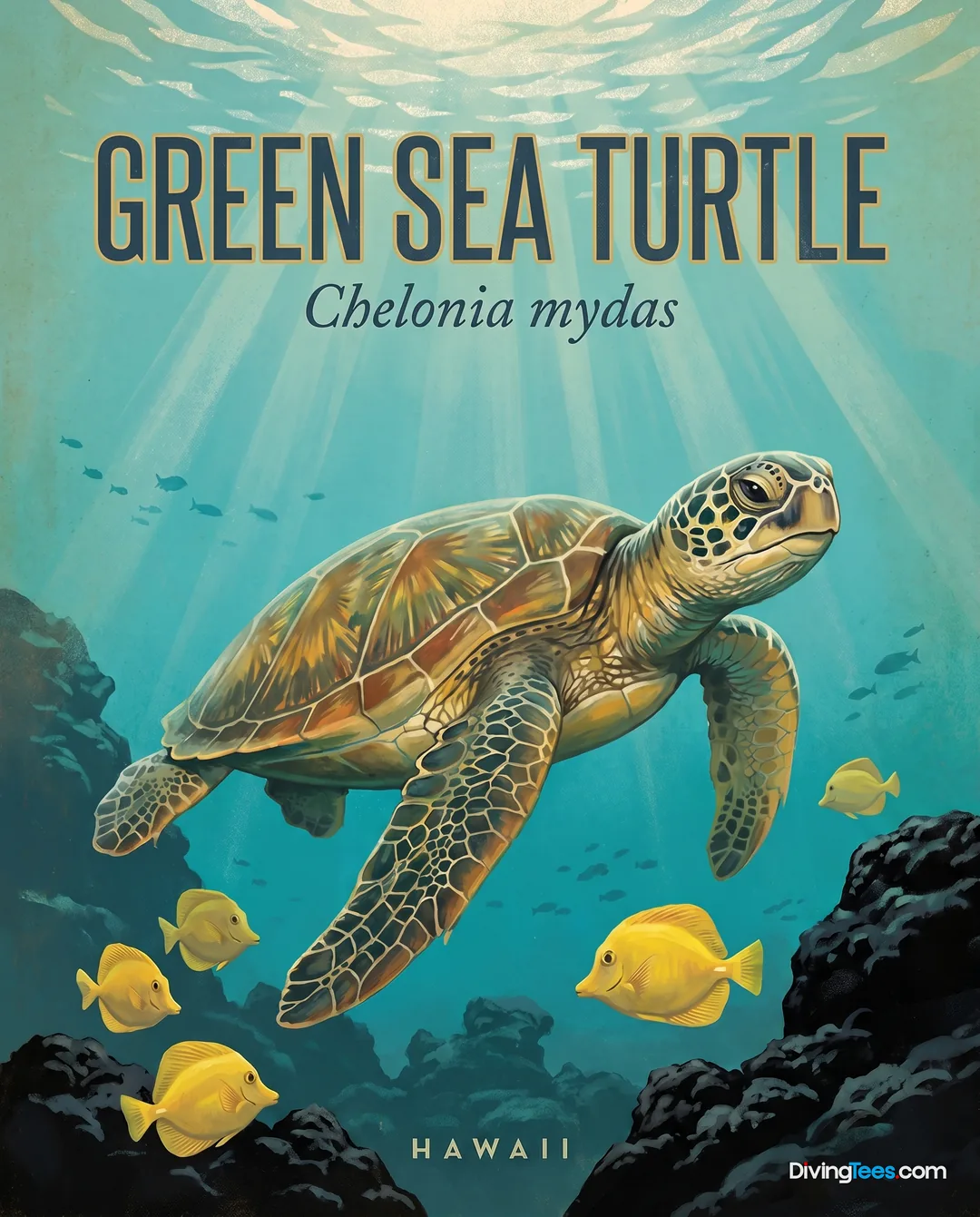
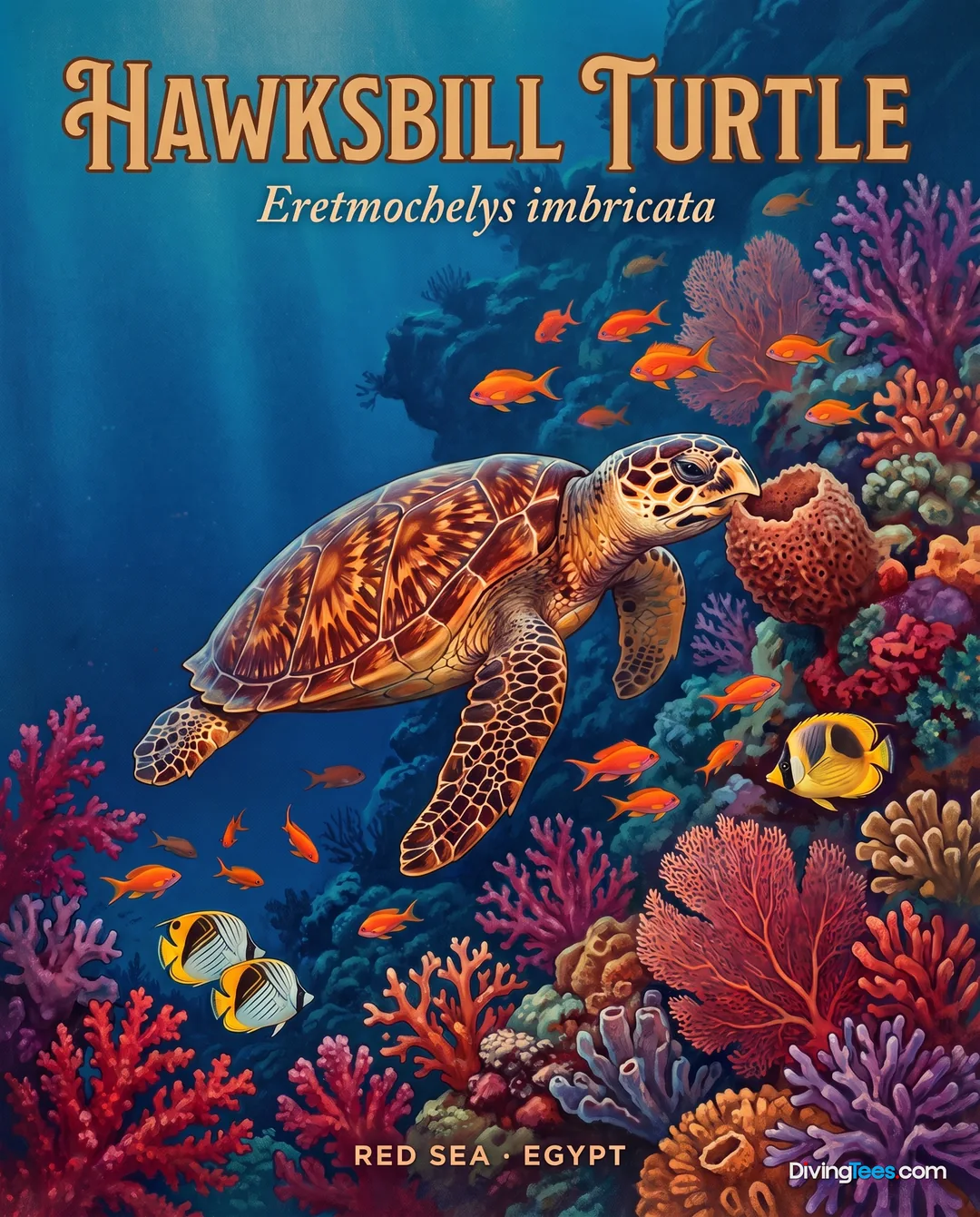
Siaba Besar is known as 'Turtle City' due to the abundance of green and hawksbill turtles. It offers calm, shallow waters and gentle currents, making it an ideal site for beginners or those focused on photography.
Castle Rock is a submerged pinnacle that attracts large pelagics including reef sharks and thun. The site is best experienced with a negative entry and requires good control in strong currents.
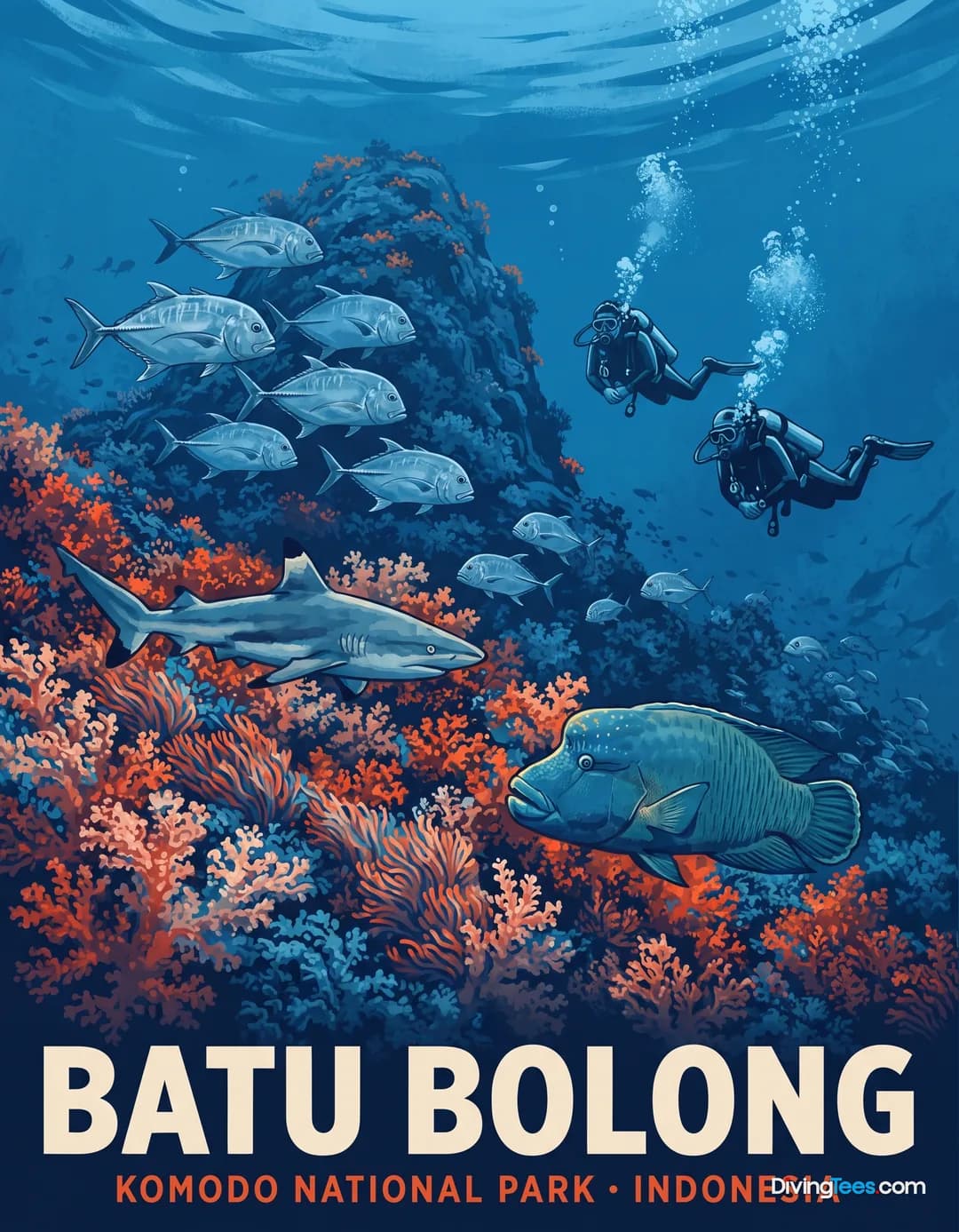
down to 40 m
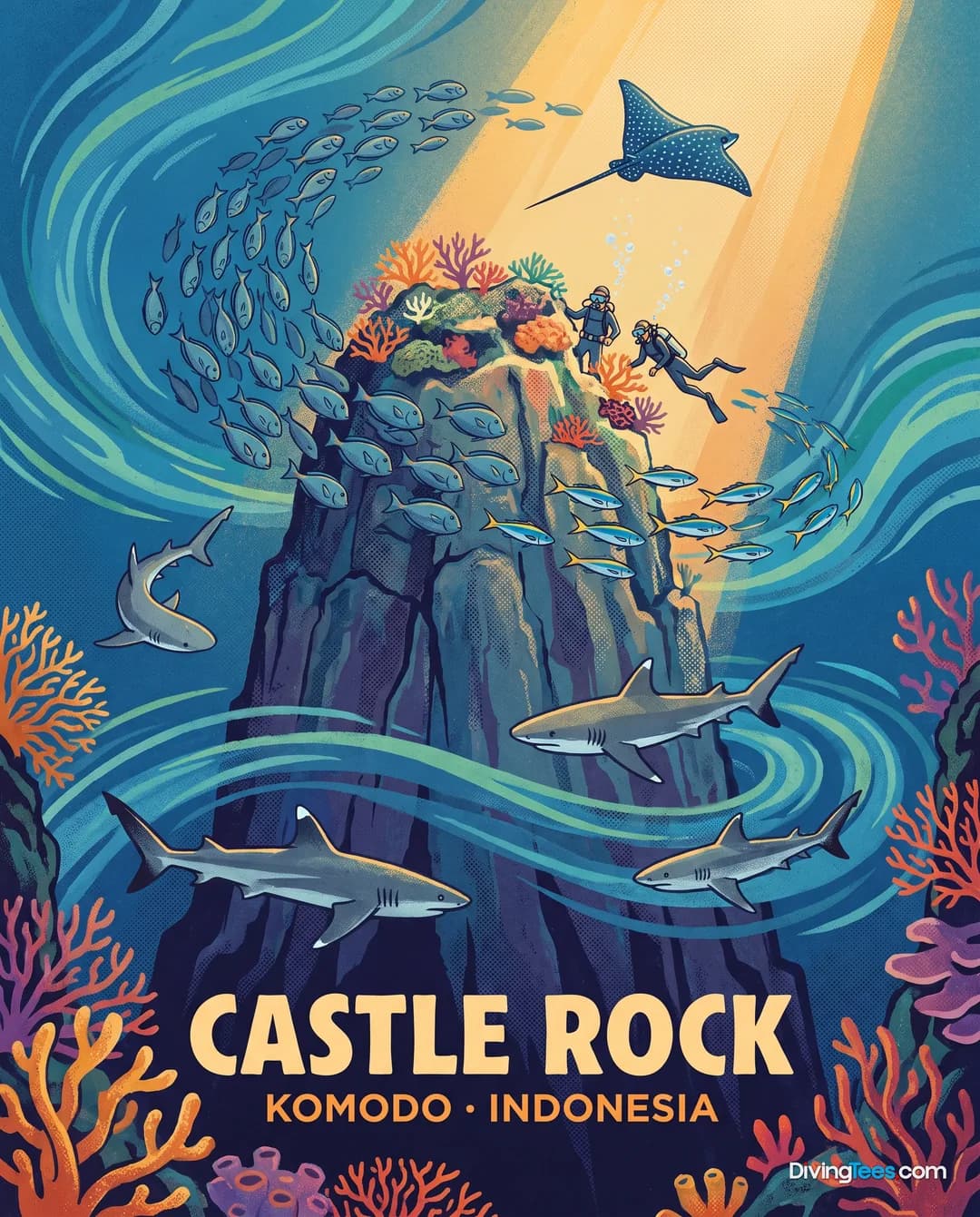
down to 30 m
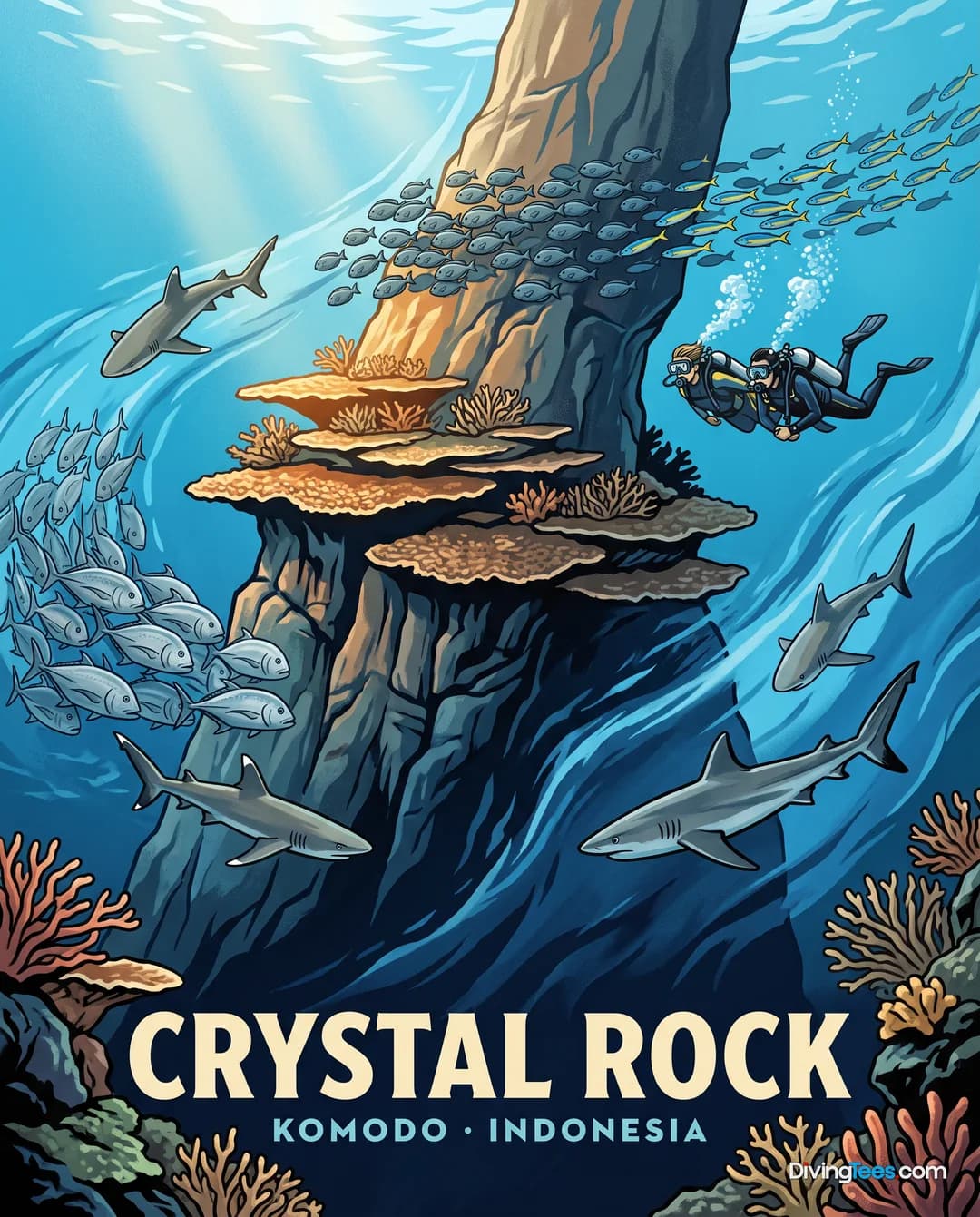
down to 30 m
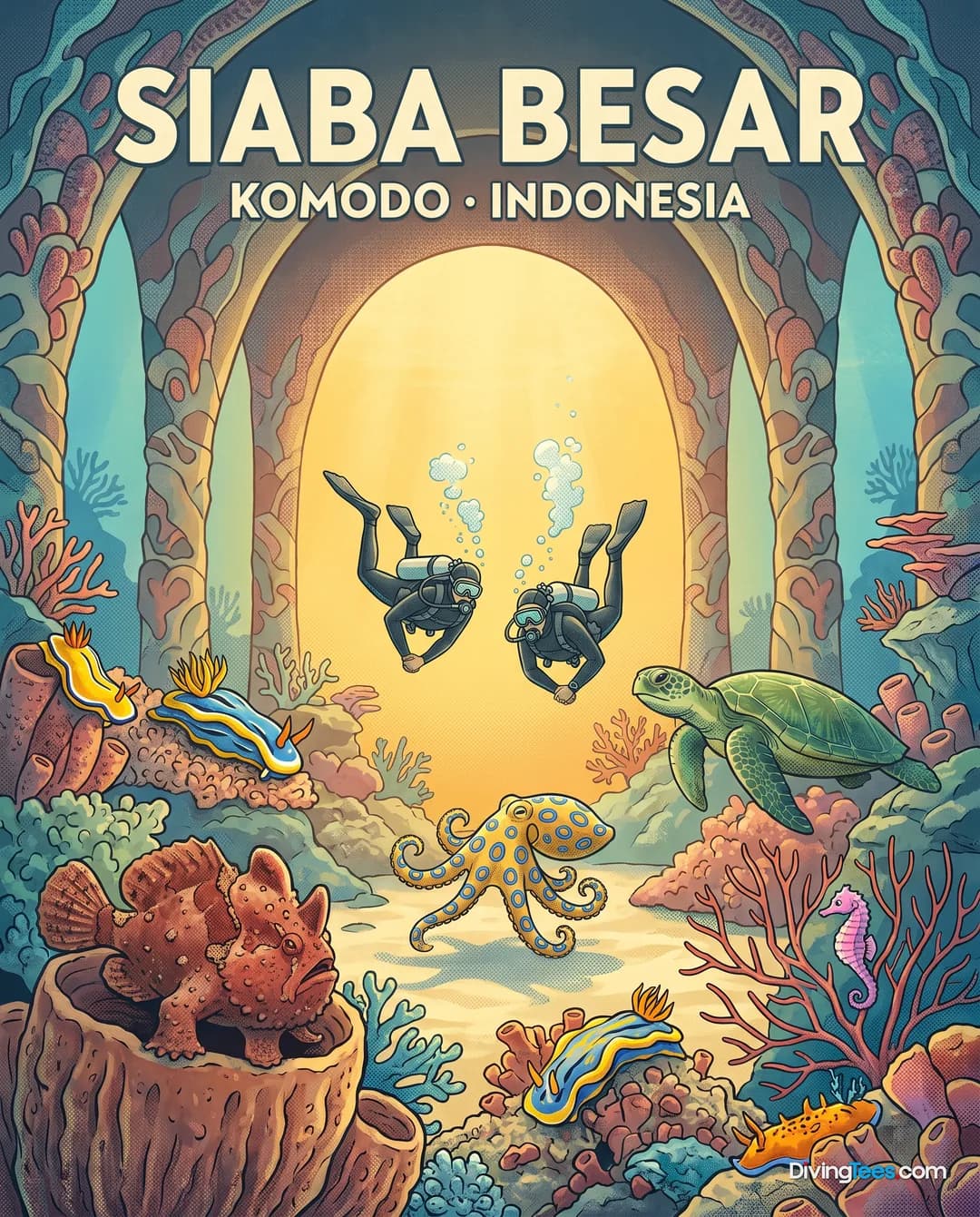
down to 18 m
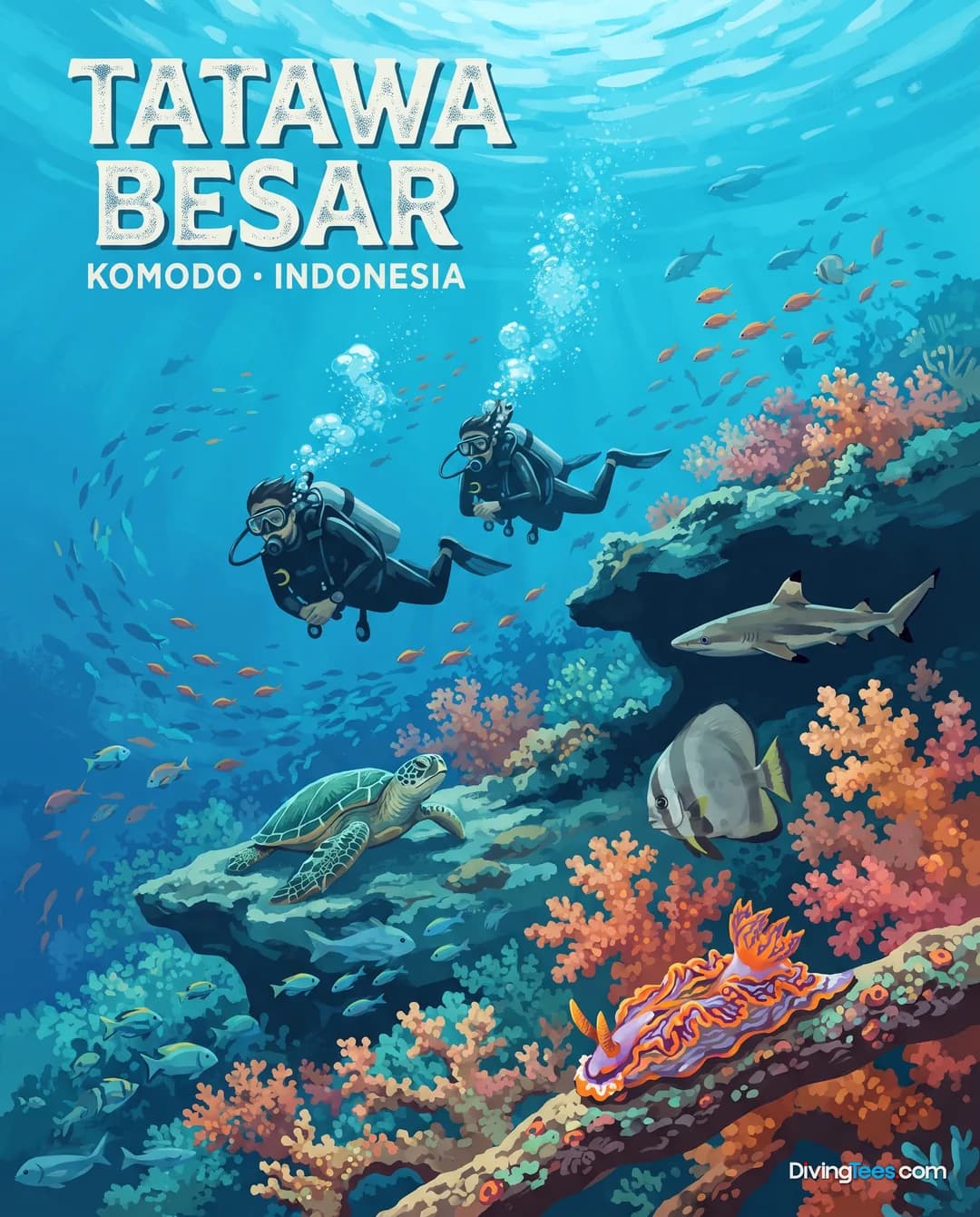
down to 25 m
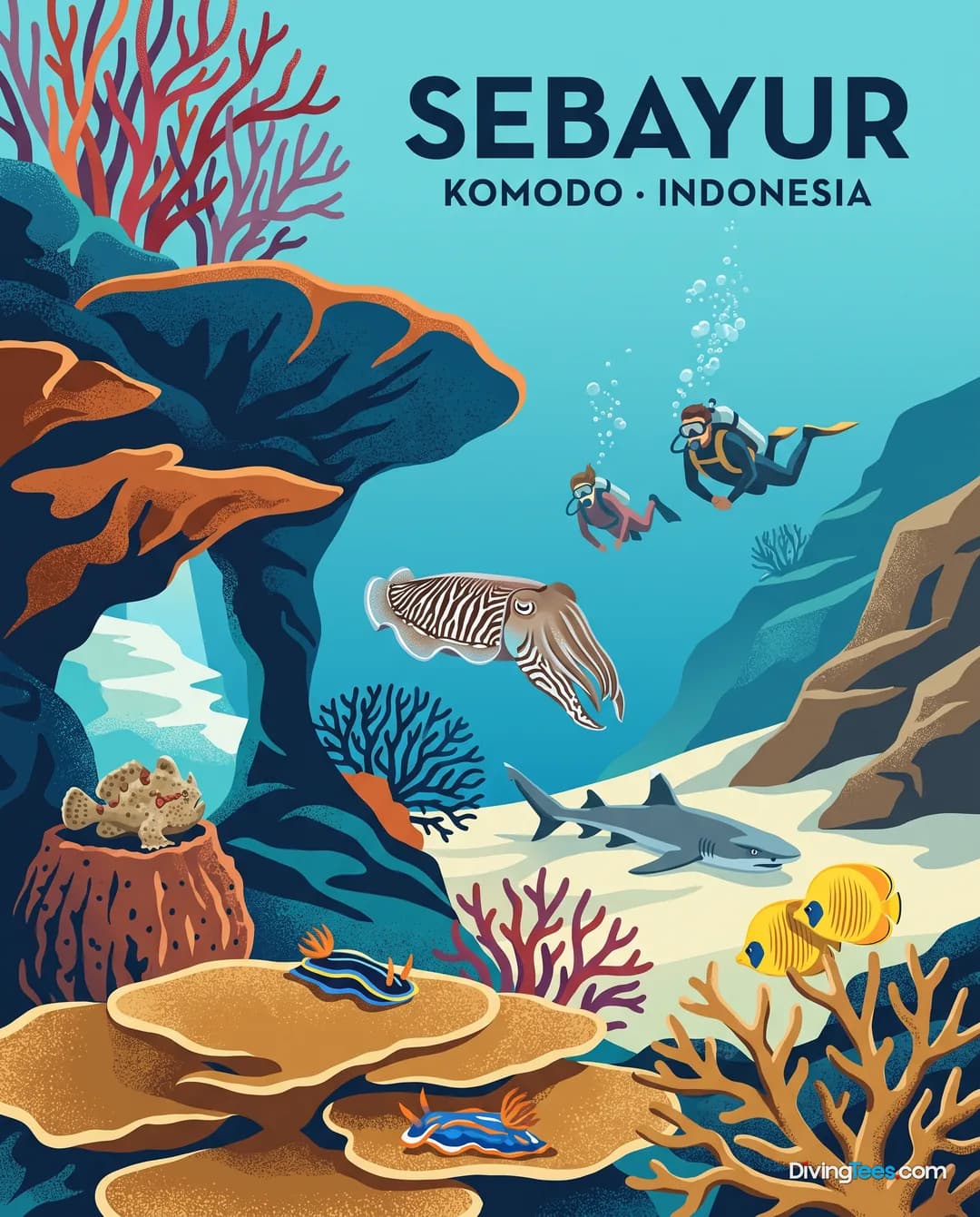
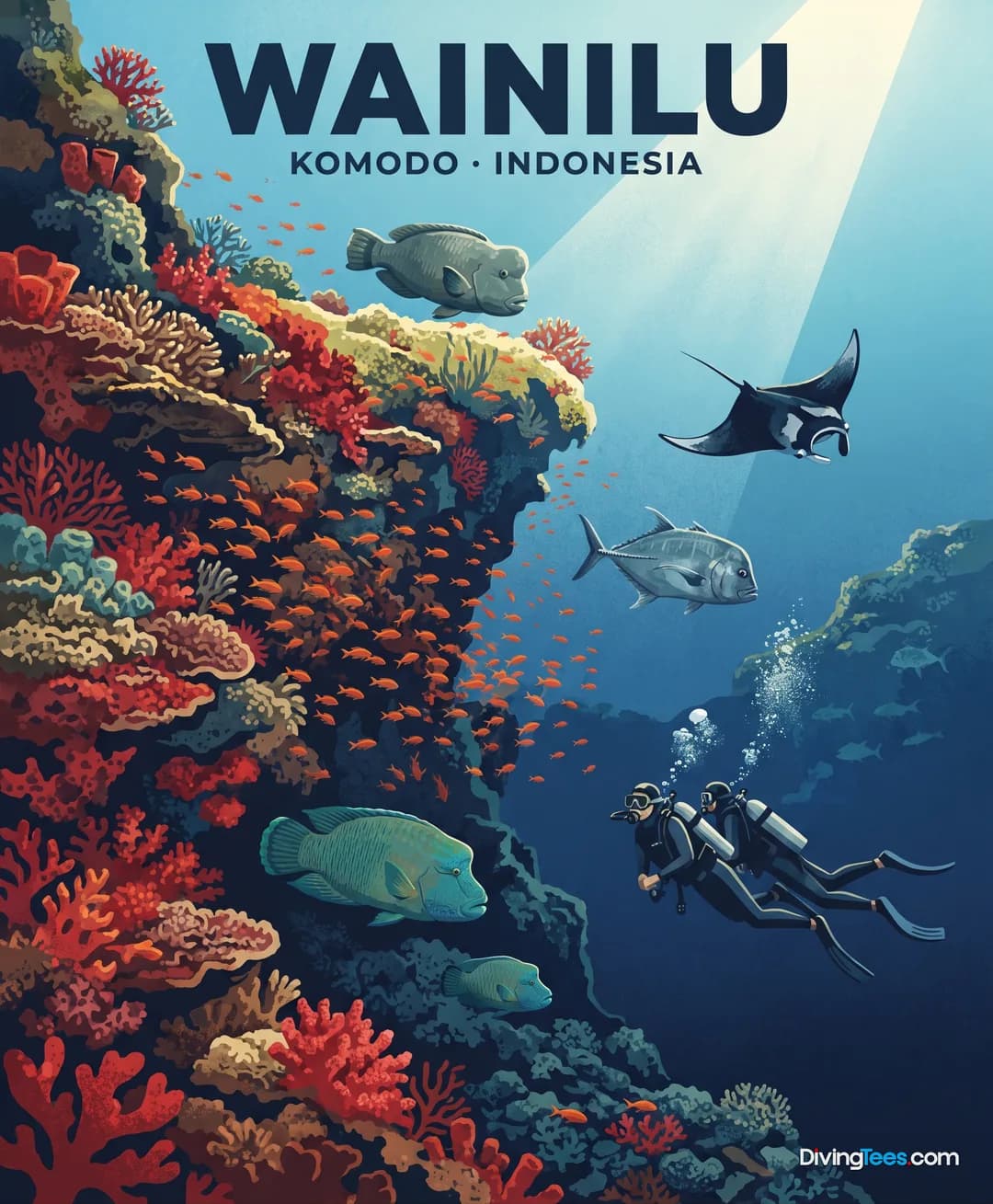
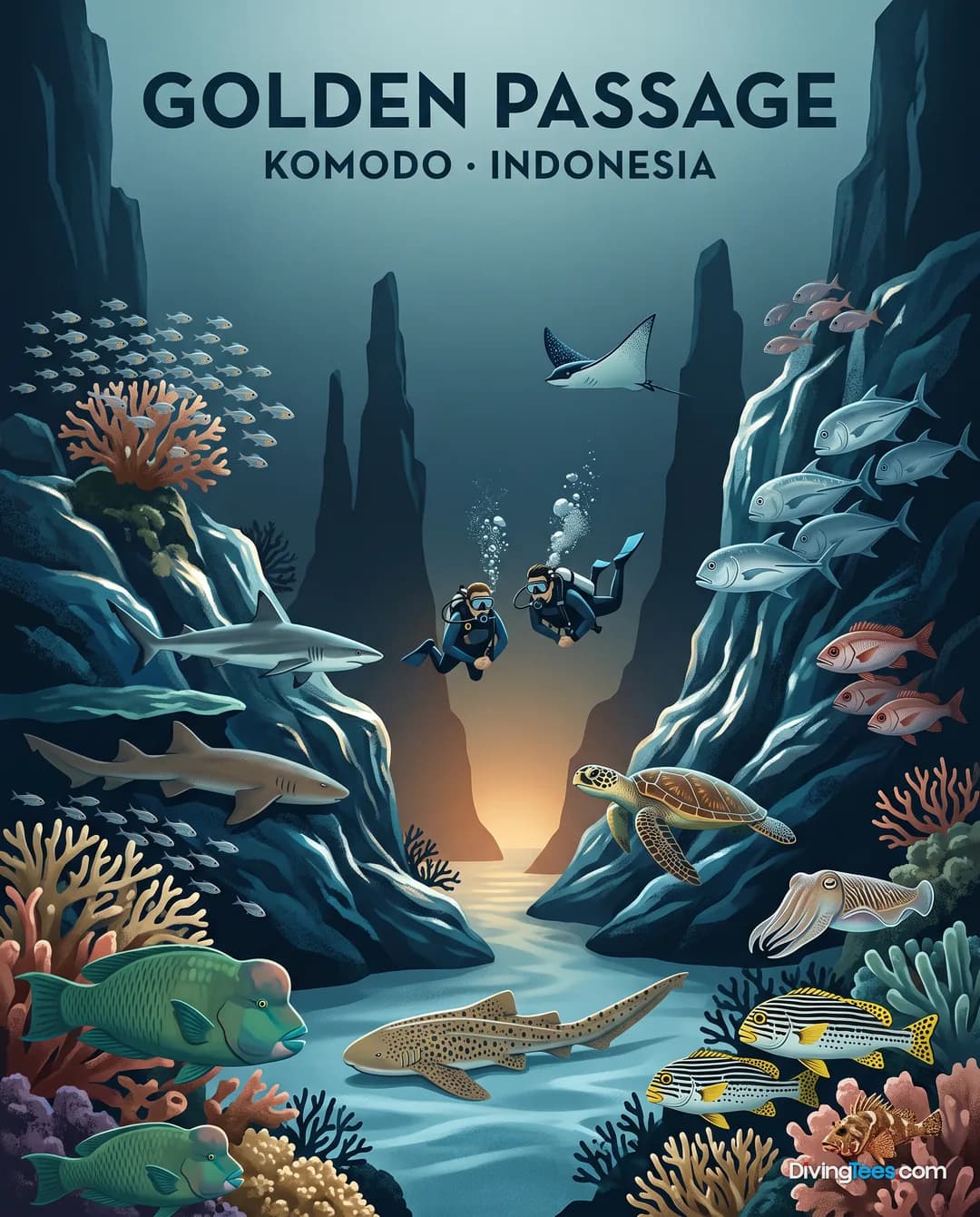
down to 30 m
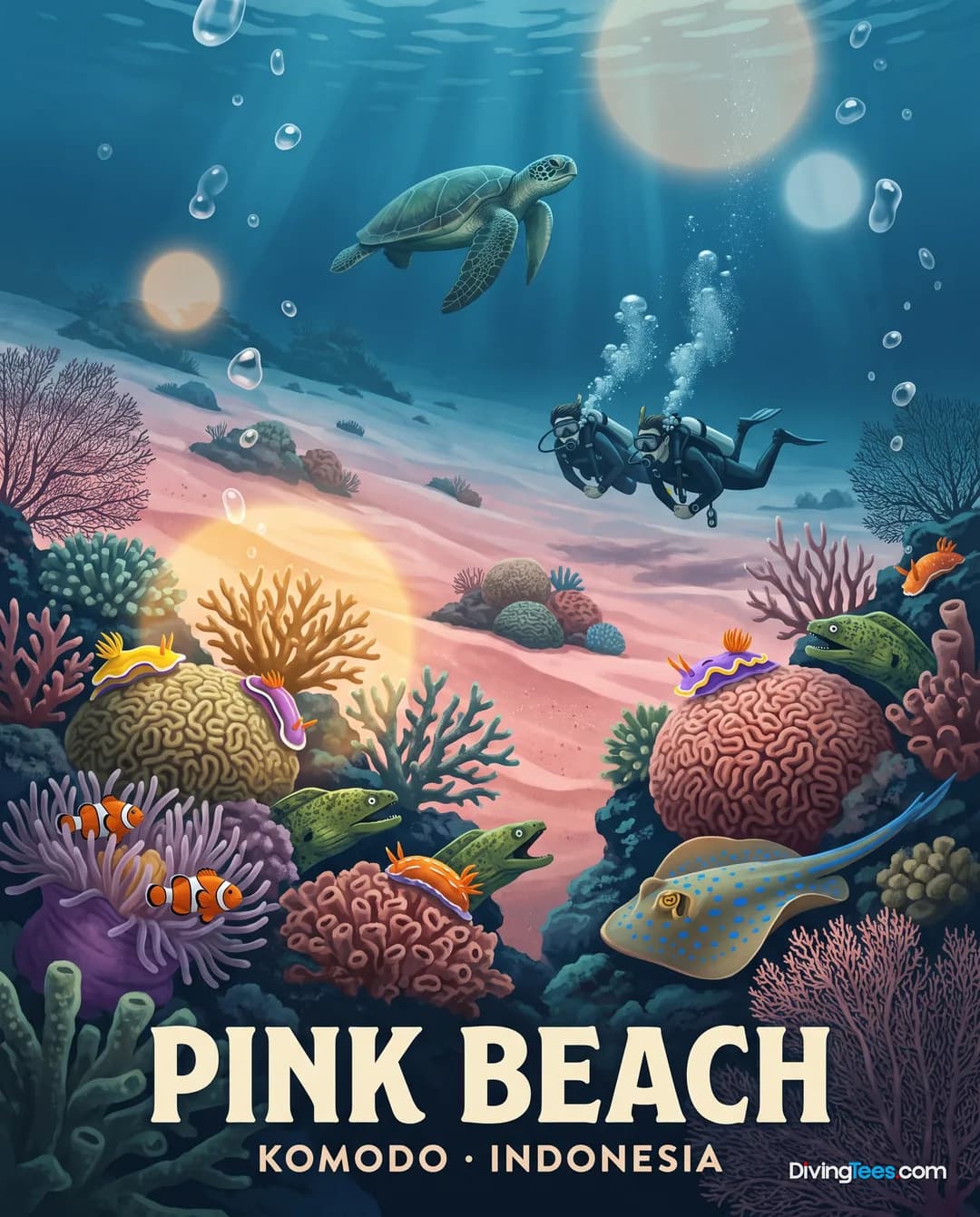
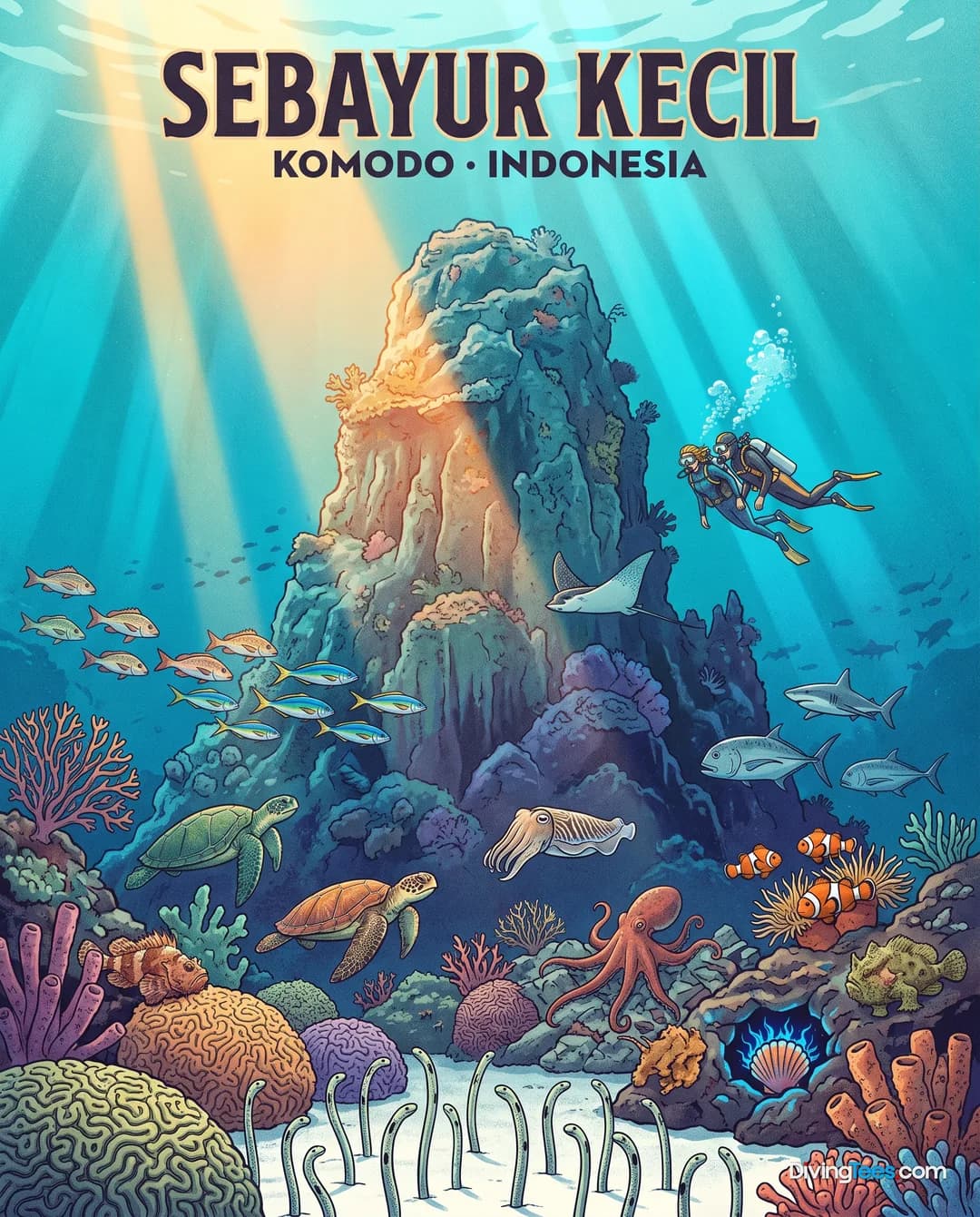
down to 25 m
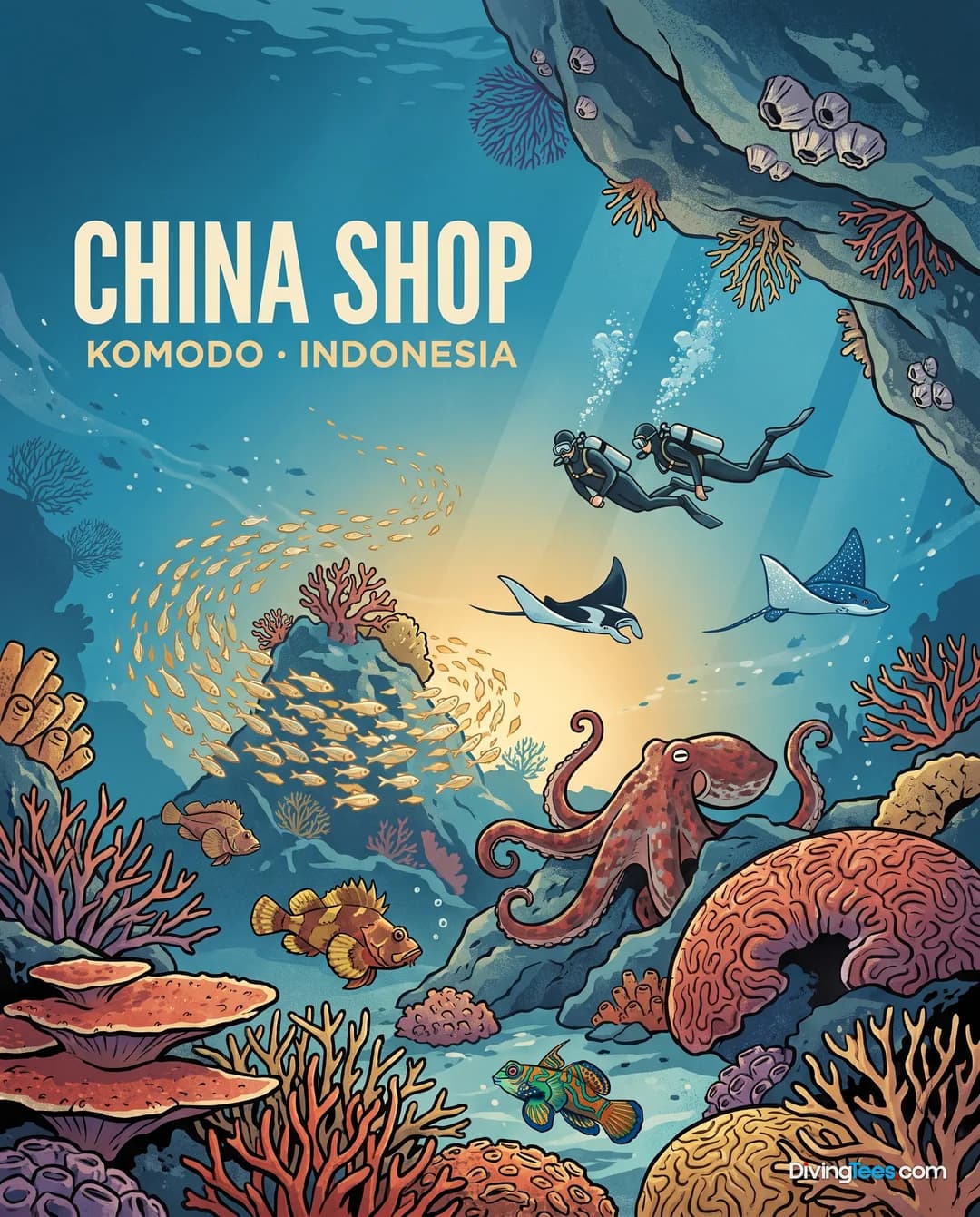
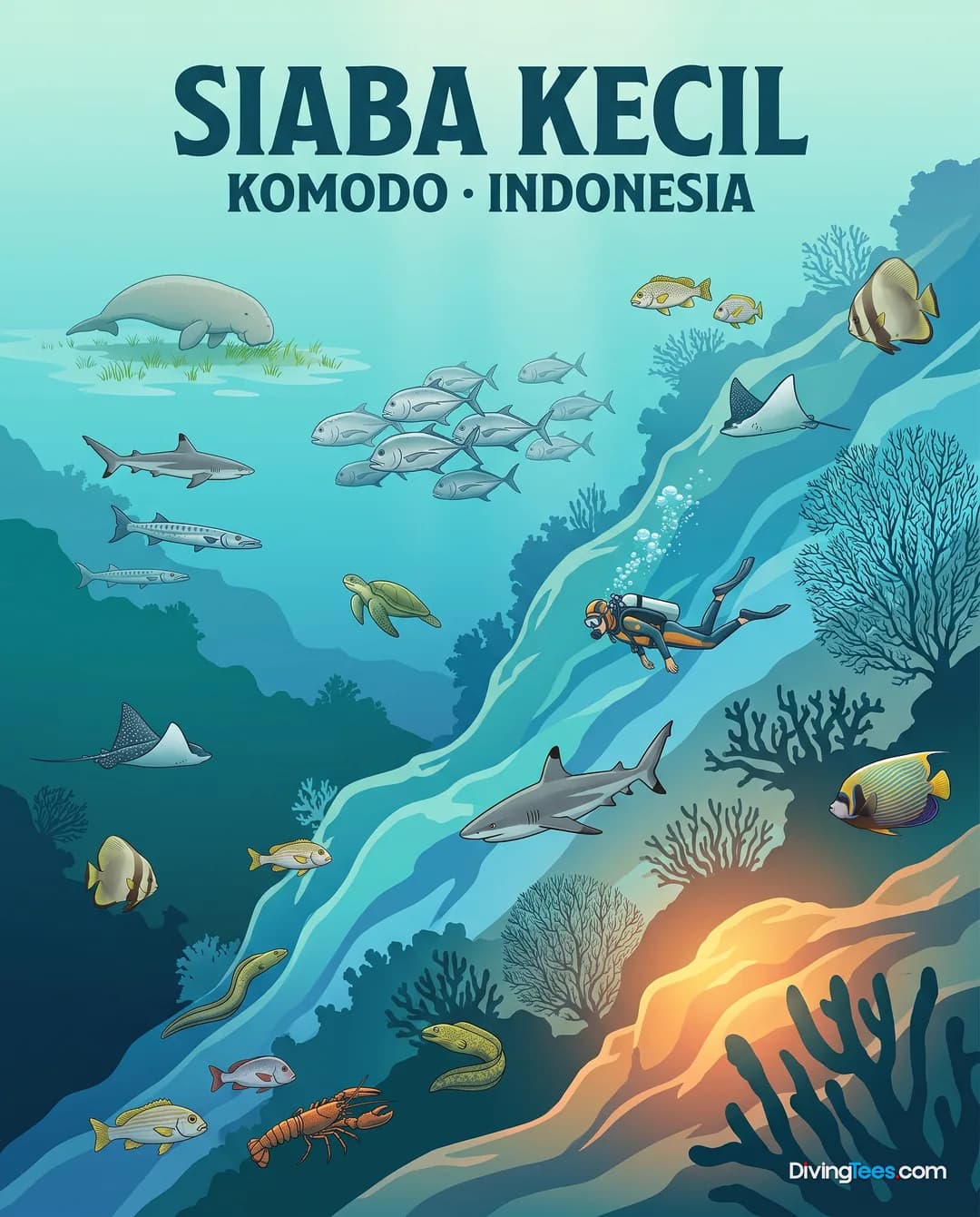
down to 30 m
And some of the dive sites the centre runs.
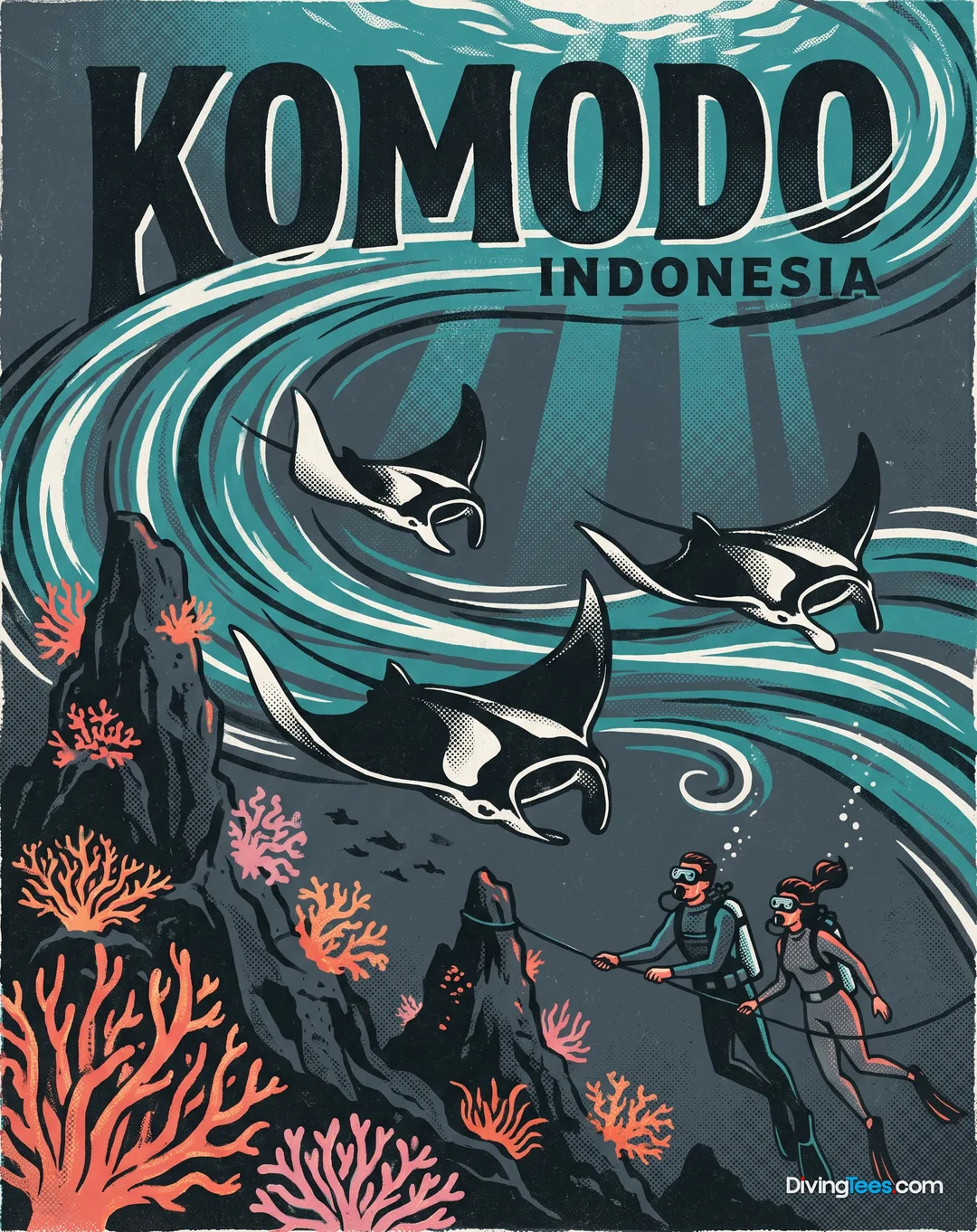
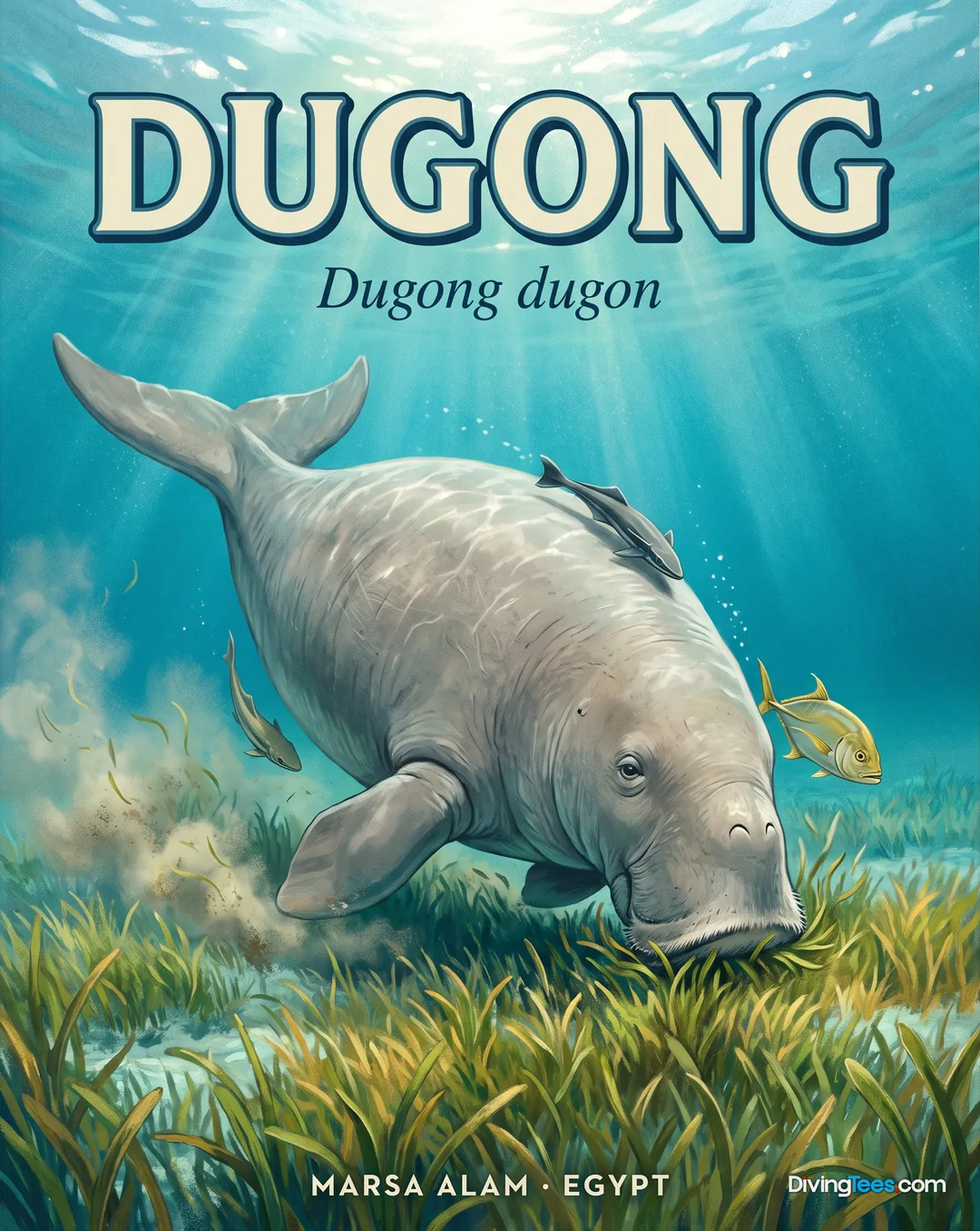
The marine life in these regions is defined by immense scale and incredible variety. In Komodo, you can expect to see large pelagics such as reef sharks, thun, and giant trevally. During the peak season from December to February, increased plankton levels often bring manta rays into the area.
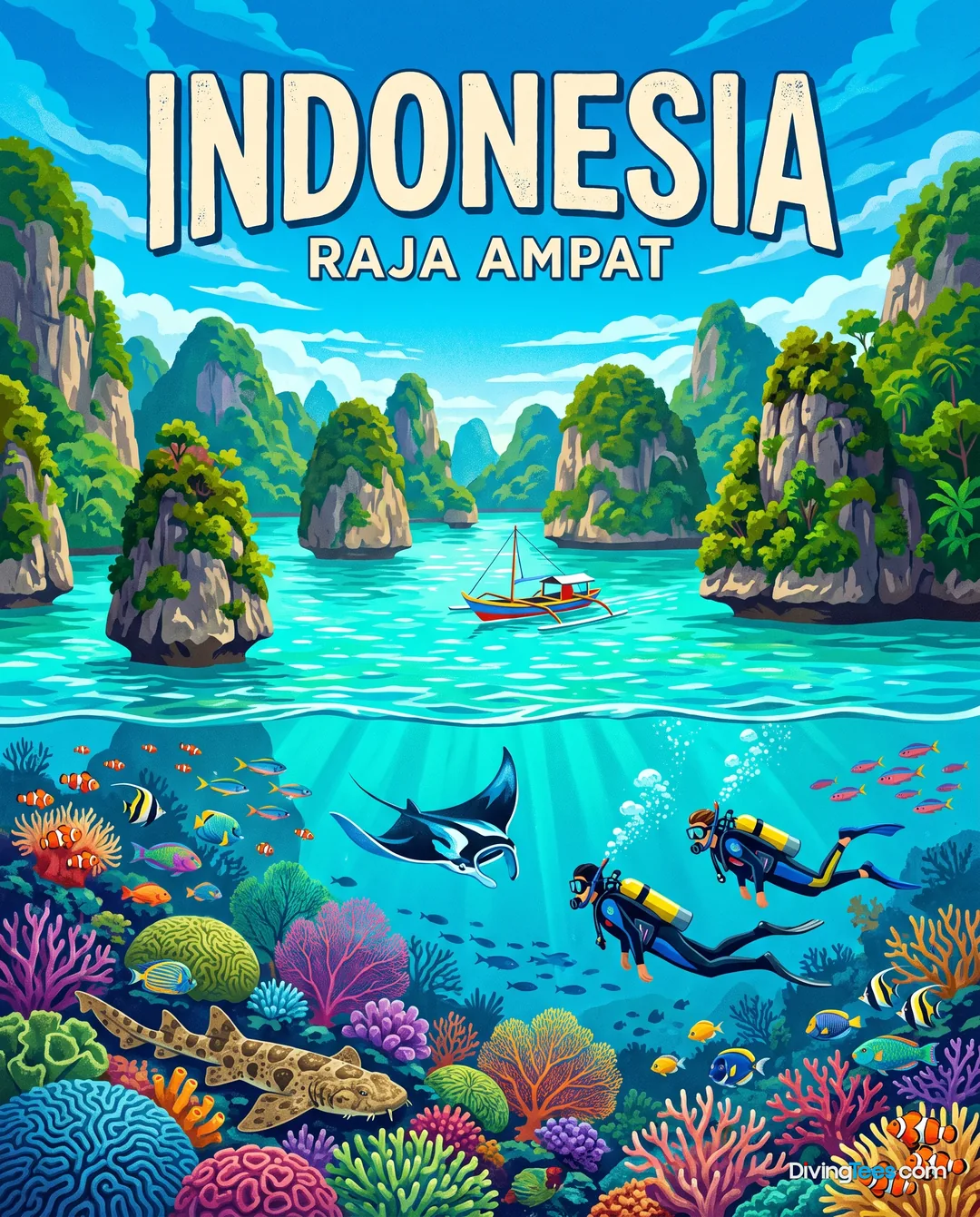
In Raja Ampat, the biodiversity is staggering. You will encounter massive schools of fusiliers, emperors, and snappers, alongside Napoleon wrasse and various species of sharks. The reefs are draped in vibrant hard and soft corals, providing a backdrop for eagle rays and large groupers.
For macro enthusiasts, the smaller details are just as captivating. You can find Nudibranch (Chromodoris willani), cuttlefish (Sepiidae), frogfish (Antennarius), seahorses, and various species of octopus and flamboyant cuttlefish in the more sheltered reef areas and muck diving sites like Wainilu.
Fixed life is equally impressive, with vast gardens of orange soft corals, large tabular corals, and diverse hard coral structures. You will also find various species of turtles, including green and hawksbill turtles, patrolling the reefs.
Divers should be prepared for significant current variations. In Komodo, currents can be very strong, particularly in the northern sites and through channels like the Cauldron, while Raja Ampat's Dampier Strait is also known for its nutrient-rich, high-flow environments.
Seasonal planning is key for both locations. In Komodo, the dry season from May/June to September/October offers the most reliable conditions. In Raja Ampat, the period from September to May is generally preferred to avoid the heavier swells seen between June and August.
Hello, I'm Marina, DivingDeal.com's AI assistant. I answer in detail about hotels, dive centres and liveaboards.

Thinking about the whole trip and the flights? Talk it over with Edith →
Marina is an AI. Some links are affiliate links: DivingDeal may earn a commission, at no extra cost to you. Bookings are made with the partner.
Your last day stays dry: no diving in the 18-24 hours before a flight the perfect window to see the destination from another angle.
Ratings and reviews collected by Viator and Tripadvisor.