Liveaboards · Indonesia
Calico Jack — a traditional phinisi built for small-group expeditions
What makes this boat unique
- A 30-metre Indonesian phinisi carrying up to 10 guests in five en-suite, air-conditioned cabins.
- Purpose-built dive operations with two tenders, small dive groups, Bauer compressors and Nitrox.
- Raja Ampat routes reach Manta Sandy, Cape Kri, Blue Magic, Melissa’s Garden and other established sites.
- The crew-to-guest ratio is close to one-to-one, with PADI instructors, local guides and a marine-biologist cruise director.
For subtitles in English: start the video firstthen click the gearat the top right of the video, select “Subtitles/CC”, then “Auto-translate” and choose “English”.
The invitation
Calico Jack is for divers who want Raja Ampat from an expedition boat rather than a floating resort. The traditional wooden phinisi takes only 10 guests and is set up to spend long stretches away from port, where remote reefs and current-swept sites become practical rather than aspirational. The reason to choose her is the combination: serious diving, a small group, and enough comfort to make 30-plus dives over 11 nights feel sustainable. Her crew handles the difficult parts—tenders, site planning, transfers and changing conditions—while the boat leaves room for the things that make Raja Ampat more than a checklist: a beach barbecue, a lagoon explored by kayak, or a quiet evening anchored beneath limestone islands. The boat itself scores lower than the crew, food and diving, but that is useful context. She is an expedition platform first; what the crew adds is the polish, care and order that make the platform work.
Boarding
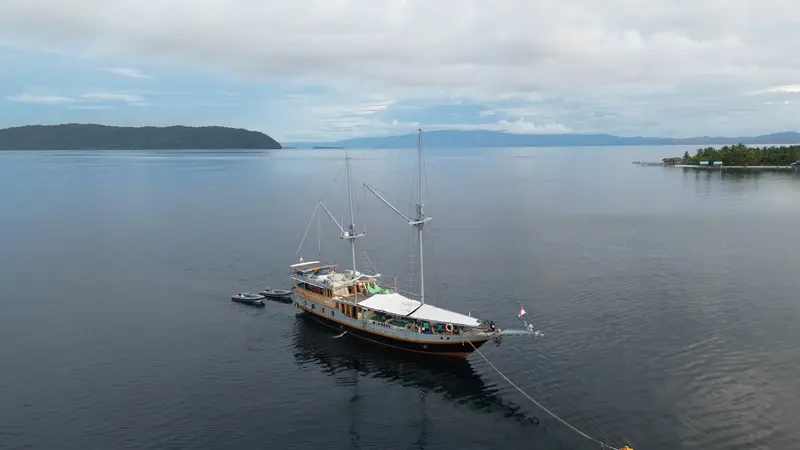
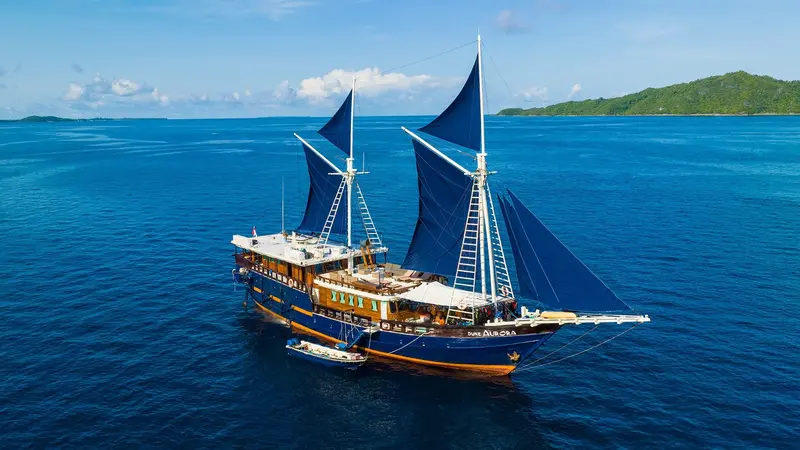
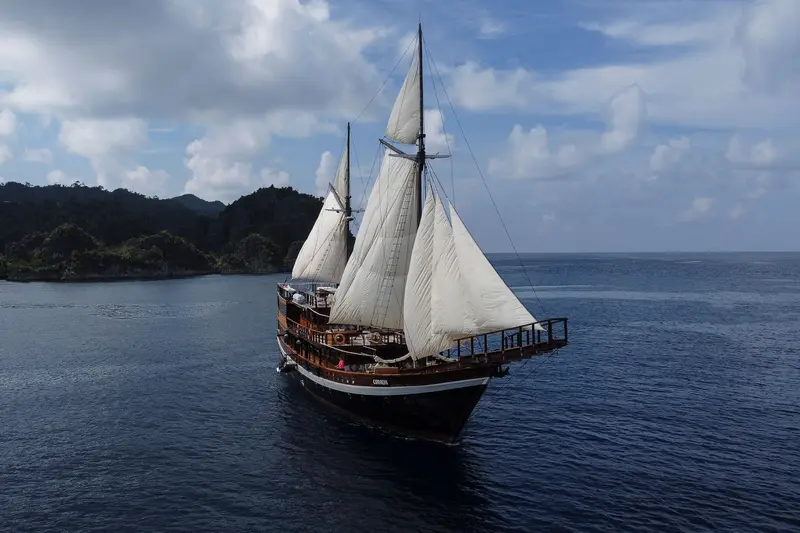
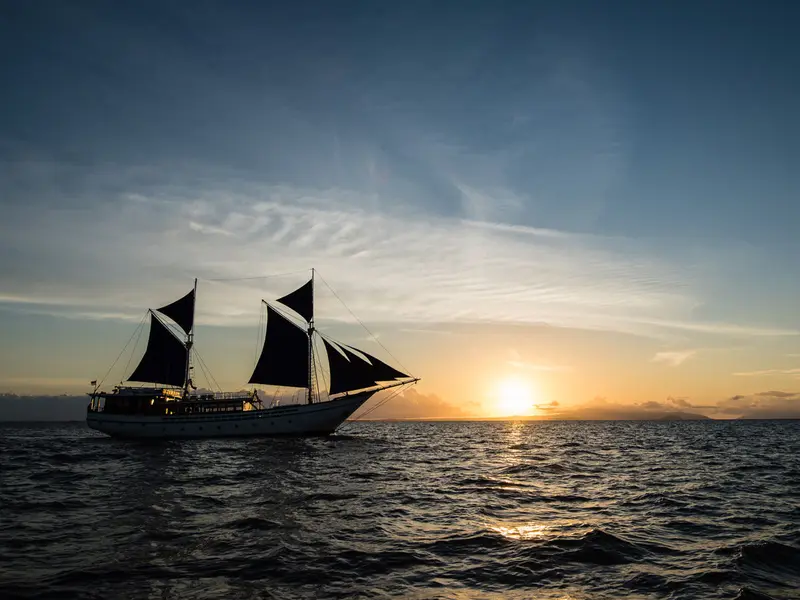
From the dock, Calico Jack has the unmistakable profile of a hand-built Indonesian phinisi: a working wooden hull, traditional lines and an expedition purpose rather than the finish of a new motor yacht. The wood gives the interior its warmth, while the open areas keep the boat connected to the water between dives. Boarding leads quickly to the orientation and safety briefing, then to the dive stations where equipment can be assembled and cameras prepared. The layout is made for a small group: guests are not lost in a large vessel, and the crew is close enough to solve practical problems before they become interruptions. Two engines and onboard water production support the long-range routes, while the boat’s real character comes from how those systems serve the diving. Calico Jack feels like a traditional sailing vessel adapted for remote reefs, not a hotel dressed in nautical colours.
The atmosphere on board
The atmosphere is relaxed, but the crew’s role is more practical than decorative. Guests describe a team that keeps cabins clean, meals moving and dive plans clear, while paying particular attention to families and mixed groups of divers and snorkelers. That care is visible in small decisions: explaining the site layout before entry, anticipating what a group needs after a dive, and making an evening ashore feel organised without making it formal. With 10 crew for 10 guests, the boat never has the anonymous service pattern of a large liveaboard. People meet the same guides at the briefing, the same cooks at the table and the same deck crew at the tender. Evenings can mean dinner outside, music from the crew, a bonfire on a secluded beach or simply drinks and conversation after the last dive. Calico Jack’s strongest character comes from this human scale. The wood gets guests aboard; the crew is what makes them remember the boat.
The sites you’ll dive
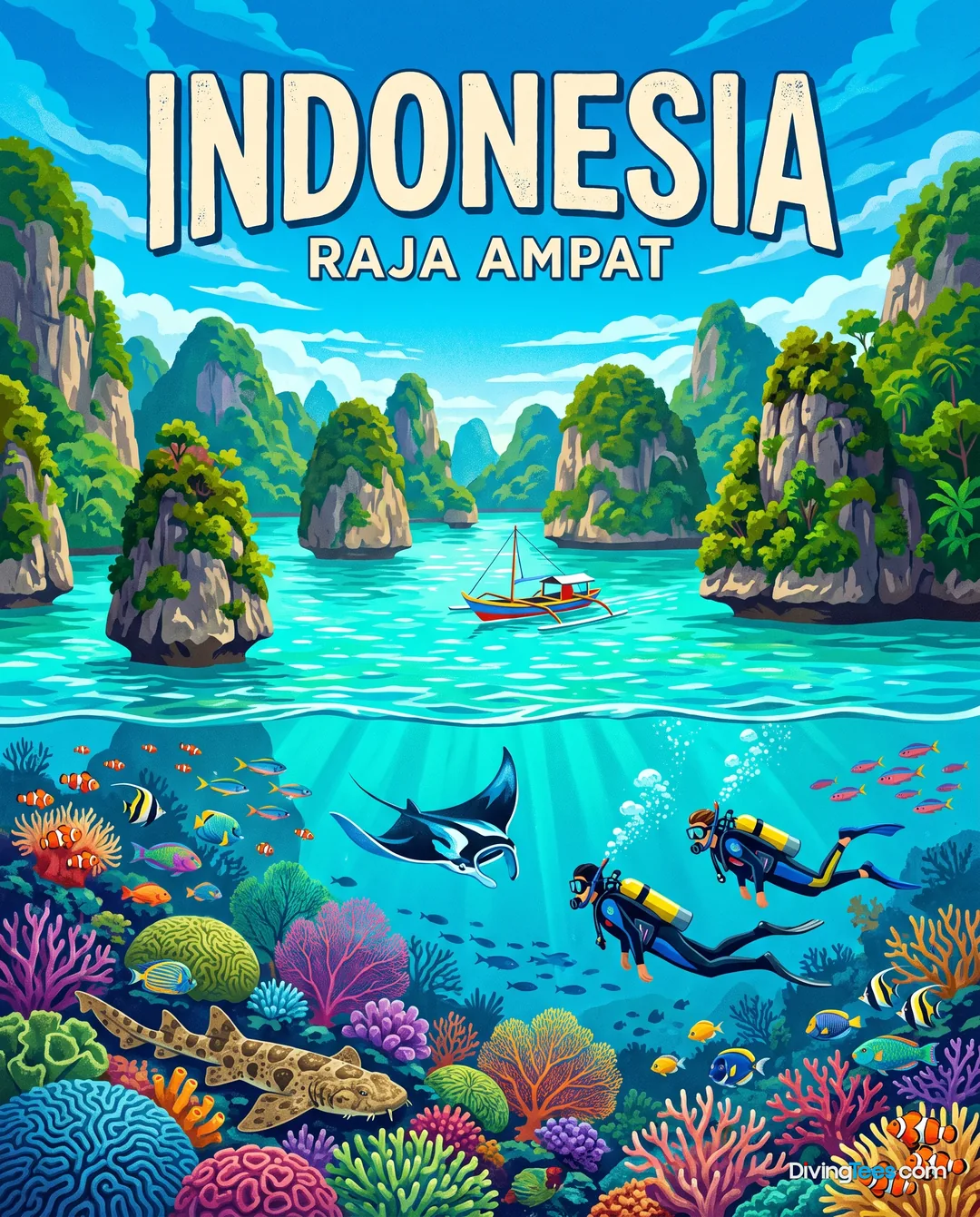
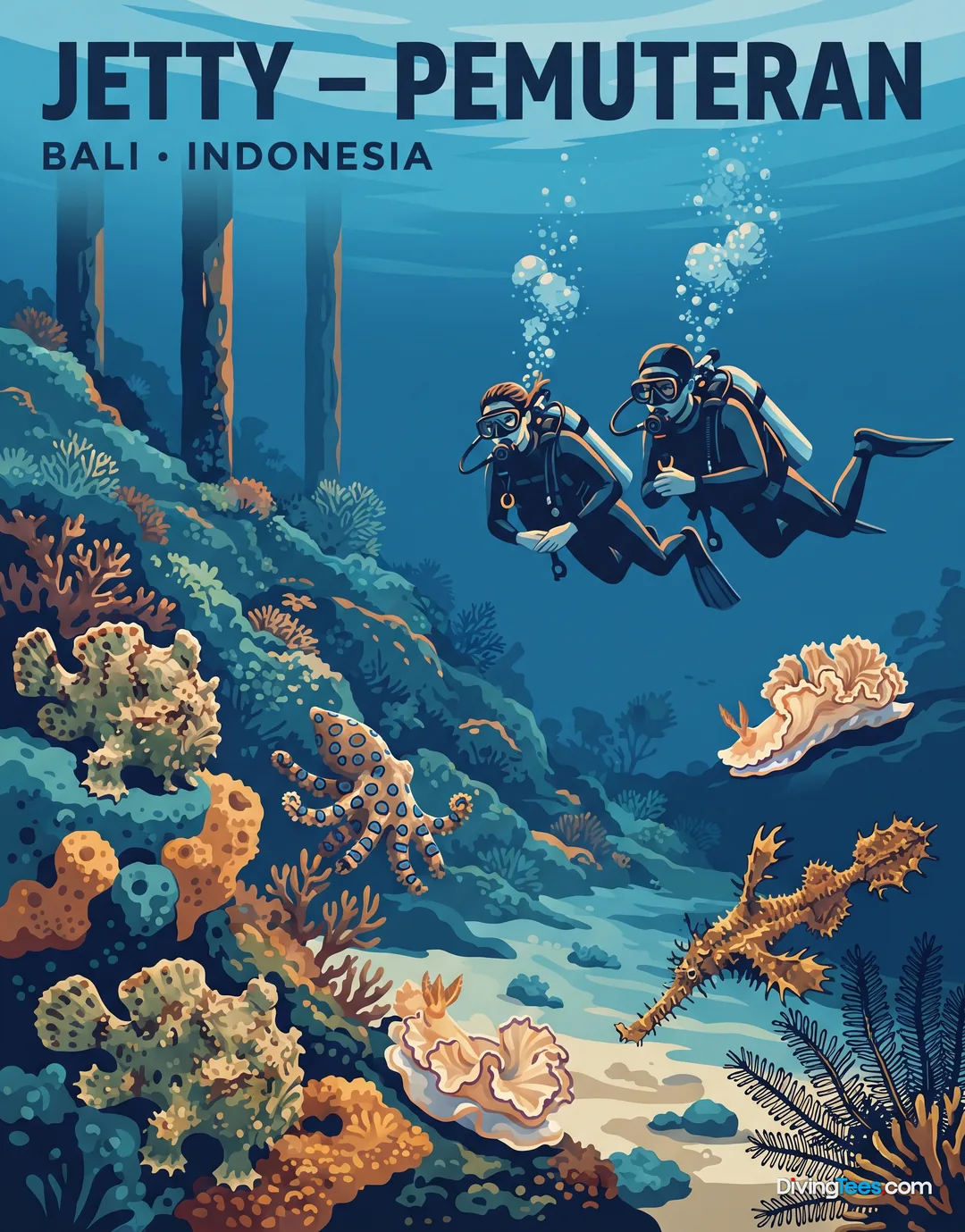
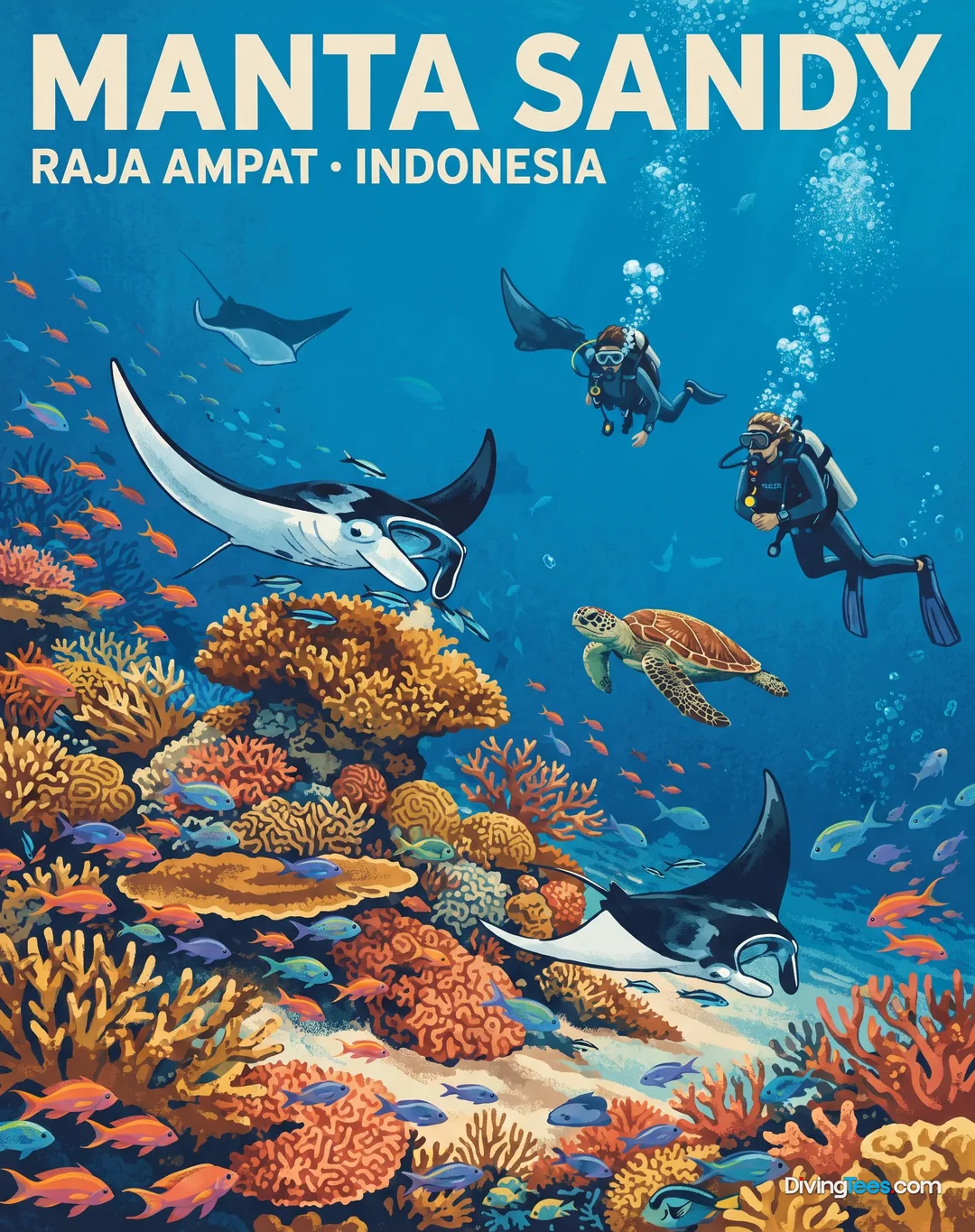
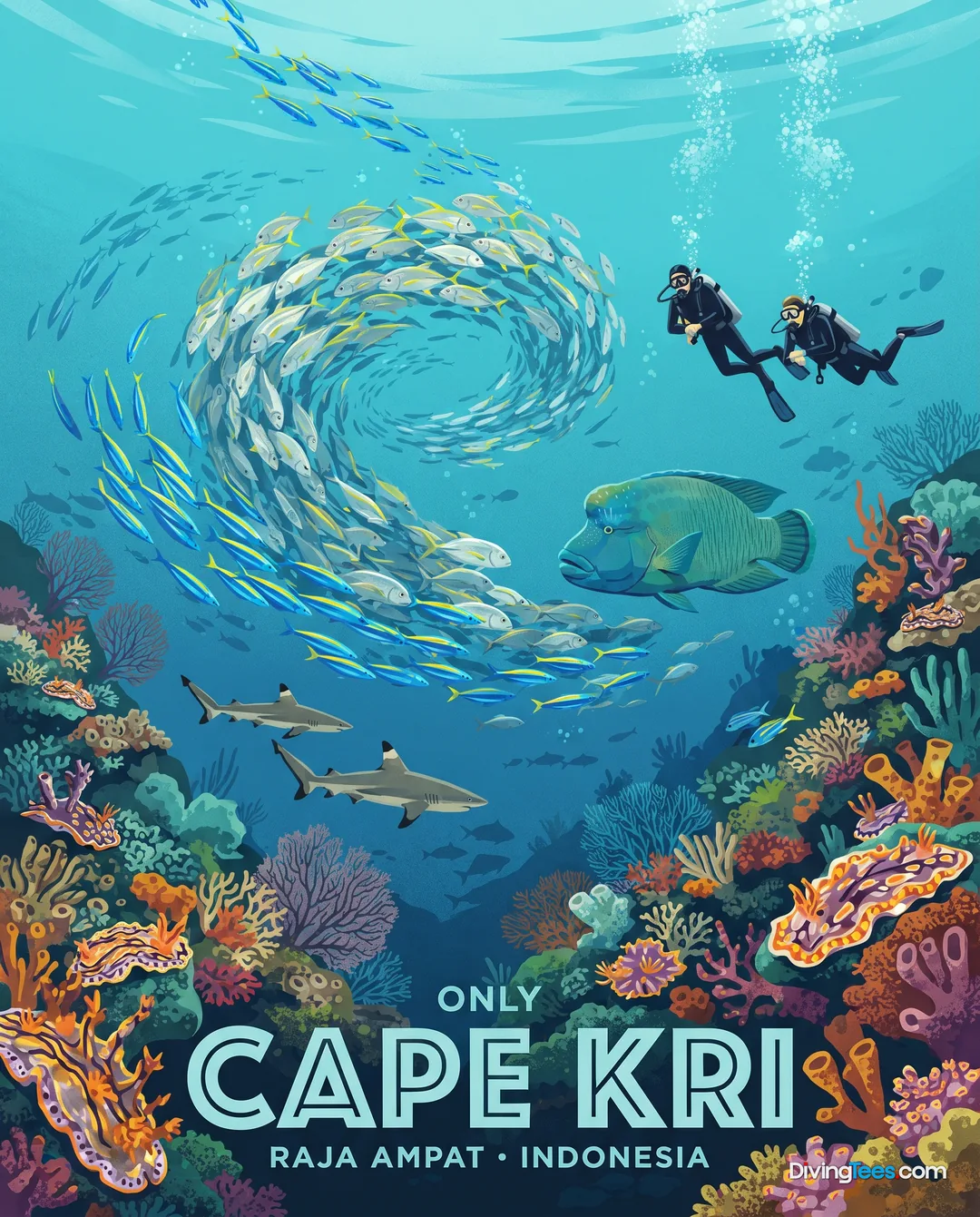
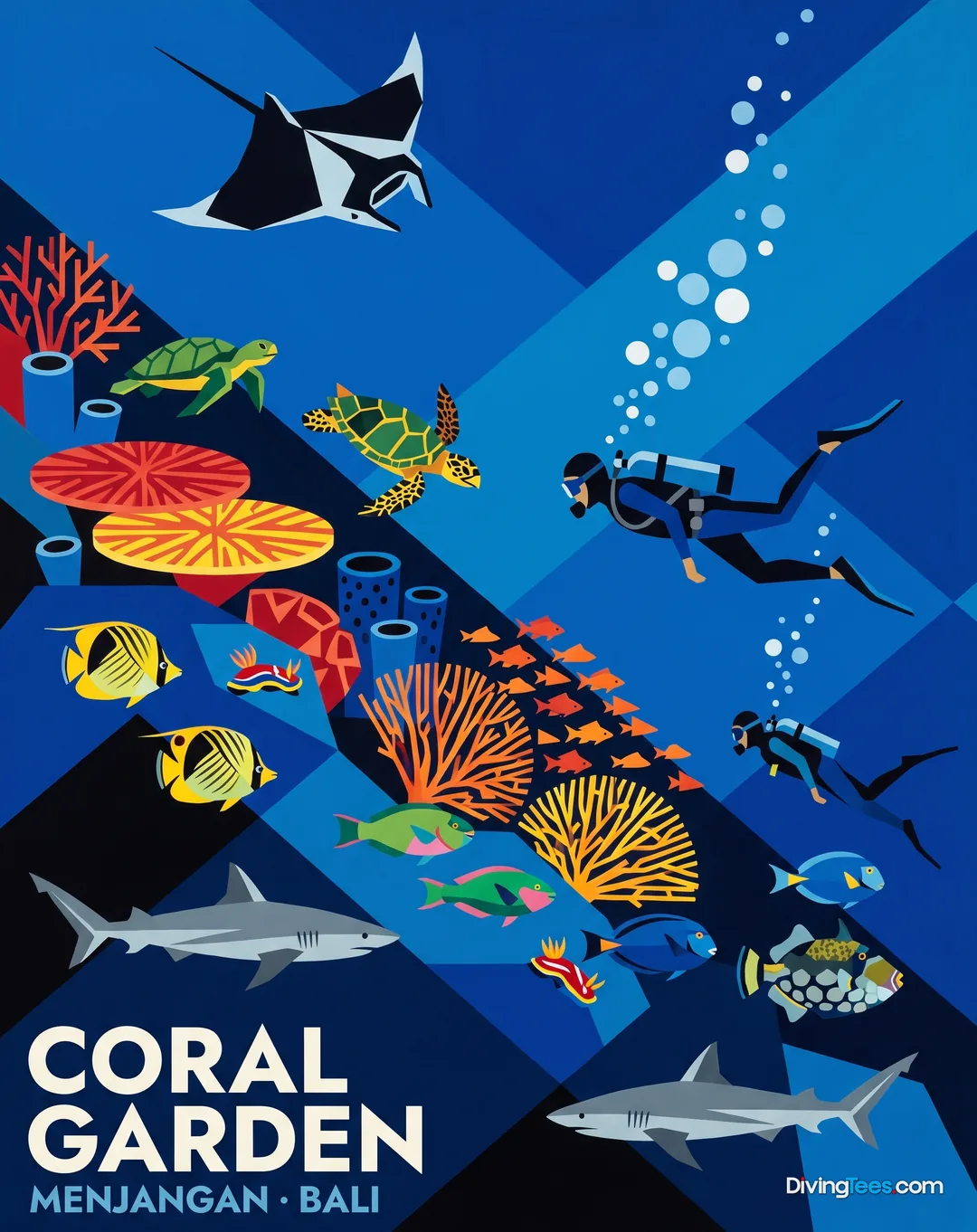
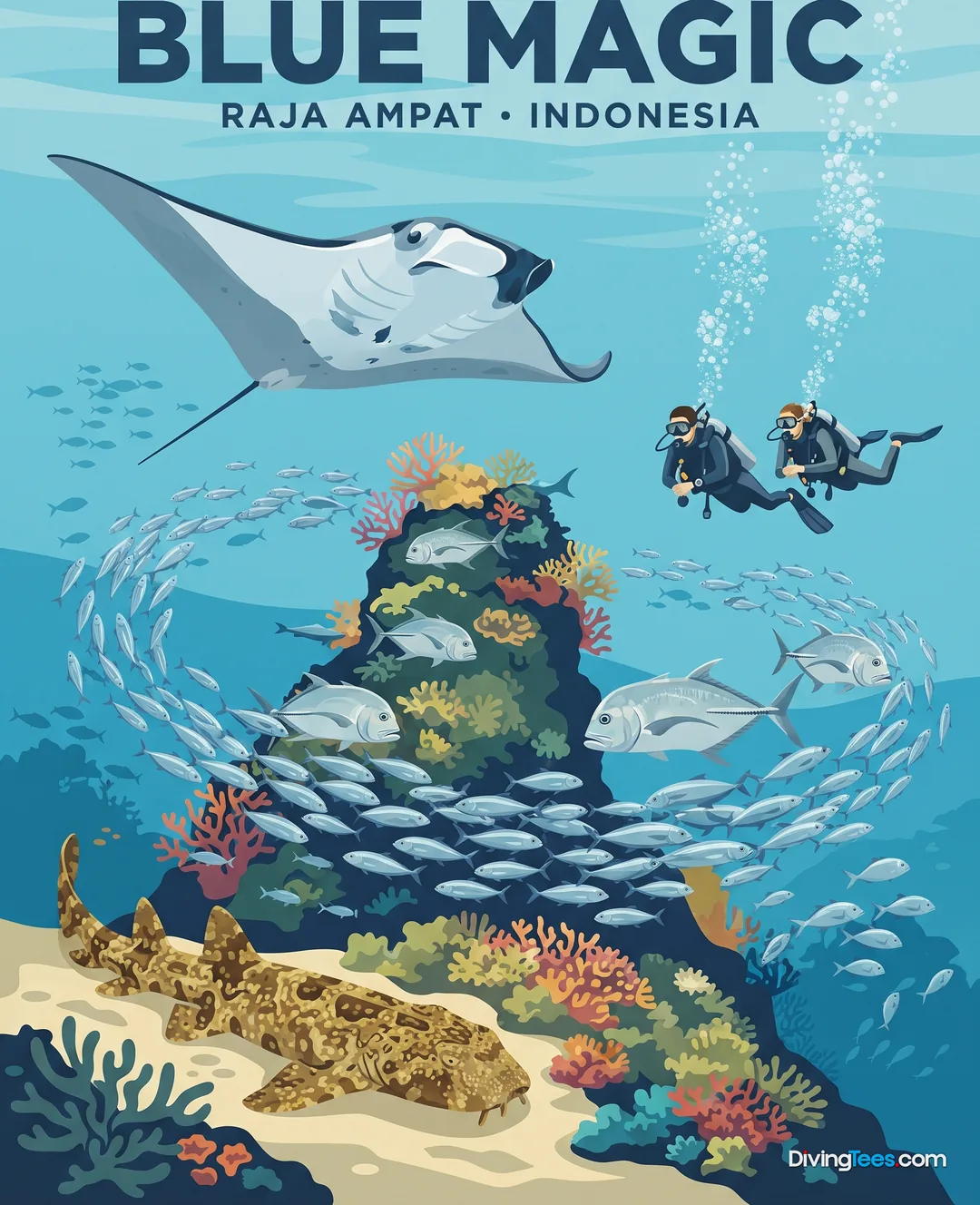
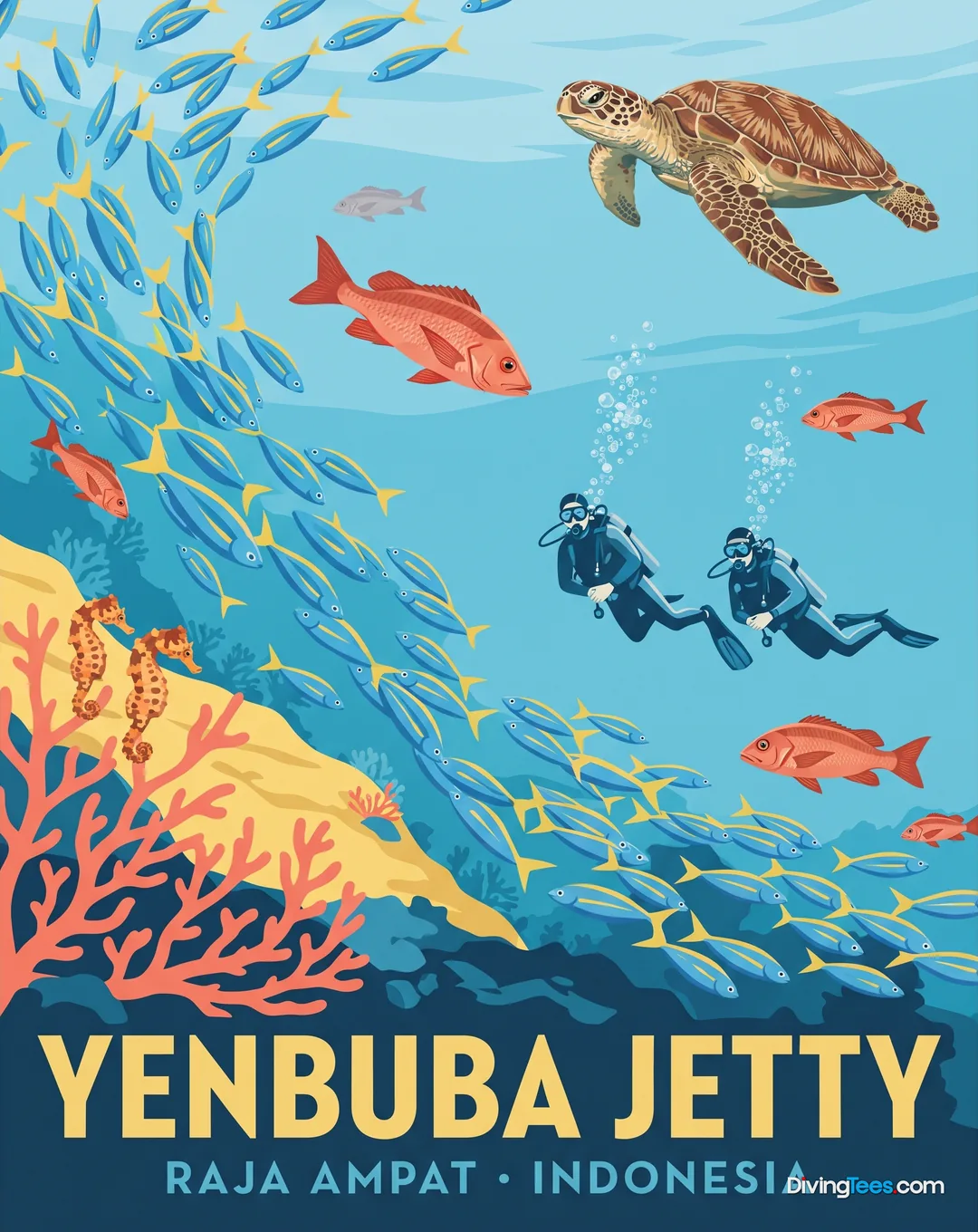
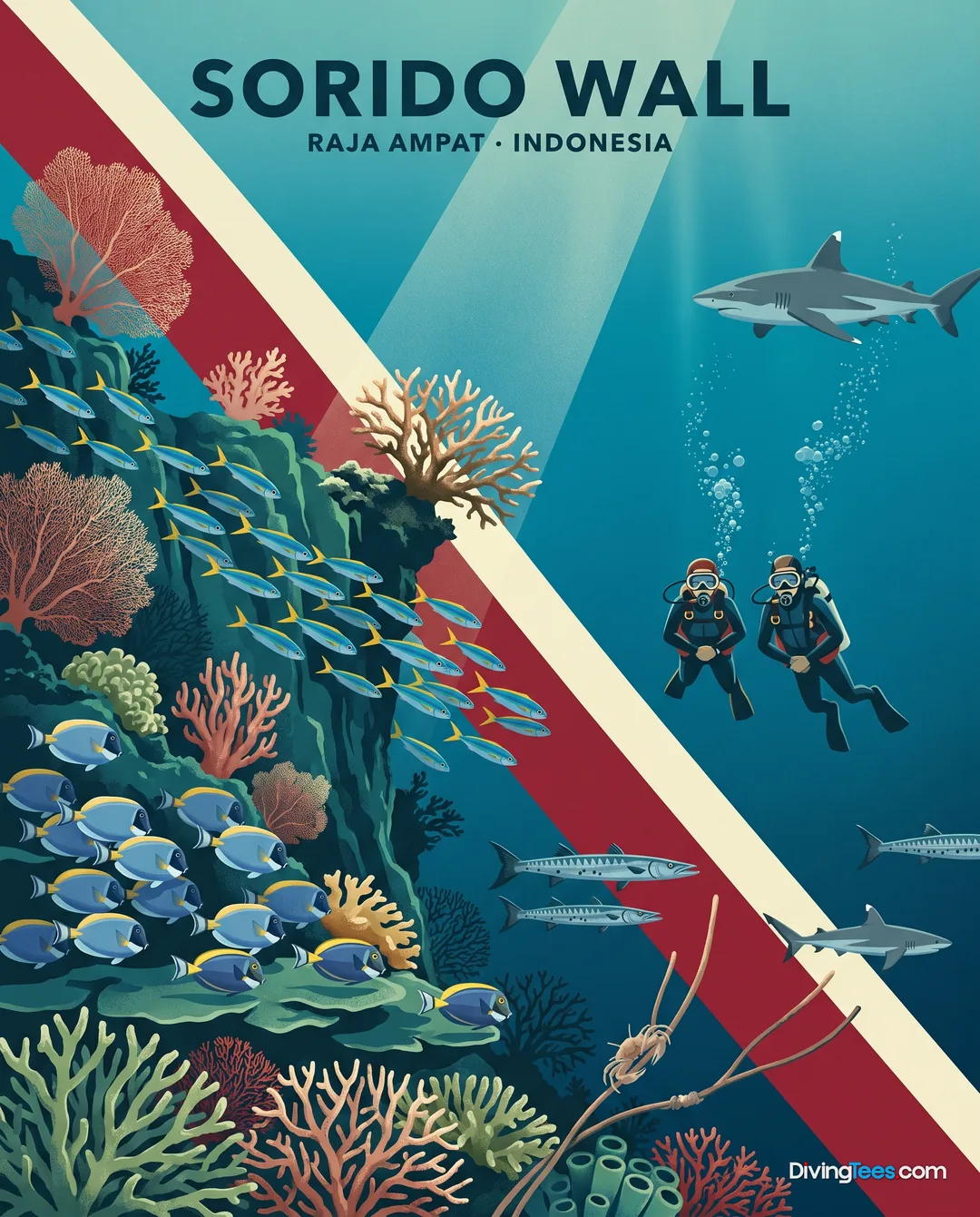
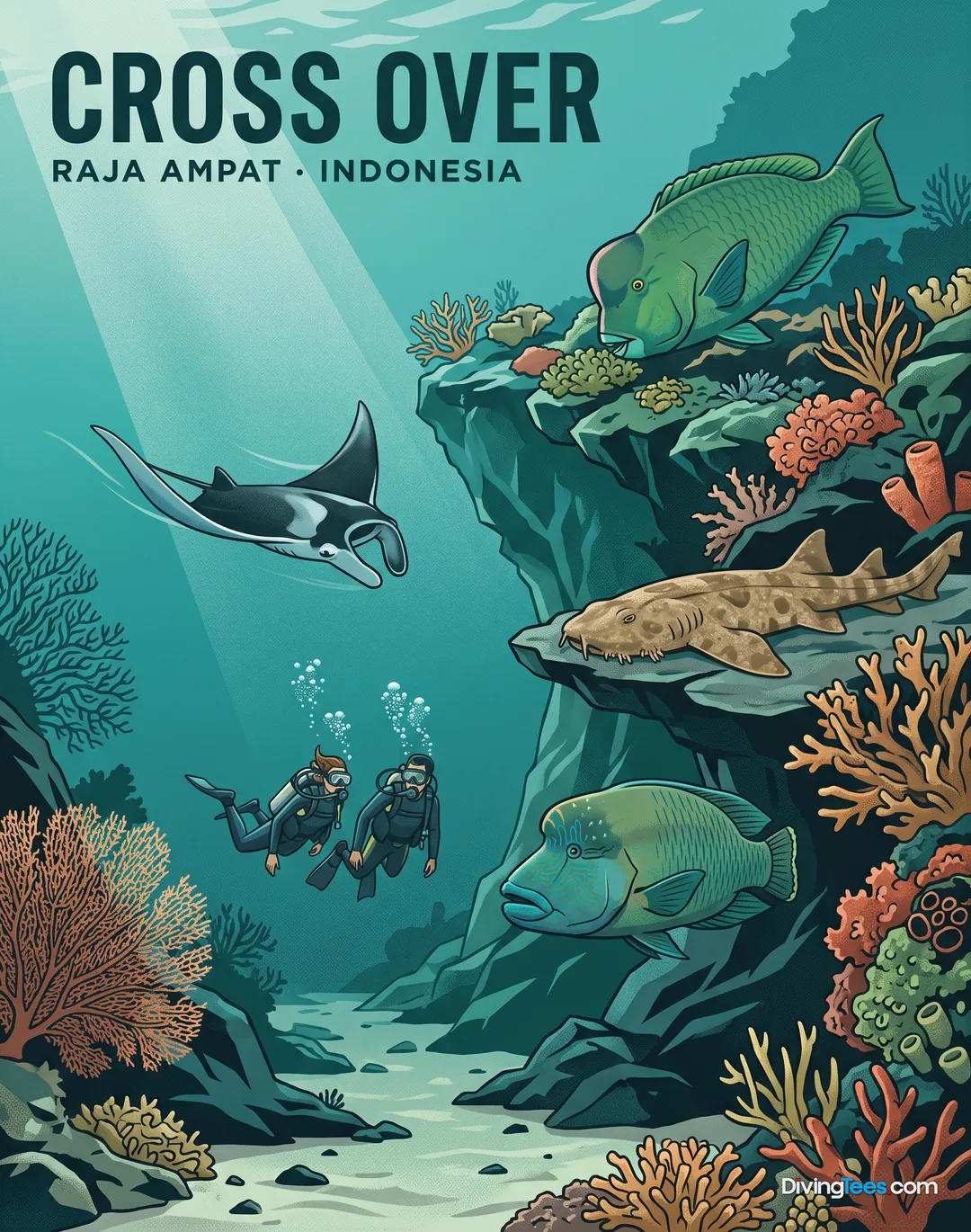
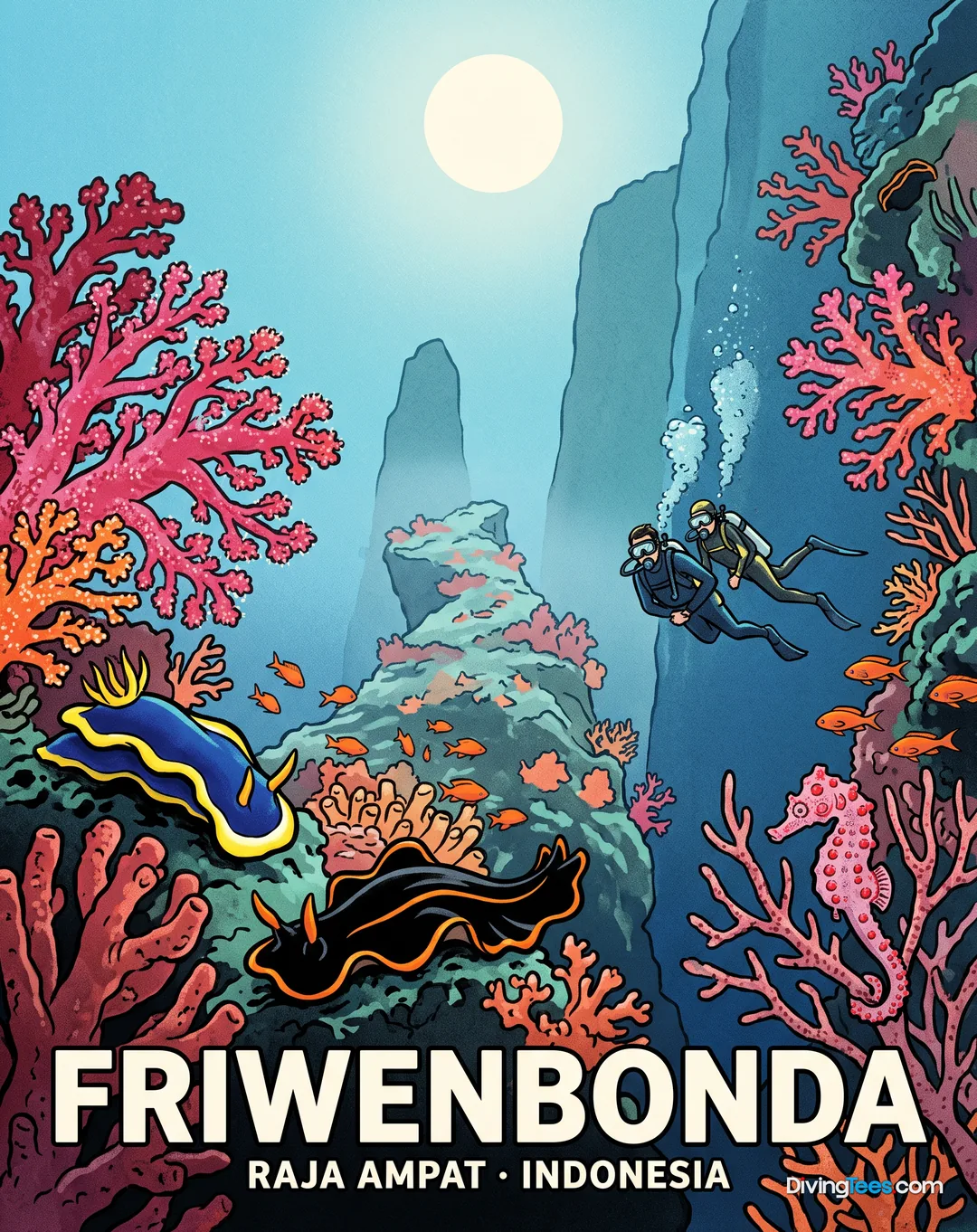
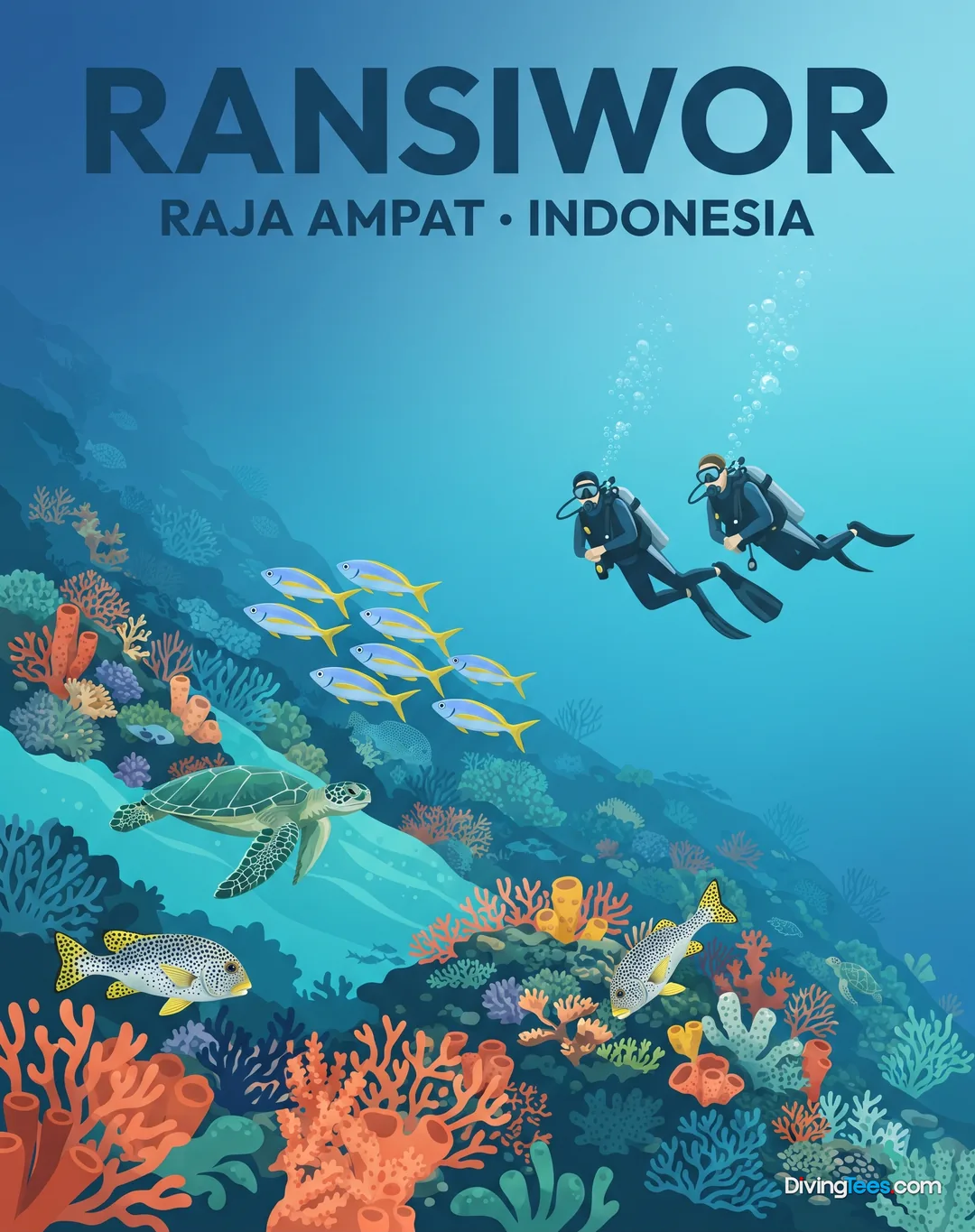
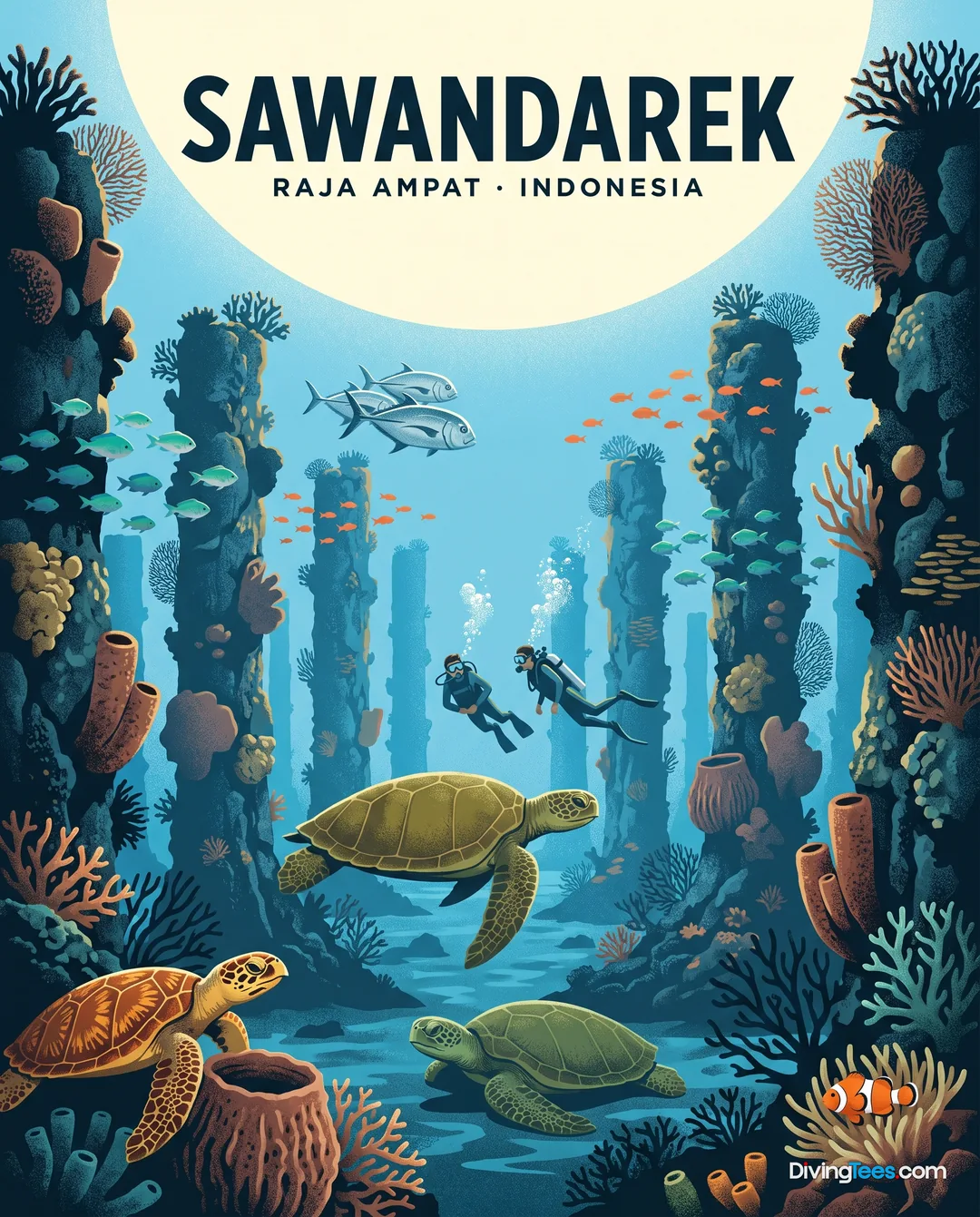
The Raja Ampat sites on this route range from cleaning stations and current-swept plateaus to coral gardens, walls and jetty pilings. Manta Sandy is the direct manta stop, where reef mantas hover over cleaning stations and can also be watched by snorkelers. Mike’s Point combines reef overhangs thick with soft corals and sweetlips with a flat plateau where eagle rays may pass; its maximum depth is -40m. Cape Kri is the abundance dive, with large schools of emperors and fusiliers, Napoleon wrasse and reef sharks. Melissa’s Garden is a coral garden of soft corals and staghorn formations to -35m. Blue Magic brings schooling fish, wobbegong sharks and possible oceanic mantas in the blue. Yenbuba Jetty drops beneath coral-covered pilings to -30m, with macro life among the fish schools. Sorido Wall and Cross Over suit divers who enjoy current, walls and pelagics; Friwenbonda adds a colourful soft-coral wall and pygmy seahorses. Ransiwor reaches -30m, while Sawandarek offers turtles and jackfish in shallower water. Recorded departures include Raja Ampat Full Park, Sorong to Sorong, at 12 days and 11 nights, as well as 12-day/11-night crossings between Cenderawasih Bay, Sorong, Banda and Ambon.
Itineraries, dates and prices
Prices per person. Each month shows its lowest price: click a month, or pick an itinerary.
Next departures · 22 departuresfrom £2,895$3,871€3,458
December 2026
April 2027
May 2027
June 2027
See dates and prices
If you click these links and make a purchase on the partner site, DivingDeal may earn a commission, at no extra cost to you.
Dates and prices taken from Divebooker and liveaboard.com, updated 24 October 2026
What you’ll meet underwater
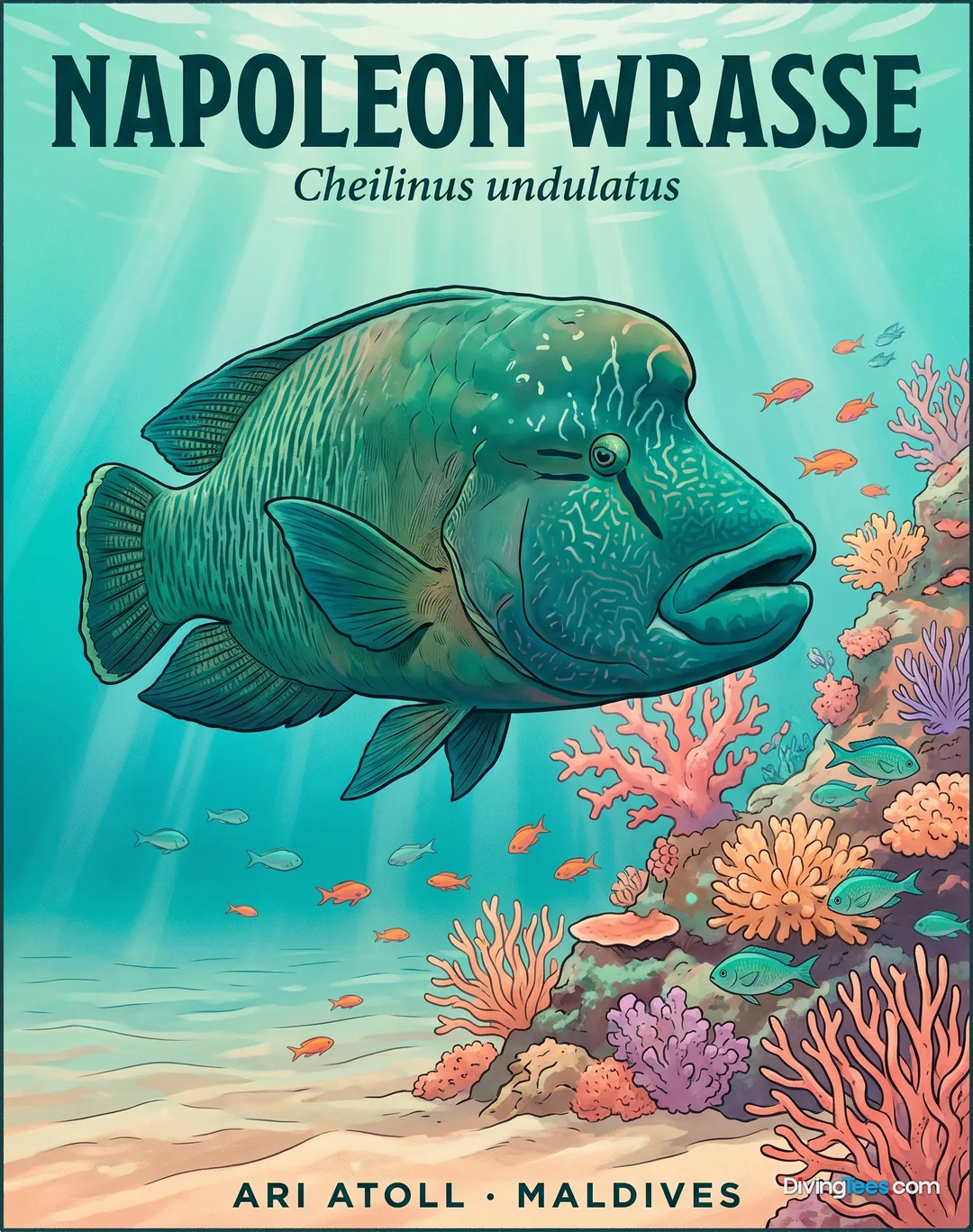
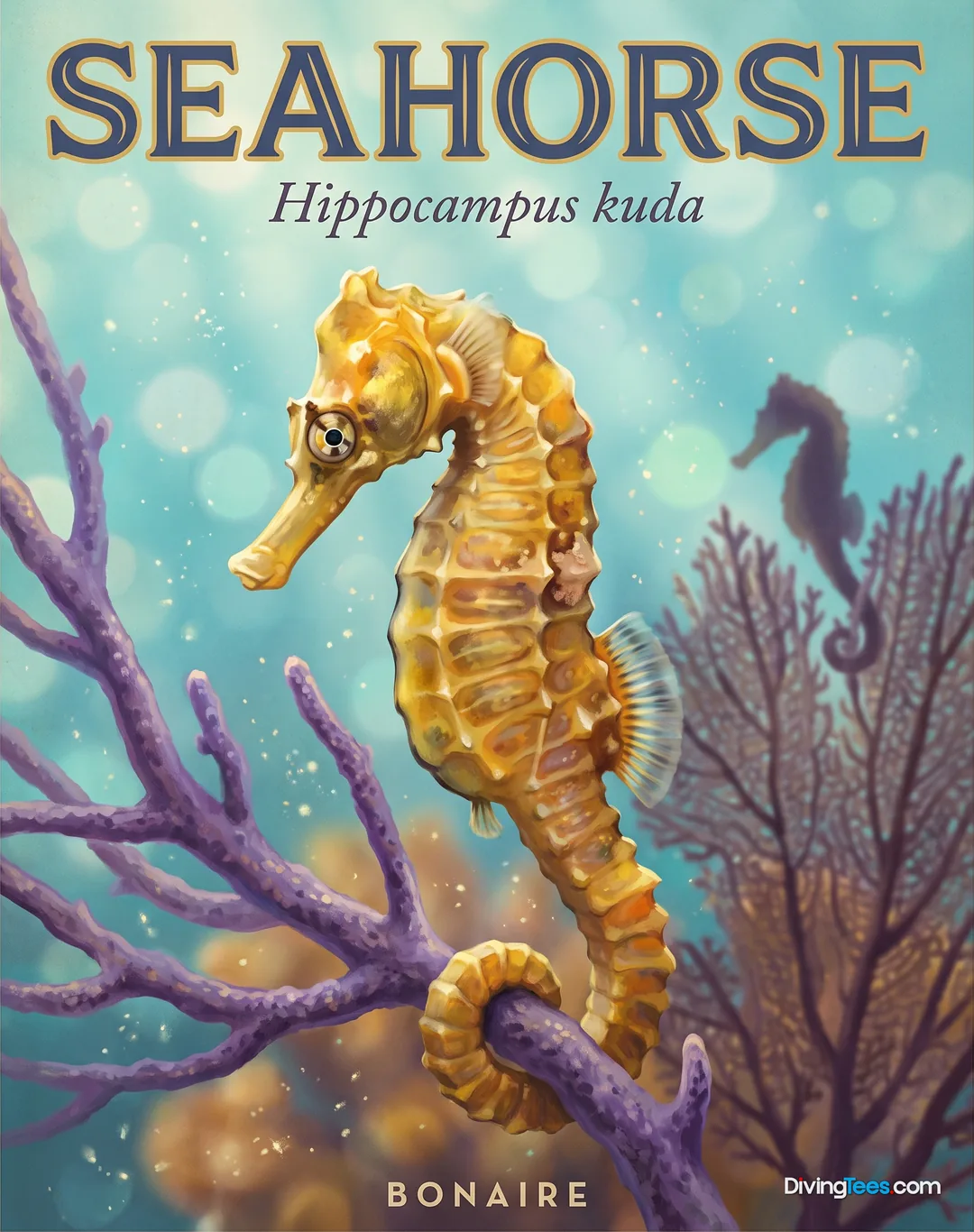
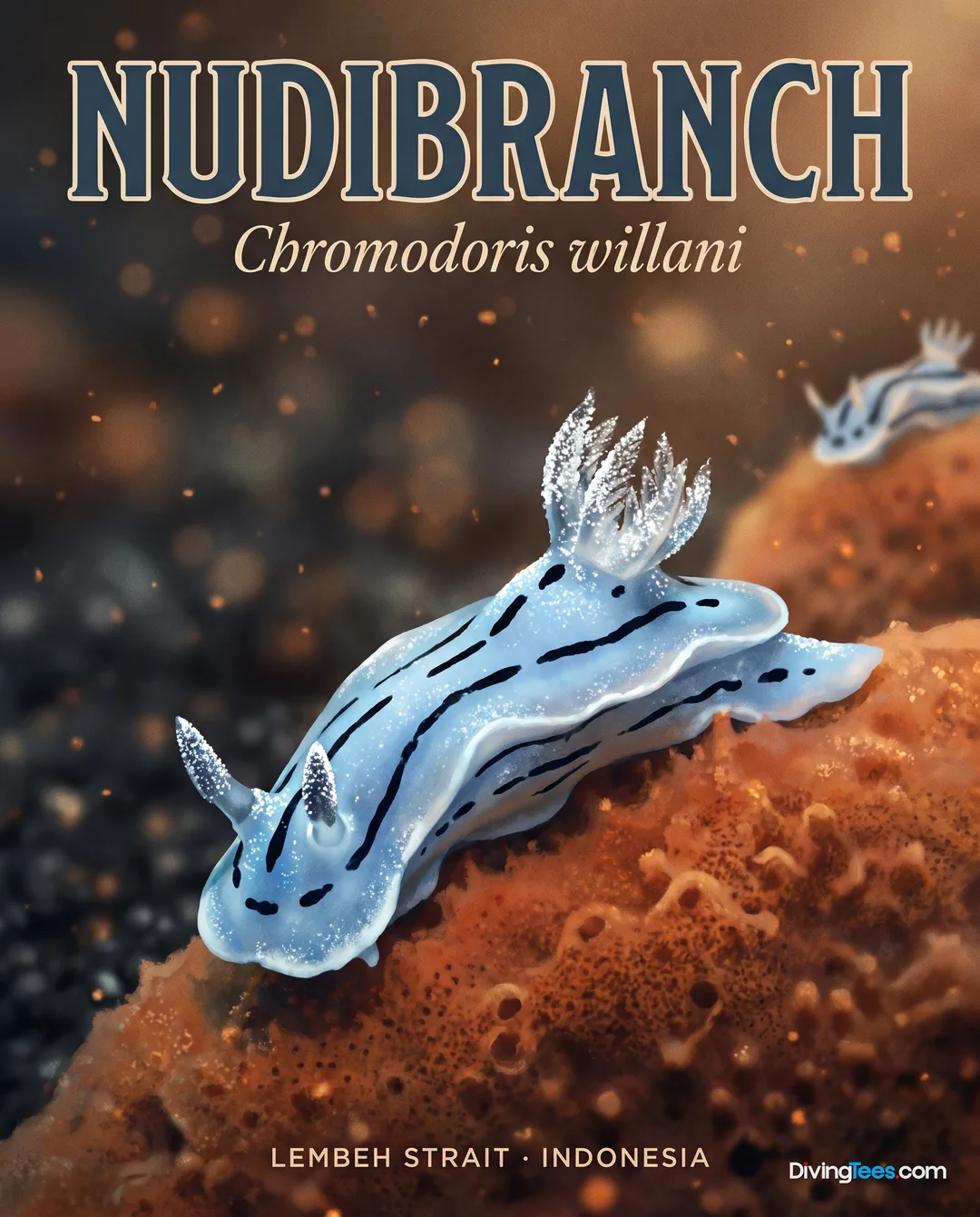
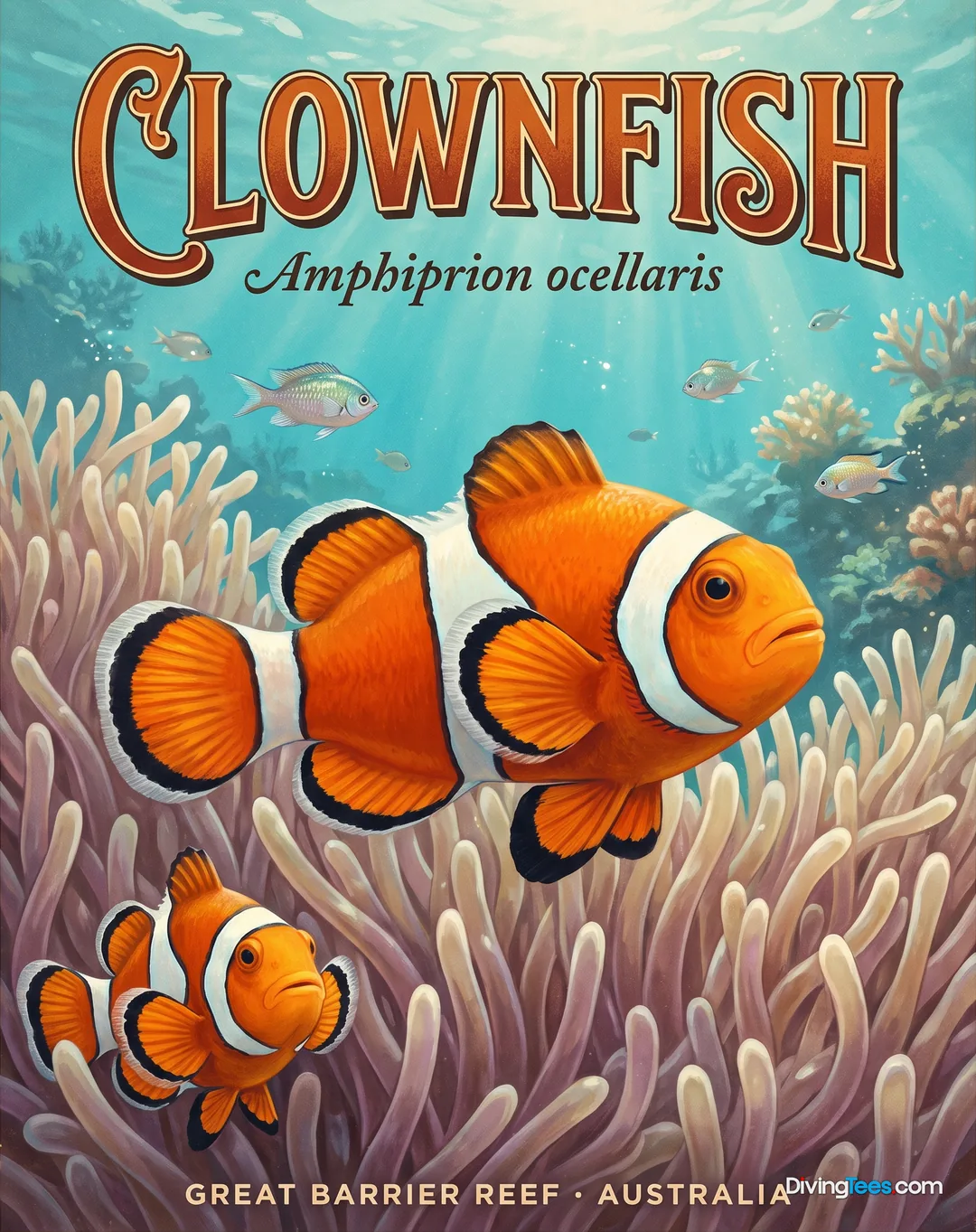
Across Raja Ampat, the recurring cast is broad enough to keep both wide-angle and macro divers busy: barracuda, reef sharks, Napoleon wrasse, sea turtles, trevally, fusiliers, sweetlips, humphead parrotfish, soft corals, nudibranchs and pygmy seahorses are recorded across several sites. The spectacle changes with the structure and current. At cleaning stations such as Manta Sandy, reef mantas may hover close to the reef; Blue Magic is the place for the possibility of oceanic manta rays, oceanic sharks and tuna in open water. Cape Kri is the site associated with giant grouper and white-tip reef sharks, as well as the reported observation of 374 fish species on one dive. South Kri is the specific stop for big-eye trevally, crabs and shrimp, while Yenbuba Jetty concentrates anthias, damselfish and small creatures around the pilings. Ransiwor can produce an octopus and clownfish among turtles, fusiliers and reef sharks. Sorido Wall brings surgeonfish with its barracuda and sharks. None of these animals is guaranteed; the reason to spend time in Raja Ampat is the range of chances packed into one route.

Who puts you in the water
Calico Jack carries two dive guides and a dedicated cruise director with instructor-level experience; the director is also a marine biologist. Dive groups are normally limited to five divers per guide, organised around experience and preferences rather than certification alone. Each group has its own guide and tender, while the expedition instructor oversees the operation. Briefings cover the site, current and conditions, entry and exit, depth and profile, and emergency procedures; the dive ends with a headcount and debrief. Guests are expected to have Advanced Open Water or equivalent for most expeditions, with recent experience appropriate to current and deeper sites. PADI-certified instructors and local guides speak English, Spanish, Portuguese, Indonesian and Italian. On Calico Jack, certified guests can take Advanced Open Water and Enriched Air Nitrox courses; beginner training and Discover Scuba Diving are offered on private Anne Bonny charters. Oxygen, first-aid equipment, radio communications and evacuation procedures are part of the onboard safety system.
The dive deck and the gear
The dive deck is shaded and arranged for repeated operations, with personal stations, storage, a platform, separate camera rinse facilities and charging points. The standard tanks are aluminium 12-litre cylinders with both DIN and Yoke valves; 15-litre tanks are available as an extra. Bauer compressors fill the tanks, and Nitrox is available as a 32% mix for divers who are certified and want it. Rental equipment includes BCDs, regulators, wetsuits, computers, fins and torches from brands including Scubapro, Aqualung and Mares; masks are provided free, though bringing a personal mask and computer remains sensible. Two tenders serve the dive groups: a 5.5-metre centre-console RIB with an 85HP engine and a 4.8-metre wooden tender with a 40HP Yamaha. They take groups to the site and collect divers where they surface, reducing the need to swim back to the boat. Divers return to a dedicated platform and rinse areas rather than crossing through the living spaces with saltwater kit.
Between dives
Between dives, Calico Jack gives guests several ways to stay outside without crowding the dive operation. The shaded dive area is the natural waiting room for divers, while the sun deck, terraces and outdoor dining space suit those who want more light and air. Kayaks and stand-up paddleboards make sense in Raja Ampat’s lagoons and quiet bays: they take guests into water too shallow for the tenders and let an afternoon become an excursion rather than another hour on a lounger. Land visits, village trips, island walks and beach barbecues break up the diving when the itinerary allows. The boat also carries a library and an indoor lounge for the less energetic surface interval, with Wi-Fi available when the remote route can hold a connection. The best gaps are the ones spent watching the boat relocate, gear drying nearby and the next reef appearing ahead.
A day on board
A dive day starts with coffee, a light breakfast and the first briefing before the 7:00 AM dive. After surfacing, guests return for a full breakfast while Calico Jack relocates or the crew prepares the next operation. The second dive is scheduled for 11:30 AM, followed by lunch and a longer surface interval; the third comes at 2:30 PM. That gives the day three substantial dives without making the spaces between them disappear. On alternating nights, weather and region permitting, a 7:00 PM night dive adds a fourth entry into the water. Between dives, divers move from the shaded deck to the lounge, sun deck, kayak or shore excursion, depending on the site and the plan. Meals mark the rhythm more reliably than a clock: light food before the first dive, full breakfast after it, then lunch, snacks and dinner. When the boat is underway, the view changes while the dive gear dries; when it anchors, the next briefing brings everyone back to the main purpose of the trip.
What you eat aboard
Chef Yono serves three fresh meals a day, with snacks available throughout the day. The cooking moves between Indonesian dishes, Asian fusion and Western favourites, so the table can bring local flavours without asking every diver to eat the same way every day. Vegetarian and vegan options are available when arranged in advance. Meals matter here because the boat may offer three or four dives, including a night dive on alternating nights when conditions allow. Breakfast follows the first dive, giving the galley time to put a full meal on the table after the early coffee and light breakfast. Lunch and dinner divide the later dives and the evening. The food has become one of Calico Jack’s strongest points: plentiful, well prepared and varied enough to restore a diver without turning every meal into ceremony. A beach barbecue takes the table ashore, where the setting does some of the work but the crew still provides the meal.
Nights at sea
The five cabins are on the lower deck, each with a porthole, private bathroom, air conditioning and hot water. Double/twin, double and twin configurations cover couples, friends and solo travellers sharing a cabin. The useful point is not the category name but the routine: a private place to rinse off, cool down and put wet kit out of the way after the dive. Natural ventilation and fans supplement the air conditioning, and daily housekeeping keeps the cabins practical during a long expedition. The portholes bring a limited, water-level view rather than the panorama of an upper-deck suite. That is the trade-off for keeping the guest spaces low in the hull and giving the upper areas to diving and outdoor life. Calico Jack is comfortable and clean, but her appeal at night is compact expedition comfort—wood, air conditioning, a bunk and the knowledge that the next briefing will come from the same crew who ran the last dive.
Double/Twin Cabin
Double Cabin
Twin Cabin
What to know before boarding
The Raja Ampat Full Park route departs from Sorong and returns to Sorong; other recorded trips depart from and return to ports including Manokwari, Nabire and Ambon, depending on the itinerary. Airport and hotel transfers are included, with the crew or driver meeting arriving guests and assisting with luggage. Arriving in the departure area the night before is the sensible choice, especially for remote Indonesian connections. The exact pickup details are arranged with the trip information.
Deck plan
- Year built
- 2014
- Length
- 30 m
- Beam
- 7 meteers
- Maximum number of passengers
- 10
- Number of cabins
- 5
- Number of bathrooms
- 5
- Engines
- 2 × 220 hp Mitsubishi diesel
- Cruising speed
- 8 knots
- Tenders
- 5.5 m Rib centre console 85 hp + 4.8 m Wooden 40 hp Yamaha
- Website
- calicojackcharters.com ↗
Hello, I'm Marina, DivingDeal.com's AI assistant. I answer in detail about hotels, dive centres and liveaboards.
Thinking about the whole trip and the flights? Talk it over with Edith →
Marina is an AI. Some links are affiliate links: DivingDeal may earn a commission, at no extra cost to you. Bookings are made with the partner.