Liveaboards · Indonesia
Manta Mae — a traditional phinisi built for small-group diving
What makes this boat unique
- Traditional Indonesian phinisi with an ironwood hull, contemporary systems and space for up to nine passengers.
- Raja Ampat departures run from Sorong to Sorong over 8 days and 7 nights.
- Dedicated RIB tenders, 30 tanks, DIN adapters, shaded dive space and nitrox support the diving operation.
- Cabins are air-conditioned and have private bathrooms; Dita, Sophia, Brigitte and Charlize have portholes, while Marylin has two bunk beds.
For subtitles in English: start the video firstthen click the gearat the top right of the video, select “Subtitles/CC”, then “Auto-translate” and choose “English”.
The invitation
Manta Mae is for divers who want Raja Ampat from a proper Indonesian phinisi rather than from a floating hotel designed around its rooms. The ironwood hull, traditional sailing form and open decks give the trip a sense of place, while the diving equipment and communications systems keep the operation practical. The small passenger limit matters underwater and after the dives: groups stay manageable, the guides can adjust to the conditions, and there is no crowd pressing for space at the table or on the tender. Raja Ampat is the reason to board. The boat reaches reefs where soft corals, schooling fish, mantas, wobbegongs and pygmy seahorses can share the same itinerary, with kayaking, shore walks and snorkelling for the hours between dives. It suits divers who care more about access, food and a capable daily operation than about having a large resort-style vessel.
Boarding
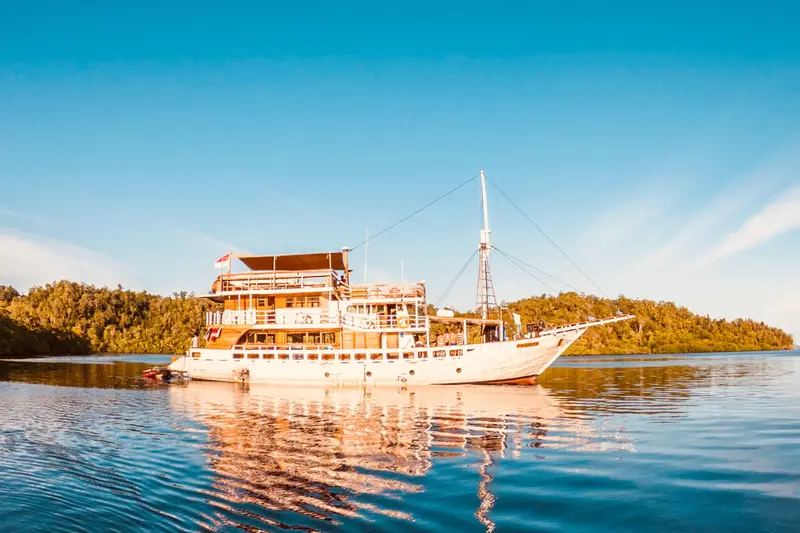
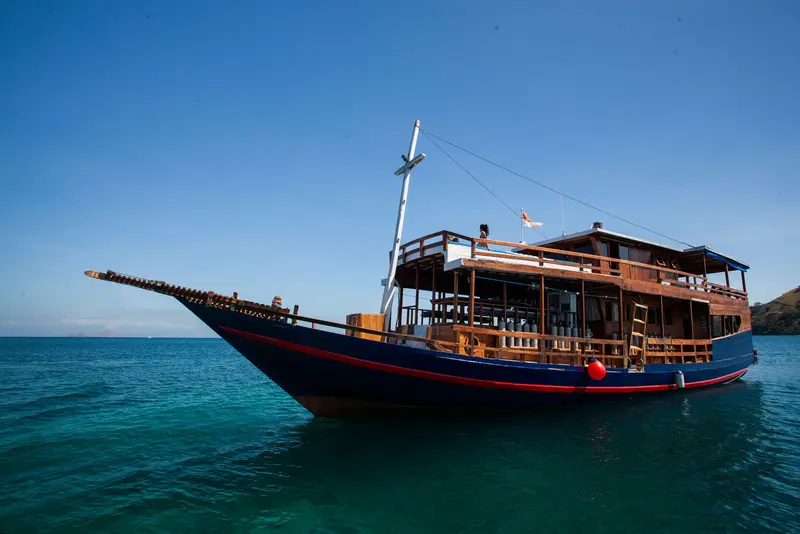
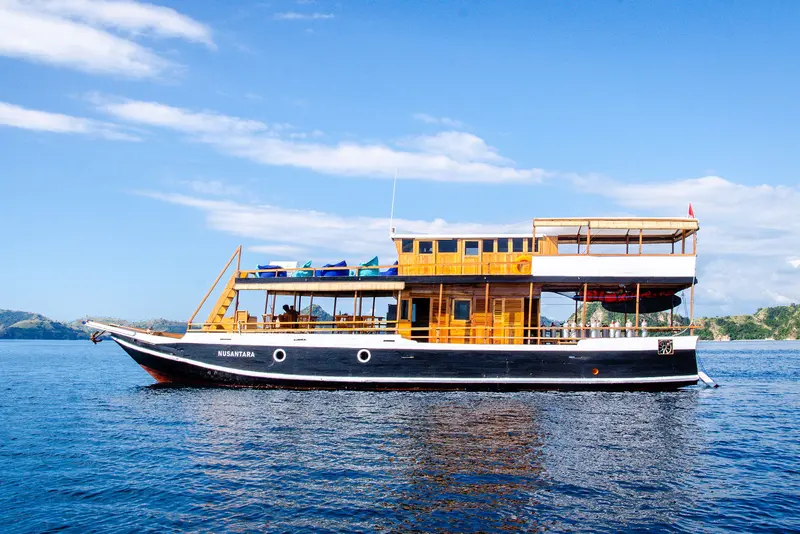
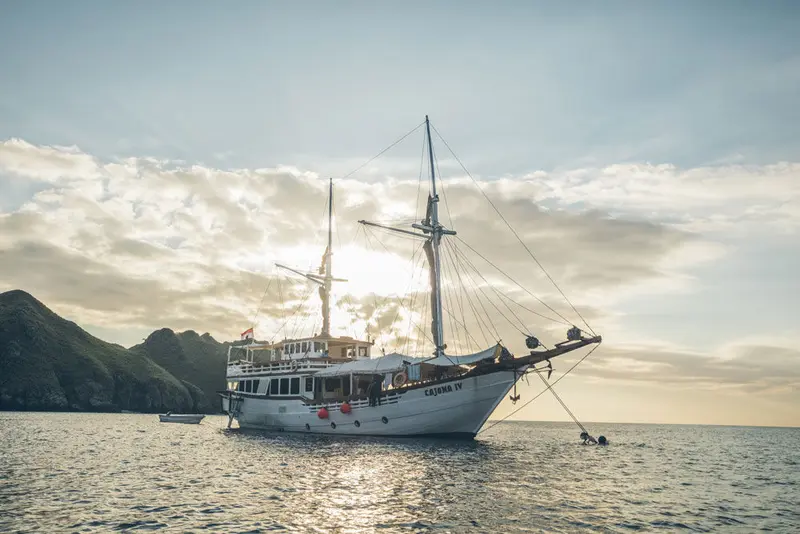
From the dock, Manta Mae presents the long, dark timber lines of a traditional Indonesian phinisi, with the bowsprit and rigging giving the vessel a working sailing character rather than the look of a modern motor yacht. Built from ironwood and launched in 2014, she combines that traditional form with air-conditioned interior spaces, modern navigation equipment and a dedicated diving setup. Boarding leads into the salon, then out towards the shaded main deck where meals, briefings and post-dive conversation gather around the table. The upper deck is quieter, with sunbeds and hammocks forward of the wheelhouse. The tenders are kept aft, ready for the short runs that make Raja Ampat diving possible. Manta Mae is small enough that the crew becomes part of the daily picture quickly, but open enough to avoid feeling boxed in when the weather keeps everyone aboard.
The atmosphere on board
The atmosphere is informal because there are few guests and the crew works close to them all day. Guides brief the dives carefully, the captain and boat manager keep the operation moving, and the crew's flexibility is noticeable when conditions or a guest's wishes change. That matters on a small vessel: a relaxed crew makes the confined spaces feel easier, while a disorganised one would be impossible to avoid. Meals are a social centre, with the cook bringing variety to the table and the guides joining the conversation when the work allows. Evenings can end in the salon, outside under the open deck, or on shore when the route includes a beach barbecue or excursion. Families are welcome, with deck space for children and quieter interior areas for films, reading or games. Manta Mae's appeal is the combination of a small group, strong food and crew attention without losing the working feel of an expedition boat.
The sites you’ll dive
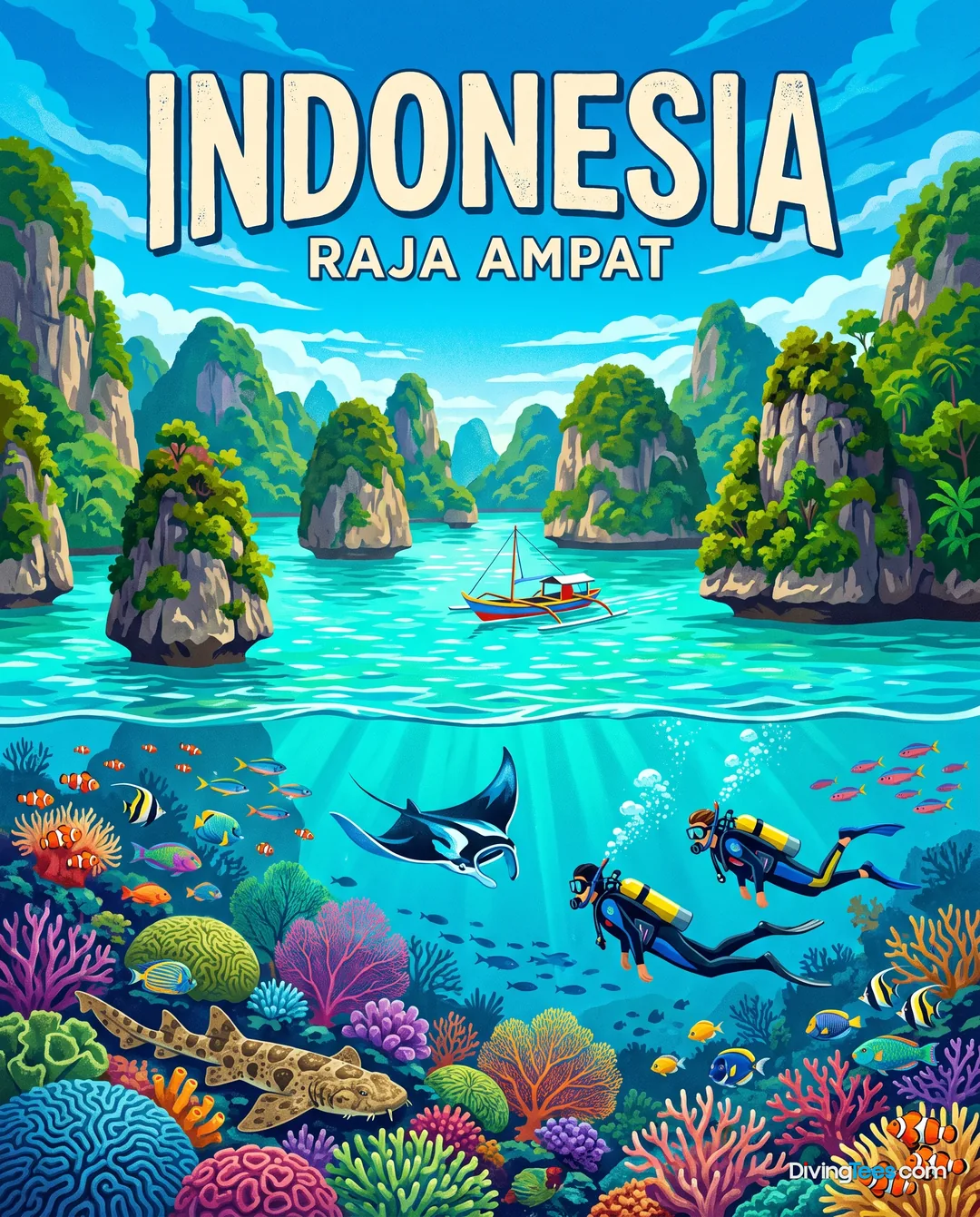
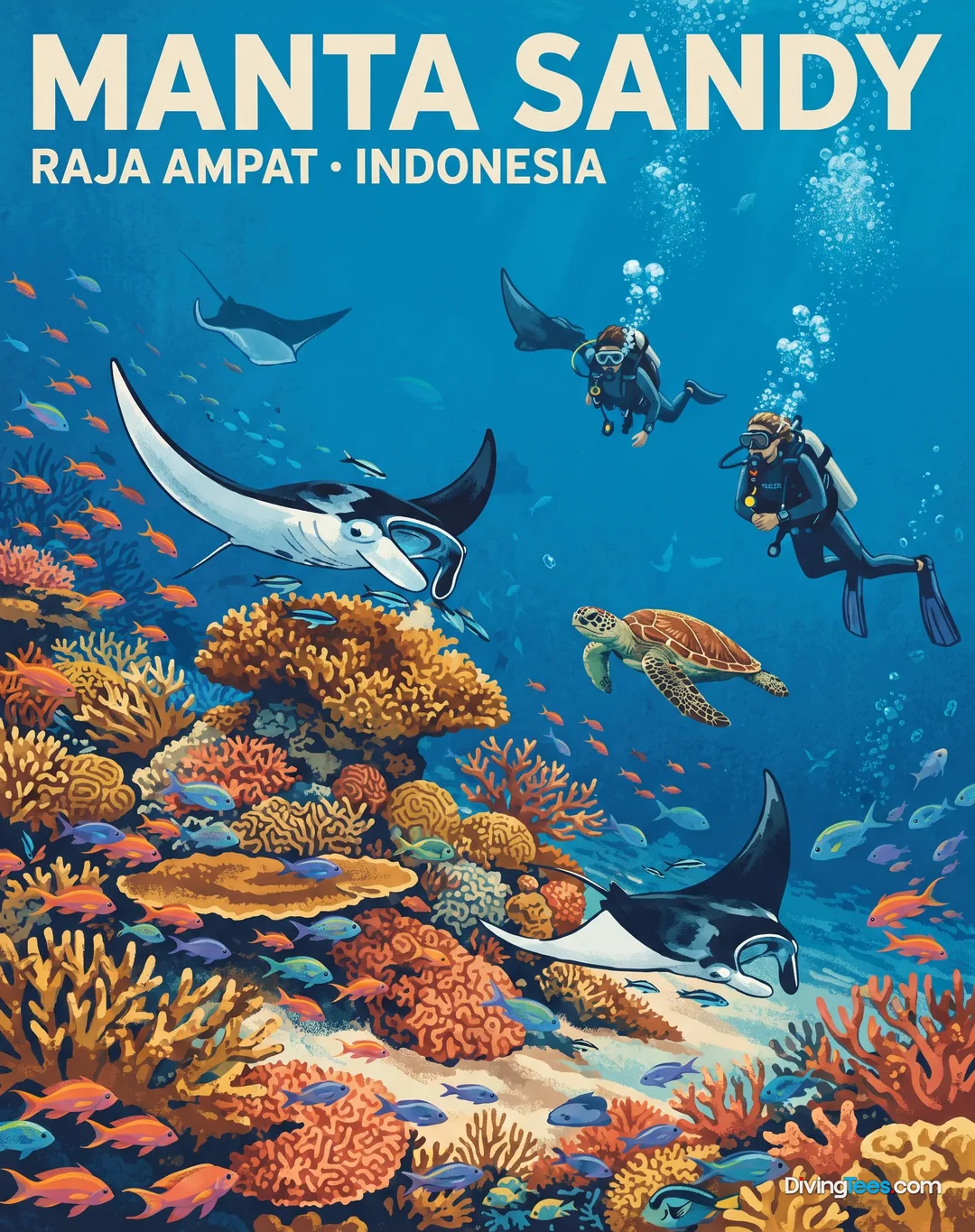
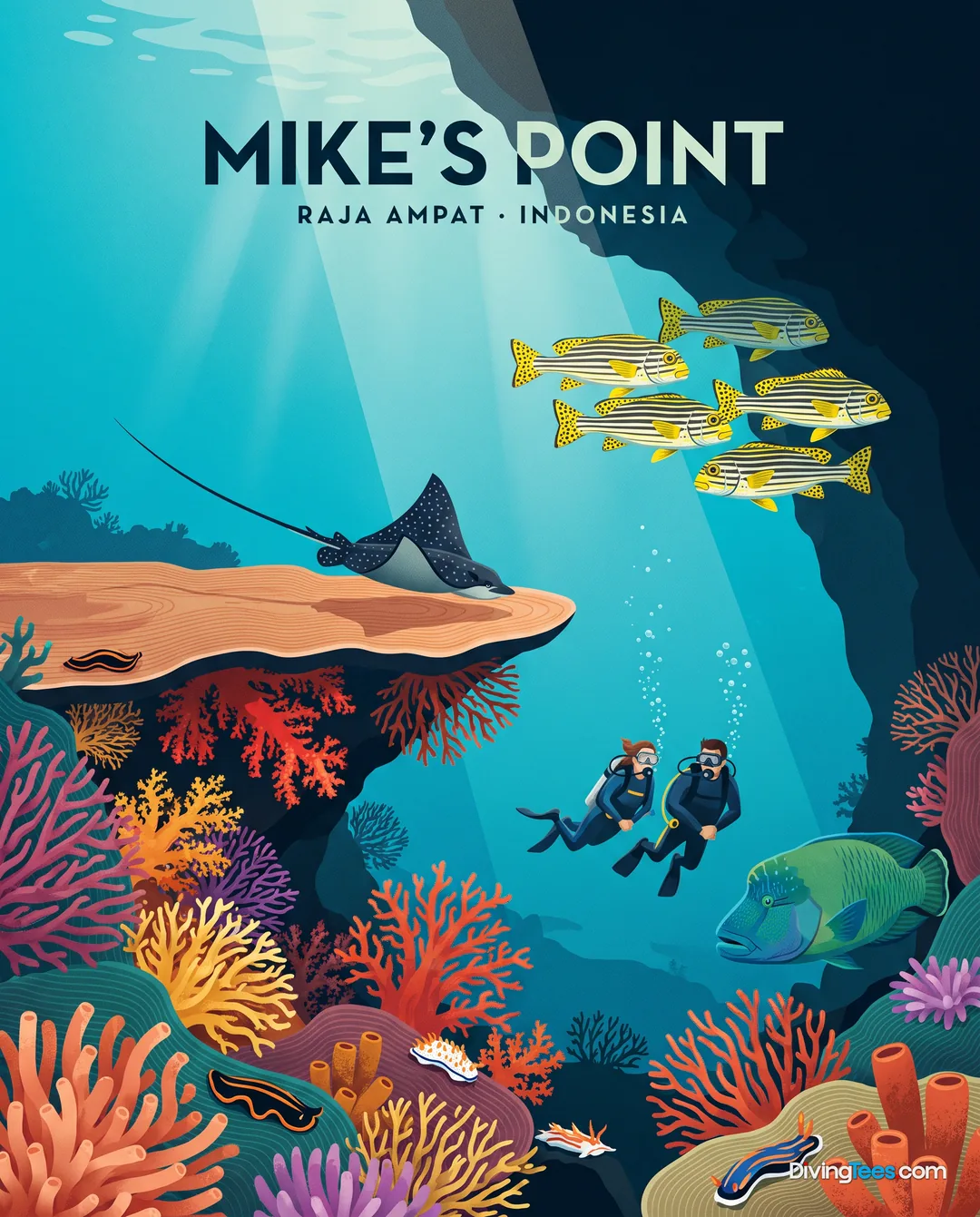
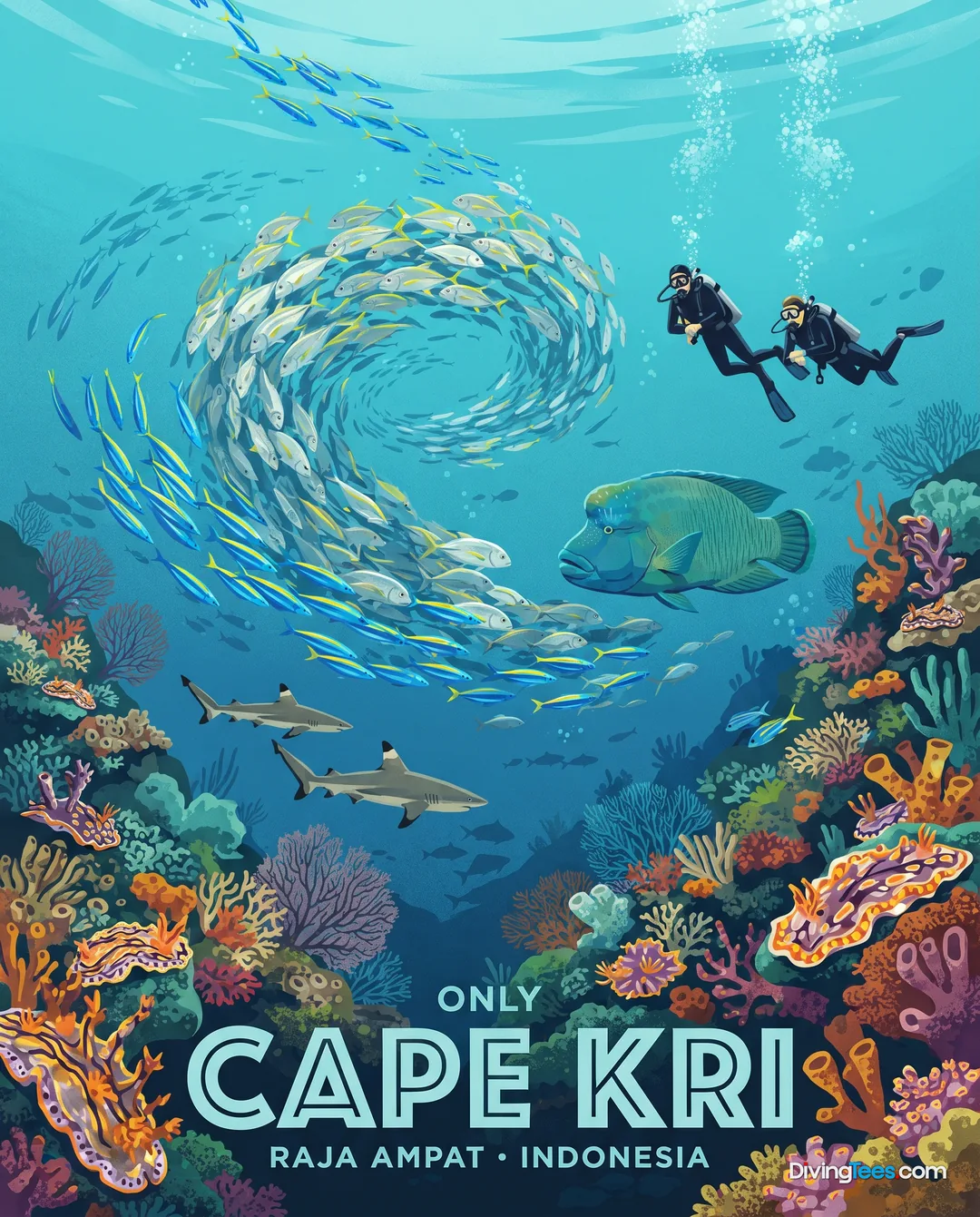
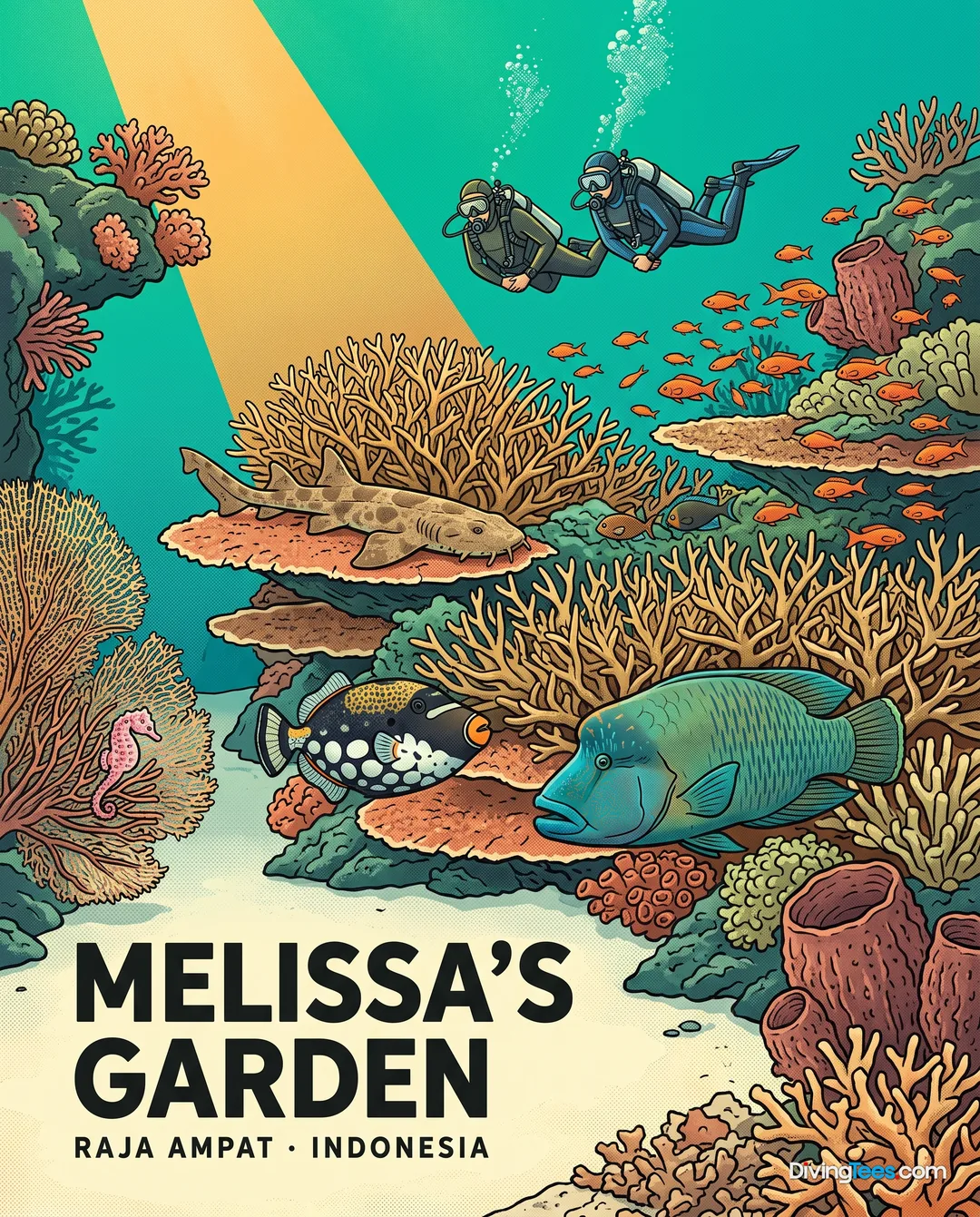
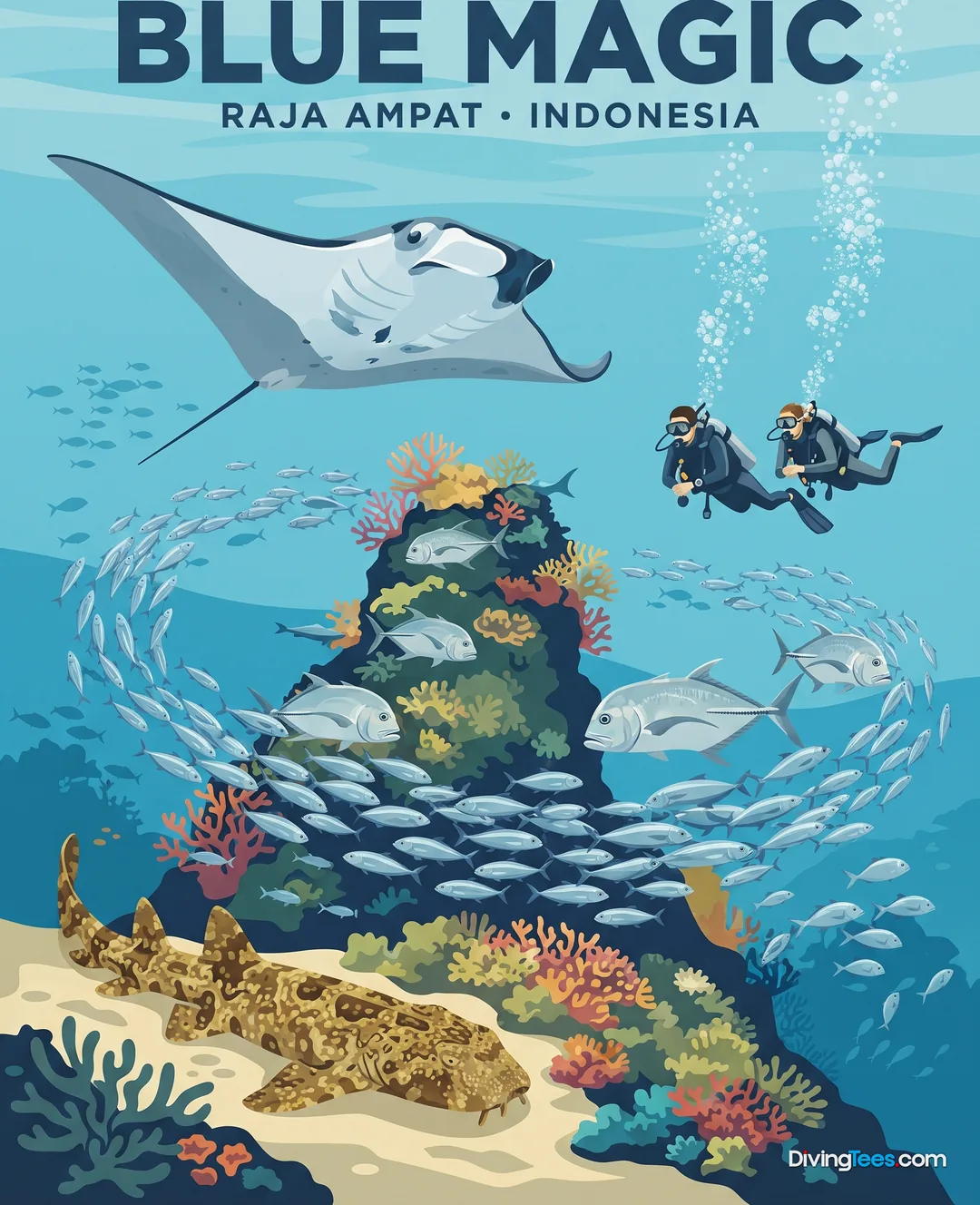
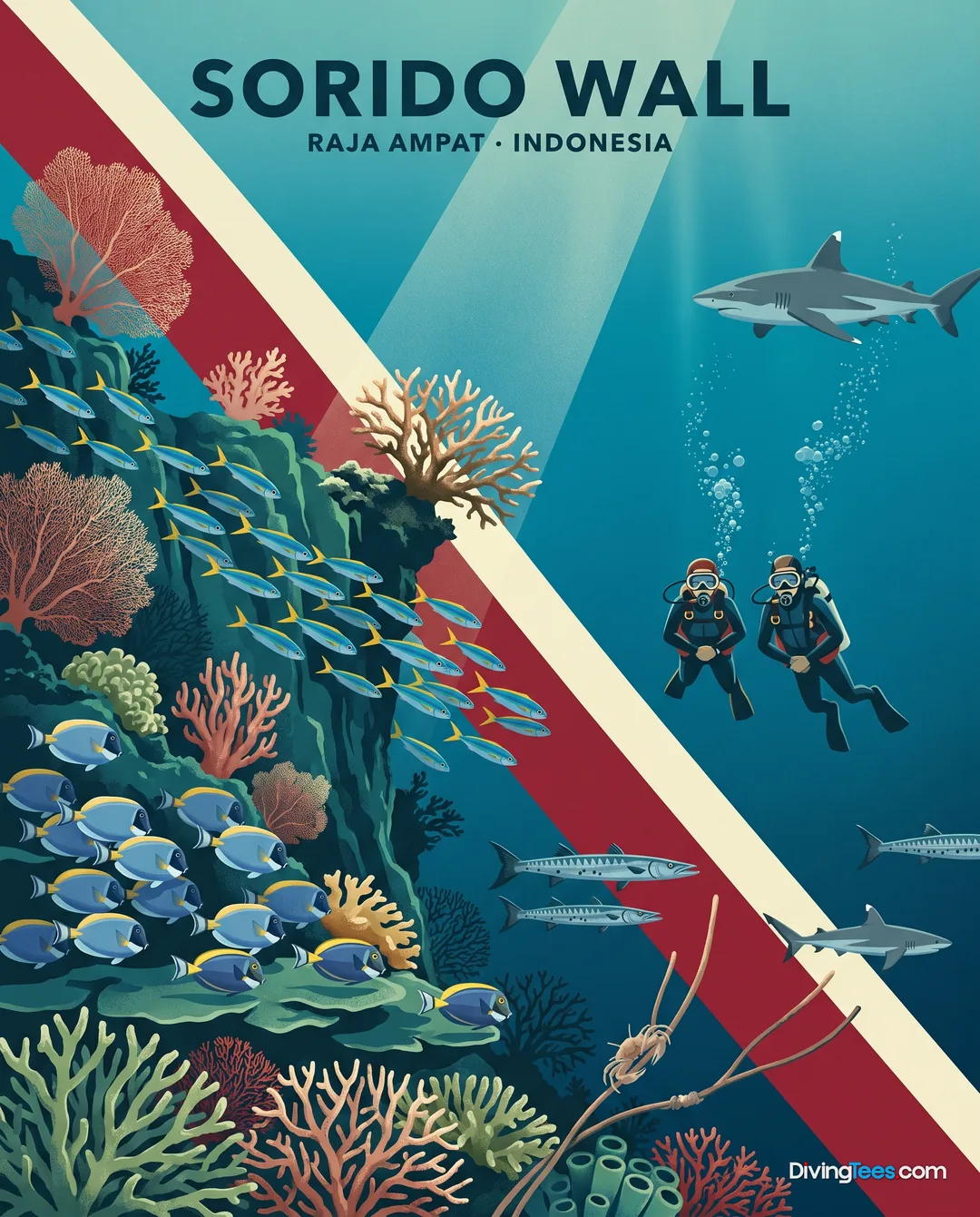
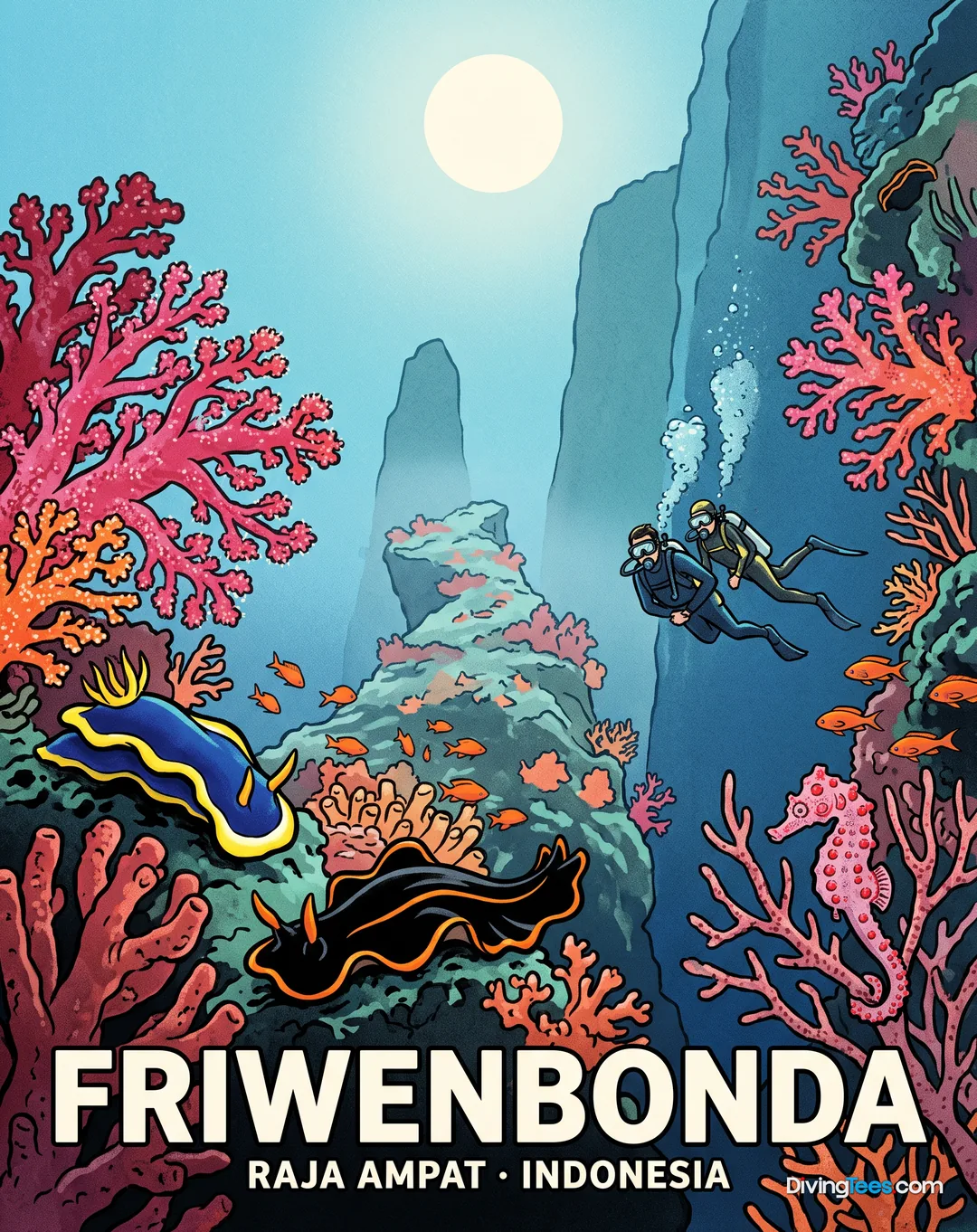
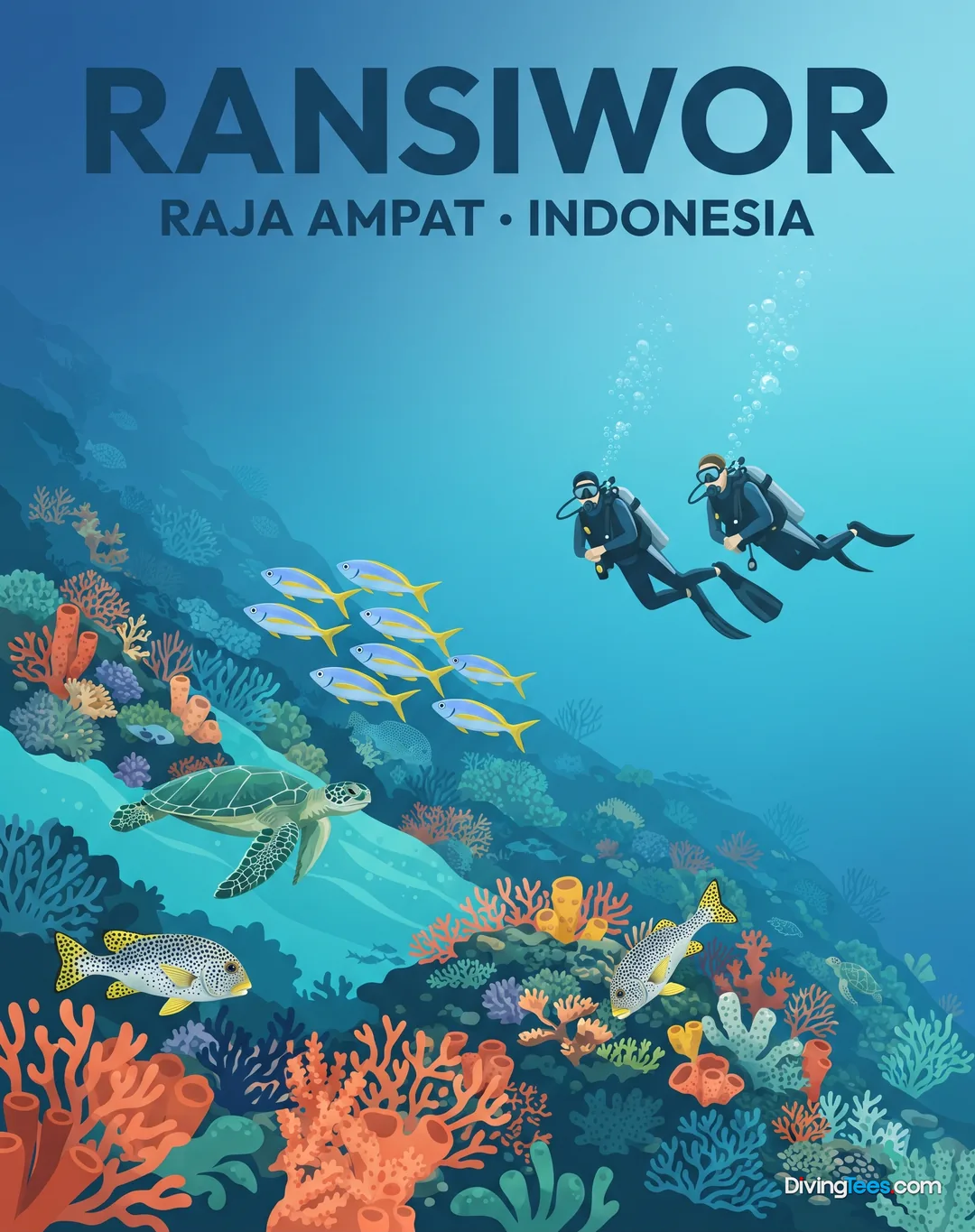
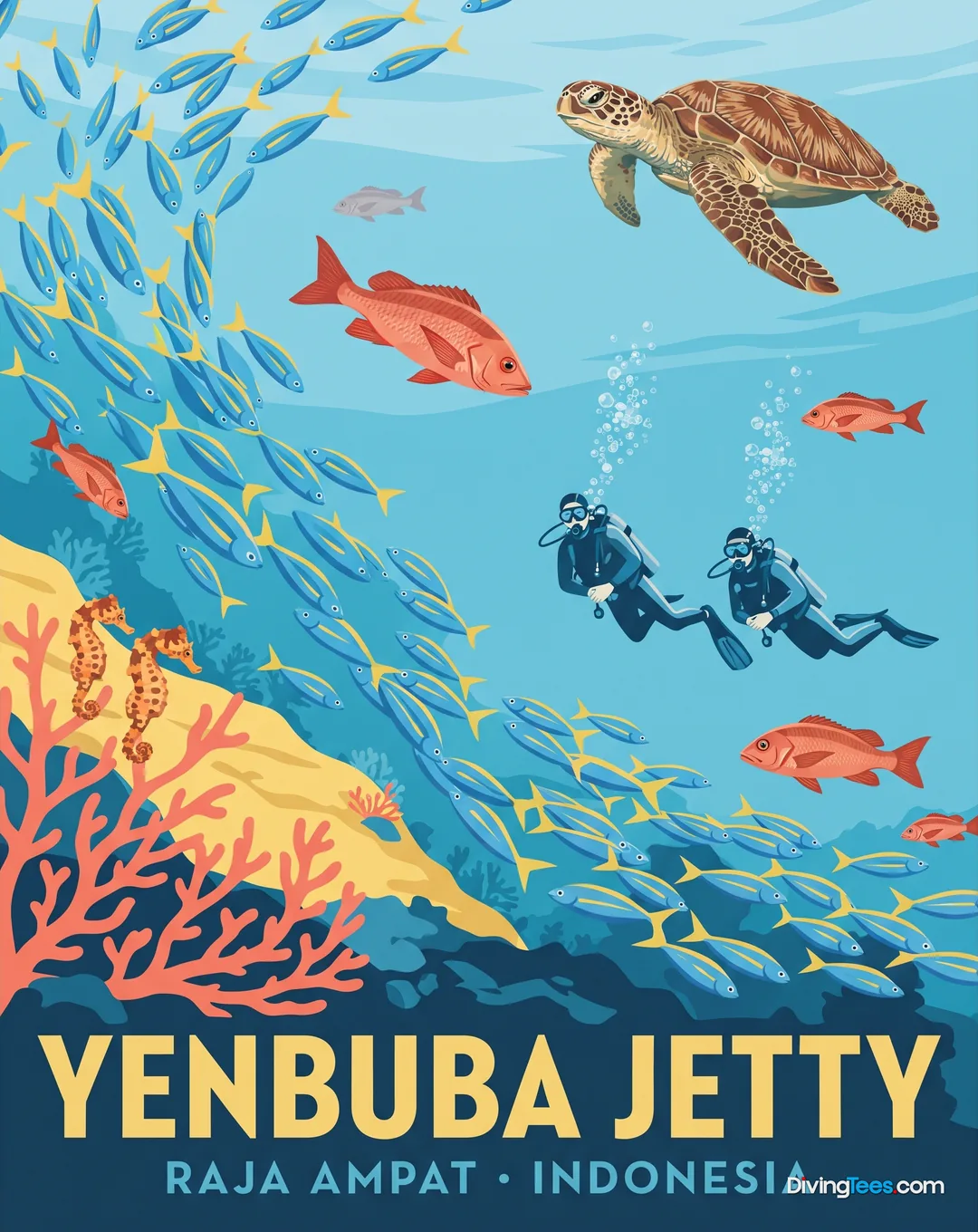
Raja Ampat gives Manta Mae a route where the reef can change completely from one tender run to the next. Manta Sandy is the place for reef mantas hovering over cleaning stations, with snorkelers able to watch from above. Mike's Point combines reef overhangs covered in soft corals and sweetlips with a flat plateau where eagle rays may pass; its maximum depth is -40m. Cape Kri is the large-fish benchmark, with dense schools and reef sharks, while Melissa's Garden is a coral garden of soft corals and staghorn formations to a maximum of -35m. Blue Magic brings schooling fish, wobbegongs and the possibility of oceanic mantas. Sorido Wall puts barracudas and reef sharks against schools of fusiliers and surgeonfish. Friwenbonda is a colourful soft-coral wall with macro life near the surface. Ransiwor slopes to a maximum of -30m and centres on cleaning stations and yellow-back fusiliers. Yenbuba Jetty, also to -30m, starts beneath fish-filled coral-covered pilings. Eight-day, seven-night North and South Raja Ampat trips run from Sorong to Sorong; a longer 12-day south-to-north itinerary is also offered.
Itineraries, dates and prices
Prices per person. Each month shows its lowest price: click a month, or pick an itinerary.
Next departures · 11 departuresfrom £1,495$1,998€1,785
December 2026
January 2027
May 2027
August 2027
See dates and prices
If you click these links and make a purchase on the partner site, DivingDeal may earn a commission, at no extra cost to you.
Dates and prices taken from liveaboard.com, updated 26 October 2026
What you’ll meet underwater
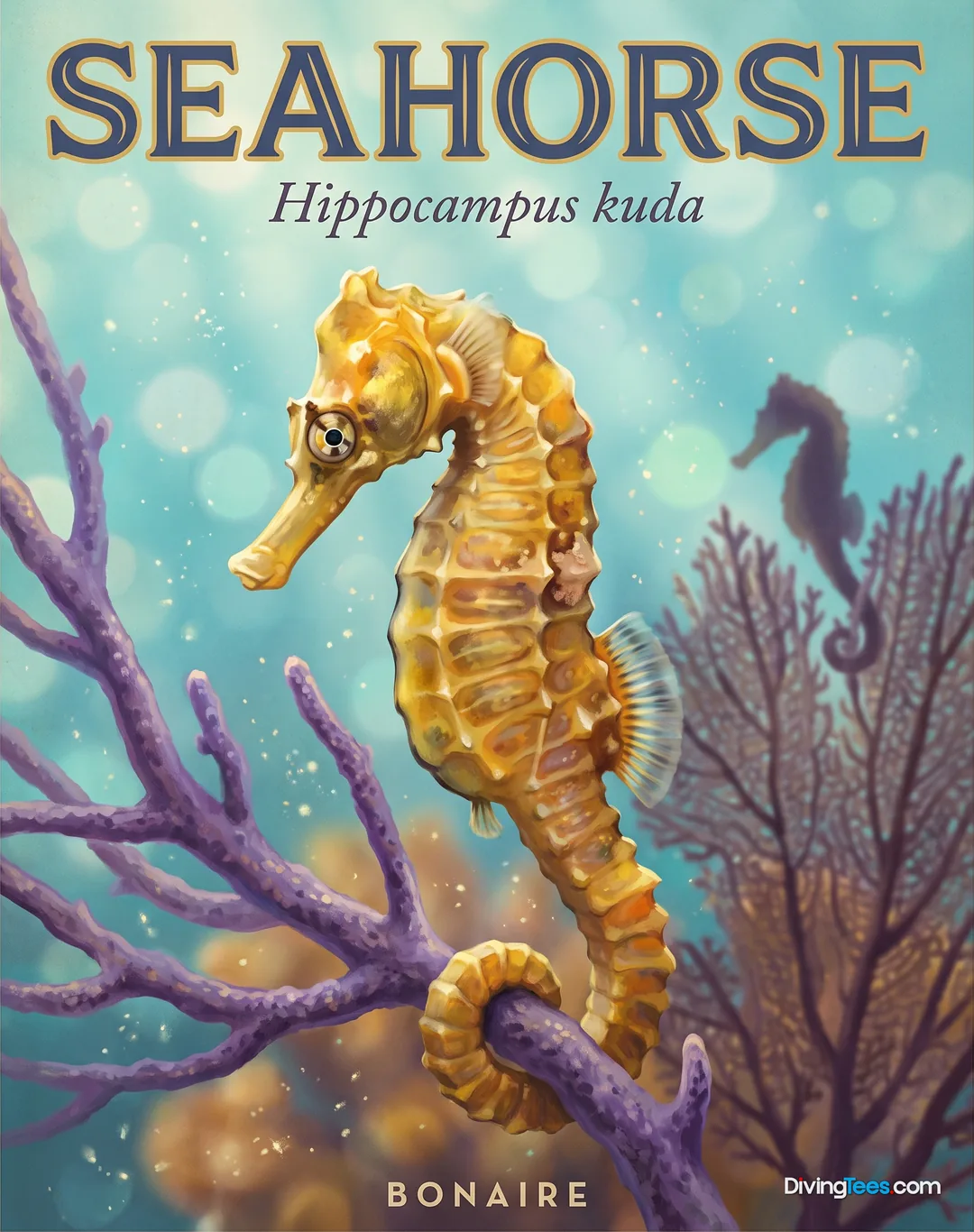
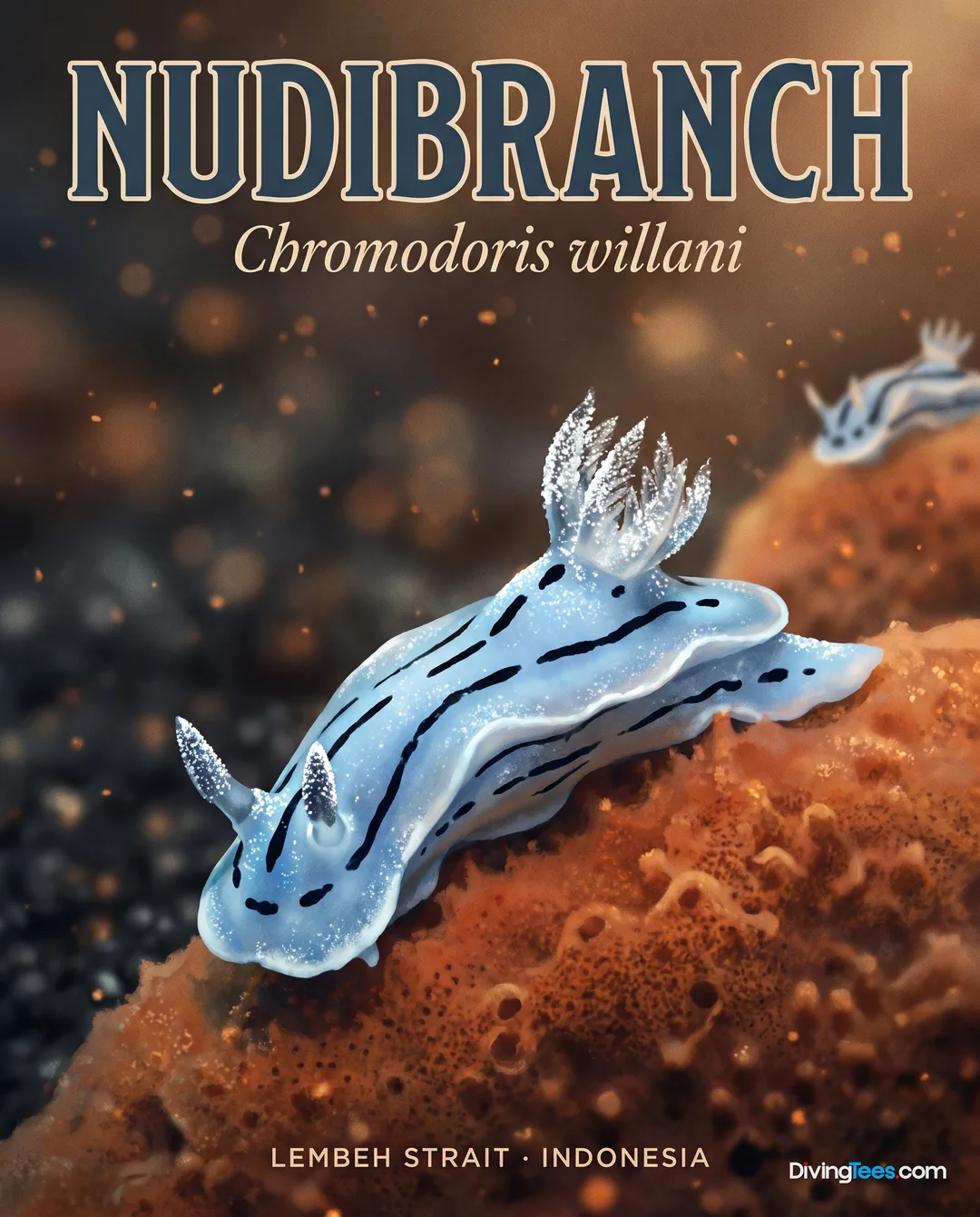
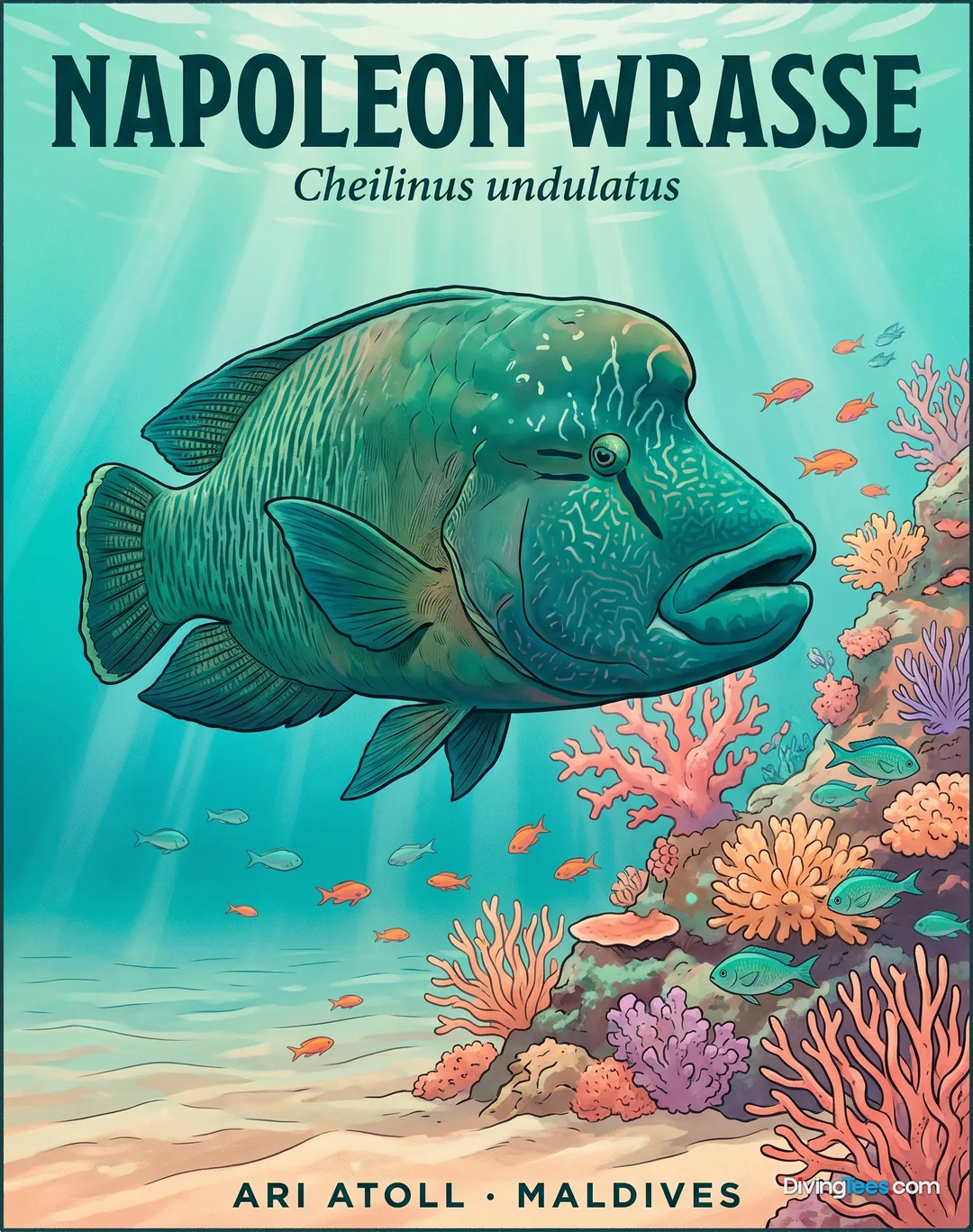
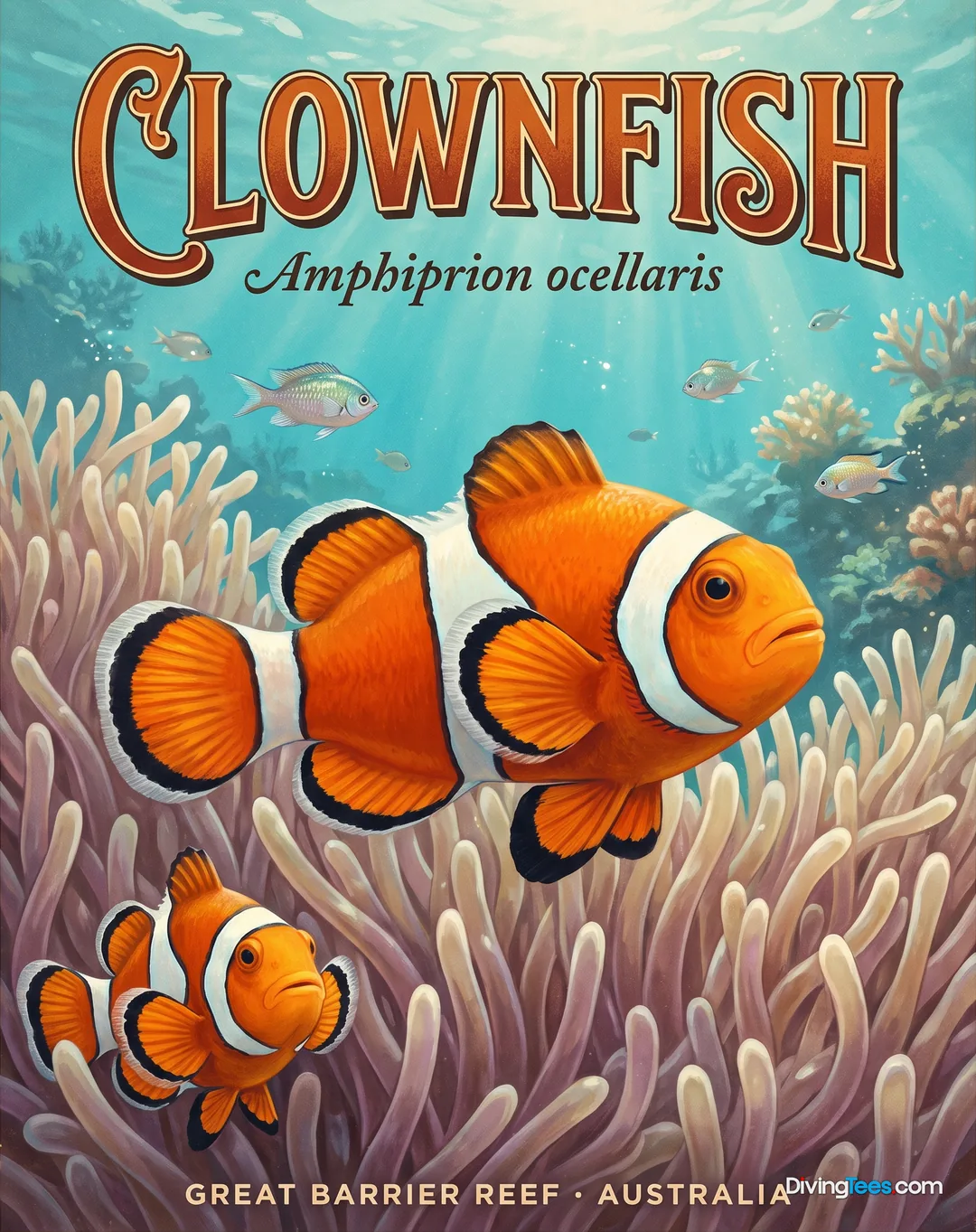
The regular cast is large: barracudas, reef sharks, nudibranchs, trevallies, fusiliers, Napoleon wrasse, turtles, sweetlips, humphead parrotfish, soft corals and pygmy seahorses recur across the route. That repetition is useful in Raja Ampat because the same animal rarely appears in the same setting twice: a barracuda may hang over a wall, while fusiliers fill a current line above the reef. The site-specific reasons to go are sharper. Cape Kri is the only listed site for giant grouper and whitetip reef sharks. Blue Magic is the place where oceanic reef sharks, tuna and oceanic mantas are recorded. South Kri is where bigeye trevally, crabs and shrimp appear on the list, while Yenbuba Jetty is the specific site for anthias and damselfish among the pilings. Ransiwor is the site associated with octopus and clownfish, and Sorido Wall with surgeonfish. Manta Sandy earns its place through manta cleaning stations; the encounters remain wildlife, not a promise.
Who puts you in the water
The cruise director is also a highly experienced dive instructor who knows the Raja Ampat waters and leads divers from beginner level through advanced diving. Dive groups are organised with up to five divers per guide, keeping the briefing and the underwater plan workable in changing current. Before each descent, the guide covers the dive type, suggested depth, likely marine life and relevant site conditions rather than giving a generic boat briefing. English and Indonesian are spoken by the crew. PADI training can be arranged on board, including Discover Scuba Diver, Scuba Diver, Open Water, ReActivate, Adventure Diver and Advanced Open Water pathways, as well as referral or upgrade training. The boat carries oxygen, first-aid kits and communications equipment including VHF, DSC/SSB, mobile and satellite phones. Non-certified guests can join the appropriate introductory course; certified divers need a valid licence, and the listed courses require adequate swimming ability and reasonable physical health.
The dive deck and the gear
The diving operation is built around two dedicated RIB tenders: one 5.2-metre tender with a 100 HP outboard and one 4-metre tender with a 25 HP outboard. Divers kit up on the shaded dive area, move through the platform and are taken to the site by tender, rather than asking the main vessel to sit directly over every reef. The boat carries 30 tanks, mainly 11.2-litre aluminium cylinders set up for air or nitrox 32; nitrox cylinders are marked separately from the unmarked air cylinders. A limited supply of 15-litre aluminium cylinders is available as an optional rental. DIN adapters, compressors, rinse tanks and a separate camera rinse are provided, along with a camera room and charging stations. A complete basic equipment set is available for each guest, including wetsuit, BCD, fins, mask, snorkel and weight belt; rental equipment and nitrox are optional extras. Hot-water showers and an outdoor rinse make the return from the tender less cumbersome.
Between dives
Between dives, the shaded main deck is the natural place to dry off, eat and watch the islands pass. Large sofas around the dining table can be used as sun pads, while the upper deck has oversized loungers and hammocks for the longer surface intervals. The air-conditioned salon provides a cooler retreat with a bar, sofas, television, music system and coffee corner. Kayaks open the shoreline and sheltered lagoons at a slower pace, and snorkelling equipment is available for guests who want to stay shallow. In Raja Ampat, a gap in the dive plan can also mean a short hike, a beach barbecue or a visit ashore rather than another hour on a sunbed. Massage, yoga and water sports are possible options, but the boat's best use between dives is simpler: shade, food, a rinse, and enough room to let the next descent feel like a choice.
A day on board
The day starts with the first dive briefing, usually leading into one or two morning dives while the compressor and tender operation keep moving around the group. Breakfast and the first surface interval come before the next descent, then lunch marks the middle of the day. An afternoon dive follows, with time in shade, on the upper deck or in a kayak when the route and conditions allow. Dinner is served in the open air, and a dusk or night dive may follow if conditions are favourable. The guides set the pace around standard no-decompression limits and the sites rather than forcing every dive into the same shape. When the boat is underway, the gap between islands becomes part of the day: the crew shifts the operation, divers rinse and recharge cameras, and the group returns to the deck for food and conversation. Then the gear is ready again.
What you eat aboard
Three meals a day are served family-style at the foredeck table, where the open air and the view remain part of the meal. The Indonesian chef works with local markets, fishermen and Indonesian suppliers, then combines local ingredients with Asian and Italian influences. The food is one of Manta Mae's strongest points: fresh, varied and substantial enough for a day that may include four dives. Vegetarian and vegan options are available, and the kitchen also serves Western and local dishes. Breakfast, lunch and dinner give the day its fixed points, with snacks and non-alcoholic drinks available around the diving. Barbecues can move the meal onto a beach when the itinerary allows. The table is not an afterthought between dives; it is where the small group sits together, compares what appeared on the reef and starts deciding whether the next dive deserves a camera or a wide lens.
Nights at sea
The cabins are practical, private and protected from the heat by individual air conditioning. Dita is the master cabin, with a king-size bed, five portholes, storage, desk, television and private bathroom. Sophia and Brigitte have queen beds, an extra single bed, four portholes and private bathrooms; Charlize has five portholes and a notably bright interior. Marylin is on the main deck with two bunk beds and its own bathroom. The portholes bring daylight without turning the rooms into glass boxes, while the salon offers the better space for reading or watching a film after the last dive. At night, the boat's character is less about hotel silence than about being aboard a working vessel: cabins sit within a compact liveaboard layout, and the sea remains close on the other side of the hull. Choose the cabin for its bed arrangement and light, not just its name.
Dita Master Cabin
Sophia Deluxe Cabin
Brigitte Deluxe Cabin
Charlize Deluxe Cabin
Marylin Luxury Bunk Bed Cabin
What to know before boarding
Raja Ampat trips depart from and return to Sorong. The crew provides the transfer from Sorong airport to the pier, and airport or hotel transfers are included. Arriving in Sorong the night before is the sensible choice, so a delayed flight does not put the embarkation at risk. The crew meets arriving guests and accompanies them to the boat.
Deck plan
- Year built
- 2014
- Length
- 30 mt
- Beam
- 7 m
- Maximum number of passengers
- 9
- Number of cabins
- 5
- Number of bathrooms
- 4
- Engines
- Mitsubishi M/E type 8DC9 295 hp
- Cruising speed
- 7 - 9 knots
- Tenders
- 1 RIB tender 5.2 MT with a outboard 100 hp engine +1 RIB tender 4 MT with a 25 hp engine
- Website
- mantamaecharter.com ↗
Hello, I'm Marina, DivingDeal.com's AI assistant. I answer in detail about hotels, dive centres and liveaboards.
Thinking about the whole trip and the flights? Talk it over with Edith →
Marina is an AI. Some links are affiliate links: DivingDeal may earn a commission, at no extra cost to you. Bookings are made with the partner.