Liveaboards · Indonesia
Pearl of Papua — a practical Bugis schooner built around Raja Ampat diving
What makes this boat unique
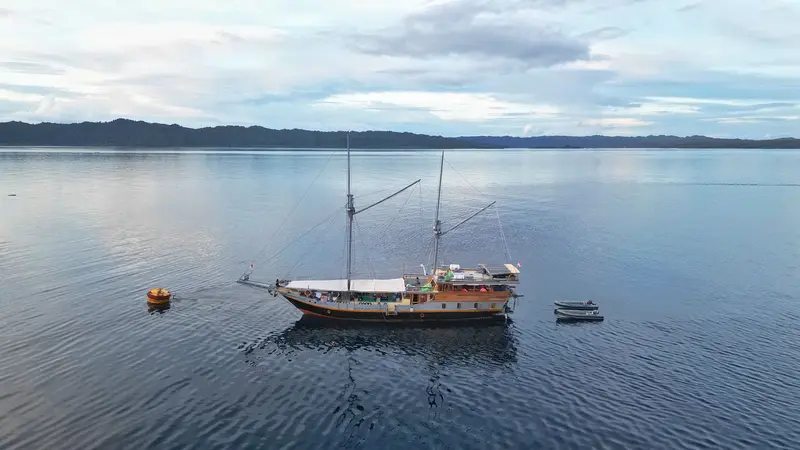
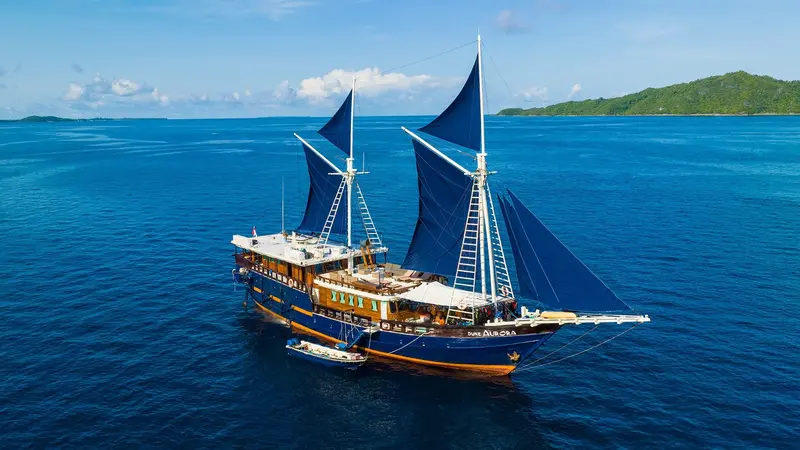
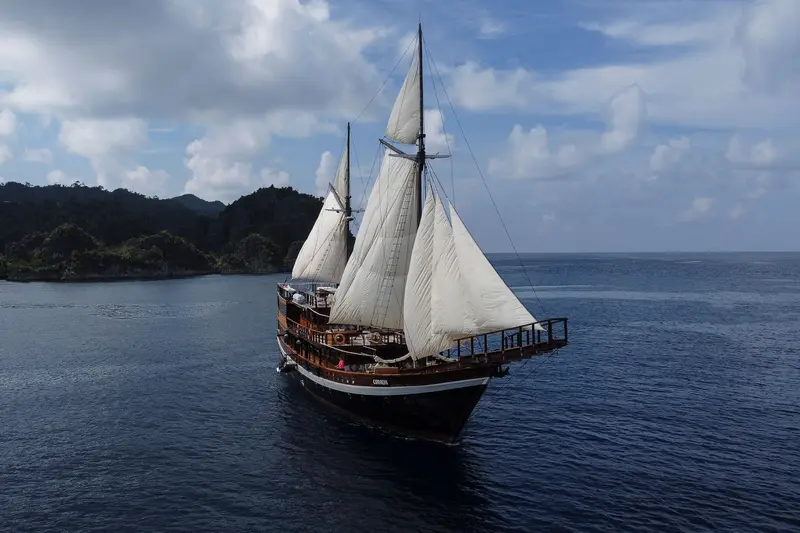
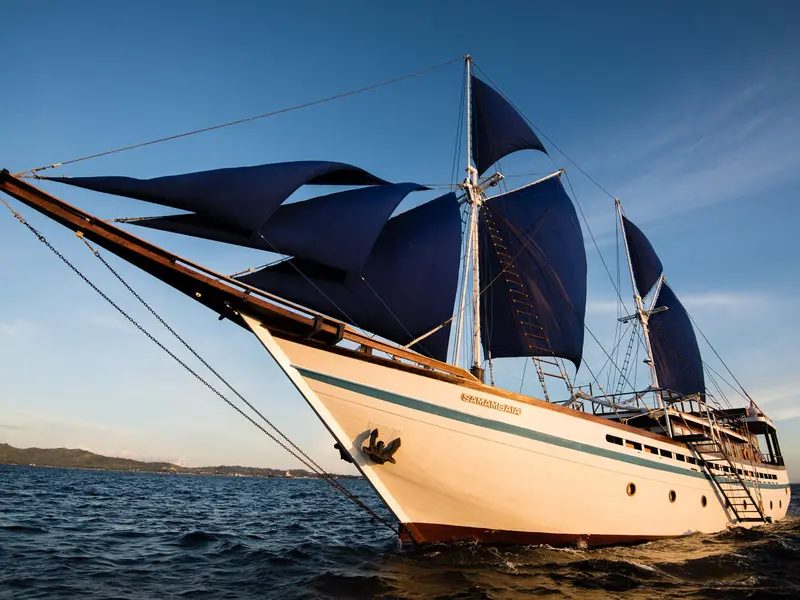
- A traditional wooden Bugis schooner, built in 2010 and dedicated to diving in Raja Ampat and Cenderawasih Bay.
- The large shaded dive deck gives every diver an assigned gear-up station, with camera table, charging points, rinse tanks and tender access.
- Up to four dives a day are offered, including night dives on selected itineraries, with nitrox available as an optional extra.
- The boat carries up to 14 passengers in seven air-conditioned cabins, all with private bathrooms.
For subtitles in English: start the video firstthen click the gearat the top right of the video, select “Subtitles/CC”, then “Auto-translate” and choose “English”.
The invitation
Pearl of Papua is for divers who want Raja Ampat to remain the centre of the trip. It is a traditional wooden Bugis schooner rather than a polished luxury yacht, with a practical layout shaped around long days in the water. The reason to choose it is the combination: a serious dive operation, a small passenger group, and routes that reach the northern reefs, Misool, or the full South–North passage. The crew’s strength is part of the appeal. Dive guides are known for finding tiny reef life as readily as they handle strong currents, while the cruise team adjusts plans to weather and current instead of treating an itinerary as fixed. Come aboard for the reefs, mantas, schooling fish and macro life. Stay because the boat makes four-dive days manageable.
Boarding
Pearl of Papua comes into Sorong as a working wooden schooner, built by boatbuilders in Tanah Beru, South Sulawesi. Its character is practical rather than showy: the vessel was designed for expeditions, with wide working areas for divers and enough separate deck space to avoid turning every surface into a passageway. Once aboard, the crew takes guests through the cabins and facilities before departure, then the boat settles into its role as a mobile dive base. The open decks connect the dive operation, meals and time ashore without making the vessel feel like a hotel corridor. It is not the boat to choose for a new-build yacht finish; the boat score is lower than the crew, food and diving scores. What that buys in return is a straightforward platform where the staff, the food and the diving carry the experience.
The atmosphere on board
Pearl of Papua’s atmosphere is built by a crew that stays close to the day rather than disappearing behind service routines. The crew is local and international, speaks English, and works with a passenger group small enough for guides and stewards to notice when someone needs help. Dive guides are praised for spotting animals as small as rice-grain reef fish, while the cruise team checks weather and current and changes the plan when that improves the diving. Strong current does not become a test of pride: guests are paired and grouped according to comfort and ability, with the guides staying close in the water. By evening, the same people who carried gear and managed changeovers are part of the conversation around dinner and the deck. The result is warm and informal, with the crew’s care doing more for the boat than its mid-level finish.
The sites you’ll dive
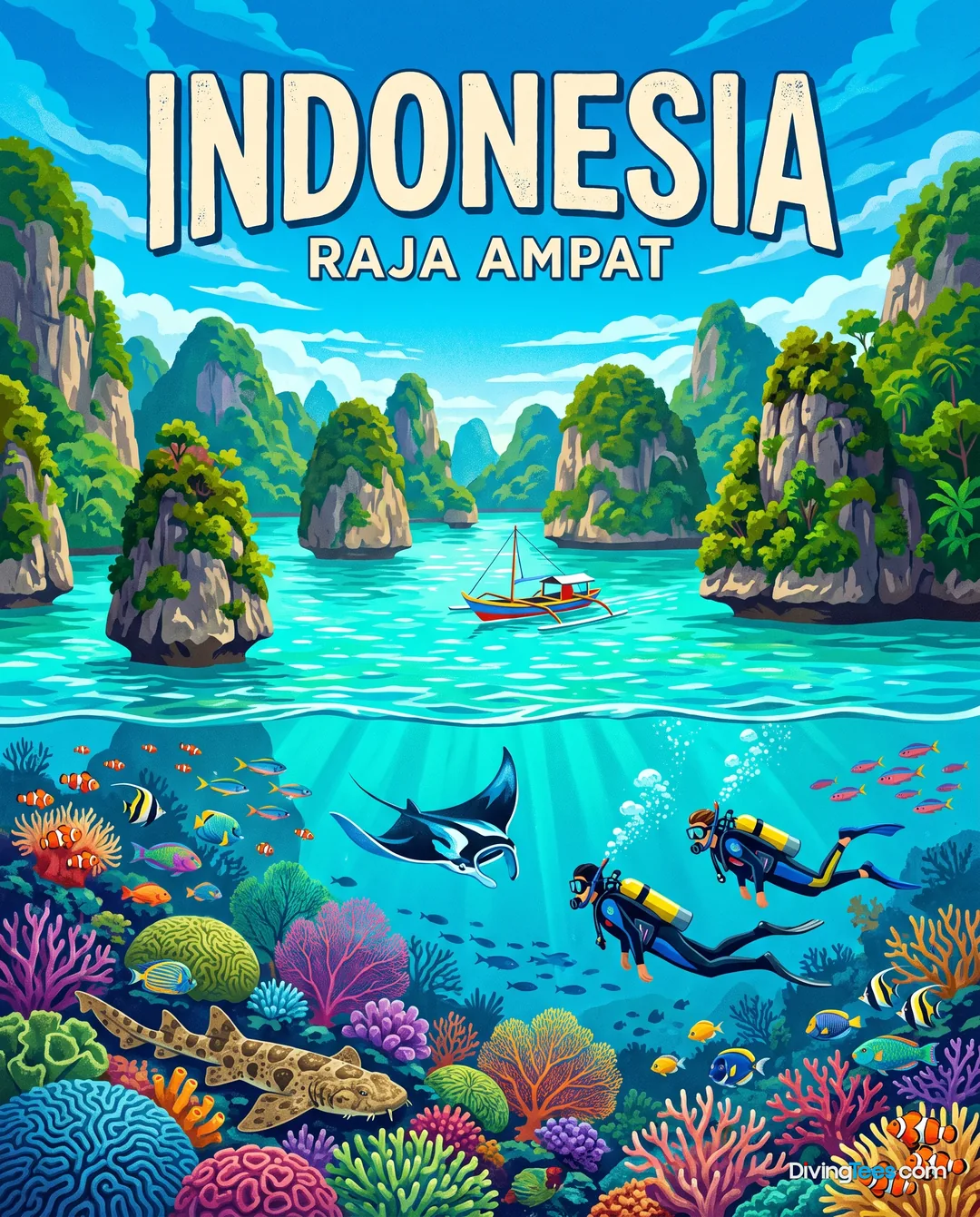
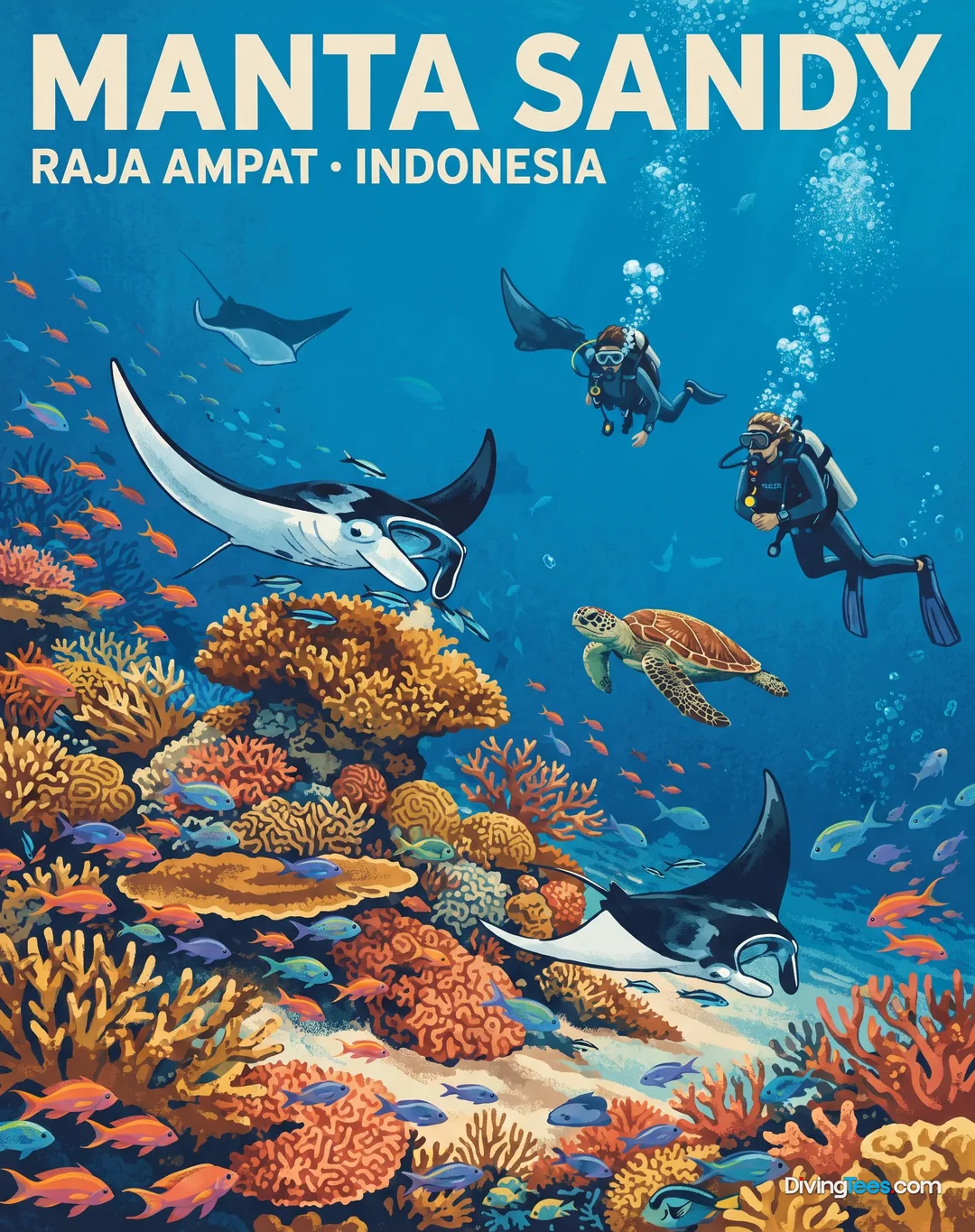
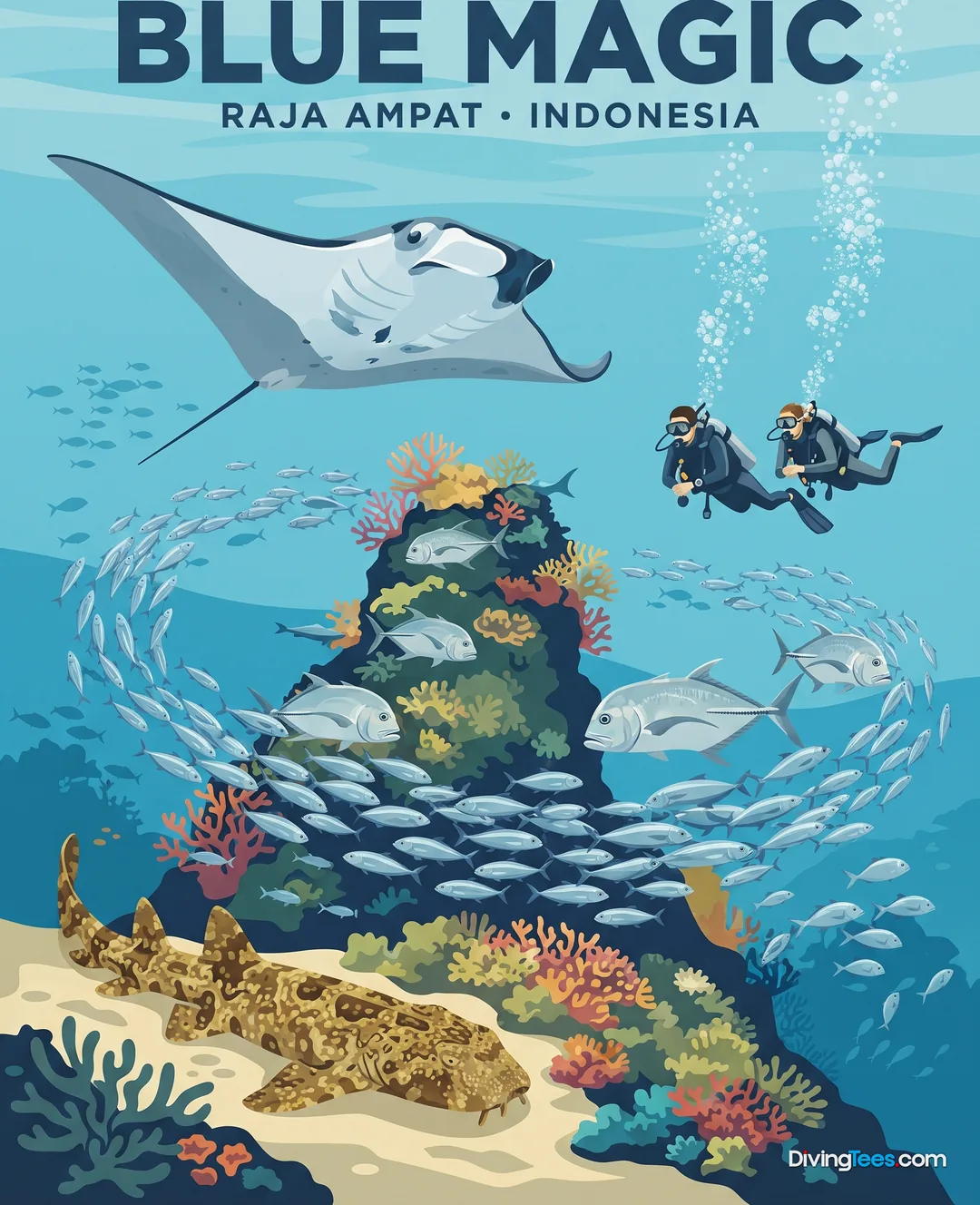
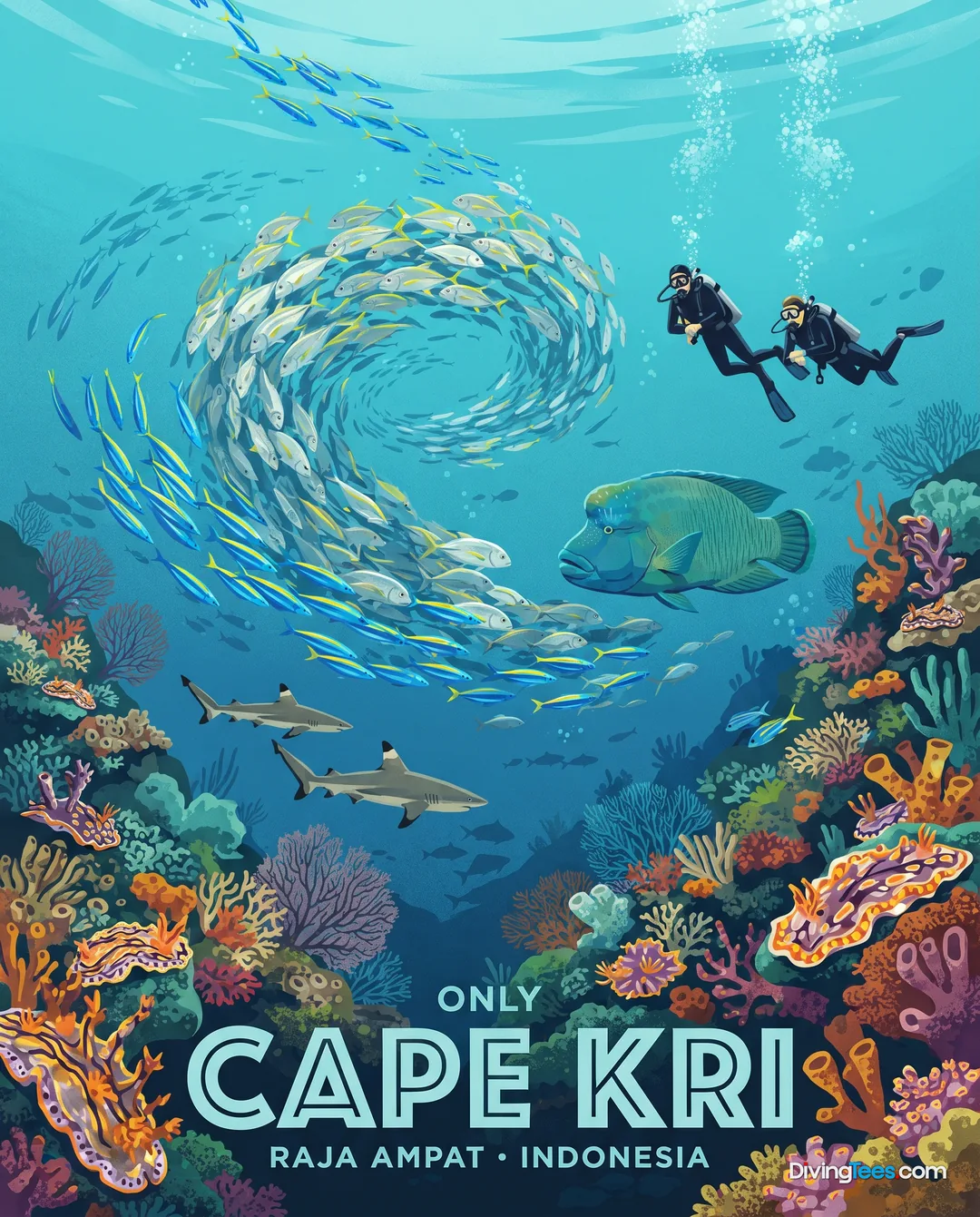
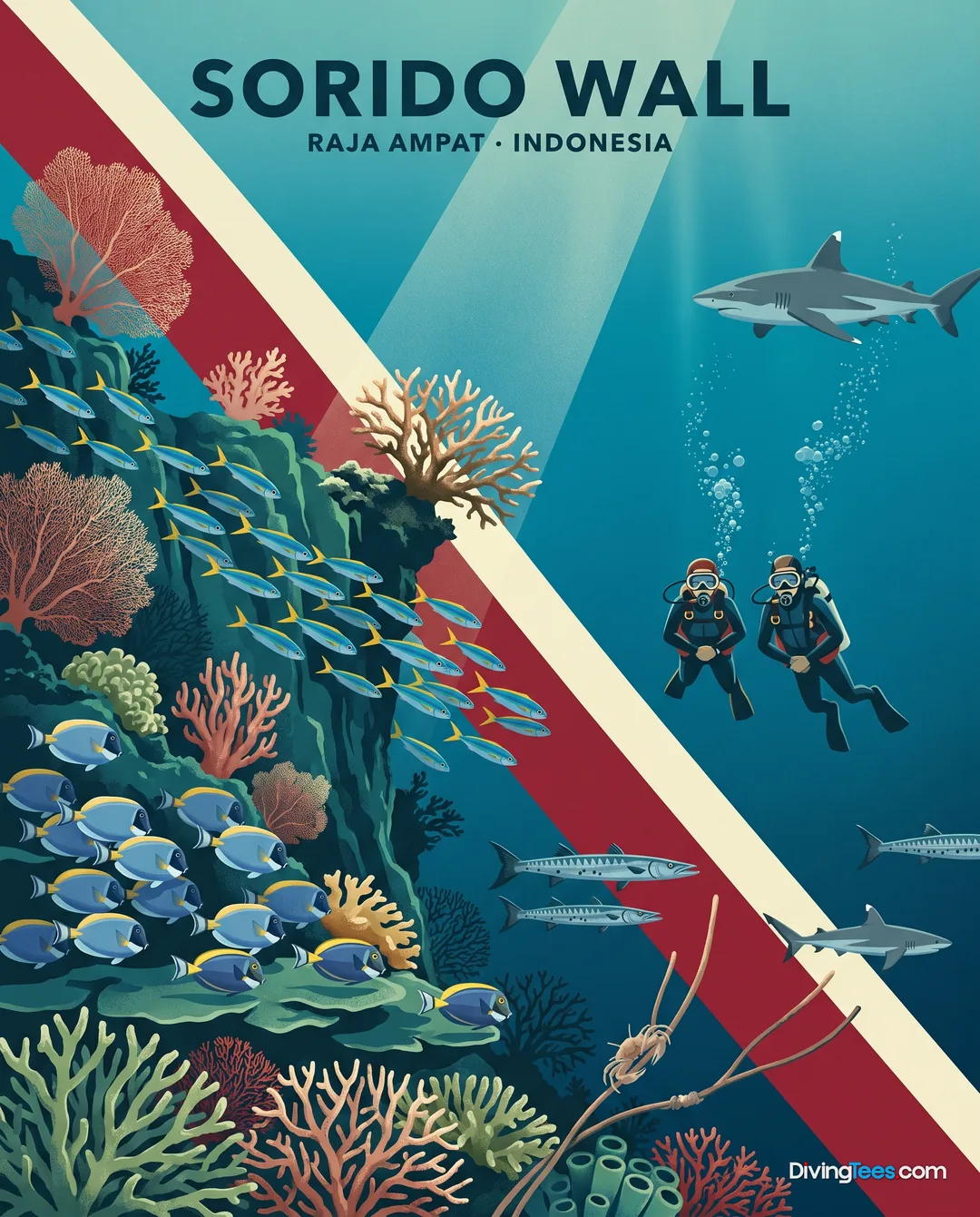
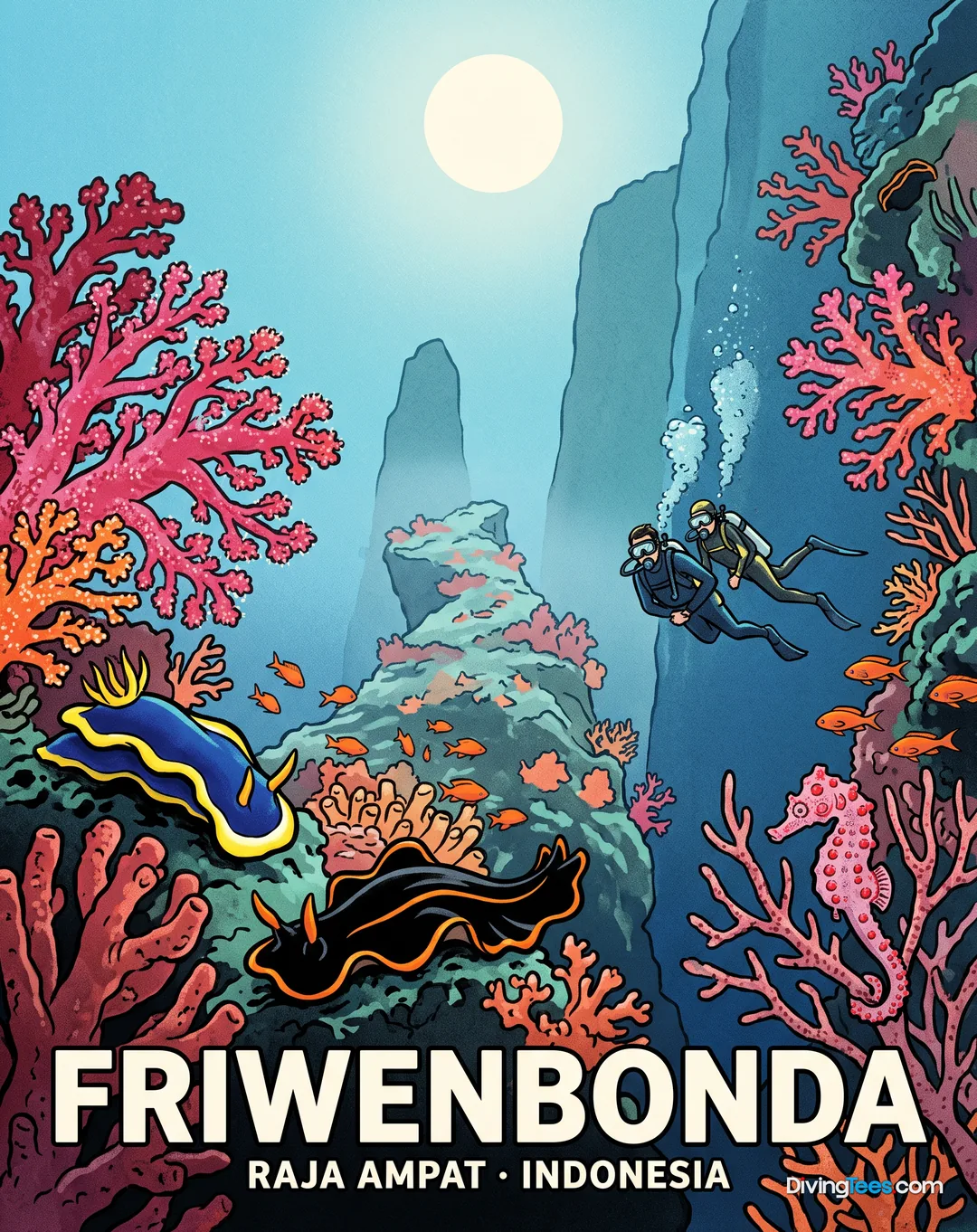
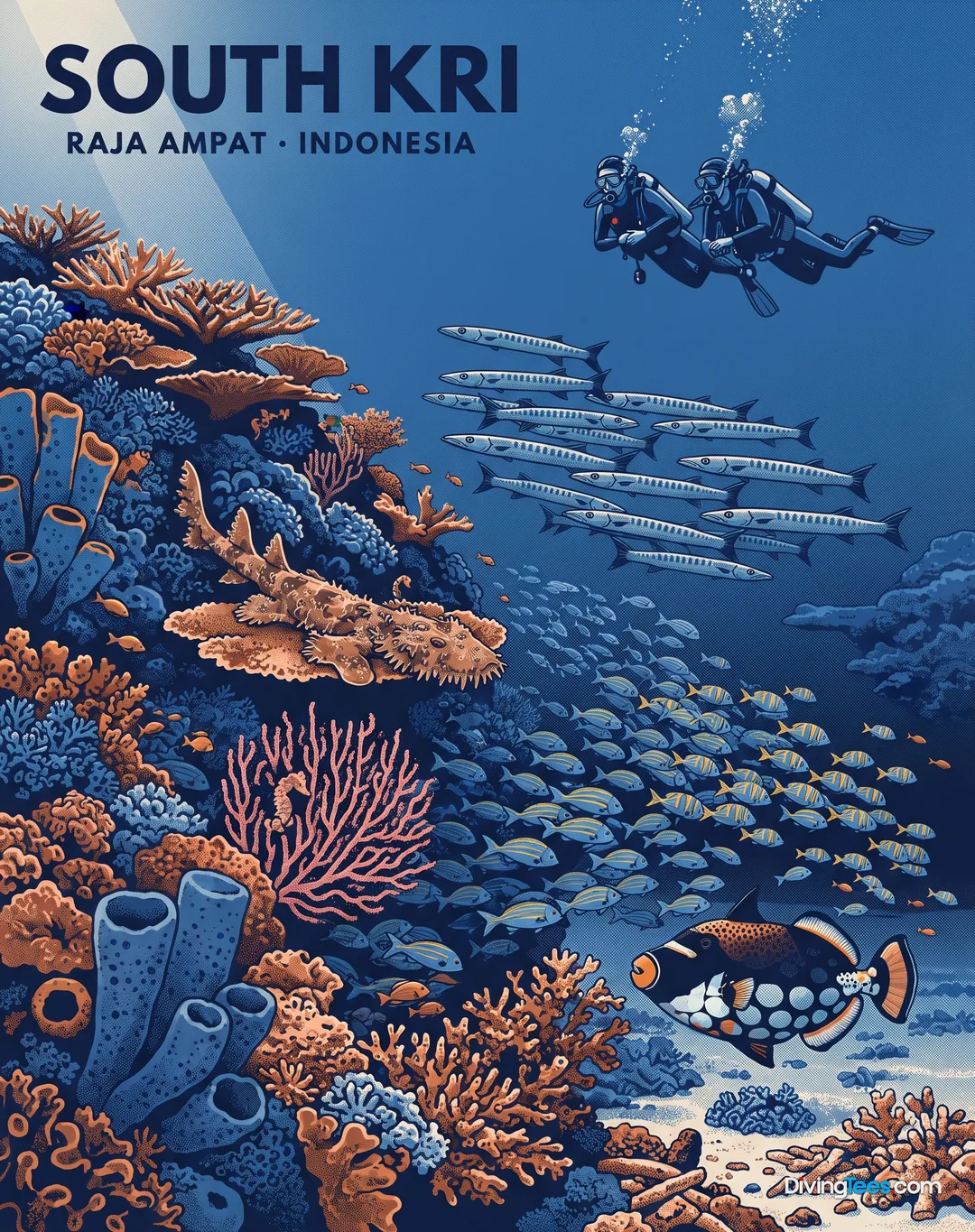
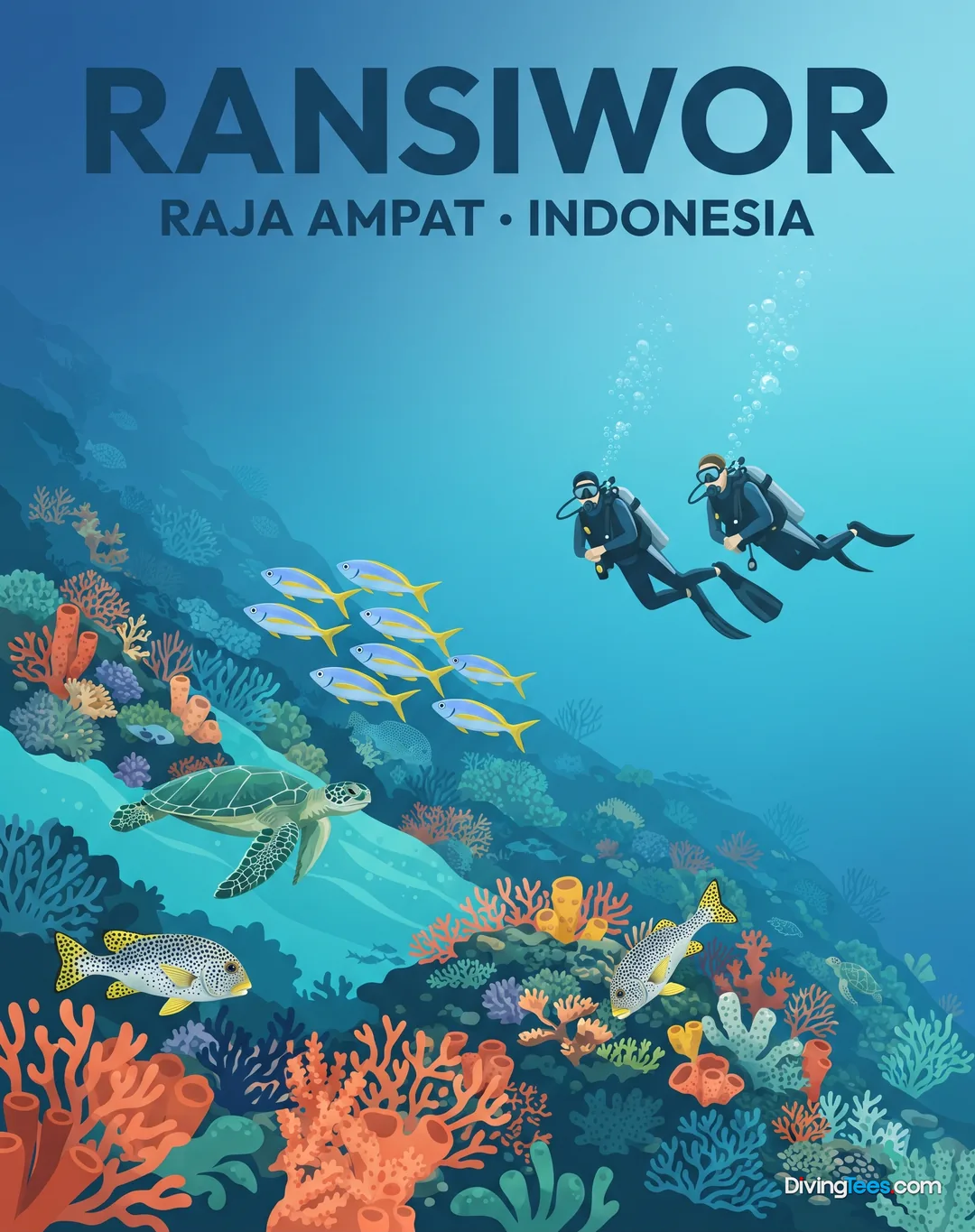
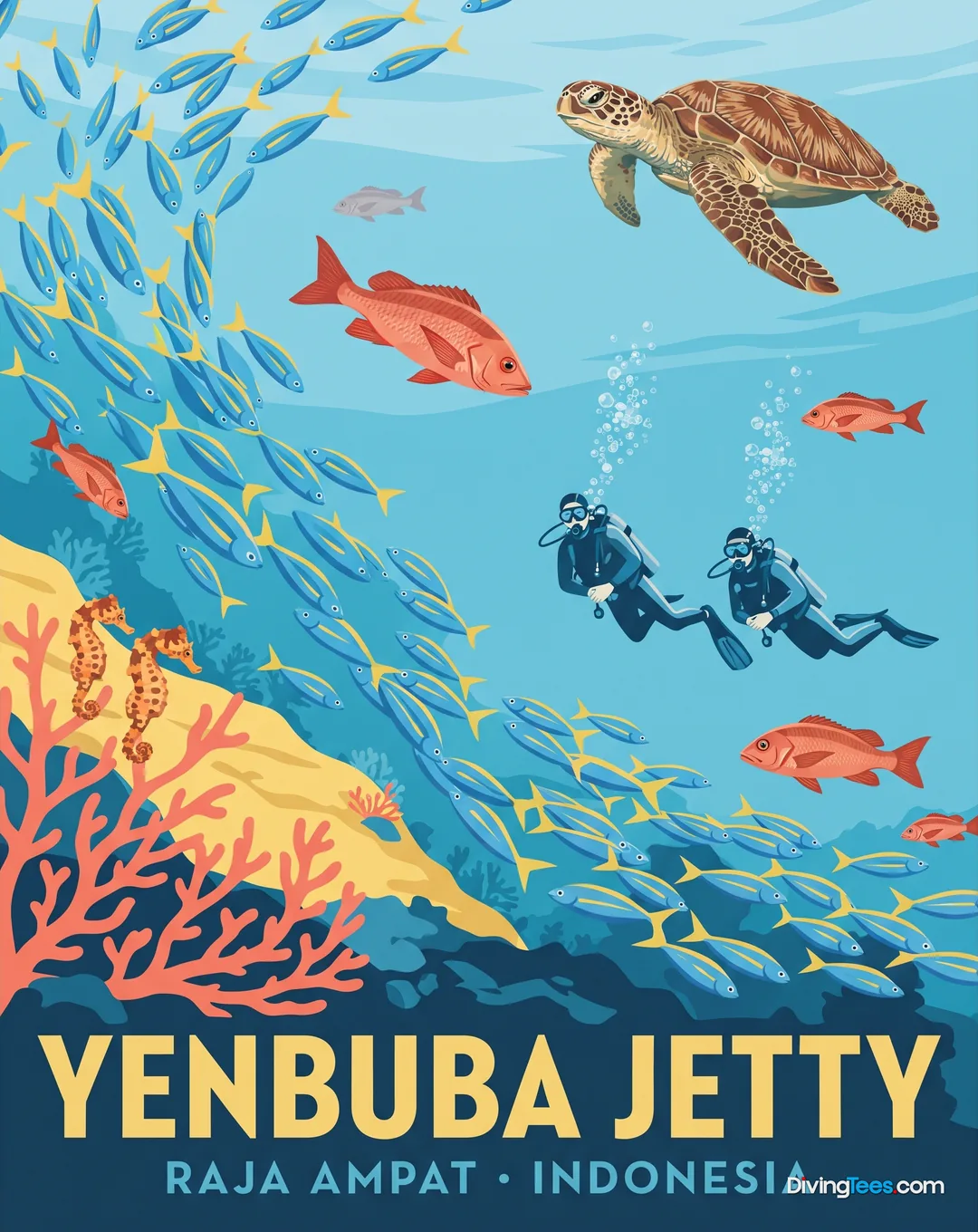
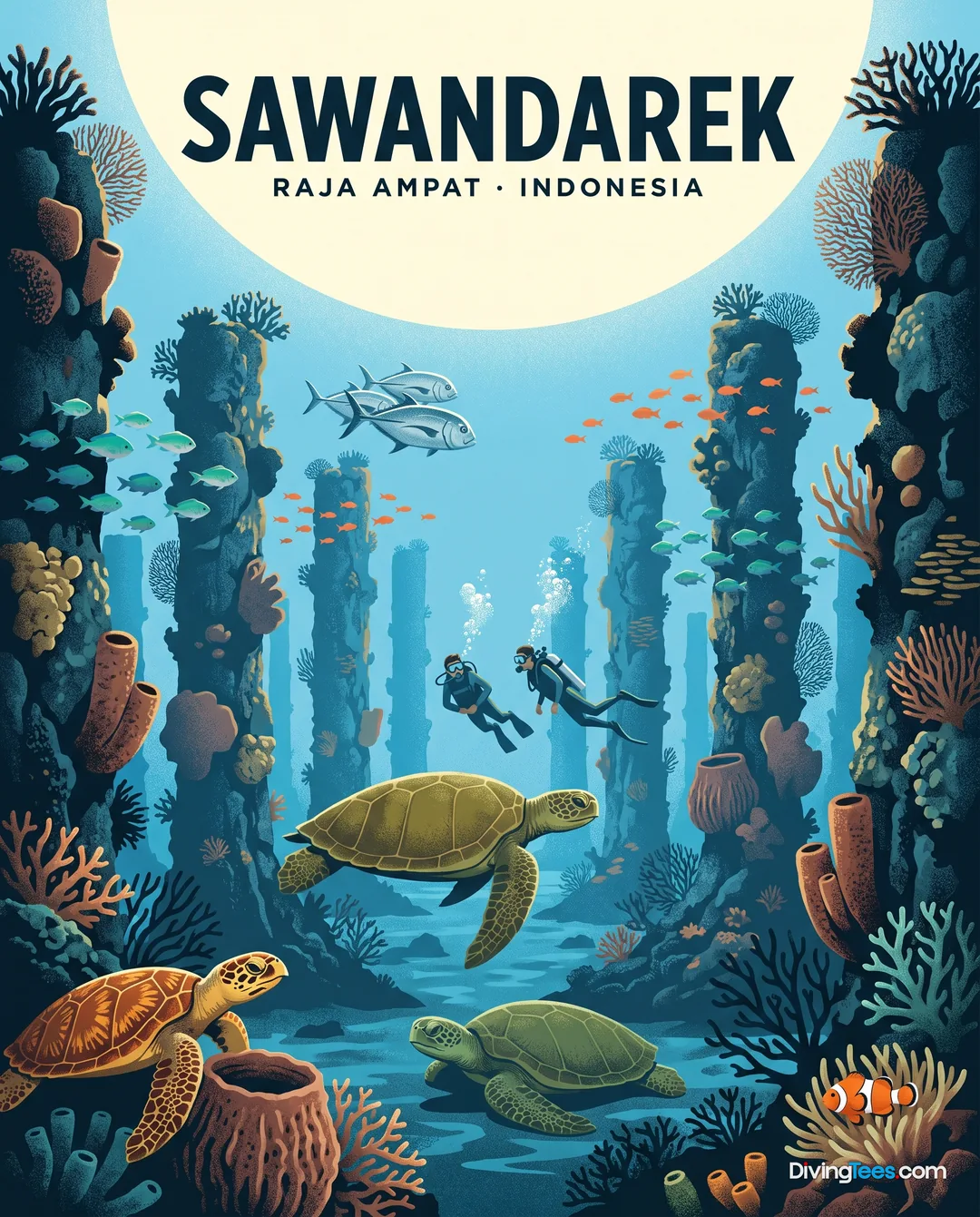
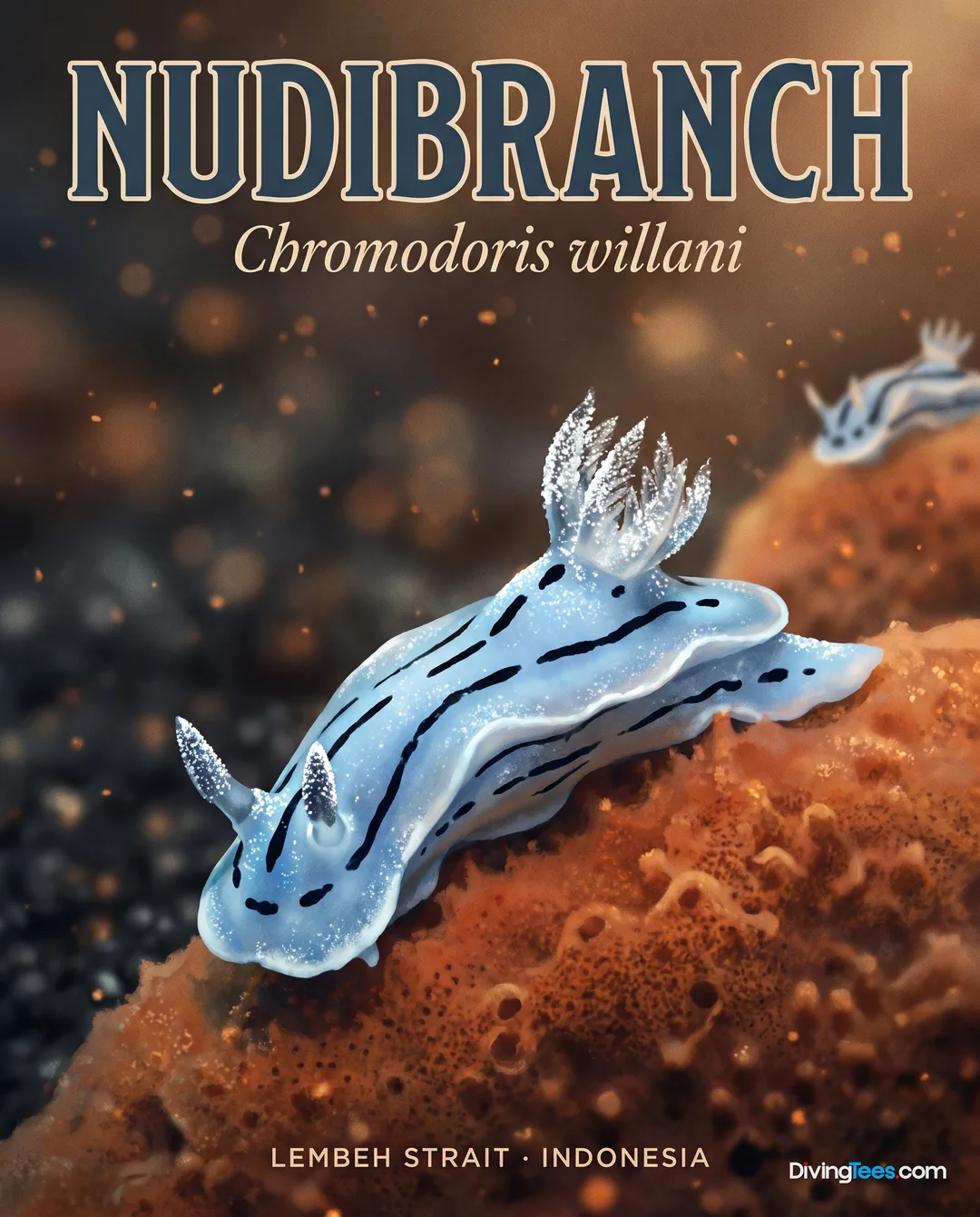
Northern Raja Ampat is the boat’s clearest signature, on Sorong–Sorong trips lasting 8 or 9 days and 7 or 8 nights. Manta Sandy brings divers and snorkelers to reef manta rays hovering over cleaning stations. Mike’s Point combines reef overhangs covered in soft corals and sweetlips with a flat plateau where eagle rays may pass, reaching a maximum of -40m. Melissa’s Garden is a coral garden of soft corals and staghorn formations to -35m, while Blue Magic puts schooling fish and oceanic mantas into the blue. Cape Kri is the abundance dive, with large schools, reef sharks and the possibility of seeing the site’s recorded 374 fish species on one dive. Sorido Wall carries barracudas and reef sharks alongside fusiliers and surgeonfish; Friwenbonda follows a colourful soft-coral wall rich in nudibranchs and pygmy seahorses. South Kri is a drift over schooling fish and macro life. Ransiwor slopes to -30m, Yenbuba Jetty to -30m beneath fish-filled pilings, and Sawandarek offers giant green turtles in the shallows. Longer 9-day Misool trips and 11-day South–North routes extend the expedition beyond the northern circuit.
Itineraries, dates and prices
Prices per person. Each month shows its lowest price: click a month, or pick an itinerary.
Next departures · 31 departuresfrom £1,934$2,586€2,310
December 2026
January 2027
March 2027
See dates and prices
If you click these links and make a purchase on the partner site, DivingDeal may earn a commission, at no extra cost to you.
Dates and prices taken from Divebooker and liveaboard.com, updated 22 October 2026
What you’ll meet underwater
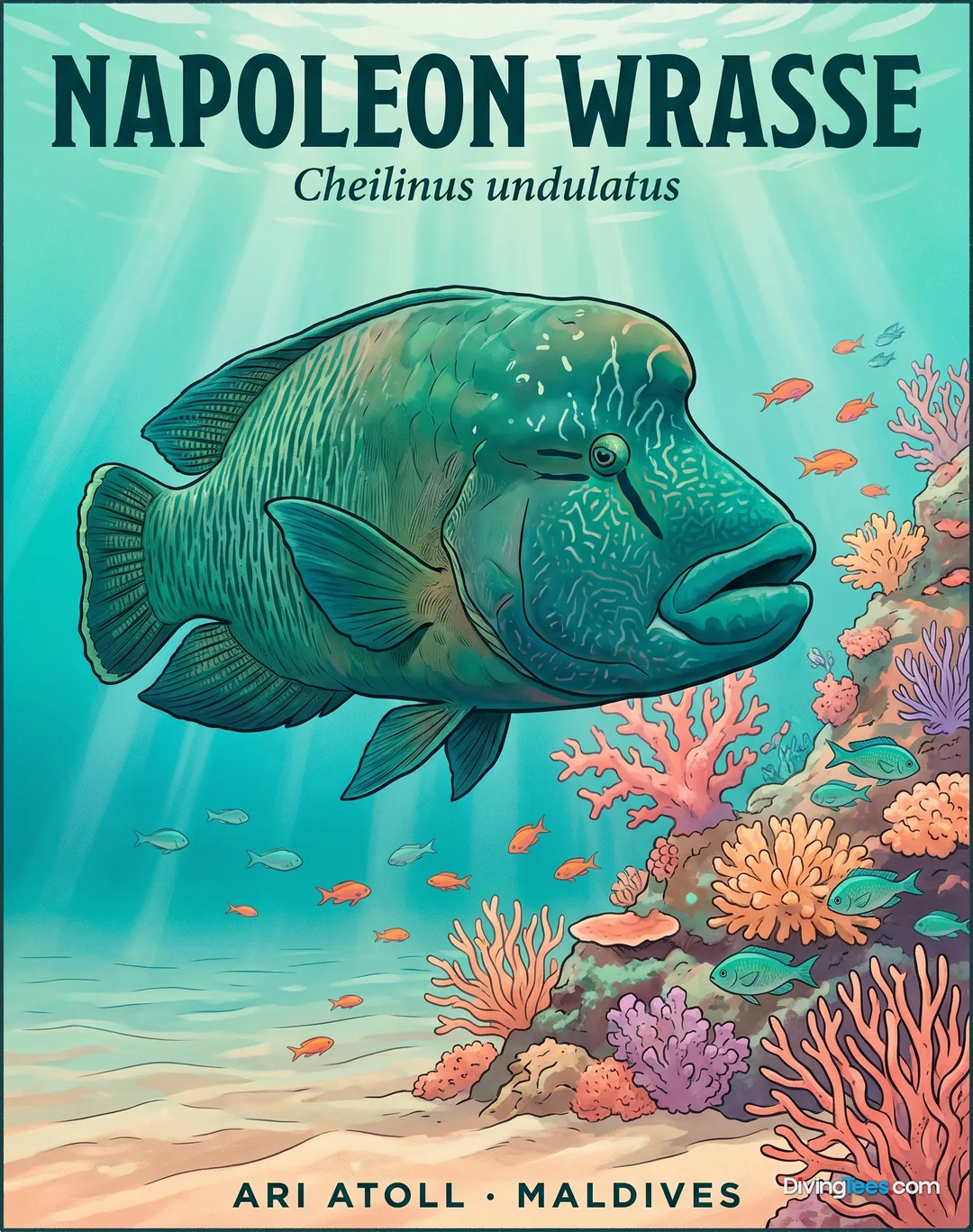
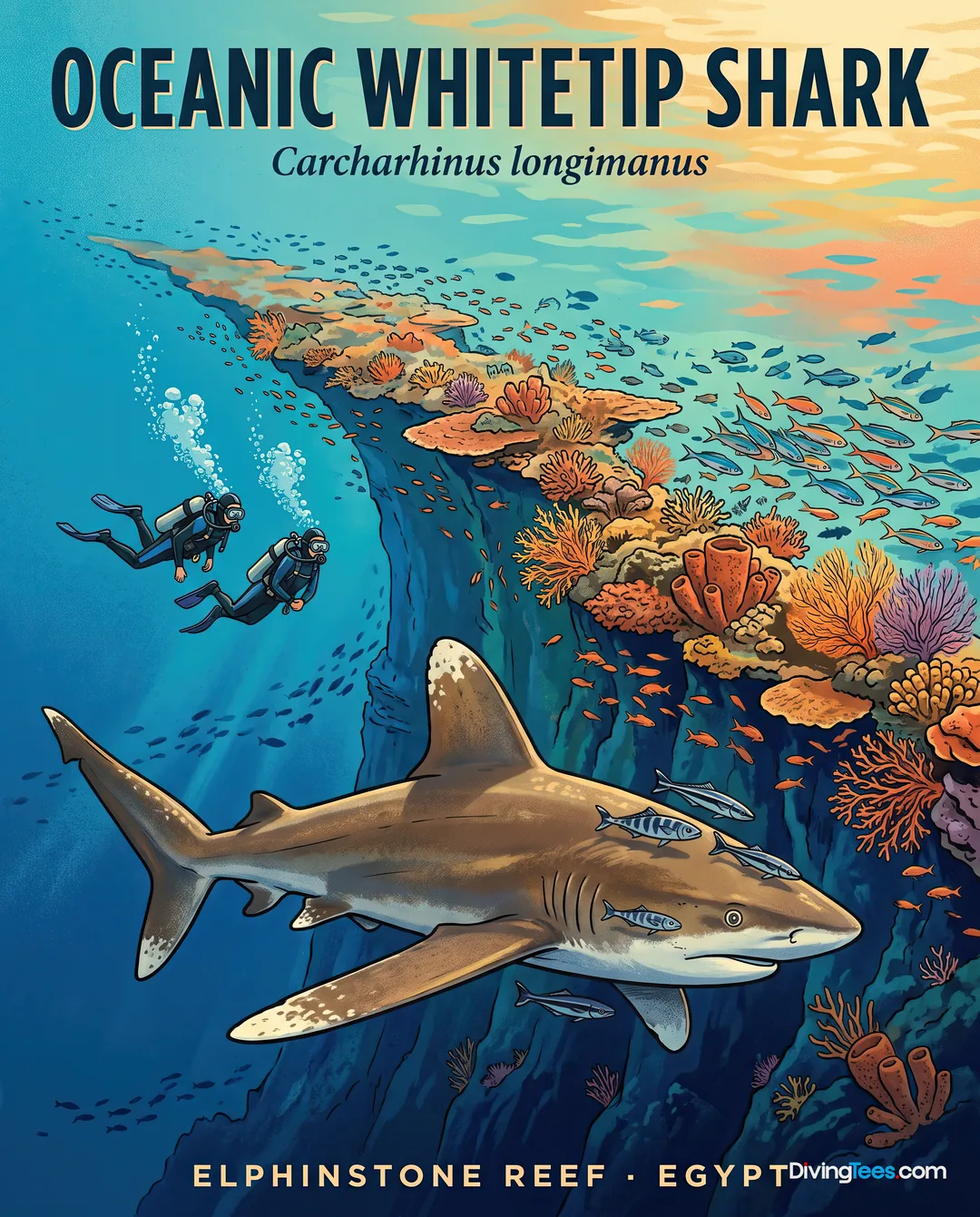
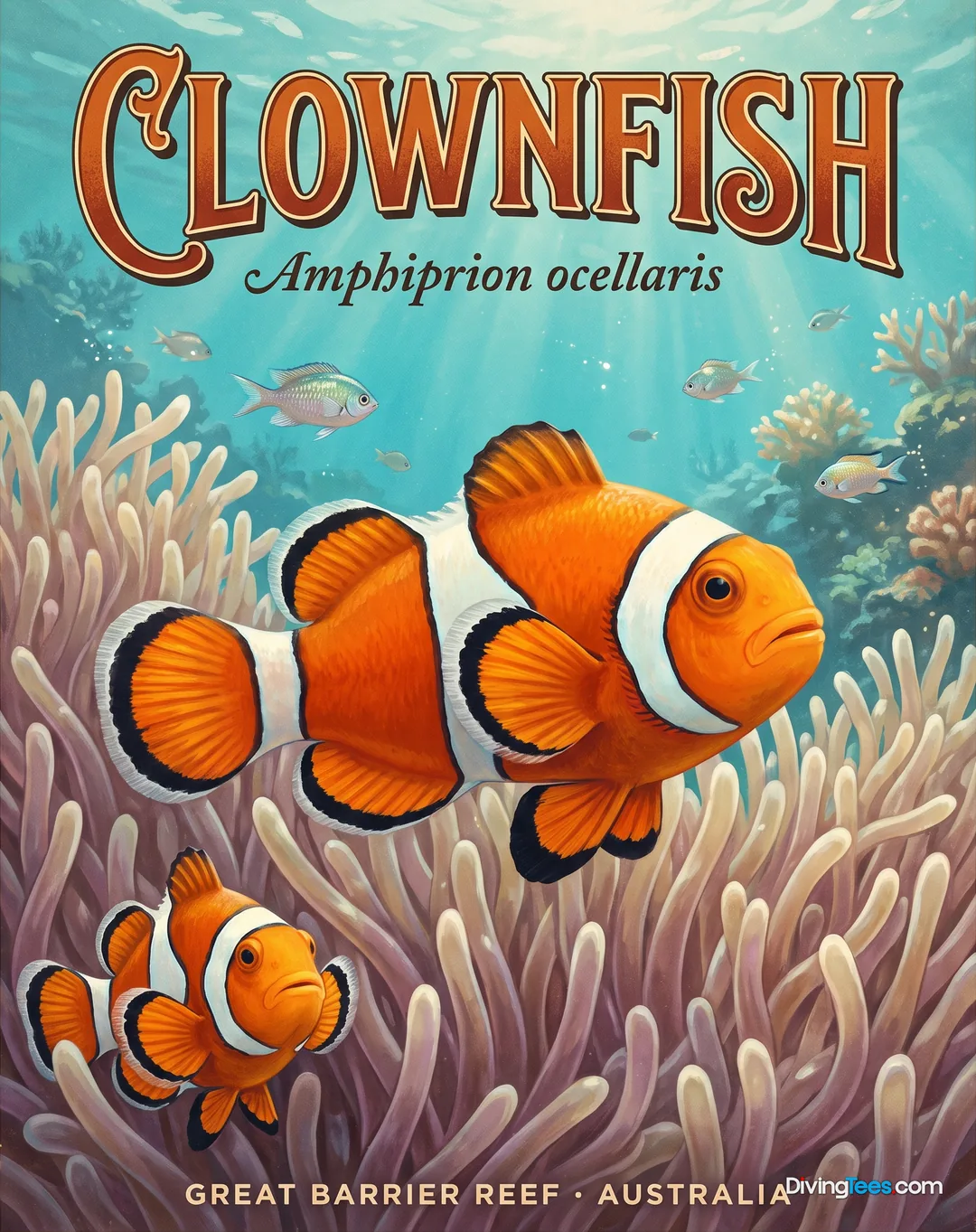
The repeated spectacle on this route is movement: barracudas, reef sharks, trevally, fusiliers, sweetlips and humphead parrotfish moving through reefs that also reward a slow search for nudibranchs and pygmy seahorses. Sea turtles, Napoleon wrasse, soft corals, eagle rays and blacktip reef sharks appear across several sites rather than belonging to one lucky corner. The specific encounters give each stop its reason. At Cape Kri, giant grouper and whitetip reef sharks are recorded alongside the dense fish life. Blue Magic is the place for oceanic reef action, with oceanic manta rays, oceanic whitetip sharks and tuna possible in the blue. Ransiwor is where an octopus and clownfish have been recorded; South Kri adds bigeye trevally, crabs and shrimp; Yenbuba Jetty brings anthias and damselfish around the coral-covered pilings; Sorido Wall is noted for surgeonfish. Current is not background scenery here. It is one of the forces that concentrates schooling fish and pelagics.

Who puts you in the water
Professional dive guides lead the groups, with a guide-to-guest ratio of 1:5. The crew carries and assembles equipment, manages changeovers and monitors comfort and safety, but divers are expected to stay within their certification and experience. The cruise begins with a check dive on an easy site without current, allowing the guides to assess comfort, pair buddies and organise groups before the more demanding reefs. Briefings are conducted after the route has been discussed with the captain, and the next day’s plan is reviewed as conditions develop. Open Water and Advanced courses can run aboard by special arrangement. The boat carries emergency oxygen, first-aid boxes, life jackets, life rafts, VHF and SSB radios, GPS, radar, satellite telephone and an EPIRB. There is no promise of a fixed route: current, weather and safe anchorage decide how each site is approached.
The dive deck and the gear
This is a dive boat first. The dedicated dive deck assigns each diver a gear-up station for the whole cruise, so a regulator, BCD and wetsuit do not migrate around the boat between dives. Two Bauer Mariner 200 compressors fill 47 12-litre tanks and three 15-litre tanks; DIN adapters are available. Nitrox is available to certified nitrox divers as an optional extra. Divers enter from tender boats by back-roll, and a tender remains on the surface to collect anyone who surfaces before the rest of the group. The deck is shaded and has rinse tanks, an outdoor shower for the return from the water, a camera table and battery charging at both 110V and 220V. Rental equipment is from Scubapro and Aqualung and covers BCD, wetsuit, regulator, mask and fins; torches, computers and 15-litre tanks are handled separately. Bring a computer and torch if those are essential to the way you dive.
Between dives
Between dives, the boat gives guests covered deck space, a terrace and quieter corners away from the working dive area. The gaps can be spent drying gear, checking photographs at the camera table, watching the islands slide past or simply staying still until the next briefing. Shore programmes add a different kind of interval: guests may explore tropical islands and eat a beach barbecue instead of spending every surface hour aboard. Sailing legs are part of the route, especially when the boat moves between Raja Ampat regions, and the current plan can change with weather and sea conditions. Wi-Fi and internet are available, but the useful habit is to treat the deck as the main lounge. Non-divers and snorkelers are welcome, so a partner can join the landscape and island stops without needing to follow every descent.
A day on board
A day is organised around the water, not around a sightseeing timetable. The first briefing sets the site, current and group plan; after the dive, the tender brings divers back to the boat while the deck crew handles the next changeover. Meals and snacks appear in the gaps, with time to rinse gear, work at the camera table or lie under the shade before the next descent. The programme can reach four dives in a day, and selected itineraries add a night dive, when the same reef changes from schooling fish and passing pelagics to hunting and hiding animals. Sailing happens when the route requires it, including the longer passages between Raja Ampat regions. The next day’s plan is discussed after dinner and can be altered for weather, current or a safer anchorage. A shore visit or beach barbecue breaks the pattern without taking the trip away from diving.
What you eat aboard
A professional chef runs the galley, serving fresh meals in a mix of Indonesian and Western cooking. Full board includes meals and snacks, with vegetarian options, buffet service and non-alcoholic drinks such as water, tea and coffee; local dishes sit alongside more familiar plates rather than replacing them. Barbecue meals on a beach are part of the group shore programme, not just a change of table on deck. On a boat offering up to four dives a day, food has a practical job: breakfast starts the diving, later meals restore energy without demanding a long pause, and snacks bridge the gaps between entries. The food score is the boat’s highest, and passengers consistently describe the meals as plentiful, varied and tasty. That is important here. A good reef does not compensate for a galley that cannot keep pace with the dive schedule.
Nights at sea
The seven cabins are air-conditioned and have private bathrooms with hot-water showers. Seahorse Standard cabins use bunk beds, while the Trevally Deluxe cabins offer double or twin arrangements; the Manta Suite and Seaview Suites give more room, with the Seaview cabins placed on the upper deck and fitted with panoramic windows. That choice matters after a long day underwater. The standard cabin is a place to sleep and wash, while the larger cabins give more breathing room and, in the Seaview category, a broad view rather than a small opening onto the outside. The boat provides daily cabin cleaning, towels and toiletries. Cabins are non-smoking. Above them, covered and open deck areas let guests step outside without having to turn the sleeping space into the social space.
Seahorse Standard Cabin
Trevally Deluxe Twin Cabin
Trevally Deluxe Double Cabin
Manta Suite Cabin
Seaview Suite Cabins
What to know before boarding
Raja Ampat cruises depart from and return to Sorong. Transfers from the airport or a Sorong hotel to the vessel, and back on the return day, are included; the crew meets arriving guests and escorts them to the boat. Arriving in Sorong the night before is strongly advised, so a delayed or tiring journey does not begin on the dive deck.
Deck plan
- Year built
- 2010
- Length
- 30 m
- Beam
- 7.5 m
- Maximum number of passengers
- 14
- Number of cabins
- 7
- Number of bathrooms
- 7
- Engines
- Mitsubishi MEBDC 91A 200 hp
- Cruising speed
- 6 knots
- Website
- papualiveaboard.com ↗
Hello, I'm Marina, DivingDeal.com's AI assistant. I answer in detail about hotels, dive centres and liveaboards.
Thinking about the whole trip and the flights? Talk it over with Edith →
Marina is an AI. Some links are affiliate links: DivingDeal may earn a commission, at no extra cost to you. Bookings are made with the partner.