Adventure Divers Bali
Google 5/5 (1,690 reviews)
3.6 km away as the crow flies
Amed · Indonesia · Asia
Max. depth · 50 mBegin your dive at Bunutan over a sand field teeming with garden eels, then drift along a vibrant reef slope where pelagic life often moves through.
For subtitles in English: start the video firstthen click the gearat the top right of the video, select “Subtitles/CC”, then “Auto-translate” and choose “English”.
Bunutan is primarily a drift dive, following the currents along a gently sloping reef system that defines this stretch of coast in Amed. The entry point often begins over a sandy area, where you immediately encounter extensive fields of garden eels (Heteroconger hassi), their slender bodies swaying rhythmically from their burrows. This initial zone typically sits between 5 to 15 metres, providing a calm start before you move onto the main reef structure.
As you drift further, the sandy slope transitions into a vibrant coral reef, characterized by hard and soft coral formations. Here, massive barrel sponges (Xestospongia testudinaria) and large gorgonian fans become prominent, providing intricate habitats. This section of the reef slopes down to approximately 40 to 50 metres, offering a chance to explore deeper if conditions allow and your level permits.
The topography at Bunutan consists of a sloping reef interspersed with sand channels and coral bommies. This varied structure creates numerous niches for reef life. You'll find a wide range of butterflyfish (Chaetodontidae) along the coral, alongside triggerfish and other reef dwellers. Keep an eye out for blue-spotted stingrays (Neotrygon kuhlii) resting on the sandy patches as the current carries you along.
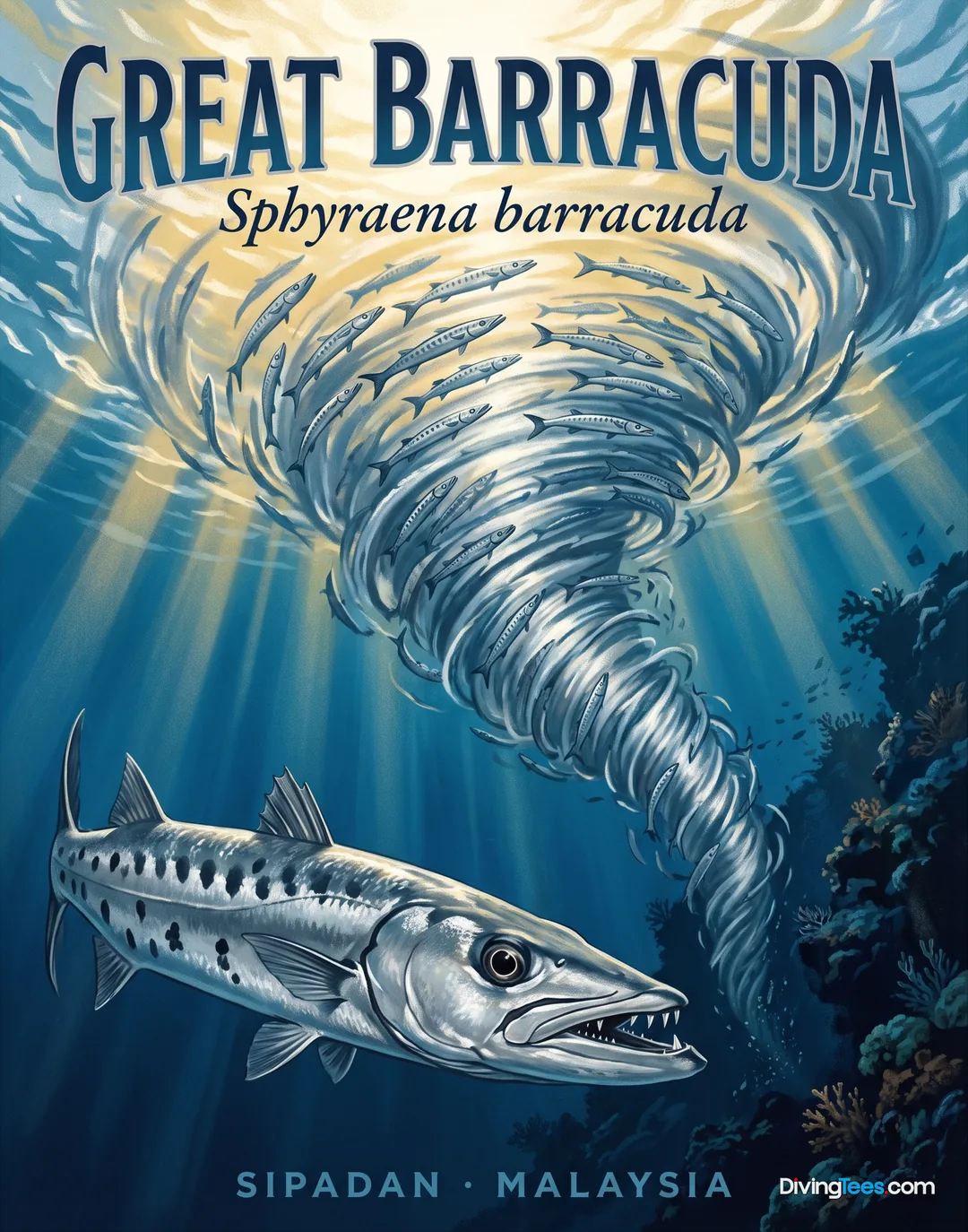
Pelagic encounters are a regular feature at Bunutan, especially in the deeper sections and off the reef edge. Schools of fusiliers (Caesionidae), snappers (Lutjanidae), and jacks (Carangidae) are common. Barracudas (Sphyraena barracuda) are frequently sighted, sometimes in patrolling groups. White-tip reef sharks (Triaenodon obesus) are also observed, often resting in crevices or cruising just off the main reef.
Bunutan is known for its dynamic currents, which can vary from moderate to strong, particularly depending on tidal movements. These currents are what shape the drift dive experience, allowing you to cover significant distances along the reef with minimal effort. While the current provides the momentum, maintaining good buoyancy control is essential to navigate the reef contours effectively.
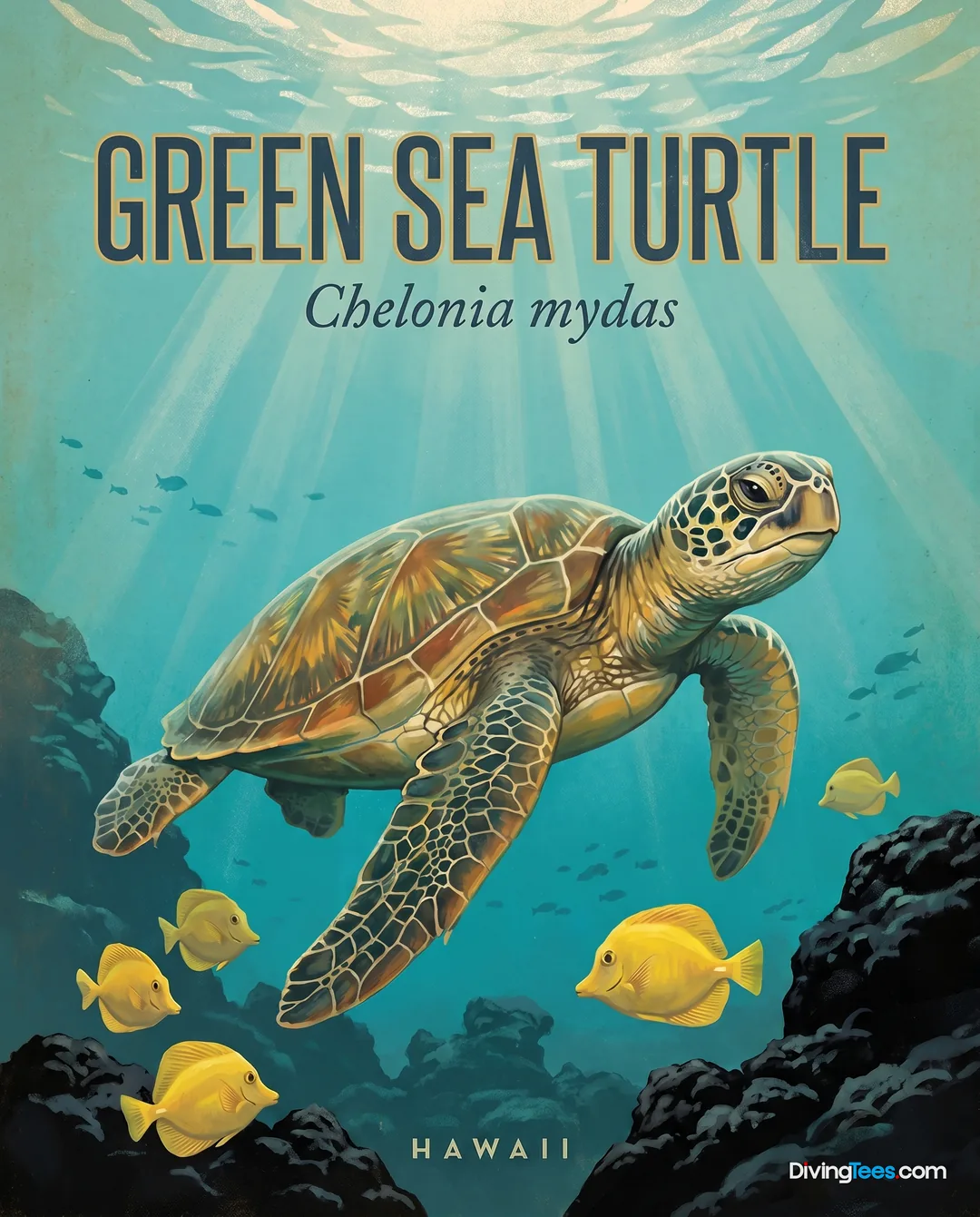
Beyond the larger pelagics, the site also offers opportunities for macro enthusiasts. The healthy reef supports a variety of smaller creatures. While not guaranteed on every dive, pygmy seahorses (Hippocampus bargibanti) can sometimes be found tucked away in the gorgonian fans, requiring a keen eye and careful observation. Keep your eyes open for green sea turtles (Chelonia mydas) or Hawksbill turtles (Eretmochelys imbricata) cruising through the reef.
The dive often concludes over another coral garden or a shallower plateau, which can serve as a decompression stop as you ascend. This brings you back into an area rich with reef fish and good light penetration, making for a pleasant end to the dive. The overall experience at Bunutan is defined by the consistent movement over a healthy, biodiverse reef, making each drift unique.
Bunutan is accessible from 5 metres down to 50 metres, with the main reef structure typically explored between 15 and 40 metres. It requires an intermediate to advanced certification level due to potentially strong and variable currents; a minimum of 50 logged dives is recommended for comfortable navigation in these conditions. Visibility generally ranges from 10 to 25 metres. The best period to dive Bunutan is during the dry season, from April to October, when conditions are typically calmer, though currents remain a defining characteristic.
You can dive Bunutan throughout the year, but the dry season from April to October generally brings calmer conditions. Currents remain a defining feature even during this period, so you should expect a drift dive shaped by water movement rather than a completely still reef experience.
Bunutan is suited to intermediate and advanced divers because currents can be strong and variable, particularly with tidal movements. You should have good buoyancy control and be comfortable navigating while drifting along a sloping reef. A minimum of 50 logged dives is recommended for comfortable navigation at this site.
Bunutan ranges from 5 to 50 metres. The opening section over sand is commonly between 5 and 15 metres, while the main reef is typically explored between 15 and 40 metres. The sloping reef continues toward 40 to 50 metres when conditions and your certification level allow deeper exploration.
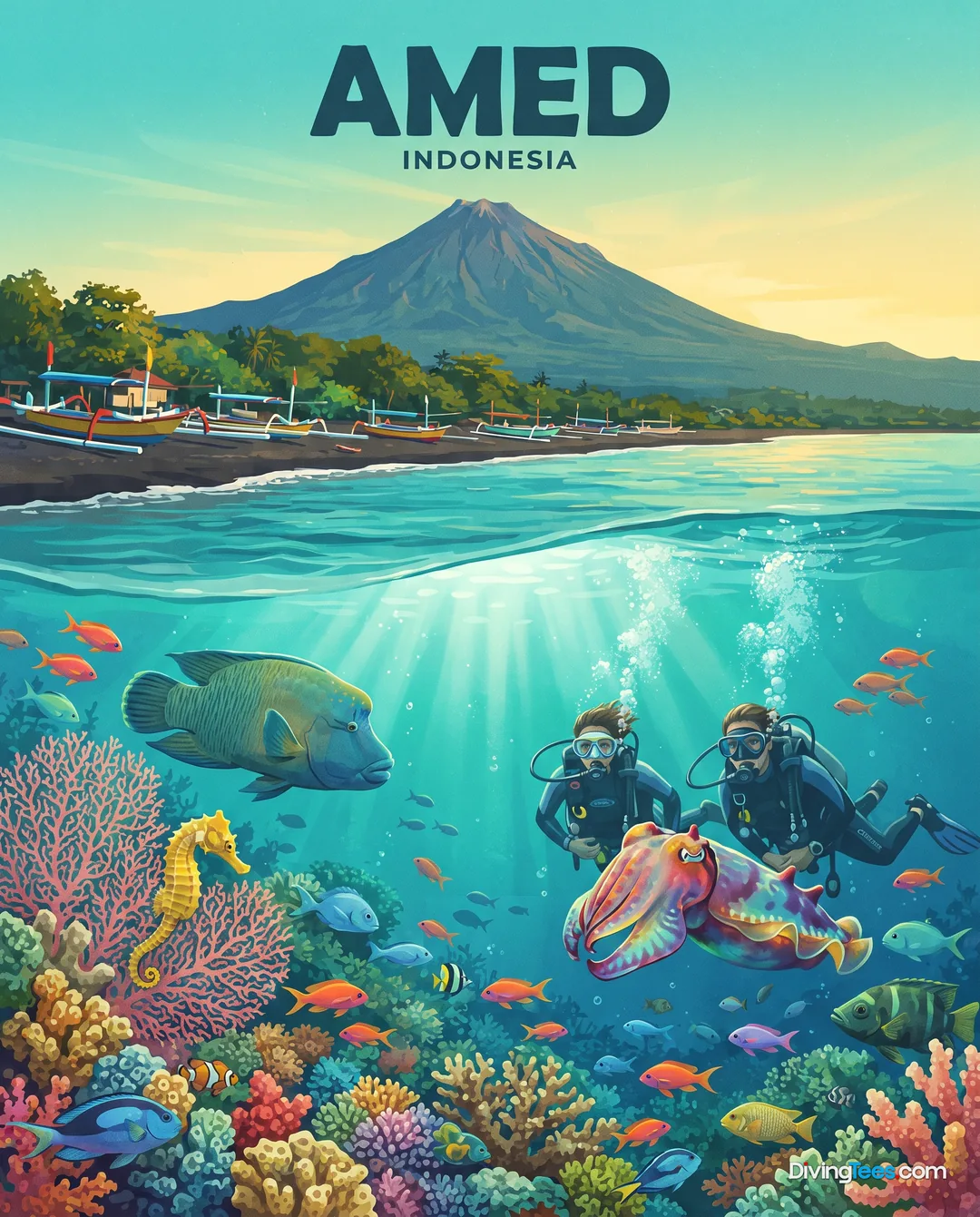
At Bunutan, you can begin among garden eel fields before drifting over hard and soft corals, barrel sponges, and gorgonian fans. Look for barracudas, fusiliers, jacks, snappers, white-tip reef sharks, butterflyfish, triggerfish, blue-spotted stingrays, turtles, and occasional pygmy seahorses in the fans.