Adventure Divers Bali
Google 5/5 (1,690 reviews)
24 km away as the crow flies
Amed · Indonesia · Asia
Max. depth · 20 mDescend into the submerged structure of an abandoned cruise ship jetty, now a thriving artificial reef and dedicated macro habitat.
For subtitles in English: start the video firstthen click the gearat the top right of the video, select “Subtitles/CC”, then “Auto-translate” and choose “English”.
Padang Bai's Jetty presents a unique dive profile as an unused cruise ship pier, now reclaimed by the ocean as an artificial reef. The structure itself, with its concrete pillars and underlying metal framework, provides a complex environment. You begin your descent into waters that often hold a profusion of juvenile fish, drawn to the cover and rich food source provided by the growing soft corals on the pillars.
Exploring the Jetty means navigating between and under the large concrete supports that stretch out into the bay. These pillars, once bare, are now heavily encrusted with gorgonians and a wide variety of soft corals, creating a series of miniature ecosystems. As you weave through them, the play of light filtering from the surface and the constant movement of smaller fish around these structures define the primary visual experience.
The site is celebrated as a premier muck dive, where the focus shifts from grand vistas to the minute details of marine life. This is where you slow down, hone your buoyancy, and begin to scour the substrate and the encrusted surfaces for movement. The rich detritus accumulation around the jetty's base supports an array of cryptic creatures that thrive in these conditions, providing a different kind of challenge and reward for the observant diver.
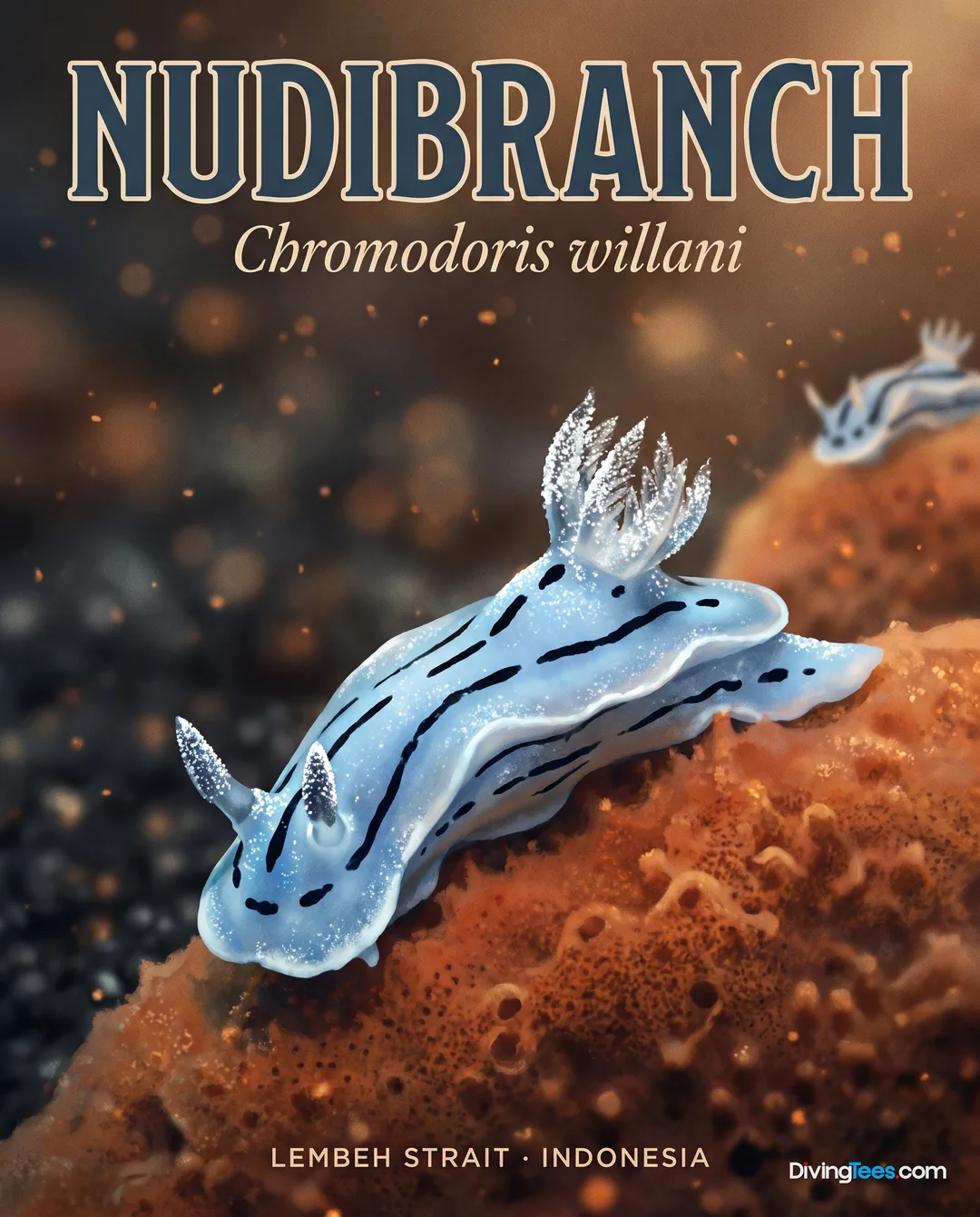
Among the numerous macro inhabitants, you'll encounter various species of frogfish, well-camouflaged against the varied textures of the jetty. Rhinopias, with their ornate fins and vibrant colours, are also a highlight, often found patiently waiting for prey. The site is a known haven for nudibranchs, with a significant diversity that keeps underwater photographers busy capturing their intricate forms and patterns.
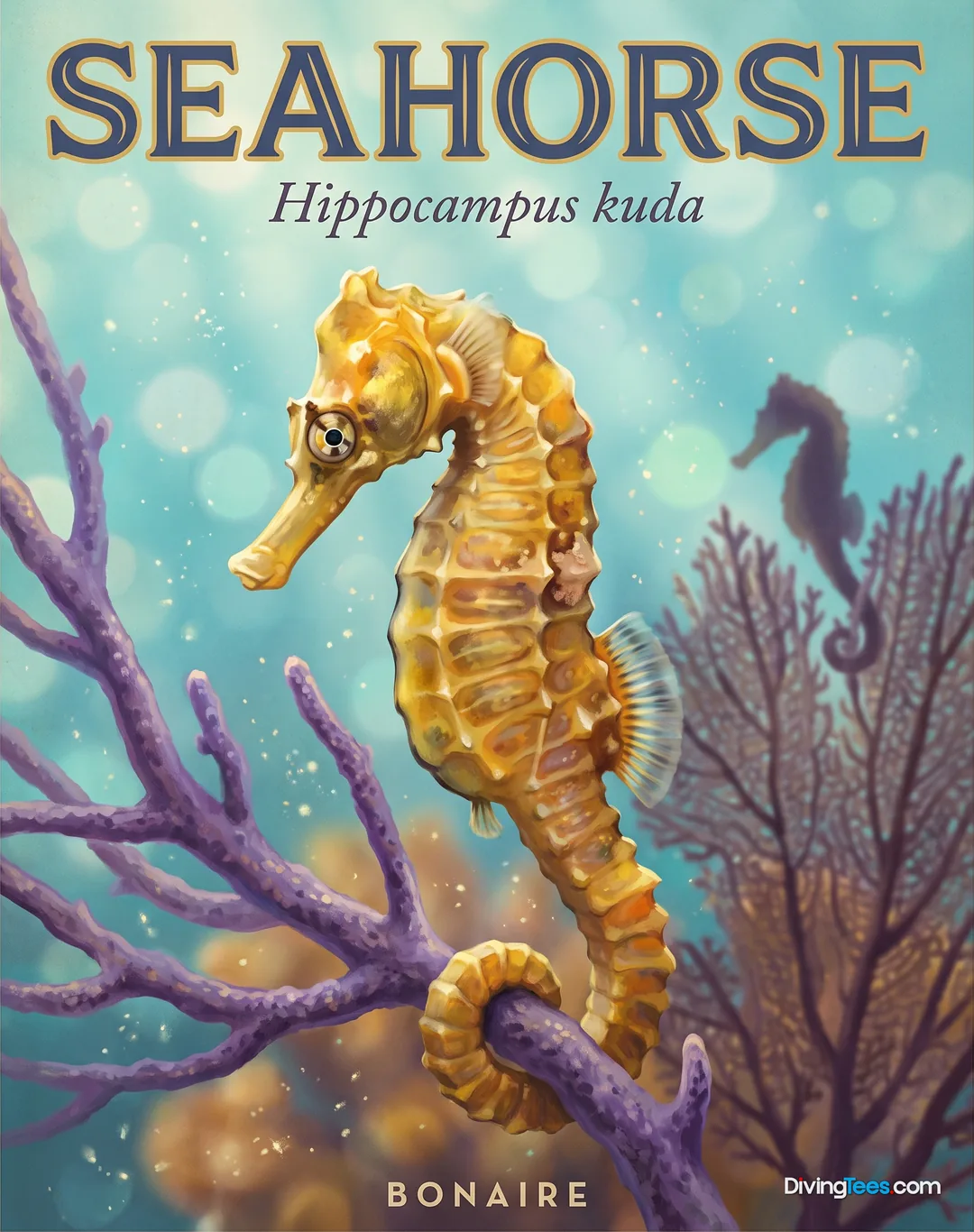
Beyond the fixed structure, the surrounding sandy and rubble areas contribute to the muck dive experience, where dragonets, pipefishes, and seahorses can be spotted by those with a keen eye. These areas, alongside the artificial reef, offer contrasting habitats within the same dive, ensuring that there's always something new to discover, whether it's a well-hidden stonefish or a passing school of snapper.
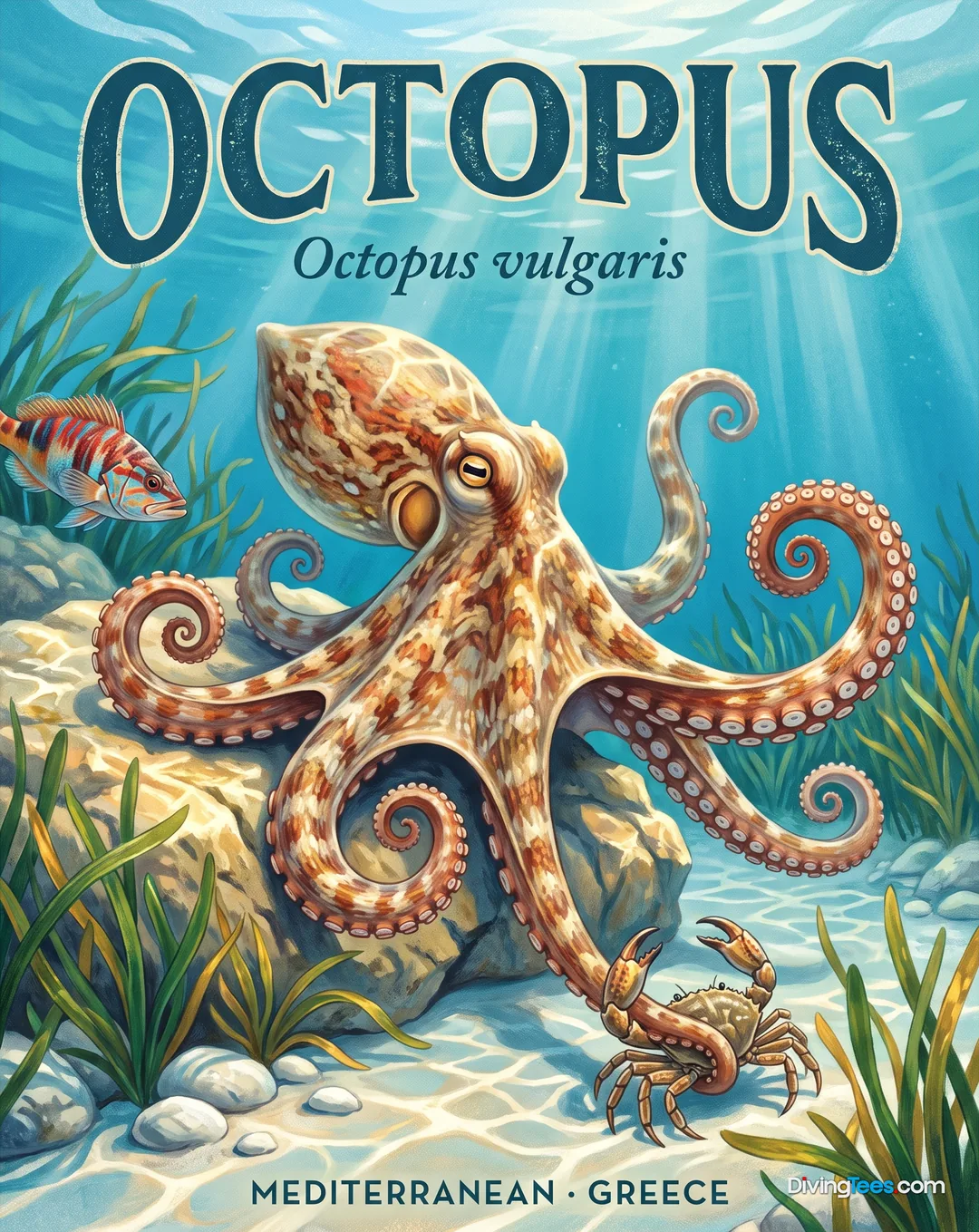
The Jetty also houses an impressive array of crustaceans and cephalopods. Orangutan crabs and porcelain crabs cling to anemones or coral branches, while blue-ringed octopuses, though shy, can be found in suitable crevices if you approach with care. The diversity extends to leaf scorpionfish and various shrimp species, all contributing to the site's reputation as a critter hotspot.
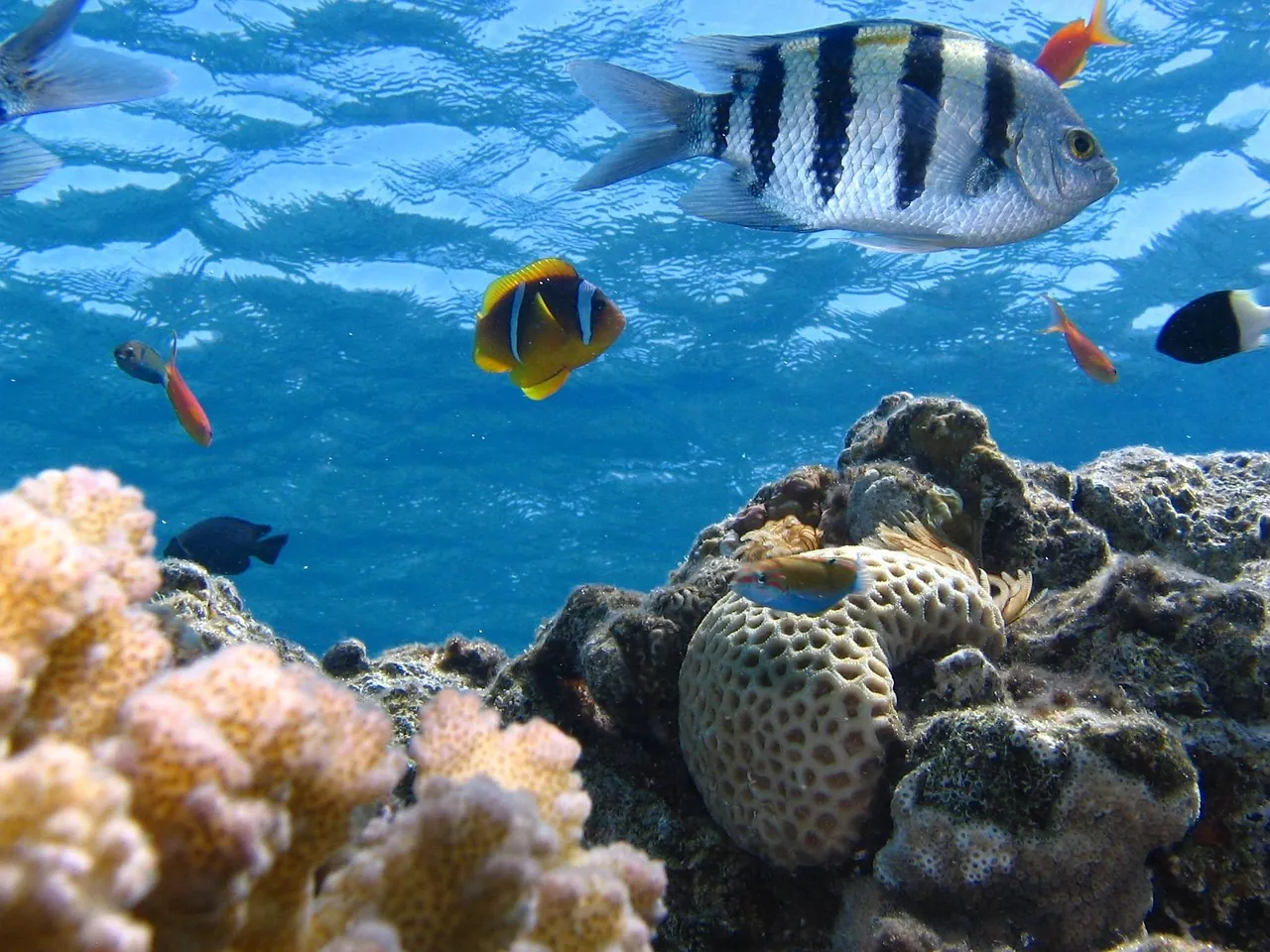
While primarily a macro-focused site, the overall marine environment supports larger reef inhabitants as well. You may observe snapper and batfish patrolling the deeper parts of the structure, and occasionally, rays or reef sharks can make an appearance, adding another dimension to the dive. The combination of artificial structure and natural development has created a complex food web, supporting life across the spectrum.
This site is accessible from Open Water Diver level. Depths under the jetty range from 5 to 20 metres. Current is typically weak, making it a comfortable dive for extended periods of observation. Visibility usually exceeds 10 metres, providing clear views of the abundant macro life.
Jetty de Padang Bai is accessible to Open Water Divers. The site offers a muck diving experience around an unused jetty that has become an artificial reef. You can explore concrete pillars, metal framework, sandy areas, rubble, soft corals and macro habitats while searching carefully for small marine life.
At Jetty de Padang Bai, the water beneath the jetty ranges from five to twenty metres deep. This depth profile lets you explore the concrete supports, metal framework, encrusted surfaces and surrounding substrate while looking for macro creatures and observing juvenile fish around the artificial reef.
The current at Jetty de Padang Bai is typically weak, creating a calm setting for detailed exploration and extended observation. You can take time to examine the jetty structure, soft corals, sandy areas and rubble for well-camouflaged creatures, making the site suitable for a careful muck diving approach.
At Jetty de Padang Bai, you can look for frogfish, including giant species, rhinopias, diverse nudibranchs, ornate pipefish, seahorses and blue-ringed octopuses. Juvenile fish, soft corals, shrimp, crabs, leaf scorpionfish, snapper and batfish also inhabit the artificial reef, while rays or reef sharks may occasionally appear.