


Adventure Divers Bali
Google 5/5 (1,690 reviews)
4.9 km away as the crow flies
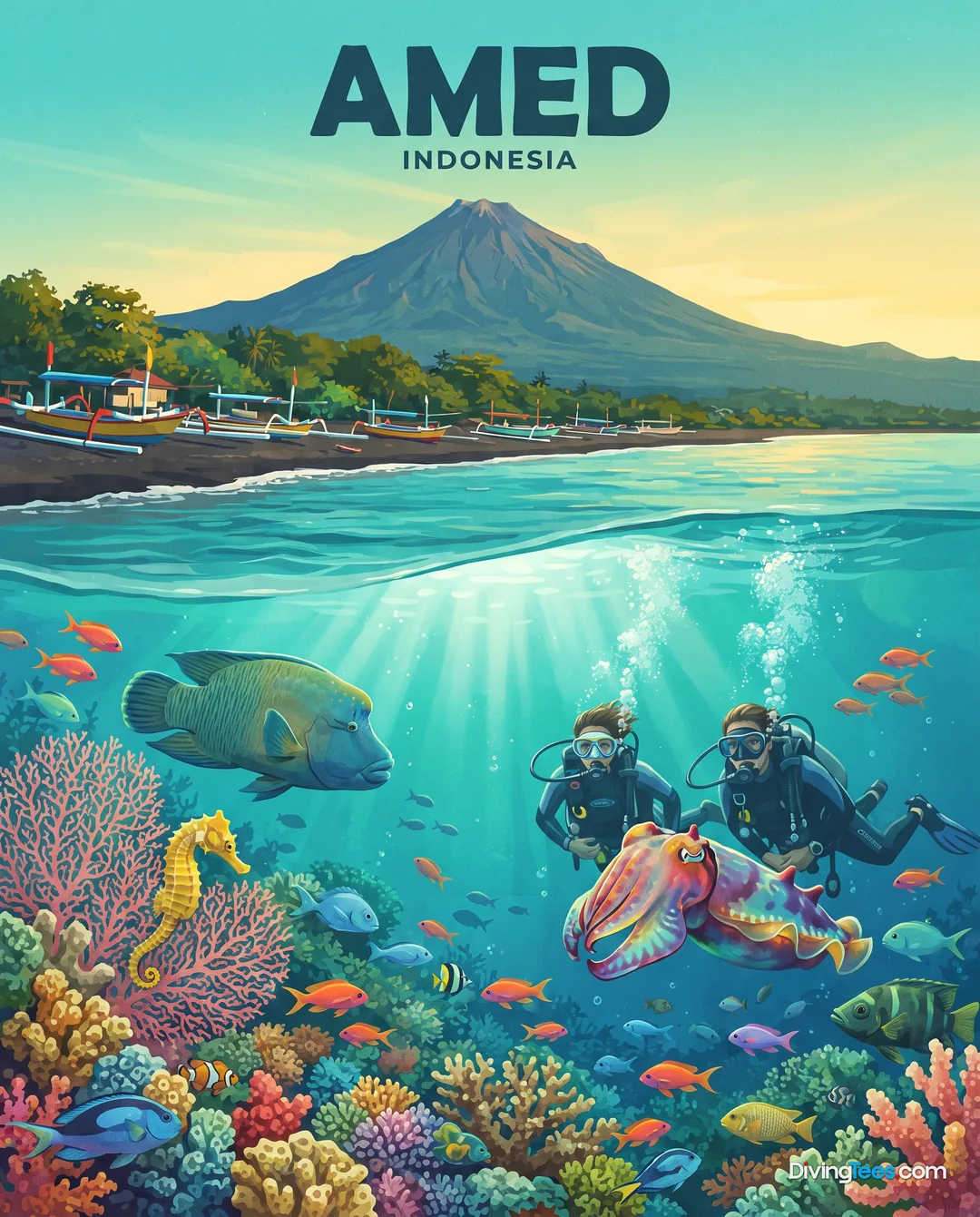
Amed · Indonesia · Asia
Max. depth · 30 mDescend into Sidem, a rich macro environment in Amed where rocky slopes and artificial structures harbor a diversity of small creatures, with an occasional pelagic passing through the blue.
For subtitles in English: start the video firstthen click the gearat the top right of the video, select “Subtitles/CC”, then “Auto-translate” and choose “English”.
Sidem, named after a type of black ant, offers a distinct dive profile in Amed. The site primarily consists of a rocky slope that transitions into sandy areas, interspersed with a mix of coral communities and artificial structures. You begin your descent over these varied substrates, quickly noticing the seagrass patches that attract juvenile fish and benthic invertebrates. The topography creates numerous hiding spots and micro-habitats, making the initial metres a prime area for detailed observation.
As you move deeper, the rocky formations become more prominent, providing shelter and hunting grounds for a diverse array of marine life. This environment draws specialized guides who understand the intricate tapestry of life here, particularly for macro photography. The site's character shifts between coral-covered ledges and areas dominated by smaller rocks and algae, each zone contributing to the overall biodiversity. You'll find yourself exploring crevices and underhangs, where many of the smaller, camouflaged inhabitants reside.
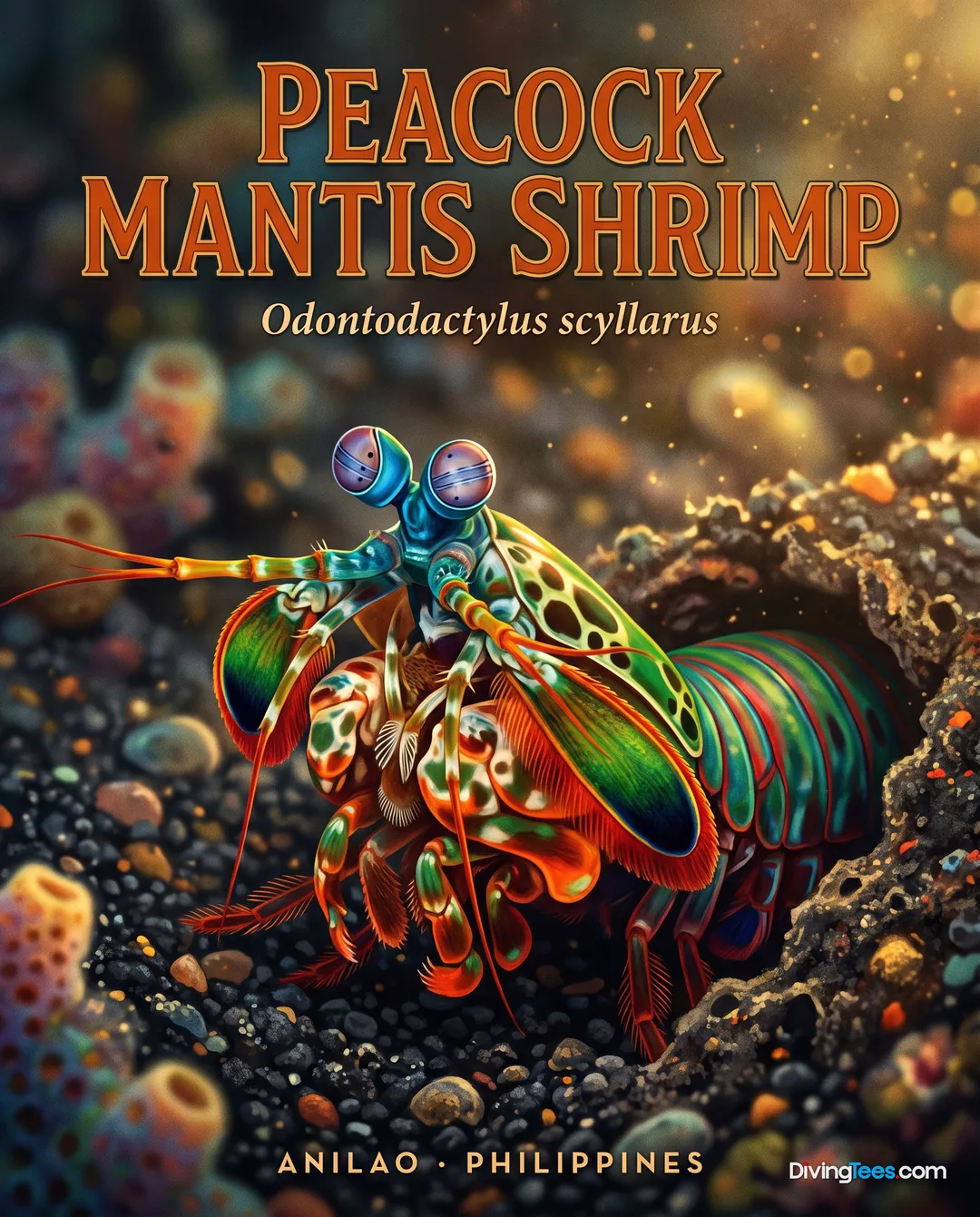
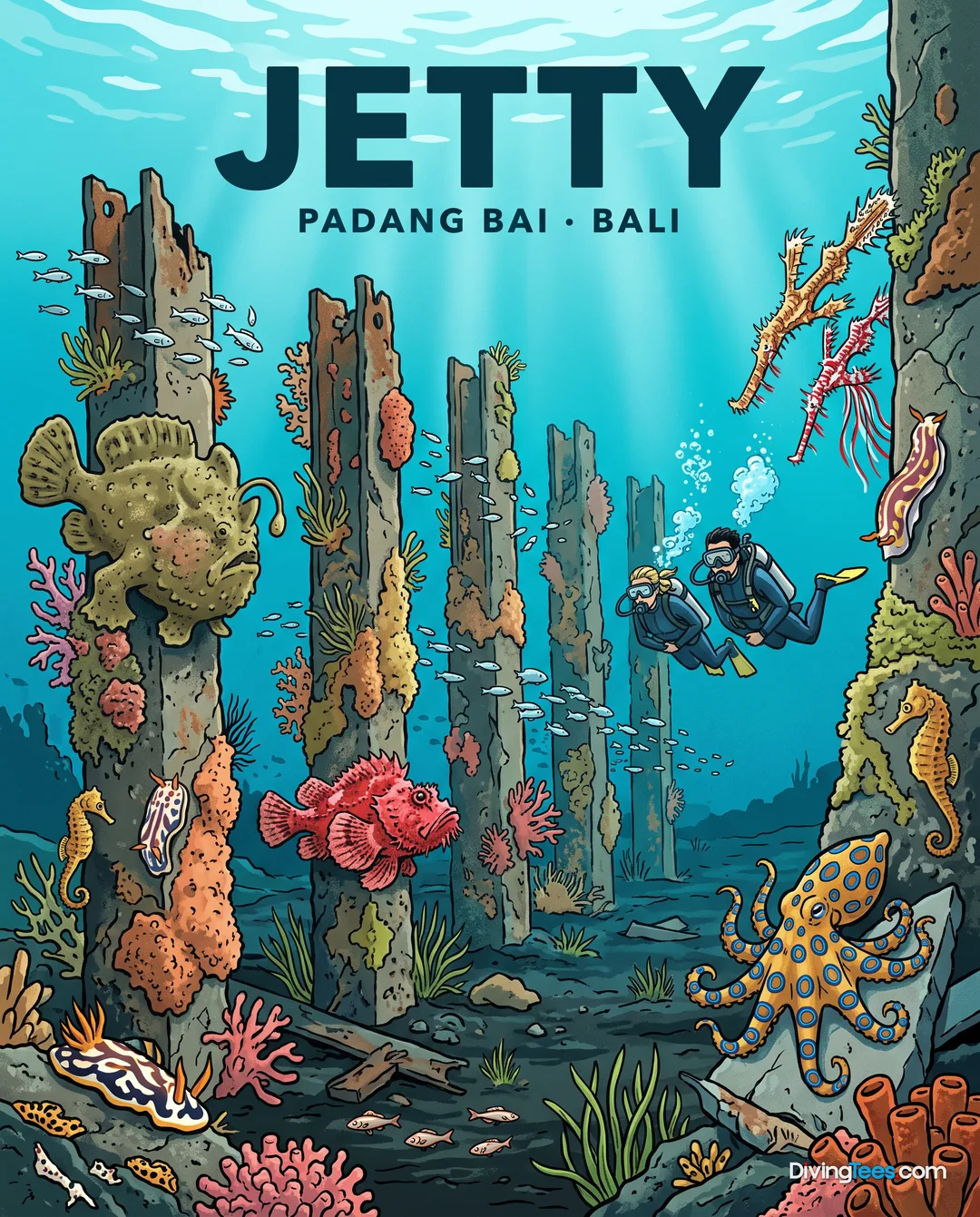
The site is celebrated for its concentration of macro subjects. Within the rocky slope and the artificial structures, you can find a variety of Nudibranchia, like the Rhinopias, alongside Syngnathidae (pipefish) and Solenostomidae (ghost pipefish). Crabs and various shrimp species, including the mantis shrimp (Stomatopoda), are regularly spotted. The interplay of natural and man-made structures at Sidem creates a unique substrate for these smaller creatures, making it a productive hunt for keen-eyed divers.
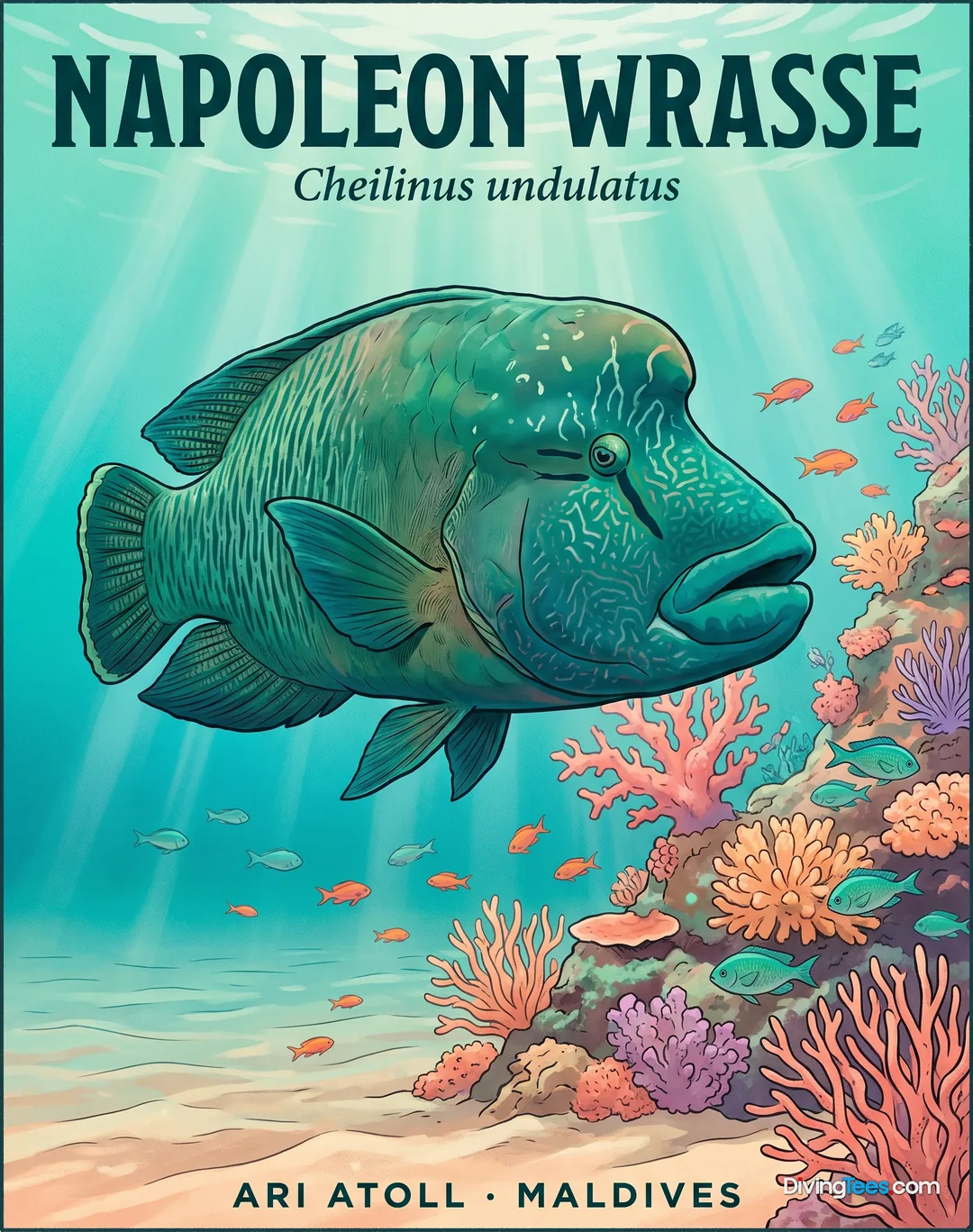
Beyond the prolific macro life, Sidem occasionally rewards divers with sightings of larger pelagic species. While your focus might be on the smaller inhabitants of the reef and sand, keeping an eye out into the deeper blue may reveal Napoleon wrasse (Cheilinus undulatus), eagle rays (Myliobatidae), or various trevally (Carangidae). This dual aspect — rich macro life combined with the chance for a pelagic encounter — sets Sidem apart from a pure muck dive, adding an element of unpredictability to the dive.
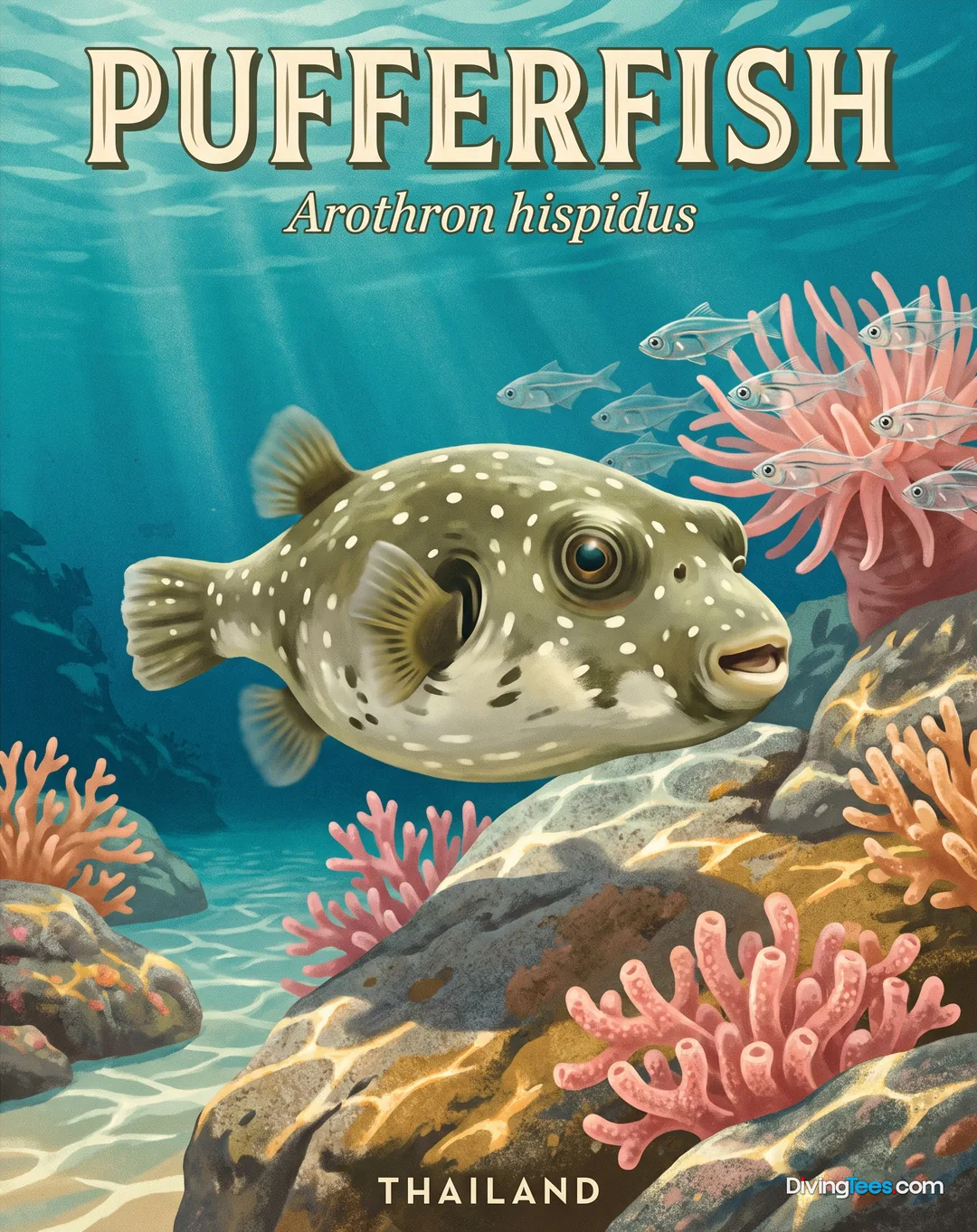
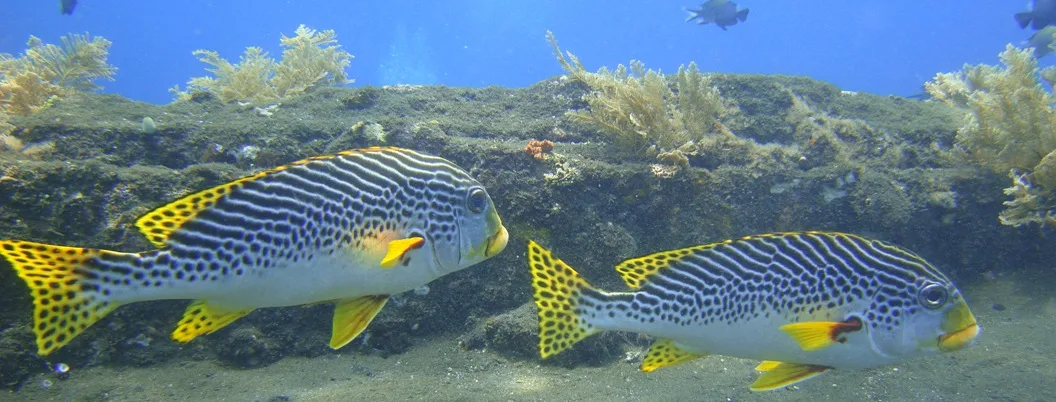
The deeper sections of Sidem extend to around 30 metres, where fish like oriental sweetlips (Plectorhinchus orientalis) are often found sheltering. Moray eels (Muraenidae), triggerfish (Balistidae), and pufferfish (Tetraodontidae) are common residents throughout the dive. The varied depths and substrate types mean that each dive can offer a different visual experience, from scanning wide sandy patches for hidden life to meticulously exploring coral heads for the more cryptic species.
The site is known for its diverse representation of scorpionfish, including leaf scorpionfish (Taenianotus triacanthus) and other scorpionfish (Scorpaenidae) species. Frogfish (Antennariidae) also make regular appearances, expertly camouflaged against the varied sponges and corals. You’ll need to maintain good buoyancy control here, especially when navigating the rocky terrain, to avoid disturbing the delicate benthic organisms and coral growth.
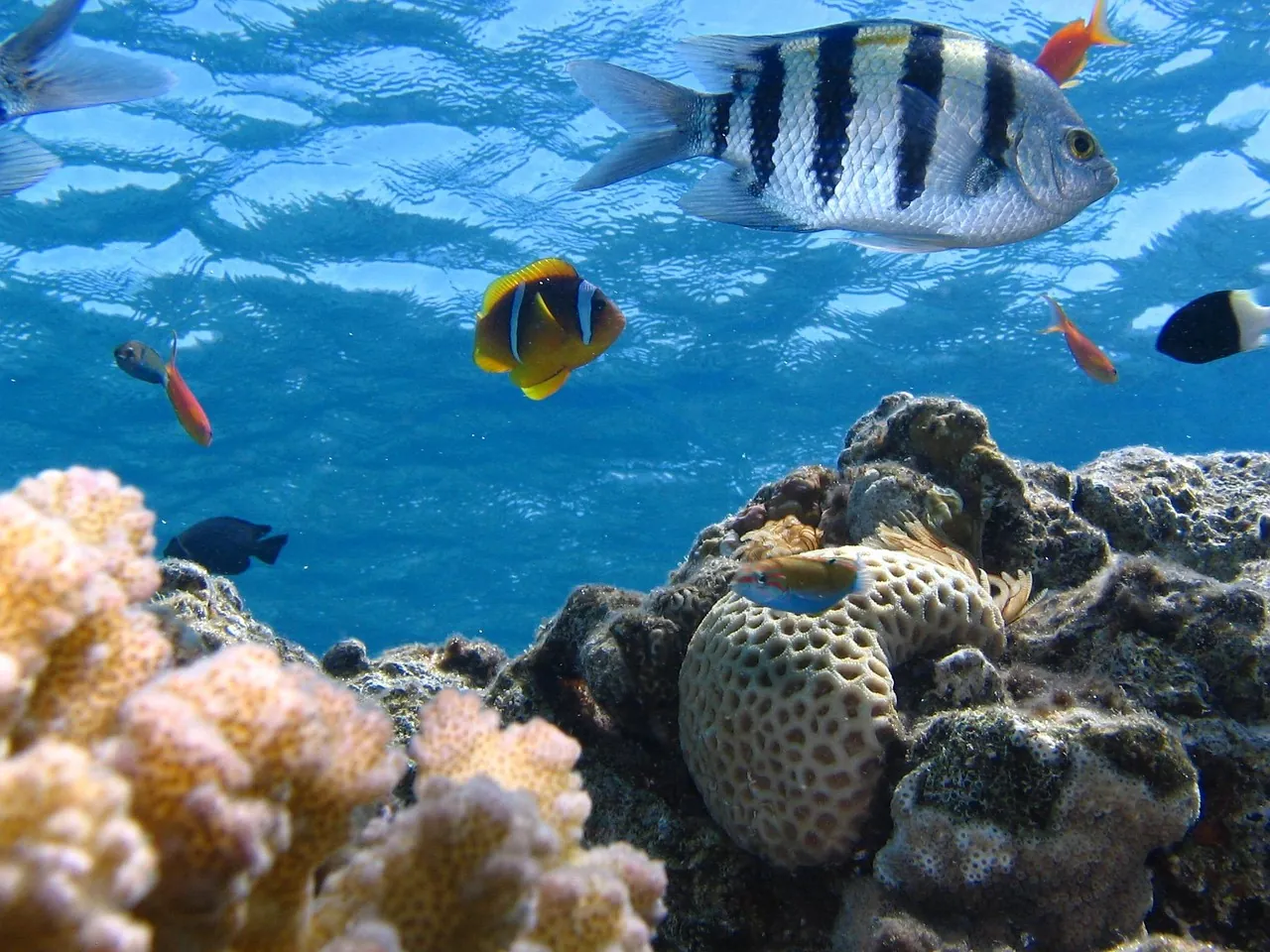
Sidem's mixed coral communities exhibit moderate coral cover, alongside expanses of seagrass. This combination supports not just a broad range of adult fish but also provides crucial nursery grounds for juvenile species. Turtle (Testudines) sightings are not uncommon, as they cruise over the reef, and clownfish (Amphiprioninae) are always present among their host anemones. The overall light conditions remain good, creating favourable opportunities for both natural observation and photography throughout the site.
Sidem is accessible to divers of all levels, reaching a maximum depth of 30 metres. Current is typically mild, ranging from none to moderate, making it a comfortable dive. Visibility in the area is generally good, allowing for clear views of both macro subjects and the occasional pelagic encounter.
SIDEM is accessible to divers of all levels, so you can explore it whether you are a beginner or an experienced diver. The rocky slope, sandy areas, coral communities, seagrass patches, and artificial structures offer varied environments. Good buoyancy control is important while navigating the rocky terrain and protecting delicate benthic life.
At SIDEM, you can dive from 15 to 30 metres. The site begins over a mix of rocky and sandy substrates, with seagrass, coral communities, and artificial structures in the shallower areas. Deeper sections reach around 30 metres and provide shelter for fish such as oriental sweetlips, along with other reef residents.
Currents at SIDEM are typically mild, ranging from none to moderate, making the site comfortable to dive. You will move across a rocky slope, sandy areas, coral-covered ledges, smaller rocks, algae, and artificial structures. Maintain good buoyancy control, especially around the rocky terrain, to avoid disturbing coral growth and benthic organisms.
SIDEM offers a macro-focused dive with Rhinopias, pipefish, ghost pipefish, frogfish, nudibranchs, crabs, shrimp, and scorpionfish among rocky formations and artificial structures. You may also see moray eels, triggerfish, pufferfish, turtles, and clownfish. Looking into the deeper blue can reveal trevally, eagle rays, or Napoleon wrasse.