Adventure Divers Bali
Google 5/5 (1,690 reviews)
38 km away as the crow flies
Amed · Indonesia · Asia
Candidasa offers challenging currents and diverse marine life, including significant pelagic encounters for experienced divers on Bali's eastern coast.
For subtitles in English: start the video firstthen click the gearat the top right of the video, select “Subtitles/CC”, then “Auto-translate” and choose “English”.
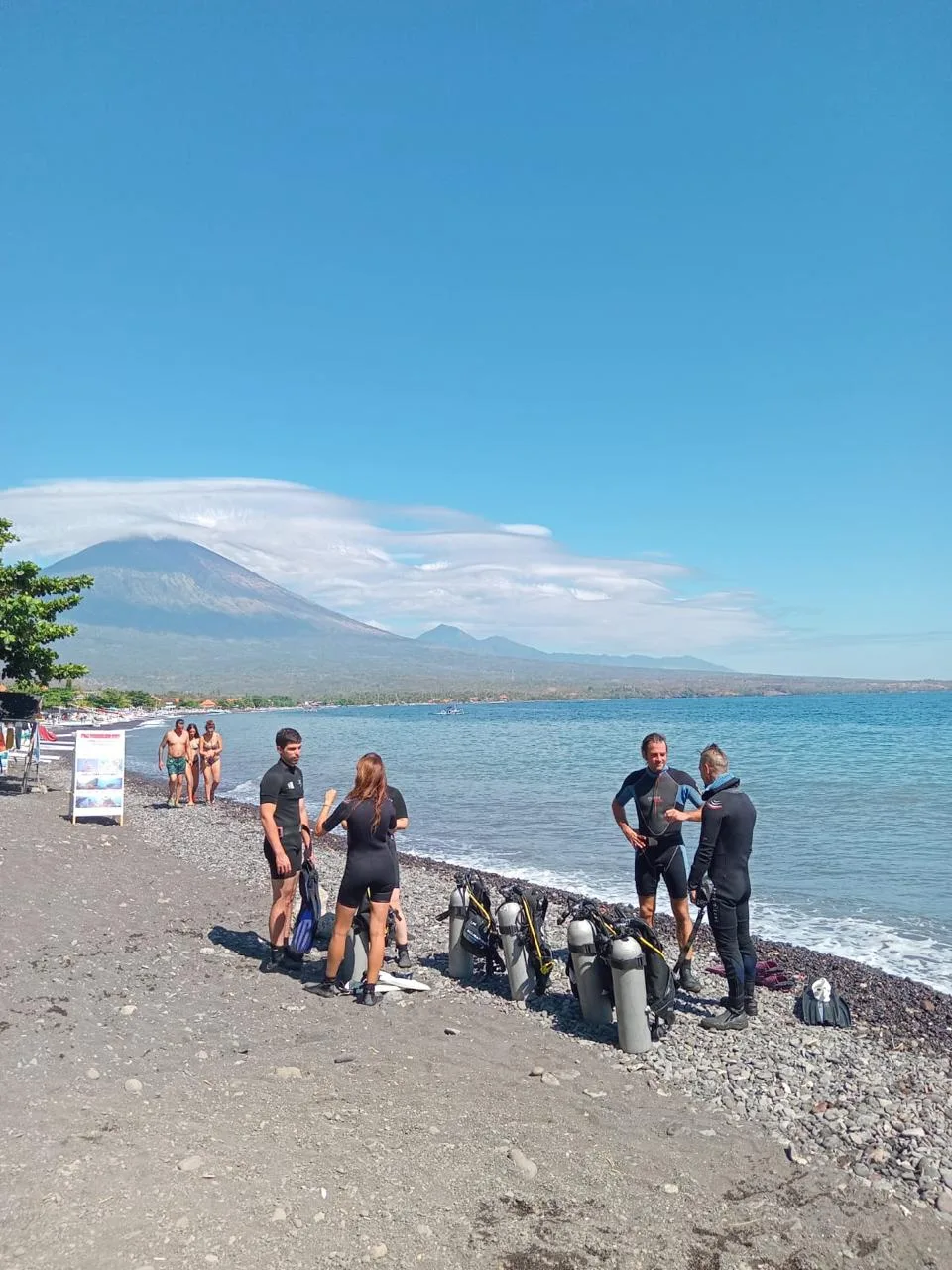
Candidasa diving unfolds on Bali's eastern coast, a region distinct from the more frequented sites. The logistics here typically involve local wooden boats, known as jukungs, venturing out from Padang Bai after a drive from areas like Sanur. This approach sets a tone for exploring less trafficked waters, offering a sense of individual discovery away from the main dive circuits.
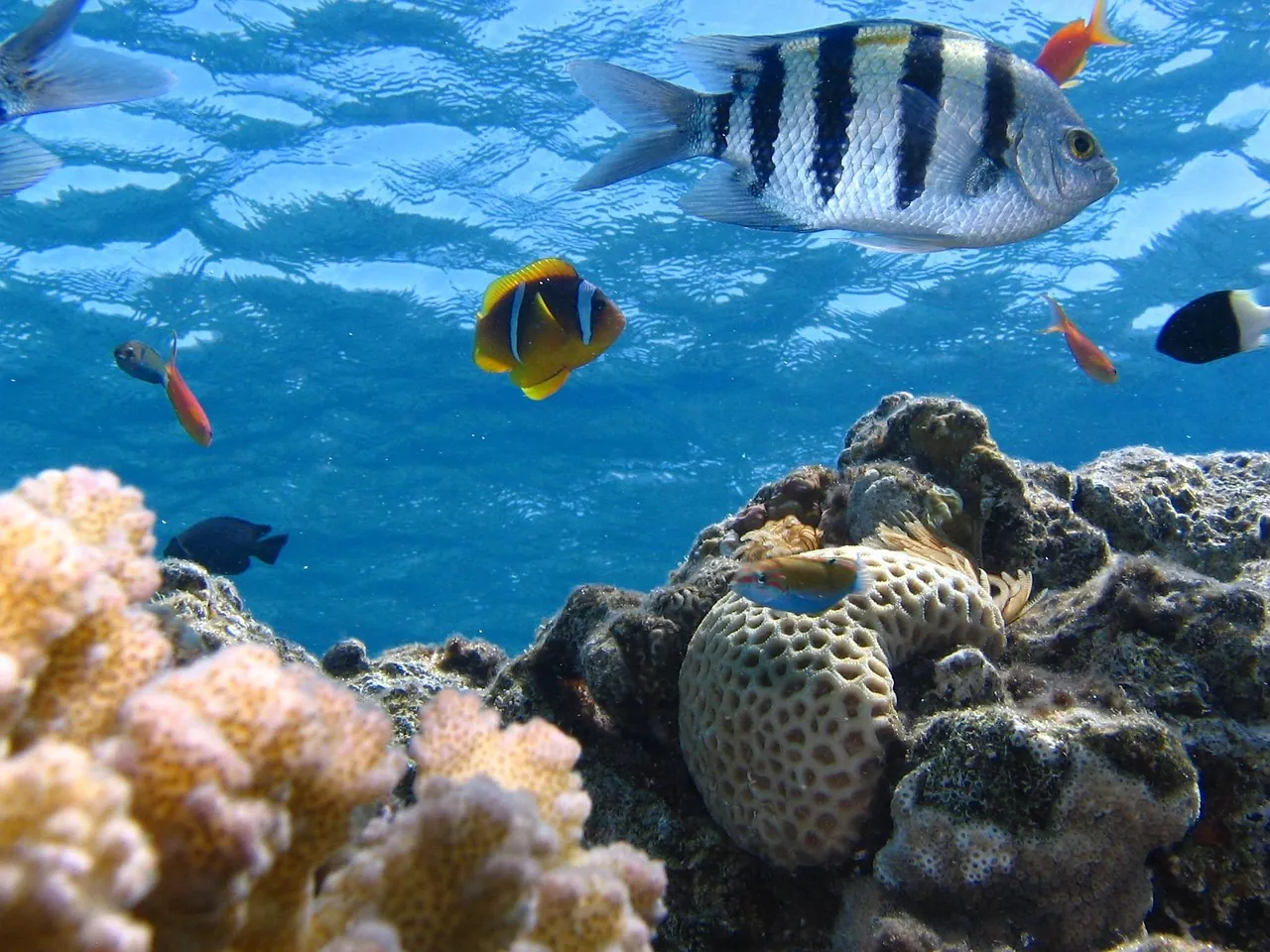
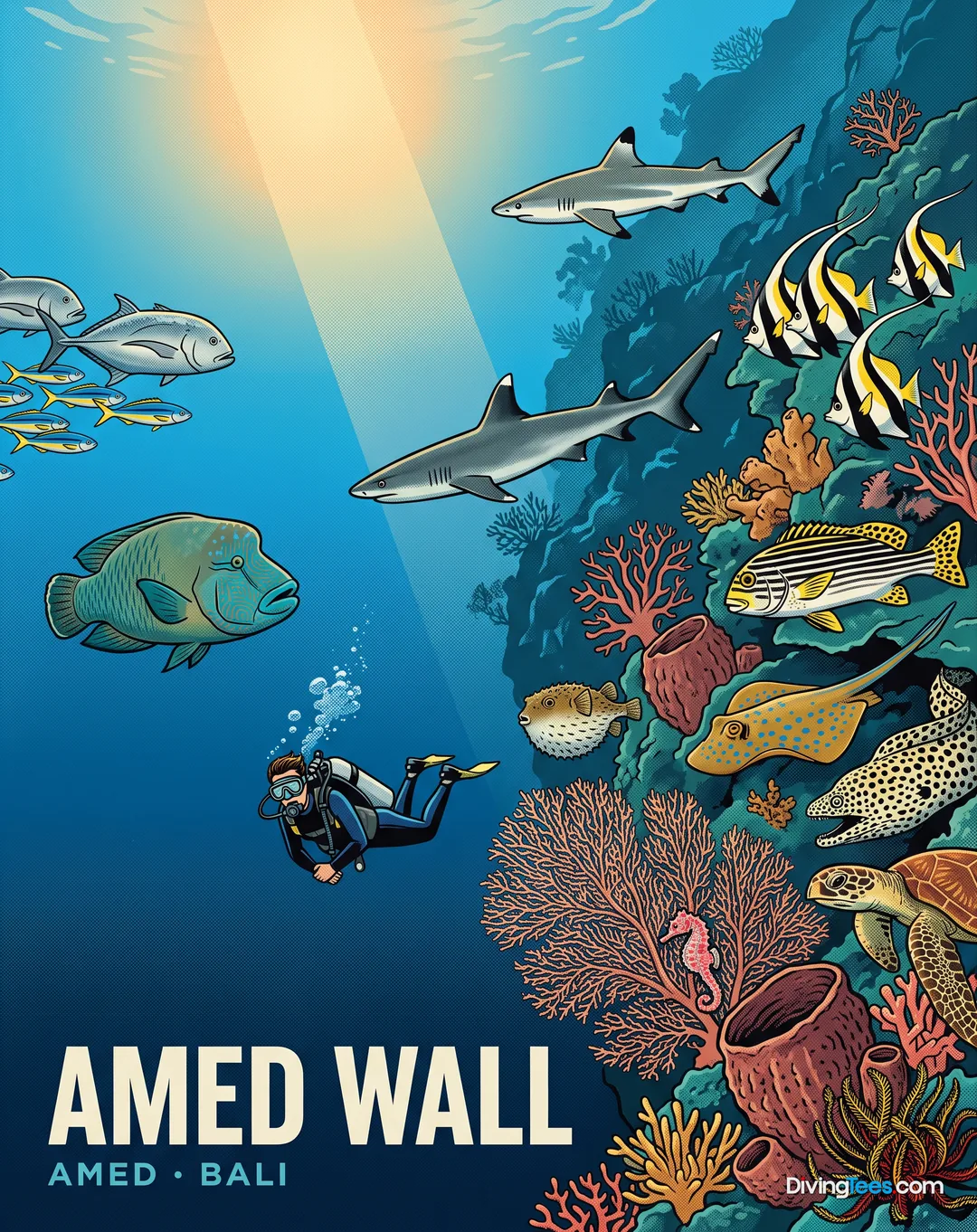
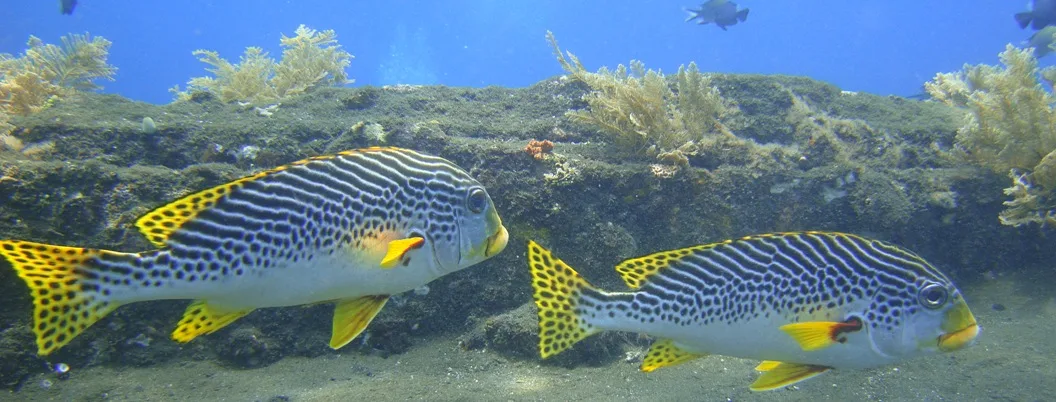
The underwater topography around Candidasa is varied, presenting a mix of coral gardens, gentle slopes, and hidden sand patches. You'll move through areas rich in reef fish, their schools a constant presence against the vibrant coral. While much of the diving here can feel unhurried, allowing for detailed observation of macro life, the character of the dive can shift quickly.
One of the defining features of diving Candidasa is the current. It is often described as unpredictable and frequently strong, particularly around the full moon where it can create significant downcurrents and upcurrents. This variability demands attention to buoyancy and positioning, adding a layer of engagement to every dive. Managing these conditions is part of the experience here, requiring good situational awareness.
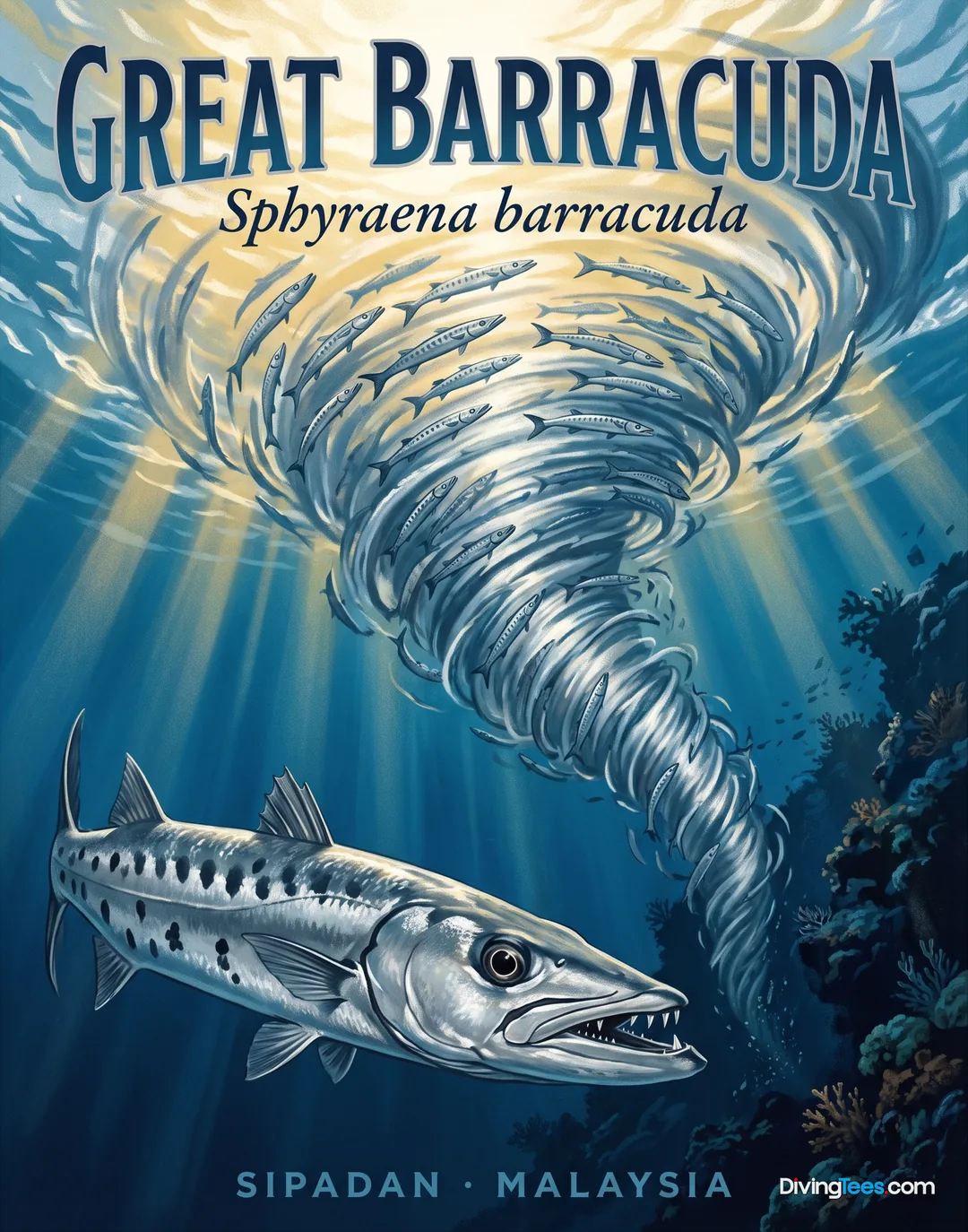
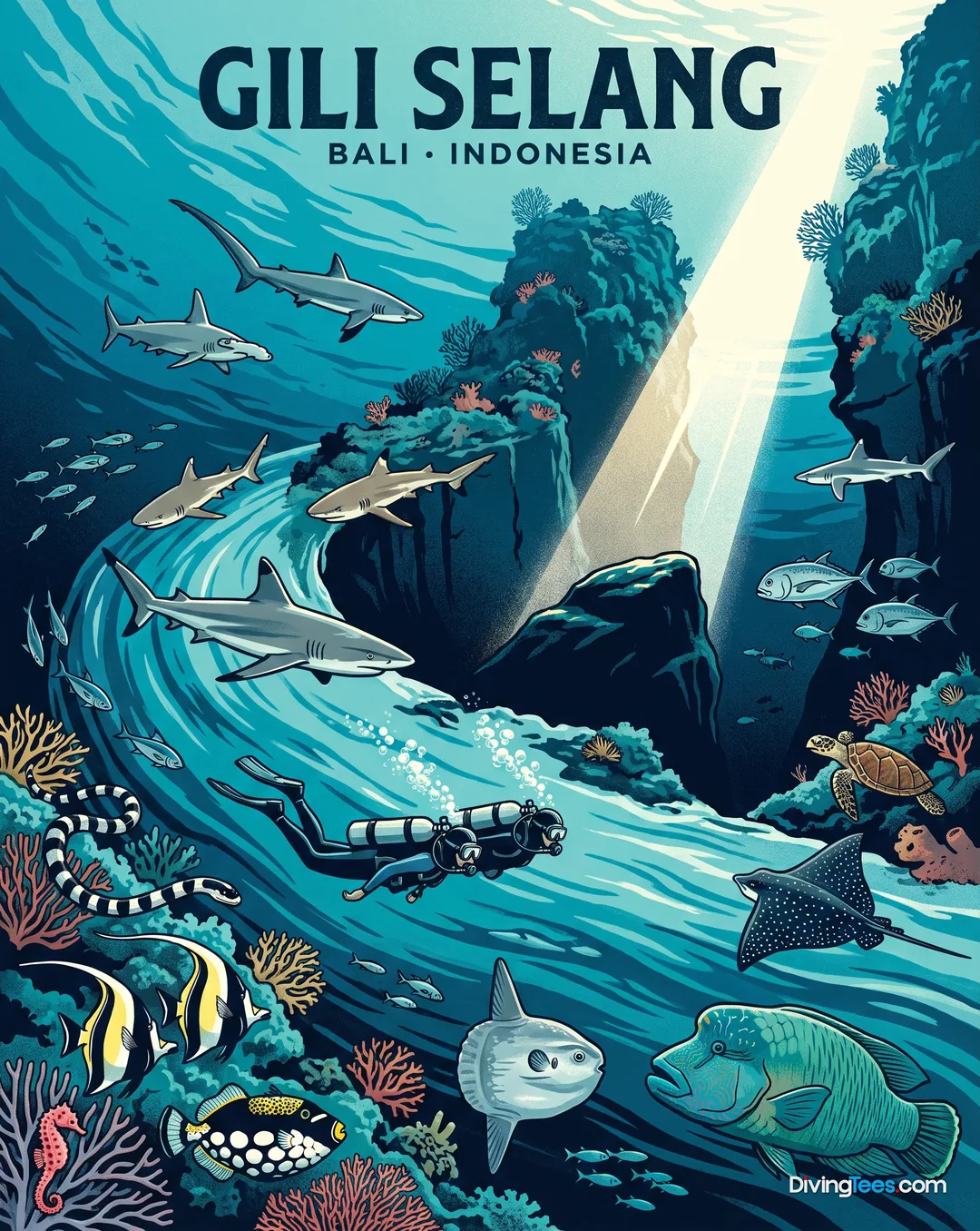
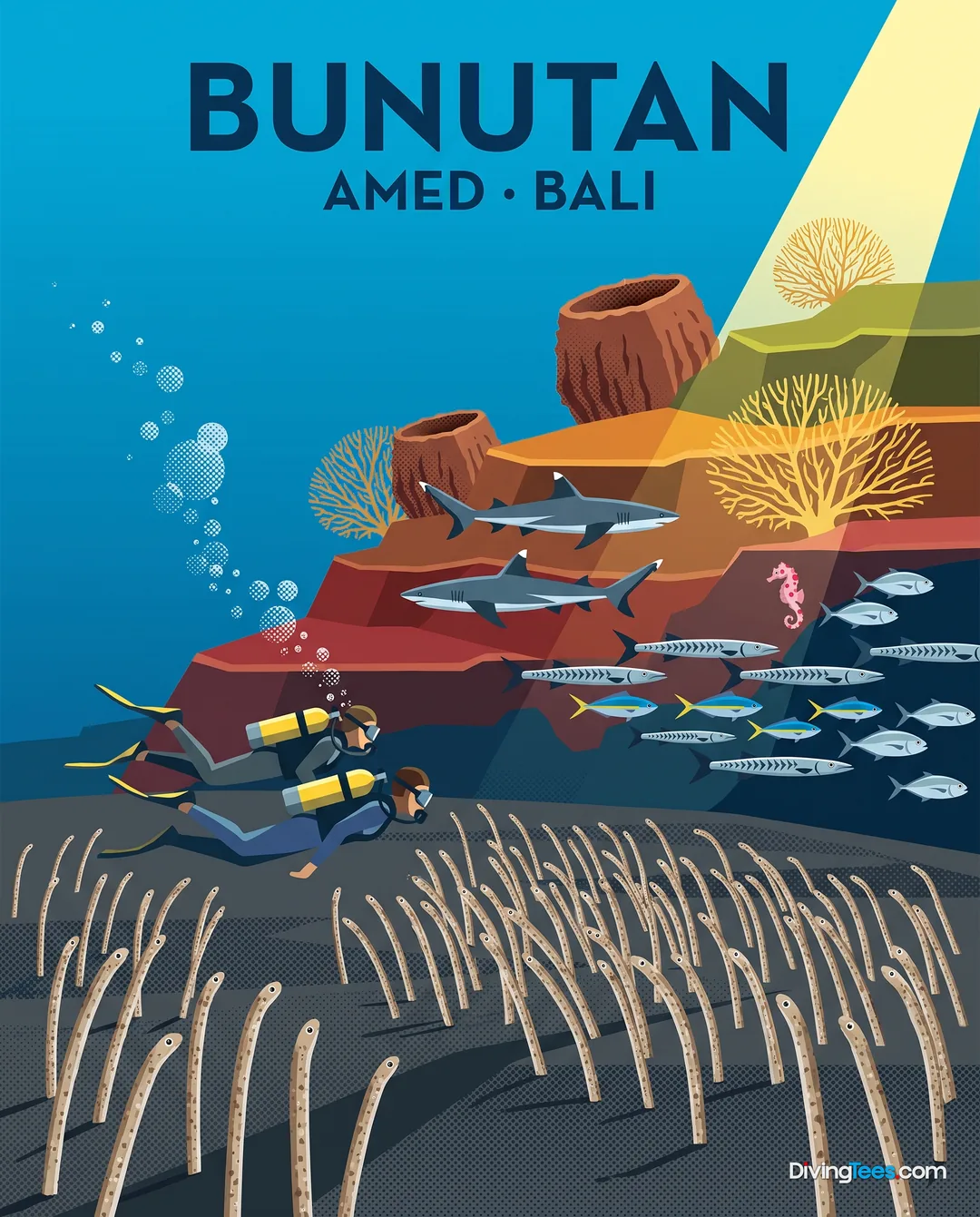
The site also presents opportunities for encounters with larger pelagics. Sharks, including white-tip reef sharks, are a regular sight, often found patrolling the reefs. Barracudas move in formations, and marbled rays may be spotted gliding along the reefs. The presence of these larger species adds an element of anticipation to every dive here.
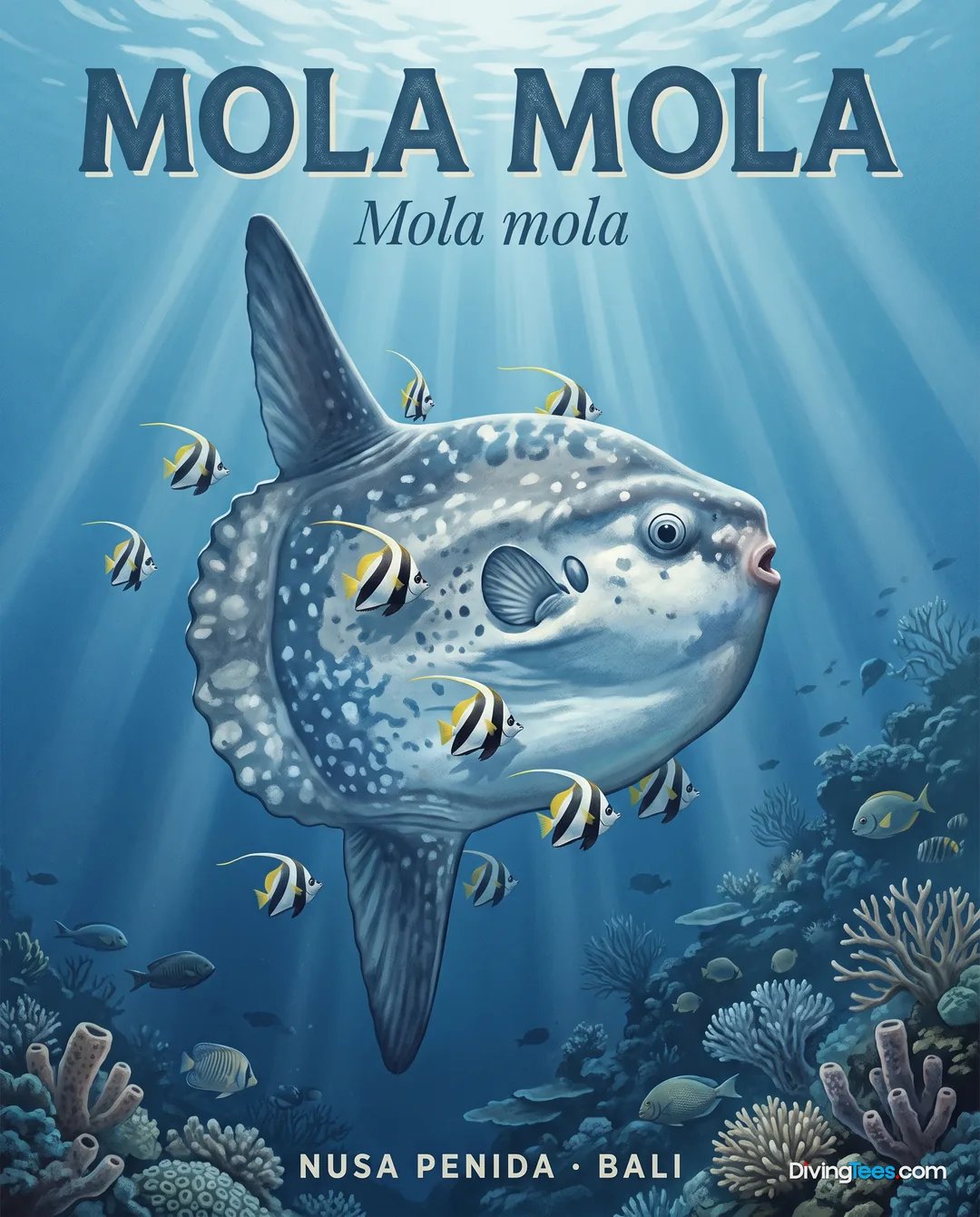
During the season, typically between July and October, Candidasa becomes a key location for potential Mola-Mola (oceanic sunfish) sightings, particularly around sites like Tepekong and Mimpang. These unique fish are often observed in the deeper, cooler waters, making a dive at Candidasa during these months particularly rewarding for those seeking these elusive giants.
For macro enthusiasts, Candidasa holds its own. Amidst the vibrant coral and rocky formations, a keen eye will reveal a range of smaller creatures. Frogfish, often well-camouflaged, are among the rewarding finds for patient divers. This blend of macro and pelagic life ensures that even on dives with stronger currents, there's always something to focus on.
The dive sites here, such as Gili Tepekong, Gili Mimpang, Gili Biaha, and the Tangked Shark Cave, illustrate the dynamic nature of Candidasa. These aren't static reefs; they're areas where topography, current, and marine life converge to create a constantly evolving environment. Each dive offers potential for new discoveries, from vibrant reef sections to dramatic cave features.
Diving at Candidasa requires an Advanced Open Water certification, with a minimum of 50 logged dives recommended due to the challenging and often unpredictable currents. These currents can be strong, especially during lunar transition periods, and may include both downcurrents and upcurrents. The best period for encountering Mola-Mola is typically between July and October.
You have the best chance of encountering Mola-Mola at Candidasa between July and October. During this season, these oceanic sunfish may appear in deeper, cooler waters, particularly around Tepekong and Mimpang. Lunar transition periods can also bring stronger, less predictable currents, so timing your visit involves both marine-life interest and conditions.
Candidasa requires an Advanced Open Water certification, and a minimum of 50 logged dives is recommended. The experience level reflects the site’s challenging conditions, including strong and unpredictable currents. You should be comfortable managing buoyancy, positioning, and changing circumstances while drift diving around varied reef and rocky topography.
You should expect currents at Candidasa to be frequently strong and unpredictable. They may include both downcurrents and upcurrents, especially during lunar transition periods and around the full moon. Good buoyancy control, careful positioning, and strong situational awareness are important as the current can change the character of the dive quickly.
At Candidasa, you may see white-tip reef sharks, barracudas, marbled rays, Mola-Mola during the July to October season, and frogfish among varied macro life. The underwater scenery includes coral gardens, gentle slopes, hidden sand patches, caves, and rocky formations, with reef fish and schools adding movement throughout the dive.