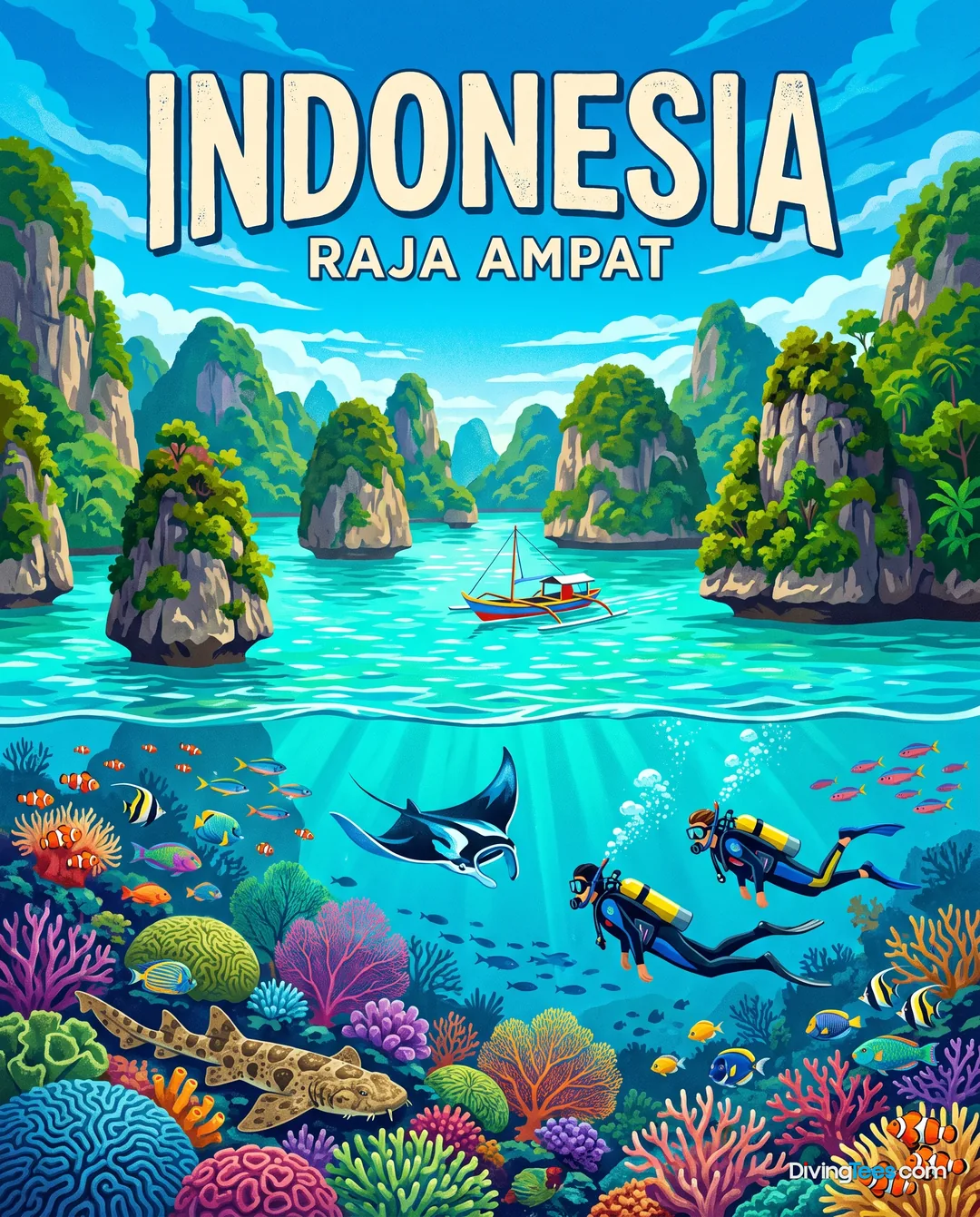
Liveaboards · Indonesia
Ikan Biru — Komodo diving in an open-air liveaboard
What makes this boat unique
- Ikan Biru carries up to eight guests on Best of Komodo trips lasting four days and three nights.
- The boat has one shared sleeping quarter on the top deck rather than private cabins, with two shared bathrooms and hot showers.
- Each full day includes at least three dives, often more, with rental dive equipment included.
- The Komodo route combines current-swept pinnacles, manta sites, coral gardens and dedicated macro sites.
For subtitles in English: start the video firstthen click the gearat the top right of the video, select “Subtitles/CC”, then “Auto-translate” and choose “English”.
The invitation
Ikan Biru is for divers who would rather spend the space on diving than on private rooms. The boat’s main living area becomes the sleeping quarter at night, so meals, briefings and downtime happen around the same shared space. That makes the boat less like a small floating hotel and more like a compact dive base: eight guests, a close crew, and little distance between one dive and the next. The reward is time in the water across Komodo’s central, northern and southern sites, with at least three dives on a full day and often more. Komodo supplies the drama below: mantas in moving water, sharks and giant trevally on exposed pinnacles, and tiny animals on apparently empty sand. Ikan Biru suits divers who accept communal living in exchange for a direct, concentrated diving trip. It also welcomes snorkellers and non-divers who want to share the route without taking the same underwater workload.
Boarding
From the dock, Ikan Biru presents as a working dive boat rather than a resort with a hull. The 2021 renovation matters here: the boat has been kept in service for diving while its living areas remain open and practical. Once aboard, the upper deck becomes the centre of the trip, with meals, conversation, charging and camera preparation all close together. There is no complicated route through several guest decks; the boat’s arrangement keeps everyone within reach of the crew and of one another. That compact scale is part of the character. By the second day, the group is familiar with the guides, the equipment and the rhythm of moving between deck and tender. The boat is designed around the water, not around privacy. Divers who want a quiet cabin separated from the rest of the group should look elsewhere; divers who want to step from breakfast into a briefing and then into Komodo’s current may find the layout exactly right.
The atmosphere on board
Ikan Biru’s strongest feature is the small working community it creates. With eight guests and a crew-to-passenger ratio close to one, the guides are present throughout the day rather than appearing only for the briefing. They help the group move from shared sleeping area to dive deck, keep the operation organised, and use local knowledge when conditions change. The boat itself is simple and communal, but that simplicity leaves space for the people running it. Guests commonly find the boat spacious enough to live on and quick enough to reach sites efficiently; the crew is the part most likely to stay in memory. Evenings return everyone to the upper deck, where dinner and conversation happen in the same open setting as the day’s briefings. This is a boat for joining a temporary dive group, not disappearing into a private room.
The sites you’ll dive
Best of Komodo trips run for four days and three nights, normally spending two nights in the central area and one in the south; tides decide whether the boat goes south first or returns there from central Komodo. The sites explain the appeal. Batu Bolong is a tiny pinnacle with dense coral, giant trevally, Napoleon wrasse and reef sharks down to -40m. Castle Rock and Crystal Rock are exposed current-swept pinnacles to -30m, where sharks, trevally, eagle rays and other pelagics gather. Siaba Besar is gentler and shallower to -18m, with frogfish, blue-ringed octopuses and macro life among coral bommies. Manta Alley reaches -20m, where current can bring large groups of manta rays. Wainilu trades dramatic topography for a sandy slope rich in nudibranchs, frogfish, seahorses, flamboyant cuttlefish and mandarin fish. Tatawa Kecil, Siaba Kecil, Shotgun and Golden Passage add stronger drift diving, pelagic action and coral walls; Sebayur Kecil and Pengah Kecil offer shallower coral gardens, while Cannibal Rock reaches -30m with macro life and schooling fish.
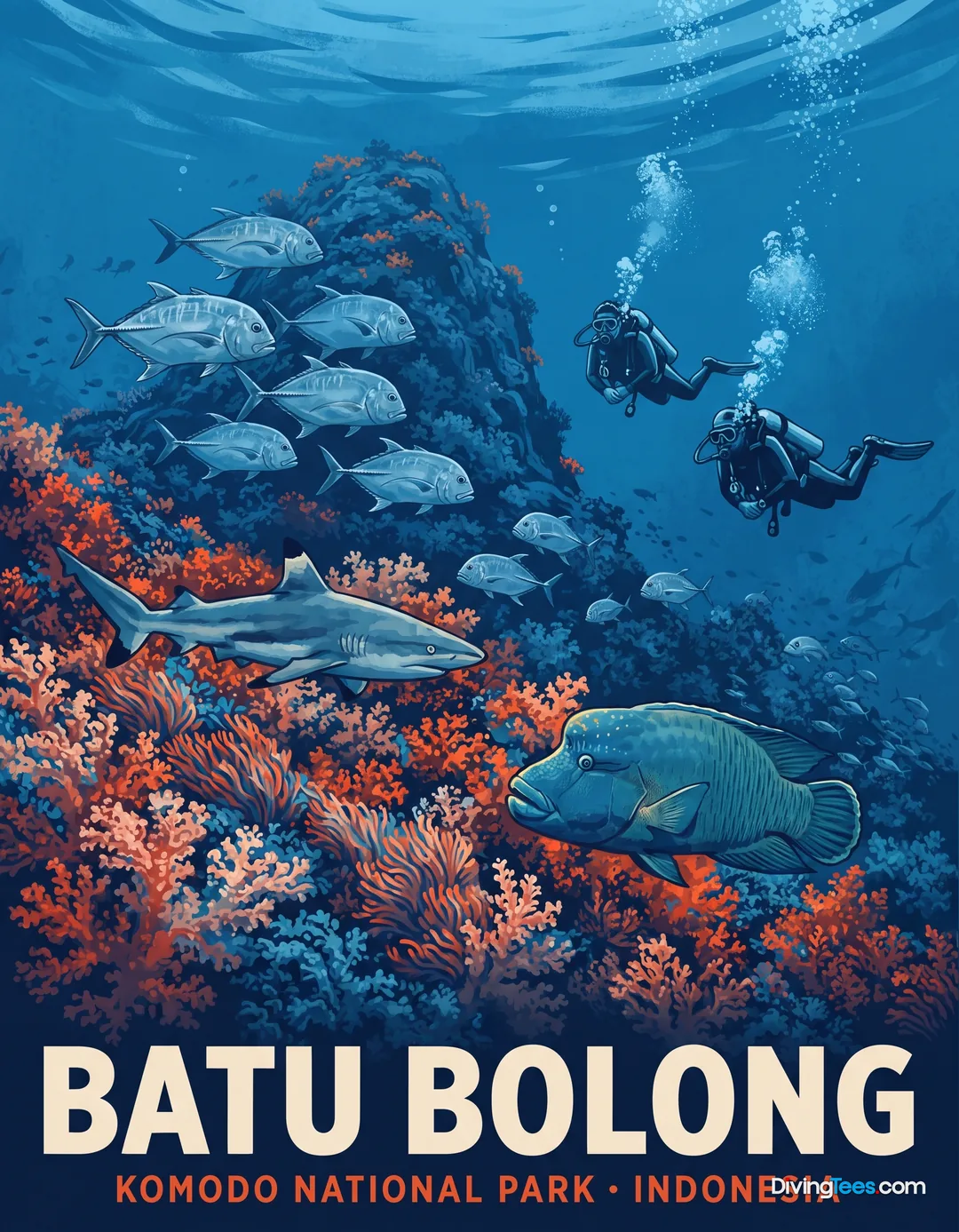
Batu Bolong →
Max. depth · 40 m
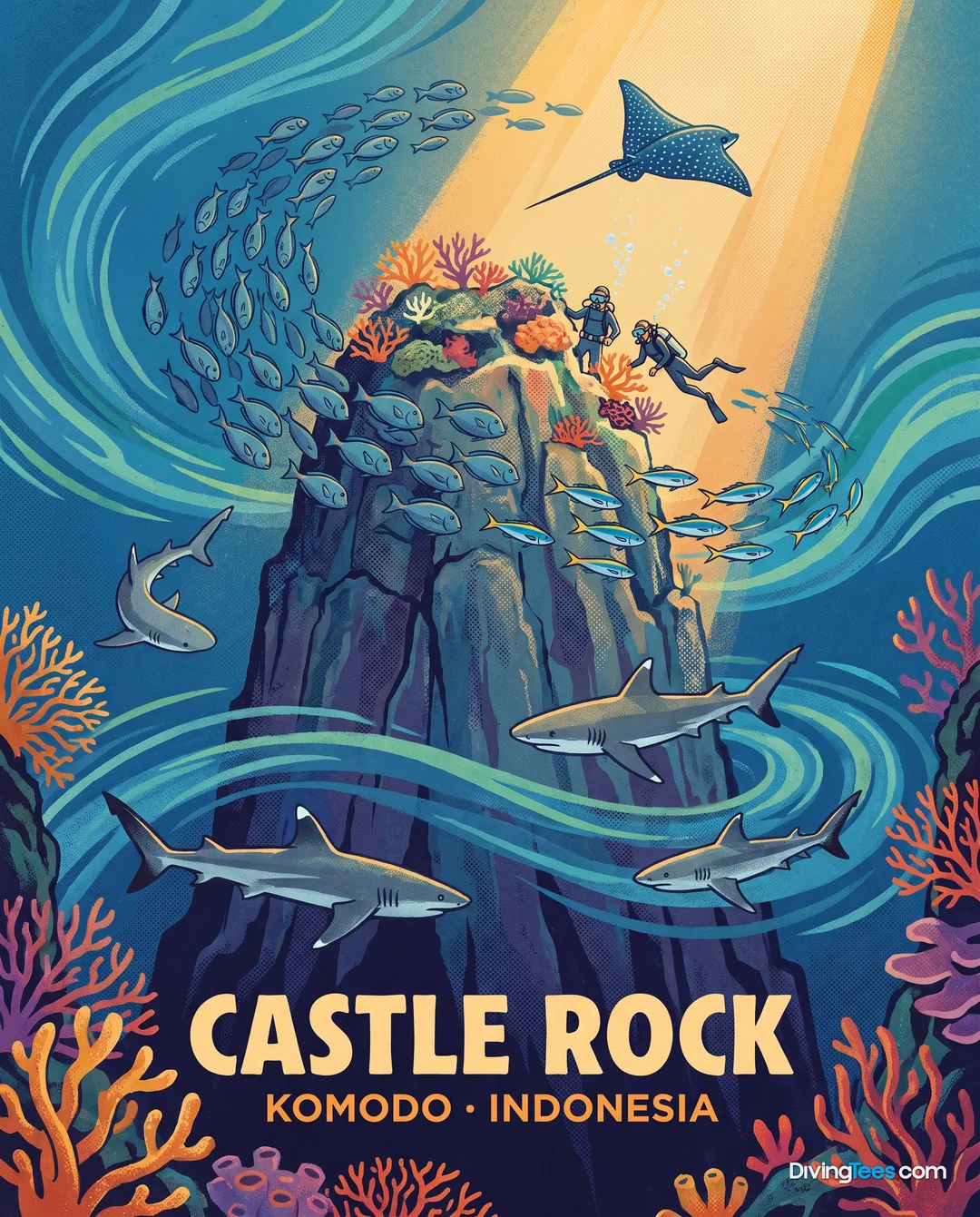
Castle Rock →
Max. depth · 30 m
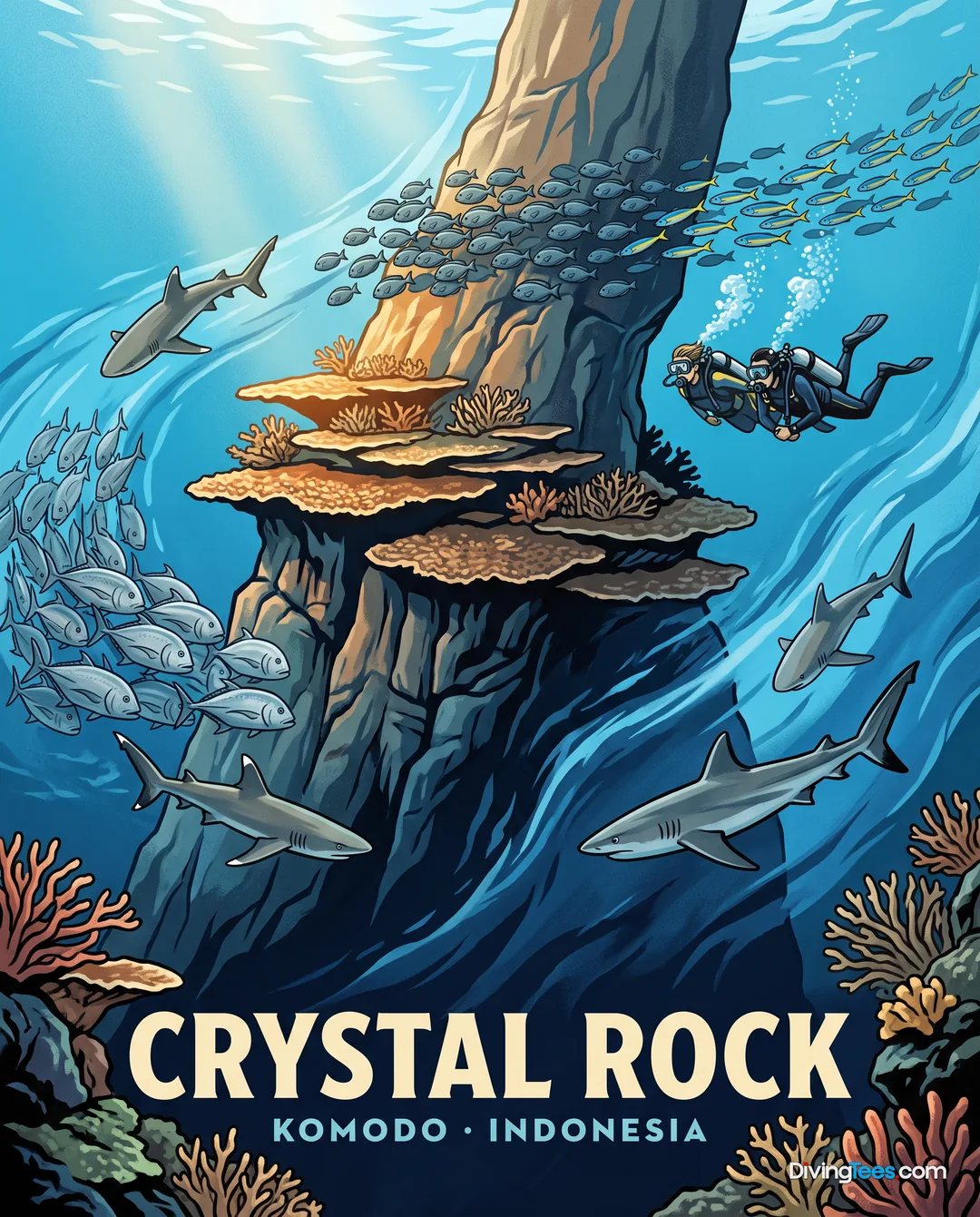
Crystal Rock →
Max. depth · 30 m
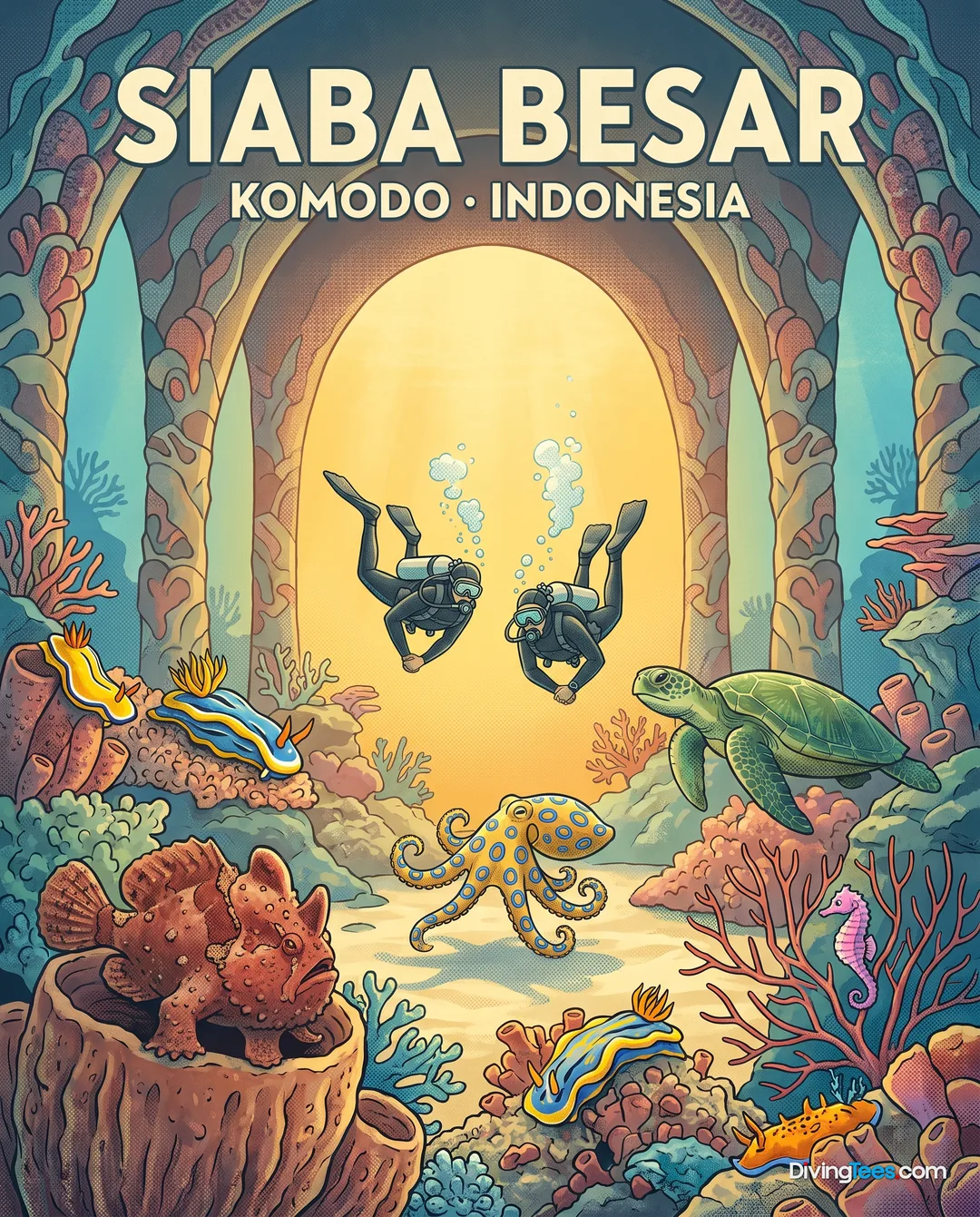
Siaba Besar →
Max. depth · 18 m
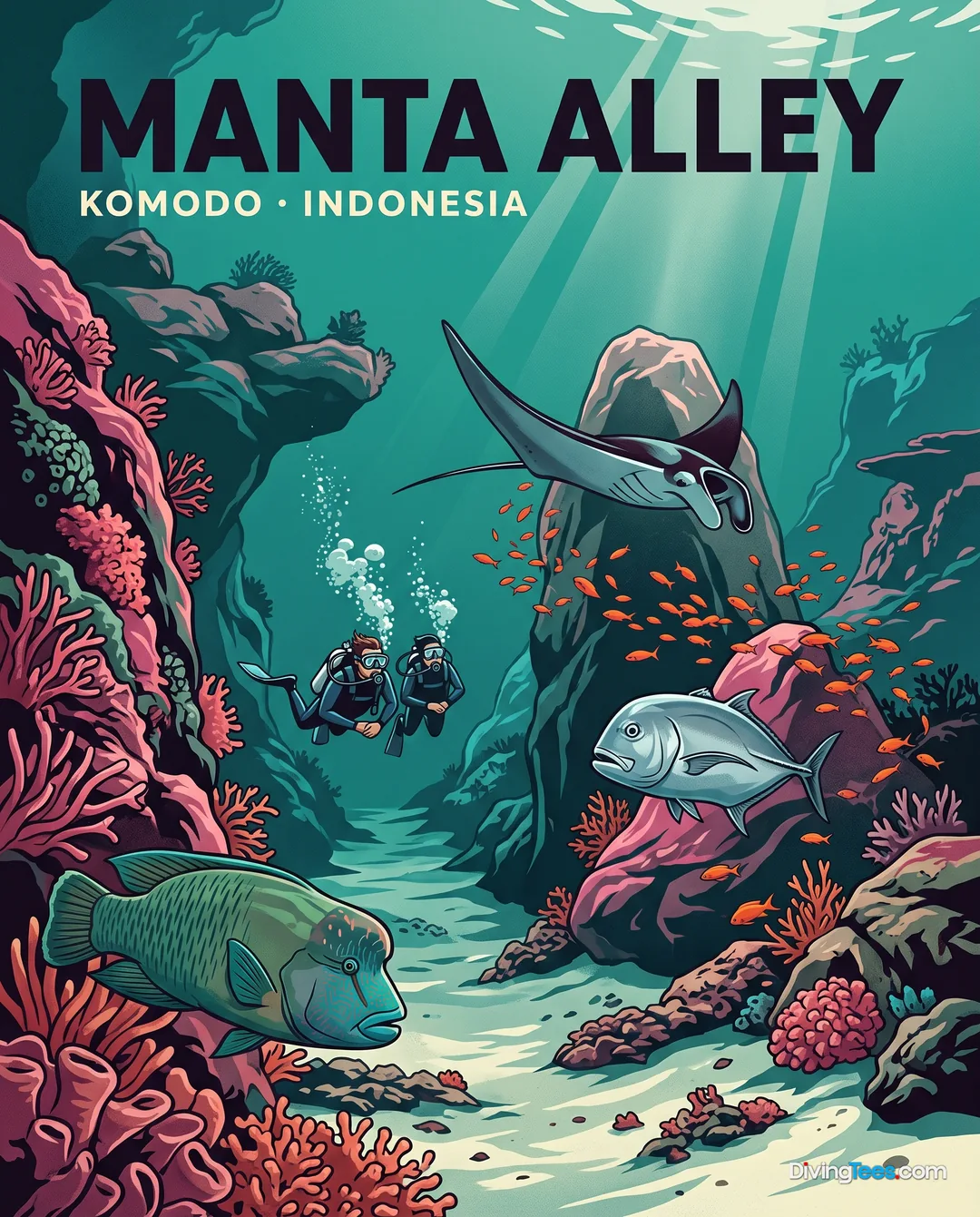
Manta Alley →
Max. depth · 20 m
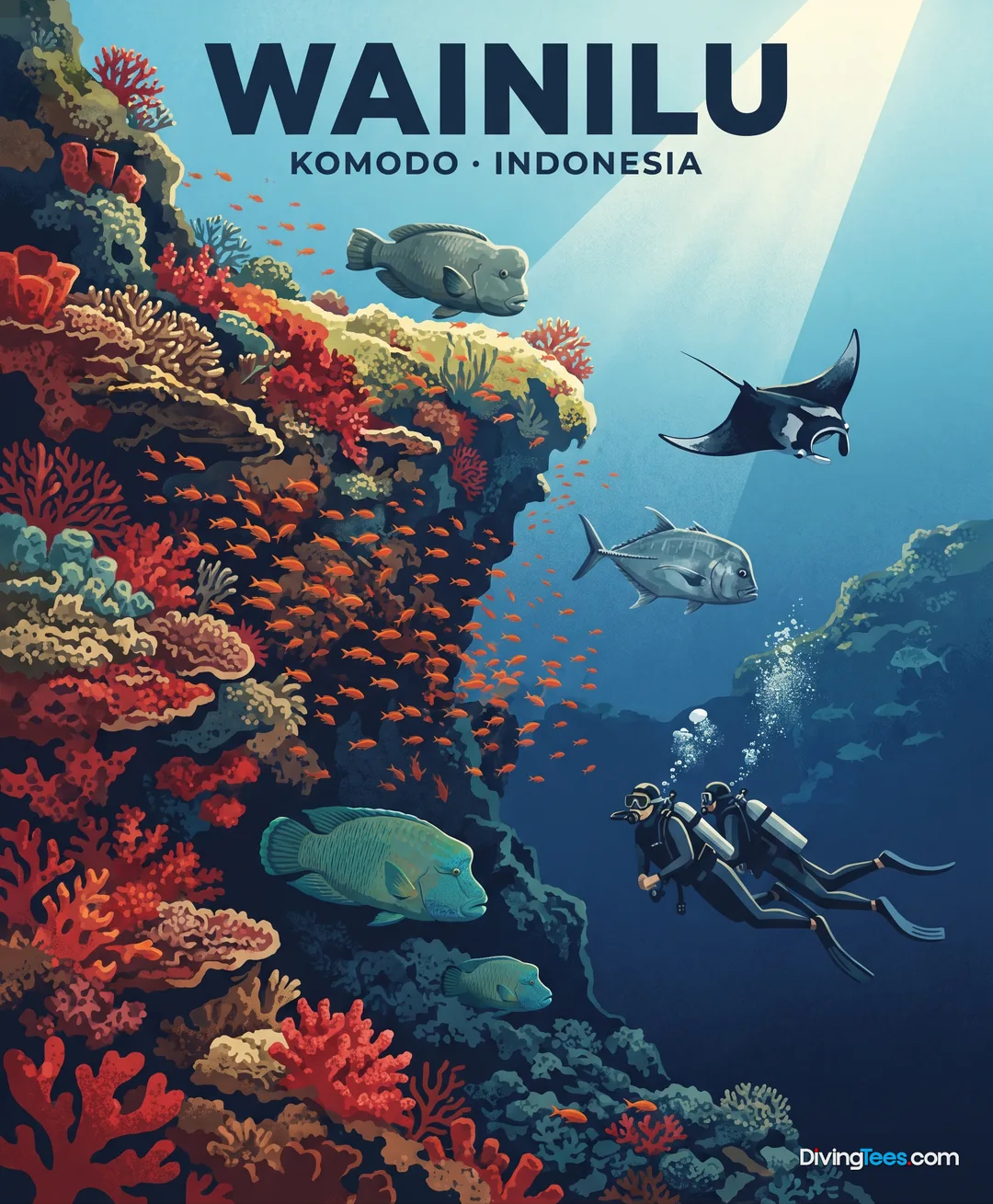
Wainilu →
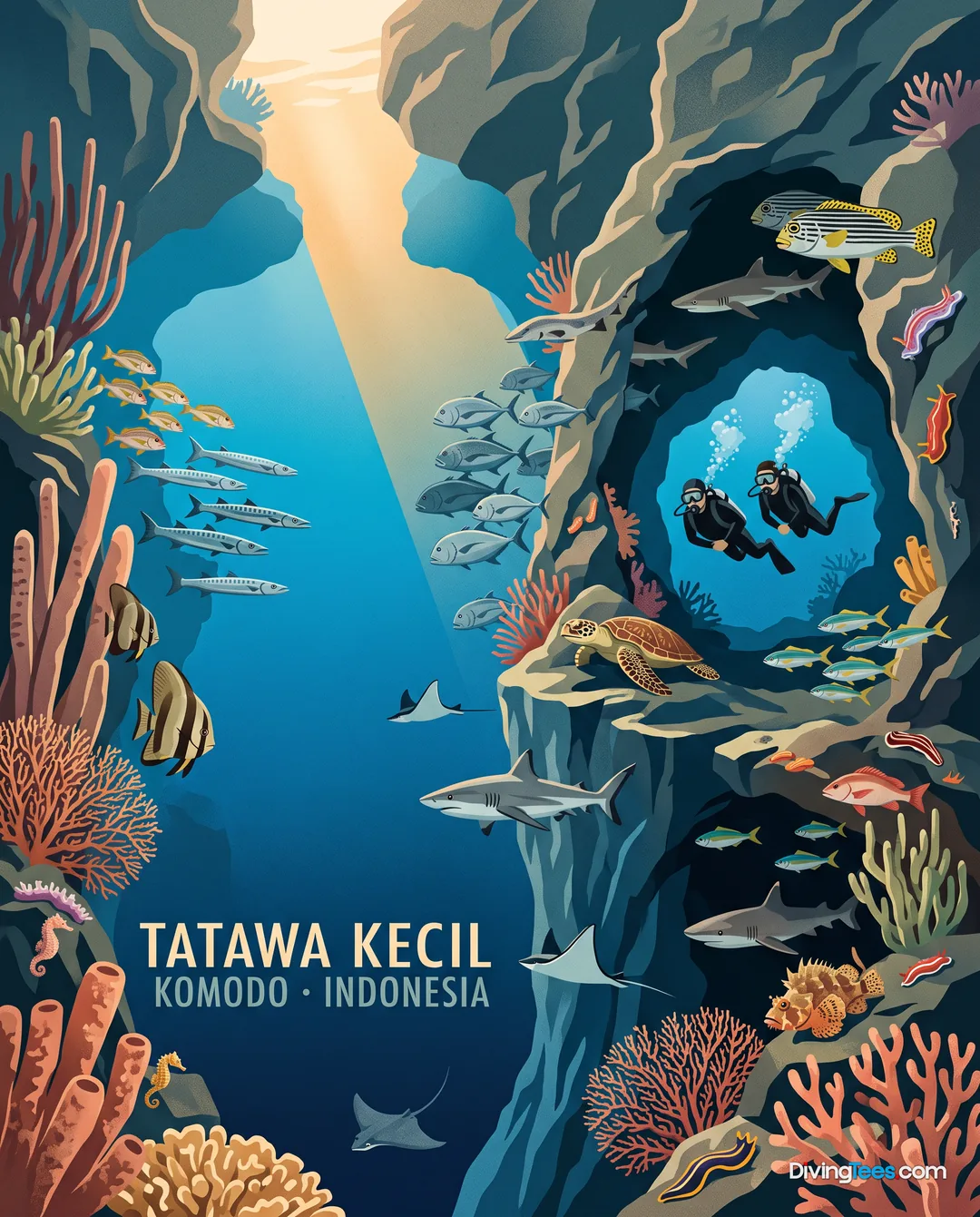
Tatawa Kecil →
Max. depth · 30 m
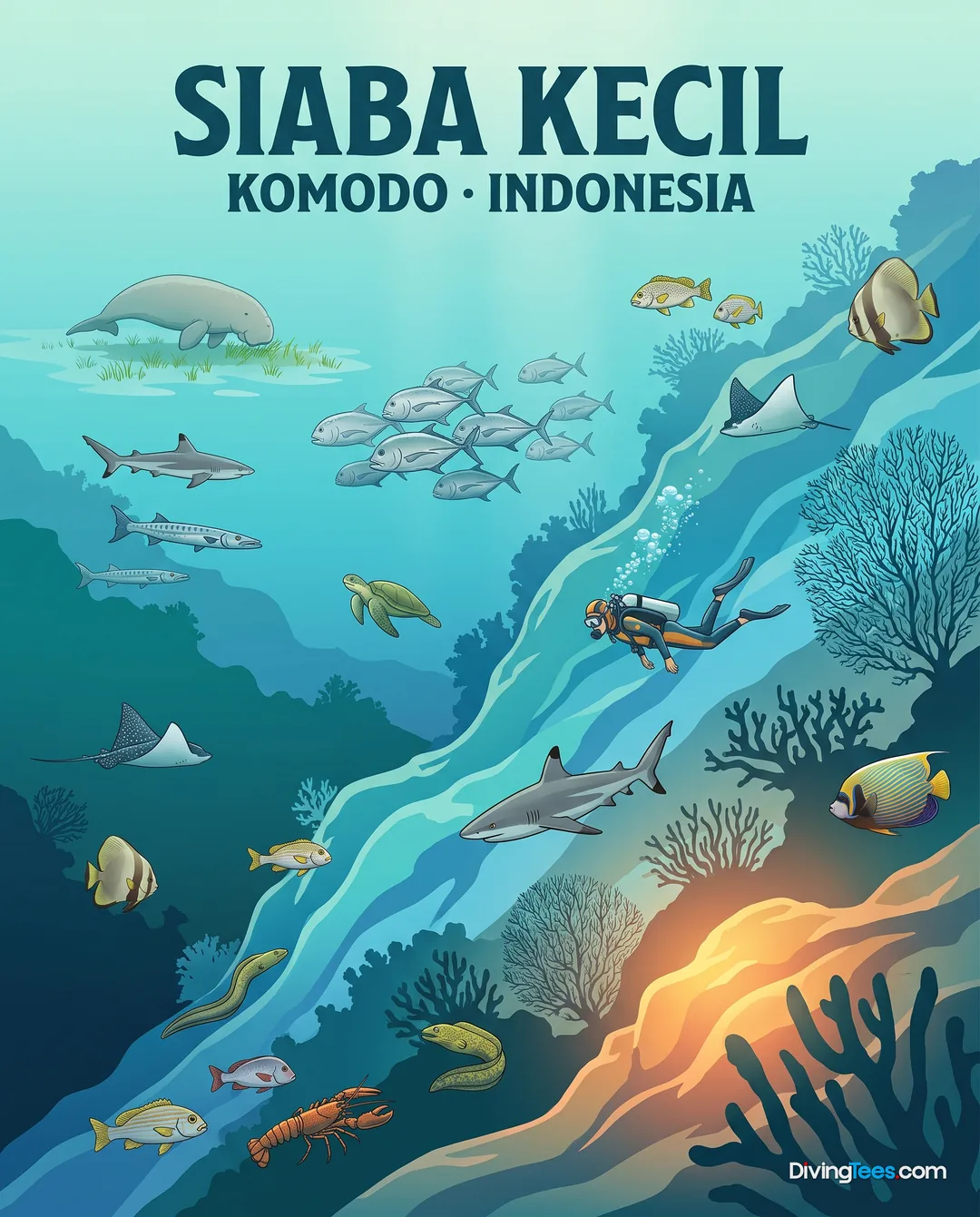
Siaba Kecil →
Max. depth · 30 m
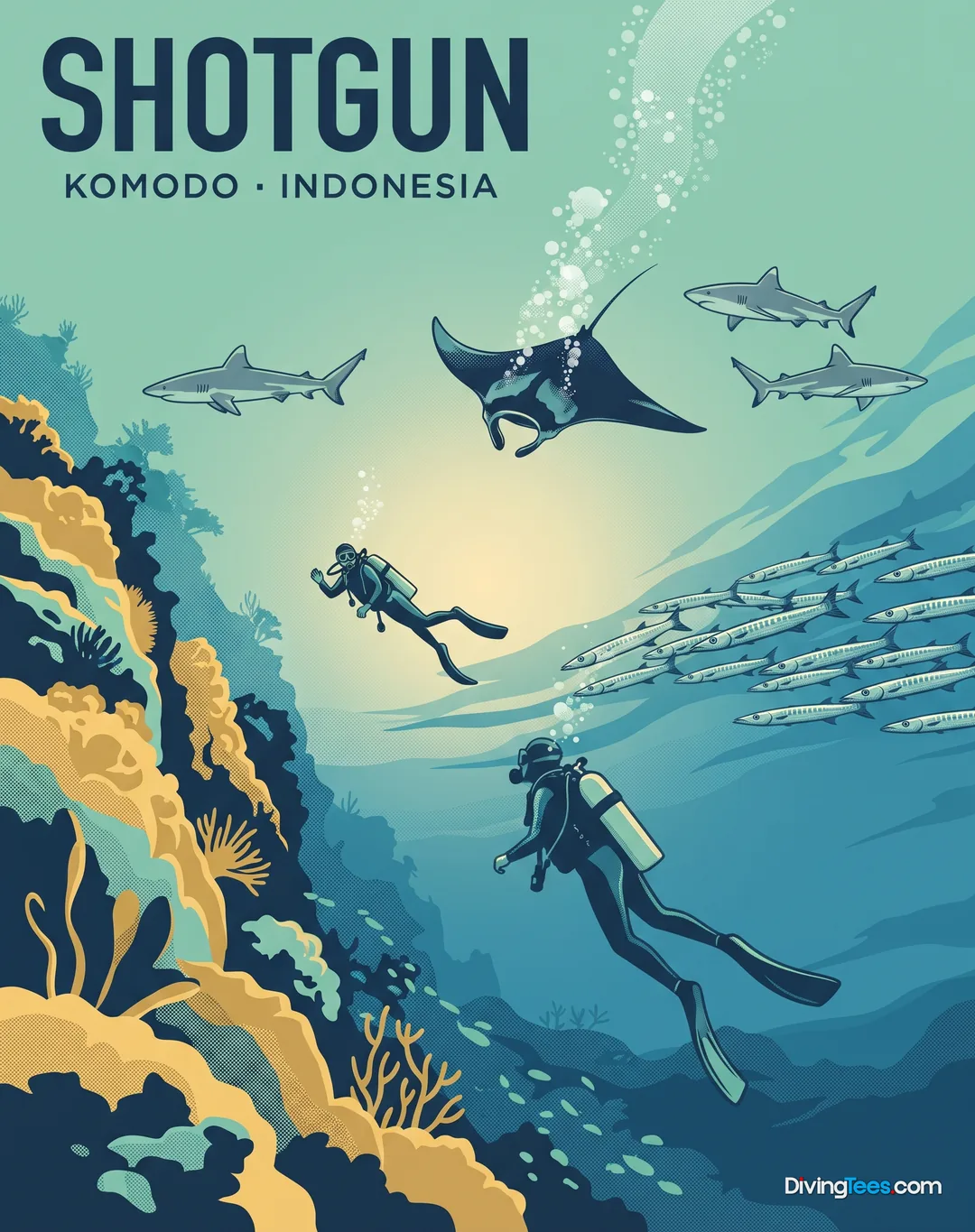
Shotgun →
Max. depth · 25 m
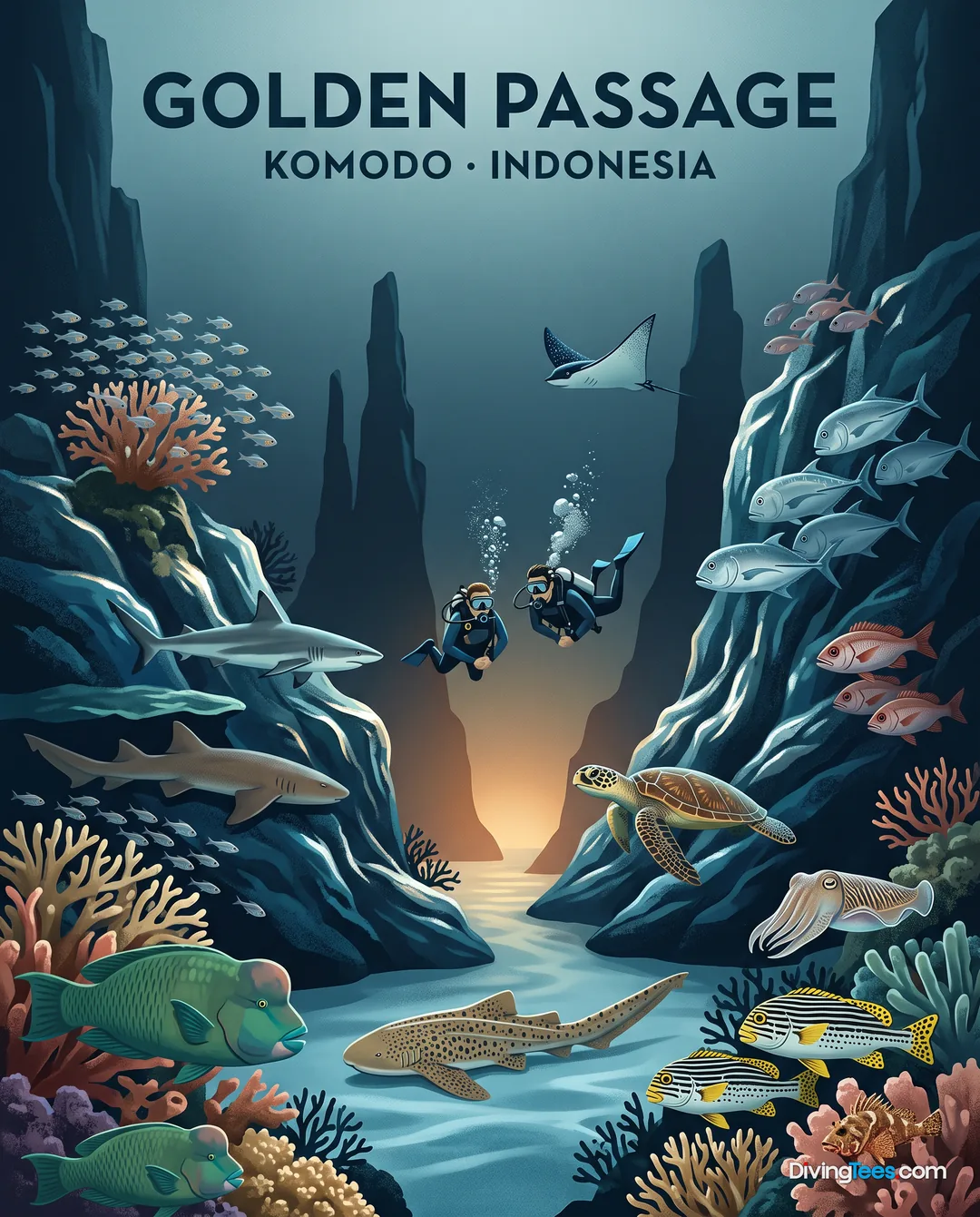
Golden Passage →
Max. depth · 30 m
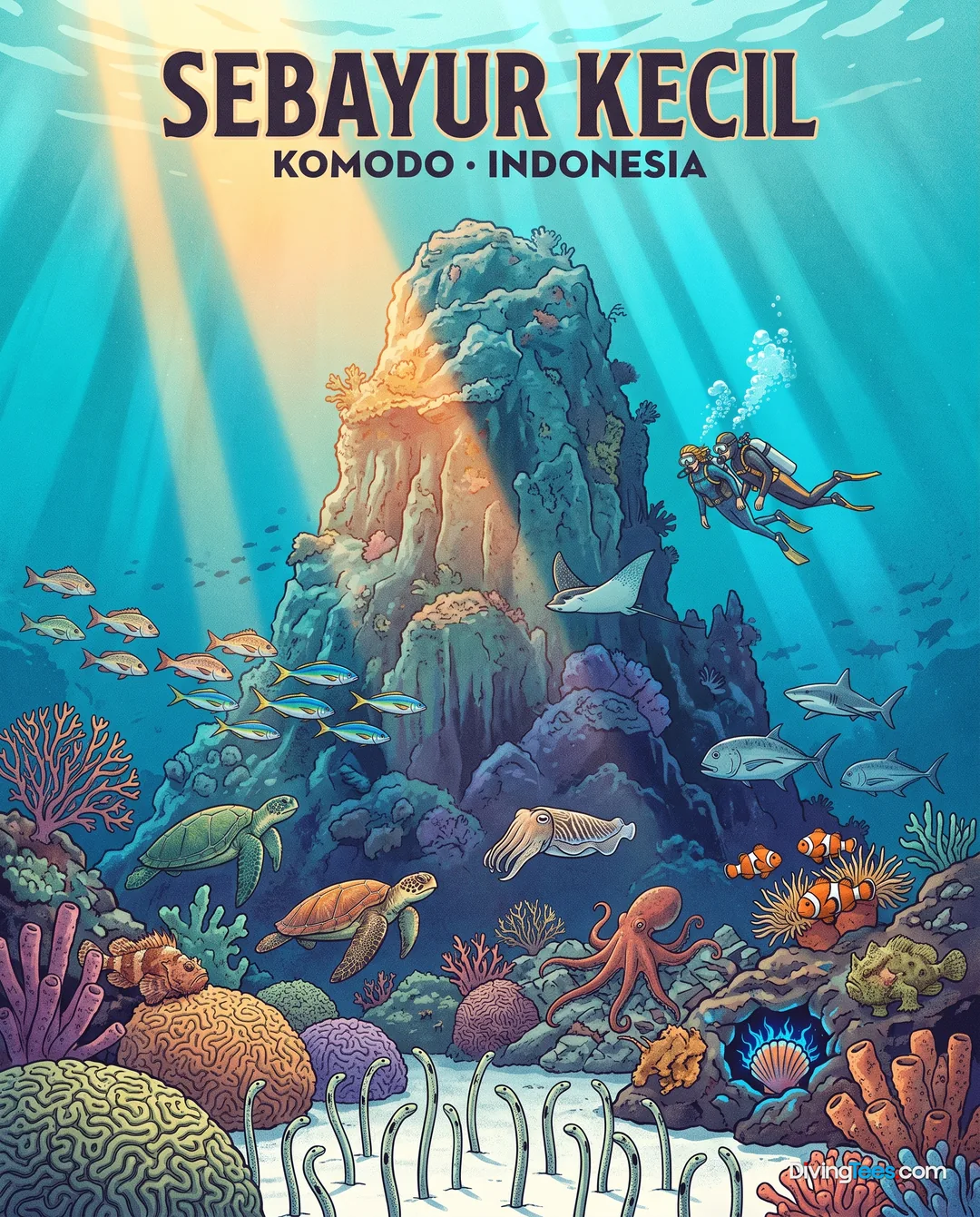
Sebayur Kecil →
Max. depth · 25 m
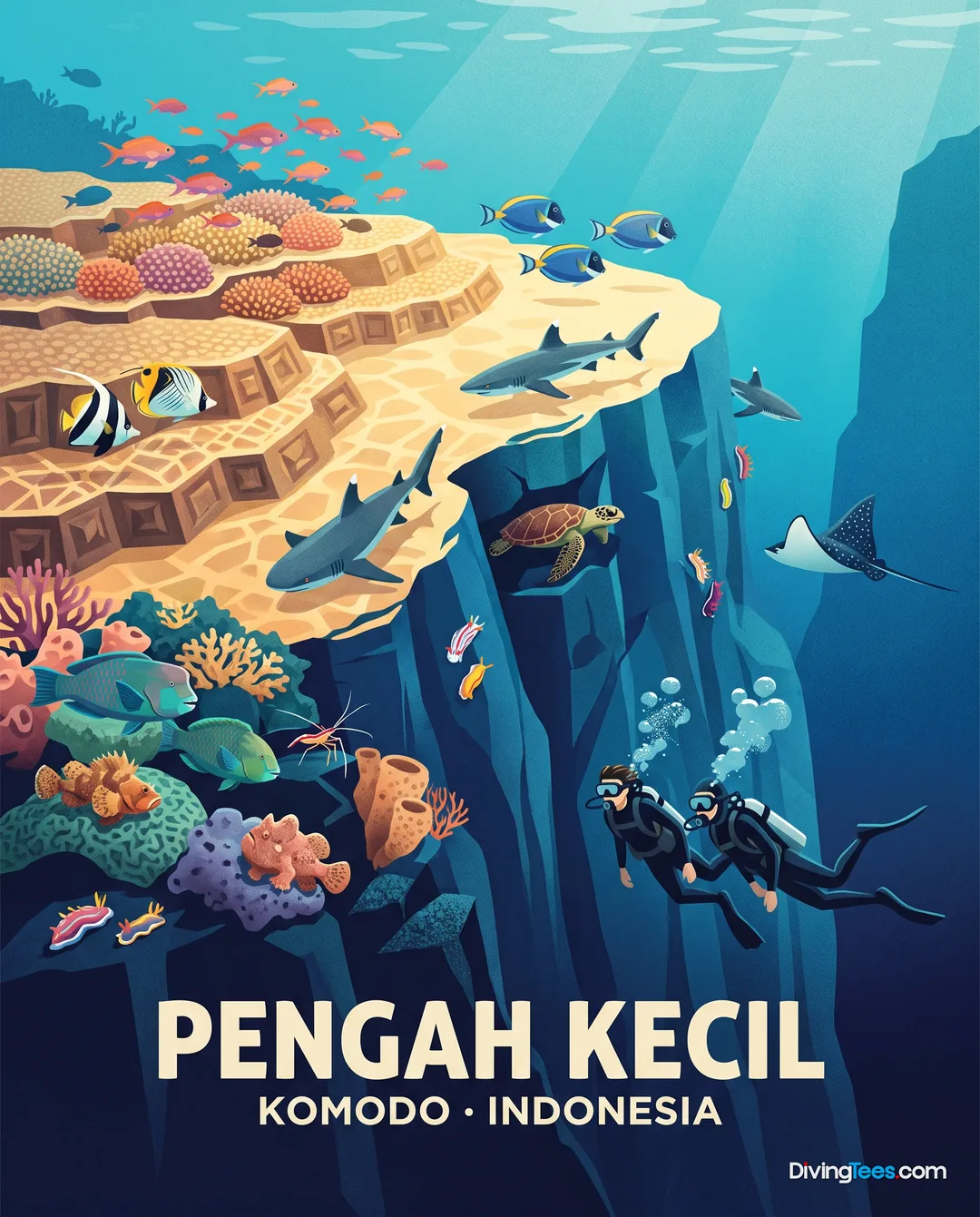
Pengah Kecil →
Max. depth · 25 m
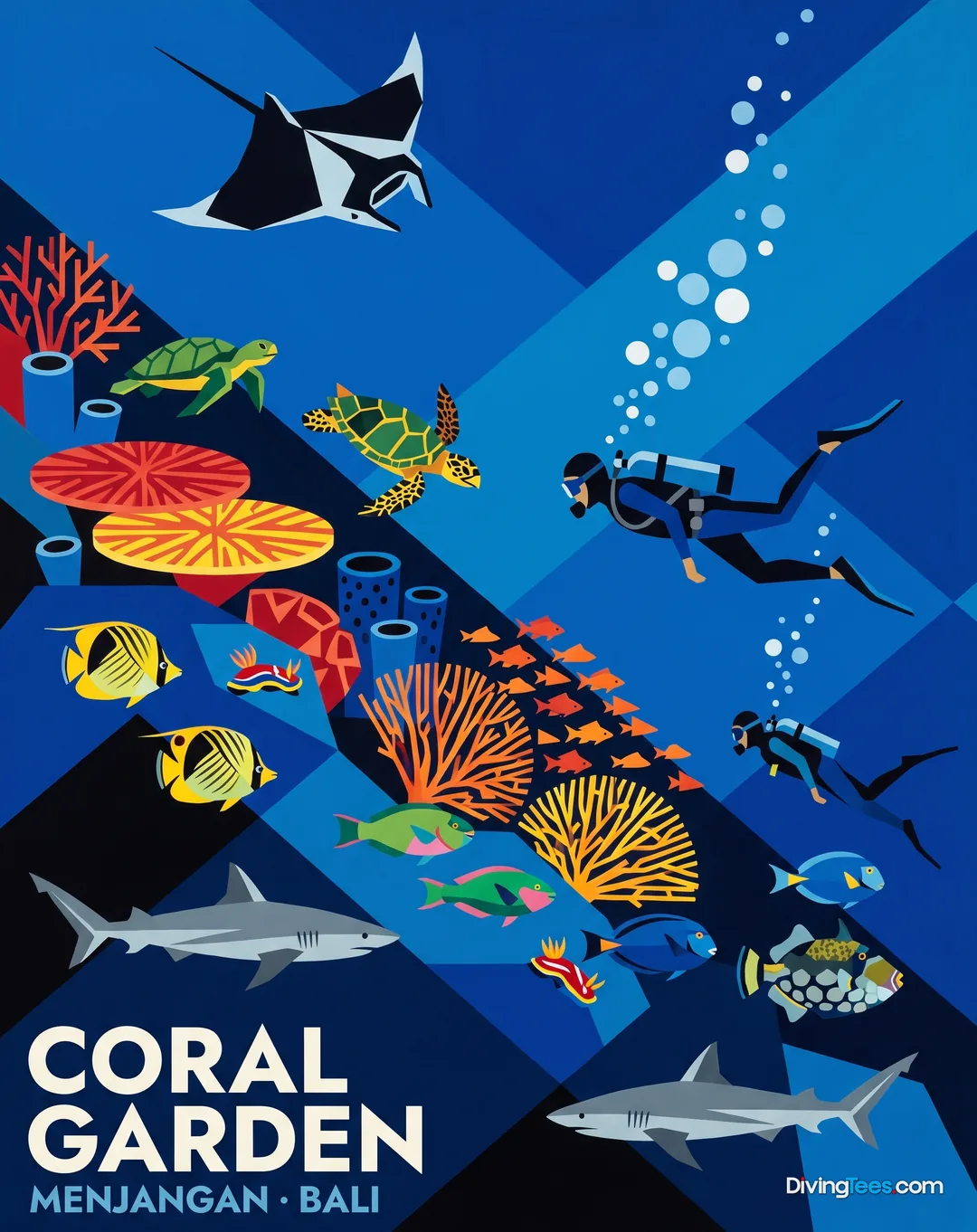
Coral Garden →
Max. depth · 28 m
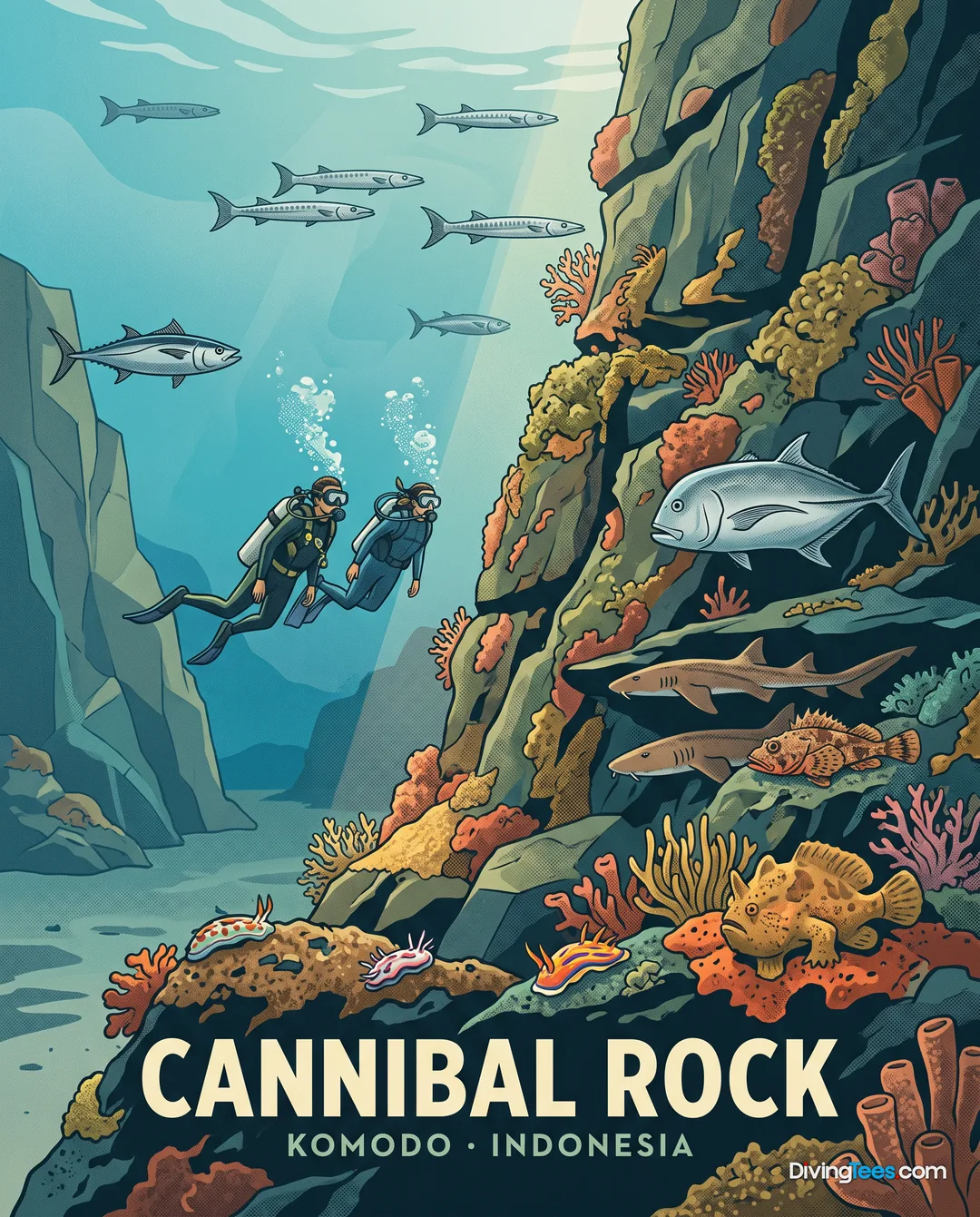
Cannibal Rock →
Max. depth · 30 m
What you’ll meet underwater
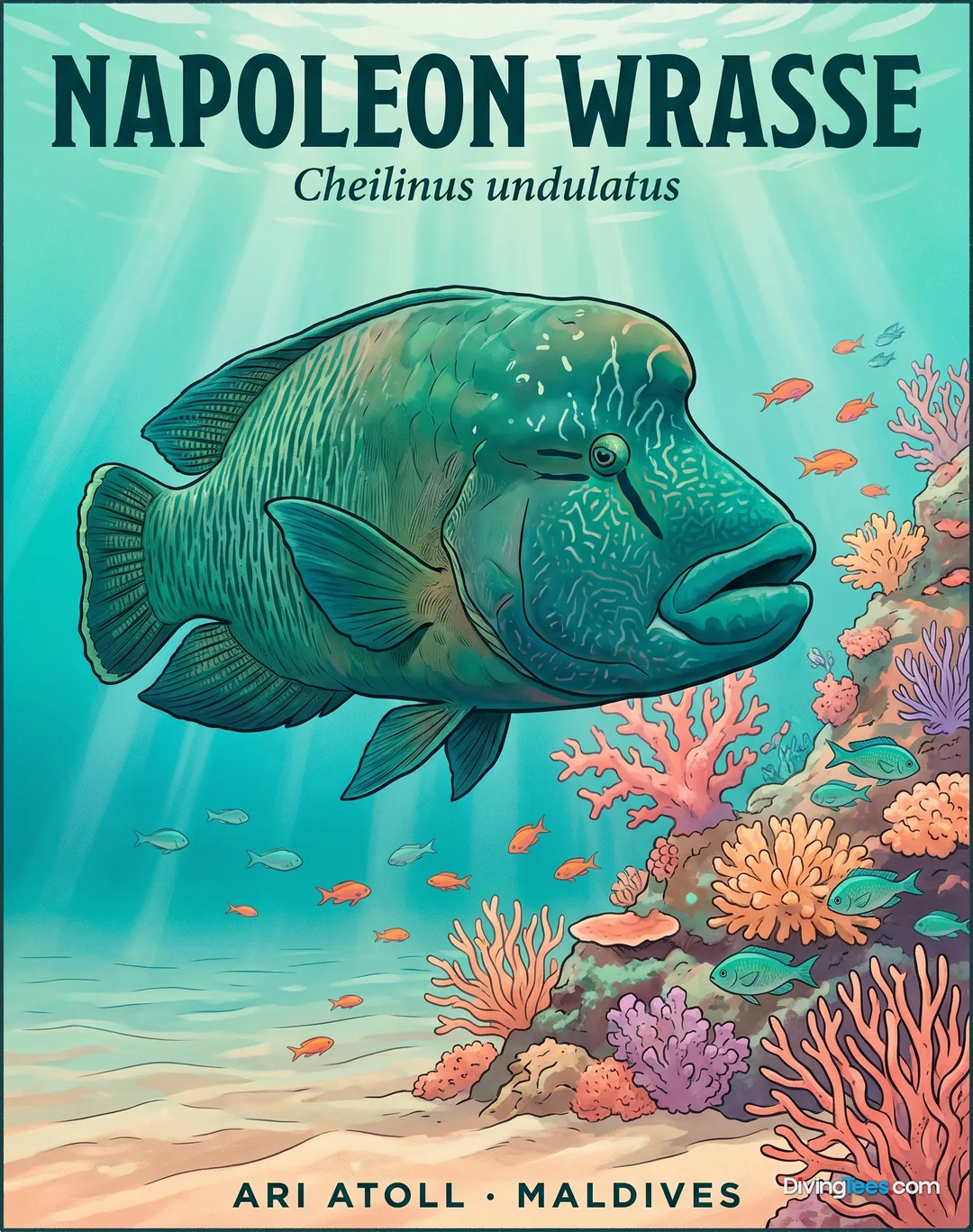
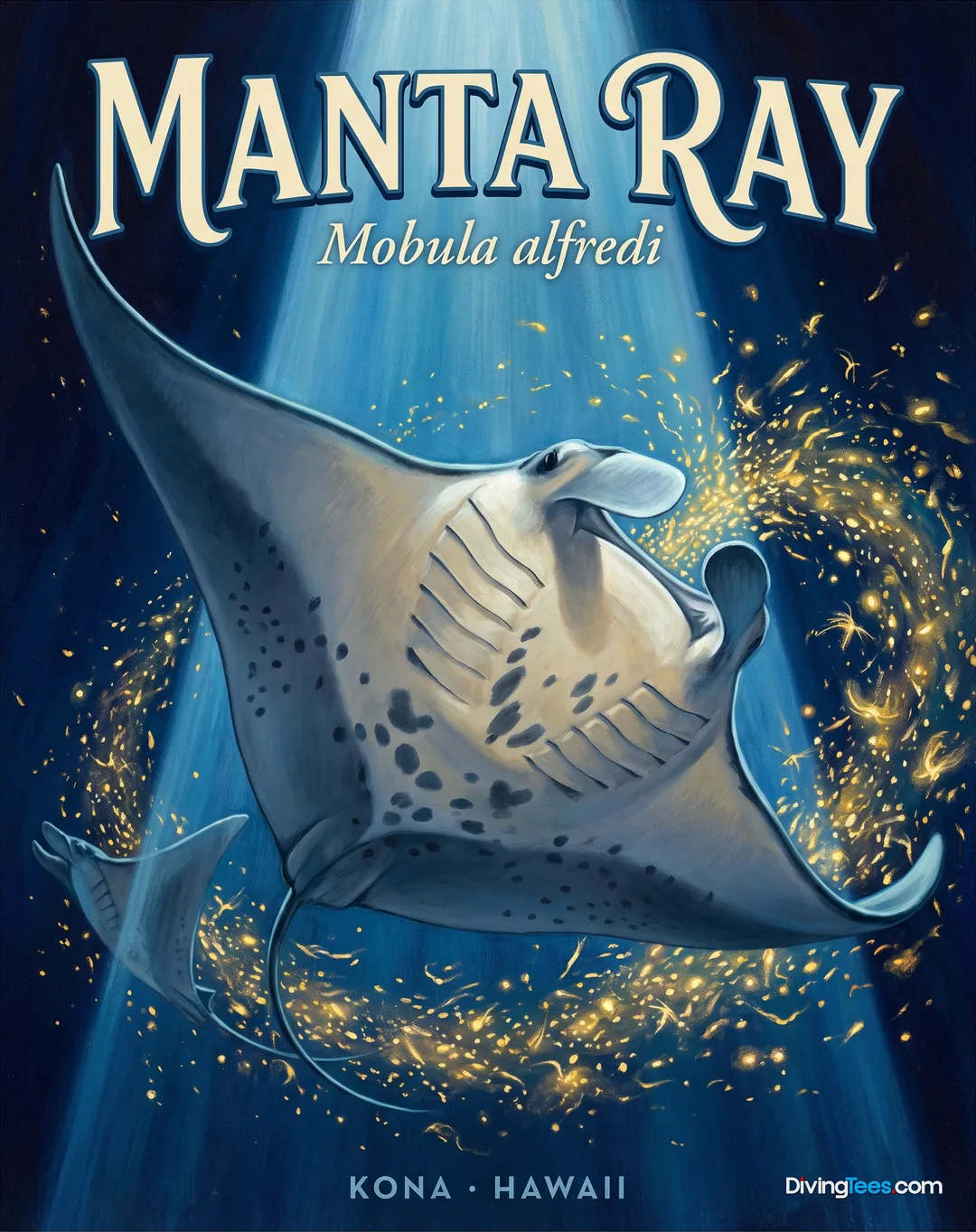
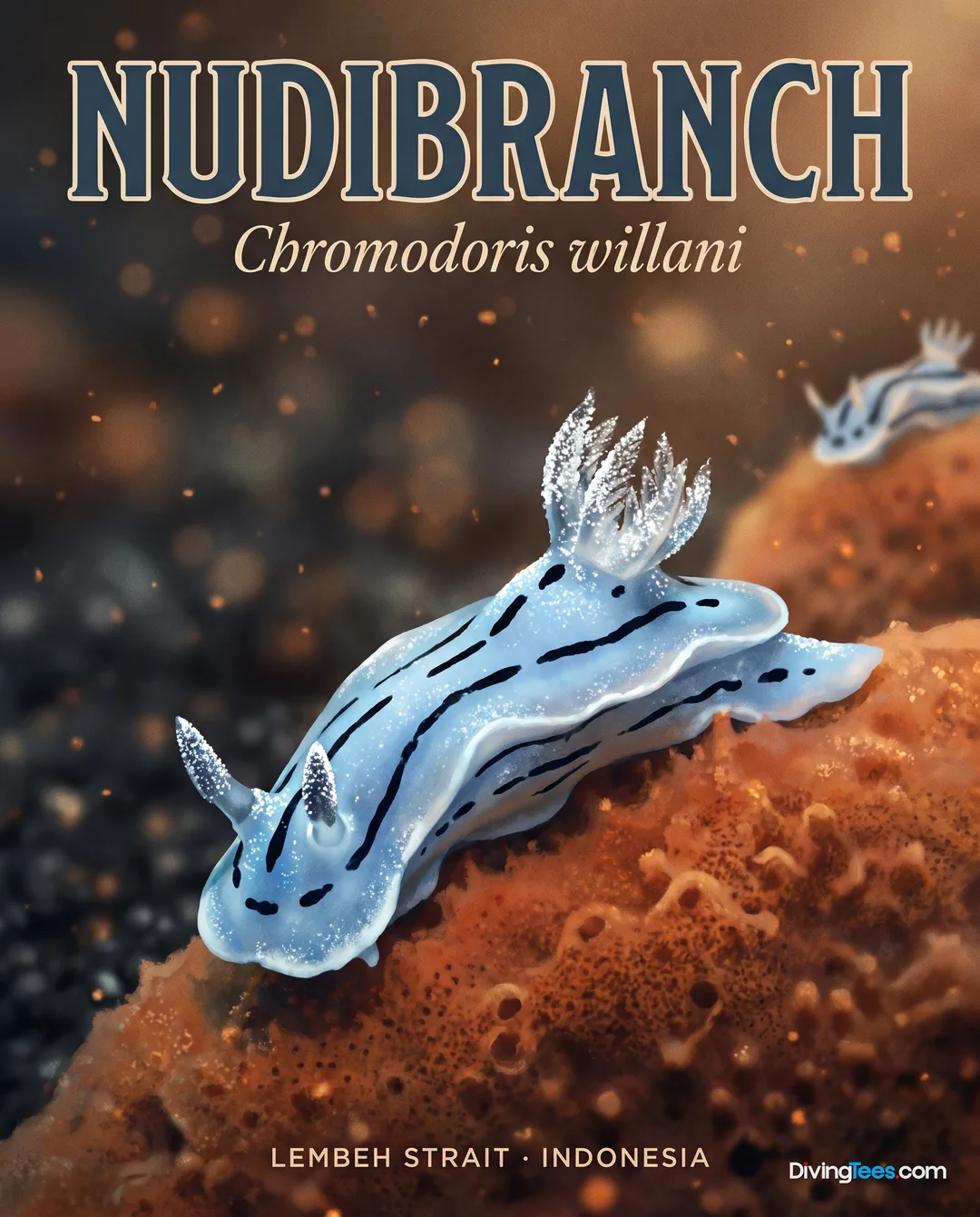
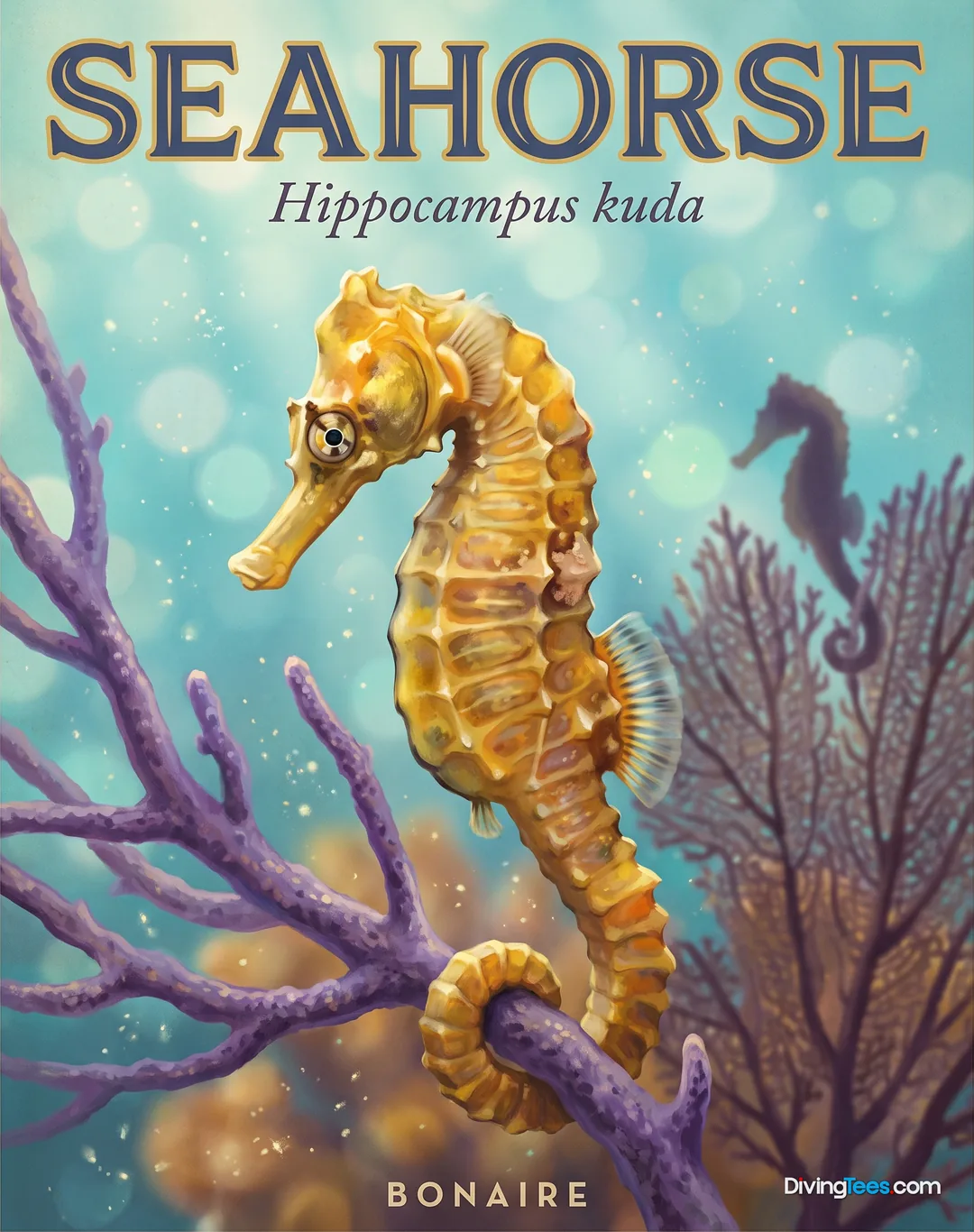
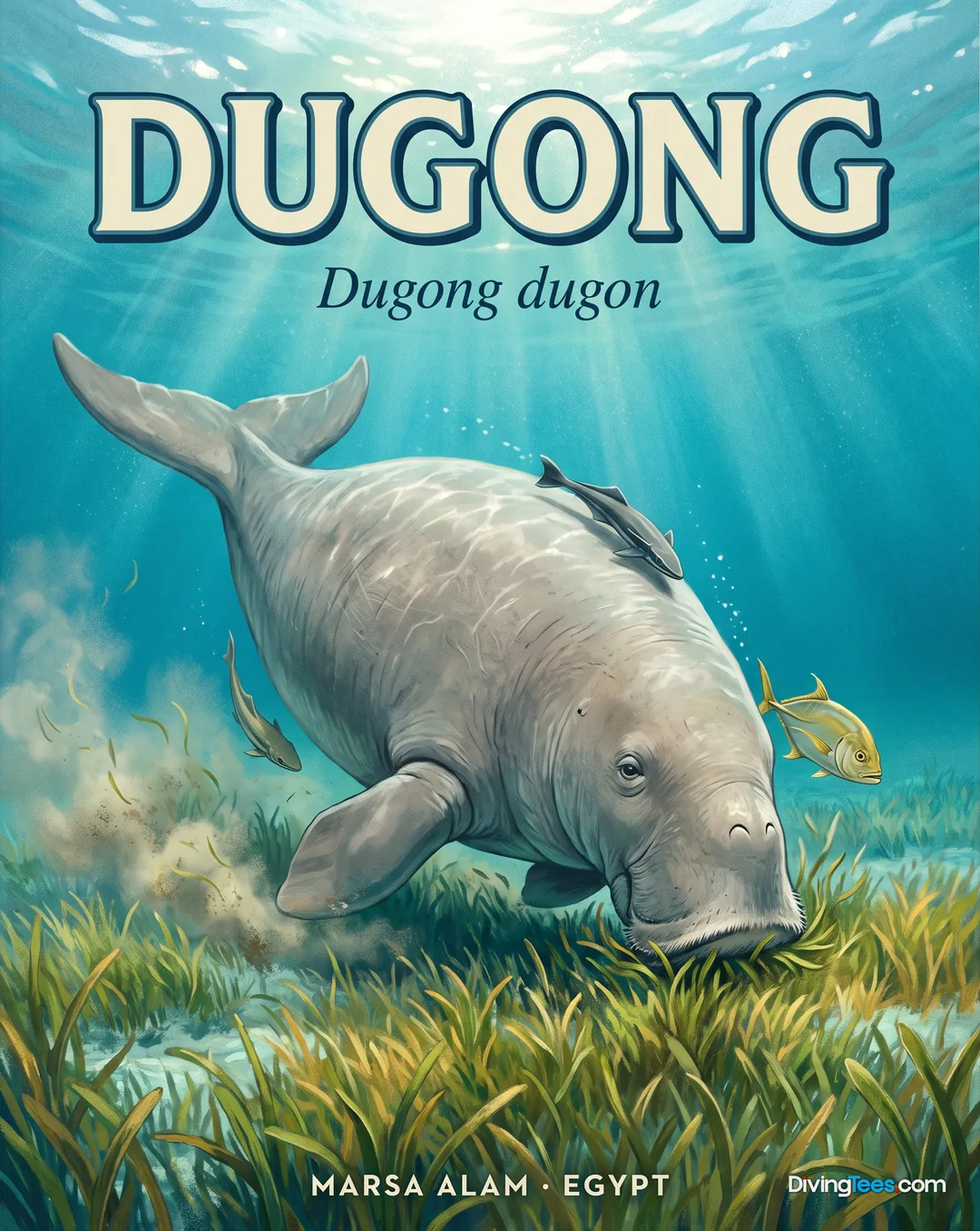
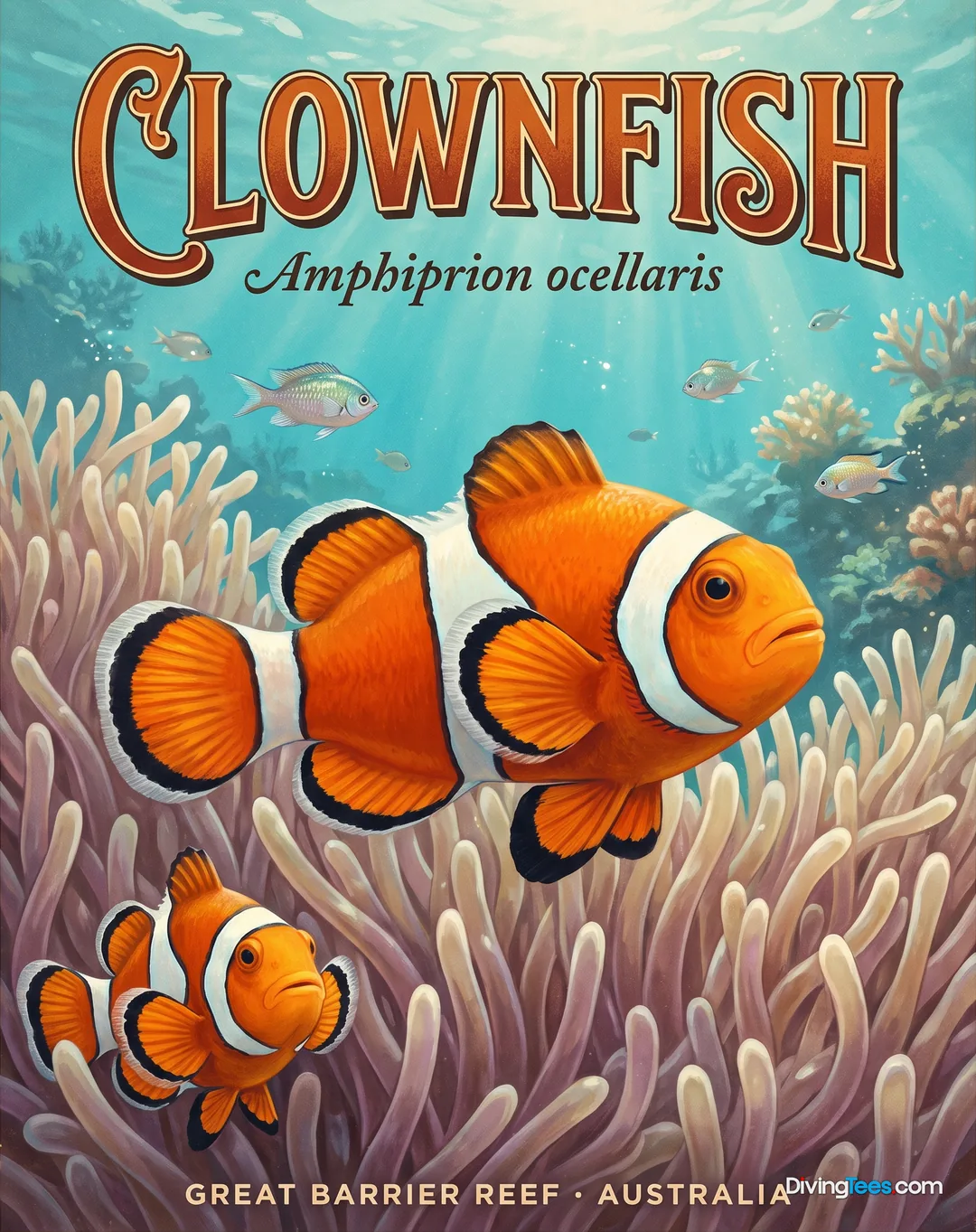
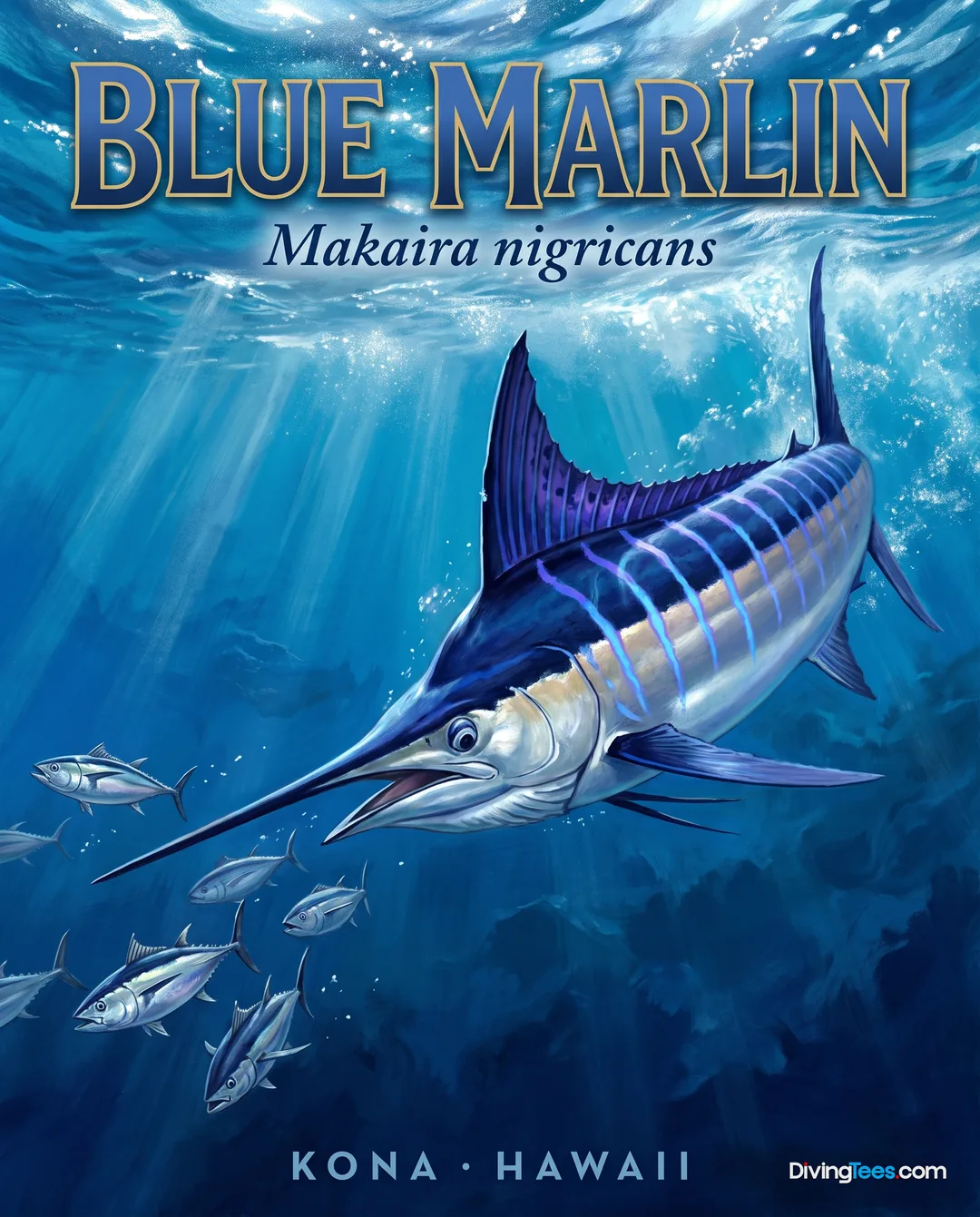
The recurring spectacle is large life carried by Komodo’s currents: manta rays and reef sharks are recorded across ten sites, while eagle rays appear across nine, giant trevally across eight and soft coral across seven. Barracuda and Napoleon wrasse are also regular possibilities, alongside turtles, white-tip reef sharks, nudibranchs and the occasional dugong, dolphin, grouper or tuna. The route rewards looking in both directions. At Manta Alley, strong current can bring large groups of manta rays through the southern waters. At Castle Rock and Crystal Rock, the same moving water concentrates sharks, trevally, eagle rays and other pelagics around the pinnacles. The rarer sightings give certain sites their own reason to visit: leopard shark and glassfish at Golden Passage, mandarin fish at Wainilu, ghost pipefish at Siaba Besar, clownfish and filefish at Sebayur Kecil, and lobster and angelfish at Siaba Kecil. None is promised; each belongs to a particular place.
Who puts you in the water
English and French are spoken on board, and the close crew-to-passenger ratio keeps guides near the group through the day. Dive groups are organised around the guides and the conditions at each site, with briefings before entries and the liveaboard director and captain retaining the final decision when weather affects site choice. Komodo is not a uniform beginner destination: several sites have strong or variable currents, including Castle Rock, Crystal Rock, Manta Alley and Tatawa Kecil, so comfort in current and appropriate experience matter more than a generic label. An Advanced Open Water course can be completed on board, and the boat welcomes snorkellers as well as divers. Safety equipment includes emergency oxygen, first-aid kits, life jackets, liferafts, radios and crew trained in first aid. A defibrillator, logged-dive minimum and recall system are not specified.
The dive deck and the gear
The dive deck is shaded and arranged for repeated entries into Komodo’s water. It has a proper dive platform, rinse tanks and hoses, DIN adaptors, a separate camera rinse area and charging stations. Rental dive equipment is included, so guests are not expected to build the whole system around their own luggage. One tender serves the divers, taking them from the boat to the site and collecting them after the dive; that matters on drift dives, where the tender needs to follow the group rather than leave divers swimming back to the hull. Hot showers are available after coming out of the water. The setup is practical for photographers as well as general divers, with a dedicated camera area and a clear separation between camera rinsing and ordinary equipment. Nitrox, tank material and tank volume are not described here, so those details should not be assumed.
Between dives
Between dives, the upper deck is the place to settle. Its shaded section gives divers somewhere to get out of the sun after a current-heavy dive, while the open areas keep the sea and islands in view. The same space carries several jobs: resting, eating, talking through the last dive, charging batteries and working on cameras at the camera station. A separate camera rinse area protects that equipment from the general rinse routine. When the boat is underway, the gap between sites is useful sailing time rather than a corridor between indoor rooms. There is also room for simple pleasures: a cold drink, a snack, a book, or a quiet look at Komodo passing by. The boat’s leisure is deliberately tied to the diving day, which suits guests who came to spend their surface intervals outside.
A day on board
A full day on Ikan Biru is built around at least three dives, often more. The first briefing and entry come before the boat moves on to the next site; after surfacing, divers return to the tender or platform, rinse equipment, shower, eat and settle before the following briefing. The order changes with tide, wind and the site plan, especially when the boat needs falling water to travel south and rising water to return to central Komodo. Surface intervals take place on the shaded upper deck, around the buffet and the camera station, while the boat relocates between sites. By evening, the dive gear is no longer the centre of attention: dinner is served outside, the shared living area becomes the sleeping quarter, and the day ends under the open sky. There is no fixed clock to memorise; the water and the tide set the sequence.
What you eat aboard
Meals are served buffet-style in the shared upper-deck area, with local cooking, vegetarian options, snacks throughout the day and fresh bread made on board. Non-alcoholic drinks, drinking water, tea and coffee are included; beer is available, while alcoholic drinks are separate. The food is handled as part of the dive rhythm rather than as a formal restaurant service: something arrives after a dive, before the next briefing, or during the longer gaps when the boat is moving. That matters on a liveaboard carrying out repeated dives, because the table becomes the place to refuel, compare sightings and check camera images at the same time. The menu is local and practical, with a chef cooking fresh meals daily. There is no need to leave the dive deck to find lunch.
Nights at sea
There are no private cabins on Ikan Biru. The Top Deck Sleeping Quarter is a shared open-air sleeping area where the daytime living and dining space is converted at night. Eight guests sleep together on deck, with the sea and sky as the setting rather than a cabin window; two shared bathrooms, hot showers and several changing places keep the arrangement workable. The point is not hotel privacy. It is lying down on the same deck where the group ate, with the ocean view still open around the sleeping space and the boat’s night air replacing the sealed feeling of a conventional cabin. Light and sound follow the boat’s working life, so guests should expect a communal space rather than silence behind a door. For divers who like to finish the day outside and wake close to the deck, this is one of Ikan Biru’s defining choices.
Top Deck Sleeping Quarter
What to know before boarding
Ikan Biru departs from and returns to the main harbour at Labuan Bajo, on Flores. From Labuan Bajo Airport, a taxi to the Blue Marlin dive centre and harbour is the stated connection; airport transfers are not listed as included. Arriving in Labuan Bajo the night before is sensible, so a delayed domestic flight does not become a problem on boarding day.
- Year built
- 2001
- Year renovated
- 2021
- Length
- 17 m
- Maximum number of passengers
- 8
- Number of cabins
- 1
- Number of bathrooms
- 2
- Engines
- 39 GT
- Tenders
- 1
- Website
- ikanbiru.com ↗
Hello, I'm Marina, DivingDeal.com's AI assistant. I answer in detail about hotels, dive centres and liveaboards.

Thinking about the whole trip and the flights? Talk it over with Edith →
Marina is an AI. Some links are affiliate links: DivingDeal may earn a commission, at no extra cost to you. Bookings are made with the partner.