Liveaboards · Indonesia
All Star Velocean — a purpose-built Indonesian liveaboard for serious diving and underwater photography
What makes this boat unique
- All Star Velocean carries up to 18 guests in 10 ocean-view suites, all with private bathrooms and air conditioning.
- The dive operation uses five guides for groups of four divers per guide, including two instructors.
- Nitrox, tanks, weightbelts, night dives and dive equipment are included; larger 15-litre tanks and other rental equipment cost extra.
- The vessel has a dedicated camera area, camera rinse tanks, air blowers, shaded dive space and rigid aluminium tenders.
- Raja Ampat itineraries run from Sorong to Sorong for 8 to 12 nights, with other routes covering Komodo, Banda Sea and the Forgotten Islands.
For subtitles in English: start the video firstthen click the gearat the top right of the video, select “Subtitles/CC”, then “Auto-translate” and choose “English”.
The invitation
All Star Velocean is for the diver who wants Indonesia's reefs to take centre stage, then wants the space and tools to do something with the images. The boat was designed specifically for scuba divers and underwater photographers, not adapted from a passenger vessel after the fact. That shows in the private camera workstations, the large camera table and the small dive groups: four divers per guide, with five guides on board. Raja Ampat is the draw here, with mantas, schooling fish, walls, cleaning stations and coral gardens packed into one route. The vessel also suits a mixed group. Non-divers and snorkelers are welcome, while kayaks, stand-up paddleboards and shore excursions give them something to do between dives. Choose it when the priority is a high-volume dive week without giving up a real cabin, a quiet place to work on photographs or room to step away from the group.
Boarding
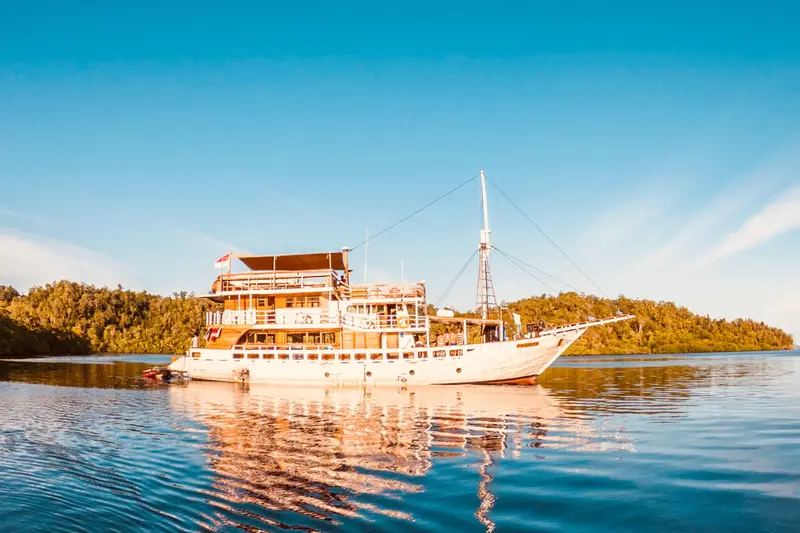
From the dock, All Star Velocean presents as a sleek, purpose-built aluminium liveaboard rather than a converted yacht. The 2025 renovation matters: the boat feels current, clean and arranged around the way divers actually move, from suite to dive deck and back again. Stabilizers help keep the ride steady when the sea becomes less cooperative. Inside, the spaces are finished for long days on board rather than quick coastal trips: an air-conditioned lounge, dining room, bar and open areas where wet divers can spread out without blocking the house. The crew-to-guest ratio is unusually close to one-to-one, so boarding does not feel like joining a floating hotel with a queue at every door. It feels like stepping onto a working dive vessel that has been given enough room to make the working parts comfortable.
The atmosphere on board
Velocean's atmosphere is shaped by a large crew serving a small guest group. Five dive guides keep the underwater groups to four divers each, while the rest of the 24-member crew can keep meals, cabins, tenders and the dive deck moving without making guests manage the operation themselves. English and Indonesian are spoken. By the second day, the repeated handovers become familiar: the same station, the same camera table, the same guide checking that a diver is ready before the tender leaves. Evenings are less about formal entertainment than about reviewing the day's images, using the lounge's sound system, talking over dinner or retreating to a quiet suite. The result is a boat that feels attentive without being crowded by service. That matters on a long Raja Ampat itinerary, when a good crew is the difference between a smooth dive trip and a week of small irritations.
The sites you’ll dive
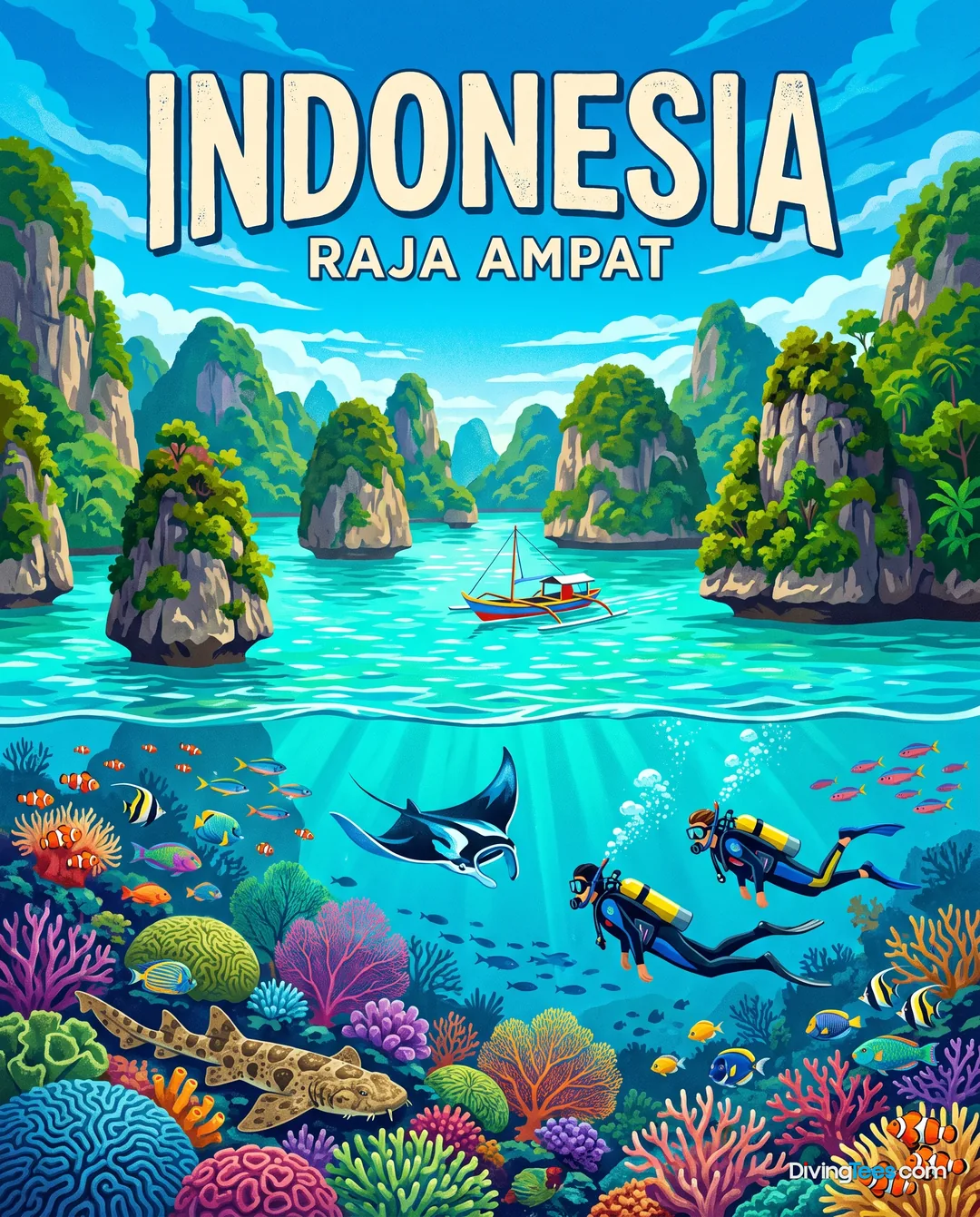
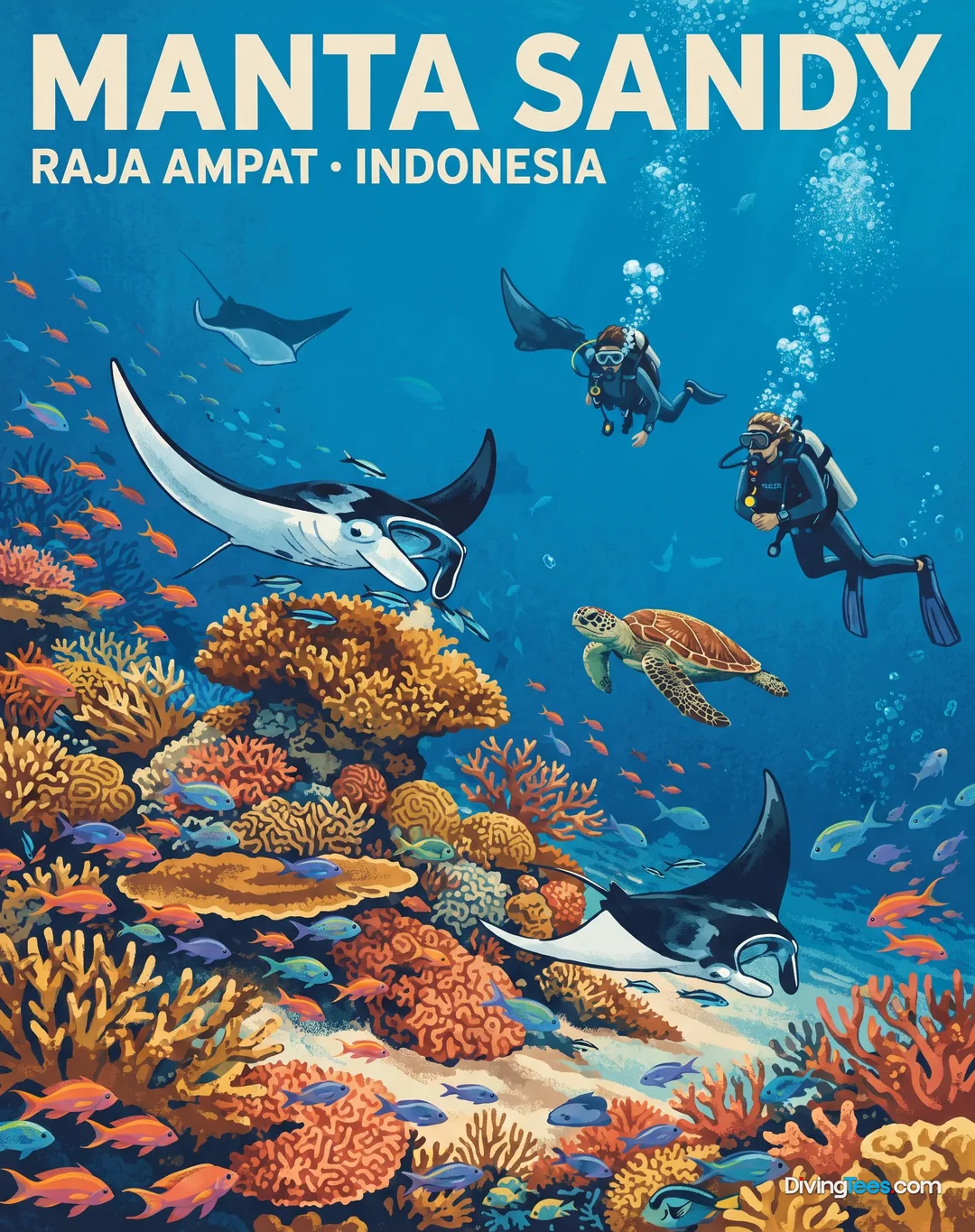
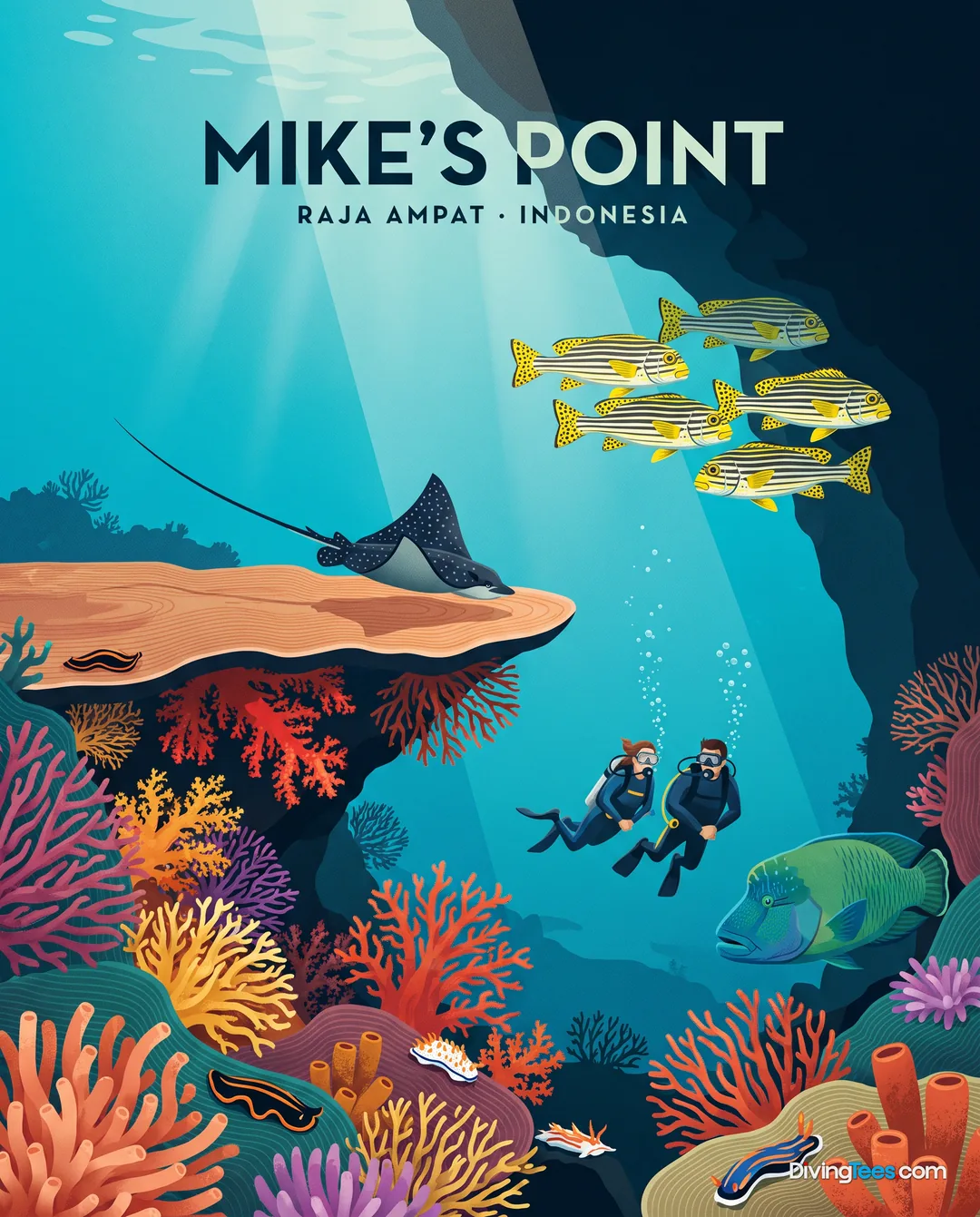
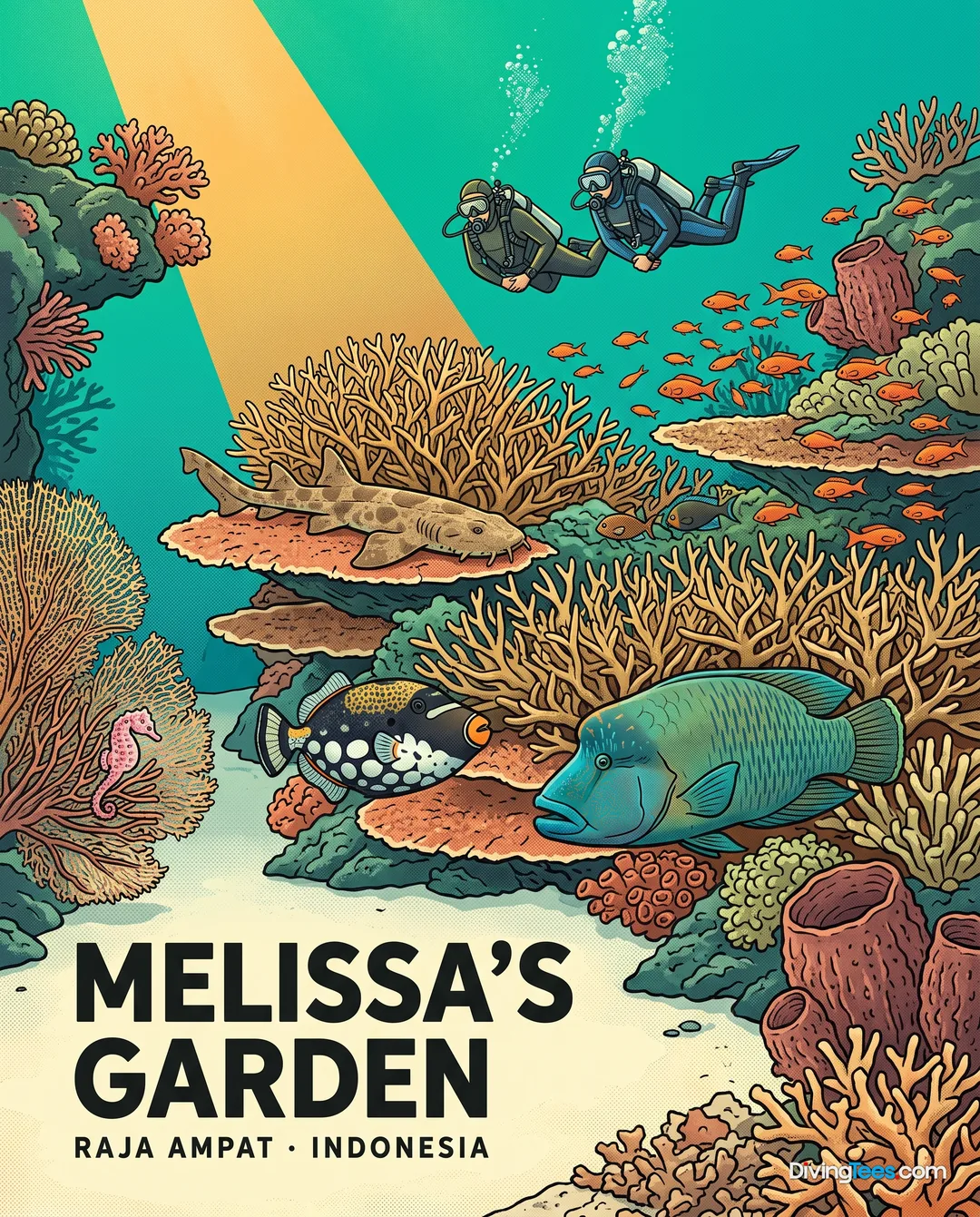
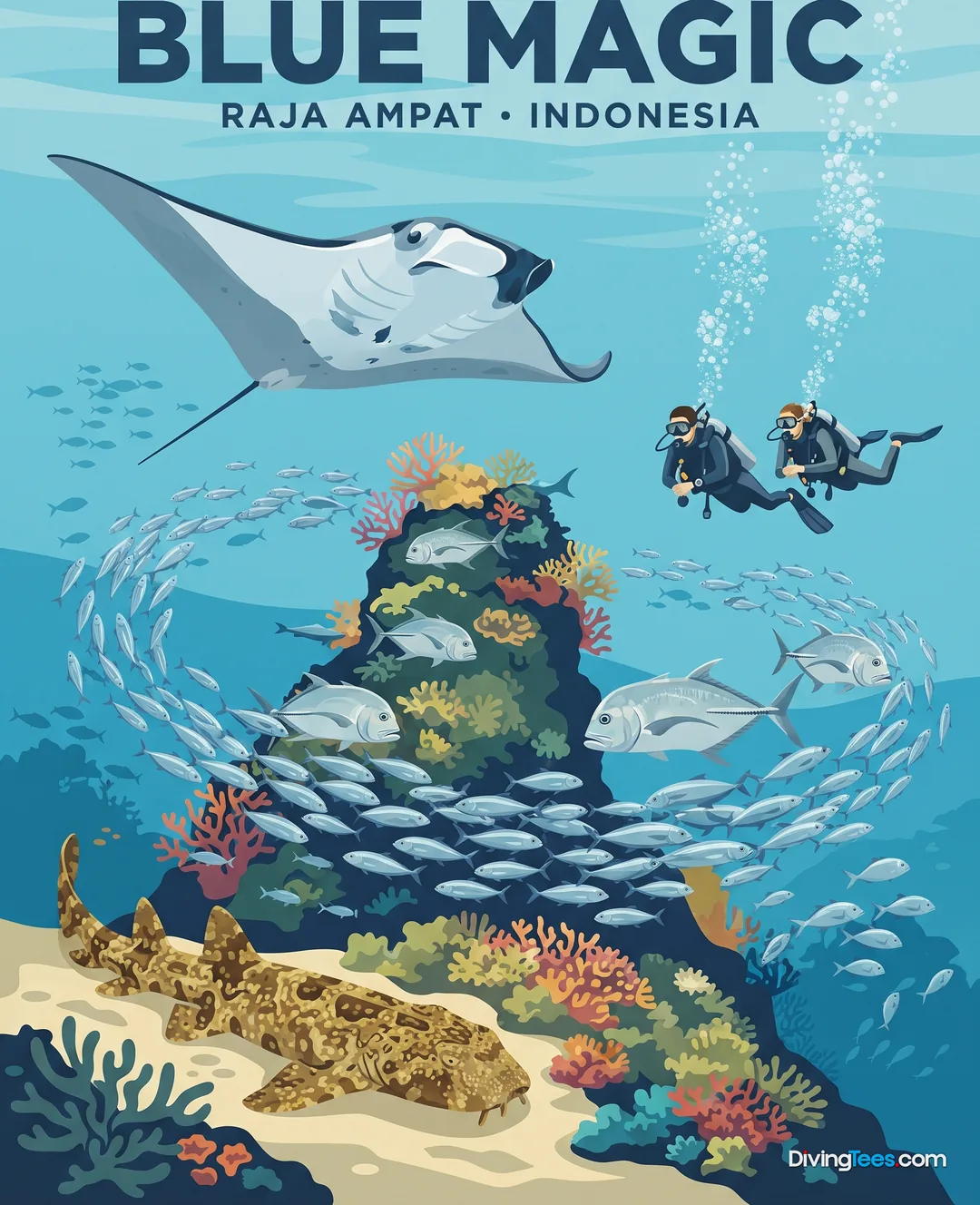
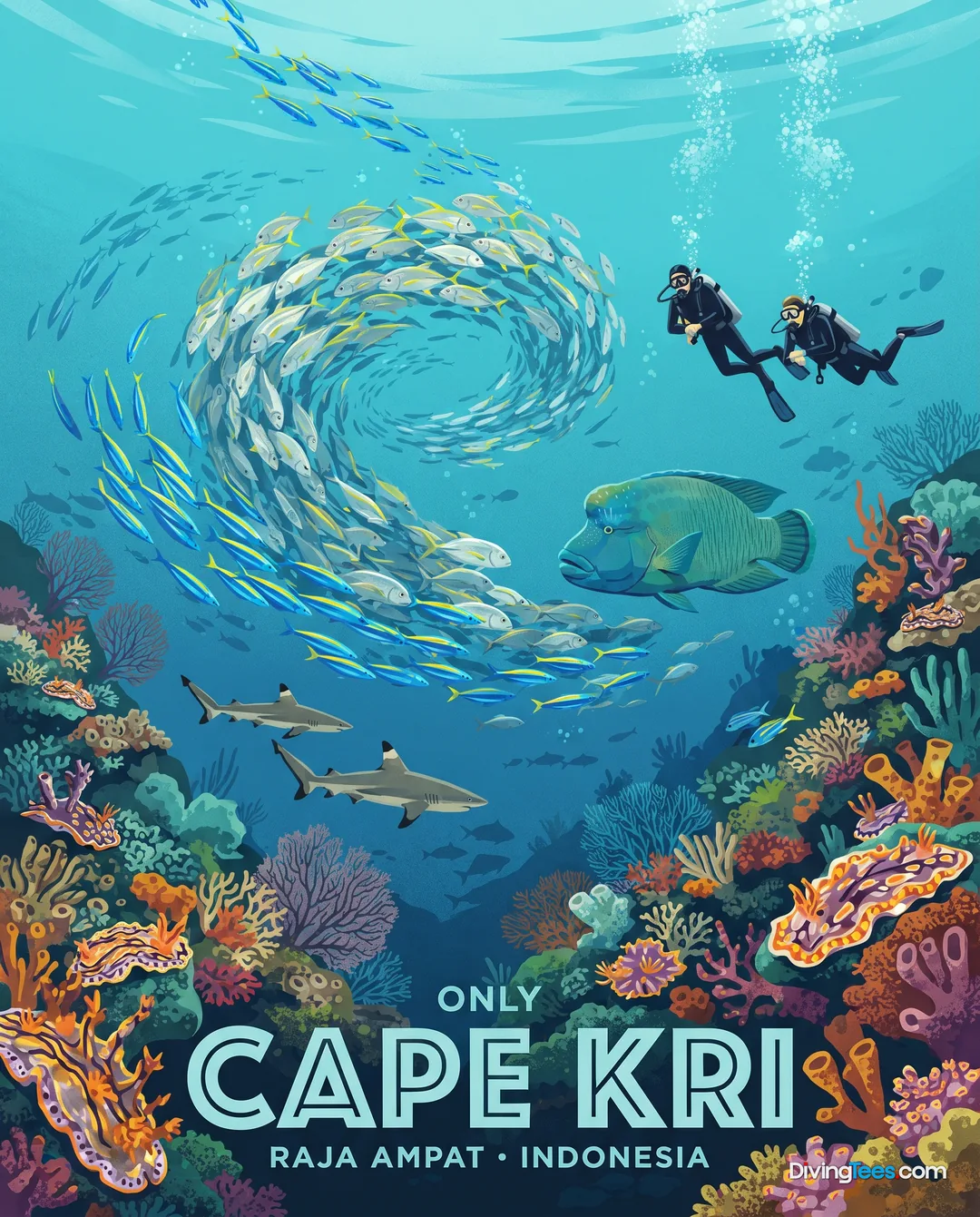
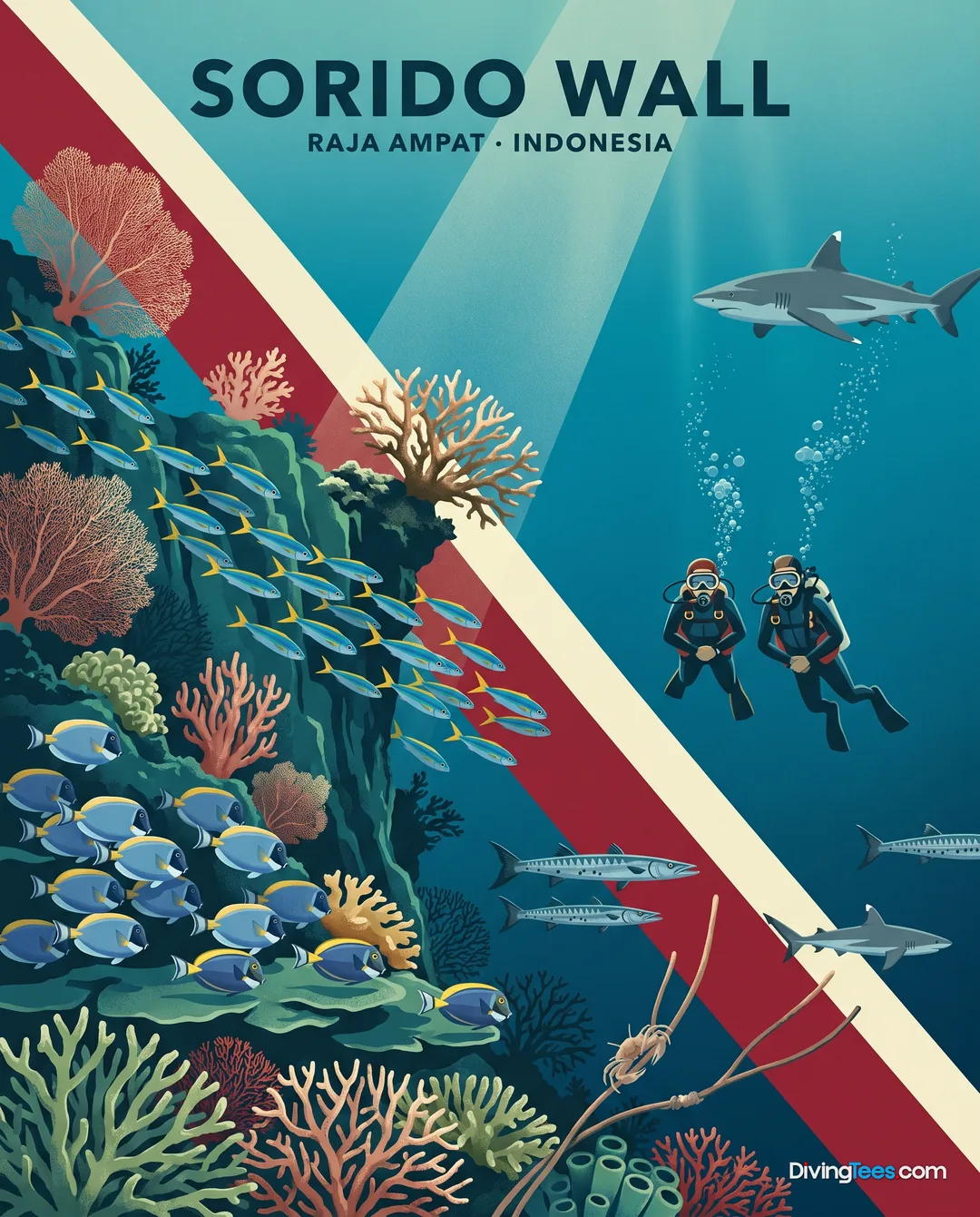
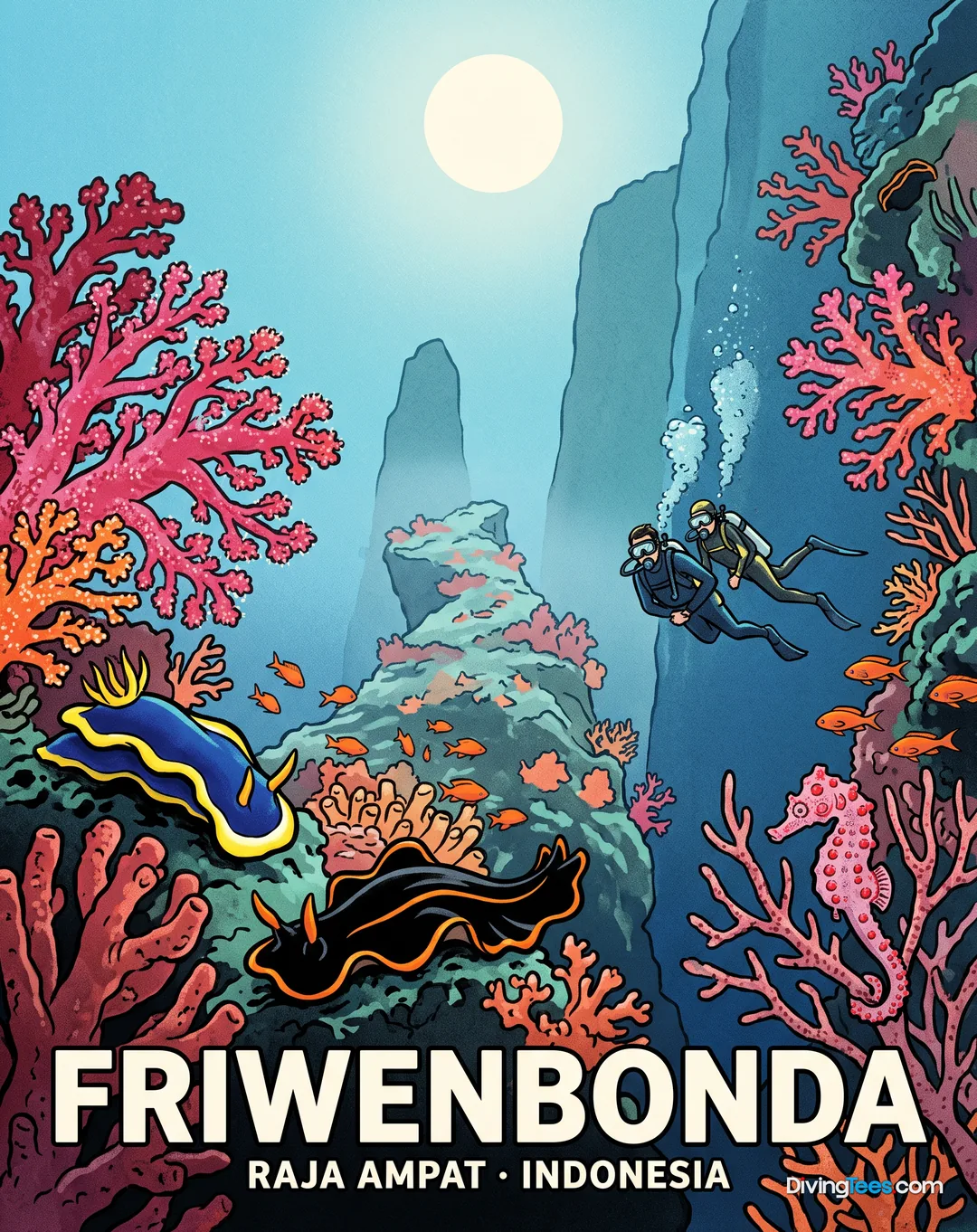
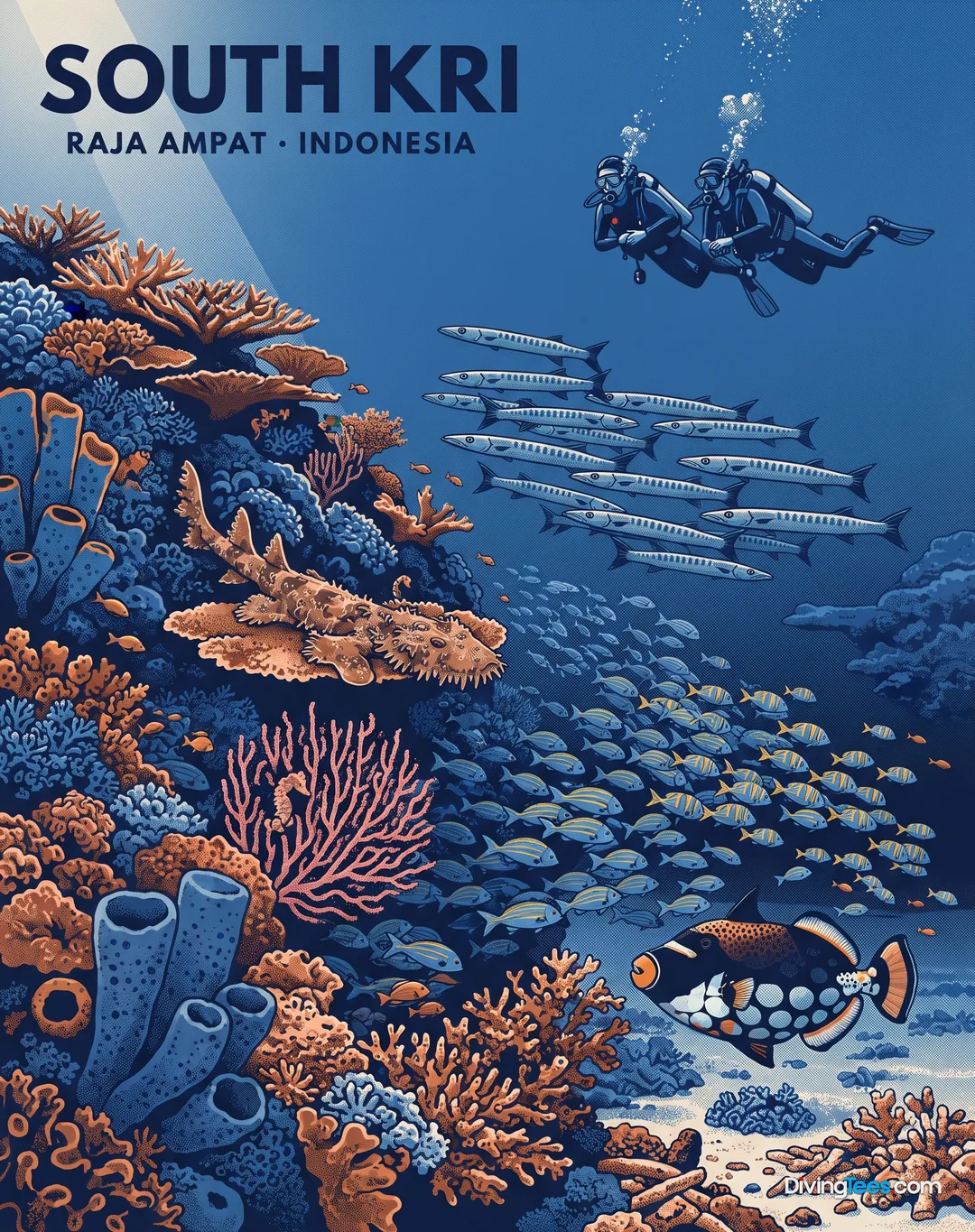
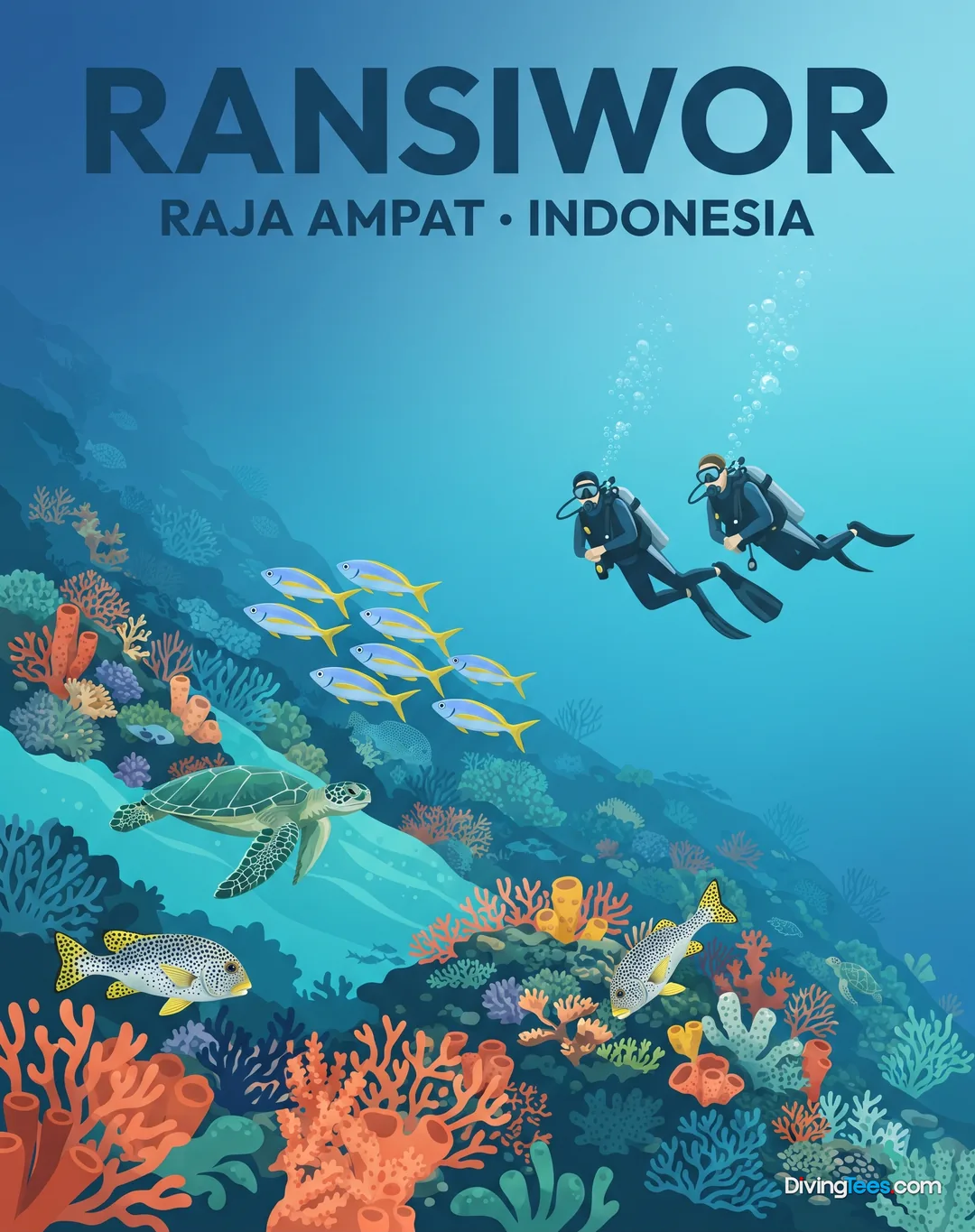
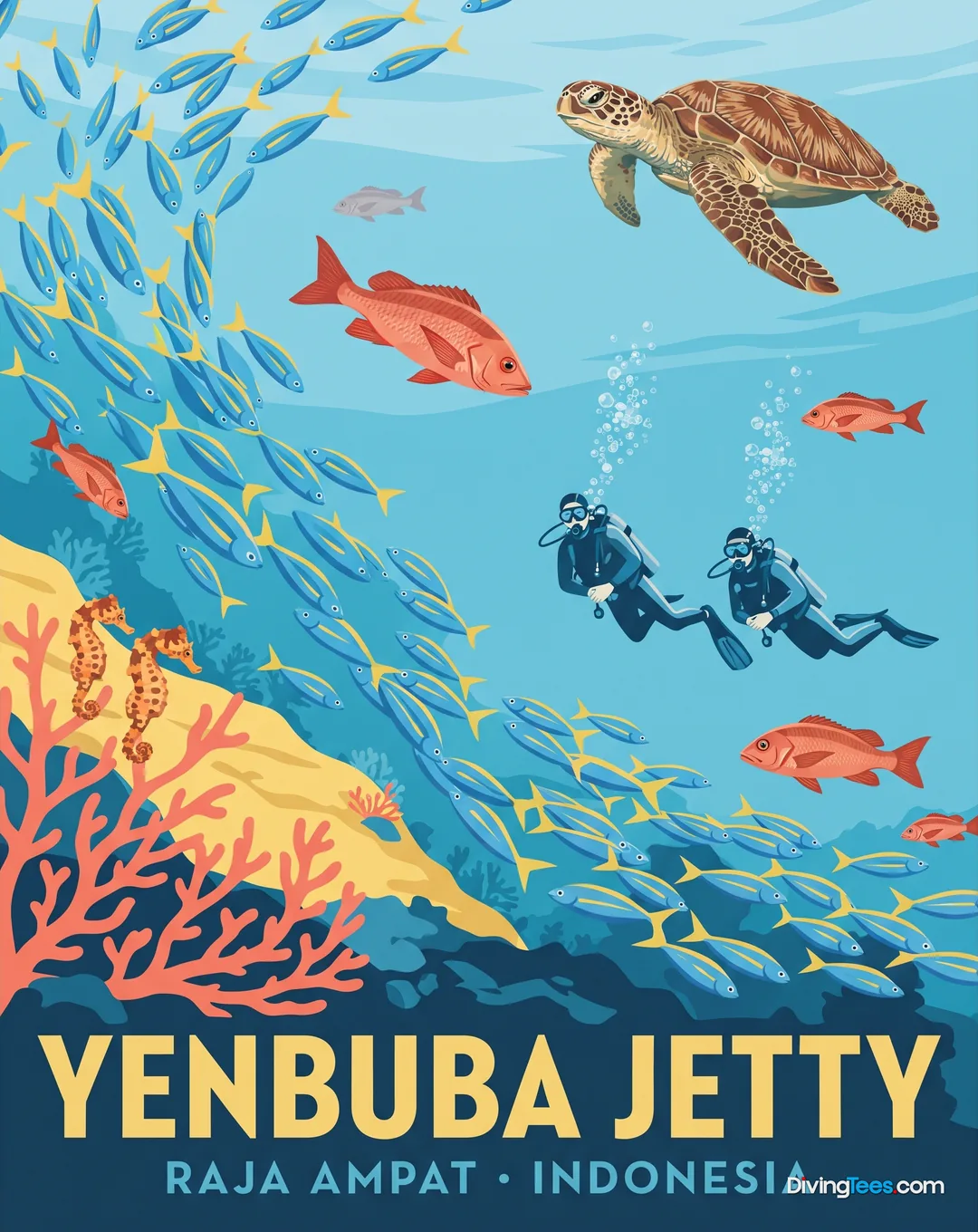
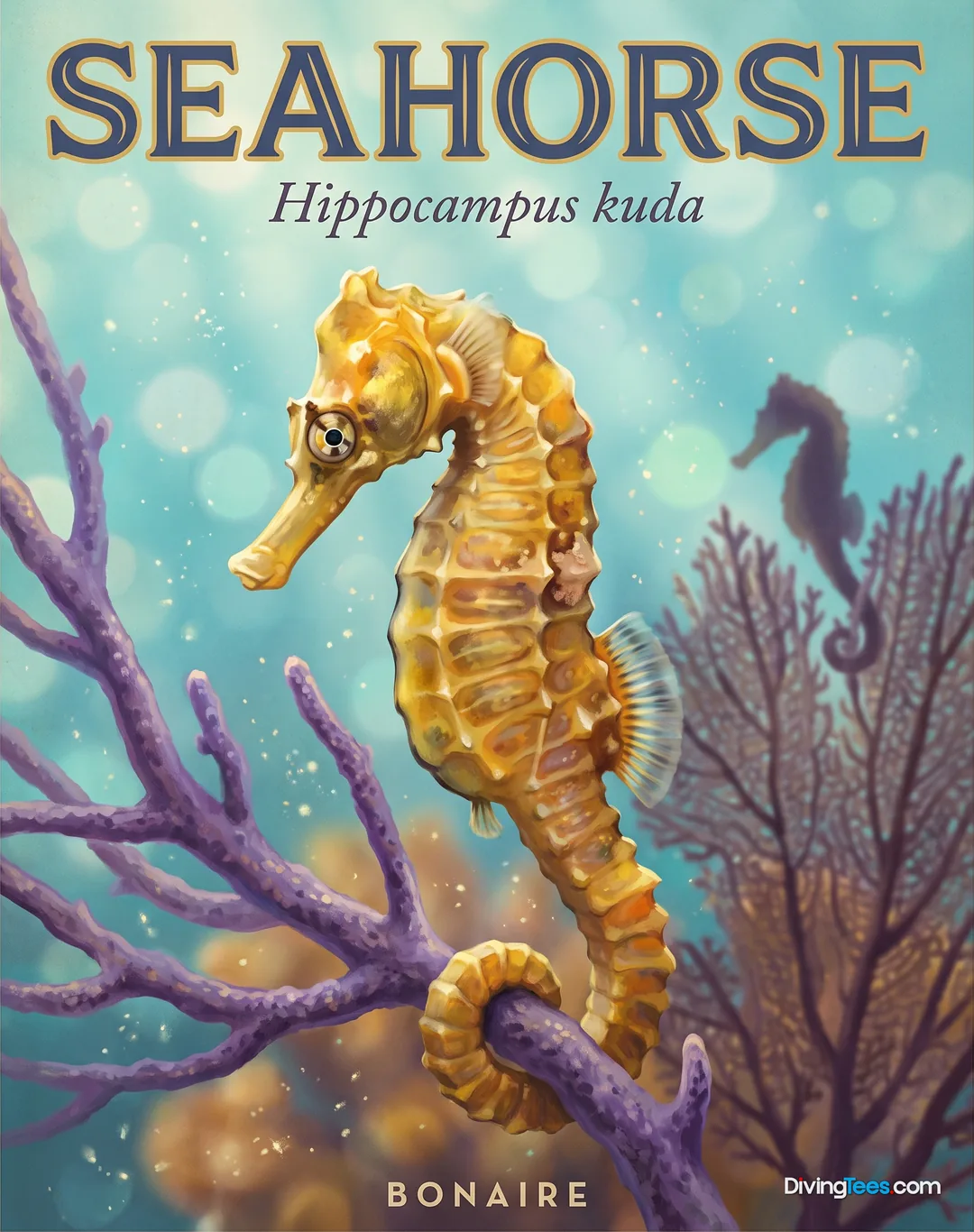
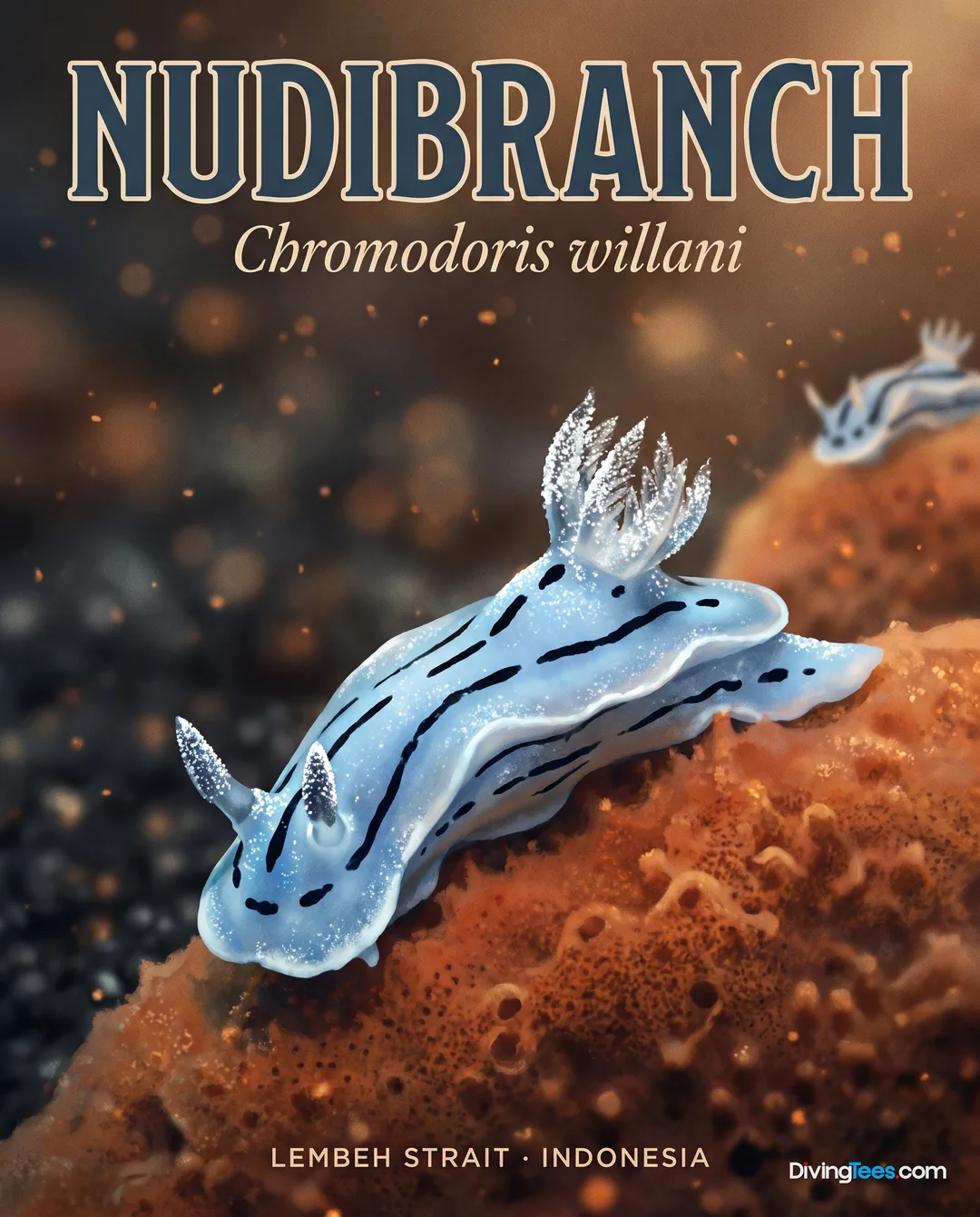
Raja Ampat is the route's main argument: 8 to 12 nights from Sorong, with the possibility of a longer Ambon-to-Sorong itinerary through the Banda Sea, Misool and Raja Ampat. Manta Sandy puts reef manta rays over cleaning stations within reach of divers and snorkelers. Mike's Point combines overhangs covered in soft corals with a flat plateau where eagle rays may pass, to a maximum of -40m. Melissa's Garden is shallower, with soft corals and staghorn formations down to -35m. Blue Magic brings schooling fish, wobbegong sharks and the possibility of oceanic mantas in the blue. Cape Kri is the density dive, with huge schools, reef sharks and a recorded 374 fish species on one dive. Sorido Wall runs beneath barracudas and reef sharks, while Friwenbonda follows a colourful soft-coral wall with pygmy seahorses and nudibranchs. South Kri is a relaxed drift where macro life meets schooling fish. Ransiwor slopes to -30m and centres on cleaning stations and yellow-back fusiliers; Yenbuba Jetty drops to -30m beneath fish-filled, coral-covered pilings.
Itineraries, dates and prices
Prices per person. Each month shows its lowest price: click a month, or pick an itinerary.
Next departures · 9 departuresfrom £3,544$4,738€4,233
December 2026
April 2027
July 2027
September 2027
See dates and prices
If you click these links and make a purchase on the partner site, DivingDeal may earn a commission, at no extra cost to you.
Dates and prices taken from liveaboard.com, updated 21 October 2026
What you’ll meet underwater
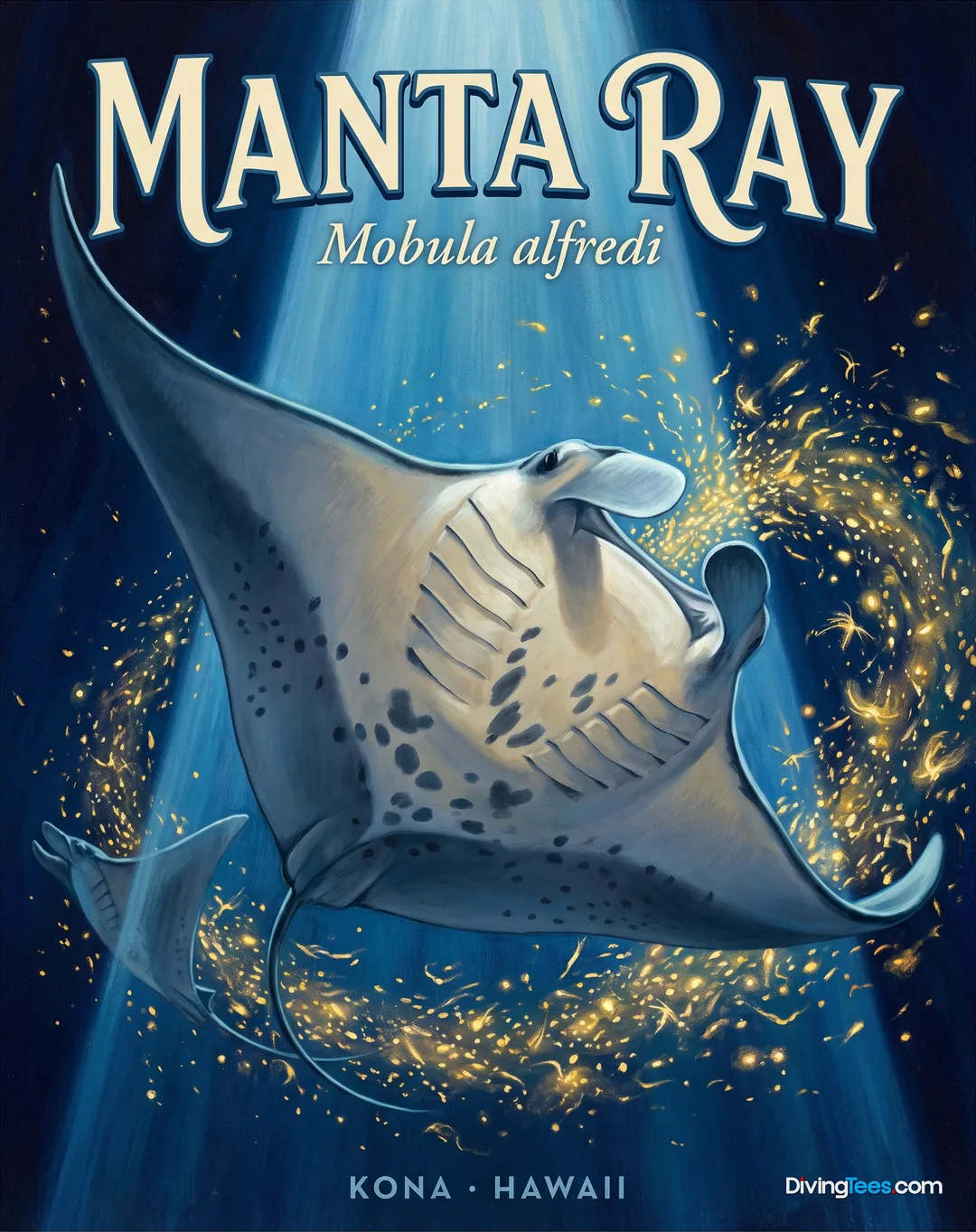
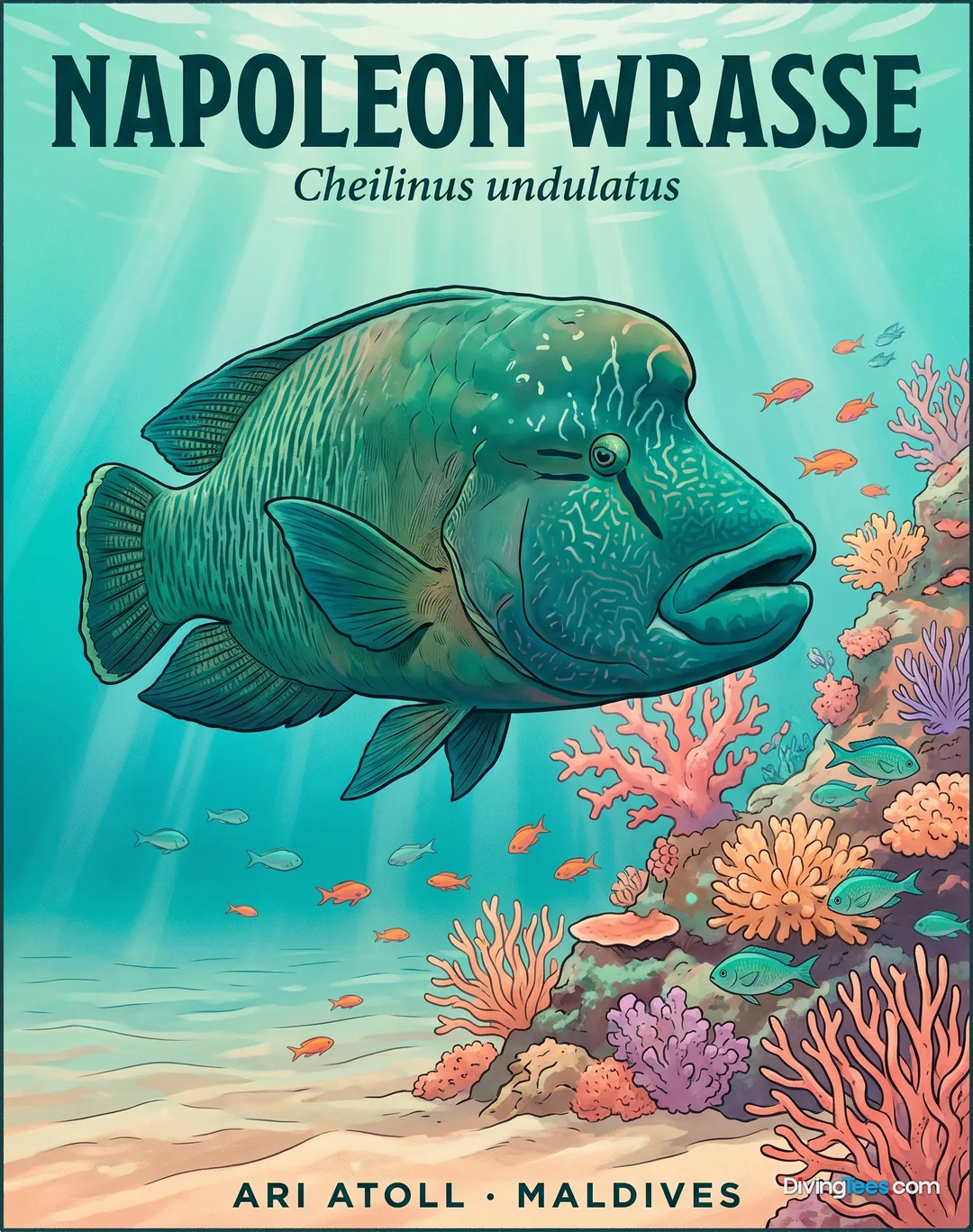
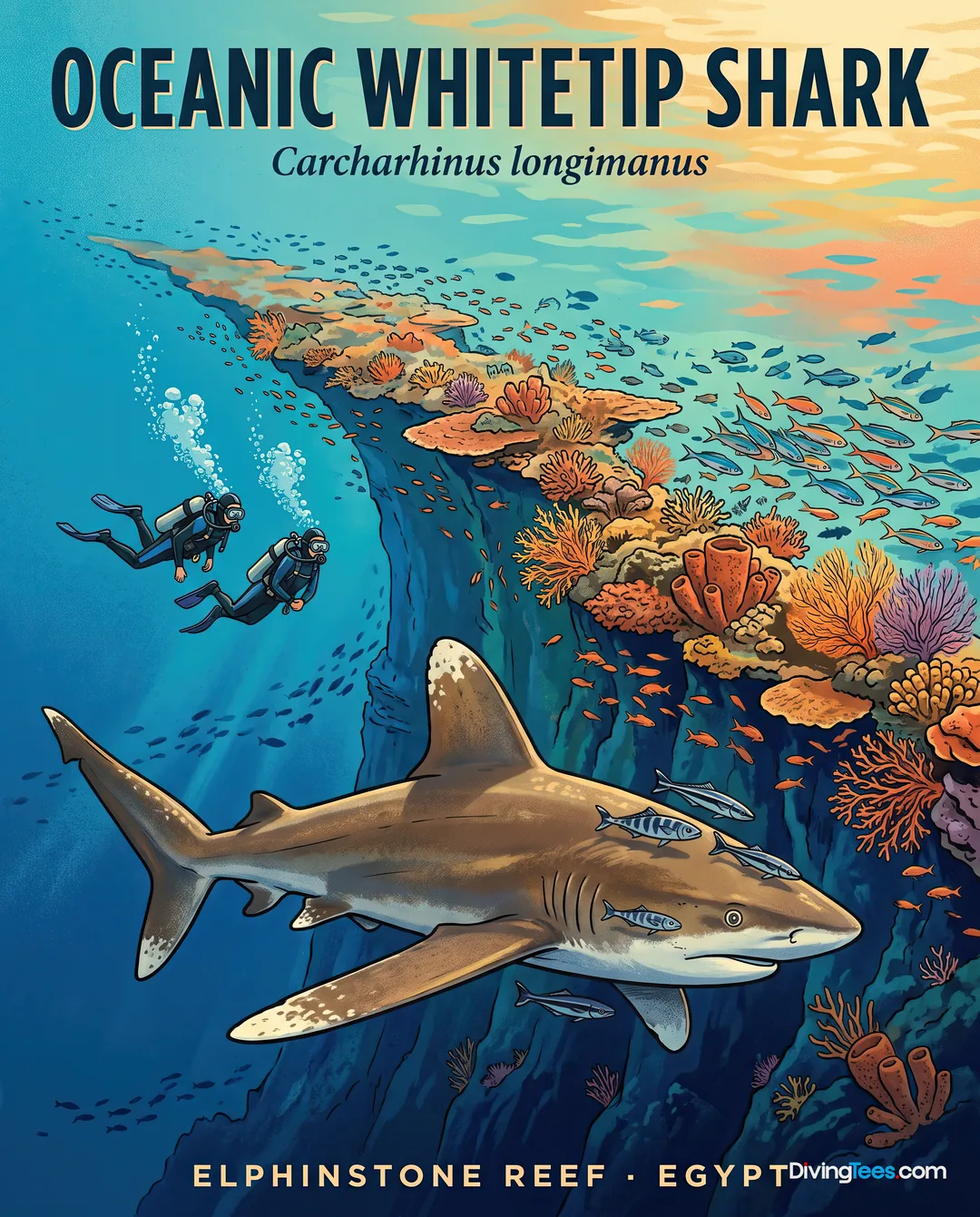
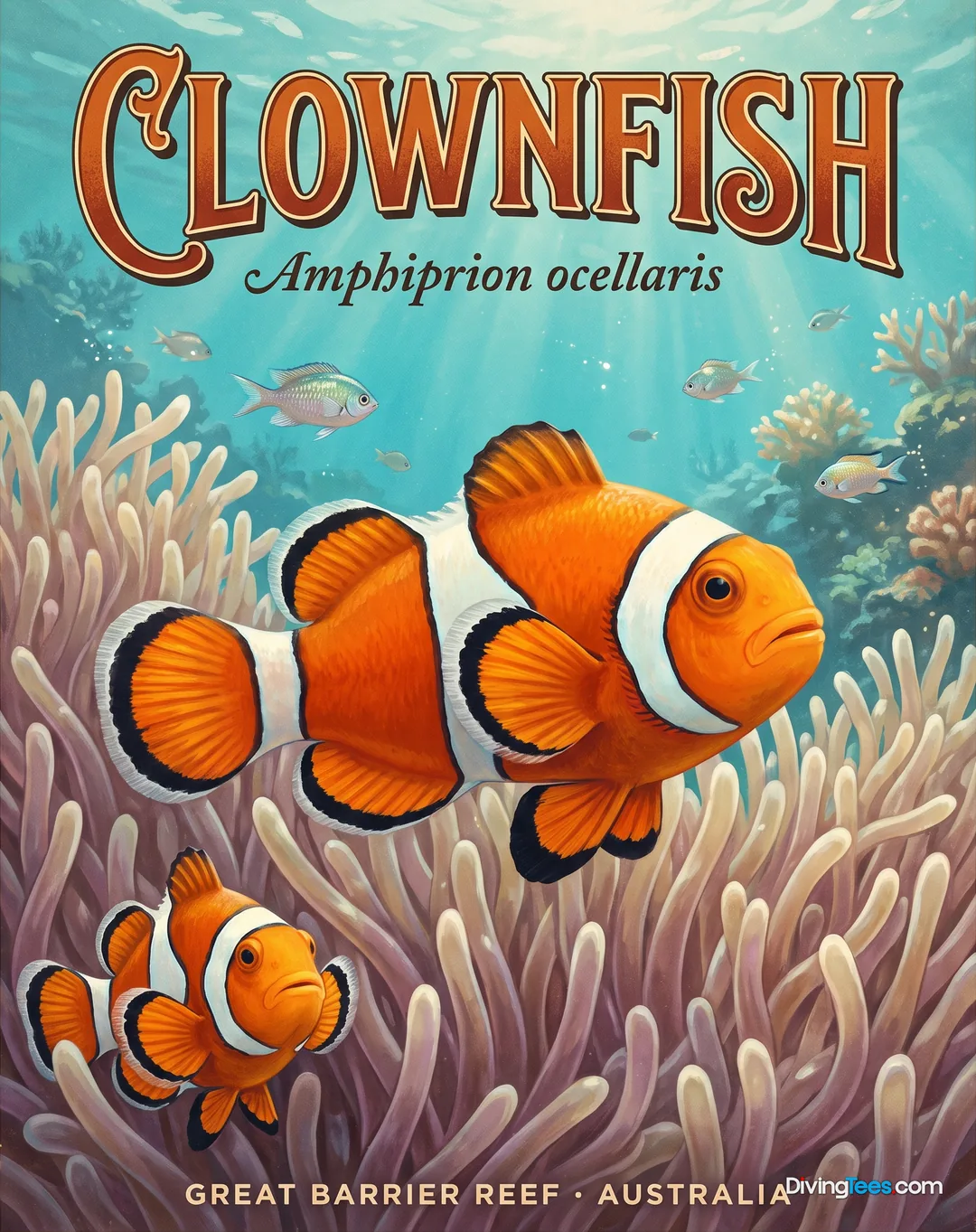
Across this Raja Ampat route, the recurring spectacle is movement: barracudas, reef sharks, trevally, fusiliers and surgeonfish working the current, with Napoleon wrasse, bumphead parrotfish, turtles, sweetlips, soft corals, nudibranchs and pygmy seahorses appearing through the reef. Carangues and fusiliers turn many sites into moving walls of fish, while coral overhangs and sloping reefs reward a slower search for macro life. The one-site encounters give the itinerary its sharper edges. Cape Kri is the place for giant grouper and whitetip reef sharks. Blue Magic is where oceanic whitetip sharks and tuna are recorded, alongside oceanic manta rays and large schools. At South Kri, the specific finds include bigeye trevally, crabs and shrimp. Ransiwor is the site associated with octopus and clownfish, while Sorido Wall can produce surgeonfish among the barracudas and reef sharks. Yenbuba Jetty is the stop for anthias and damselfish around the pilings. None of these animals is guaranteed; the site choice creates the opportunity.
Who puts you in the water
All dives are guided by five dive guides, with four divers assigned to each guide. Two of the guides are certified instructors, and the crew speaks English and Indonesian. Advanced certification is required for Komodo itineraries and strongly recommended for Raja Ampat; the Raja Ampat programme recommends at least 25 logged dives, while Komodo, Banda Sea and the Forgotten Islands are aimed at divers with around 50 logged dives and Advanced Open Water certification. A diver whose last dive was more than a year ago should expect a refresher dive. Onboard instruction can cover Advanced Open Water, Deep Diver and Nitrox, with other specialty training subject to arrangement. Briefings lead each dive, and the small groups are suited to current-sensitive sites where positioning and a clean exit matter. Oxygen, first-aid kits, life-saving equipment, communications and fire systems are carried on board.
The dive deck and the gear
The dive deck is built around individual gear stations, so equipment stays set up rather than being carried through the accommodation spaces. Standard tanks are 80 cubic feet, about 12 litres, with weightbelts provided; DIN adapters are available. Nitrox is free. A 100-cubic-foot, 15-litre tank can be arranged for an extra charge, and regulators, computers, lights, BCDs, masks and fins can be rented with prior arrangement. The camera setup is the strongest part of the deck: there is a dedicated camera table, separate camera rinse tanks and air blowers for drying gear. Divers return to hot showers on the dive deck rather than tracking salt water through the boat. Rigid aluminium tenders take divers to the sites and collect them after the dive, while the platform gives a direct route into the water. Sidemount is supported with one cylinder.
Between dives
Between dives, the boat gives guests several different ways to come down from the water. The shaded outdoor lounge is the practical refuge after a hot gear-up, while the sun deck has loungers and a hot tub for those who want sun rather than shade. The air-conditioned lounge and bar suit the middle of the day, especially when photographs need sorting or the next site needs a closer look. Kayaks and stand-up paddleboards are available for a change of pace, and shore excursions bring in villages, viewpoints and other island landscapes when the itinerary allows. The boat also carries a terrace, observation deck and audio-video entertainment, but the useful luxury is choice: a diver can work on images, sit quietly with coffee, get back in the water from a kayak or simply leave the kit alone until the next briefing.
A day on board
A Raja Ampat day starts before dawn, with the dive deck already turning over tanks and the first briefing bringing everyone out of the cabins. The first dive is followed by breakfast, then another dive after the surface interval. Lunch breaks the middle of the day, with a third dive later and, when the programme and weather allow, a fourth dive or a night dive after dinner. The schedule is usually two or three day dives plus one night dive, with up to four dives in a day depending on the itinerary and conditions. Between entries, divers move from the shaded deck to the lounge, rinse cameras, review photographs, eat, sleep or watch the islands slide past from the upper deck. The boat may get underway between sites, but the day is measured less by clock time than by the sequence every diver knows: briefing, splash, surface interval, food, repeat.
What you eat aboard
Meals are part of the dive operation here, not an afterthought between briefings. The galley serves an international menu built around fresh local ingredients, with Asian-Pacific influences, local Indonesian dishes and Western choices. A light pre-breakfast comes before the first dive, followed by breakfast, lunch and dinner, with snacks through the day to replace what four dives take out of a diver. Buffet service keeps the timing flexible, while dinner can be served à la carte and hot-pot meals add a more social format. Vegetarian and vegan choices are available, and special dietary needs can be accommodated when arranged ahead. After a current dive or a long tender ride, the value is simple: food appears when divers need it, without turning every meal into a formal interruption of the day.
Nights at sea
The ten suites are on the main and upper decks, so nobody is assigned to a low, enclosed cabin below the waterline. Large standard windows face the sea, and each cabin has air conditioning with personal climate control, a private bathroom, toiletries and daily housekeeping. The categories are Platinum Oceanfront Suites, Elite Ocean Suites and Signature Single Suites; cabins 6, 8 and 10 can be arranged with twin or king bedding. The Signature Single Suites remove the usual liveaboard compromise for solo travellers. Nights are private, quiet enough to sleep between dives, and tied to the sea outside rather than to a corridor of small interior cabins. The lounge also gives photographers a personal camera workstation, so the last task of the day can happen without taking over the bunk.
Platinum Oceanfront Suites
Elite Ocean Suites
Signature Single Suites
What to know before boarding
Raja Ampat trips depart from and return to Sorong. Transfers between the airport or a local hotel and the vessel are included on the day of boarding and the day of disembarkation. The exact transfer information is provided for the specific trip. Arriving in Sorong the night before is sensible, allowing room for flight delays before the liveaboard day begins.
Deck plan
- Year built
- 2020
- Year renovated
- 2025
- Length
- 52 m
- Beam
- 8.5 m
- Maximum number of passengers
- 18
- Number of cabins
- 10
- Number of bathrooms
- 12
- Engines
- 2 × Cummins KTA50
- Cruising speed
- 8.7 knots
- Website
- allstarliveaboards.com ↗
Hello, I'm Marina, DivingDeal.com's AI assistant. I answer in detail about hotels, dive centres and liveaboards.
Thinking about the whole trip and the flights? Talk it over with Edith →
Marina is an AI. Some links are affiliate links: DivingDeal may earn a commission, at no extra cost to you. Bookings are made with the partner.