Liveaboards · Indonesia
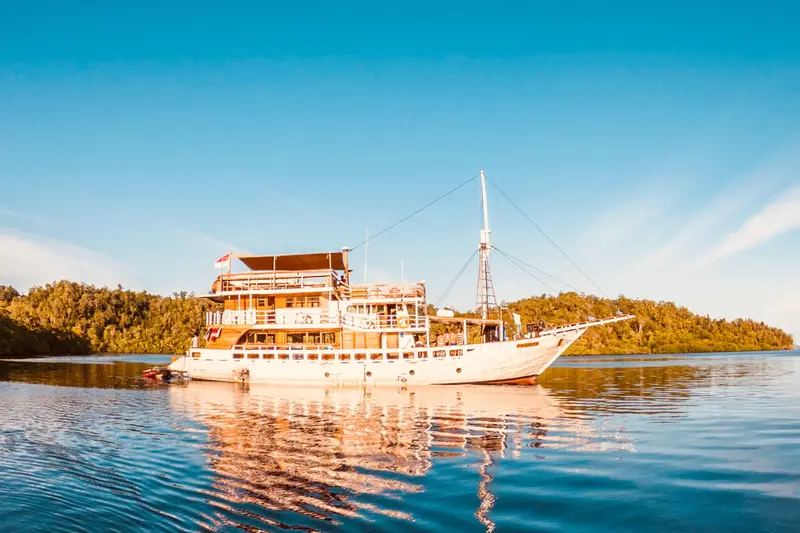
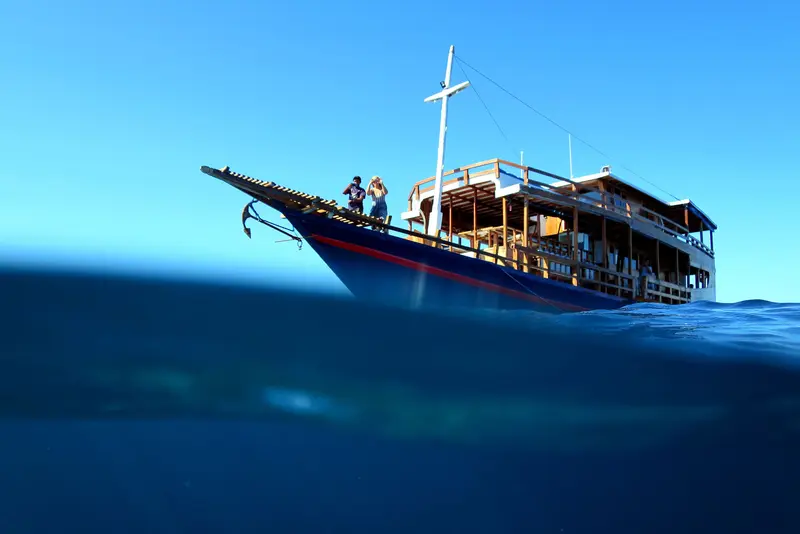
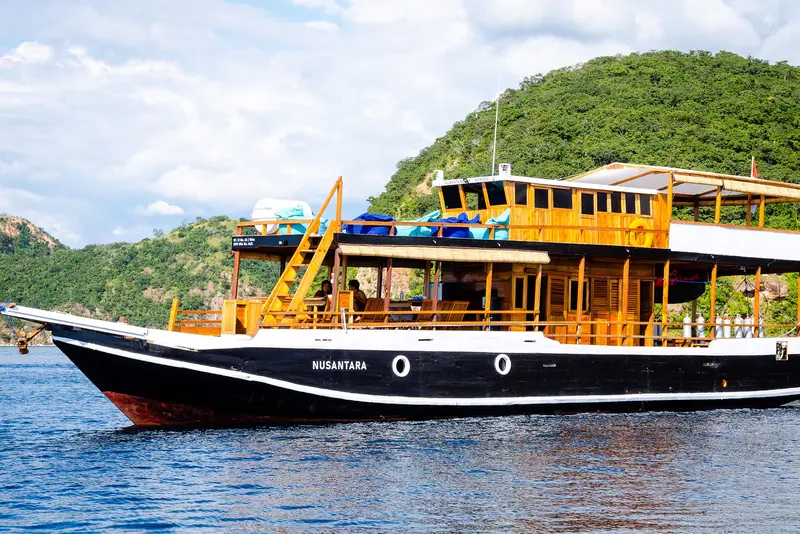
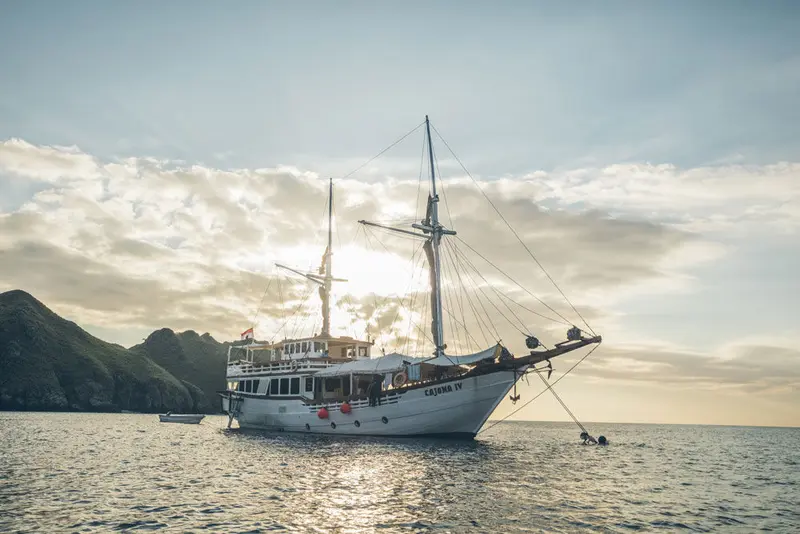
Duyung Baru — a small, traditional Komodo phinisi for private-feeling diving
What makes this boat unique
- Duyung Baru takes a maximum of 6 passengers in 4 main-deck cabins.
- The boat runs Komodo cruises between Labuan Bajo and Labuan Bajo, with Central routes of 4 to 6 nights and Central North routes of 6 to 10 nights on record.
- Diving is organised around 3 dives per day, with a shaded dive area, DIN adapters, rinse tanks and 1 skiff.
- Nitrox is available as an optional extra, subject to availability.
- Cabins have air conditioning, private bathrooms and panoramic windows.
For subtitles in English: start the video firstthen click the gearat the top right of the video, select “Subtitles/CC”, then “Auto-translate” and choose “English”.
The invitation
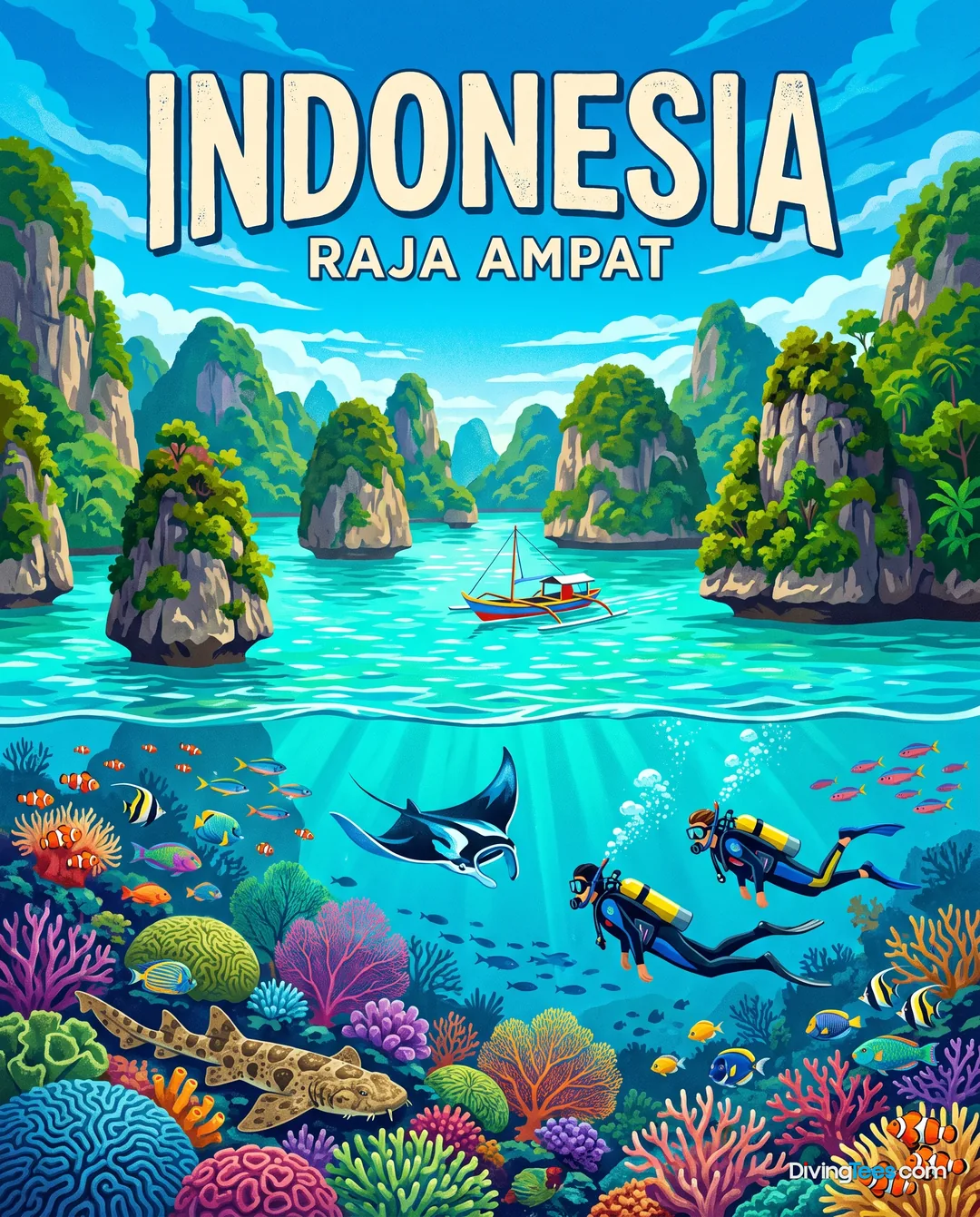
Duyung Baru is for divers who would rather know the whole boat than share a large liveaboard with dozens of strangers. Six guests is enough for a real group, but small enough that the crew can see how each person dives, eats and spends the quiet hours. That changes the trip more than another lounge or a larger sun deck ever could. The boat is built around Komodo: drift dives, mantas, reef sharks, coral-covered pinnacles and shore time among the islands. The routes stay compact enough for a first liveaboard, while the longer Central North cruises give returning divers more room to explore. Choose Duyung Baru when the priority is not resort-style space, but a traditional Indonesian boat, a close crew-to-diver relationship and a small group that can move without fuss.
Boarding
At Labuan Bajo harbour, Duyung Baru presents as a working traditional phinisi rather than a floating hotel. The wood, the open spaces and the practical layout give the boat its character before the first gear bag comes aboard. Once inside, the scale is immediately clear: four cabins, a shared living area and no crowd to navigate around. The crew speaks English and handles a small operation in which requests do not disappear into a department. There is one skiff for the transfers between boat and dive sites, beaches or shore excursions. Underway, the Yanmar marine engines are part of the boat's presence; this is a compact vessel, not a silent resort. The reward is direct access to Komodo's anchorages and a feeling that the trip is being run around the divers, not around a timetable designed for a much larger ship.
The atmosphere on board
The atmosphere is close because the boat leaves little room for anonymity. With no more than six passengers, the crew can keep track of preferences and adjust the small details that shape a week: how a diver likes a briefing, when a photographer needs access to a charging point, or whether the group wants to linger after a surface encounter. Guests describe the crew as professional, available and unusually warm, with service that remains visible without becoming theatrical. The dive plan is shared, and experienced divers can make their interests known before the skiff leaves. Evenings are simple: food outside, drinks, photographs and the day's sightings being argued over in the useful way divers argue. The boat scores 9.5 for crew and 9.8 for diving. That points to the real proposition here: Duyung Baru's strongest feature is not polished scale, but people who make a small operation work carefully.
The sites you’ll dive
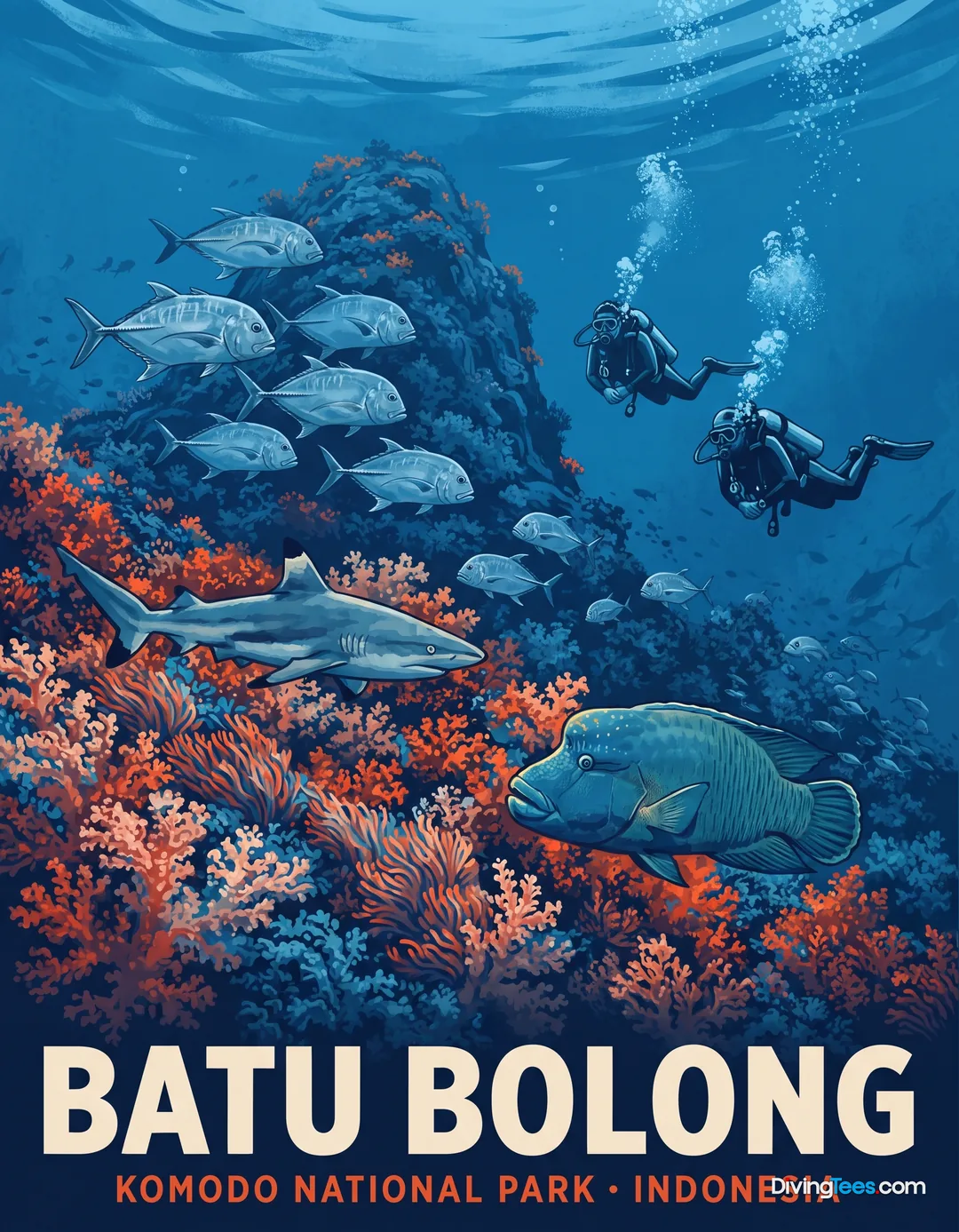
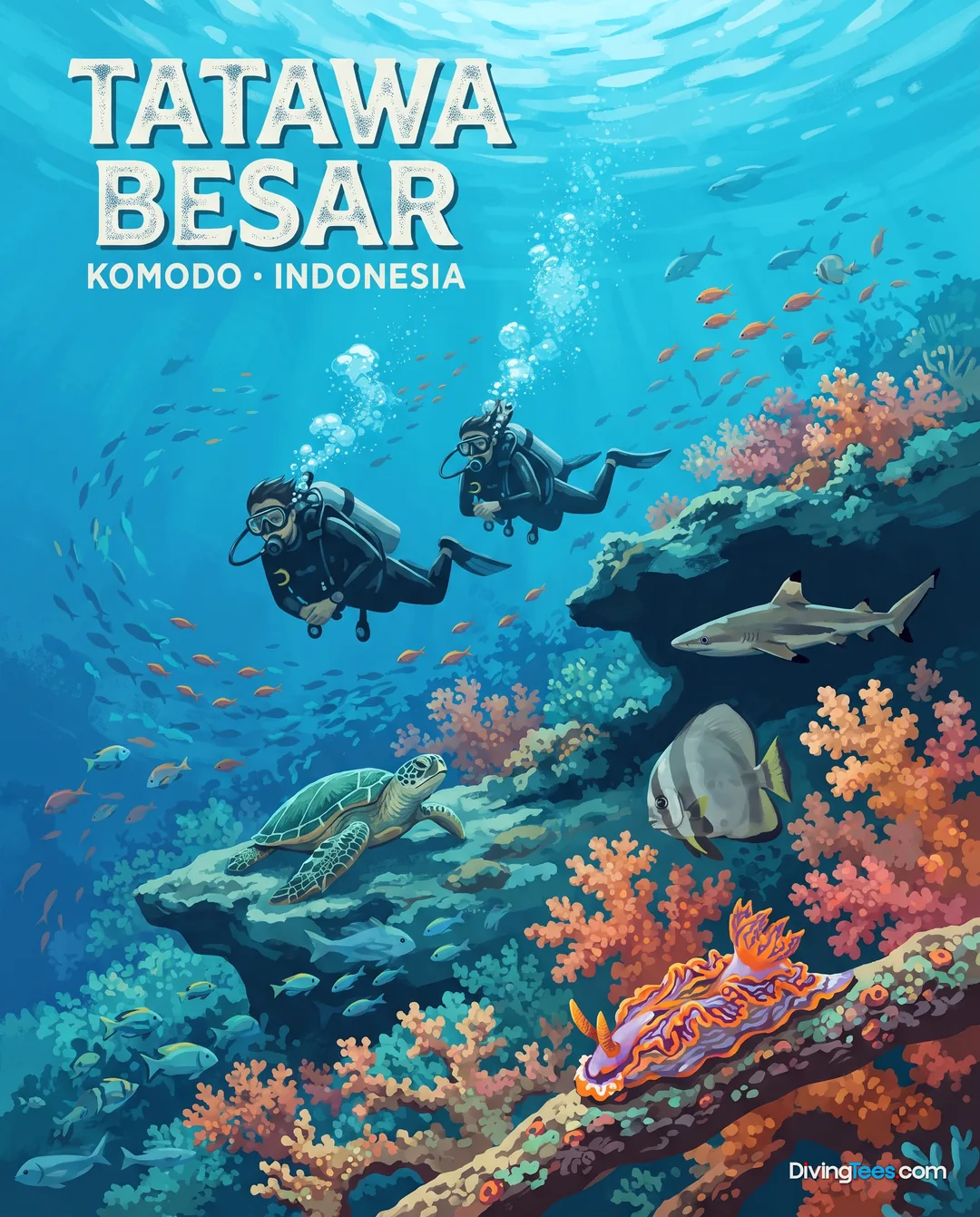
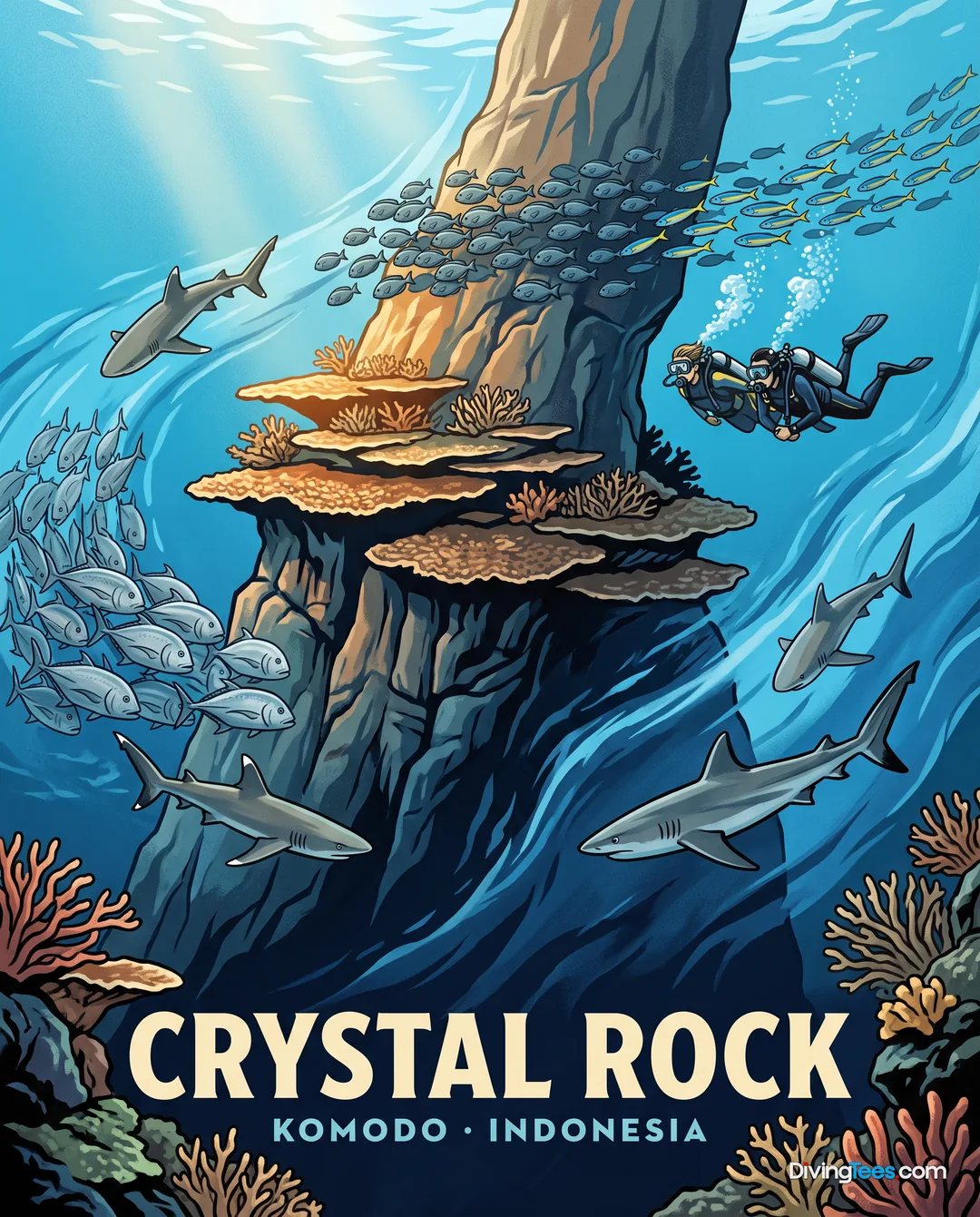
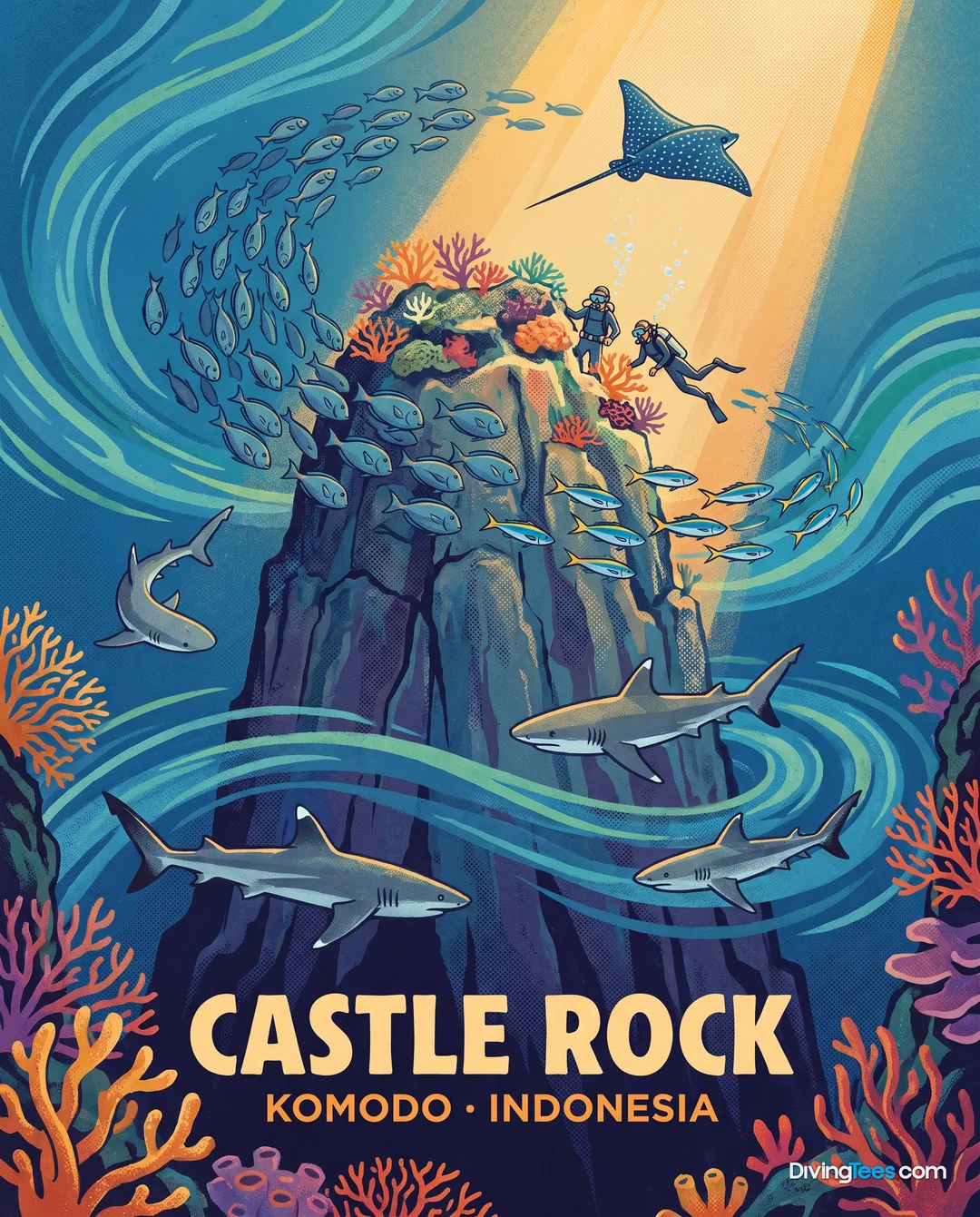
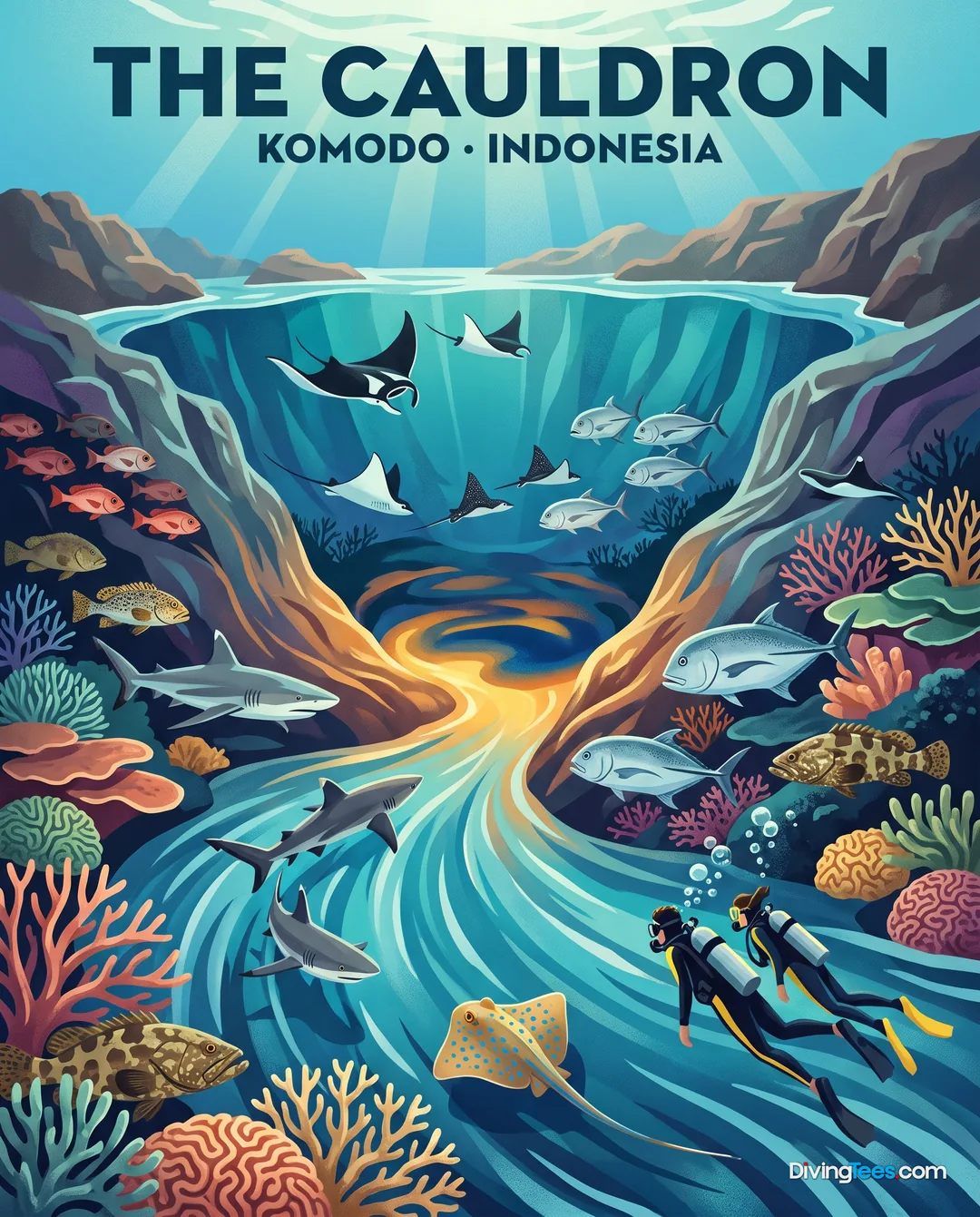
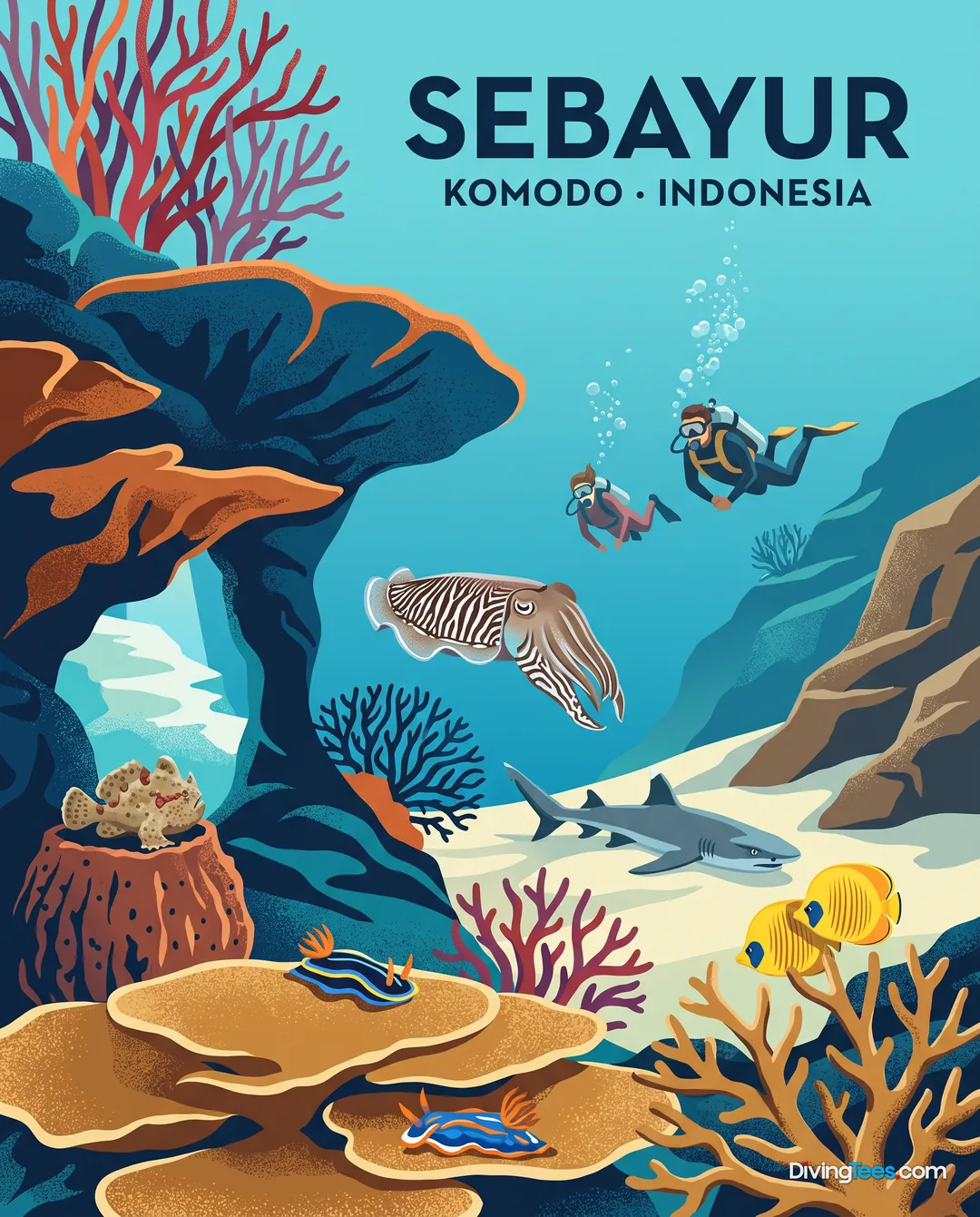
The recorded departures cover Central Komodo and Central North, all returning to Labuan Bajo. Central trips run from 4 to 6 nights on the departures listed, while Central North trips run from 6 to 10 nights. The Central route links the kind of sites that make Komodo worth doing from a small boat: Batu Bolong, a coral-covered pinnacle; Manta Point, where mantas may pass through cleaning areas; Tatawa Besar, known for colourful reef walls and manageable currents; and the narrow passages and current work that give the park its reputation. Central North adds Crystal Rock and Castle Rock, pinnacles where strong currents can bring sharks and schooling fish, The Cauldron for a fast drift, and Siaba and Sebayur for turtles and smaller reef life. The route also leaves room for Rinca or Komodo Island, pink beaches and quiet anchorages between dives.

Itineraries, dates and prices
Prices per person. Each month shows its lowest price: click a month, or pick an itinerary.
Next departures · 42 departuresfrom £1,553$2,076€1,855
November 2026
December 2026
See dates and prices
If you click these links and make a purchase on the partner site, DivingDeal may earn a commission, at no extra cost to you.
Dates and prices taken from liveaboard.com, updated 24 October 2026
What you’ll meet underwater
Duyung Baru's Komodo routes are built around the animals divers come to see: manta rays, reef sharks, turtles and the dense mix of tropical fish that fills the coral slopes and pinnacles. Current-swept sites such as Crystal Rock, Castle Rock and The Cauldron can bring schooling fish and larger pelagics into view, while the calmer reefs around Siaba and Sebayur are better suited to looking closely at turtles and smaller reef life. Manta Point is the specific reason to bring a mask even on a surface interval: mantas may appear to snorkelers as well as divers. Sightings depend on conditions and the animals, not on a promise printed into the itinerary. The route's appeal is the contrast—fast water and big fish at one site, a slow search across coral for smaller life at the next, then the possibility of a manta passing overhead before the skiff comes to collect the group.

Who puts you in the water
English is the working language on board. The guides brief each site before divers enter the water, organise dives in guided groups and assign buddies where needed. Komodo diving is not unguided: divers stay with the group and follow the guide's plan, which matters on current-swept sites and drift dives. The boat welcomes divers from beginner to professional level on the Central route, while the Central North itinerary is also described for all levels and snorkelers. Advanced routes through Central and South Komodo are aimed at experienced divers. Courses from beginner level through specialties can run on board when the itinerary and availability allow. Every diver needs a personal dive computer; the recommended equipment also includes an SMB, reef hook and torch for night dives. Oxygen, first-aid kits, fire equipment and a trained crew provide the basic safety structure, but the boat does not present itself as a technical-diving platform: decompression, solo and technical diving are prohibited.
The dive deck and the gear
The dive area is shaded and arranged around a proper platform, with rinse tanks for dive equipment and a separate rinse for cameras. Divers board the skiff for site transfers and return to the boat after the dive, rather than carrying a full setup through the living spaces. DIN adapters are available. Nitrox can be arranged as an optional extra, and rental equipment is available. The boat carries oxygen and first-aid kits, and the crew is trained in first aid. What stands out is the small-group handling: with six passengers maximum, the dive platform is not built for a crowd rotating through the same ladder. It is a compact, practical base for Komodo diving.
Between dives
Between dives, Duyung Baru gives the group a shaded place to dry off and a terrace for the hours when the anchorage is too good to ignore. The outdoor dining area turns lunch into part of the scenery, while kayaks, snorkeling equipment and a small library offer alternatives to talking about the last dive. Photographers have a camera area, charging stations and a separate camera rinse, so wet hands and delicate equipment do not have to compete on the same surface. A barbecue, island stop or visit to Komodo dragons can break up the diving when the route allows it. The boat is best for people who use the gaps well: a slow meal, a camera download, a swim from the skiff or ten quiet minutes looking at the volcanic coast. There is enough to do, but no pressure to fill every interval.
A day on board
A Duyung Baru day begins with the dive briefing, gear checks and the short move to the site in the skiff. Three dives per day are built into the standard plan, with meals and snacks placed around the water time rather than treated as separate events. After a dive, equipment is rinsed, cameras go to their own station and the group has time to eat, dry out or sit in the shade before the next briefing. On travel legs, the boat moves between Komodo's islands while the deck becomes the day's quiet place. A shore visit, kayak trip, barbecue or snorkel can replace the usual interval when the route and weather allow it. The final day is lighter: there are one or two morning dives before the boat returns to harbour in the afternoon. The rhythm is active, but three dives leave enough space for the place above water to register.
What you eat aboard
Meals combine local and Western cooking, with full board, snacks through the day and vegetarian and vegan options. The kitchen also offers à la carte dining and outdoor meals, so food is not reduced to a quick refuelling stop between dives. That matters on a Komodo schedule: after the second or third dive, a proper plate and something cold to drink do more for the day than a decorative menu. Breakfast, lunch and dinner are included, while alcohol and other drinks are separate. The crew's food score is the strongest of the recorded ratings, at 9.8, and the practical reason is easy to understand: on a six-guest boat, the galley can respond to the people actually sitting at the table. Local ingredients and familiar Western dishes can share the same meal without making either side perform.
Nights at sea
The four cabins sit on the main deck, with panoramic windows, air conditioning and private bathrooms. That combination matters at night: the room is not a dark bunk below the waterline, and the window gives it a connection to the anchorage outside. The cabins are offered as Double Cabin, Twin Cabin or Main Deck Seaview categories, with family cabins available. Space is still shipboard space, so the attraction is not a sprawling room but the privacy of having only a few people aboard. Daily housekeeping, hot-water showers and cabin towels keep the practical side easy after a full day in wet gear. When the engines are running, their presence belongs to the night as much as the sea does. Duyung Baru suits divers who sleep best with a boat's working sounds around them and who value a private room without losing the sense of being on a real Indonesian vessel.
Double Cabin
Twin Cabin
Main Deck Seaview
What to know before boarding
Duyung Baru departs from and returns to Labuan Bajo. Airport transfers from Komodo Airport are included; guests already staying in Labuan Bajo meet the crew at KP3 jetty. Arrival coordination follows flight times, with check-in completed by noon. Arriving in Labuan Bajo the night before is the sensible choice, especially when an international flight connects with a domestic flight.
Deck plan
- Year built
- 2010
- Length
- 27 m
- Beam
- 6 m
- Maximum number of passengers
- 6
- Number of cabins
- 4
- Number of bathrooms
- 3
- Engines
- Yanmar marine
- Cruising speed
- 7 knots
- Tenders
- 1 skiff
- Website
- ecoprodivers.com ↗
Hello, I'm Marina, DivingDeal.com's AI assistant. I answer in detail about hotels, dive centres and liveaboards.
Thinking about the whole trip and the flights? Talk it over with Edith →
Marina is an AI. Some links are affiliate links: DivingDeal may earn a commission, at no extra cost to you. Bookings are made with the partner.