Liveaboards · Indonesia
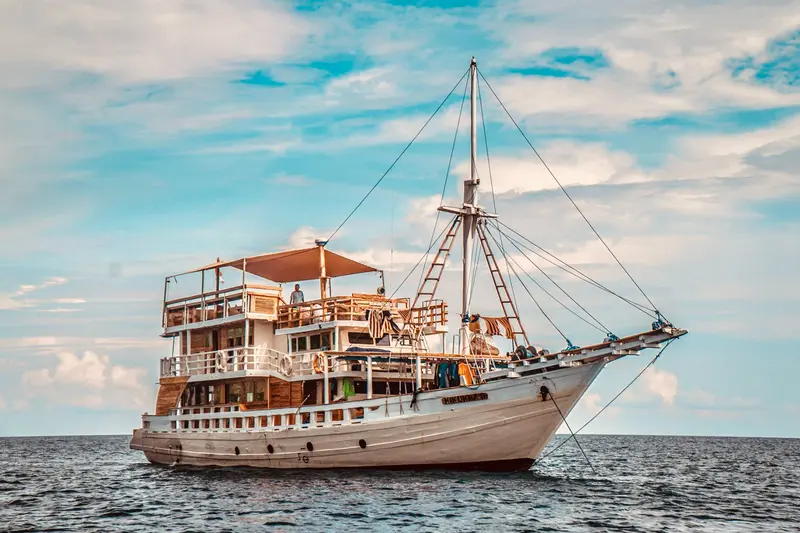
Emperor Raja Laut — a traditional phinisi built around the diving
What makes this boat unique
- A traditional Indonesian phinisi carrying no more than 12 divers in six air-conditioned cabins.
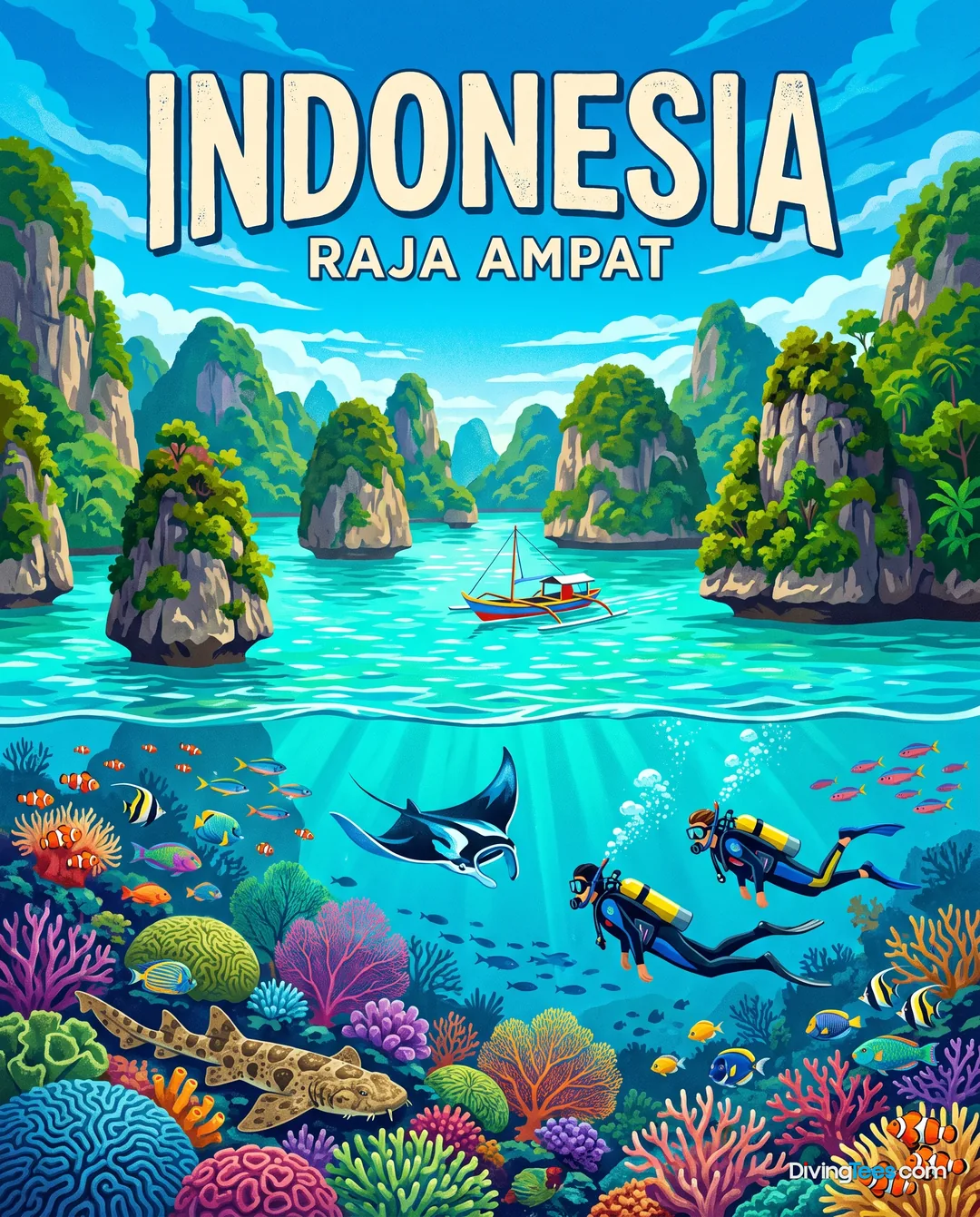
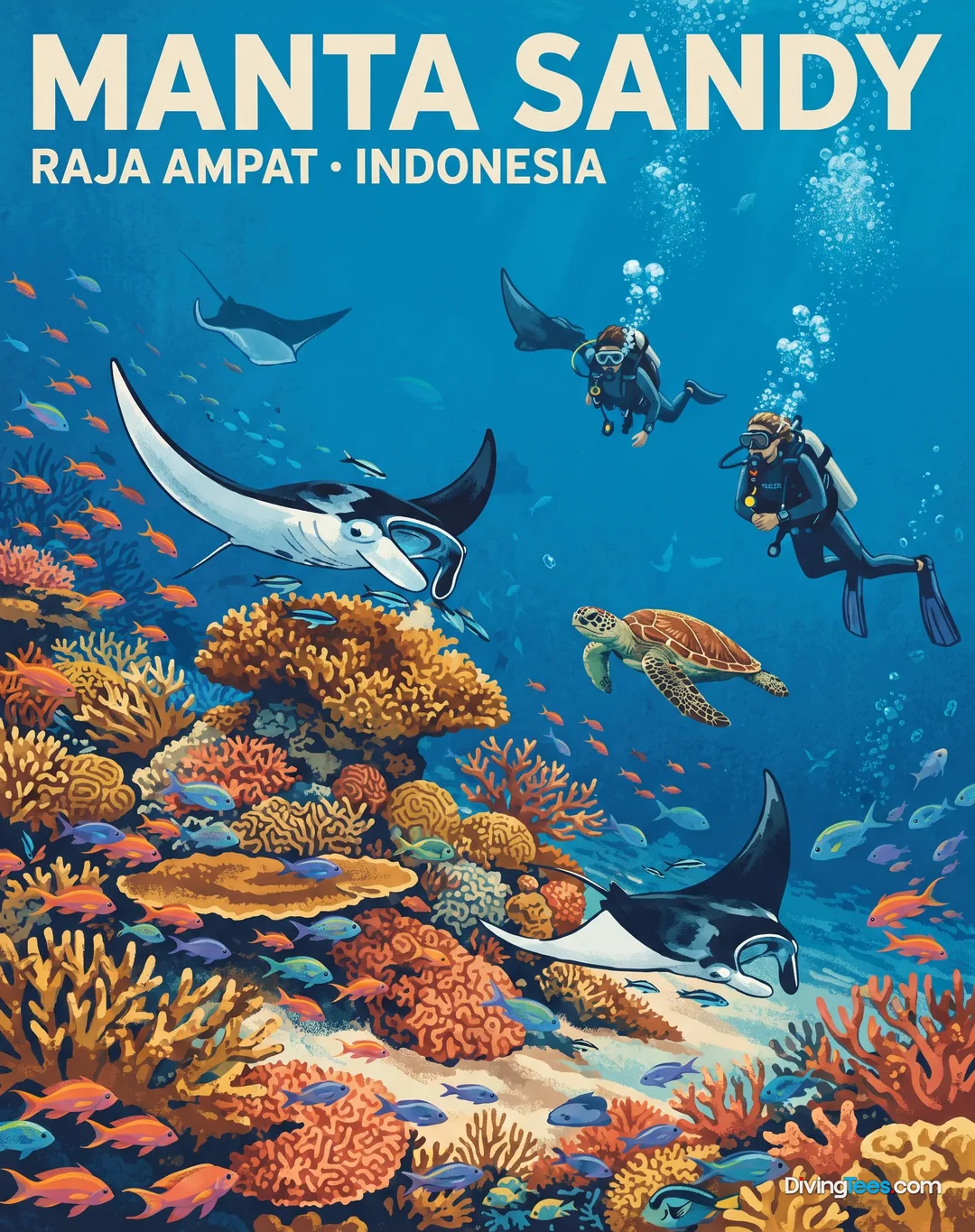
- Raja Ampat itineraries include Manta Sandy, Cape Kri, Blue Magic, Melissa's Garden and Yenbuba Jetty.
- Nitrox, park fees, port fees, fuel and the full dive package are included.
- Two tenders support diving, while DIN adapters, oxygen and first-aid equipment are carried on board.
- Meals combine local and Western cooking, with outdoor dining and snacks available throughout the day.
For subtitles in English: start the video firstthen click the gearat the top right of the video, select “Subtitles/CC”, then “Auto-translate” and choose “English”.
The invitation
Emperor Raja Laut is for divers who come to Raja Ampat to spend the day in the water, then sit down together rather than disappear into separate corners of a large ship. The traditional phinisi form gives the trip a distinctly Indonesian setting, while the small passenger load keeps the group manageable on the dive sites and at the table. The reason to choose this boat is the combination: serious access to Raja Ampat's richest reefs, free Nitrox, and a crew whose presence is part of the trip rather than background service. The standout recommendation is the night dive, along with eating every meal as a group on deck and the comic timing of cruise director Tony. That is a particular kind of liveaboard week: close, informal and centred on what happens below the surface.
Boarding
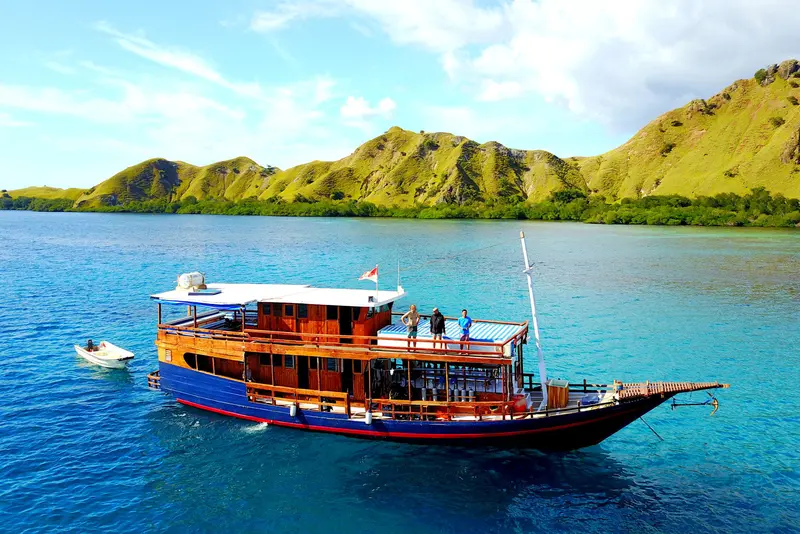
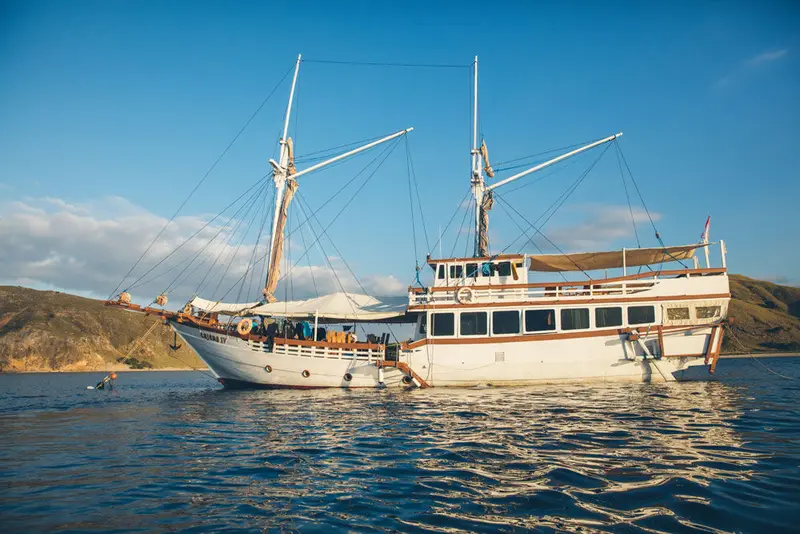
The boat arrives as a working traditional phinisi rather than a floating resort. Its Indonesian character is visible in the wooden construction and the practical layout built for moving divers between the main vessel and the reefs. Emperor Raja Laut was built in 2005 and renovated in 2017, so it combines an older hull with a more recent refresh instead of pretending to be new. Boarding leads quickly to the lower-deck cabins, the indoor lounge and the open terrace where meals and post-dive conversations take place. The scale matters: with only a dozen passengers, faces become familiar quickly, and the crew can deal with individual kit and timing without turning every movement into a queue. It feels like a dive boat first, with the comforts placed around that purpose.
The atmosphere on board
The atmosphere is close enough for the crew to become part of the memory, not just the people who move tanks. Help with kitting up comes from the tender crew, and small requests are handled without turning them into a negotiation. The group eats together outdoors, returns from dives together and has Tony's humour in the middle of the operation. That matters more on a small boat than a polished saloon does: when weather, current or kit changes the plan, passengers notice whether the crew stays calm and involved. Emperor Raja Laut is recommended for divers who want that family-style arrangement, with a cruise director whose personality is clearly part of the boat's identity. In the evening, the night dive gives the day a final purpose before the group settles back into the saloon or cabins.
The sites you’ll dive
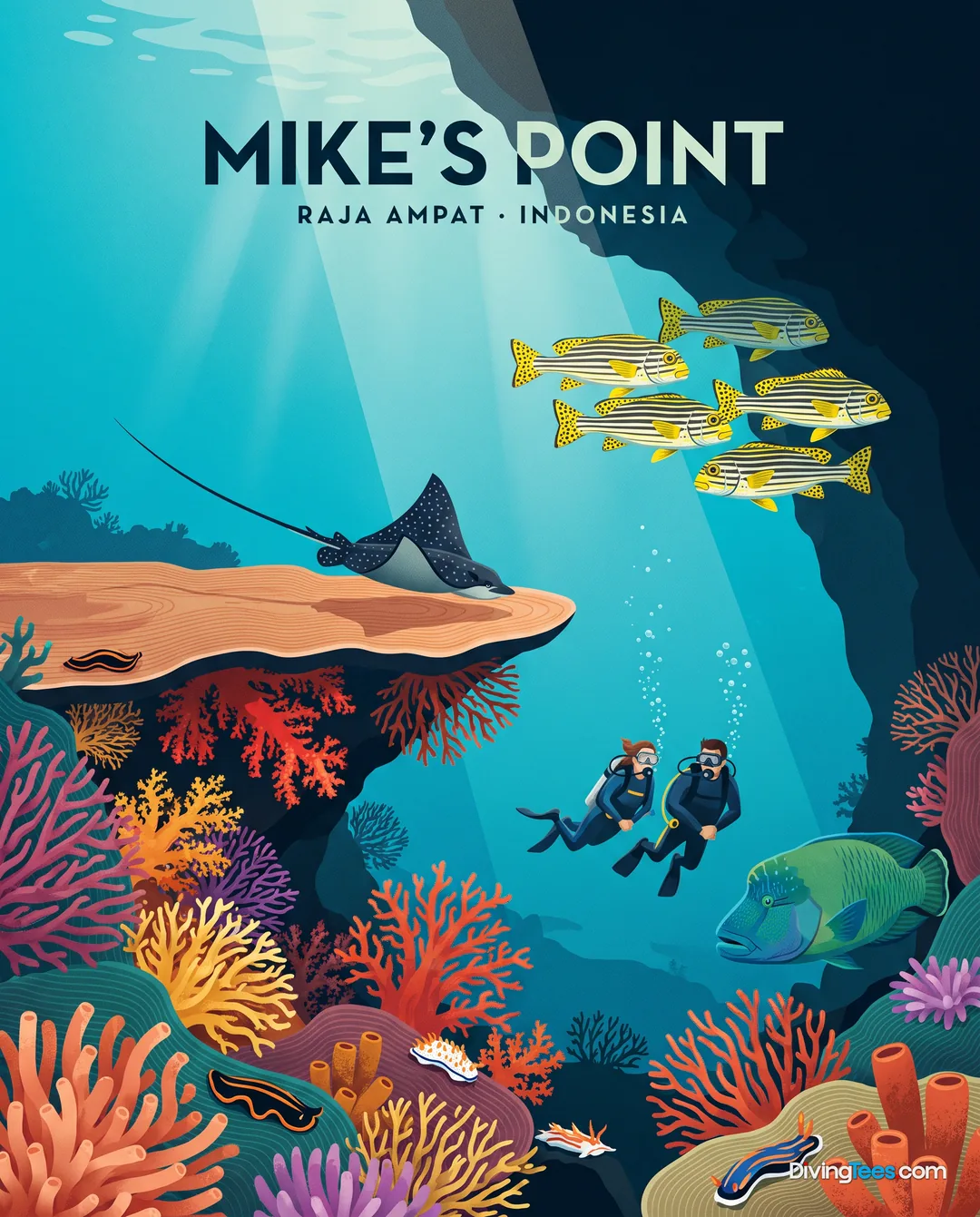
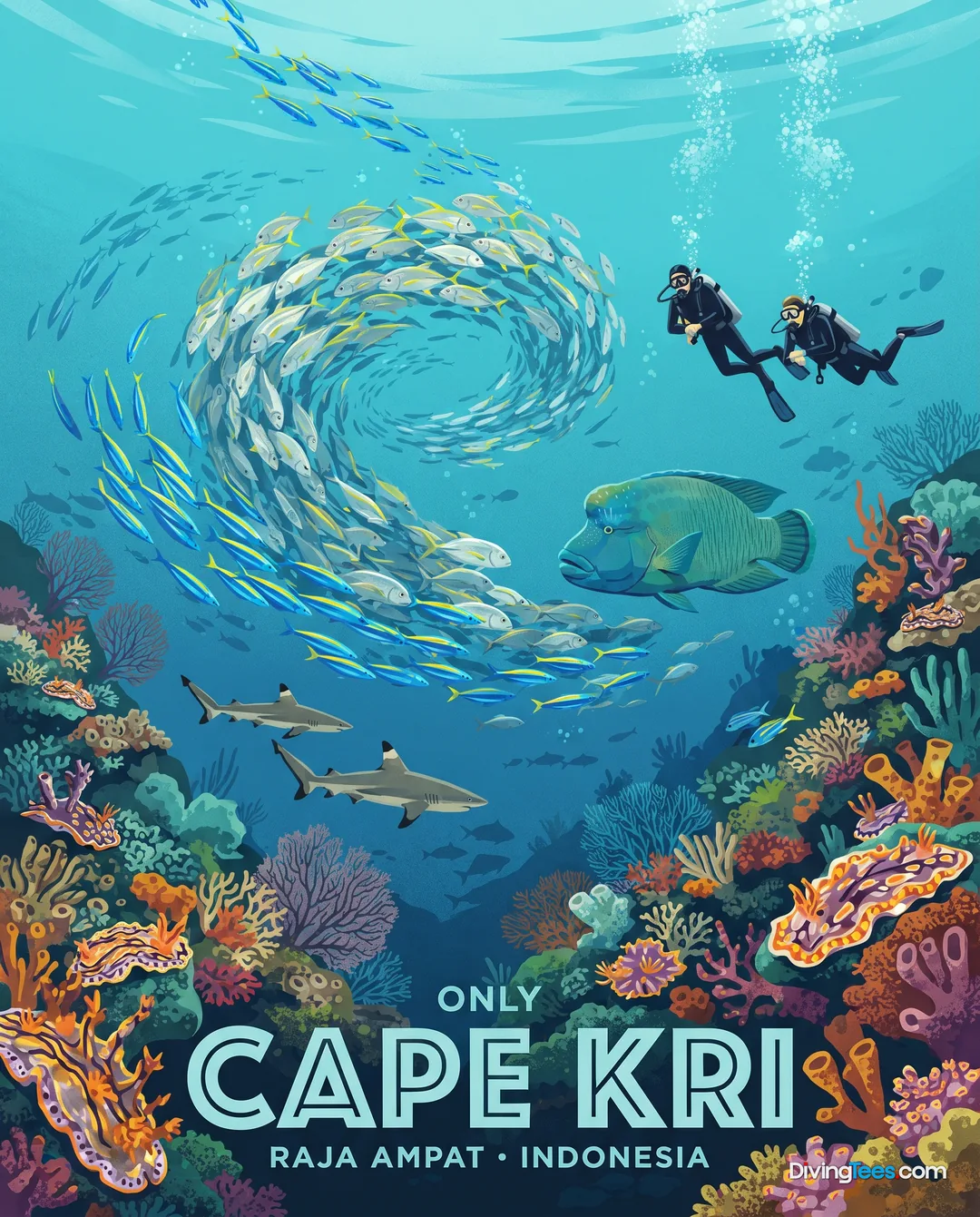
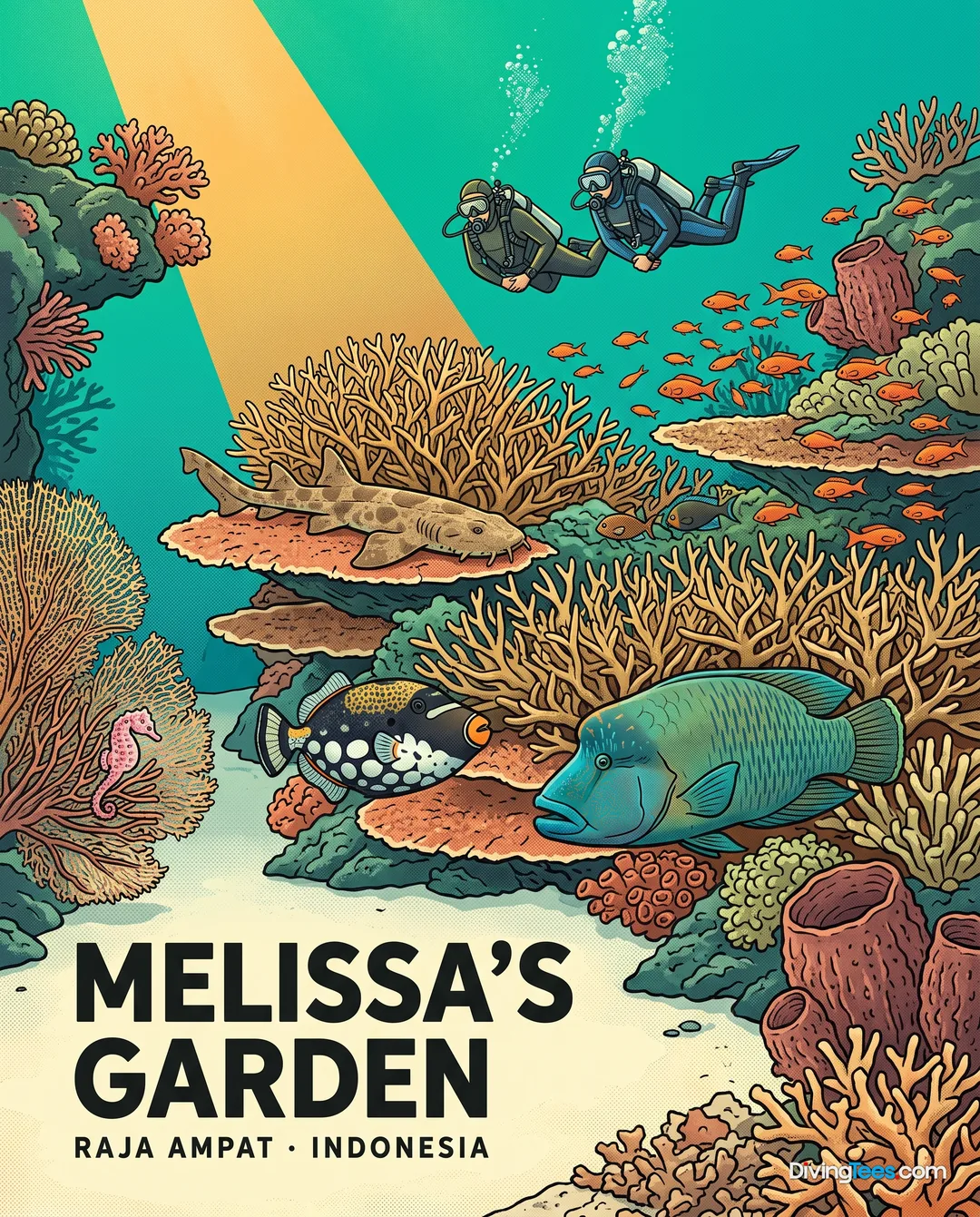
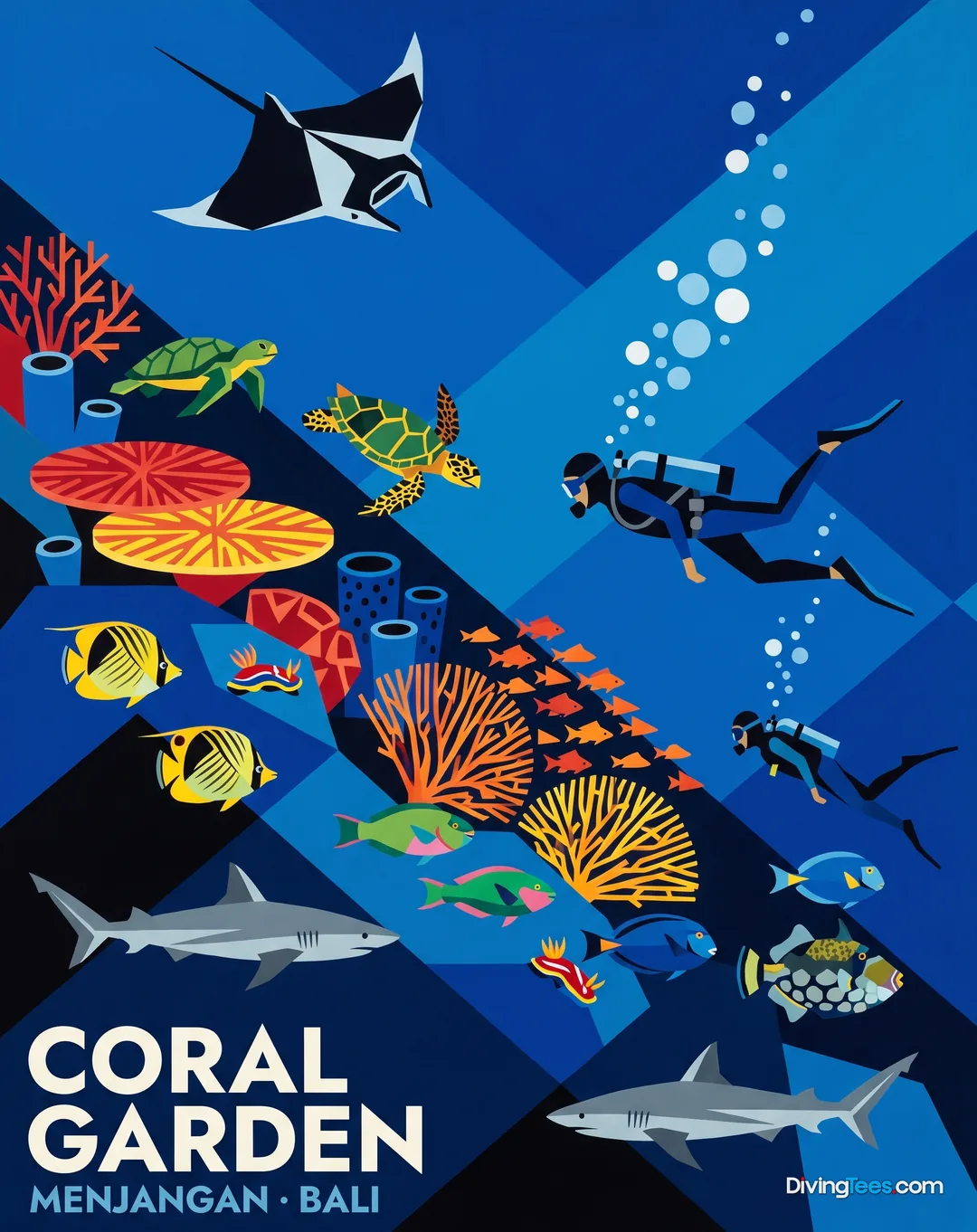
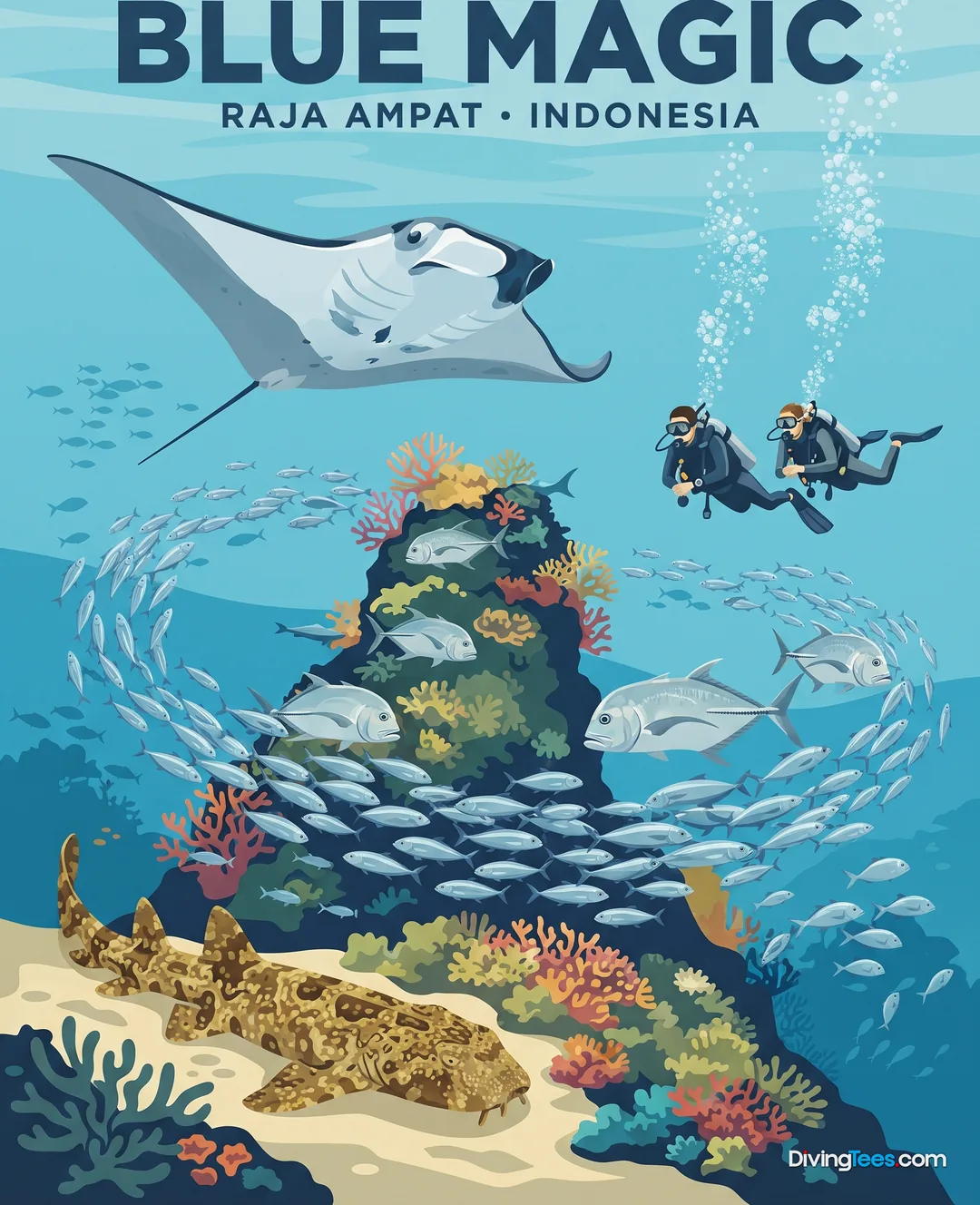
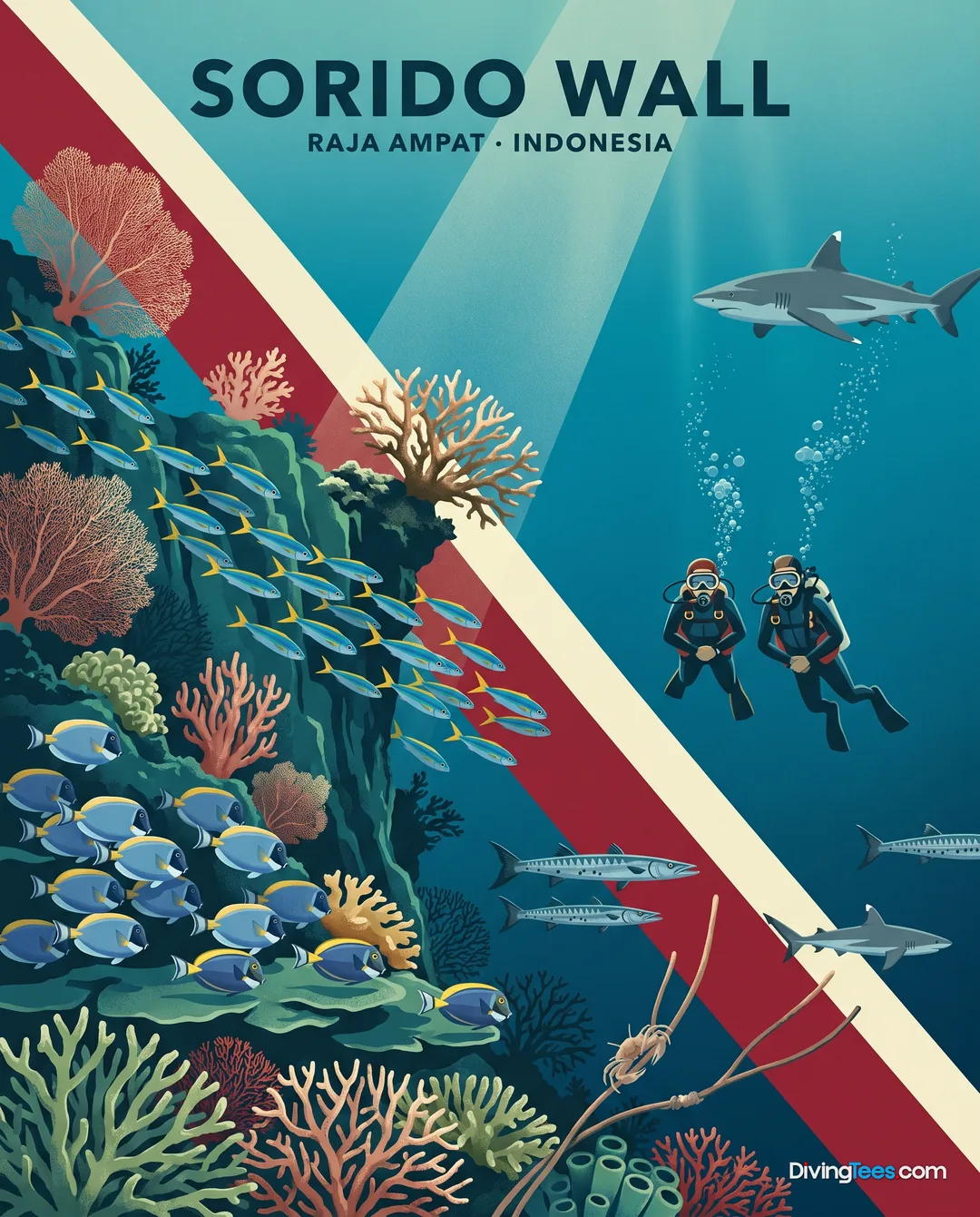
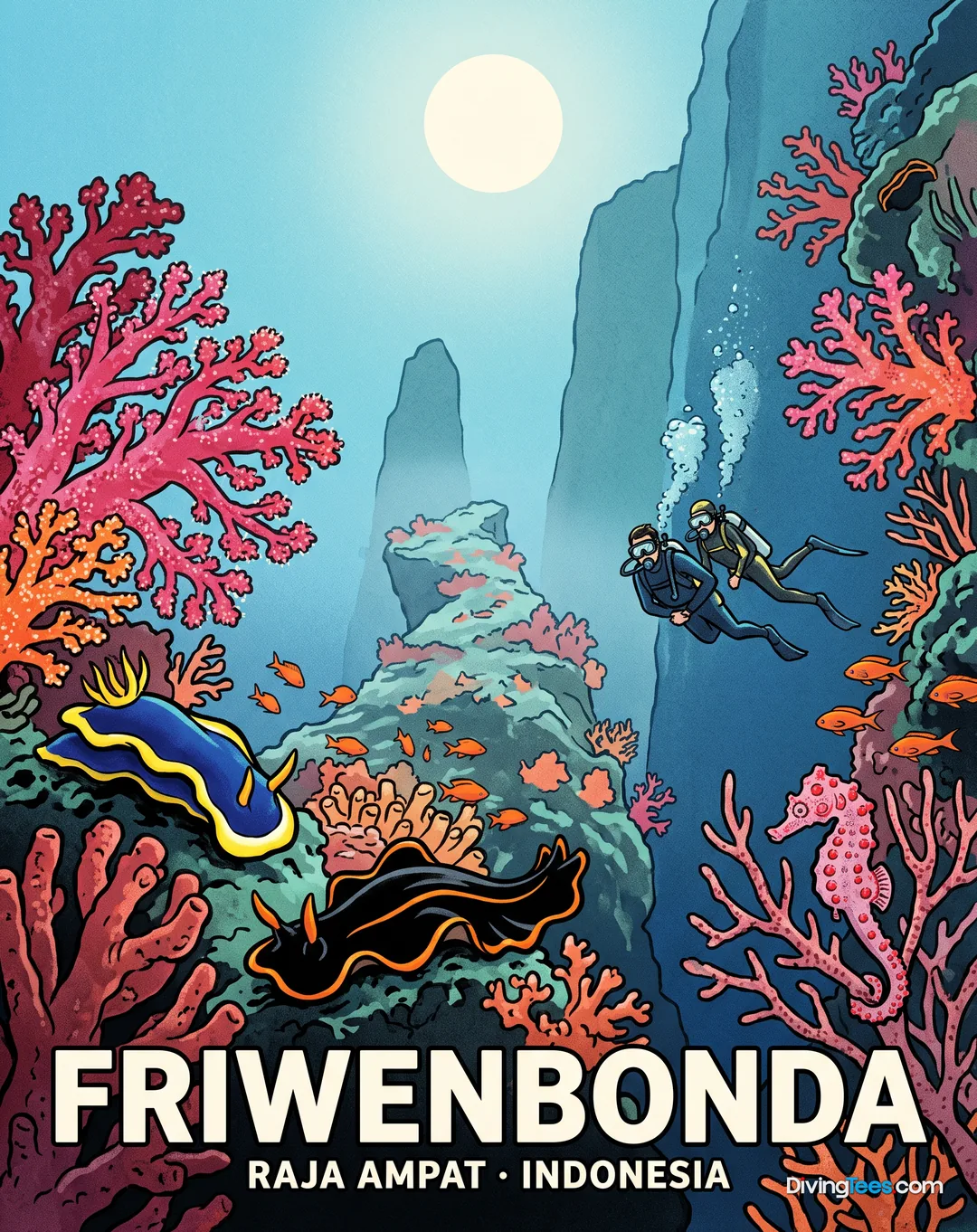
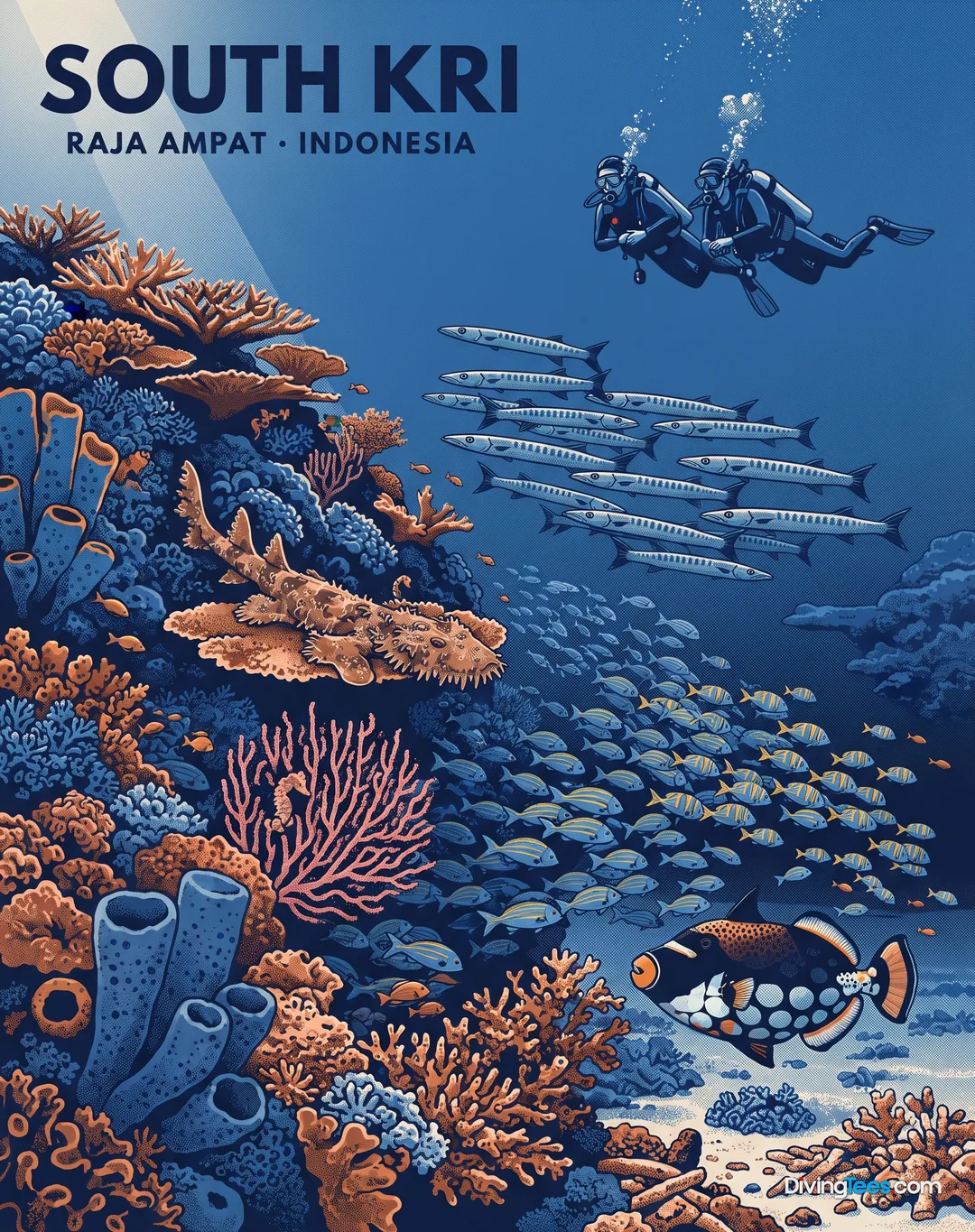
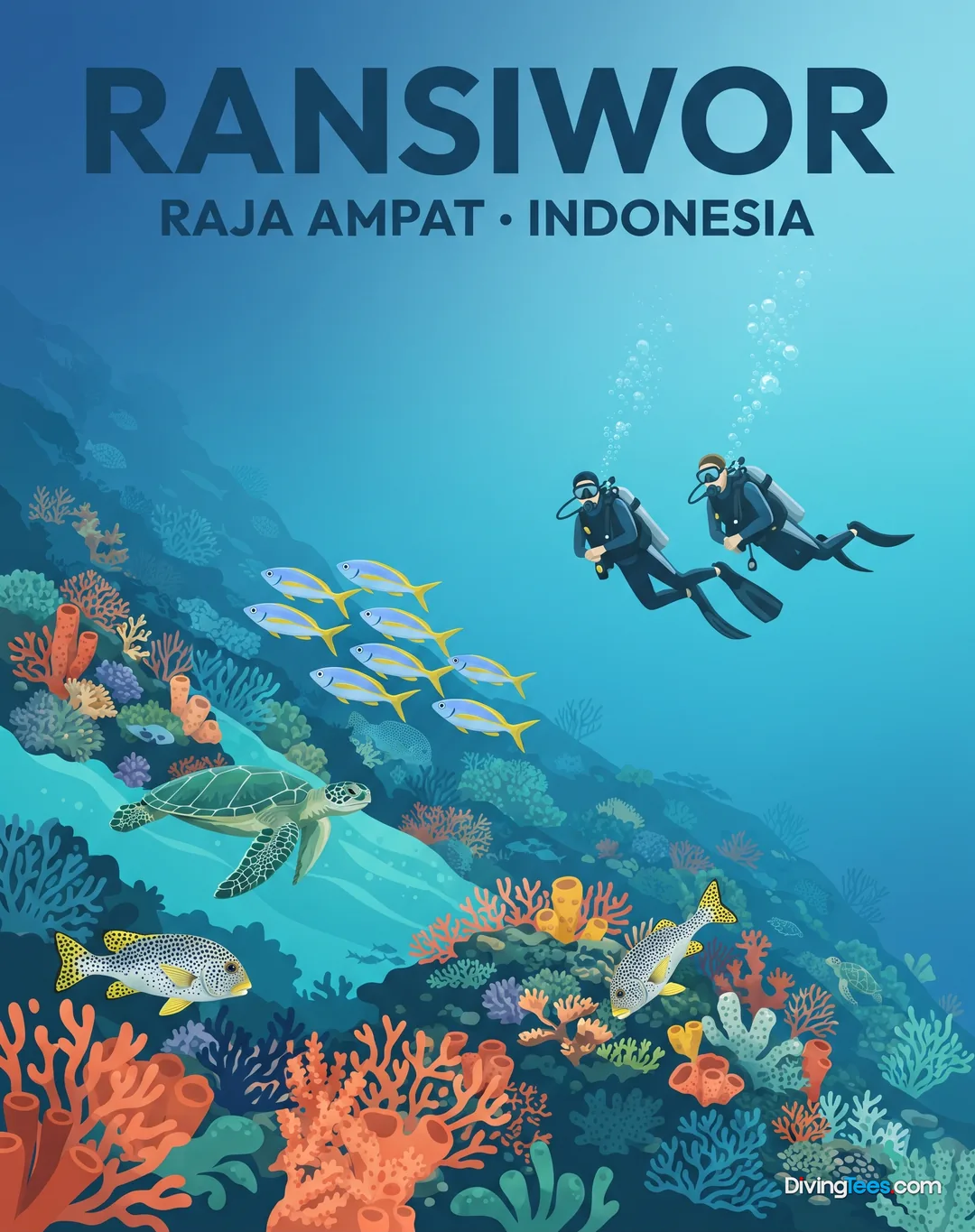
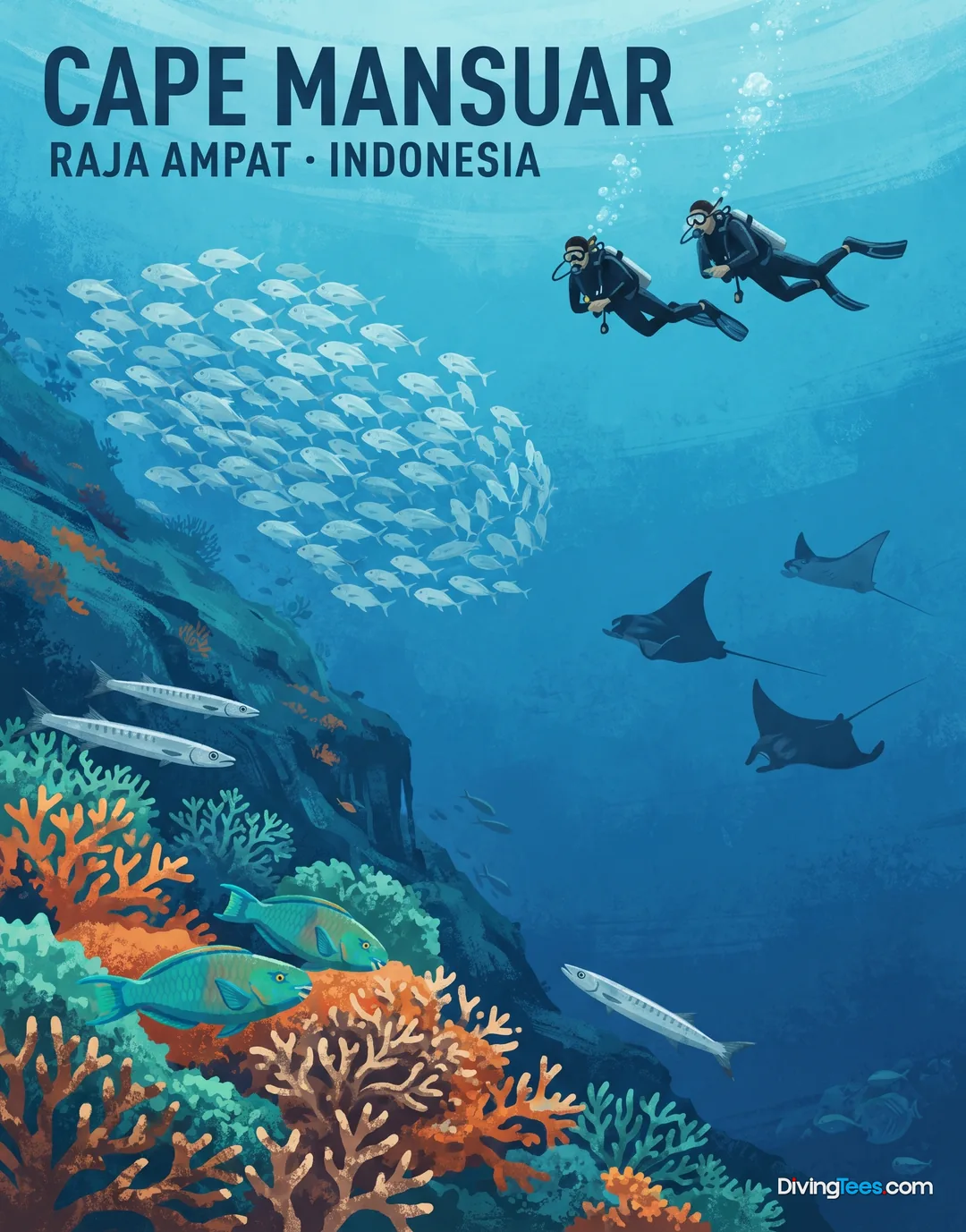
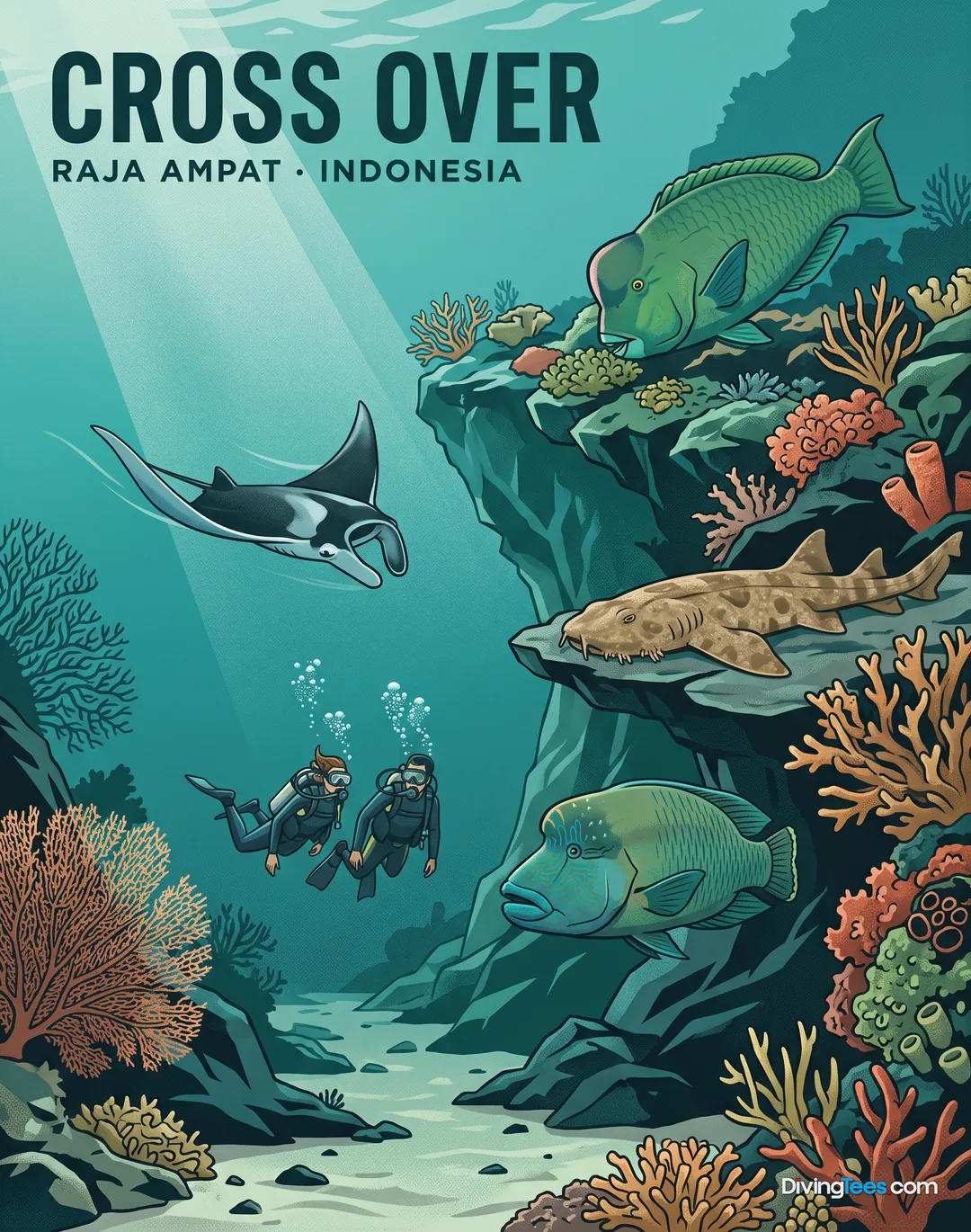
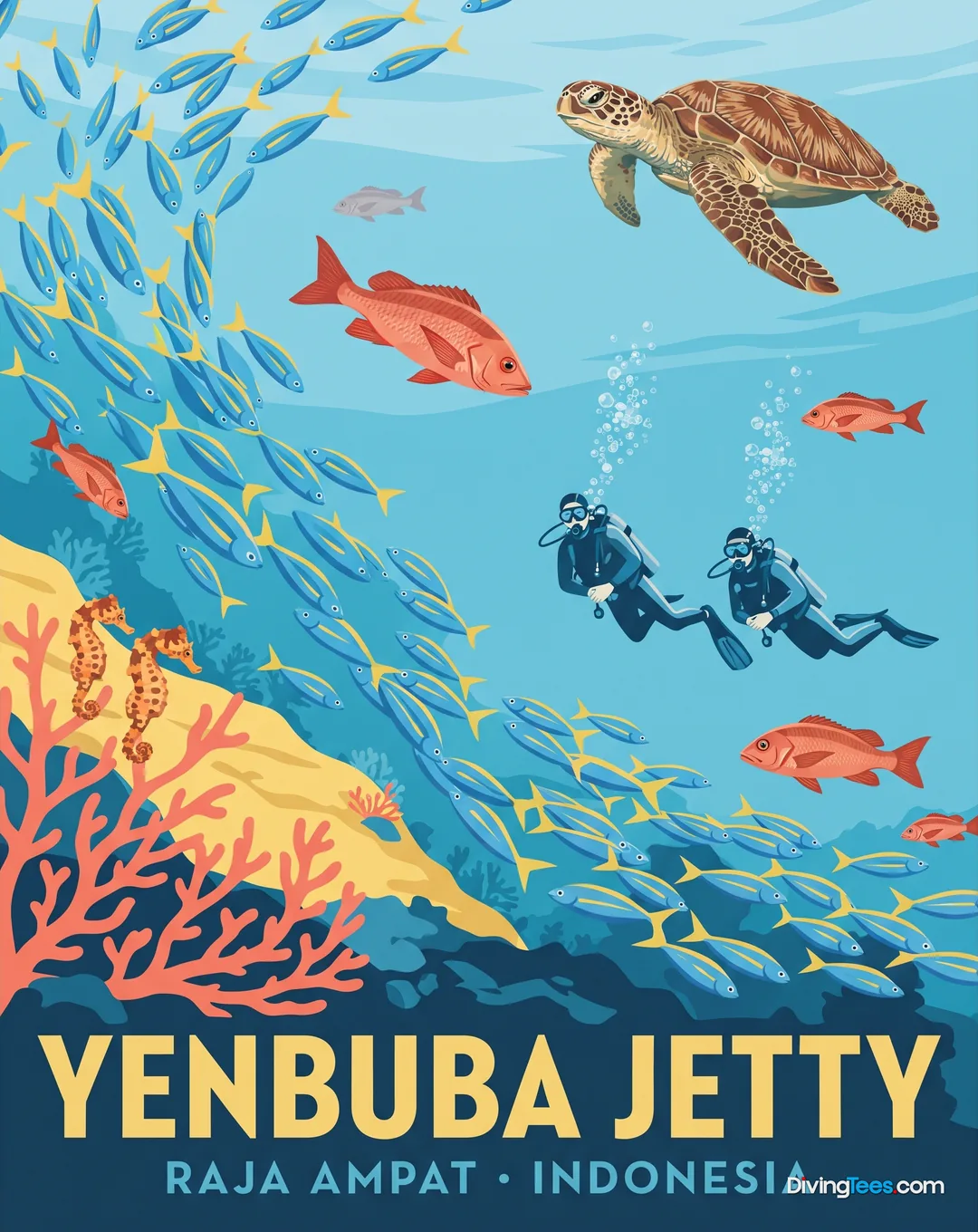
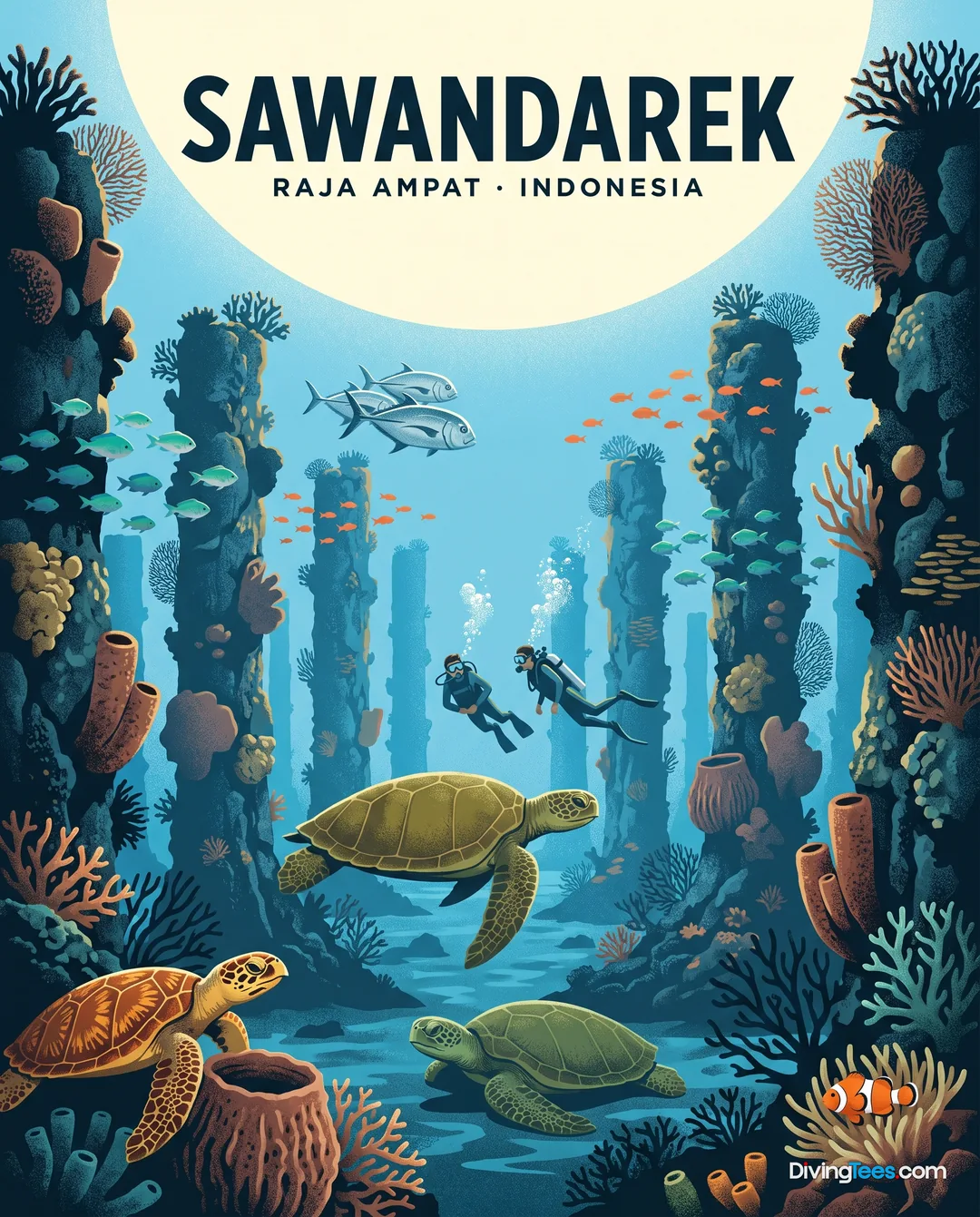
The Raja Ampat route moves through sites that cover the full range of the region's diving. Manta Sandy is built around reef manta rays hovering over cleaning stations, with snorkelers able to share the encounter from above. At Mike's Point, soft corals fill overhangs and sweetlips gather around the reef; its flat plateau can bring eagle rays, with a maximum depth of -40m. Cape Kri is the big-fish benchmark, with immense schools of emperors and fusiliers, Napoleon wrasse and reef sharks. Melissa's Garden reaches -35m, where soft corals and staghorn formations make a dense coral garden. Blue Magic adds schooling fish, wobbegongs and possible oceanic mantas in the blue. Sorido Wall brings barracuda, reef sharks and fusiliers along a wall, while Friwenbonda offers colourful soft coral near the surface and pygmy seahorses. South Kri, Ransiwor, Cape Mansuar, Cross Over, Yenbuba Jetty and Sawandarek add drifts, cleaning stations, macro life, strong current, coral-covered pilings and giant green turtles; their listed maximum depths are -30m at Ransiwor and Yenbuba Jetty. The recorded Best of Raja Ampat trips run Sorong to Sorong for 10 days and 9 nights. Other departures include 8 days and 7 nights in Komodo National Park and 13 days and 12 nights from Maumere to Ambon through Alor and the Banda Sea.
Itineraries, dates and prices
Prices per person. Each month shows its lowest price: click a month, or pick an itinerary.
Next departures · 22 departuresfrom £2,579$3,447€3,080
December 2026
January 2027
February 2027
See dates and prices
If you click these links and make a purchase on the partner site, DivingDeal may earn a commission, at no extra cost to you.
Dates and prices taken from Divebooker and liveaboard.com, updated 23 October 2026
What you’ll meet underwater
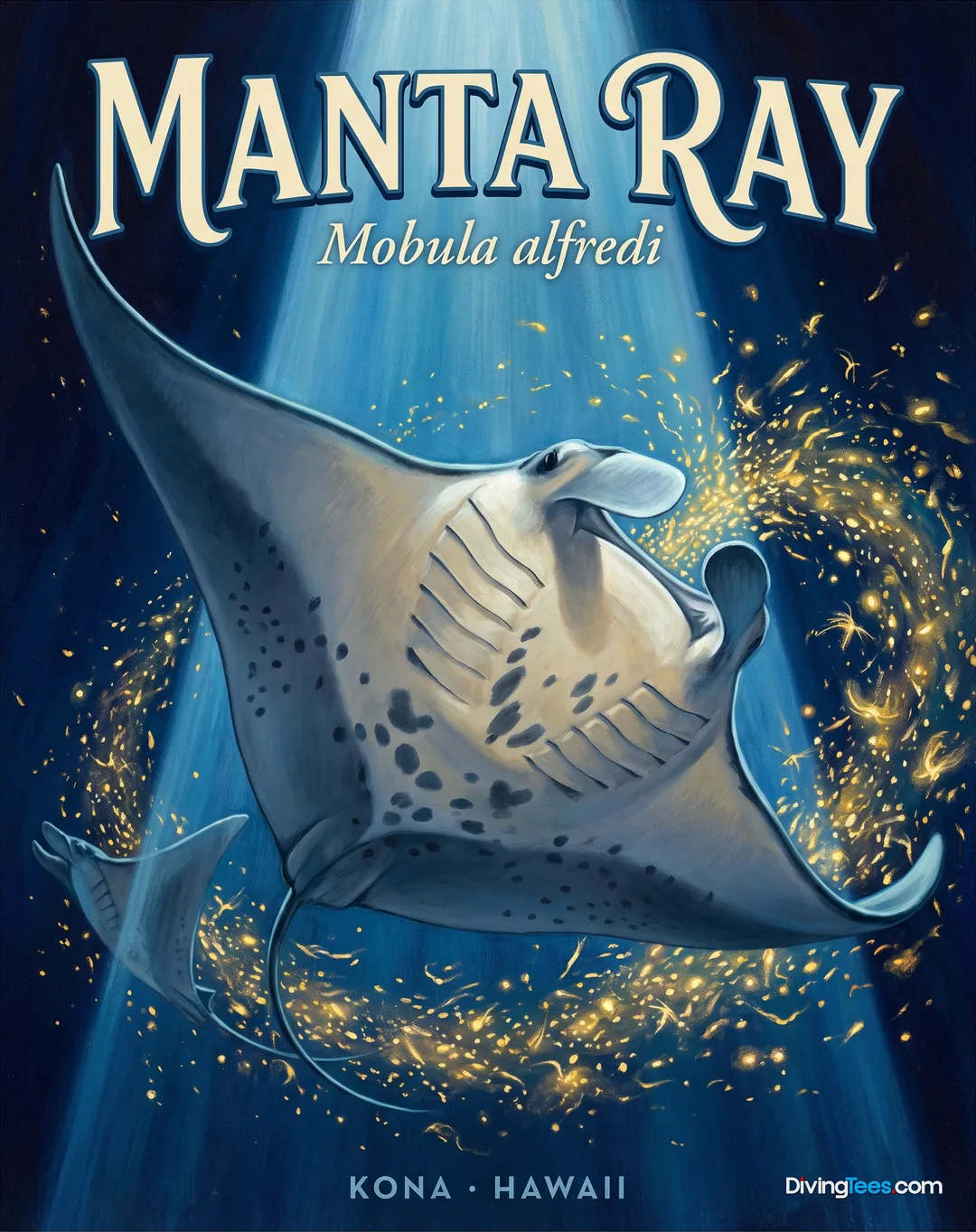
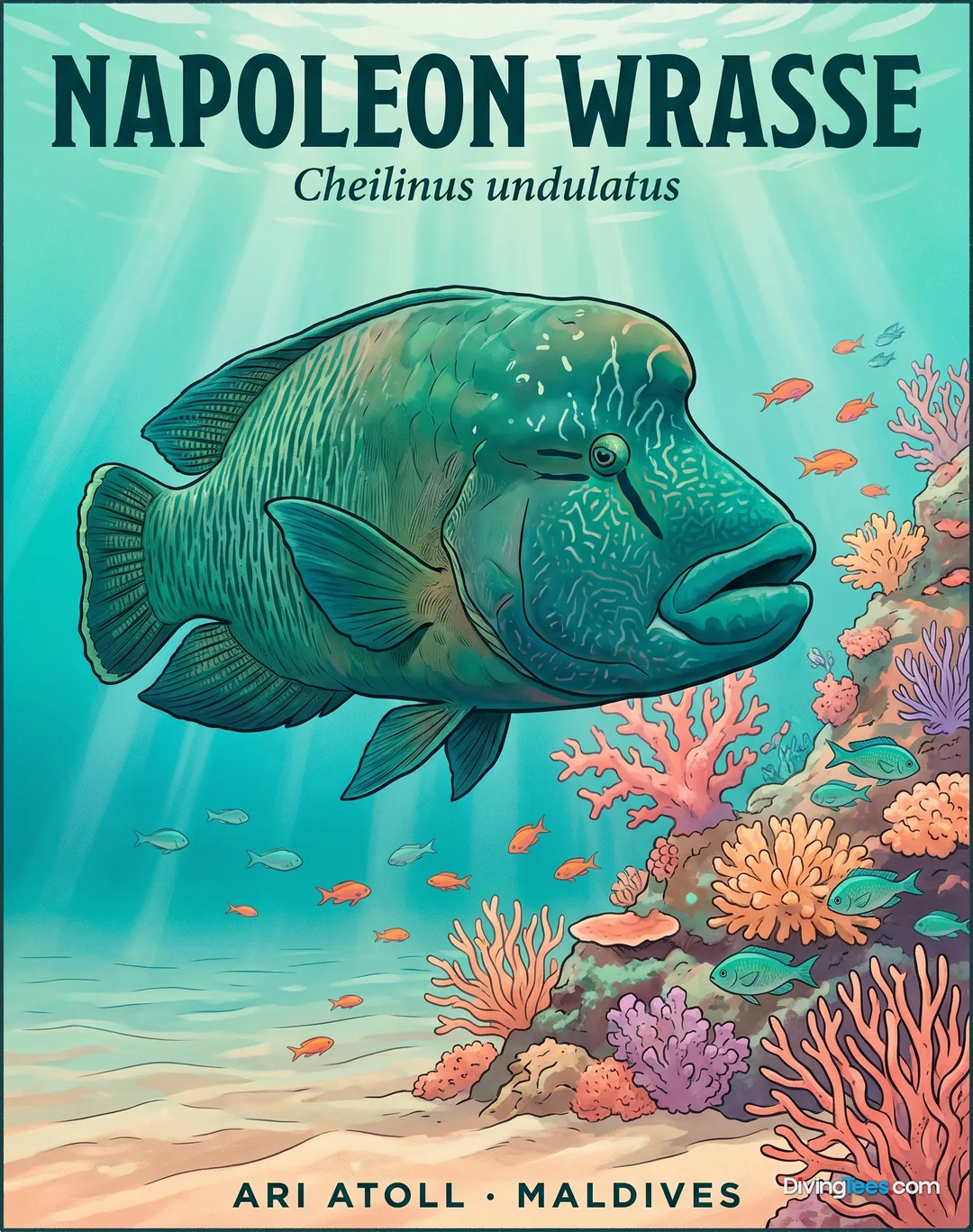
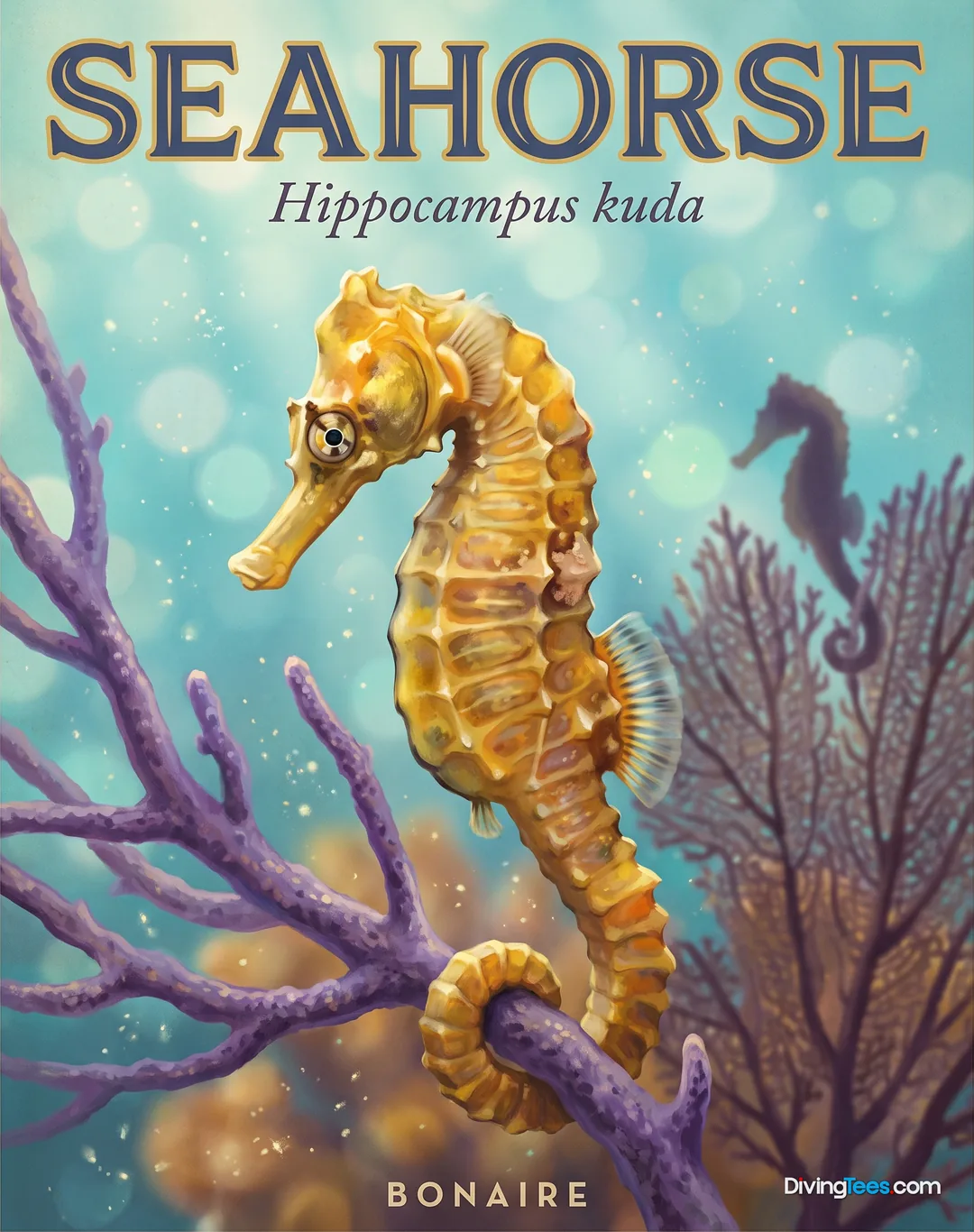
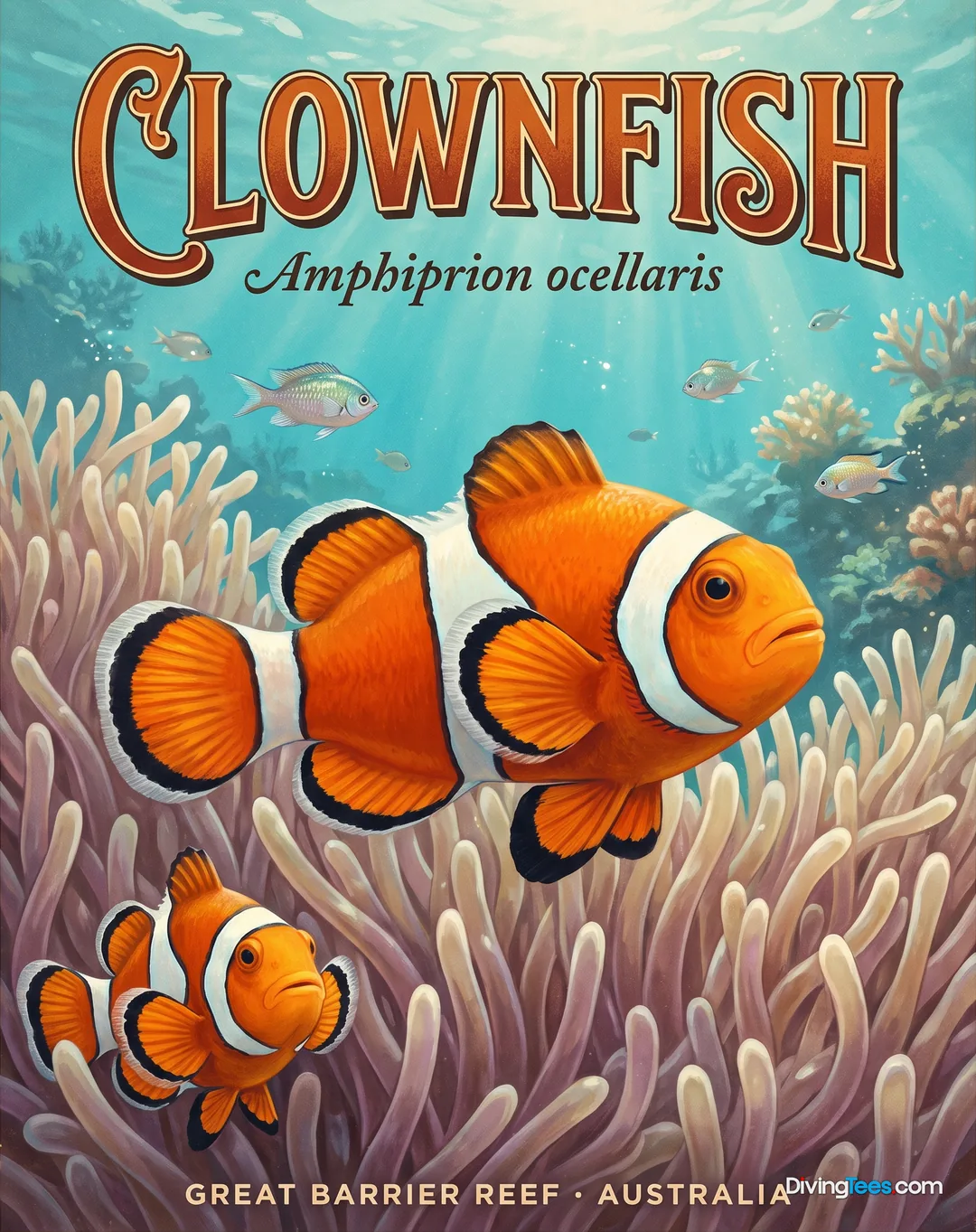
Across this route, the recurring spectacle is movement: barracuda, reef sharks, trevallies and fusiliers cutting through the blue, with Napoleon wrasse, sweetlips, humphead parrotfish, turtles, soft corals, nudibranchs and pygmy seahorses appearing across several sites. The reef is not only about large animals; macro life sits in the same itinerary as schooling fish and passing pelagics. The site-specific encounters give the route its sharper edges. Cape Kri is the place for giant grouper and white-tip reef sharks, alongside the site's dense fish schools. Blue Magic is where oceanic reef sharks and tuna are recorded, with current and open water drawing attention away from the reef. South Kri offers big-eye trevally, crabs and shrimp among its macro life. Ransiwor can produce an octopus and clownfish around its cleaning stations and yellow-back fusiliers, while Yenbuba Jetty concentrates anthias and damselfish around coral-covered pilings. Sorido Wall is the named site for surgeonfish. Sightings remain conditions-dependent, which is exactly why the current, the cleaning stations and the patience matter.

Who puts you in the water
The crew speaks English, and diving is organised through briefings before the tenders leave the phinisi. Tony is the cruise director. The boat welcomes certified divers, snorkelers and non-divers. Oxygen, first-aid kits, radio communications, life-saving equipment and fire alarms form part of the safety setup. Nitrox is included with the dive package, while the Nitrox course and scuba-diving qualifications are optional extras.
The dive deck and the gear
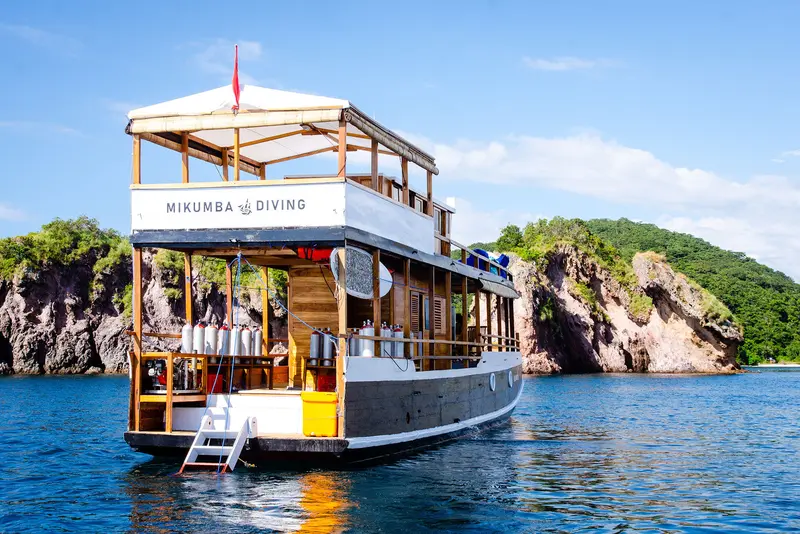
The diving operation is built around two tenders, which carry divers from the phinisi to the sites and back rather than making the main vessel serve as the only entry point. The boat provides Nitrox at no extra charge, with tanks filled through the on-board diving operation, and carries DIN adapters for divers who use that connection. Rental equipment is available by arrangement, while personal gear can be supported with charging stations and the boat's camera facilities. A camera table and rinse arrangements matter here: Raja Ampat rewards both wide-angle reef work and patient macro searches, and saltwater should not be the last thing left on a housing. Oxygen, first-aid kits and other emergency equipment are carried on board. The tender system is the practical advantage; the two boats keep the main deck from becoming a bottleneck between dives.
Between dives
Between dives, the open terrace is the natural place to dry off and watch the islands pass, while the air-conditioned lounge offers shade, books and a quieter escape. The boat also welcomes non-divers and snorkelers, so a day does not have to be organised around everyone entering the water together. Internet access, charging stations and audio-video entertainment cover the practical gaps, but the better use of the pause is simple: towel, drink, shade, then a return to the deck when the tender is ready. Land excursions are included, giving the route a break from reef after reef. The space is not presented as a catalogue of resort facilities; it works because the social areas sit close to the diving day.
A day on board
The day begins with the dive operation preparing before the first briefing, then the tenders carry each group away from the phinisi while the main vessel becomes breakfast room, drying area and place to wait for the next entry. A typical Raja Ampat day can build around several dives, with meals and surface intervals dividing the work rather than long stretches of empty time. The boat moves between sites as the route demands, giving the deck a change of view while gear is checked and tanks are prepared again. Afternoon diving brings a different light to the reefs and often suits the slower search for macro life. After the final daytime dive comes dinner on deck, then the night dive that gives Emperor Raja Laut one of its strongest reasons to book. Back aboard, the noise drops, wet gear is left to the crew's routine and the lower-deck cabins offer the reset before the next morning's briefing.
What you eat aboard
Meals are served buffet-style, mixing Western dishes with local Indonesian cooking, and the main table is set outdoors. Beer is available, wine is served with dinner, and tea, coffee and snacks are part of the day rather than an afterthought between dives. The useful detail is that meals are taken together on deck: after a dive, the table becomes the place to compare current, sightings and the one fish nobody managed to identify. With four entries possible in a full diving day, food has to arrive without ceremony and keep working. The galley therefore supports the diving rather than competing with it, while the local dishes give the route a stronger sense of place than an all-purpose international menu.
Nights at sea
The six cabins sit on the lower deck and use portholes rather than large picture windows, which keeps the sleeping quarters firmly in liveaboard territory. Each has air-conditioning, a private bathroom and a hot-water shower; twin and double layouts cover the two cabin categories. The boat gives the more useful space to the shared areas: an air-conditioned lounge indoors, an open terrace and an outdoor dining area. After a night dive, that means returning to a cabin without having to cross a large ship, then waking to the movement of a wooden phinisi and the first activity of the dive team. The accommodation will suit divers who value privacy, ventilation and a proper bathroom but do not need a suite. The boat's character is outside the cabin.
Twin Cabins
Double Cabins
What to know before boarding
The Best of Raja Ampat route departs from Sorong and returns to Sorong. Airport and hotel transfers are included. Arrive the night before departure so a delayed connection does not put the embarkation at risk; the transfer arrangements are provided with the trip information.
Deck plan
- Year built
- 2005
- Year renovated
- 2017
- Length
- 31 m
- Beam
- 7.2 m
- Maximum number of passengers
- 12
- Number of cabins
- 6
- Number of bathrooms
- 6
- Engines
- 300 hp Yanmar
- Tenders
- 2
- Website
- emperordivers.com ↗
Hello, I'm Marina, DivingDeal.com's AI assistant. I answer in detail about hotels, dive centres and liveaboards.
Thinking about the whole trip and the flights? Talk it over with Edith →
Marina is an AI. Some links are affiliate links: DivingDeal may earn a commission, at no extra cost to you. Bookings are made with the partner.