Liveaboards · Indonesia
Fenides — a modern phinisi built for serious Raja Ampat diving
What makes this boat unique
- A contemporary 2019 phinisi with five en-suite, air-conditioned cabins for up to 11 guests.
- Raja Ampat trips run round-trip from Sorong for 8 days and 7 nights.
- Nitrox is included, with Bauer compressors and CompAir membrane equipment.
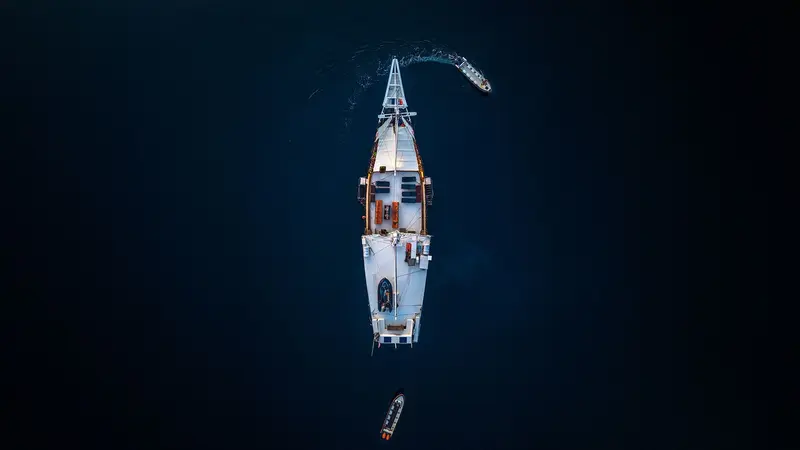
- Two 50 hp RIB tenders support diving, while a dedicated camera room provides six workstations.
- The boat requires at least 25 logged dives and an AOWD qualification or equivalent.
For subtitles in English: start the video firstthen click the gearat the top right of the video, select “Subtitles/CC”, then “Auto-translate” and choose “English”.
The invitation
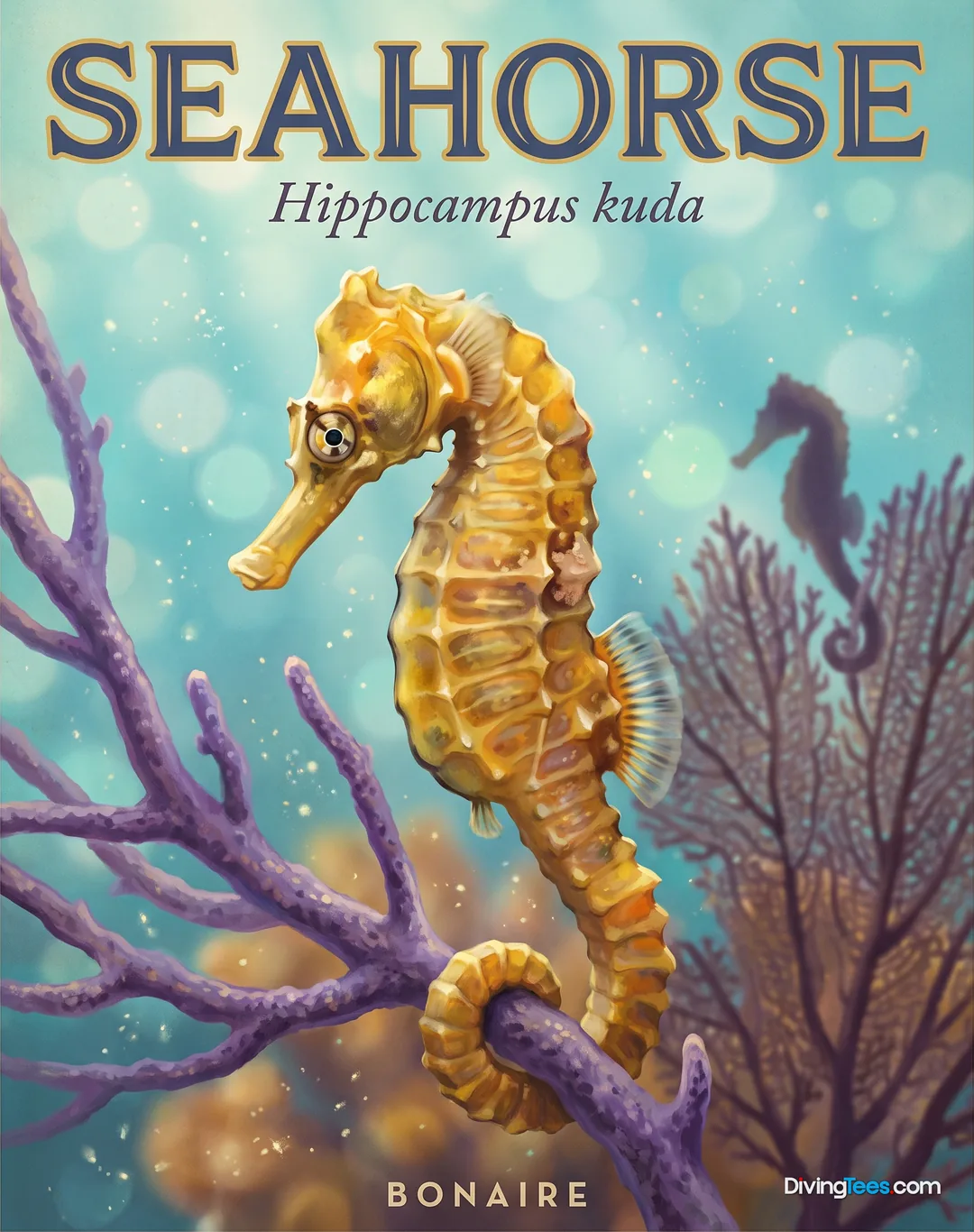
Fenides is for divers who want Raja Ampat's big scenery and small life in the same week, without giving up a proper cabin between dives. The boat is young by phinisi standards, its five cabins all have private bathrooms and air-conditioning, and the dive operation is set up around repeated access to reefs, walls, current-swept slopes and cleaning stations. Nitrox is included, which matters when the plan allows up to four accompanied dives in a day. The route is not just about mantas: Cape Kri brings huge fish schools, Blue Magic brings pelagics and oceanic mantas, and Friwenbonda and South Kri reward a slow search for nudibranchs and pygmy seahorses. This suits divers who already know how to look after themselves in the water and want the crew to take care of the logistics around them.
Boarding
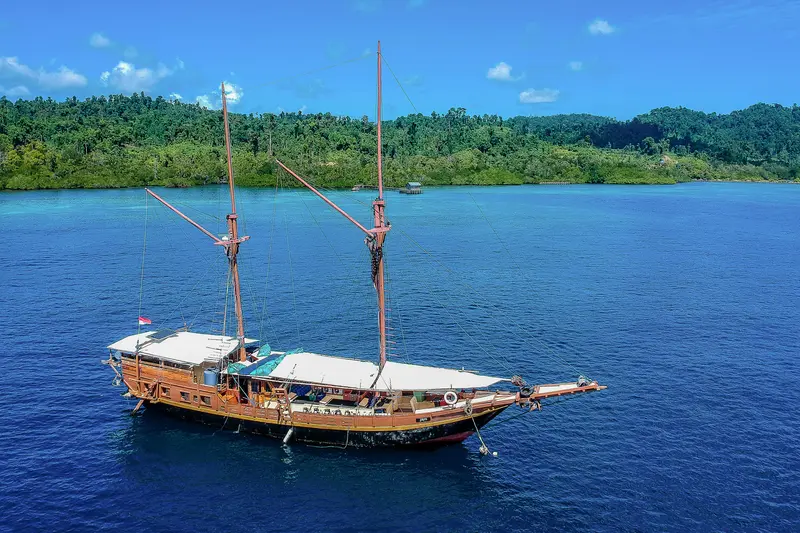
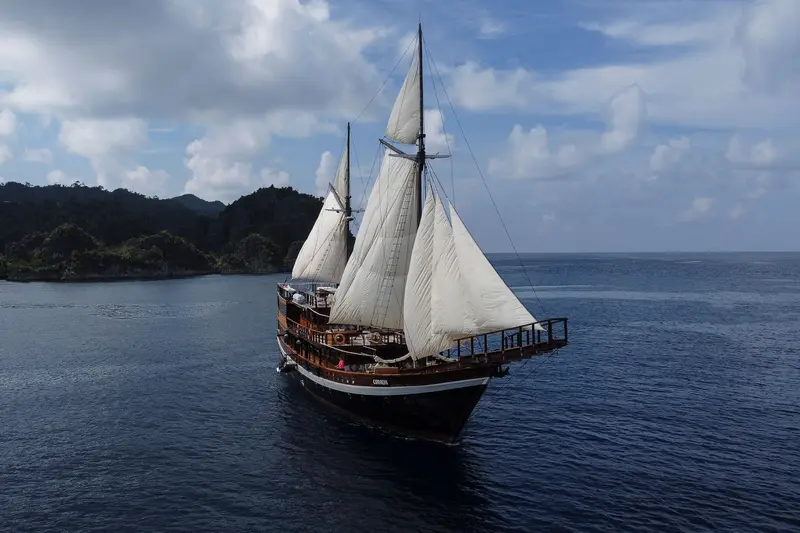
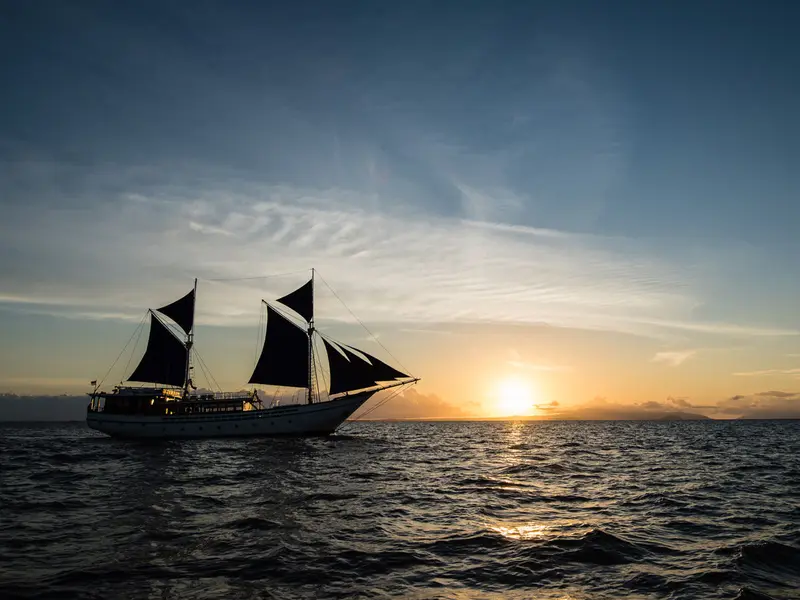
Fenides comes alongside as a traditional Indonesian phinisi with a more contemporary finish than its working-boat outline suggests. Ironwood and teak give the hull and superstructure weight and warmth, while the open-air saloon, outdoor dining area and two sun decks keep the boat connected to the islands around it. Inside, there is a bar, lounge seating, entertainment system and a dedicated camera room rather than a corridor of unused space. The engines and generators are modern Yanmar machinery, so the impression is less of an old wooden coaster and more of a purpose-built dive vessel dressed in phinisi form. Boarding starts with refreshments, a short tour and briefings on safety, diving and life on board before the boat leaves Sorong.
The atmosphere on board
Fenides has the feel of a small expedition rather than a floating resort with a dive centre attached. With no more than 11 guests, the people who share the tenders in the morning are the same people at the outdoor table later, and the crew can keep the operation personal without making a performance of it. English is the crew language. The evening is built around the day just finished: divers can review photographs, use the marine-life library, log dives with their buddies and talk through what the current did at the reef. The crew's role is most visible in the transitions—getting divers briefed, moved and fed without wasting the hours when Raja Ampat is at its best.
The sites you’ll dive
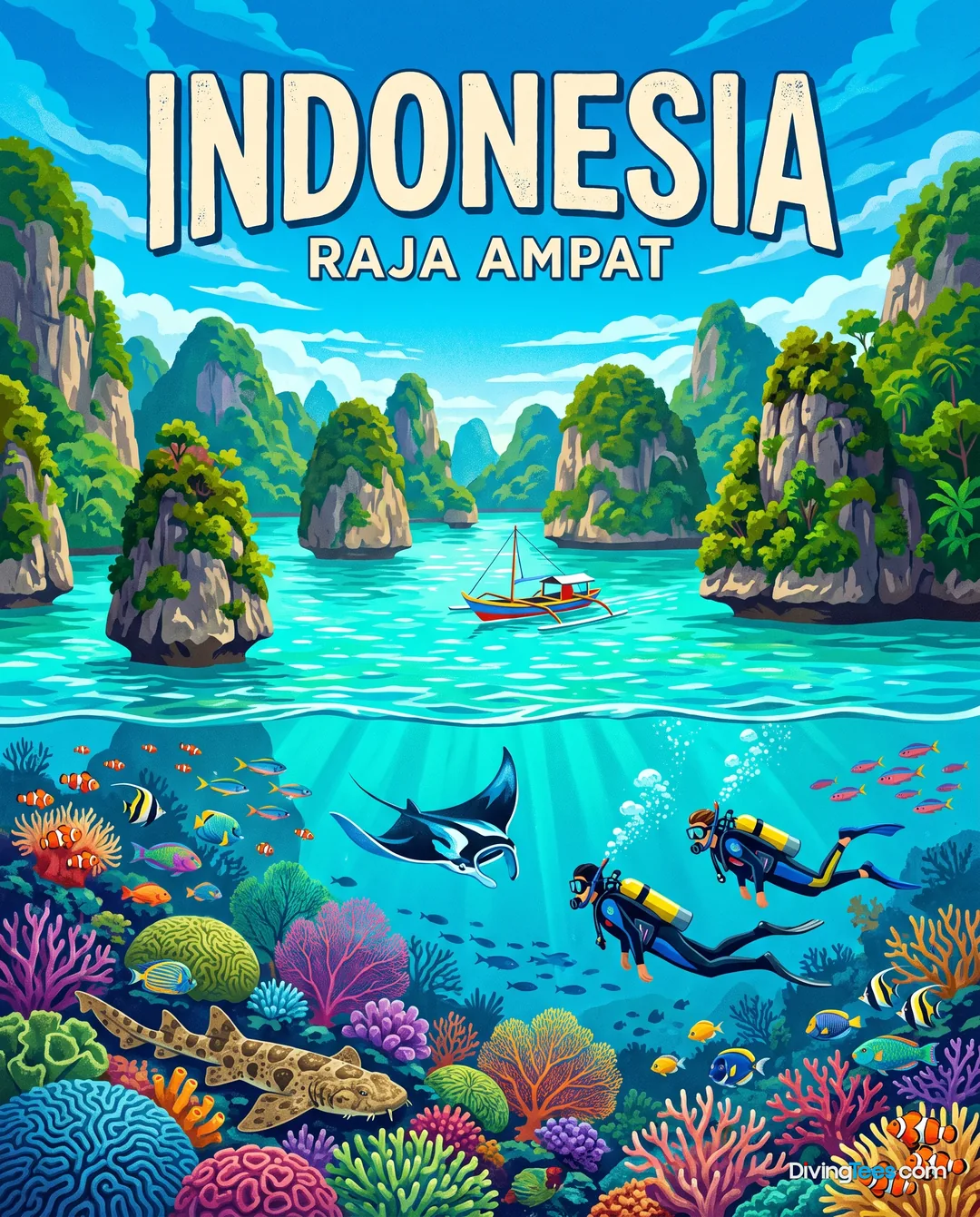
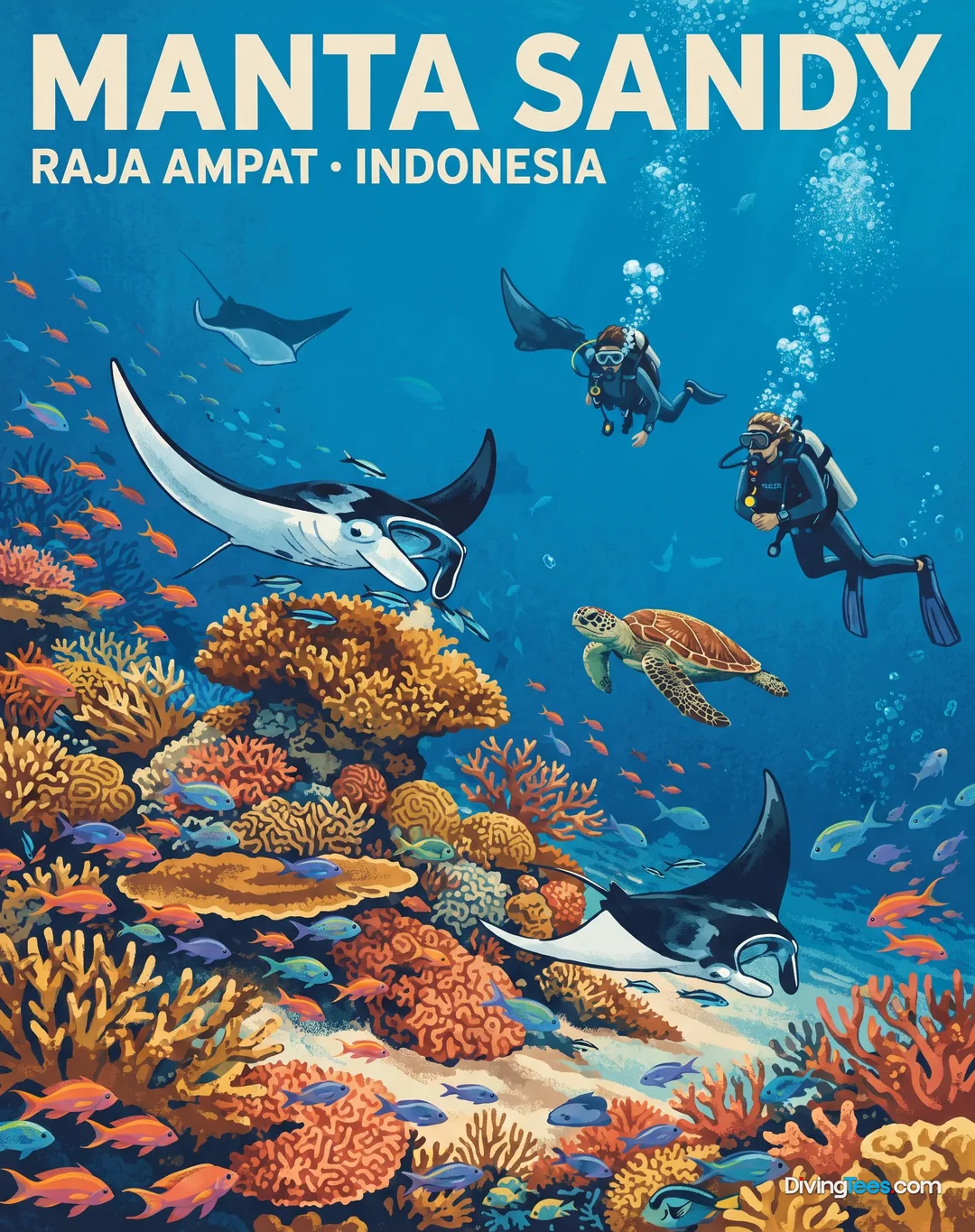
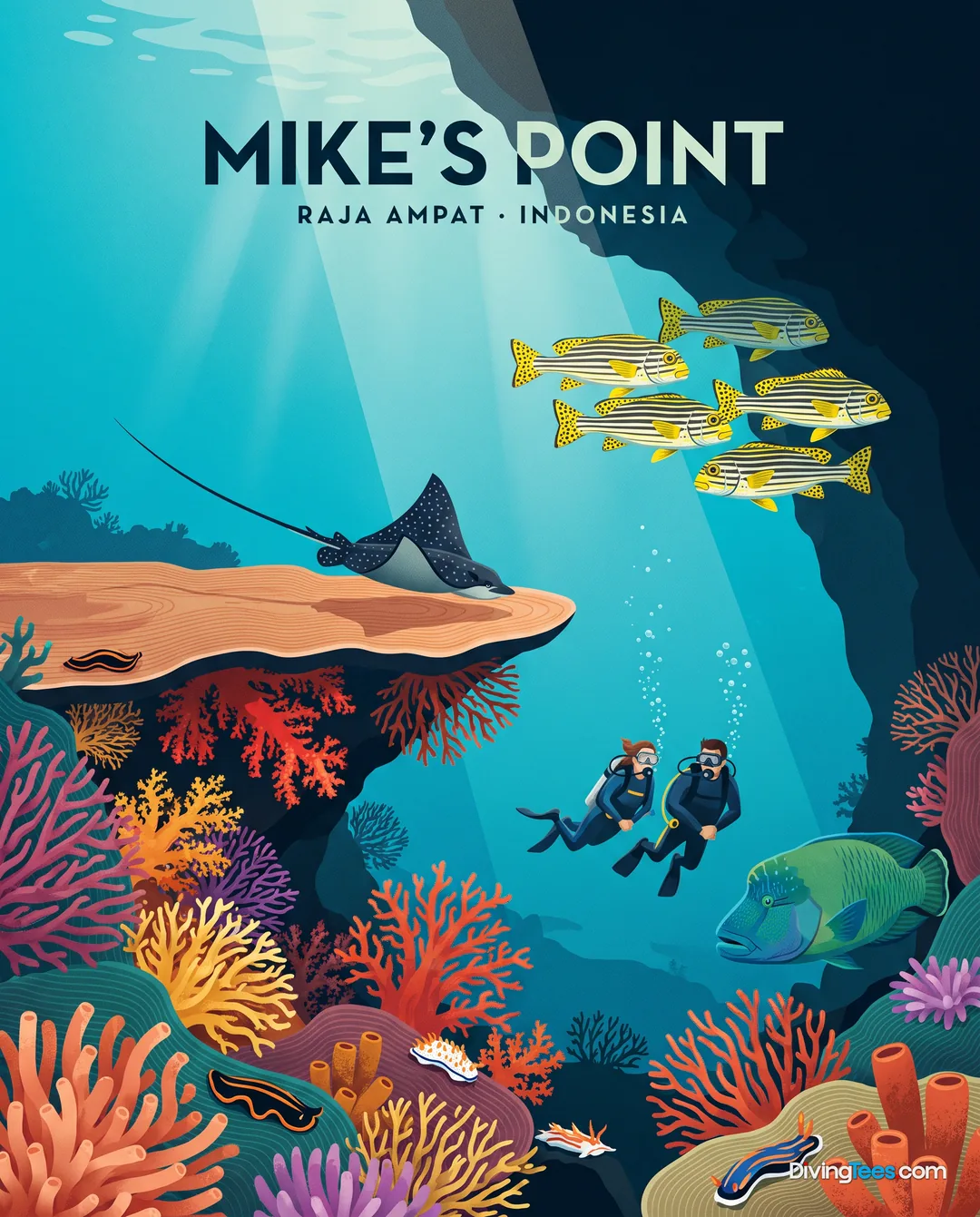
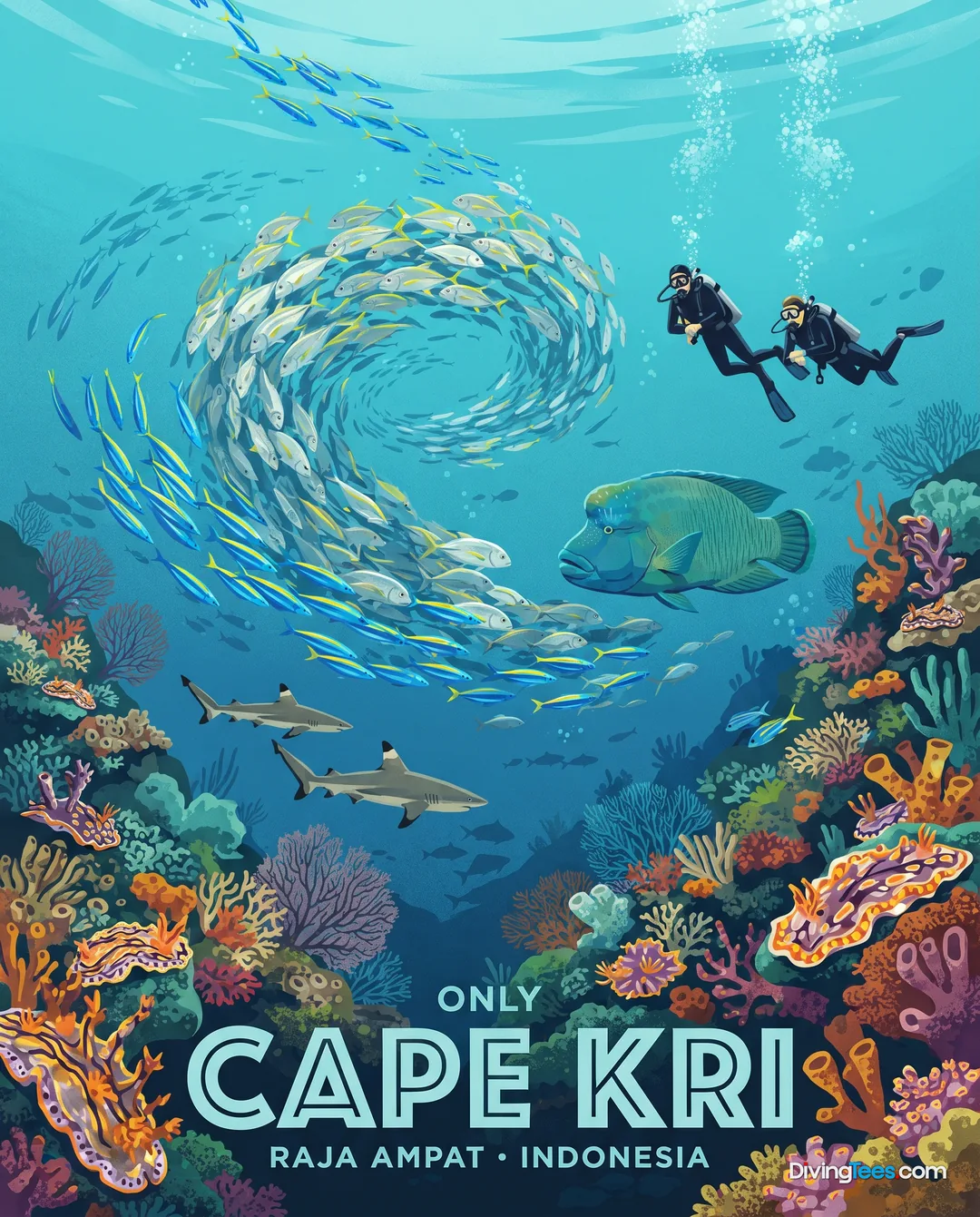
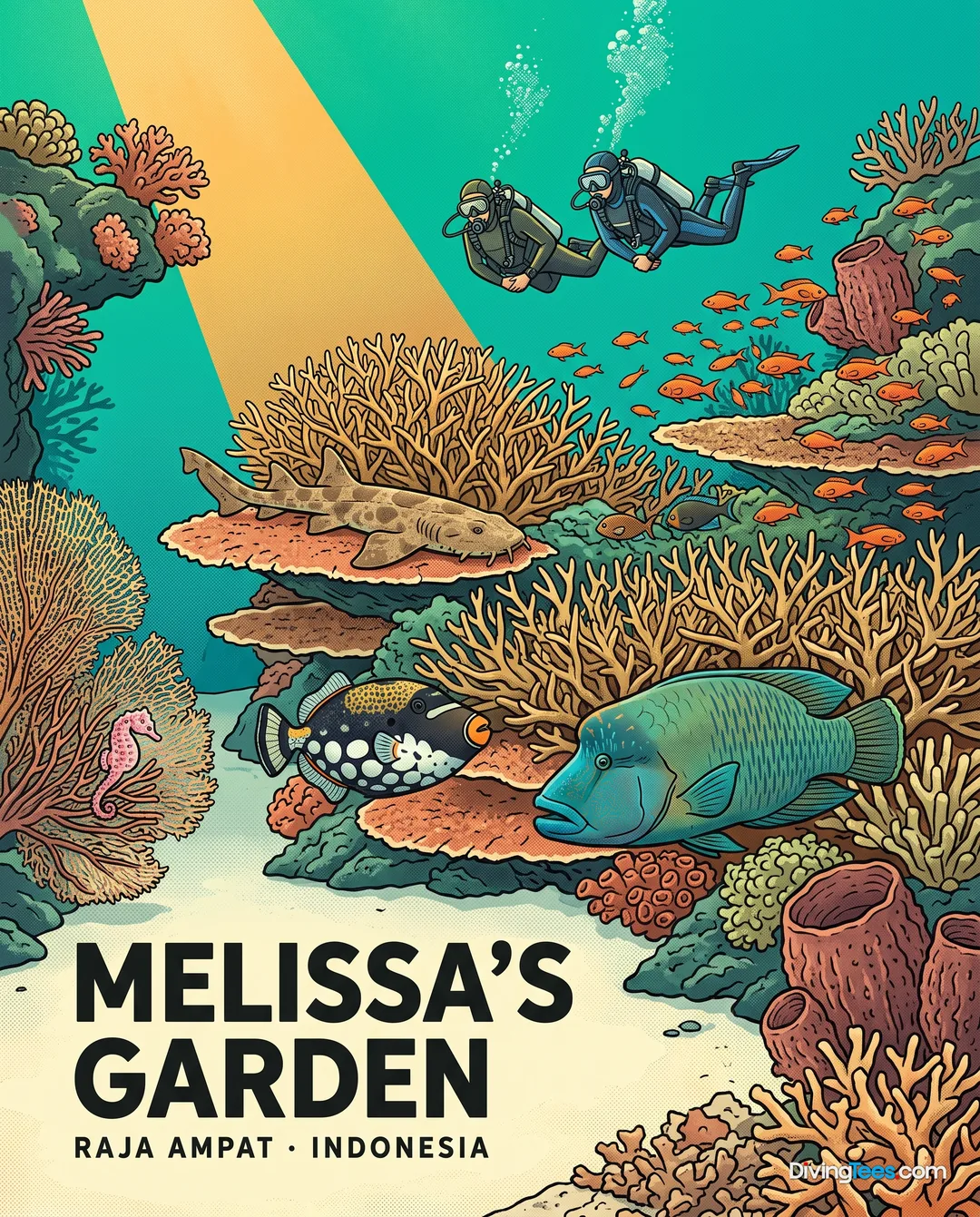
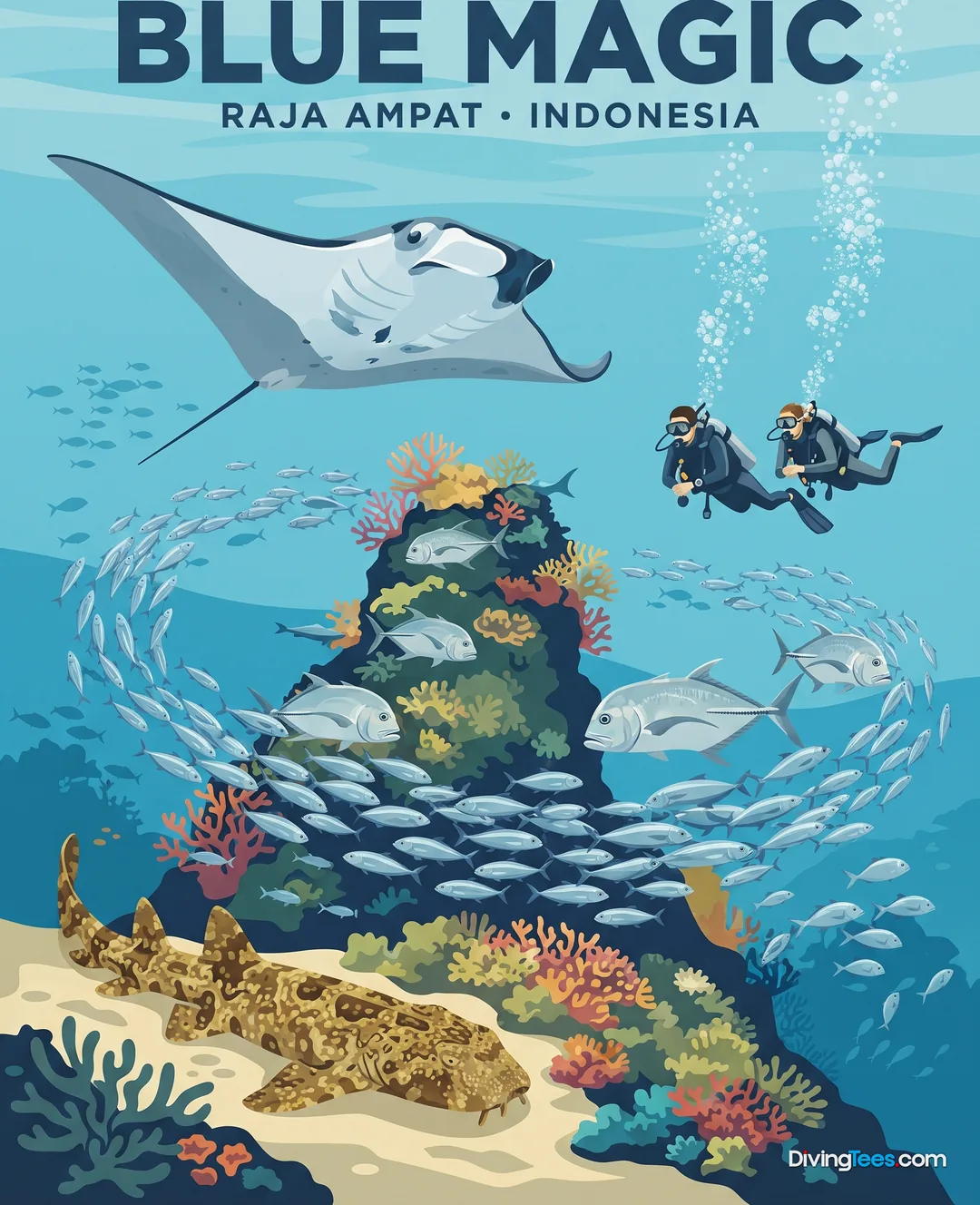
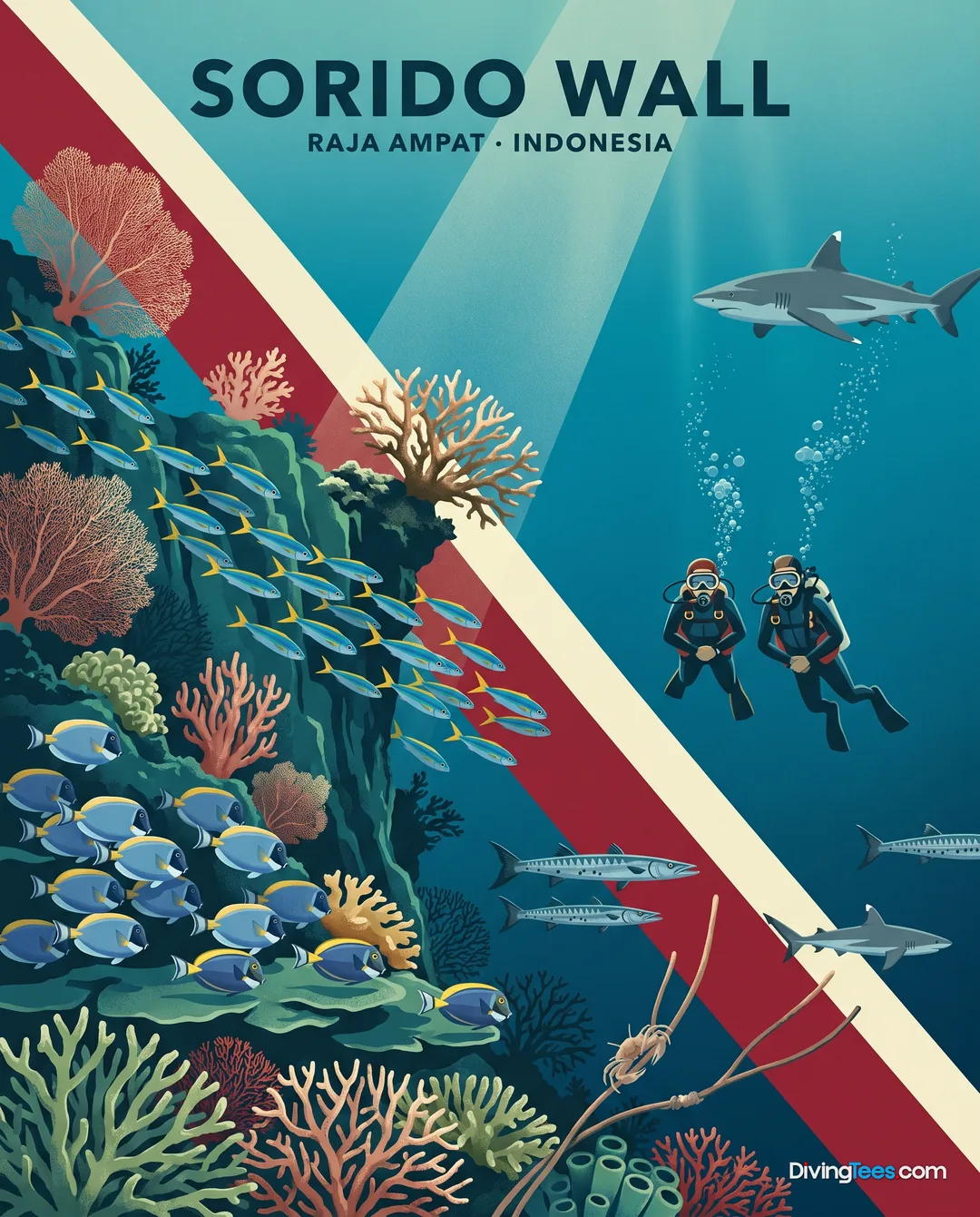
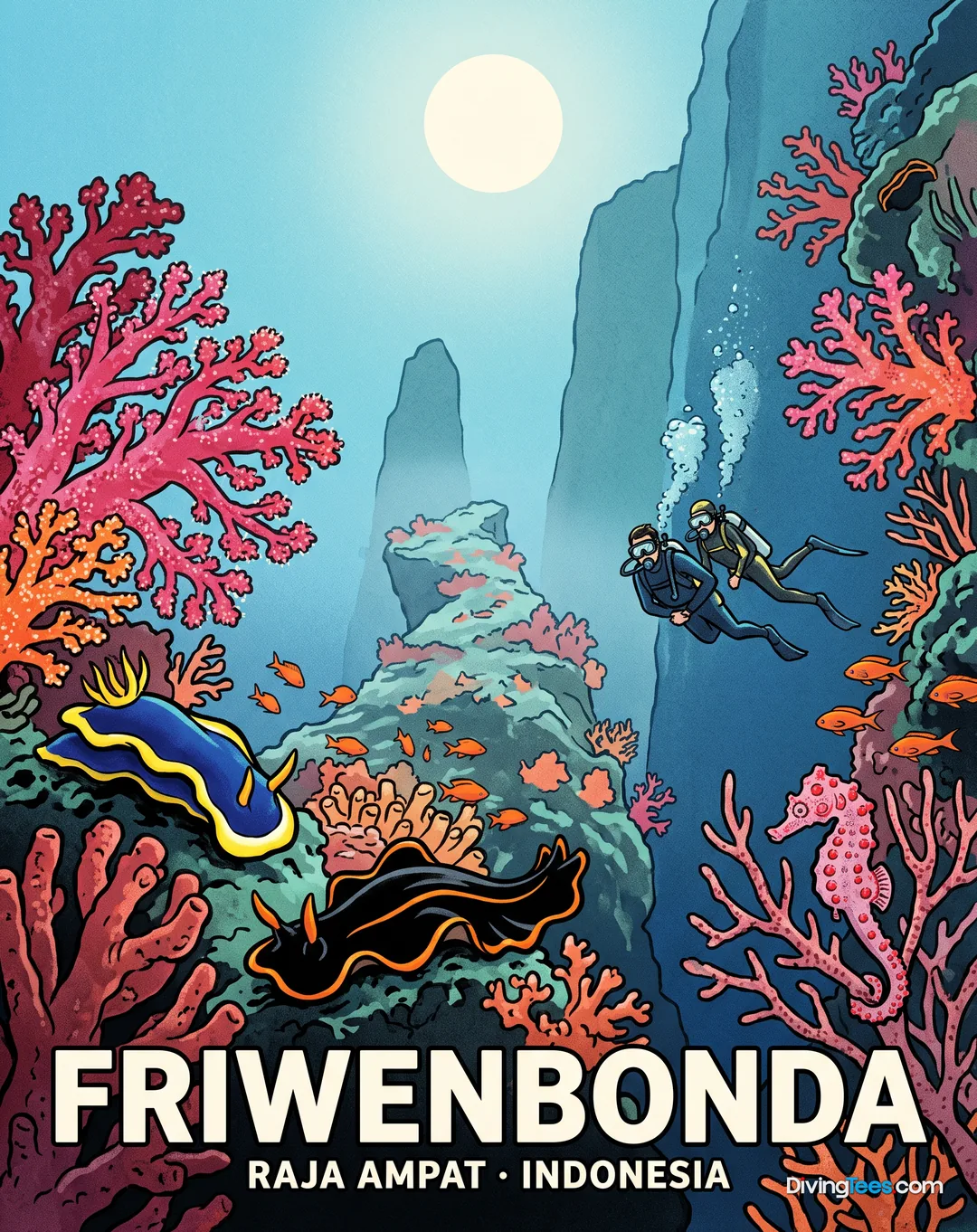
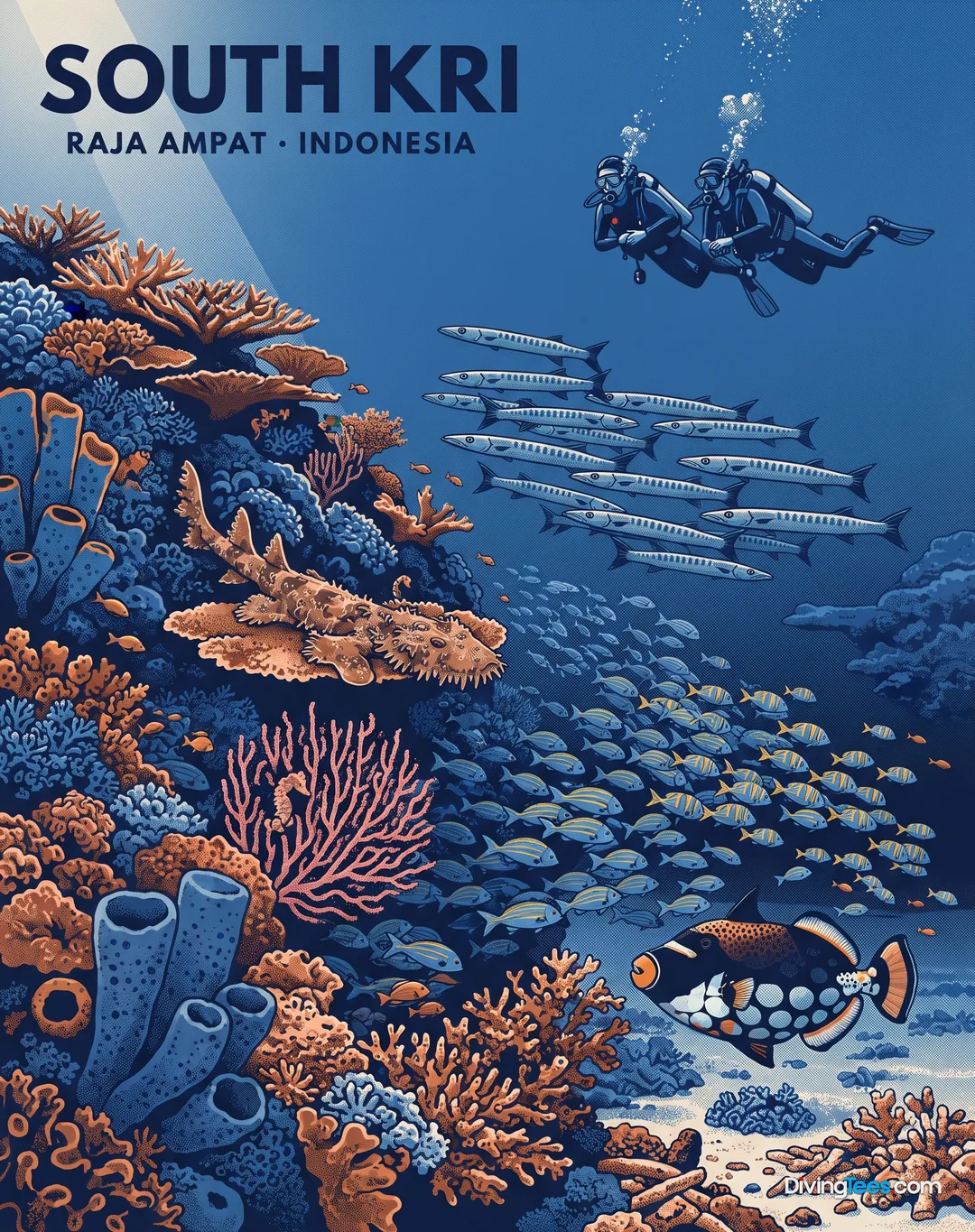
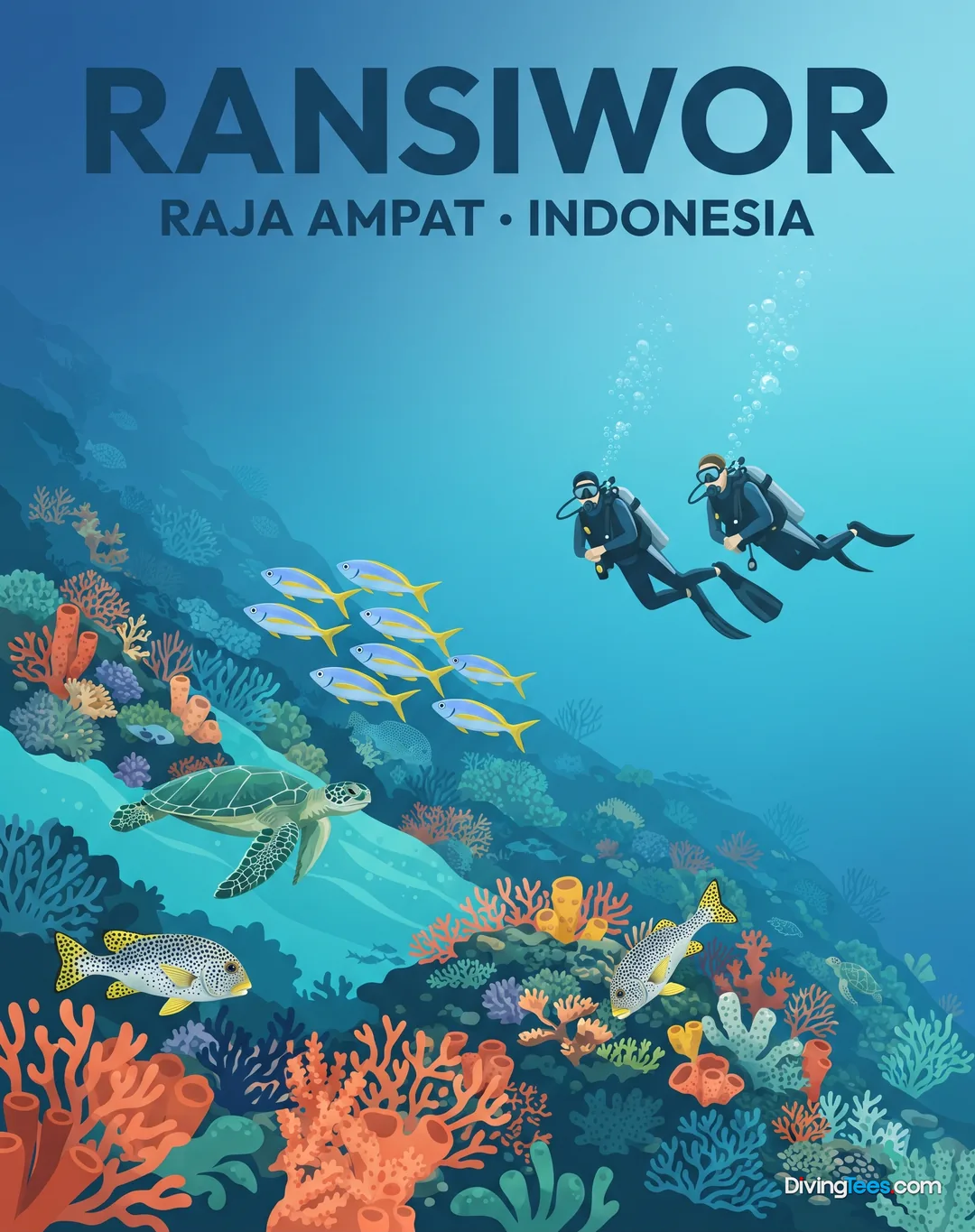
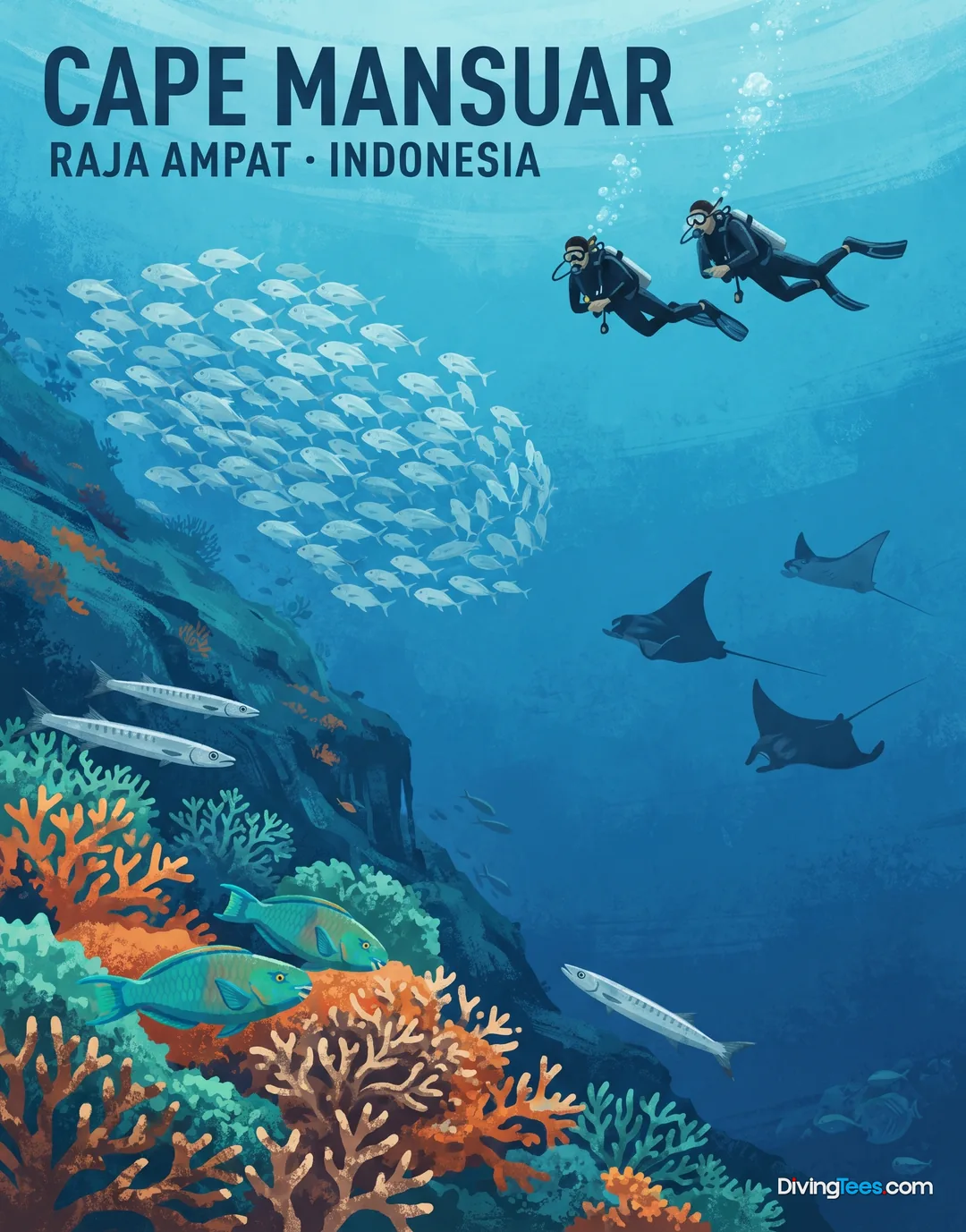
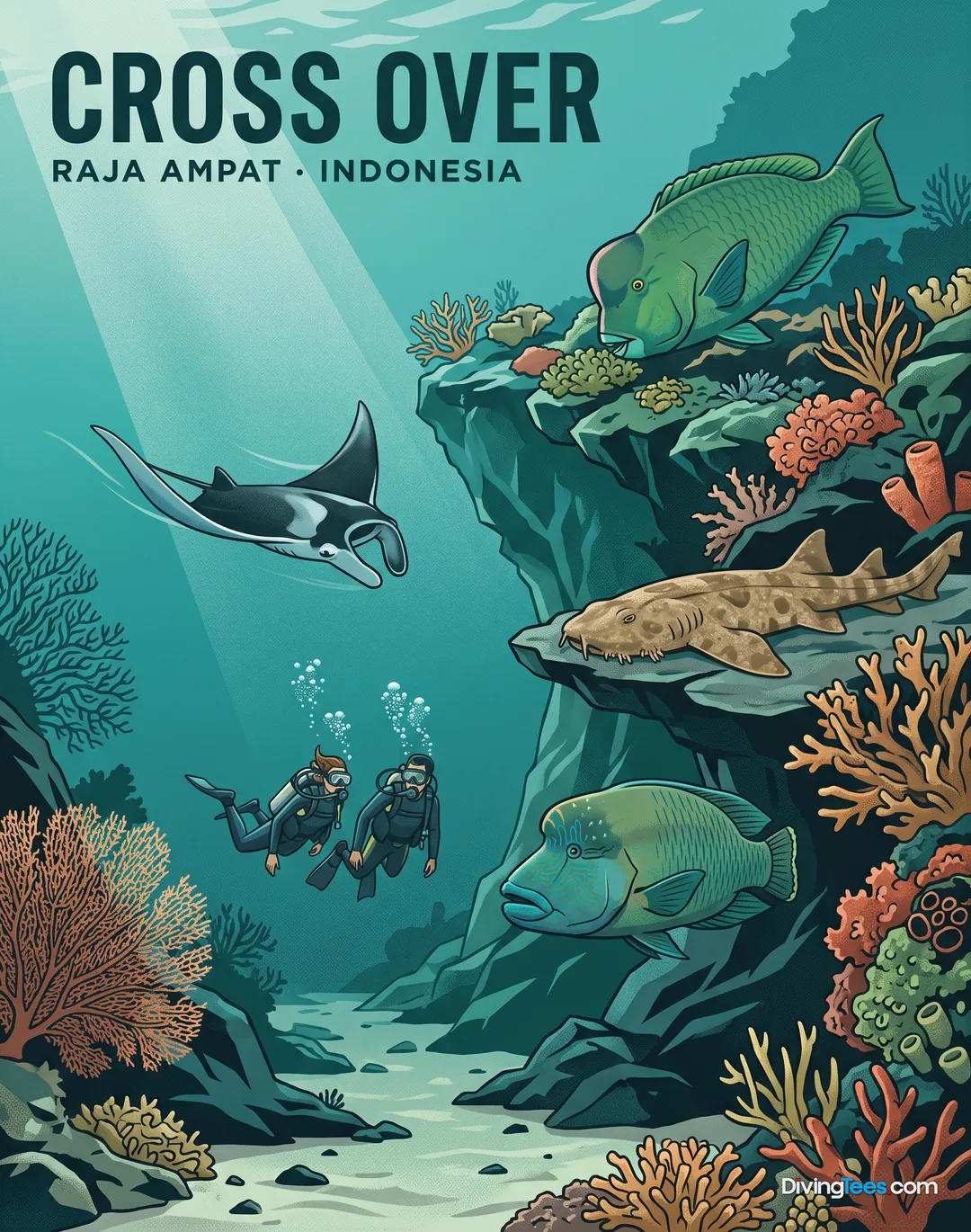
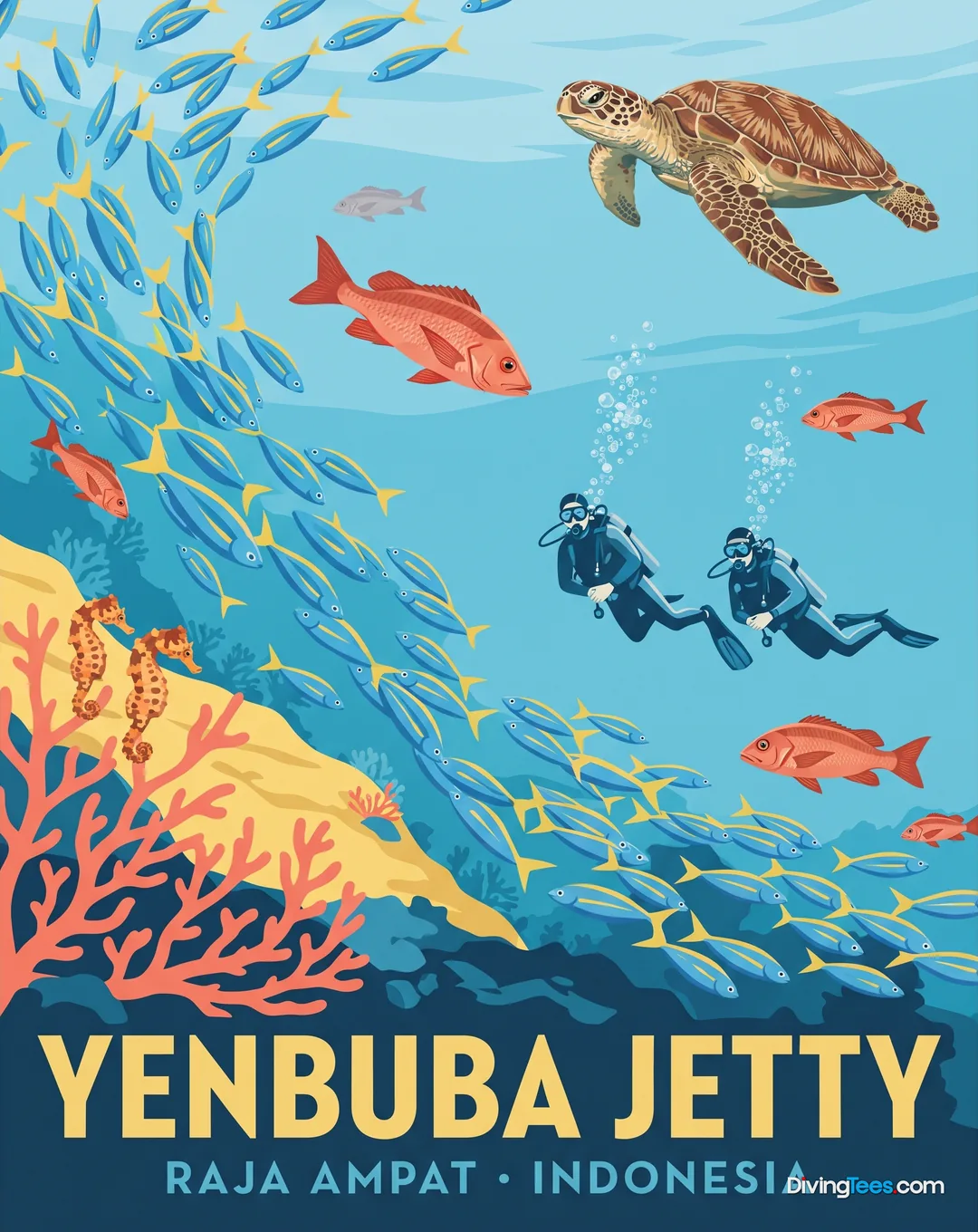
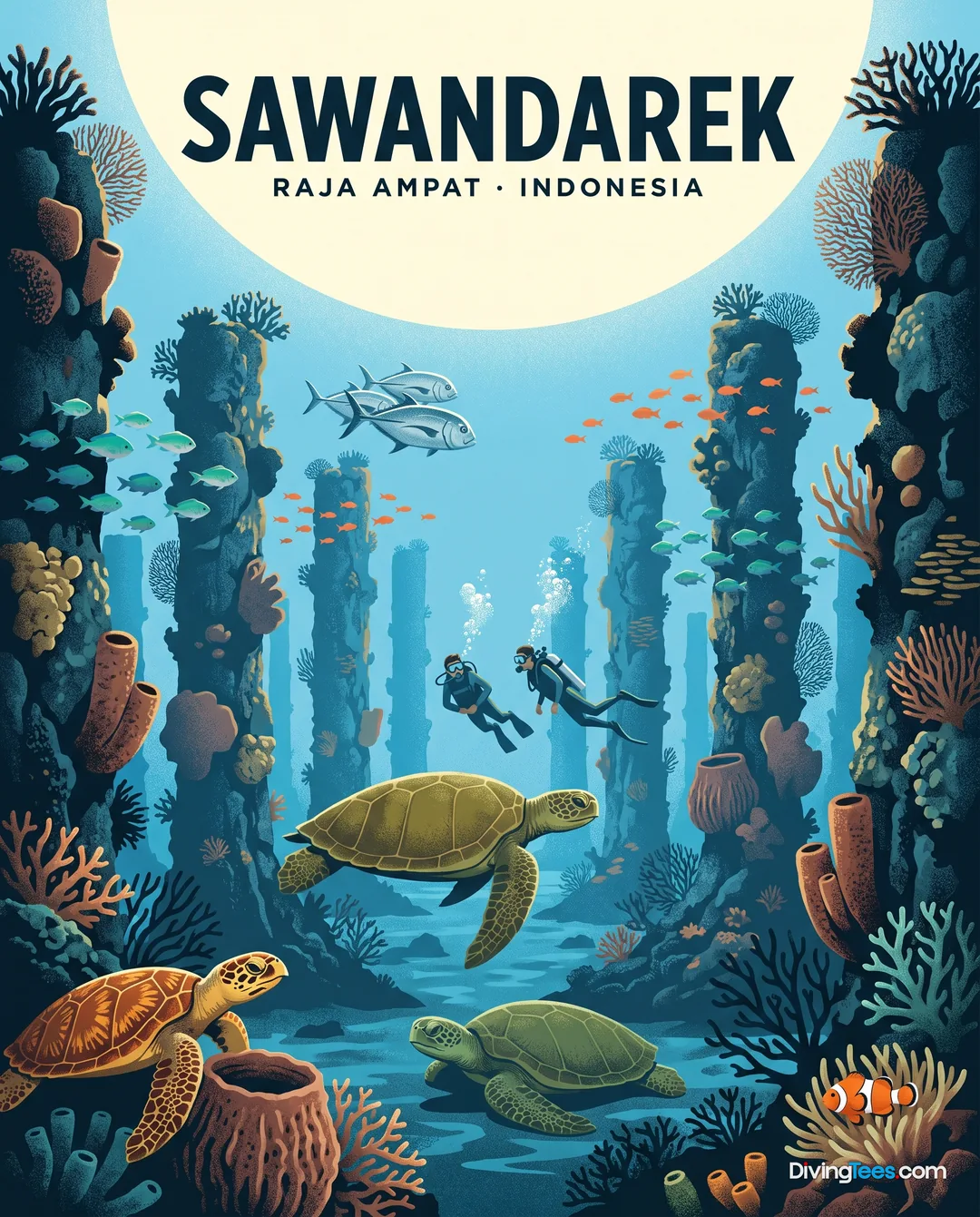
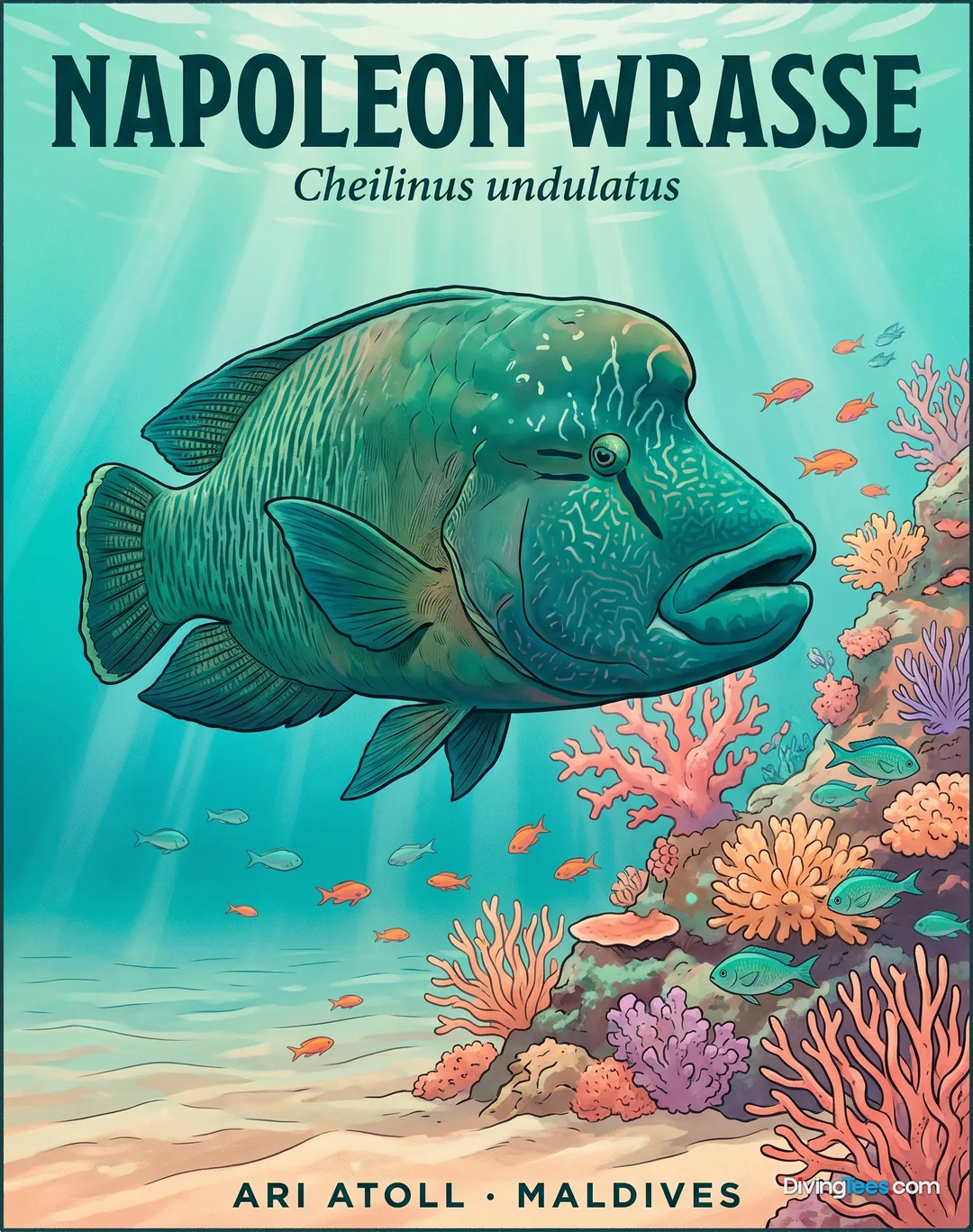
The Raja Ampat route runs round-trip from Sorong for 8 days and 7 nights, with conditions and currents deciding the final order of sites. At Manta Sandy, the focus is the cleaning stations where reef manta rays hover close to divers and snorkelers. Mike's Point combines reef overhangs packed with soft corals and sweetlips with a flatter plateau where eagle rays may pass; its maximum depth is -40m. Cape Kri is the fish-school dive, with fusiliers, emperors, reef sharks and Napoleon wrasse moving through a site famous for 374 fish species recorded on one dive. Melissa's Garden is shallower coral architecture, with soft corals and staghorn formations; its maximum depth is -35m. Blue Magic brings schooling fish, giant trevally, dogtooth tuna, barracudas, wobbegongs and oceanic mantas. Sorido Wall adds barracudas, reef sharks and fusiliers along a wall, while Friwenbonda is a soft-coral wall rich in nudibranchs and pygmy seahorses. South Kri is a relaxed drift with macro life in the reef and fish schools in the flow. Ransiwor reaches -30m and centres on a cleaning station and yellow-back fusiliers. Cape Mansuar, Cross Over, Yenbuba Jetty, and Sawandarek complete the range with current-fed schooling fish, coral-covered pilings, blacktip reef sharks, macro life and giant green turtles.
Itineraries, dates and prices
Prices per person. Each month shows its lowest price: click a month, or pick an itinerary.
Next departures · 3 departuresfrom £5,332$7,128€6,368
November 2026
December 2026
See dates and prices
If you click these links and make a purchase on the partner site, DivingDeal may earn a commission, at no extra cost to you.
Dates and prices taken from Divebooker, updated 20 October 2026
What you’ll meet underwater
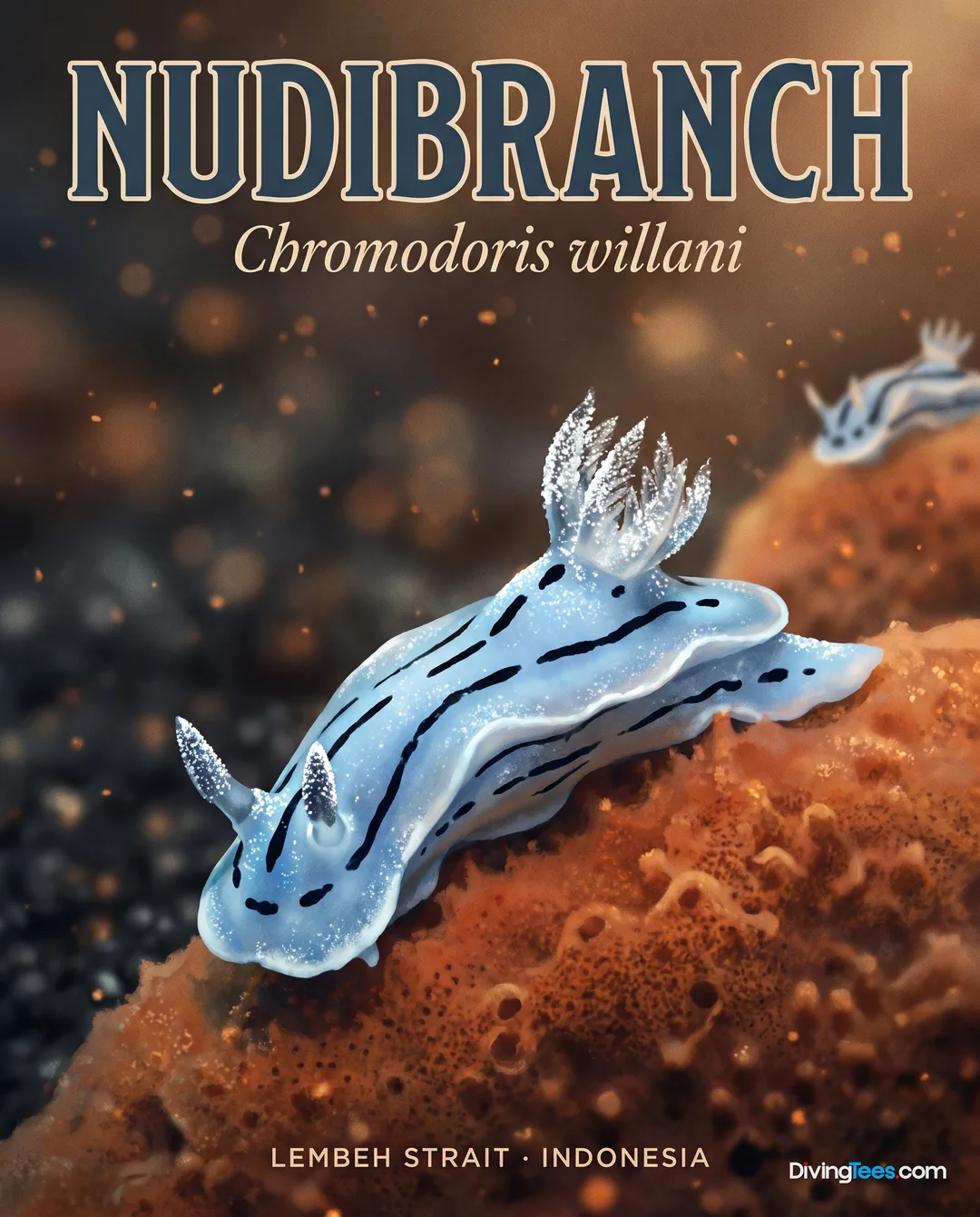
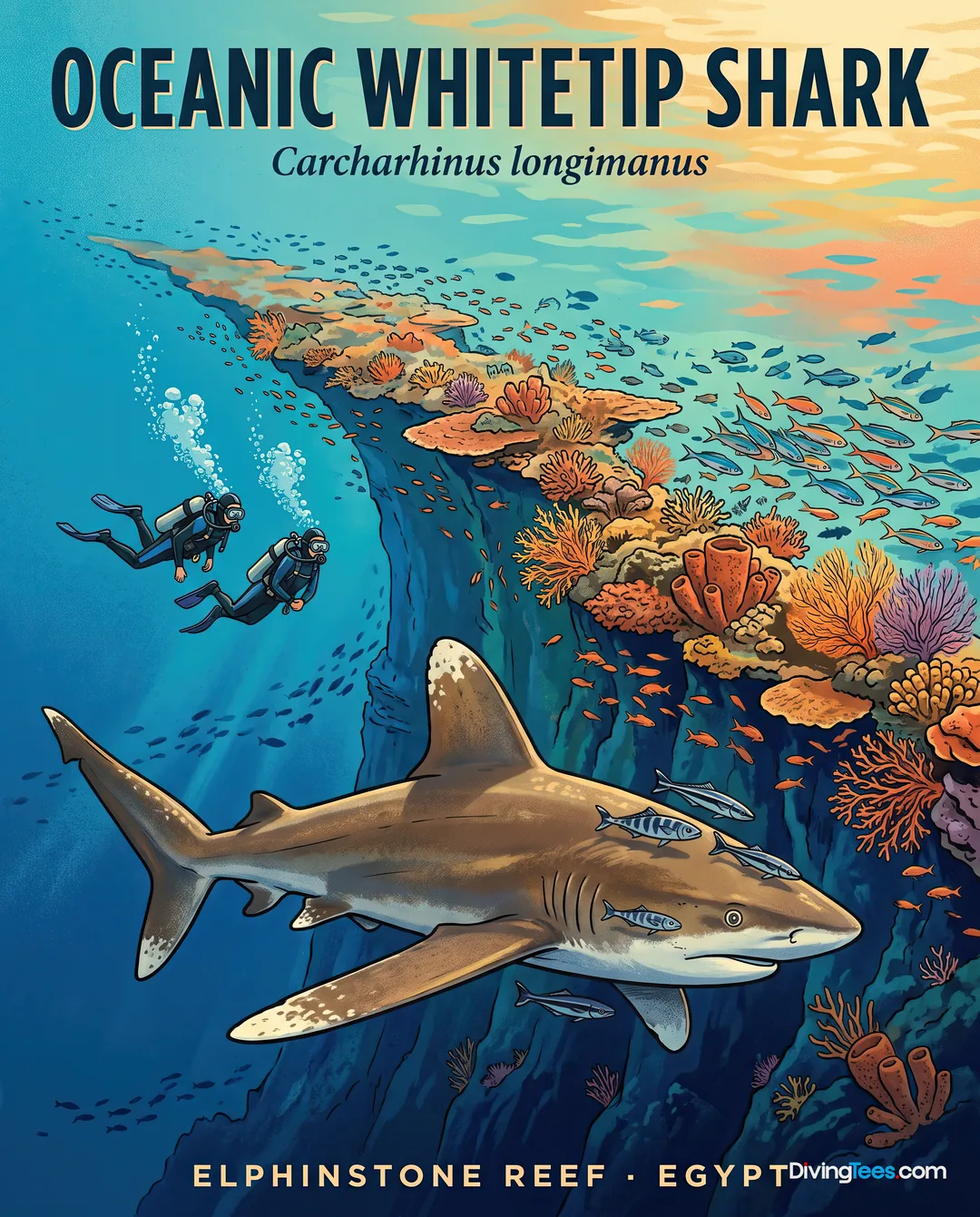
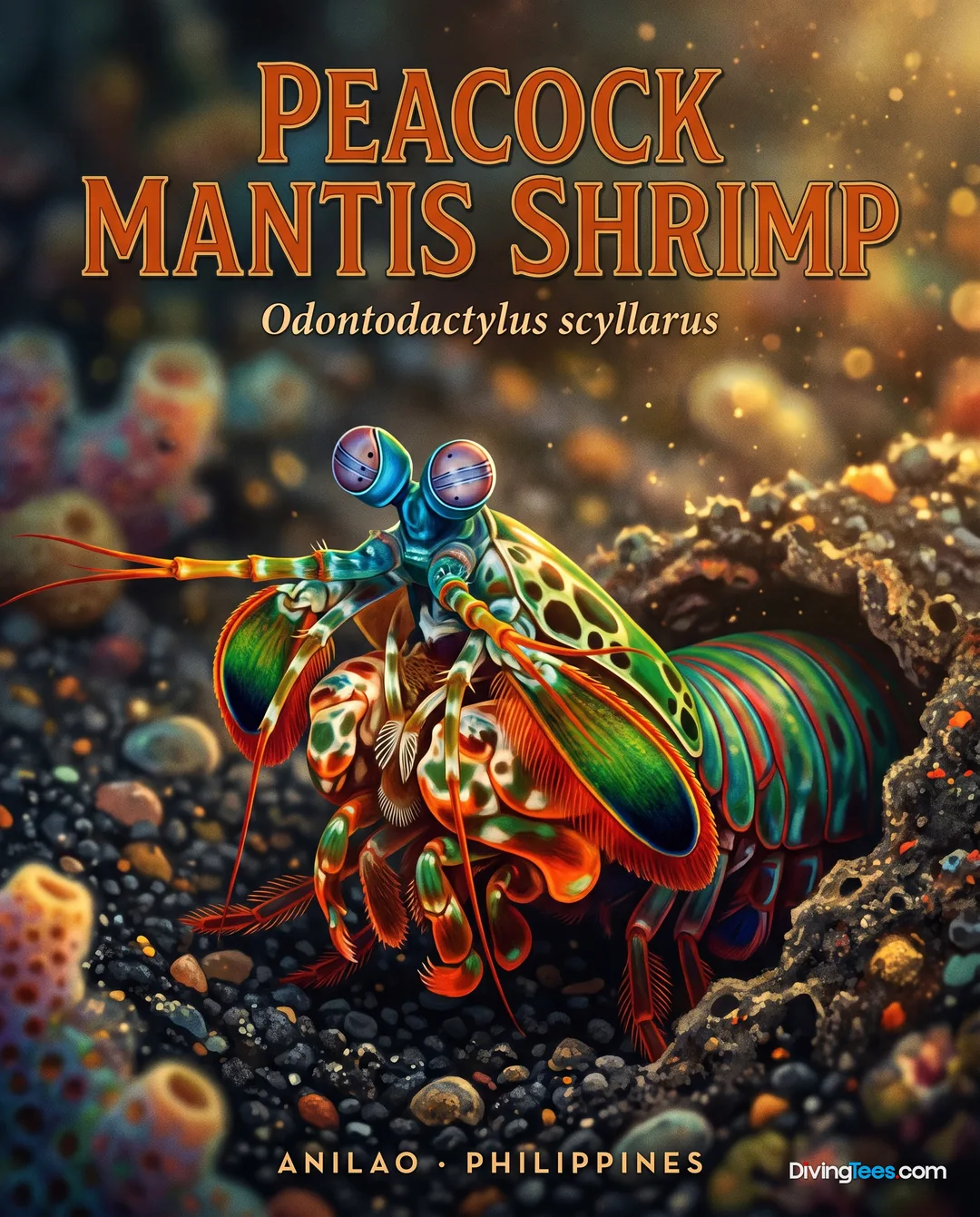
The recurring cast on this Raja Ampat route is substantial: barracudas, reef sharks, blacktip reef sharks, Napoleon wrasse, sea turtles, groupers, eagle rays, trevally, fusiliers, sweetlips, humphead parrotfish, soft corals, nudibranchs and pygmy seahorses. Fish schools are not background scenery here; they gather where current and reef structure keep food moving, especially around walls, plateaus and passes. The site-specific animals are what give the route its sharper edges. Cape Kri is the place for the giant grouper. Blue Magic is the named site for oceanic whitetip sharks and tuna, as well as oceanic mantas. Yenbuba Jetty is where anthias and damselfish join the fish swirling around coral-covered pilings. Ransiwor offers the recorded chance of titan triggerfish, peacock mantis shrimp and octopus around its cleaning stations. South Kri is the site associated with bigeye trevally, crabs and shrimp, while Sorido Wall is where surgeonfish add to the barracuda and shark traffic.

Who puts you in the water
Fenides asks for at least 25 logged dives and an AOWD qualification or equivalent, which matches the currents and drift-diving possibilities found around Raja Ampat. The crew speaks English and accompanies the dives, with briefings covering the site, the diving operation and the conditions before entry. The trip is not presented as a technical-diving platform, and diving lessons are available at extra cost. Groups, charters and non-divers are accepted, so the boat can work for a mixed party, but the published requirement makes clear that this is not a first liveaboard for a newly certified diver. The safety provision is described as full boat safety; no further emergency equipment or guide-to-diver ratio is specified.
The dive deck and the gear
The dive operation uses Bauer compressors and a CompAir membrane system, with nitrox included. The boat has a dedicated dive deck and two RIB tenders with console steering and 50 hp engines, so divers can reach the reef from the anchored vessel and return to the tender after surfacing. A camera room with six desks gives photographers a proper place to assemble and edit equipment rather than working on a cabin bed. Standard dive rental equipment is included; other equipment and upgraded kits are available at extra cost. Technical diving is not supported. The setup is therefore aimed at conventional recreational diving, with enough compressor and tender capacity for the boat's small guest group.
Between dives
Between dives, Fenides gives guests several ways to come down from the last descent. The sun decks provide loungers and open views, while the shaded saloon and bar are better for logging images, reading or getting out of the glare. The camera room has six workstations for photographers who want to deal with files before the next briefing. When the boat anchors near an island, guests can take a SUP or kayak towards the beach; wakeboarding and waterskiing are also available behind the tender. On a quieter afternoon, the best choice may simply be the air-conditioned cabin, a film and an hour without a wetsuit.
A day on board
A diving day starts before the boat feels fully awake. The first briefing leads to the opening dive, often a dawn or early-morning descent, followed by breakfast and time to deal with cameras, coffee and the first stories of the day. A second dive comes after the morning has brightened; lunch follows the middle of the schedule, then a third dive in the afternoon, often chosen for a lesser-known site or a macro search. Up to four accompanied dives are offered per day, including one dawn or night dive when the location suits it. The fourth dive is the optional night descent, when lights pick out hunting and hiding animals on the reef. Between entries, the boat may move to the next anchorage, or guests may take a SUP, kayak or tender ashore. Dinner and a dive log bring the day to a close.
What you eat aboard
Meals combine Western and local food, served buffet-style, with dietary restrictions accommodated. Breakfast follows the first dive, lunch lands after the middle of the diving day, and dinner closes the cycle after the final activity. That order suits a four-dive schedule: food is available when the tank is empty and the appetite has caught up, rather than interrupting the best part of the morning. The menu is designed for repeated diving, with snacks also available between activities. Drinks are included on board, while spirits, alcoholic drinks, mocktails and smoothies are charged separately.
Nights at sea
The cabins are Standard Double, Standard Twin and Master Suite, all with private bathrooms, hot-water showers, air-conditioning and in-cabin television and media systems. The Master Suite adds a double bed and a single day bed, while the other cabins are arranged for couples or divers travelling separately. Ironwood and teak set a warmer tone than a white-fibreglass interior, and the open-air spaces let the boat breathe between dives. At night, the practical luxury is the part that counts: a private shower, a cool cabin and a bed away from the saloon. The boat carries a maximum of 11 guests, so the social spaces are shared without turning the trip into a large group cruise.
Standard Double
Standard Twin
Master Suite
What to know before boarding
Raja Ampat departures and returns use the port of Sorong. Transfers between Sorong airport or a hotel and the port of embarkation are included. The transfer details are provided for the relevant departure location. Arriving in Sorong the night before is the sensible choice, leaving room for flight delays before boarding.
- Length
- 41 m
- Beam
- 7.7 m
- Maximum number of passengers
- 11
- Number of cabins
- 5
- Engines
- Yanmar 6HA2 m WDT (298kw/405 hp)
- Tenders
- 2 × RIB, console steering, 50 hp
- Website
- fenidesliveaboard.com ↗
Hello, I'm Marina, DivingDeal.com's AI assistant. I answer in detail about hotels, dive centres and liveaboards.
Thinking about the whole trip and the flights? Talk it over with Edith →
Marina is an AI. Some links are affiliate links: DivingDeal may earn a commission, at no extra cost to you. Bookings are made with the partner.