Liveaboards · Indonesia
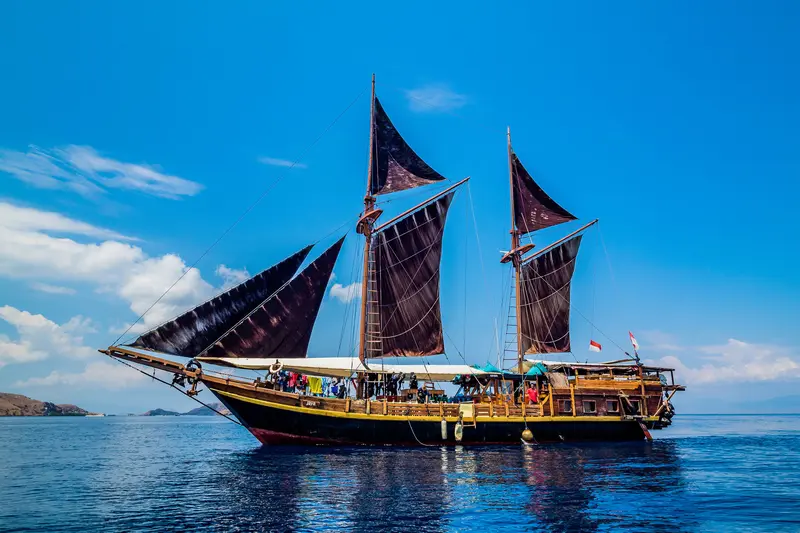
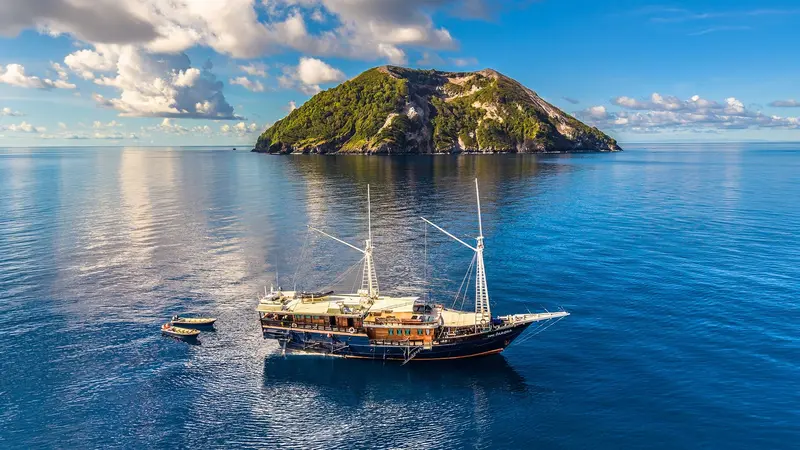
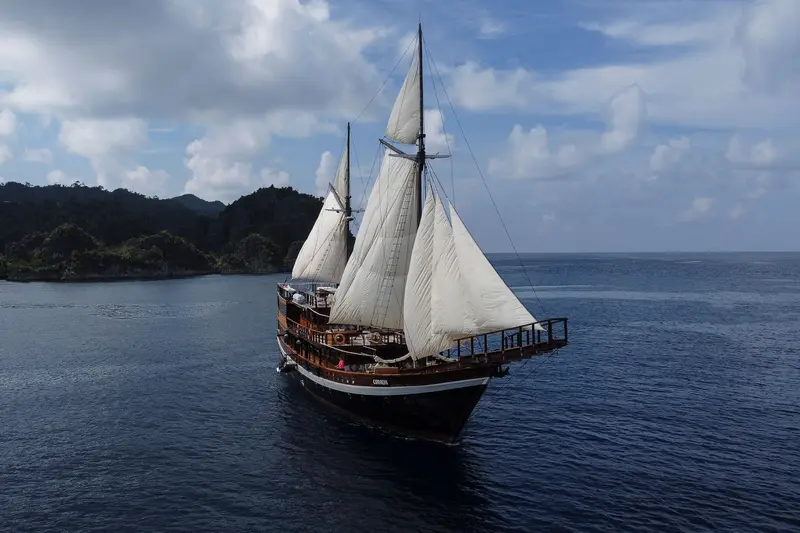
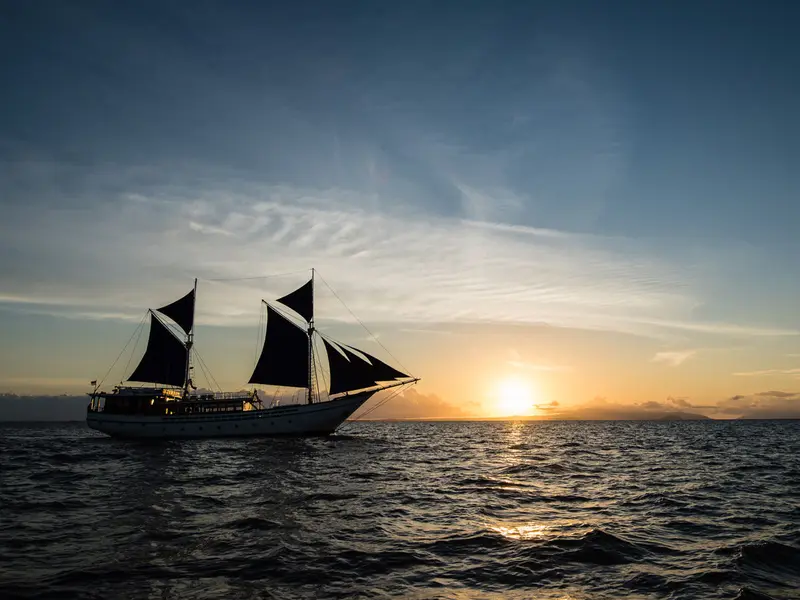
Hatiku — a small-group Pinisi built around the diving
What makes this boat unique
- Hatiku is a traditional Indonesian wooden Pinisi renovated in 2025 for up to 14 divers.
- Seven air-conditioned cabins include one ocean-view cabin on the main deck and six lower-deck twin cabins.
- The dive operation has two Yamaha 100HP tenders, shaded preparation space, DIN adapters, camera rinse facilities and night dives.
- Raja Ampat departures run from Sorong to Sorong, with Central Raja Ampat trips lasting 8 days and 7 nights and Misool trips lasting 9 days and 8 nights.
For subtitles in English: start the video firstthen click the gearat the top right of the video, select “Subtitles/CC”, then “Auto-translate” and choose “English”.
The invitation
Hatiku is for divers who would rather spend a week in Raja Ampat with a small group than disappear into a large vessel. The boat keeps the focus where it belongs: on getting into the water often, returning to a quiet deck, and reaching reefs where manta rays, schooling fish and small reef life share the same route. Its traditional Pinisi form gives the trip a distinctly Indonesian setting, while the 2025 renovation keeps the practical parts current. The reason to choose it over a bigger boat is simple: with space for 14 passengers and a crew-to-passenger ratio close to one, the operation can stay personal without turning the vessel into a private yacht. It suits divers who want serious access to Raja Ampat and enough room to recover between dives, not a floating resort built around the lounge.
Boarding
From the dock, Hatiku presents itself as a wooden Indonesian Pinisi: a working-looking dive vessel rather than a white hotel at sea. Its traditional construction gives the boat its character, while the 2025 renovation shows where comfort and function have been brought up to date. Once aboard, the movement is straightforward. The dive area, indoor dining and lounge space, terrace and cabin deck are arranged for a week spent changing between wet gear, meals and sleep. There is one 600HP engine, so the boat has a more direct, working-boat feel underway than a silent sailing retreat. The speed is useful for moving between Raja Ampat areas, but the boat is here to support the dives, not to make a show of the crossing.
The atmosphere on board
Hatiku is sized for a group that can become familiar quickly without needing to force a social atmosphere. The local crew speaks English and Indonesian, and the close crew-to-passenger ratio keeps service personal rather than anonymous. Their real value shows in the repeated small jobs of a dive day: helping the operation move cleanly from meal to briefing to water, then leaving divers time to relax when they return. The boat's atmosphere is built less by formal entertainment than by shared anticipation before a dive, laughter around the table and the quiet satisfaction after a good ascent. Evenings can stay social in the lounge or outside on the terrace, but nobody is pushed into a programme after four dives. That balance is what makes a small liveaboard stay pleasant over a full week.
The sites you’ll dive
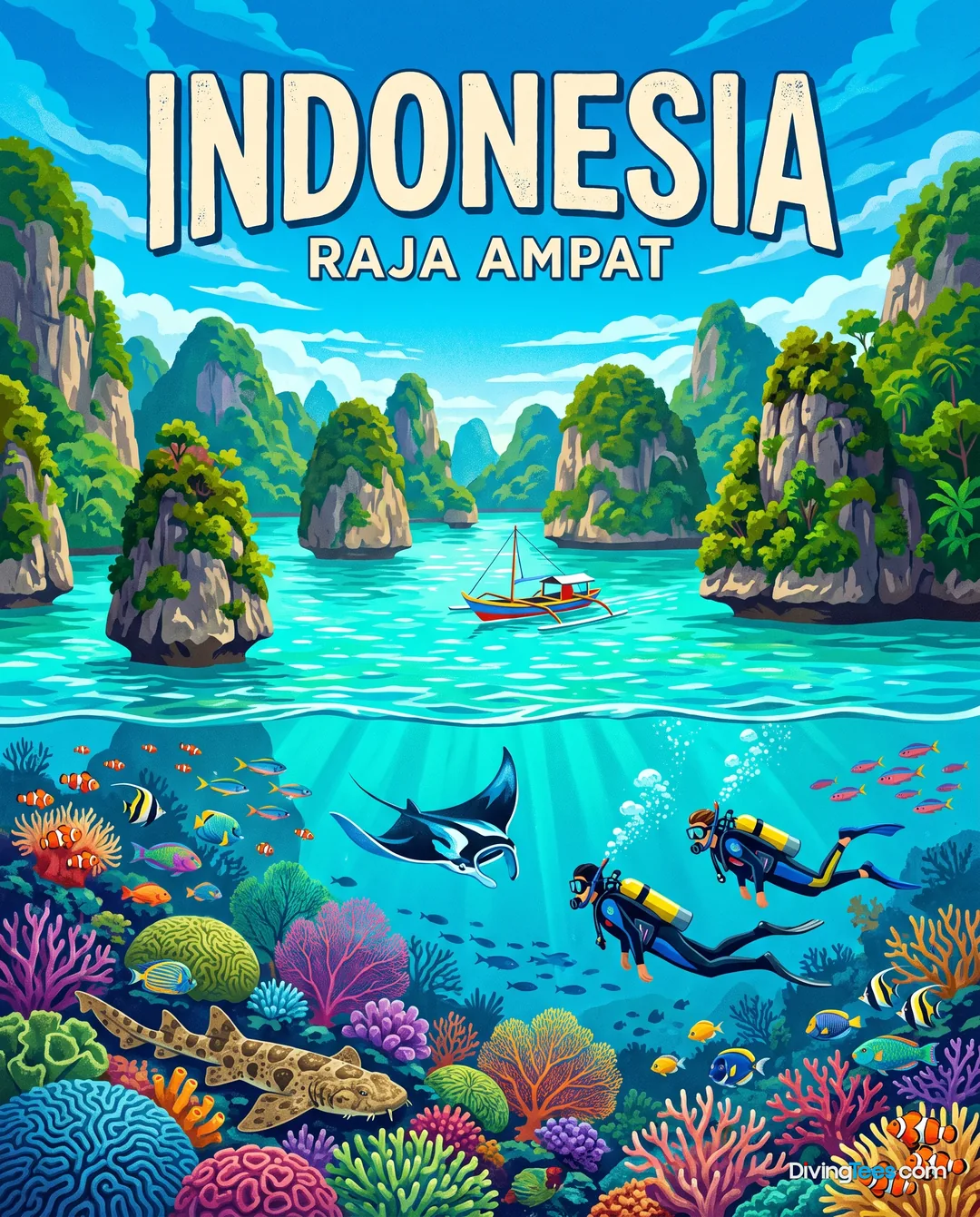
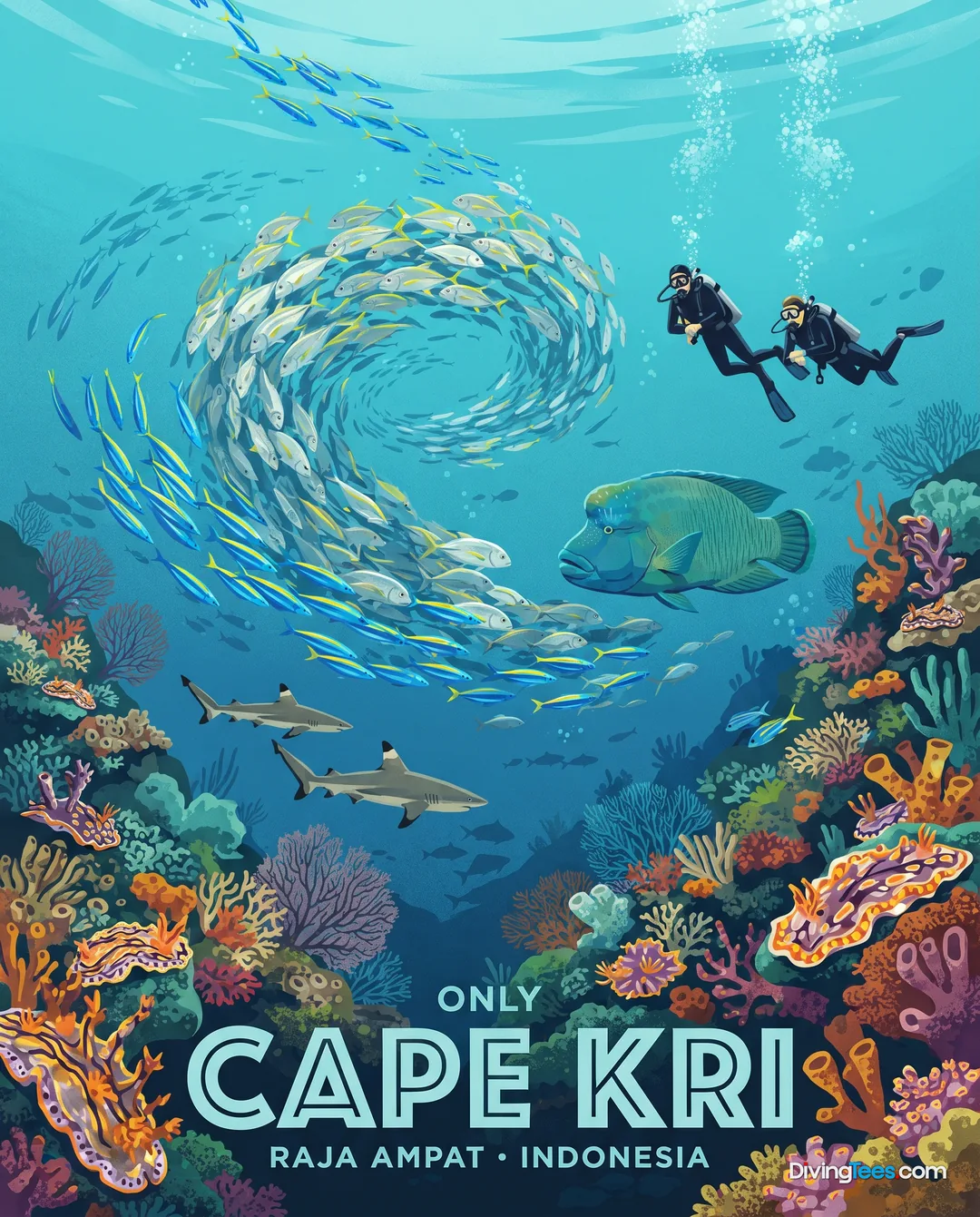
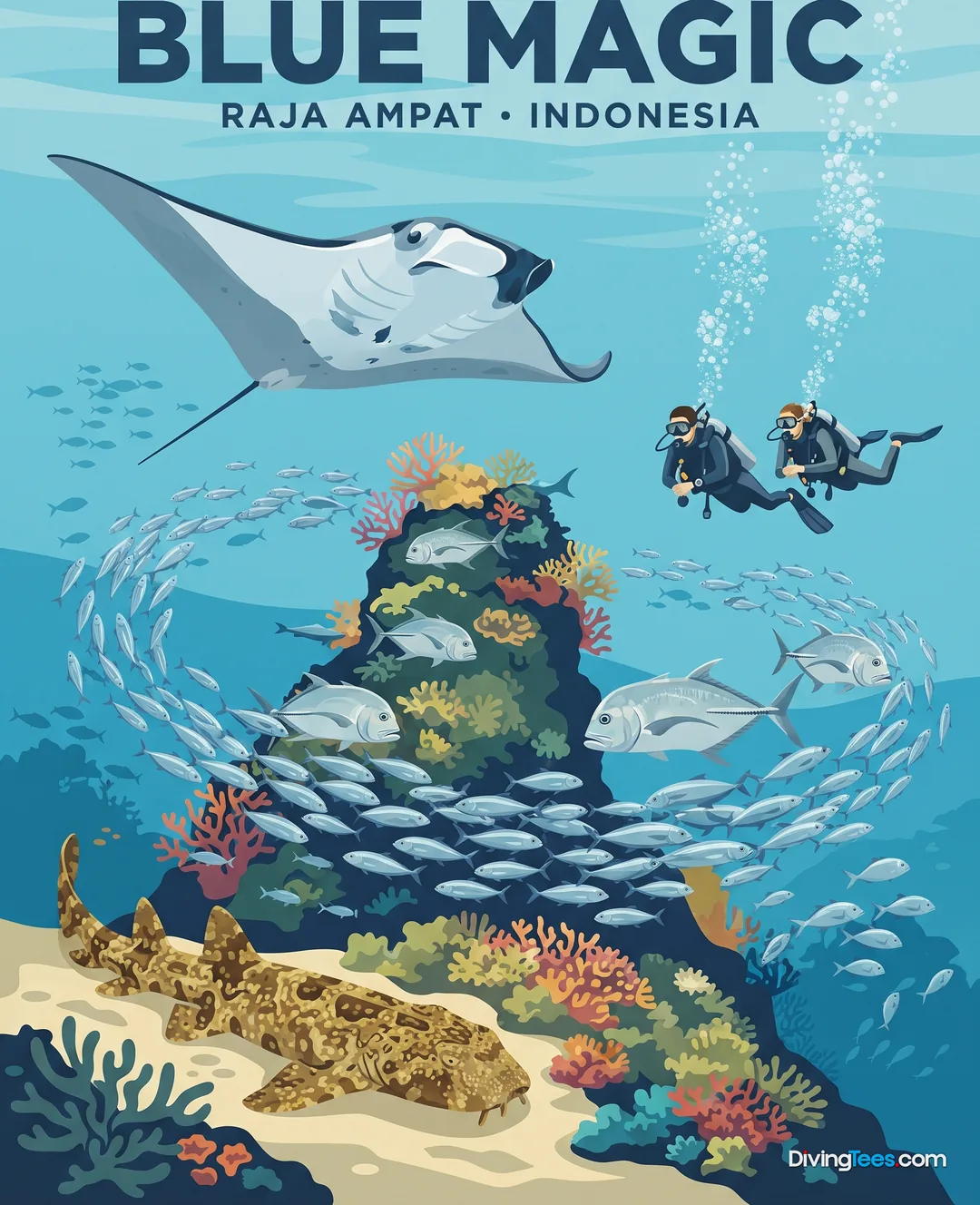
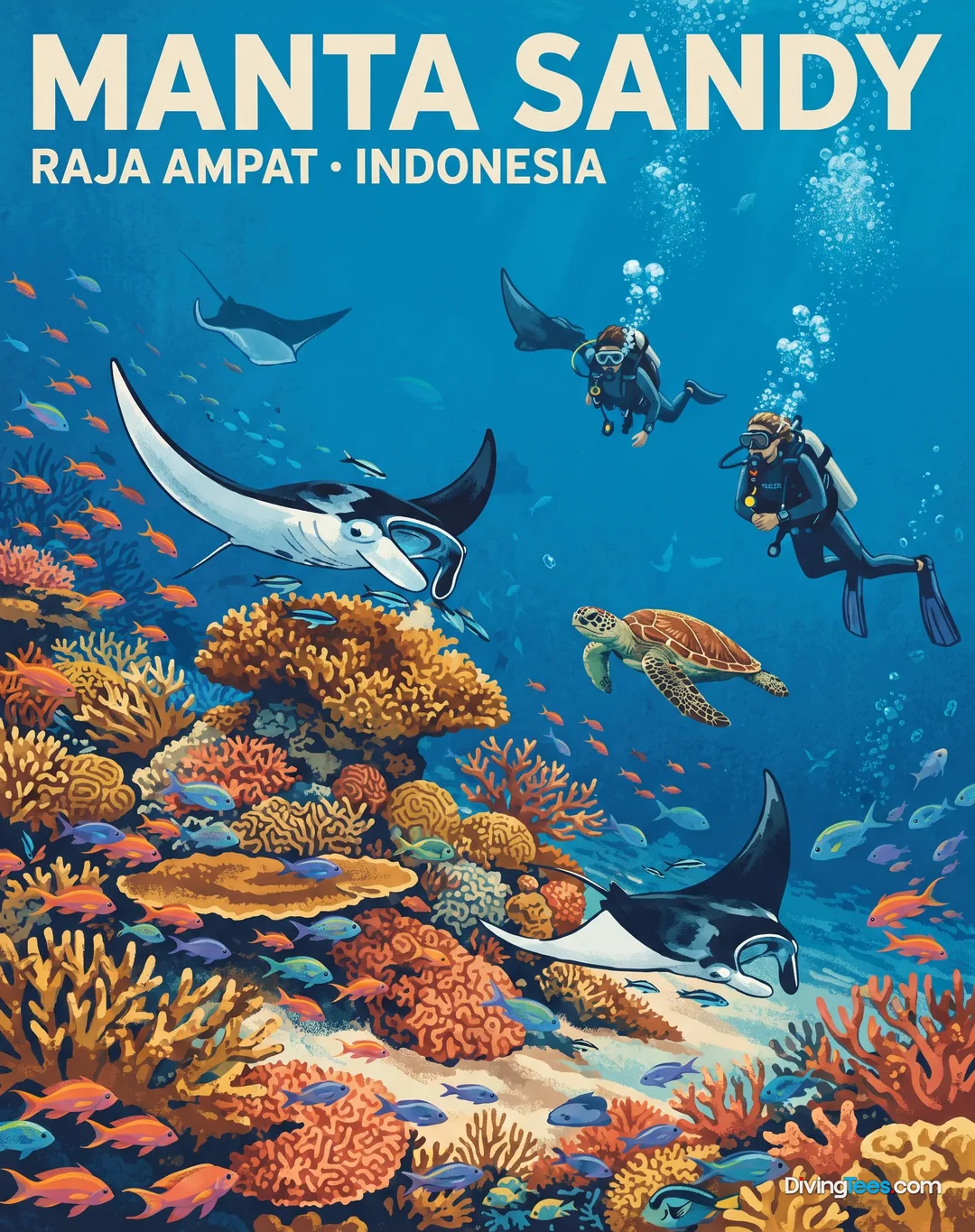
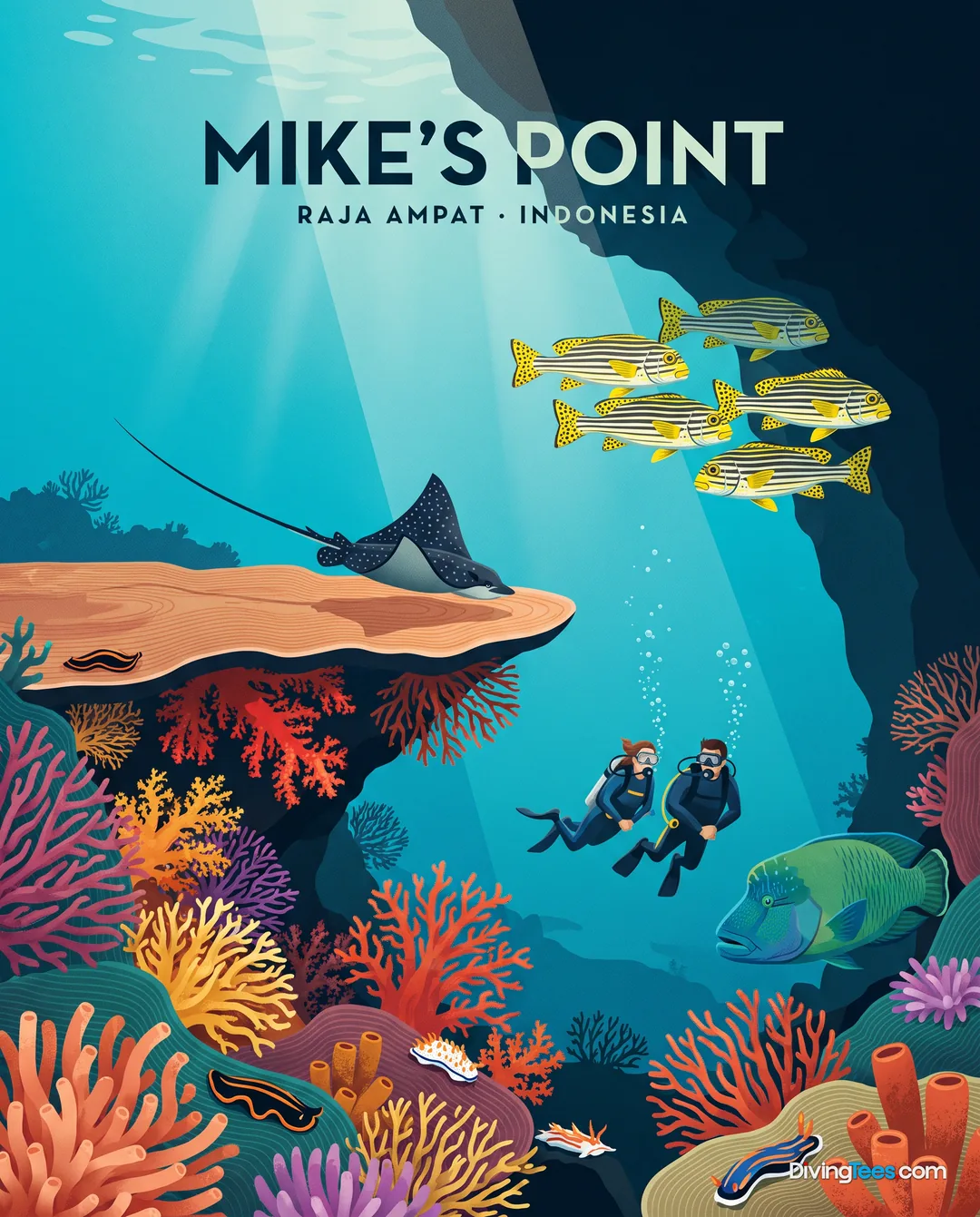
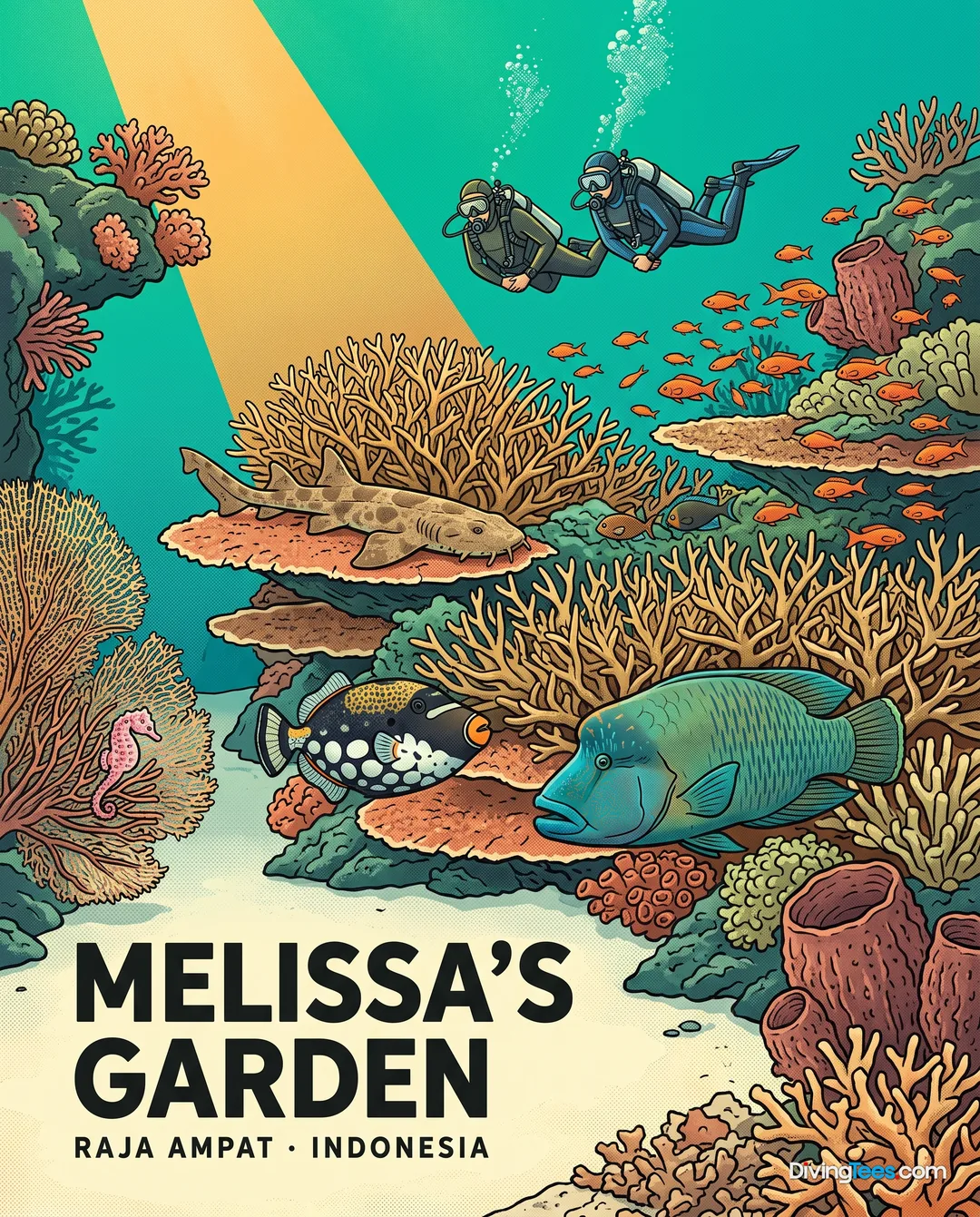
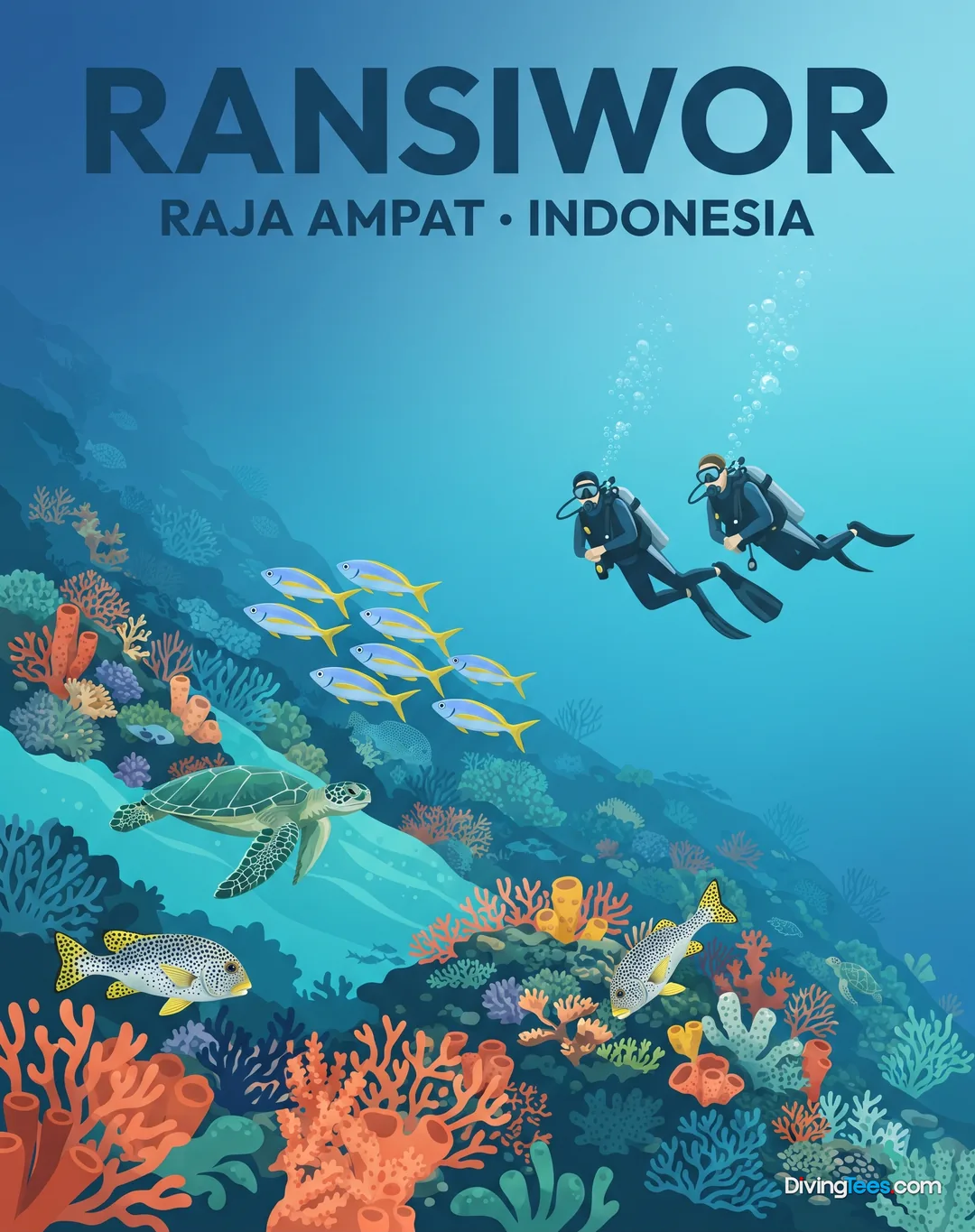
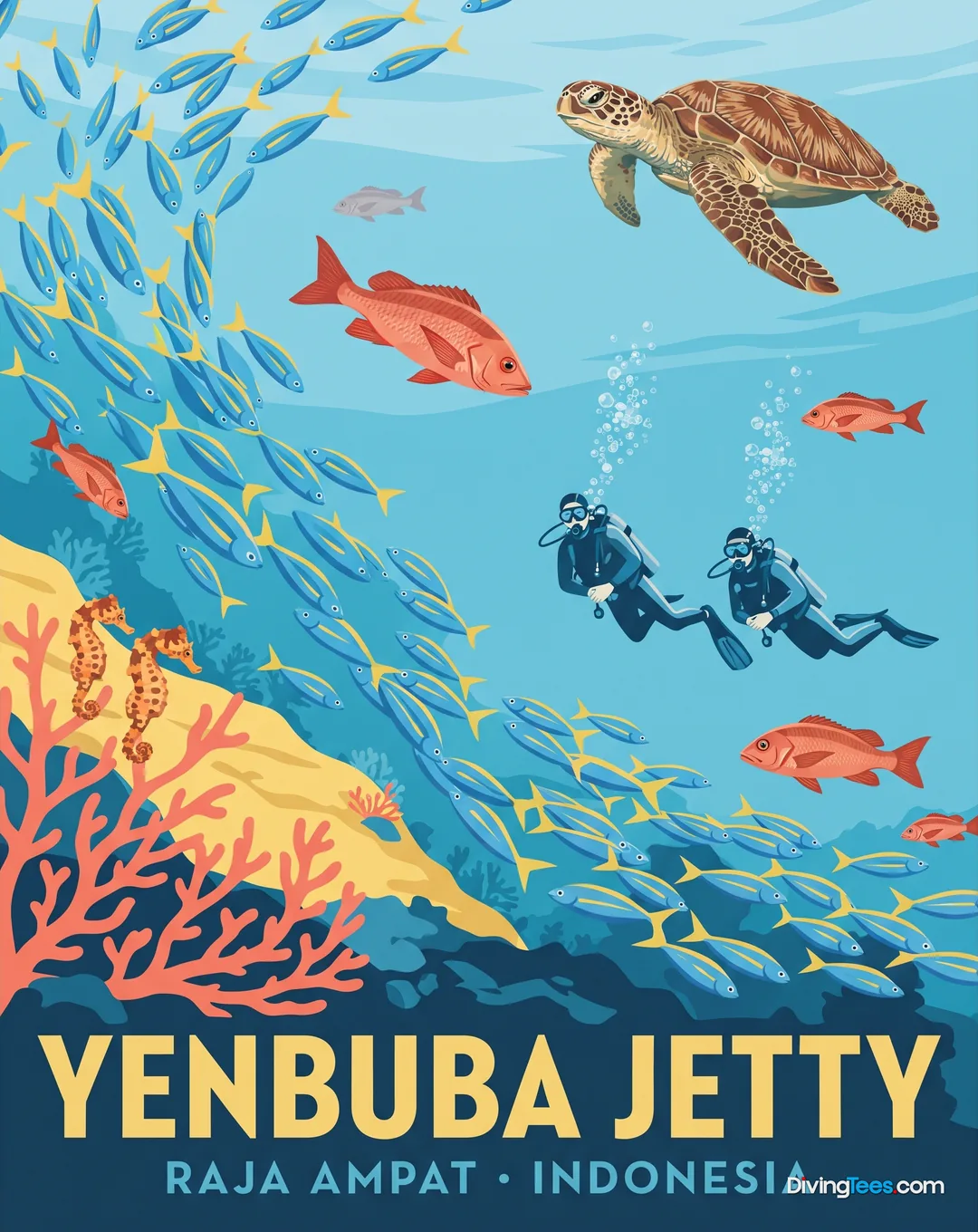
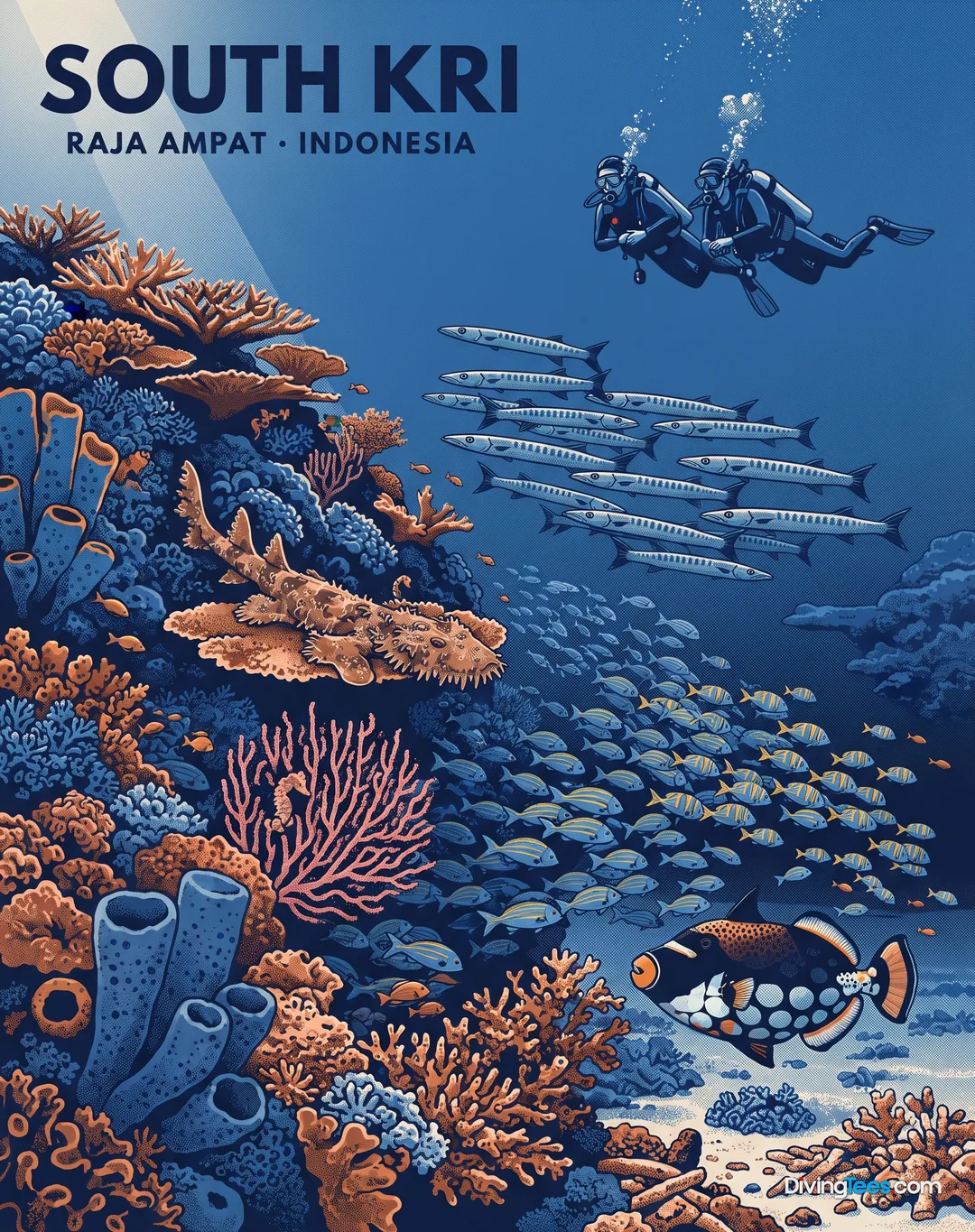
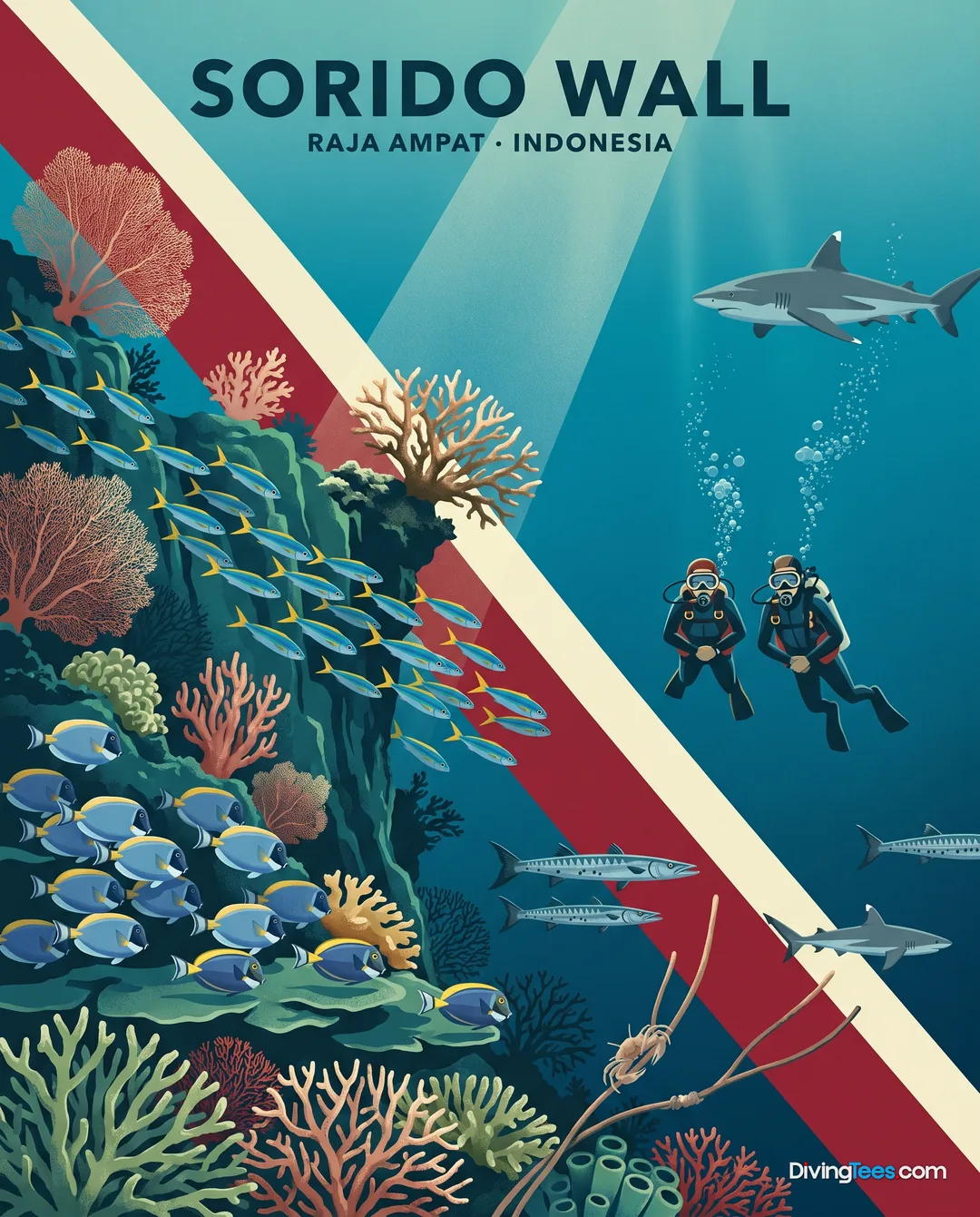
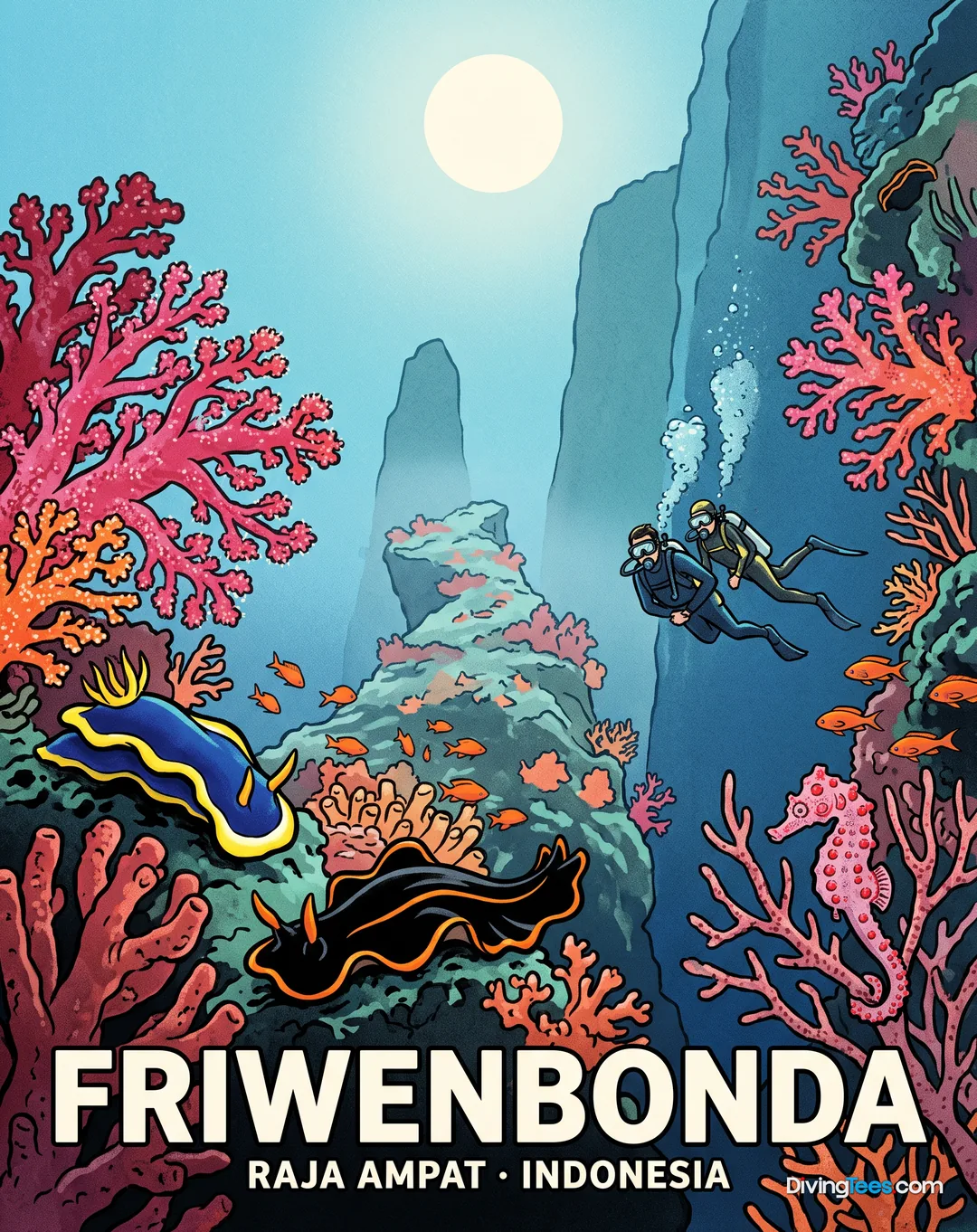
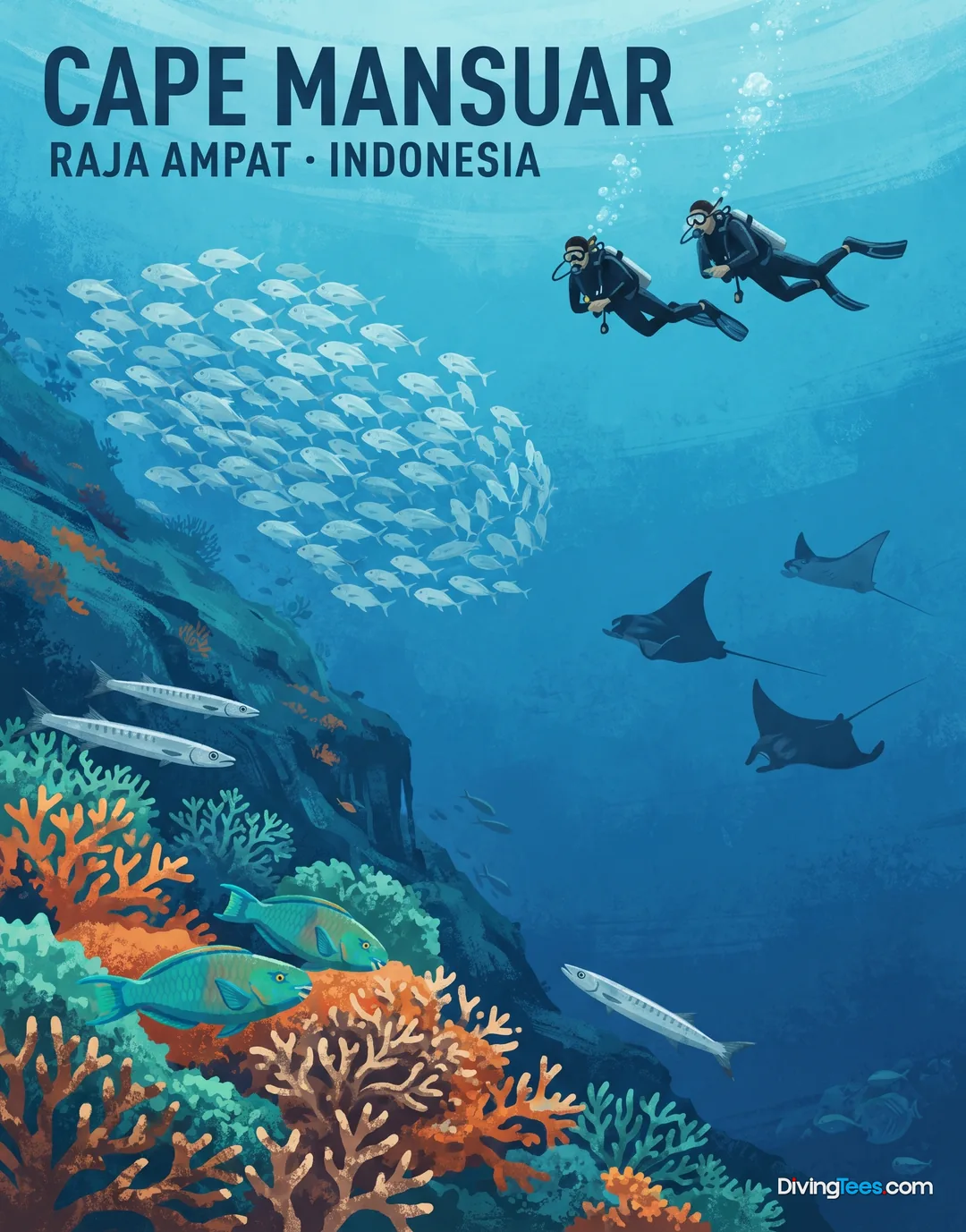
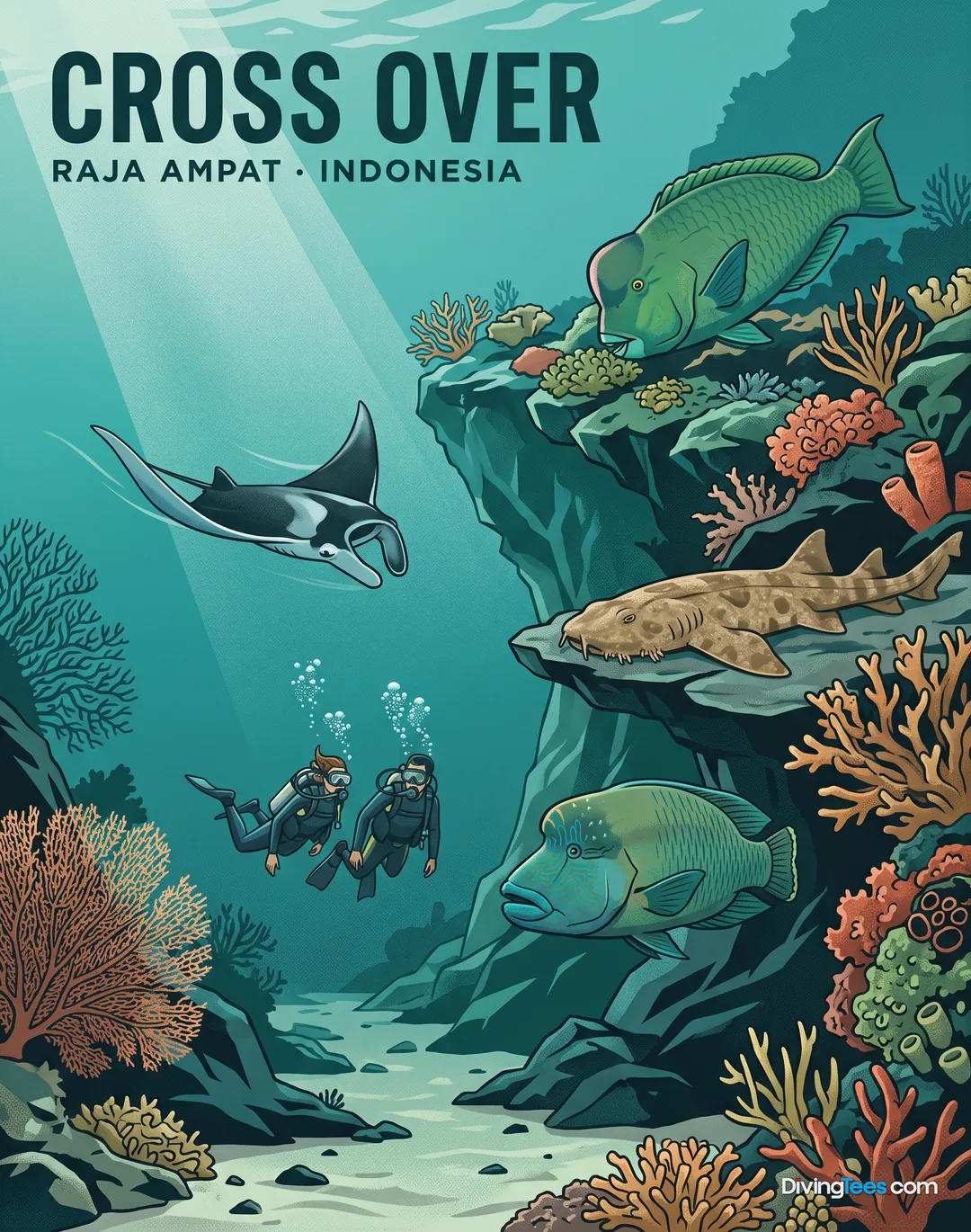
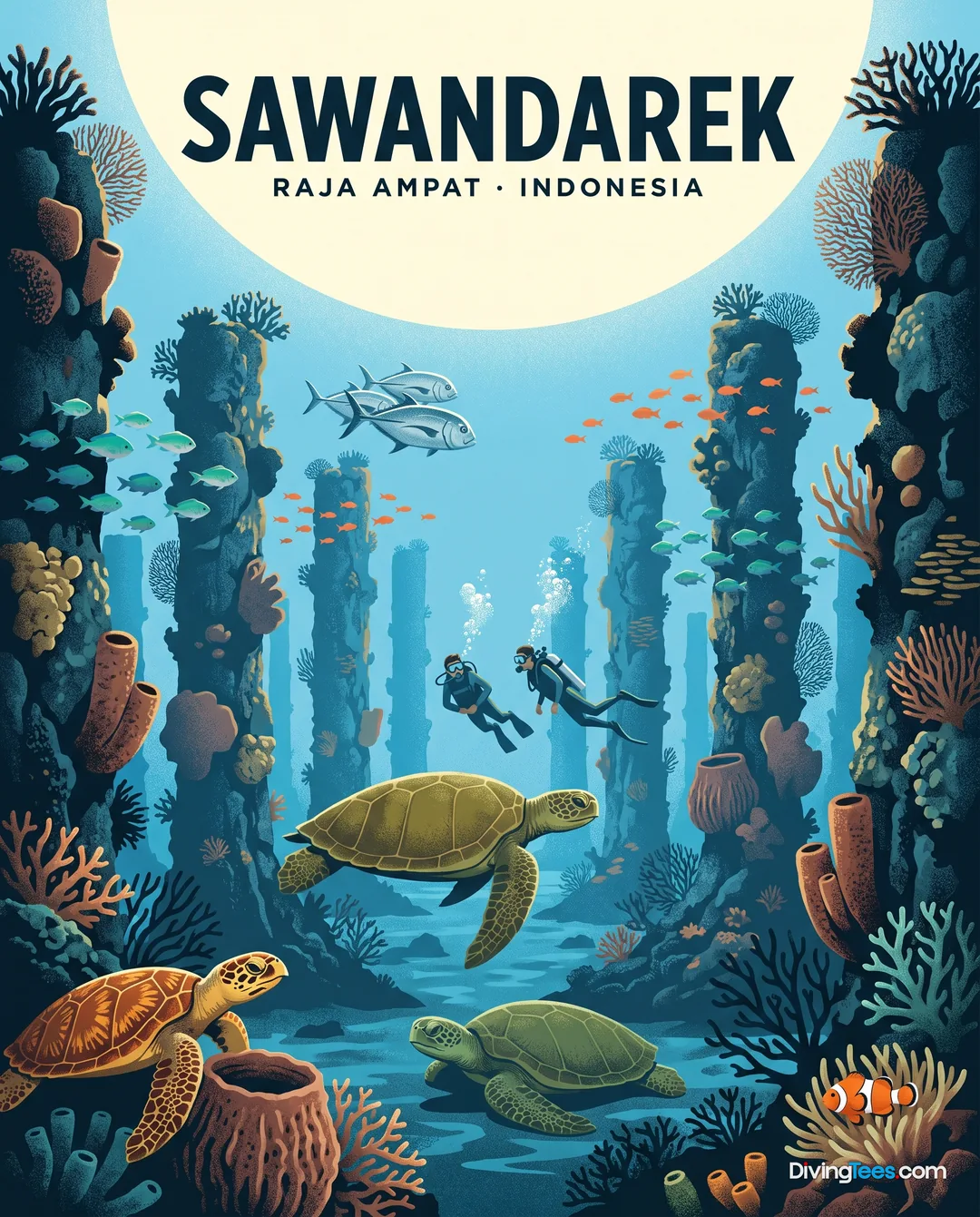
Raja Ampat gives Hatiku a route with very different kinds of diving rather than one repeated reef profile. Central Raja Ampat departures run for 8 days and 7 nights; Misool departures run for 9 days and 8 nights, both from Sorong to Sorong. At Cape Kri, dense schools of emperors and fusiliers move over a reef famous for 374 fish species recorded on one dive. Blue Magic brings schooling fish, giant trevally and the possibility of oceanic manta rays, while Manta Sandy is built around manta rays hovering over cleaning stations. Mike's Point has reef overhangs, soft corals and a flat plateau where eagle rays may pass, with a maximum depth of -40m. Melissa's Garden combines soft coral with staghorn formations to -35m. Ransiwor slopes gently to -30m and its cleaning stations attract yellow-back fusiliers, turtles and reef sharks. Yenbuba Jetty starts beneath fish-filled, coral-covered pilings and continues onto a sloping reef to -30m. South Kri is a current-carried drift with macro life below and schooling fish above; Sorido Wall brings barracudas and reef sharks along a wall crowded with fusiliers and surgeonfish. Friwenbonda, Cape Mansuar, Cross Over and Sawandarek add soft-coral walls, current-swept reefs and shallow turtle encounters.
Itineraries, dates and prices
Prices per person. Each month shows its lowest price: click a month, or pick an itinerary.
Next departures · 23 departuresfrom £2,663$3,559€3,180
November 2026
December 2026
March 2027
April 2027
See dates and prices
If you click these links and make a purchase on the partner site, DivingDeal may earn a commission, at no extra cost to you.
Dates and prices taken from Divebooker and liveaboard.com, updated 25 October 2026
What you’ll meet underwater
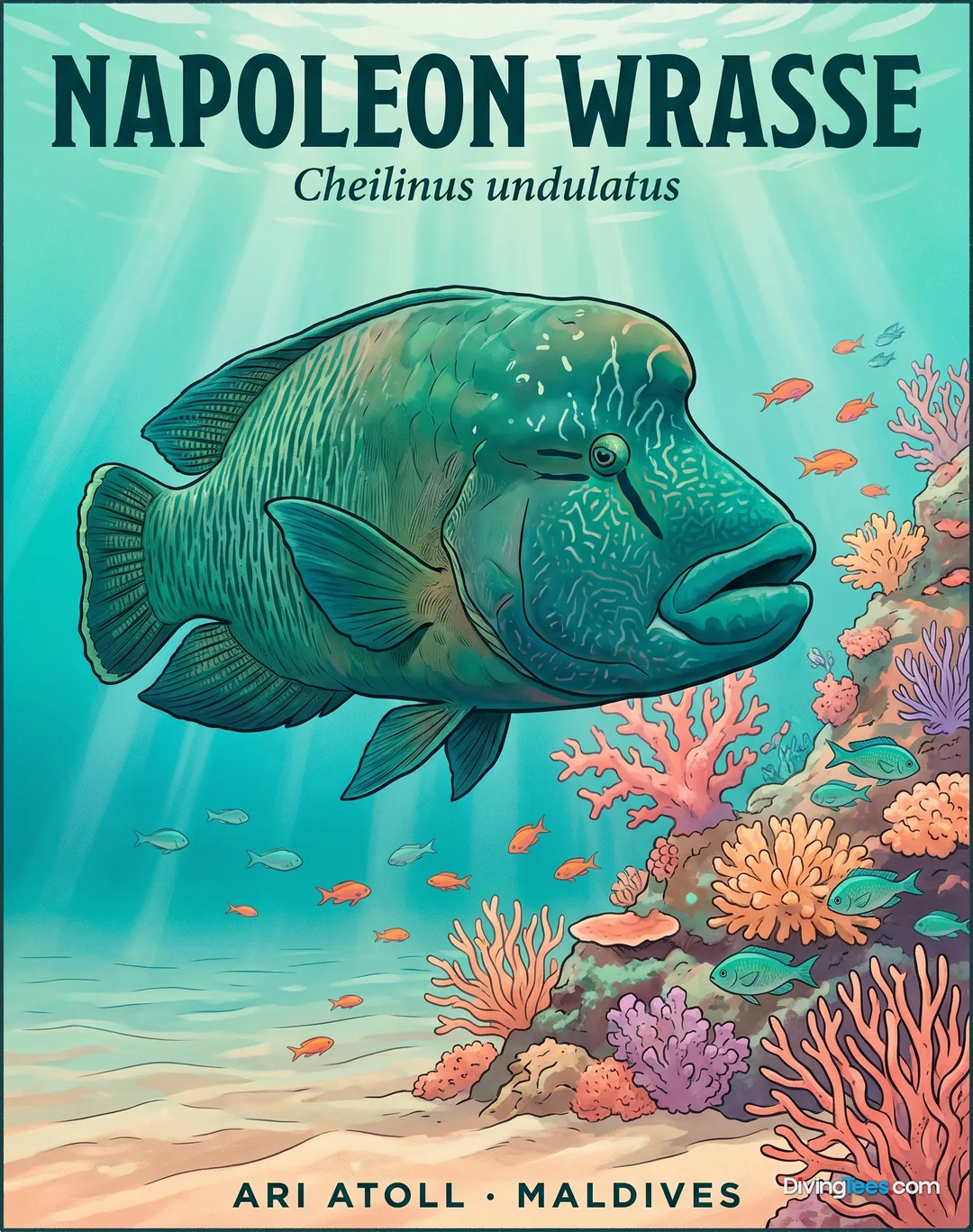
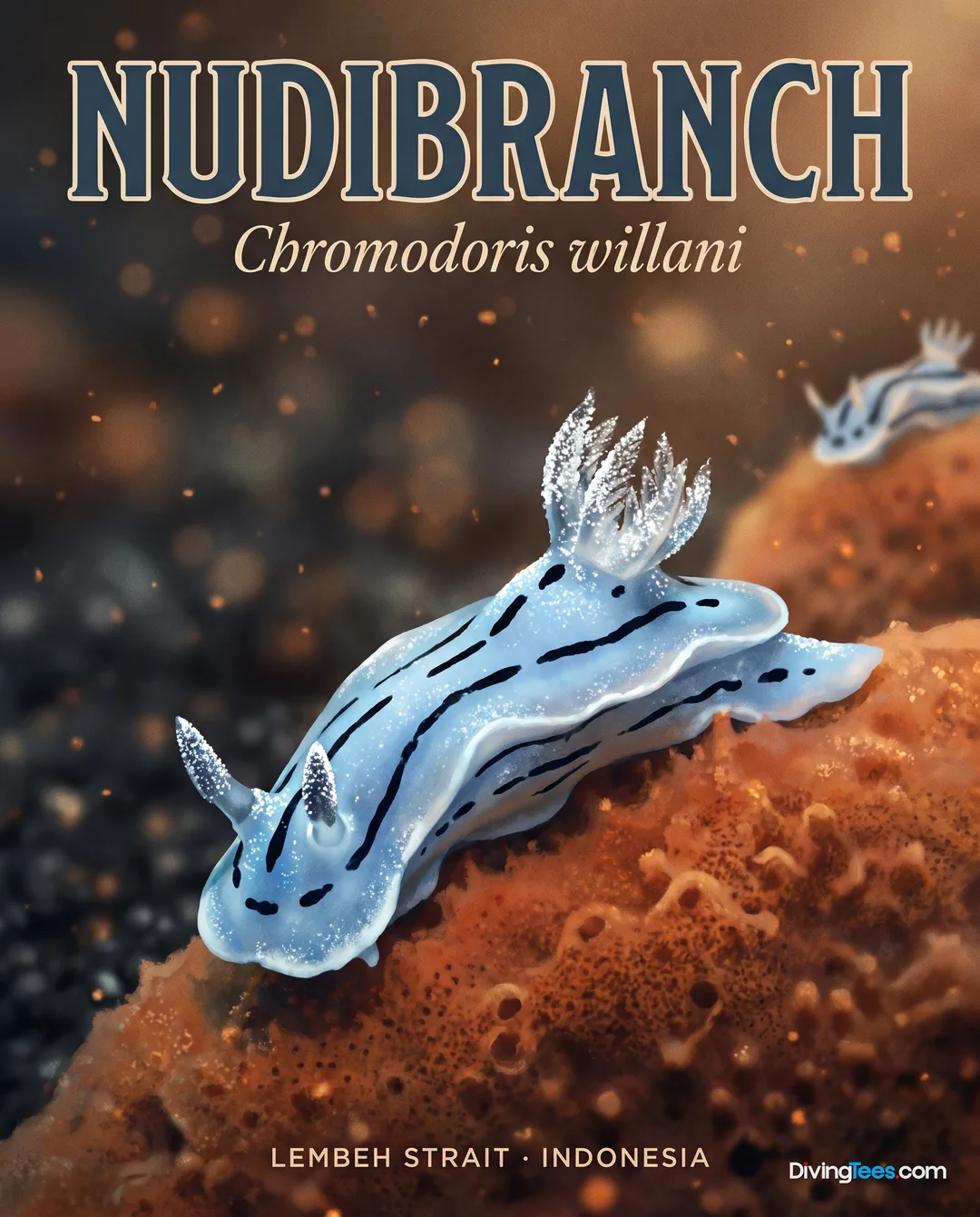
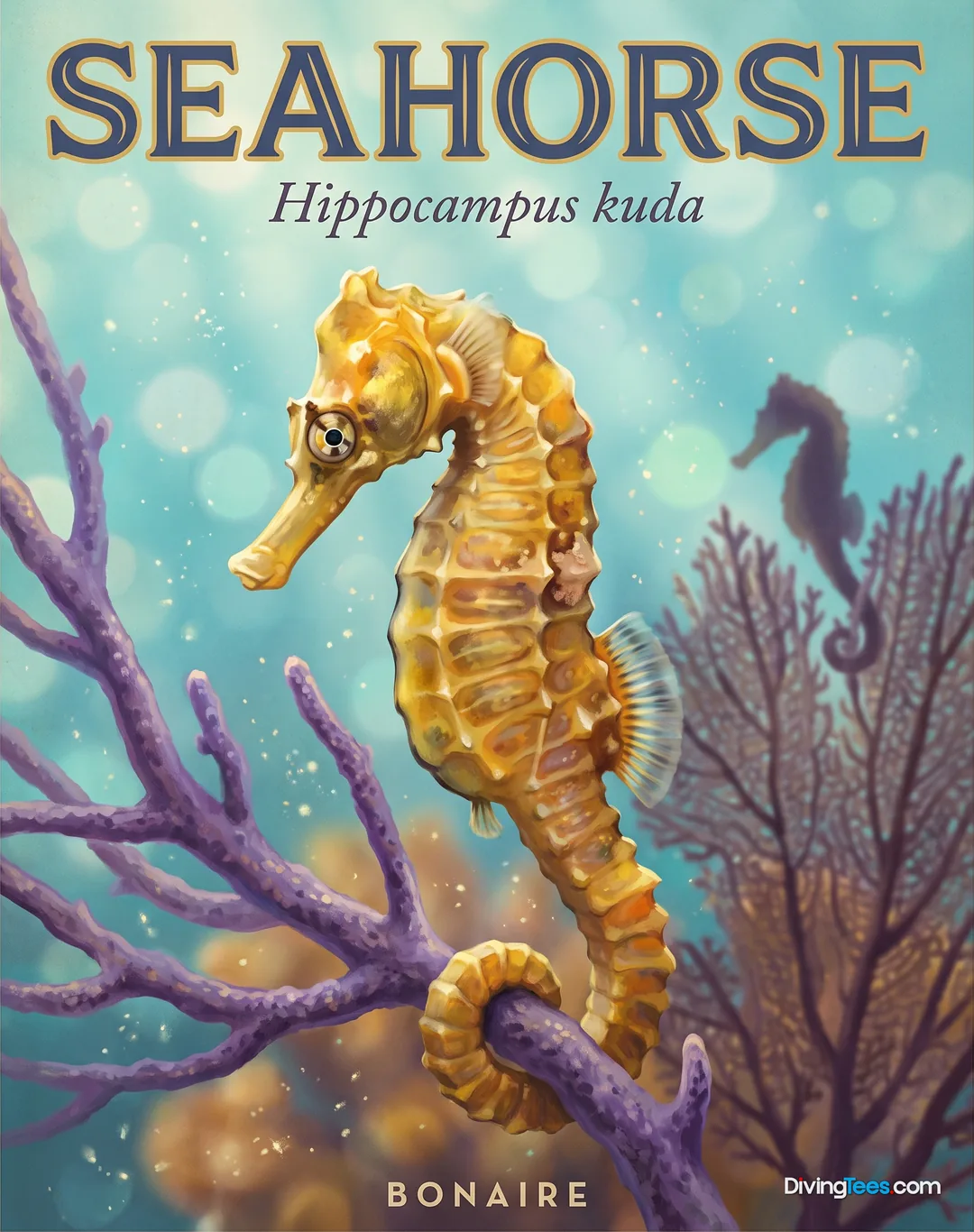
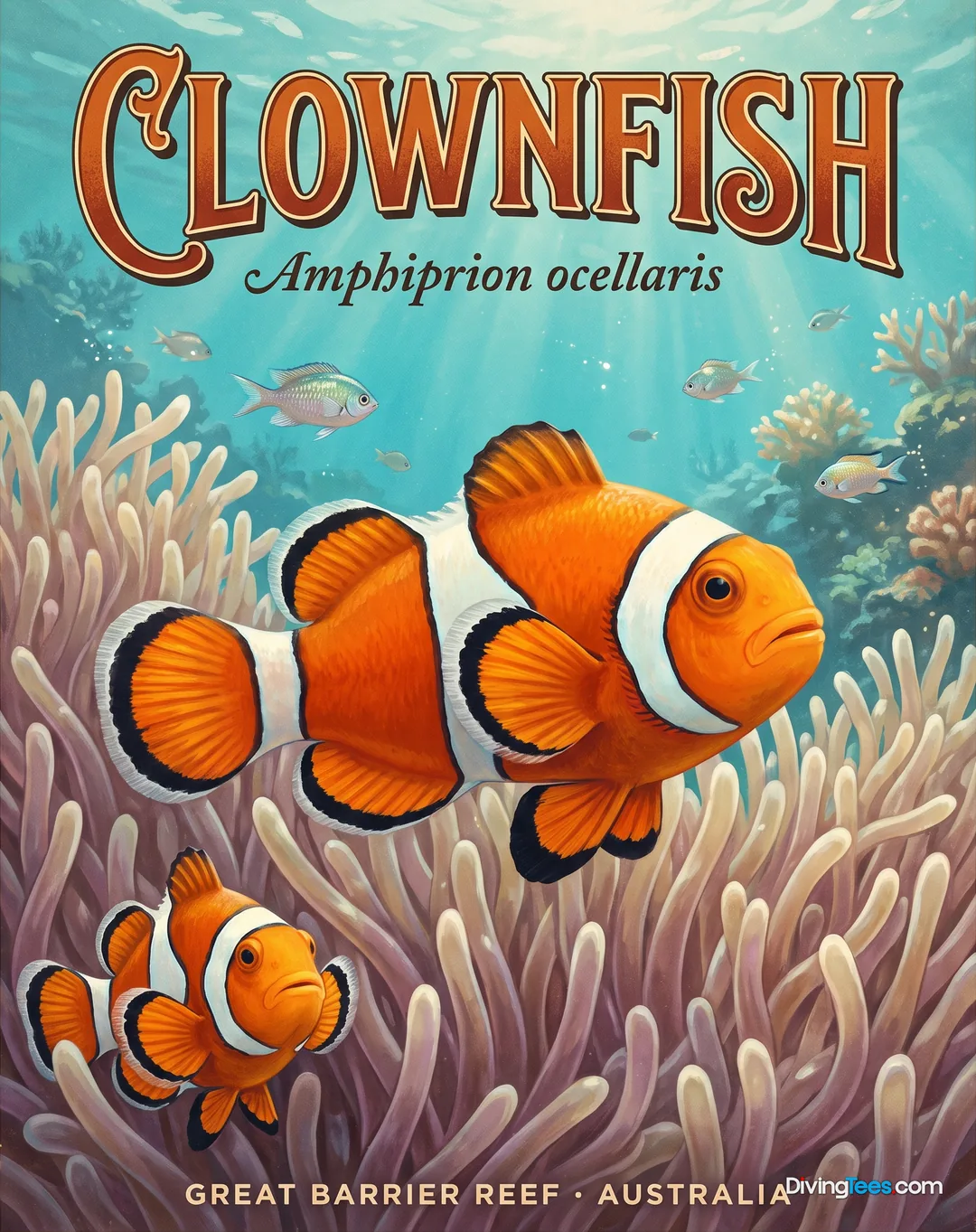
Across this Raja Ampat route, the recurring spectacle is movement: barracudas, trevally and fusiliers in open water; reef sharks, turtles, Napoleon wrasse, sweetlips and humphead parrotfish along the reef; and nudibranchs and pygmy seahorses for the diver who slows down. Soft coral appears on several sites, often turning walls and slopes into colour rather than bare relief. The site-specific encounters give the route its sharpest reasons to go. Cape Kri is the place associated with giant grouper and white-tip reef sharks. Blue Magic is where oceanic reef sharks, tuna and oceanic manta rays enter the picture. At South Kri, big-eye trevally, crabs and shrimp sit alongside the schooling fish. Yenbuba Jetty is especially suited to close inspection around the pilings, where anthias and damselfish mix with pygmy seahorses, pipefish, nudibranchs and crustaceans. Ransiwor can produce an octopus and a clownfish among its cleaning-station traffic. Sorido Wall adds surgeonfish to the barracuda-and-shark patrol. Manta Sandy is the focused manta encounter, with cleaning stations bringing the animals to one place for divers and snorkelers.

Who puts you in the water
Diving is supported by experienced instructors and dive guides, with English and Indonesian spoken by the crew. PADI and SSI training is available on board, including Advanced Open Water and Nitrox training; the Nitrox course uses e-learning material that can be downloaded before the boat leaves reliable internet coverage. Certified Nitrox divers need to show proof of certification for the unlimited Nitrox option. The setup suits divers who want guided reef, drift and pelagic diving as well as further training. Safety equipment includes oxygen, first-aid kits, fire alarms and extinguishers, life rafts, lifejackets, VHF/DSC/SSB radio, GPS, radar, sonar, an emergency position-indicating beacon and satellite communication. The crew is trained in first aid.
The dive deck and the gear
The dive deck is shaded and designed for repeated diving, with a dedicated platform, tank preparation space and separate rinse facilities for cameras. DIN adapters are available, as are rinse tanks and sidemount diving with a single cylinder. Nitrox is available for certified Nitrox divers; unlimited fills are offered at 29% up to 32%, with proof of certification required, and Nitrox student fills at 32% are available to divers taking the course on board. Rental equipment includes 15-litre tanks, BCDs, regulators, computers, lights, wetsuits and full or partial packages; rental is an extra, not standard equipment. Two Yamaha 100HP tenders carry divers to and from sites, reducing the need to move the main vessel onto every reef. Oxygen, first-aid kits and other emergency equipment are carried on board.
Between dives
Between dives, Hatiku gives the group several ways to get out of the gear and away from the compressor area. The shaded dive space leads naturally to the terrace, while the lounge offers air conditioning, video entertainment and a quieter place to sit. Kayaks and a stand-up paddleboard are available when the boat anchors in a calm bay, and beach barbecues or shore excursions provide a change from the deck. The VR game room is an unusual touch on a dive boat: useful when weather, a crossing or simple fatigue leaves an afternoon without a dive. The point is not to fill every surface interval. It is to make it possible to choose between movement, shade and doing nothing until the next tank is ready.
A day on board
A day on Hatiku is organised around the next dive rather than around a clock. The first briefing comes before the opening dive, followed by breakfast and the familiar sequence of water, surface interval, food and another briefing. Raja Ampat itineraries generally allow three to four dives in a day, with the exact pattern shaped by the site and the crossing. Lunch appears between dives; later, divers return to the shaded deck, the lounge or the sea-facing terrace while tanks are prepared again. When the boat is underway, the gap becomes a passage between reefs rather than dead time, and kayaks or a shore visit may replace a dive when the itinerary allows. Night dives are included, so the final entry can happen after dinner, when the reef changes from schooling daytime traffic to hunting and hiding animals. Then the wet gear is left behind, the boat settles into the dark, and the cycle starts again with the next briefing.
What you eat aboard
Meals combine Indonesian and Western cooking, served buffet-style with snacks available throughout the day. Vegetarian and vegan options are part of the food setup, while water, tea, coffee and other non-alcoholic drinks are included; beer is available, and other alcoholic drinks are optional. The useful part is not the promise of fine dining but the timing: food is available around a diving day rather than forcing the day to fit a restaurant schedule. A full-board arrangement keeps the table simple after a long dive, and outdoor dining or a beach barbecue changes the setting when the itinerary allows. In Raja Ampat, a good meal is recovery equipment. Divers come back hungry, and the next dive is usually already waiting in the shape of the following briefing.
Nights at sea
Hatiku offers two cabin choices: the ocean-view cabin on the main deck and lower-deck twin cabins. The master cabin looks out over the sea through a panoramic window; the lower cabins are the practical choice for twin sharing. All cabins have air conditioning, private bathrooms and hot-water showers, with towels and daily housekeeping handled on board. The difference between the categories is therefore felt most in the view and position, not in whether the essentials are present. The communal lounge is air-conditioned too, which matters after a long series of dives in Raja Ampat heat. Cabin televisions and the boat's audio-video entertainment are there for the hours when the sea has finally gone dark and the body wants a bunk rather than another conversation.
Lower Deck Twin Cabin
Ocean View Cabin
What to know before boarding
Raja Ampat departures embark and finish in Sorong, including the Central Raja Ampat and Misool routes. Airport and hotel transfers are included for these trips, with the arrangements communicated as part of the booking process. Arrive in Sorong the day before boarding so a delayed flight does not put the check-in or the first crossing at risk.
Deck plan
- Year built
- 2014
- Year renovated
- 2025
- Length
- 34 m
- Beam
- 9.5 m
- Maximum number of passengers
- 14
- Number of cabins
- 7
- Number of bathrooms
- 8
- Engines
- 1 × KTA 19M3 600 hp
- Cruising speed
- 7 knots
- Tenders
- 2 × Yamaha 100 hp
- Website
- dancingwind-liveaboard.com ↗
Hello, I'm Marina, DivingDeal.com's AI assistant. I answer in detail about hotels, dive centres and liveaboards.
Thinking about the whole trip and the flights? Talk it over with Edith →
Marina is an AI. Some links are affiliate links: DivingDeal may earn a commission, at no extra cost to you. Bookings are made with the partner.