Liveaboards · Indonesia
King Neptune — a new, purpose-built Indonesian dive yacht
What makes this boat unique
- A 46-metre steel-and-aluminium liveaboard built for diving, with 10 en-suite cabins and space for up to 22 guests.
- Two 8-metre RHIB tenders with 150HP engines carry divers to and from remote sites.
- The dive deck has personal storage, separate camera rinse tanks, a camera table and charging stations.
- Nitrox is included, with 12-litre tanks and weights provided; 15-litre tanks and full equipment rental cost extra.
- Trips cover Raja Ampat, Triton Bay and the Banda Sea, with itineraries lasting 9 or 11 days.
The invitation
King Neptune is for divers who want a new vessel built around the work of reaching Indonesian sites, not a converted yacht where diving was fitted in afterwards. The reason to choose it is the combination of range, space and a serious dive operation: two large RHIB tenders, two compressors, a dedicated camera setup and up to four guided dives on a full day. The route moves between Raja Ampat and Kaimana, with longer departures linking Triton Bay and the Banda Sea. That gives the trip a clear purpose. You come aboard for mantas, strong-current reefs, pygmy seahorses, schooling fish and the small animals that reward a slow look, then return to a cabin with a sea view rather than a narrow berth below the machinery.
Boarding
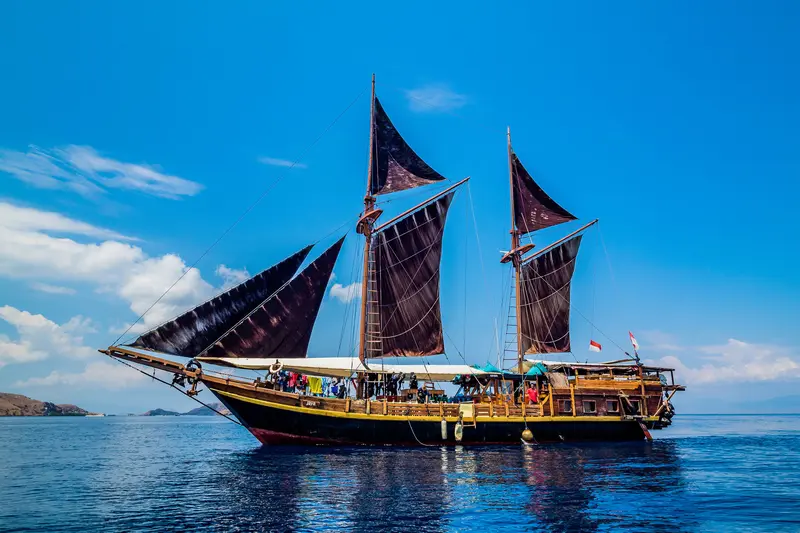
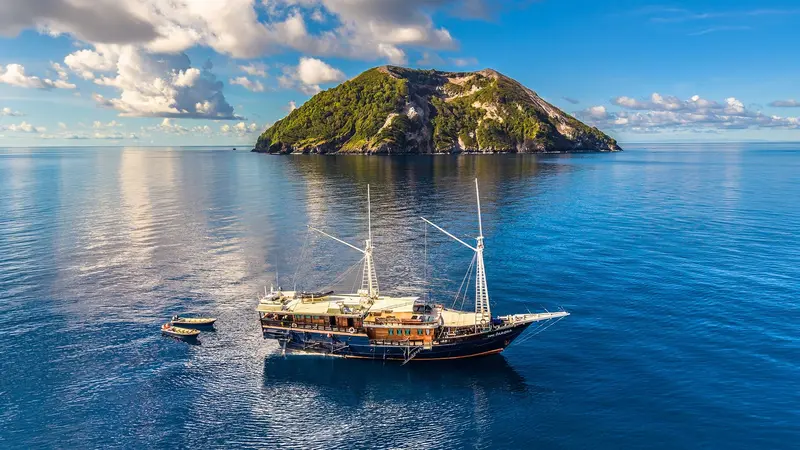
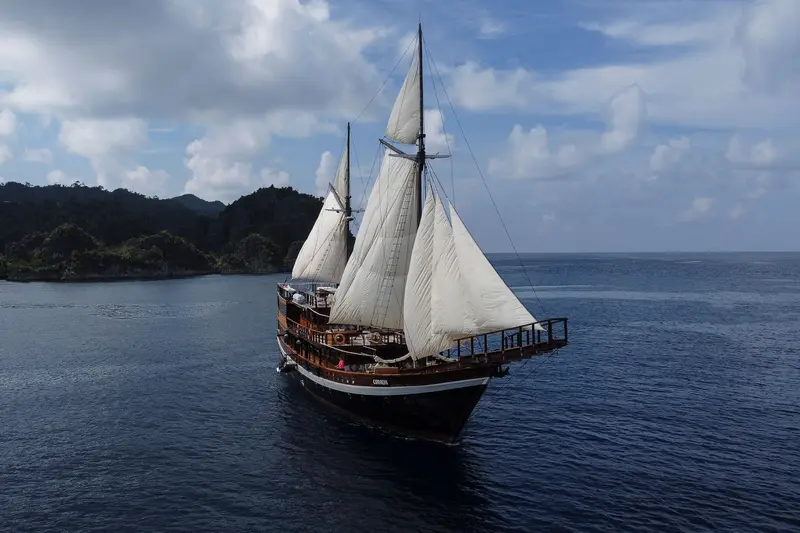
From the dock, King Neptune presents as a large, clean-lined yacht rather than a small wooden safari boat. The steel hull and aluminium construction belong to a vessel designed for long crossings between Indonesia's remote dive regions. Inside, the scale gives the boat room to separate the working parts of a dive trip from the places where guests eat and rest: a dedicated dive deck, indoor and open-air saloons, a bar, sun deck and hot tub. It is a new boat, so there is no long history of patched paint or worn fittings to read on arrival. The first impression is space organised for a full group without making the diving area an afterthought.
The atmosphere on board
The atmosphere is polished but still built around the diving day. A crew speaking English and Indonesian handles the practical work, from keeping cabins in order to moving the group through meals, tenders and briefings. Guests share a large boat rather than a small expedition vessel, with a bar, several deck levels and enough room to choose company or privacy. The service is strongest where it matters on a long trip: cabins are spacious, meals are treated as part of the experience, and the dive deck is kept ready for the next entry. Evenings can stay social in the saloon or move outside, with the day's sightings and photographs providing the obvious subject.
The sites you’ll dive
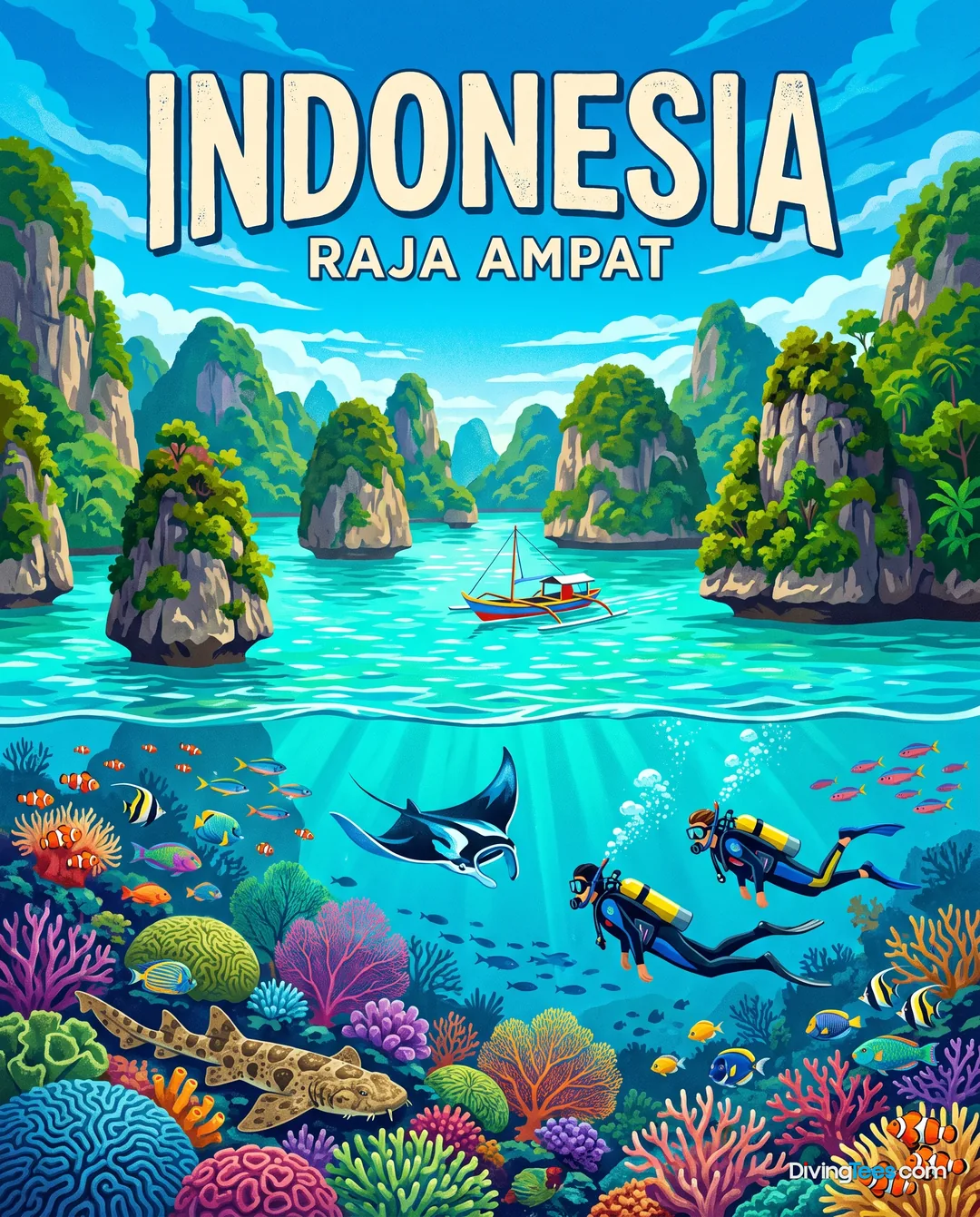
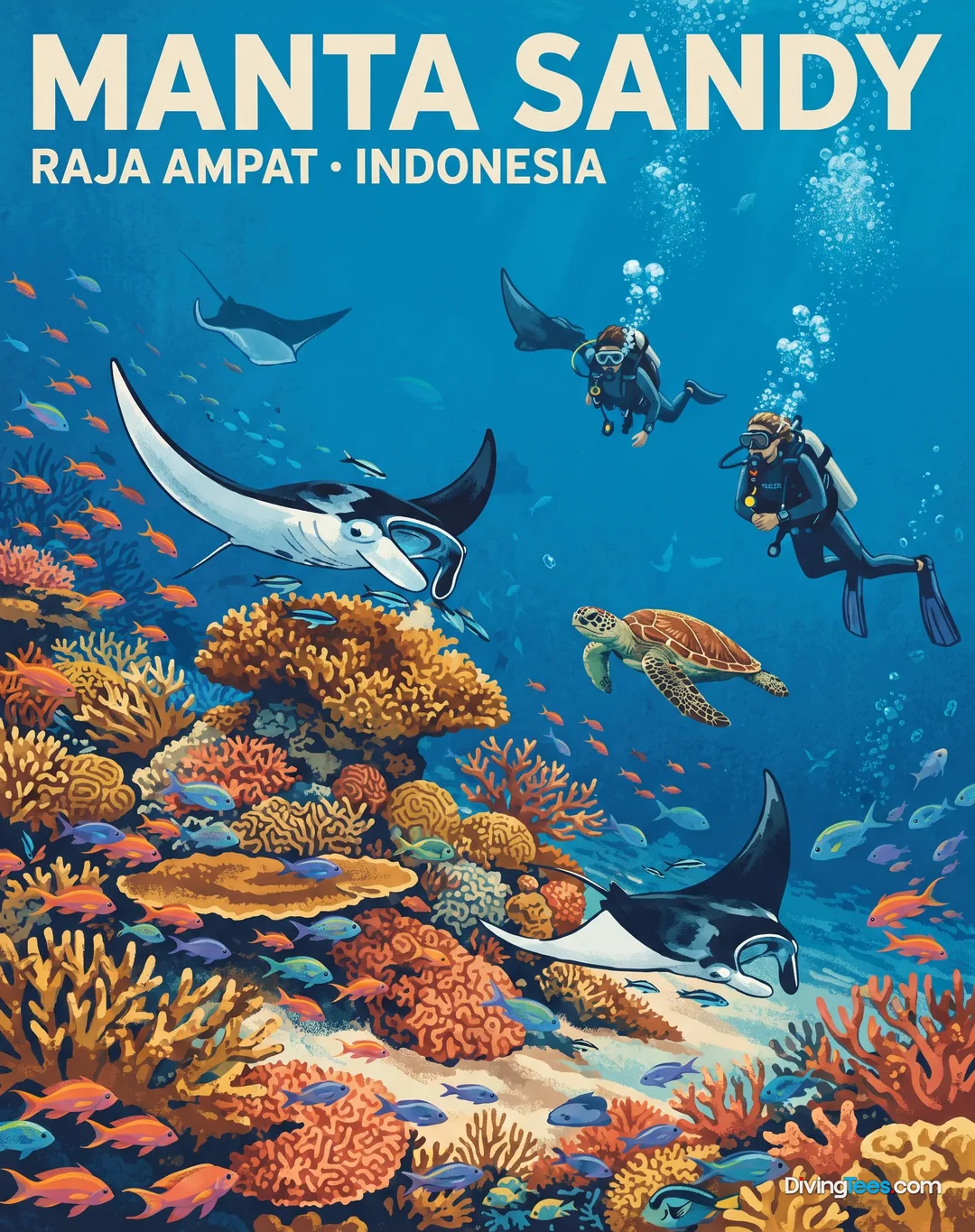
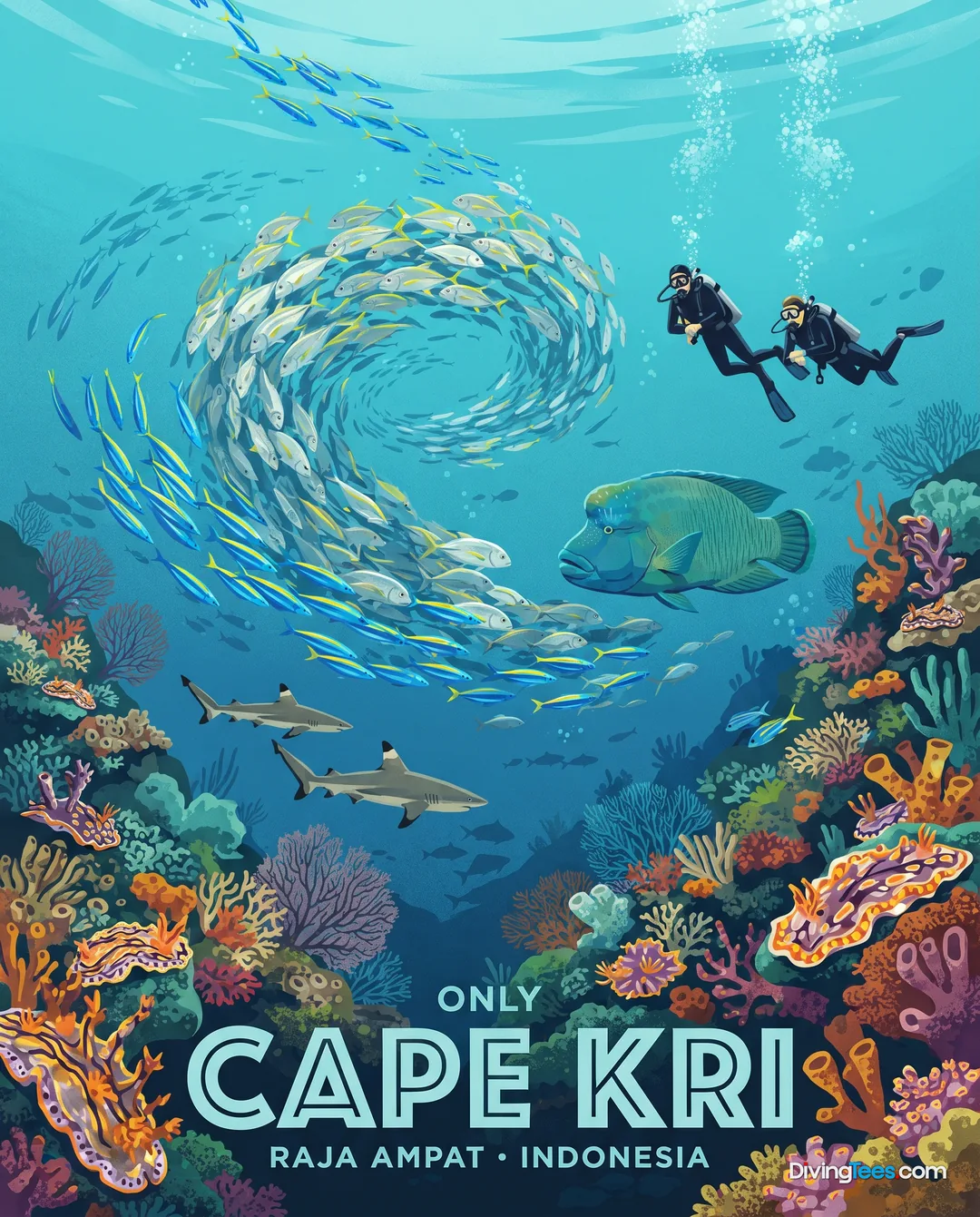
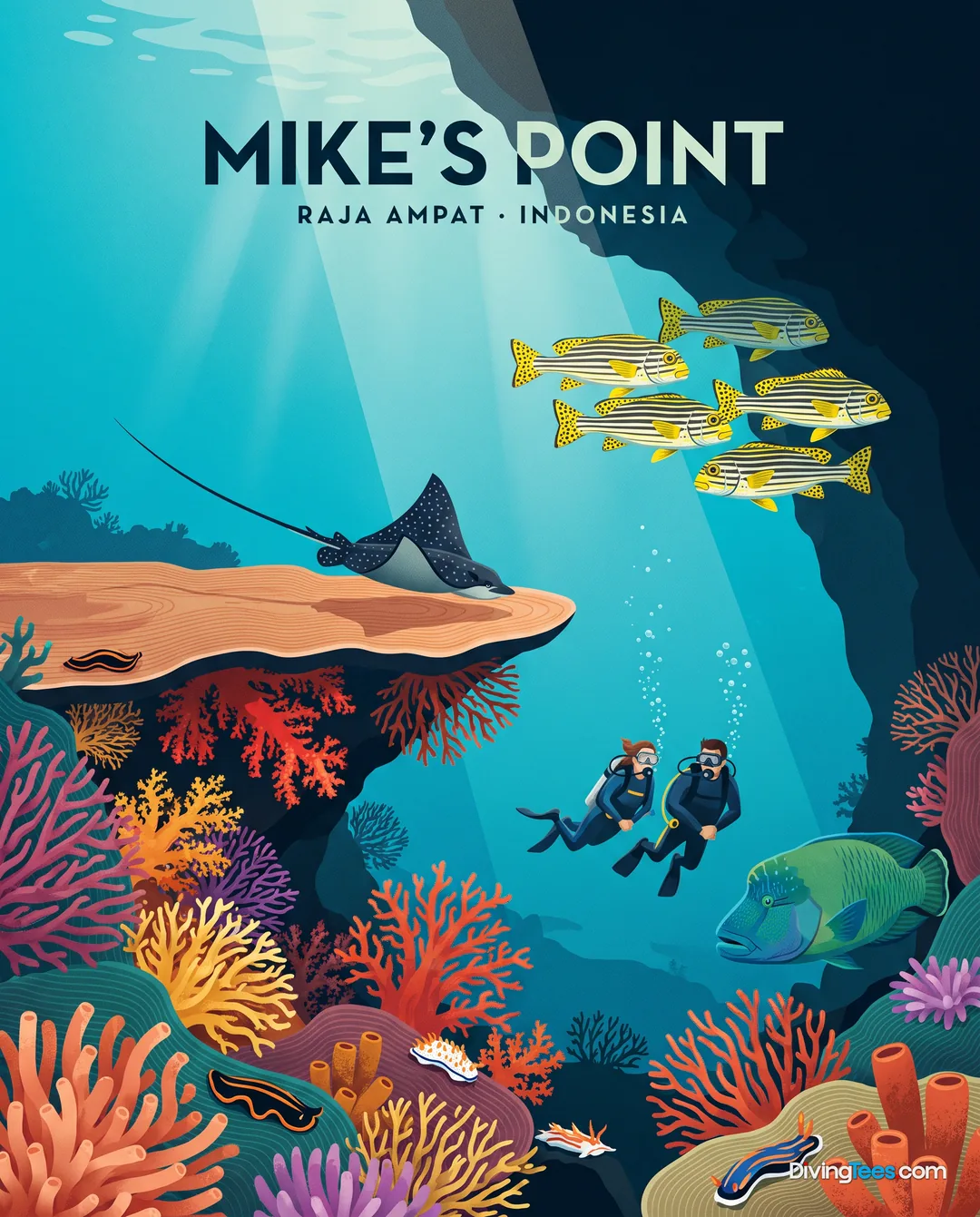
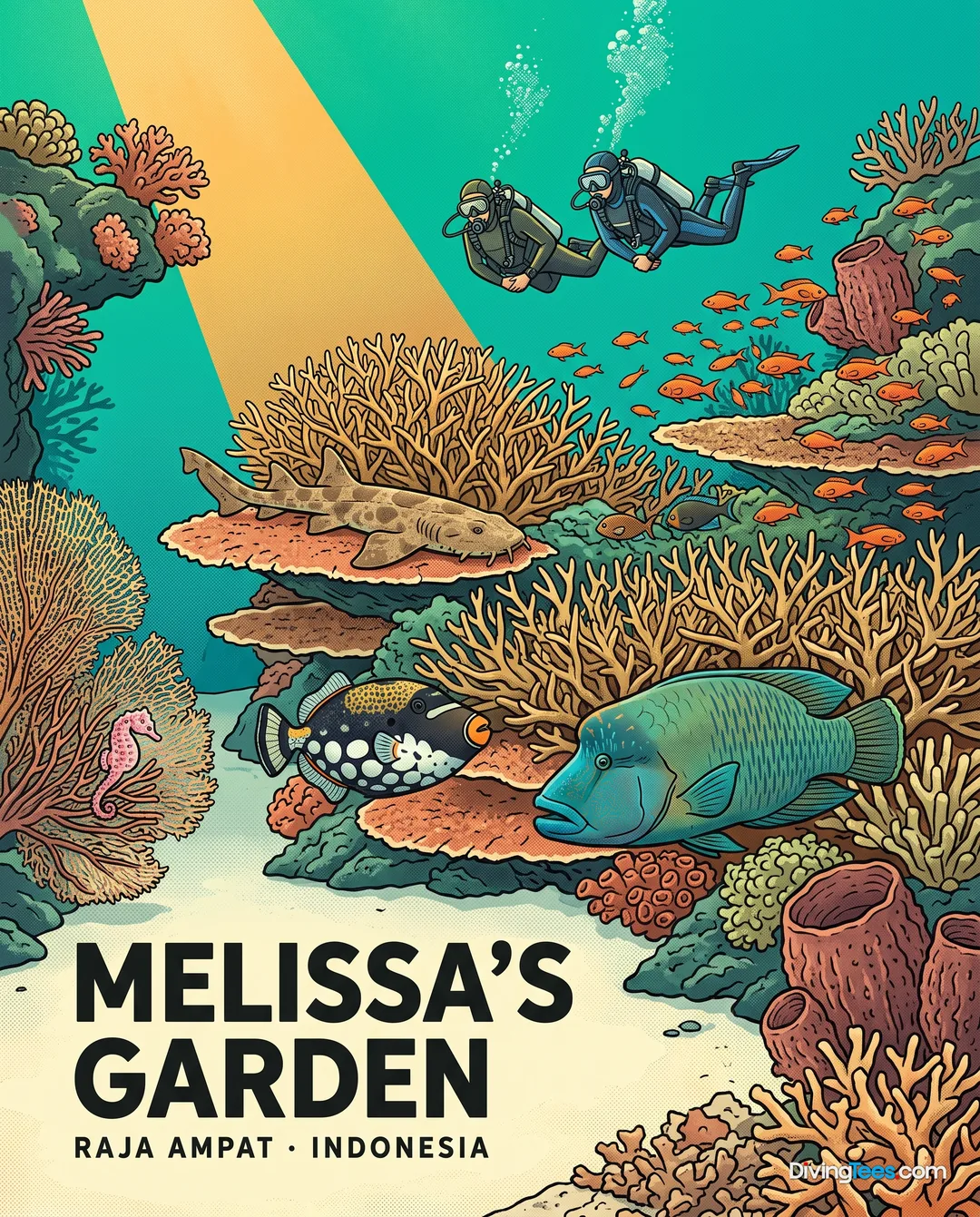
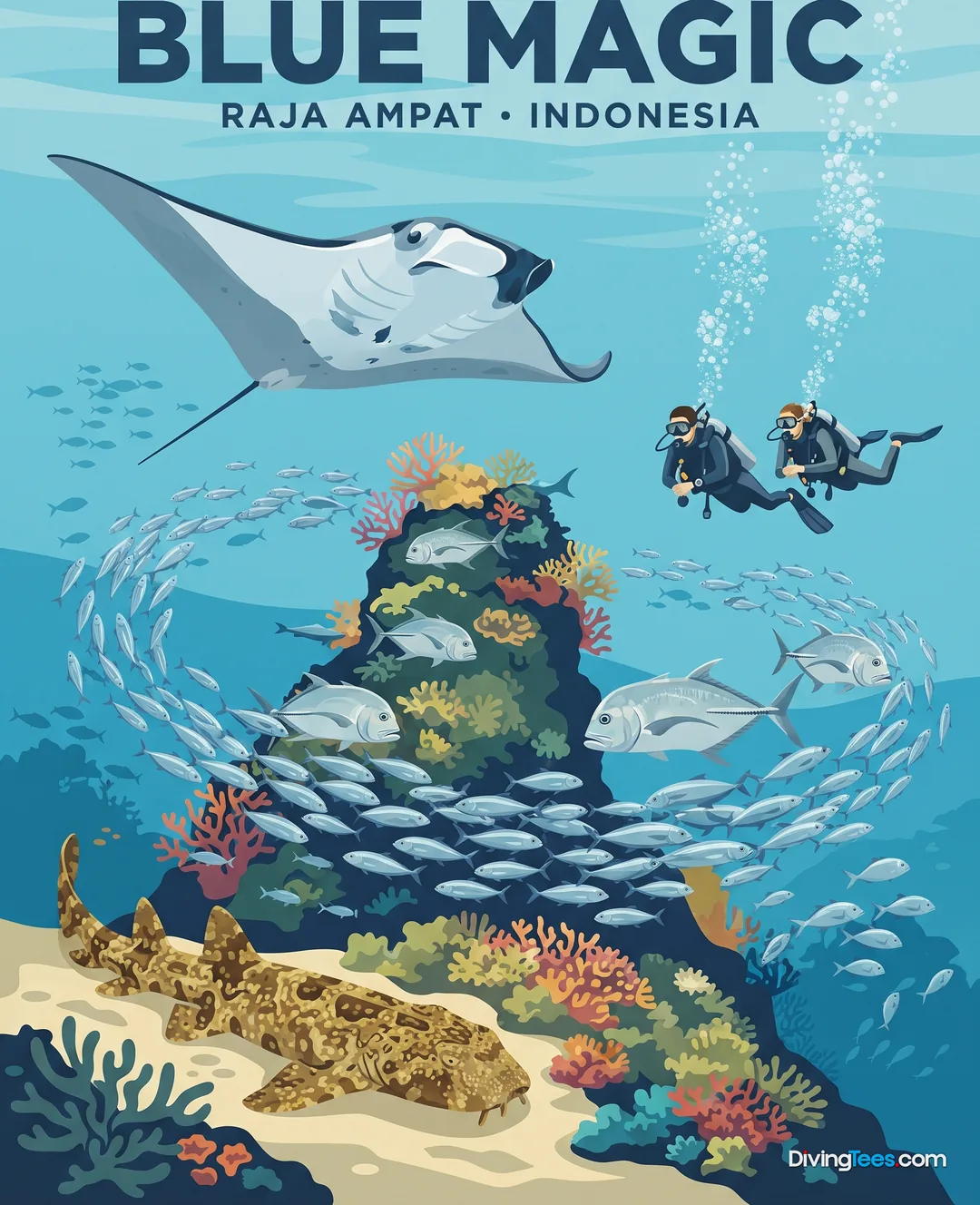
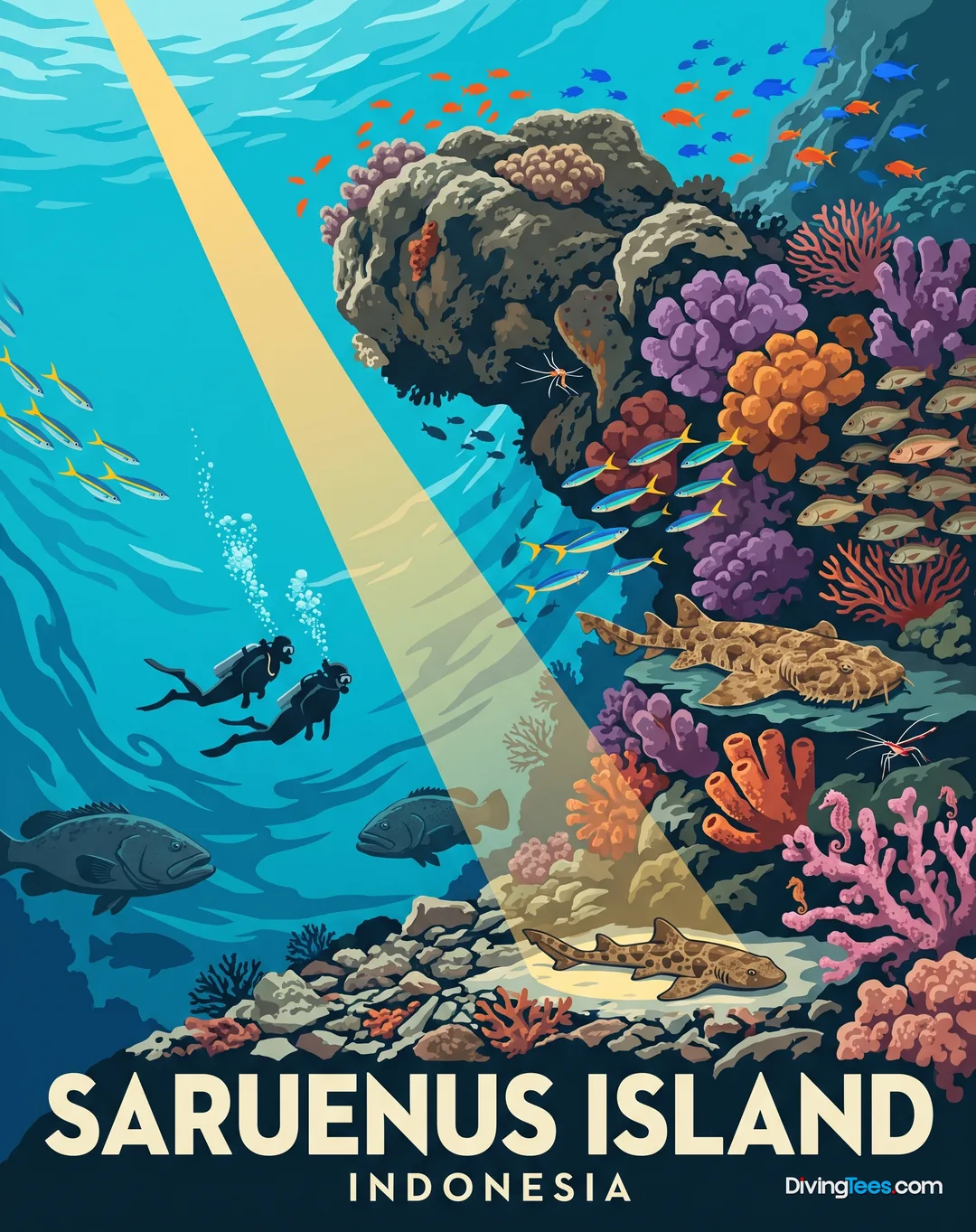
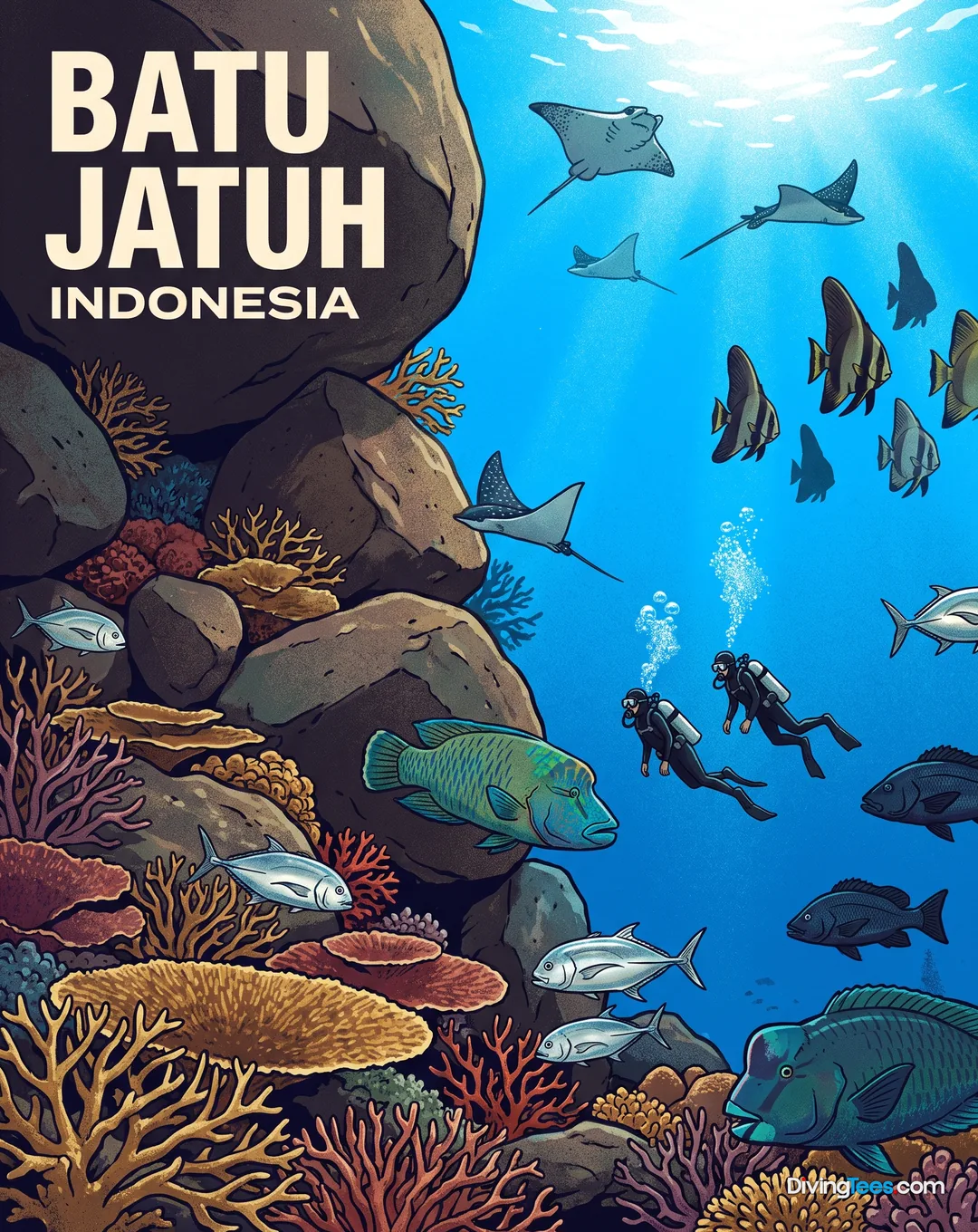
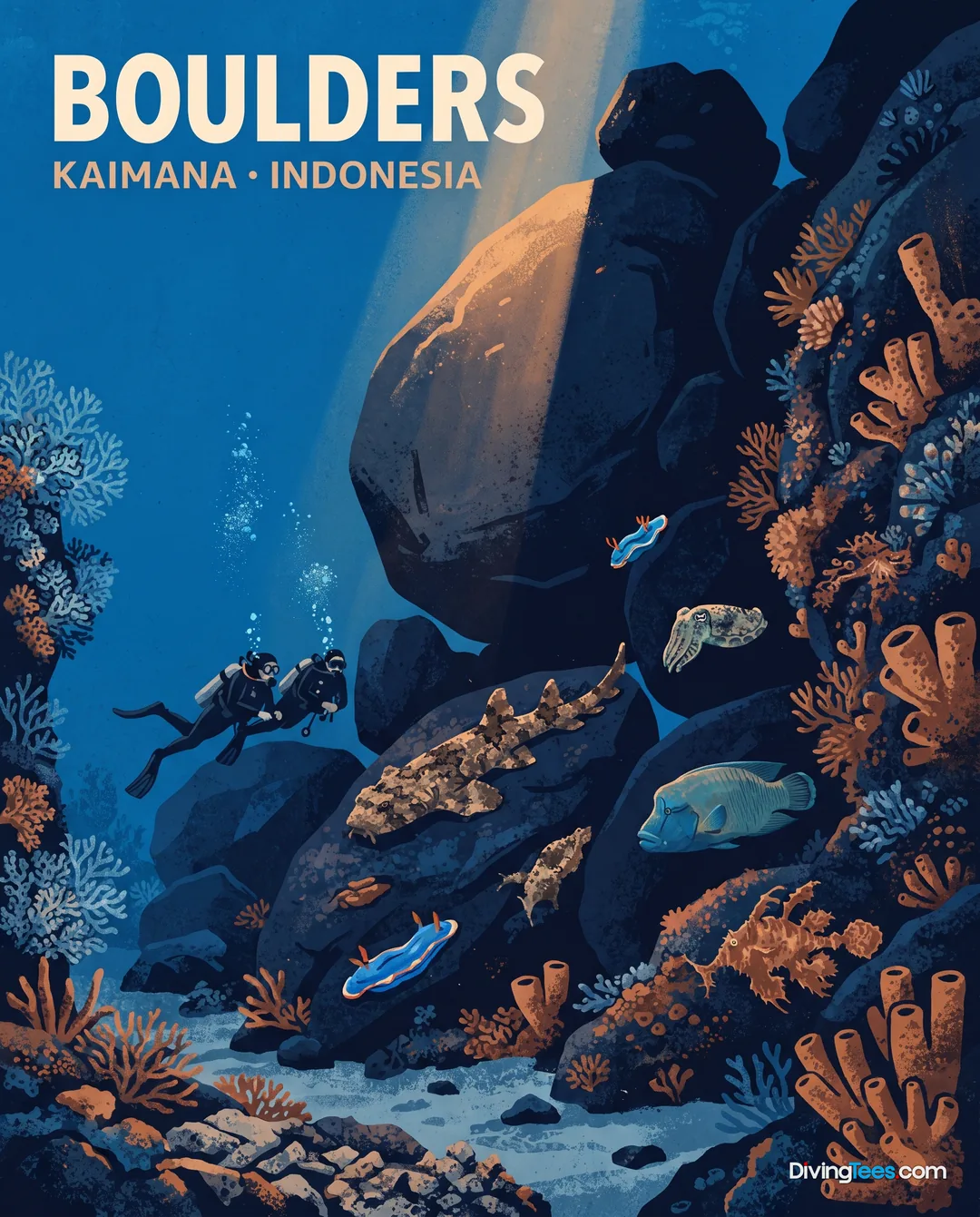
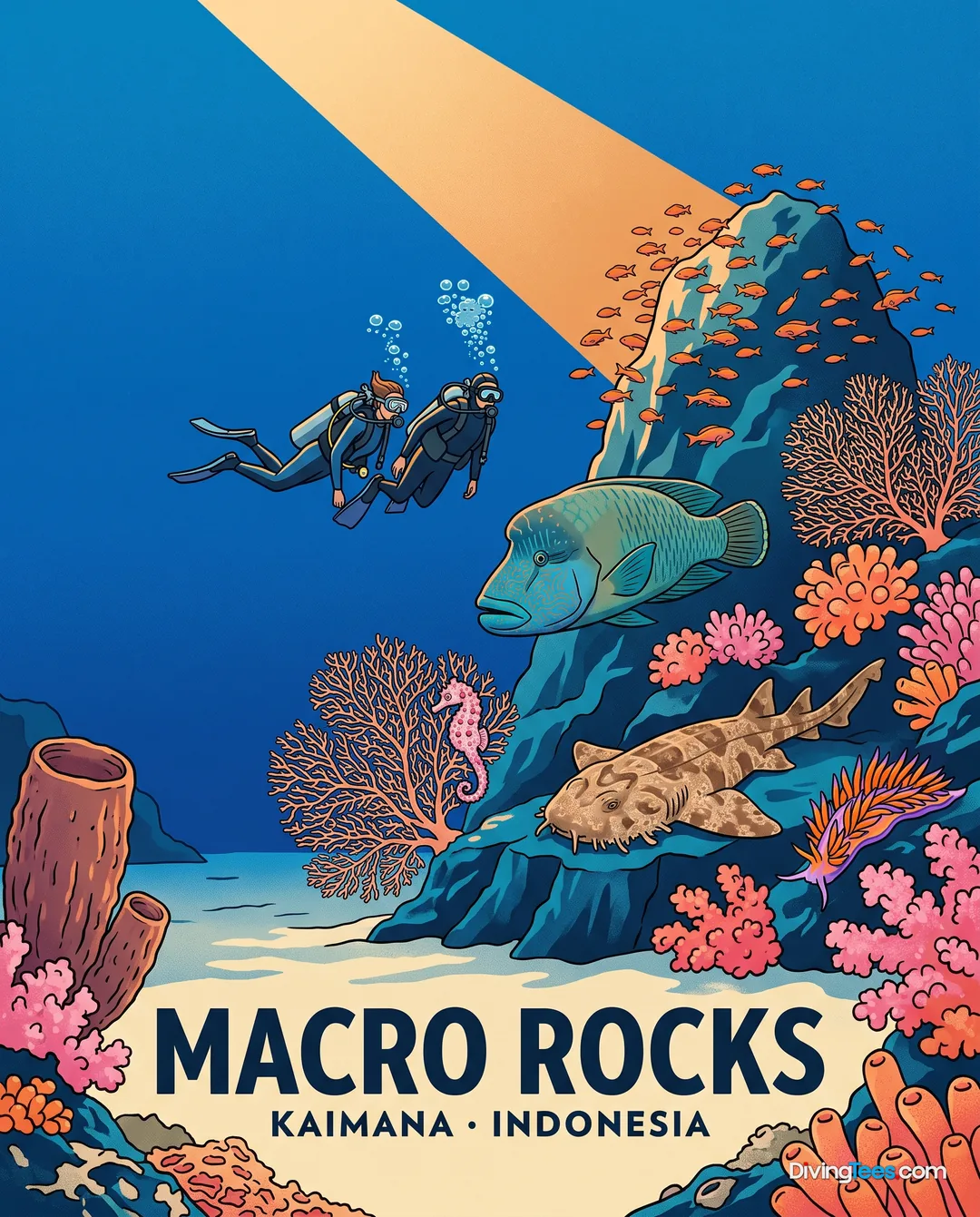
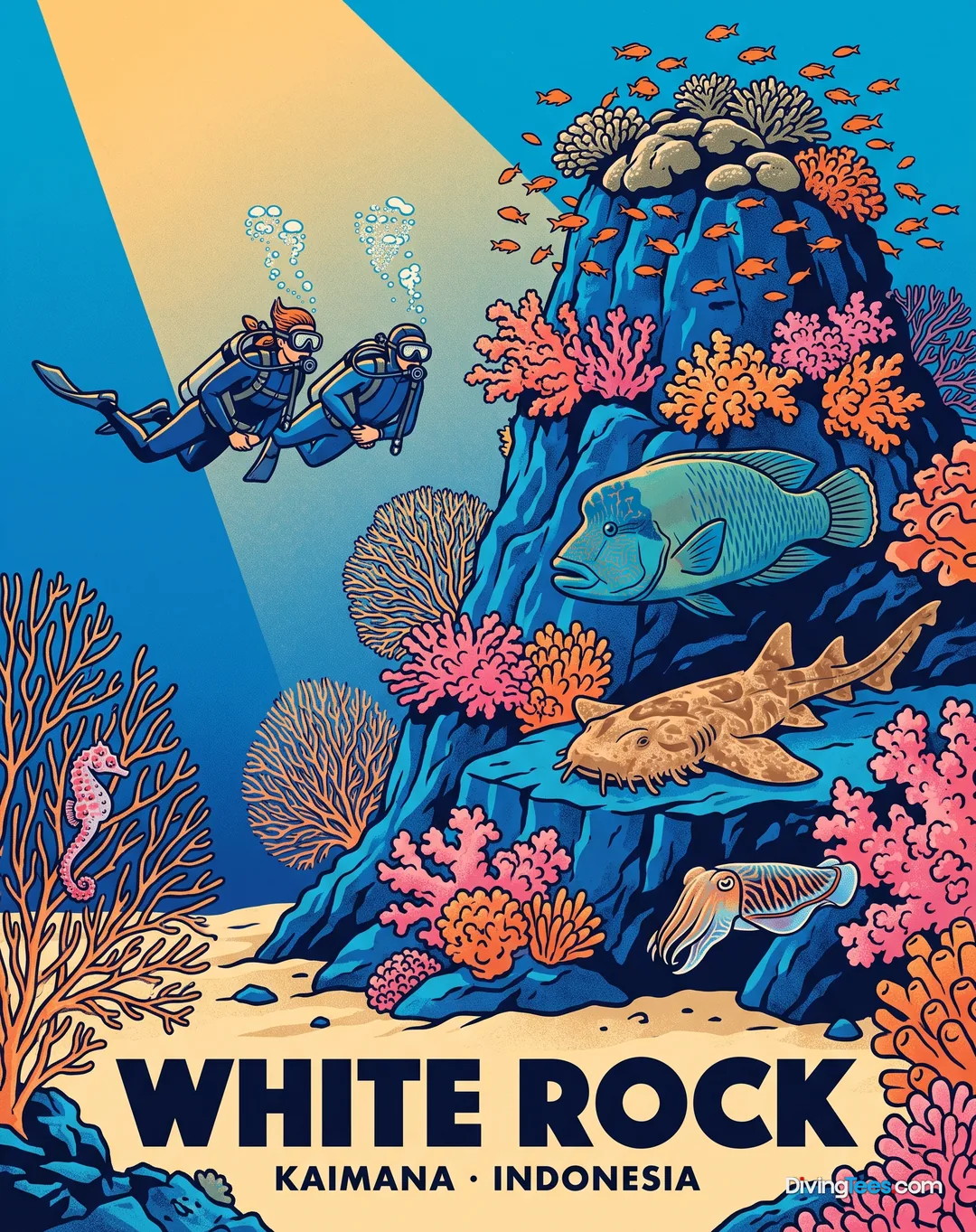
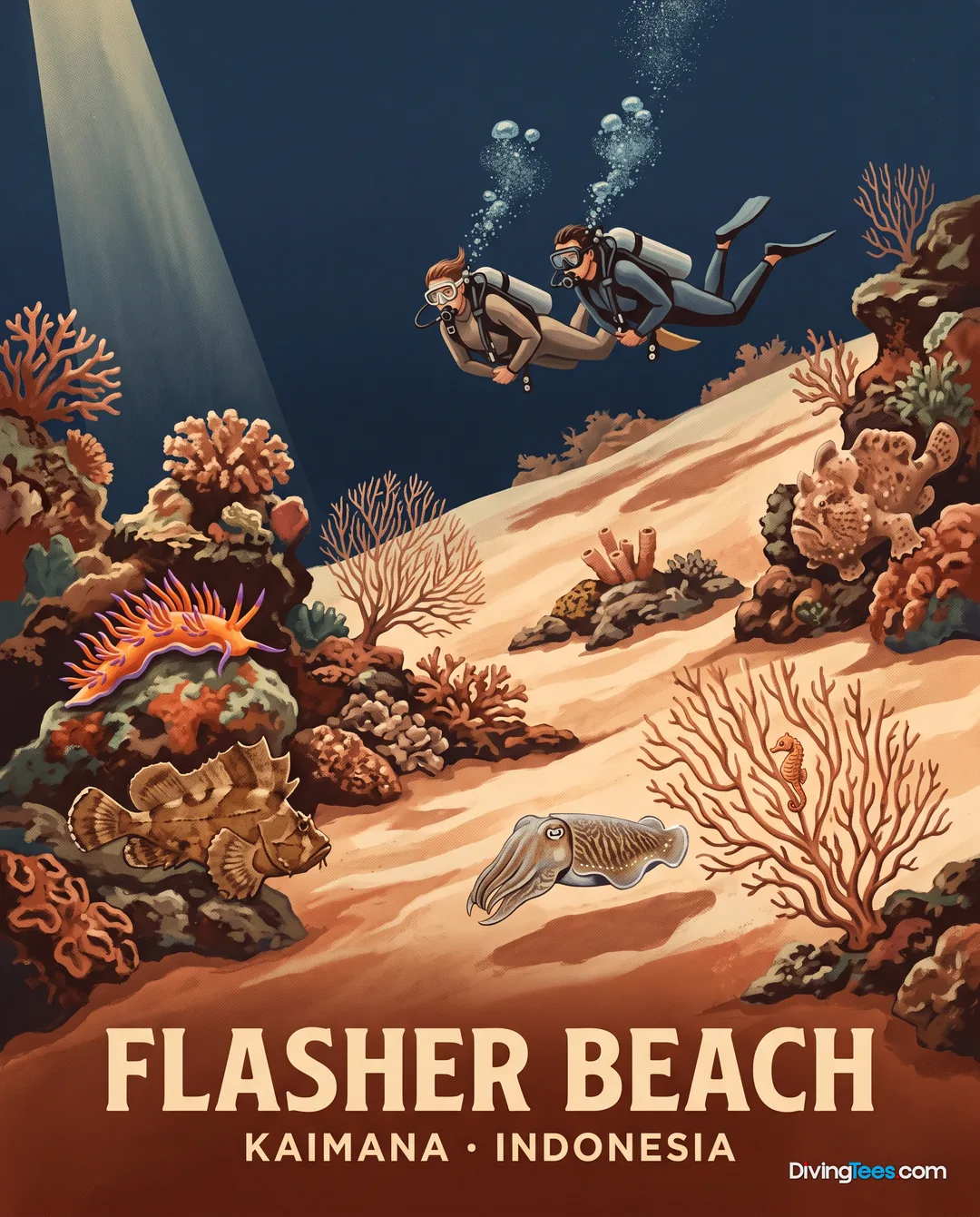
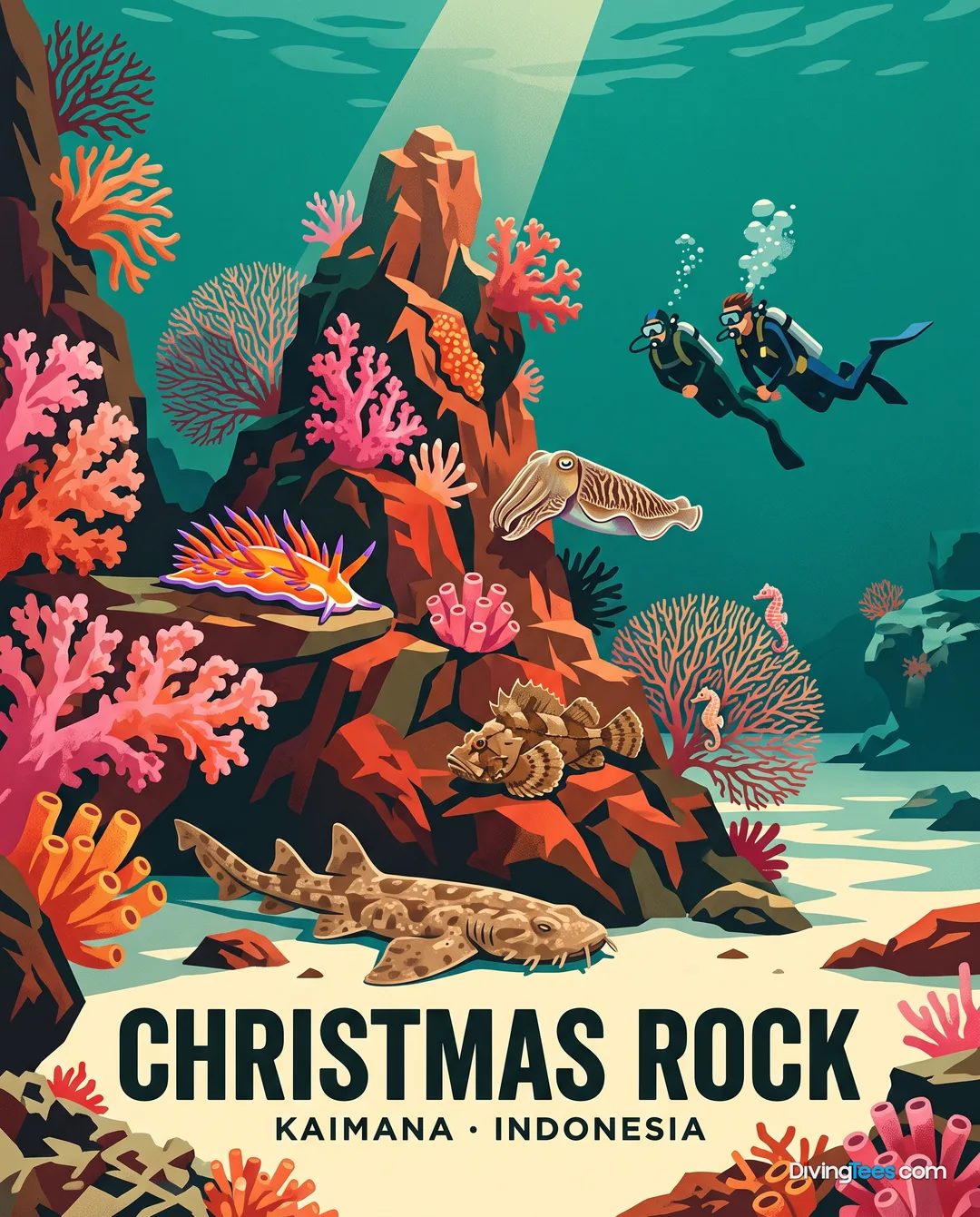
This route is built around two very different kinds of reward. In Raja Ampat, Manta Sandy places divers beside reef manta rays at cleaning stations, while Cape Kri brings dense fish life and a recorded 374 fish species on one dive. Mike's Point combines reef overhangs, soft corals and sweetlips with eagle rays over its plateau. Melissa's Garden reaches max -35m among soft corals and staghorn formations; Blue Magic adds schooling fish and possible oceanic mantas. In Kaimana, Saruenus Island is a strong-current drift over soft-coral gardens, Andy's Point draws barracudas and reef sharks into the current, and Batu Jatuh covers immense boulders with hard coral. Macro Rocks reaches max -20m, White Rock max -14m, Bo's Rainbow max -16m, Flasher Beach max -20m and Christmas Rock max -18m. The recorded departures include 9-day/8-night Banda Sea and Raja Ampat trips, plus 11-day/10-night Banda Sea–Triton Bay and Triton Bay–Raja Ampat crossings.
Itineraries, dates and prices
Prices per person. Each month shows its lowest price: click a month, or pick an itinerary.
Next departures · 29 departuresfrom £1,226$1,639€1,464
November 2026
December 2026
January 2027
See dates and prices
If you click these links and make a purchase on the partner site, DivingDeal may earn a commission, at no extra cost to you.
Dates and prices taken from Divebooker, updated 24 October 2026
What you’ll meet underwater
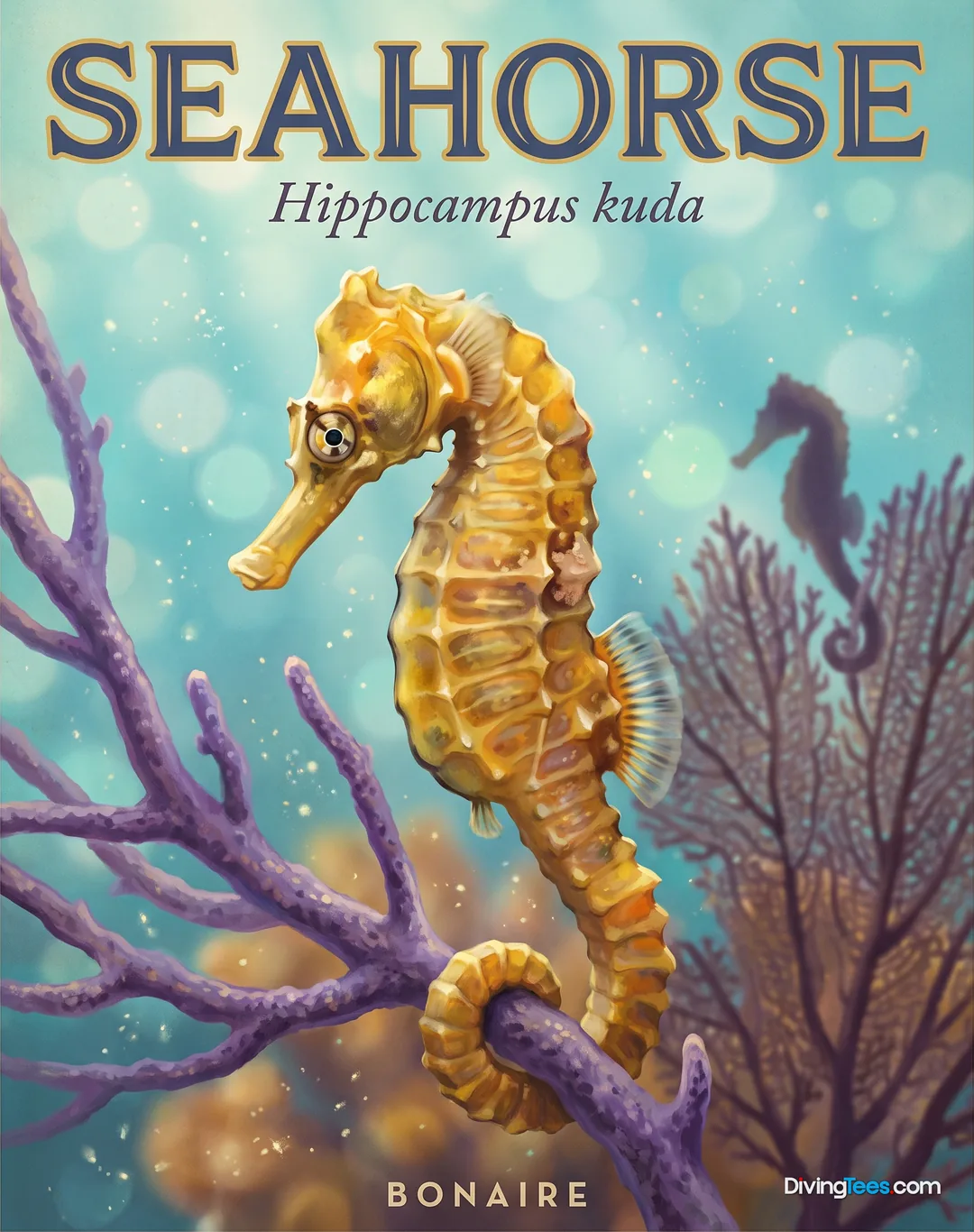
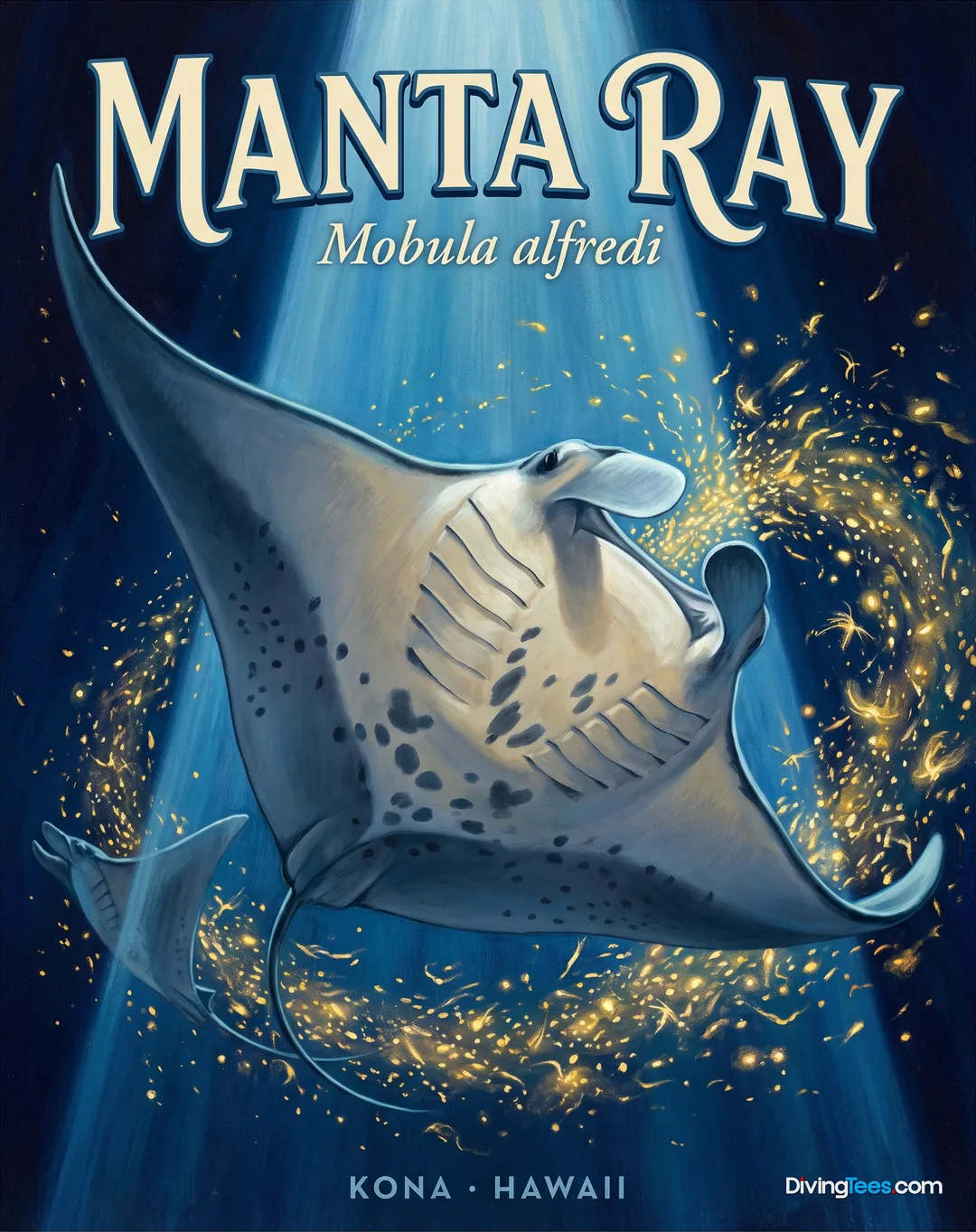
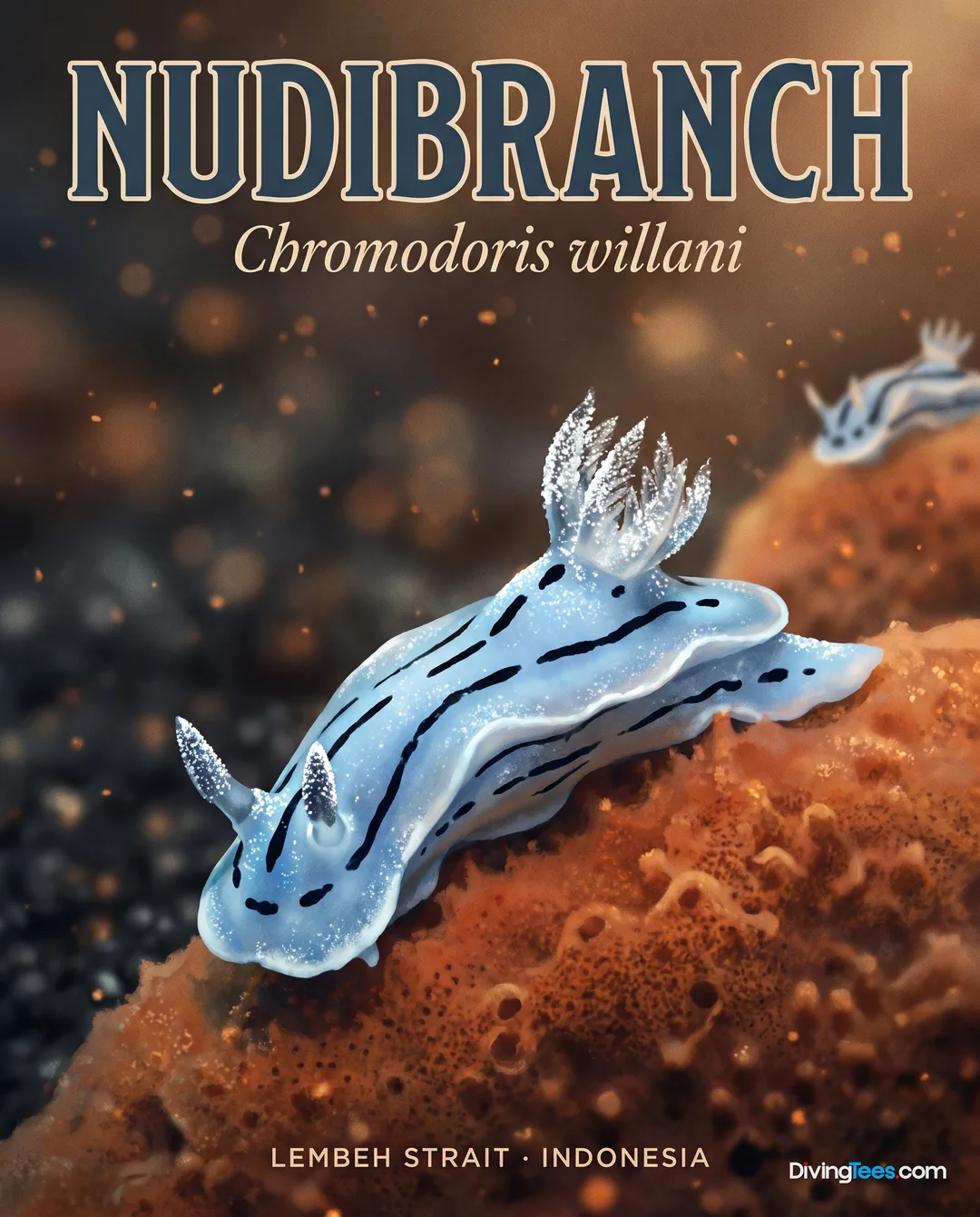
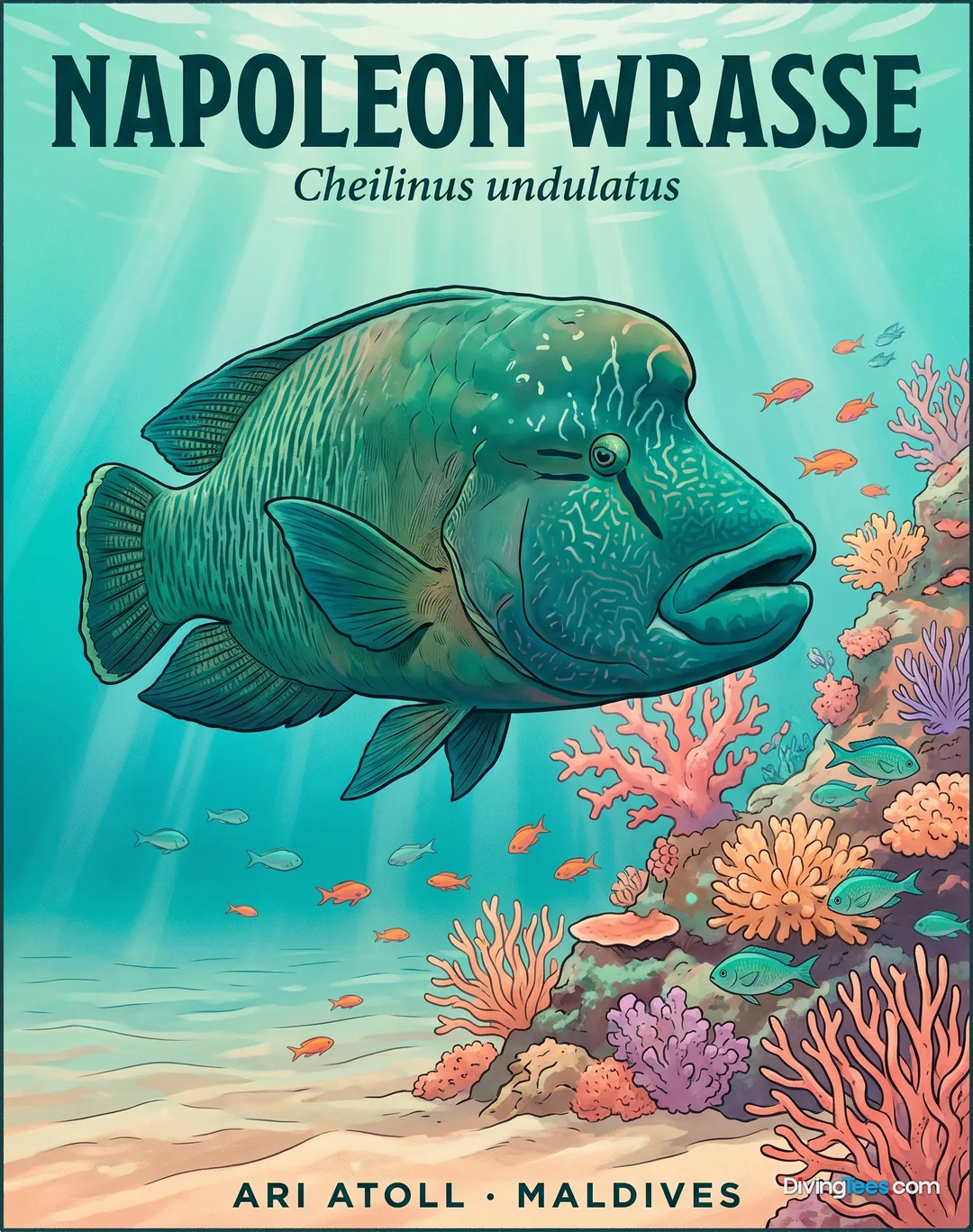
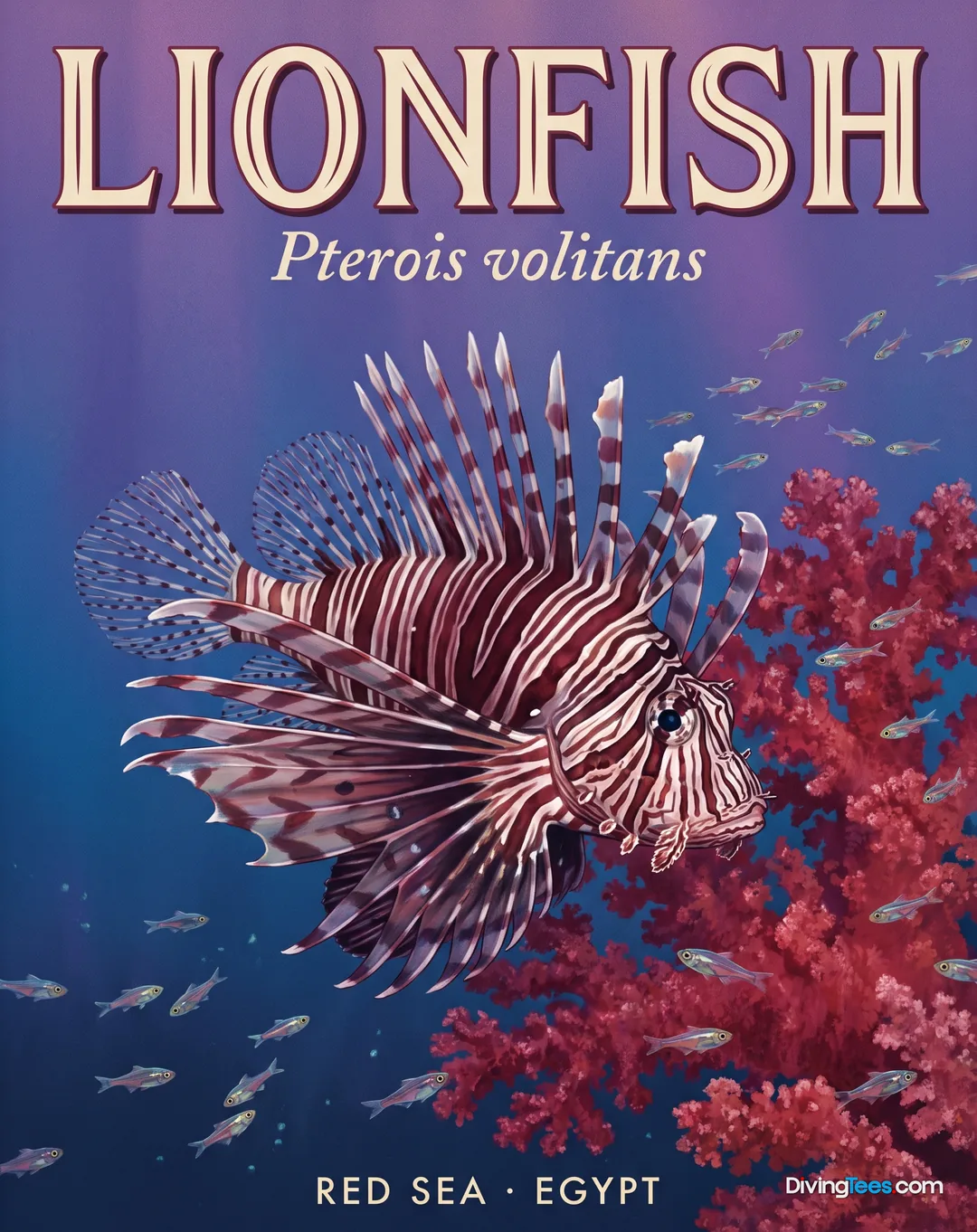
The route repeatedly gives divers the contrast that makes Indonesia worth the travel: nudibranchs, fusiliers, pygmy seahorses, groupers, Napoleon wrasse, manta rays, trevallies, sweetlips, humphead parrotfish and snappers appear across several sites. The wide-angle picture builds in schools and current, while a slow inspection can find a pygmy seahorse or a nudibranch on the reef. Some sightings are tied to one place in this route. Cape Kri is the named site for white-tip reef sharks; Blue Magic is where oceanic sharks and tuna are recorded. Boulders is the site for glassfish, moray eels, lionfish and puffers, White Rock for frogfish, Batu Jatuh for batfish, and Christmas Rock for surgeonfish and rays. At Manta Sandy, reef mantas use the cleaning stations, while Saruenus Island and Andy's Point use stronger water to bring pelagic movement close to the reef.
Who puts you in the water
English- and Indonesian-speaking guides put divers into groups of no more than four per guide. King Neptune asks for at least 20 logged dives and an Advanced Open Water certification or equivalent, a sensible threshold for a route that includes current-sensitive sites and pelagic encounters. Guides brief the site before the tender leaves, then organise groups around experience and the conditions of that dive. The boat carries emergency oxygen, first-aid equipment, an AED, life rafts, EPIRBs and fire extinguishers, with crew trained for emergency response. There is no stated programme of dive courses on board, so this is a boat for certified divers arriving ready to dive rather than for learning from the beginning.
The dive deck and the gear
The dive deck is arranged for repeated diving: individual gear storage, personal space, warm-water showers, rinse hosts, a camera table, charging stations and separate rinse tanks for underwater cameras. Two Coltri 315 compressors fill the tanks, and a Coltri membrane system supplies Nitrox. Nitrox and 12-litre tanks with weights are included; 15-litre tanks and equipment rental are paid extras. DIN adaptors are available. Two 8-metre RHIB tenders, each powered by a 150HP engine, take divers from the main boat to the site and collect them after the dive. The separate camera facilities are the useful distinction for photographers: cameras do not have to share the general equipment rinse.
Between dives
Between dives, King Neptune offers several ways to disappear for an hour without leaving the boat. The sun deck has loungers, while the air-conditioned indoor saloon gives divers a cooler place to read, edit images or simply stop moving. An open-air saloon and outdoor dining area keep the sea in view when the weather allows. The camera station has charging points and dedicated rinse tanks, so photographers can work on a housing rather than balancing it beside a drink. On non-dive stretches, the boat's size matters: there is enough separation for a quiet corner, but the bar and shared dining spaces keep the group within reach.
A day on board
A full dive day starts before the boat feels fully awake: the first briefing comes before the early-morning entry, followed by a return to the tender, a meal and a surface interval. A second dive follows later in the morning, then lunch and time to rinse gear, check a camera or sleep in the shade. The afternoon dive completes the standard three- to four-dive pattern, depending on the itinerary and conditions. Some days add a night or sunset dive; the final day has two dives rather than a full programme. Meals mark the spaces between water and rest, while the boat may move between sites or regions around the diving. The rhythm is demanding in the right way: the next dive is always close, but never hidden behind a long transfer ashore.
What you eat aboard
The galley serves buffet-style Indonesian and Western food, with dietary restrictions accommodated when arranged in advance. Local dishes give the route a taste of Indonesia, while familiar options matter after several dives and a long surface interval. Coffee, tea, drinking water, soft drinks and snacks are available throughout the day; alcoholic drinks are extra. Meals do practical work on a liveaboard. They replace the conversation lost during a dive briefing, give cameras time to dry before the next entry and put something substantial on the table before another tender run. Vegetarian, vegan and gluten-free meals can be prepared when the crew knows beforehand.
Nights at sea
The cabins are Sea View Cabins on the main or upper deck, plus Sea View Bunk Bed cabins. The main and upper-deck cabins can be arranged with a king bed or two single beds; the bunk-bed category uses a single bed or two bunks. Each has air conditioning, an en-suite bathroom and sea views, so the night is defined more by open water beyond the window than by a dark lower-deck corridor. After the last dive, the useful luxuries are simple: a private shower, dry bedding, storage for the next day's clothes and a cool room in which to let the body settle. The boat also has indoor and open-air spaces when sleep can wait.
Sea View Bunk Bed
Sea View Cabin
What to know before boarding
Departure and return ports depend on the itinerary: Raja Ampat trips use Sorong, Banda Sea trips use Ambon, and the Triton Bay–Raja Ampat route runs between Kaimana and Sorong. Scheduled group airport transfers between the airport and yacht are included on embarkation and disembarkation days. Private transfers are separate. Arriving the night before is the sensible choice, especially when an international flight connects to Sorong, Ambon or Kaimana.
- Year built
- 2025
- Length
- 46 m
- Beam
- 9.3 m
- Maximum number of passengers
- 22
- Number of cabins
- 10
- Engines
- 2 × 600 hp Yanmar
- Tenders
- 2 × 8 m RHIB tenders with a 150 hp engine
- Website
- neptuneliveaboards.com ↗
Hello, I'm Marina, DivingDeal.com's AI assistant. I answer in detail about hotels, dive centres and liveaboards.
Thinking about the whole trip and the flights? Talk it over with Edith →
Marina is an AI. Some links are affiliate links: DivingDeal may earn a commission, at no extra cost to you. Bookings are made with the partner.