Liveaboards · Indonesia
Kira Kira — a small, wood-built Raja Ampat dive boat with the crew at its centre
What makes this boat unique
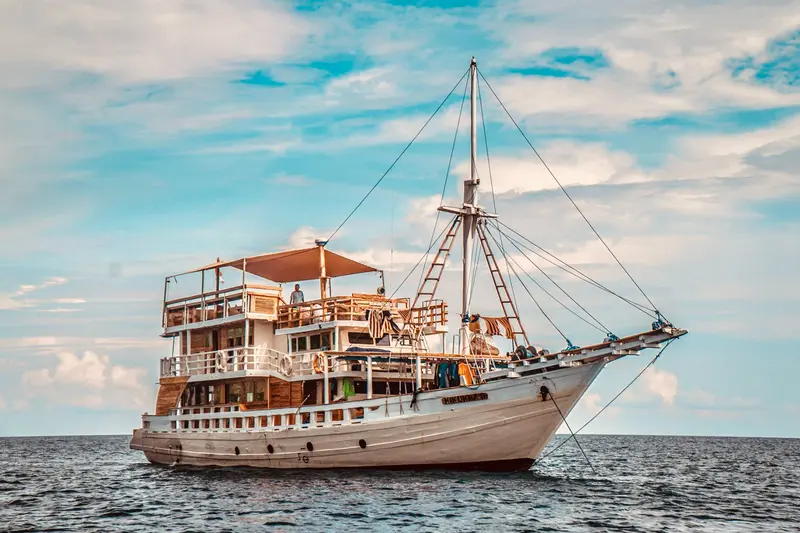
- Kira Kira is a 22-metre wooden phinisi renovated in 2023 for Raja Ampat liveaboard diving.
- The boat carries up to 10 passengers in twin and double cabins on the lower deck, with two shared bathrooms.
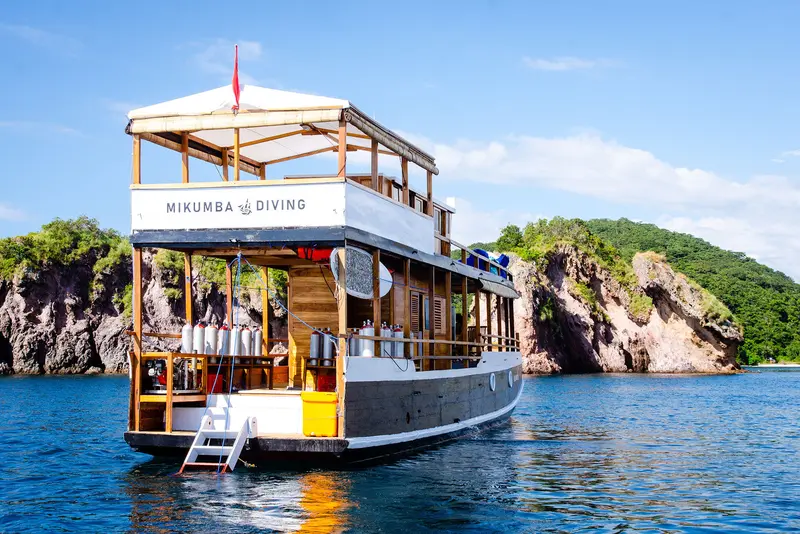
- Its shaded dive deck has a dive platform, DIN adapters, camera rinsing and a Yamaha 40 tender.
- Raja Ampat trips run for 11 days and 10 nights between Waisai and Raja Ampat.
- The Indonesian and English-speaking crew is rated particularly highly for food, diving and hospitality.
For subtitles in English: start the video firstthen click the gearat the top right of the video, select “Subtitles/CC”, then “Auto-translate” and choose “English”.
The invitation
Kira Kira is for divers who would rather spend their money on Raja Ampat than on polished hotel finishes. The boat is a hand-built Indonesian phinisi, small enough for a quiet dive deck and a crew who knows every guest by name, but properly arranged for life on the water. The reason to choose it is the combination: serious access to Raja Ampat’s reefs, local food, a social boat and an operation that keeps its footprint in mind. The crew can adjust site choice and dive groups to currents, weather and ability, rather than forcing everyone through the same route. Non-divers and snorkelers can join, too. This is not a floating hotel and it does not pretend to be one. It suits divers who want full days in the water, simple cabins, good meals and a boat that feels connected to the people and waters around it.
Boarding
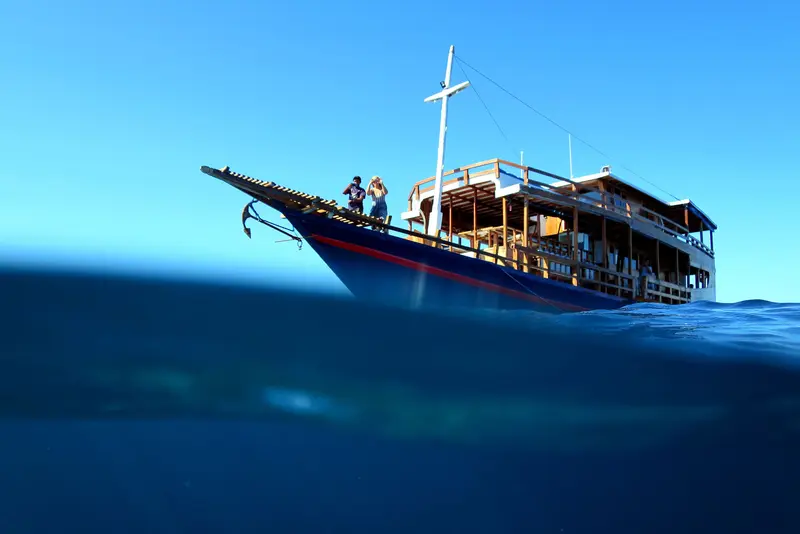
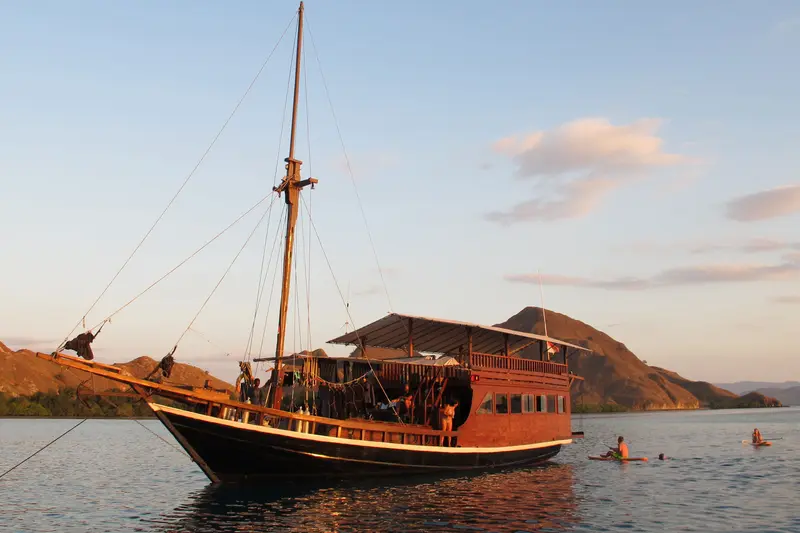
Kira Kira arrives as a traditional wooden phinisi rather than a disguised cruise ship. Its hull was built by Konjo craftsmen in South Sulawesi from tropical hardwoods, with an ironwood keel, Bitti ribs and a thick Jati deck; the work remains visible in the grain, joinery and low, practical profile. Launched in 2014 and renovated in 2023, it combines that old boatbuilding character with modern navigation, communication and safety equipment. On boarding, the impression is of a working dive boat made comfortable, not a showroom assembled for photographs. The covered areas keep the dive operation usable in rain and hard sun, while the open deck gives the islands room to appear around you. Kira Kira runs on one Mitsubishi engine when motoring and can sail with the wind. That matters at night: the boat’s solar-powered electrical systems reduce generator use and noise, leaving the anchorage quieter.
The atmosphere on board
The atmosphere comes from the scale of the operation. With a small guest group and a crew-to-passenger ratio close to one-to-one, the people handling the boat, food, engines and diving are present throughout the day rather than appearing only when service is due. Indonesian crew members helped build the boats and several have worked with the operation since its beginning. That local knowledge shows in the way the tender waits for surfacing divers and the way the guides talk through currents without making them sound theatrical. Guests eat together, compare cameras and end up sharing the evening rather than retreating to separate cabins. The crew’s role is not limited to taking orders: the cook feeds divers properly, the deck team keeps the operation moving, and the guides shape the day around conditions and ability. Kira Kira is relaxed and social, but it is not built as a party boat.
The sites you’ll dive
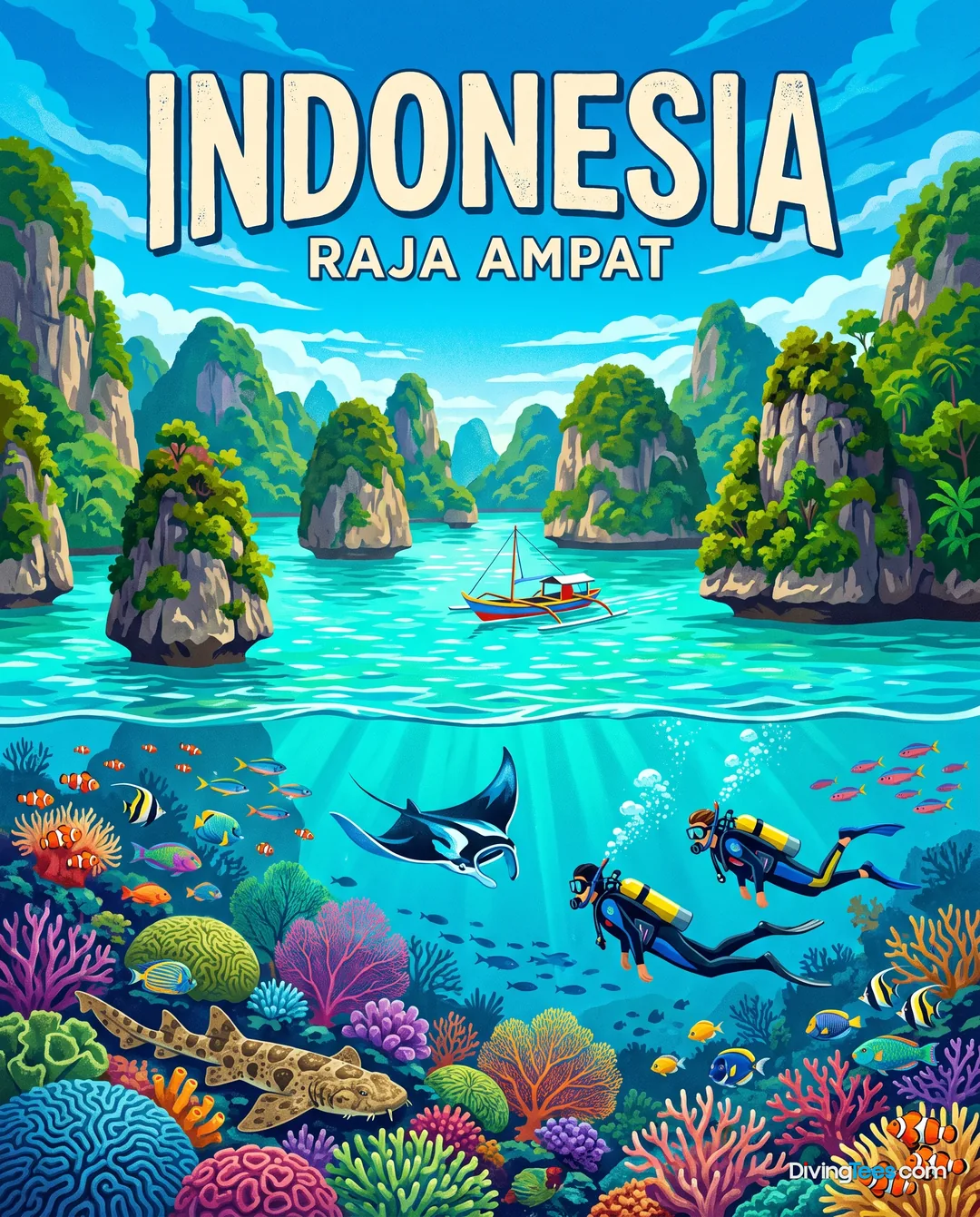
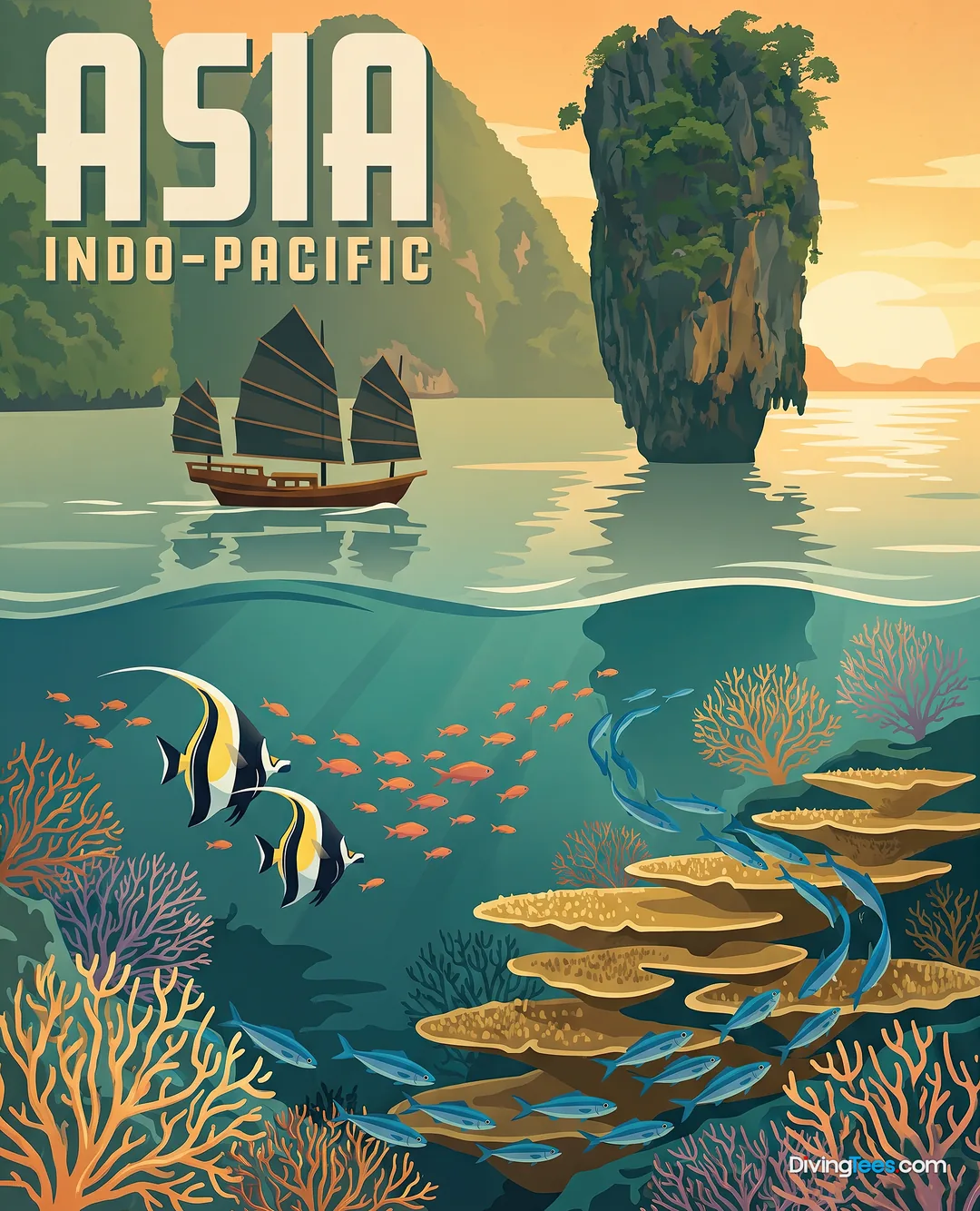
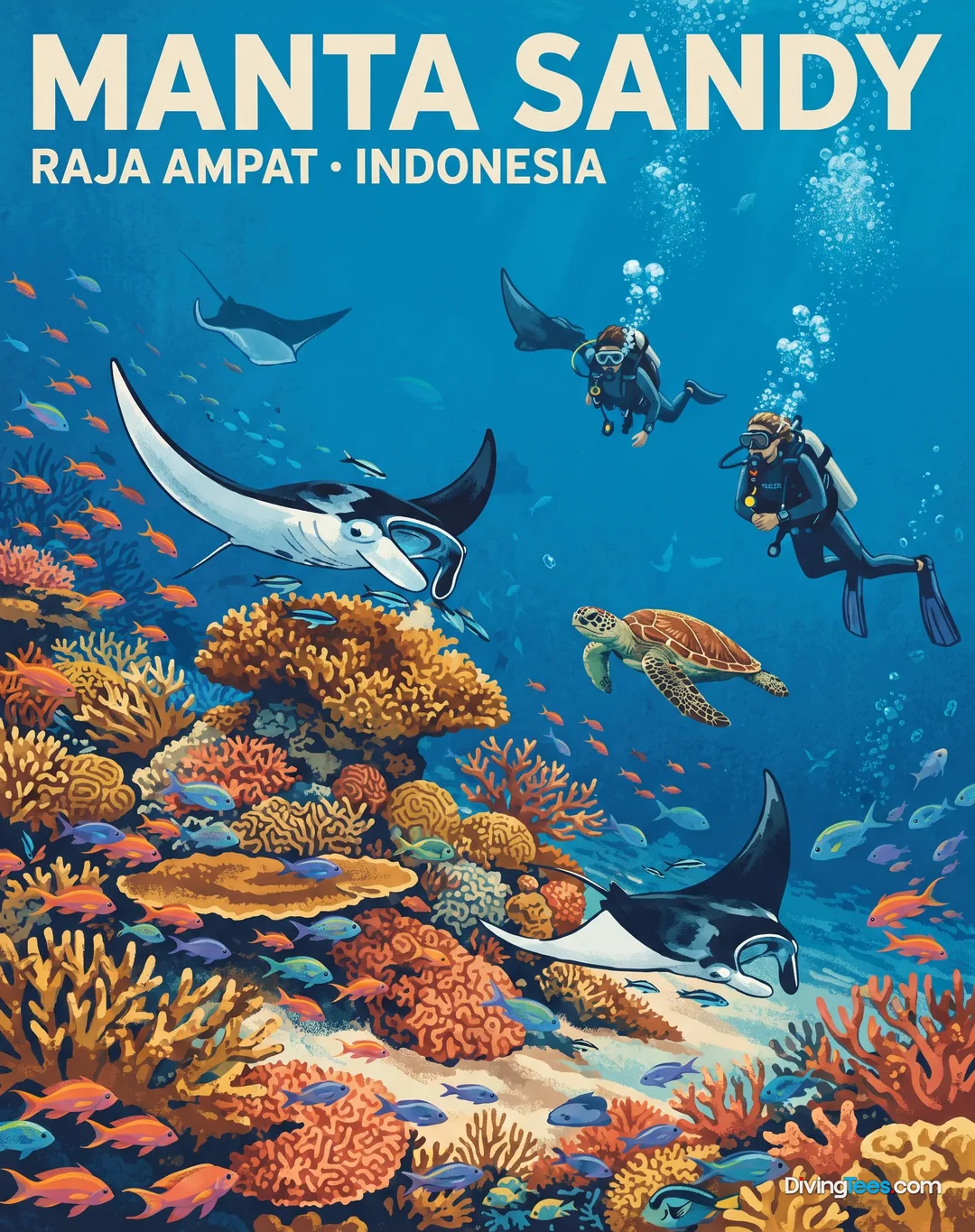
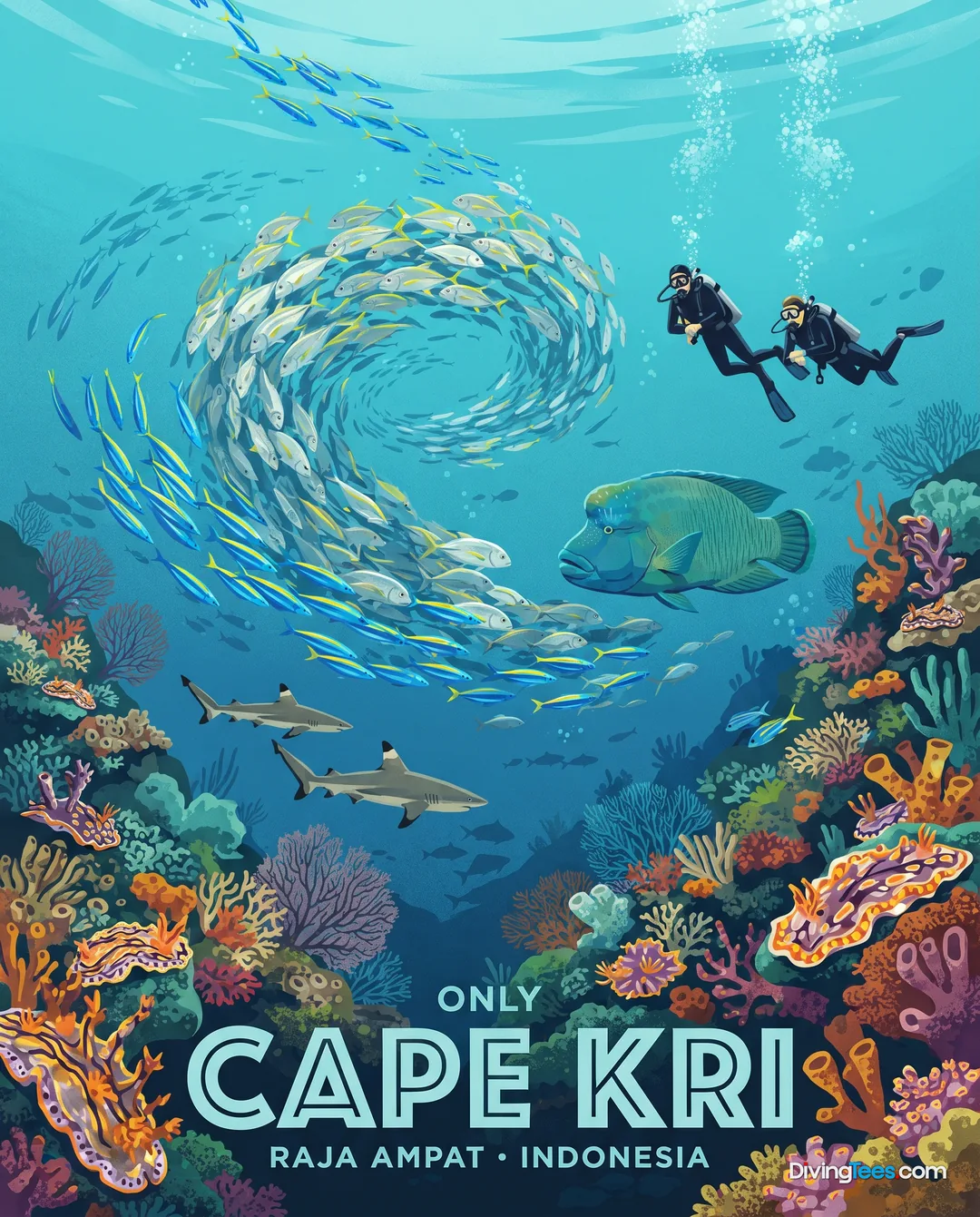
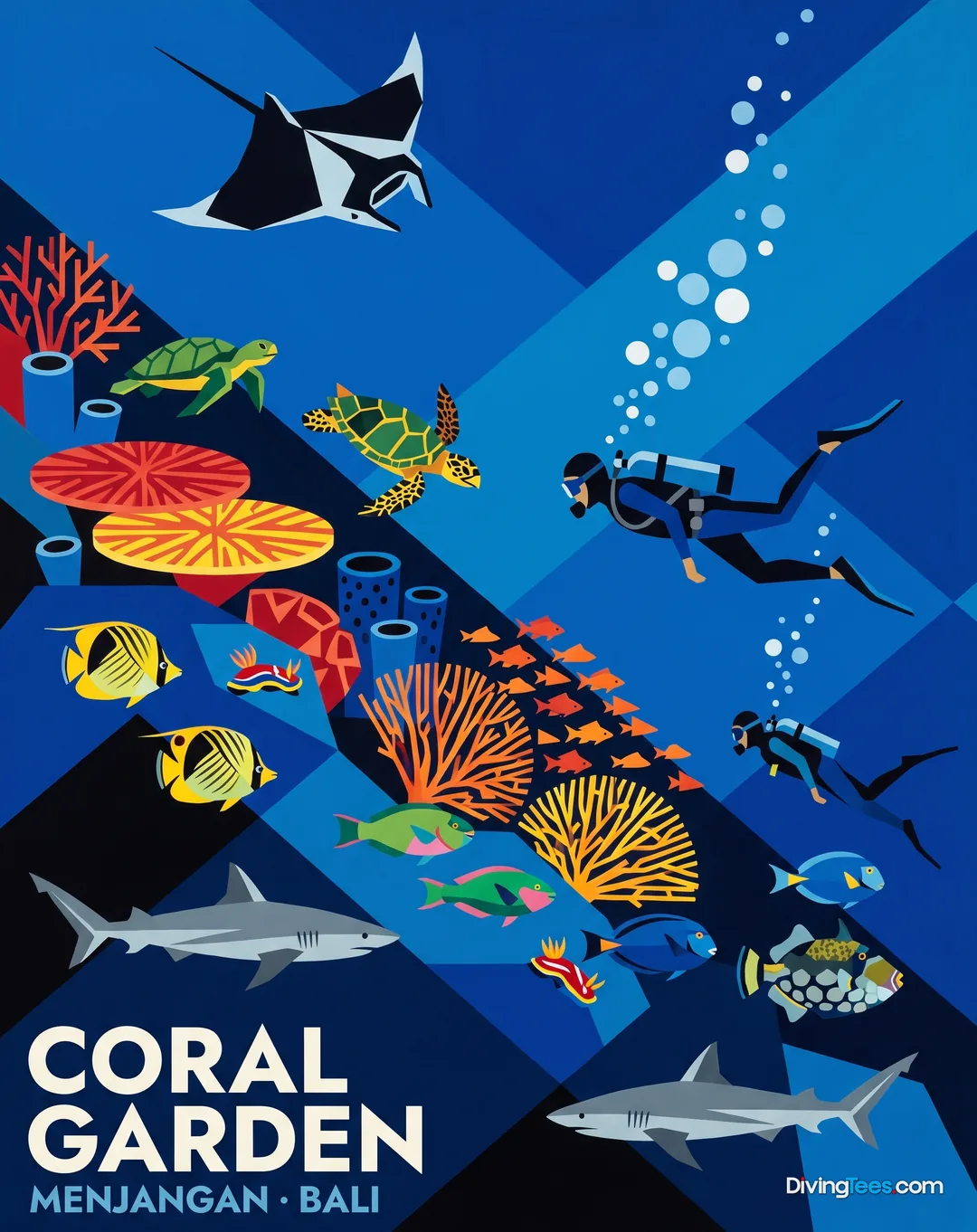
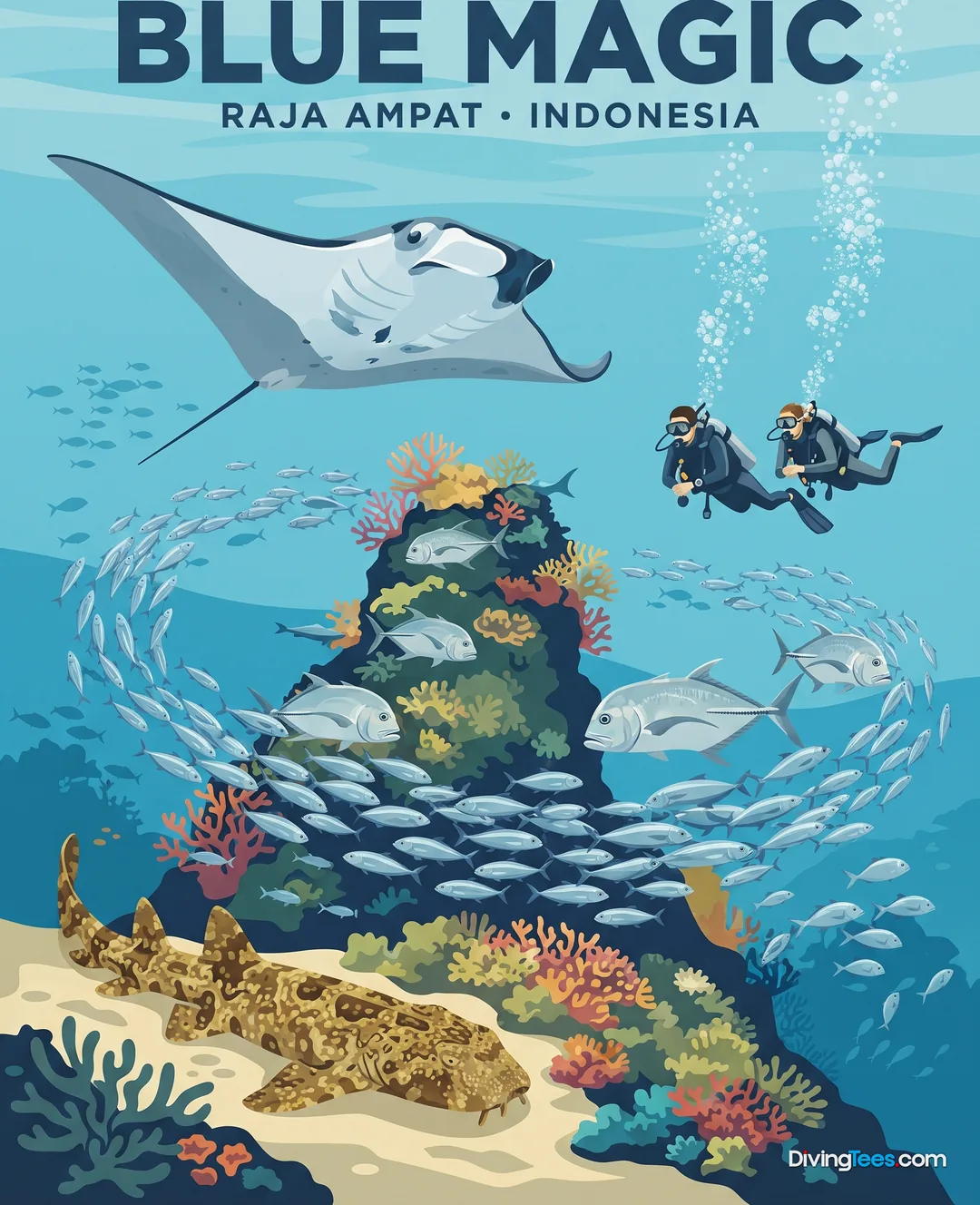
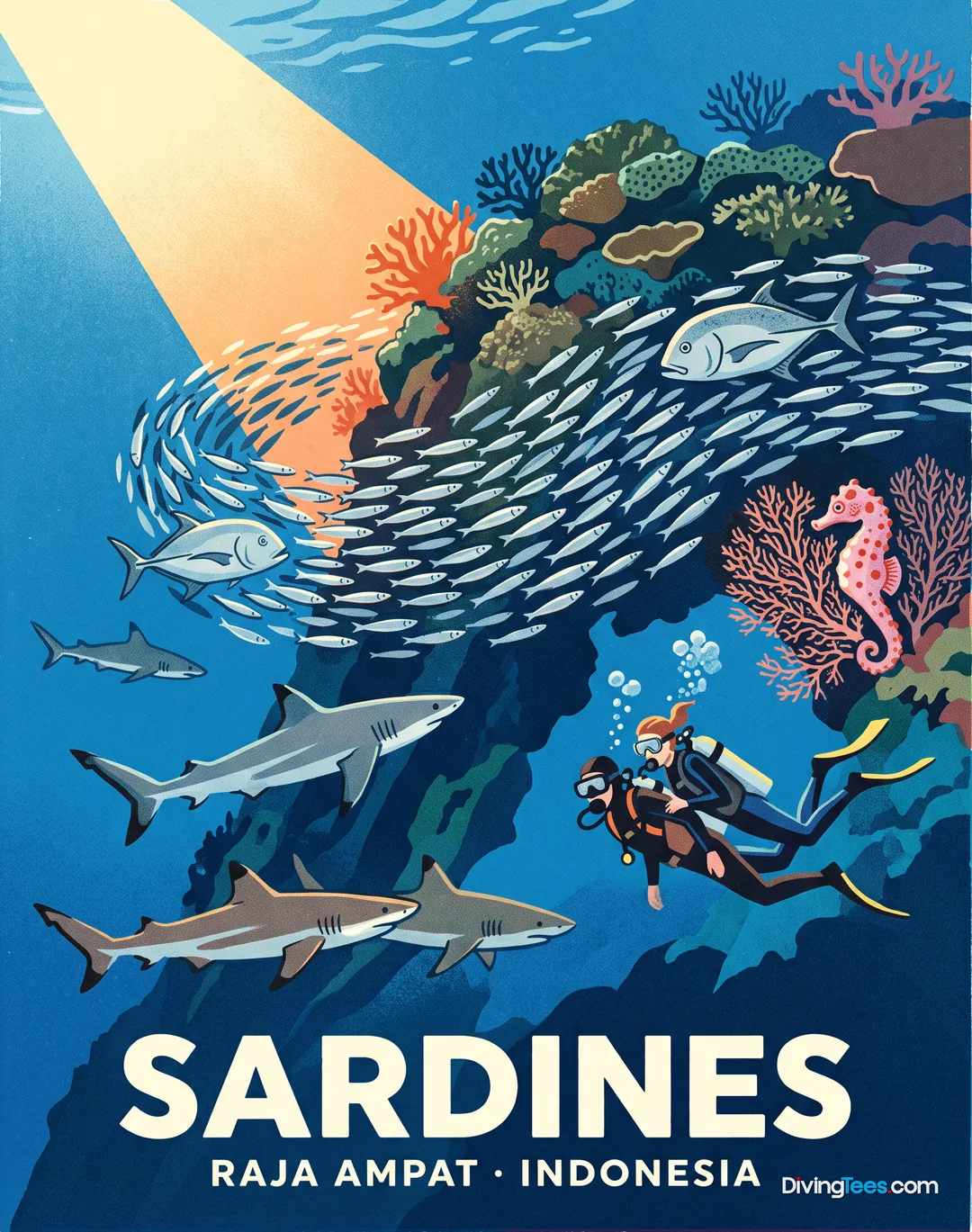
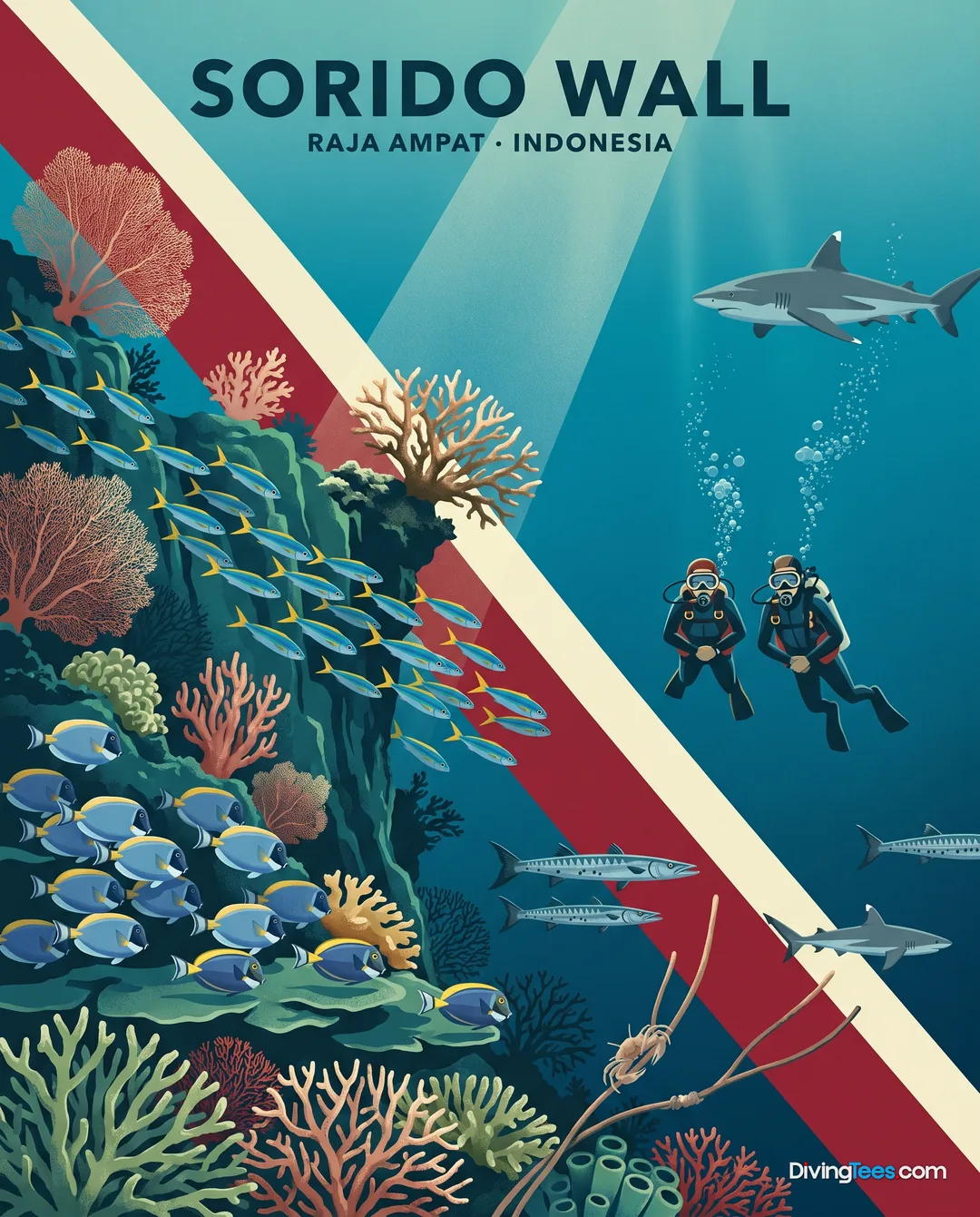
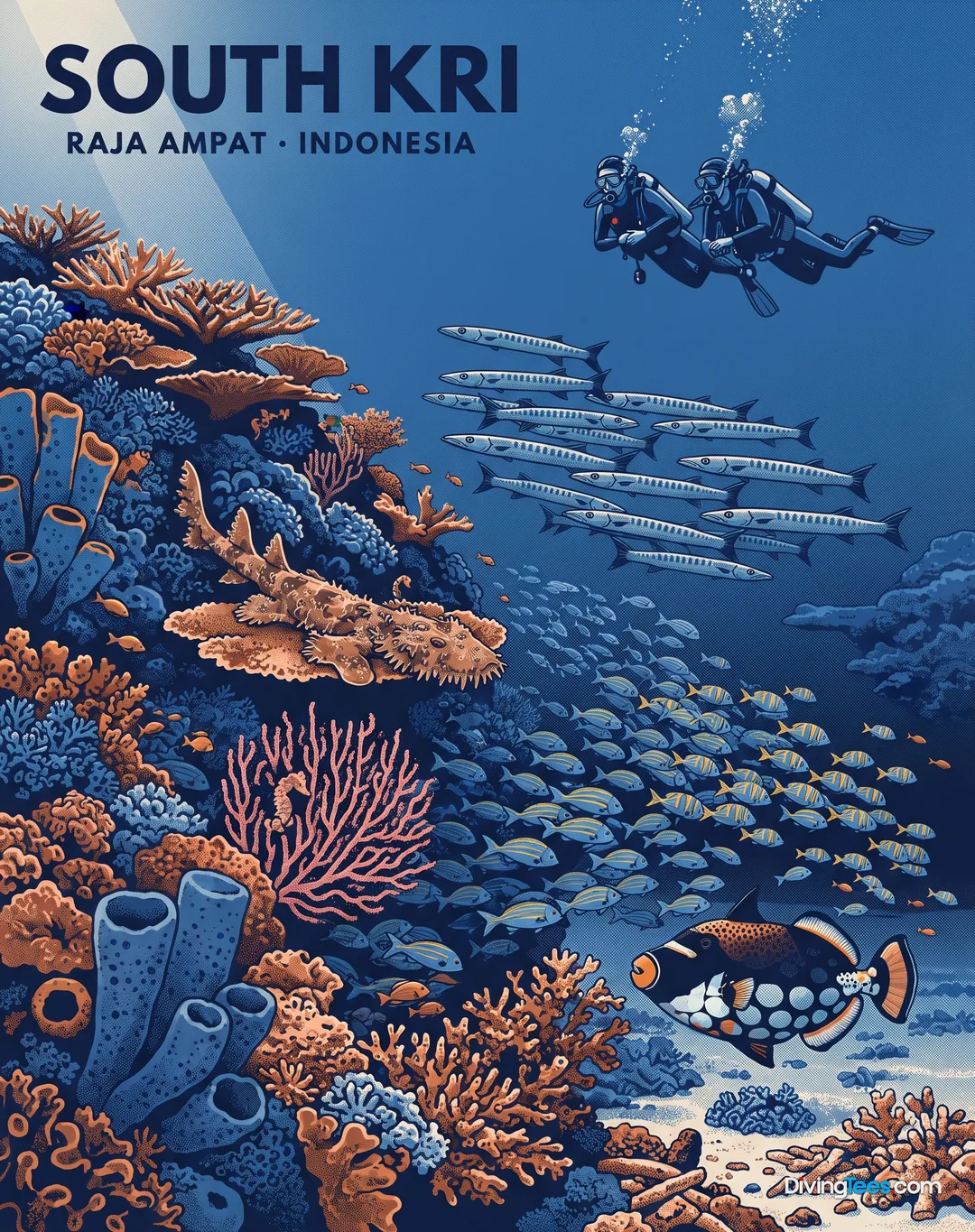
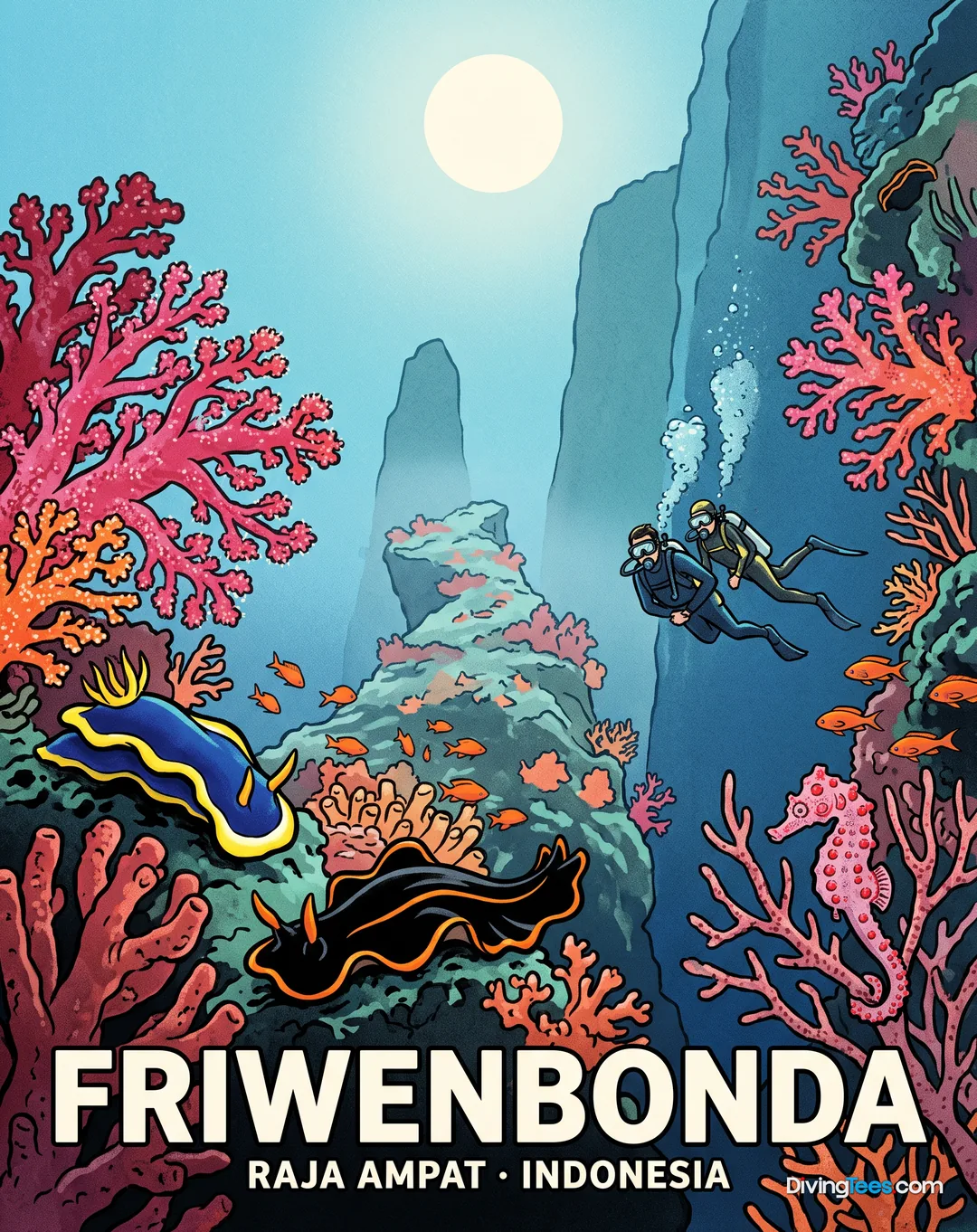
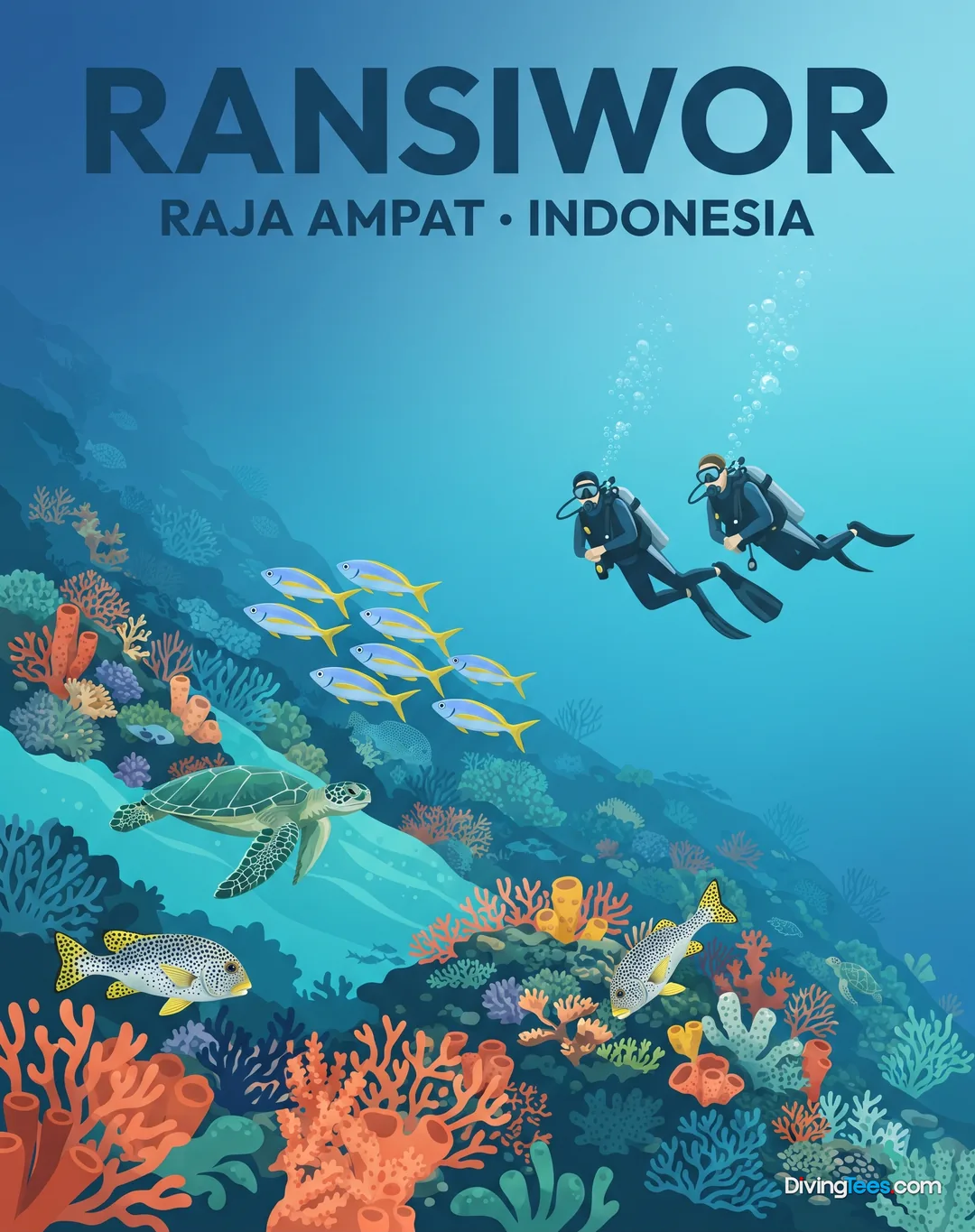
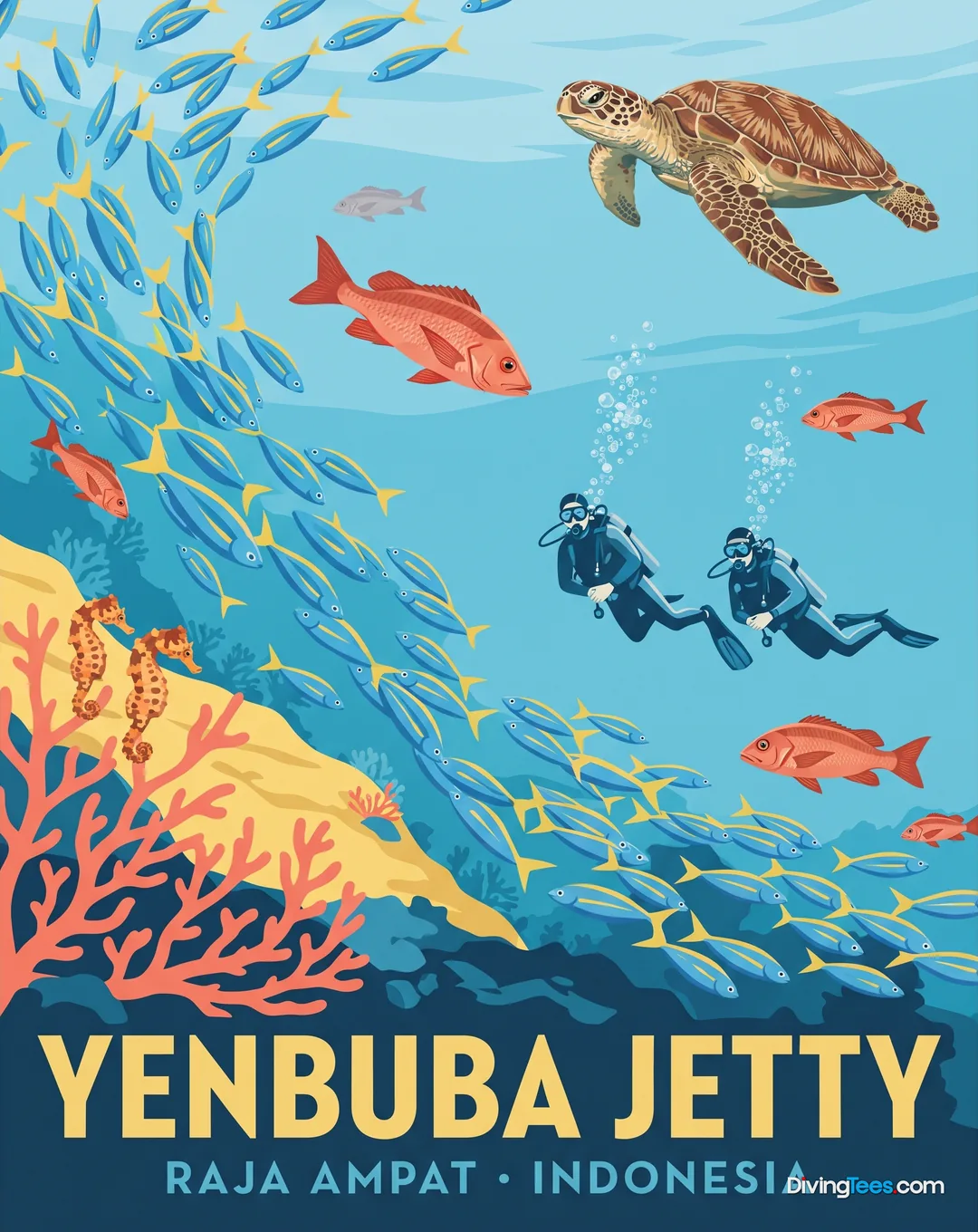
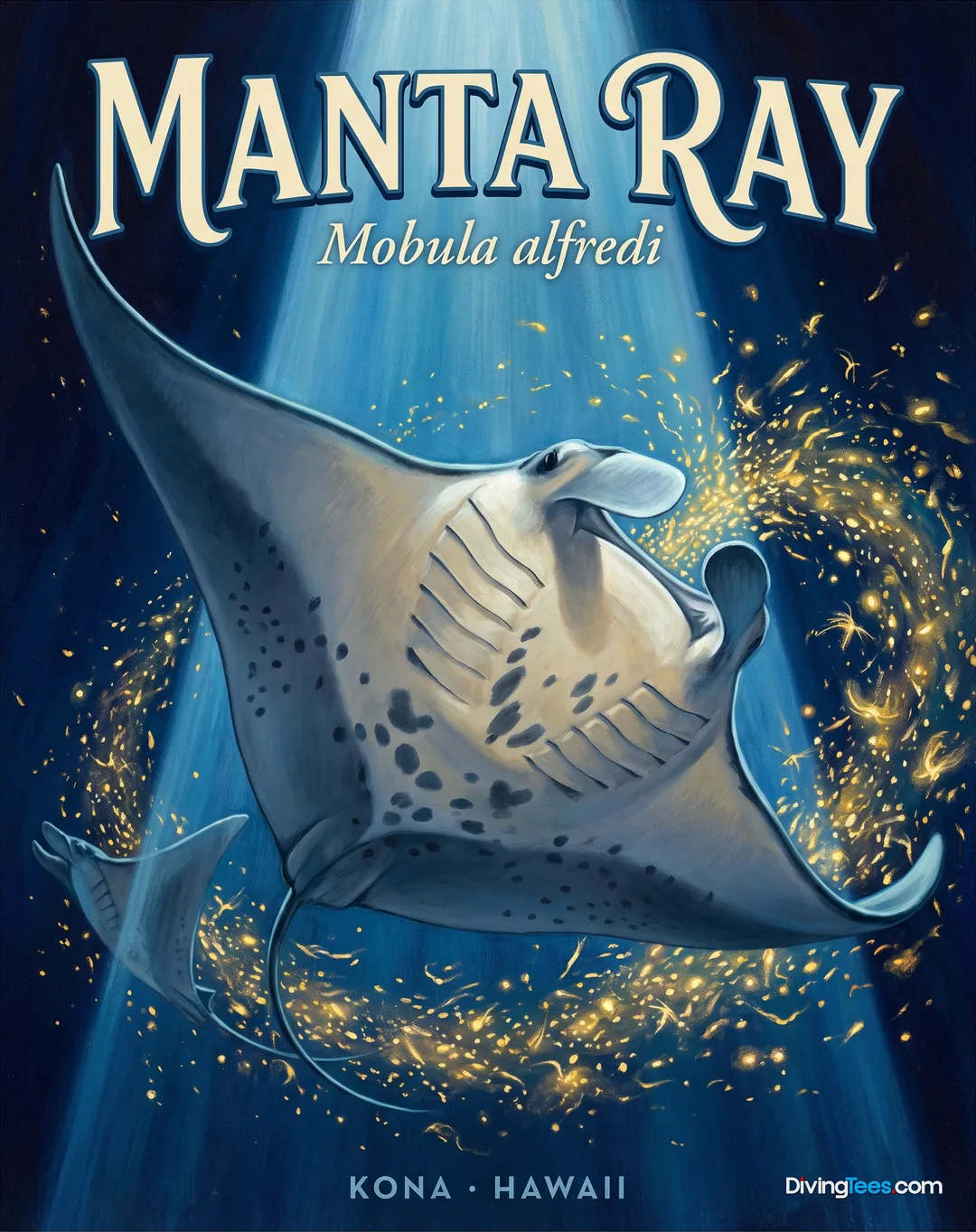
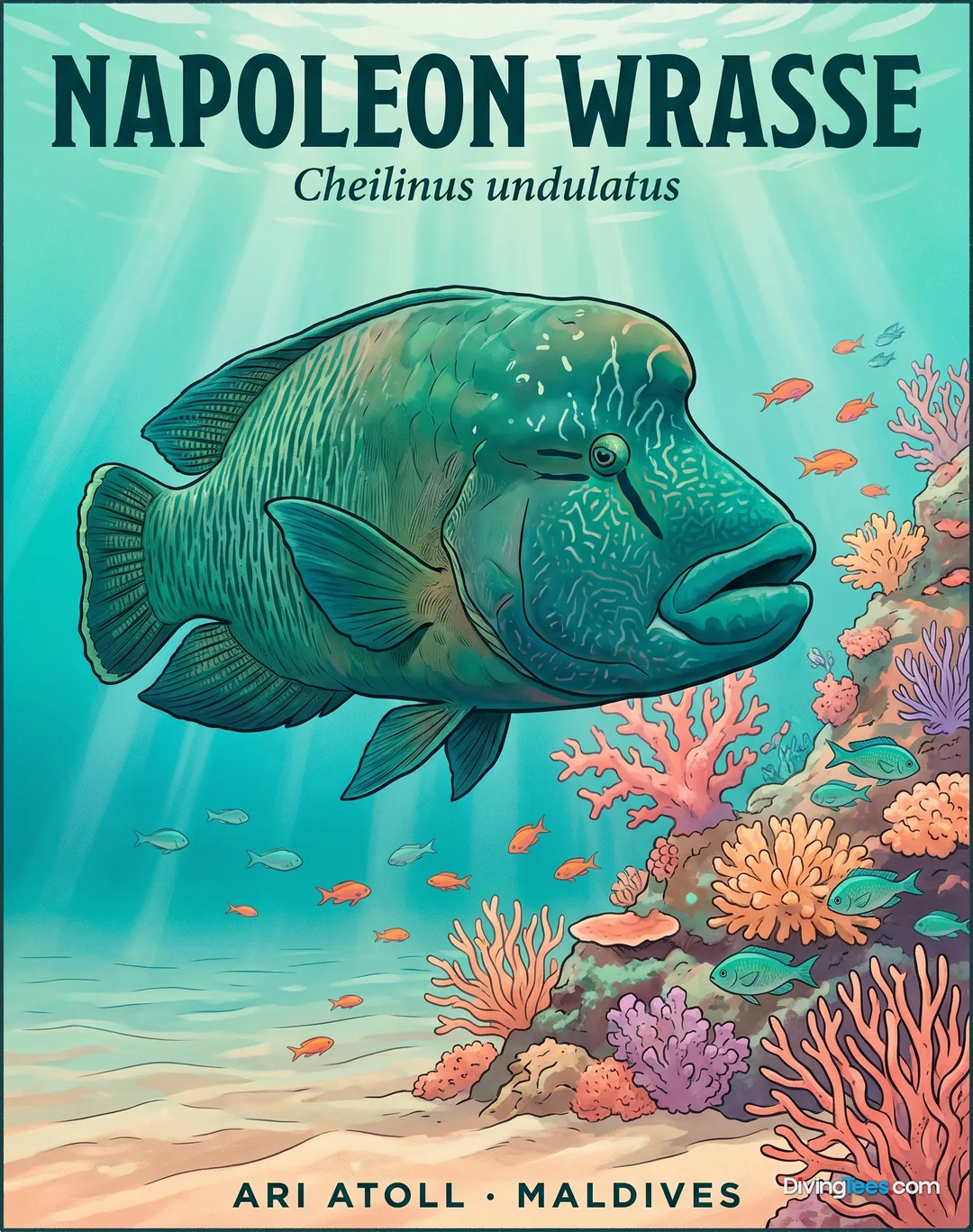
The 11-day, 10-night Waisai–Raja Ampat–Waisai route moves through reefs, walls, cleaning stations, current-swept pinnacles and sheltered sites; tides, weather and sea conditions decide the final selection. Manta Sandy is built around reef manta rays hovering over cleaning stations, accessible to snorkelers as well as divers. At Mike’s Point, soft corals cover reef overhangs and sweetlips gather on the plateau, where eagle rays may pass; the site reaches -40m. Cape Kri brings dense schools of emperors and fusiliers, Napoleon wrasse and reef sharks, with its remarkable record of 374 fish species seen on one dive. Melissa’s Garden is a coral garden of soft corals and staghorn formations to -35m. Blue Magic combines schooling fish with wobbegongs, giant trevally and oceanic mantas. Sardines, Sorido Wall and South Kri add fast-moving fish and macro life; Friwenbonda is a soft-coral wall with pygmy seahorses. Ransiwor reaches -30m, while Yenbuba Jetty reaches -30m beneath fish-filled, coral-covered pilings.
Itineraries, dates and prices
Prices per person. Each month shows its lowest price: click a month, or pick an itinerary.
Next departures · 27 departuresfrom £996$1,331€1,189
December 2026
January 2027
February 2027
March 2027
See dates and prices
If you click these links and make a purchase on the partner site, DivingDeal may earn a commission, at no extra cost to you.
Dates and prices taken from Divebooker and liveaboard.com, updated 20 October 2026
What you’ll meet underwater
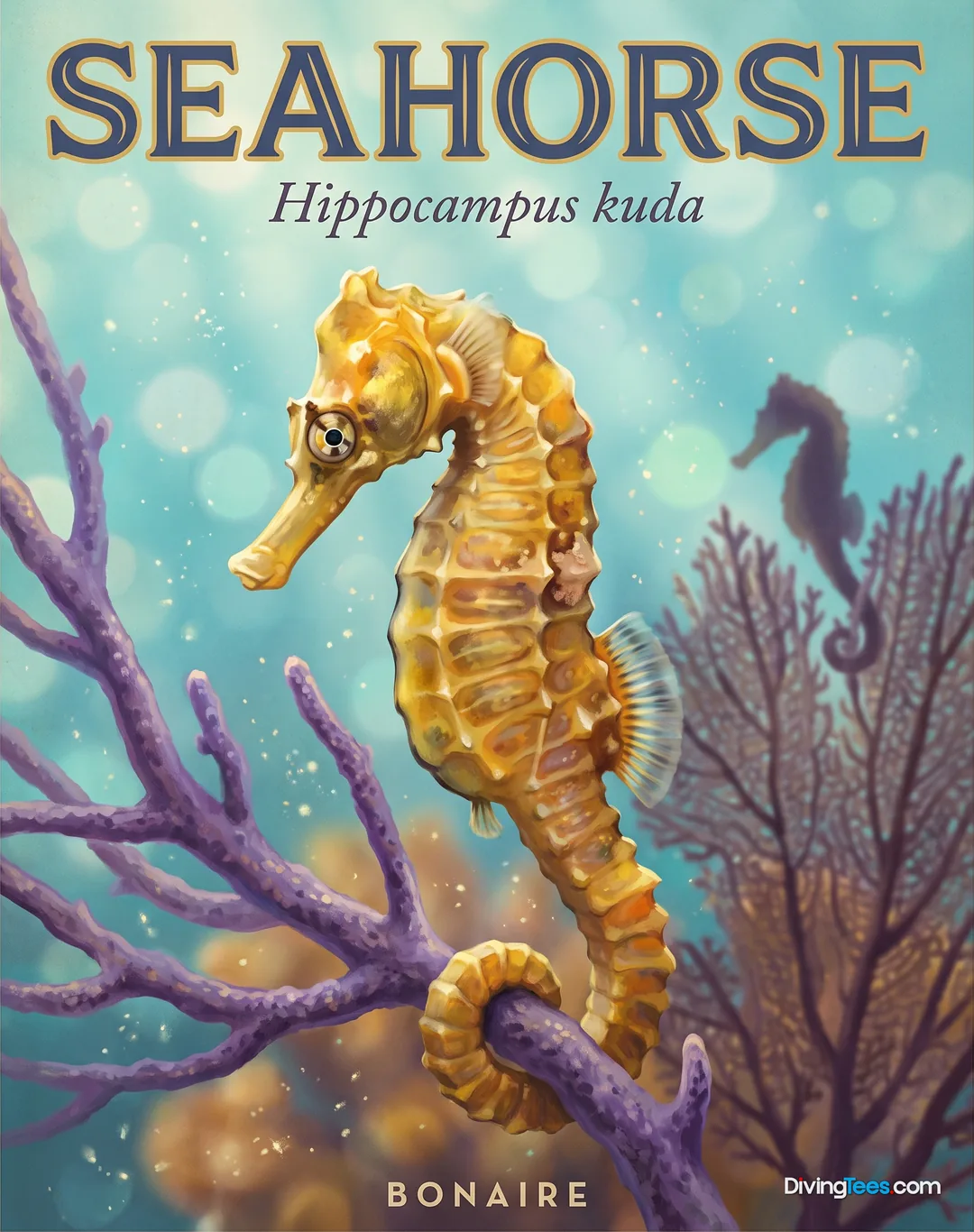
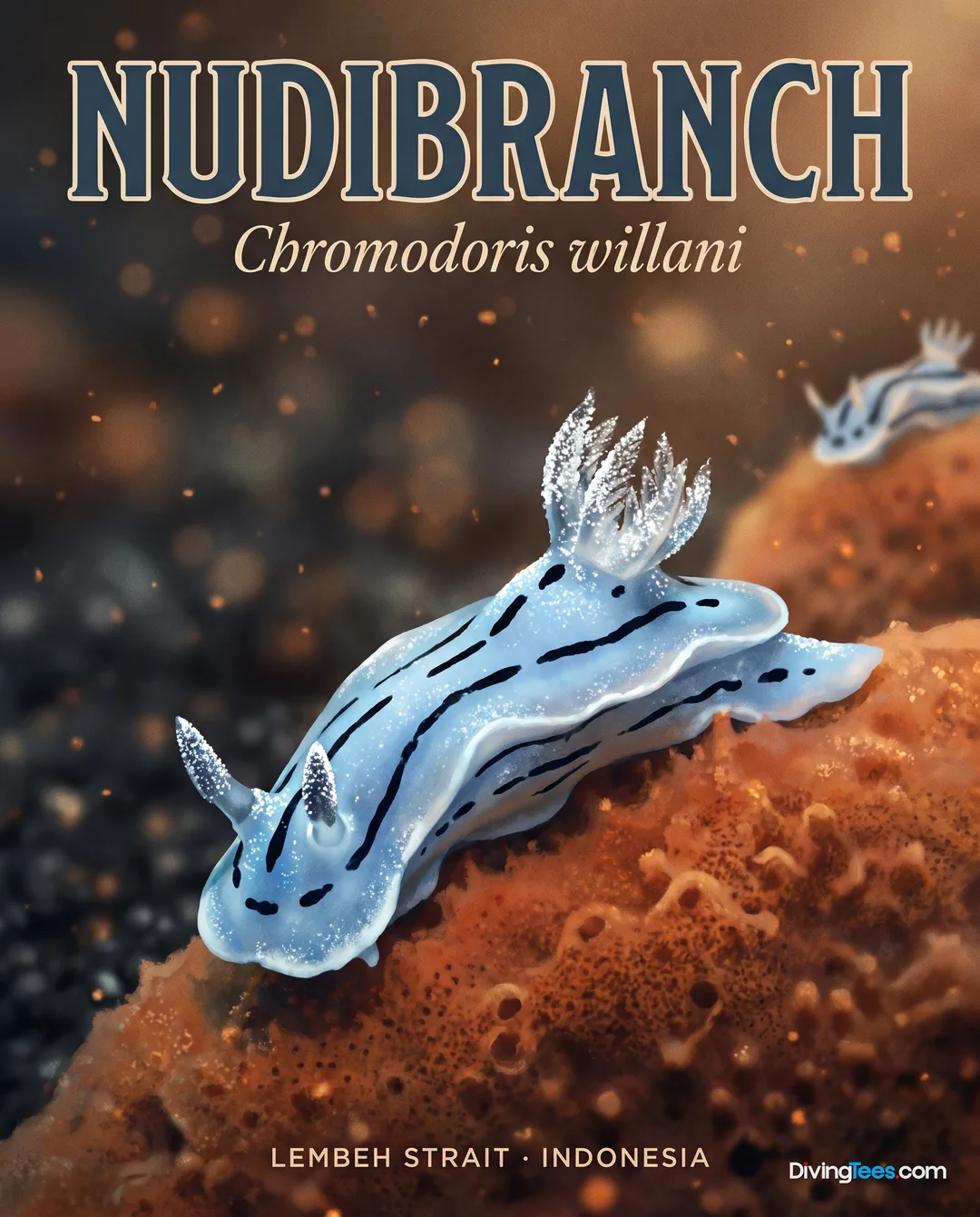
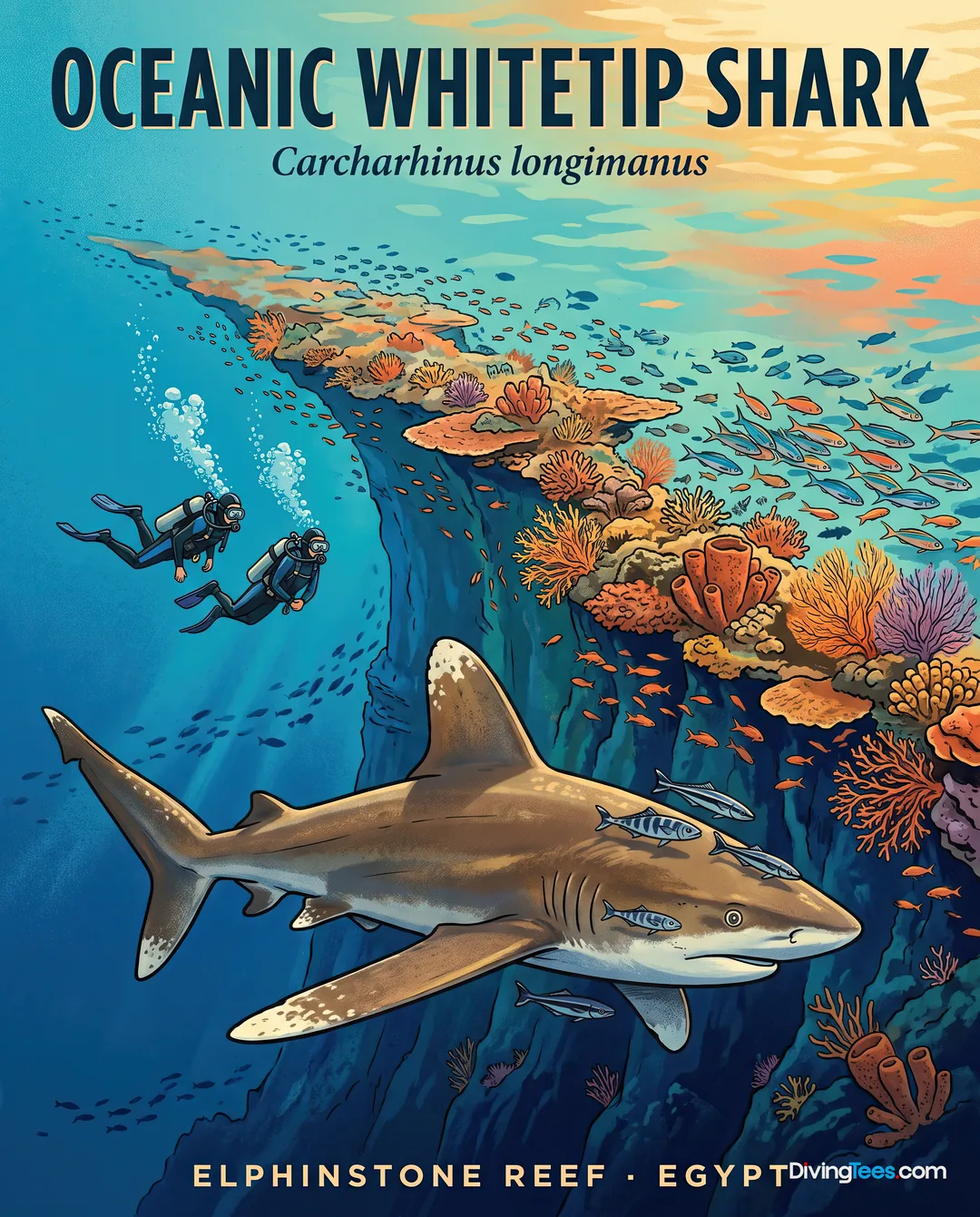
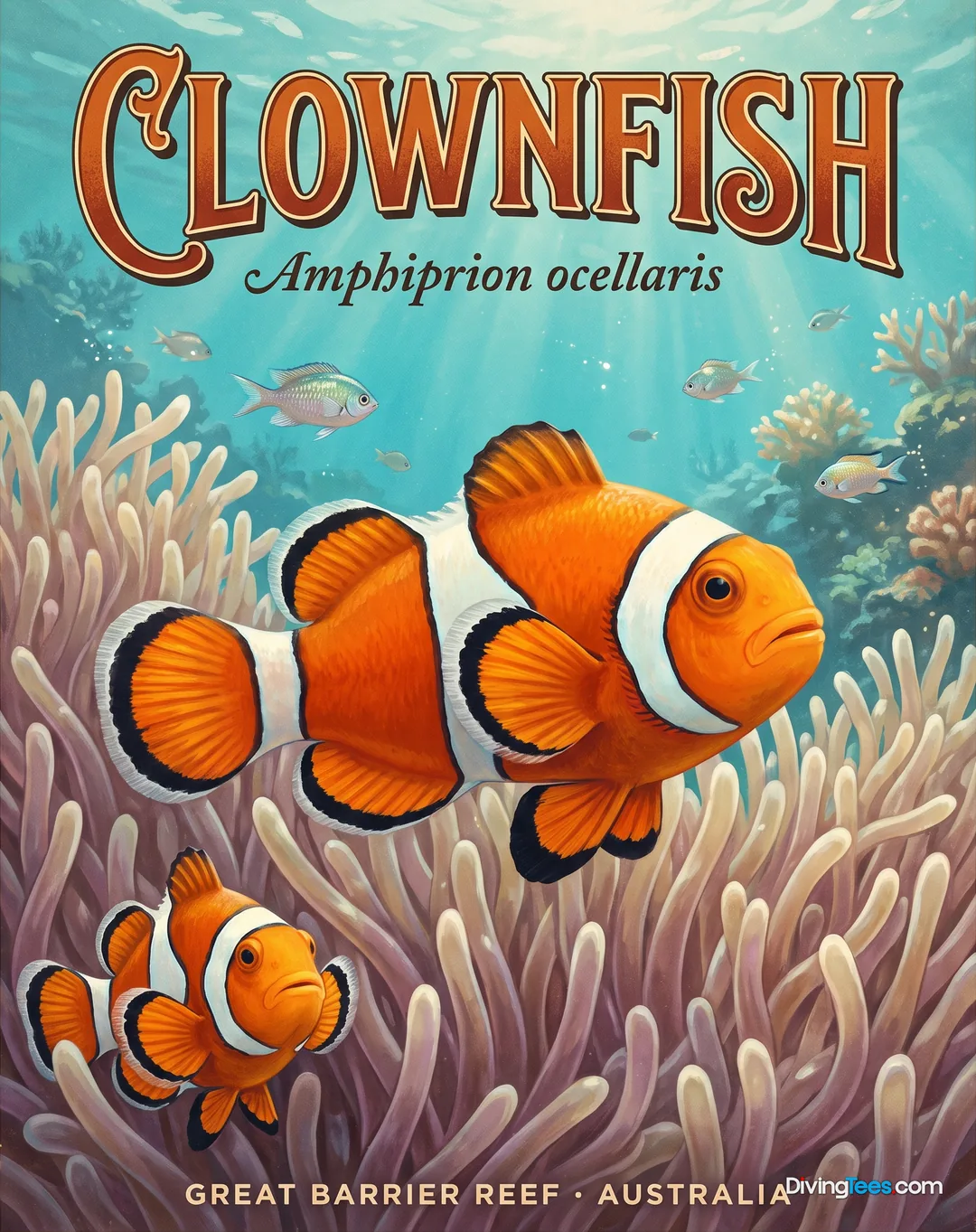
Across the route, the background is already busy: barracuda, reef sharks, trevally, fusiliers, Napoleon wrasse, sweetlips, humphead parrotfish, turtles, nudibranchs, soft corals and pygmy seahorses recur across several sites. The current is part of the reason. At Cape Kri it concentrates emperors, fusiliers, Napoleon wrasse and reef sharks around the reef; at Blue Magic, schooling fish and oceanic mantas are the draw, with oceanic whitetip sharks and tuna recorded only there on this route. Manta Sandy is the place to wait over a cleaning station for reef mantas. Ransiwor can produce a different kind of encounter: octopus and clownfish are specific reasons to search its gentle slopes. South Kri rewards a slower look for big-eye trevally, crabs and shrimp among the macro life, while Sorido Wall brings barracuda and reef sharks over fusiliers and surgeonfish. Yenbuba Jetty is where anthias and damselfish join the dense schools around the pilings. None of these animals is guaranteed; tides, visibility and the animals decide what appears.
Who puts you in the water
English and Indonesian are spoken on board. The dive team includes SSI- and PADI-certified guides and instructors, with knowledge of Raja Ampat’s reefs, species, tides and currents; dive support staff are trained in first aid and emergency first response. Dive groups are kept small, with a stated ratio of about one guide to four divers. Briefings cover the reef shape, expected current, tide and likely marine life before the group enters, and the cruise leader can place divers on an easier route or at another site when conditions or comfort require it. Advanced Open Water Diver or an equivalent qualification is the minimum level for the Raja Ampat trips. Divers may buddy-dive independently on sites judged suitable by the cruise leader, while guided groups remain organised around ability and safety. Oxygen and first-aid kits are carried on board, alongside radio, GPS and other navigation and emergency equipment.
The dive deck and the gear
The dive operation is arranged around a shaded deck, a proper dive platform and a tender that takes divers to the reef and collects them after the dive. Kira Kira carries one Yamaha 40 tender, and the support boat stays central to the practical rhythm of sites where the mother vessel cannot sit close to the reef. DIN adapters are available. The boat has charging stations, a separate camera rinse area and space intended for photographers, so wet equipment does not have to share every rinse with cameras and lenses. Tanks, weights and the compressor support the scheduled diving, while rental equipment and snorkelling equipment are optional. Divers get a covered work area, a platform instead of a swim-off, a dedicated camera rinse and a tender built into the dive plan.
Between dives
Between dives, Kira Kira gives you choices without turning the boat into an activity centre. The shaded dive deck is the practical refuge after a current-heavy dive; the sun areas suit a book, a camera or a look at the limestone islands sliding past. Kayaks take guests into sheltered bays and lagoons, while shore excursions, beach barbecues and land activities are part of the trip where the location permits. An indoor saloon, small library and audio-video entertainment are there for weather, editing and the hours when nobody wants more sun. Some passages are simply passages: the boat moves, the crew works, and the view changes. That is useful time on a Raja Ampat itinerary, especially for photographers who need to back up files, dry equipment and decide whether the next dive is for a wide-angle reef or a pygmy seahorse.
A day on board
A day begins with the dive team getting the operation ready before the first briefing. You wake, drink coffee, assemble gear under cover and listen to the guide describe the reef, current and exit plan. The first dive is followed by food, rinsing and the short practical business of drying yourself and checking cameras before the next briefing. Later dives break up the day, with meals and snacks arriving between them and the boat moving when the route calls for a passage or a new anchorage. A quiet afternoon may mean kayaking, a shore excursion, a beach barbecue or simply lying in the shade while Raja Ampat passes at deck level. Night dives are possible when conditions allow, rather than promised as a fixed part of every day. After the final dive, dinner becomes the long table: sightings are replayed, memory cards are checked and the crew’s jokes carry into the evening. Then the boat settles at anchor and the cycle starts again.
What you eat aboard
Food is one of Kira Kira’s strongest arguments. The galley serves Indonesian cooking alongside familiar Western dishes, with three full-board meals and snacks and treats between them. Expect fresh-cooked food rather than a fixed resort buffet: local flavours, filling portions and enough variety to keep a diver interested through an 11-day trip. Vegetarian and vegan options are available, and meals can be served outdoors when conditions allow. Beer is available; other alcoholic and non-alcoholic drinks are optional extras. The table does more than stop hunger after a dive. It is where the group compares sightings, where the guide hears what people want from the next site, and where a plate of Indonesian food becomes part of the route itself. Tea, coffee and drinking water are included, with snacks available throughout the day.
Nights at sea
The cabins are below deck, with traditional portholes looking out across the sea. Kira Kira offers twin and double cabins, and the wooden interiors use Kendoli and teak rather than laminated hotel furniture. Beds are large, ventilation is natural, and cupboards, wardrobes and shelves give cameras, laptops, dive gear and clothes somewhere to live instead of leaving everything in a bag. The space is comfortable but limited, as it should be on a small liveaboard; this is a cabin for sleeping between dives, not for hiding from the trip. Two shared bathrooms serve the boat. After dark, solar power keeps the electrical systems quieter than a constantly running generator, so the sound from the bunk is more likely to be water against the hull than machinery. Cabin service can be done daily, with towels and sheets changed when requested.
Twin Cabin
Double Cabin
What to know before boarding
Raja Ampat trips board and return in Waisai, following the Waisai–Raja Ampat–Waisai route. Boarding is at 11am, and the boat returns to harbour in the middle of the morning. Airport and hotel transfers are not included, so guests arrange transport to the harbour themselves; the Raja Ampat connection normally involves reaching Sorong and taking the fast boat to Waisai. Arriving in Indonesia at least one day before boarding is strongly advised.
What the boat does for the ocean
Kira Kira uses solar power for its electrical systems, reducing generator use, fuel consumption and operating noise. The operation limits single-use plastics, sources food locally and works within Indonesian marine-park regulations. It also supports local communities through village reef fees and shore activities. These are modest measures, but they are built into how the boat runs rather than added as a claim about the destination.
- Year built
- 2014
- Year renovated
- 2023
- Length
- 22 m
- Beam
- 4.5 m
- Maximum number of passengers
- 10
- Number of cabins
- 5
- Number of bathrooms
- 2
- Engines
- 1 × Mitsubishi 6d-16
- Cruising speed
- 8
- Tenders
- 1 × Yamaha 40
Hello, I'm Marina, DivingDeal.com's AI assistant. I answer in detail about hotels, dive centres and liveaboards.
Thinking about the whole trip and the flights? Talk it over with Edith →
Marina is an AI. Some links are affiliate links: DivingDeal may earn a commission, at no extra cost to you. Bookings are made with the partner.