Liveaboards · Indonesia
Raja Ampat Aggressor — a purpose-built dive yacht for long Indonesian routes
Deal on this boat
Per person
£4,296$5,743€5,131 £3,222$4,307€3,848
Discount calculated by us, against the boat's usual price for a trip of the same length.
See all discounted dates ↓What makes this boat unique
- This 30-metre dive yacht carries up to 16 passengers in eight air-conditioned cabins, each with a private bathroom.
- Two Zodiacs with Yamaha 40 hp engines handle the diving, while the shaded dive deck keeps equipment and divers out of the worst of the sun.
- The route reaches Raja Ampat, Lembeh Strait, Halmahera and the Derawan Islands on selected 11-day and 13-day cruises.
- Nitrox is available as an optional extra, with 32% fills for certified Nitrox divers.
- The crew scores higher than the boat itself: 9.2 for the crew against 8.5 for the vessel, with diving at 9.3 and food at 9.8.
For subtitles in English: start the video firstthen click the gearat the top right of the video, select “Subtitles/CC”, then “Auto-translate” and choose “English”.
The invitation
The Raja Ampat Aggressor is for divers who want Indonesia's strongest combination of reef life, mantas, current dives and serious macro hunting without changing boats between regions. The longer routes connect places that are usually separate trips: Lembeh Strait, Halmahera, Raja Ampat and, on one itinerary, the Derawan Islands. That makes the boat more than a base for one familiar circuit. It is the way to reach a wide spread of underwater environments while keeping the same dive team, tanks and camera setup throughout. The choice is less about finding the newest yacht than about choosing a proven platform for a demanding, animal-focused itinerary. The crew and diving scores reflect where this boat earns its reputation.
Boarding
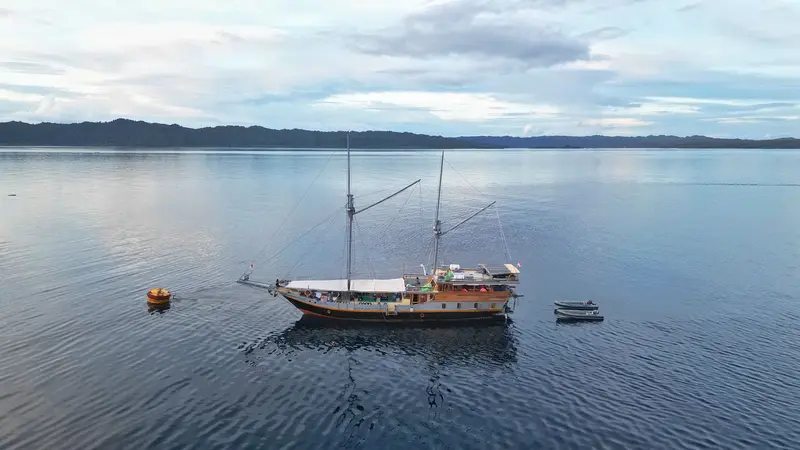
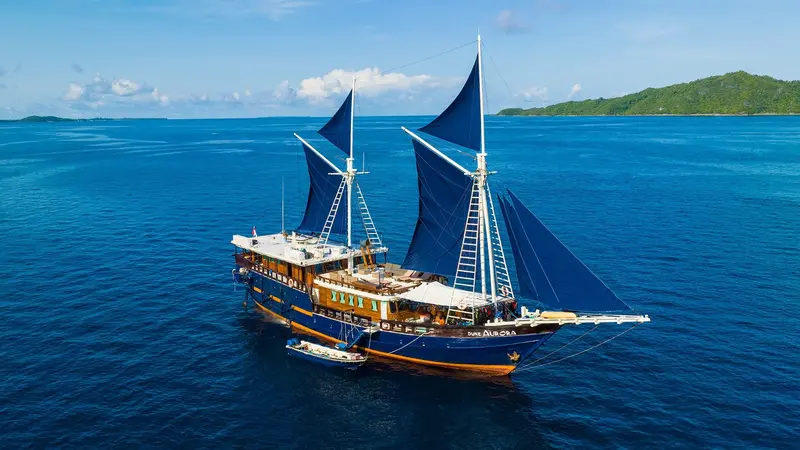
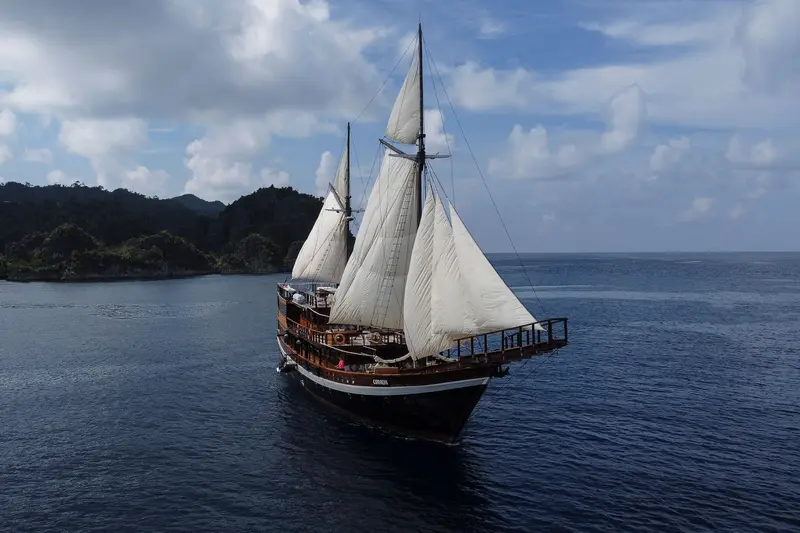
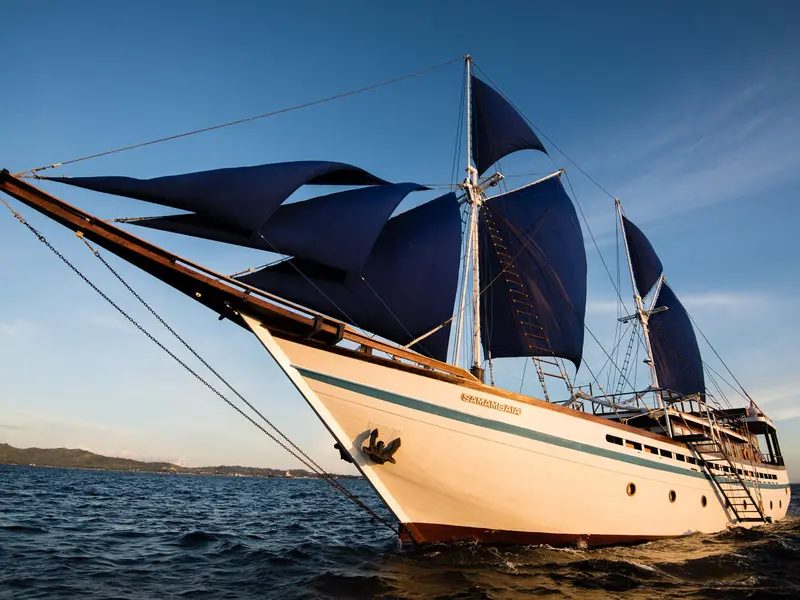
The Raja Ampat Aggressor is a working dive yacht rather than a floating resort dressed up for photographs. Built in 2009, it has the broad, practical proportions needed for long crossings and repeated tender operations, with three diesel engines and enough onboard water-making capacity for a full charter. Boarding leads into a boat organised around diving first: cabins, salon, shaded outdoor areas and the dive operation are separate parts of the same routine. With only 16 guests, the group stays small enough for names and equipment to become familiar quickly. The vessel itself is not the strongest part of the experience; its boat score of 8.5 sits below the crew's 9.2. That is useful context, not a warning. The gain is a crew-led trip on a yacht designed to spend its time moving divers between remote Indonesian sites.
The atmosphere on board
The atmosphere is built by the crew's presence rather than by the hull's age. The crew score is 9.2, higher than the boat score, and that difference tells the reader what passengers take home: organisation, help and attention compensate for a vessel that is no longer new. Every dive starts with a full briefing, and when diving directly from the yacht a staff member is in the water to help with critter spotting, photography and videography. On tender dives, a staff member may accompany the group and help keep it together, without turning the dive into a compulsory guided procession. Guests still dive their own plan within the buddy system. Evenings can hold fish identification, films, games or an adventure video made during the week. English is the crew language, and the food score of 9.8 suggests that conversation often continues around the table.
The sites you’ll dive
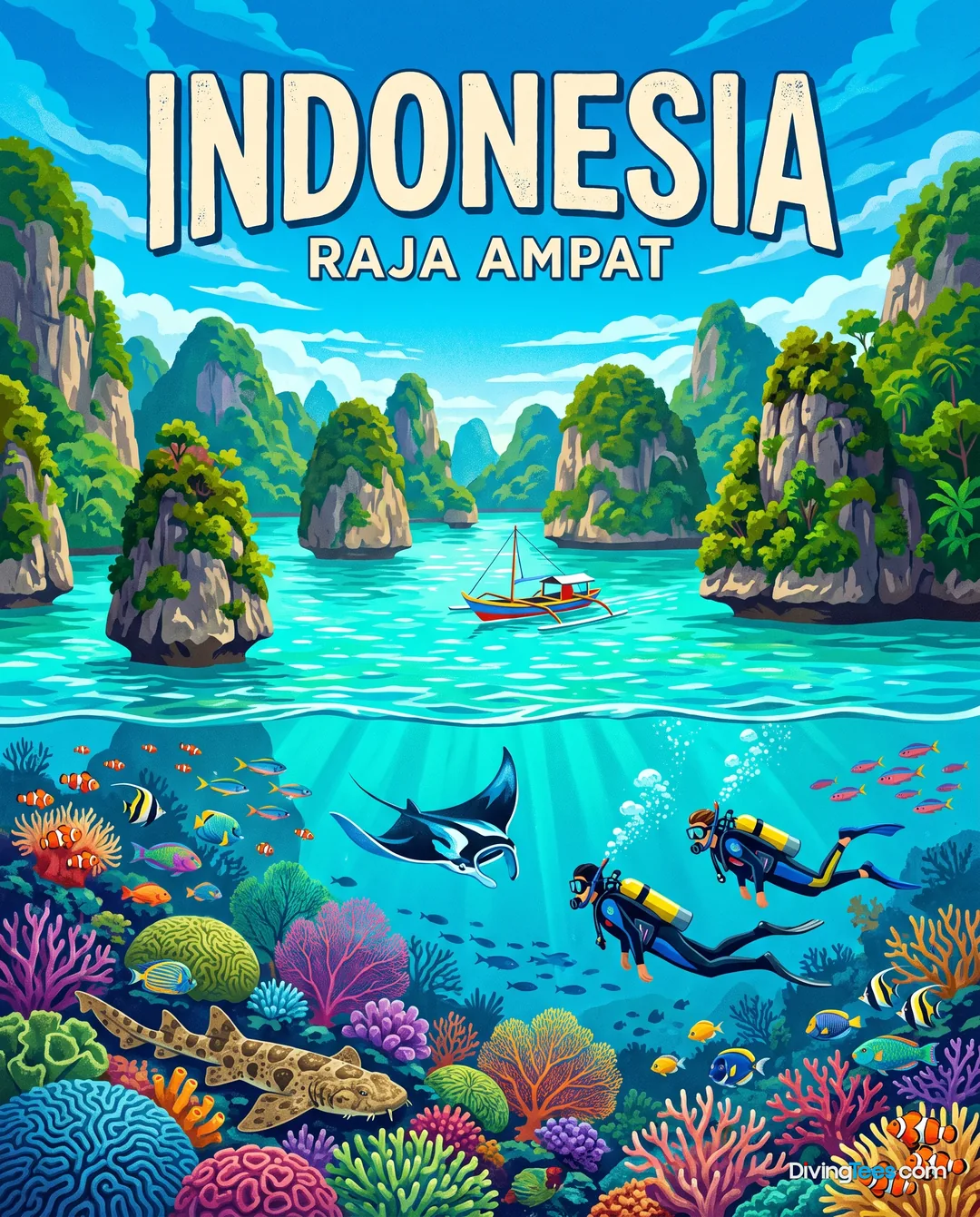
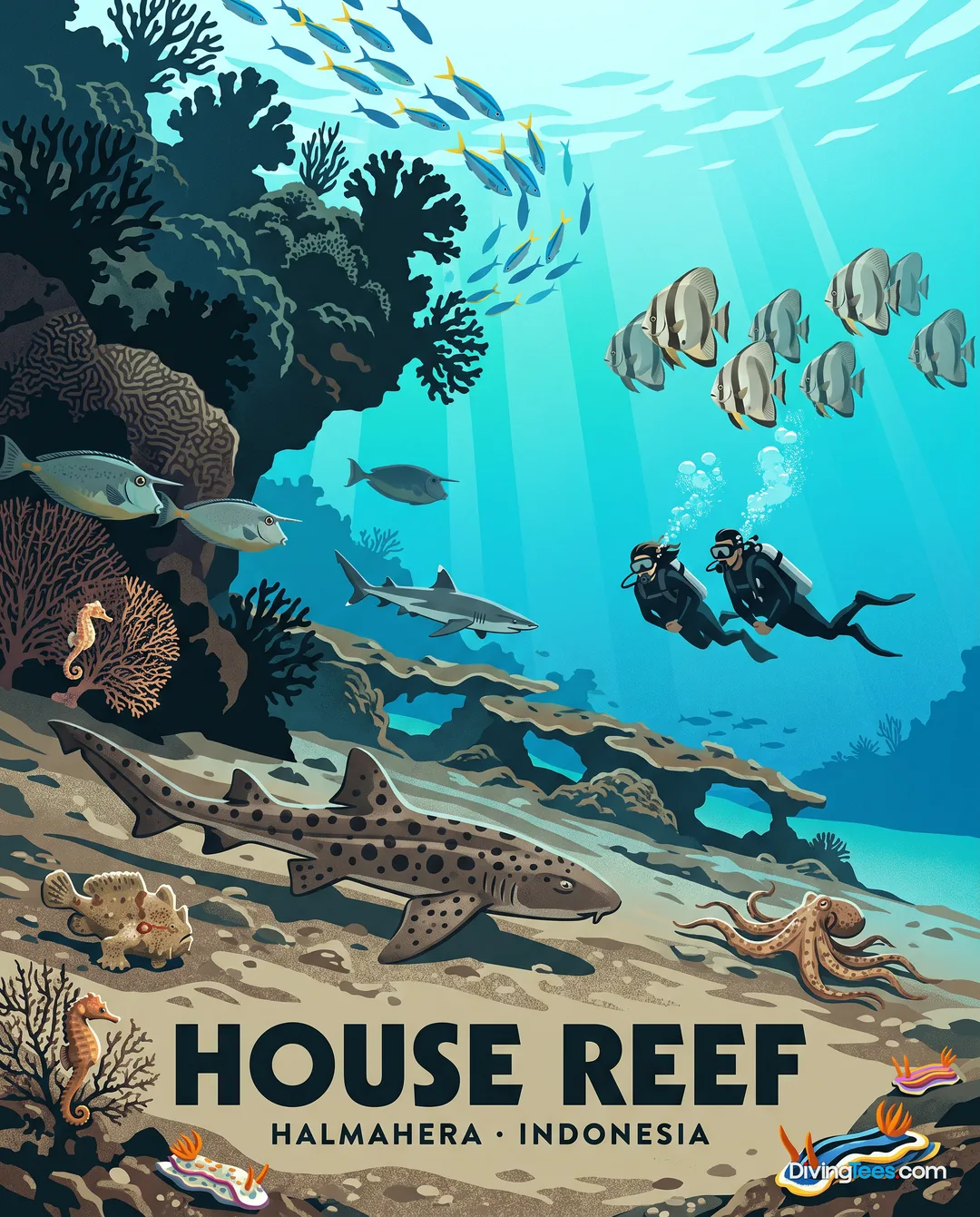
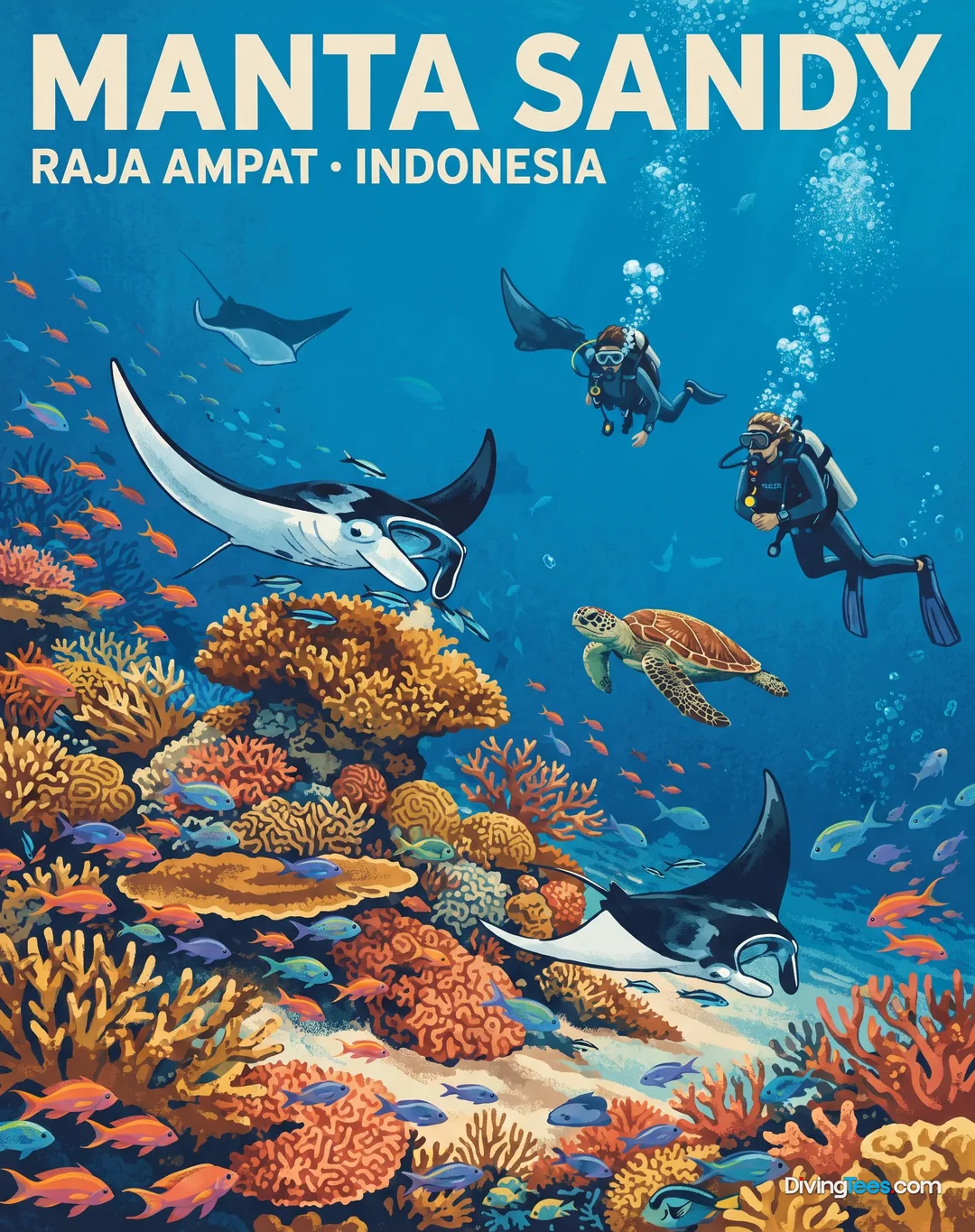
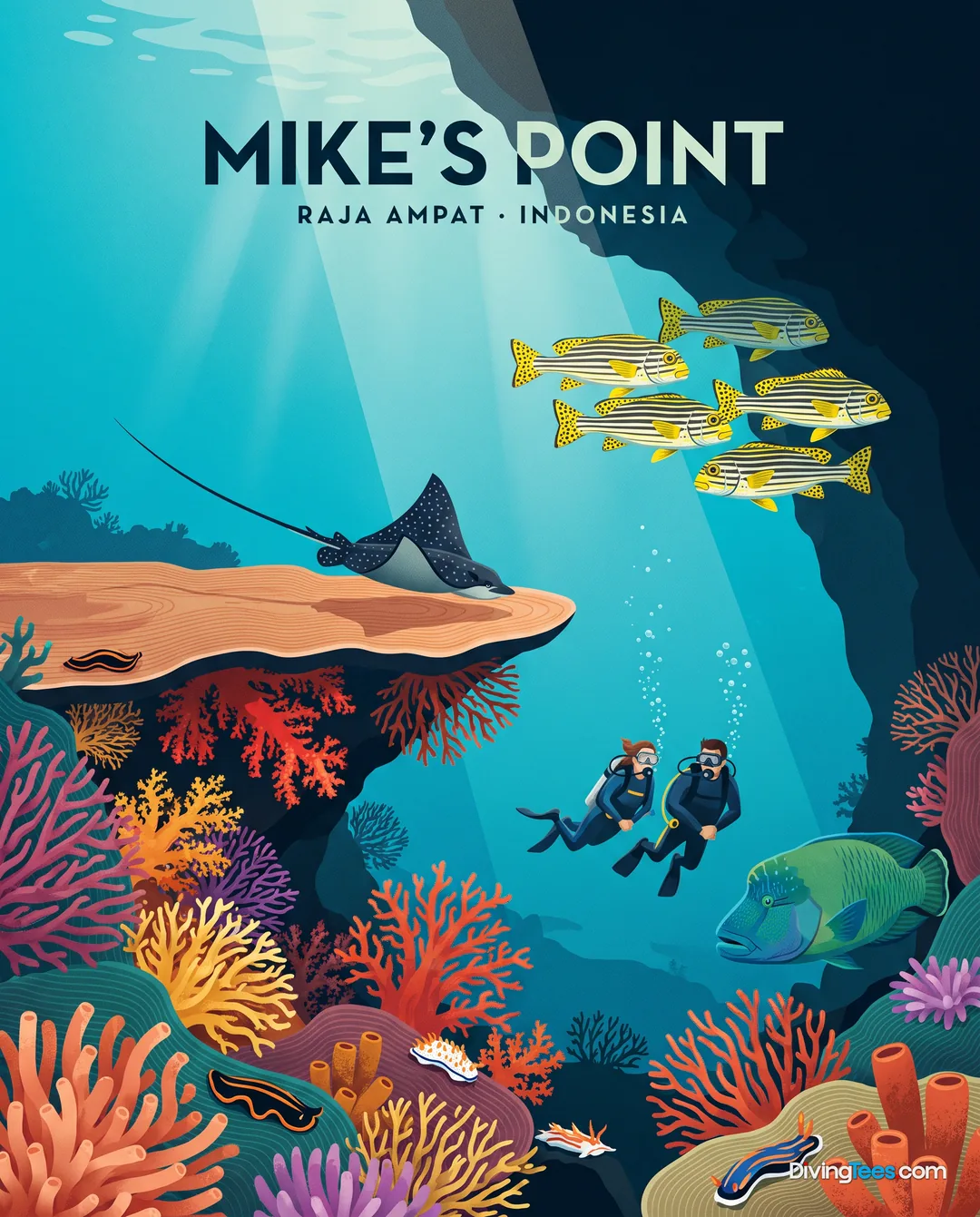
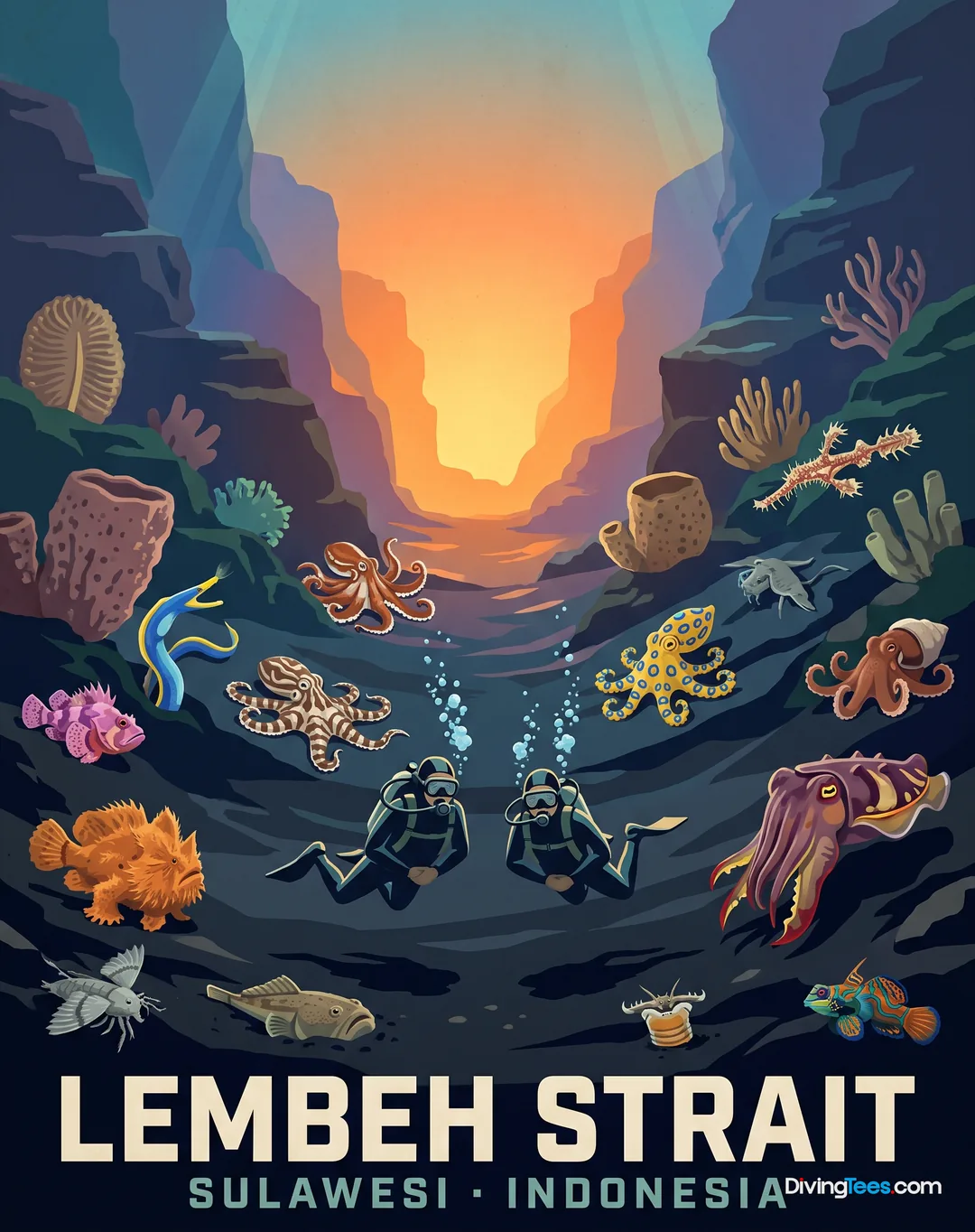
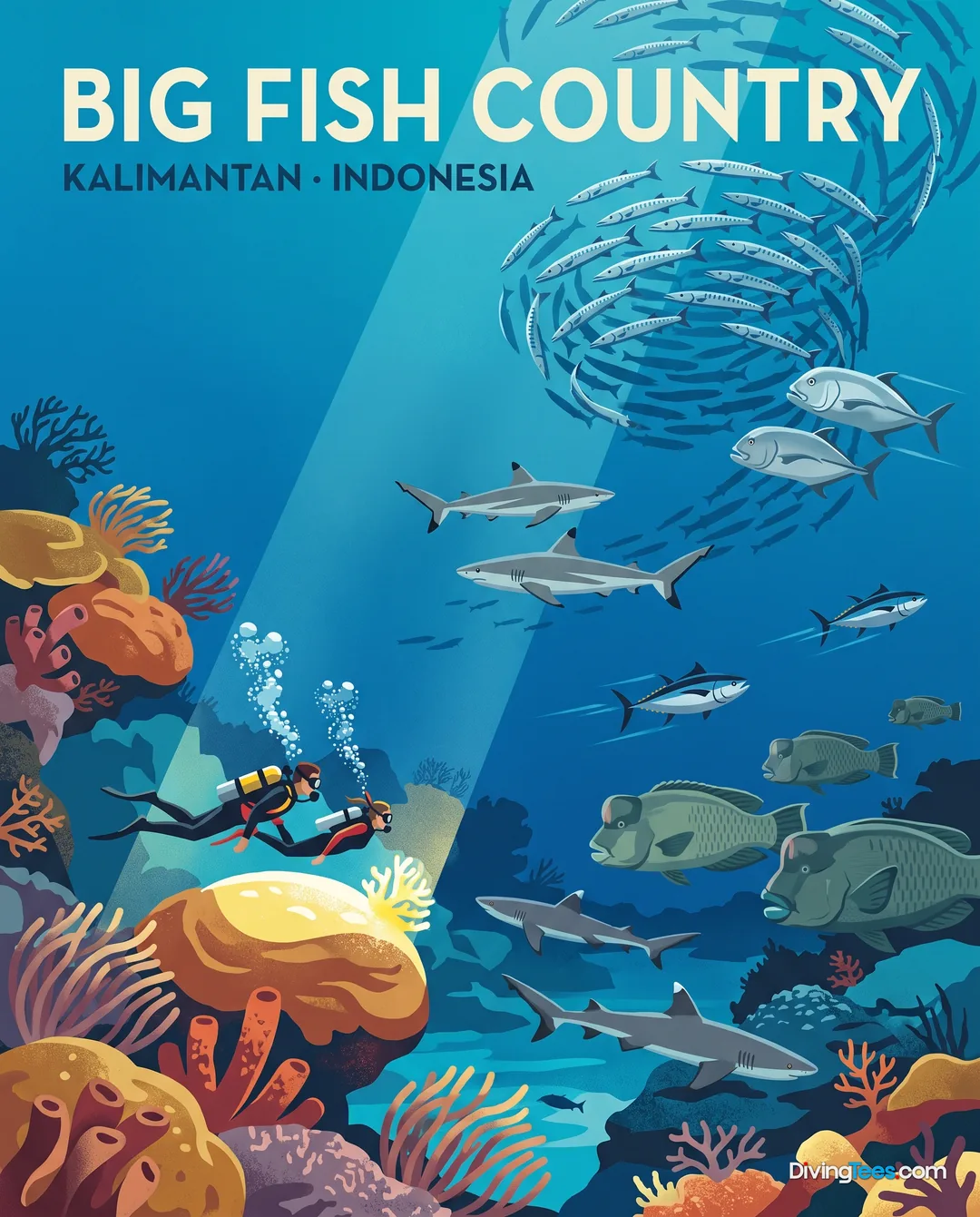
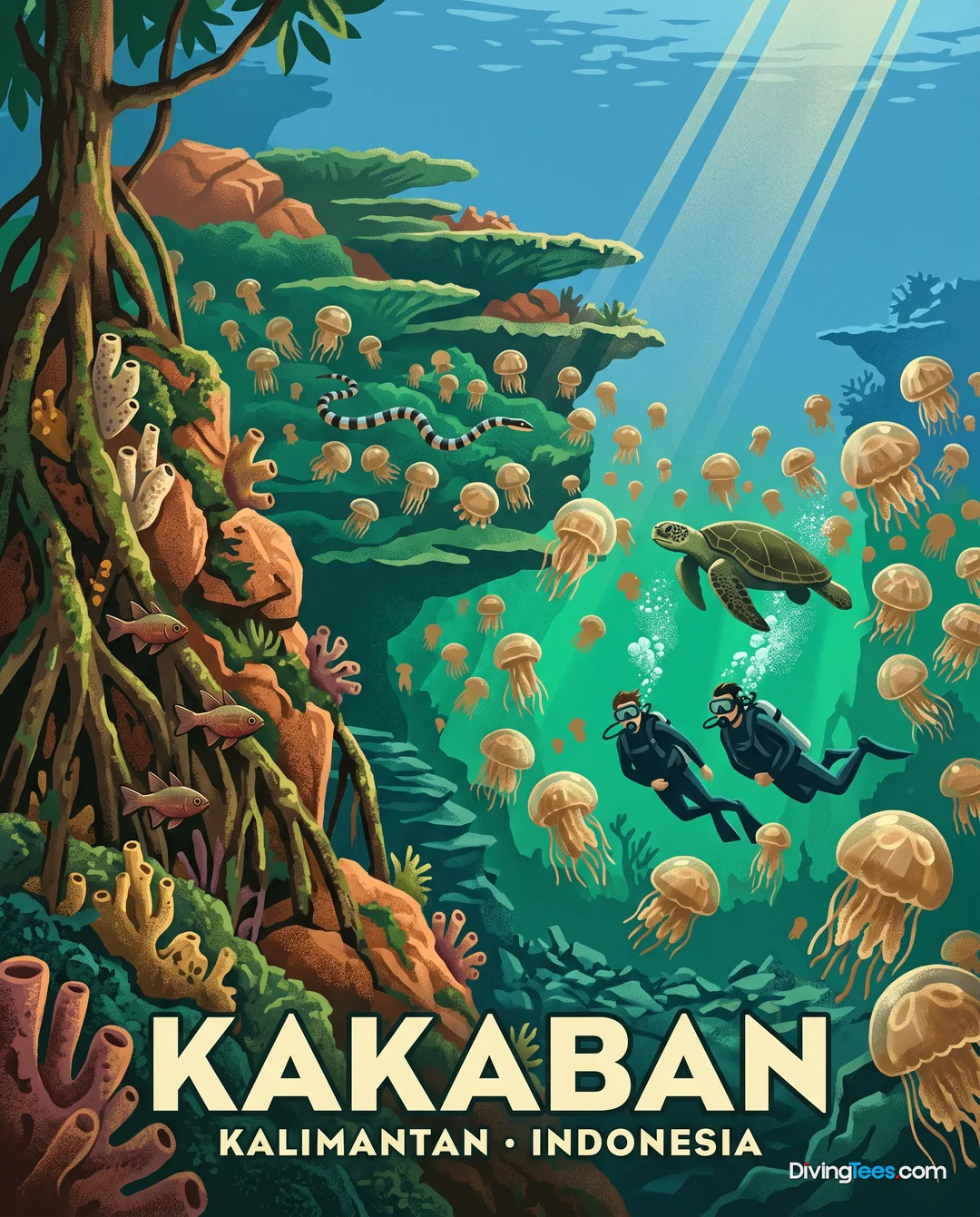
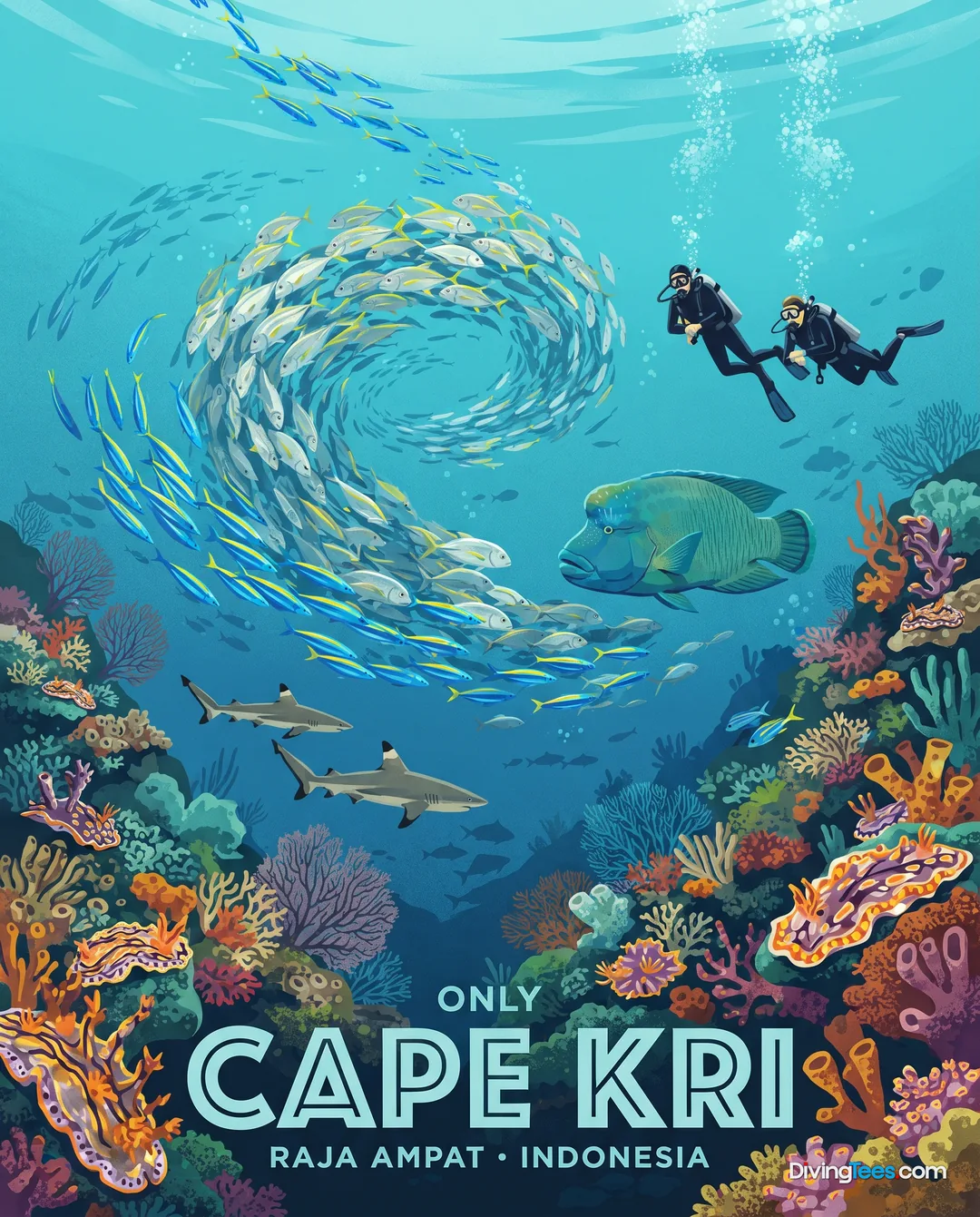
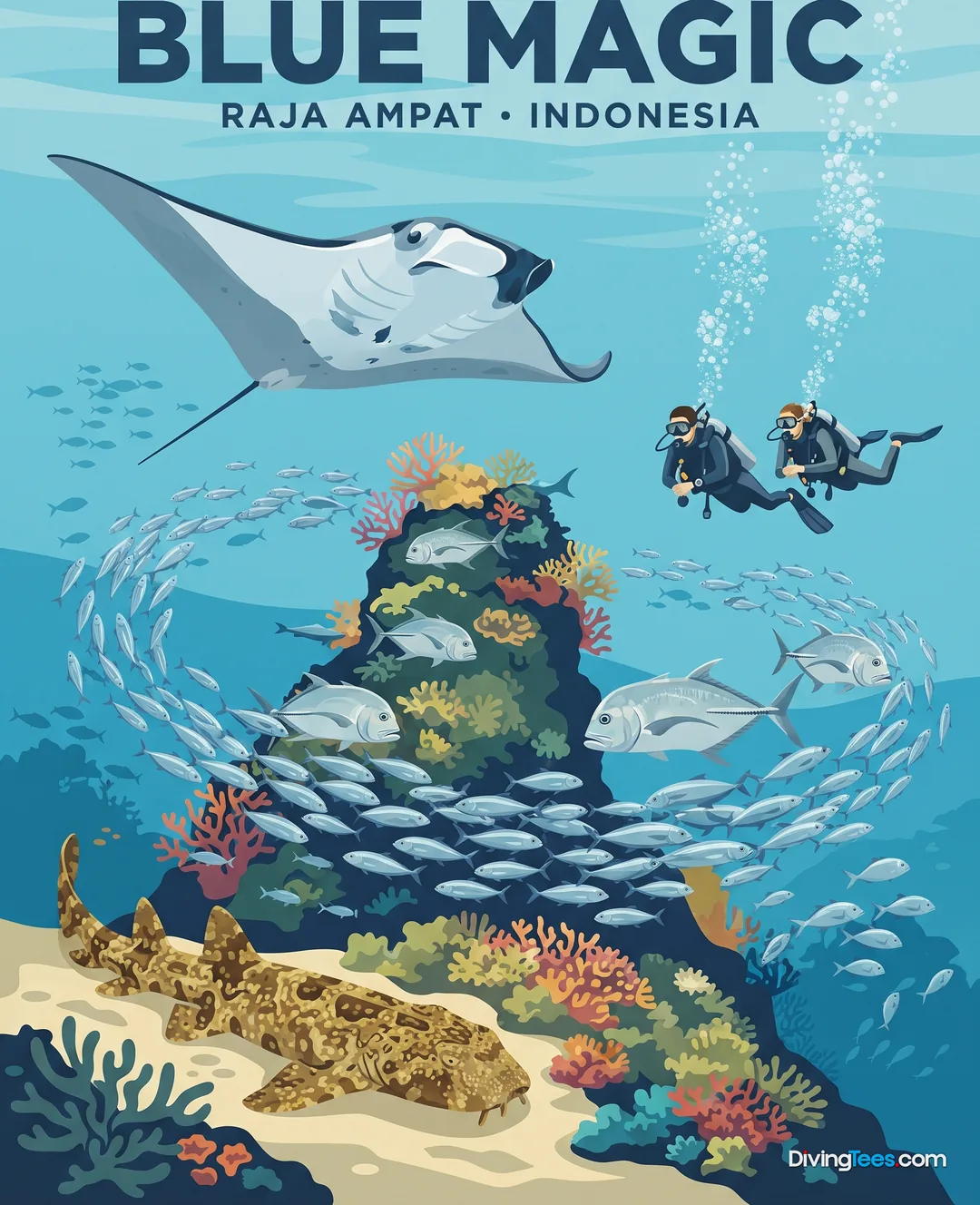
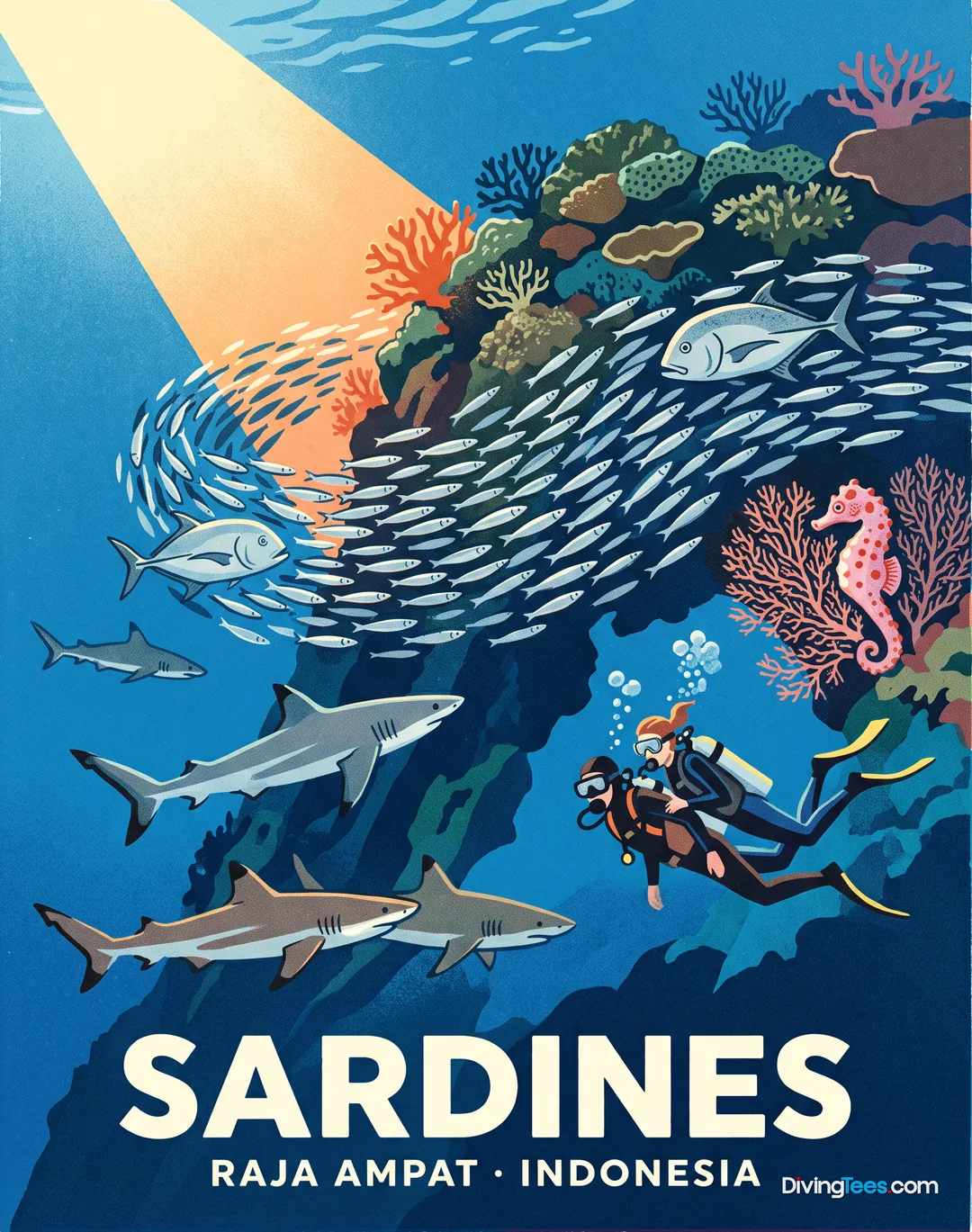
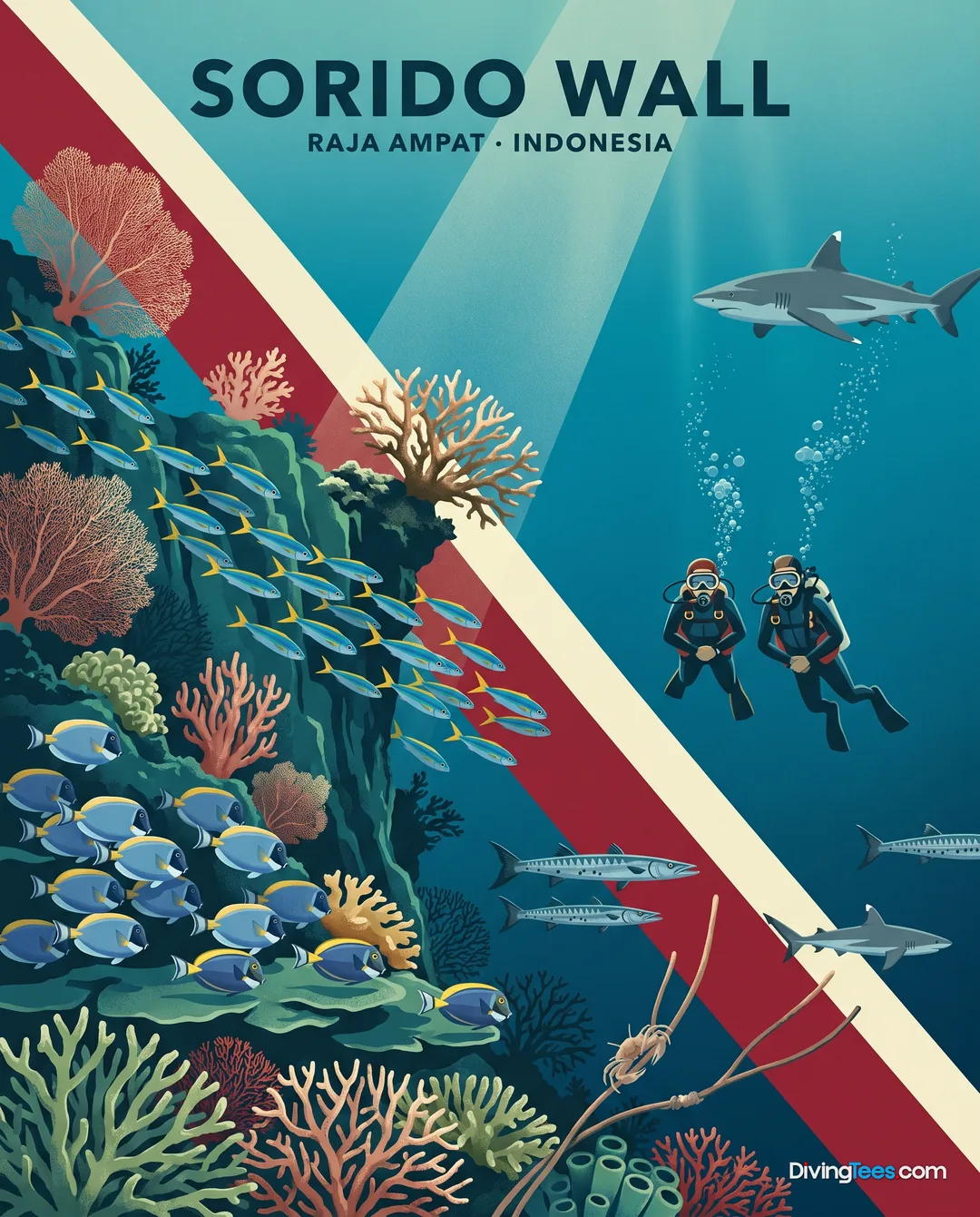
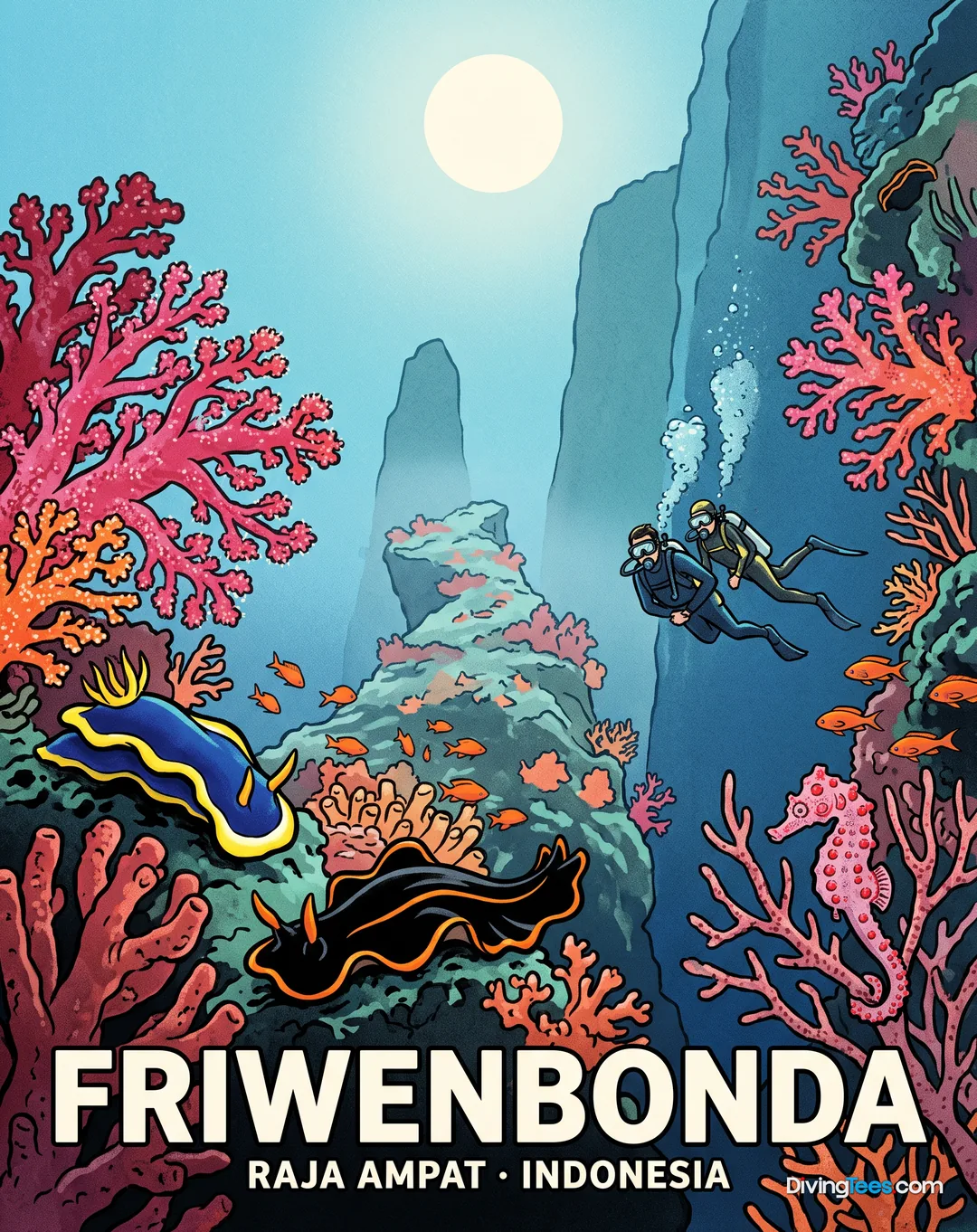
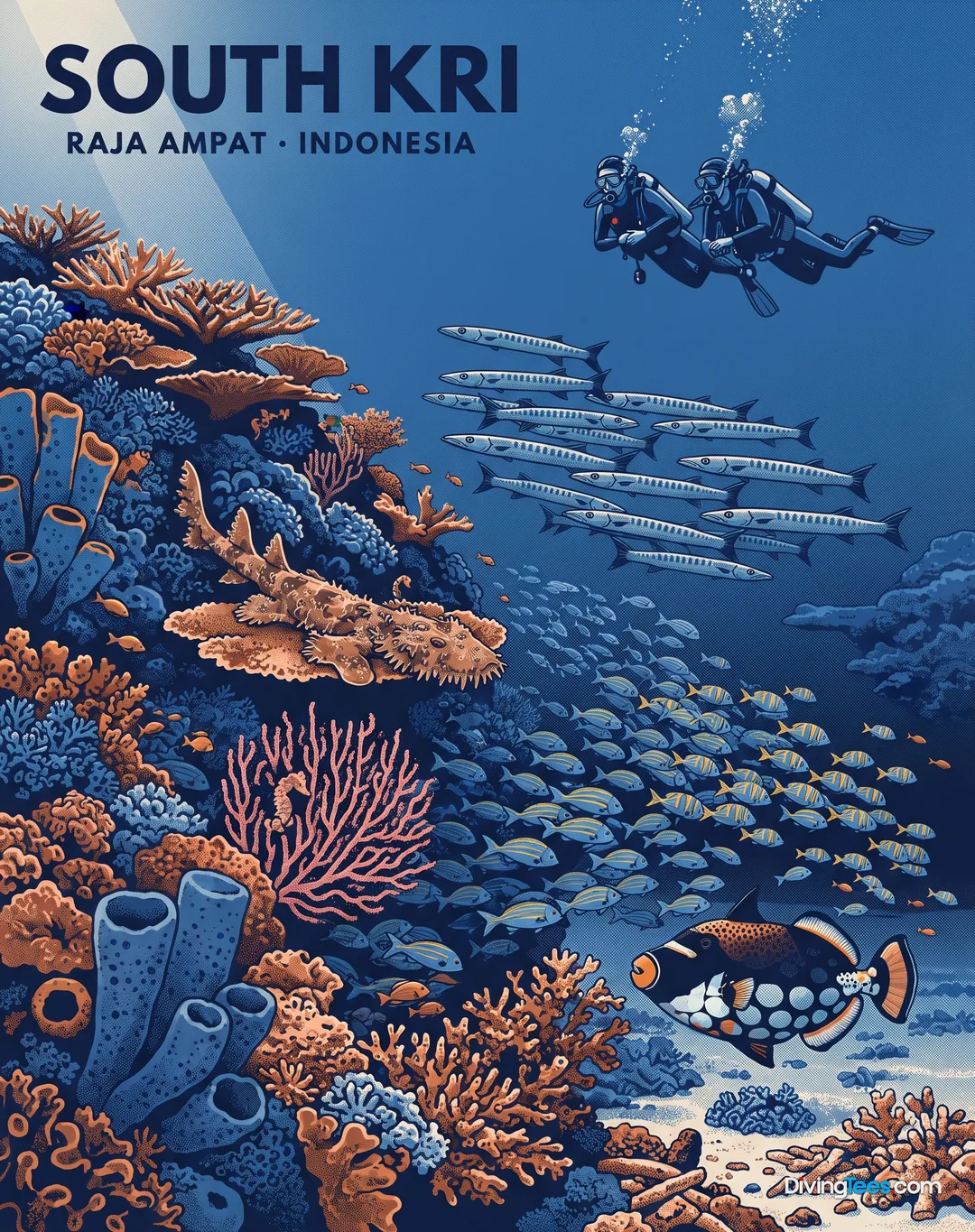
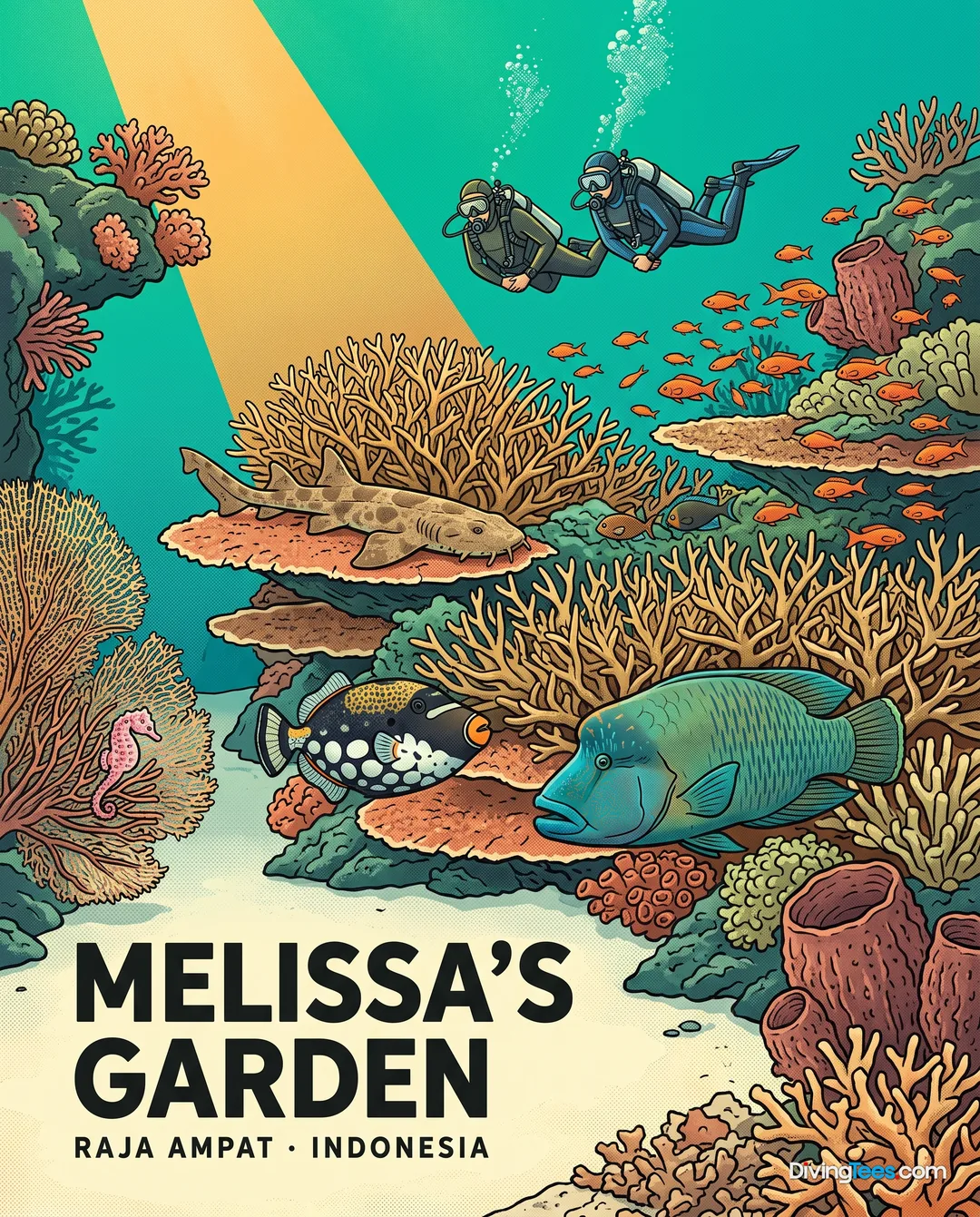
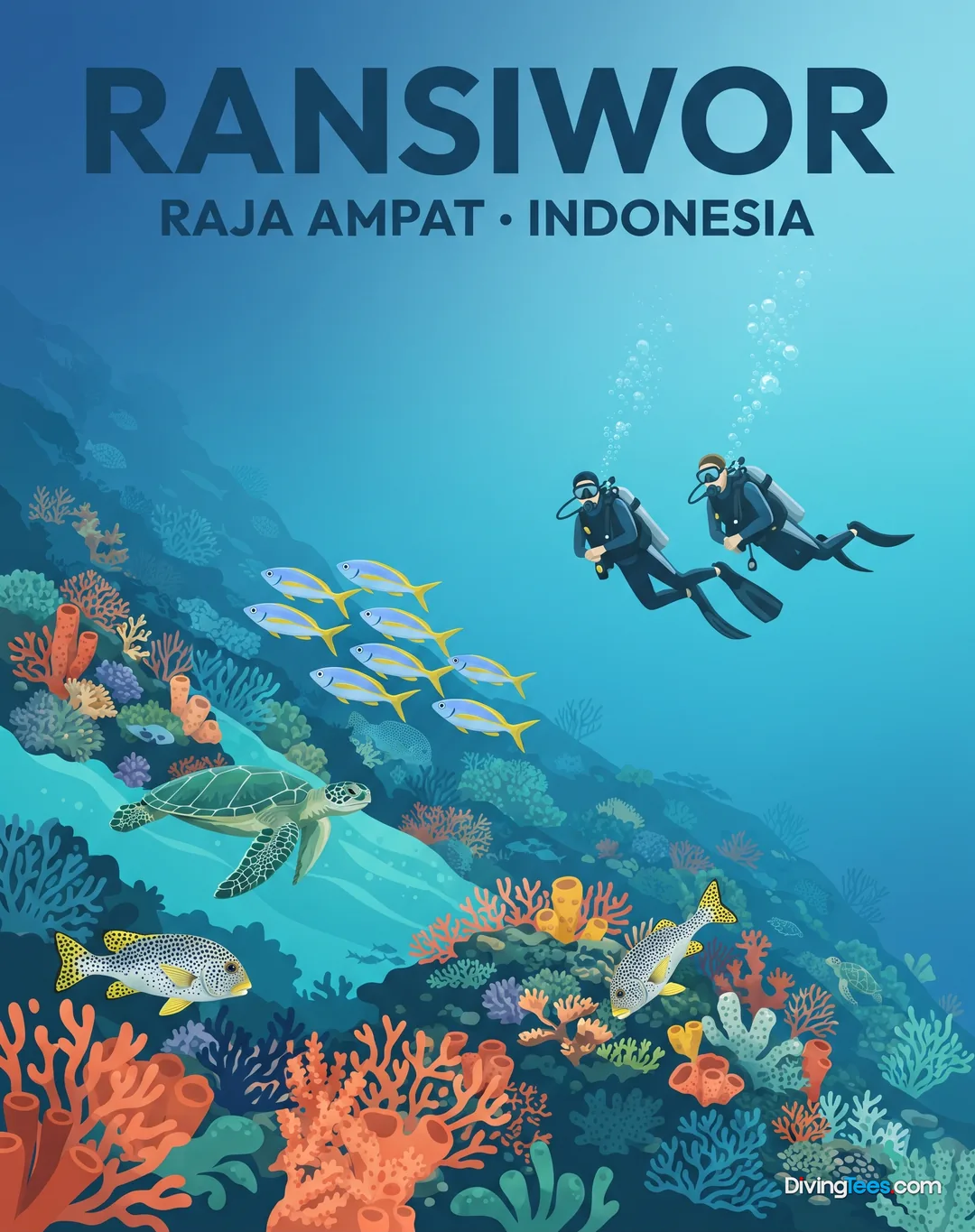
The route is the reason to choose this boat. Recorded departures include a 13-day/12-night run from Berau, Tanjung Batu to Bitung through the Derawan Islands, North Sulawesi and Lembeh; another 13-day/12-night route from Bitung to Sorong through Lembeh, Halmahera and Raja Ampat; and 11-day/10-night Raja Ampat loops from Sorong. Underwater, House Reef in Halmahera starts from shore and mixes macro life with reef sharks. Manta Sandy brings reef mantas to cleaning stations. At Mike's Point, soft-coral overhangs shelter sweetlips while eagle rays cross the plateau; the site reaches -40m. Lembeh Strait is shallow black sand, built for frogfish, seahorses, octopuses and other rare macro subjects. Big Fish Country is a current-driven channel where barracudas school and sharks patrol deeper water. Kakaban combines walls, strong currents and pelagics to -65m. Cape Kri, Blue Magic, Sardines, Sorido Wall, Friwenbonda, South Kri, Melissa's Garden to -35m and Ransiwor to -30m complete the Raja Ampat succession of fish schools, soft corals, cleaning stations, macro life and drift dives.
Itineraries, dates and prices
Prices per person. Each month shows its lowest price: click a month, or pick an itinerary.
Next departures · 77 departuresfrom £2,099$2,806€2,507
January 2027
February 2027
March 2027
May 2027
Green dot: a discounted departure that month. Discount calculated by us, against the boat's usual price for a trip of the same length.
See dates and prices
If you click these links and make a purchase on the partner site, DivingDeal may earn a commission, at no extra cost to you.
Dates and prices taken from Divebooker and liveaboard.com, updated 26 October 2026
What you’ll meet underwater
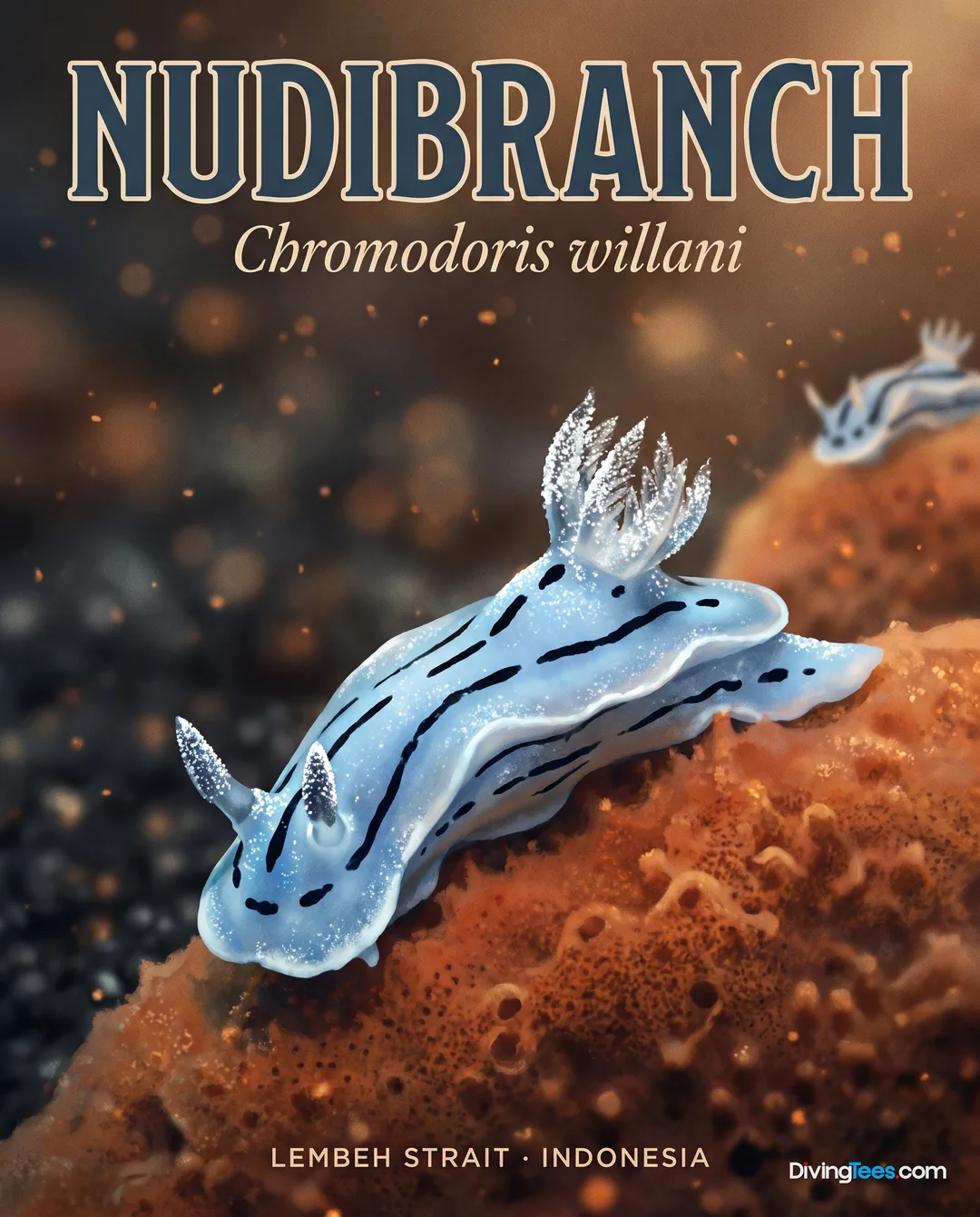
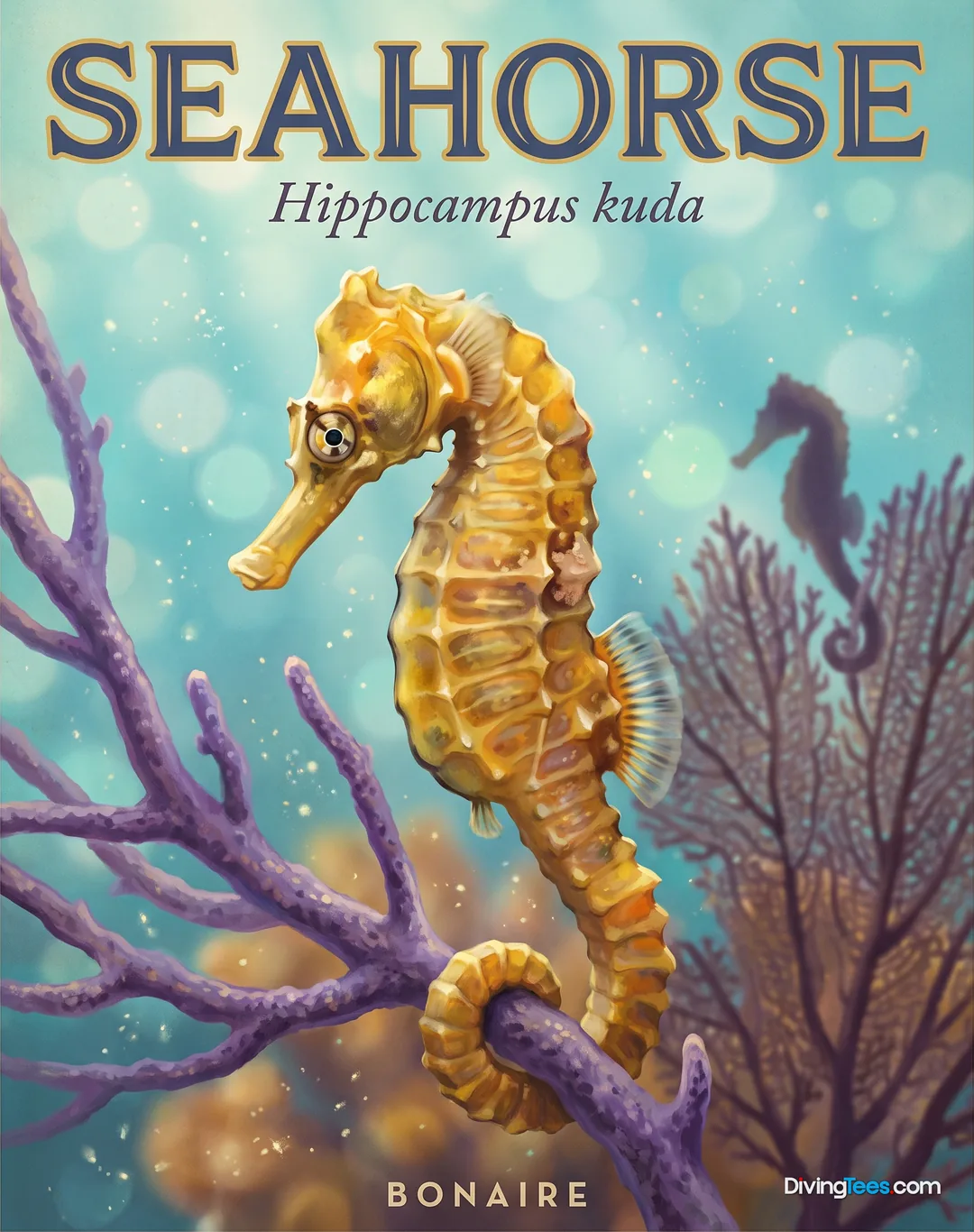
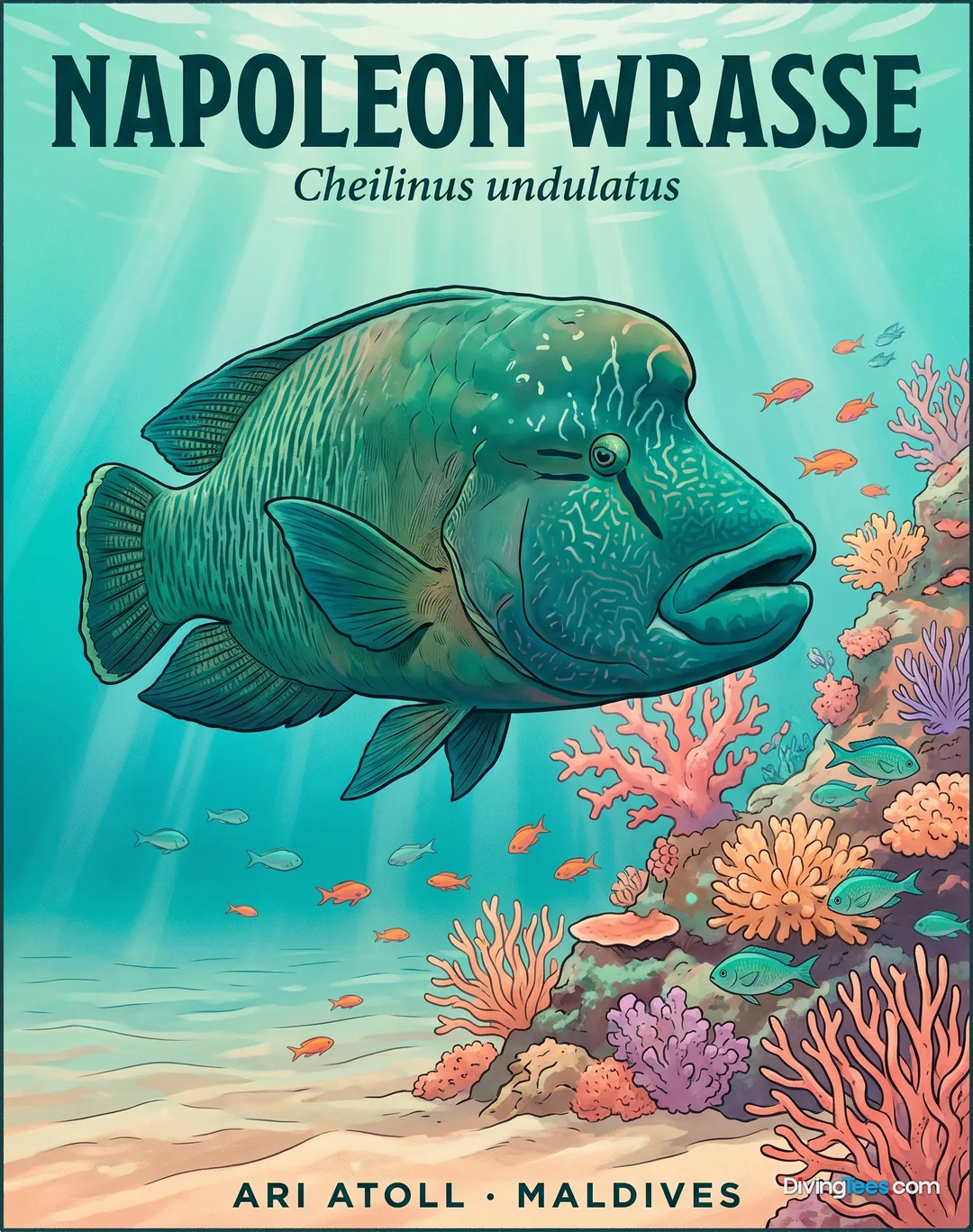
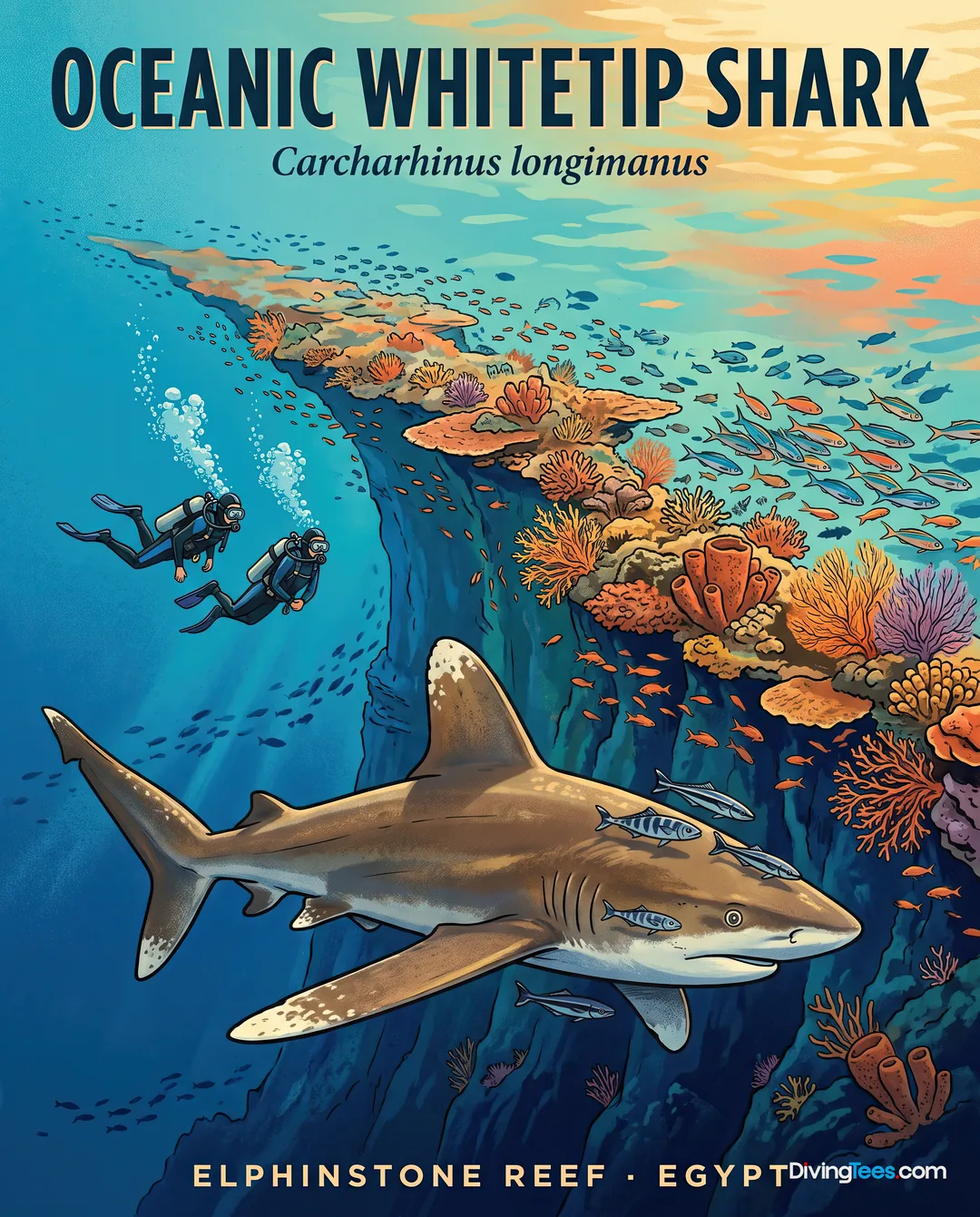
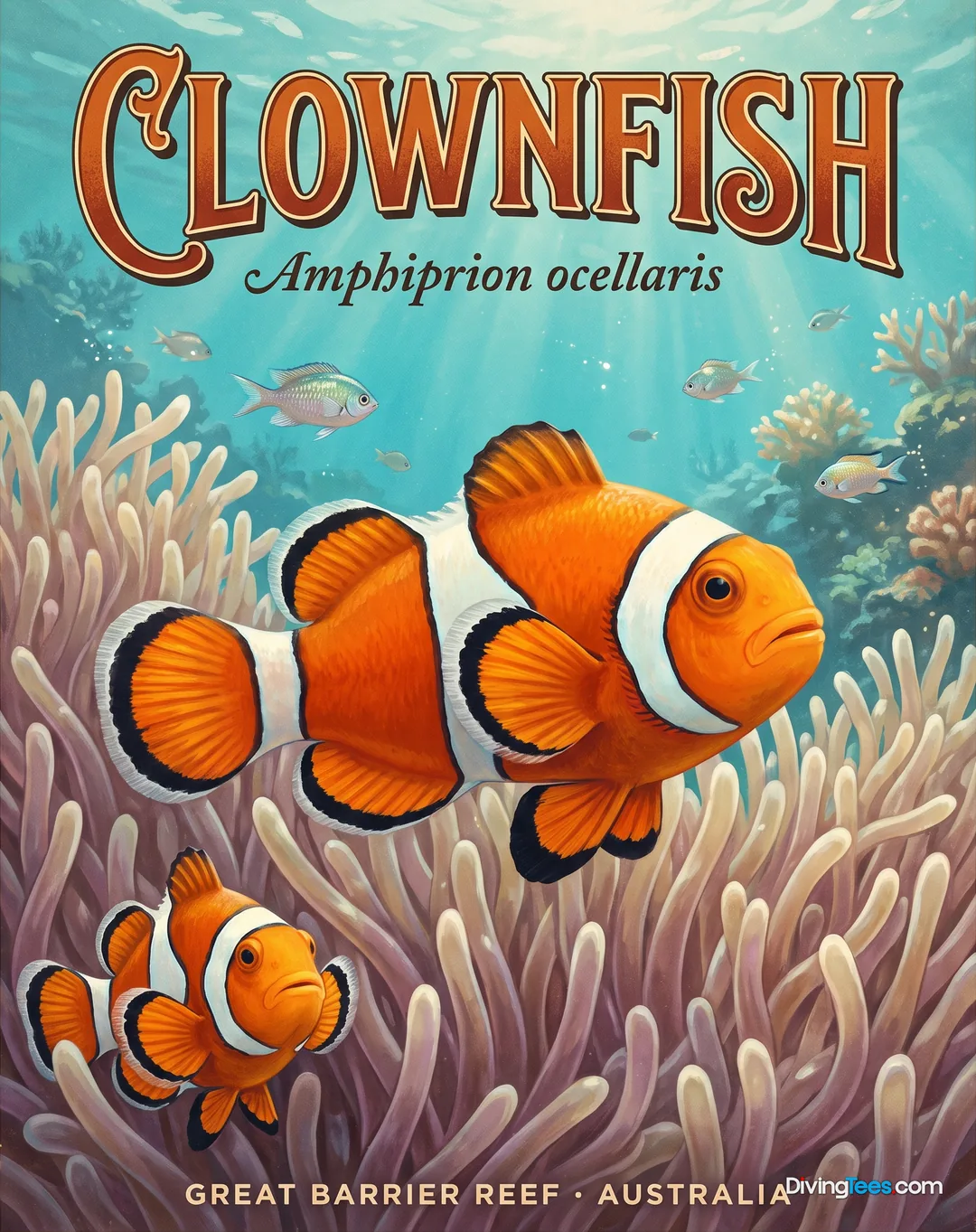
Across the route, the recurring spectacle is movement: reef sharks, barracudas, trevallies, tuna and fusiliers share the water with turtles, Napoleon wrasse, humphead parrotfish, soft corals, nudibranchs and pygmy seahorses. Cape Kri is the place to look for giant grouper and whitetip reef sharks, alongside the site record of 374 fish species observed on one dive. Kakaban is the site associated with grey reef sharks and hammerheads, drawn to its strong currents and deeper pelagic water. Blue Magic can produce an oceanic whitetip shark and oceanic manta rays above schooling fish. Ransiwor is the specific stop for green turtles, angelfish and clownfish around its cleaning stations and yellow-back fusilier school. House Reef is where gobies and morays enter the picture. At Sorido Wall, surgeonfish join the fusilier schools while barracudas and reef sharks patrol the wall. The route rewards both wide-angle patience and a slow search of black sand, coral heads and overhangs.

Who puts you in the water
The dive team speaks English and begins every dive with a comprehensive briefing covering the site and the information needed to dive it. The operating model is buddy diving: a team consists of two or three guests, and a dive staff member is not automatically a buddy unless that staff member and one guest are the only people in the dive. Staff may enter the water to support tender groups, assist with points of interest, spot small life or help with photography, but guests are not required to follow them. Oxygen, first-aid kits, fire equipment, life rafts, radios, GPS, radar, sonar, EPIRB and emergency flares are carried onboard, and the crew is trained in first aid. Advanced Open Water and Nitrox training can be arranged onboard, with specialty options such as navigation, buoyancy, deep diving, fish identification and underwater photography available through the course programme.
The dive deck and the gear
The dive operation is arranged around two Zodiacs fitted with Yamaha 40 hp engines, a shaded dive area, a platform and a boarding setup made for tender diving. Divers use 80-cubic-foot tanks filled with air; the Raja Ampat Aggressor accommodates both K and DIN valves. Larger 100-cubic-foot or 15-litre tanks may be requested as paid rental, subject to availability. Nitrox is an optional extra: certified Nitrox divers can use 32% fills, while a Nitrox course can be taken onboard before using student fills. Sidemount is accepted only with a single cylinder, and rebreathers are not supported. The deck has rinse tanks, a separate camera rinse tank, camera space, charging stations and hot-water showers. An SMB with reel or spool is required for tender diving. Rental equipment is available, but divers should bring the core items they rely on; the crew does not repair the inner workings of personal dive or camera equipment.
Between dives
Between dives, the best places are the shaded dive area, the terrace and the outdoor dining space. The air-conditioned salon gives the group a cooler retreat, while the bar, library and audio-video system fill the shorter gaps without demanding attention. A dedicated photo area and separate camera rinse tank make sense on a route where a wide-angle manta encounter can be followed by a nudibranch search. There are also outdoor showers and a relaxation area for the moments when sitting still is the only sensible plan. The two tenders are not just transport: they take divers away from the yacht for the dive, then bring them back to the platform. The boat welcomes non-divers and snorkelers, so a partner can use the surface time without being treated as an afterthought.
A day on board
A day follows the needs of the diving rather than a sightseeing timetable. The first briefing comes before the first entry, then breakfast and the next surface interval divide the morning. Further dives follow as the boat moves between sites or the tenders carry groups from the yacht, with meals and snacks placed around the water sessions. The long routes can offer repeated day dives and, when the itinerary and conditions allow, night diving; the Raja Ampat programme estimates up to 22 dives on seven-night trips, up to 33 on ten-night trips and up to 33 on twelve-night trips, including night dives. Between entries, divers return to the shaded deck, camera rinse area, salon or terrace. After the last dive, gear is secured, dinner takes over and the evening may turn to fish identification, a film or the week's dive video. Then the boat starts the same sequence again.
What you eat aboard
Food is one of the boat's clear strengths, with a 9.8 score. Full-board service covers breakfast, lunch, dinner and snacks, with buffet meals combining Western and local cooking. The galley also serves non-alcoholic drinks, water, tea and coffee, while beer is available and wine is complimentary with dinner. The important part on a four-dive day is the succession of meals: breakfast starts the diving, lunch restores energy between water sessions, and dinner gives the group a proper end to the working day. The menu is described as gourmet rather than merely functional, but the useful detail is its range. Divers who prefer familiar food have Western dishes; those who travel to Indonesia to eat locally are not confined to an international buffet.
Nights at sea
The cabins are arranged in Deluxe Stateroom, Master Stateroom on the Main Deck and Master Stateroom on the Upper Deck categories. They are air-conditioned, non-smoking and fitted with private bathrooms, hot-water showers, towels, toiletries and a TV. The cabin specification places them on the upper deck, to port, with picture windows, so the room is not a dark berth cut off from the outside. The practical difference over a long charter is simple: after several dives, a private shower and a door that closes matter more than decorative detail. The boat also provides a library, an indoor salon and a camera room, giving wet gear and tired divers somewhere to go besides the bunk. Sixteen people share the yacht, but the cabin count keeps the sleeping arrangements defined rather than improvised.
Deluxe Staterooms
Master Stateroom - Main Deck
Master Staterooms - Upper Deck
What to know before boarding
Raja Ampat cruises depart from and return to Sorong. The Derawan itinerary departs from Berau at Tanjung Batu, while the longer crossing from North Sulawesi runs from Bitung to Sorong. Airport and hotel transfers are included. Guests are advised to arrive at least one day before the charter begins, especially for a trip that depends on regional connections and a fixed boarding point.
Deck plan
- Year built
- 2009
- Length
- 30 m / 30.5 m
- Beam
- 8 m / 7.9 m
- Maximum number of passengers
- 16
- Number of cabins
- 8
- Number of bathrooms
- 9
- Engines
- 3 × Hino V10 420 hp Diesel engines
- Cruising speed
- 10 knots
- Tenders
- 2 × Zodiac with Yamaha 40 hp
- Website
- aggressor.com ↗
Hello, I'm Marina, DivingDeal.com's AI assistant. I answer in detail about hotels, dive centres and liveaboards.
Thinking about the whole trip and the flights? Talk it over with Edith →
Marina is an AI. Some links are affiliate links: DivingDeal may earn a commission, at no extra cost to you. Bookings are made with the partner.