Liveaboards · Indonesia
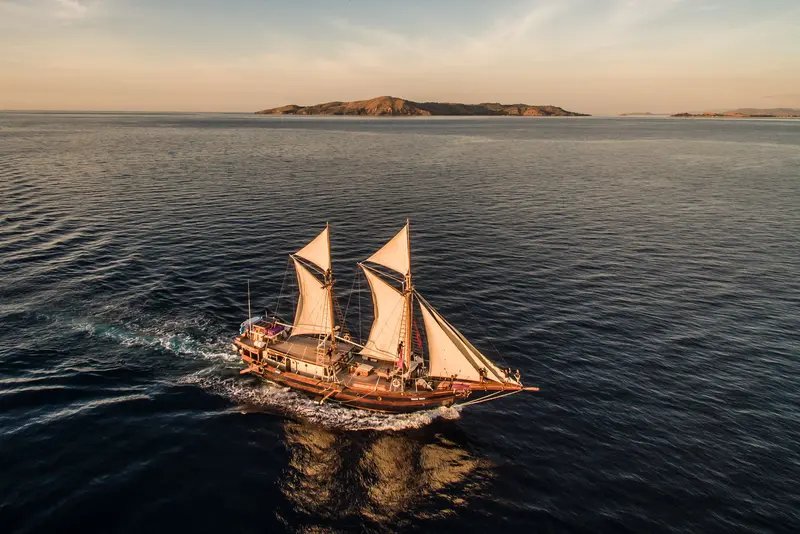
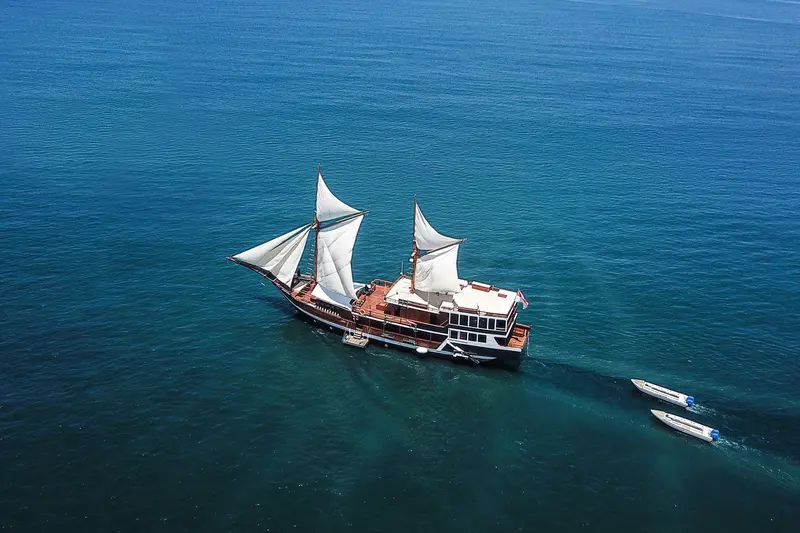
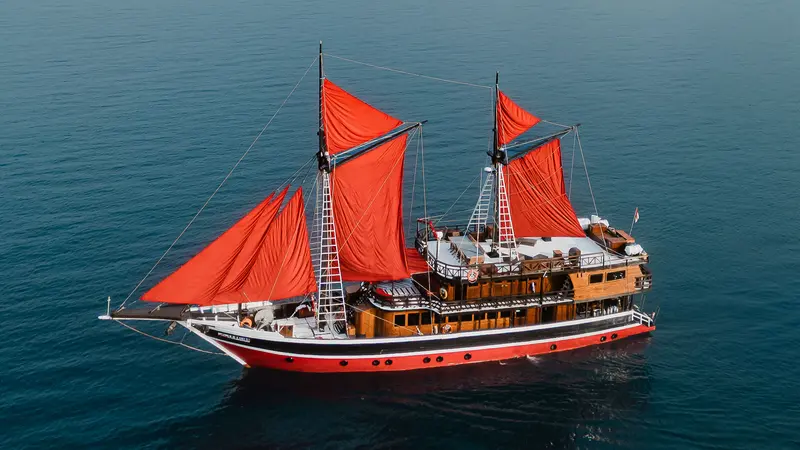
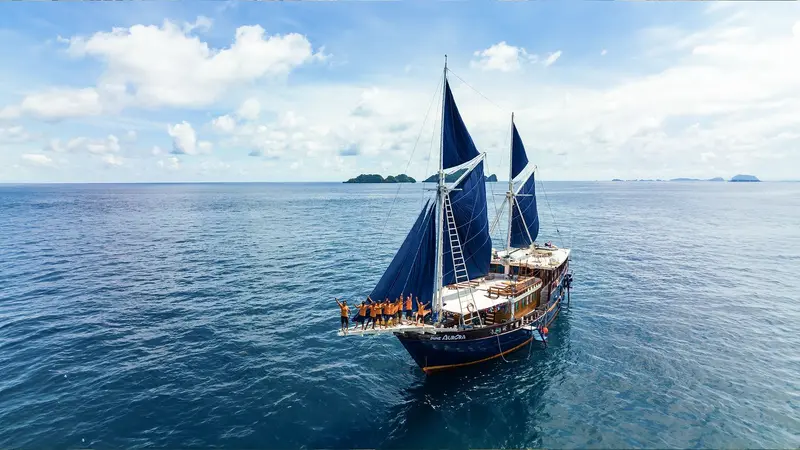
Sunshine — an intimate, traditional Indonesian phinisi built for exploratory diving
What makes this boat unique
- Sunshine is a wooden phinisi liveaboard renovated in 2014 and limited to 10 passengers in five private cabins.
- The middle deck puts the dive area, filling station, dive platform, tender access and camera charging area in one place.
- Nitrox is mandatory on board and produced through a dedicated membrane system.
- Routes cover North Sulawesi, Gorontalo, the Sangihe Islands and Halmahera, including 12-day Halmahera trips.
- The crew scores higher than the boat itself, while food and diving receive particularly strong feedback.
For subtitles in English: start the video firstthen click the gearat the top right of the video, select “Subtitles/CC”, then “Auto-translate” and choose “English”.
The invitation
Sunshine is for divers who choose range and access over polished luxury. This wooden phinisi moves between Lembeh, Bunaken, Bangka, Gorontalo and Halmahera, linking steep walls, black-sand macro sites, coral pinnacles and remote reefs that rarely appear on a standard resort itinerary. With only 10 passengers, the boat stays small enough for the crew to know who is carrying a camera, who wants another macro dive and who would rather snorkel from shore. The attraction is not a glossy floating hotel. It is a compact Indonesian dive boat with a local and international crew, a serious route list and the freedom to reach sites far beyond one single island.
Boarding
Sunshine makes the right first impression for anyone who likes boats with a working history rather than a showroom finish. Her wooden phinisi construction follows the traditional shipbuilding practice of Bira and South Sulawesi, using ironwood and teak. The 2014 renovation keeps the vessel practical for diving without disguising what she is. Inside, three deck levels connect the cabins, restaurant, dive deck and sun deck by stairs, so the boat feels more like a small house at sea than a corridor of identical rooms. The lower boat score matters: this is not the newest or most luxurious hull in the region. What the crew and the compact passenger load give back is access to a more personal operation, with less distance between the bunk, the tanks and the water.
The atmosphere on board
Sunshine's character comes from proximity. Ten passengers are enough to form a group quickly, but few enough that the crew can keep track of individual habits instead of treating the deck as a queue. The crew speaks English, German and Indonesian, and passenger feedback places the crew well above the hull itself. That difference is useful information: people remember the way the staff runs the day, even though the boat is not presented as luxury accommodation. Briefings and debriefings take place in the upper-deck chillout area, meals keep everyone together, and the local and international crew make the boat accessible to mixed groups. Evenings are likely to stay simple—food, conversation and the open deck—rather than revolve around a formal entertainment programme.
The sites you’ll dive
The route earns its place by changing character as it travels. A 5-day/4-night Bangka–Bunaken–Pulau Tiga–Saronde trip links Bangka's coral reefs and macro life with Bunaken walls, while 6- or 7-day Saronde–Pulau Tiga–Bunaken–Sahaung Bangka itineraries add more time around North Sulawesi. The 12-day/11-night Halmahera circuit is the longer choice, with Bolsel trips running 10 days/9 nights. Bunaken Marine Park drops down vertical coral walls to a maximum of -40m; Bunaken Timur combines a 40-metre wall with a maximum site depth of -25m. Lekuan, Sachiko's and Siladen Wall are wall dives reaching -25m, with turtles, reef sharks, gorgonians and reef life along the face. Sahaung uses pinnacles and boulders to a maximum of -35m, while Batu Mandi rises in isolated pinnacles to -30m. Lembeh Strait is the black-sand macro counterpoint. Murex Bangka House Reef and Bunaken's shallow sites reach -25m, Murex Manado House Reef -20m, Bethlehem -20m, and Celah Celah puts the diver inside a cleft in the wall. House Reef and the Murex house reefs allow direct entry from shore.
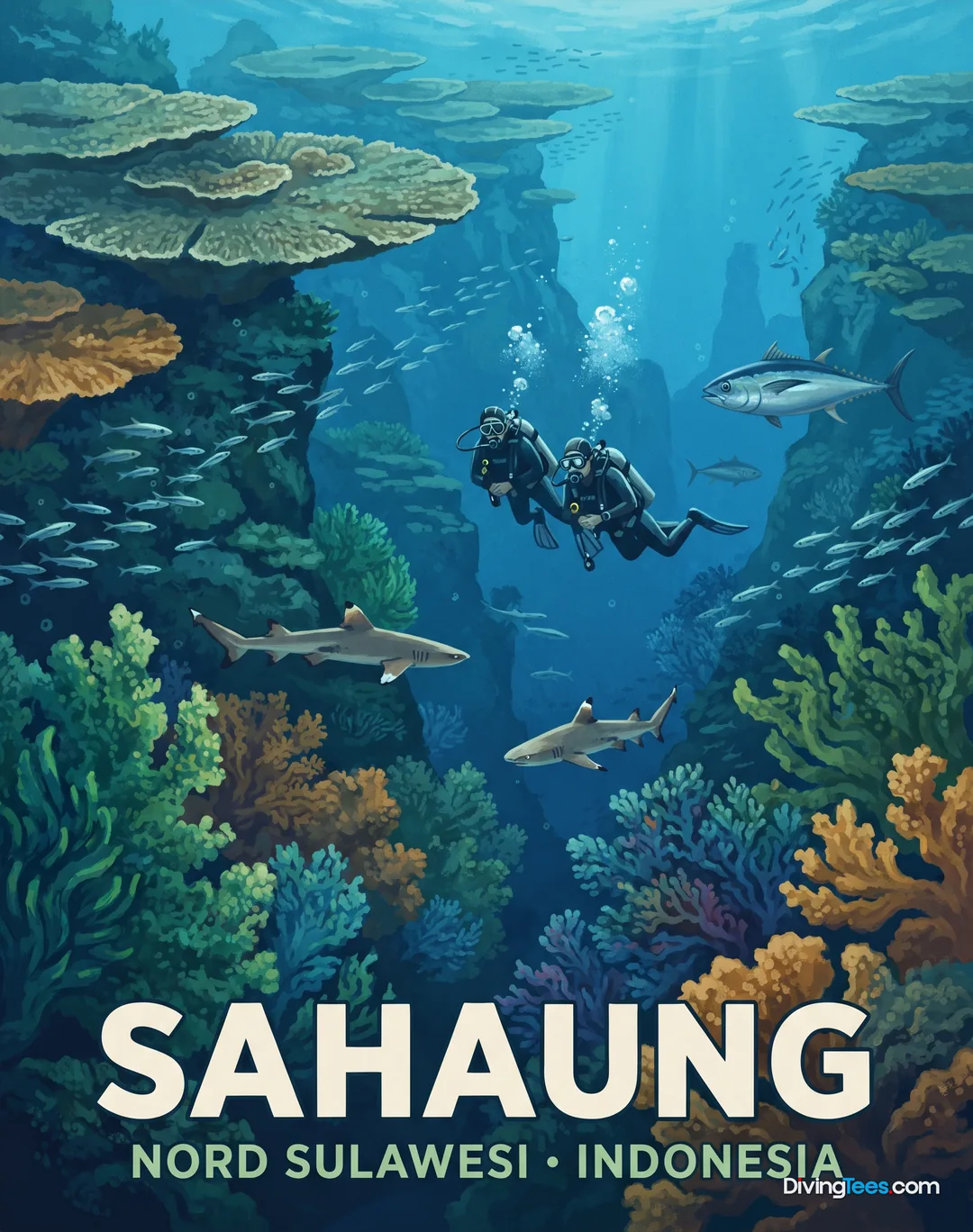
Sahaung →
Max. depth · 35 m
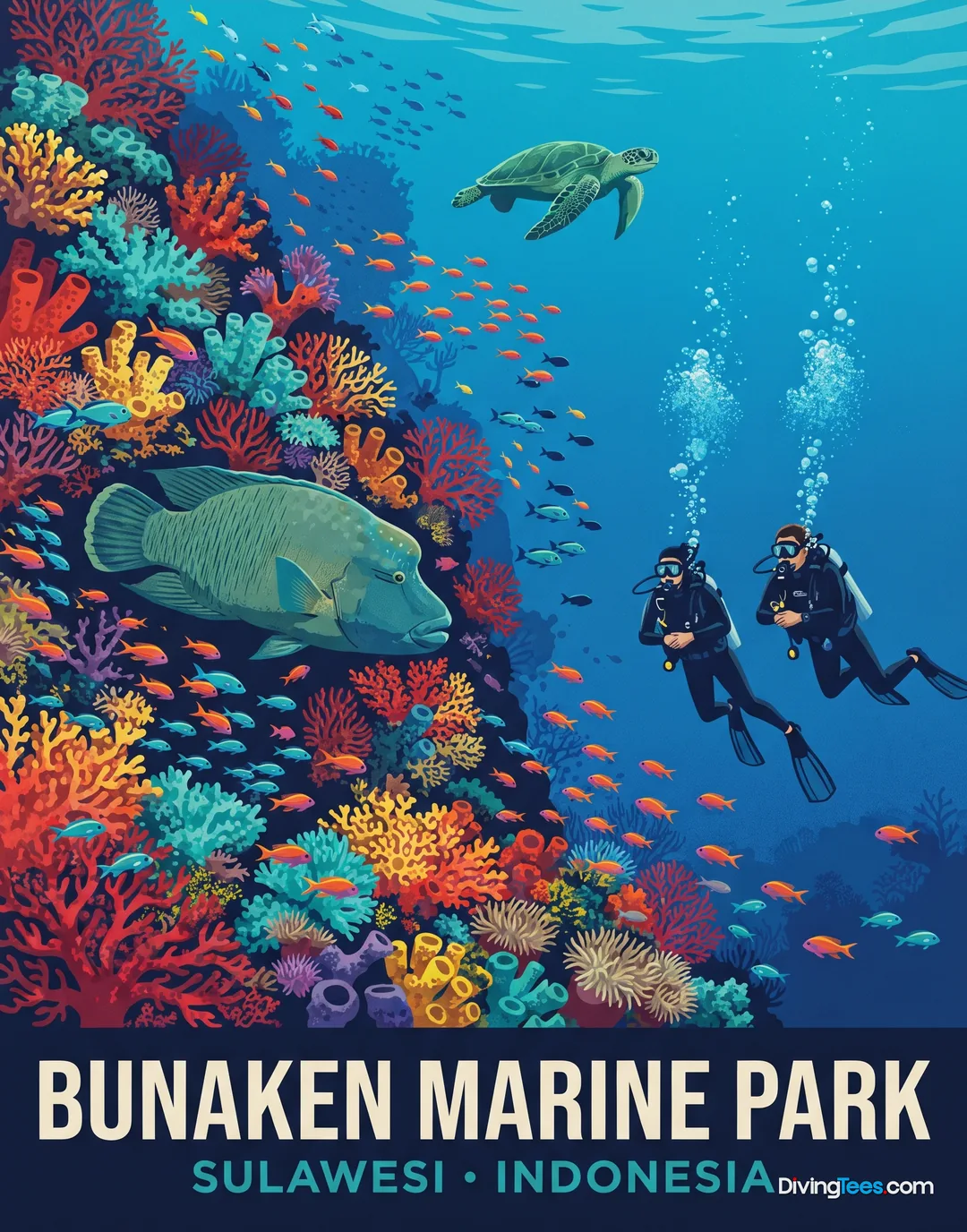
Bunaken Marine Park →
Max. depth · 40 m
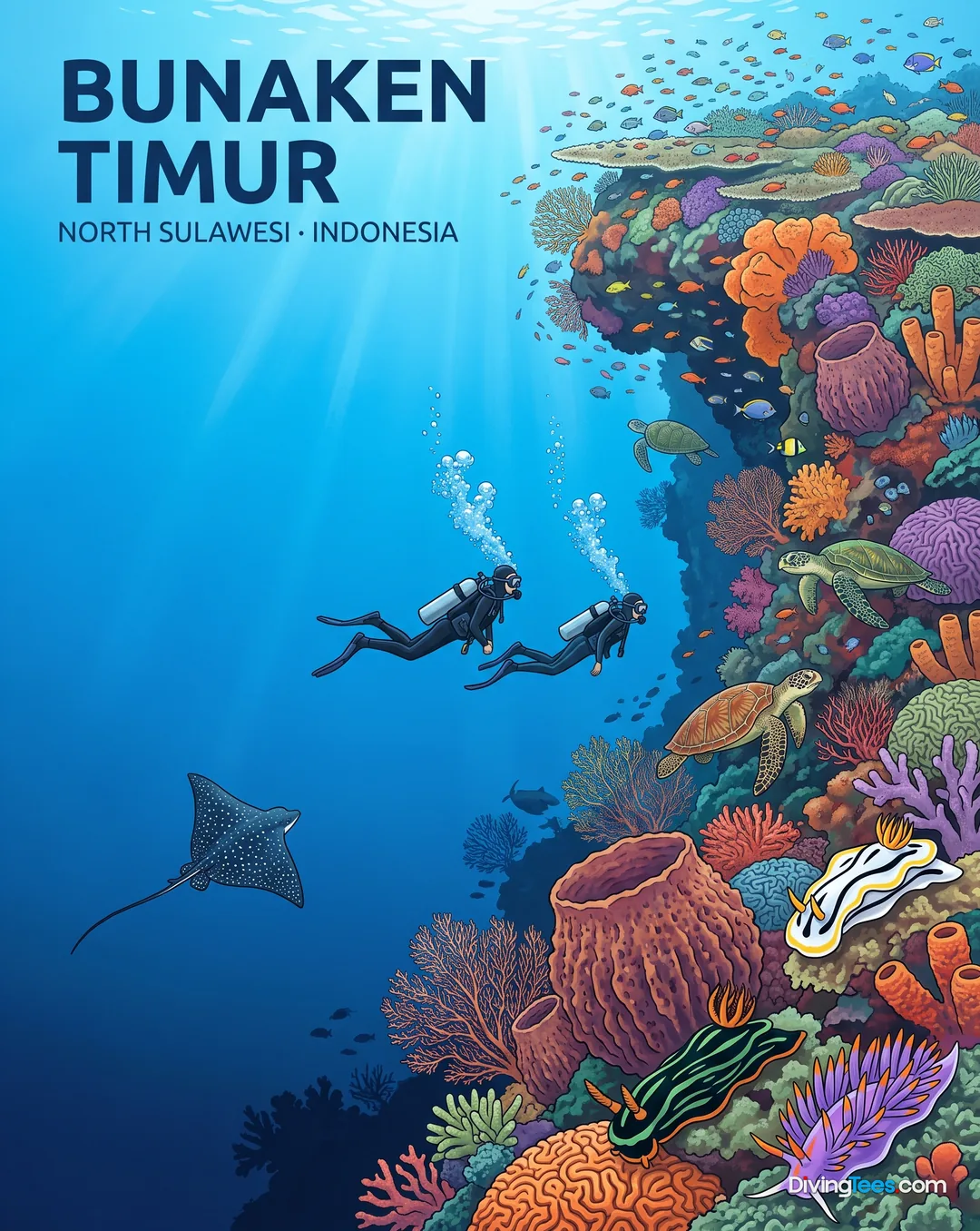
Bunaken Timur →
Max. depth · 25 m
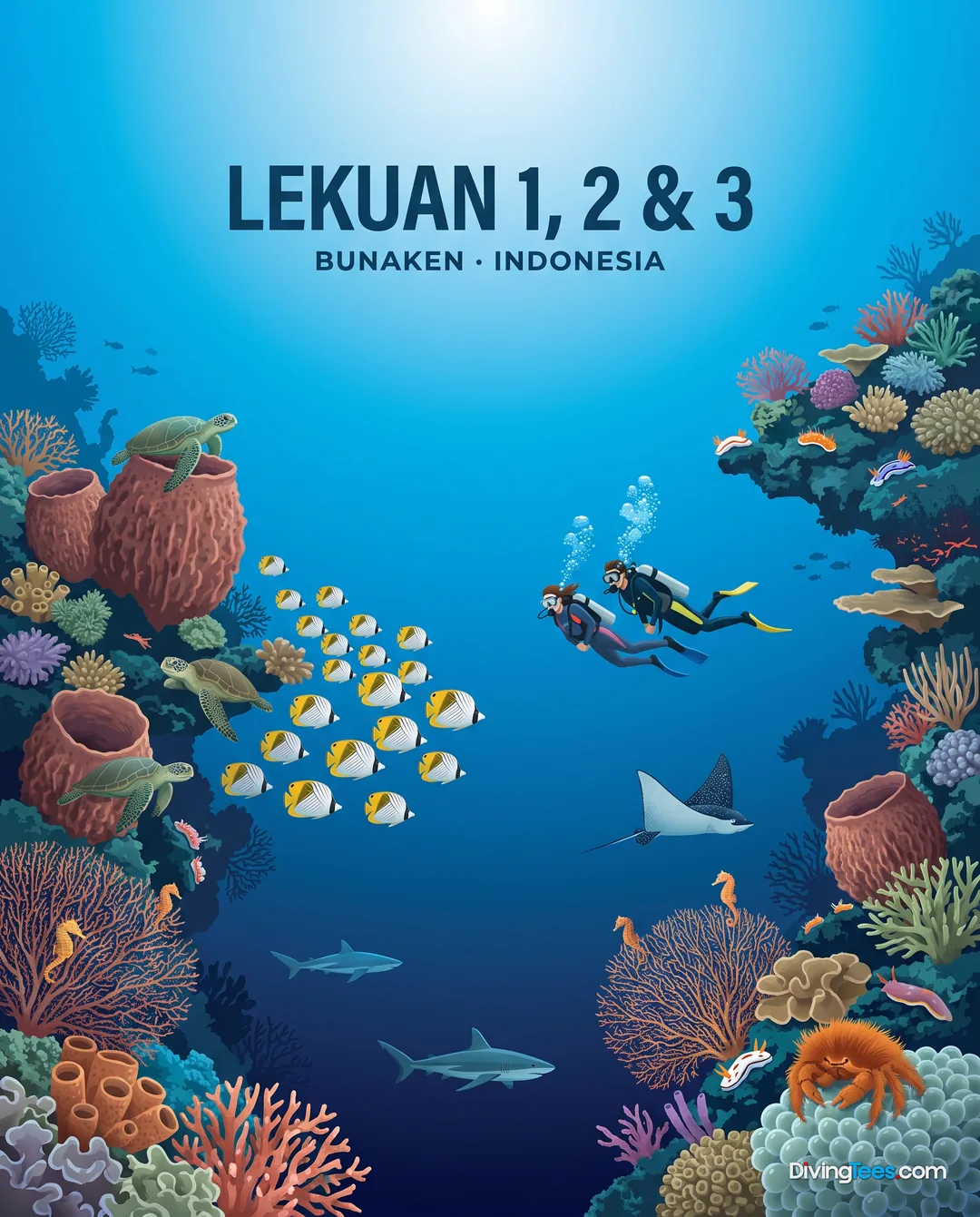
Lekuan →
Max. depth · 25 m
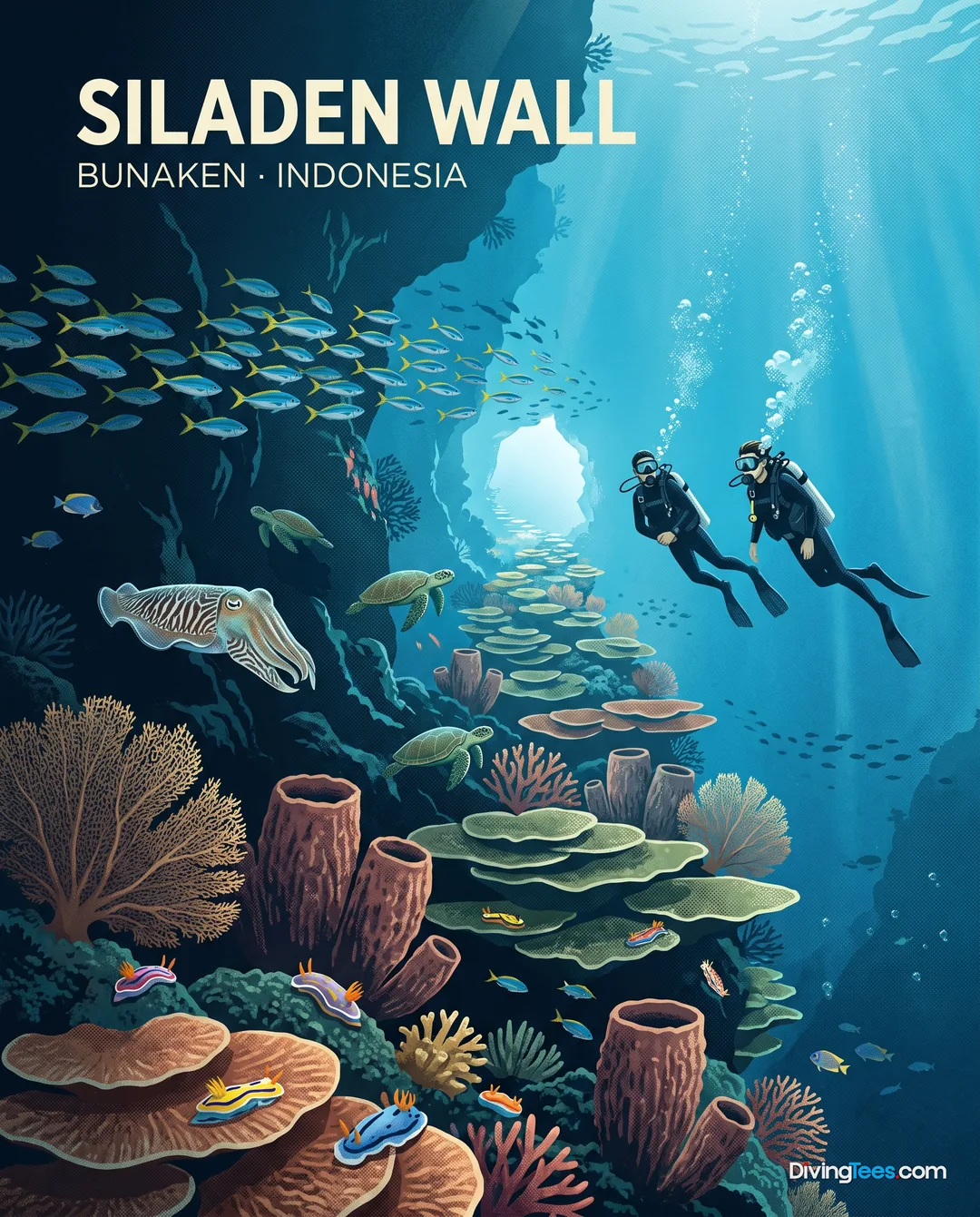
Siladen Wall →
Max. depth · 25 m
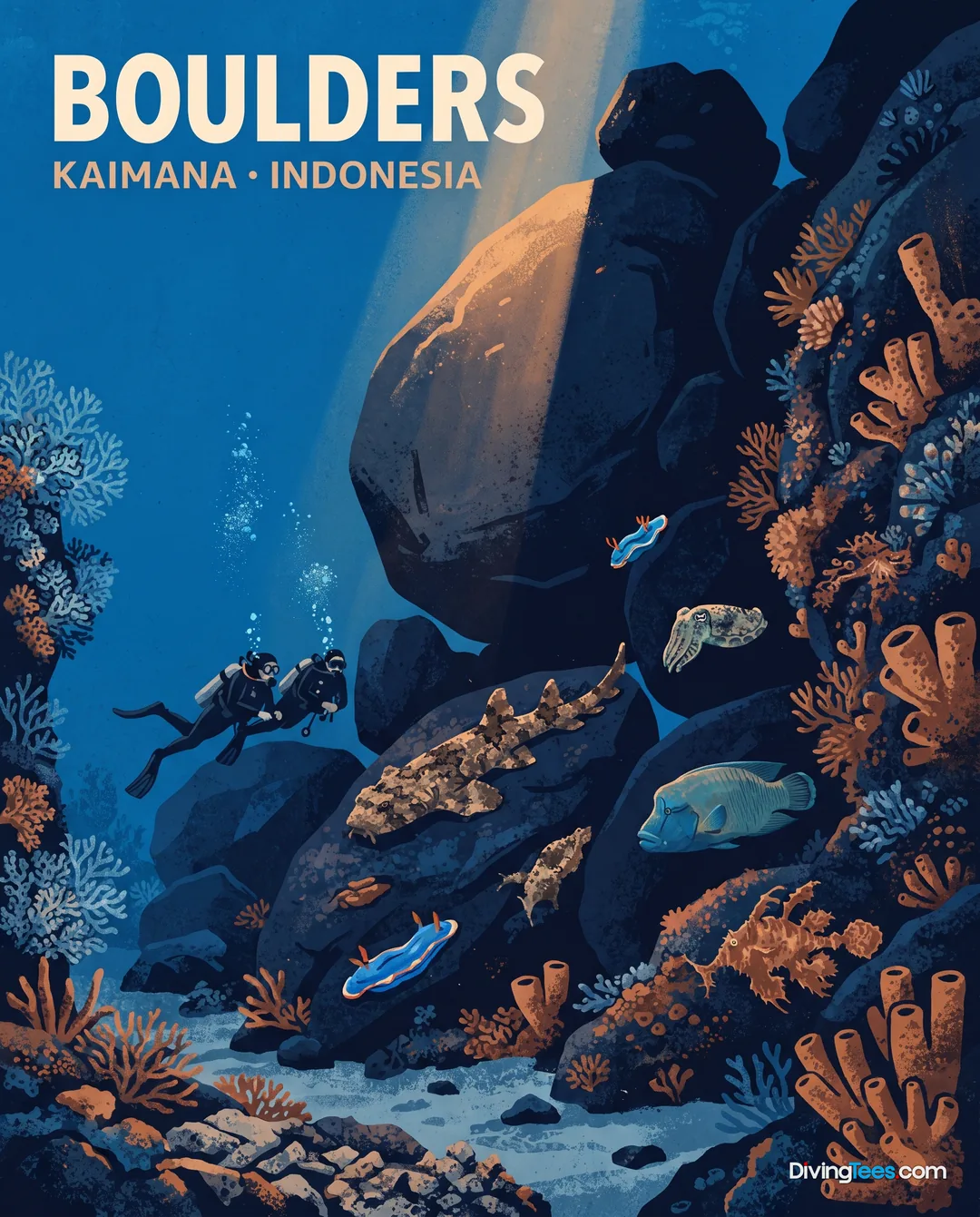
Boulders →
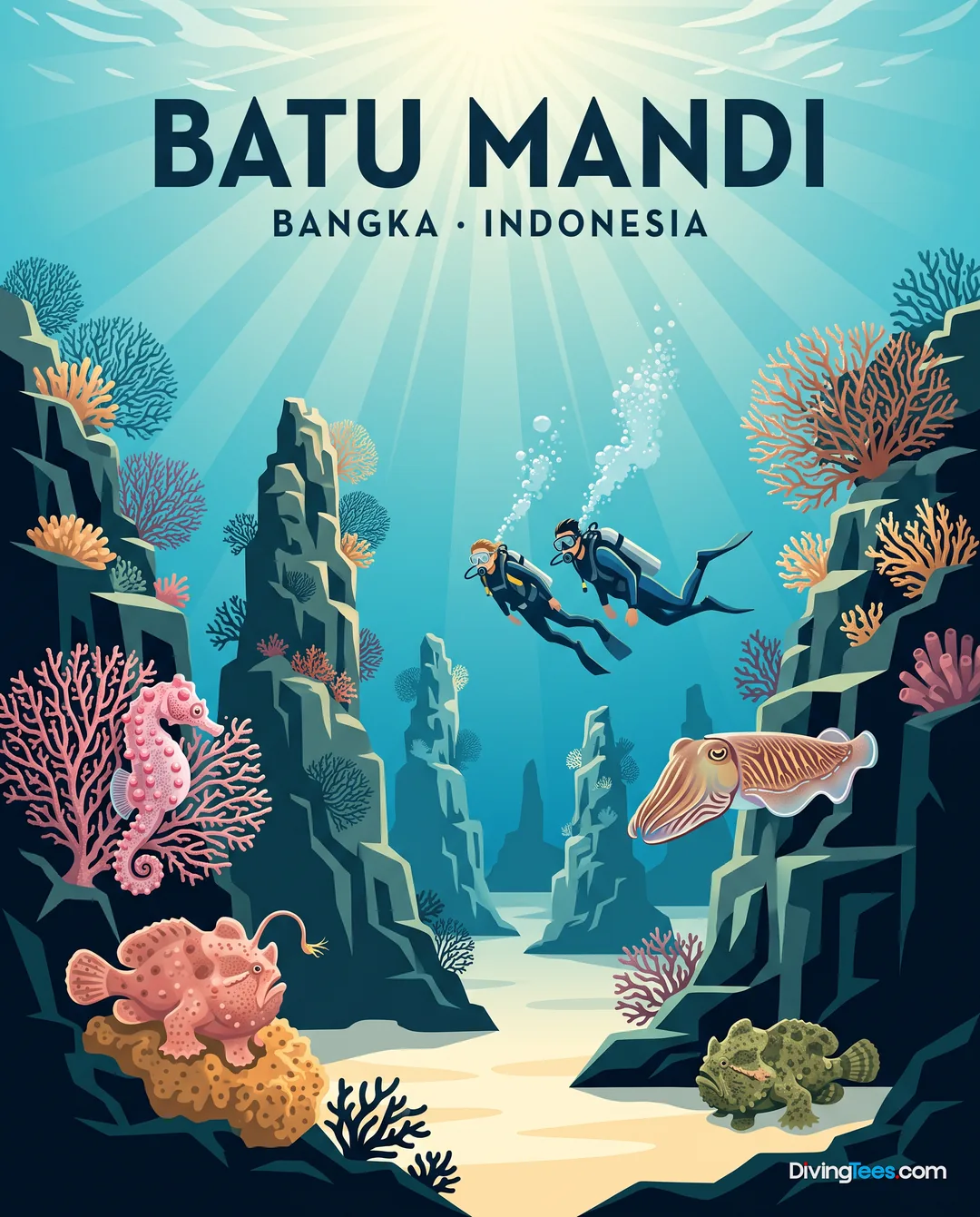
Batu Mandi →
Max. depth · 30 m
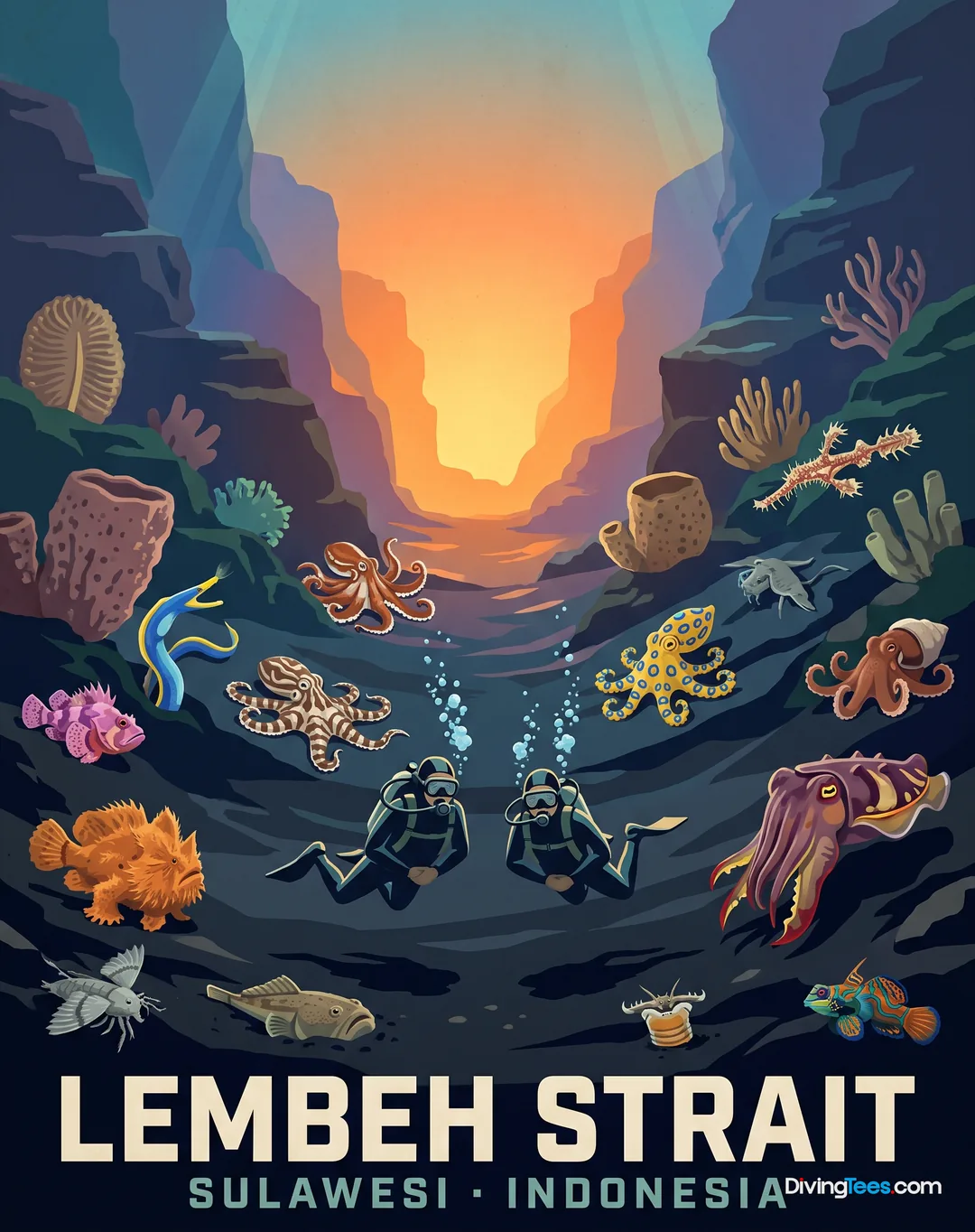
Lembeh Strait →
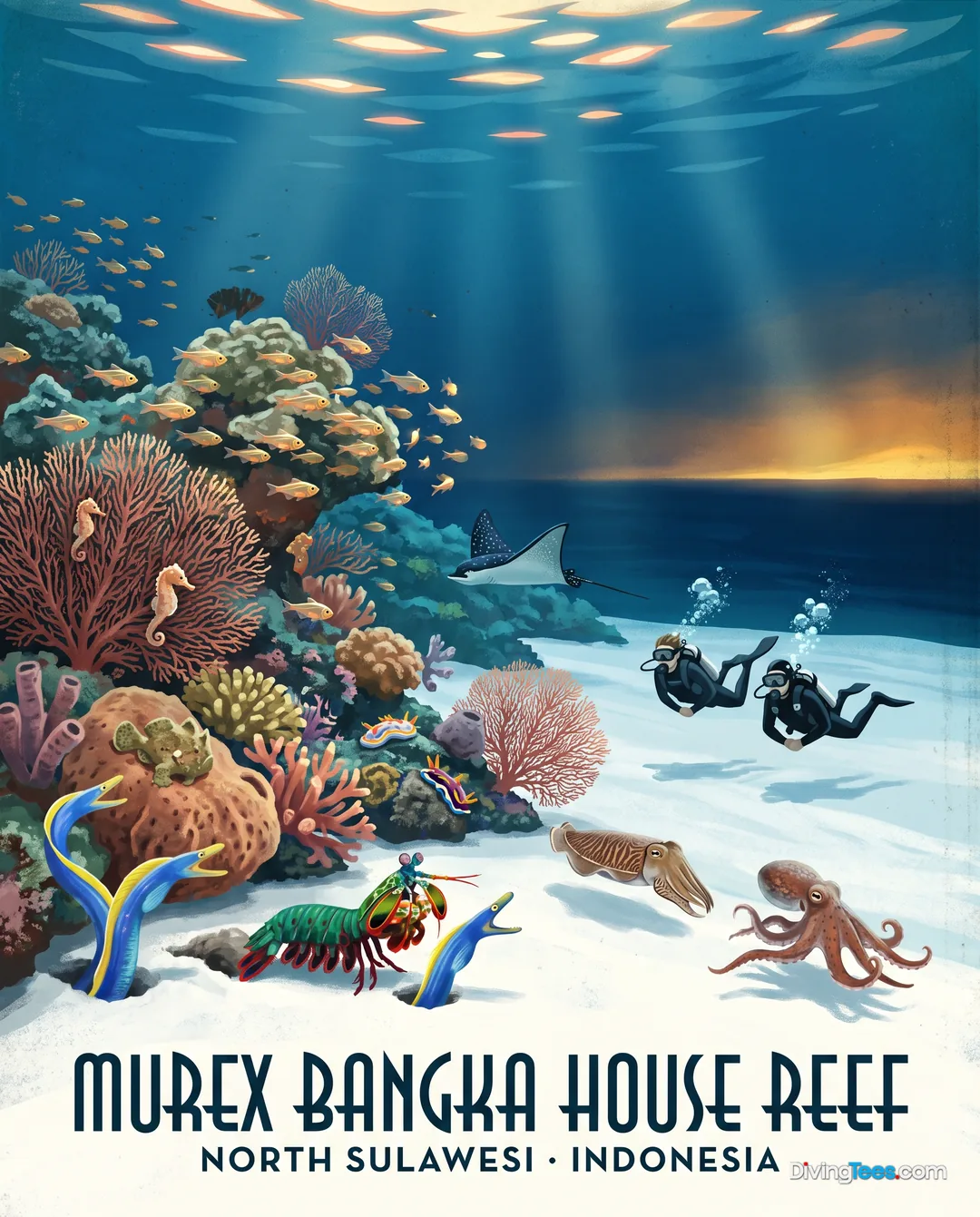
Murex Bangka House Reef →
Max. depth · 25 m
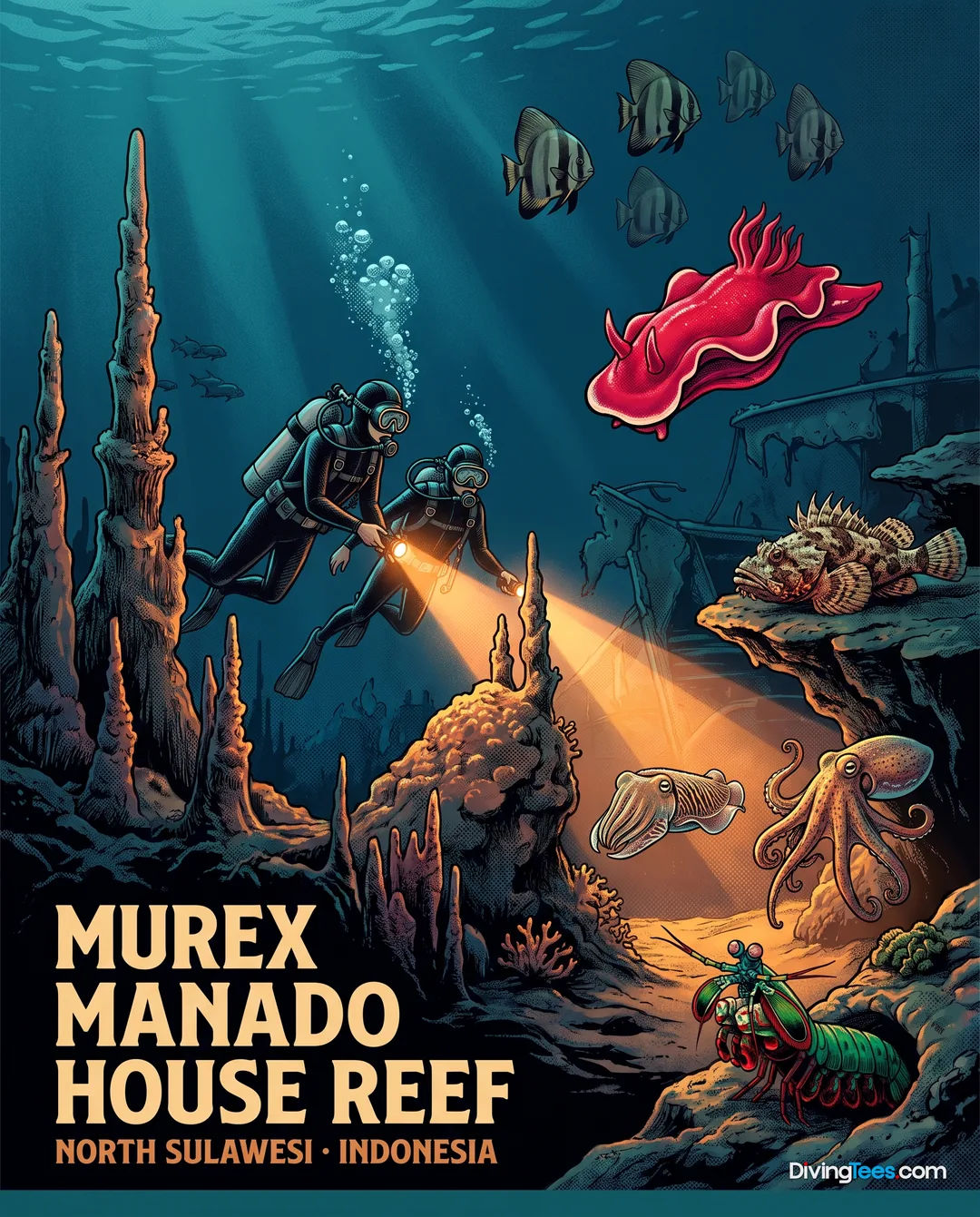
Murex Manado House Reef →
Max. depth · 20 m
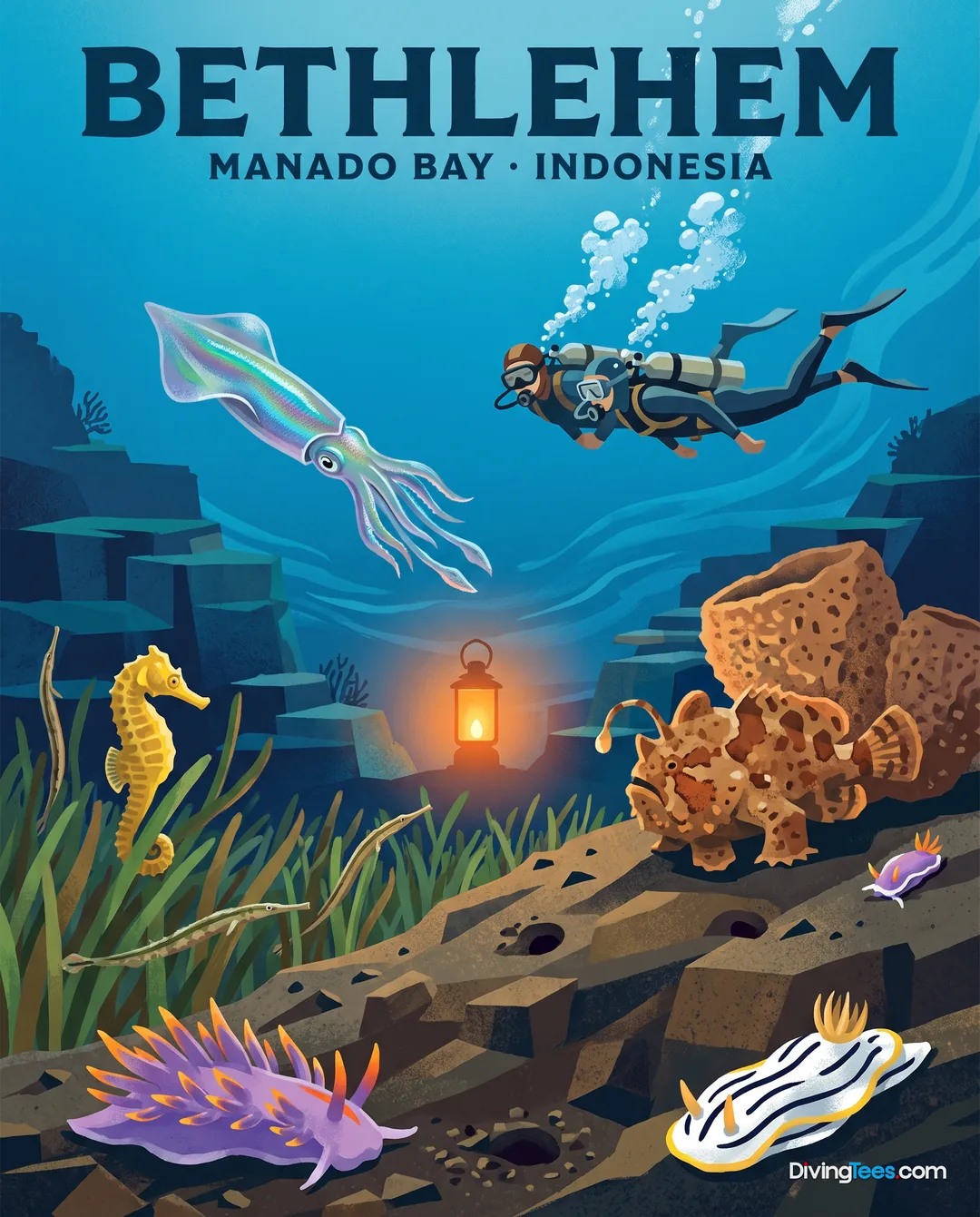
Bethlehem →
Max. depth · 20 m
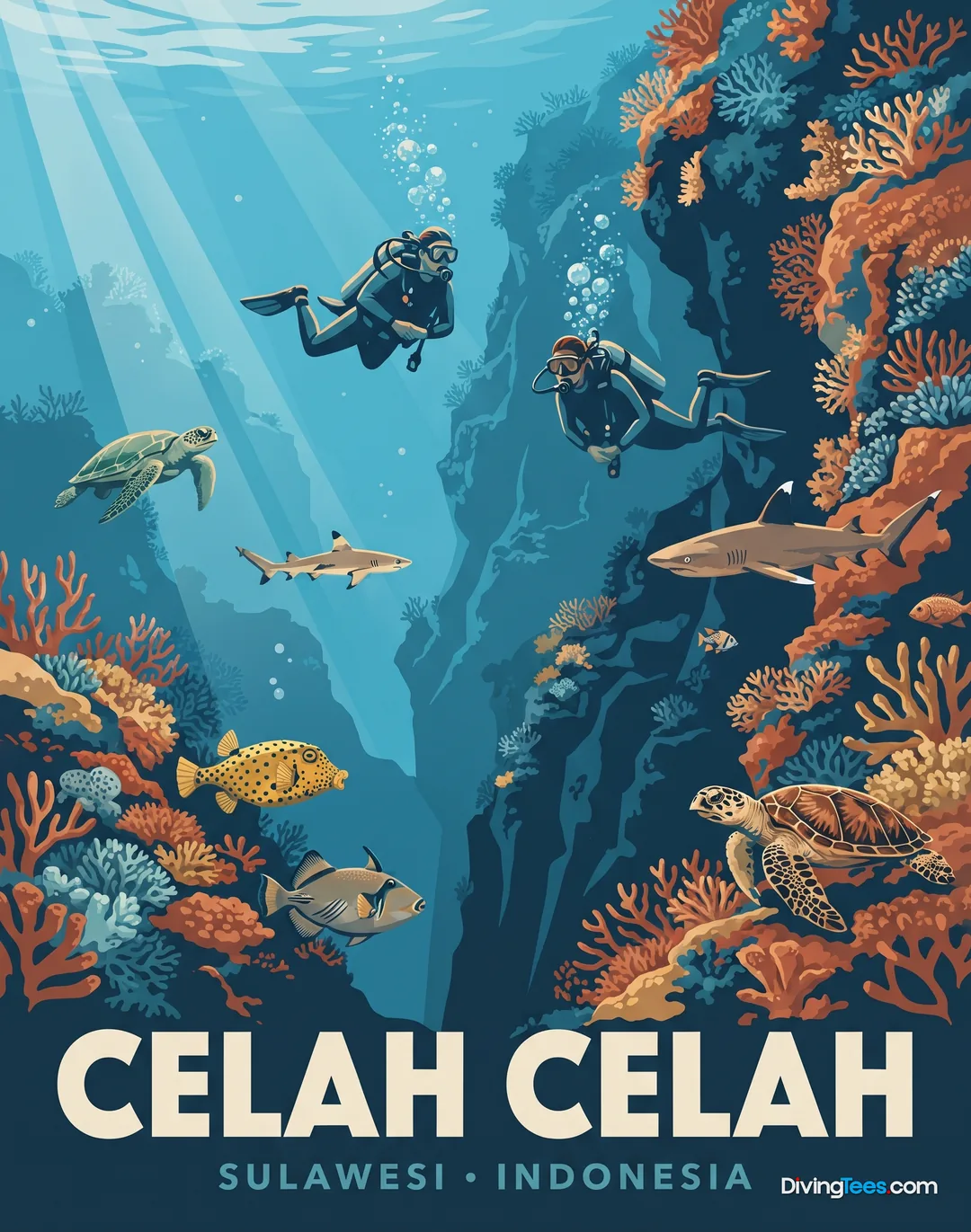
Celah Celah →
Itineraries, dates and prices
Prices per person. Each month shows its lowest price: click a month, or pick an itinerary.
Next departures · 27 departuresfrom £829$1,108€990
March 2027
June 2027
July 2027
August 2027
See dates and prices
If you click these links and make a purchase on the partner site, DivingDeal may earn a commission, at no extra cost to you.
Dates and prices taken from Divebooker and liveaboard.com, updated 24 October 2026
What you’ll meet underwater
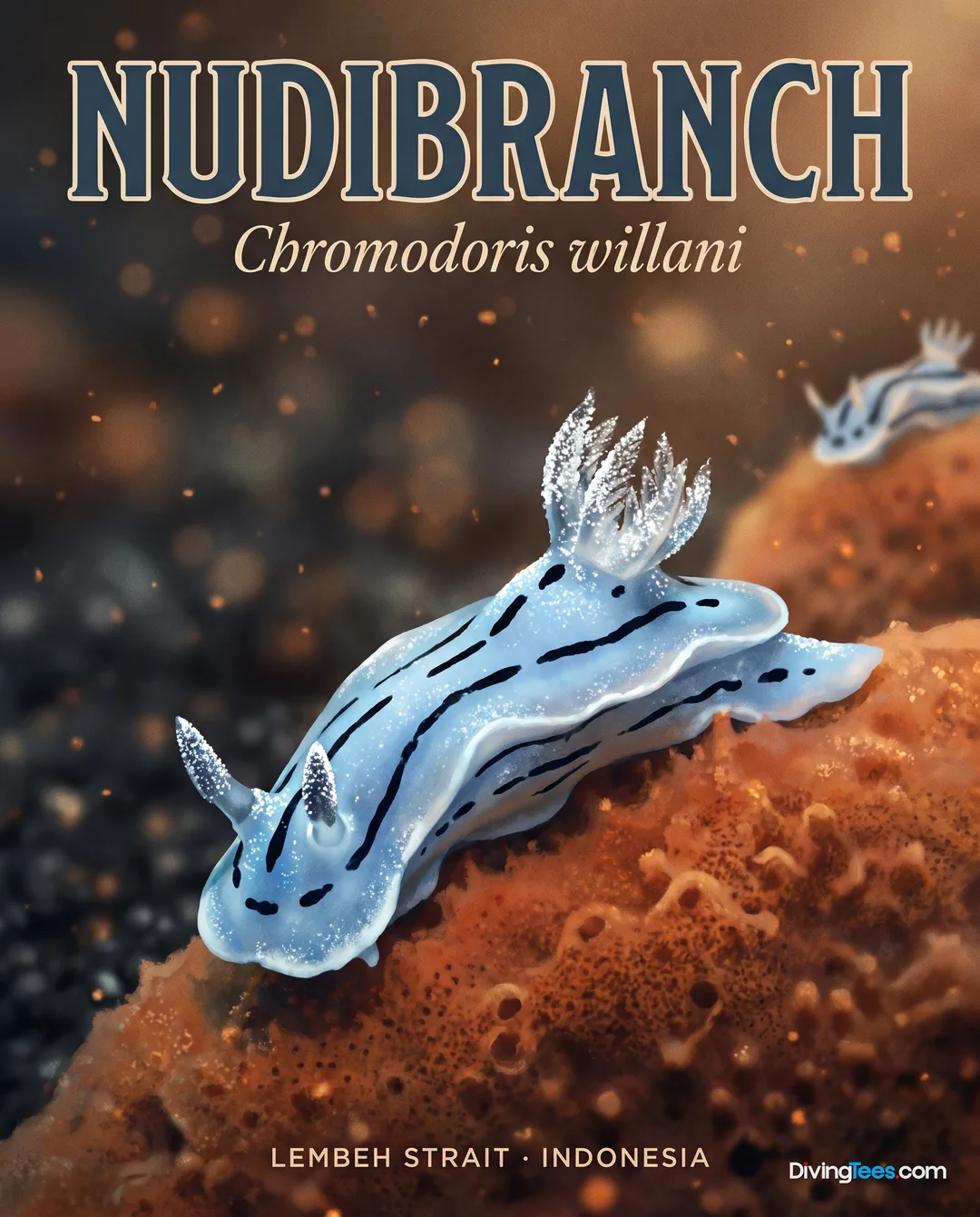
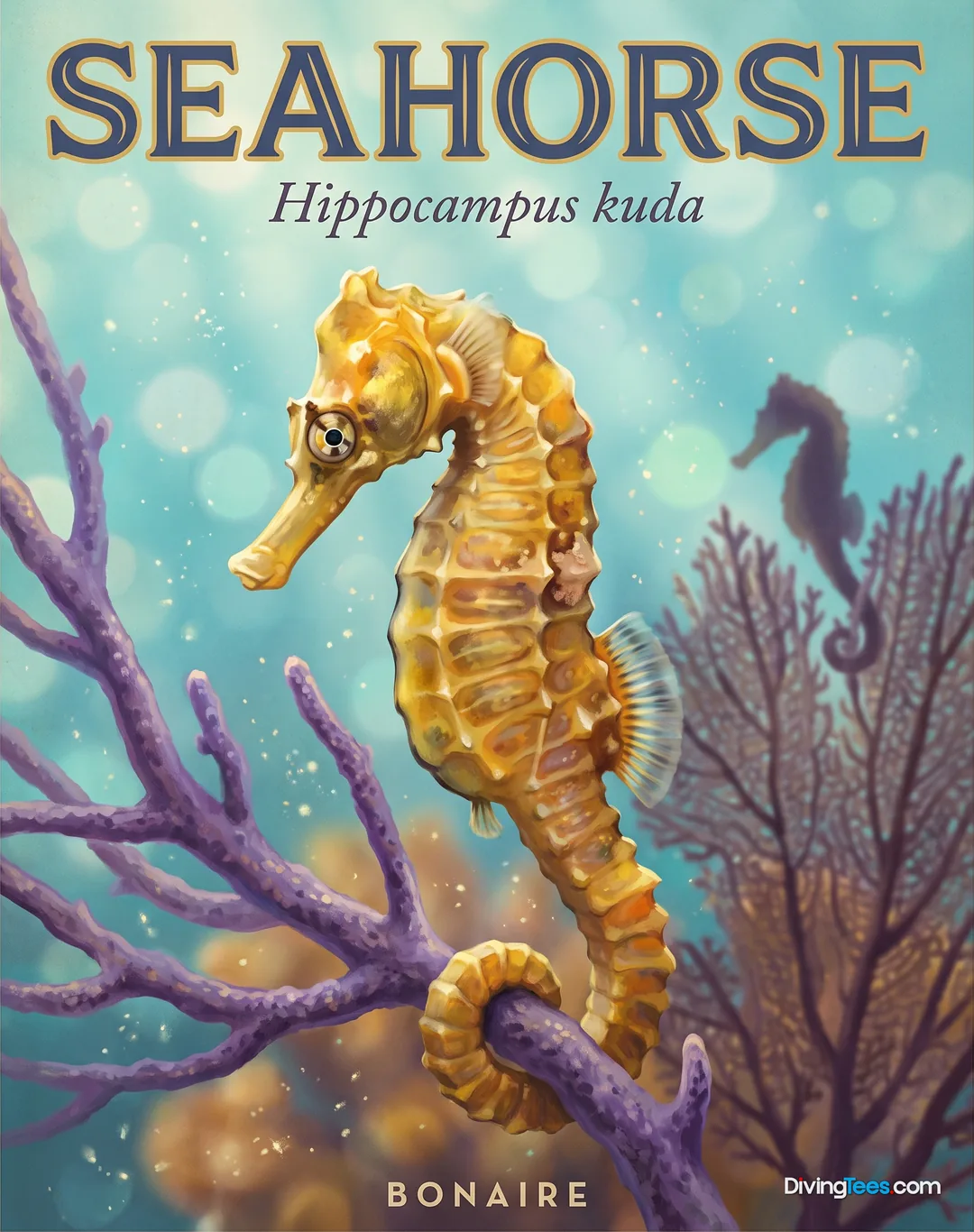
This is a route for divers who want the animals to change with the terrain. Nudibranchs are recorded across eight sites; eagle rays, cuttlefish, pygmy seahorses, seahorses, morays and frogfish recur through the itinerary, with reef sharks and turtles appearing across several sites. Lembeh Strait concentrates the small, strange subjects on black sand: octopuses, frogfish, seahorses, nudibranchs, devilfish and flying gurnards. Bangka adds pygmy seahorses, ribbon eels and mantis shrimps, while Bunaken's walls bring turtles, reef sharks and eagle rays into the blue. The route also has site-specific reasons to descend. Bunaken Marine Park is the place where dolphins, groupers, bigeye trevallies and angelfish are recorded. Bangka Island is the site for tuna. Celah Celah is where balistids and wrasse are recorded, and House Reef is the listed site for crabs, shrimp and gobies. Sightings remain sightings, not promises; the value lies in how many different habitats the boat can reach.
Who puts you in the water
The crew speaks English, German and Indonesian, and the passenger-to-crew ratio is close to one-to-one. That is the useful part of the staffing model: guides can keep the operation personal on a boat carrying no more than 10 passengers, rather than pushing everyone through one large group. Briefings and debriefings are held in the upper-deck chillout area, with dive groups organised around the route and conditions. Courses listed on board include Discover Scuba Diving, Open Water, Advanced Open Water, Nitrox and Rescue. The boat carries emergency oxygen, first-aid kits and crew trained in first aid, along with life jackets, lifebelts, life rafts and fire equipment.
The dive deck and the gear
The dive operation is concentrated on the middle deck, where equipment is prepared, tanks are filled and divers move directly to the platform or tender. The working area is shaded, with a dedicated camera rinse and charging station nearby. Sunshine carries 30 Nitrox tanks and uses two Bauer Poseidon compressors plus a Nitrox membrane system. Nitrox is mandatory, with DIN adapters available. A 15-litre tank can be rented for an additional charge, while rental equipment is also available. The boat has one tender for diver transfers.
Between dives
Between dives, Sunshine gives passengers several different places to disappear for an hour. The upper deck chillout area is used for briefings and debriefings, with a hammock for the gap when the body needs sleep more than conversation. The sun deck has both shade and open space, with mats, bean bags and a small table; it is also where outdoor meals can be taken. Photographers have a dedicated camera room, a separate camera rinse and a charging station for cameras, lights and laptops. When the boat is moving between regions, the open decks are the place to watch the islands pass. On a no-dive afternoon, the same spaces work for reading, sun and quiet without forcing everyone into the saloon.
A day on board
A day aboard Sunshine is built around three dives, with meals and snacks placed between them rather than treated as separate events. The dive deck is the centre of the working day: equipment is ready there, tanks are filled there, and the tender or platform takes divers straight to the site. After a dive, the upper-deck chillout area, hammock and shaded sun deck provide the necessary gap before the next briefing. When the boat is underway, the open deck becomes the place to watch the coastline and islands change. The route can then trade a wall for a pinnacle, a coral slope for black sand or a reef dive for a shore entry. The day closes with food, conversation and the return to a private cabin before the next dive cycle begins.
What you eat aboard
Food is one of Sunshine's strongest points, and the reason is variety rather than ceremony. Full board covers the meals around the diving, with buffet service, local Indonesian dishes and Western cooking, vegetarian options and snacks available through the day. The crew also serves barbecues on the beach, which changes the setting from the restaurant to sand and open air when the route allows it. Beer and wine are available, while alcoholic and non-alcoholic drinks beyond the standard offering are extra. On a three-dive day, the table is functional as much as social: divers can eat, refill and get back into the shade without turning every meal into a long interruption.
Nights at sea
The five cabins are divided between the lower and upper decks, with the owner's cabin offering the most space on the lower deck. The two upper-deck cabins are double cabins with individually adjustable air conditioning and either twin beds or a single bed; the two lower-deck cabins are slightly smaller. Every cabin has a private bathroom, shower, toilet, electricity and air conditioning. The lower deck sits below the main living areas, while the upper cabins put passengers closer to the chillout space and the open decks. These are compact liveaboard rooms, not hotel suites, but private bathrooms and daily housekeeping remove the main sources of friction on a week of diving. The practical difference between categories is space and position, not a different standard of facilities.
Lower Deck Cabins
Upper Deck Cabins
Owner Cabin
What to know before boarding
Departures and returns vary by itinerary: recorded routes use Bitung, Saronde, Gorontalo and Donggala. Airport transfers can be arranged from Manado Airport for an additional charge; hotel transfers are also available as an option. The exact pickup and meeting details depend on the booked route. Arriving the night before departure is the sensible choice.
Deck plan
- Year built
- 2011
- Year renovated
- 2014
- Length
- 31 m
- Beam
- 7 m
- Maximum number of passengers
- 10
- Number of cabins
- 5
- Number of bathrooms
- 5
- Engines
- Mercedes OM423 470 hp
- Cruising speed
- 7
- Tenders
- Yes
- Website
- sunshineliveaboard.com ↗
Hello, I'm Marina, DivingDeal.com's AI assistant. I answer in detail about hotels, dive centres and liveaboards.
Thinking about the whole trip and the flights? Talk it over with Edith →
Marina is an AI. Some links are affiliate links: DivingDeal may earn a commission, at no extra cost to you. Bookings are made with the partner.