

Oasis Explorers
Google 4.8/5 (122 reviews)
1.1 km away as the crow flies
North Sulawesi · Indonesia · Asia
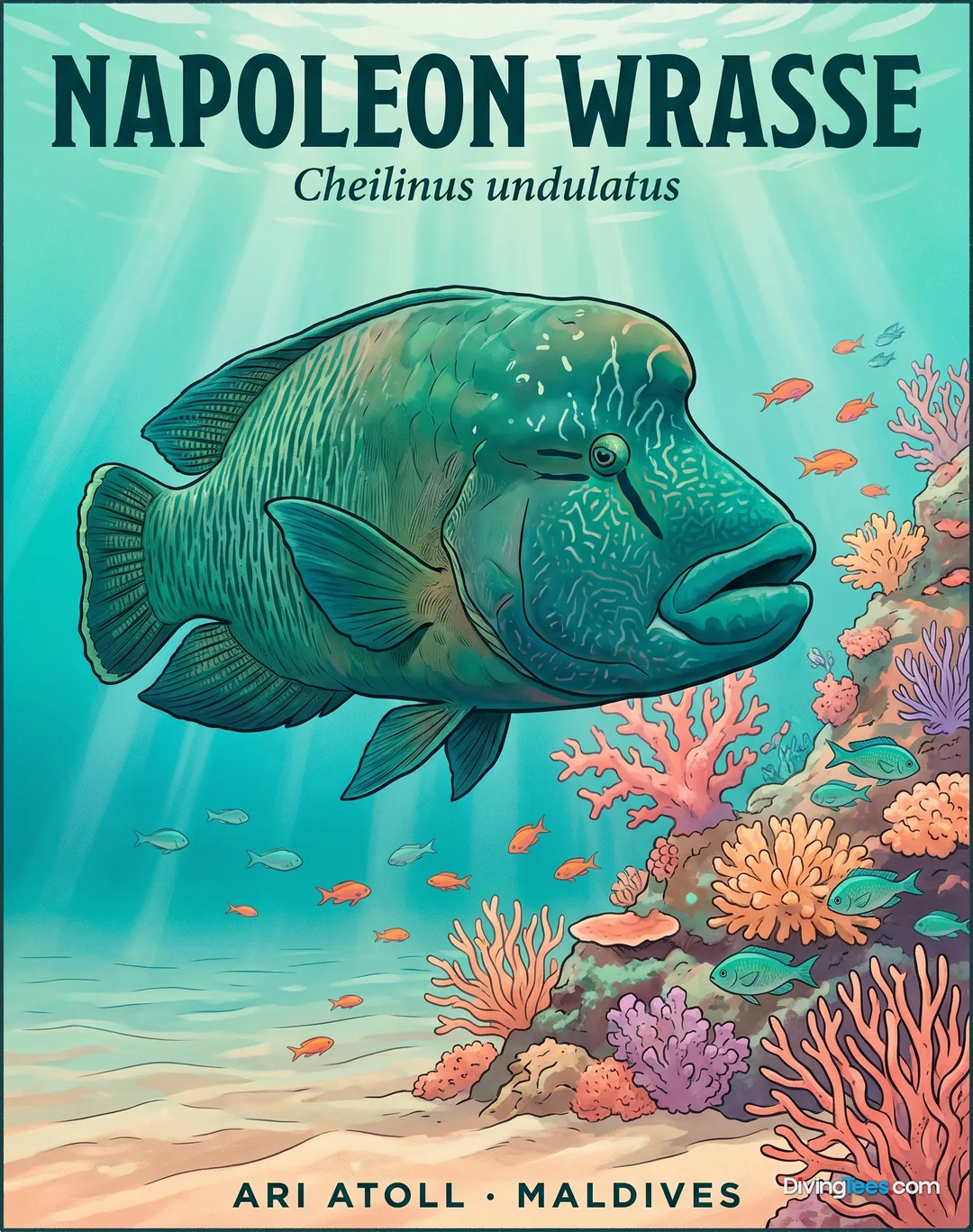
Max. depth · 40 mMandolin offers a dynamic wall dive on Bunaken's western side, where resident schools of Midnight Snappers (Macolor niger) punctuate a vibrant coral landscape alongside regular Napoleon Wrasse (Cheilinus undulatus) appearances.
For subtitles in English: start the video firstthen click the gearat the top right of the video, select “Subtitles/CC”, then “Auto-translate” and choose “English”.
Dropping into Mandolin, you find yourself on a steep vertical wall on Bunaken's western side, a site that shares its deep structure with nearby Raymond Point. The initial descent reveals a world teeming with life, a stark contrast to some of the more current-swept pinnacles in the region. Here, the focus shifts to the intricate ecosystems clinging to the sheer rock, allowing for a more deliberate exploration as you trace the contours of the reef, which continues well beyond recreational depths.
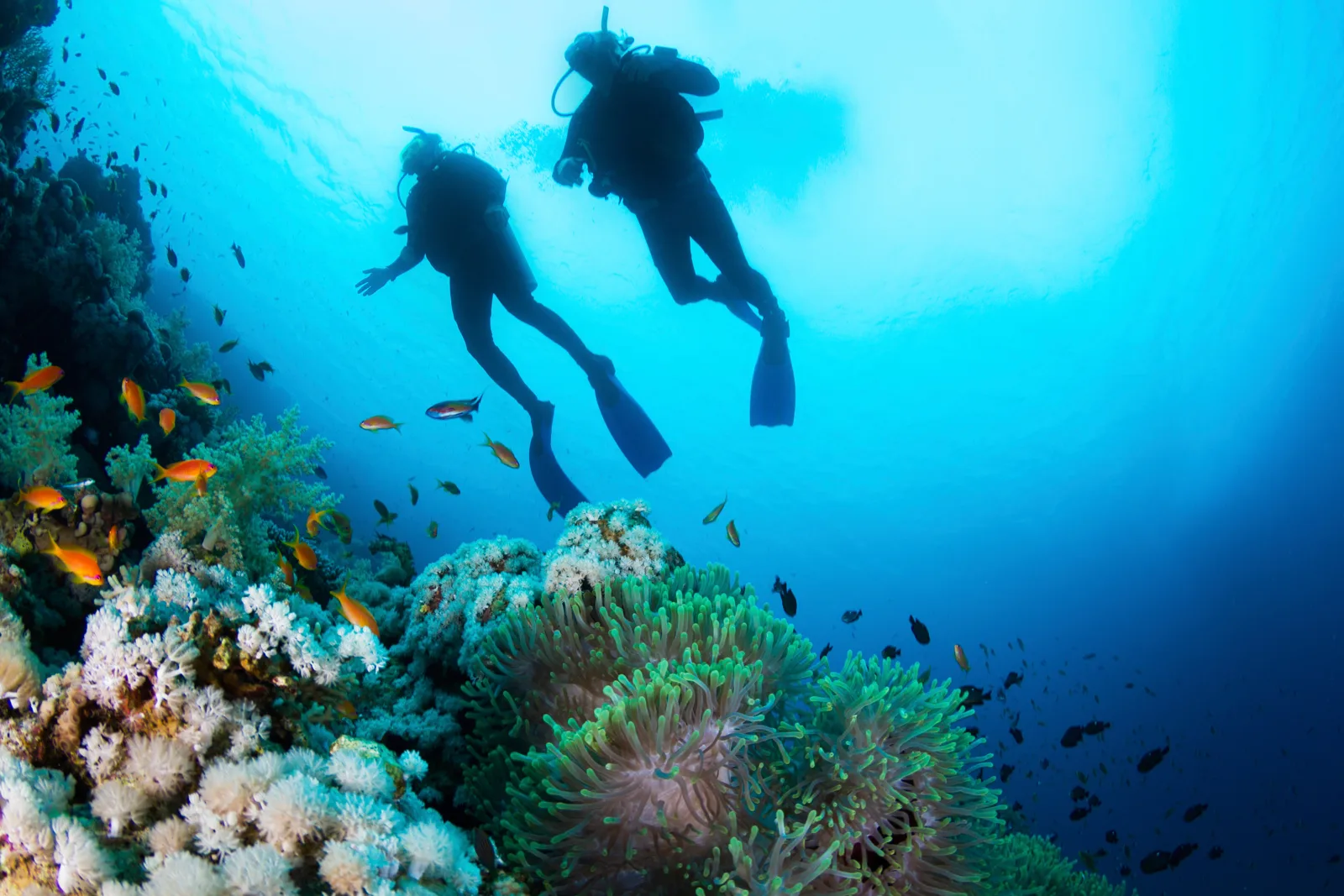
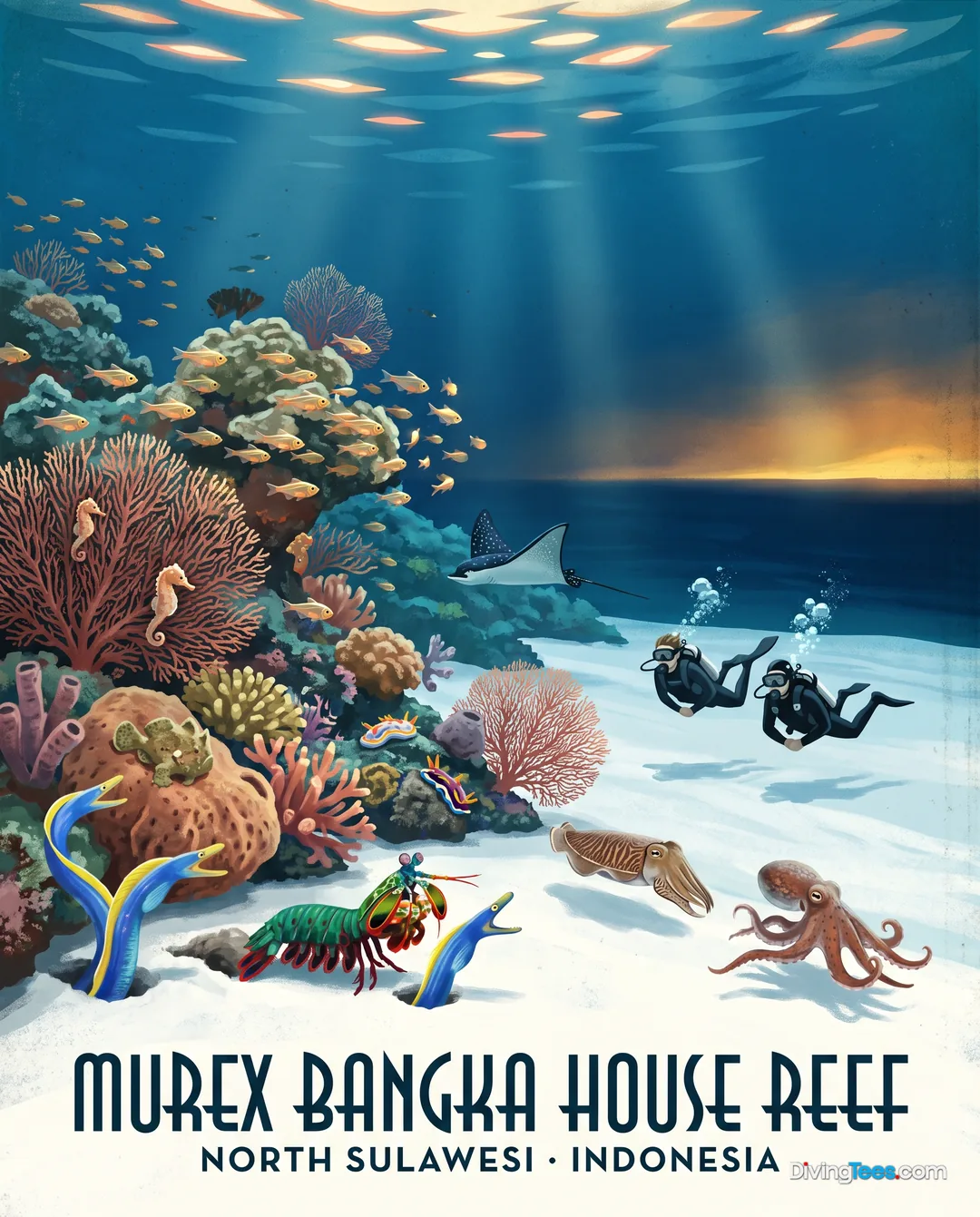
The wall itself is a canvas for marine growth, dominated by truly enormous sponges (Porifera) and ancient gorgonian fans (Gorgoniidae) that have anchored themselves for countless years. As you drift along, you'll encounter extensive stands of very large black coral trees (Antipatharia), their delicate branches providing shelter and hunting grounds for smaller reef inhabitants. These mature growth patterns indicate a stable and thriving environment, a testament to the healthy waters of Sulawesi.
Mandolin distinguishes itself with a particularly dense population of fish. A substantial resident school of Midnight Snappers (Macolor niger) forms a living curtain, swirling and pulsing as you approach. These dark, silent sentinels are a constant presence, adding a dynamic energy to the reef. Unlike some sites where fish pass through, these snappers have claimed Mandolin as their home, offering a consistent spectacle for divers.
Beyond the schooling fish, the wall holds more intimate discoveries within its many fissures and crevices. As you shine your torch into these natural shelters, you're likely to uncover various species of Moray Eels (Muraenidae), their heads peeking out with curious indifference. Large lobsters (Palinuridae) also find refuge in these shadowy retreats, their antennae often betraying their hidden presence, inviting a closer look into their secret world.
The topography of Mandolin features large steps and overhangs, broken up by ledges and small caves along the face. The shallow reef top, typically between 3 and 5 metres, is varied and healthy, offering a different perspective with its hard and soft corals. This upper section provides excellent opportunities for macro photography, with species like candy crabs, porcelain crabs, and various shrimps finding refuge among the corals.
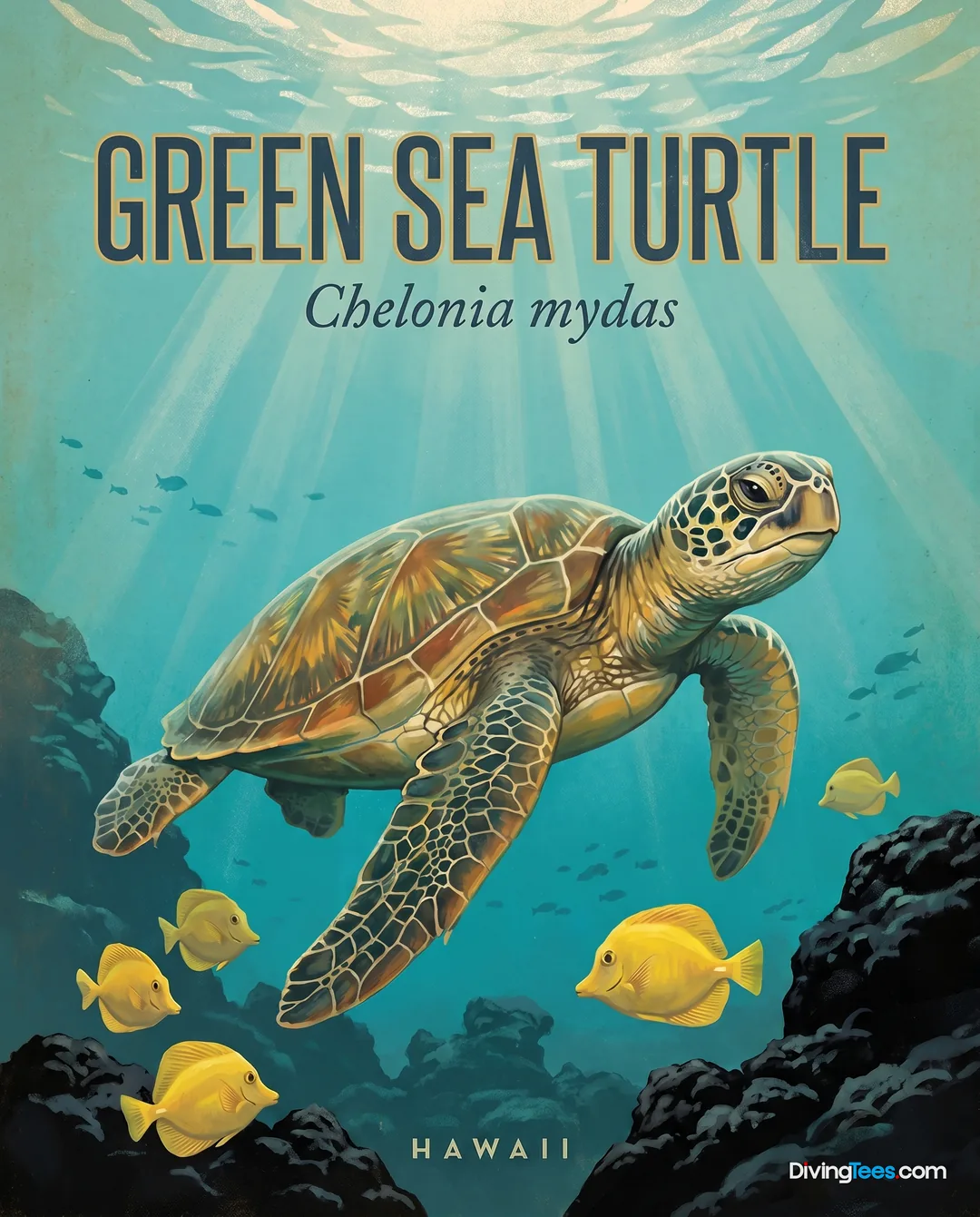
Mandolin is also known for its pelagic encounters. You can expect to see green turtles and other sea turtles, along with whitetip reef sharks and other reef sharks patrolling the deeper sections. Eagle rays are also frequent visitors, often gliding gracefully along the wall. Keep an eye out for larger schooling fish like dogtooth tuna, giant trevally, and barracuda, which can appear from the blue, especially when the current is running.
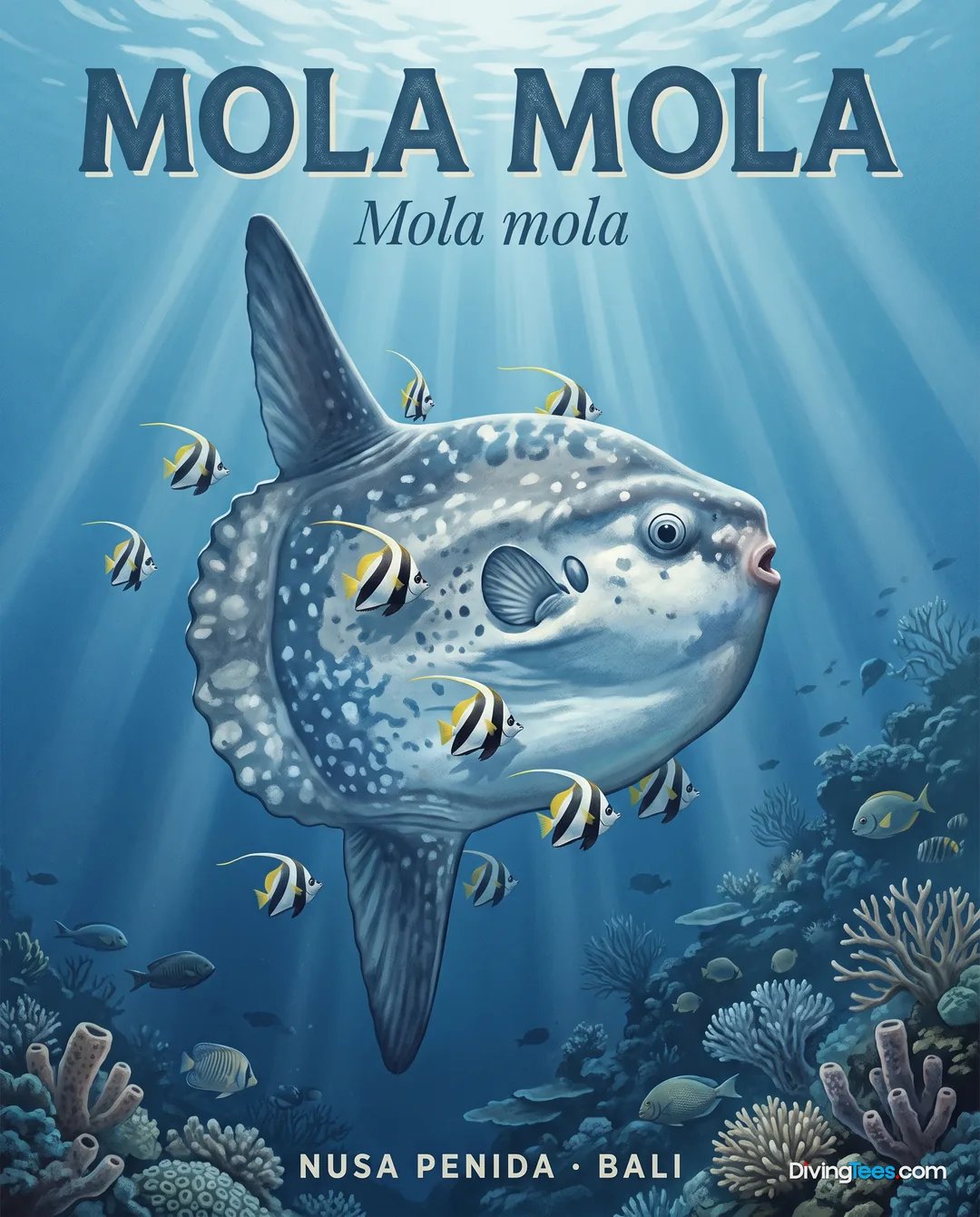
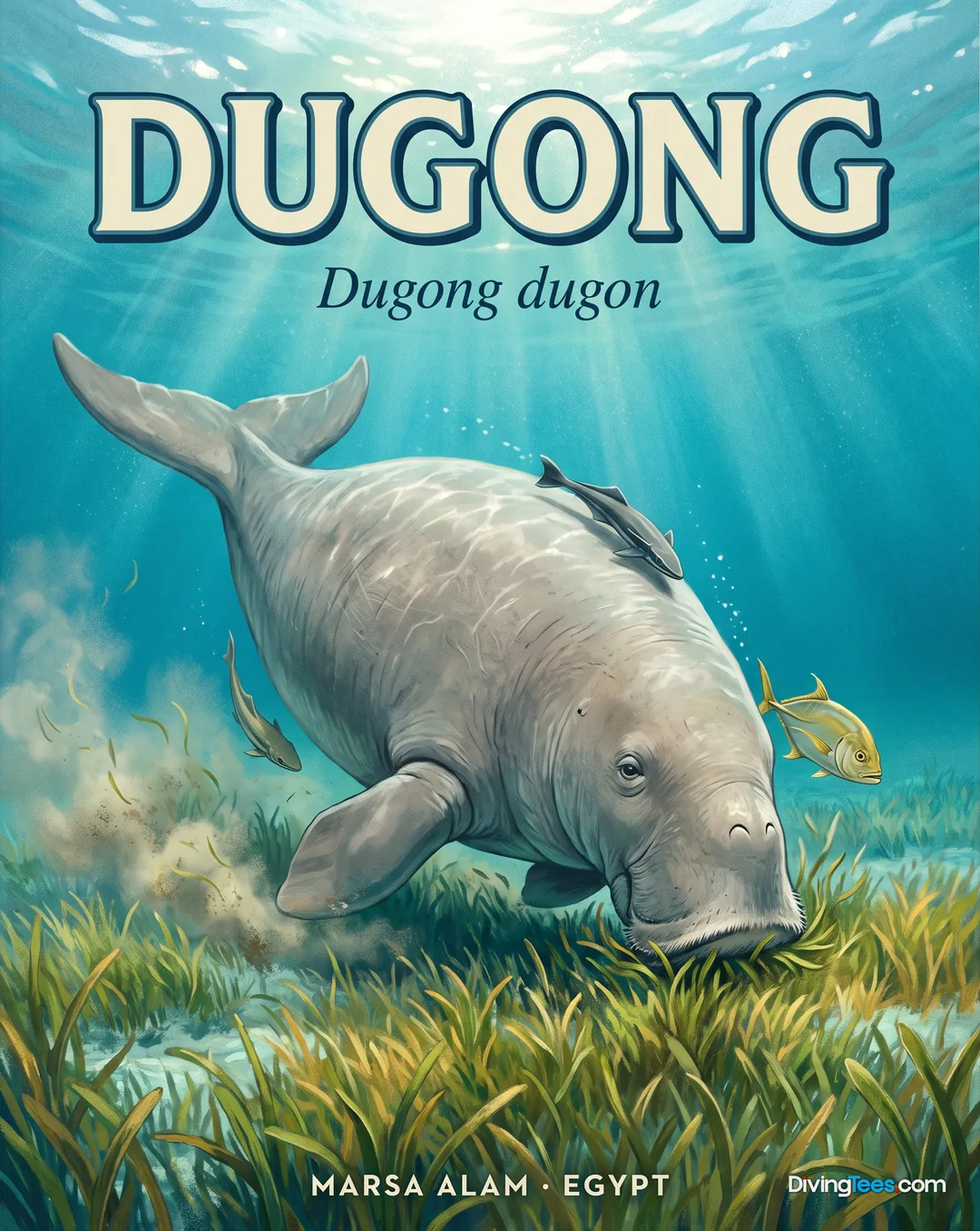
The site is regarded as a big-animal site, with regular sightings of Napoleon wrasse (Cheilinus undulatus) and humphead parrotfish. While rare, there have been reports of dugongs visiting nearby seagrass beds and occasional mola mola sightings off the deep blue beyond the wall, adding to the potential for unexpected encounters. The dense fields of whip corals also create a distinctive 'stringed' look, contributing to the unique visual character of the site.
Mandolin is a wall dive with depths ranging from 3 metres on the reef top to over 40 metres along the main wall. Due to frequently strong and variable currents, it is recommended for intermediate to advanced divers with at least 50 logged dives. While conditions can be mild, the current can shift quickly and become strong, often requiring drift diving procedures. Visibility typically ranges from 15 to 30 metres, with water temperatures consistently around 28°C. Diving is possible year-round, with the best overall conditions, including calmer seas and peak visibility, generally occurring during the dry season from April/May to October.
You can dive Mandolin year-round, while the dry season from April or May to October generally brings calmer seas and peak visibility. Visibility typically ranges from 15 to 30 metres, and water temperatures remain around 28°C, helping you plan for comfortable conditions and clearer views along the wall.
Mandolin is recommended for intermediate to advanced divers with at least 50 logged dives. Conditions may be mild, but currents are frequently strong and variable, can shift quickly, and may require drift diving procedures. You should be comfortable managing changing flow while following the steep wall’s contours.
Mandolin is a wall dive that starts at about 3 metres on the reef top and continues beyond recreational depths to over 40 metres along the main wall. The shallow reef top is typically between 3 and 5 metres, giving you a separate area for exploring corals and macro life.
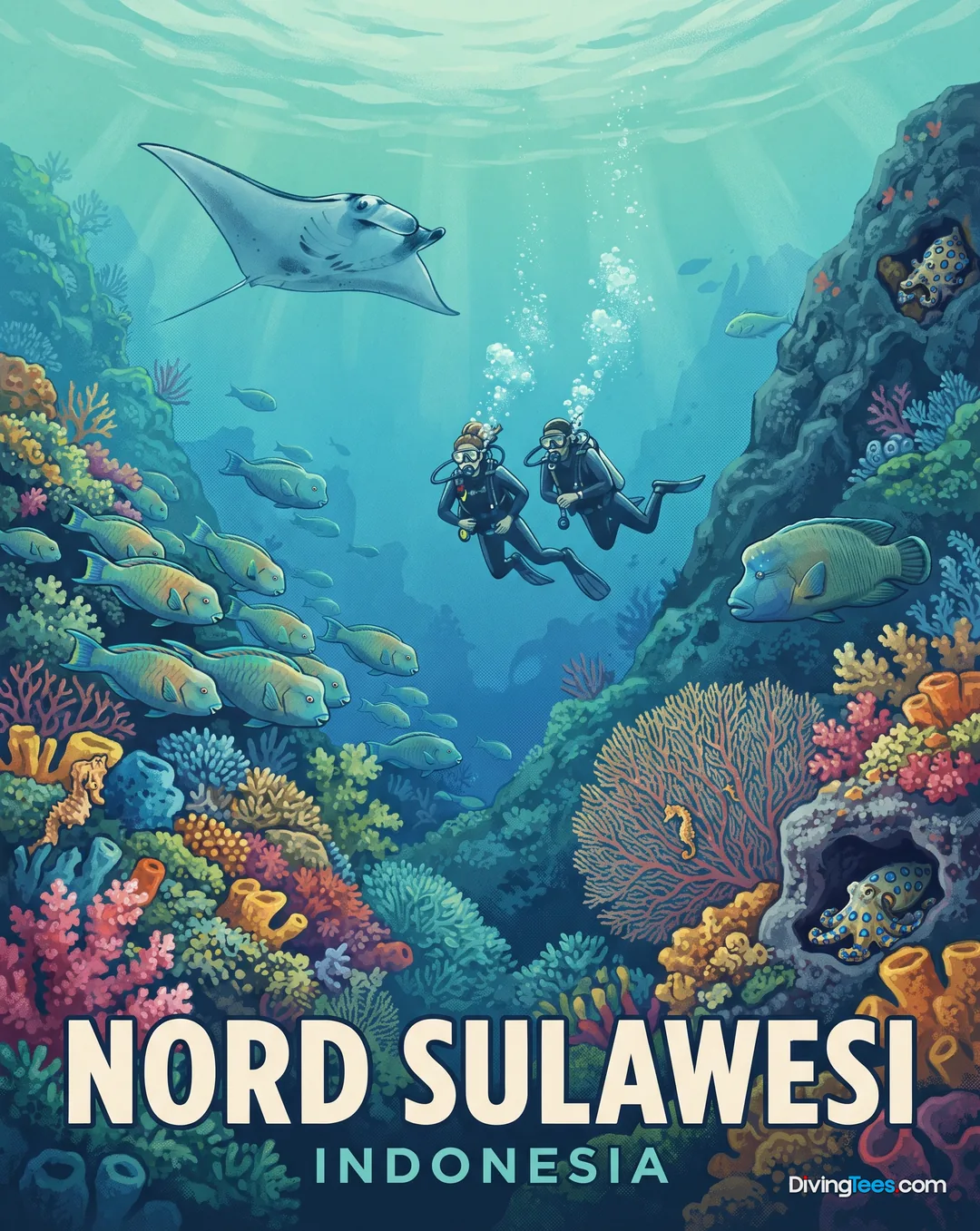
At Mandolin, you can see dense schools of Midnight Snappers, Napoleon Wrasse, green turtles, reef sharks, eagle rays, and dogtooth tuna. The wall features enormous sponges, ancient gorgonian fans, large black coral trees, moray eels, and lobsters, while the shallow reef offers candy crabs, porcelain crabs, and shrimps.