


Tulamben Dive
Google 5/5 (1,692 reviews)
2.8 km away as the crow flies
Tulamben · Indonesia · Asia
Max. depth · 60 mDescend along the lava flow from Mount Agung’s 1963 eruption, diving a unique black volcanic reef that transitions into a sand slope teeming with macro life.
For subtitles in English: start the video firstthen click the gearat the top right of the video, select “Subtitles/CC”, then “Auto-translate” and choose “English”.
Batu Niti is situated just south of Tulamben, accessible by boat or a short drive from the local resorts. This dive site is essentially an underwater continuation of a significant lava flow from the 1963 eruption of Mount Agung. What you encounter underwater is a direct result of this geological event: a chaotic mix of black volcanic rocks that have settled into canyons and ridges. This distinct topography creates numerous hiding spots and micro-habitats that contribute to the site's unique character and the variety of marine life found here.
The dive begins either over a section of scattered black stones, giving way to a black sand slope, or directly onto a steep wall of volcanic rock. This wall is not a sheer drop, but rather an irregular structure, heavily encrusted with coral growth. Along the edge between the wall and the sand slope, often between 16 and 22 metres, you'll find large black coral bushes that serve as natural orientation points, breaking the monotony of the black volcanic landscape. The deep black substrate absorbs light, creating a distinct visual experience different from brighter coral reefs.
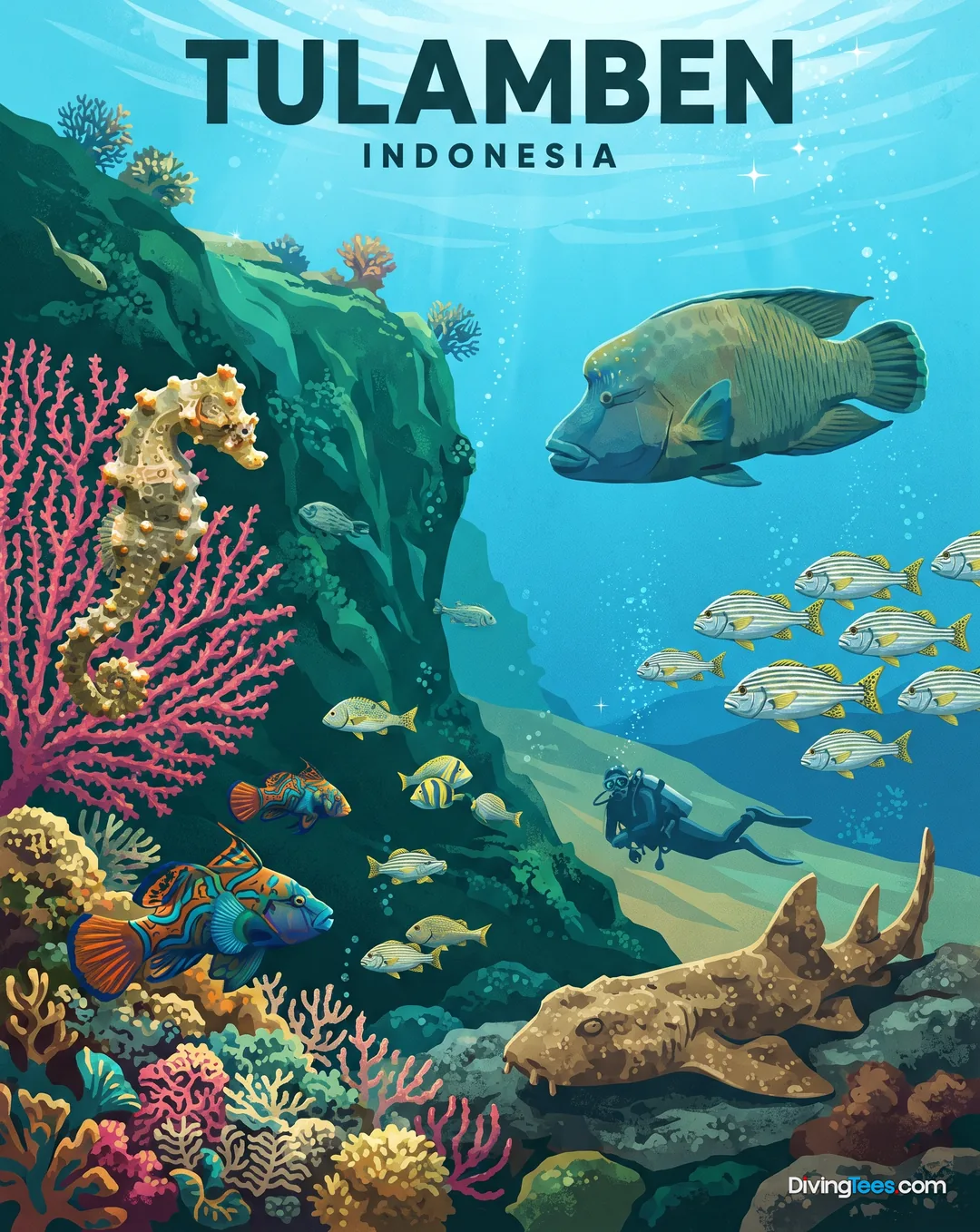
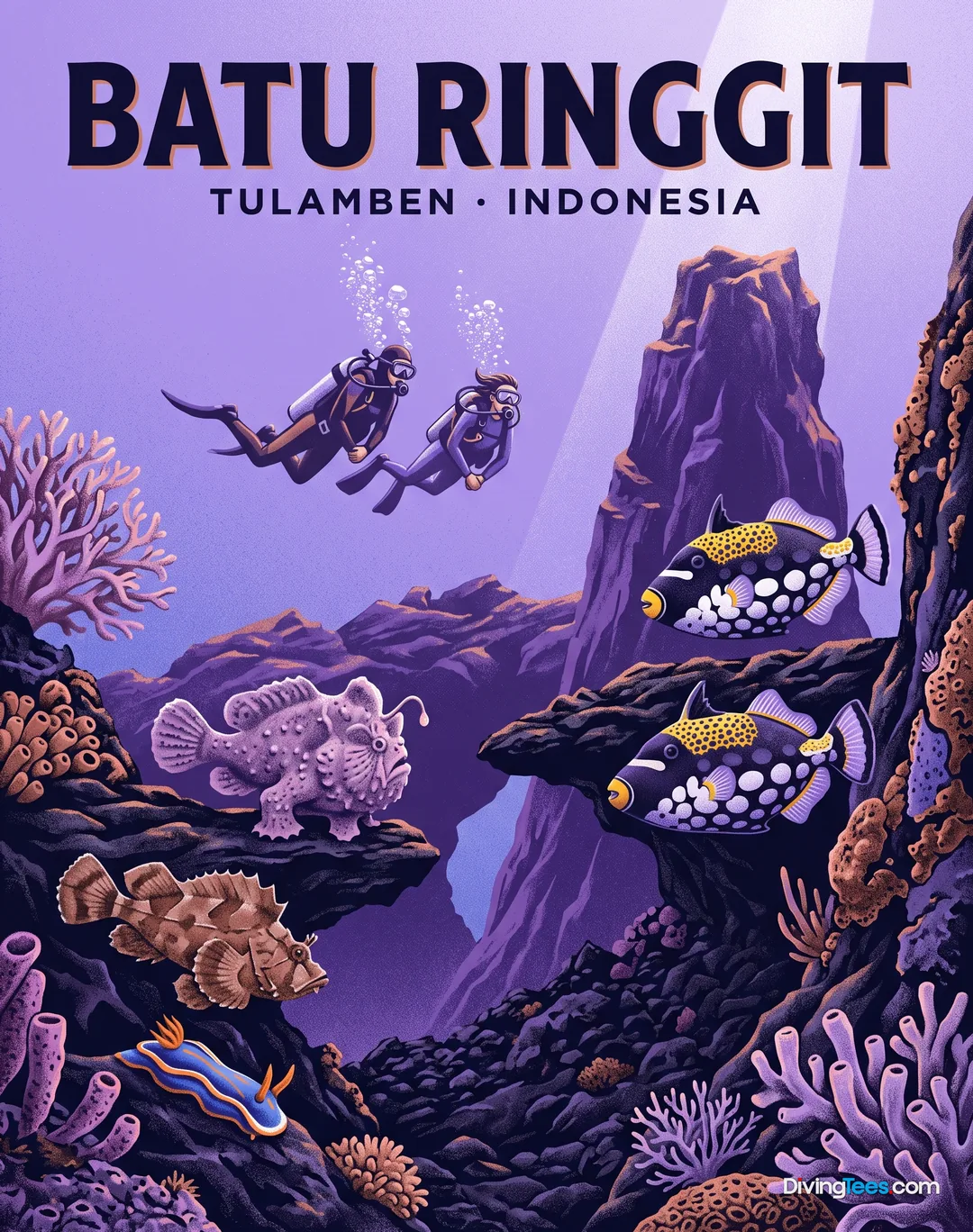
Batu Niti is a prime location for macro enthusiasts. The black sand and volcanic rock provide a contrasting background that highlights small invertebrates. You'll find numerous species of nudibranchs, often grazing on the volcanic rock surfaces. Harlequin shrimps and Coleman shrimps can be spotted, particularly around fire urchins, along with various frogfish that camouflage themselves against the dark environment. This specific interaction between macro species and their volcanic habitat is what defines the muck diving experience here.
Beyond the smaller inhabitants, the site also supports a diverse reef fish community. Butterflyfish colonies are a common sight, navigating the rocky outcrops. You'll also encounter moray eels peeking from crevices, fusiliers, triggerfish, sweetlips, turtles, pufferfish, lionfish, and scorpionfish. The volcanic rock face is particularly notable for its abundance of barrel sponges of all sizes, providing a stark contrast to the dark surroundings and hosting smaller organisms within their folds.
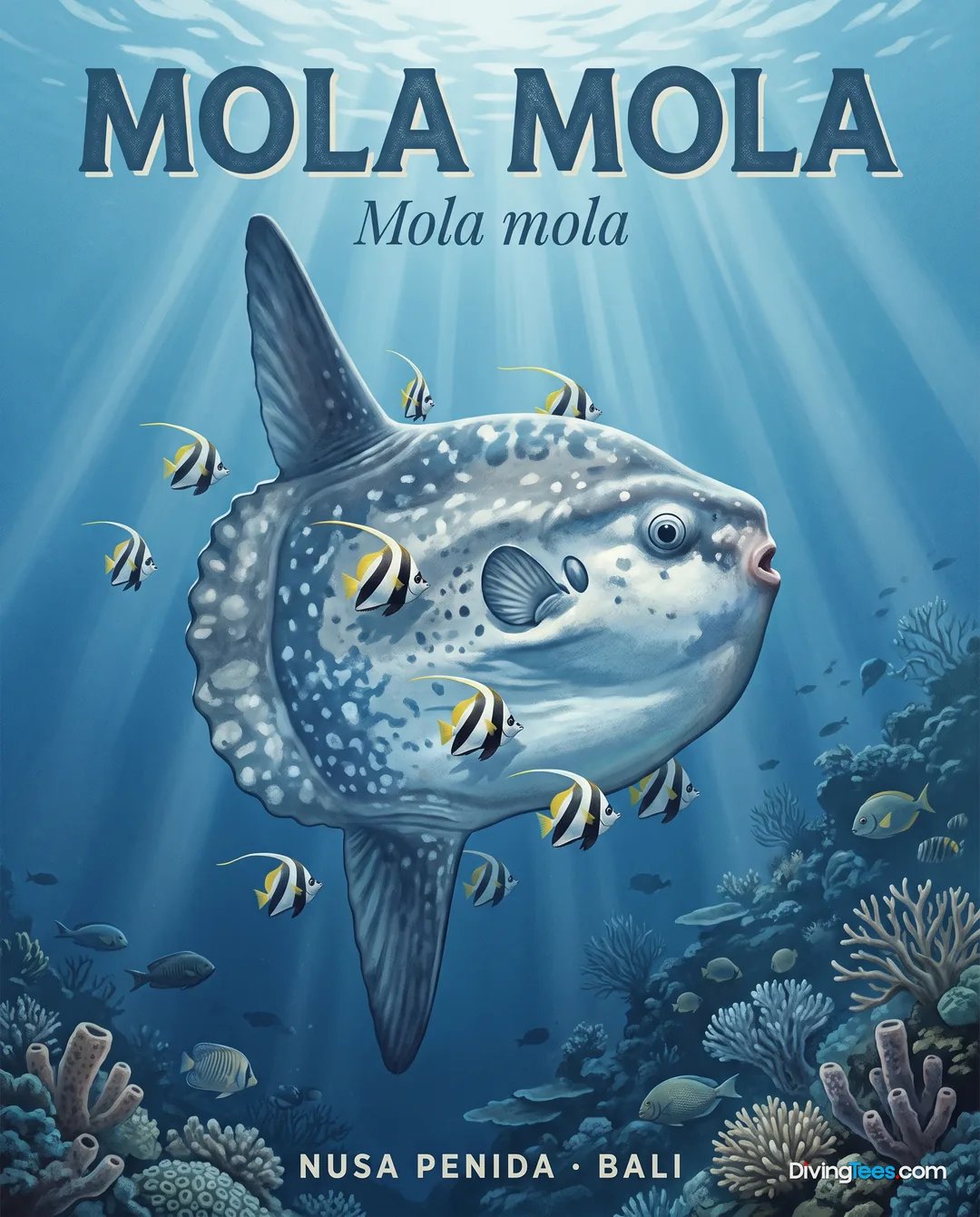
While primarily known for its macro life and reef residents, Batu Niti occasionally offers encounters with larger species. Schools of barracuda are regularly seen patrolling the deeper sections and the outer edges of the site. On rarer occasions, especially during specific tidal conditions, there is a chance to spot larger pelagic visitors such as the Mola mola (ocean sunfish), particularly when plankton-rich upwellings occur. This blend of macro details and potential for pelagic sightings keeps each dive varied.
The maximum depth at Batu Niti reaches 40 metres, extending down to 60 meters in certain areas according to some reports, though most dives focus on the shallower to mid-depth range for optimal bottom time and macro observation. The visibility here can range significantly, from 8 to 30 metres, influenced by local conditions and the presence of plankton, which can attract pelagic species but temporarily reduce clarity. This variability means adapting your dive plan to current conditions is essential for making the most of the site.
Access to Batu Niti is usually by boat, a short trip, or by car to a shore entry point. The site benefits from its proximity to shore, making it relatively convenient. The dive profile typically involves descending along the sandy slope or the wall, allowing you to explore the rich macro zones. While the current is often mild, it can pick up at the outer extremities, especially on the deeper sections. This requires awareness, but overall, the site provides a generally calm environment for focused exploration.
Batu Niti is accessible to divers holding Open Water Diver certification, although the full depth range extending to 40 metres, and possibly to 60 metres, requires Advanced Open Water Diver or higher. The minimum dive depth starts at 3 metres, allowing for shallow macro exploration. Currents are generally light to medium but can increase at the outer edges of the site, particularly during tide changes. Visibility typically ranges from 8 to 30 metres. The site is suitable for diving year-round, with specific seasonal opportunities for pelagic sightings.
You can dive Batu Niti year-round. Seasonal opportunities may bring pelagic sightings, including Mola mola, while specific tidal conditions and plankton-rich upwellings can influence encounters and visibility. The site’s changing conditions may reward adapting your dive plan, whether you are exploring the volcanic wall, black sand slope, or deeper sections.
Batu Niti is accessible to you with Open Water Diver certification, especially for shallow macro exploration beginning at three metres. Exploring the full depth range, reaching forty metres and possibly sixty metres in certain areas, requires Advanced Open Water Diver or higher. Most dives focus on shallow to mid-depth zones for bottom time and macro life.
You can generally expect light to medium currents at Batu Niti. Current may increase at the outer edges, particularly during tide changes, and can be stronger in deeper sections. Stay aware while exploring the site, although its overall environment is generally calm for focused observation of volcanic topography and marine life.
At Batu Niti, you can explore a volcanic wall, black sand slope, canyons, and ridges formed by the lava flow. Look for nudibranchs, frogfish, harlequin and Coleman shrimps, barrel sponges, reef fish, moray eels, turtles, and occasional barracuda schools or Mola mola in suitable conditions.