

Let's Dive Tulamben
Google 5/5 (2,215 reviews)
less than 1 km away as the crow flies
Tulamben · Indonesia · Asia
Max. depth · 80 mExplore a dramatic volcanic wall teeming with diverse marine life, from intricate filter feeders to schooling trevally and elusive reef sharks.
For subtitles in English: start the video firstthen click the gearat the top right of the video, select “Subtitles/CC”, then “Auto-translate” and choose “English”.
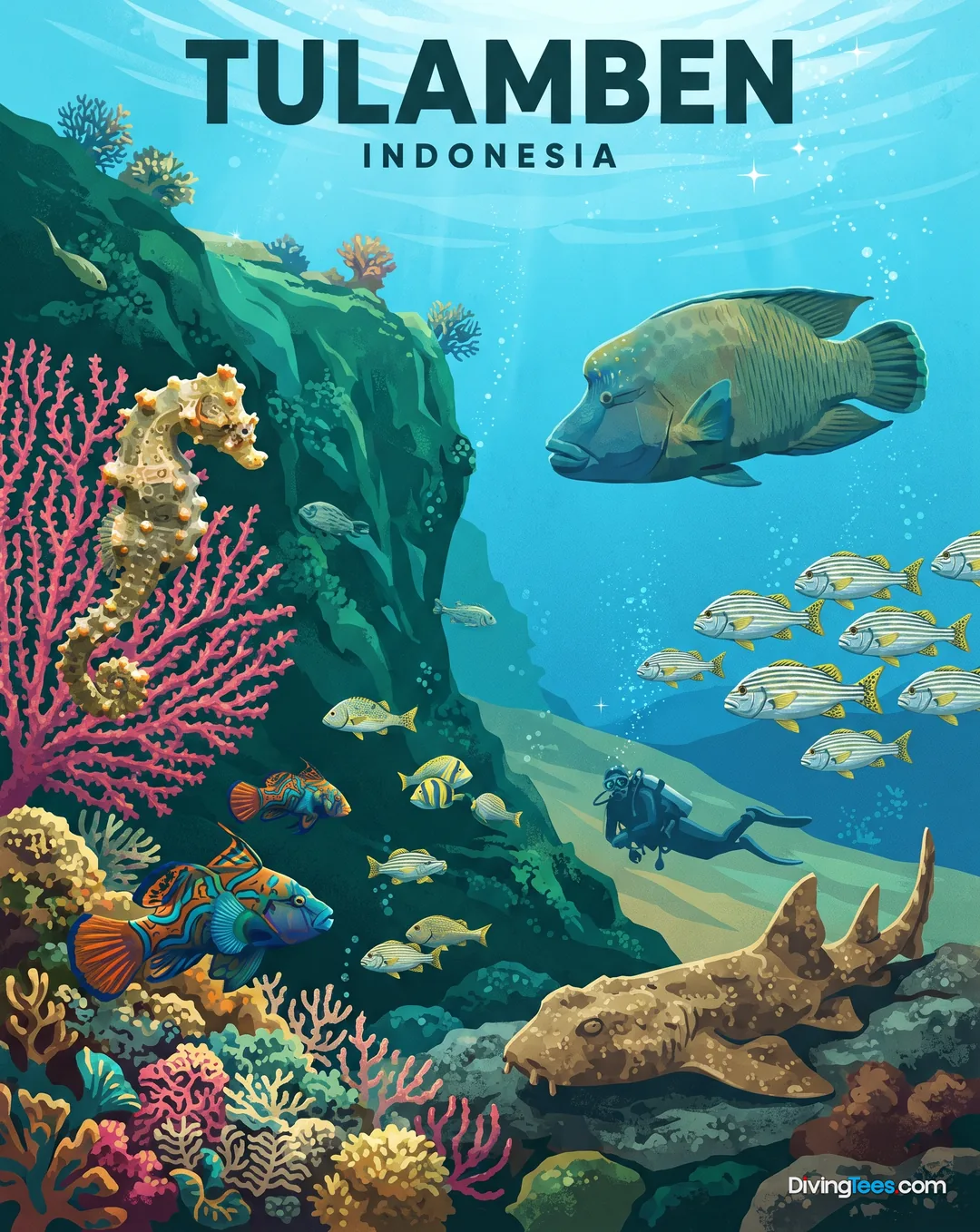
Padang Bai's Drop Off, also known to local divers as Tulamben Wall, presents a distinctive underwater topography shaped by volcanic power, a direct result of the 1963 eruption of Mount Agung. It begins in the shallows at a mere 3 metres with a sandy slope that effortlessly transitions into a prominent vertical wall. This wall plunges dramatically, reaching depths of up to 80 metres, showcasing the deep contours of this underwater formation. As you descend, the sheer scale of this lava-formed ecosystem becomes apparent. The wall is not merely a geological feature; it's a canvas for life, covered in an array of unique hard and soft corals. Gorgonians fan out from the rock face, their delicate structures swaying gently, creating miniature habitats and adding layers of texture and colour to the scene. The healthy coral growth here is a testament to the site's vitality and its protected status within the Balinese marine environment.
The most striking feature of this site is the extensive coverage of filter feeders found carpeting both the sandy slope and the wall. This dense tapestry of life, from feathery crinoids to delicate basket stars, creates a living, breathing canvas that shifts and sways with the subtle movements of the water. It’s this intricate web of filter feeders that acts as a magnet for a diverse range of marine organisms, offering endless opportunities for close observation. As you glide along the contours, you'll encounter a fascinating array of invertebrates meticulously navigating their habitat. Feather stars cling to prominent positions, their arms outstretched to capture nutrients, while the often-elusive brittle stars and basket stars find refuge amongst the rocky outcrops and coral heads.
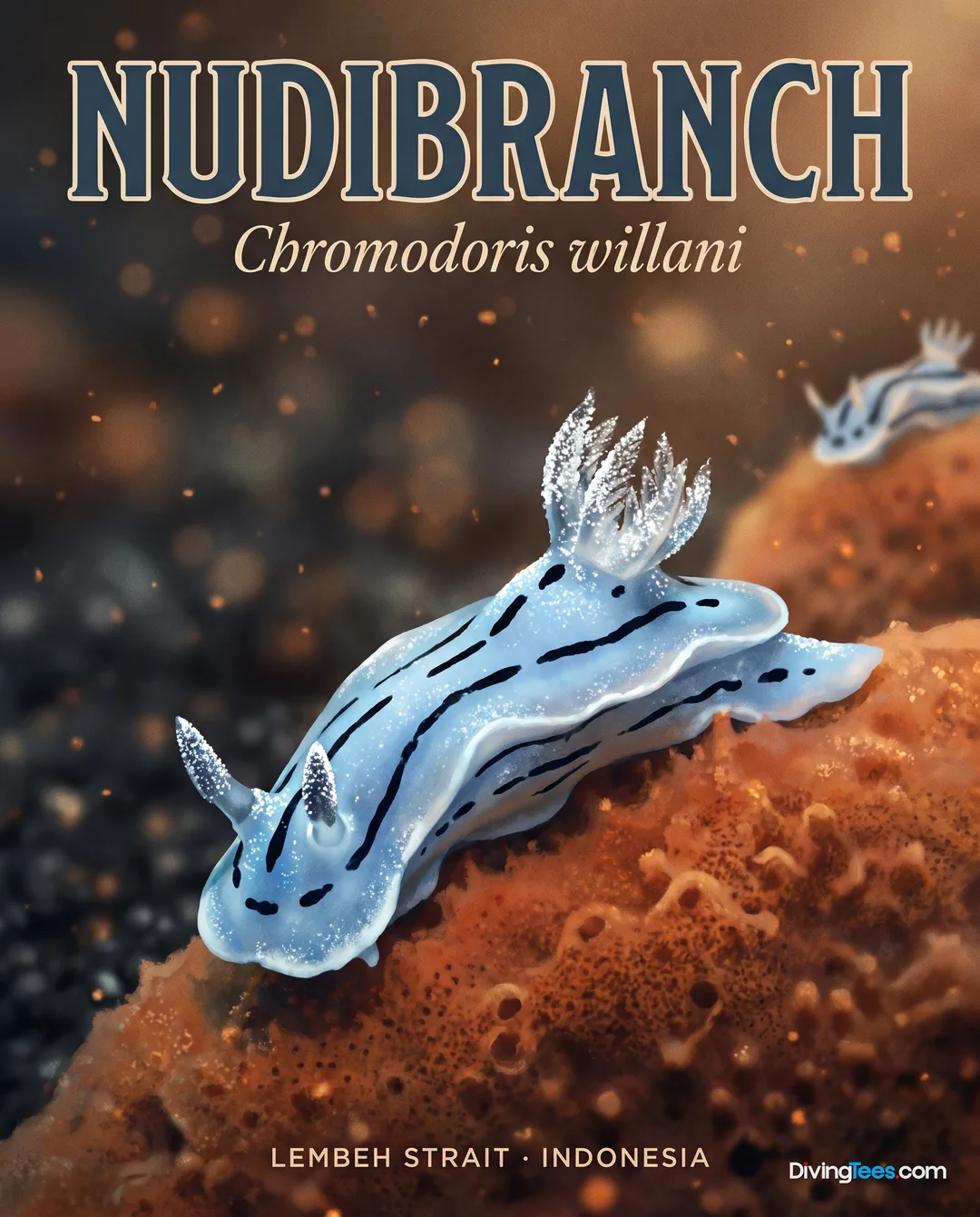
Keep a watchful eye for various crabs and shrimps, masters of camouflage, as they meticulously clean their surroundings or dart between protective crevices. Small wonders are everywhere along the wall; look for cleaner shrimp diligently tending to their stations, the shy blennies peering from crevices, and the intricate patterns of flatworms (Platyhelminthes) creeping along the reef. Nudibranchs (Nudibranchia) display their striking forms in slow motion across sponge and coral, providing countless macro opportunities.
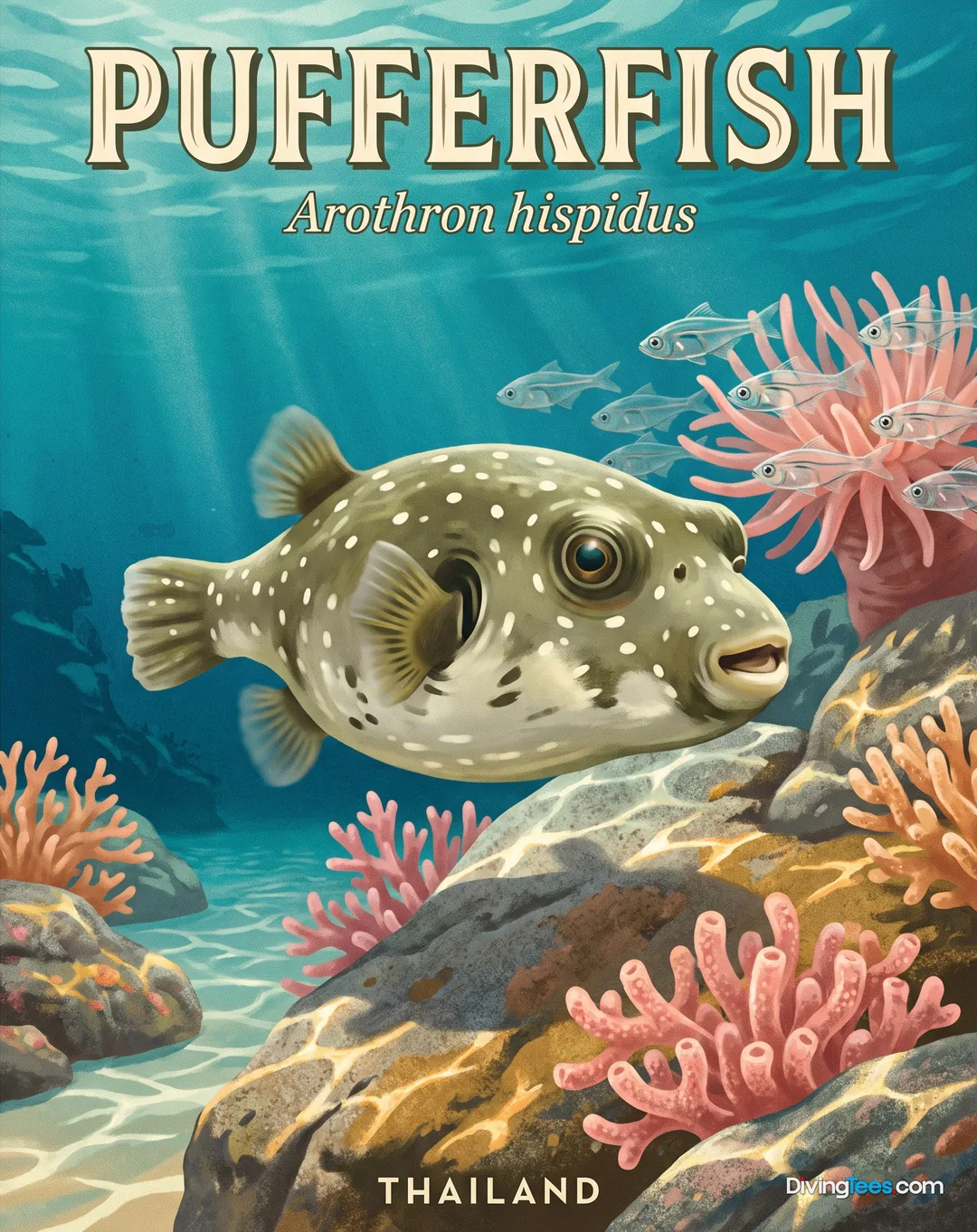
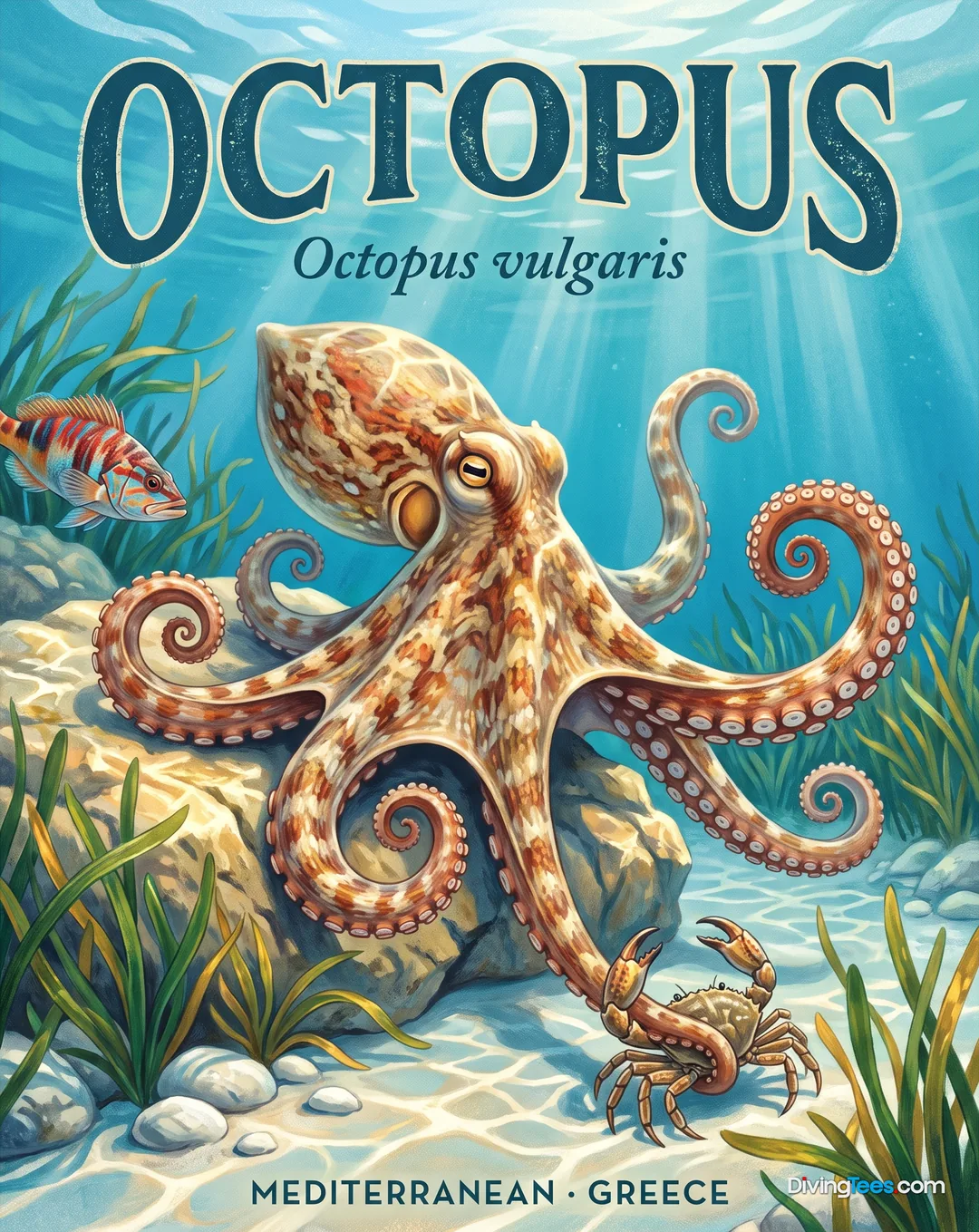
The resident fish population at Drop Off is equally engaging. Juvenile damselfish (Pomacentridae) flit amongst the corals, their vibrant colours a constant flash against the deeper blues. Anemone fish (Amphiprioninae) are always a highlight, diligently tending to their host anemones. These territorial fish provide a colourful and active focal point against the backdrop of the vibrant reef. Every visit offers a chance to observe their intricate social behaviours and protective instincts, especially when peering into the swaying tentacles of their homes. As you explore the various nooks and crannies, you'll encounter a variety of larger reef inhabitants. The distinctive, often comical faces of sharp-nosed pufferfish will greet you. Octopus (Octopus) will sometimes reveal themselves from their hiding spots, their camouflage a marvel to behold.
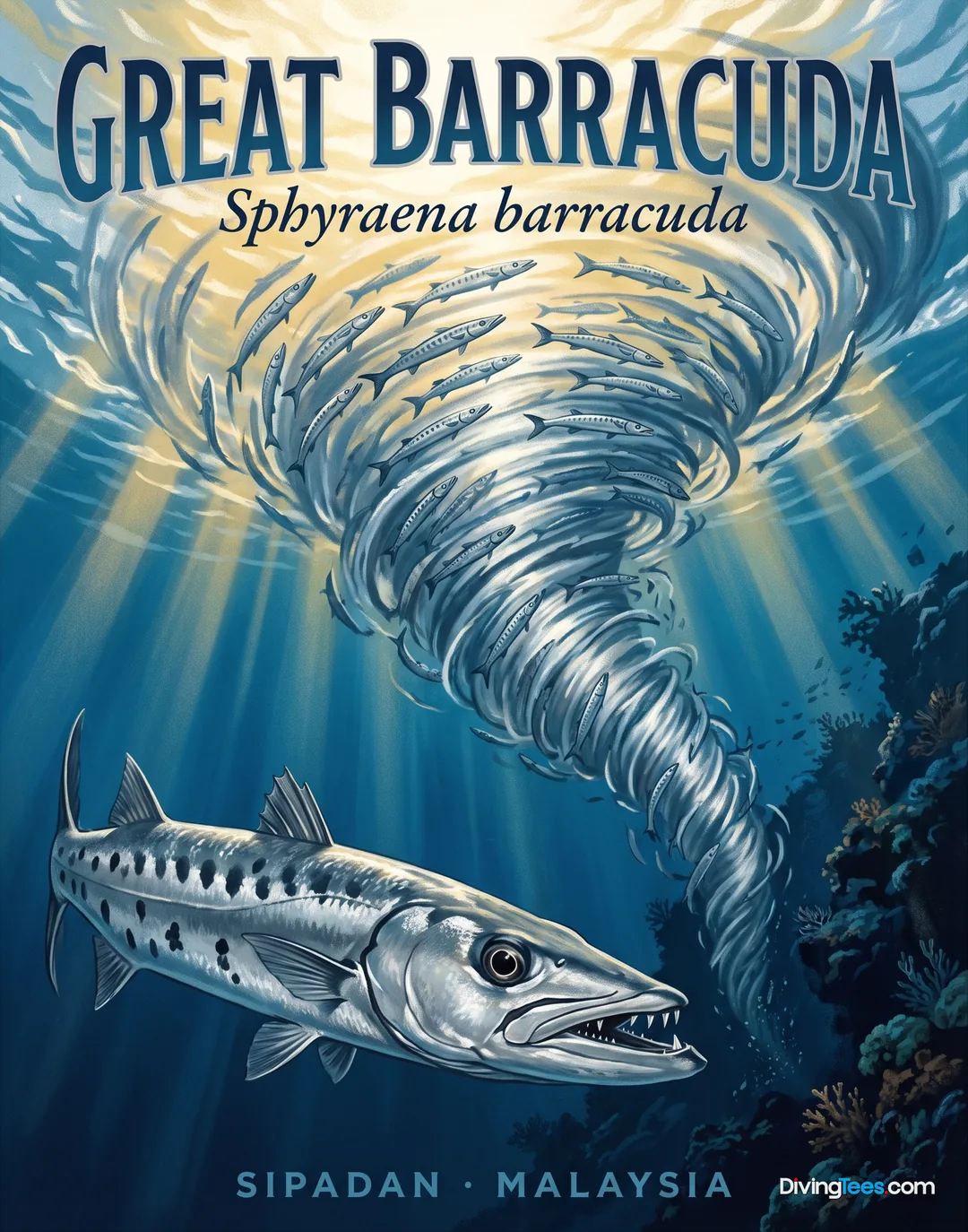
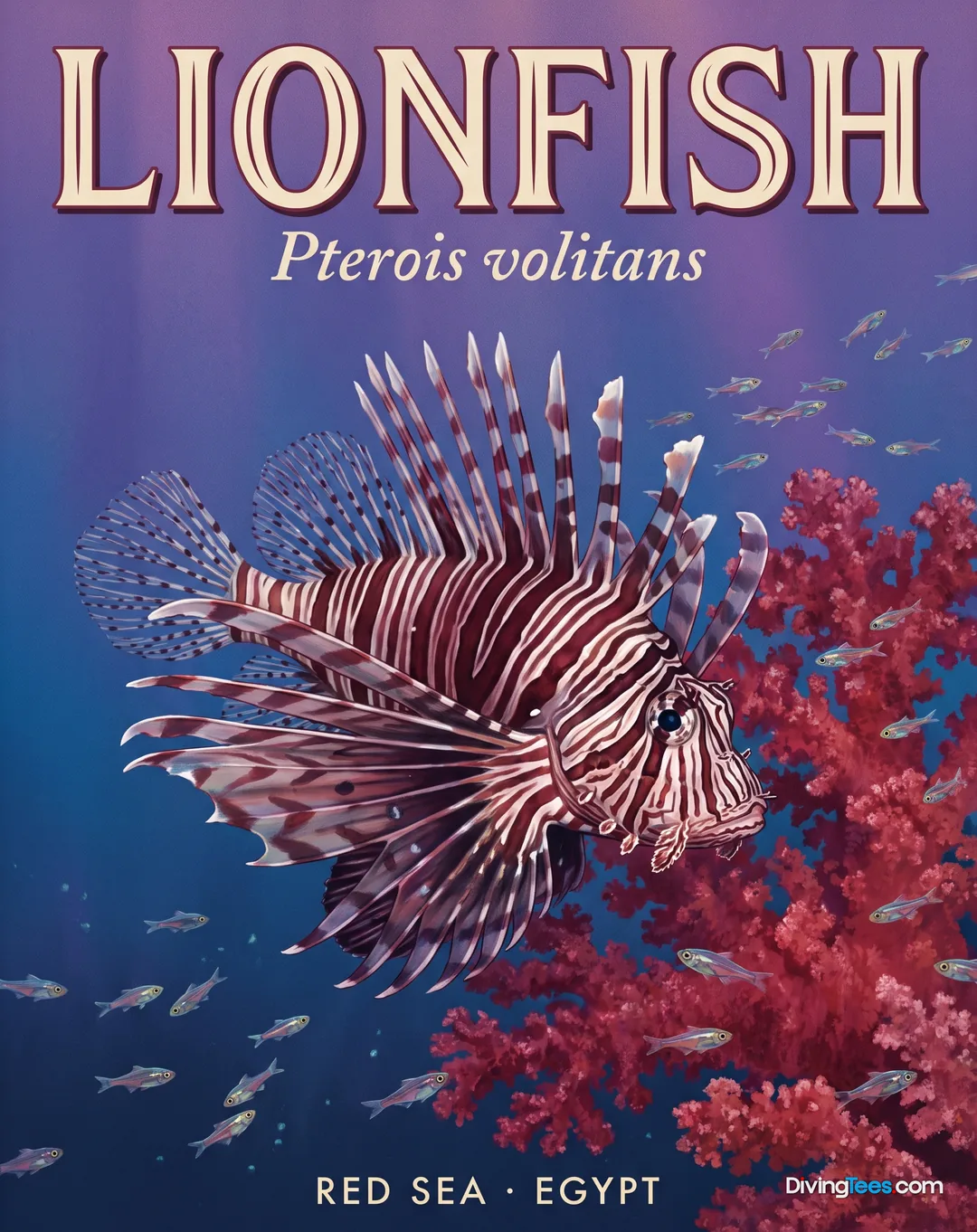
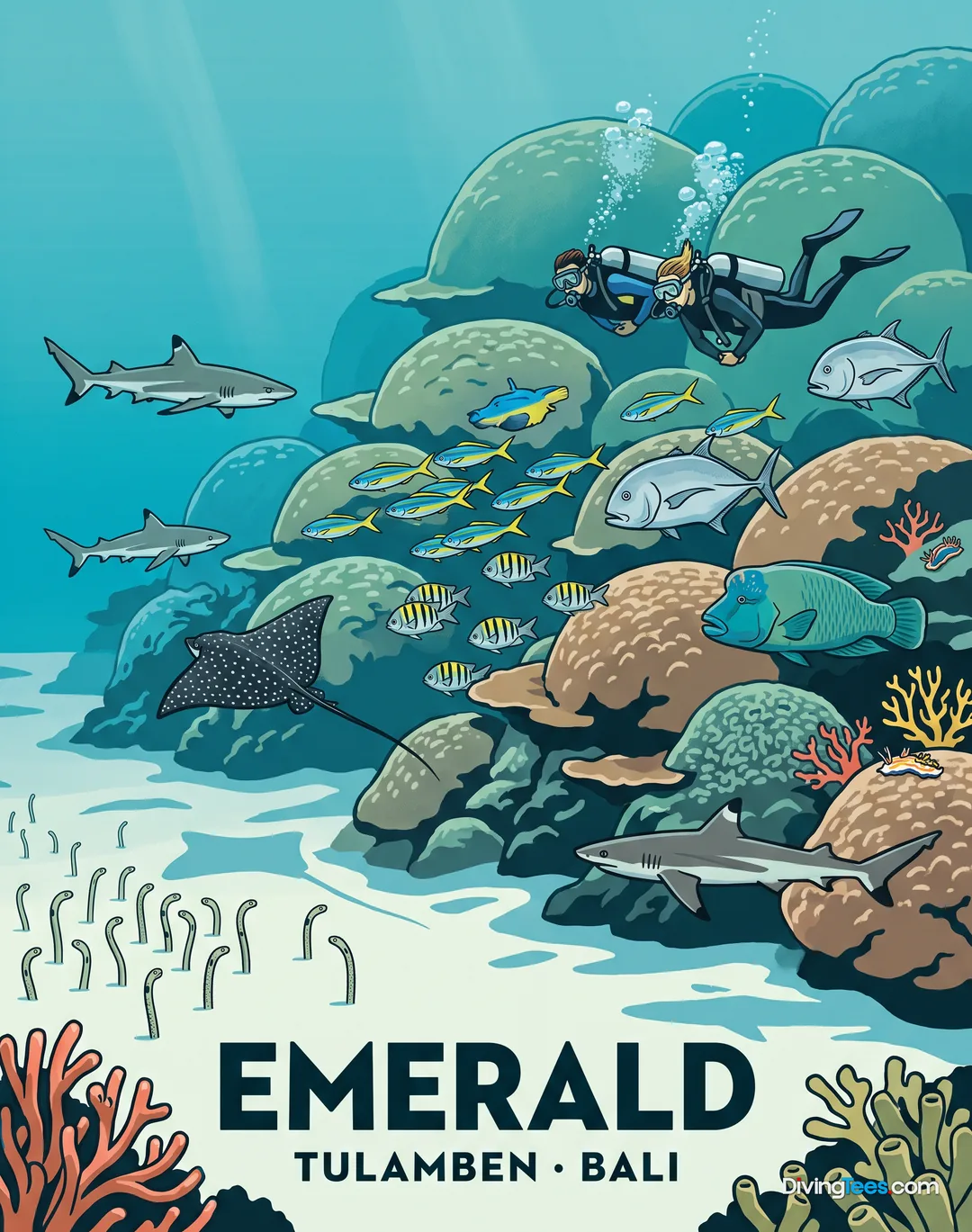
Scorpionfish (Scorpaenidae) blend seamlessly with the reef, requiring a keen eye to spot, and lionfish (Pterois) glide gracefully, their venomous fins a colourful warning. Moving along the wall, you'll inevitably encounter green moray eels (Gymnothorax funebris) peering from their lairs or even free-swimming. Swirling schools of bigeye trevally (Caranx sexfasciatus) often gather in the blue, a dynamic spectacle against the static backdrop of the wall. These aggregations can be quite dense, occasionally enveloping you in a living curtain of silver scales, a truly immersive experience.
While the wall itself is the main attraction, don't forget to glance into the deeper blue. Reef sharks (Carcharhinidae) are regular patrols here, often seen cruising along the deeper sections, their presence a reminder of the healthy ecosystem. You might also spot larger trevally (Caranx) making their rounds, darting in and out of the schooling fish, adding to the sense of an active and thriving marine environment at Drop Off.
For those who embrace the twilight and darkness, Drop Off truly comes alive, making it an excellent location for night dives. As the diurnal inhabitants settle down, the nocturnal hunters emerge. You might spot an octopus (Octopus) gracefully moving across the reef, its skin changing patterns with every mood, or a cuttlefish (Sepia) displaying its mesmerizing camouflage. The dramatic Spanish dancers (Hexabranchus sanguineus) unfurl their brilliant, undulating skirts, adding an unforgettable splash of colour to the night. The presence of lionfish (Pterois) in their natural hunting grounds is another compelling reason to explore this site after dark. These flamboyant predators, with their distinctive venomous spines, move with purpose as they stalk their unsuspecting prey. Witnessing their nocturnal hunting prowess first-hand offers a unique perspective on the reef's complex food web and the delicate balance of its ecosystem.
The dive depth at Drop Off ranges from a very shallow 3 metres down to a significant 80 metres, though dives typically range from 10 to 25 metres. Current conditions are consistently very weak, allowing for a peaceful drift. Visibility here generally holds steady between 10 and 30 metres, providing clear views of the abundant marine life and intricate topography. This site is accessible to divers of all levels, welcoming everyone from novice to experienced.
You can explore Drop Off during daylight to follow its volcanic wall, corals, filter feeders, and reef fish. The site is also excellent for night diving, when octopus, cuttlefish, Spanish dancers, and hunting lionfish become part of the experience. Twilight and darkness reveal a different side of the reef.
Drop Off is accessible to divers of all levels, from novice to experienced. You can begin in the shallow section at 3 metres before following the sandy slope toward the wall. More experienced divers can explore deeper parts, while every diver can observe the corals, filter feeders, and marine life.
Drop Off ranges from 3 to 80 metres, although dives typically stay between 10 and 25 metres. Current conditions are consistently very weak, allowing for a peaceful drift along the volcanic wall and its sandy slope. Visibility generally ranges from 10 to 30 metres, supporting clear views of the underwater topography.
At Drop Off, you can see a volcanic wall covered with hard and soft corals, gorgonians, and abundant filter feeders. Look for nudibranchs, flatworms, crabs, shrimp, blennies, anemone fish, octopus, moray eels, lionfish, and schools of bigeye trevally. Reef sharks may appear in deeper sections, while night dives can reveal cuttlefish and Spanish dancers.