
Tulamben Dive
Google 5/5 (1,692 reviews)
less than 1 km away as the crow flies
Tulamben · Indonesia · Asia
Max. depth · 40 mEmerald offers a unique dive profile, transitioning from a calm white sandy bay to a sloping coral reef that plunges to 40 meters, punctuated by volcanic rock formations.
For subtitles in English: start the video firstthen click the gearat the top right of the video, select “Subtitles/CC”, then “Auto-translate” and choose “English”.
Emerald is approached by a short traditional jukung boat ride, positioning you for an entry into a peaceful white sandy bay, a distinct feature compared to the surrounding black sand sites in Tulamben. The dive begins calmly, allowing for a relaxed descent as you move towards the main reef structure. This initial section is where you might spot garden eels (Heteroconger hassi) emerging from the sand and potentially encounter bumphead parrotfish (Bolbometopon muricatum) in transit, setting the stage for the more vibrant reef ahead.
The reef structure itself is a sloping expanse, rich with coral growth and large elephant ear sponges. Finger-like reef formations extend into deeper water, providing cover and varied topography. As you follow the slope, you'll find intricate coral formations intermingled with volcanic rocks, creating a diverse underwater landscape. This geological mix supports a broad range of life, from small reef inhabitants to larger passing pelagics, making each section of the dive distinct.
Further along the slope, particularly where the reef bifurcates, the current can pick up, transforming the dive into a more dynamic drift. This is often the most active part of the site, where schooling fish, such as fusiliers and sergeant majors (Abudefduf saxatilis), congregate in large numbers. Keep an eye out for larger predators drawn to these aggregations, including giant trevally (Caranx ignobilis) and eagle rays (Aetobatus narinari), which often sweep through, making for thrilling encounters.
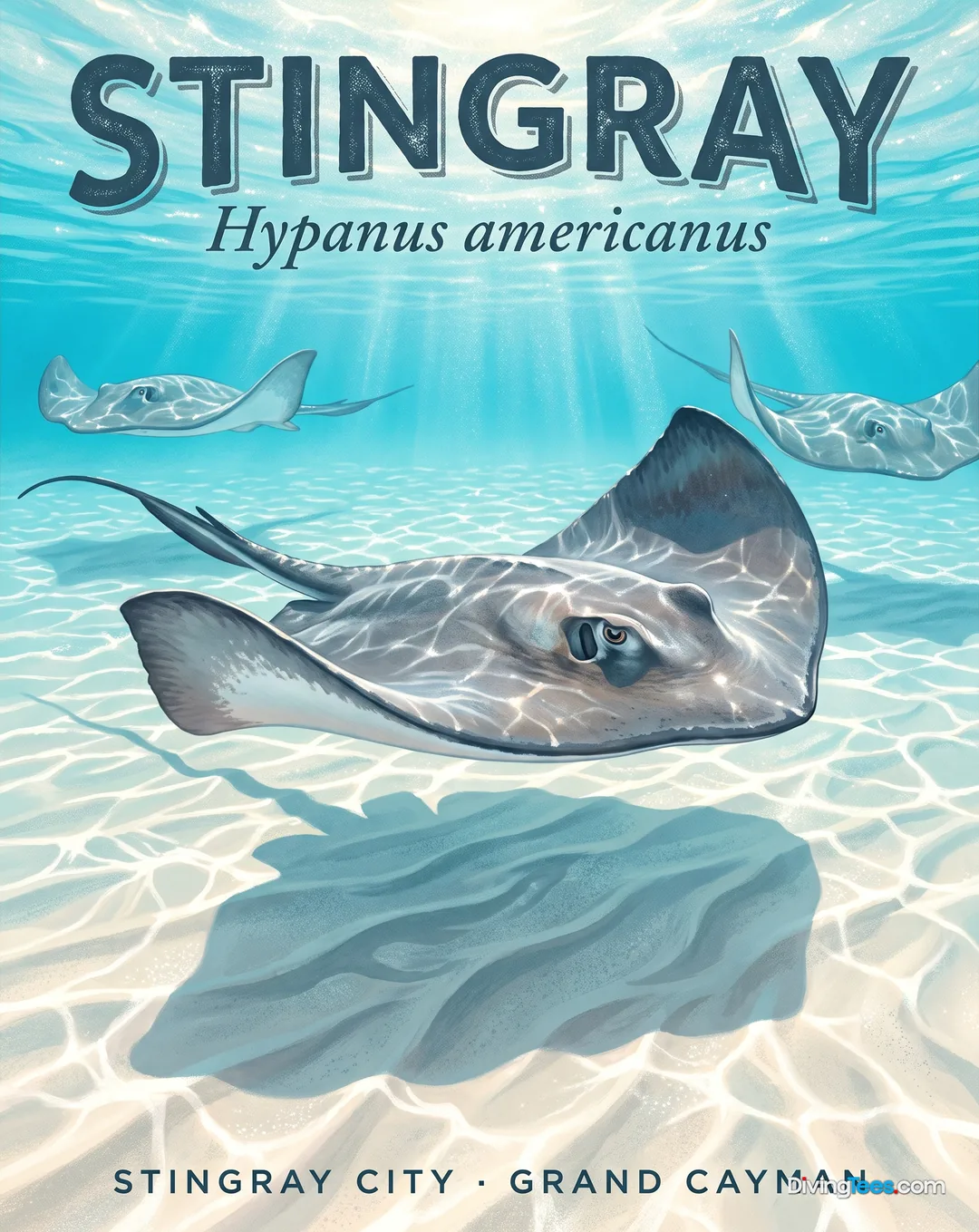
The maximum depth at Emerald is 40 meters, marking the transition from the coral slope to a sandy seabed. This deeper section, while less coral-dense, still holds interest with specific inhabitants like baby sharks and stingrays (Dasyatis pastinaca) camouflaged beneath tabular corals. However, it is the shallower and mid-depth ranges that truly showcase the site's rich coral tapestry and the majority of its macro life.
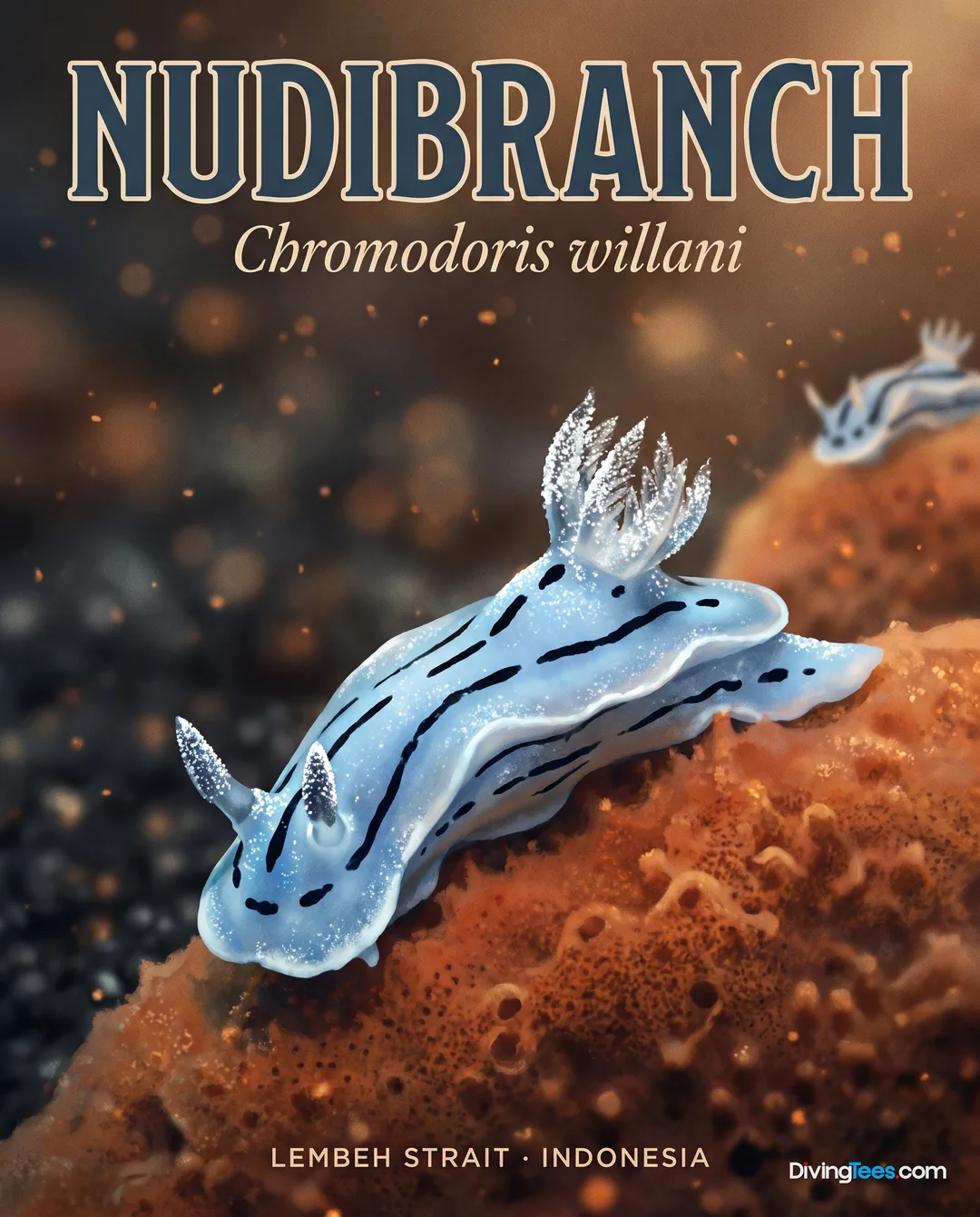
For those with an eye for macro, the sandy slopes and reef edges provide excellent conditions, particularly for nudibranchs, which can be found in seasonal abundance. Ghost pipefish (Solenostomus paradoxus) are also present, blending seamlessly into the environment, along with various shrimps and crustaceans. Reef sharks, including blacktip (Carcharhinus melanopterus) and whitetip (Triaenodon obesus) varieties, are regular sightings here, often cruising the edges of the reef where colder, stronger currents might occasionally appear.
The site also features an artificial reef structure, locally known as the 'car wreck' — a sunken Toyota mini-van. While some consider it an eyesore, it does provide shelter and a substrate for marine life. Beyond this, a notable steel plate lies at 55 meters, its origin unknown, adding to the intrigue of the deeper sections, though requiring appropriate certification and planning for exploration.
Emerald's unique calm bay entry and a distinct reef bifurcation where currents can strengthen make for a varied dive profile. This combination of sheltered areas, dynamic current zones, and diverse topography ensures that whether you are focused on macro photography or watching for pelagic encounters, the site offers different experiences depending on where and how you choose to explore it.
Dive depths at Emerald range from 5 meters to a maximum of 40 meters. The site is accessible for Open Water Divers, although the deeper sections down to 40 meters are better suited for Advanced Open Water certified divers or higher. Current is generally low to moderate, but can strengthen into very strong, short-lived bursts formed by eddies when oceanic currents hit Muntig Bay. Visibility typically ranges from 10 to 30 meters. The site can be dived year-round, aligning with the region's dry season from May to October for consistently clearer skies.
You can dive Emerald year-round. The site aligns with the region’s dry season from May to October, when skies are consistently clearer. A short traditional jukung boat ride brings you to the peaceful white sandy bay, where the dive begins with a calm descent toward the reef structure.
Emerald is accessible for Open Water Divers, with dive depths from 5 meters to a maximum of 40 meters. The deeper sections down to 40 meters are better suited for Advanced Open Water certified divers or higher. The slope reaches a sandy seabed at its maximum depth.
You can generally expect low to moderate current at Emerald, although conditions may strengthen into very strong, short-lived bursts. Eddies form when oceanic currents hit Muntig Bay, especially near the reef bifurcation, where the dive can become a more dynamic drift. Stronger currents may also appear along colder reef edges.
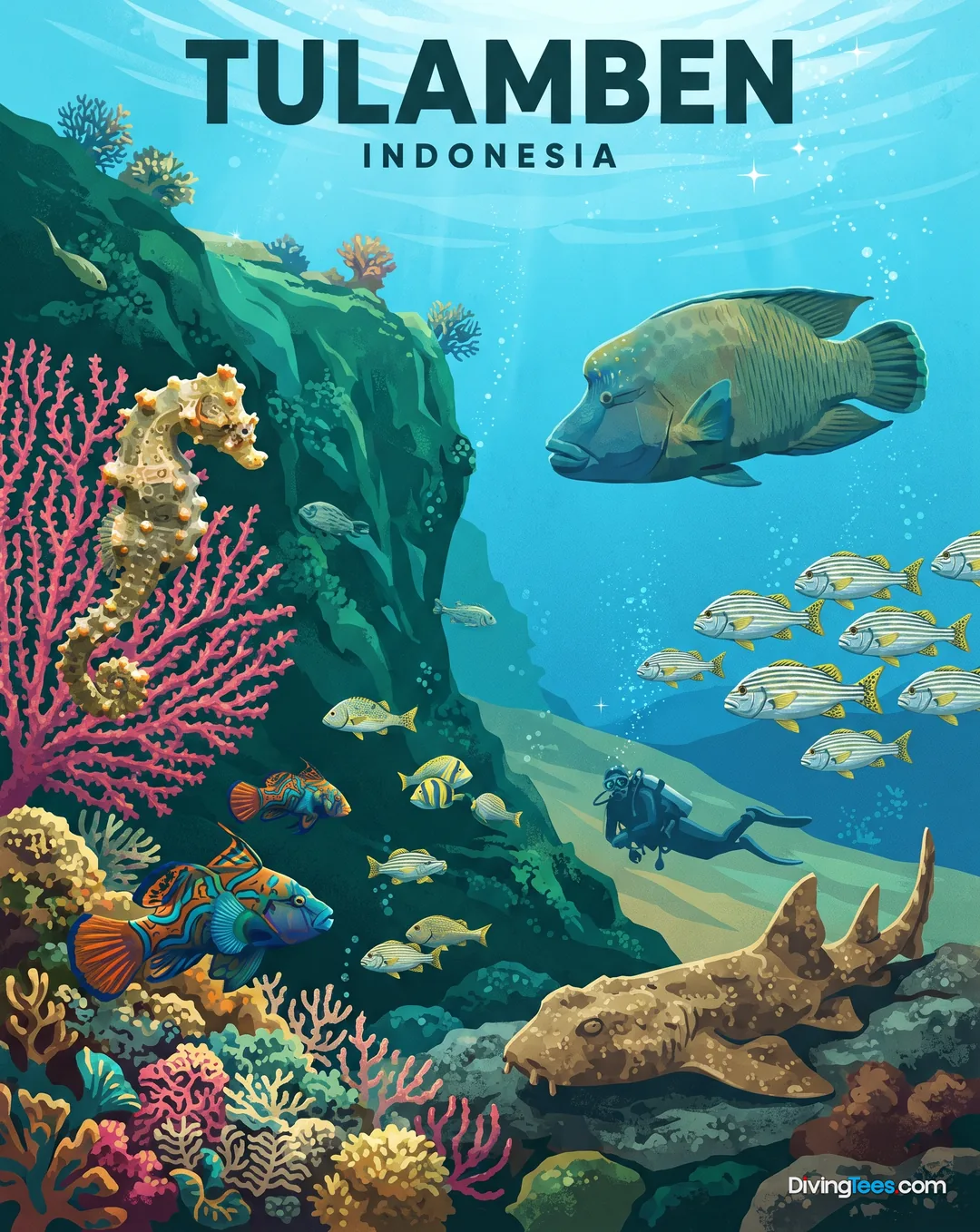
At Emerald, you can explore a sloping coral reef with volcanic formations, elephant ear sponges and finger-like structures. Look for fusiliers, sergeant majors, giant trevally, eagle rays, blacktip and whitetip reef sharks, garden eels, bumphead parrotfish, nudibranchs, ghost pipefish, shrimps and crustaceans.