Villa Adi
★★★★
★ 9.1/10 (666 reviews)
2.7 km away as the crow flies
Dive centre · Amed · Indonesia
4.9133 Google reviewsExperience the diverse muck and reef ecosystems of Amed from a dedicated PADI centre with 28 years of local expertise.
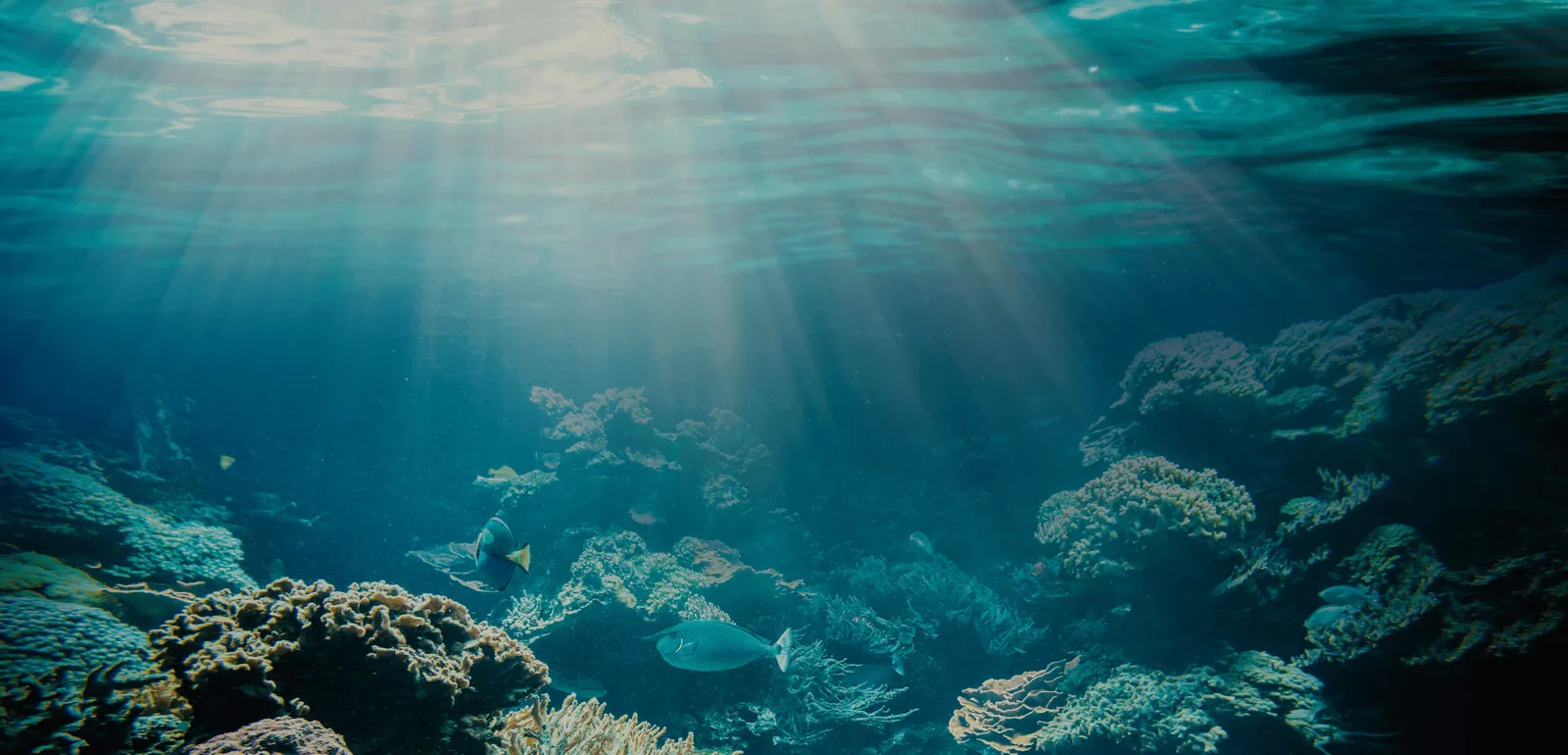
Located in the heart of Amed, Indonesia, Aqua Dive Resort Amed has been a fixture of the local diving community for 28 years. The centre is positioned perfectly to access the varied underwater landscapes of the Karangasem Regency, ranging from shallow wreck sites to deeper reef walls.
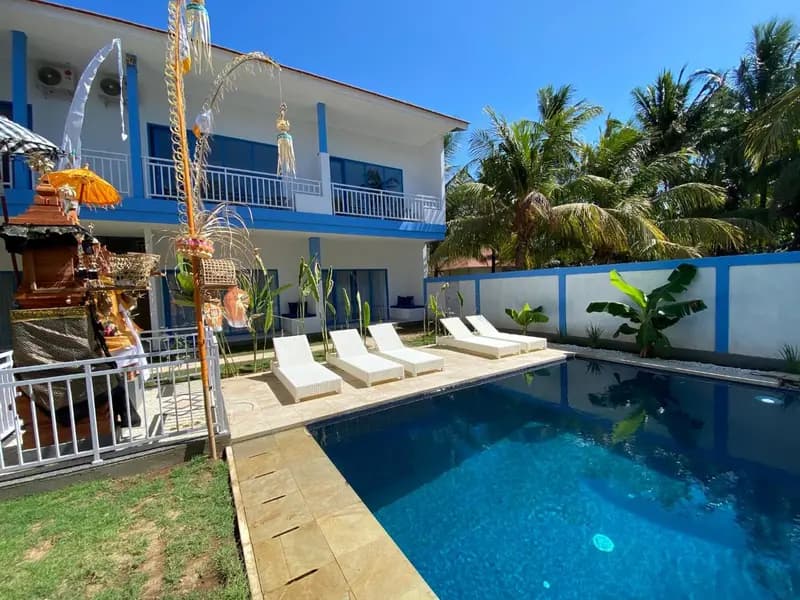
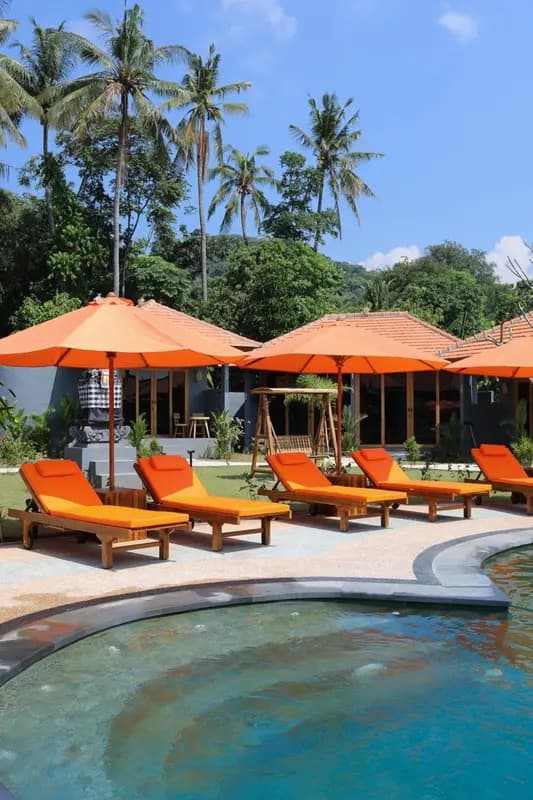
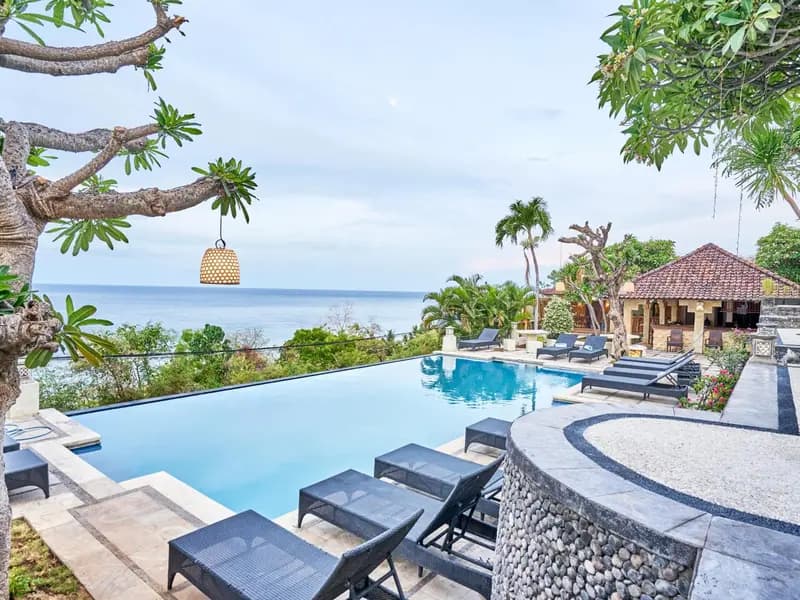
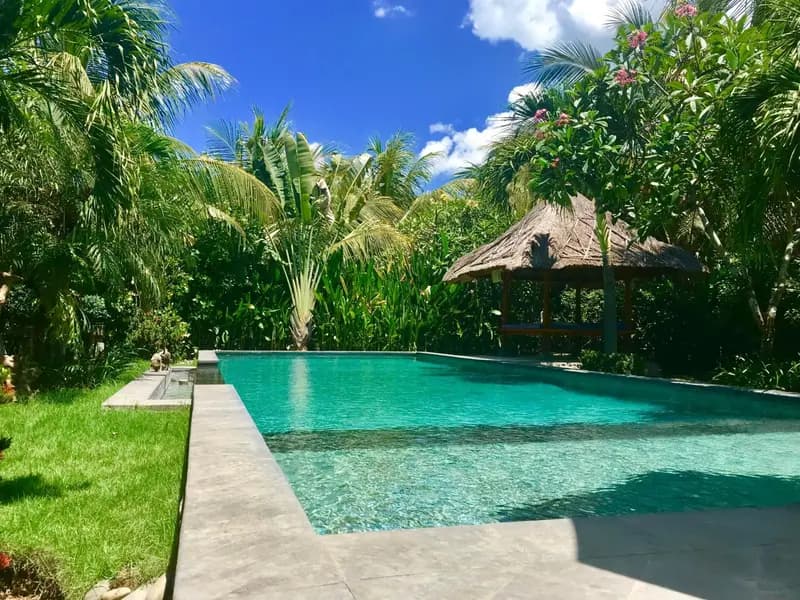
The resort is set within lush tropical gardens with views of Mount Agung, providing a quiet base for divers between excursions. Whether you are looking for a dedicated training centre to progress through your PADI levels or a comfortable place to stay while exploring local drift dives, the facility integrates diving with local hospitality.
The centre is a PADI affiliated facility that caters to a wide range of diver requirements, from the Bubblemaker programme for children as young as eight to professional IDC and Staff training. The team is experienced in guiding divers through both technical reef exploration and specialised muck diving.
Communication is straightforward for international visitors, as the staff is multilingual. You can expect to interact with instructors and guides speaking English, French, Indonesian, Dutch, German, Turkish, Ukrainian, and Russian.
As a comprehensive training hub, the centre offers the full spectrum of PADI courses. Beginners can start with the Bubblemaker, Scuba Diver, or Open Water Diver programmes, with the latter typically completed over three days to certification at 18m.
For those looking to advance, the Advanced Open Water course is available, certifying you to 30m over two to three days. The centre also supports professional progression through PADI Divemaster, Rescue Diver, and the Instructor Development Course (IDC), including EFR Instructor and IDC Staff training.
The centre provides a full range of rental kit for those not travelling with their own equipment. This includes regulators, BCDs, fins, and masks, ensuring you have everything needed for both reef and wreck diving.
Nitrox is available on-site for divers looking to extend their bottom times on multi-dive days. For those interested in night diving, torches and other necessary equipment are available to hire.
The USAT Liberty shipwreck is one of the area's most famous sites, offering a unique environment for divers of various levels to explore a significant wreck structure.
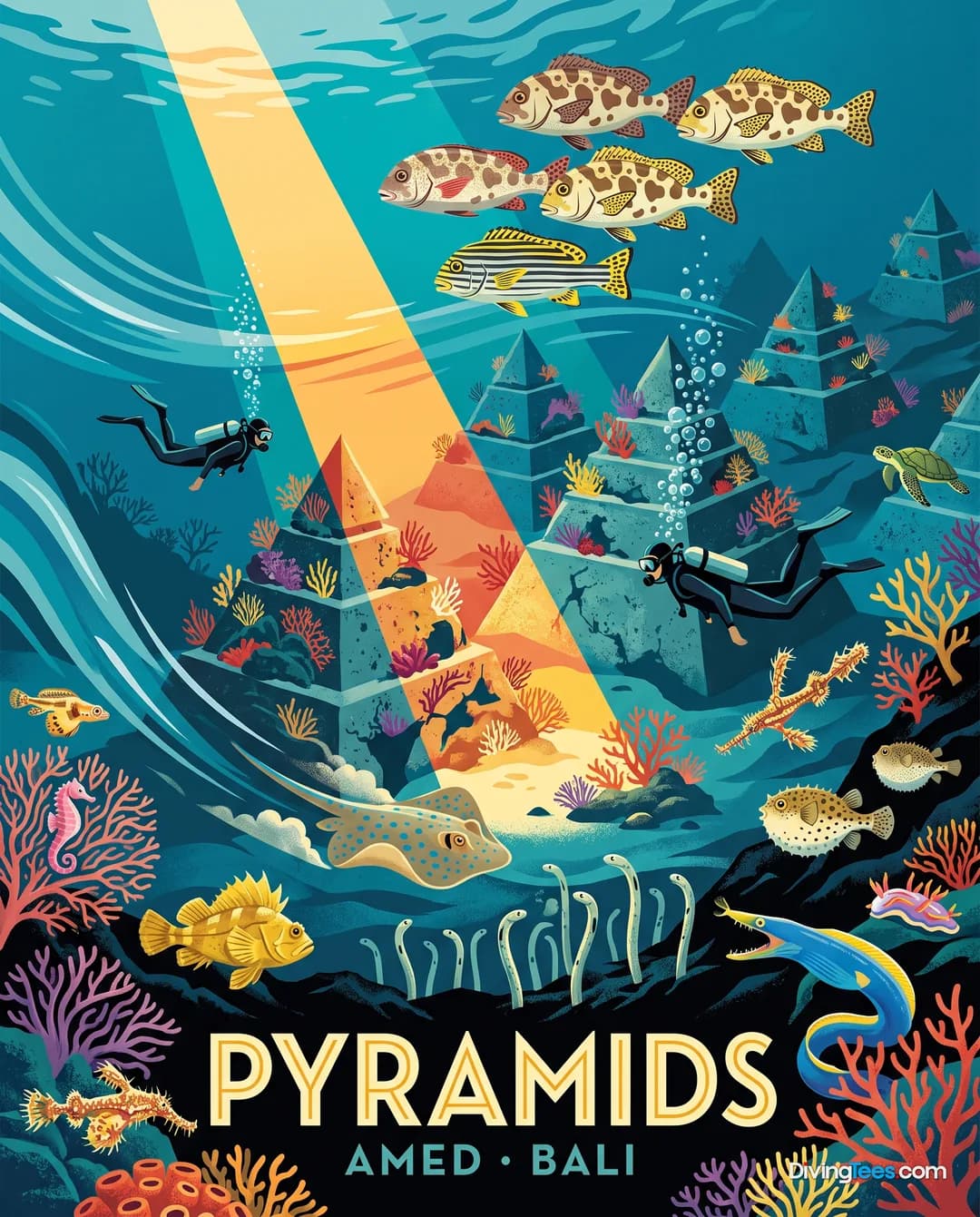
The Pyramids consist of locally constructed artificial reef structures that attract a high density of marine life. This site is accessible both by boat and from the shore, offering excellent drift diving opportunities when the current is moderate.
Amed Wall features a gentle reef slope that transitions into a mini drop-off. It is a prime location for drift dives where you may encounter Blacktip reef sharks (Carcharhinus melanopterus), groupers (Epinephelus), and occasionally larger pelagics like tuna.
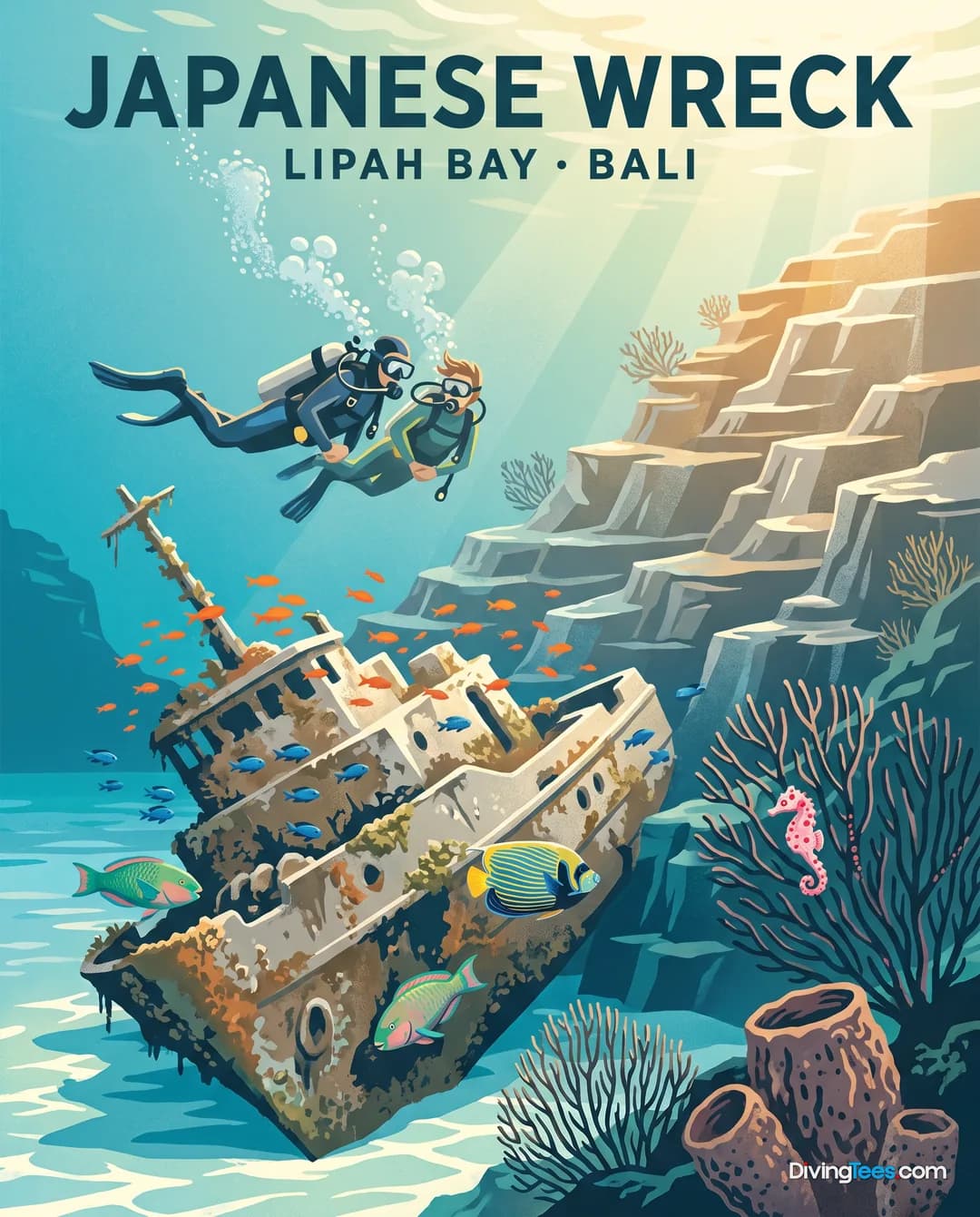
The Japanese Wreck lies in a calm bay at a shallow depth of approximately 5m. It is a premier muck diving site, highly regarded by macro photographers for its abundance of pygmy seahorses (Hippocampus bargibanti) and other small crustaceans.
And some of the dive sites the centre runs.
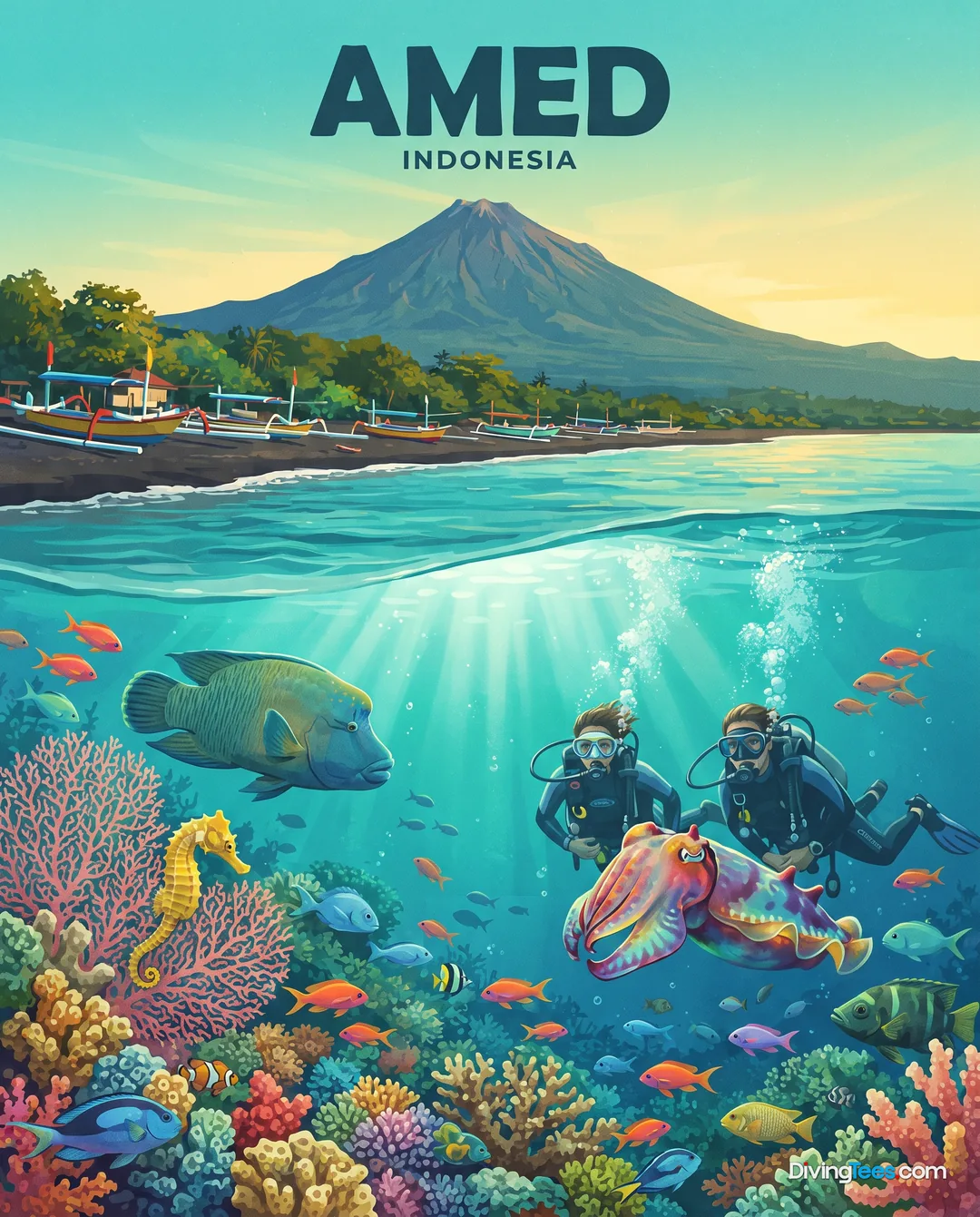
The reefs around Amed are vibrant, featuring a mix of hard corals (Scleractinia) and soft corals (Alcyonacea) alongside various sponges (Porifera) and sea fans (Gorgoniidae). You will regularly see schools of colourful reef fish, including butterflyfish, angelfish (Pomacanthidae), and various snappers (Lutjanus).
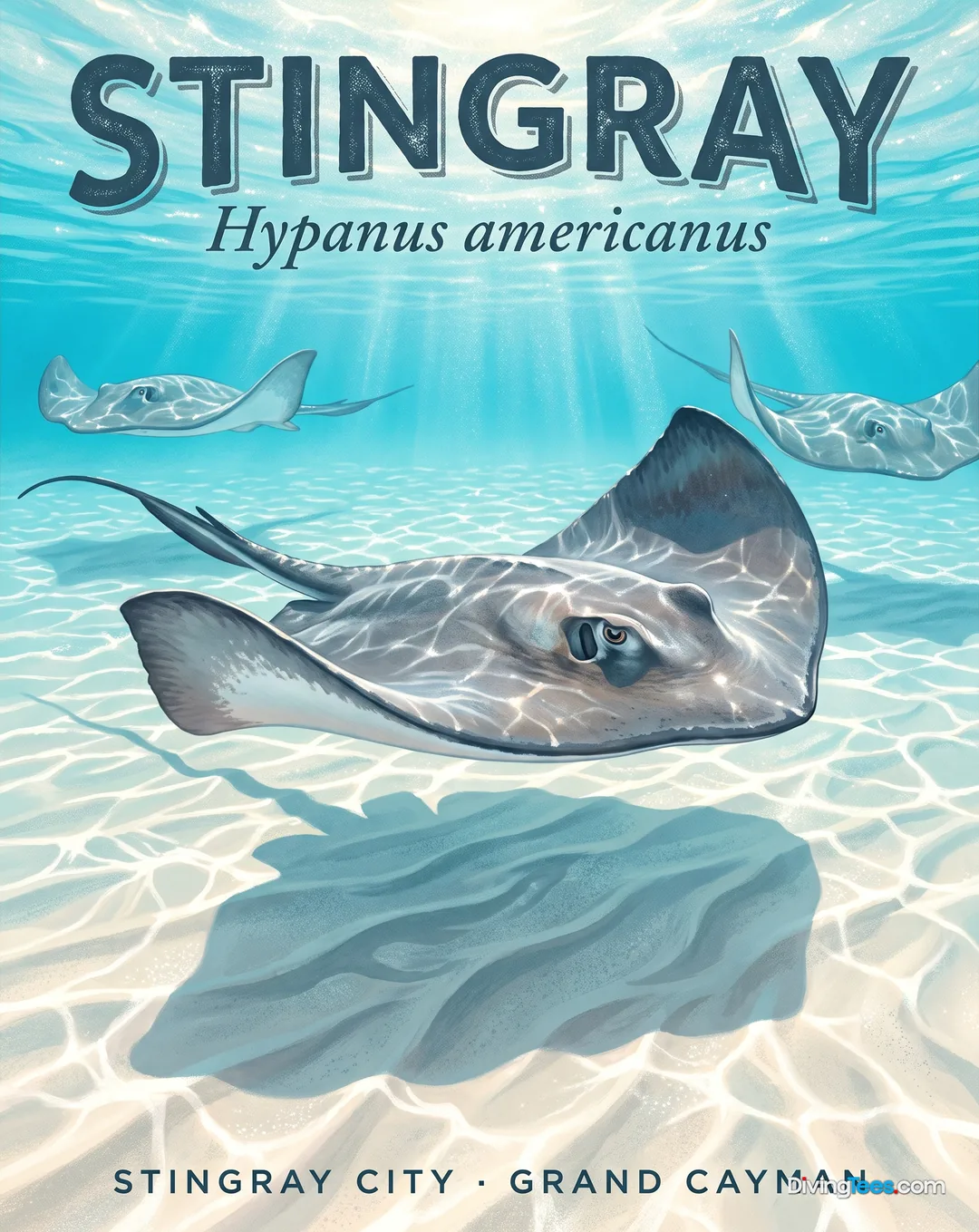
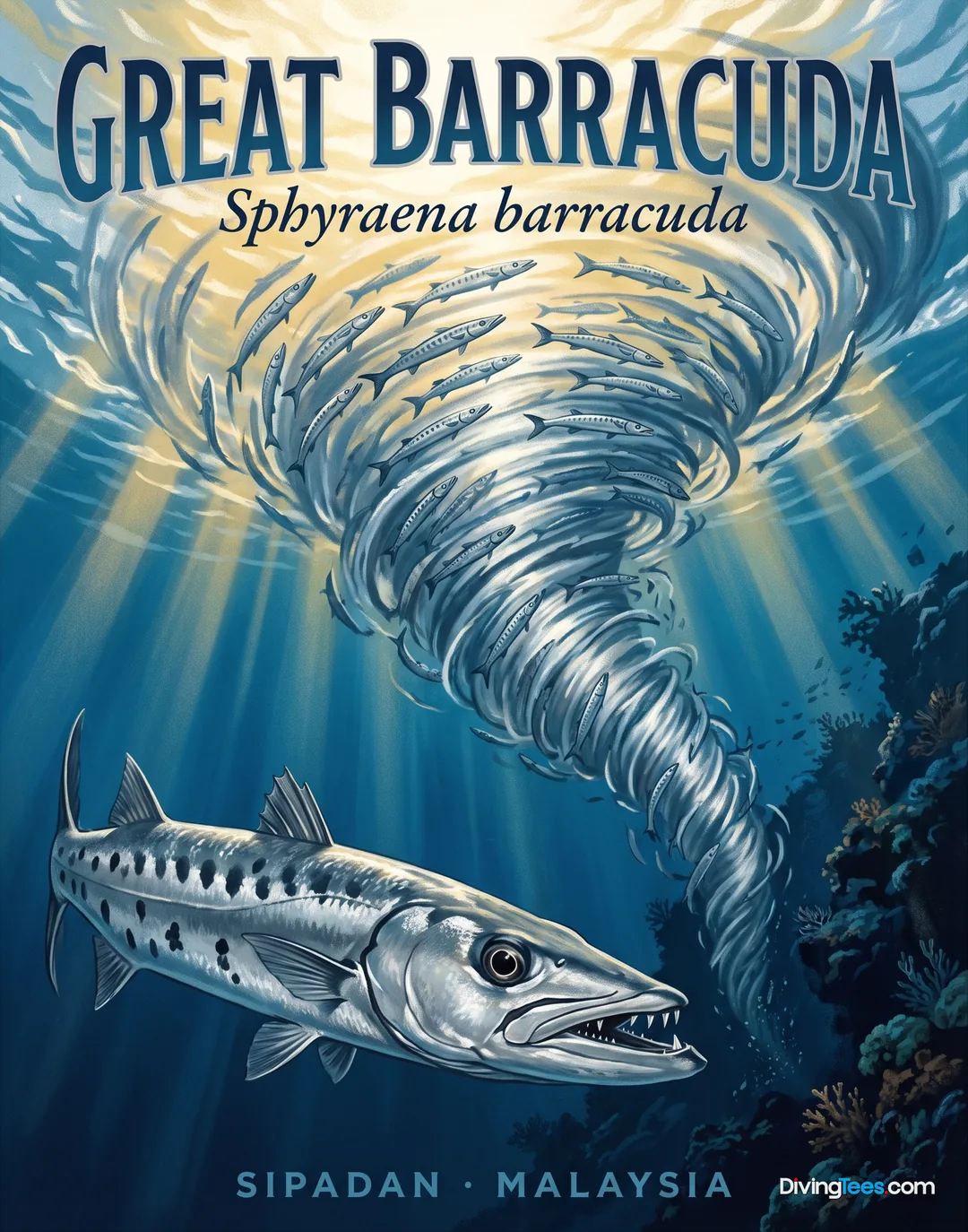
Larger species are frequently encountered near the walls and reef edges. Keep an eye out for Blacktip reef sharks (Carcharhinus melanopterus), whitetip sharks, and various species of rays (Batoidea), including Southern stingrays (Hypanus americanus). Large groupers (Epinephelus), tuna (Thunnus), and great barracuda (Sphyraena barracuda) also patrol these waters.
For macro enthusiasts, the area is exceptional. The sandy bottoms and wreck sites host a wealth of small creatures, including pygmy seahorses (Hippocampus bargibanti), various nudibranchs (Chromodoris willani), ghost pipefish (Solenostomidae), and scorpionfish (Scorpaenidae). You can also find mantis shrimp, various species of shrimp (Caridea), and diverse crabs (Brachyura) amongst the rubble and coral.
Garden eels (Gorgasia) and ribbon eels are common sights in the sandy patches, while octopus (Octopus vulgaris) and various species of moray eels (Muraenidae) inhabit the reef structure.
Diving in Amed offers a variety of environments, from the calm, shallow waters of the Japanese Wreck to the more active drift dives along the Amed Wall. Currents at the wall can become moderate, requiring confident buoyancy and trim to enjoy the drift.
The Pyramids can also experience moderate currents, making it an ideal spot for those who enjoy a gentle drift, though it remains accessible for shore divers when conditions are calm.
Hello, I'm Marina, DivingDeal.com's AI assistant. I answer in detail about hotels, dive centres and liveaboards.

Thinking about the whole trip and the flights? Talk it over with Edith →
Marina is an AI. Some links are affiliate links: DivingDeal may earn a commission, at no extra cost to you. Bookings are made with the partner.