
Adventure Divers Bali
Google 5/5 (1,690 reviews)
less than 1 km away as the crow flies
Amed · Indonesia · Asia
Max. depth · 50 mDescend Jemeluk Wall to discover a vibrant ecosystem, from shallow sandy slopes hiding macro life to deeper sections with schooling pelagics and large barrel sponges.
For subtitles in English: start the video firstthen click the gearat the top right of the video, select “Subtitles/CC”, then “Auto-translate” and choose “English”.
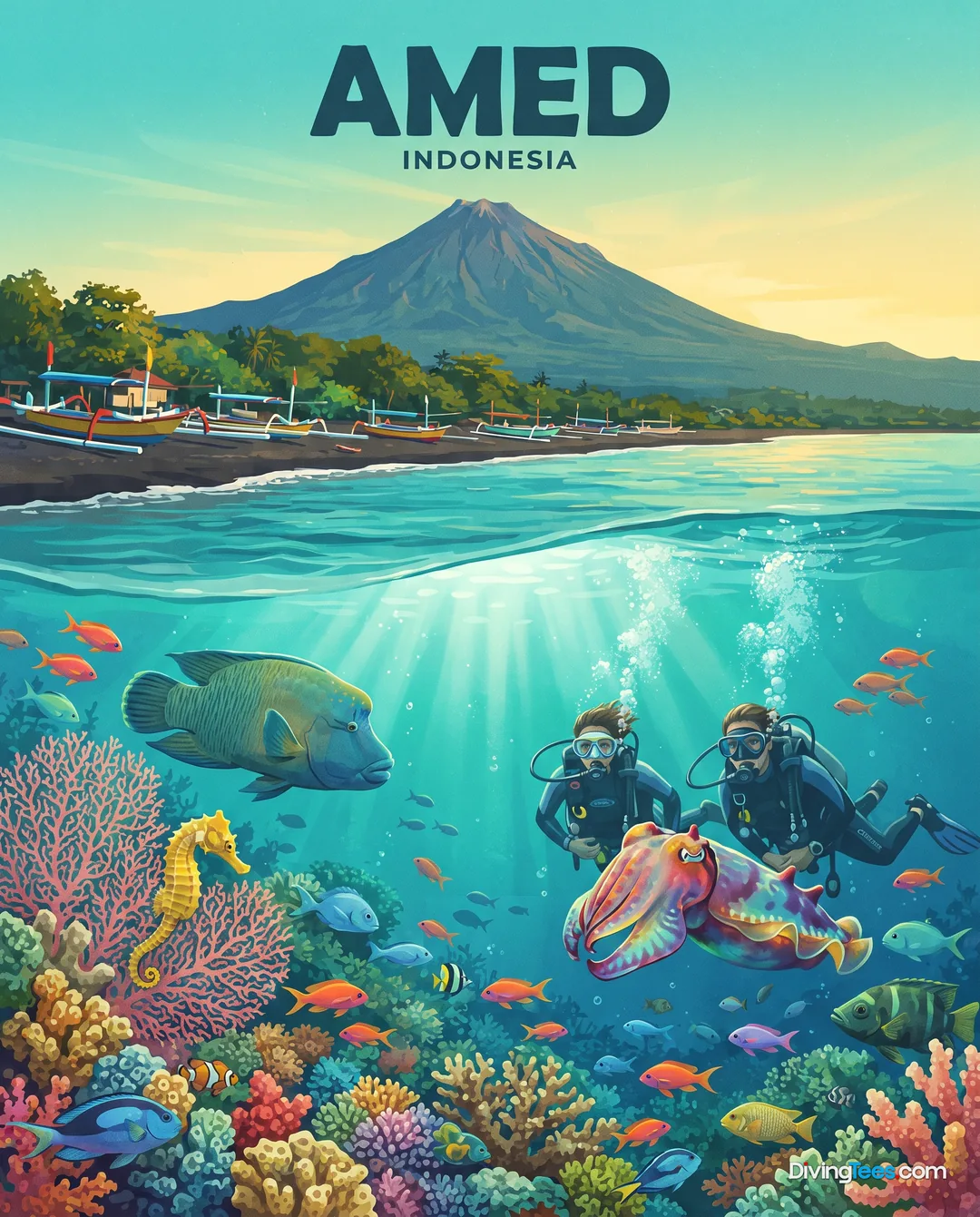
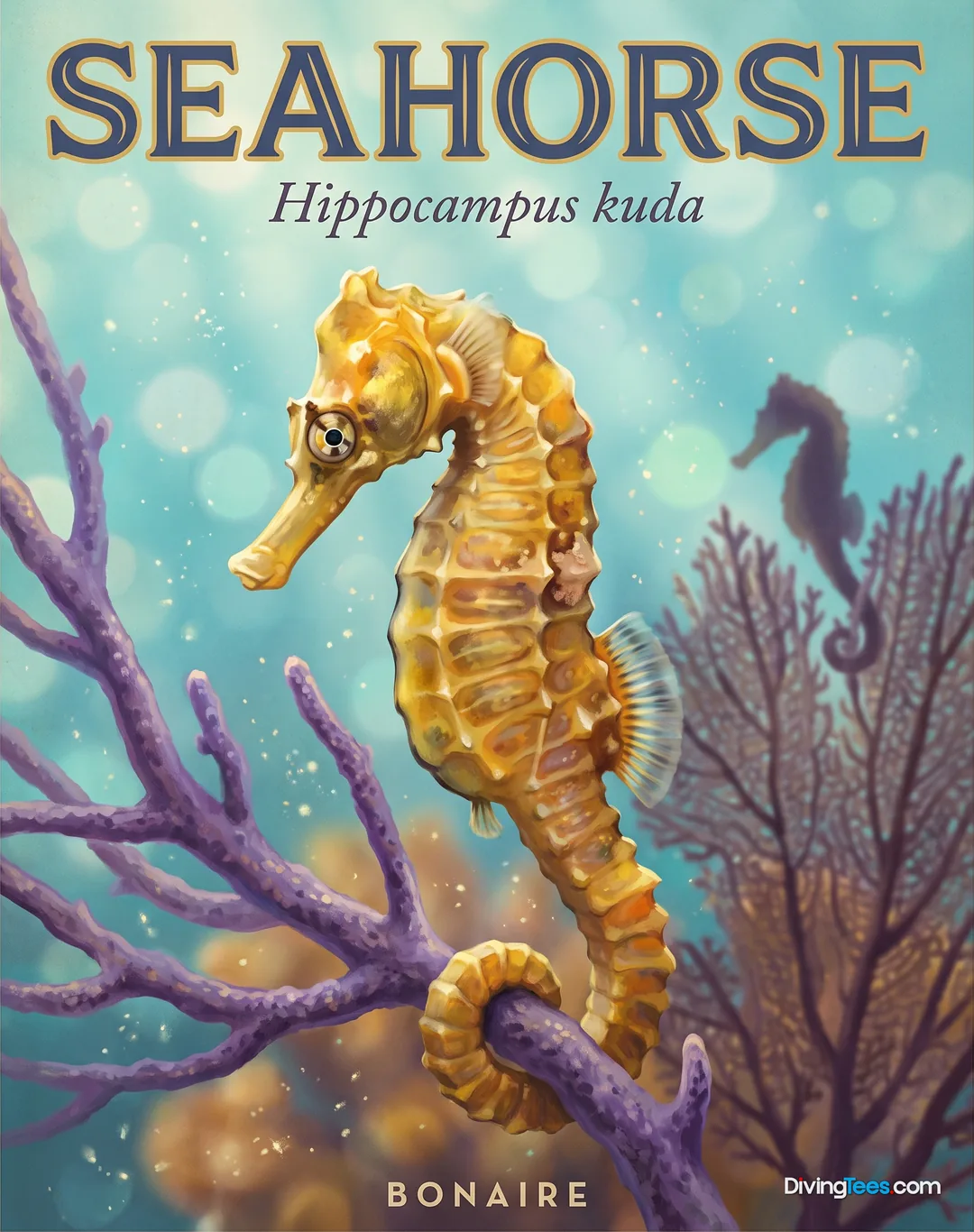
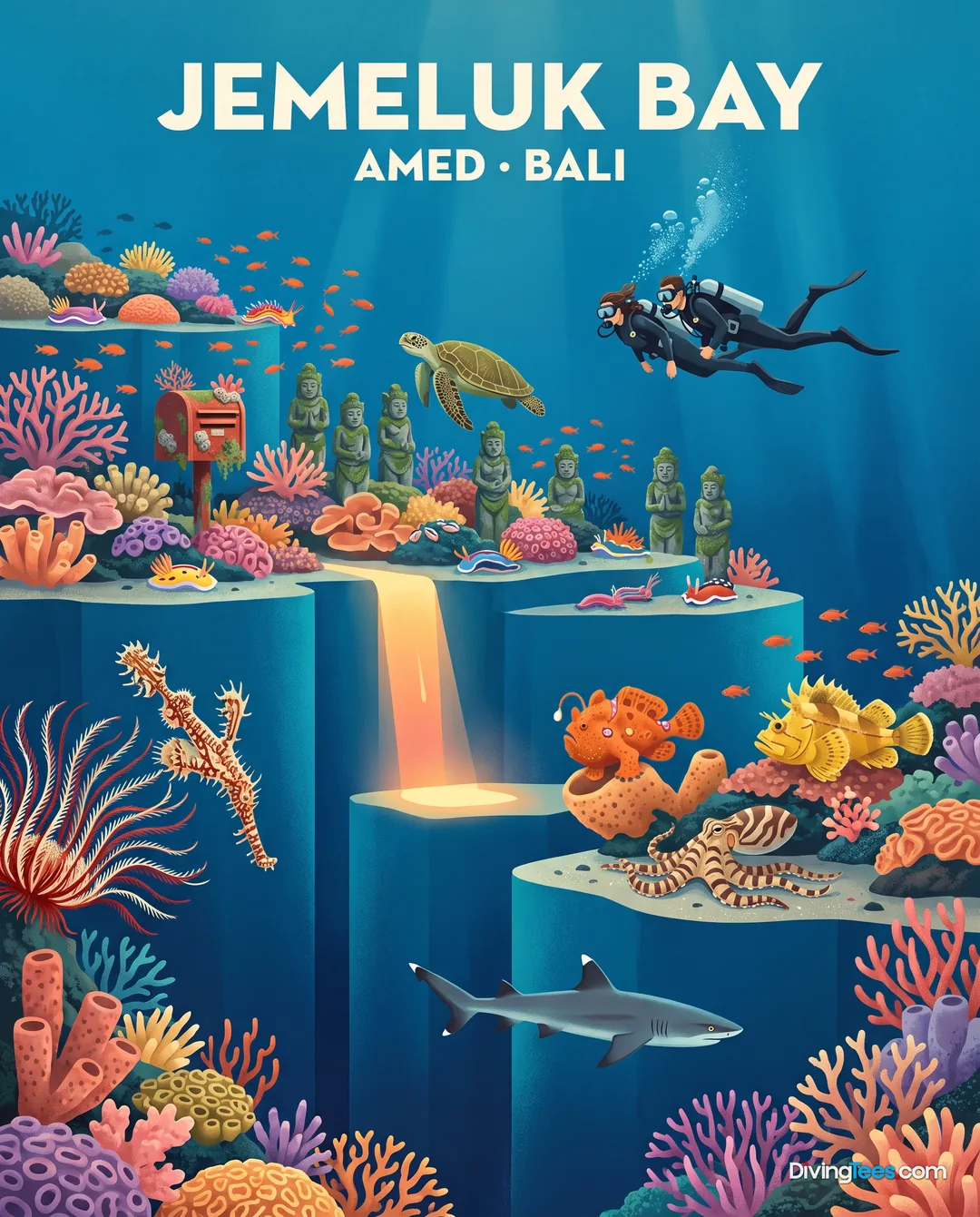
Jemeluk Wall, situated just right of Jemeluk Beach in Amed, offers a clear progression from shallow reef to a substantial drop-off. The dive often begins over a sandy slope and artificial structures, an ideal hunting ground for smaller, often camouflaged, marine life. Here, you'll need to slow down, train your eyes for creatures like seahorses (Hippocampus), ghost pipefishes, and various nudibranchs that blend expertly into their surroundings. This initial section provides ample opportunity for those who appreciate macro photography or simply enjoy discovering the ocean's smaller inhabitants.
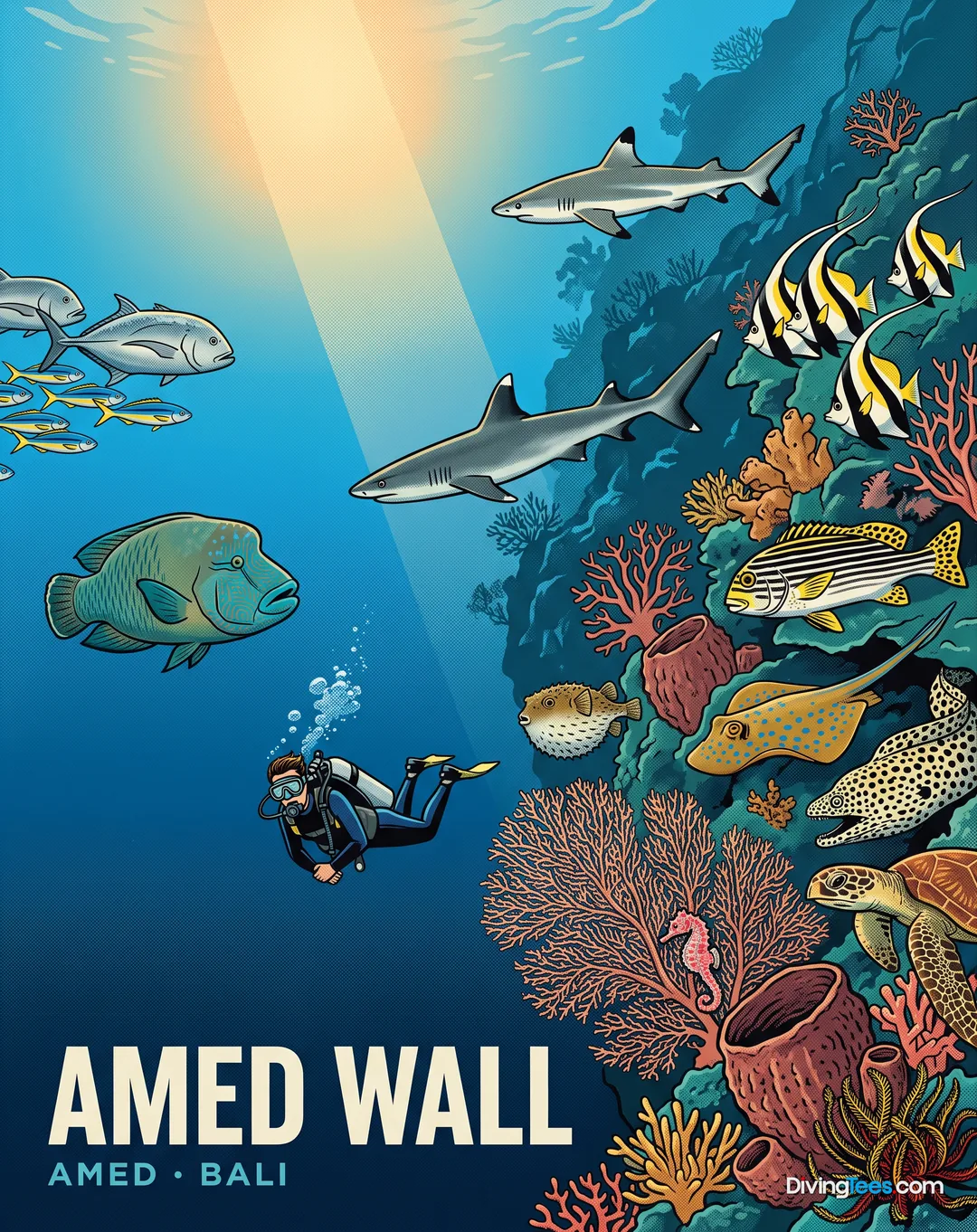
As you move away from the sandy slope, the topography shifts dramatically to an impressive wall that descends to approximately 40 meters. This transition offers a distinct change in the dive experience, moving from the light-filled, intricate world of the shallows to the deeper, more expansive feel of the wall. The wall itself is richly decorated, an explosion of color from dense coral growth and large barrel sponges. Keep an eye out for elephant ear sponges that jut out, providing shelter and feeding grounds for a variety of reef fish.
The vertical face of Jemeluk Wall provides a habitat for a range of species, from the ubiquitous schooling fusiliers to larger inhabitants. As you hold your depth along the wall, you'll often encounter schools of bigeye trevally (Caranx sexfasciatus), swirling in the blue. Black snappers (Macolor niger) and unicornfish (Naso unicornis) are also commonly sighted patrolling the reef's edge. The sheer density of life here means there’s always something moving, from the smallest cleaner wrasse working on a larger fish to the quiet presence of a turtle.
This site is also a place where you might encounter pelagic species. With the wall dropping to substantial depths, it serves as a highway for larger marine visitors. While not a guaranteed encounter, sharks, including white-tip reef sharks (Triaenodon obesus), are present. Emperor angelfish (Pomacanthus imperator) and schools of bumphead parrotfish (Bolbometopon muricatum) can occasionally be seen moving along the reef, particularly on the deeper sections.
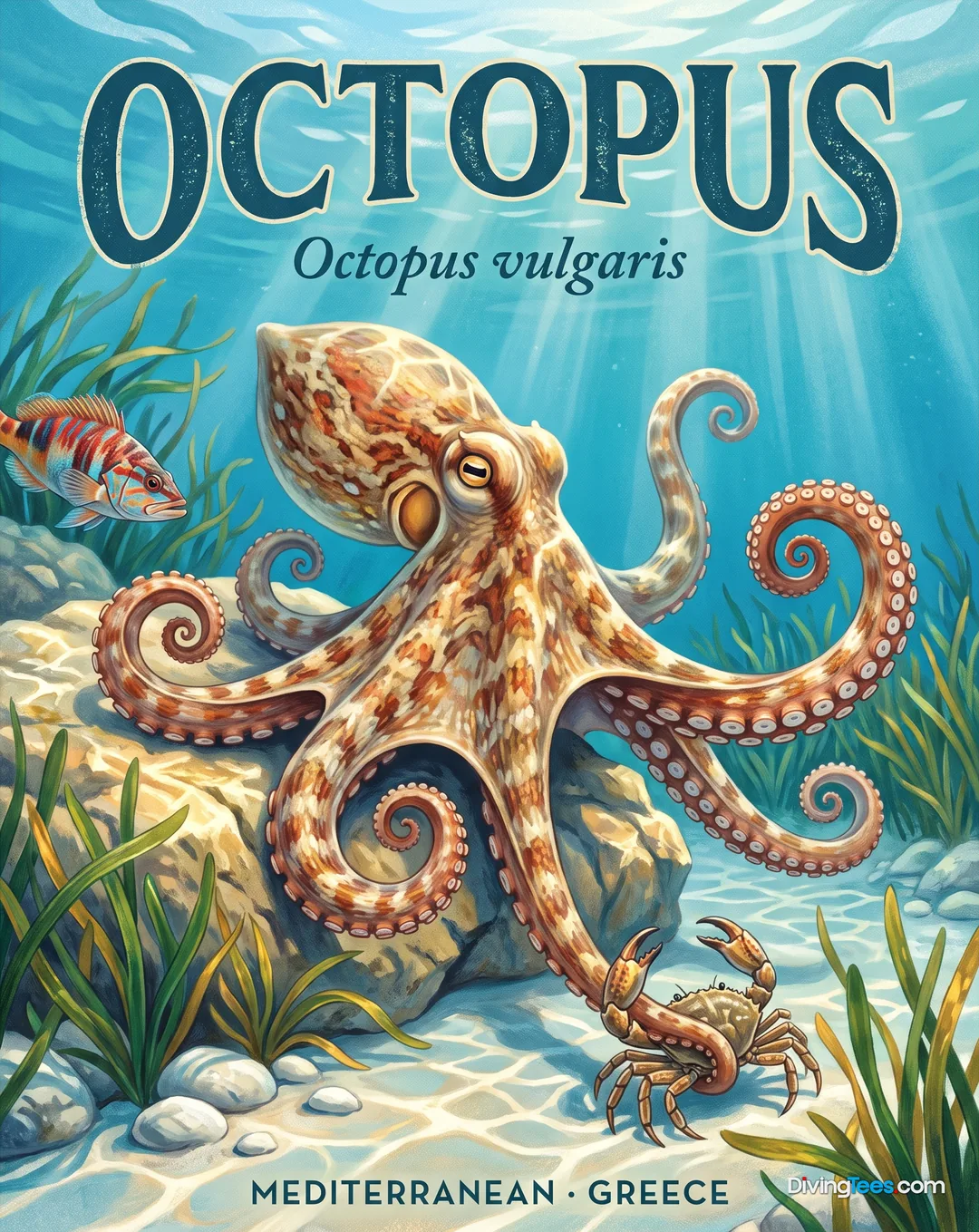
Octopus (Octopus vulgaris) are regularly found tucked into crevices along the wall. Their camouflage can make them challenging to spot at first, but patience often rewards divers with a glimpse of these intelligent cephalopods. The structure of the wall provides numerous hiding spots and hunting grounds, creating a dynamic environment that constantly reveals new interactions between different species. This interaction is part of what makes the Jemeluk Wall a rewarding dive.
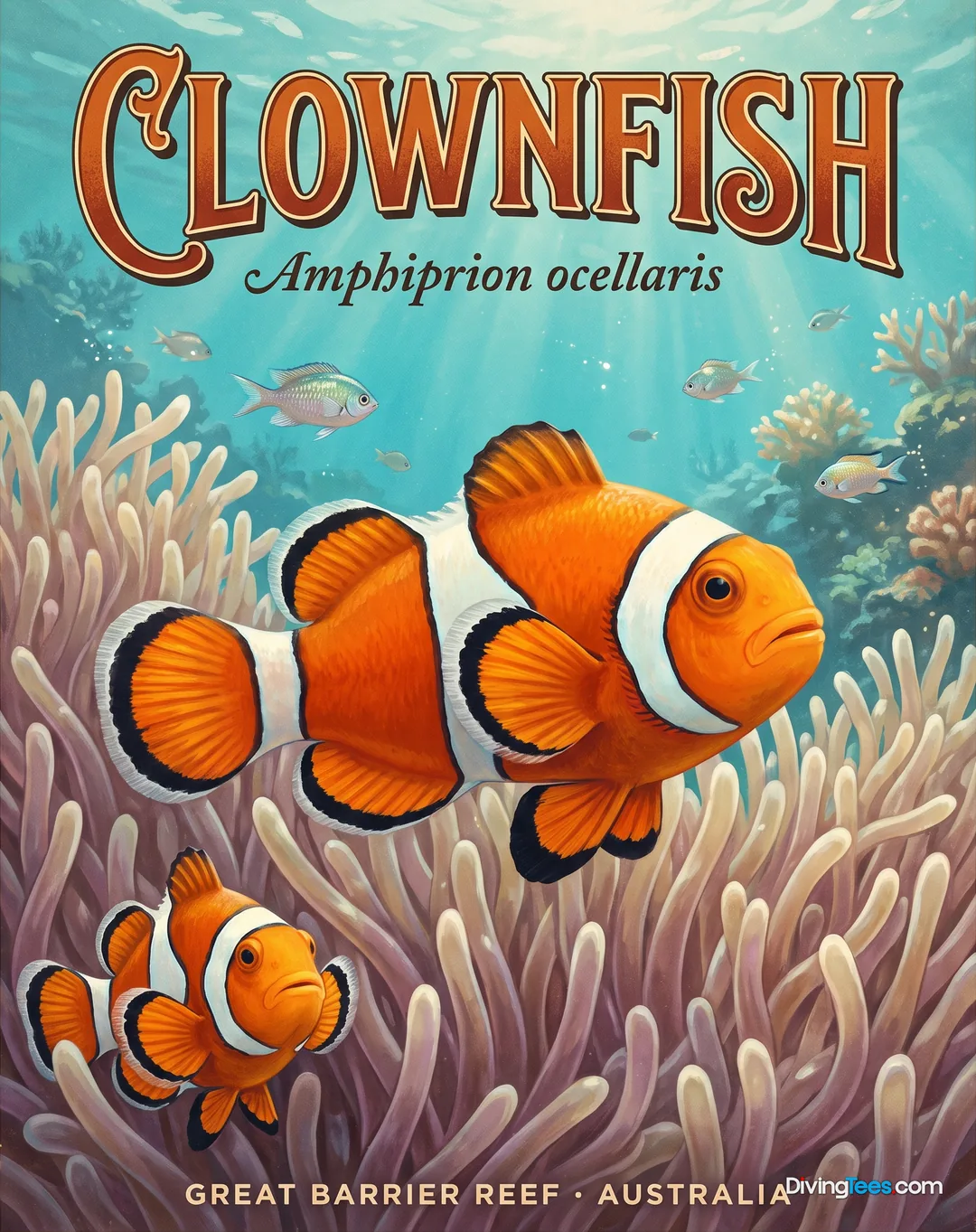
While the wall is the dominant feature, the transition zones and the deeper reef are equally compelling. The density of soft corals and anemones cradling various clownfish species creates a vibrant tableau against the darker blue. You'll notice the light change subtly as you descend, painting the reef in different hues and highlighting the textures of the sponges and hard corals that dominate the deeper sections of the wall. This site proves particularly good for a night dive, where different creatures emerge.
Depending on the current, Jemeluk Wall can be done as a drift dive, allowing you to cover more ground and observe the full expanse of the reef with minimal effort. This approach can be particularly effective for spotting larger pelagic species that patrol the deeper waters off the wall. The possibility of doing a boat dive, often using a local jukung, enhances the experience by allowing for easy entry and exit, maximizing your bottom time on the main features of the wall.
Jemeluk Wall is generally accessible for Open Water divers. The dive profile extends from a minimum depth of 3 meters down to 40 meters, with a maximum reported depth of 50 meters, accommodating different experience levels. Current typically remains moderate, though it can shift. Visibility is usually favorable, between 20 to 30 meters. The best period for diving here extends from April to December, avoiding the rainy season.
You can dive Jemeluk Wall from April to December, when conditions are generally favorable and the rainy season is avoided. Visibility is usually between 20 and 30 meters, helping you appreciate the shallow reef, colorful wall, coral growth, and marine life along the changing profile.
Jemeluk Wall is generally accessible to Open Water divers, with a profile beginning at 3 meters and extending along a wall to approximately 40 meters. The maximum reported depth is 50 meters, so you can remain in shallower areas or explore deeper sections according to your experience and training.
You can generally expect a moderate current at Jemeluk Wall, although it can shift during the dive. Depending on conditions, the site may be done as a drift dive, allowing you to cover more of the reef with less effort while watching the wall and deeper waters for larger pelagic species.
At Jemeluk Wall, you can search the sandy slope and crevices for seahorses, ghost pipefish, nudibranchs, and octopus. Dense coral, barrel sponges, anemones, and clownfish decorate the wall, where you may also encounter turtles, schooling trevally, fusiliers, sharks, bumphead parrotfish, and other reef fish.