Villa Adi
★★★★
★ 9.1/10 (666 reviews)
2.6 km away as the crow flies
Dive centre · Amed · Indonesia
4.9265 Google reviewsExplore the historic wrecks of Tulamben and the macro treasures of Amed with a family-run PADI 5 Star Dive Resort.
For subtitles in English: start the video firstthen click the gearat the top right of the video, select “Subtitles/CC”, then “Auto-translate” and choose “English”.
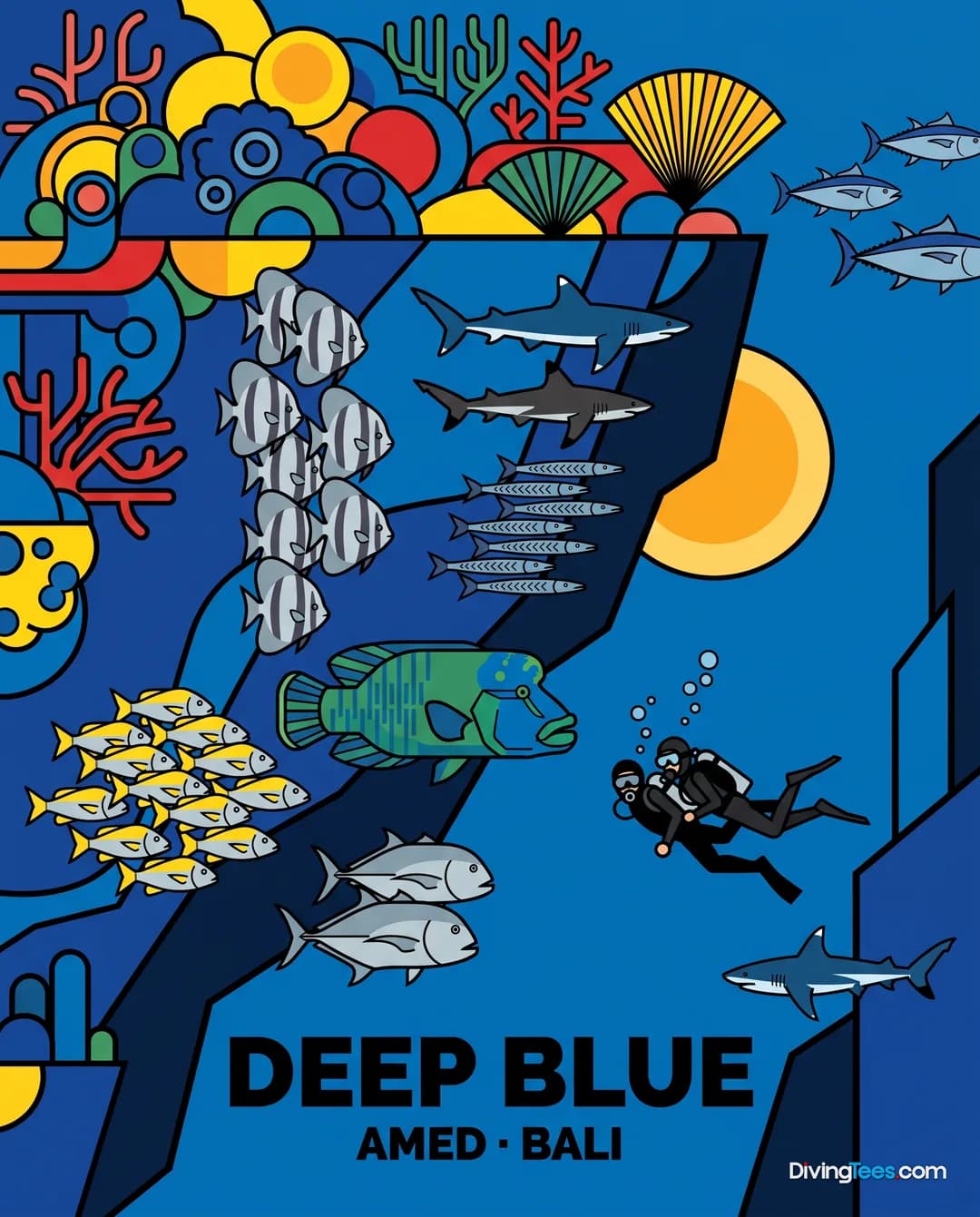
Bali Dive Cove is located in the coastal village of Amed, in the eastern part of Bali. This area is renowned for its diverse underwater topography, ranging from calm reef flats to dramatic walls and historic shipwrecks.
Operating since 2018, the centre provides a base for divers looking to explore the waters around Amed and Tulamben. Whether you are looking for a relaxed drift dive or a dedicated muck dive to find macro life, the centre’s location offers easy access to a wide variety of marine environments.
As a PADI 5 Star Dive Resort, the centre is managed by Wayan Mardita and run by a family team. The instructors bring significant experience to the water, with lead instructors having over 16 years of diving expertise and an intimate understanding of the local currents and reef structures.
The centre maintains a focus on small group sizes, with a maximum of four divers per guide. This ensures that communication remains clear and that every diver receives the personal attention required for safe and enjoyable underwater exploration.
Beyond training, the team is committed to marine conservation, supporting reef restoration projects and encouraging sustainable diving practices among all guests.
The centre offers a comprehensive range of PADI courses, starting from the Open Water Diver level through to Advanced Open Water Diver. For those looking to progress their skills, they provide the PADI Rescue Diver and Divemaster programmes.
Specialised training is also available for divers looking to refine specific skills, such as the PADI Peak Performance Buoyancy course, Deep Diver, and Wreck Diver specialties. For those interested in the ecological side of diving, they also host Ocean Gardener courses.
The centre provides full equipment hire for those not travelling with their own kit. You can find all the necessary items for both day dives and night dives, including torches for exploring wrecks or searching for nocturnal macro life.
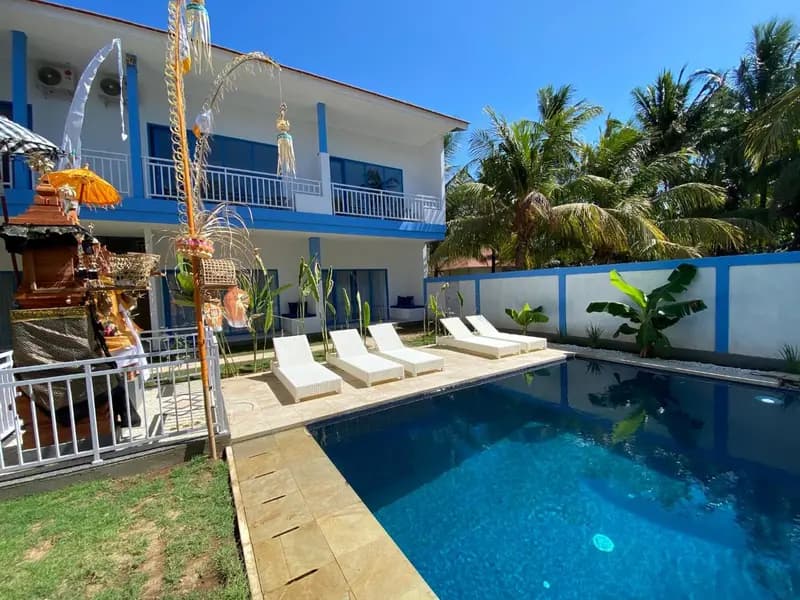
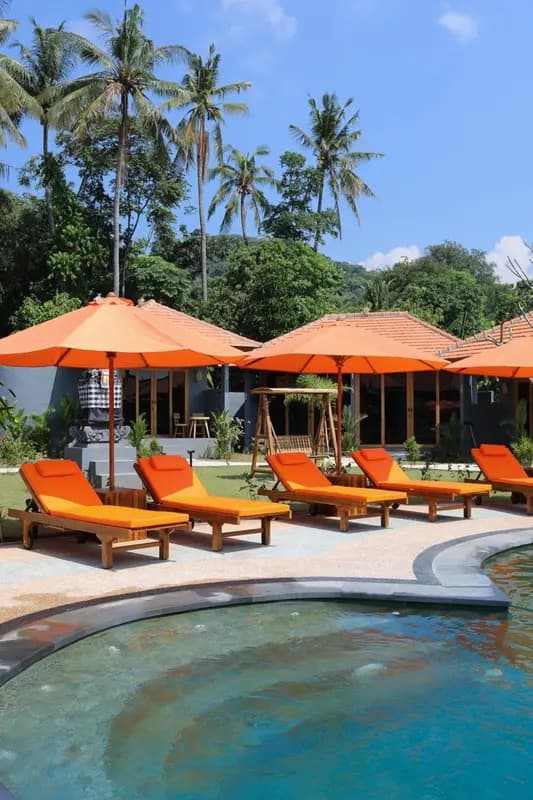
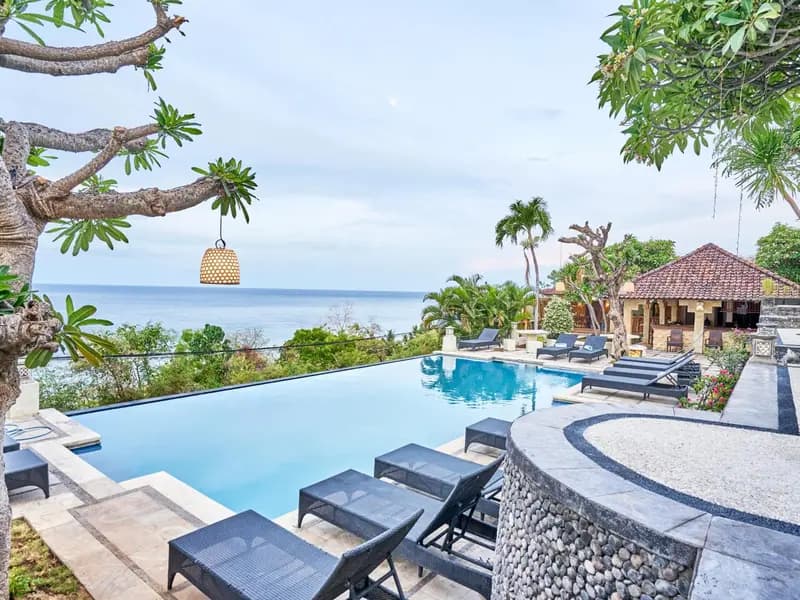
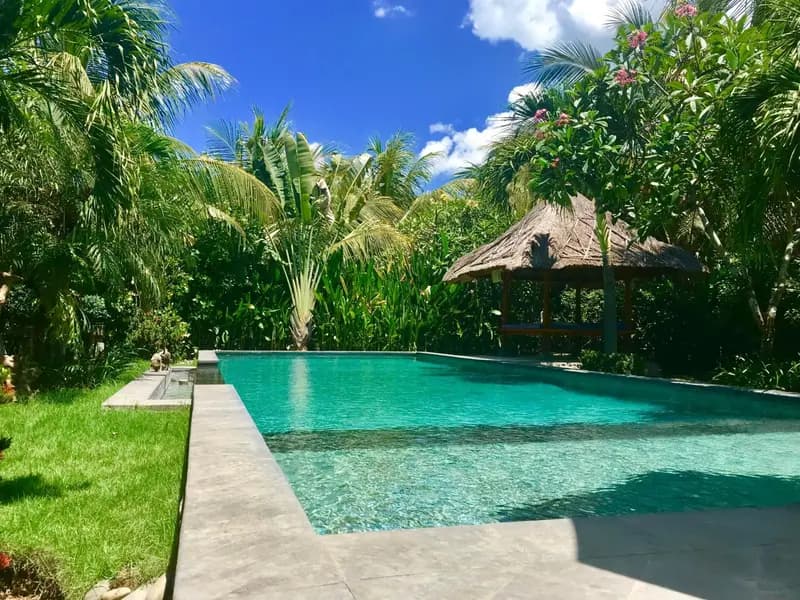
On-site accommodation is also available, with dive and stay packages offered to simplify your logistics while in Amed.
The USAT Liberty Wreck in Tulamben is a legendary WWII cargo ship accessible from the shore. It sits at depths between 5 and 30 metres, offering everything from shallow sections for Open Water divers to more complex structures for the experienced.
Seraya Secrets is a famous muck diving site near Tulamben, perfect for those hunting for macro life. It is a dedicated spot for finding specialised species in a calm, controlled environment.
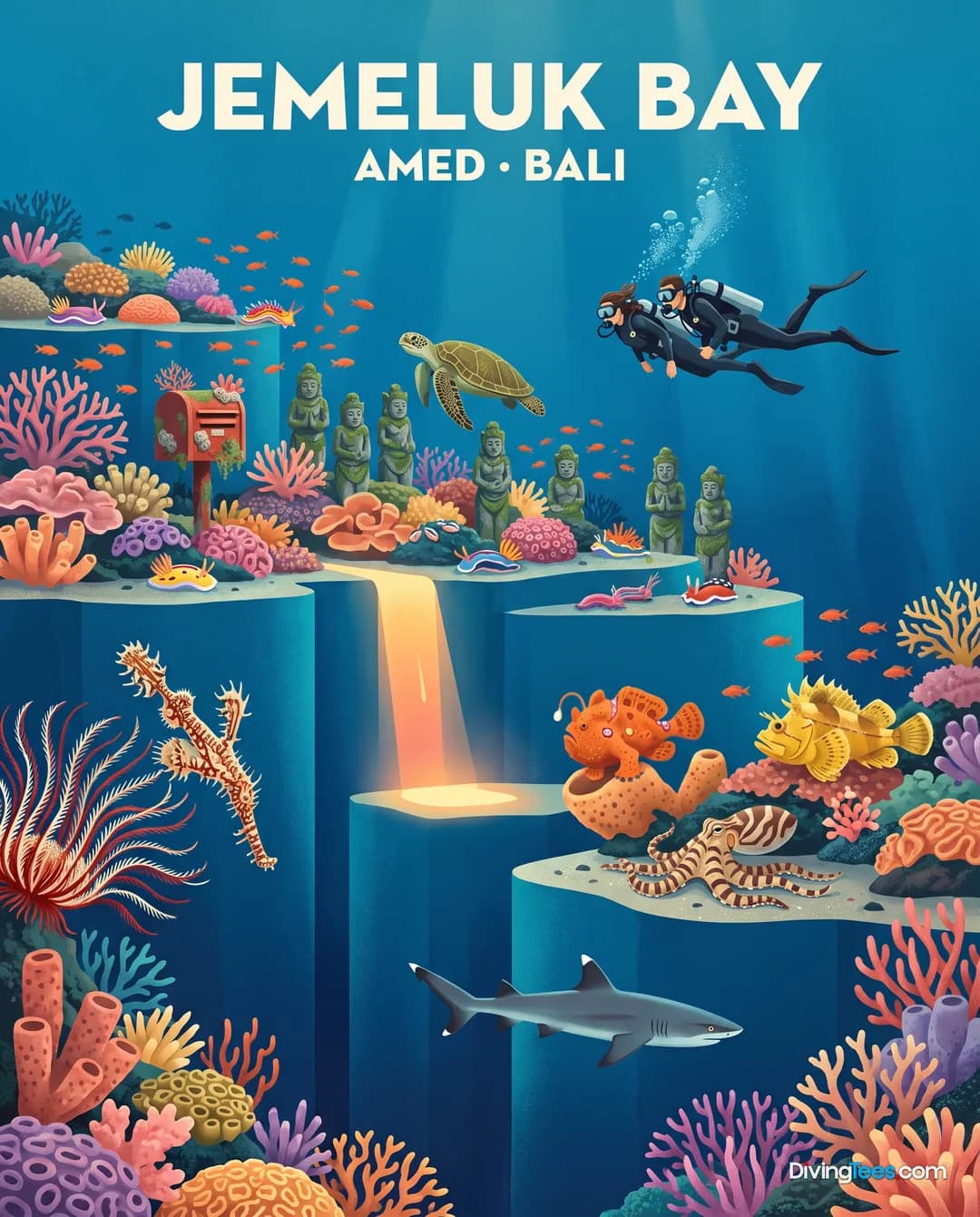
Jemeluk Bay provides a sheltered environment with a gentle sandy slope leading to a coral wall. With depths between 3 and 18 metres and minimal currents, it is an ideal location for training and building confidence.
The Boga Wreck in Kubu is a deeper, more intact wreck suited for Advanced Open Water divers. Located at depths of 30 to 40 metres, it offers more complex passages and a quieter experience than the Liberty.
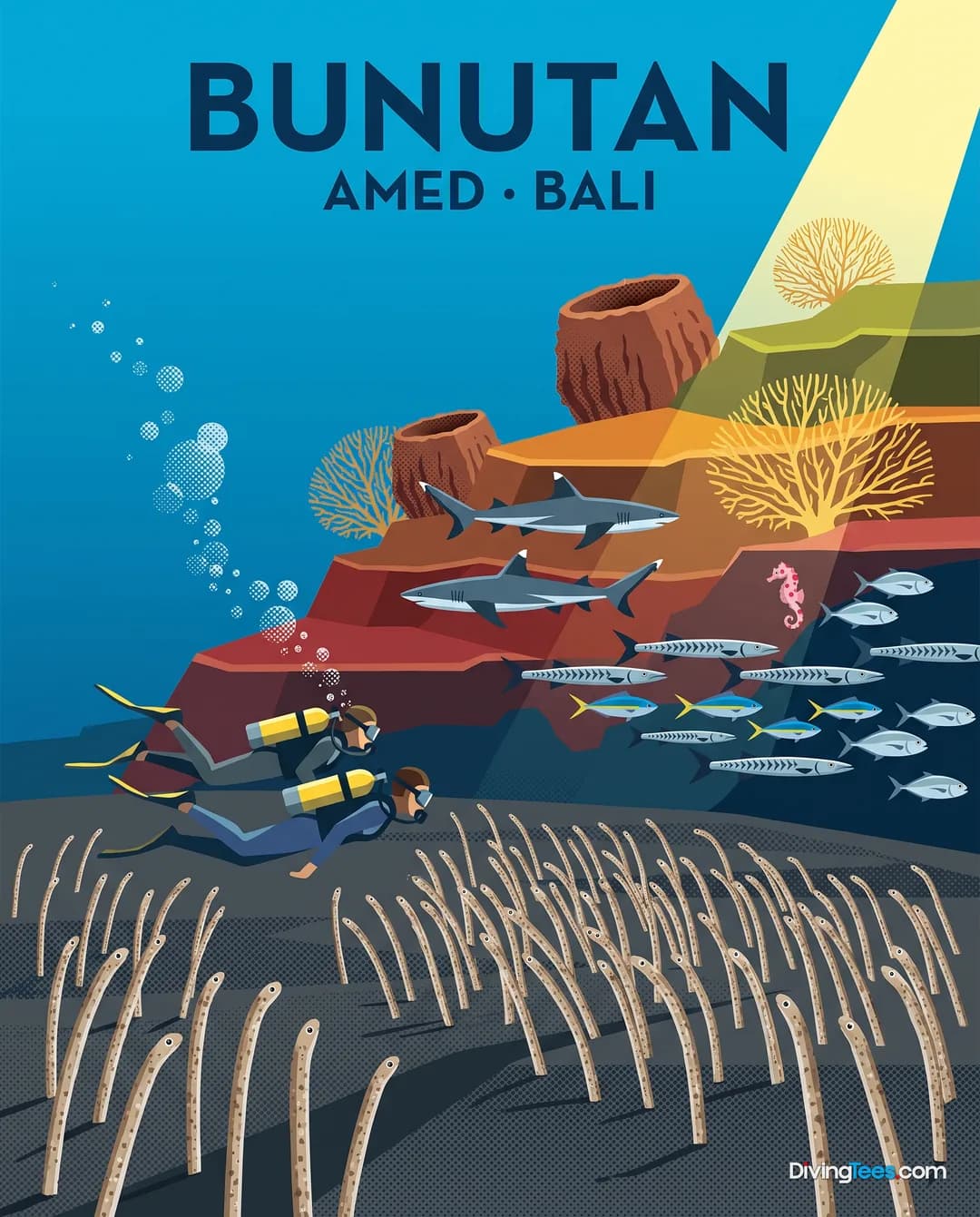
And some of the dive sites the centre runs.
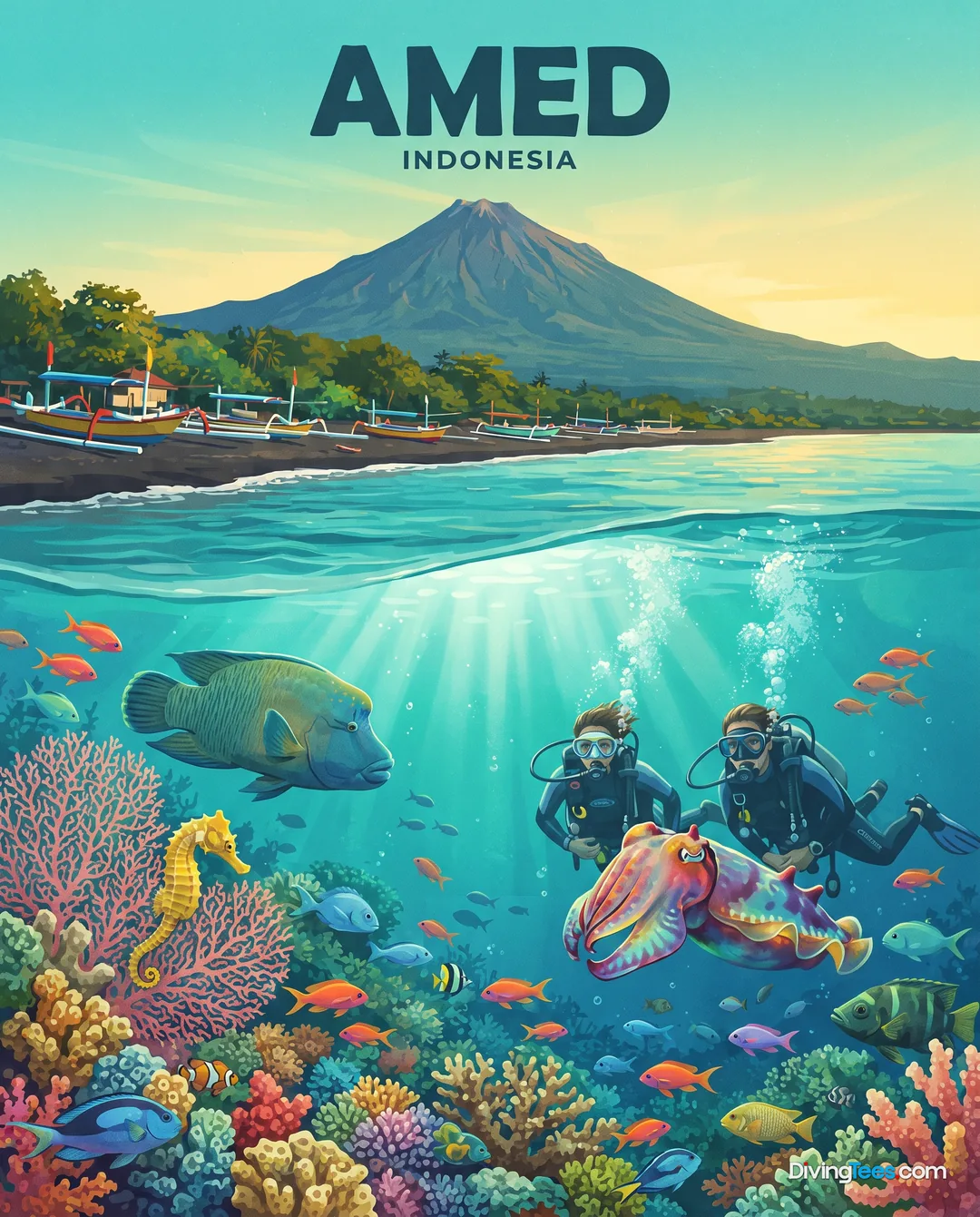
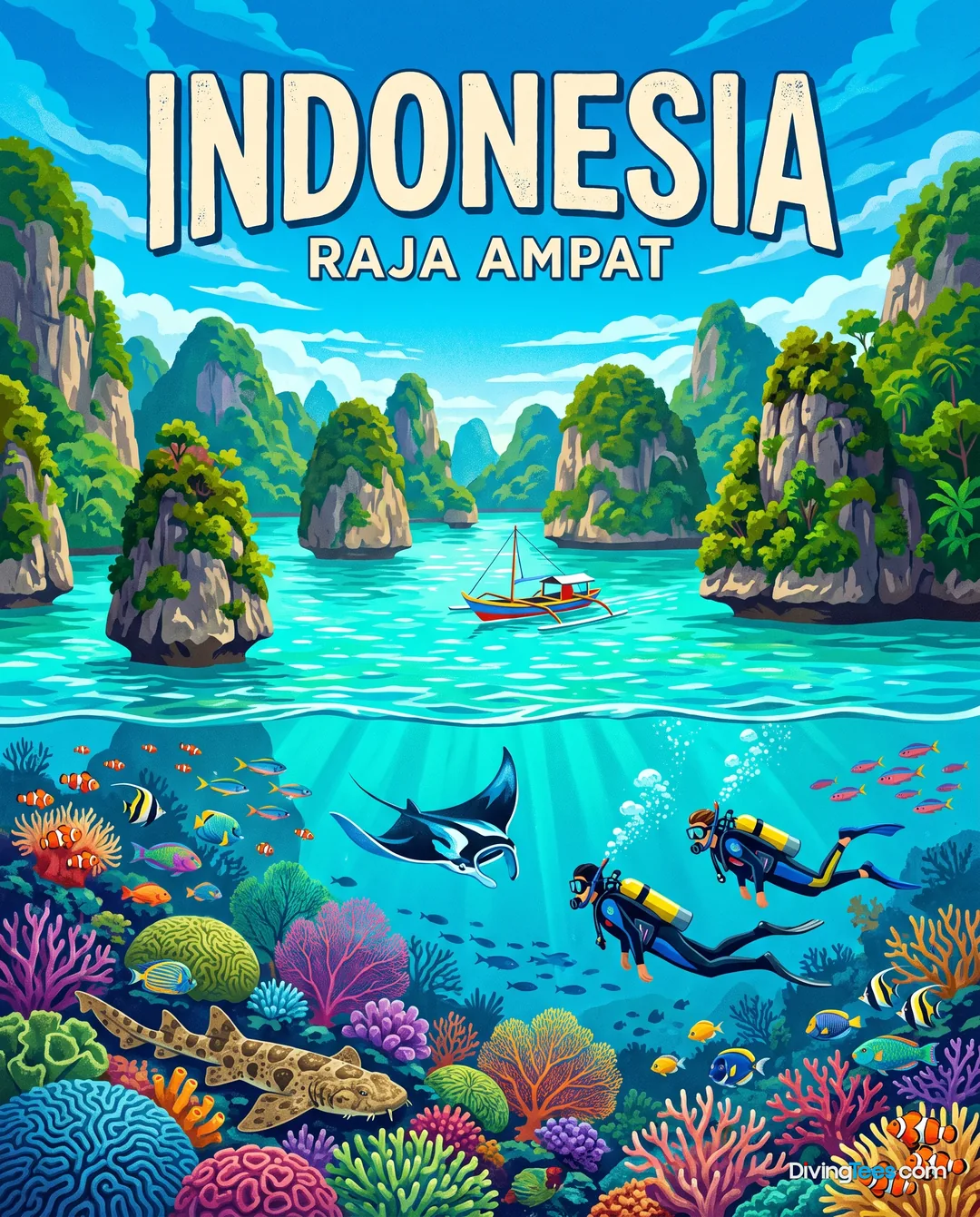
The reefs around Amed and Tulamben are teeming with life, from large pelagics to vibrant coral gardens. You will encounter various reef fish, schooling fish, and many species of corals, including soft corals (Alcyonacea) and hard corals (Scleractinia). Larger visitors such as reef sharks, whitetip sharks, and eagle rays (Aetobatus) are part of the local ecosystem, while green turtles and hawksbill turtles (Eretmochelys imbricata) are frequently seen.
For those interested in macro photography and specialised observation, the area is exceptional. You can find Ornate ghost pipefish (Solenostomus paradoxus), frogfish (Antennarius), and various nudibranchs (Chromodoris willani). The sandy and muck diving sites are prime locations for spotting the Blue-ringed octopus, mimic octopus, and various species of shrimp (Caridea) and crabs (Brachyura).
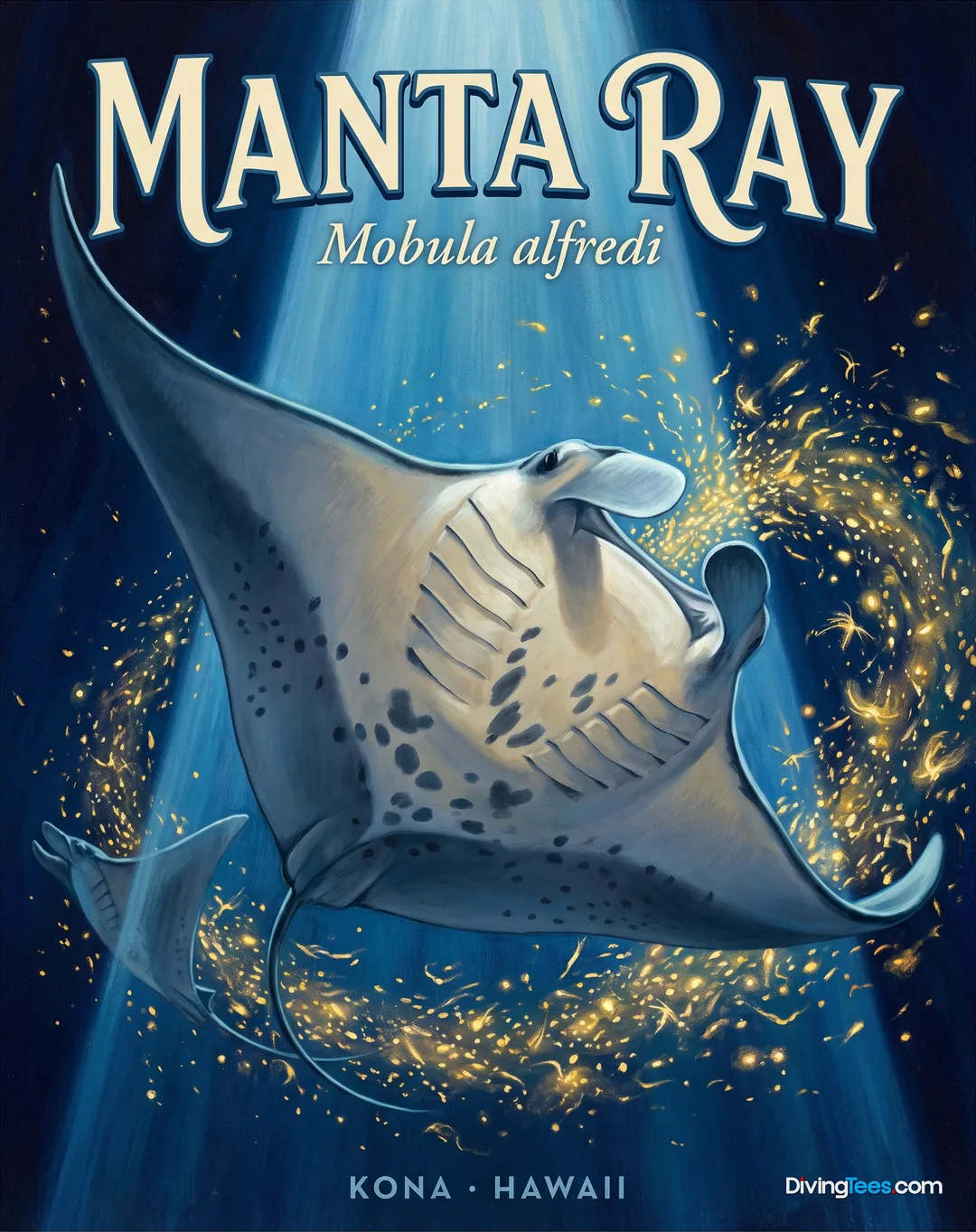
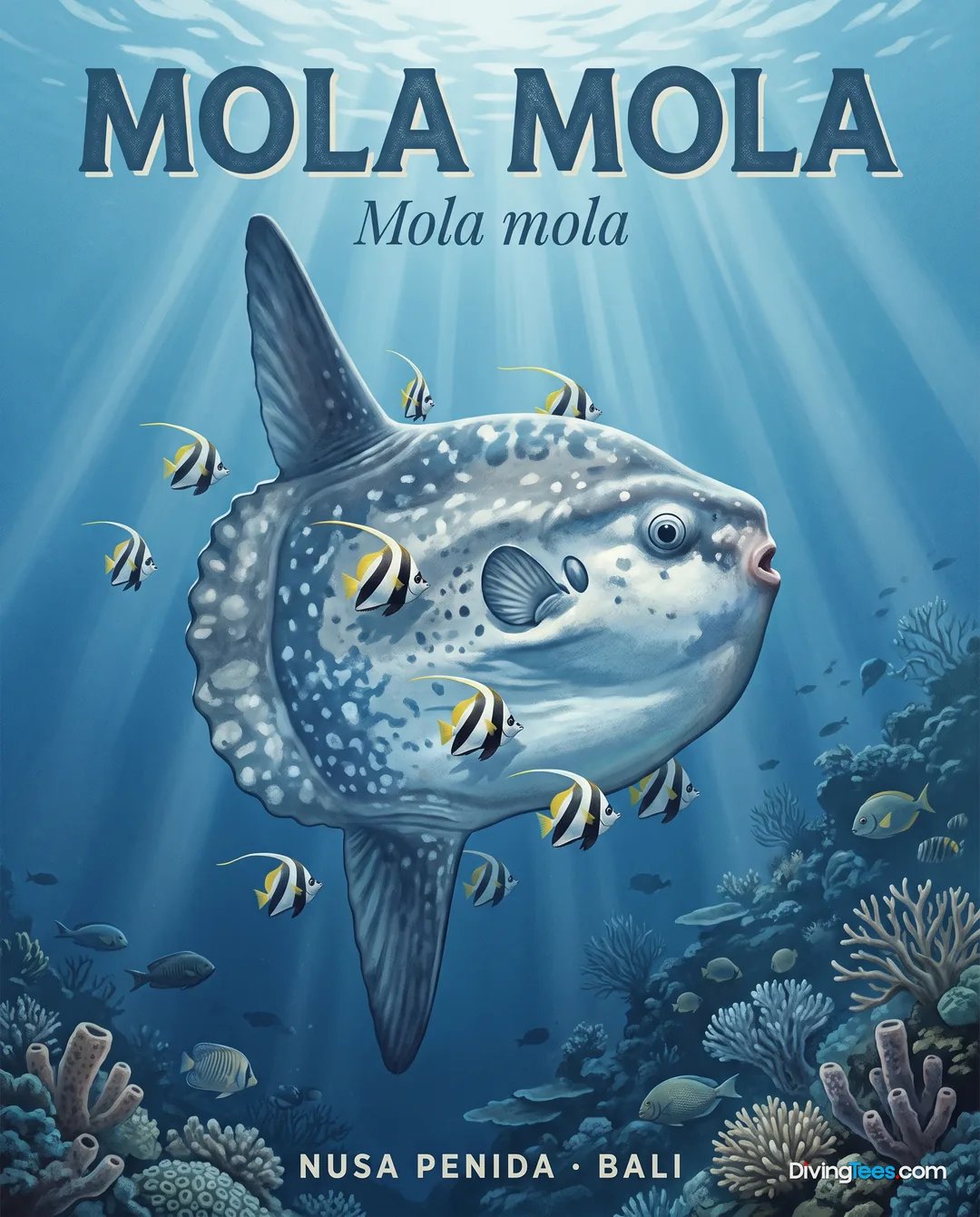
In the seasonal windows of July to October, the area becomes a destination for larger species. This is the time to look for Manta ray (Mobula alfredi) and mola mola near the Nusa Penida sites.
The best time to visit is during the dry season from April to October, when conditions are generally most stable. During the rainy season from December to March, you may encounter stronger currents and reduced visibility.
While Amed and Tulamben are typically known for calm conditions, sites around Nusa Penida are famous for powerful and unpredictable currents. Divers should plan their trips accordingly, as these sites require advanced buoyancy and current management skills.
Hello, I'm Marina, DivingDeal.com's AI assistant. I answer in detail about hotels, dive centres and liveaboards.

Thinking about the whole trip and the flights? Talk it over with Edith →
Marina is an AI. Some links are affiliate links: DivingDeal may earn a commission, at no extra cost to you. Bookings are made with the partner.