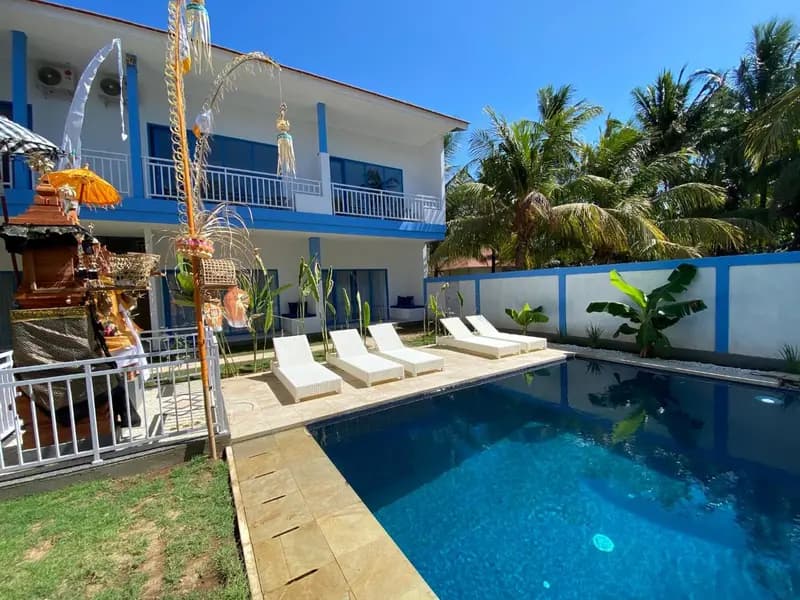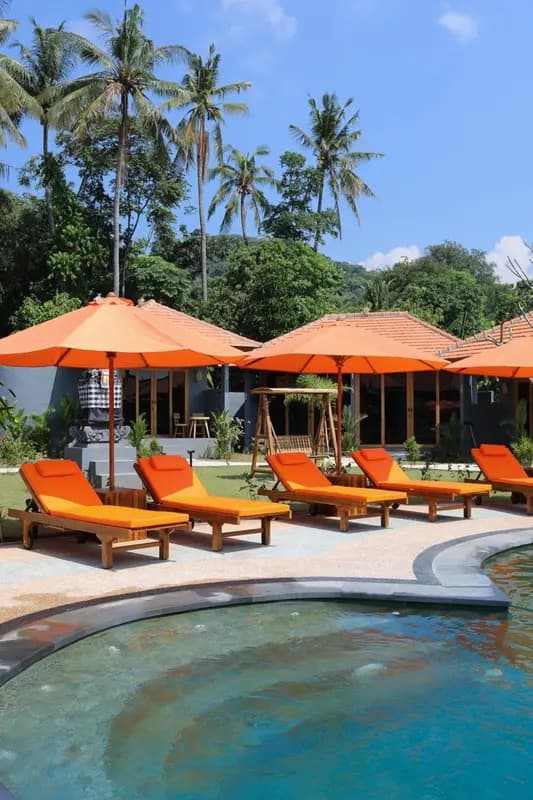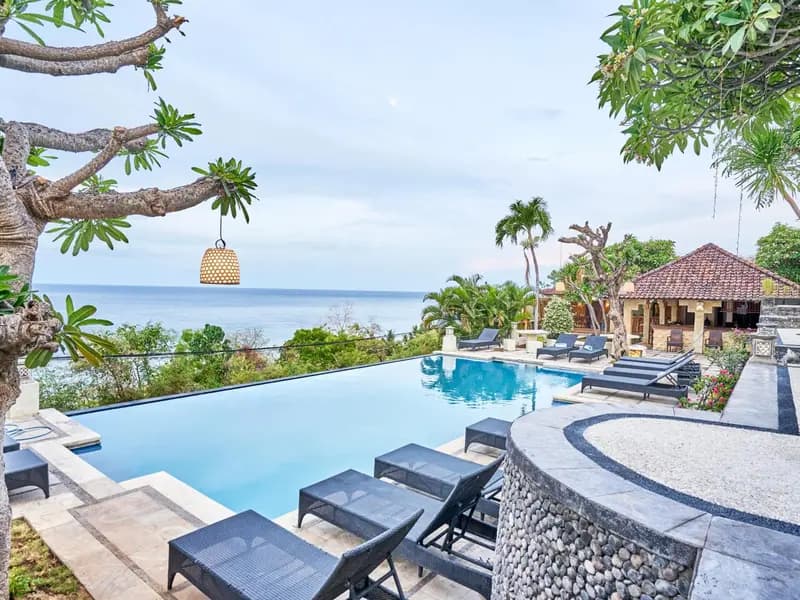
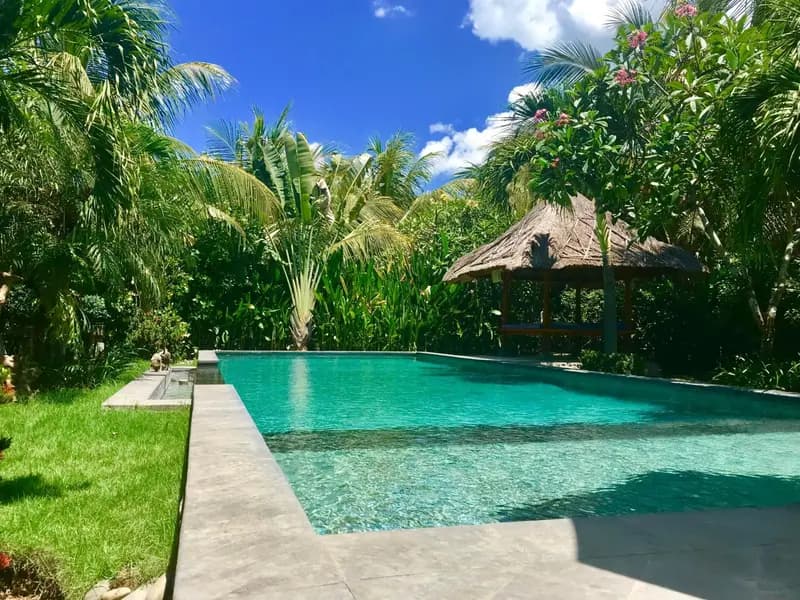
Villa Adi
★★★★
★ 9.1/10 (666 reviews)
less than 1 km away as the crow flies
Dive centre · Amed · Indonesia
4.8305 Google reviewsAccess the best of Bali's reefs with a PADI 5 Star centre operating from the shores of Amed and Tulamben.
For subtitles in English: start the video firstthen click the gearat the top right of the video, select “Subtitles/CC”, then “Auto-translate” and choose “English”.
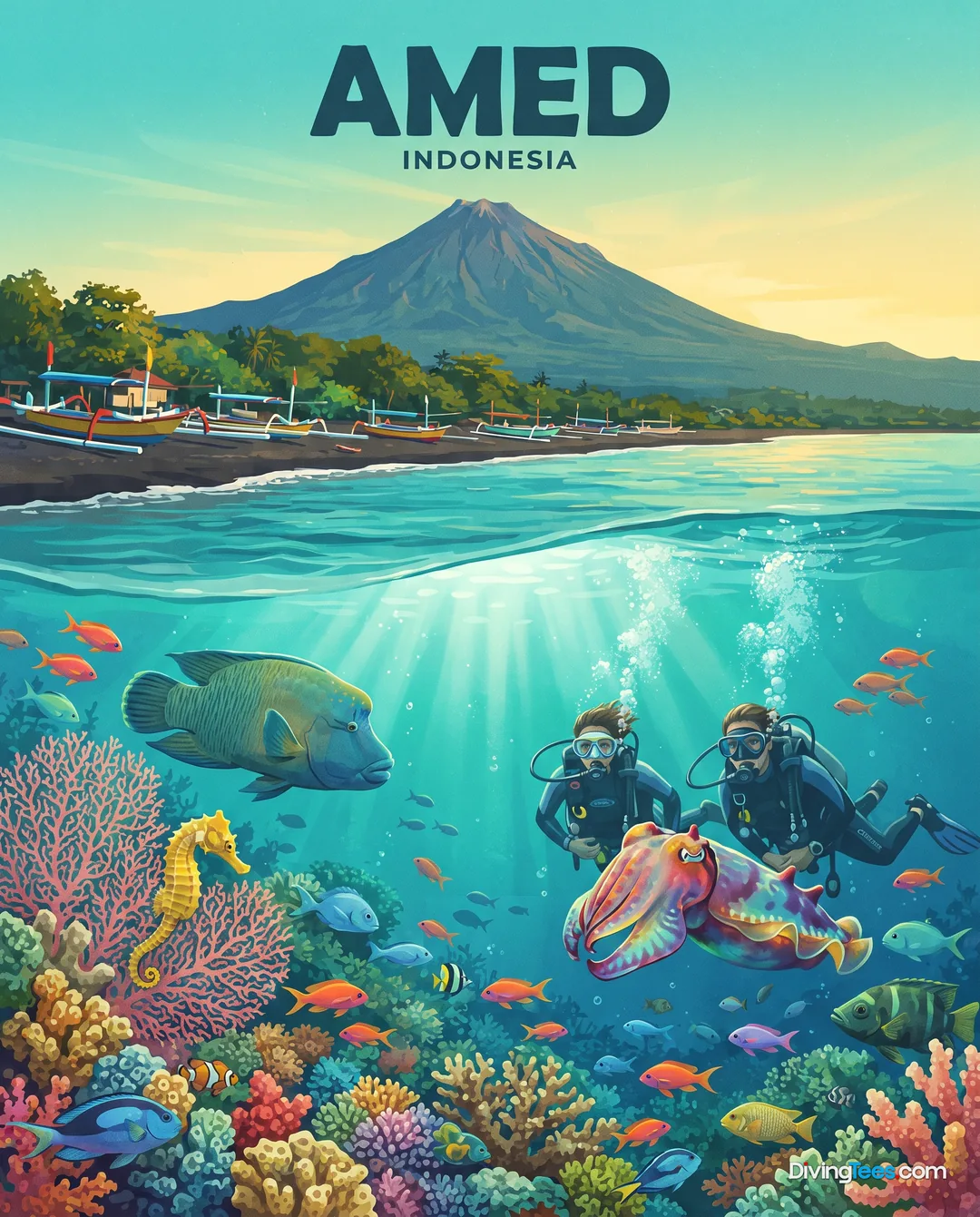
Located on the eastern coast of Bali, Bali Reef Divers provides direct access to some of the most diverse marine environments in the region. From the shallow coral gardens of Amed to the legendary wrecks of Tulamben, the centre is perfectly positioned to explore both reef and wreck diving.
Since its founding in 2008, the operation has grown into a significant local presence, maintaining a consistent ownership and a commitment to ethical business practices. Whether you are looking for a relaxed shore dive or a more challenging drift dive, the centre's local knowledge ensures you are at the right site for your level.
As a PADI 5 Star centre, the team is composed of experienced professionals who speak several languages, including English, French, Dutch, Chinese, German, and Indonesian. This multilingual capability makes navigating your training or dive planning much smoother, especially for international divers.
The centre operates with a strict ratio of no more than four divers per guide. This small group size allows for a personalised approach to both training and exploration, ensuring safety and better opportunities to spot macro life.
Beyond instruction, the team is known for its deep local knowledge of the East Bali sites. They ensure all expatriate staff hold the necessary work permits, maintaining a professional and ethical environment for both staff and divers.
The training programme covers the entire PADI spectrum, starting from Discover Scuba Diving for those new to the water. For those working towards certification, they offer the Open Water Diver and Advanced Open Water Diver courses.
More advanced divers can pursue the PADI Rescue Diver, Deep Diver Specialty, and even the PADI Divemaster Internship. The centre also provides specialised training in Drift Diving, Wreck Diving, Night Diving, and Peak Performance Buoyancy, as well as an Underwater Naturalist course and Underwater Digital Photography.
The centre provides a full range of rental equipment, with kit from Aqualung available for those not travelling with their own. This includes everything needed for a complete dive, from regulators to BCDs.
Nitrox is available for use on site, with options for both 12-litre and 15-litre cylinders. For those looking to extend their bottom time or manage nitrogen loading more effectively, the centre makes enriched air readily accessible.
The USS Liberty Shipwreck in Tulamben is the most iconic site in the area. This 120-metre wreck lies between 10 and 30 metres and is heavily encrusted with coral, providing a massive habitat for fish and various macro creatures.
Bunutan Reef, located directly opposite the Amed centre, offers immense variety. It features vast coral gardens and can experience moderate currents, making it an excellent site for observing large schools of fish and garden eels.
Jemeluk Wall provides an impressive descent down to 50 metres. You can dive this as a wall dive or take a boat to experience a drift along the vertical face, which is decorated with large barrel sponges and gorgonians.
Bluu Rocks is a site reserved for advanced divers due to its unpredictable and often strong currents. The site is known for its incredible coral bommies and the chance to see larger pelagic species.
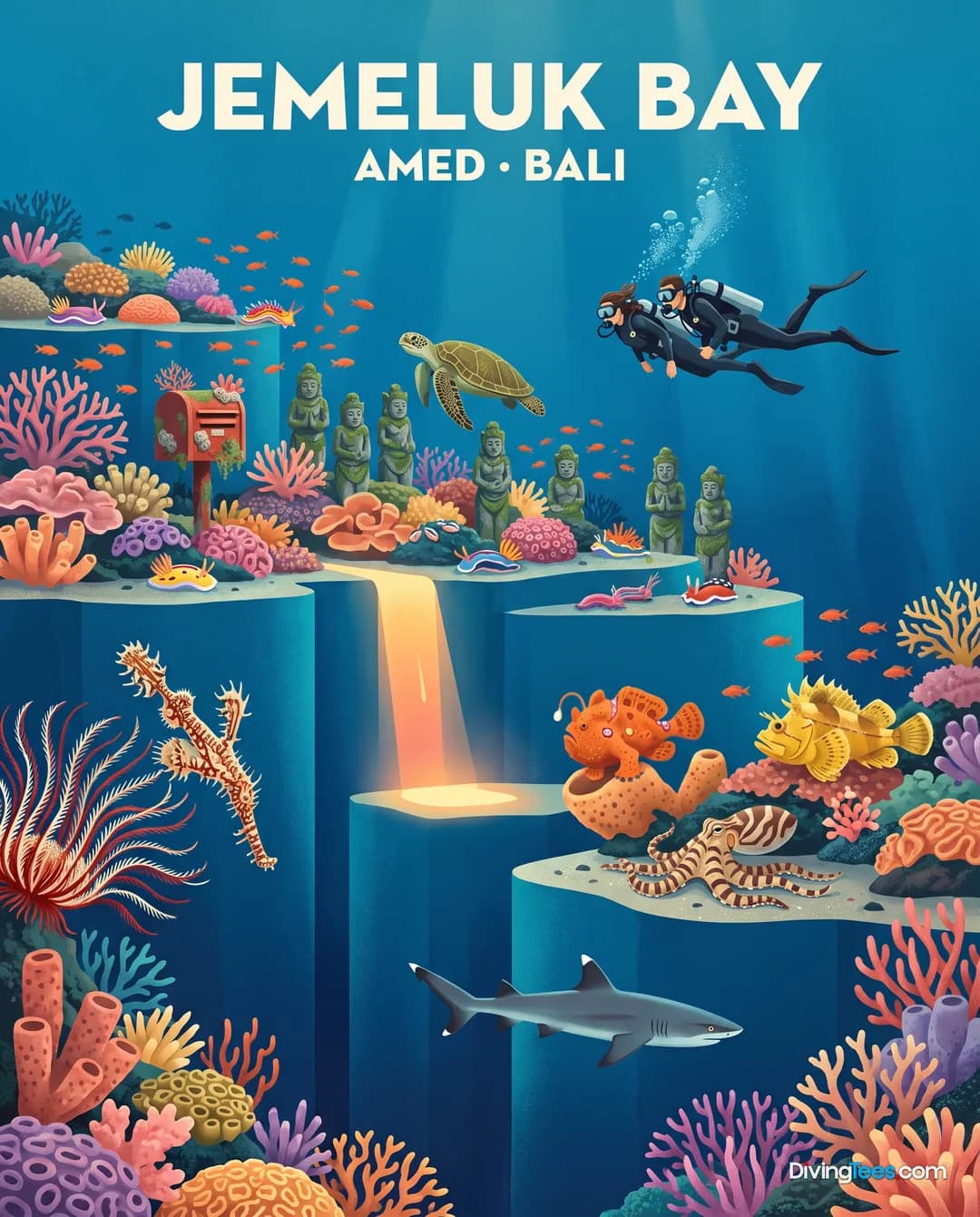
down to 40 m
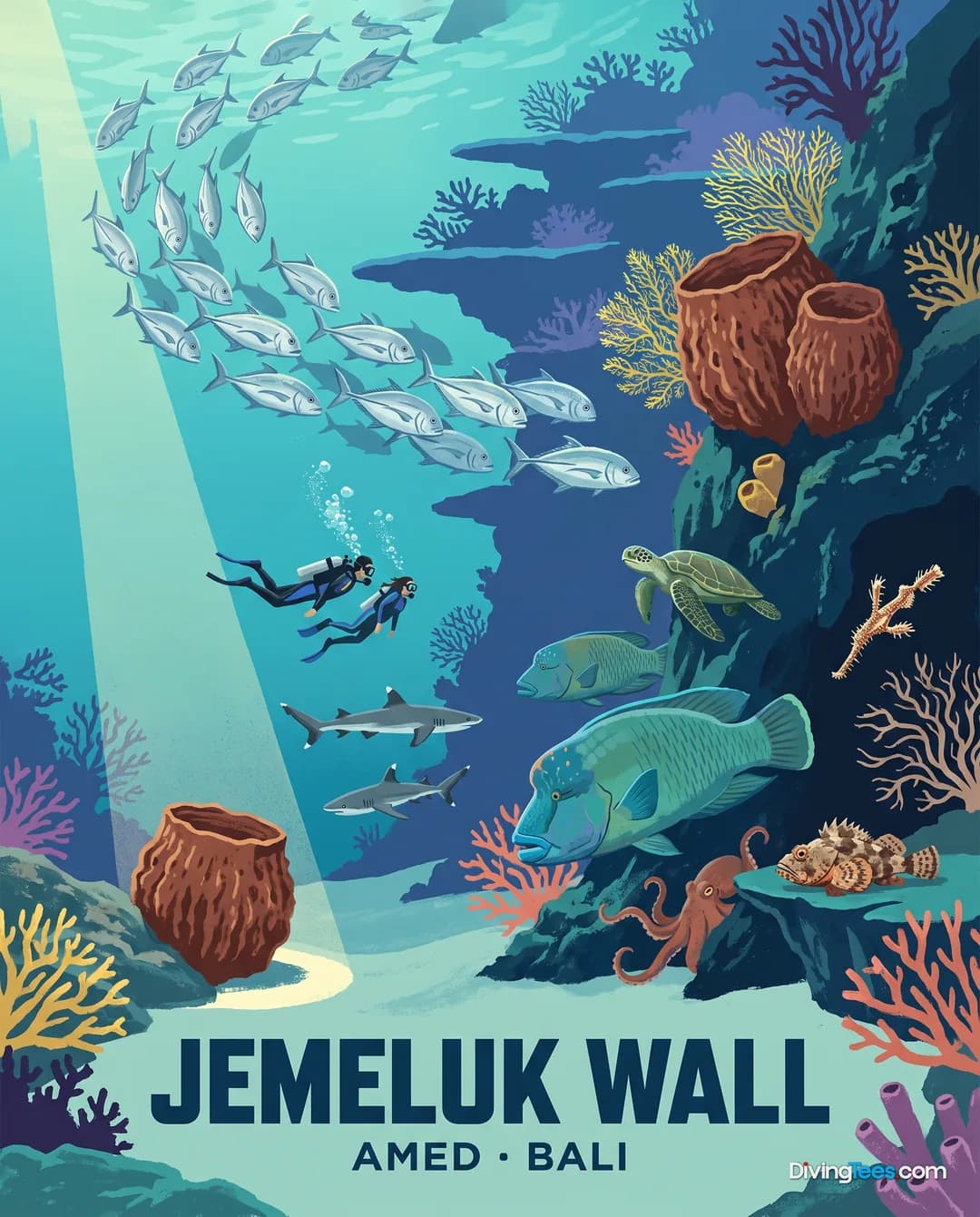
down to 50 m
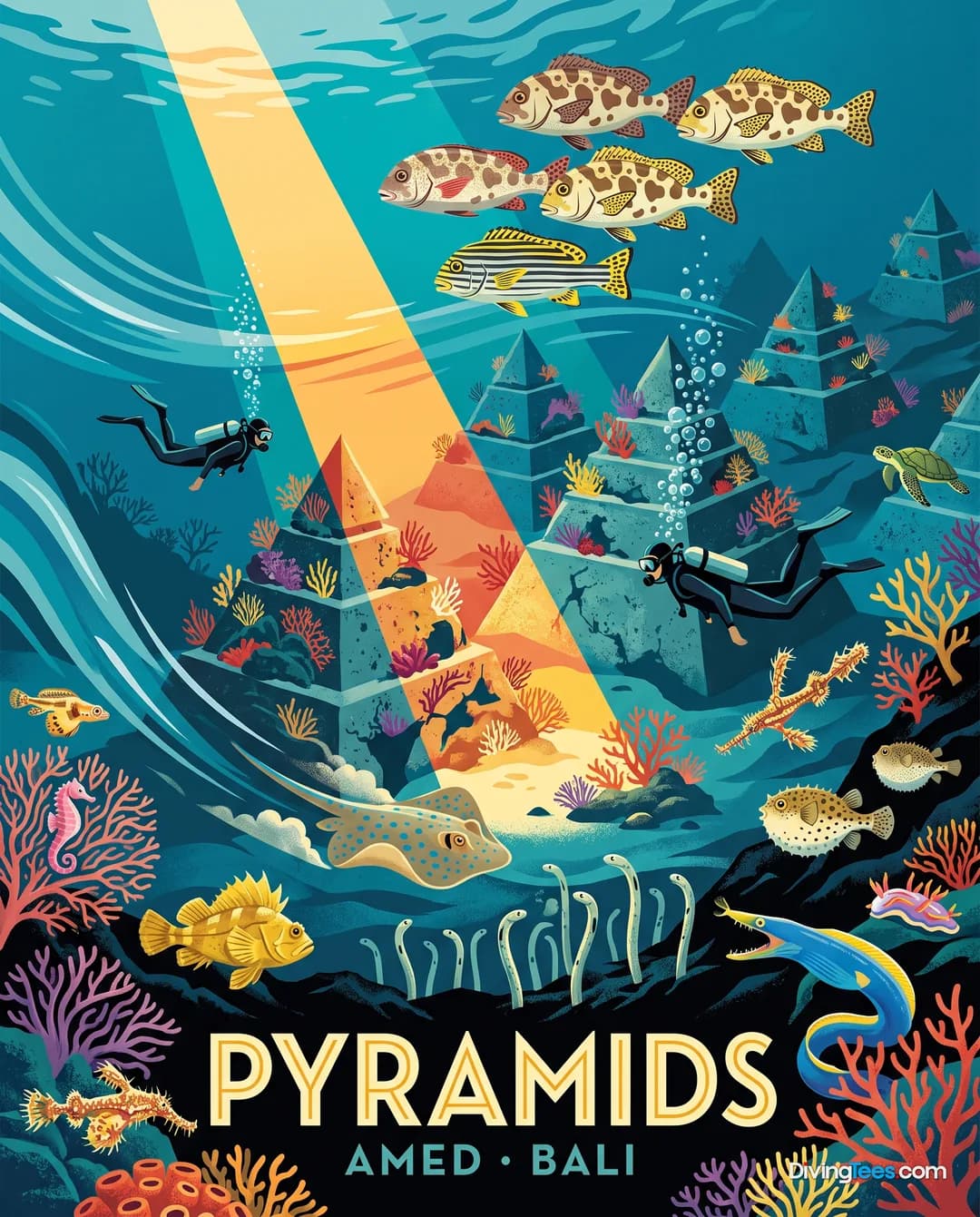
down to 130 m
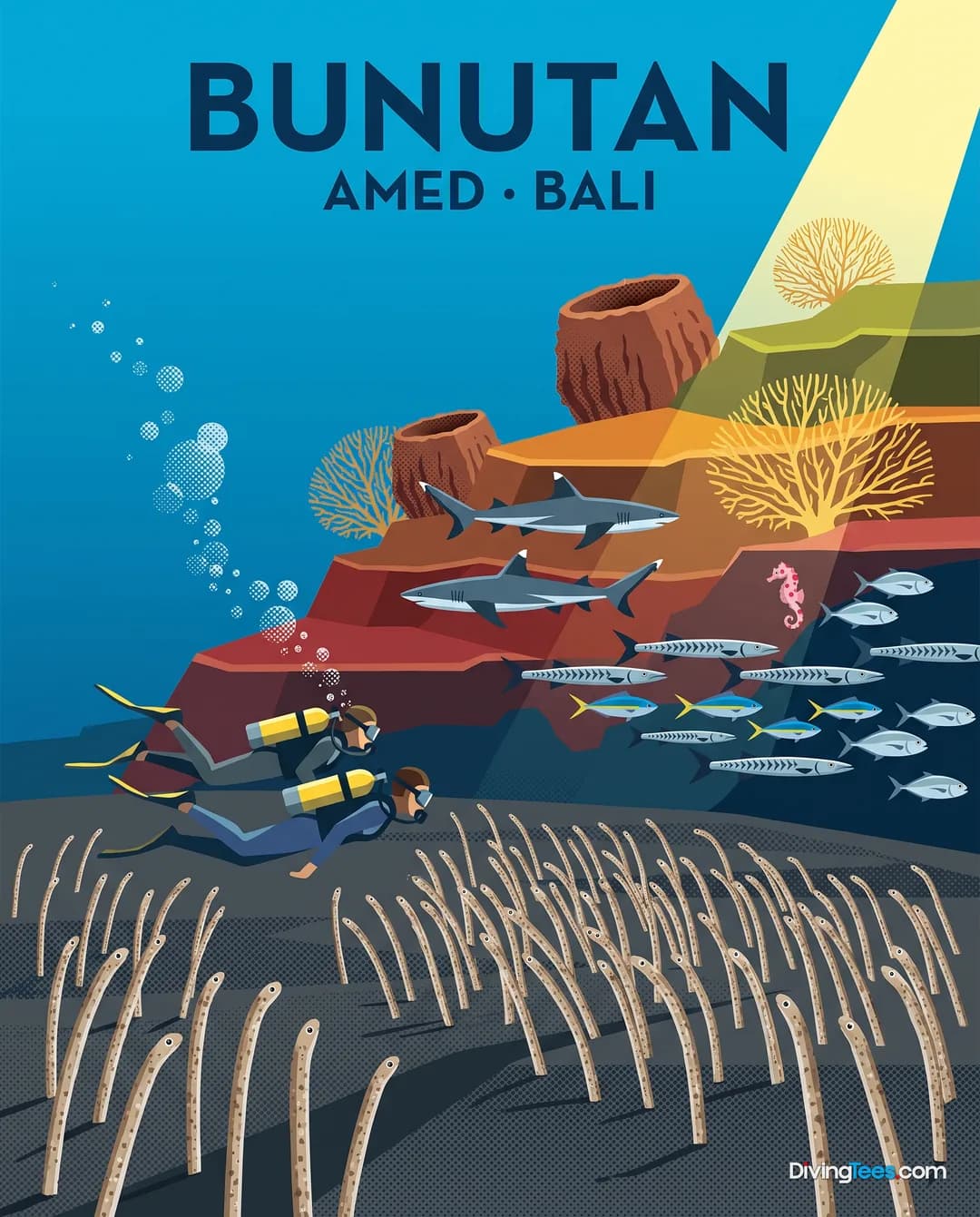
down to 50 m
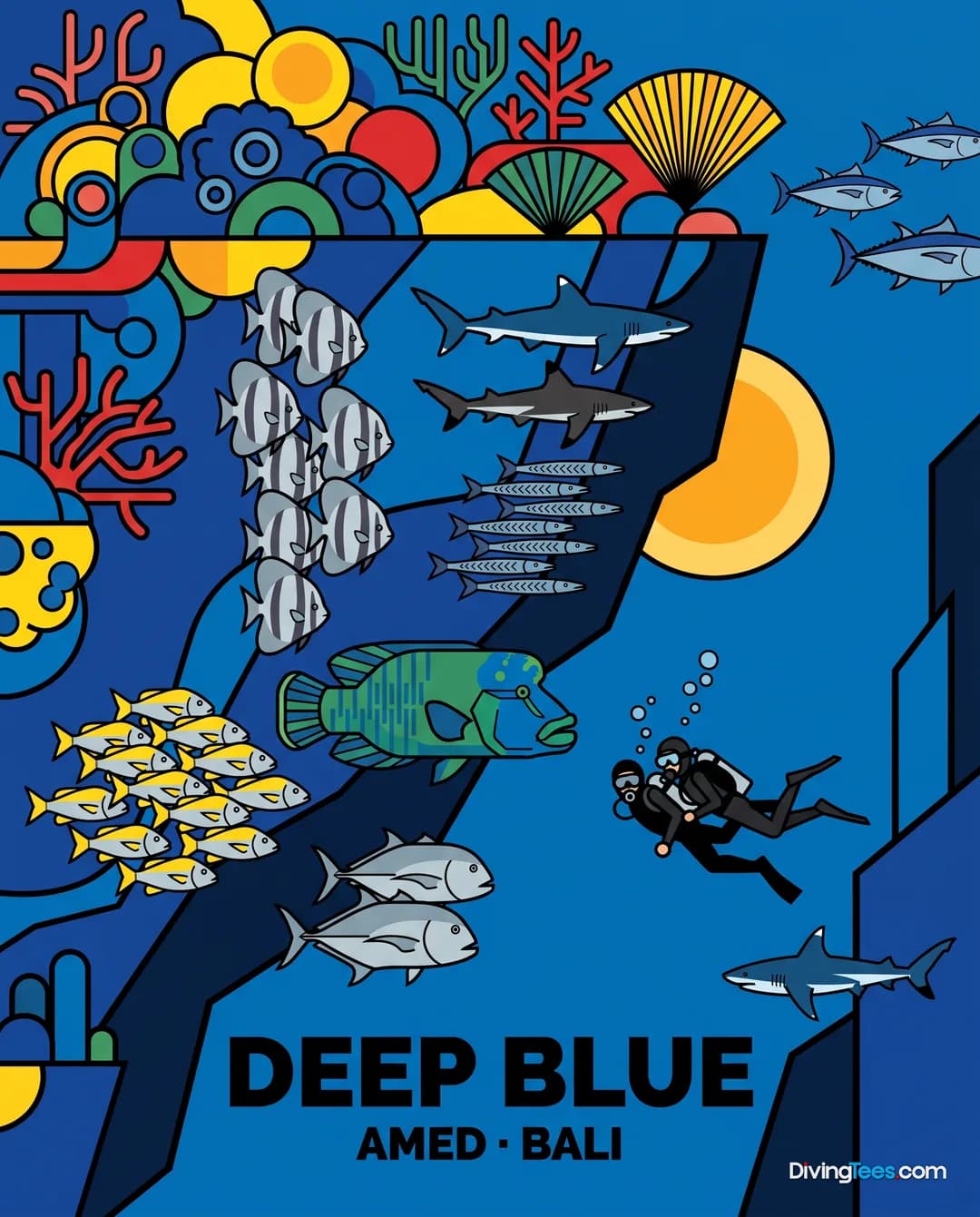
down to 40 m
And some of the dive sites the centre runs.
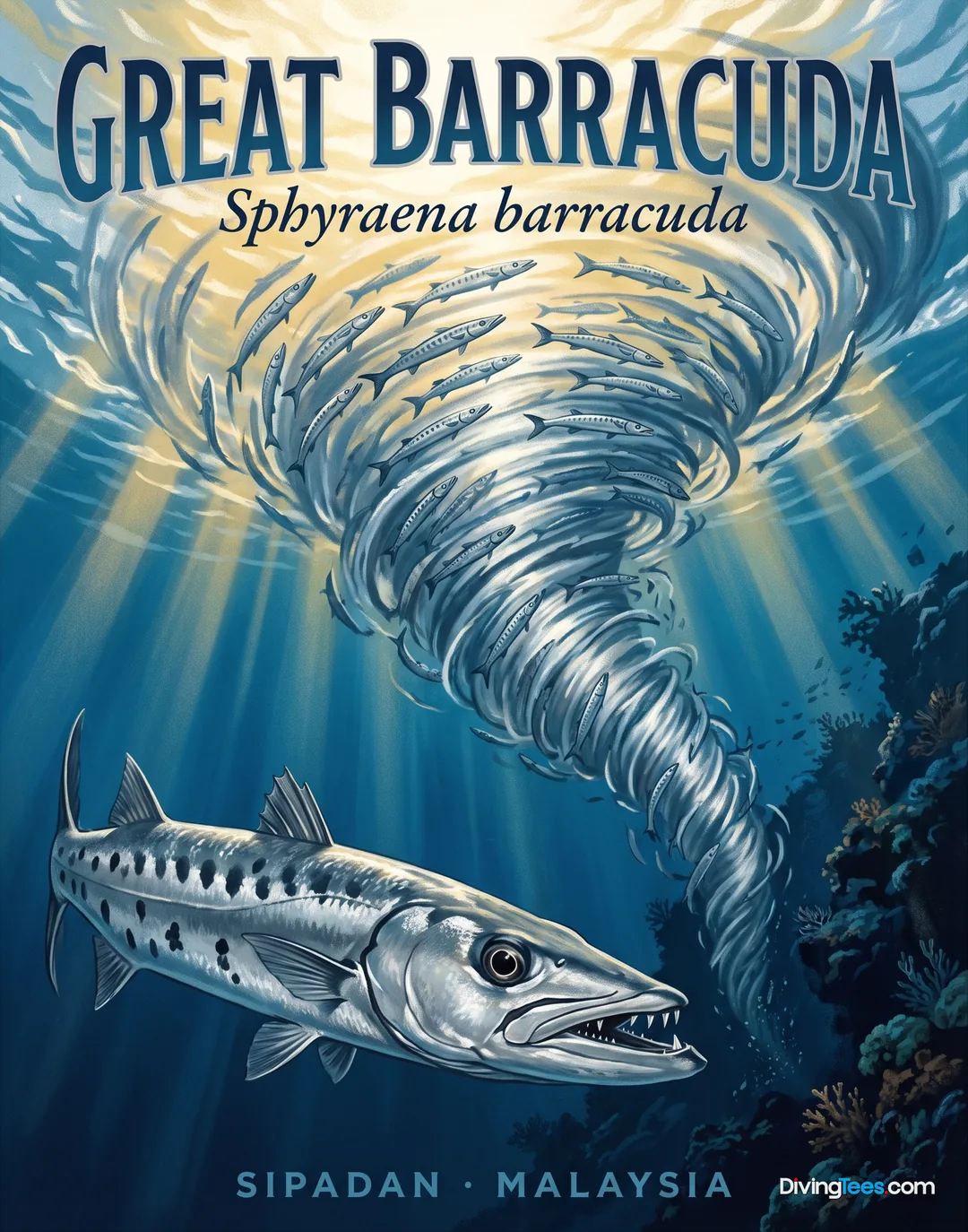
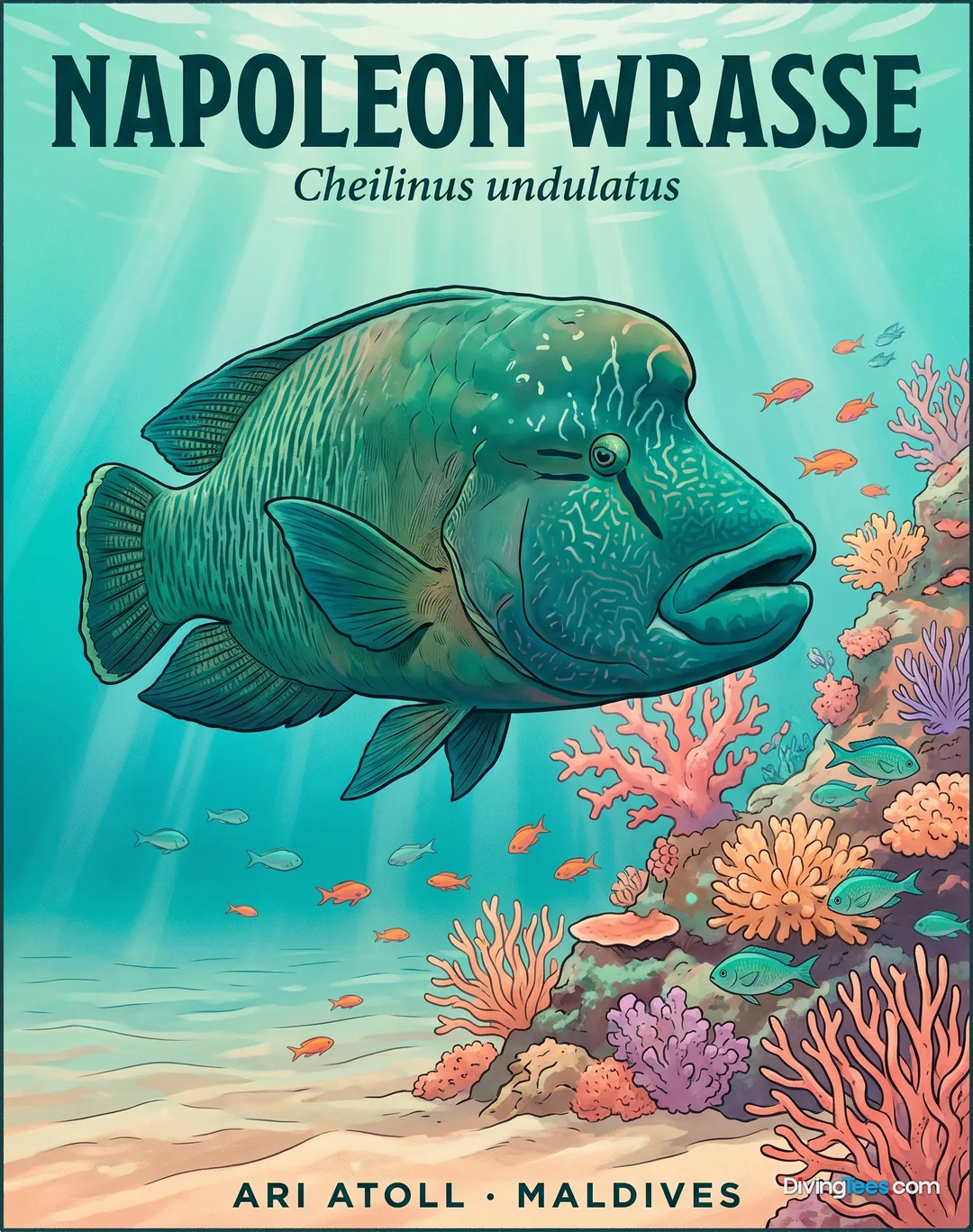
The reefs are home to a vast array of colourful reef fish, including various species of snapper (Lutjanus), damselfish (Pomacentridae), and angelfish (Pomacanthidae). You will frequently see large schools of jackfish (Carangidae), barracuda, and tuna (Thunnus) patrolling the deeper sections, while humphead wrasses (Cheilinus undulatus) and Napoleon wrasse are common sights.
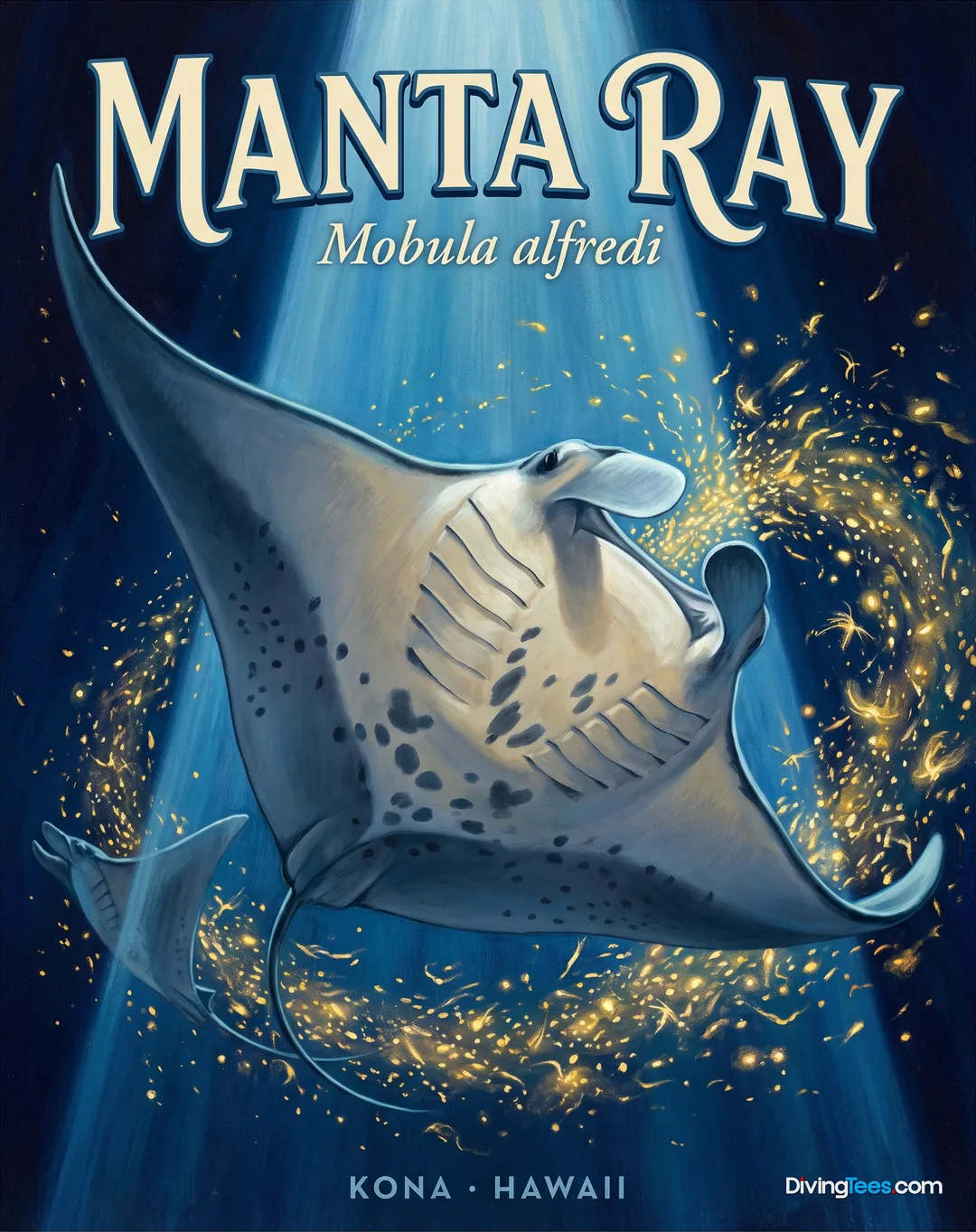
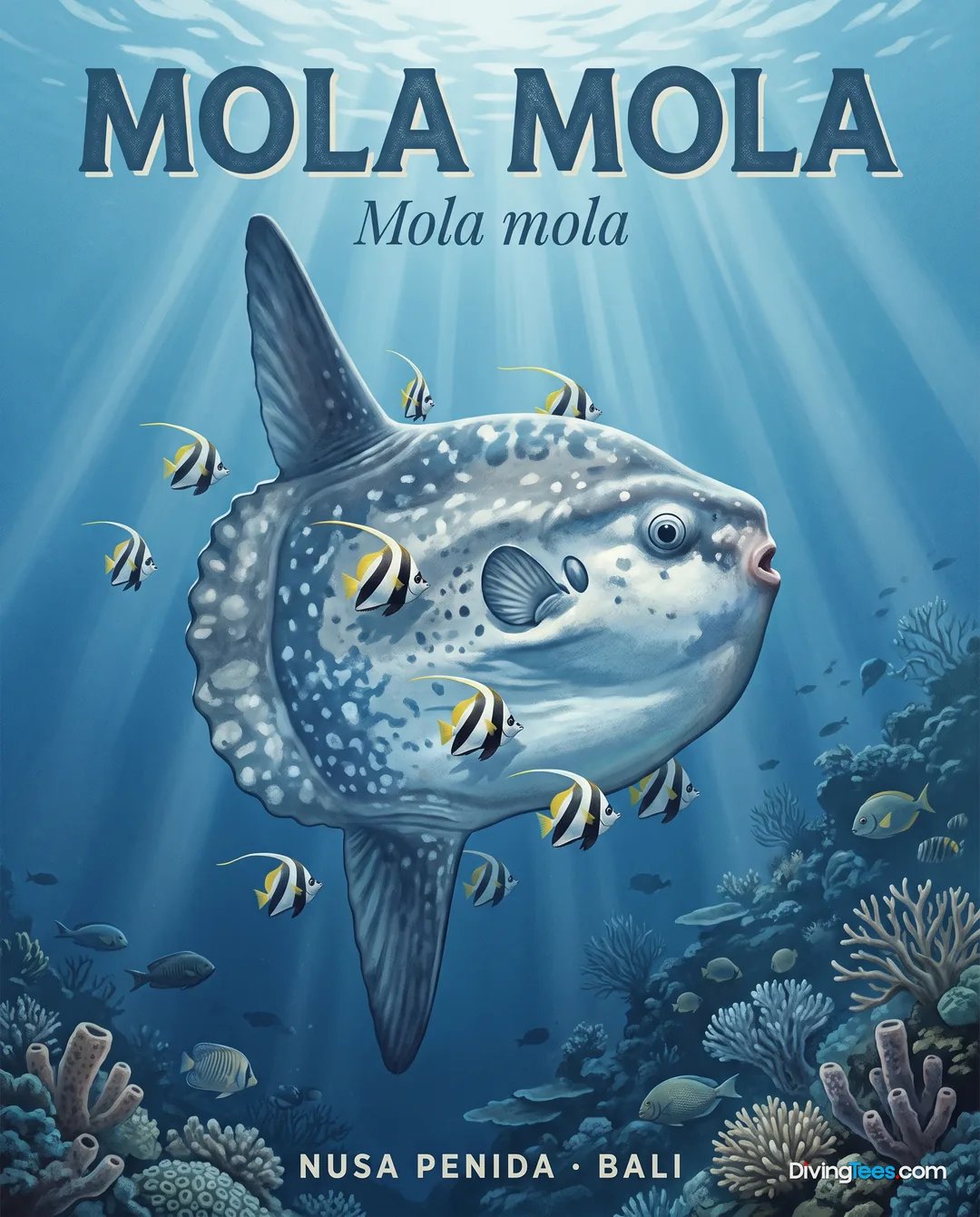
For those interested in larger species, whitetip reef sharks (Triaenodon obesus) and blacktip reef sharks (Carcharhinus melanopterus) are regularly observed. During the months of July to October, there is the opportunity to see Mola Mola, and manta rays (Mobula alfredi) are also a frequent highlight for divers in the region.
Macro enthusiasts will find a paradise in the smaller details. The area is famous for its nudibranchs (Chromodoris willani), pygmy seahorses (Hippocampus bargibanti), and various species of shrimp (Caridea) and crabs (Brachyura). You can also find ghost pipefish (Solenostomidae), frogfish (Antennarius), and the mimic octopus.
The underwater landscape is shaped by a rich variety of fixed life, including many types of hard coral (Scleractinia) and soft coral (Alcyonacea). Large barrel sponges (Porifera) and various gorgonians provide structure for the many species of sea fans (Gorgoniidae) and other sponges that thrive on the walls and reefs.
Diving in East Bali is influenced by varying currents; while some sites like Jemeluk Bay offer calm, shallow conditions, others like Selang Bay or Gili Selang are known for very strong currents due to water compression between the islands. Some sites are better suited for drift diving.
Seasonality plays a role in what you might see, with higher concentrations of plankton and macro life typically occurring between April and September. During July and August, some of the more popular sites can become quite busy and the swell may increase.
Hello, I'm Marina, DivingDeal.com's AI assistant. I answer in detail about hotels, dive centres and liveaboards.

Thinking about the whole trip and the flights? Talk it over with Edith →
Marina is an AI. Some links are affiliate links: DivingDeal may earn a commission, at no extra cost to you. Bookings are made with the partner.