Liveaboards · Indonesia
Mermaid I — A compact Indonesian dive boat built around the diving
What makes this boat unique
- Mermaid I carries up to 15 divers in eight air-conditioned cabins, with private bathrooms and panoramic cabin windows.
- The shaded dive platform is served by two 4.2-metre tenders, ladders, DIN adaptors and separate camera-rinse facilities.
- Nitrox is available on board, and the diving programme runs through Bali, Komodo, Raja Ampat, the Banda Sea, Alor and other Indonesian regions.
- Thai, Indonesian and Western food is served as a full-board buffet with snacks throughout the day.
For subtitles in English: start the video firstthen click the gearat the top right of the video, select “Subtitles/CC”, then “Auto-translate” and choose “English”.
The invitation
Mermaid I suits divers who want Indonesia's range without giving the boat more space than the diving needs. Its routes connect Bali and Komodo with Maumere, Raja Ampat, Alor, the Banda Sea and Ambon, so the same platform can serve a manta-focused trip, a pelagic route or a long biodiversity crossing. On board, the useful choices are clear: a shaded dive area, tenders for diver pickup, nitrox, camera support and a crew presence close to the passenger group. The boat also accepts non-diving snorkellers, which matters when a partner wants the same itinerary without spending every day below the surface. This is a working dive vessel with enough cabin and salon comfort for a week or more, rather than a floating resort built around sightseeing.
Boarding
From the dock, Mermaid I presents itself as a purpose-built dive boat rather than a hotel with tanks added later. The main deck keeps the cabins, salon and briefing routine close to the working parts of the trip, while the dive platform sits ready for the tenders and ladders. Movement between cabin, briefing area and water is therefore straightforward, with less of the carrying and searching that can wear on a four-dive day. The boat has two Hino engines and reaches its cruising speed without needing to be treated as a slow sailing vessel; underway time is part of the route, not a decorative extra. English, French, Spanish and Indonesian are spoken by the crew, useful on a boat where the same instructions need to land clearly before every descent.
The atmosphere on board
Mermaid I's atmosphere is shaped less by formal service than by how closely the crew works around the diving day. The crew speaks four languages, and passenger feedback consistently describes a team that communicates well, keeps the boat clean and handles the operation smoothly. That becomes visible in small things: briefings are treated as part of the dive rather than an interruption, the tenders are part of the recovery plan, and meals arrive when divers need them. A crew-to-passenger ratio close to one keeps help nearby without making the boat feel crowded with staff. By the middle of a trip, the useful conversations are no longer introductions but questions about the next site, the current and which camera setup to carry.
The sites you’ll dive
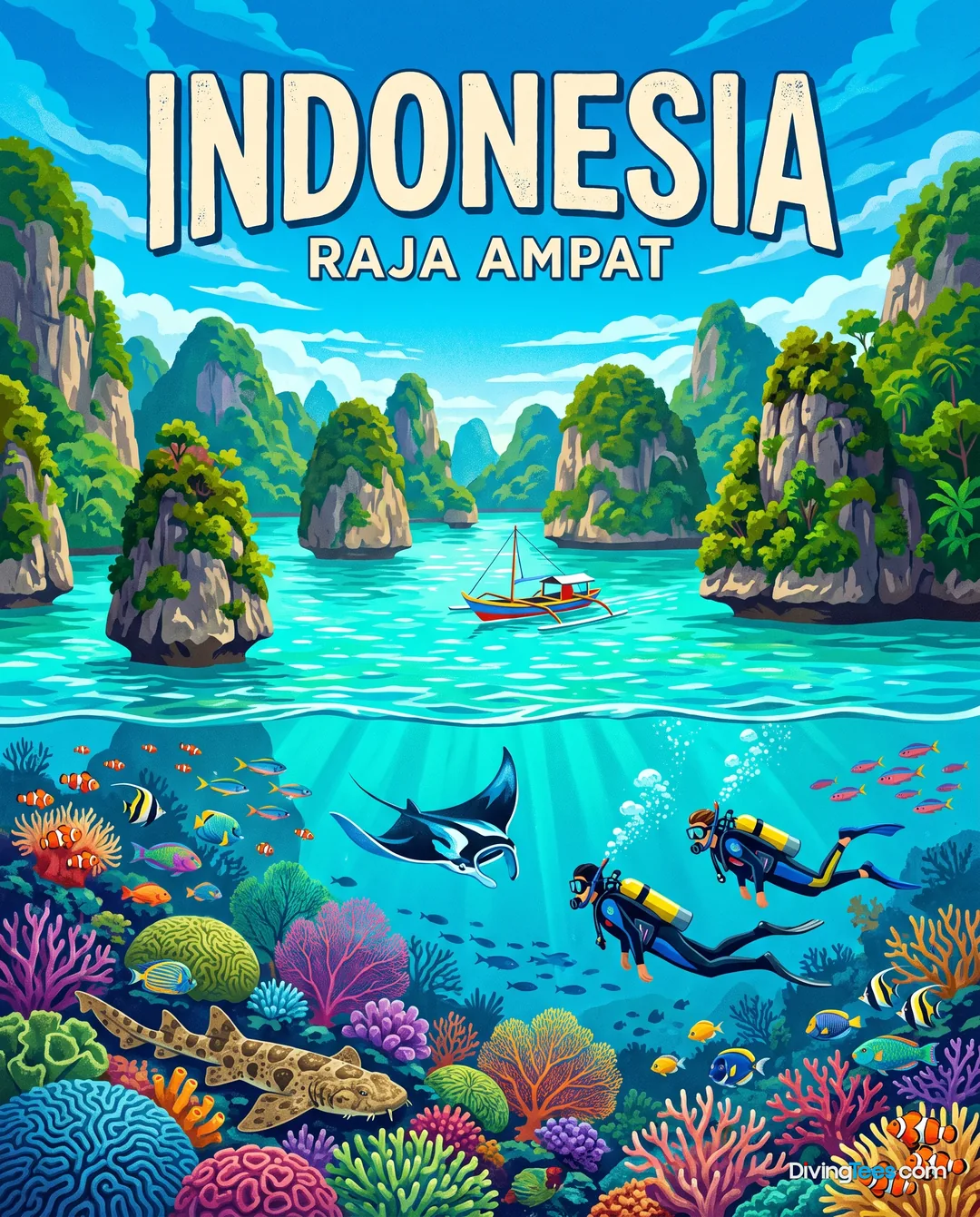
The listed sites move from Bali's walls, slopes and wrecks to Raja Ampat's manta stations. Manta Point reaches -40m and centres on manta cleaning stations, while Batu Kelebit drops to -60m around colossal pinnacles rising from white sand, with pelagics, barracuda and tuna in the blue. Bias Tugel reaches -30m and rewards a slow search for pygmy seahorses; Gili Tepekong and Gili Biaha reach -40m, the first known for coral walls and a current-affected Canyon, the second for an ancient volcanic blowhole and cave. Tulamben adds Coral Garden de Tulamben at -30m, Tulamben Bay at -35m with the USS Liberty wreck, and Tulamben Wall at -40m. Crystal Bay reaches -45m for mola mola and a bat cave, while Blue Corner reaches -30m in strong current. In Raja Ampat, Manta Sandy focuses on reef mantas, and Mike's Point reaches -40m around overhangs, soft corals and eagle rays. Recorded trips range from 10 days/9 nights between Bali and Komodo, 12 days/11 nights across the Ring of Fire or Raja Ampat, to 16 days/15 nights linking Maumere, Alor, the Banda Sea and Raja Ampat.
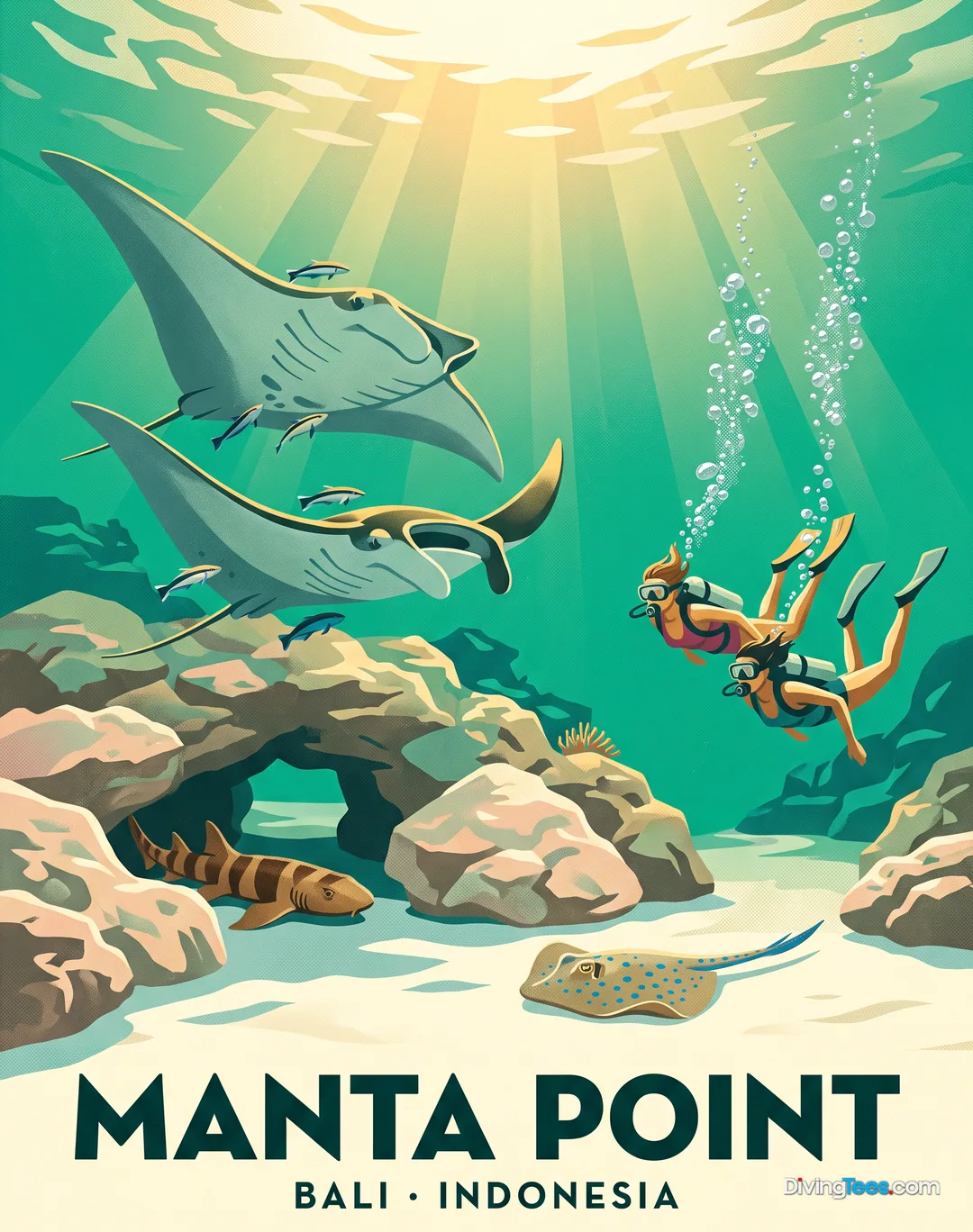
Manta Point →
Max. depth · 40 m
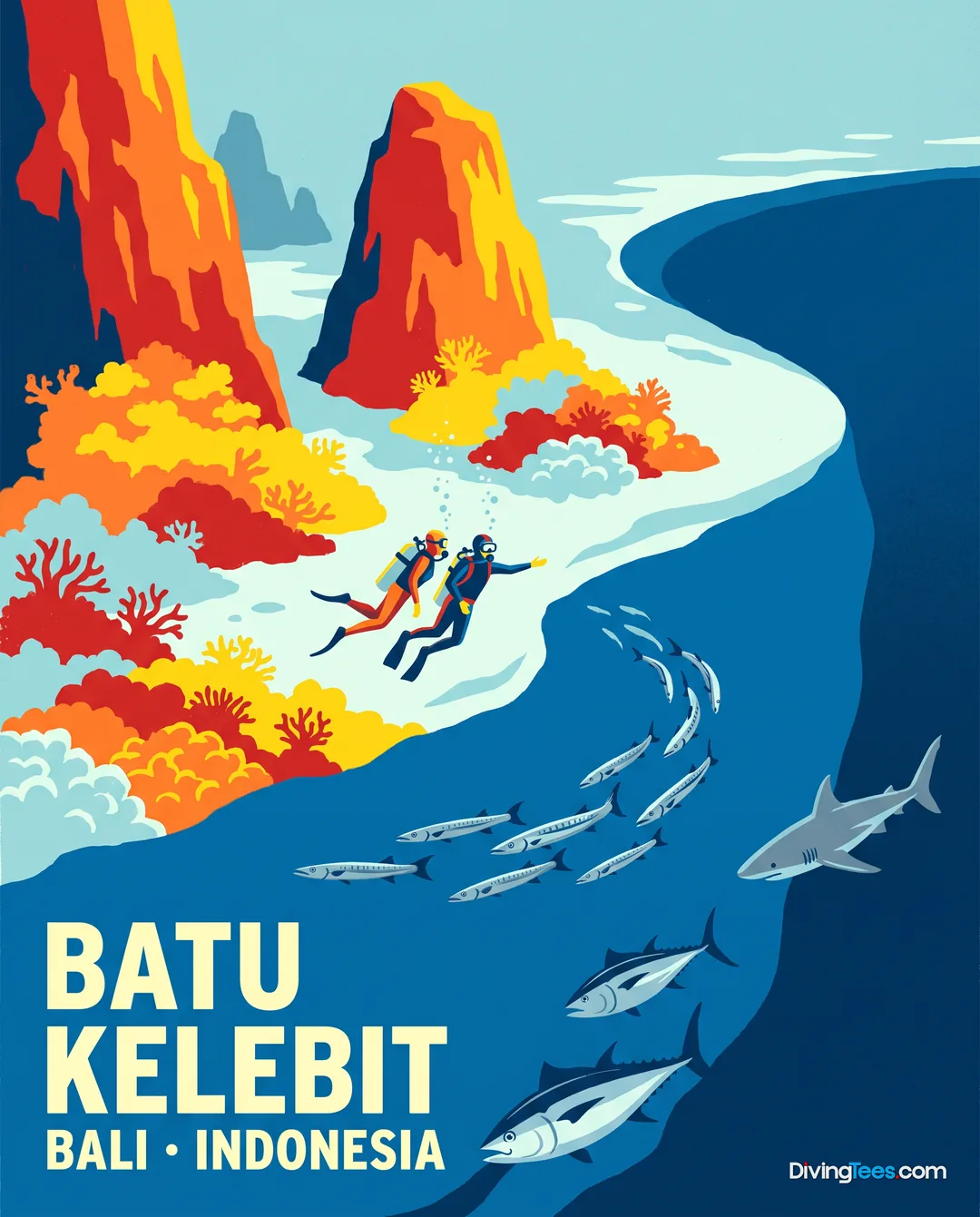
Batu Kelebit →
Max. depth · 60 m
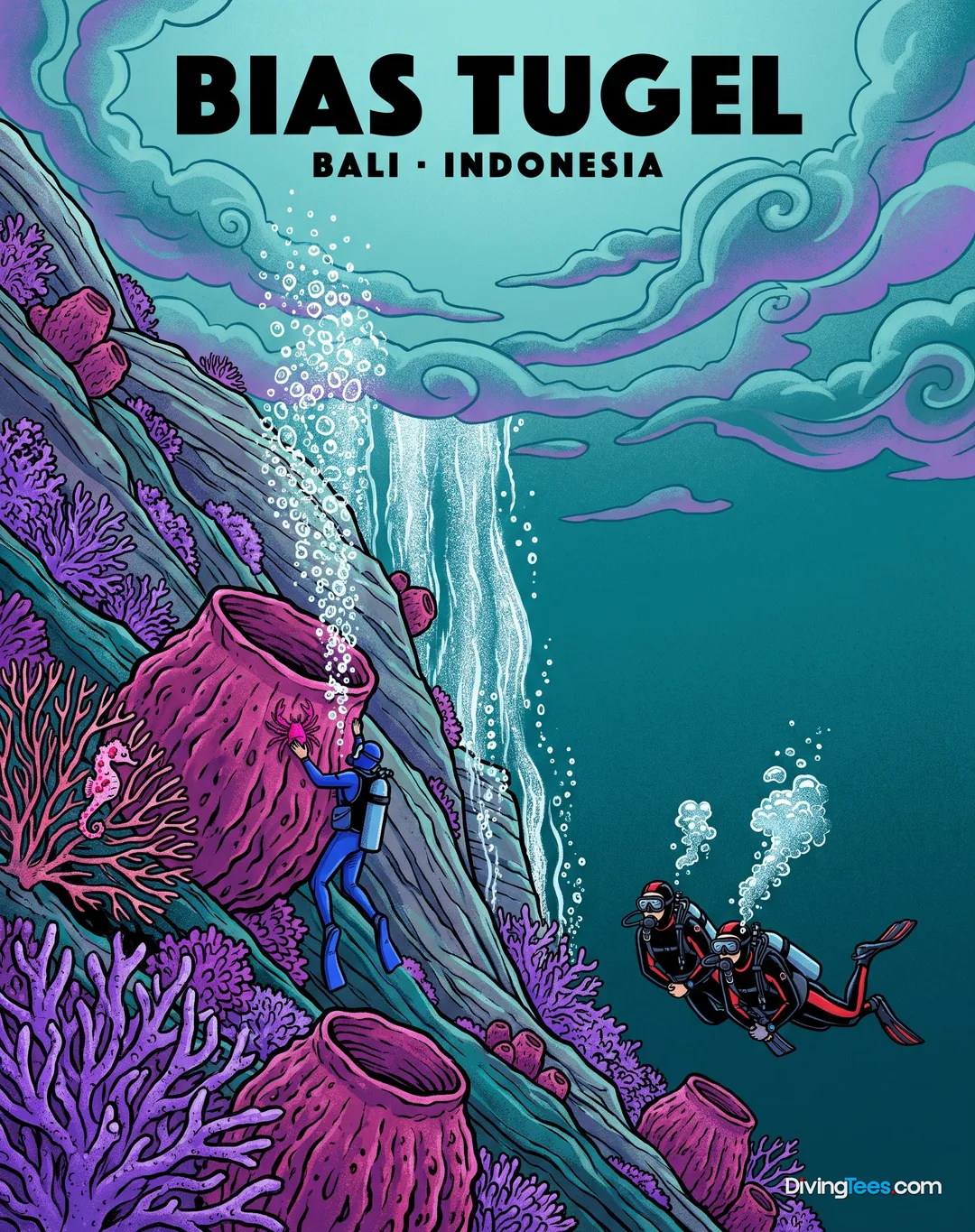
Bias Tugel →
Max. depth · 30 m
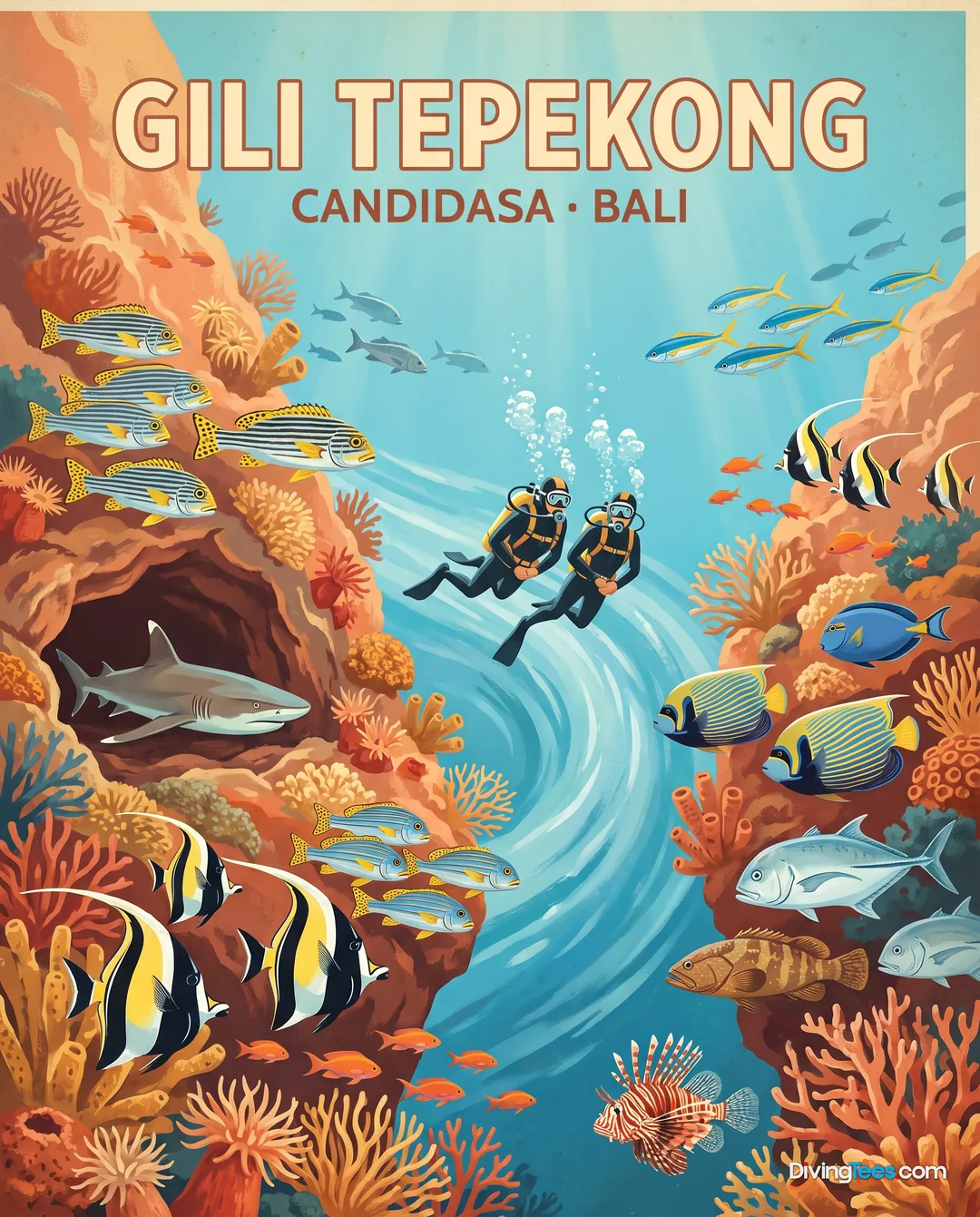
Gili Tepekong →
Max. depth · 40 m
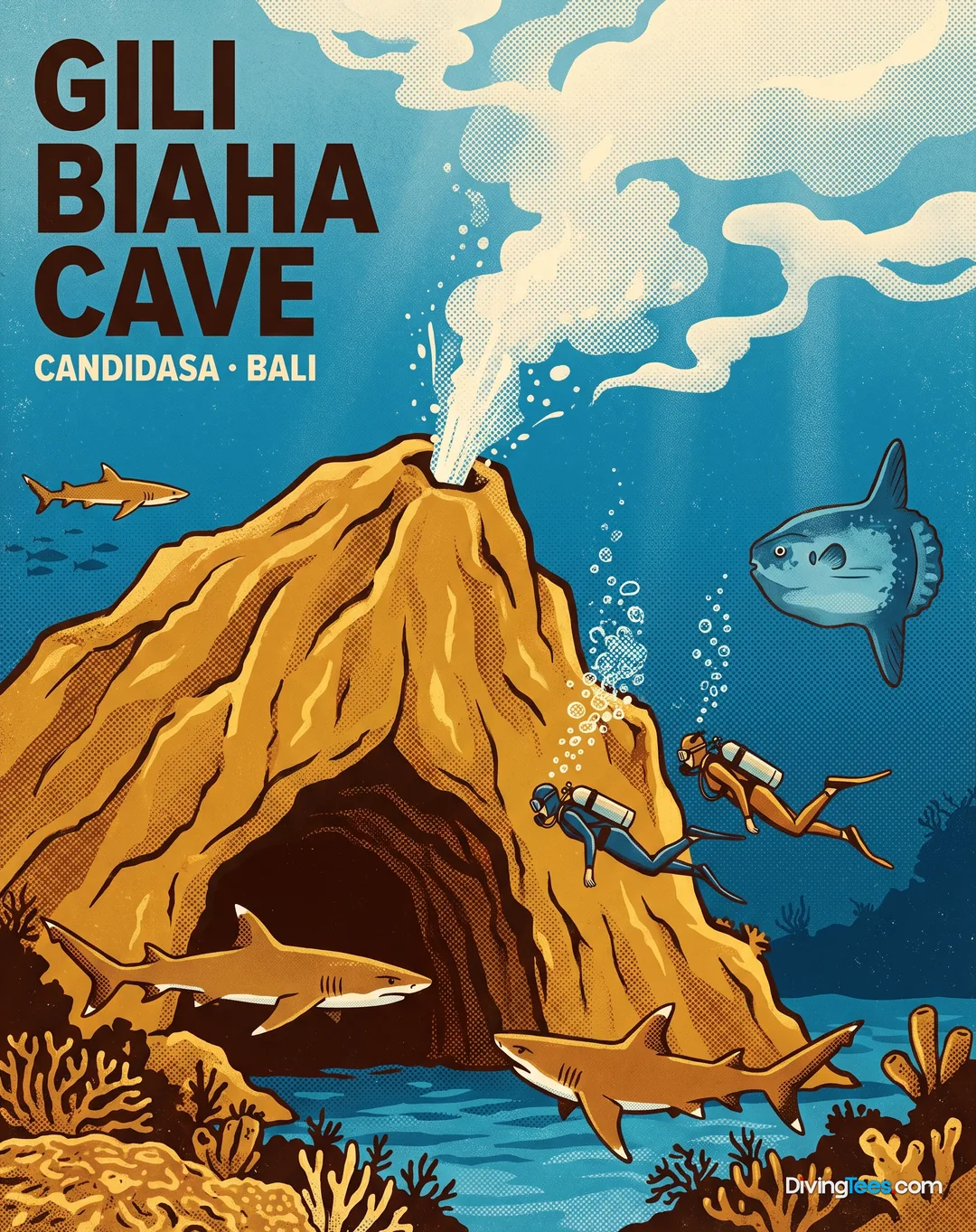
Gili Biaha →
Max. depth · 40 m
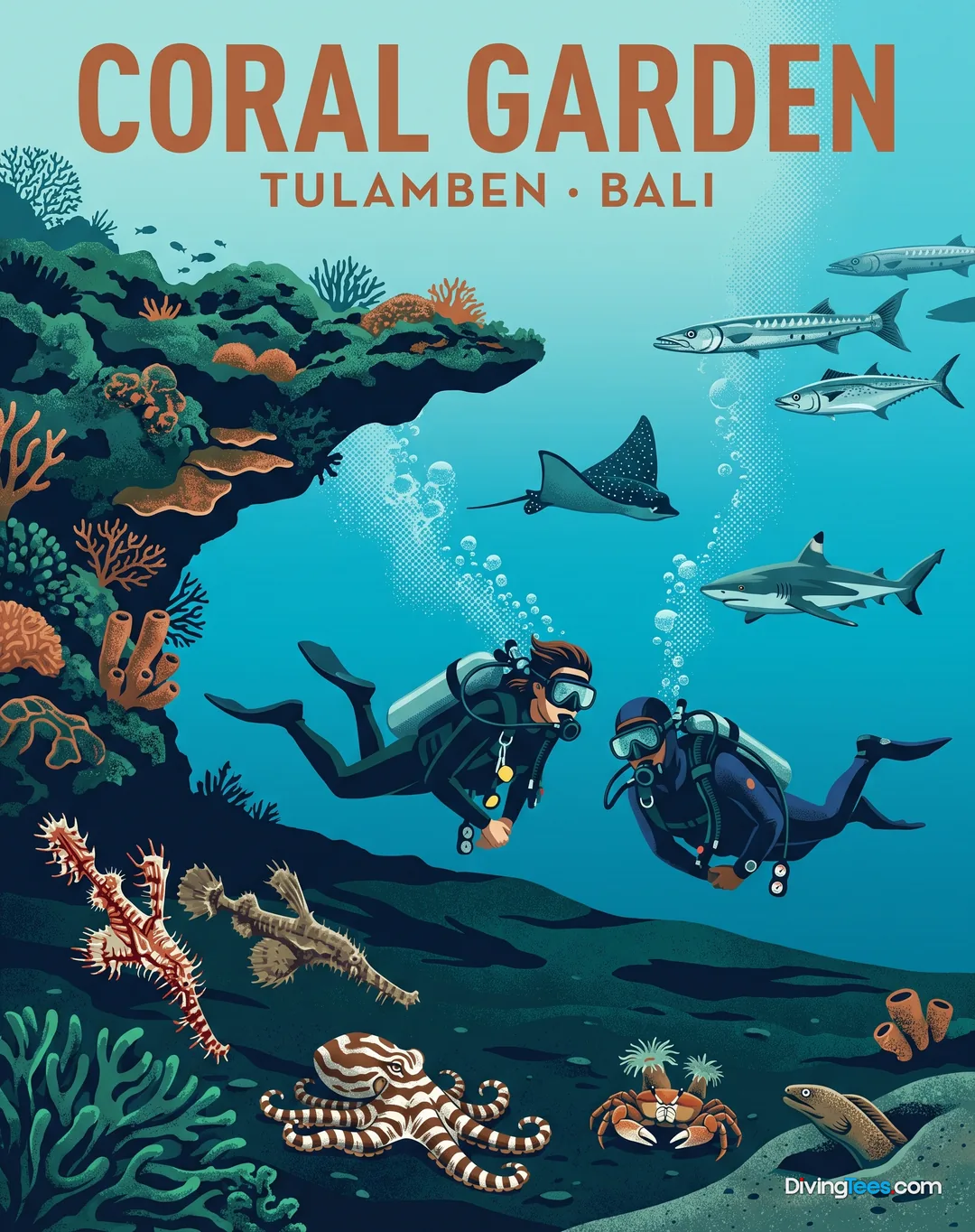
Coral Garden de Tulamben →
Max. depth · 30 m
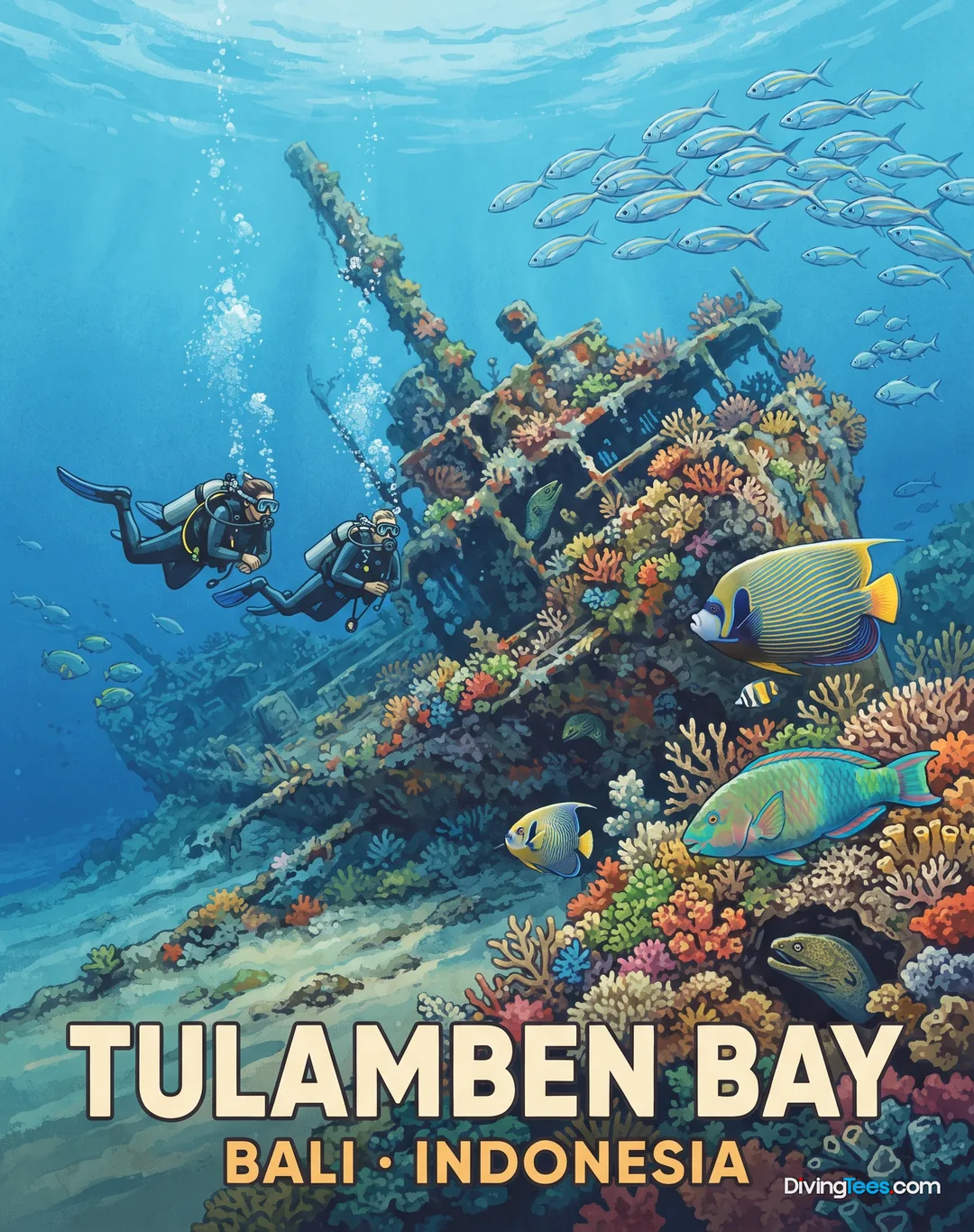
Tulamben Bay →
Max. depth · 35 m
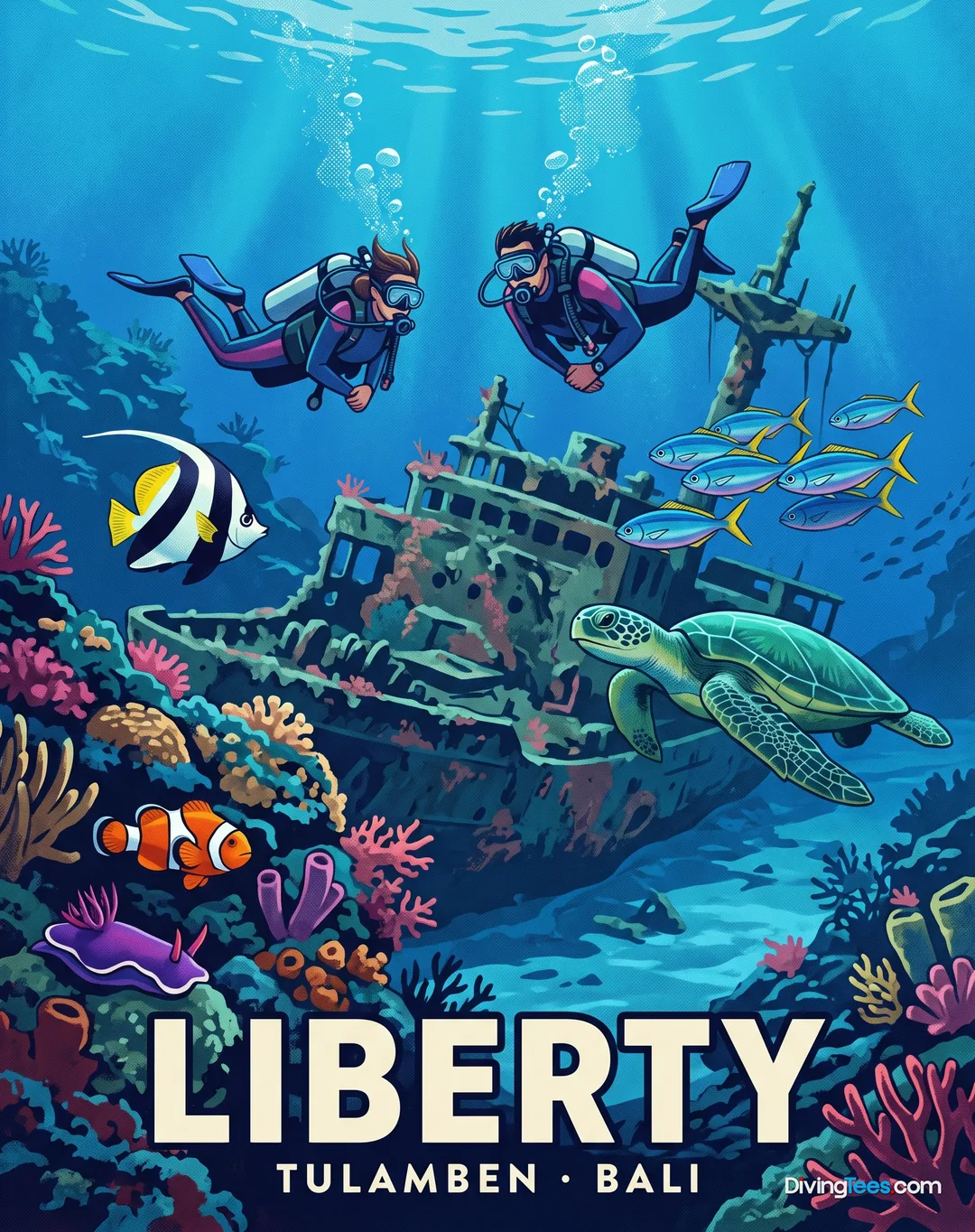
Liberty →
Max. depth · 30 m
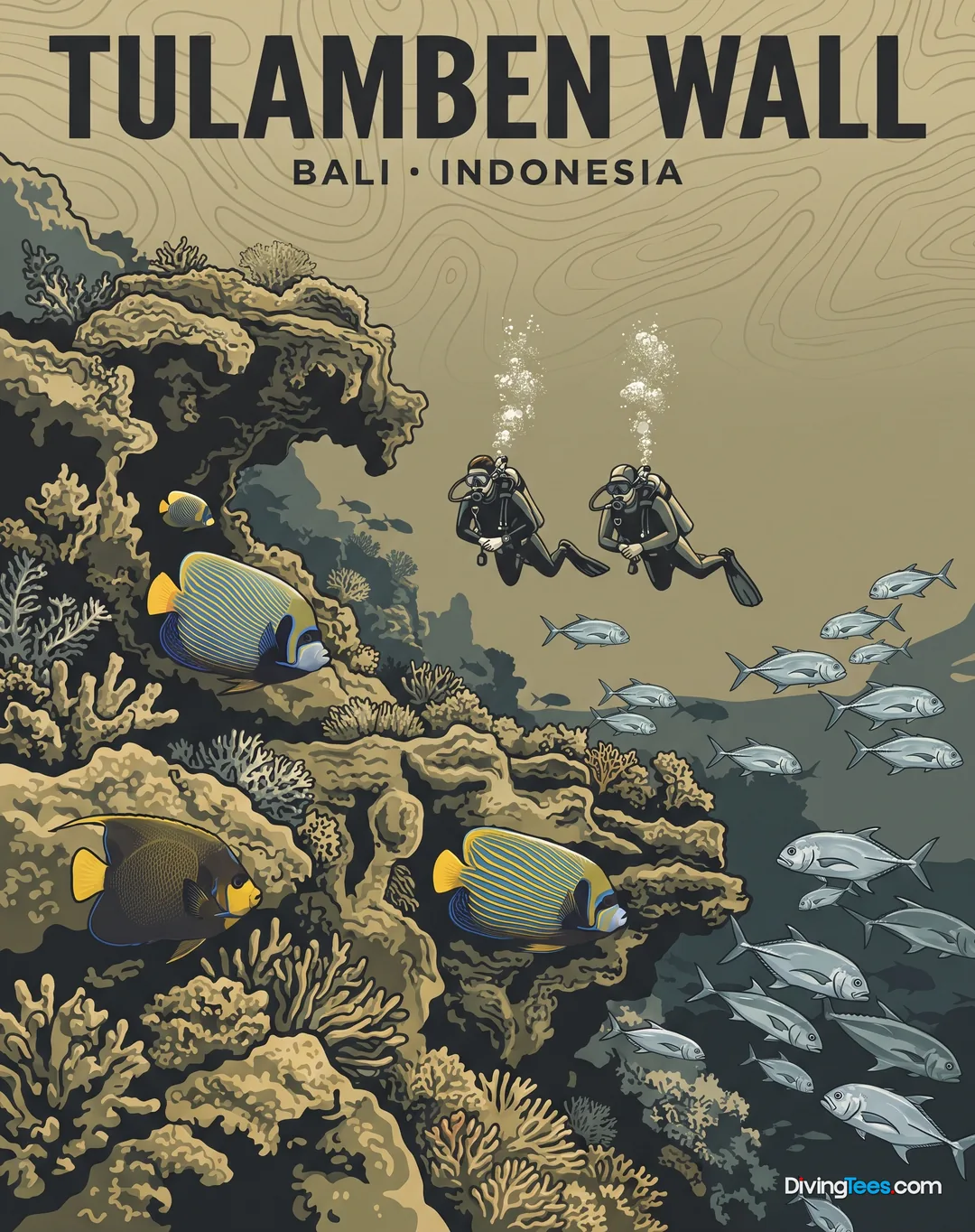
Tulamben Wall →
Max. depth · 40 m
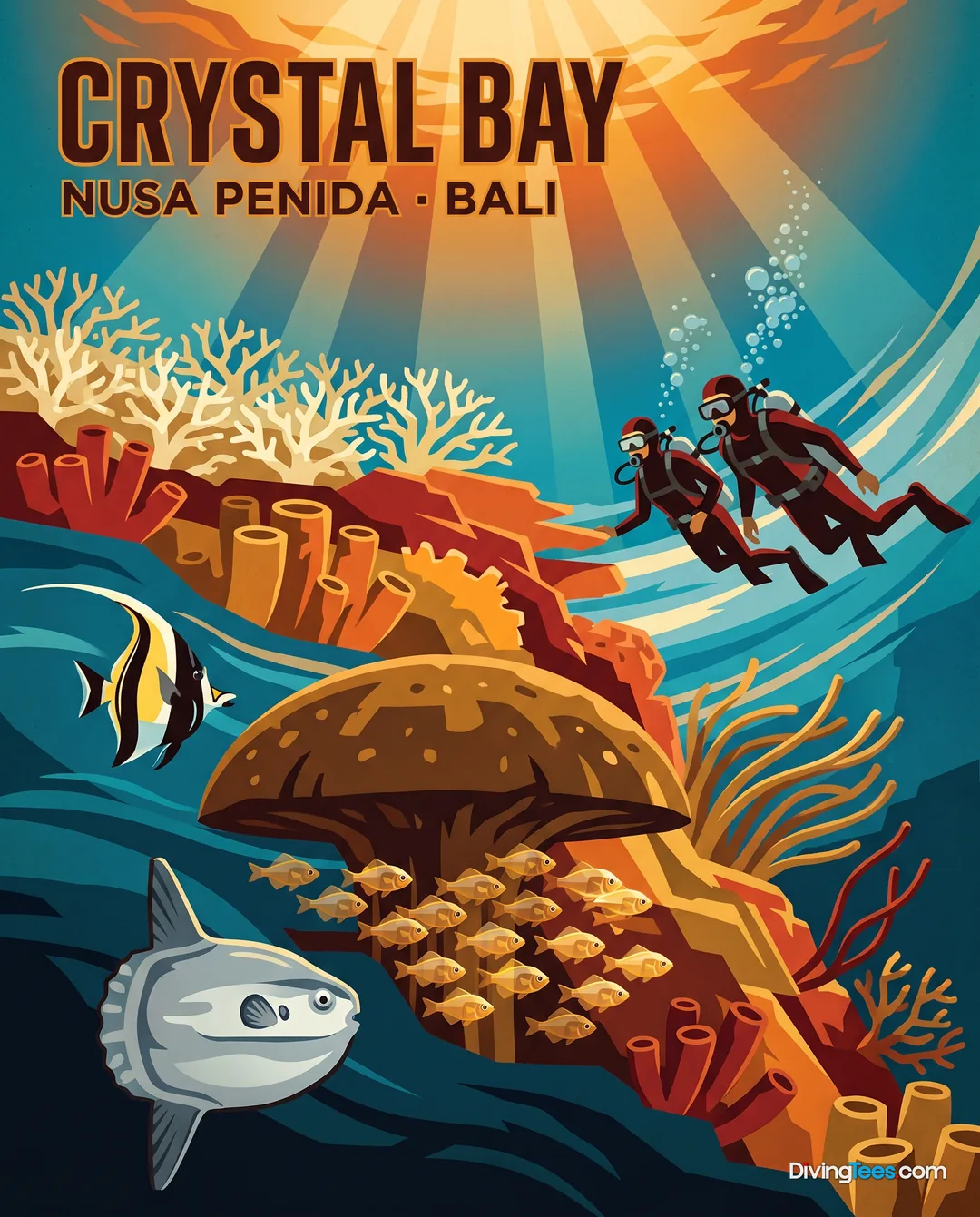
Crystal Bay →
Max. depth · 45 m
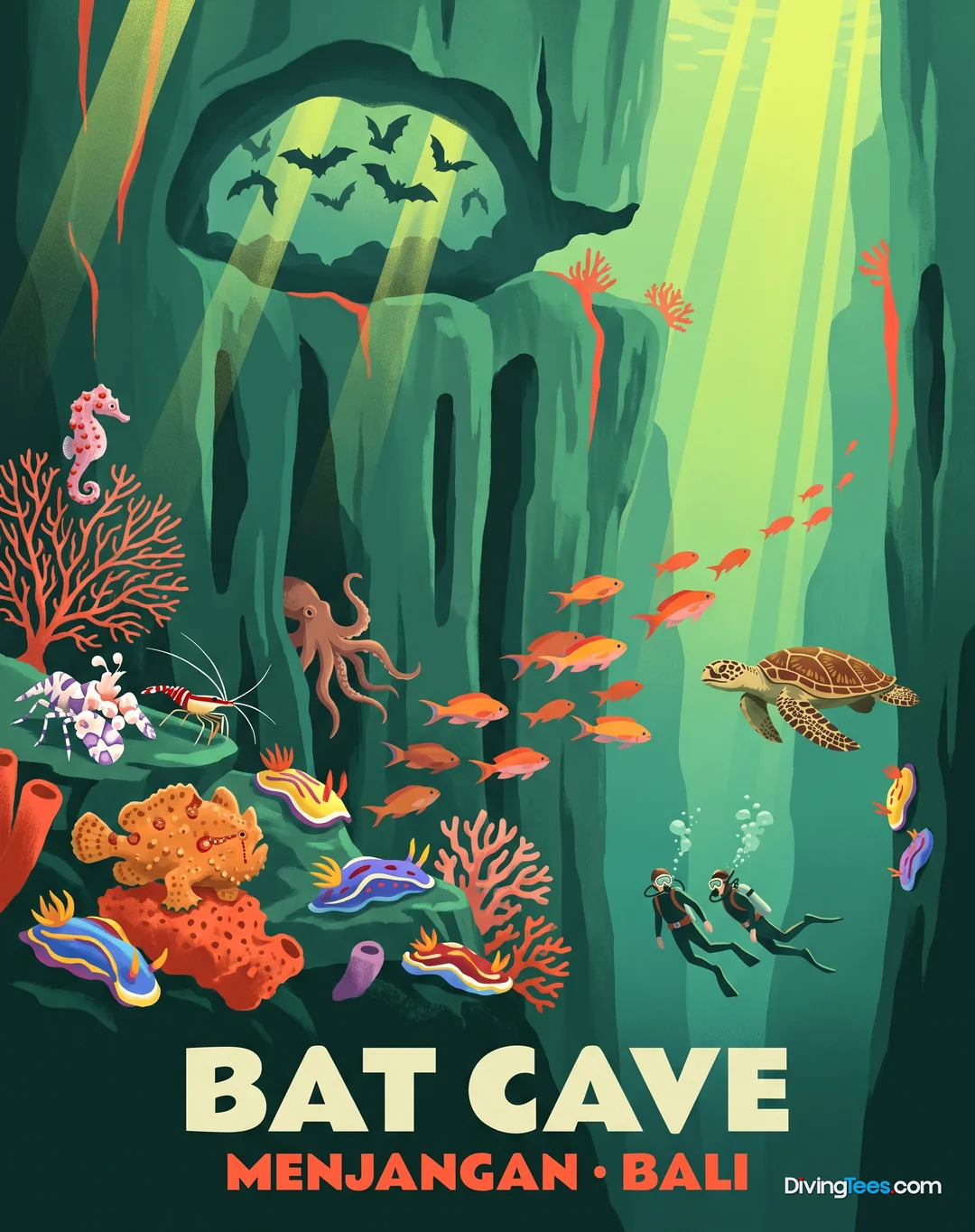
Bat Cave →
Max. depth · 35 m
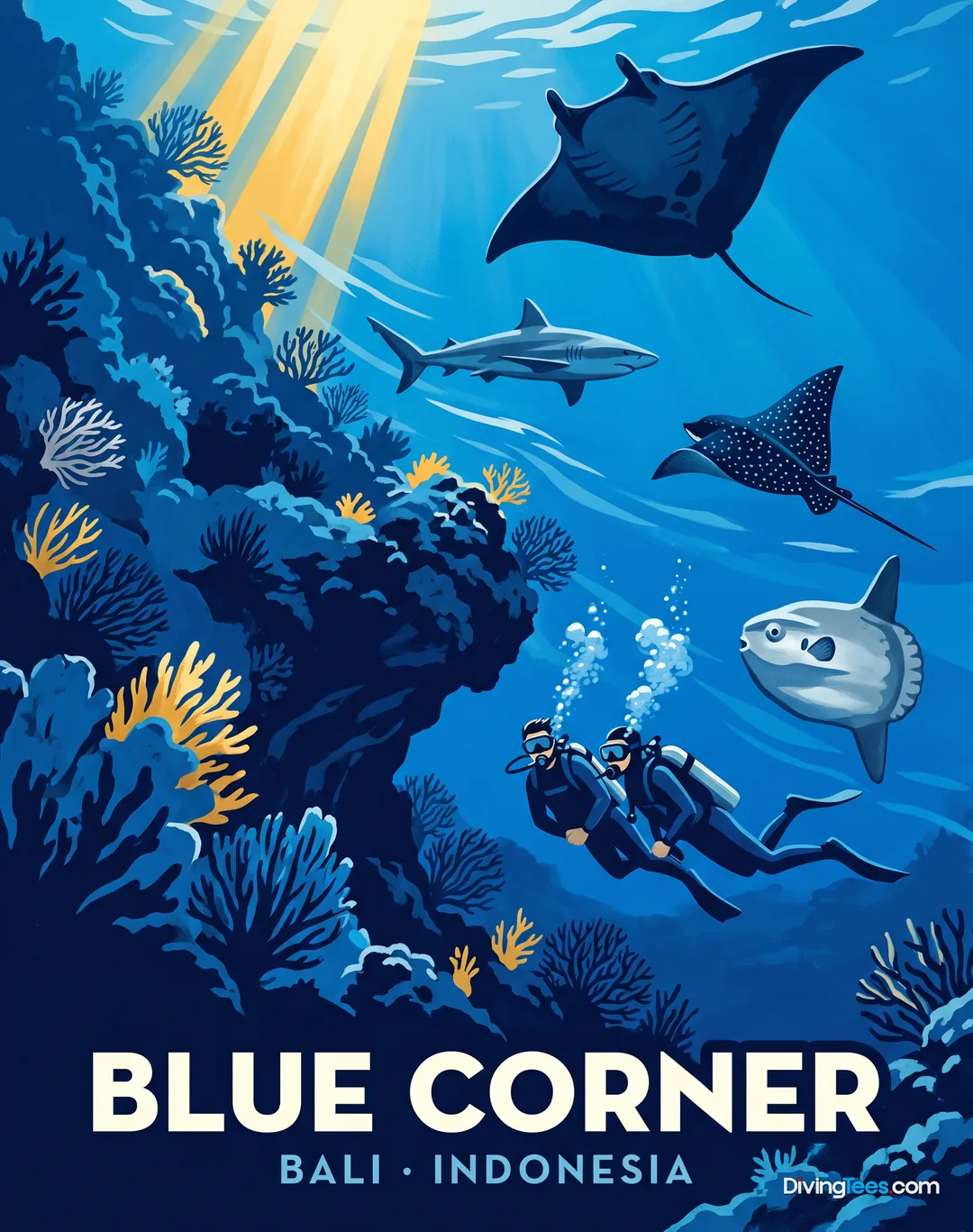
Blue Corner →
Max. depth · 30 m
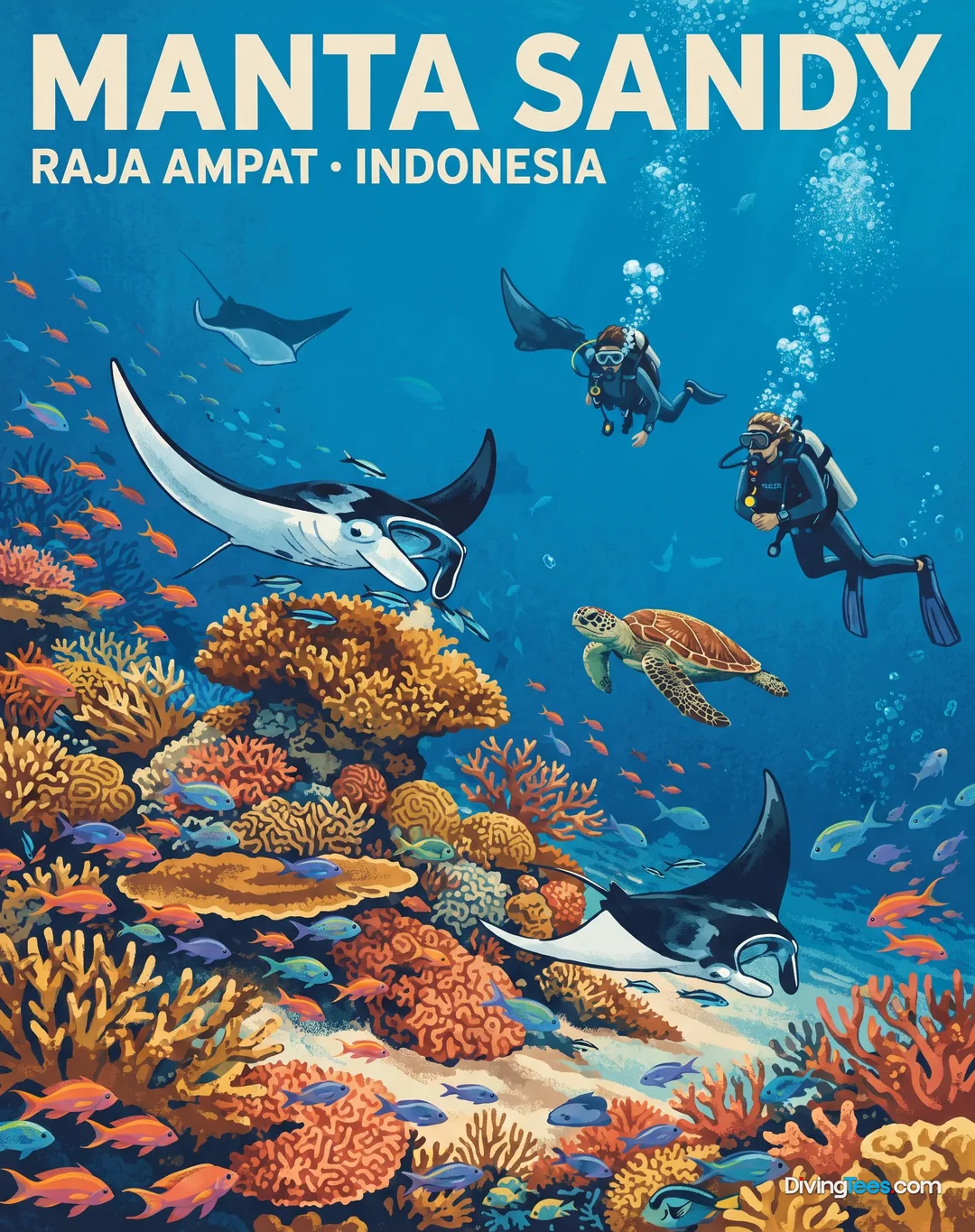
Manta Sandy →
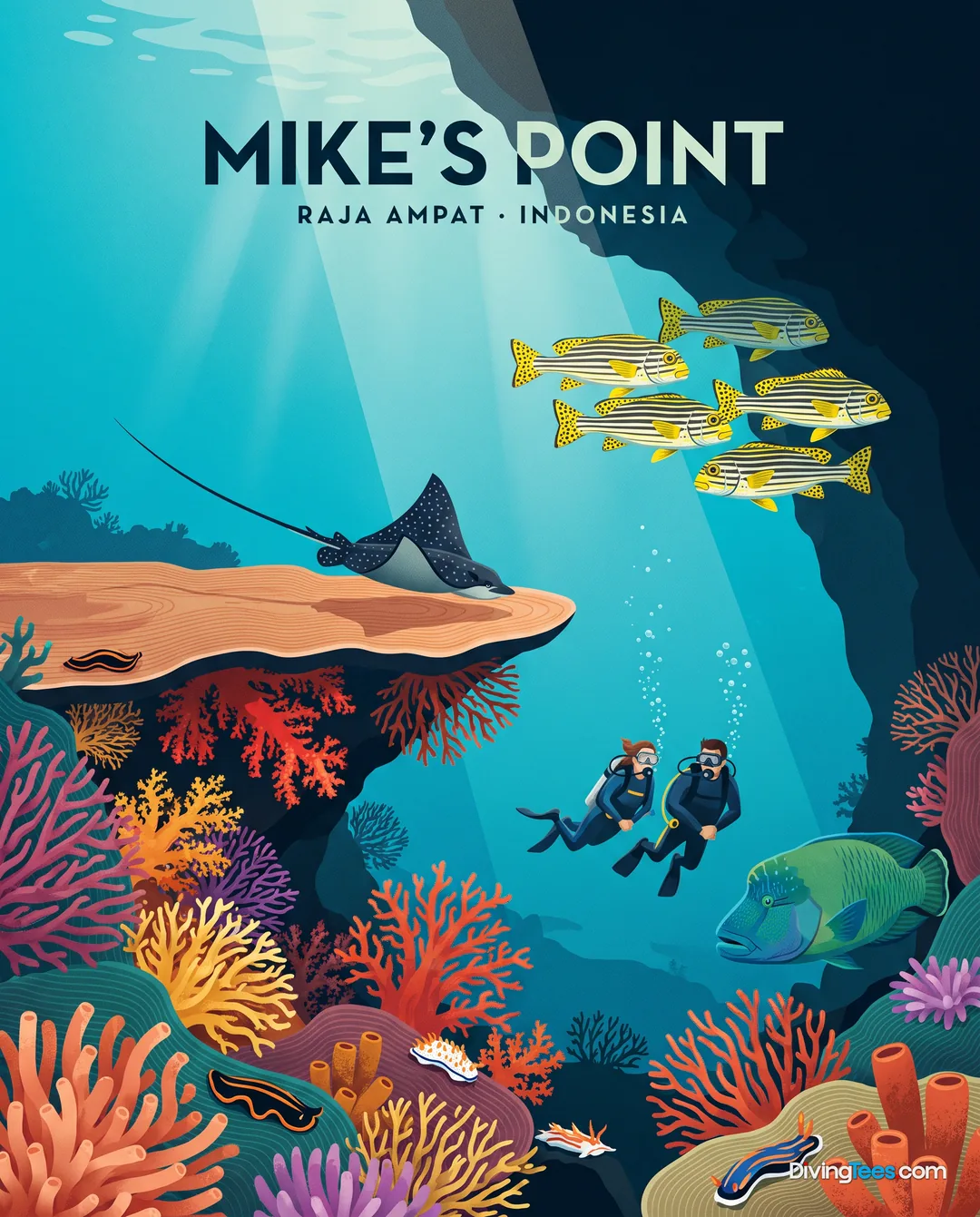
Mike's Point →
Max. depth · 40 m
What you’ll meet underwater
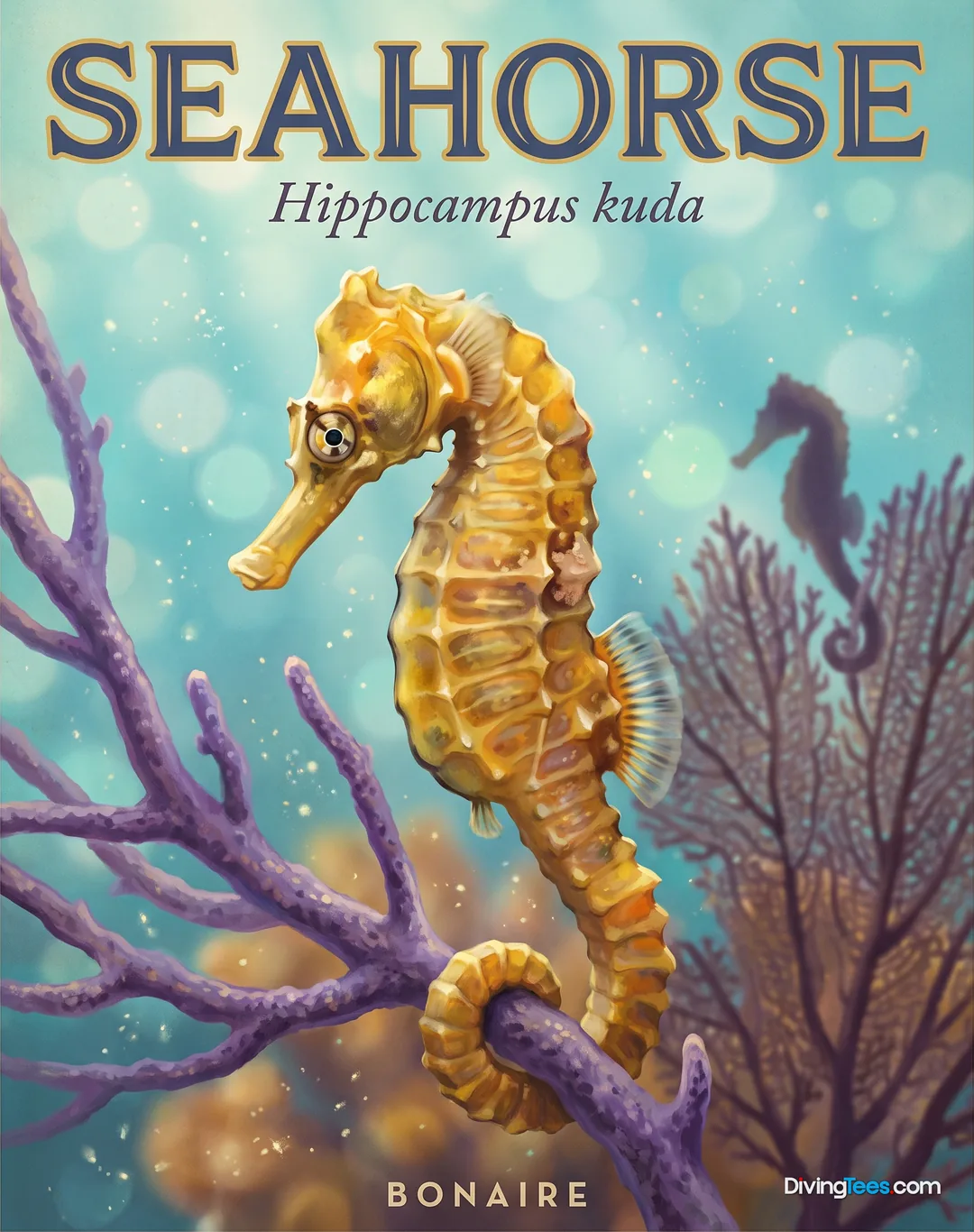
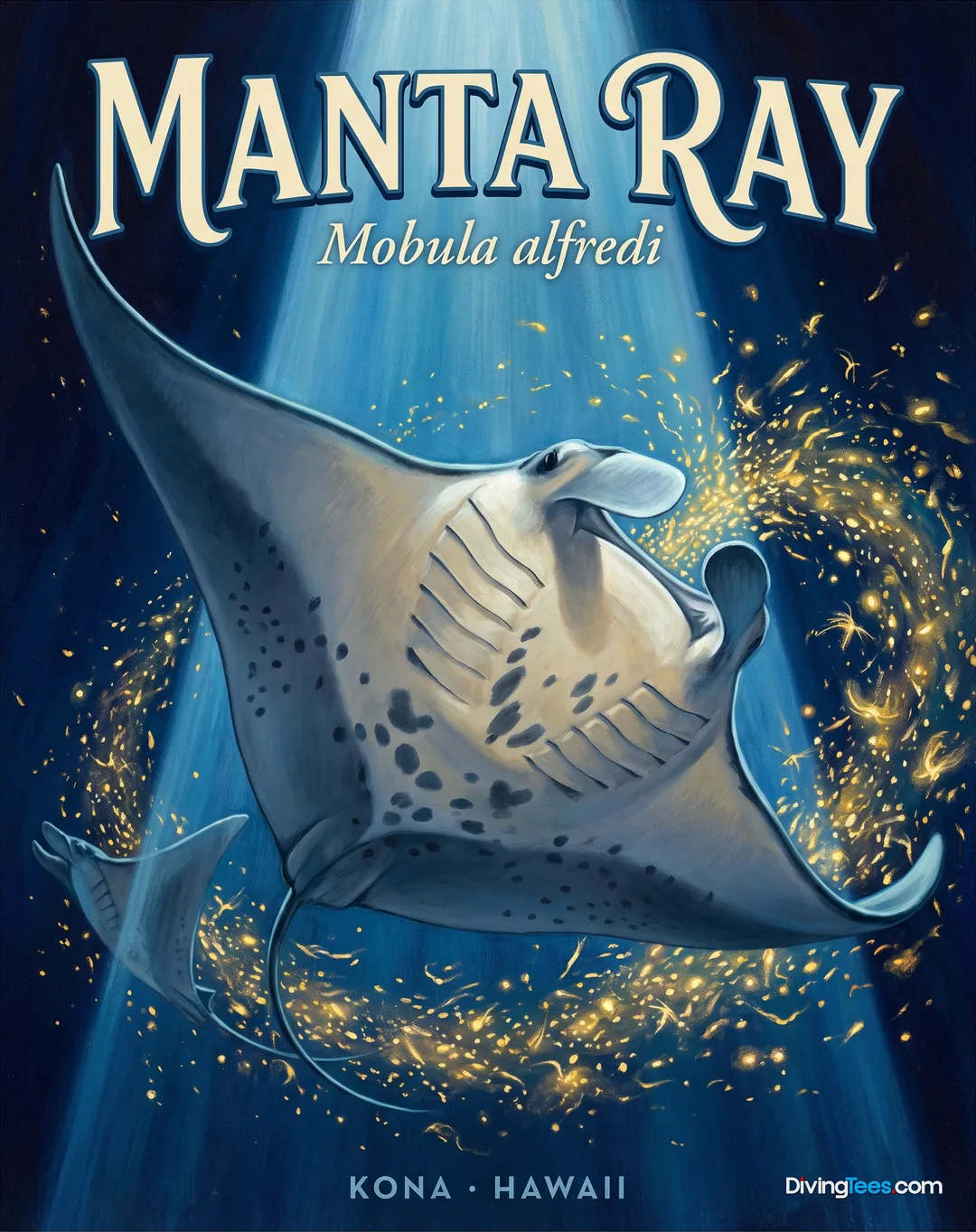
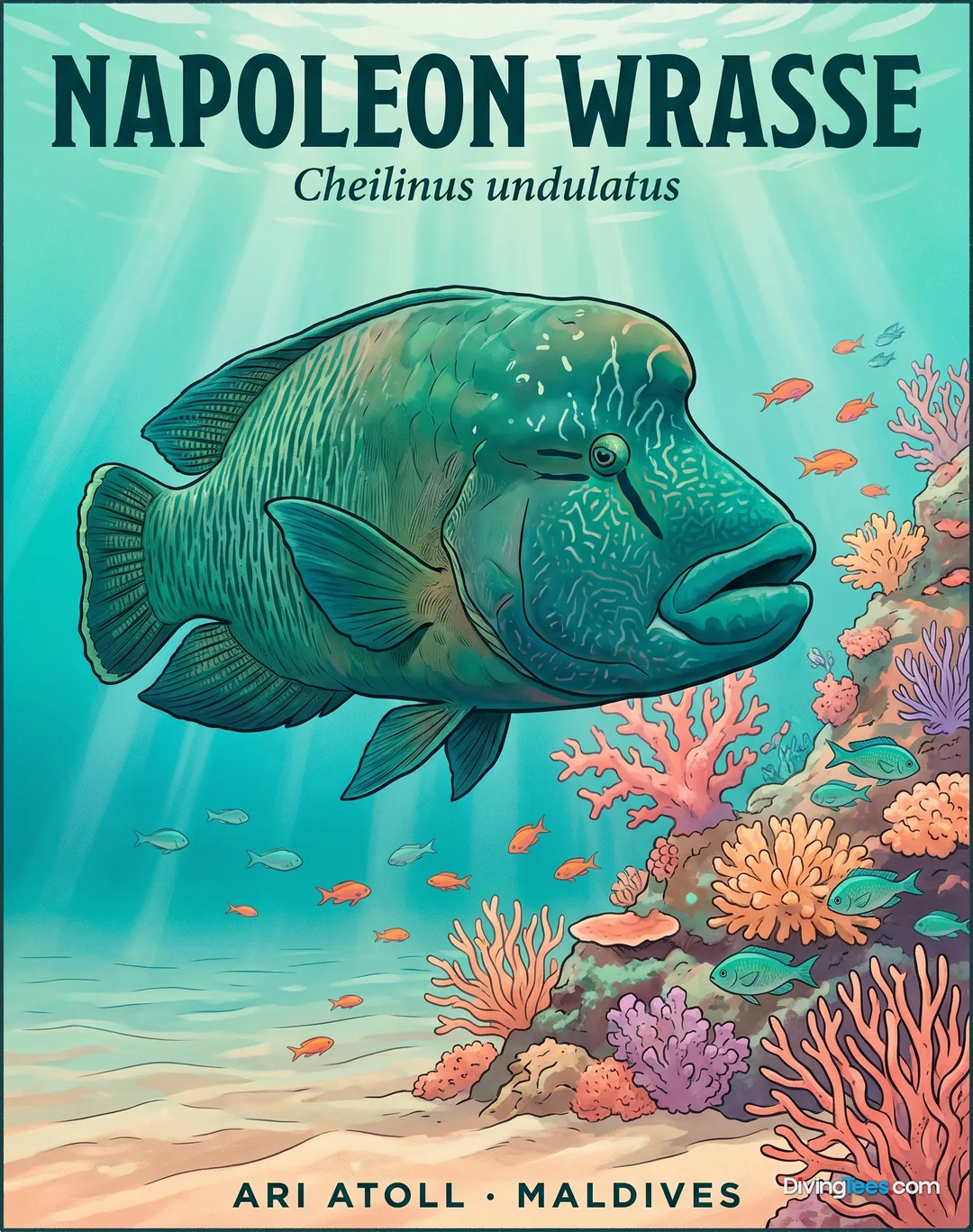
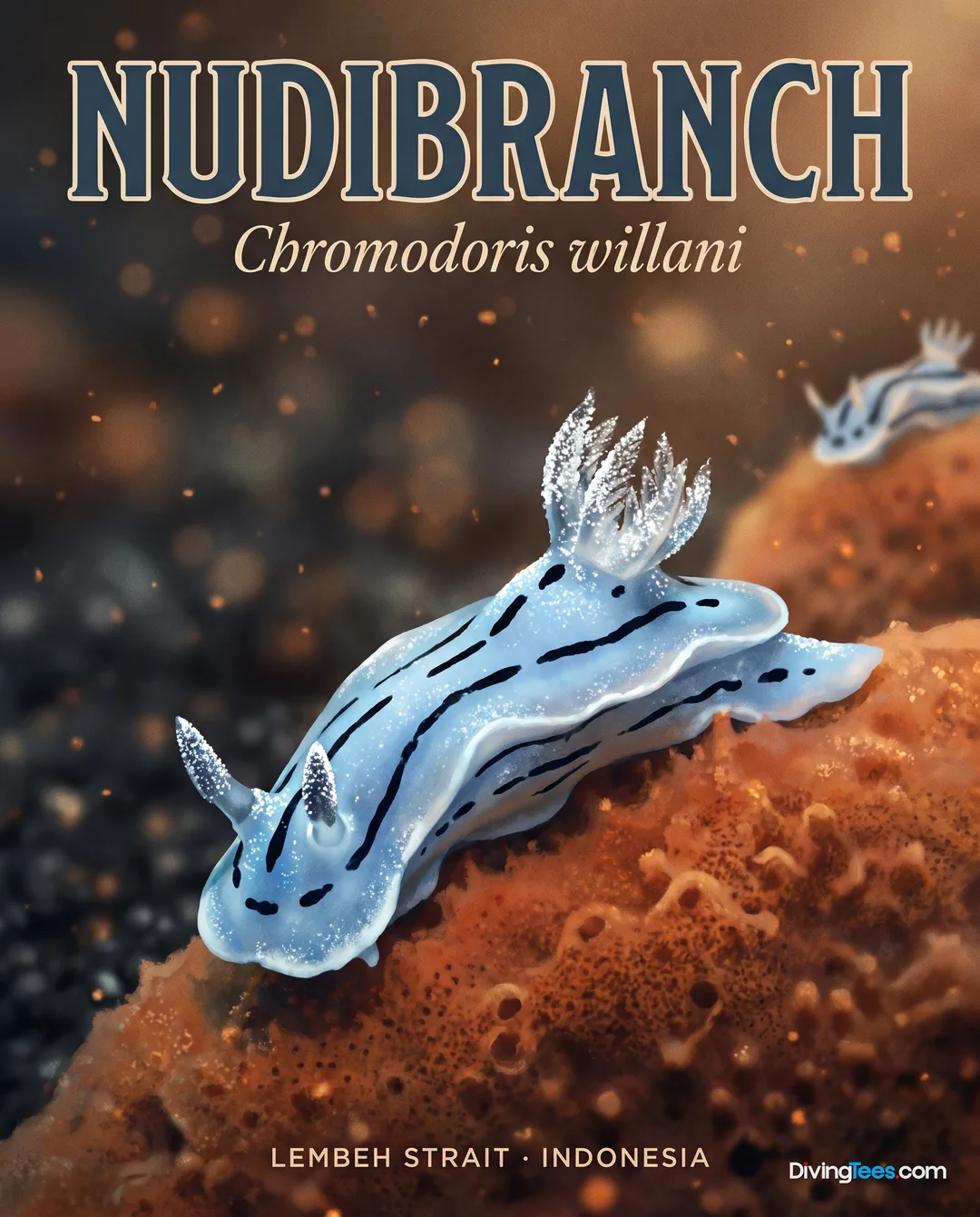
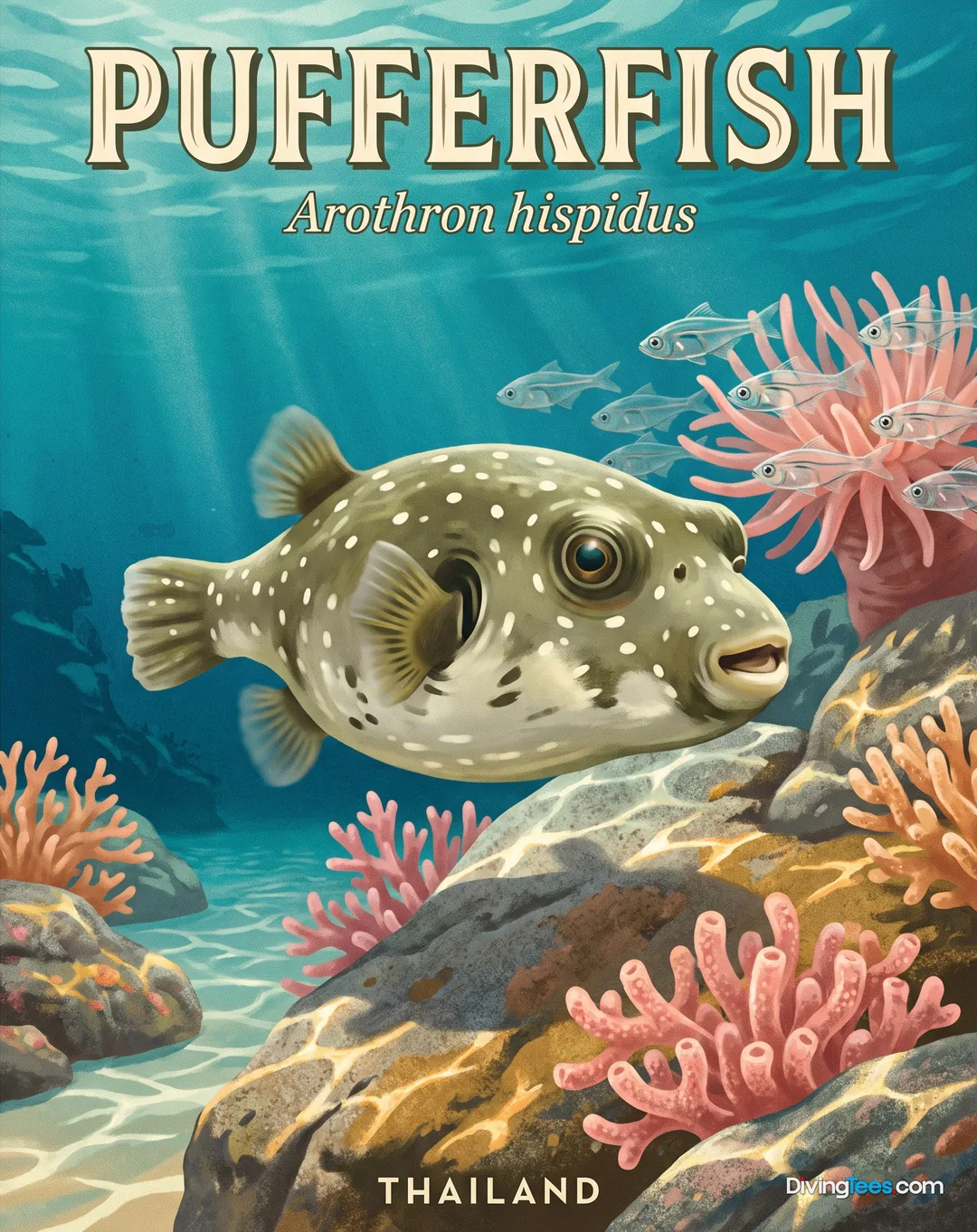
The broad pattern is large life mixed with serious small-life potential: reef sharks, white-tip reef sharks, turtles, mola mola, barracuda, manta rays, napoleon wrasse, tuna, trevally, groupers, soft corals, sweetlips and nudibranchs recur across the route. Cleaning stations give the manta sites their purpose: Manta Point and Manta Sandy are places to watch reef and oceanic mantas hover while divers and snorkellers keep their distance. Current can bring the bigger animals into view at Blue Corner and Gili Tepekong. The single-site sightings are just as useful when choosing a route. Crystal Bay is the place in this list for a green turtle, garden eels, a seahorse, batfish, coachfish, boxfish, pufferfish and squid. Coral Garden de Tulamben is the recorded site for eels and anemones, while Gili Biaha is the recorded site for lobster. None is guaranteed; the attraction is that the route gives both repeated pelagic themes and specific reasons to slow down at one site.
Who puts you in the water
Dive groups are organised with up to four divers per guide, a workable number for sites where current, walls and pelagic encounters can change the shape of a dive. The crew speaks English, French, Spanish and Indonesian, so briefings can be delivered across a mixed international group without reducing them to hand signals and a map. Oxygen is carried on board, and the vessel has radar, GPS and marine radio equipment for navigation and safety. A private dive guide is available as an option. The published details do not give the guides' individual qualifications, a minimum logged-dive requirement, a defibrillator, a recall system or the courses run on board; those should not be inferred from the general safety equipment.
The dive deck and the gear
The shaded dive platform is laid out for repeated entries, with tanks prepared at the stations, a platform at water level and ladders for the return. Two 4.2-metre tenders take divers to the site and collect them after the dive, which is particularly useful on drift dives or when the current carries a group away from the boat. Nitrox is available, but certification is an optional extra rather than something to assume in the base arrangement. DIN adaptors are provided. Bacs de rinçage serve general equipment, with a separate rinse for cameras, and an outdoor freshwater shower gives divers a quick wash after climbing aboard. Rental equipment is available. The published equipment details do not establish tank volume, tank metal, compressor type, rental brands or SMB provision, so those points should not be guessed.
Between dives
Between dives, the shaded dive area is the sensible refuge when the sun is high, while the terrace, observation deck and outdoor spaces give the surface interval a wider view. The air-conditioned salon is there for a quieter spell, a film, a book or time away from wet gear. Kayaks offer a way to leave the boat when an anchorage allows it, and the photo area and camera rinse keep the photographers' work separate from the rest of the equipment. There is also a barbecue area and an outdoor dining option. These are useful gaps between descents: somewhere to dry out, check a sequence of images, eat, or simply watch the next island come closer.
A day on board
A day begins with the dive team preparing tanks and the first briefing before the boat's surface activity has properly started. Divers move from briefing to tender or platform entry, then return for the freshwater shower, food and a period to dry equipment, review photographs or rest in the air-conditioned salon. The next briefing sets up the following dive, and the same cycle repeats through the day's planned dives, with meals and snacks placed around the water work rather than treated as separate events. When the vessel is underway, the observation deck and terrace become the natural places to watch the route pass; when there is no dive, the kayaks, library or photo area fill the gap. An evening meal closes the working part of the day, and a night dive may be part of the programme when the site and itinerary allow it.
What you eat aboard
Meals cover Thai, Indonesian and Western cooking, served alongside local dishes and Western options rather than forcing one style on the whole boat. Full-board meals, non-alcoholic drinks, tea, coffee and snacks are included, with snacks available throughout the day and dinner sometimes served outdoors. Vegetarian and vegan choices are available, and the buffet format lets a diver adjust the plate after a long current dive instead of waiting for a fixed course. Beer and wine are available separately. Food is one of Mermaid I's strongest points, and that matters here for a practical reason: on a liveaboard, good meals are part of recovery between dives, not just an evening feature.
Nights at sea
The cabins are divided between Lower Deck, Deluxe, Single and Master categories, with the cabins on the main deck and panoramic windows in the accommodation. Air conditioning and private bathrooms make the difference after repeated saltwater entries, while hot-water showers are available inside and outside. The interior salon is air-conditioned, and the observation deck gives passengers somewhere else to sit when the cabin has done its job. Internet is free, though a remote Indonesian itinerary is still better approached as a dive trip than as a reliable office at sea. Daily cabin cleaning, towels and a library keep the practical parts simple. The valuable point is not luxury; it is having a cool, private place to close the door between dives.
Lower Deck Cabins
Deluxe Cabins
Single Cabin
Master Cabin
What to know before boarding
Departure and return ports depend on the itinerary: recorded routes use Bali, Maumere, Sorong and Ambon, with some trips ending in a different port from where they began. Airport and hotel transfers are included, with the relevant pickup and drop-off details provided for the booked route. Arriving the night before departure is the sensible choice, especially for a one-way crossing or a trip beginning outside Bali.
Deck plan
- Length
- 28 m
- Beam
- 7 m
- Maximum number of passengers
- 15
- Number of cabins
- 8
- Number of bathrooms
- 10
- Engines
- Hino 2 × 450 hp
- Cruising speed
- 9.5 knots
- Tenders
- 2 × 4.2 m/ladders
- Website
- mermaid-liveaboards.com ↗
Hello, I'm Marina, DivingDeal.com's AI assistant. I answer in detail about hotels, dive centres and liveaboards.

Thinking about the whole trip and the flights? Talk it over with Edith →
Marina is an AI. Some links are affiliate links: DivingDeal may earn a commission, at no extra cost to you. Bookings are made with the partner.