Liveaboards · Indonesia
Cheng Ho — a traditional phinisi built for serious Raja Ampat diving
What makes this boat unique
- This 33.2-metre ironwood phinisi carries up to 26 guests in 14 air-conditioned en-suite cabins.
- Raja Ampat departures run from Sorong to Sorong, with eight-day, seven-night trips on record.
- The dive programme offers up to four dives a day, with 12-litre tanks, EAN 32% nitrox and a Yamaha Enduro speedboat tender.
- The boat combines a large restaurant and bar, indoor and open-air lounges, a sun deck, Jacuzzi and dedicated camera station.
For subtitles in English: start the video firstthen click the gearat the top right of the video, select “Subtitles/CC”, then “Auto-translate” and choose “English”.
The invitation
Cheng Ho suits divers who want Raja Ampat from a real Indonesian phinisi rather than from a floating resort designed to look traditional. The ironwood hull, open-air spaces and working dive deck keep the boat connected to the place: the day is organised around the water, not around hotel routines. The reason to choose it is the route. Manta Sandy, Cape Kri, Blue Magic, Melissa’s Garden and the Kri reefs put mantas, reef sharks, dense fish schools, soft corals and small creatures on the same trip. Up to four dives a day gives the itinerary room to cover both the famous sites and the quieter reefs between them. On board, the trade-off is clear: Cheng Ho is an older, characterful vessel with the practical comforts needed after diving, including air-conditioned cabins, hot showers, camera facilities and shaded places to sit. It is made for divers who want to spend the week where the action is—on the dive deck and below the surface.
Boarding
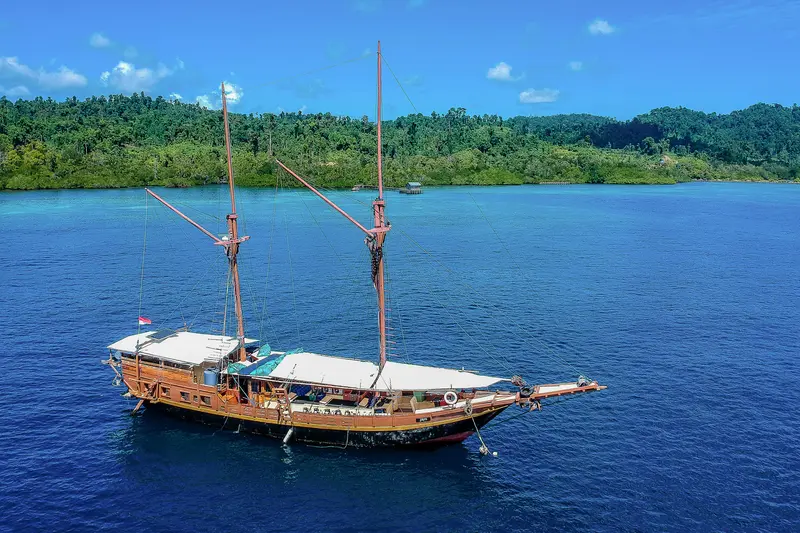
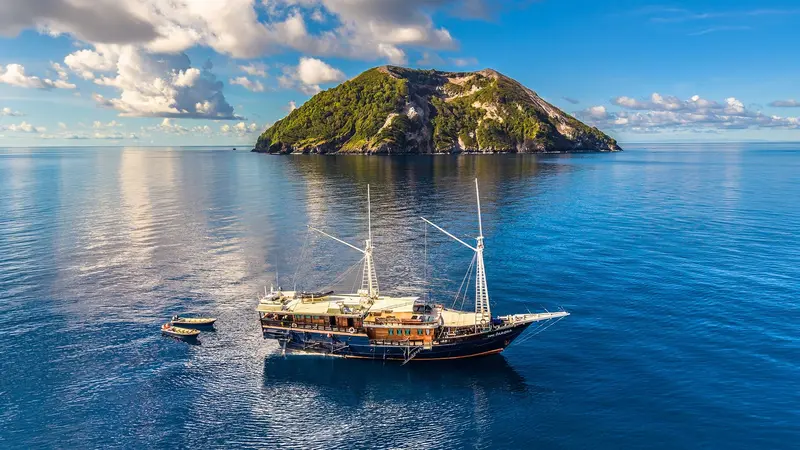
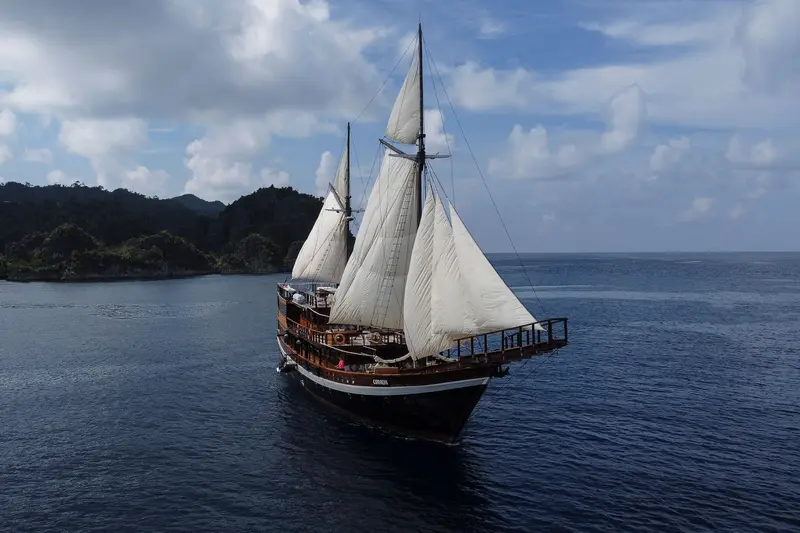
From the dock, Cheng Ho presents the long, solid shape of a traditional Indonesian phinisi, built in ironwood and still recognisably a working vessel rather than a hotel barge. The boat dates from 1996, so its character comes from its maritime construction and years of use, not from polished new-build uniformity. Boarding leads through several levels: cabins below and on the main and upper decks, with the restaurant, bar, indoor lounge, open-air lounge and sun deck giving the boat different places to regroup after a dive. The 26-guest capacity is large enough for a proper liveaboard operation, but still small enough that the same faces follow the trip from the first briefing to the last dinner. One main YANMAR engine drives the vessel, supported by auxiliary generators. It is a boat with working systems, crew movement and a clear purpose: carry divers into Raja Ampat, put them over the reef, and bring them back to a comfortable place to eat and sleep.
The atmosphere on board
Cheng Ho’s atmosphere is built around a crew that stays close to the daily work. Divers return from the tender to a deck arranged for rinsing, cameras and the next briefing, then move into meals and shared spaces where the same group keeps meeting. Passengers have described the cabins as spacious and clean, the boat as well maintained, and the meals as a strong part of the trip. That combination matters on a week of repeated dives: clean, usable cabins give the body somewhere to recover, while good food and a crew that handles the practical details keep the day from becoming harder than it needs to be. English is the crew language. Evenings have a simple shape—food, conversation, cameras and the next day’s plan—rather than a programme designed to keep people busy. Cheng Ho works best for divers who enjoy a sociable boat but still want the option of disappearing to the sun deck after a long day underwater.
The sites you’ll dive
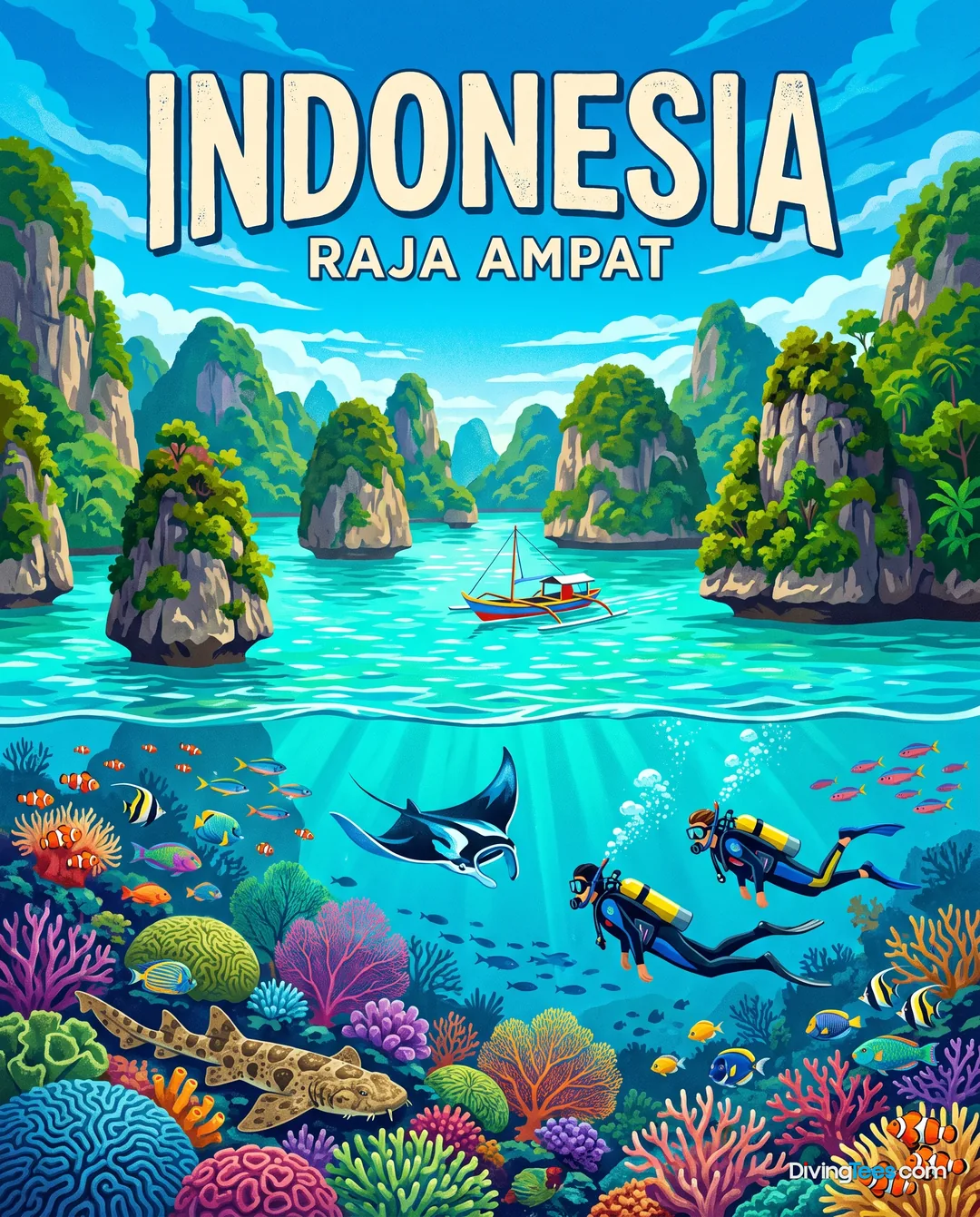
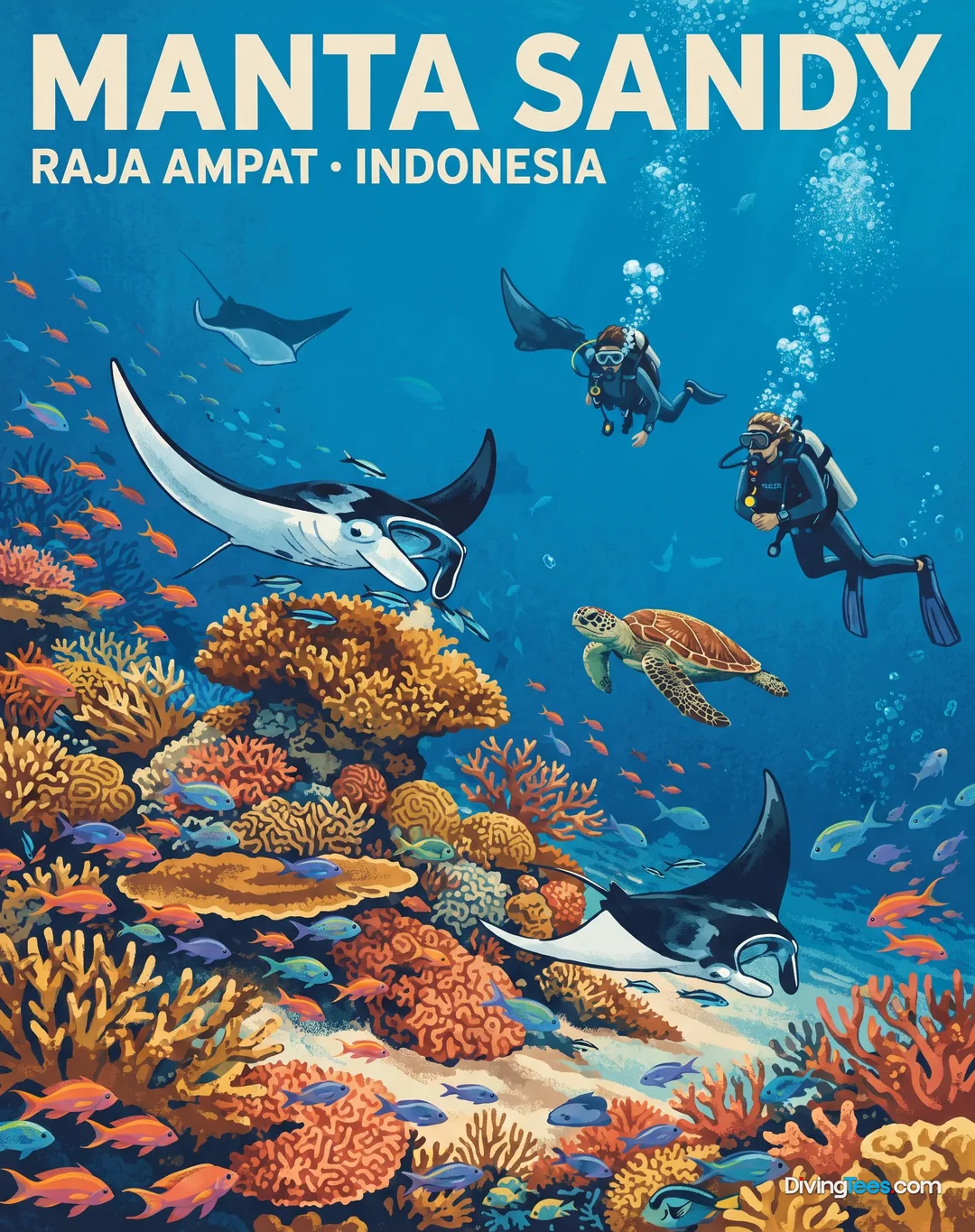
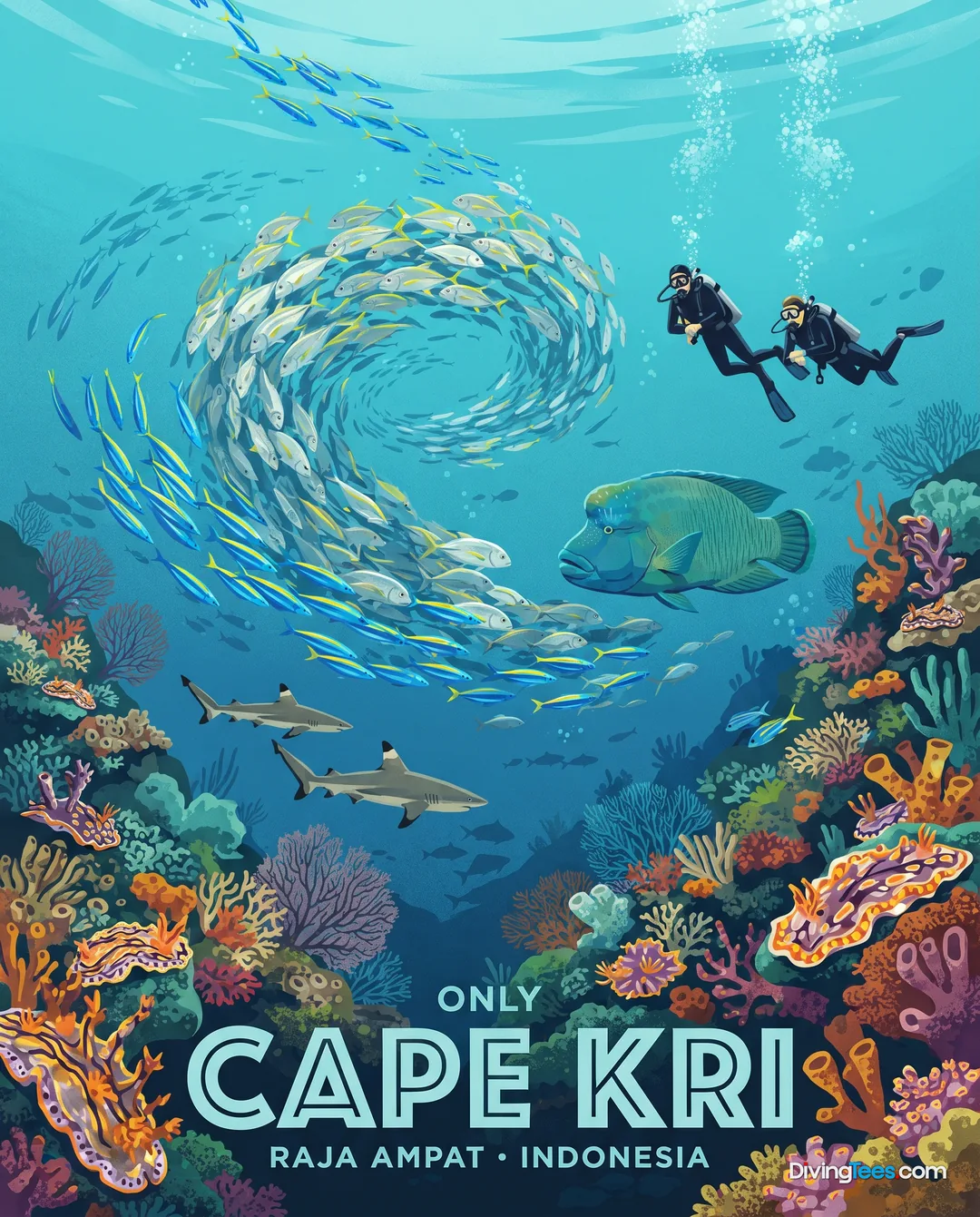
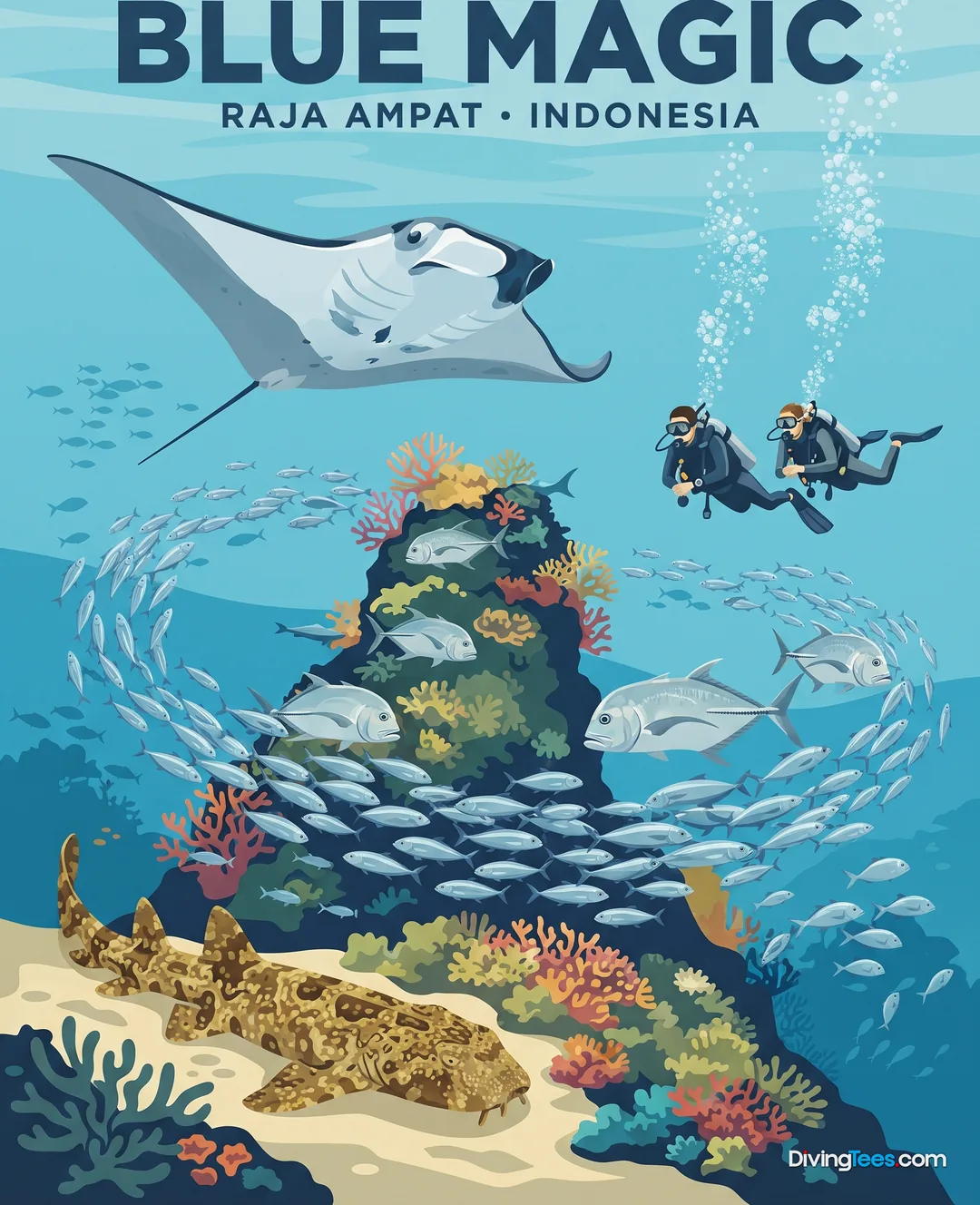
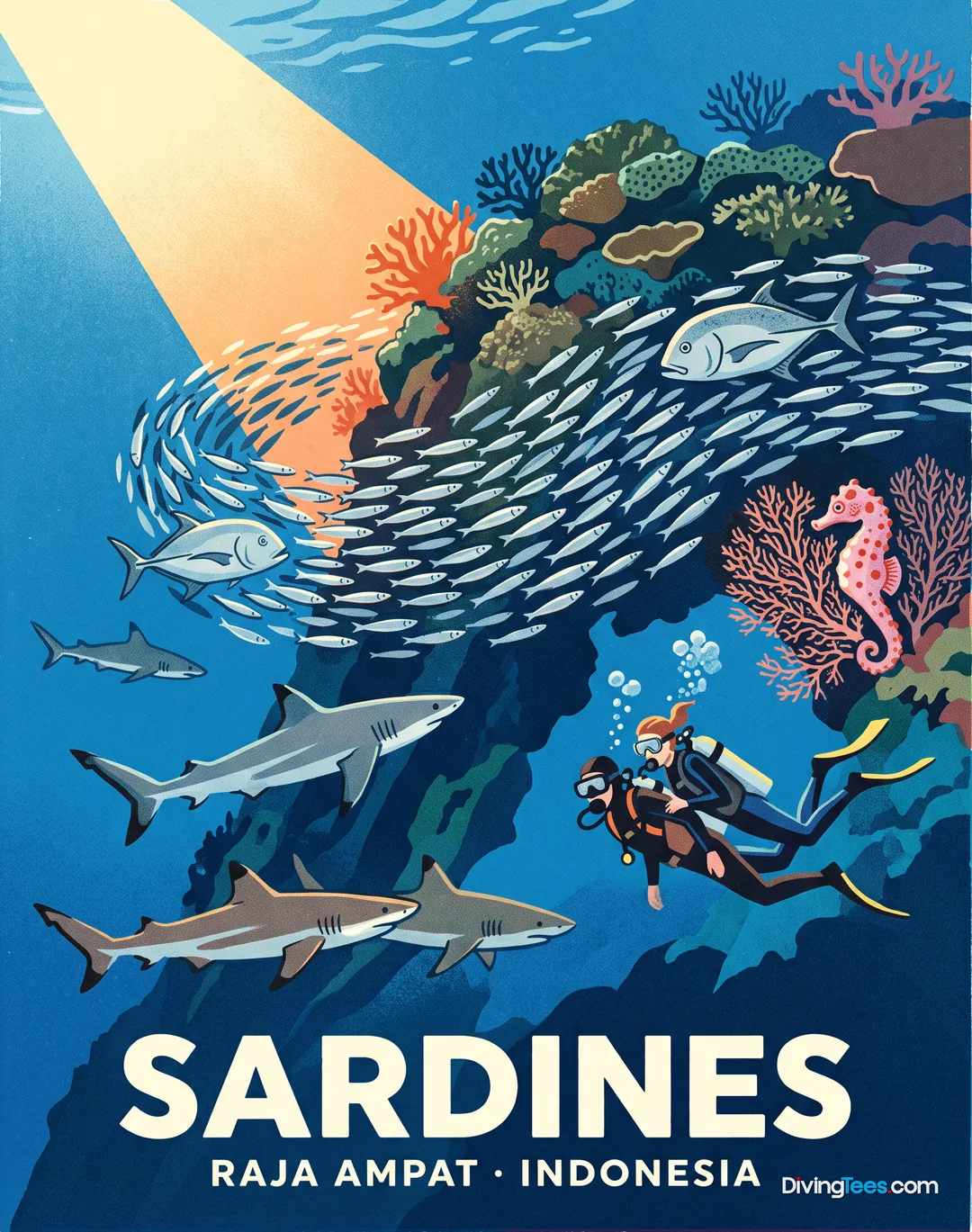
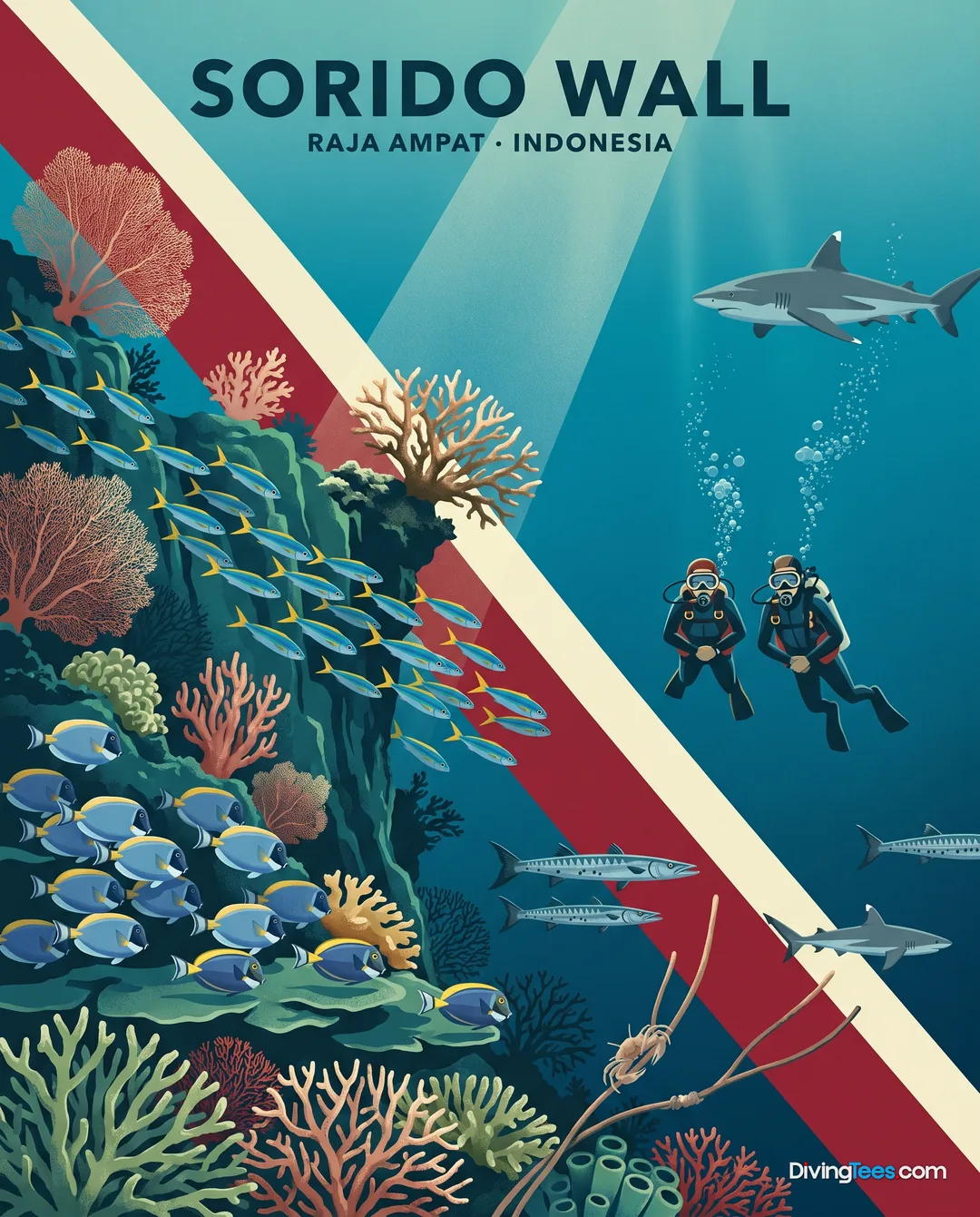
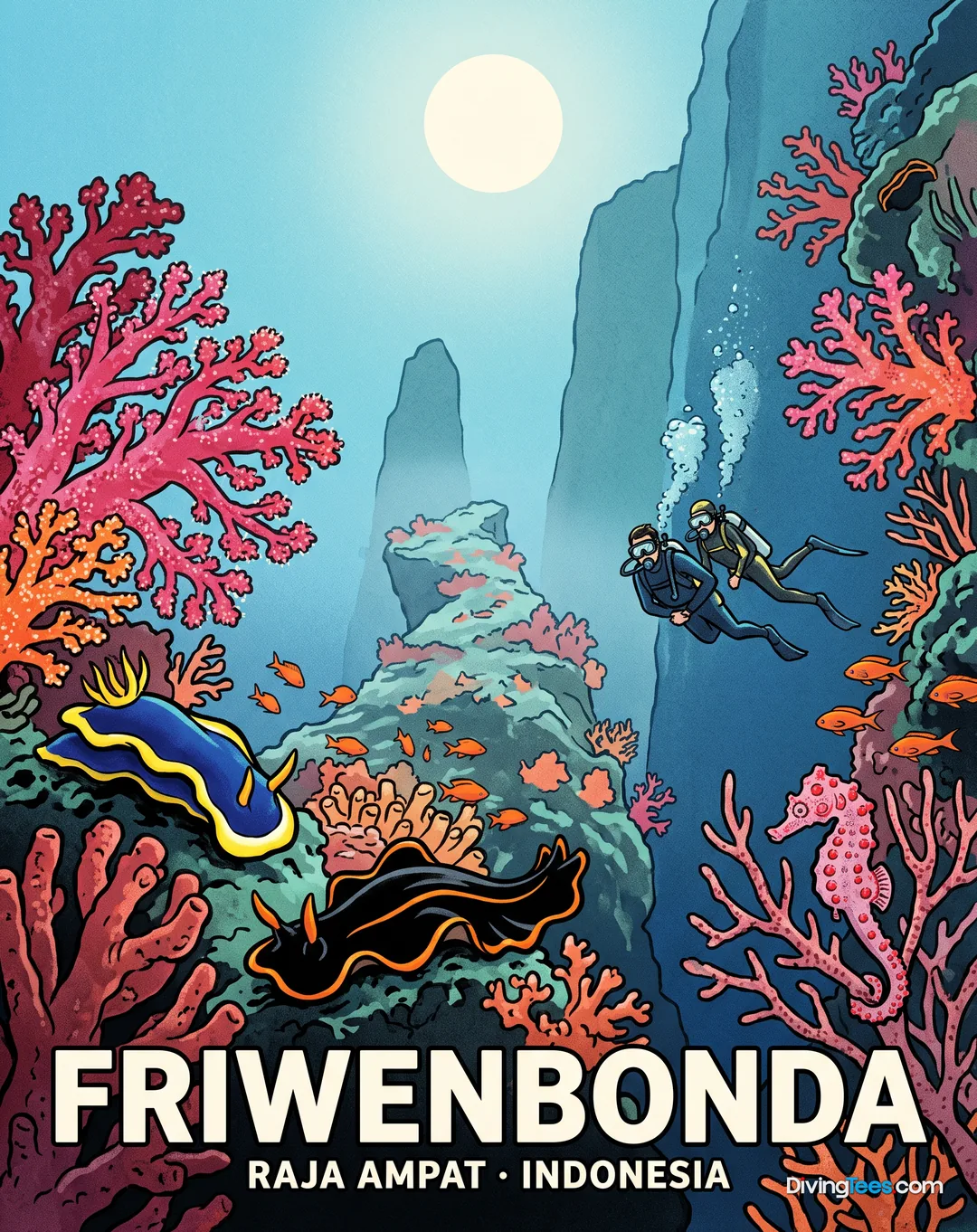
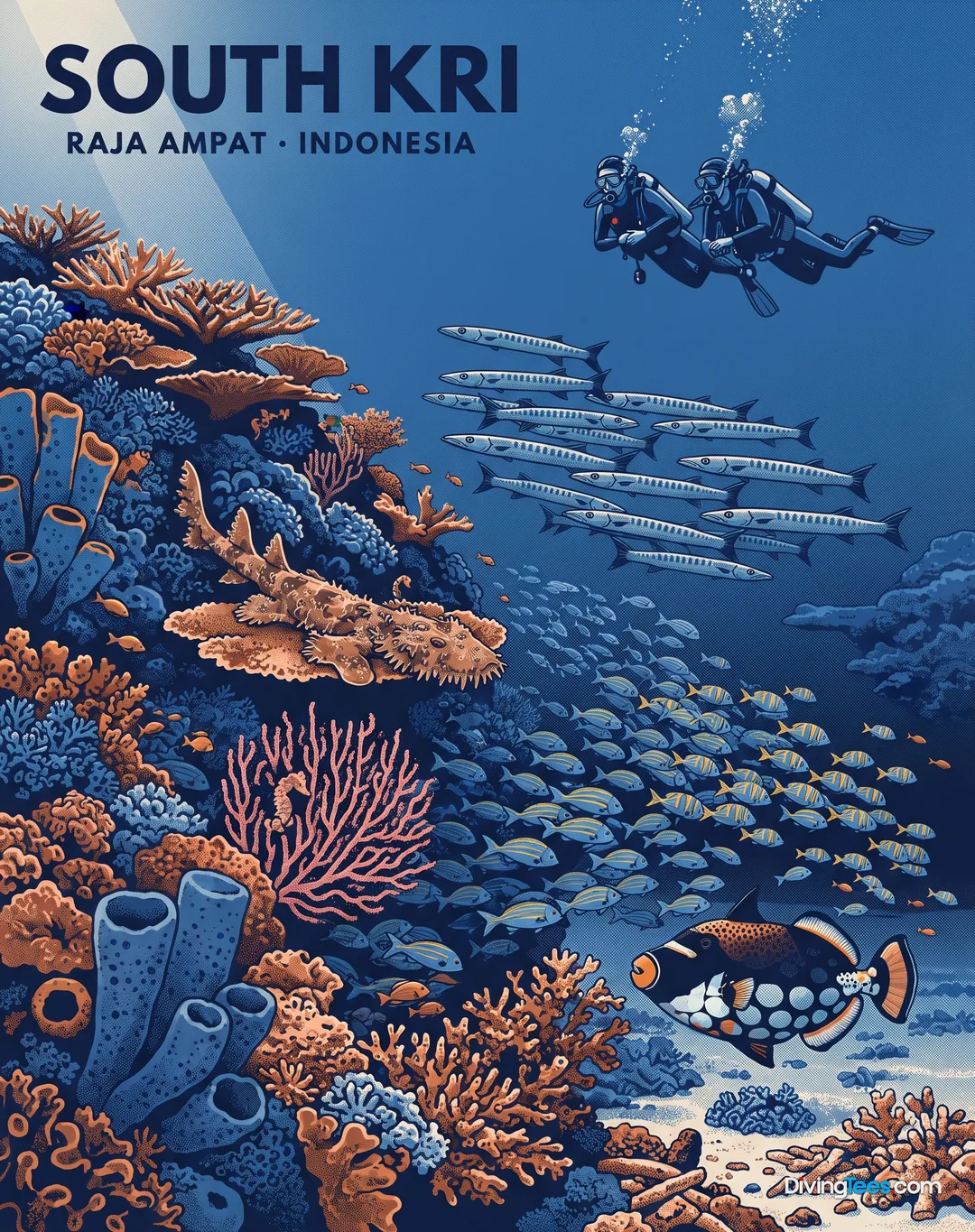
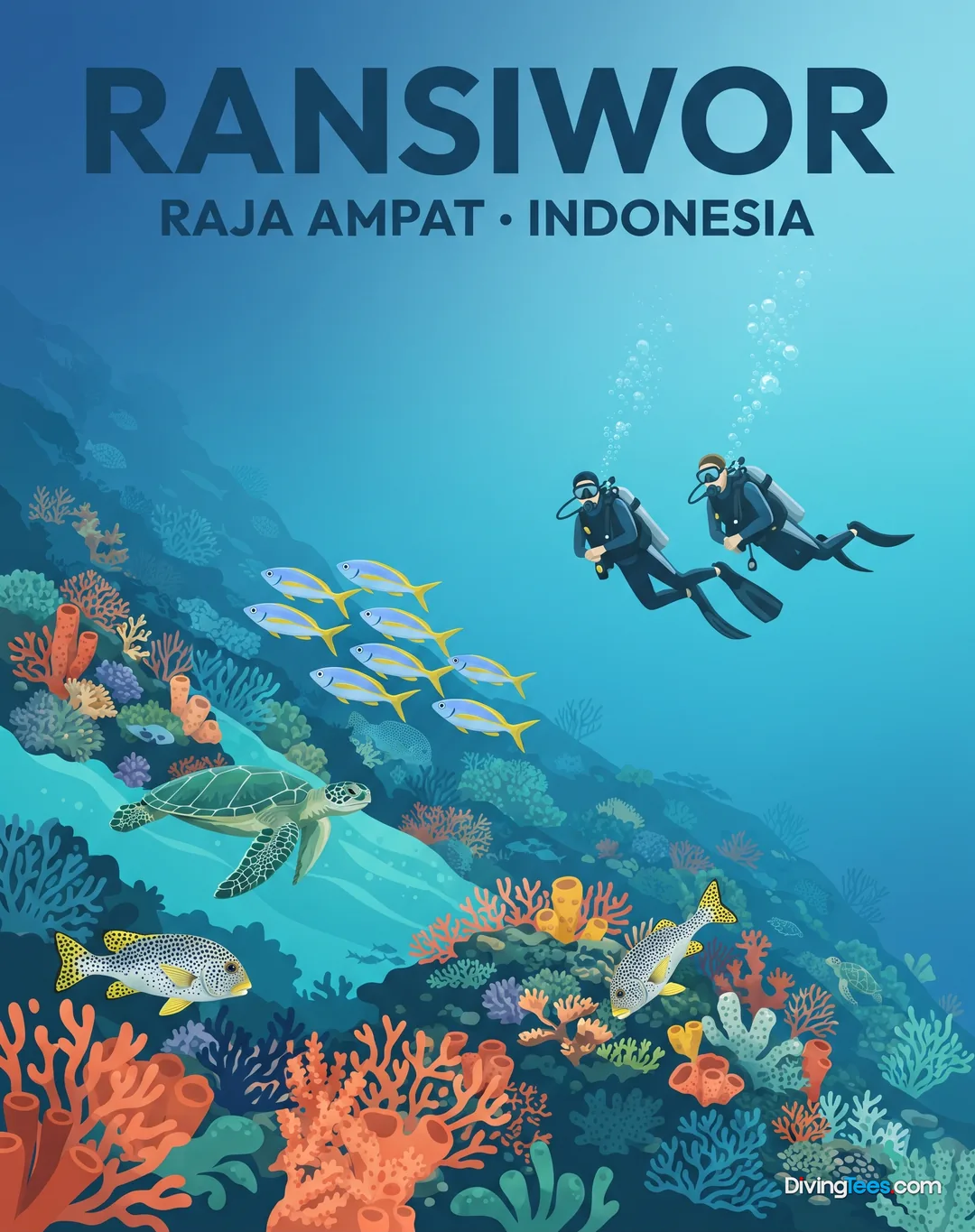
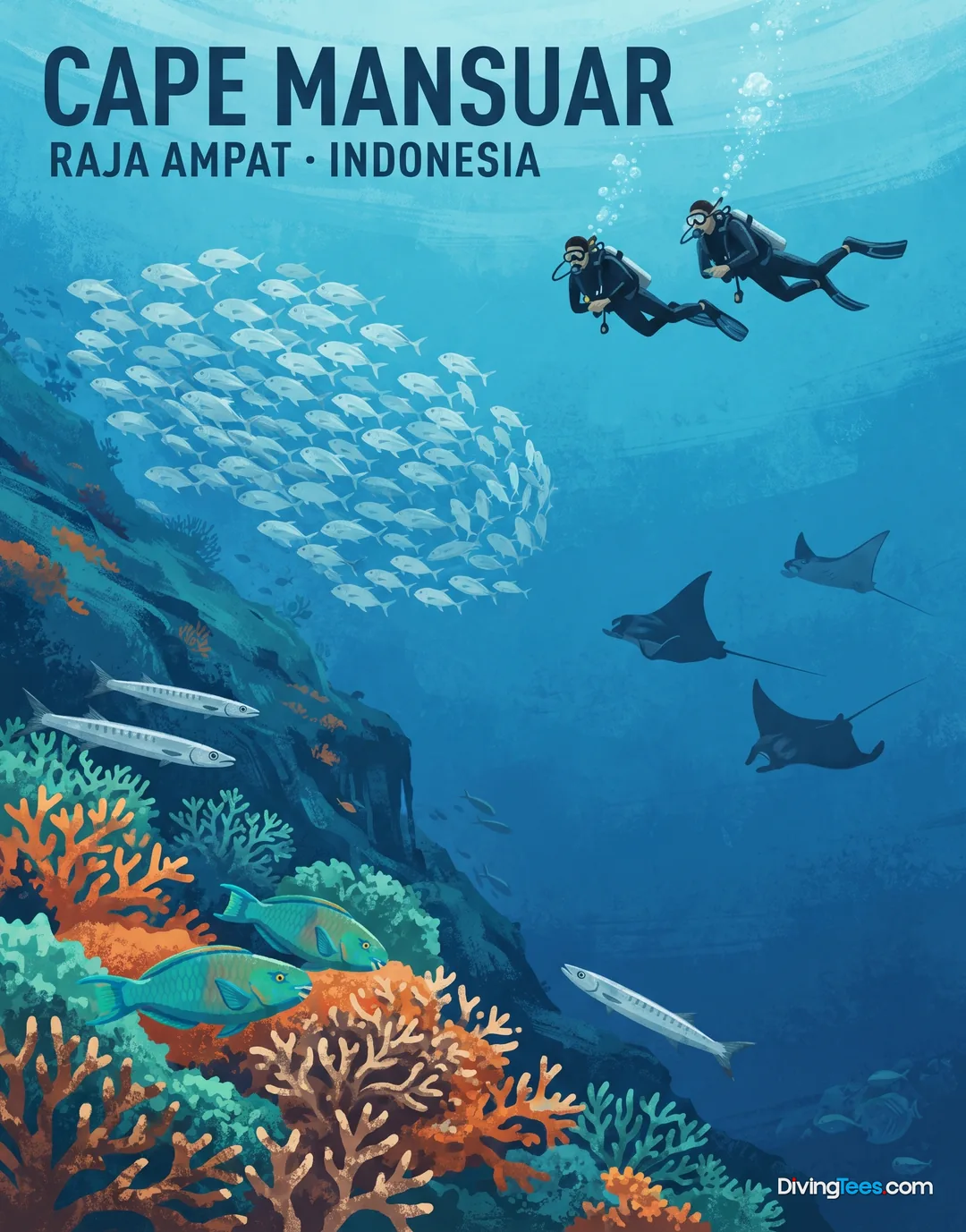
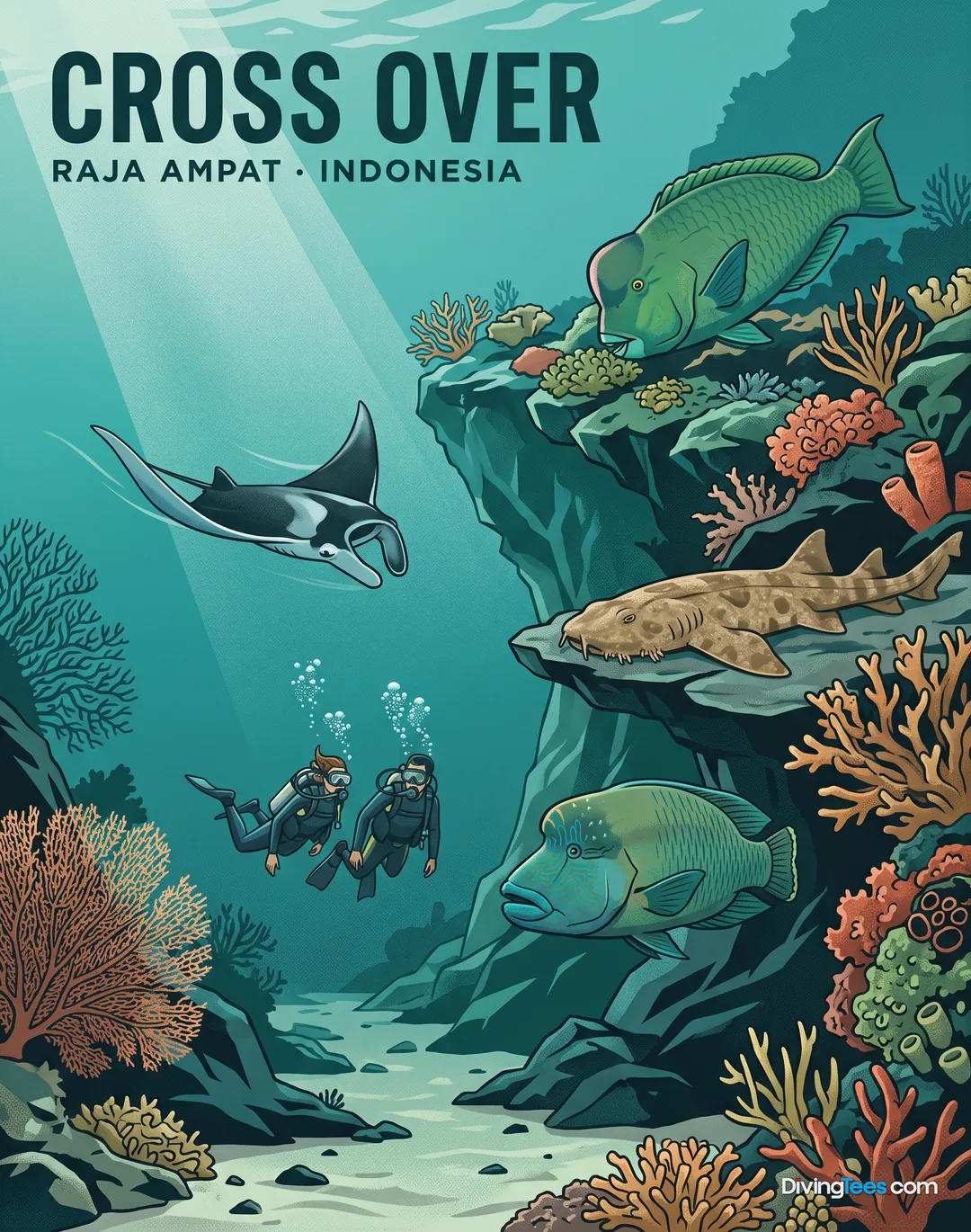
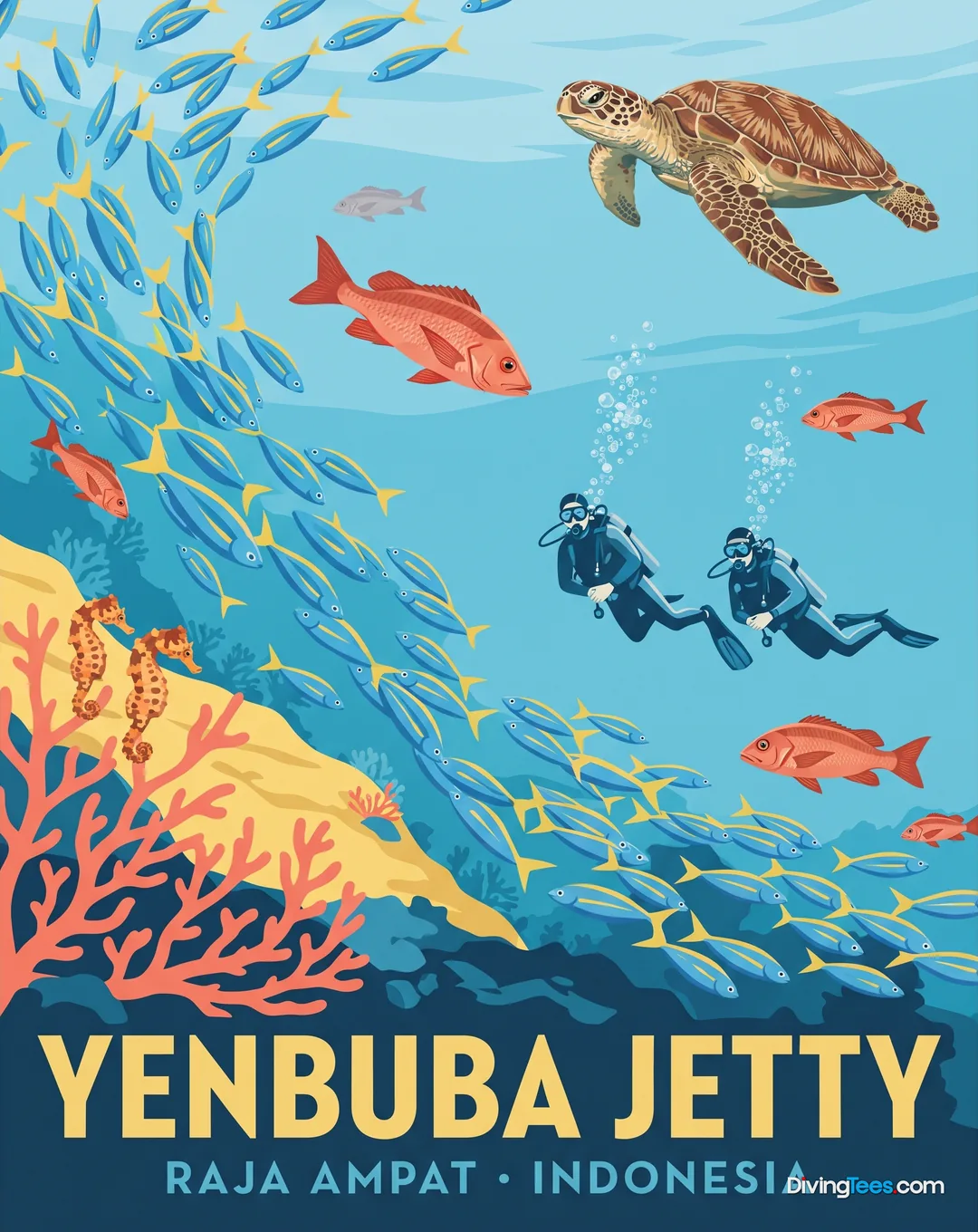
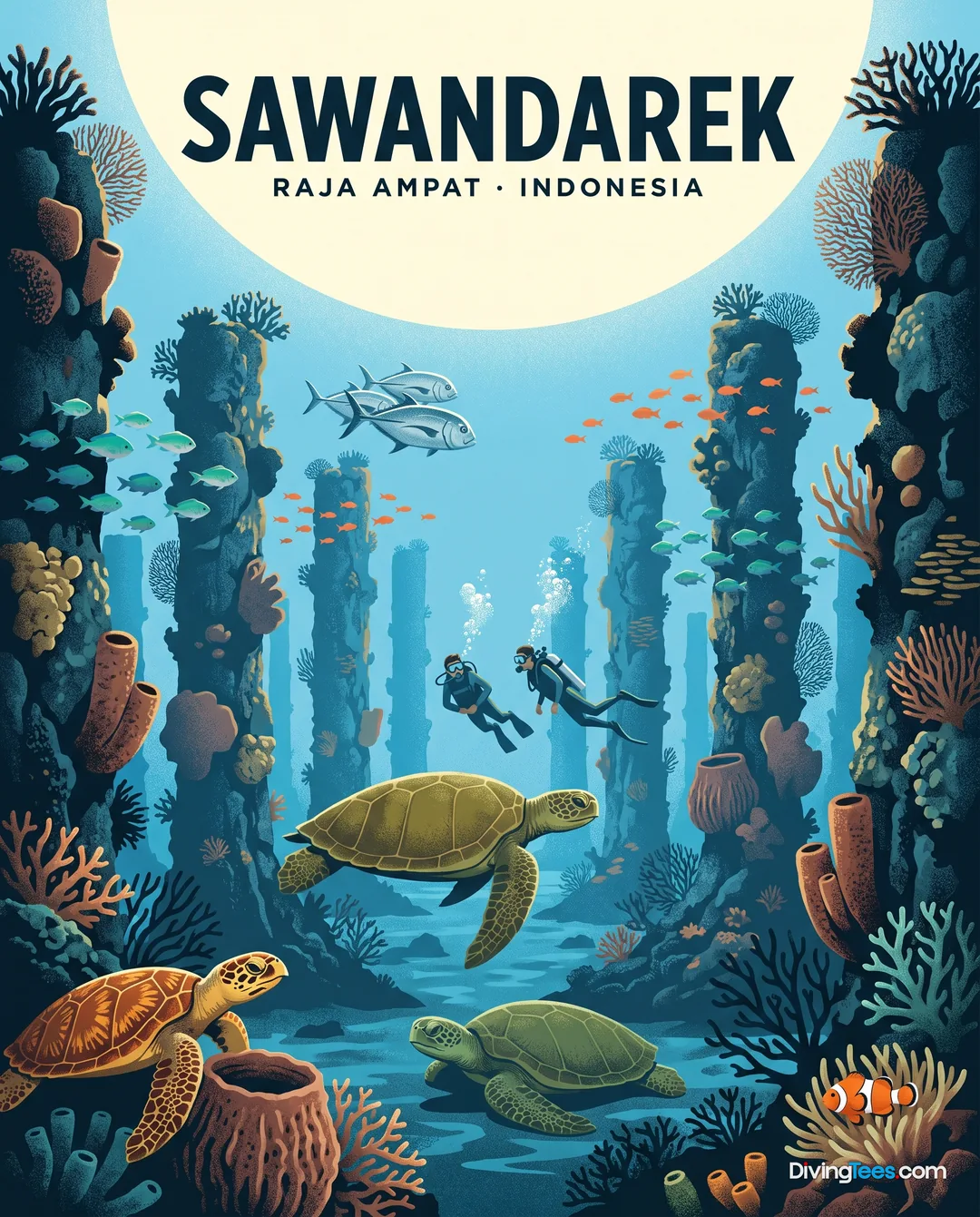
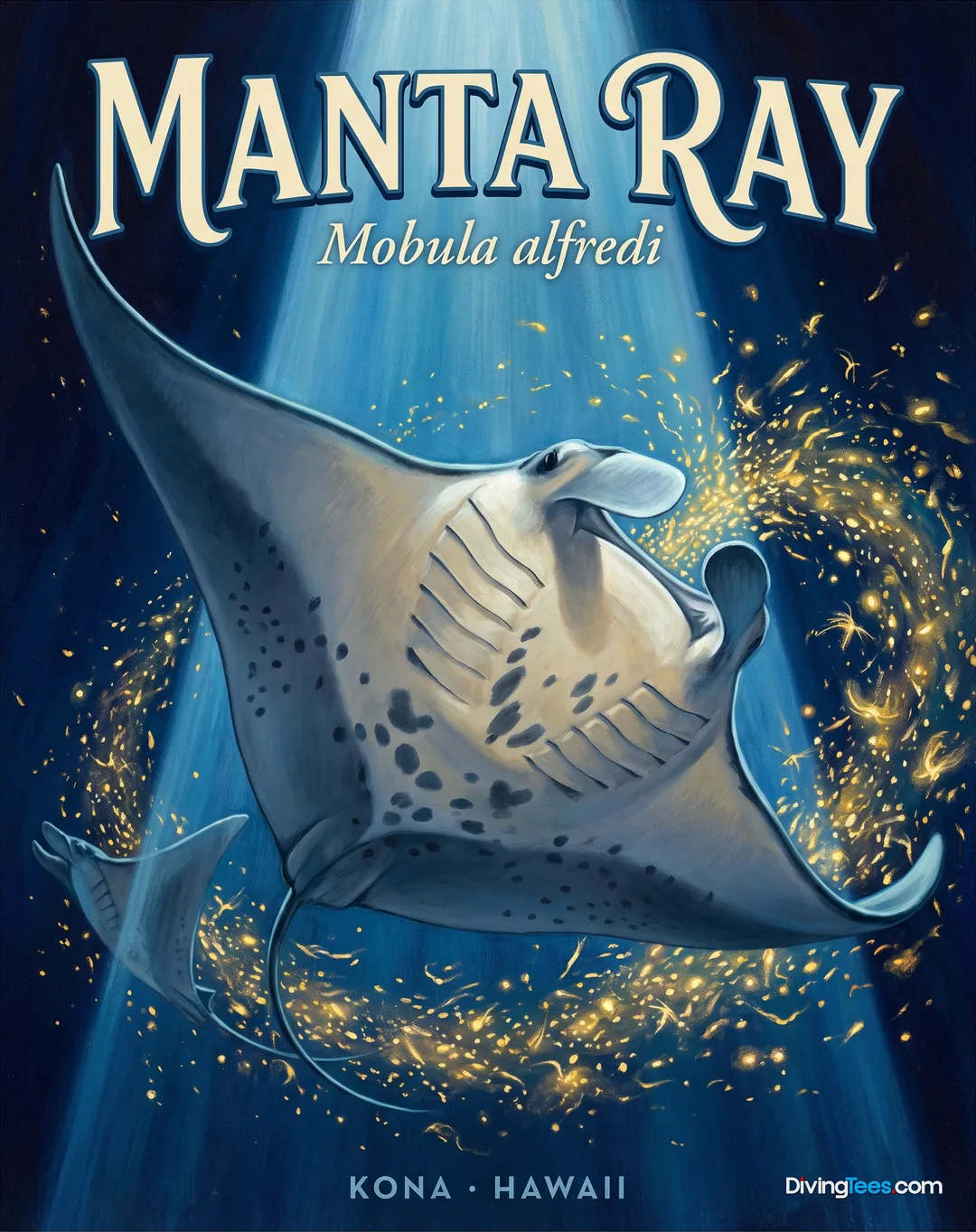
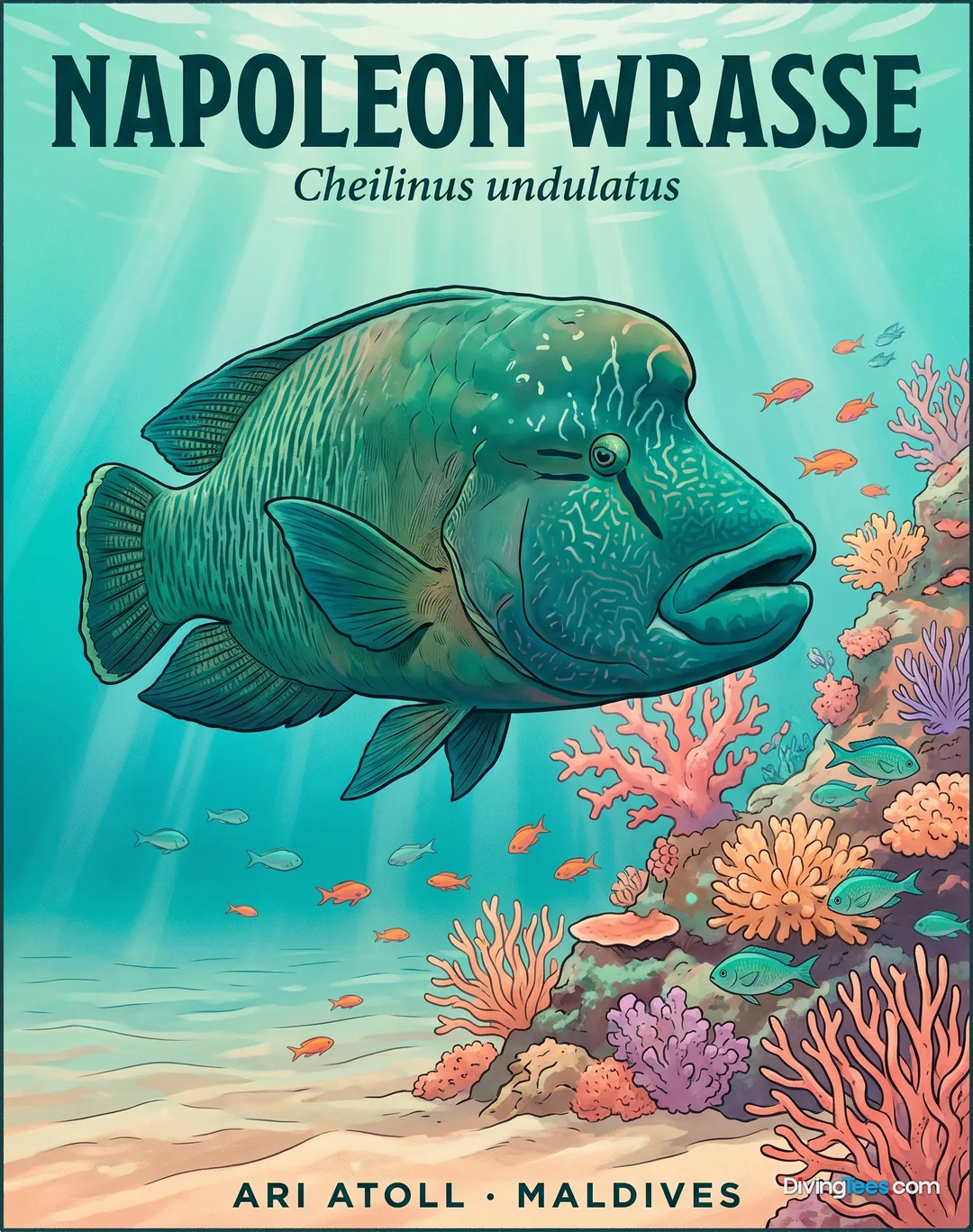
An eight-day, seven-night Sorong–Raja Ampat–Sorong route brings together reefs that reward both wide-angle and close-up diving. Manta Sandy centres on reef manta rays hovering over cleaning stations, while Mike’s Point combines reef overhangs, soft corals and sweetlips with a plateau where eagle rays can pass; its maximum depth is -40m. Cape Kri is the big-fish benchmark, with schools of emperors and fusiliers, Napoleon wrasse and reef sharks, and a reported 374 fish species observed on one dive. Melissa’s Garden stays shallower in character, with soft corals, staghorn formations and a maximum depth of -35m. Blue Magic puts schooling fish, wobbegong sharks, giant trevally, dogtooth tuna, barracuda and oceanic mantas into the same blue-water picture. Sardines brings dense fish concentrations and hunting pelagics. Sorido Wall adds barracuda, reef sharks, fusiliers and surgeonfish along the wall. Friwenbonda is a soft-coral wall rich in tiny life, including pygmy seahorses. South Kri is a current-shaped drift where macro life meets schooling fish. Ransiwor has cleaning stations and a maximum depth of -30m. Cape Mansuar, Cross Over, Yenbuba Jetty, and Sawandarek complete the route with schooling fish, current, coral-covered pilings, pygmy seahorses, giant green turtles and shallow jackfish.
Itineraries, dates and prices
Prices per person. Each month shows its lowest price: click a month, or pick an itinerary.
Next departures · 47 departuresfrom £940$1,257€1,123
November 2026
March 2027
April 2027
May 2027
See dates and prices
If you click these links and make a purchase on the partner site, DivingDeal may earn a commission, at no extra cost to you.
Dates and prices taken from Divebooker, updated 21 October 2026
What you’ll meet underwater
Across the route, the recurring spectacle is movement: barracuda and reef sharks patrol the reefs, trevallies and jacks cut through fusilier schools, Napoleon wrasse and humphead parrotfish move above soft coral, and turtles appear among the reef life. Nudibranchs and pygmy seahorses give the slower divers plenty to search for, while eagle rays and blacktip and whitetip reef sharks add the passing silhouettes. The site-specific animals are part of the reason the itinerary works. Cape Kri is the place to look for the giant grouper and the extraordinary fish density recorded there. Blue Magic is where oceanic sharks and tuna have been recorded alongside oceanic mantas. Yenbuba Jetty concentrates fish around coral-covered pilings and is the only listed site for anthias and damselfish. Ransiwor’s cleaning stations have produced octopus, titan triggerfish and Moorish idols. South Kri is the distinct stop for bigeye trevally, crabs and shrimp. Sorido Wall is the site associated with surgeonfish. None of these sightings is guaranteed; the route gives divers the right habitats and conditions to look for them.

Who puts you in the water
The dive crew works in English and guides the groups through Raja Ampat’s currents, walls, plateaus and cleaning stations. The required entry level is Open Water Diver or equivalent, with a minimum of 20 logged dives. That requirement is meaningful here: the route includes sites where current management, surface-marker use and disciplined buddy diving matter more than simply being certified. Briefings organise the site, the conditions and the plan before divers move from the deck to the tender. Courses are available onboard as an extra service. The boat does not permit solo or decompression diving, and guests must use dive computers. Safety equipment includes an ENOS diver locator system, oxygen, life rafts, life jackets, fire equipment and marine communications. The expectation is simple: arrive with recent experience, listen to the briefing and stay within the limits of the plan.
The dive deck and the gear
The dive setup is built for recreational diving rather than technical work. Diving includes 12-litre tanks and weights, with 15-litre tanks available as an extra; the boat carries DIN adaptors for divers whose regulators need them. Nitrox is available as EAN 32% from a membrane system, also as an extra, while technical diving is not supported. A compressor, dedicated dive deck, warm-water showers, rinse facilities and tender support keep the turnaround practical after each dive. The boat carries a Yamaha Enduro speedboat for diving, so divers transfer from the main vessel to the site rather than entering directly from the hull. Equipment rental is available as an extra, subject to the requested setup, and guests should arrange sizes in advance. Underwater photographers get a camera station, camera table and charging stations. The arrangement is straightforward: gear stays organised on the dive deck, cameras have a place to live, and the tender takes the group to the reef. The boat provides snorkeling equipment too.
Between dives
Between dives, Cheng Ho gives guests several ways to get out of the traffic of the dive deck. The indoor saloon and restaurant provide air-conditioned shade, while the open-air lounge and sun deck keep the sea and islands in view. Sun loungers and lazy spaces suit the quiet stretches when the best plan is to dry off, eat something and leave the camera alone for a while. The Jacuzzi adds another place to settle after a dive, and the bar remains close to the shared areas rather than turning the boat into a series of private rooms. A camera station and charging points make the practical part of the surface interval easier: cameras can be rinsed, handled and charged without taking over a cabin. When the boat is under way between sites, the upper areas are the natural place to watch Raja Ampat pass. The pauses are not empty; they are where wet gear dries, batteries recover and the next dive takes shape.
A day on board
The day starts with the first briefing, followed by the first dive and the meal that brings everyone back together. From there, the rhythm can reach four dives in a day, with the surface intervals used for food, water, camera work, rinsing gear and moving between Raja Ampat’s islands and reefs. The tender carries divers out to the site, then returns them to the dive deck for the next cycle. The main meal breaks are breakfast, lunch and dinner, with snacks and drinks available through the day. When the boat is under way, the open-air lounge and sun deck become the place to watch the route unfold; when the next dive is close, divers drift back towards their equipment and the briefing. The last day is deliberately lighter, with two dives rather than four. That leaves time to recover gear, settle into the boat’s shared spaces and make the return to Sorong without forcing the final hours into another full diving day.
What you eat aboard
Meals cover both Western and local food, served buffet-style through full board. Dietary restrictions can be accommodated, and snacks, tea, coffee, mineral water, hot and cold soft drinks and alcoholic drinks are part of the food-and-drink setup, with some beverages charged separately. On a four-dive day, the buffet matters because it lets divers eat without turning every meal into a long formal sitting. Breakfast follows the first part of the diving programme, lunch refuels the middle of the day, and dinner closes the cycle once the gear is rinsed and put away. Snacks fill the shorter gaps. There is no need to treat the table as a separate event from the diving: it is where the group compares what appeared on the reef, checks the next briefing and gets enough food back in before the following jump. The mix of local and Western dishes gives the week some variety without losing the practical rhythm a dive boat needs.
Nights at sea
The 14 cabins are arranged as twin, double and single rooms across the lower, main and upper decks. Each has air conditioning, a private bathroom and hot and cold shower; some categories also have lockable storage, towels, bathrobes, hairdryers and basic toiletries. The useful difference between the categories is not decoration but where the cabin sits and who it suits: single cabins are available for solo travellers, while twin and double rooms cover the usual buddy and couple arrangements. The boat has no Wi-Fi, which matters less on a Raja Ampat liveaboard than it would on a city hotel, but it does have 220-volt two-pin sockets in every cabin and in the shared areas. Between dives, the public spaces give guests room to leave the cabin: indoor and outdoor seating, the restaurant and bar, the sun deck and Jacuzzi. The cabins are there to recover. The rest of the boat is where the trip is lived.
Twin Cabin (#103,104,105,106)
Double Cabin (#102,107,108)
Single Cabin (#202,203)
Double Cabin (#301,302,303)
Twin Cabin (#201,204)
What to know before boarding
Raja Ampat trips start and finish in Sorong, West Papua, with transfers arranged from Sorong Airport to the boat and back. Transfer in and out is charged separately rather than included in the onboard package, so it belongs in the trip arrangements. Arriving in Sorong the night before the vessel’s departure gives the journey room for flight changes and avoids making the first boarding dependent on a same-day connection.
- Year built
- 1996
- Length
- 33.2 m
- Beam
- 10.7 m
- Maximum number of passengers
- 26
- Number of cabins
- 14
- Engines
- 1 unit YANMAR - 6E 347 (6LA), 347 hp=259 KW, RPM 1720; Auxiliary I: MITSUBISHI 6D15; Auxiliary II: FORD - 150 hp, 60 KVA; Auxiliary III: 1 unit DEUTZ F2L912, 20 hp, 14.5 KW
- Tenders
- Speedboat Yamaha Enduro
- Website
- seasafaricruises.com ↗
Hello, I'm Marina, DivingDeal.com's AI assistant. I answer in detail about hotels, dive centres and liveaboards.
Thinking about the whole trip and the flights? Talk it over with Edith →
Marina is an AI. Some links are affiliate links: DivingDeal may earn a commission, at no extra cost to you. Bookings are made with the partner.