Liveaboards · Indonesia
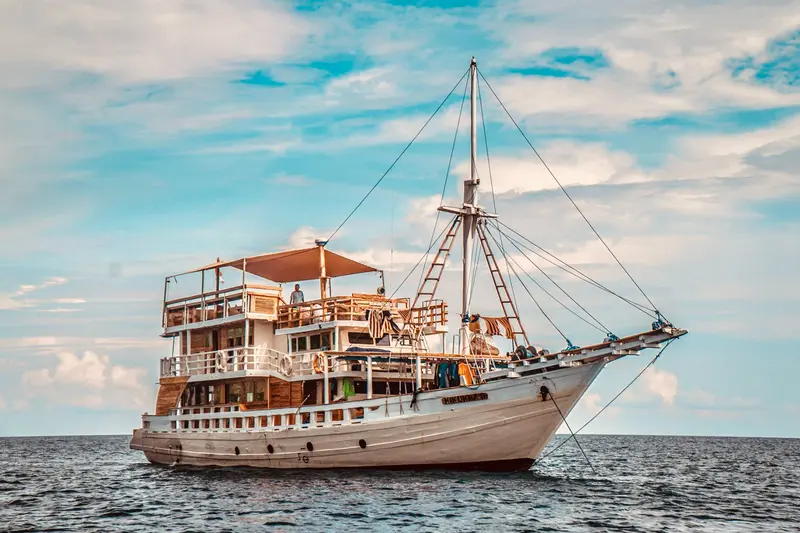
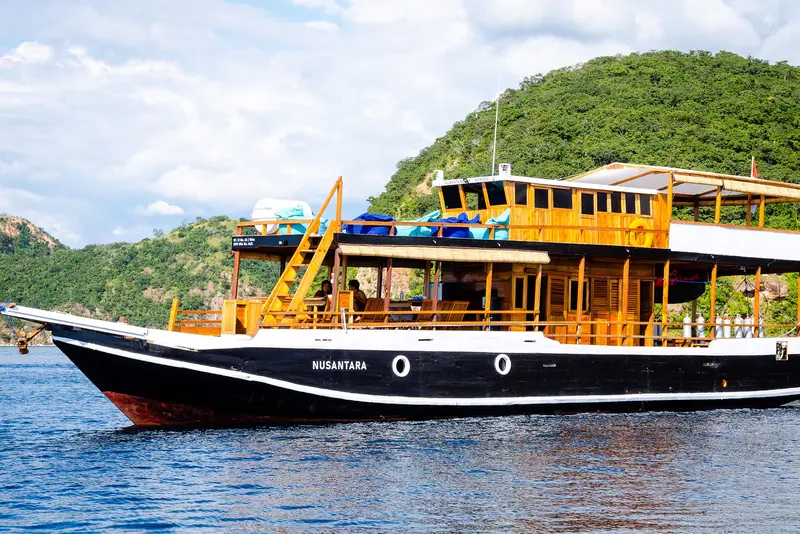
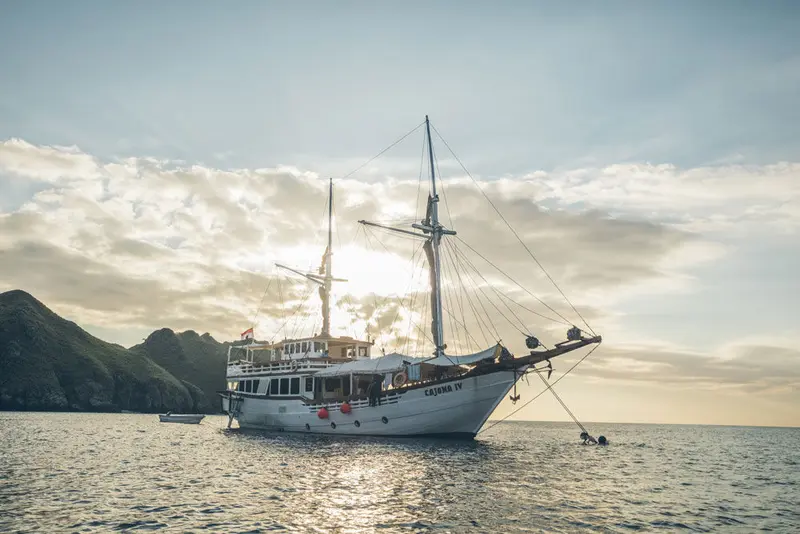
Nusatara — a small wooden schooner for private-scale Komodo diving
What makes this boat unique
- Nusatara carries no more than six divers in three air-conditioned cabins, making it suited to families, friends and small private groups.
- The Komodo route runs from Labuan Bajo back to Labuan Bajo over 8 days and 7 nights.
- Its dive setup includes a shaded platform, six gear-up stations, DIN adapters, a Bauer compressor and a tender with a 40 hp engine.
- Fresh Indonesian and Western food is prepared on board, with vegetarian dishes, snacks throughout the day and a beach barbecue.
The invitation
Nusatara is for divers who would rather know five other people properly than share a boat with a crowd. The small wooden schooner keeps the trip close to the water and the group small enough for the crew to learn how each diver moves, photographs and handles current. That matters in Komodo, where the route shifts from gentle macro sites to exposed pinnacles and fast channels. The reason to choose this boat is not space or polished luxury. It is the combination of a manageable liveaboard, organised diving and access to a concentrated run of Komodo sites, with the value of a full-board dive trip and land excursions built in. The crew speaks English and Indonesian, and the cook is known for both local and Western food. Nusatara suits divers who come for the reefs first, want a boat that feels personal rather than anonymous, and are happy to trade grand communal areas for a group of six.
Boarding
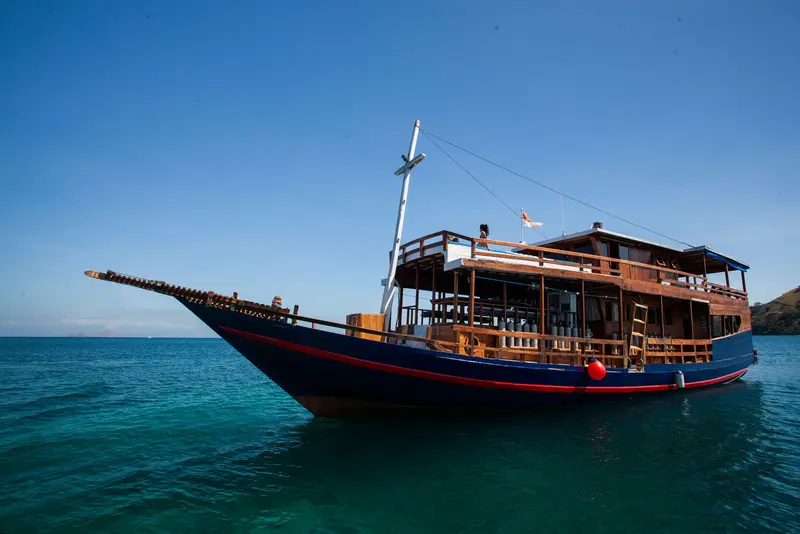
From the dock, Nusatara presents as a compact wooden schooner rather than a floating resort. The timber gives the boat its character, while the practical additions—air conditioning, private bathrooms, camera charging and a covered dive platform—keep the focus on a week of diving rather than on roughing it. There is little distance between the people on board. With only three cabins and six places, the group becomes familiar quickly, and the crew is part of the working space rather than hidden behind a service corridor. The interior lounge provides a place to eat or sit out of the weather; above it, the terrace offers the open-air alternative. This is a boat for a small circle, not for someone looking for a wide choice of public rooms. Its modest scale is exactly what makes a private charter with family or friends work.
The atmosphere on board
A week on Nusatara forms a close group quickly because there are only six passenger places and three cabins. The crew is described as friendly and professional, and the small scale means their work stays visible: meals, dive preparation and the practical details of moving divers between boat and reef happen around the same compact deck. That suits a trip where the diving is the centre of conversation. After a current-heavy dive, the evening is less about ceremony than about eating, reviewing what appeared below and giving cameras the attention they need. The boat’s lower score for the hull than for diving, food and value is worth reading plainly: Nusatara is an older-style wooden schooner, not a large modern liveaboard with space to spare. What the diver gains in return is a private-scale operation, a crew that becomes familiar and a group small enough for the trip to feel shared rather than crowded.
The sites you’ll dive
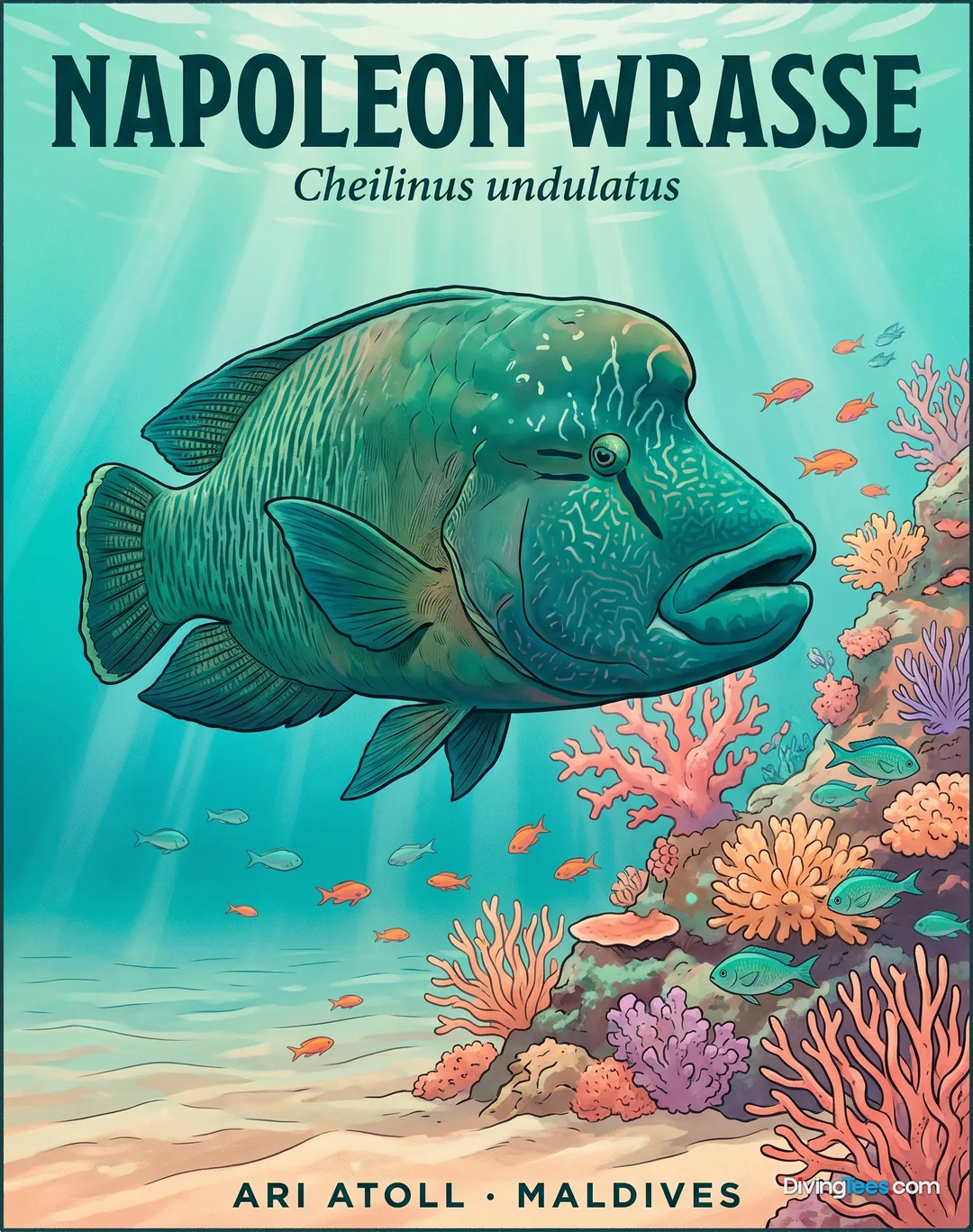
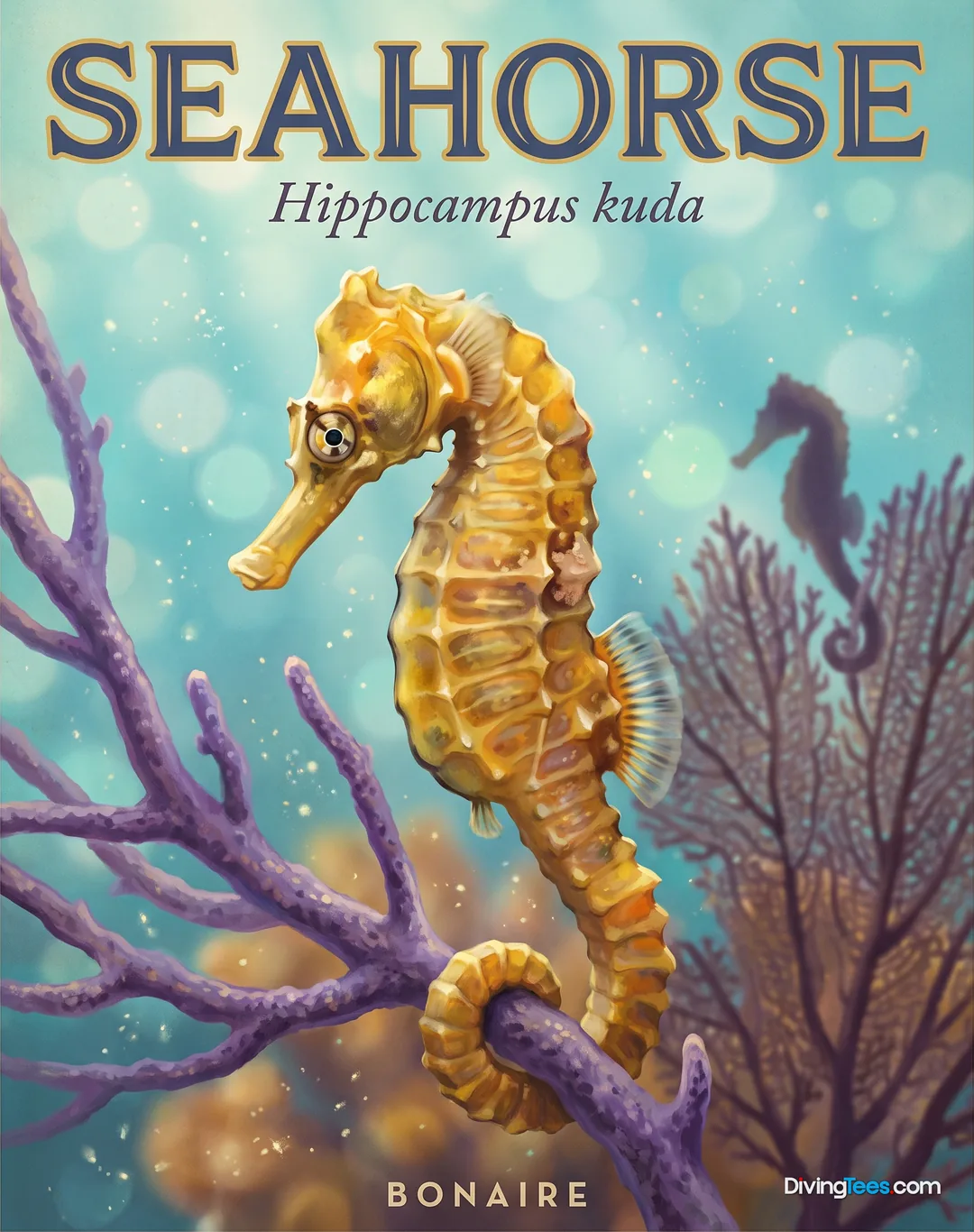
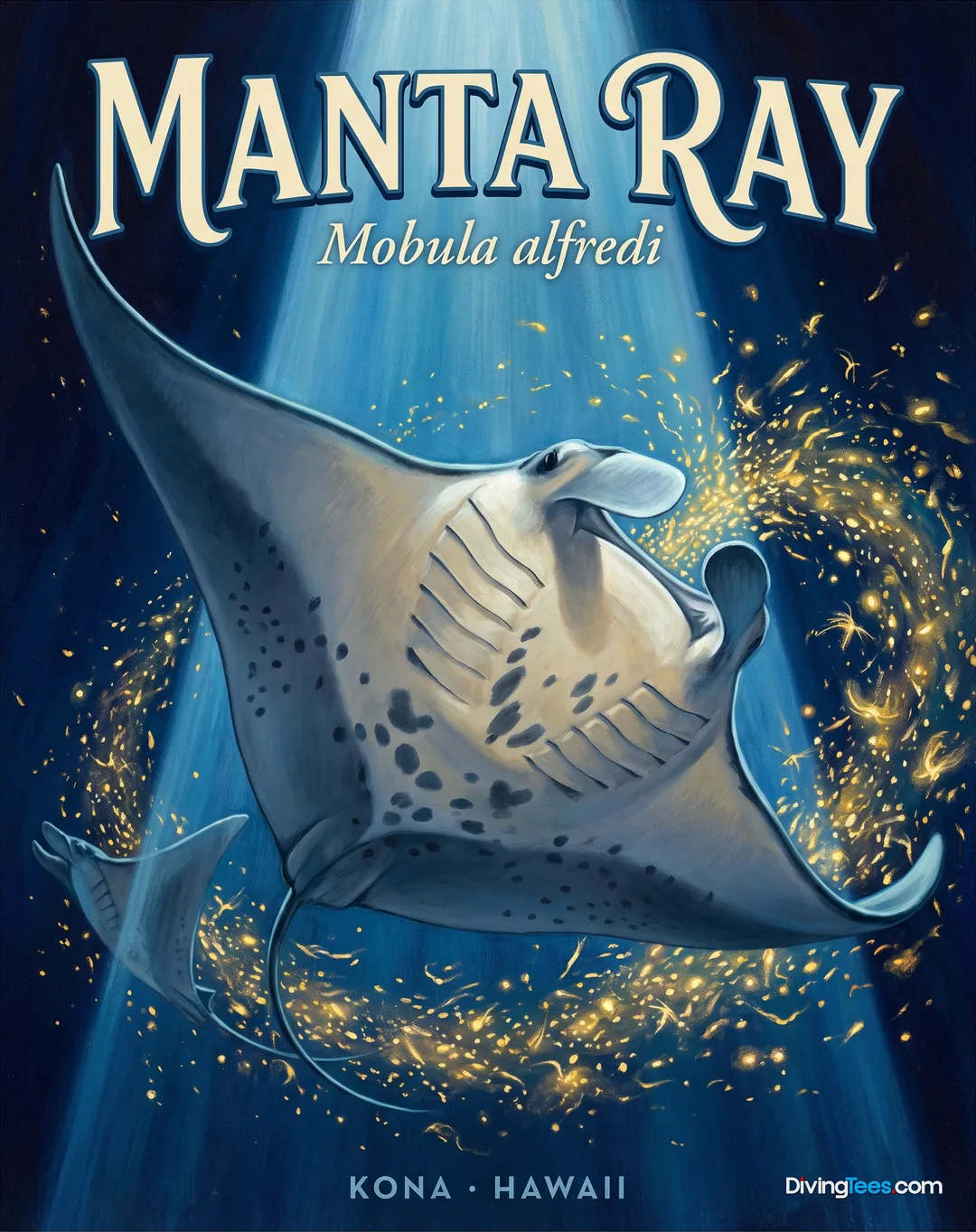
The 8-day, 7-night itinerary starts and ends in Labuan Bajo and stays inside Komodo National Park. Batu Bolong is a tiny pinnacle with dense coral, giant trevally, Napoleon wrasse and reef sharks down to -40m. Castle Rock and Crystal Rock both reach -30m: one is a submerged pinnacle where nutrient-rich current draws reef predators, the other an exposed Lintah Strait pinnacle with pelagic action. Siaba Besar is the shallow counterpoint at -18m, hiding frogfish, blue-ringed octopuses and seahorses among coral bommies. Shotgun reaches -25m and pushes divers along a wall where mantas and sharks gather; Manta Alley is shallower at -20m but built around groups of manta rays moving through a current-swept channel. Tatawa Besar and Sebayur Kecil offer coral slopes and macro life to -25m, while Cannibal Rock, Golden Passage, Siaba Kecil, Tatawa Kecil and Pengah Kecil add pinnacles, channels, walls, drift dives and reef gardens. Wainilu, with no maximum depth given, is the sandy-slope macro dive near Rinca.
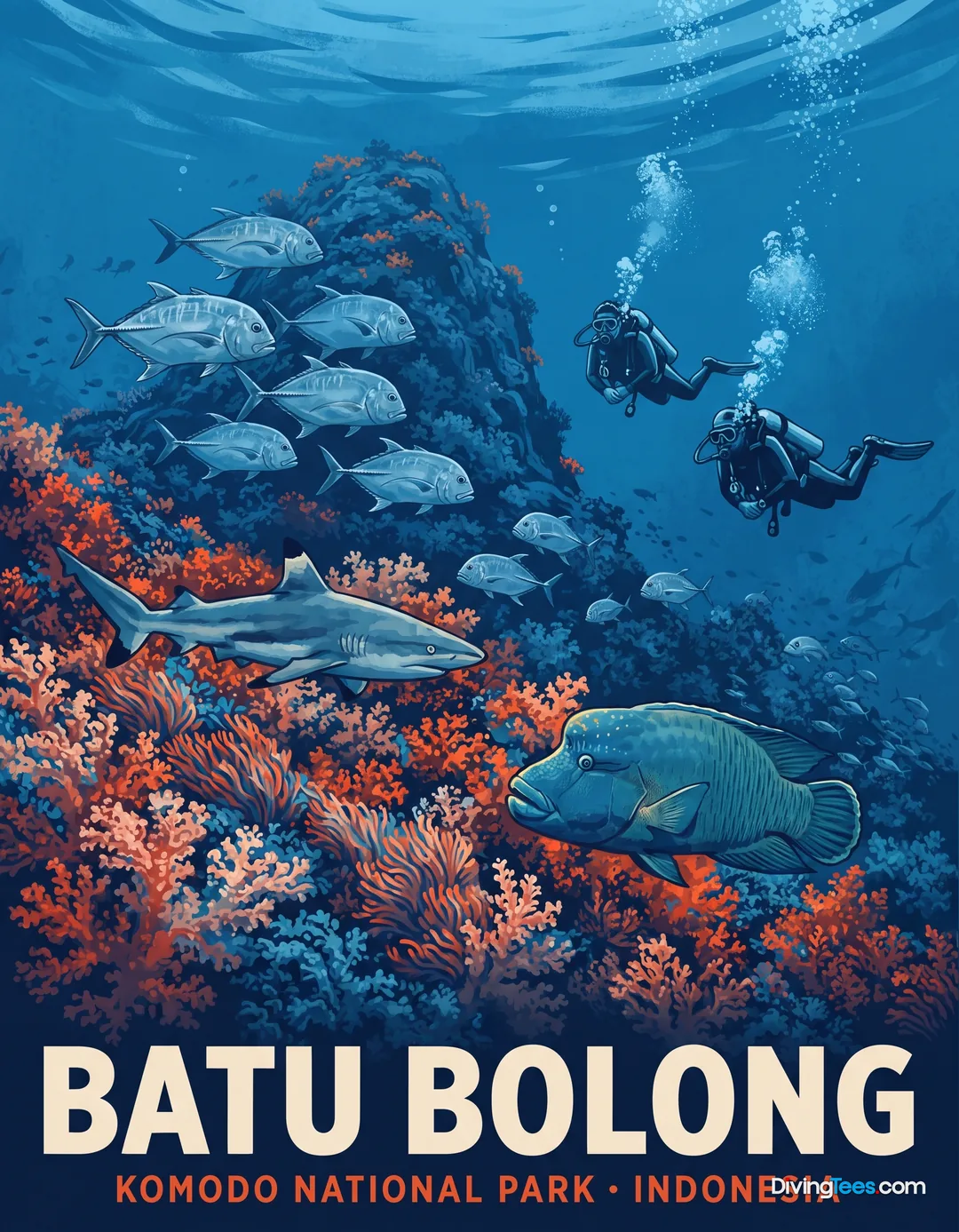
Batu Bolong →
Max. depth · 40 m
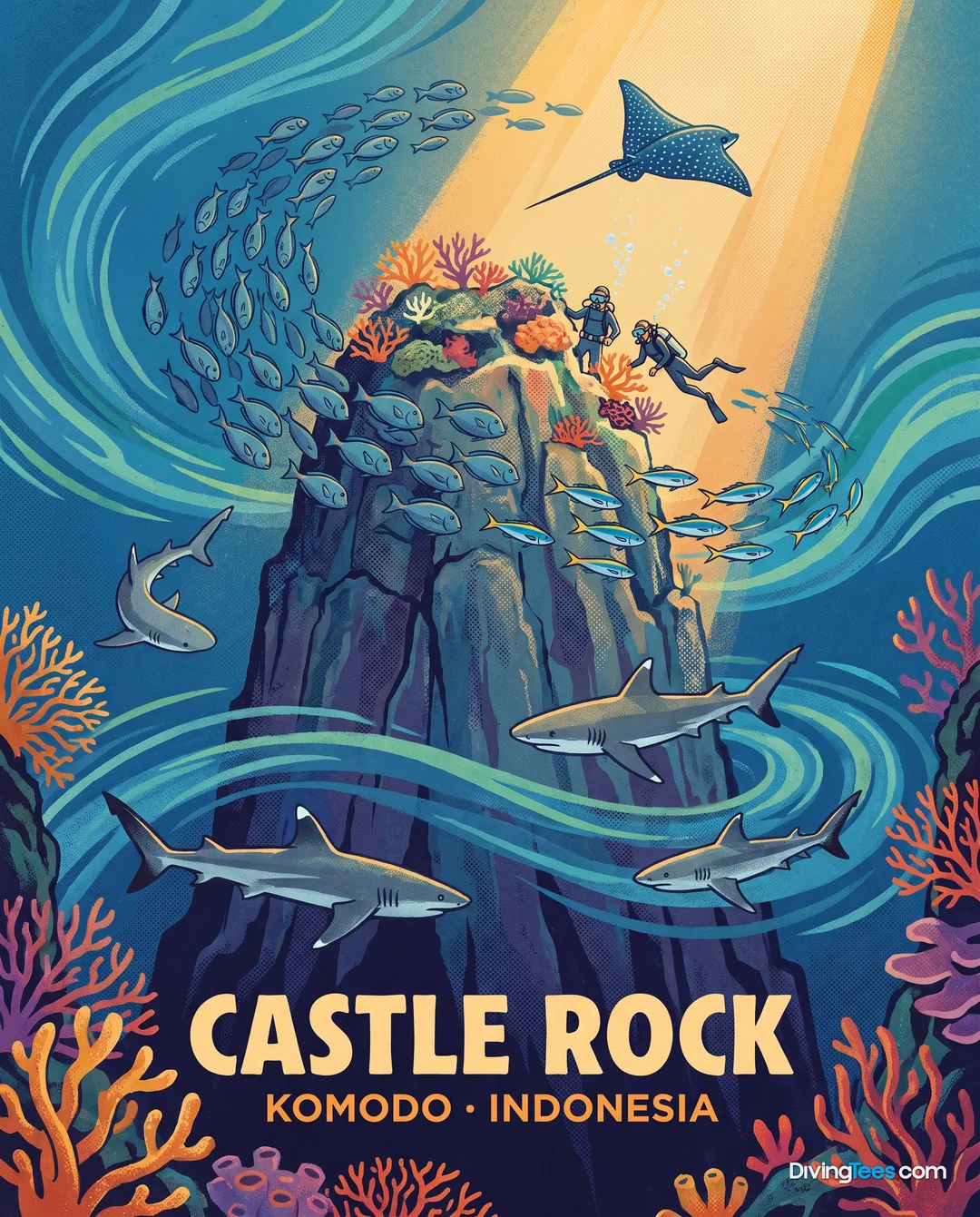
Castle Rock →
Max. depth · 30 m
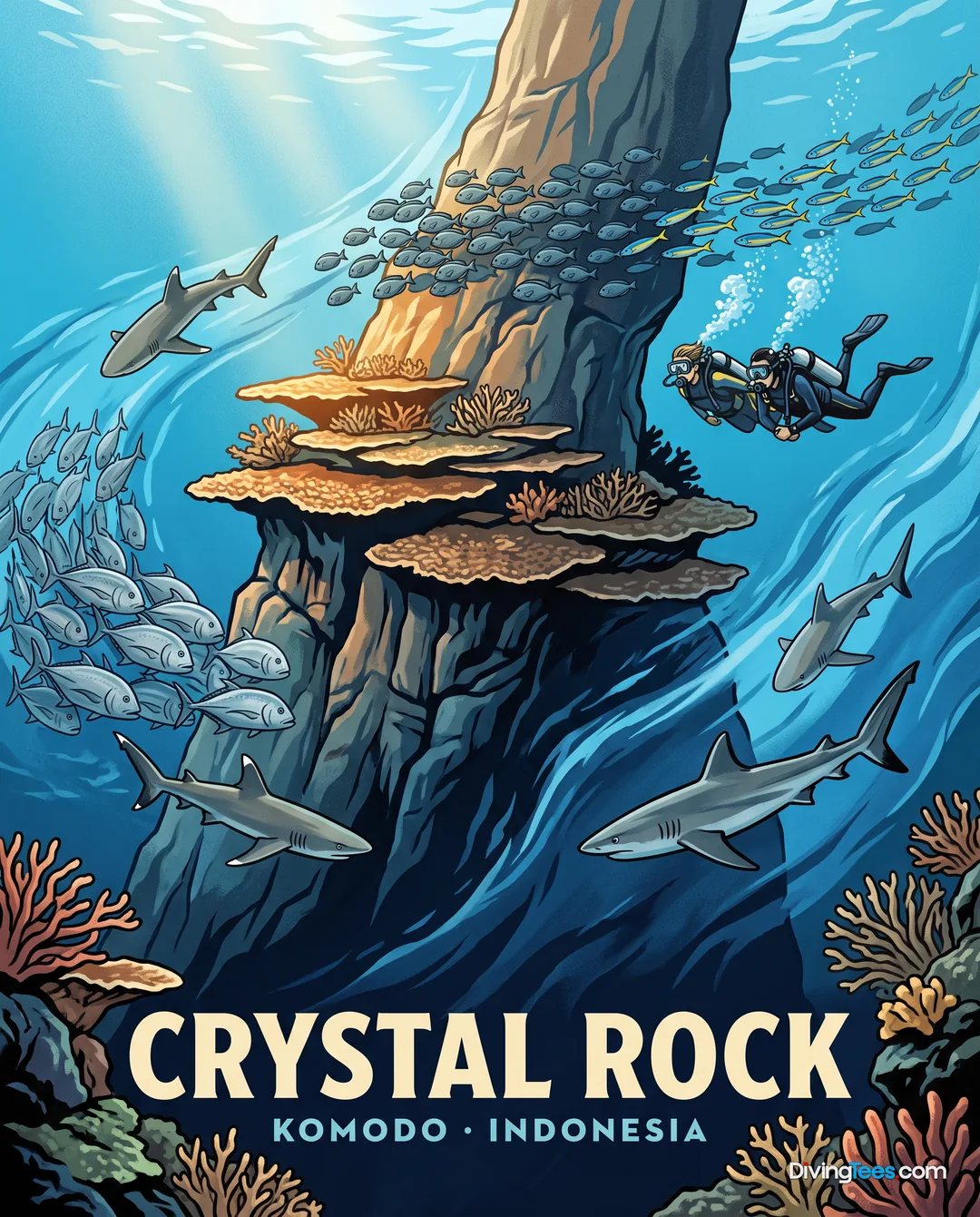
Crystal Rock →
Max. depth · 30 m
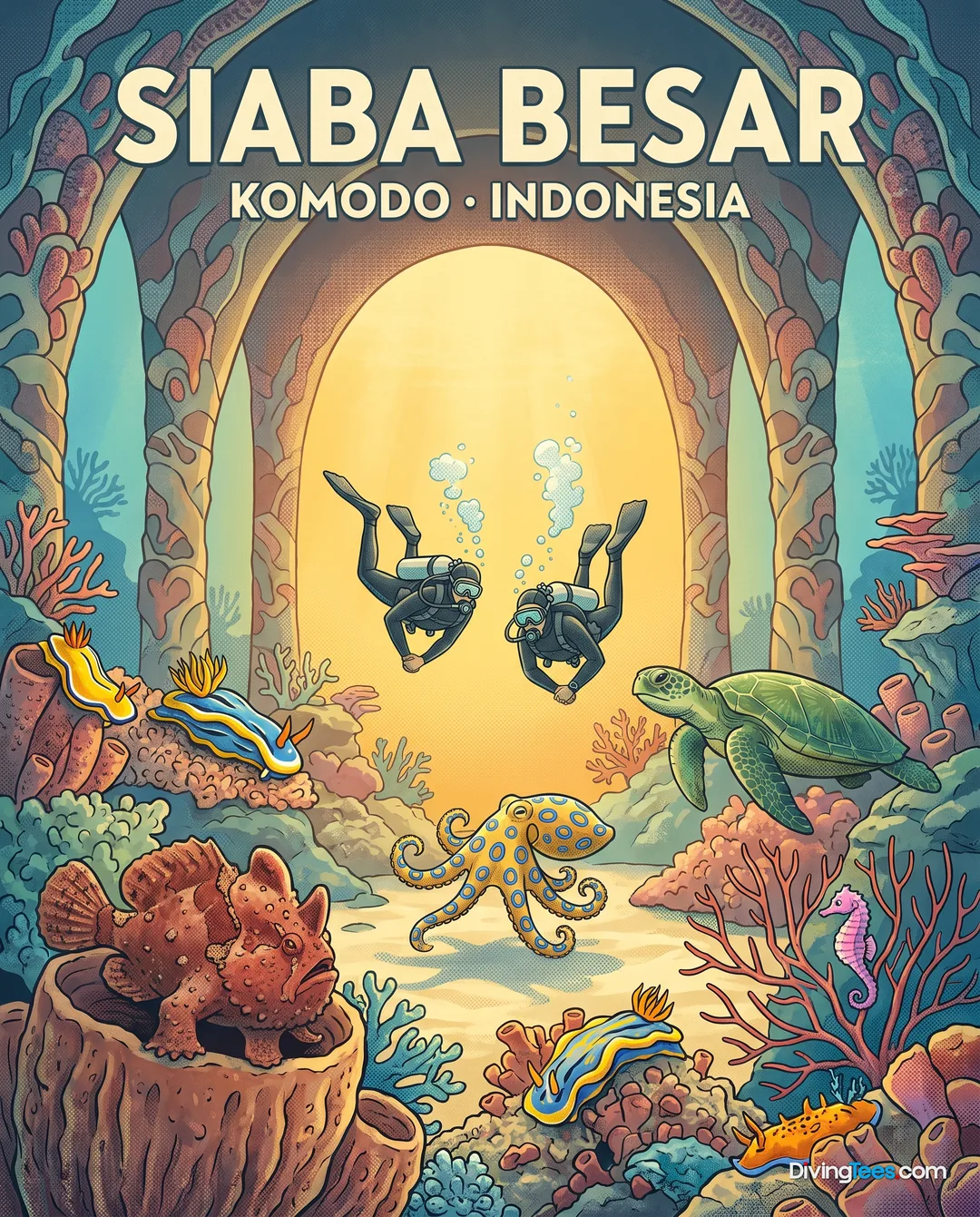
Siaba Besar →
Max. depth · 18 m
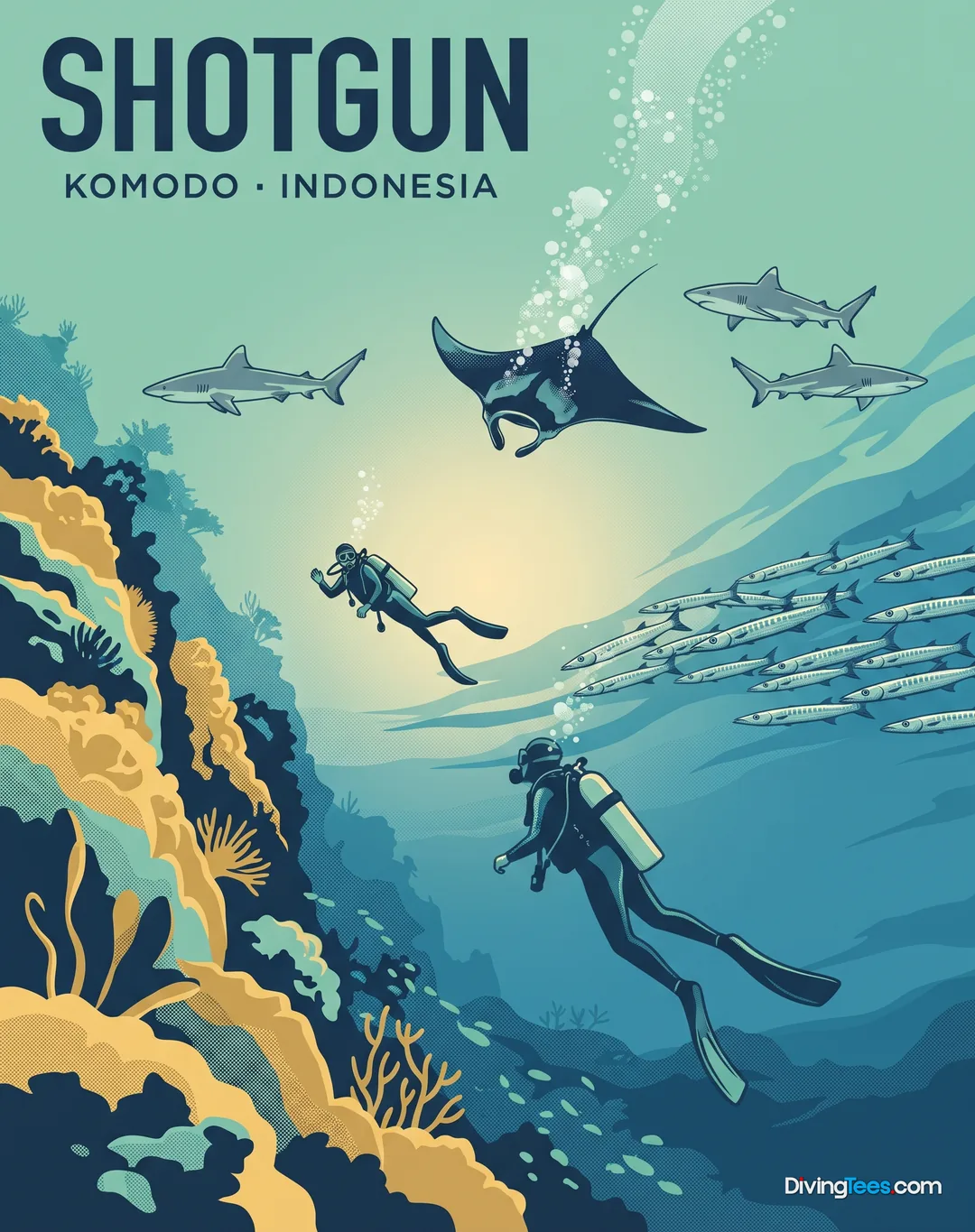
Shotgun →
Max. depth · 25 m
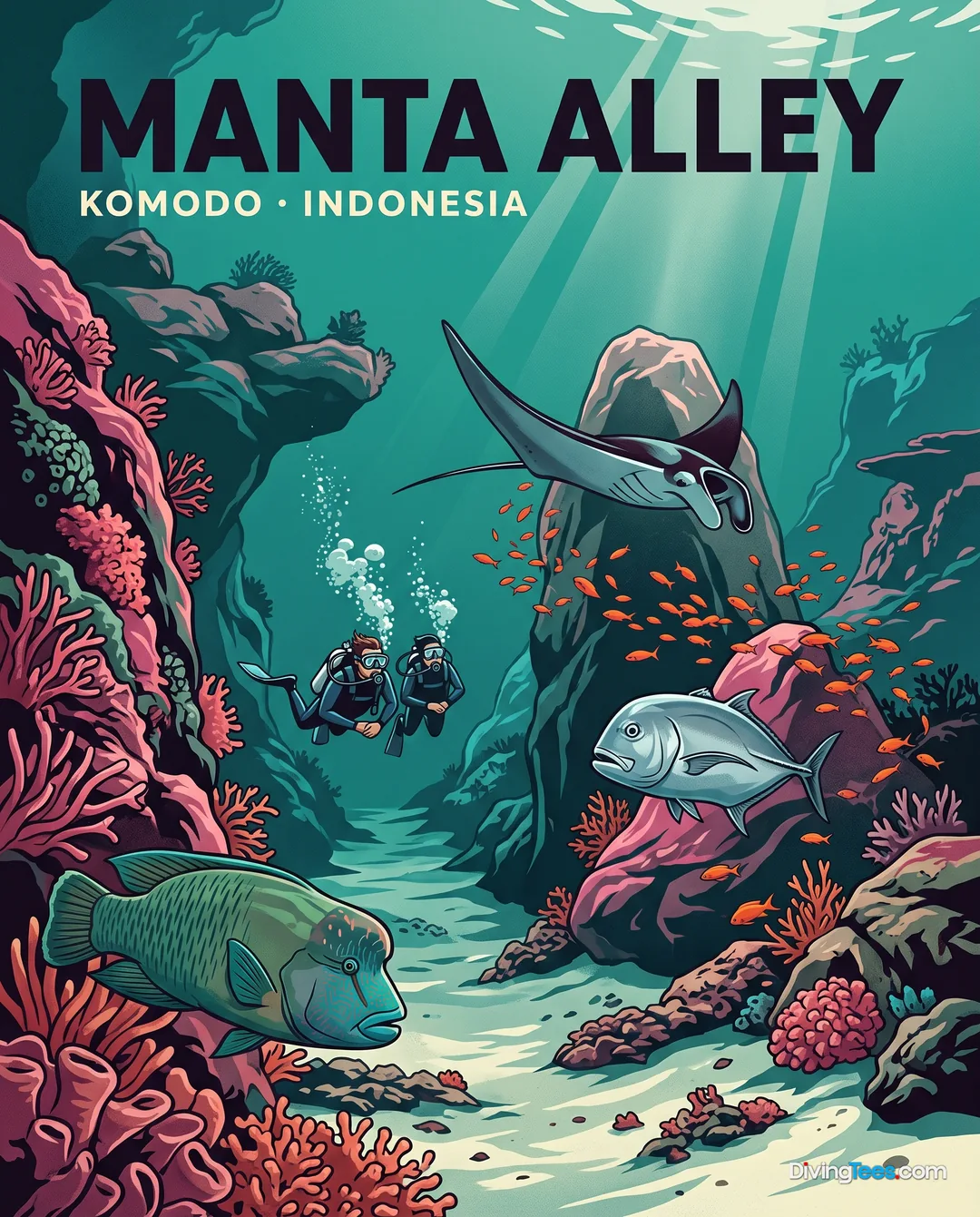
Manta Alley →
Max. depth · 20 m
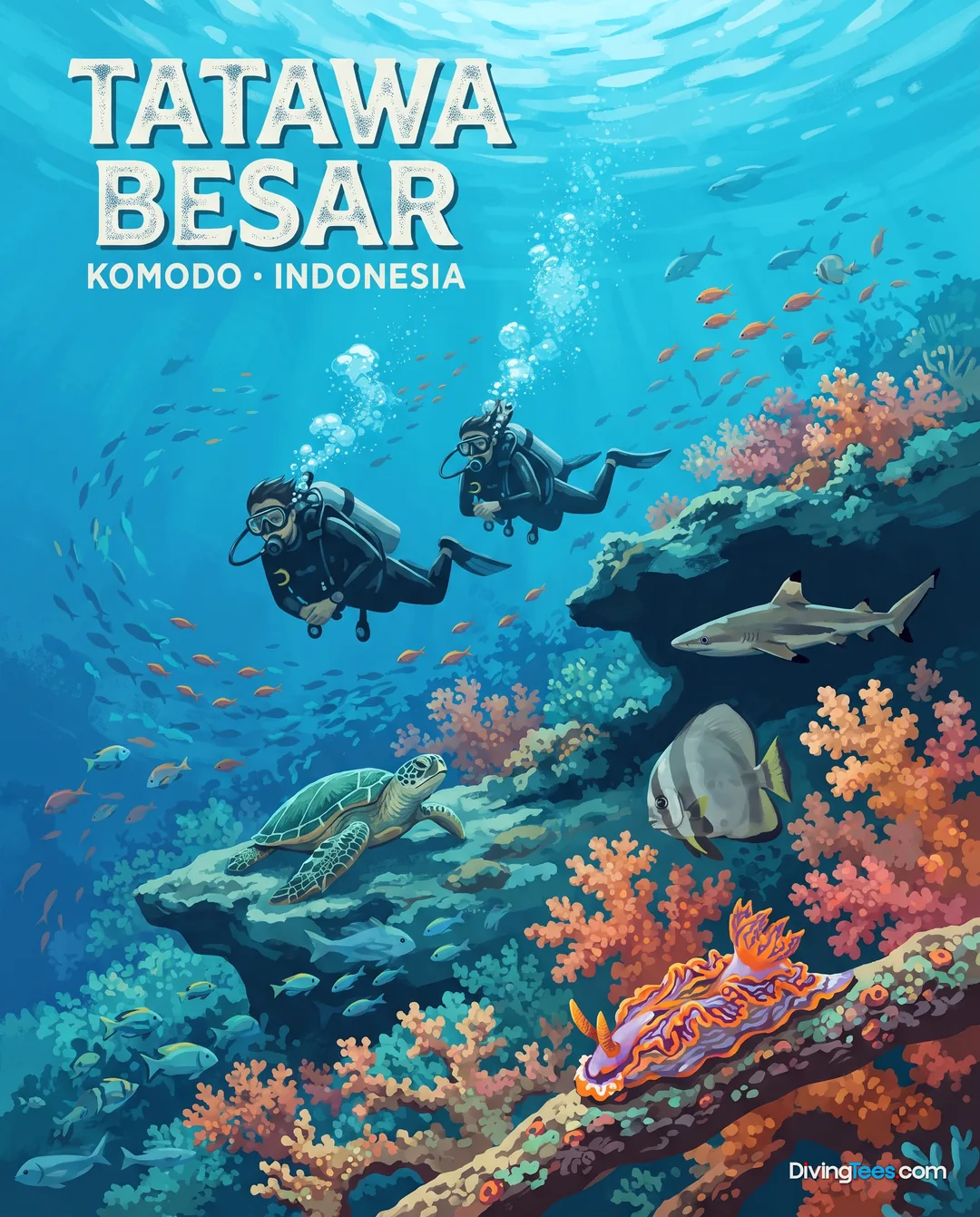
Tatawa Besar →
Max. depth · 25 m
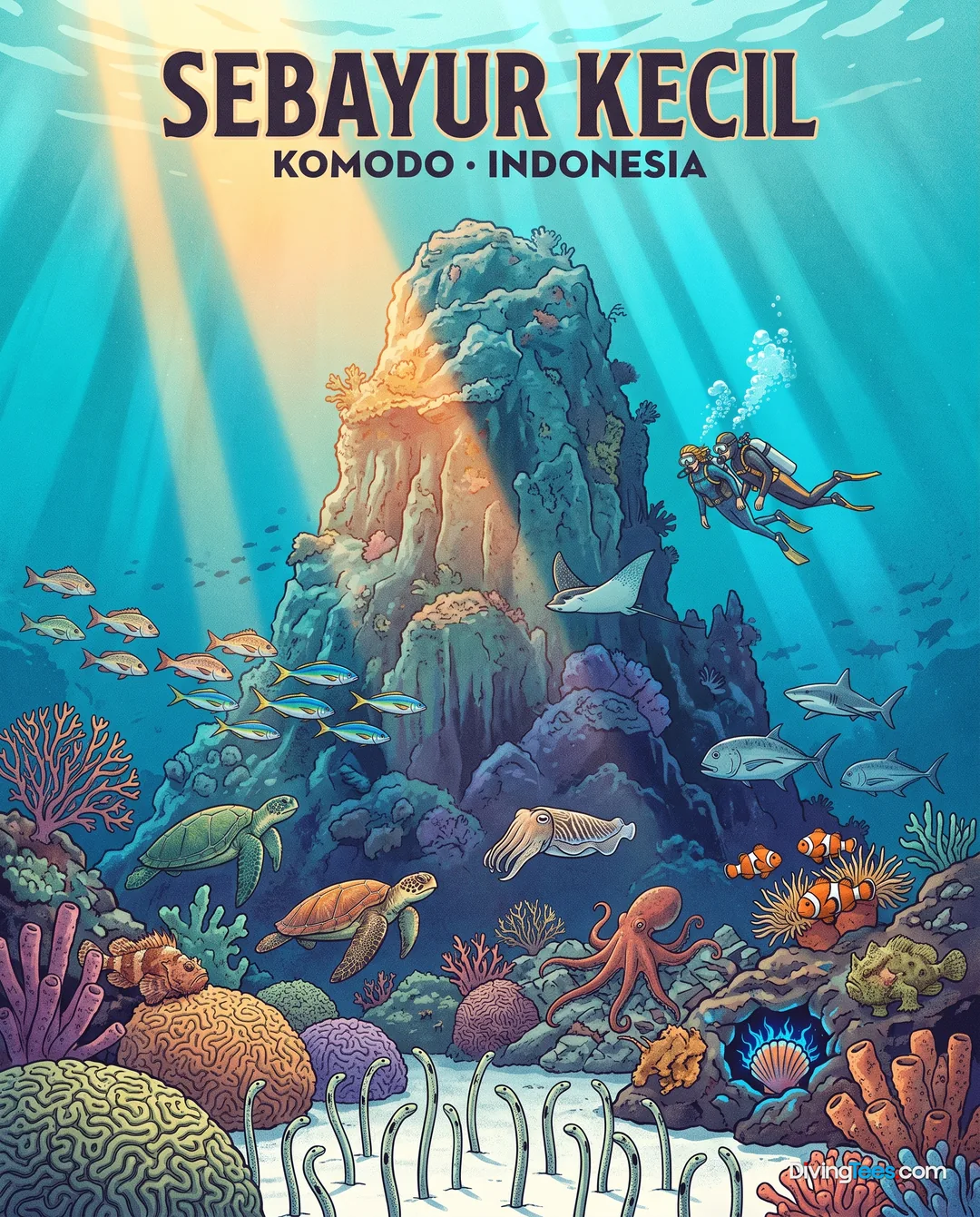
Sebayur Kecil →
Max. depth · 25 m
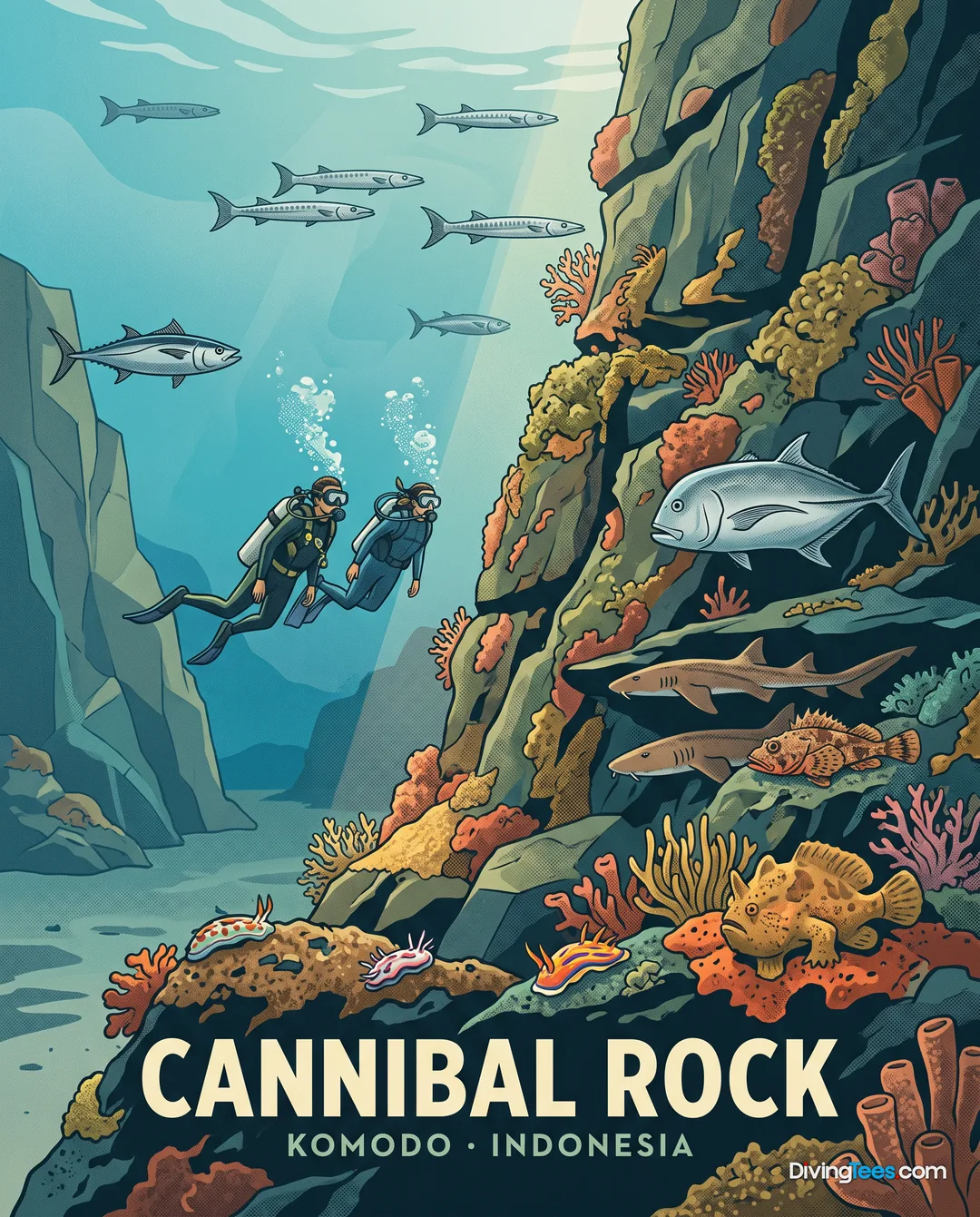
Cannibal Rock →
Max. depth · 30 m
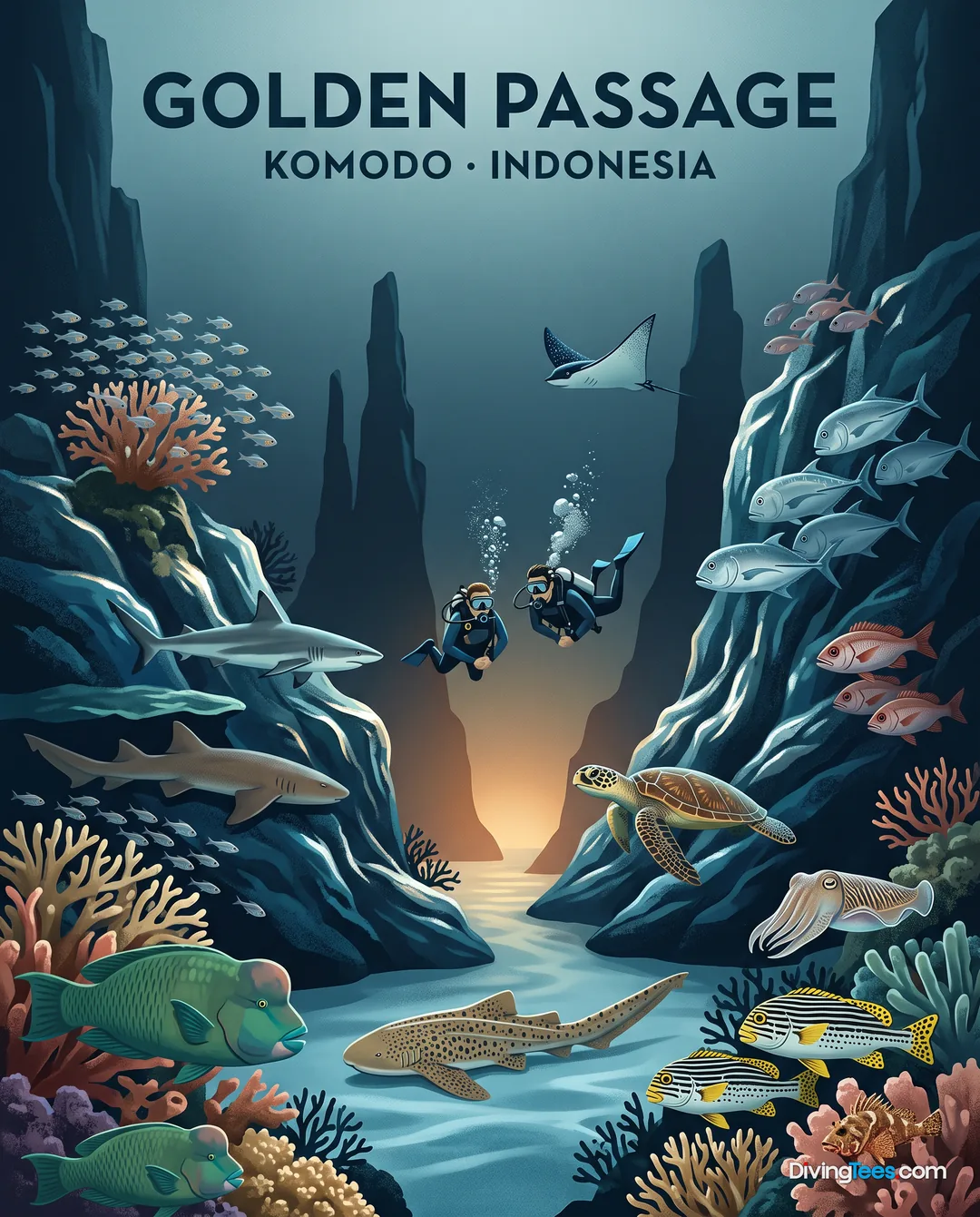
Golden Passage →
Max. depth · 30 m
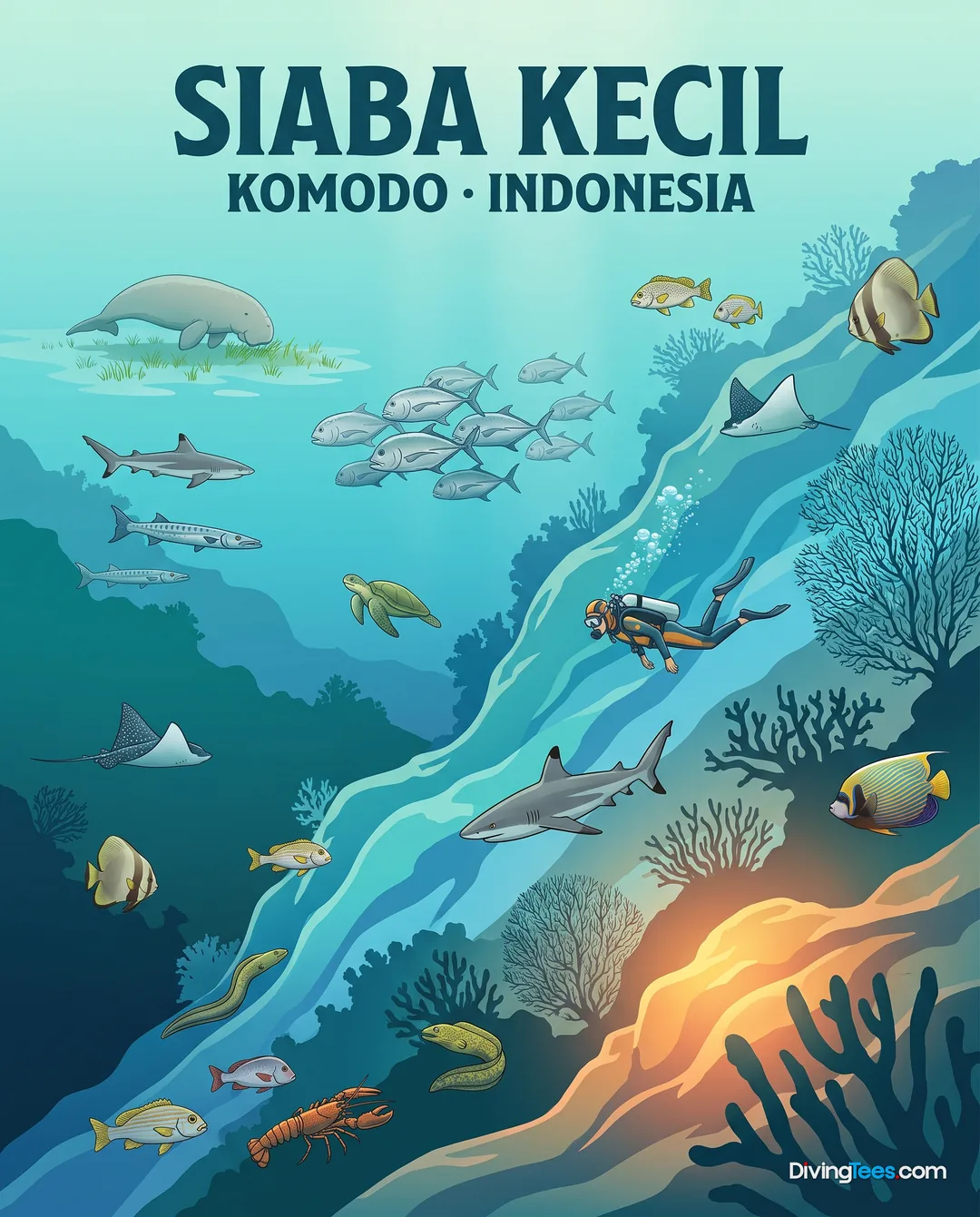
Siaba Kecil →
Max. depth · 30 m
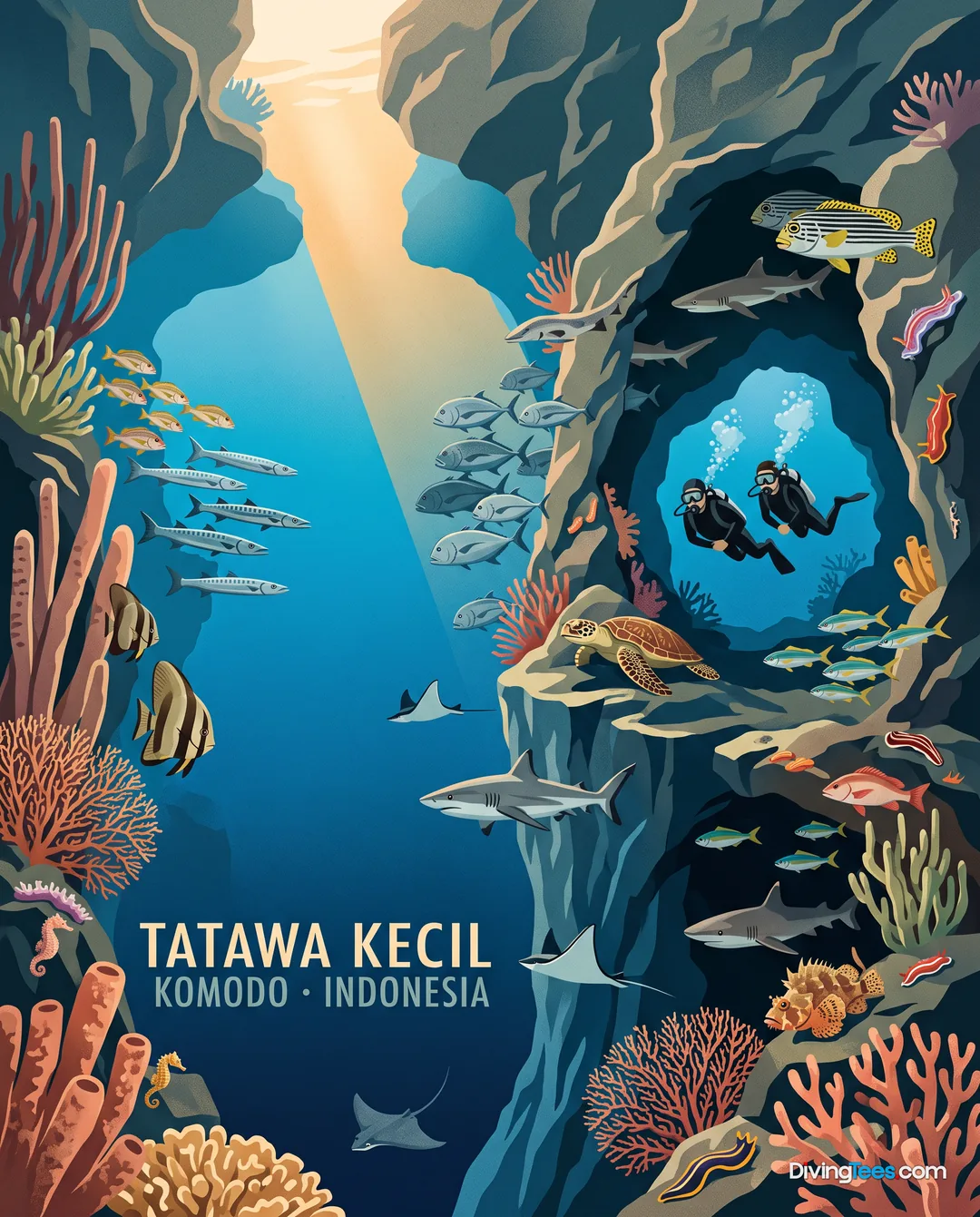
Tatawa Kecil →
Max. depth · 30 m
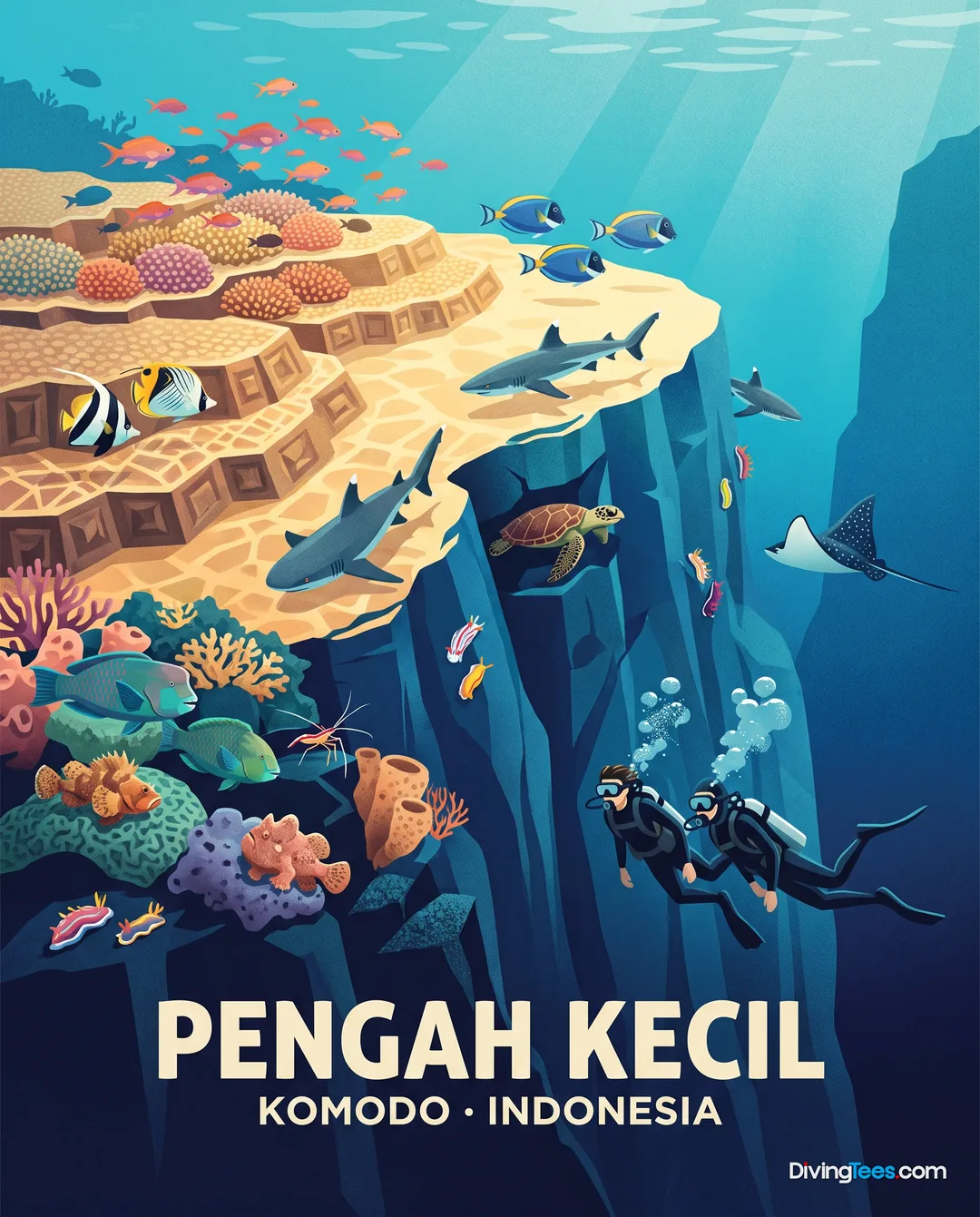
Pengah Kecil →
Max. depth · 25 m
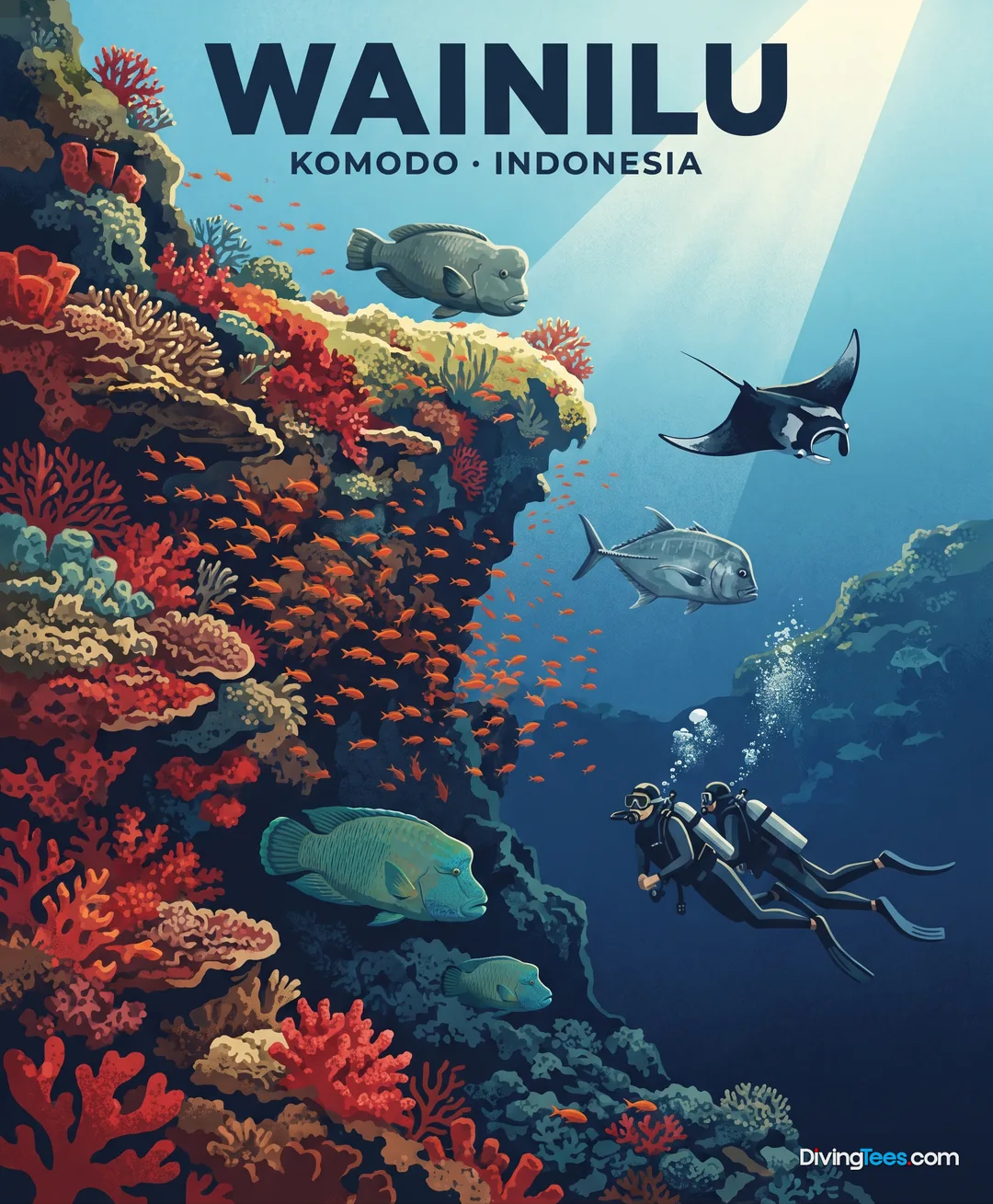
Wainilu →
Itineraries, dates and prices
Prices per person. Each month shows its lowest price: click a month, or pick an itinerary.
Next departures · 42 departuresfrom £1,436$1,920€1,715
December 2026
January 2027
February 2027
March 2027
April 2027
See dates and prices
If you click these links and make a purchase on the partner site, DivingDeal may earn a commission, at no extra cost to you.
Dates and prices taken from Divebooker and liveaboard.com, updated 24 October 2026
What you’ll meet underwater
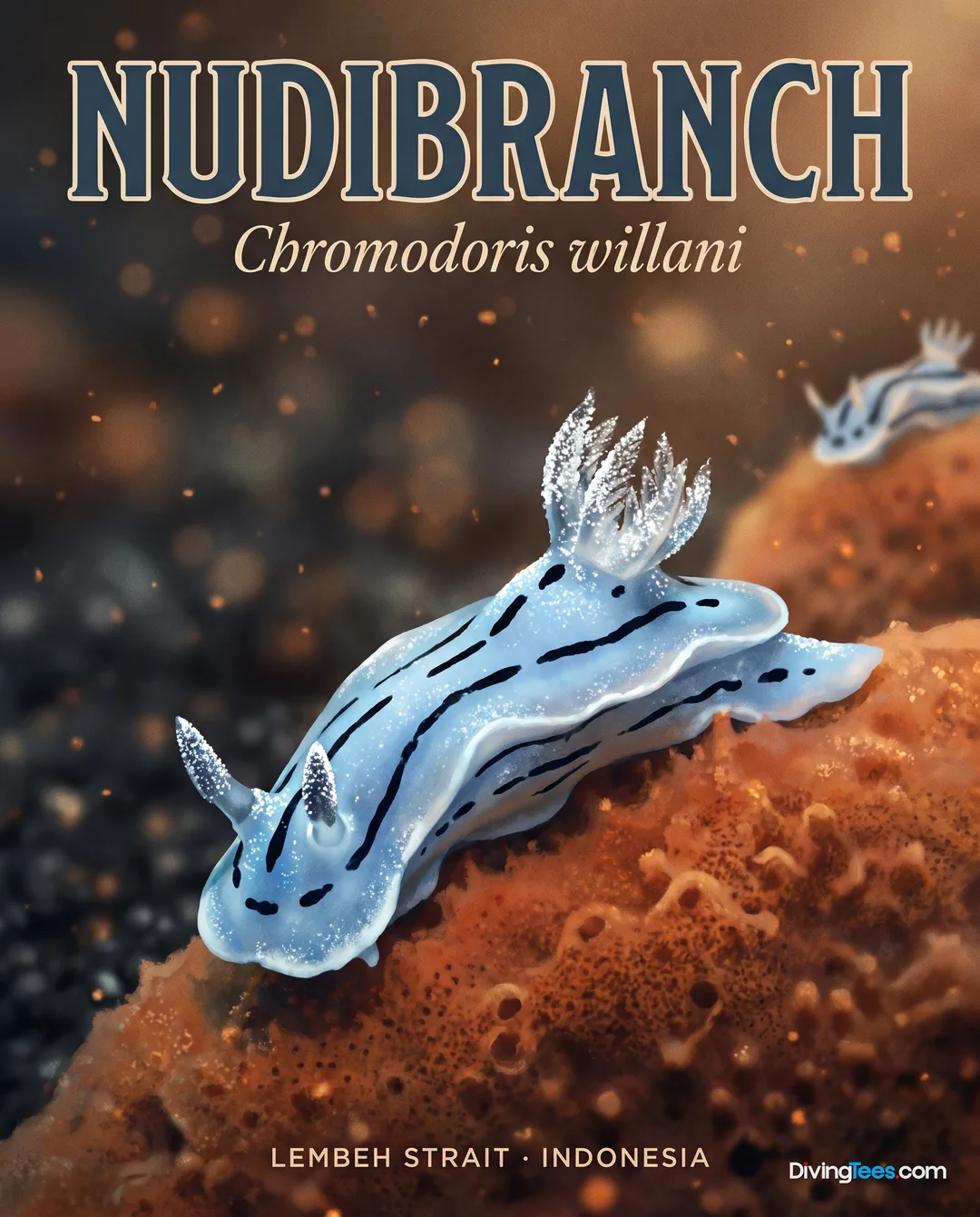
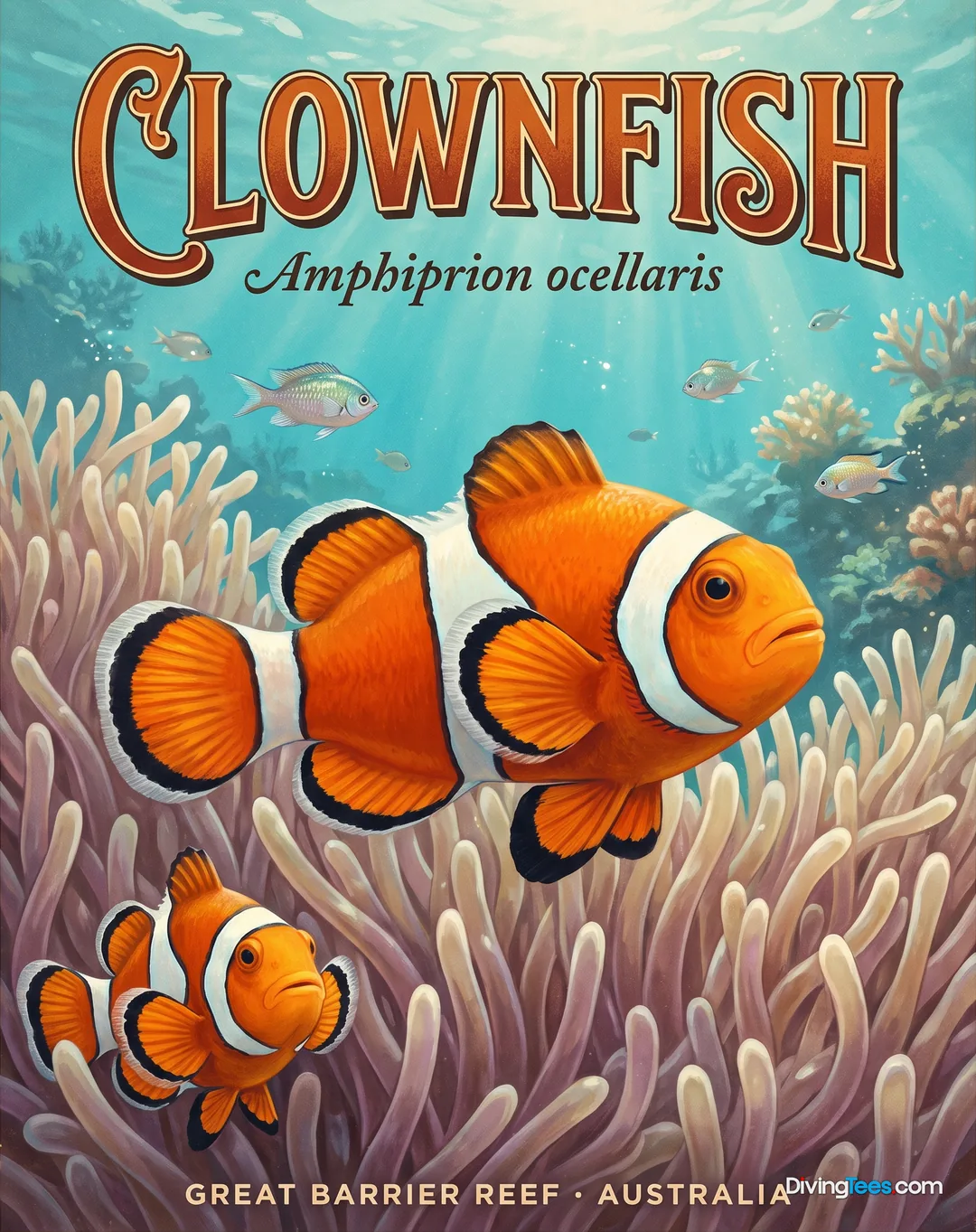
The recurring spectacle is large and small at once. Manta rays, reef sharks, sea turtles and nudibranchs are recorded across all ten sites, with eagle rays, giant trevally, soft corals and barracuda appearing across much of the route. Currents explain much of the big-animal action: they bring nutrients through pinnacles and channels, drawing sharks, trevally, barracuda and mantas into the blue. Manta Alley is the deliberate manta encounter, while Shotgun, Castle Rock, Crystal Rock, Golden Passage and Siaba Kecil add the possibility of pelagic movement around current-swept reef. The unusual finds give several sites their own reason to enter the water. Golden Passage is the recorded site for leopard sharks and glassfish. Siaba Besar is where ghost pipefish and unicornfish are recorded; Wainilu is the place for mandarinfish on the sandy slope. Sebayur Kecil has clownfish and filefish, Castle Rock has bannerfish, and Siaba Kecil has angelfish and lobster. These are possibilities, not promises.
Who puts you in the water
The crew speaks English and Indonesian, and a dive guide is available as an optional service. Grand Komodo requires divers to hold at least Open Water certification and to have 50 logged dives, as well as being fit to dive. That threshold makes sense for a route that includes exposed pinnacles, drift dives and strong currents, although certification alone does not replace good current judgment. Briefings and group organisation are handled around a small maximum of six passengers, so the operation is not built around a large boat divided into many anonymous groups. Emergency oxygen and first-aid equipment are carried on board, alongside fire alarms and extinguishers, life jackets, life rafts and communication equipment including VHF/DSC/SSB radio and satellite phones. The guide service is not included by default; divers who want a private guide can arrange one as an extra.
The dive deck and the gear
The dive deck is shaded and organised around six gear-up stations, with a platform and a tender fitted with a 40 hp engine. A Bauer compressor handles filling, and DIN adapters are available. The boat carries scuba tanks and provides a separate rinse for underwater cameras, plus charging stations and camera workstations for keeping equipment ready between dives. Divers enter and return through the dive platform, with the tender supporting transfers to and from the sites. Nitrox can be requested for an additional charge. This is a six-diver deck designed to keep gear in place, protect cameras from the general rinse and move a small group efficiently into Komodo’s current-affected sites.
Between dives
Between dives, the shaded dive platform is the practical refuge: close enough to the gear for the next entry, but protected from the strongest sun. The terrace gives the boat its open-air pause, while the interior lounge offers dining space for six, a television with CD/DVD player and a library for the quieter stretches. Photographers have charging stations, camera workstations and a separate rinse for underwater cameras, so wet equipment does not have to share every surface with lunch or dry clothes. When the boat is not moving between sites, land excursions and the beach barbecue provide a change from the deck. Nusatara does not try to fill every quiet hour with entertainment. The useful luxury here is being able to sit in shade, leave a camera ready for the next dive and let the boat remain small around you.
A day on board
A day on Nusatara is shaped by the order of diving rather than by a published clock. The compressor gets the first equipment ready before the group gathers for the opening briefing, then divers move from breakfast to the platform, tender and reef. After surfacing, the shaded deck and snacks carry the group through the surface interval before the next briefing and entry. Meals punctuate the working part of the day, with the cook moving between Indonesian and Western dishes while cameras go into the separate rinse and onto the charging stations. At some point the boat gets underway for the next island or channel, turning the gap between dives into travel rather than dead time. Land excursions and the beach barbecue break the pattern when the itinerary allows. Evening brings the useful post-dive routine: food, drying gear, checking photographs and talking through the animals and current before sleep in the air-conditioned cabins. The next cycle begins from the same compact deck.
What you eat aboard
The galley serves Indonesian and Western food, with meals prepared fresh on board and presented buffet-style. Vegetarian options are available, and snacks remain available through the day—useful on a diving boat, where the gap between a surface interval and the next briefing is rarely the time for a formal meal. The food is one of Nusatara’s strongest suits: the cook is singled out for knowing the job, and the food score reflects that rather than relying on imported resort menus. Local dishes give the route a proper Indonesian centre, while Western choices keep the table accessible across a mixed group. A beach barbecue is part of the trip too. Meals are included from the start of the cruise through its end, with drinking water, tea and coffee on board; beer and other drinks are separate.
Nights at sea
The cabins are air-conditioned and have private bathrooms, with portholes rather than broad picture windows. The Double Cabin has a double bed; the two Twin Cabins have separate beds and are shareable. That layout keeps the sleeping arrangements simple and gives each cabin its own bathroom, soap, bath towel and beach towel. The lower position of the twin cabins puts the night firmly in the boat: engine and water sounds are part of the setting, not something to expect a silent hotel room to hide. Between dives, the interior lounge and the shaded terrace provide two different kinds of retreat, while the cabins are there for the practical business of cooling down and sleeping. The boat is compact, so storage and movement will feel more intimate than on a larger phinisi. For six divers, that is also the point: no corridor of unused cabins and no crowd passing the door.
Double Cabin
Twin Cabins
What to know before boarding
The cruise departs from and returns to Labuan Bajo, with the itinerary running Labuan Bajo–Labuan Bajo for 8 days and 7 nights. Airport-to-boat transfer is included. Hotel transfer is optional, while domestic flights are arranged separately. Arriving in Labuan Bajo the night before gives a safer margin for boarding and avoids putting the liveaboard connection on the same day as an international arrival.
- Length
- 20.4 m
- Beam
- 4.6 m
- Maximum number of passengers
- 6
- Number of cabins
- 3
- Number of bathrooms
- 3
- Engines
- 105 hp
- Cruising speed
- 8 konts
- Website
- grandkomodo.com ↗
Hello, I'm Marina, DivingDeal.com's AI assistant. I answer in detail about hotels, dive centres and liveaboards.
Thinking about the whole trip and the flights? Talk it over with Edith →
Marina is an AI. Some links are affiliate links: DivingDeal may earn a commission, at no extra cost to you. Bookings are made with the partner.