Liveaboards · Indonesia
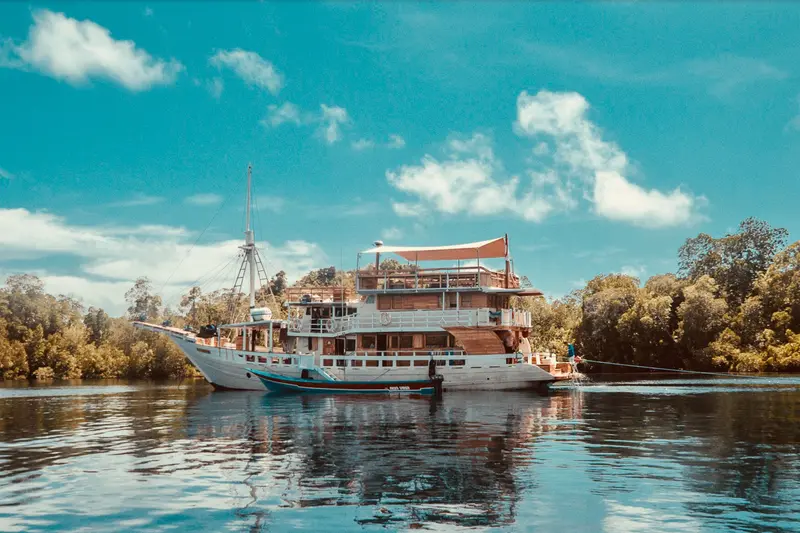
Supraba — a traditional phinisi for small-group diving
What makes this boat unique
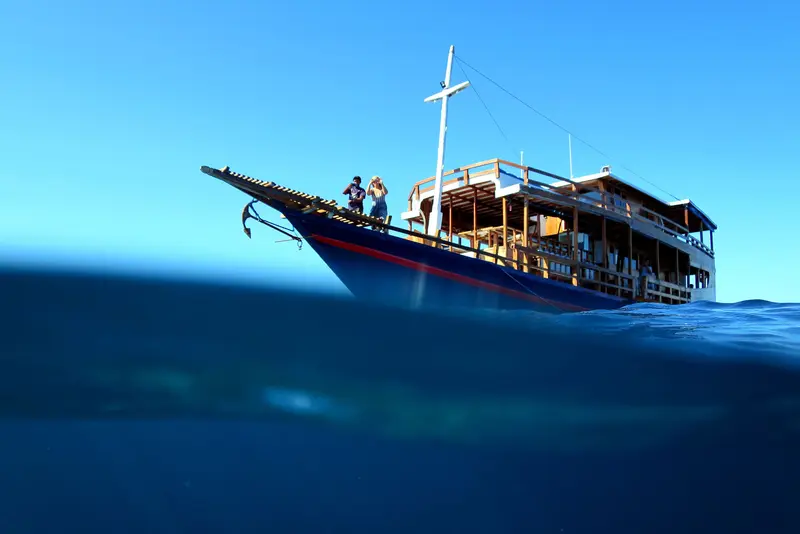
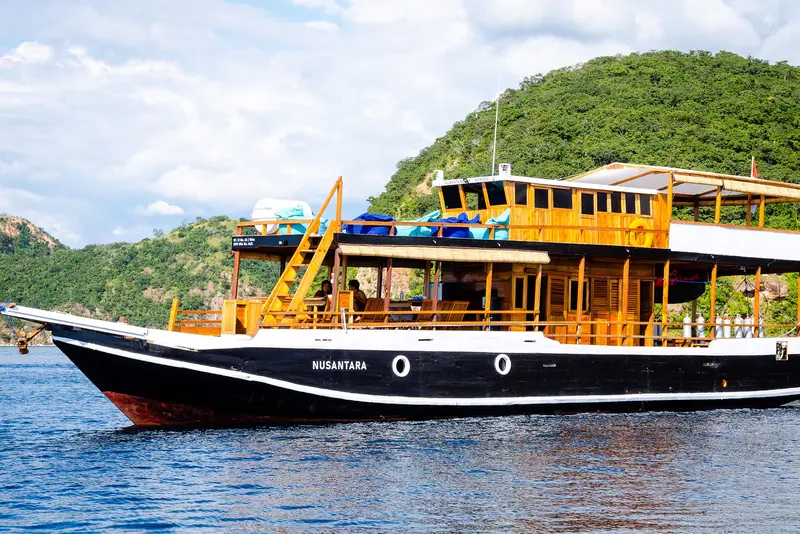
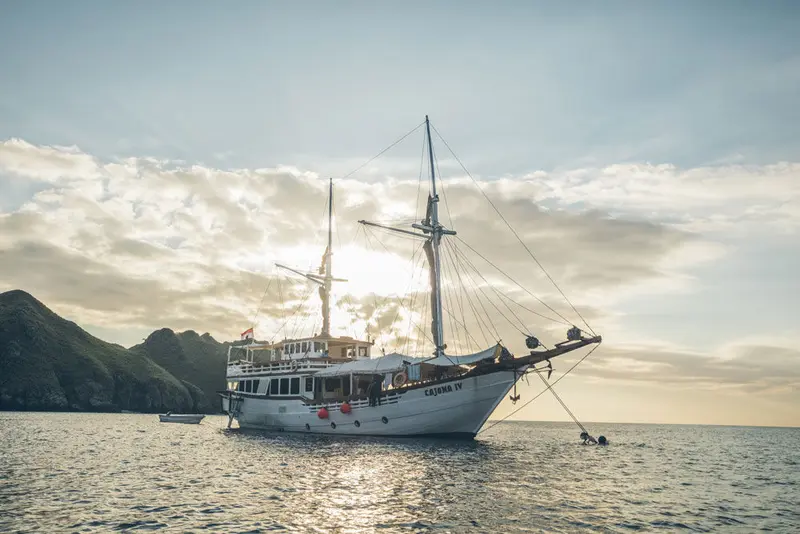
- Traditional Indonesian phinisi offering liveaboard cruises around Komodo National Park.
- Six air-conditioned cabins, each with a private bathroom, accommodate up to 12 passengers.
- The dive setup includes a dedicated platform and two diver tenders.
- Meals combine local and Western cooking, with barbecue meals on the beach.
- Recorded trips from Labuan Bajo return to Labuan Bajo and last from 3 days / 2 nights to 6 days / 5 nights.
For subtitles in English: start the video firstthen click the gearat the top right of the video, select “Subtitles/CC”, then “Auto-translate” and choose “English”.
The invitation
Supraba suits divers who want a traditional Indonesian vessel rather than a floating resort built around anonymous corridors. The phinisi character matters here: the boat is part of the Komodo experience, while the compact passenger capacity keeps the group small enough for the crew to know who is entering the water and who is still on deck. Six cabins, private bathrooms and air conditioning make the practical side straightforward, but diving remains the reason to board. Two tenders support the dive operation, and the boat welcomes snorkellers as well as divers. The recorded departures run from Labuan Bajo and return there, with Komodo National Park as the main destination.
Boarding
Supraba arrives as a working Indonesian phinisi, not as a disguised hotel. Its traditional hull gives the boat a stronger sense of place than a standard modern liveaboard, while the layout keeps the important parts close: cabins sit on the lower deck amidships, and the dive platform is ready for the day’s water work. The engines are Mitsubishi units, and the boat cruises at 8 knots, so longer crossings are part of the itinerary rather than something to hide. With space for 12 passengers, the group remains small enough that the same faces appear at meals, on deck and in the tenders. The boat carries radar, sonar, GPS and VHF/DSC/SSB radio, with lifeboats, lifejackets and fire alarms on board.
The atmosphere on board
Supraba is built for a small group: no more than 12 passengers share the boat, the tenders and the dive platform. That scale gives the crew a direct role in the day, from getting divers moving toward the water to keeping meals and cabins running while the boat changes position. English and Indonesian are spoken on board. The atmosphere is likely to form around the same compact group at breakfast, on the terrace and after the last tender returns, rather than around a large passenger crowd disappearing into separate areas. A bar, outdoor dining, beach barbecues and shared lounges keep evenings social without requiring organised entertainment. The available ratings place the crew at 9.5 and the boat at 9.1, a useful distinction: the people are a particular strength, while the vessel remains a traditional working phinisi rather than a new luxury yacht.
The sites you’ll dive
The recorded departures are round trips from Labuan Bajo through Komodo National Park, lasting 3 days / 2 nights, 4 days / 3 nights, 5 days / 4 nights or 6 days / 5 nights. The named dive-site portfolio also includes North Sulawesi sites, where the diving shifts between walls, pinnacles, black sand and wreckage. Bunaken Marine Park drops to -40m on steep coral walls, with turtles, reef sharks and possible pelagic life. Murex Bangka House Reef reaches -25m on a sloping reef suited to pygmy seahorses and ribbon eels; Bunaken Timur reaches -25m and combines shallow coral with macro life. Sahaung reaches -35m among pinnacles and boulders, with white-tip reef sharks reported. Celah Celah is a cleft in a wall opening toward the blue. Lembeh Strait is shallow black sand, while The Molas Shipwreck is a World War II cargo vessel upright on a sandy slope, reaching -40m. Other listed sites include Lekuan, Sachiko’s, Siladen Wall, Batu Mandi, Bethlehem, City Extra and Murex Manado House Reef, with maximum depths from -20m to -30m where stated.
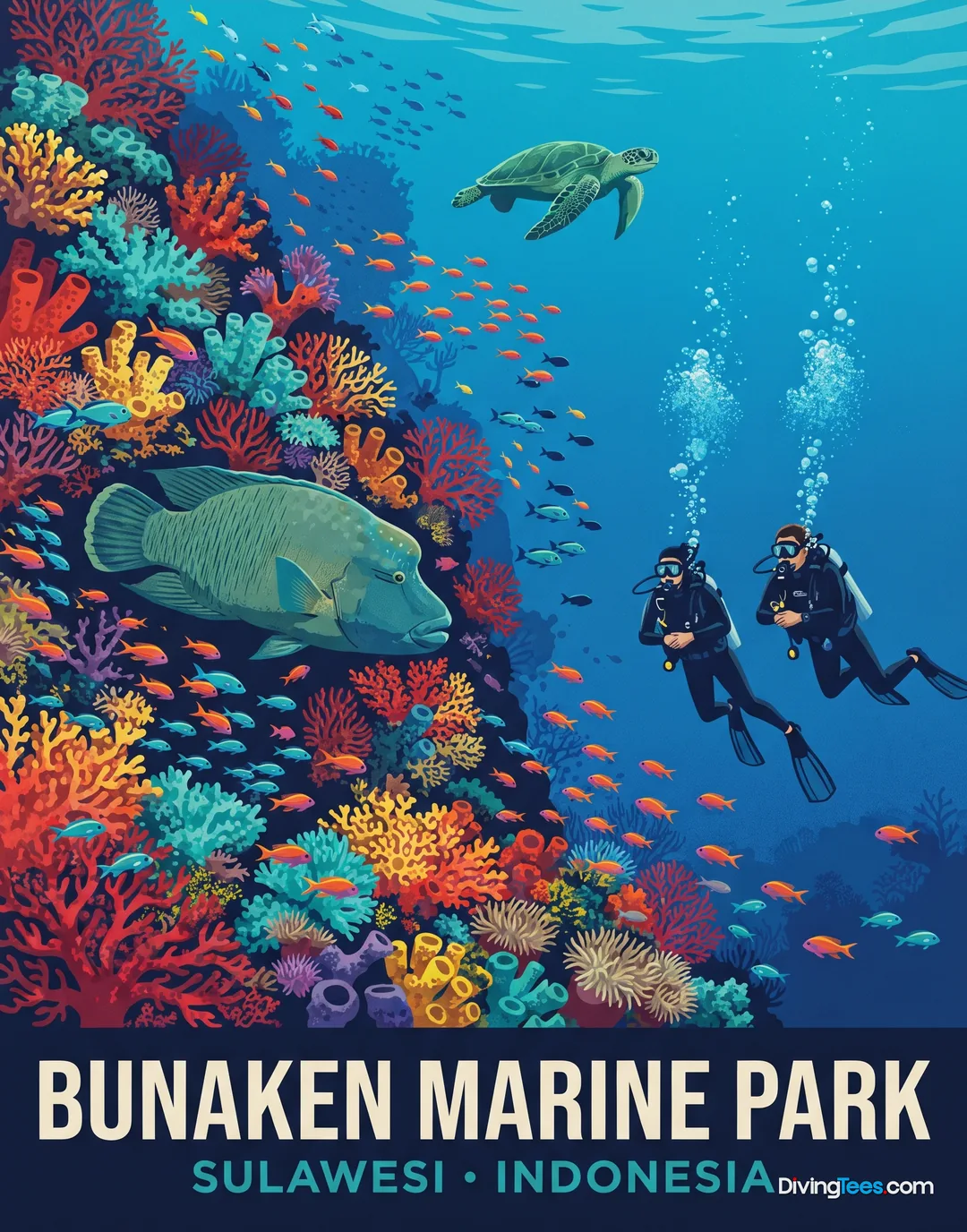
Bunaken Marine Park →
Max. depth · 40 m
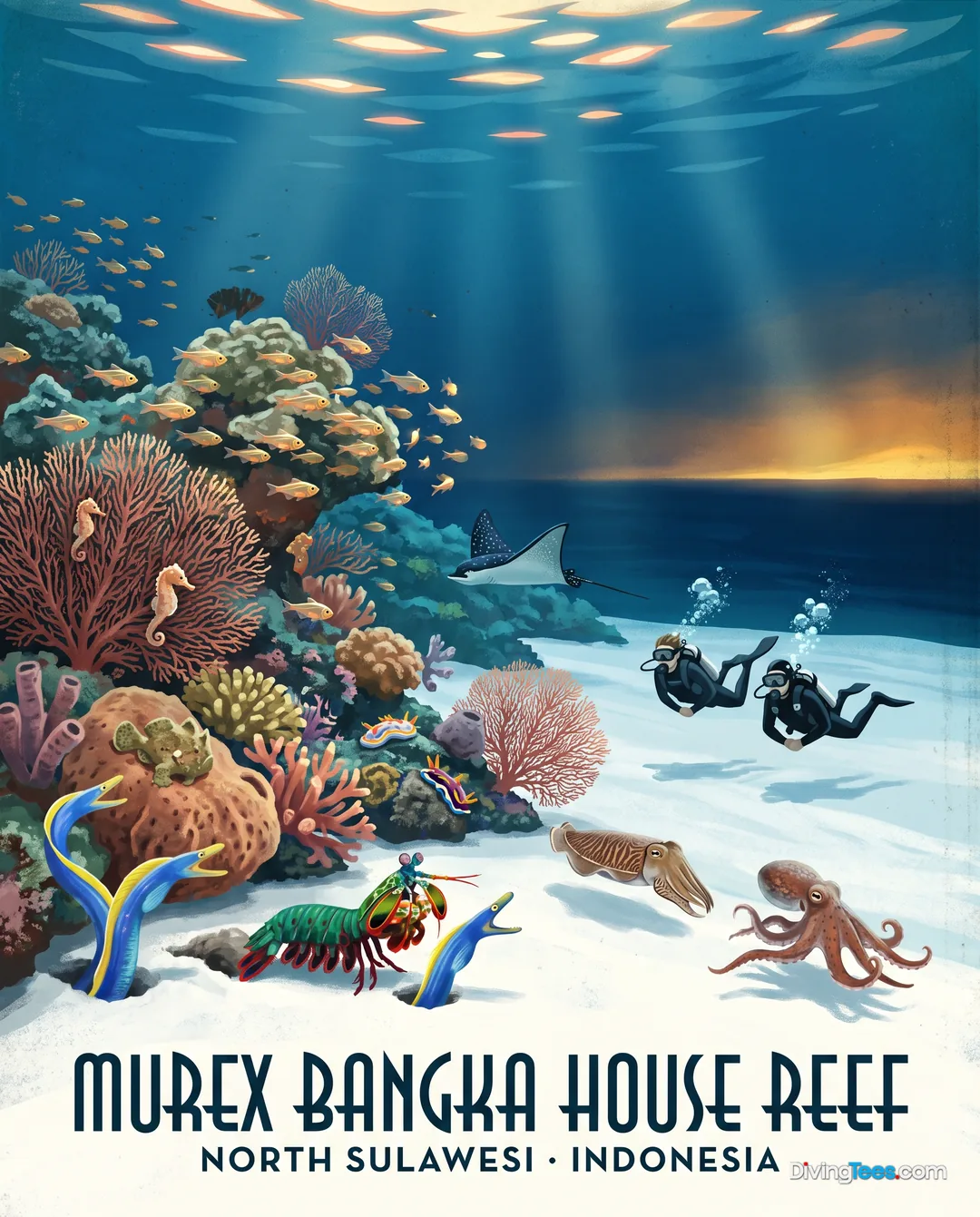
Murex Bangka House Reef →
Max. depth · 25 m
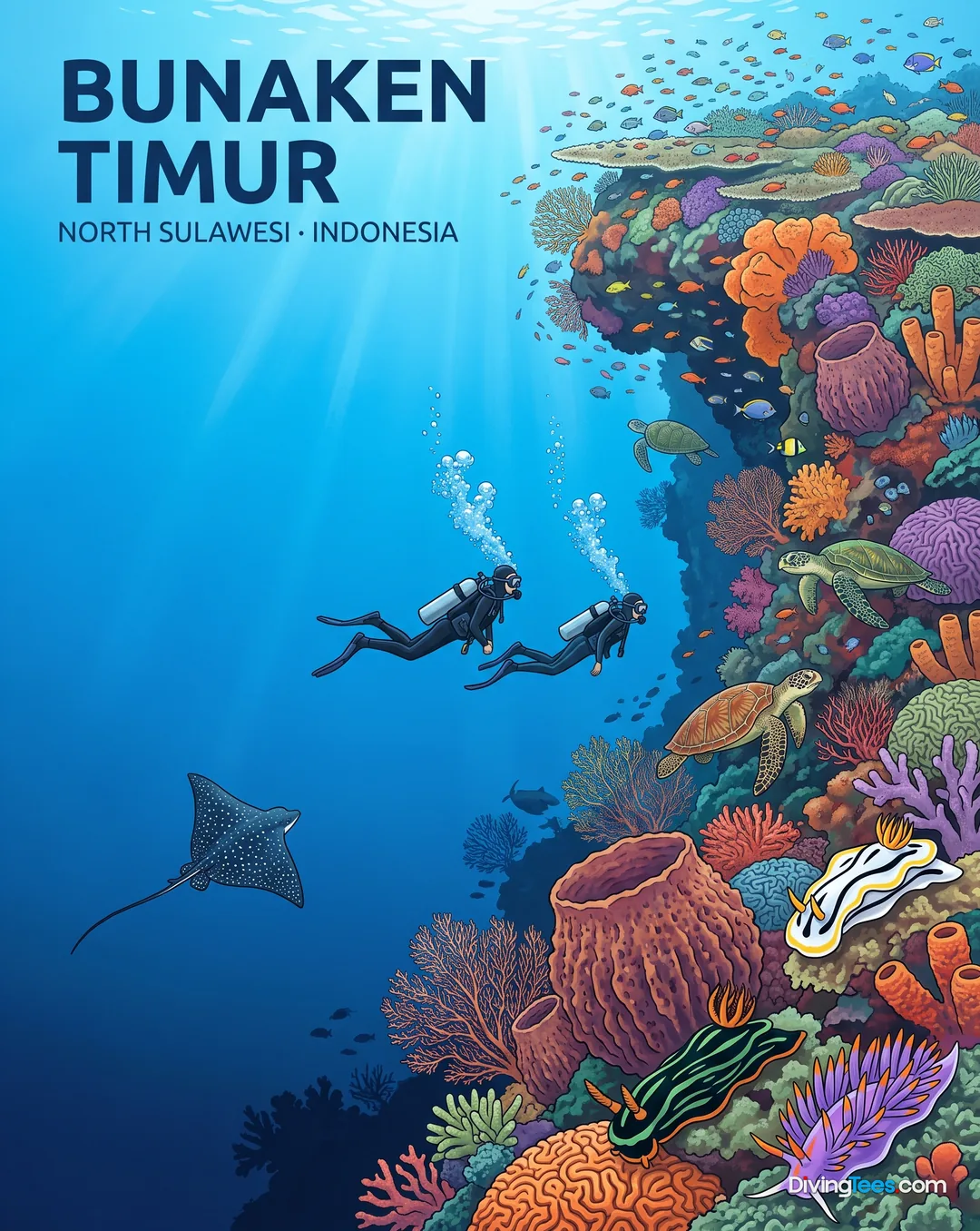
Bunaken Timur →
Max. depth · 25 m
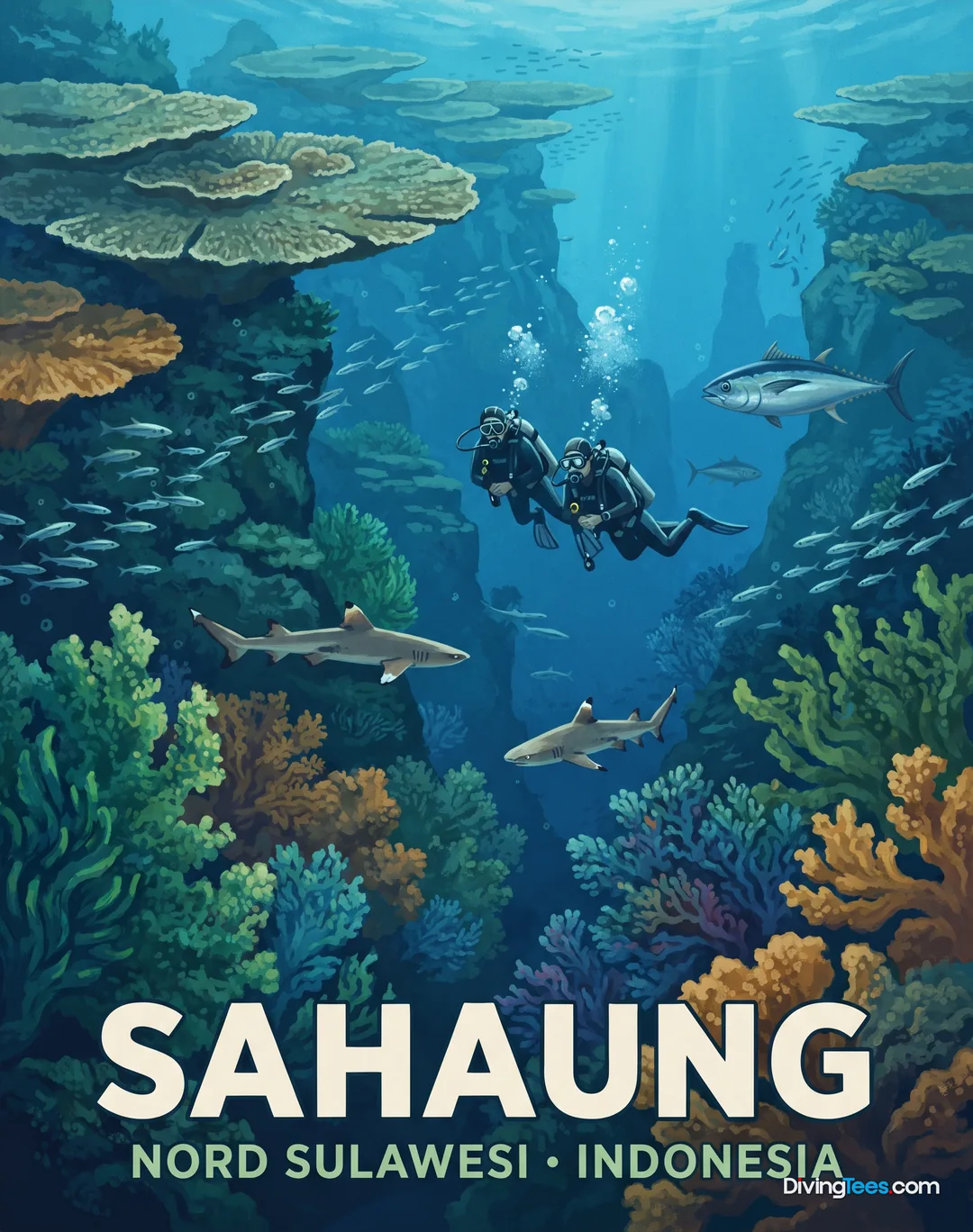
Sahaung →
Max. depth · 35 m
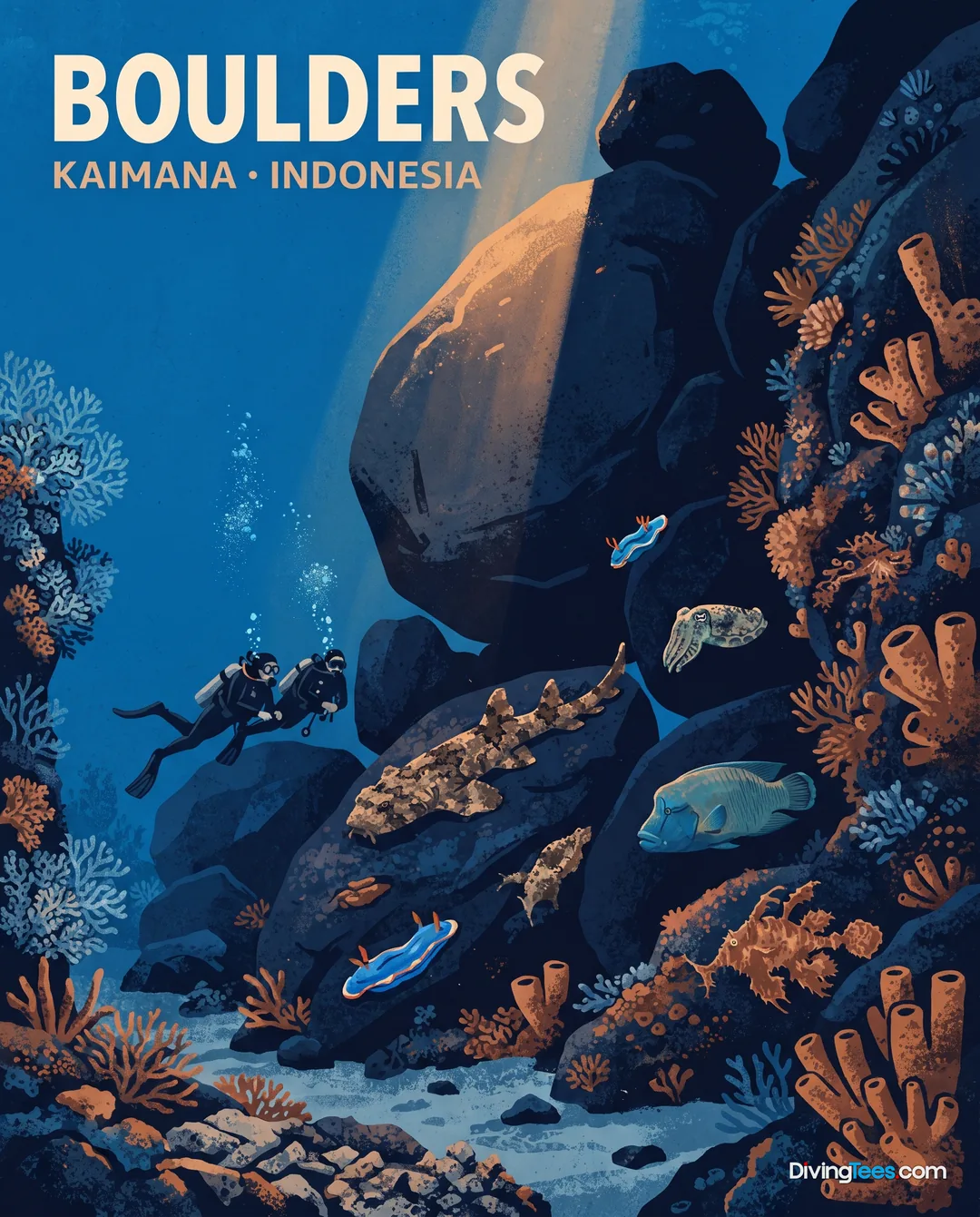
Boulders →
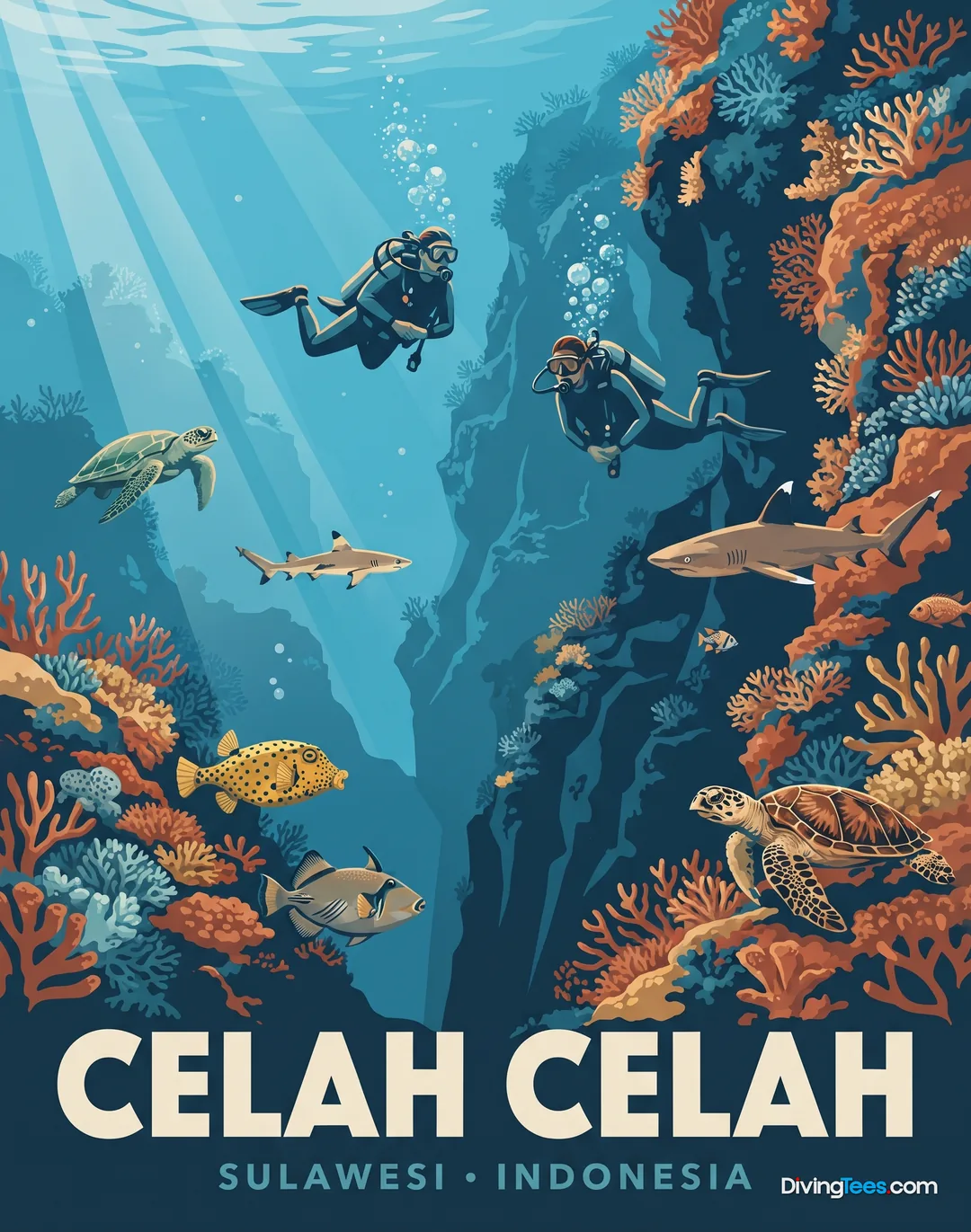
Celah Celah →
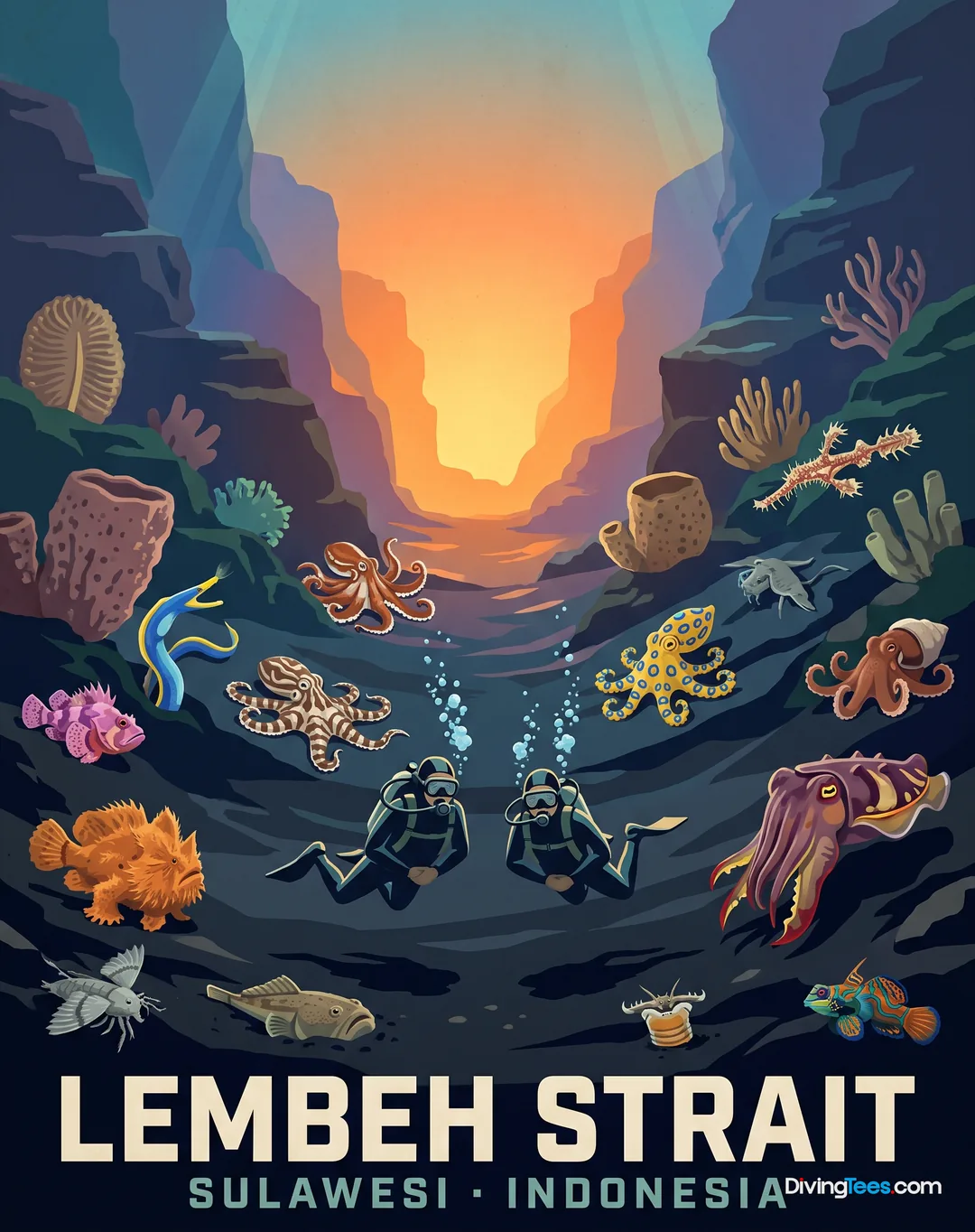
Lembeh Strait →
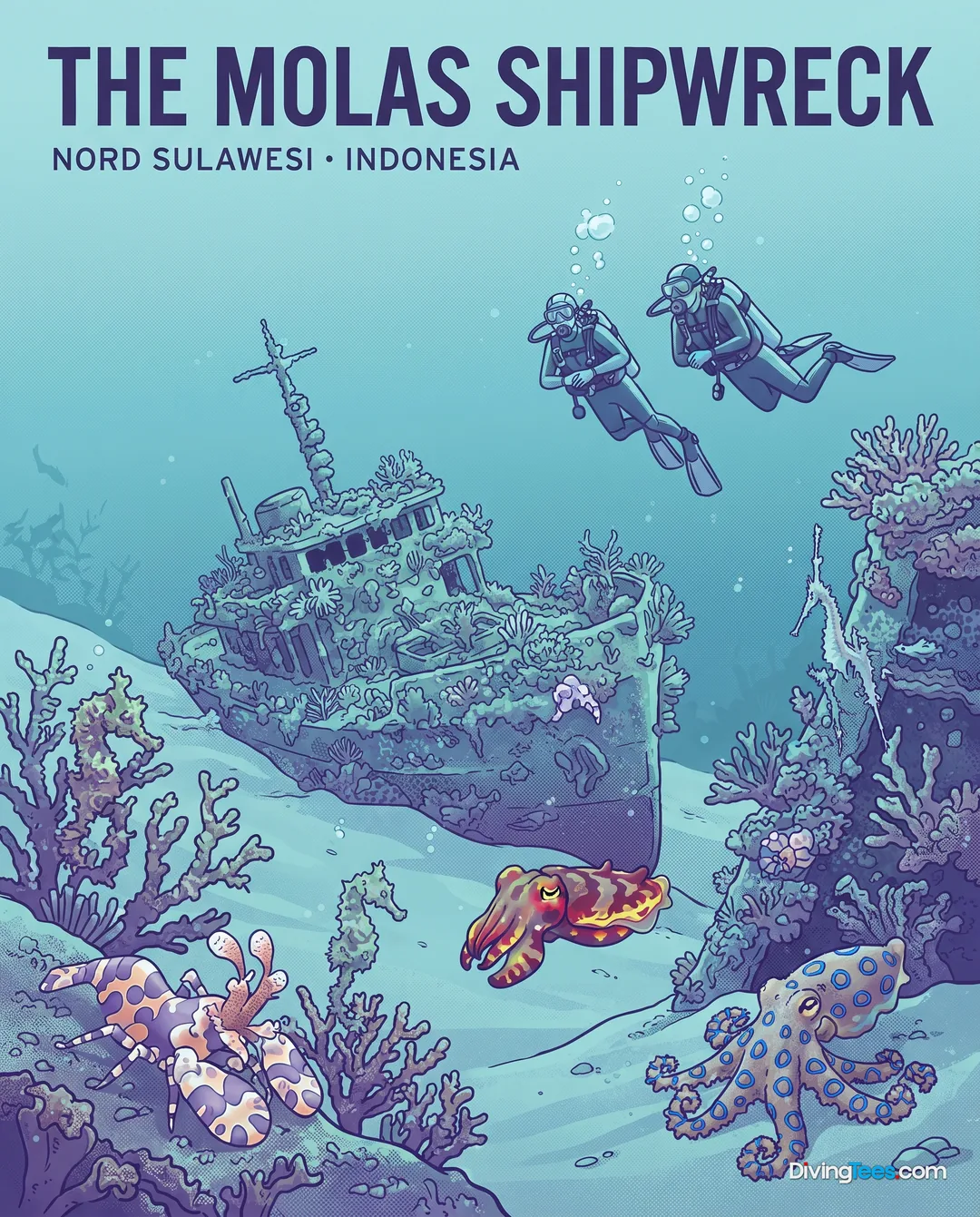
The Molas Shipwreck →
Max. depth · 40 m
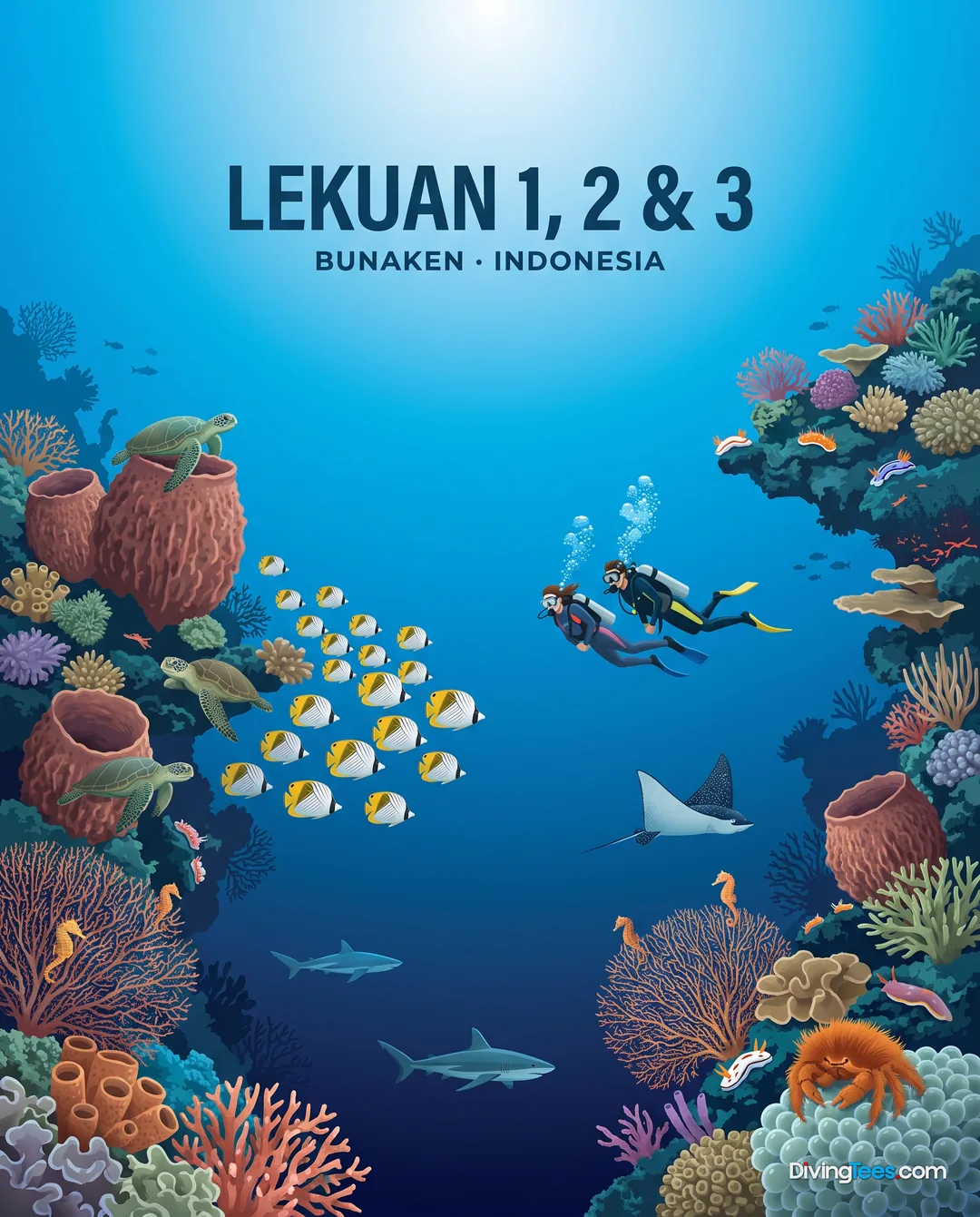
Lekuan →
Max. depth · 25 m
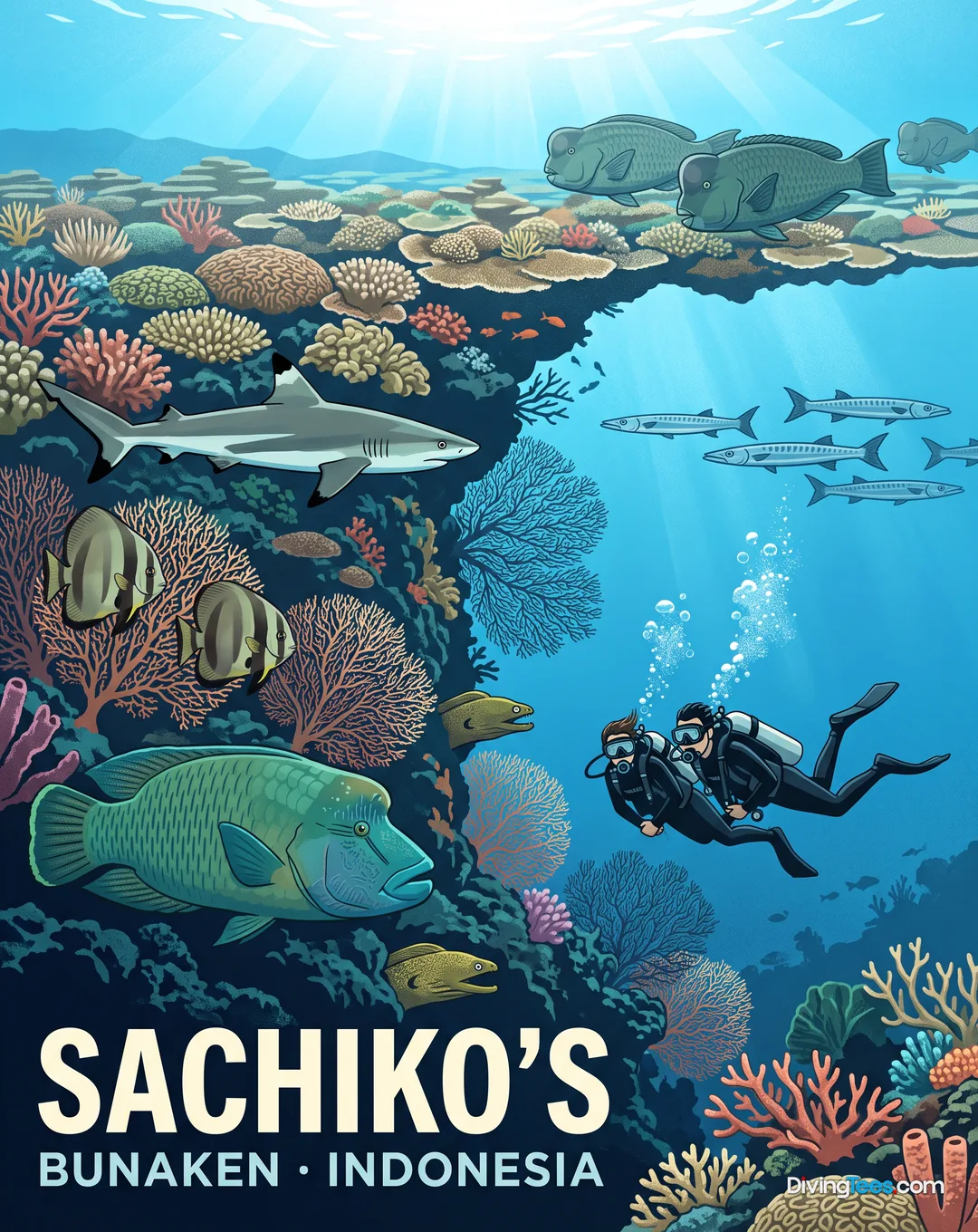
Sachiko’s →
Max. depth · 25 m
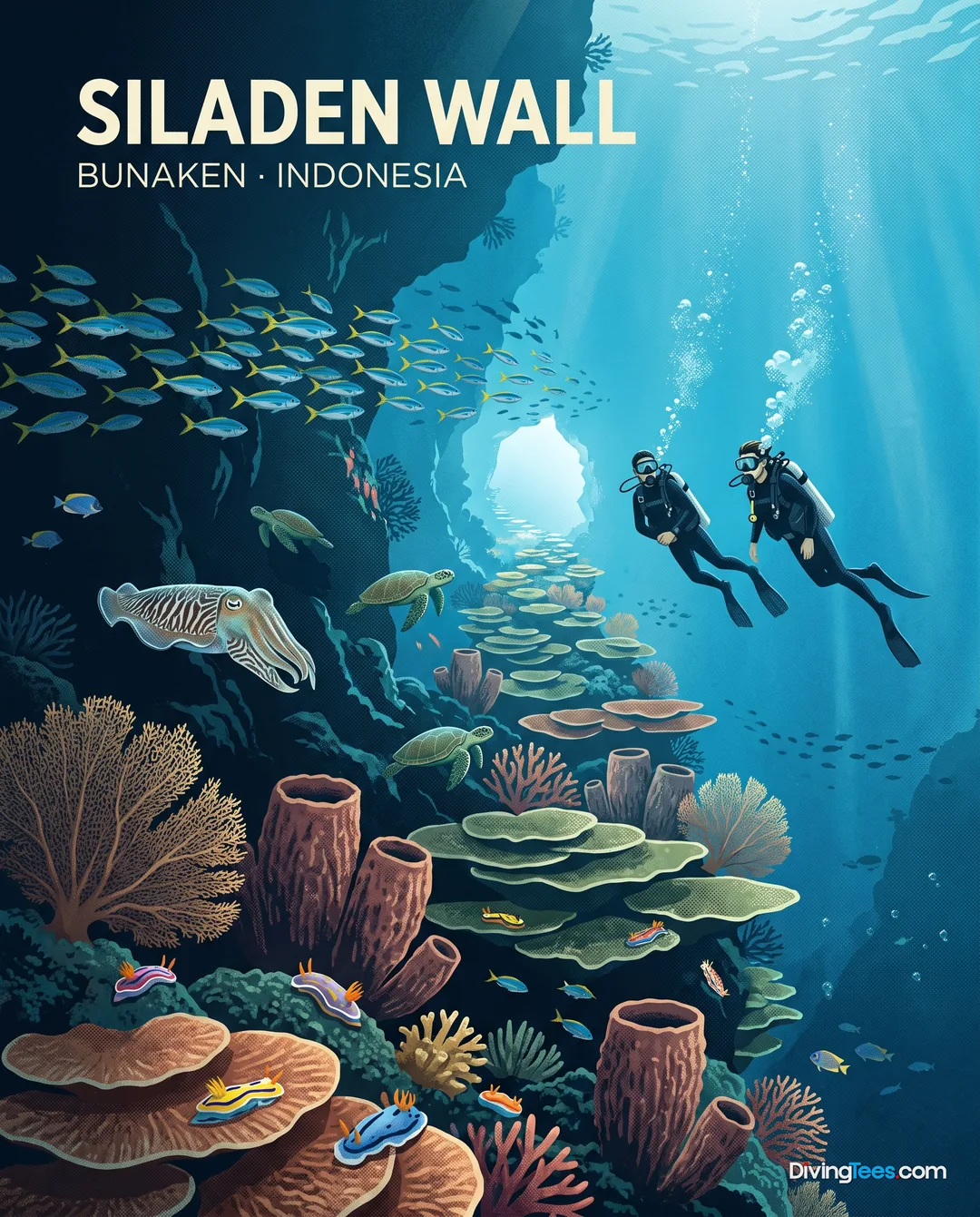
Siladen Wall →
Max. depth · 25 m
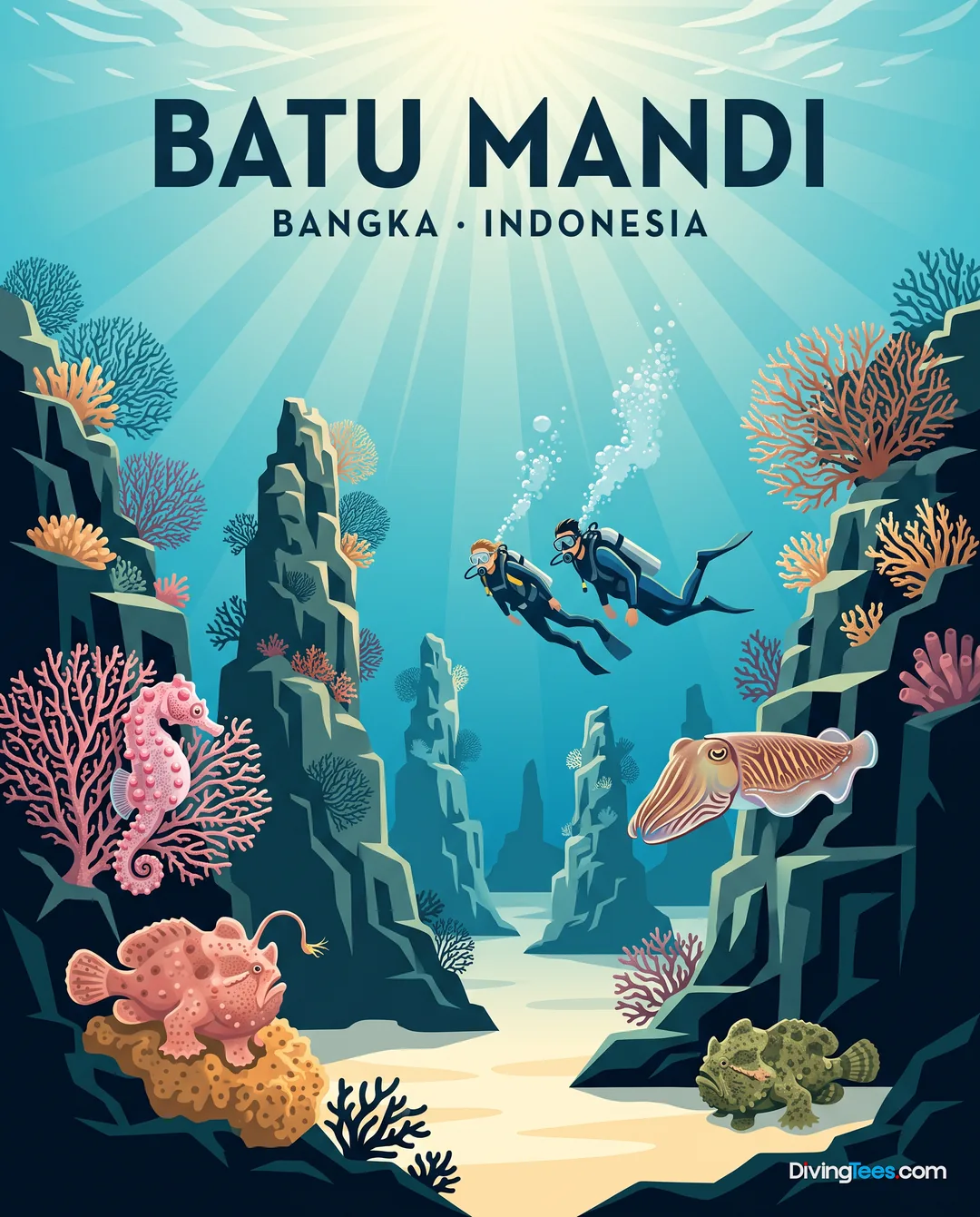
Batu Mandi →
Max. depth · 30 m
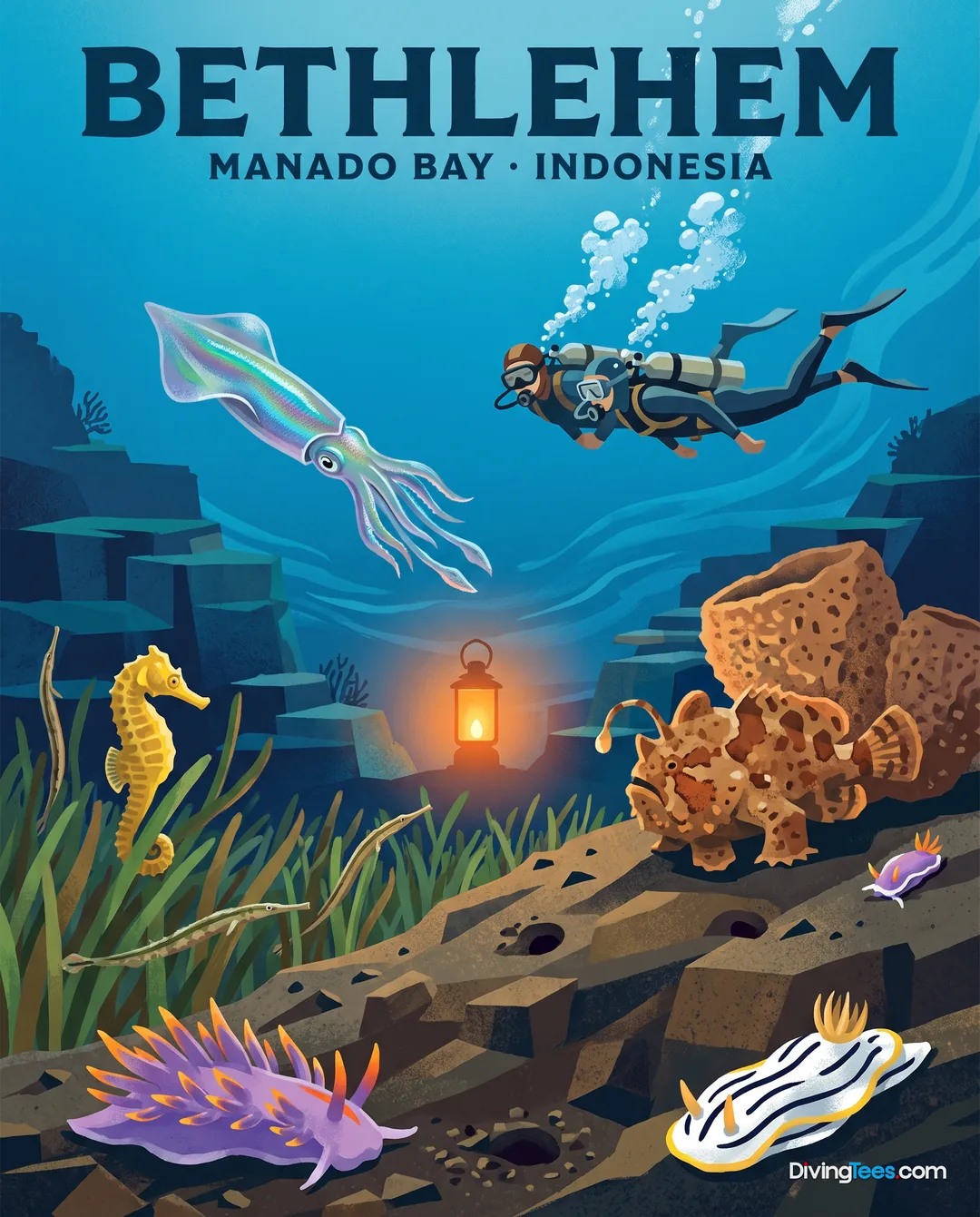
Bethlehem →
Max. depth · 20 m
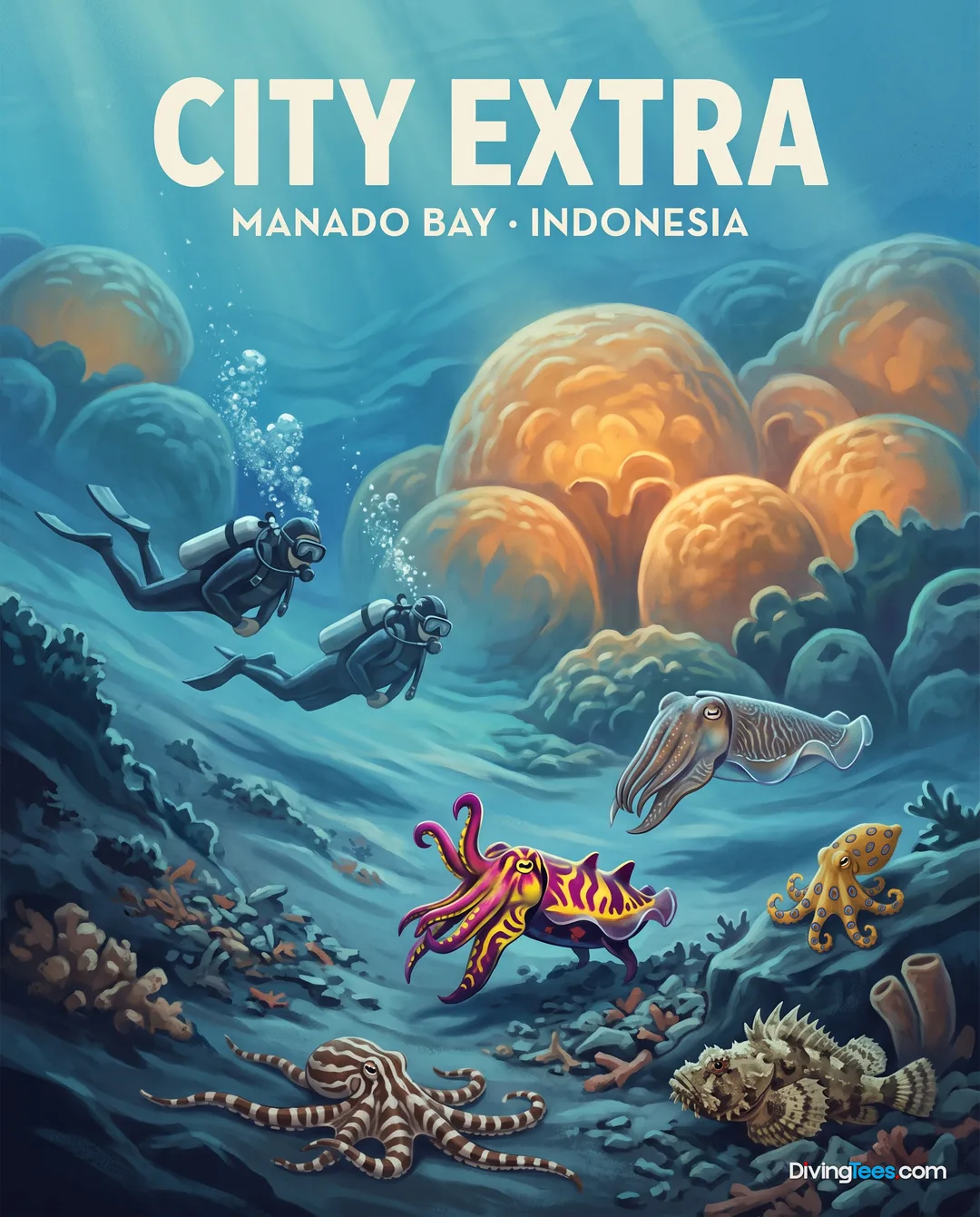
City Extra →
Max. depth · 20 m
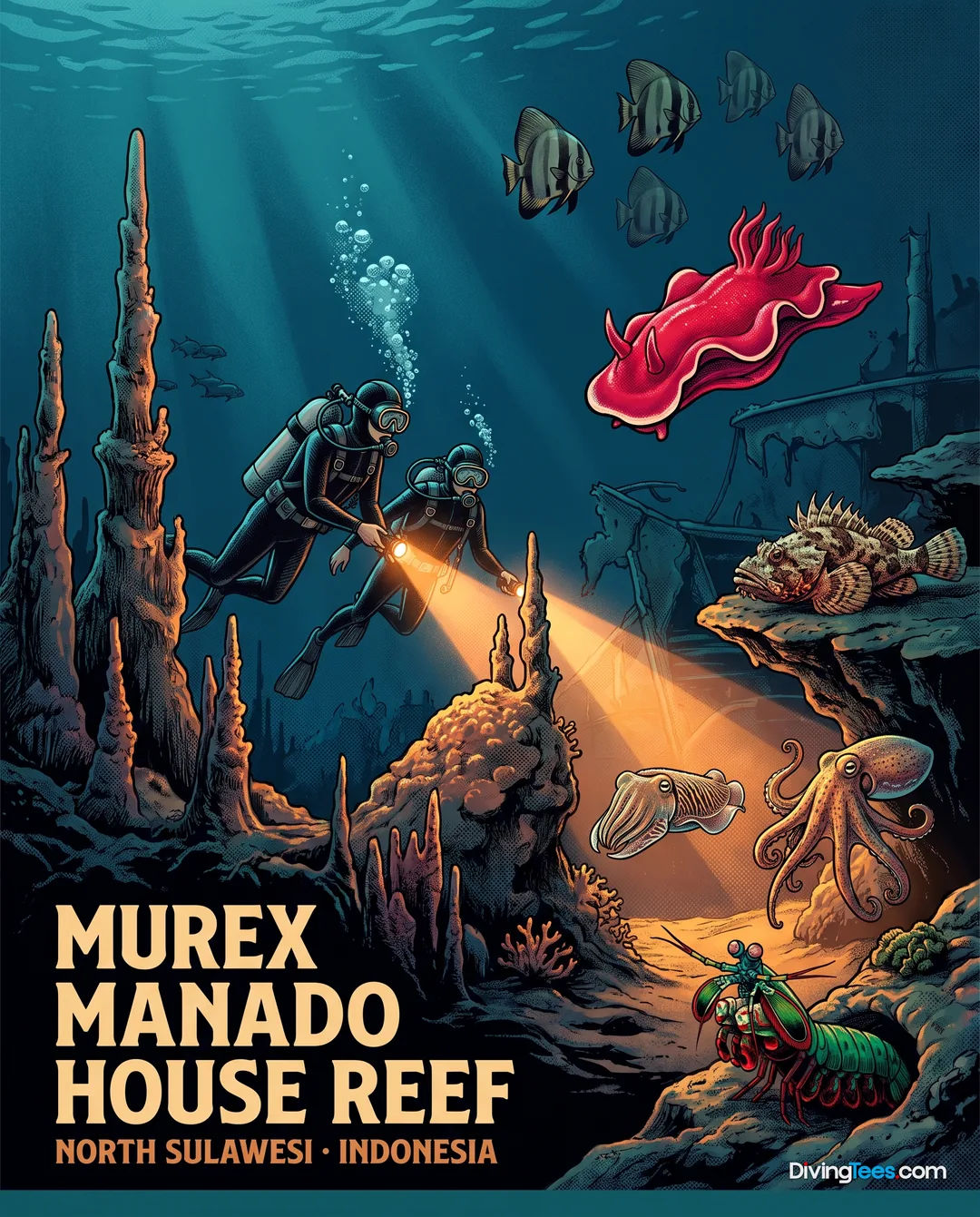
Murex Manado House Reef →
Max. depth · 20 m
Itineraries, dates and prices
Prices per person. Each month shows its lowest price: click a month, or pick an itinerary.
Next departures · 42 departuresfrom £962$1,286€1,149
November 2026
December 2026
January 2027
See dates and prices
If you click these links and make a purchase on the partner site, DivingDeal may earn a commission, at no extra cost to you.
Dates and prices taken from liveaboard.com, updated 23 October 2026
What you’ll meet underwater
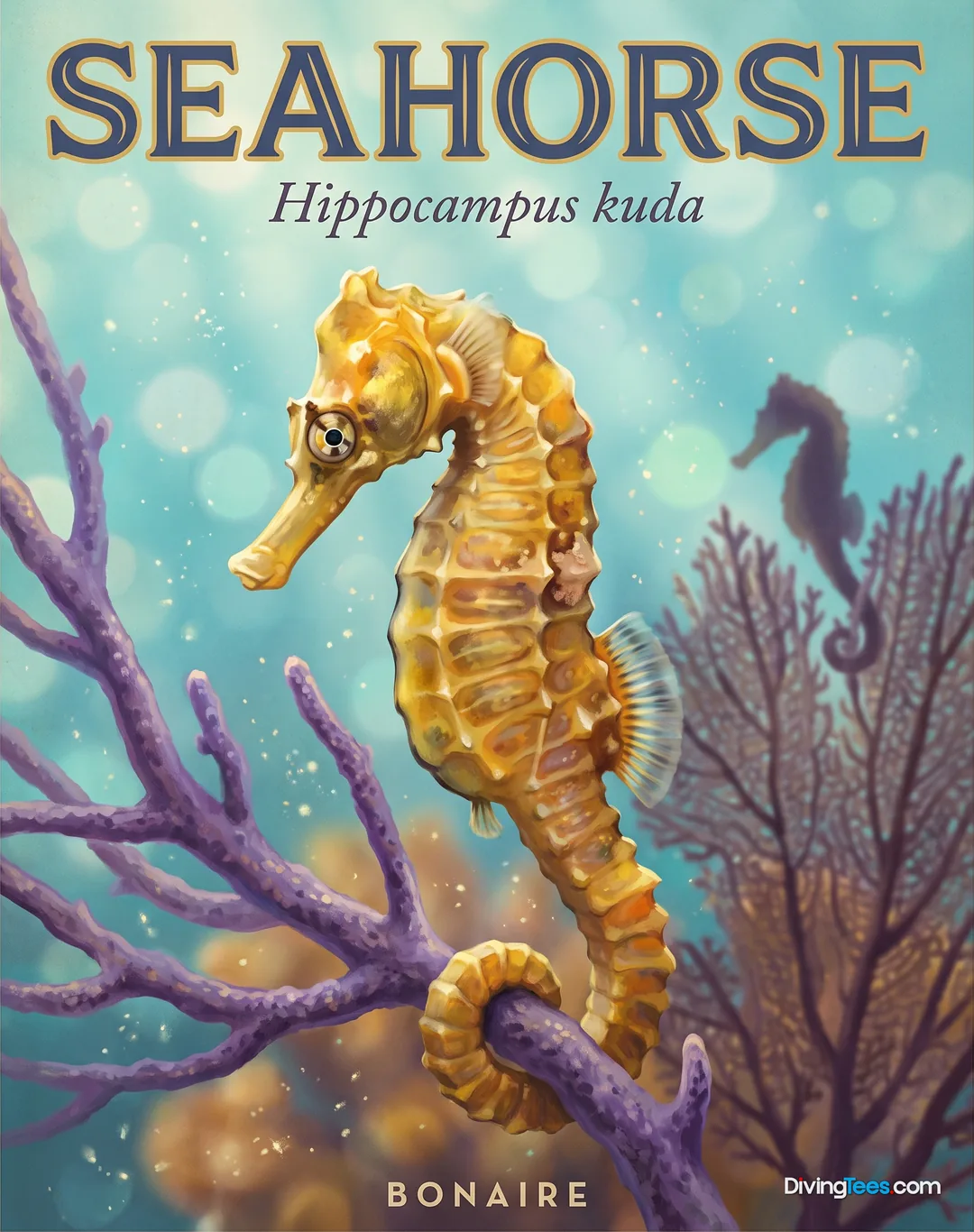
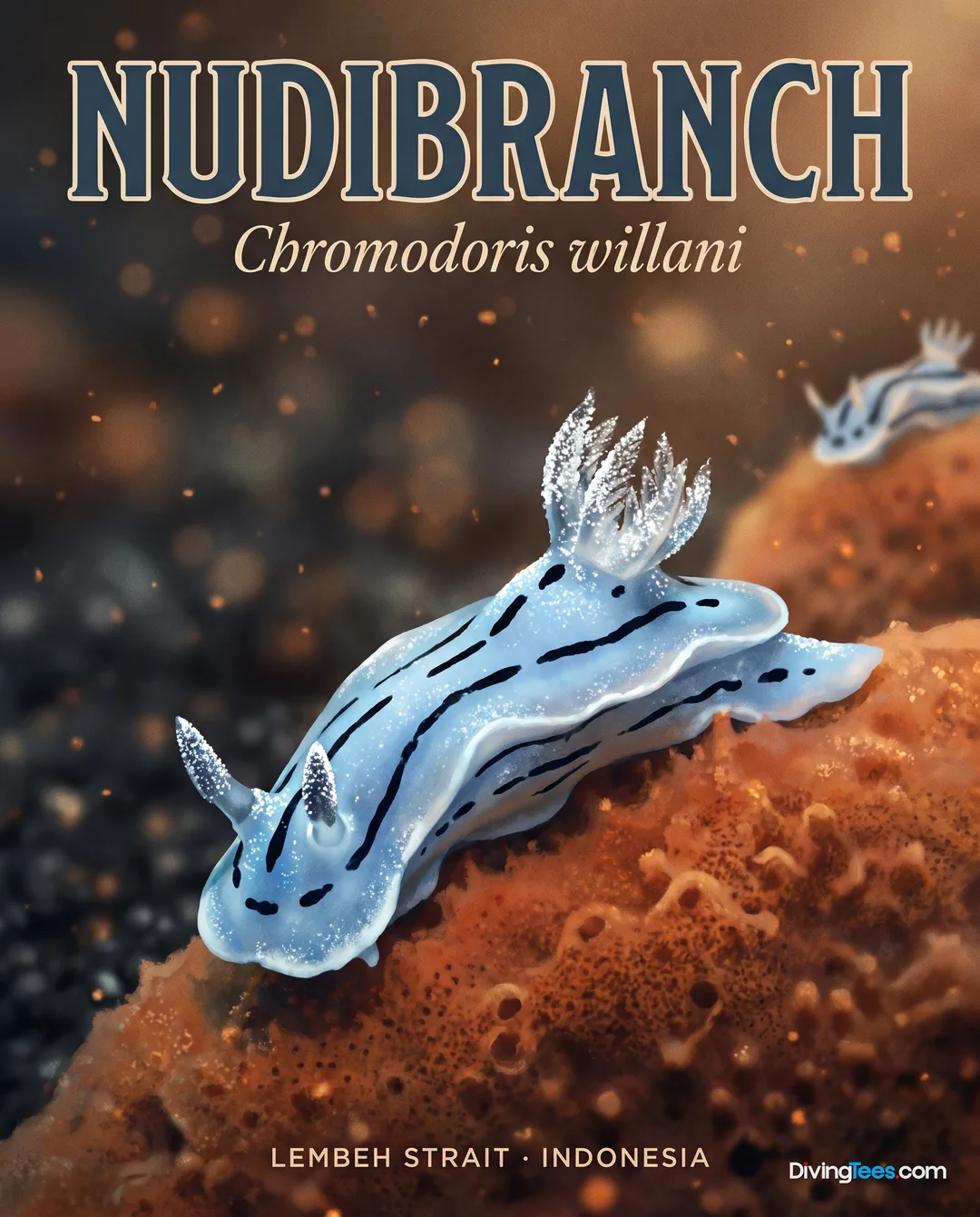
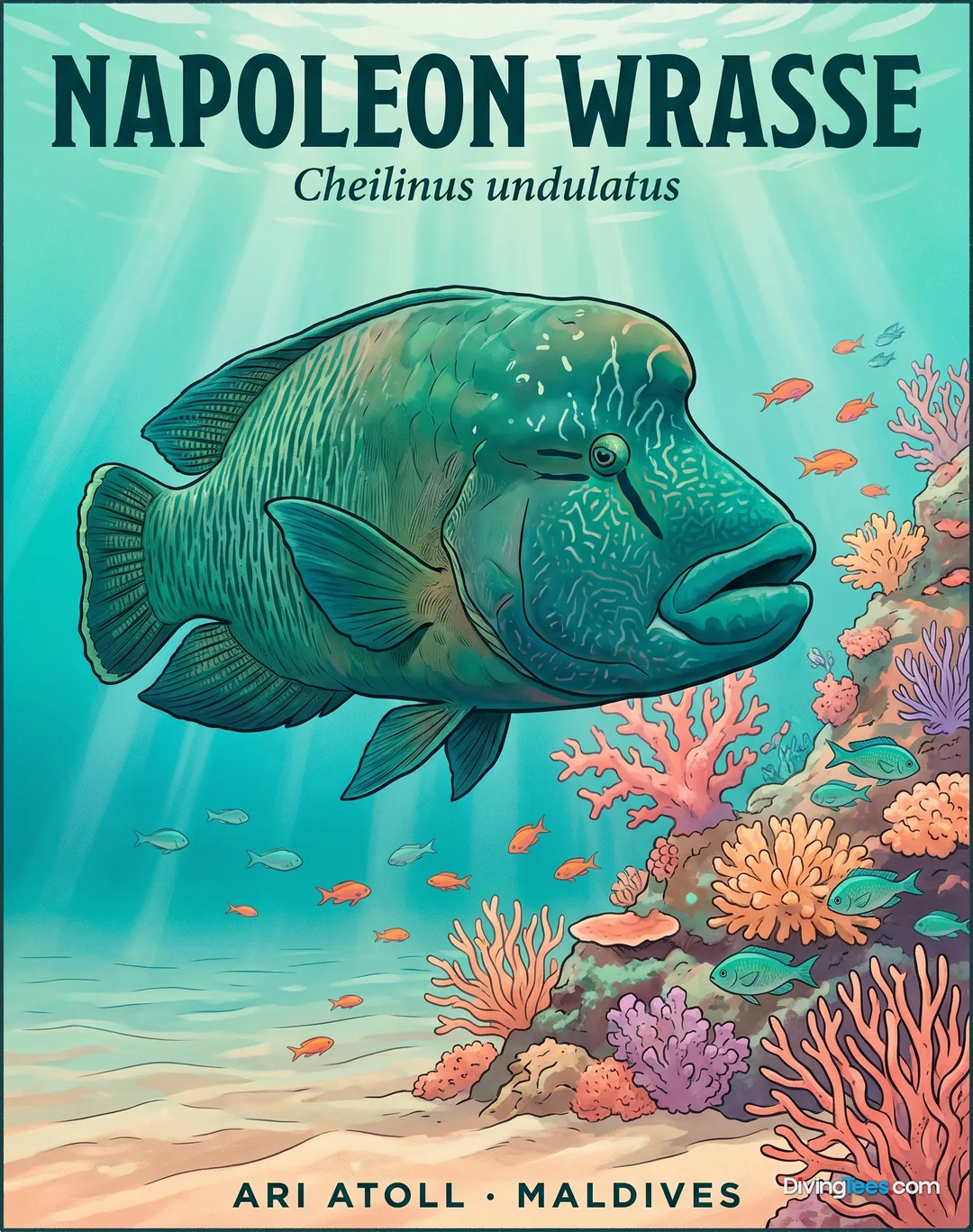
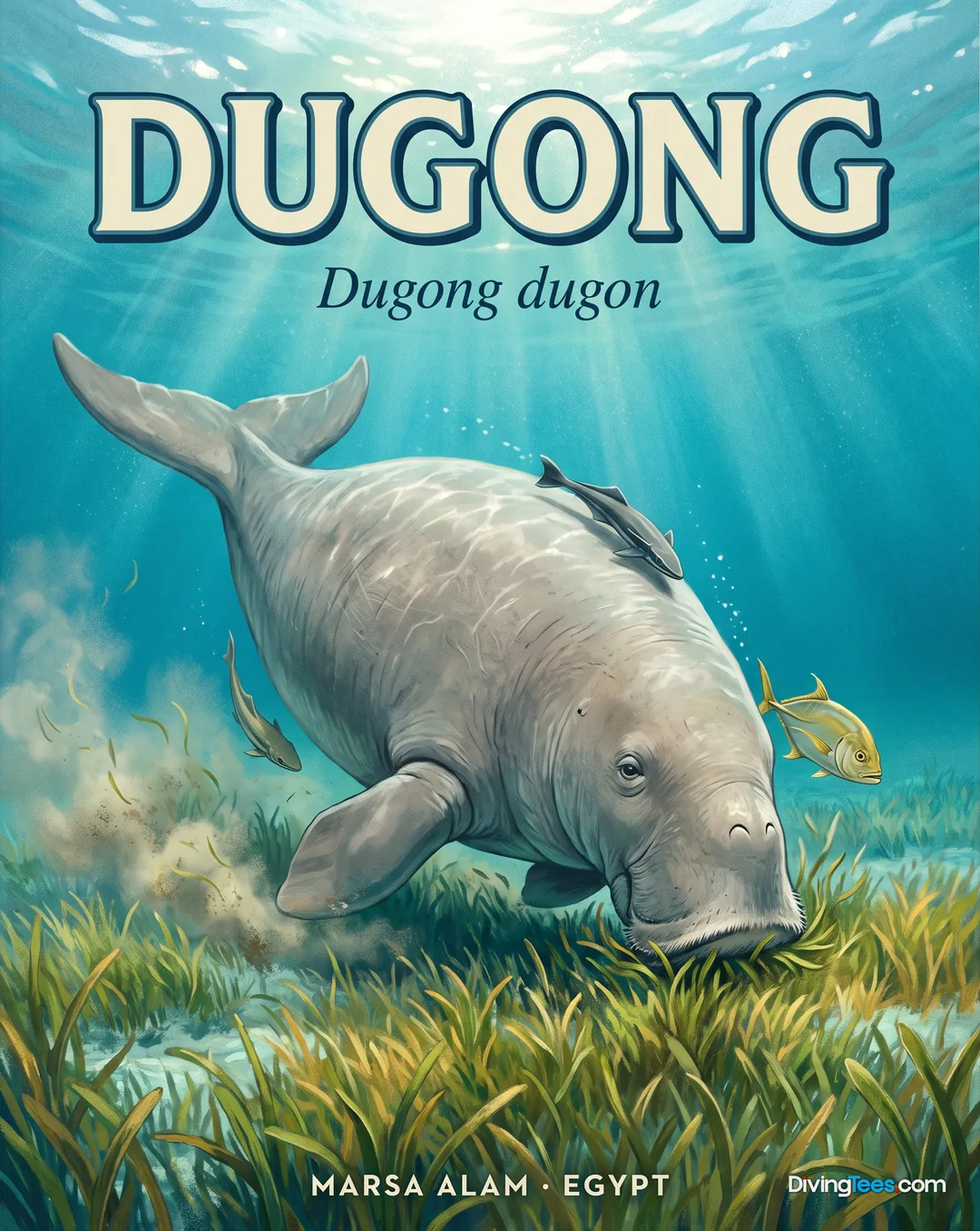
The route is strongest when small animals reward a slow, close inspection. Nudibranchs are recorded across seven sites, while pygmy seahorses, eagle rays and cuttlefish appear across four each; reef sharks, white-tip reef sharks, Napoleon wrasse, moray eels and mantis shrimps recur at several sites. Bunaken’s walls add turtles and the possibility of larger passing animals. The single-site sightings give each special stop a reason to exist: dolphins, dugongs, groupers, trevally and angelfish are recorded only at Bunaken Marine Park; triggerfish, wrasse and surgeonfish only at Celah Celah; and an octopus only at Lembeh Strait. Murex Bangka House Reef is the place for the recorded glassfish sighting, while Bunaken Timur is where hard coral and unicornfish appear in the route records. The Molas Shipwreck adds longfin batfish, barracuda and ribbon moray eels to a World War II wreck setting.
Who puts you in the water
English and Indonesian are spoken by the crew. Published diving packages provide one English-speaking local dive guide for up to four divers, with guides choosing each dive around the site, current and conditions of the day. The boat carries lifejackets, lifeboats, fire alarms, extinguishers, radar, sonar, GPS and marine radio, and the crew is trained in first aid. Divers receive guided diving during diving voyages, with the daily plan shaped around the route and conditions rather than imposed on every site. That combination of small groups and local guidance is particularly useful in Indonesian waters, where current and visibility can change the character of a dive.
The dive deck and the gear
The diving setup is centred on a dedicated platform and two diver tenders. Entries and exits are handled from the working end of the boat, with the tenders taking divers to the site and collecting them after the ascent rather than making every diver return directly to the hull. Diving voyages include full 12-litre tanks, weight belts and weights, while nitrox is available to appropriately certified divers as an optional paid service. Additional diving equipment and 15-litre tanks can be requested, subject to availability and charges. A camera rinse station supports underwater photography. Snorkelling equipment is included, and rental diving equipment is optional. The setup suits a small group of divers and snorkellers, with the tenders keeping the main vessel clear while groups are in the water.
Between dives
Between dives, Supraba gives passengers several ways to get out of the gear and out of the sun. The shaded terrace and outdoor dining area are the natural places to sit after a tender return, while the air-conditioned indoor lounge offers a cooler retreat. A bar, library and audio-video entertainment cover the quieter stretches, and kayaks are available when the boat stops somewhere worth exploring from the surface. Snorkellers are welcome, so not every passenger follows the dive schedule. Beach barbecues provide another change of scene. The boat also offers laundry and daily housekeeping, useful details on a trip where wet kit, salt and repeated dives quickly take over a cabin.
What you eat aboard
Food is one of Supraba’s strongest points in the available ratings, with meals built around both local and Western cooking. Full board covers all meals, while drinking water, soft drinks, tea, coffee and snacks are included. Alcoholic drinks are separate, with beer and wine available on board. The menu can also leave the boat behind: a barbecue on the beach turns one meal into part of the route rather than another plate served indoors. For divers doing several entries in a day, that matters more than elaborate presentation. Meals mark the transitions between dives, crossings and rest, with enough variety to suit passengers who want Indonesian flavours and those who prefer familiar Western dishes.
Nights at sea
The six cabins are on the lower deck in the middle of the boat, with porthole windows, air conditioning and private bathrooms. That midships position usually gives the sleeping area a steadier ride than the bow, while the portholes keep the cabins connected to the movement and sound of the sea. Eight bathrooms serve the boat in total, and hot-water showers are available. Nights are therefore practical rather than theatrical: close the cabin door, run the air conditioning if needed, and sleep below while the boat moves or lies at anchor. Daily cabin cleaning, towels and toiletries are included. The cabin categories are Master Cabins Wisnu and Bima, plus Guest Cabins Arjuna, Sadewa, Nakula and Yudistira.
Master Cabin Wisnu
Master Cabin Bima
Guest Cabin Arjuna
Guest Cabin Sadewa
Guest Cabin Nakula
Guest Cabin Yudistira
What to know before boarding
Recorded trips depart from Labuan Bajo and return to Labuan Bajo, with Komodo National Park as the destination. Airport and hotel transfers are included. Arriving in Labuan Bajo the night before is the sensible choice, leaving time for delays before boarding.
Deck plan
- Year built
- 2020
- Length
- 33.7 m
- Maximum number of passengers
- 12
- Number of cabins
- 6
- Number of bathrooms
- 8
- Engines
- Mitsubishi 225 hp and 120 hp
- Cruising speed
- 8 knots
- Tenders
- 2
- Website
- suprabacruises.com ↗
Hello, I'm Marina, DivingDeal.com's AI assistant. I answer in detail about hotels, dive centres and liveaboards.
Thinking about the whole trip and the flights? Talk it over with Edith →
Marina is an AI. Some links are affiliate links: DivingDeal may earn a commission, at no extra cost to you. Bookings are made with the partner.