Liveaboards · Philippines
Philippine Siren — a handcrafted dive boat built around the deck
Deal on this boat
Per person
£3,849$5,145€4,597 £3,075$4,111€3,673
Discount calculated by us, against the boat's usual price for a trip of the same length.
See all discounted dates ↓What makes this boat unique
- Philippine Siren is a 40-metre ironwood-and-teak liveaboard for up to 16 divers in eight air-conditioned cabins.
- Two high-powered rigid-hulled inflatable tenders open up sites around Malapascua, Mactan and the Visayas.
- The large dive deck leaves room to kit up, store accessories and work on cameras even when the boat is full.
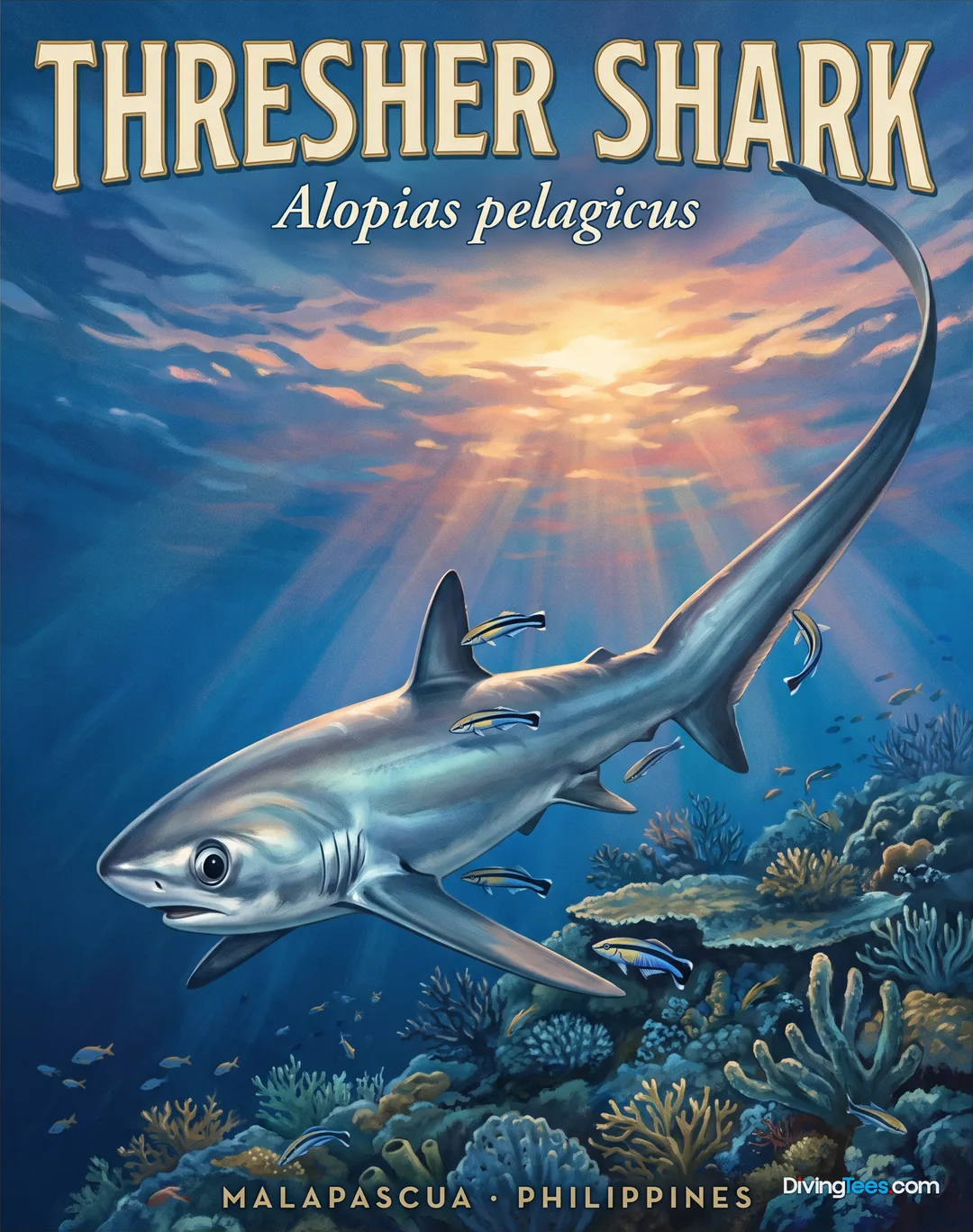
- The route combines thresher shark cleaning stations, wrecks, walls, coral gardens and detailed macro sites.
- Up to four dives a day are offered, with 11-litre aluminium cylinders, air fills and nitrox available for a surcharge.
For subtitles in English: start the video firstthen click the gearat the top right of the video, select “Subtitles/CC”, then “Auto-translate” and choose “English”.
The invitation
Philippine Siren suits divers who want the reach of a serious liveaboard without giving up the character of a traditionally built boat. The reason to choose it is not a long list of hotel facilities. It is the combination of two fast tenders, a genuinely generous dive deck and a route that can move from thresher sharks at Malapascua to wreck structure, walls and small reef life. The boat carries only 16 guests, so the dive operation stays within a manageable group while still reaching sites scattered through the Visayas. Come aboard for the water first: the cabins are comfortable, but the useful part of the boat is where cylinders, cameras and wet divers are handled.
Boarding
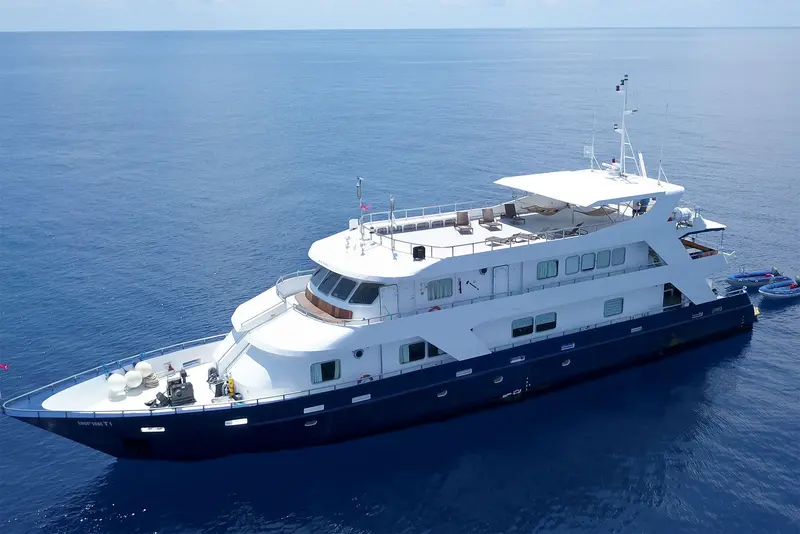
The first impression is of a large, handcrafted vessel rather than a converted passenger boat. Philippine Siren was built in Sulawesi from ironwood and teak, materials associated with the region's traditional boatbuilding. The timber gives the vessel a warmer presence than painted steel, while the broad beam and open working areas make the boat feel designed for divers rather than merely fitted out for them. Boarding leads quickly to the practical heart of the operation: a spacious dive deck with room for equipment and accessories, even at full occupancy. There are two high-powered tenders waiting to take divers farther from the mothership. Above that working space, covered outdoor dining keeps the sea in view.
The atmosphere on board
With 16 guests and eight cabins, the boat is small enough for the same faces to appear at meals, on the tender and around the camera table, without making the dive deck feel cramped. Three guides are listed for the operation, and the crew works in English. Their practical role is clearest where the boat earns its keep: getting divers, cylinders, cameras and accessories through repeated dives without turning the deck into a queue. The evening can stay simple—food outdoors, a drink at the bar, footage at the charging station—because there is no Wi-Fi competing for attention. The atmosphere is shaped less by entertainment than by a boat that keeps diving equipment organised.
The sites you’ll dive
The route is built around Malapascua and the Visayas, with recorded Mactan–Mactan departures of 8 days/7 nights and 11 days/10 nights. At Malapascua, Kimud Shoal reaches -22m and offers thresher sharks with the possibility of hammerheads; Monad Shoal drops to -200m and is the cleaning-station site for sustained thresher shark observation, with mobulas and tuna possible in the blue. The MV Doña Marilyn is a 98-metre passenger ferry resting upright at -33m. Lighthouse Japanese Wreck is a shallow World War II wreck at -5m, while Lapus Lapus reaches -20m and Chocolate Island -20m for coral gardens and macro life. Lighthouse is another -20m reef, where mandarin fish court at dusk. Dakit-Dakit reaches -12m; Deep Rock drops to -30m around a pinnacle rising to 14m; Capitancillo reaches -40m; and Pantaw-Pantaw reaches -25m. Balicasag Island offers walls to -60m, while Hilutungan and Nalusuan add protected reefs and walls around Mactan.
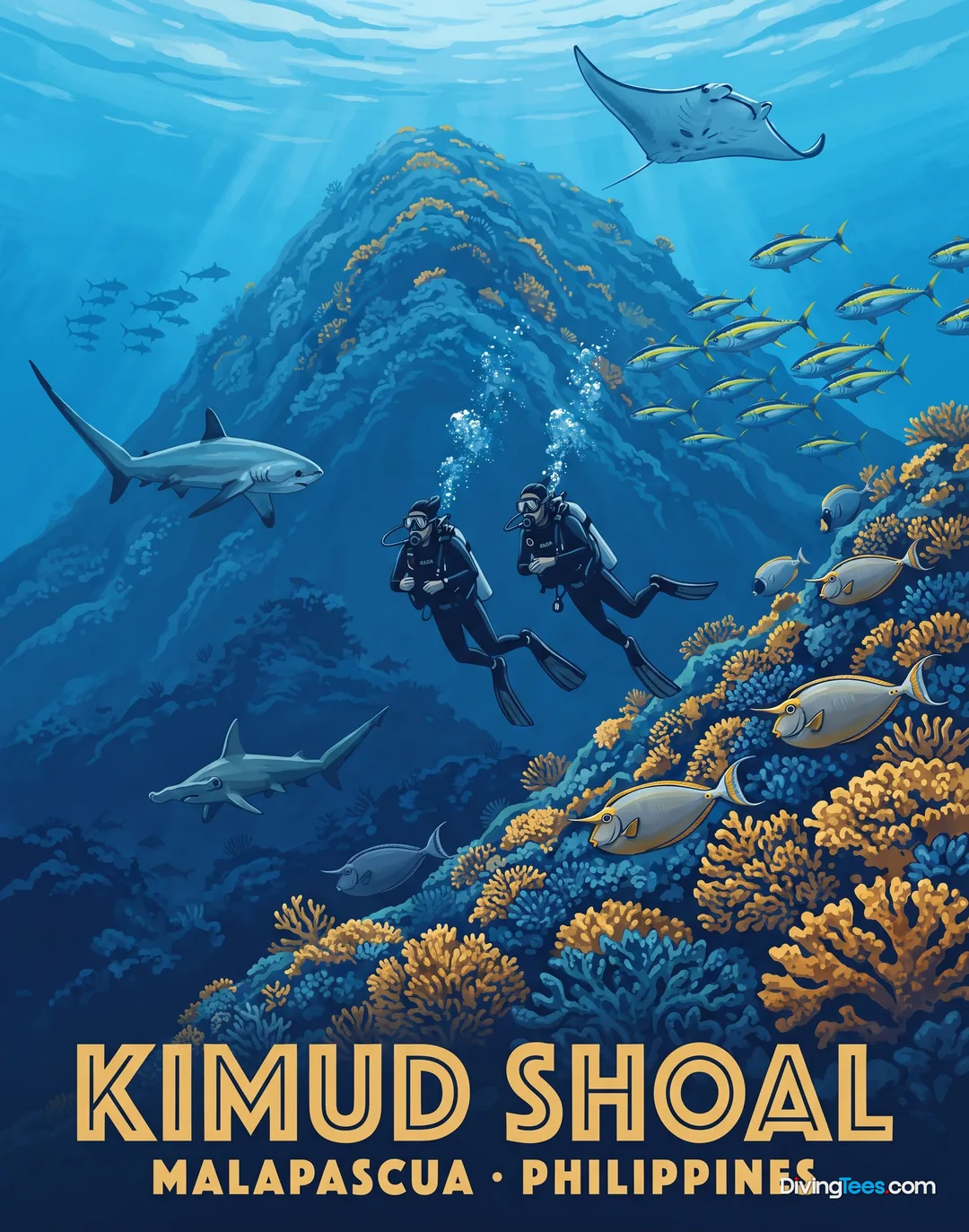
Kimud Shoal →
Max. depth · 22 m
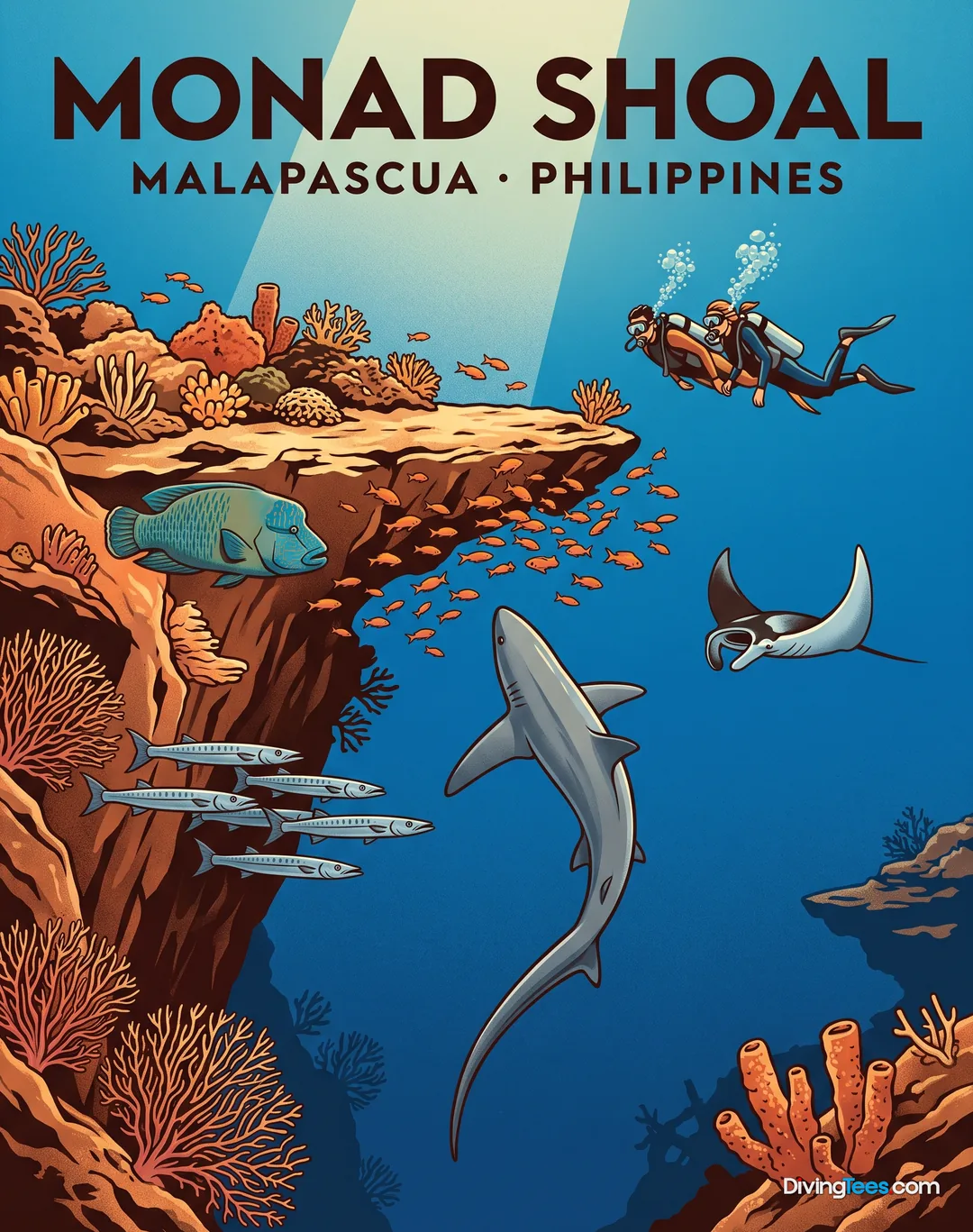
Monad Shoal →
Max. depth · 200 m
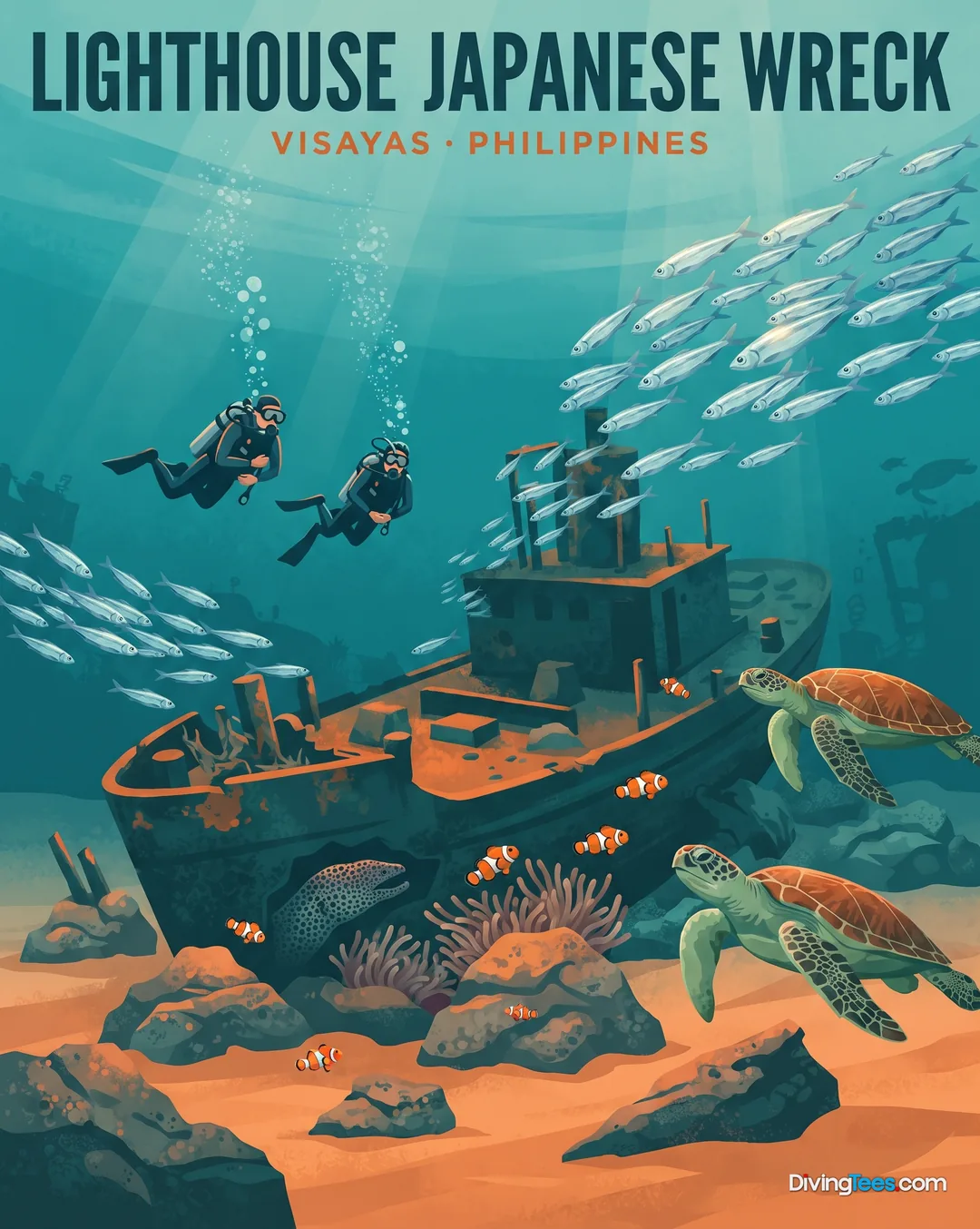
Lighthouse Japanese Wreck →
Max. depth · 5 m
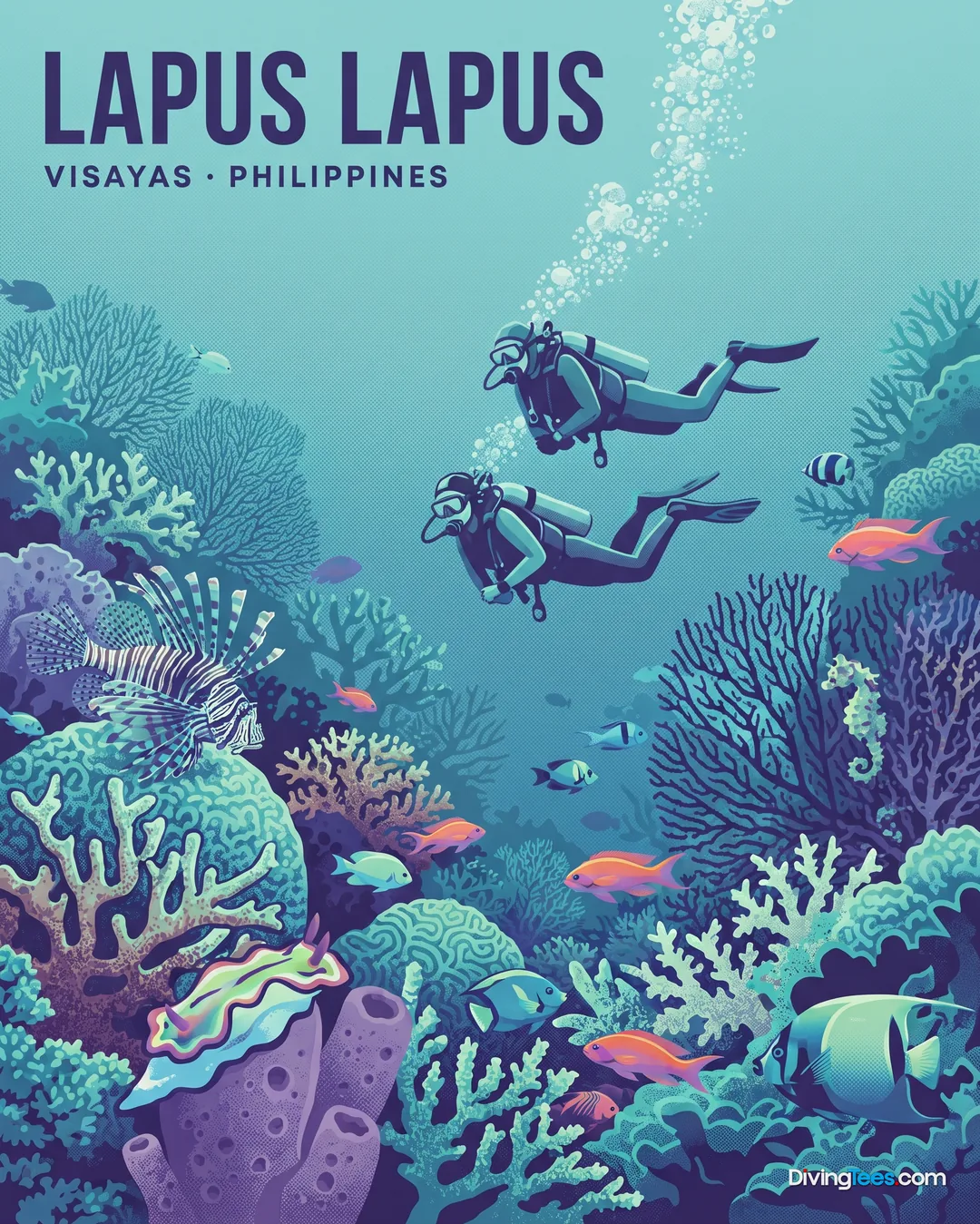
Lapus Lapus →
Max. depth · 20 m
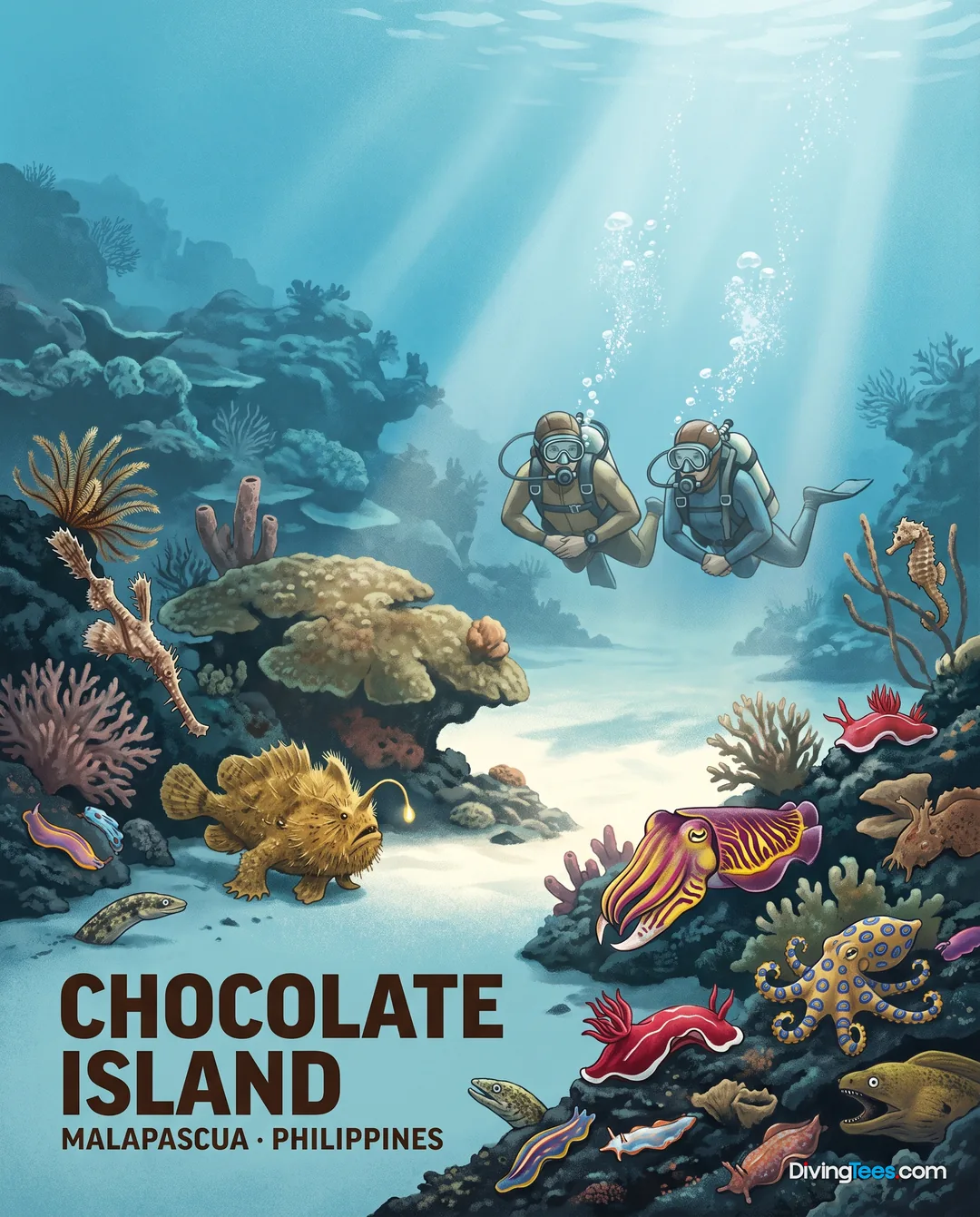
Chocolate Island →
Max. depth · 20 m
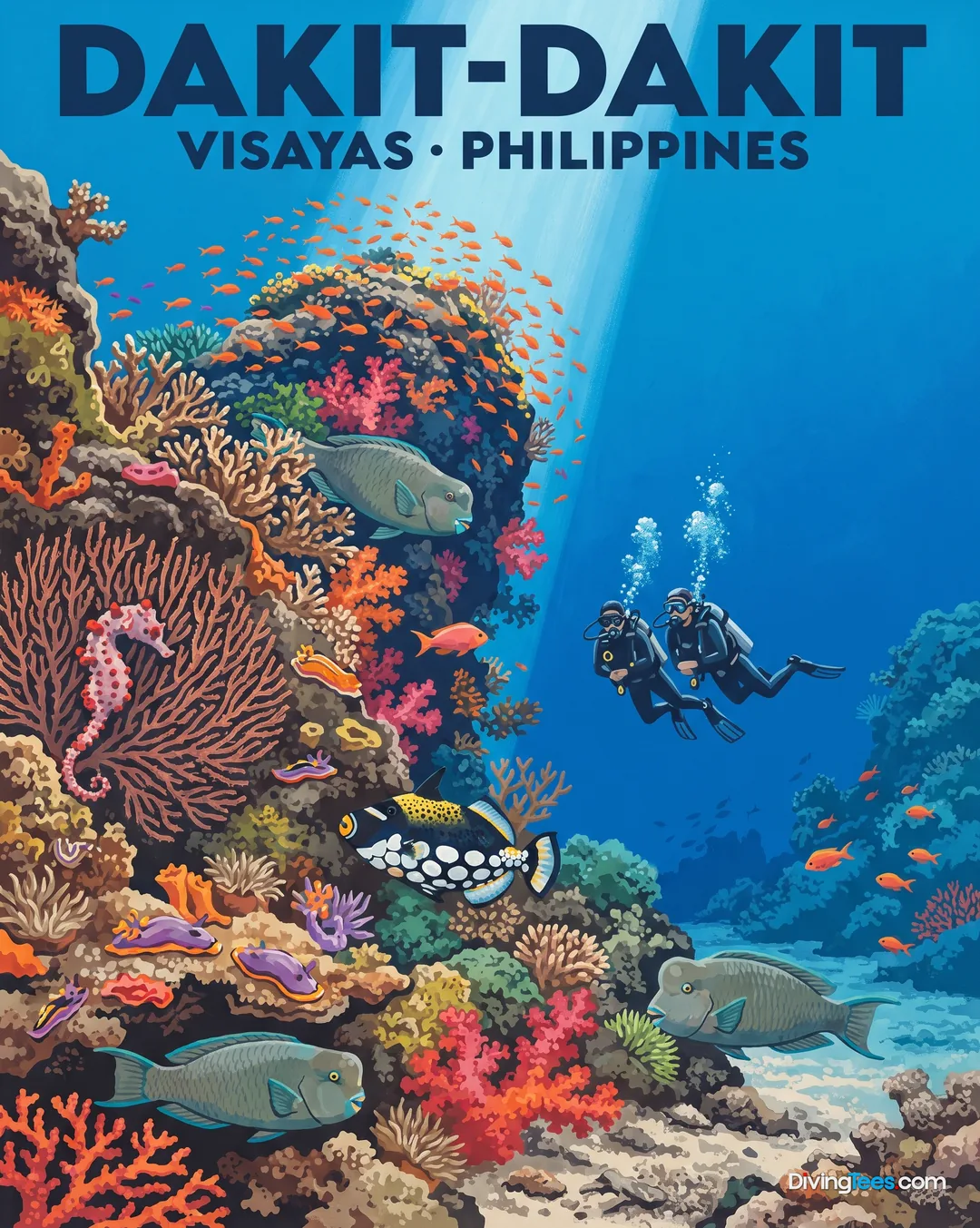
Dakit-Dakit →
Max. depth · 12 m
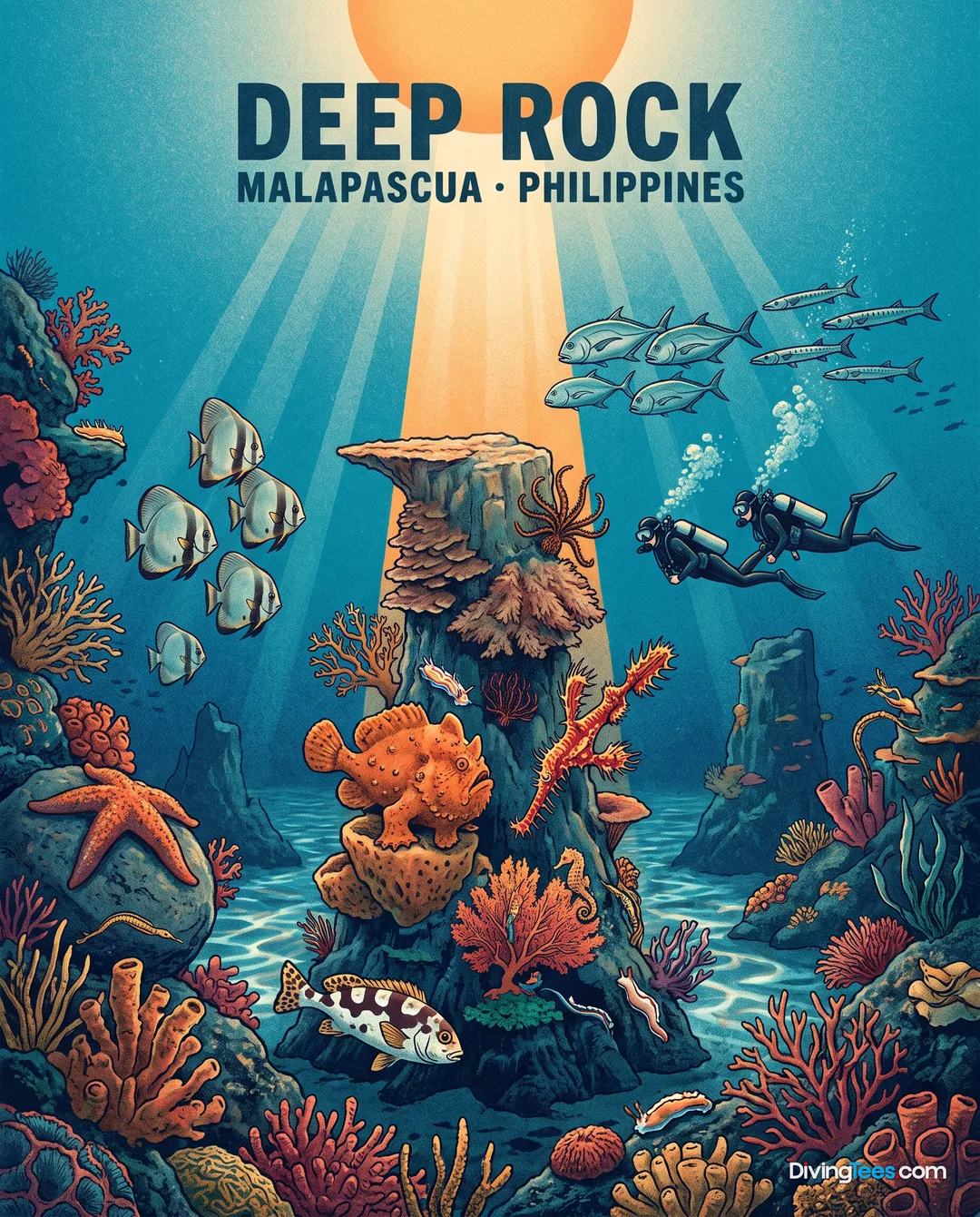
Deep Rock →
Max. depth · 30 m
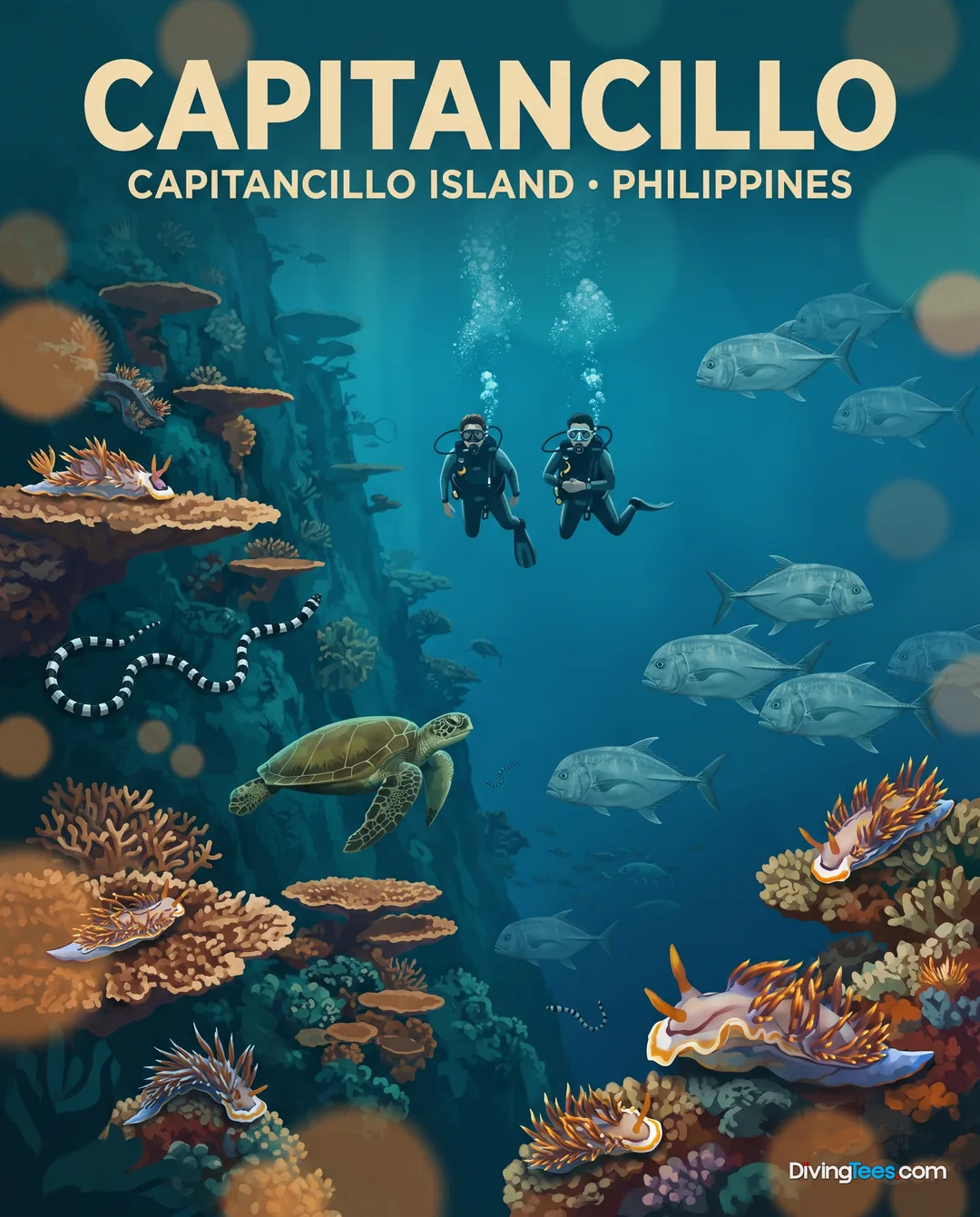
Capitancillo →
Max. depth · 40 m

Pantaw-Pantaw →
Max. depth · 25 m
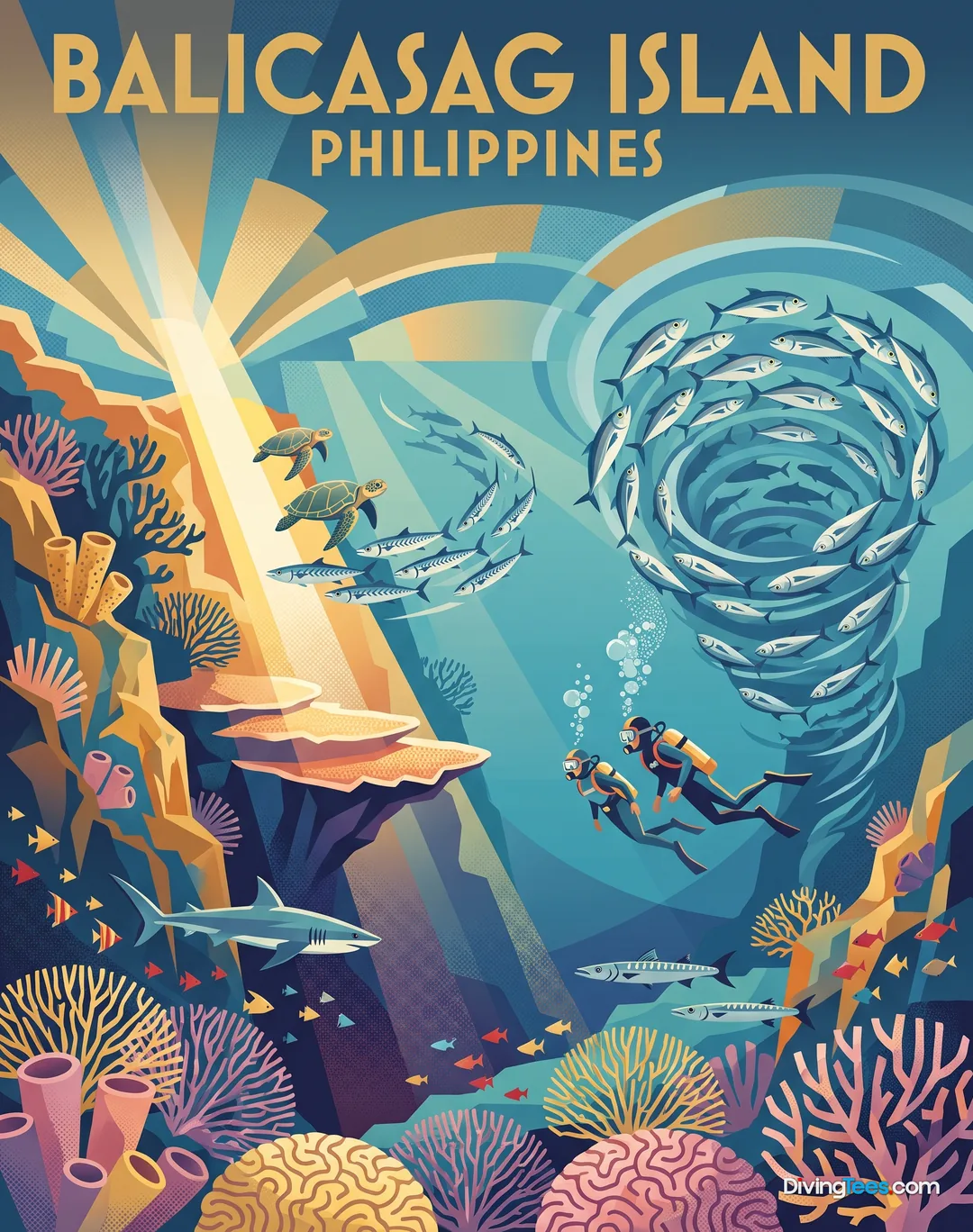
Balicasag Island →
Max. depth · 60 m
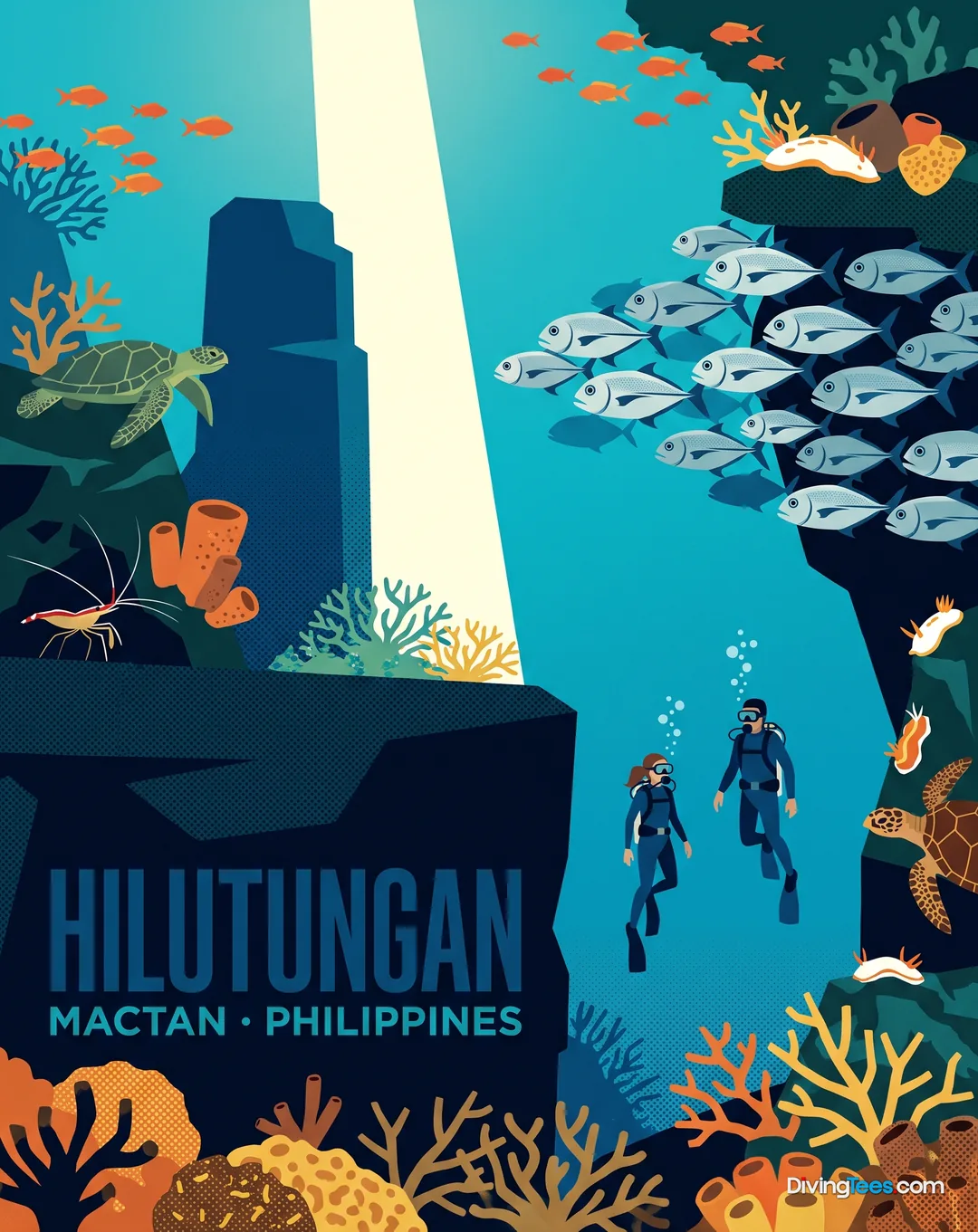
Hilutungan →
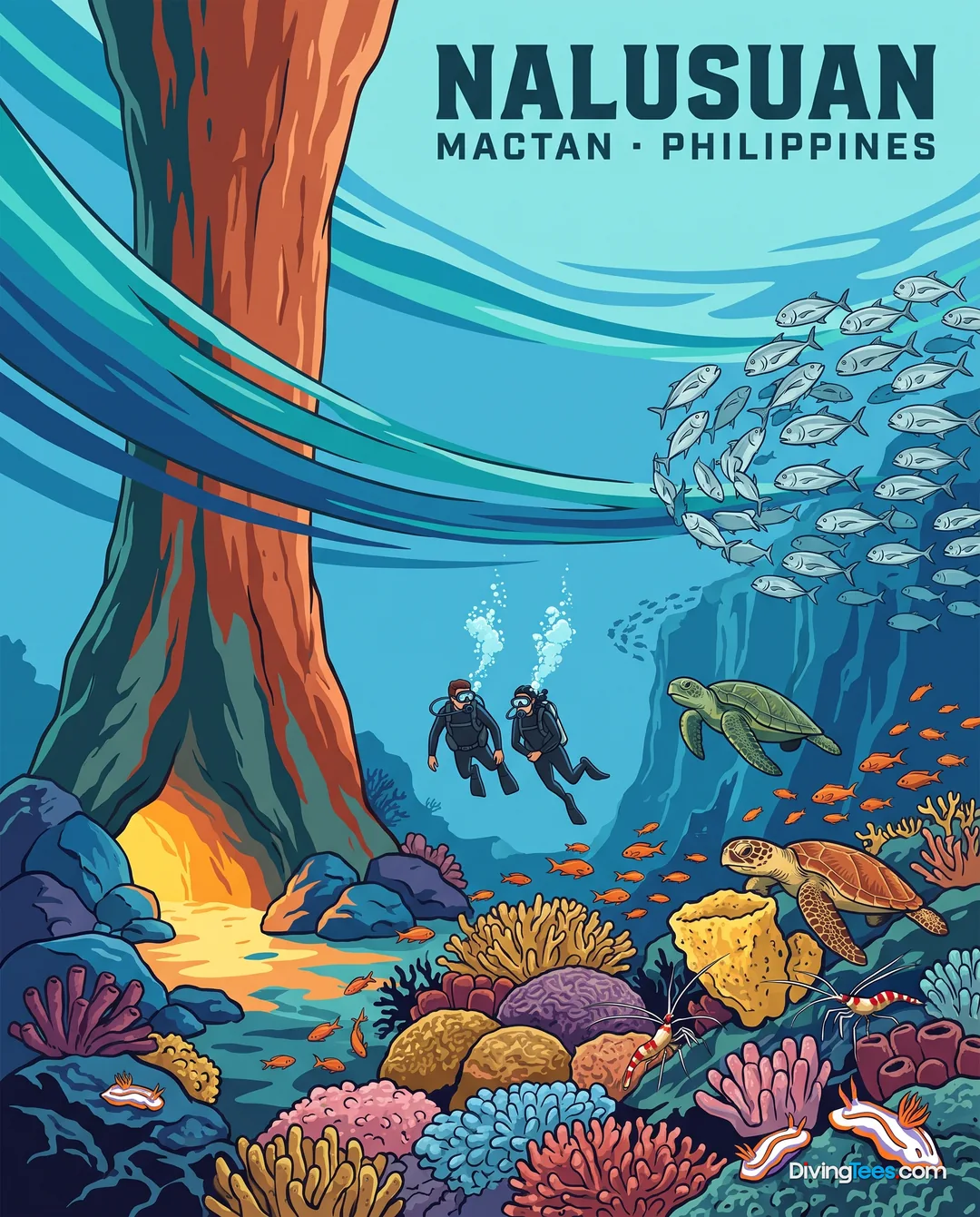
Nalusuan →
Itineraries, dates and prices
Prices per person. Each month shows its lowest price: click a month, or pick an itinerary.
Next departures · 63 departuresfrom £2,095$2,800€2,502
November 2026
March 2027
June 2027
July 2027
Green dot: a discounted departure that month. Discount calculated by us, against the boat's usual price for a trip of the same length.
See dates and prices
If you click these links and make a purchase on the partner site, DivingDeal may earn a commission, at no extra cost to you.
Dates and prices taken from Divebooker and liveaboard.com, updated 26 October 2026
What you’ll meet underwater
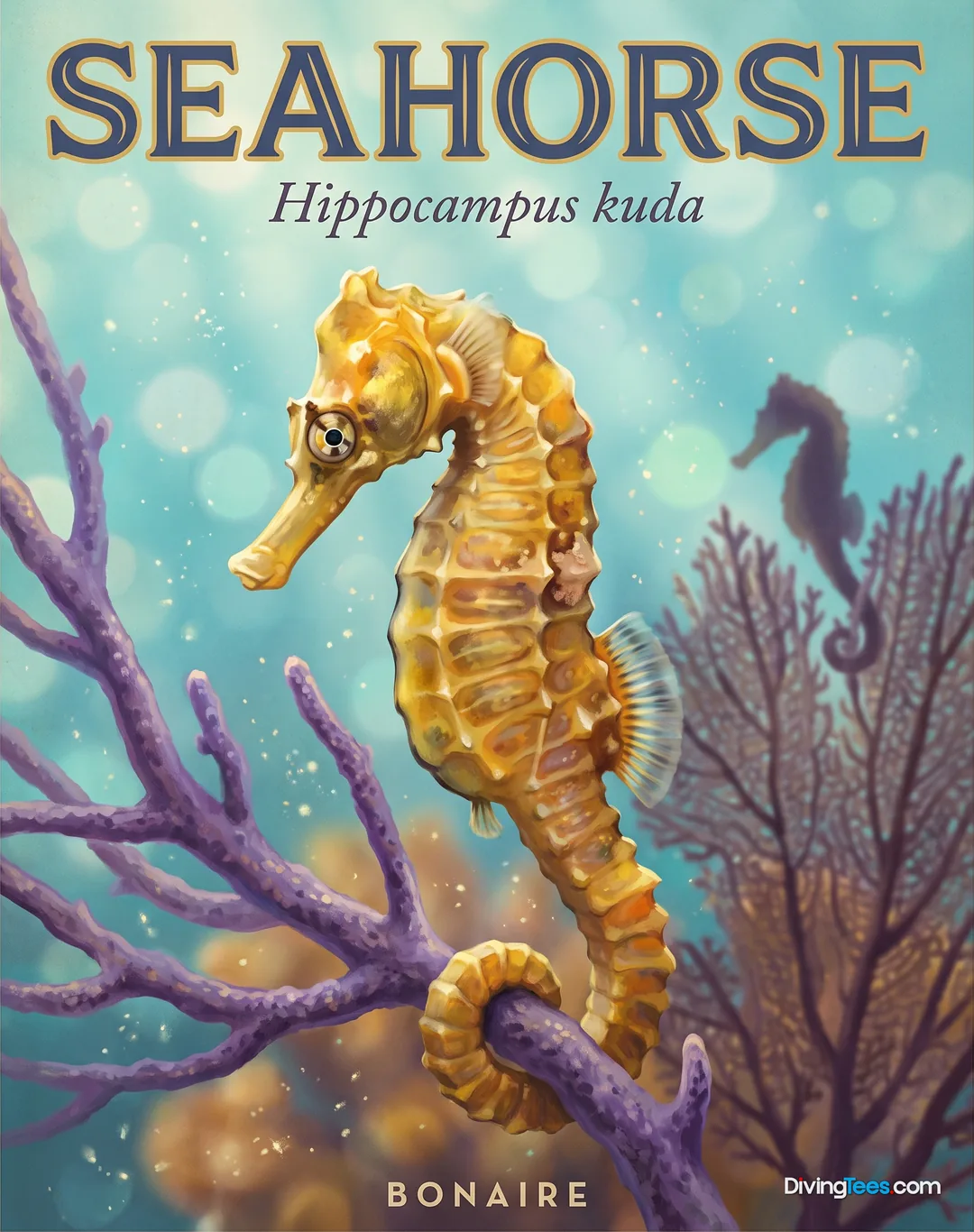
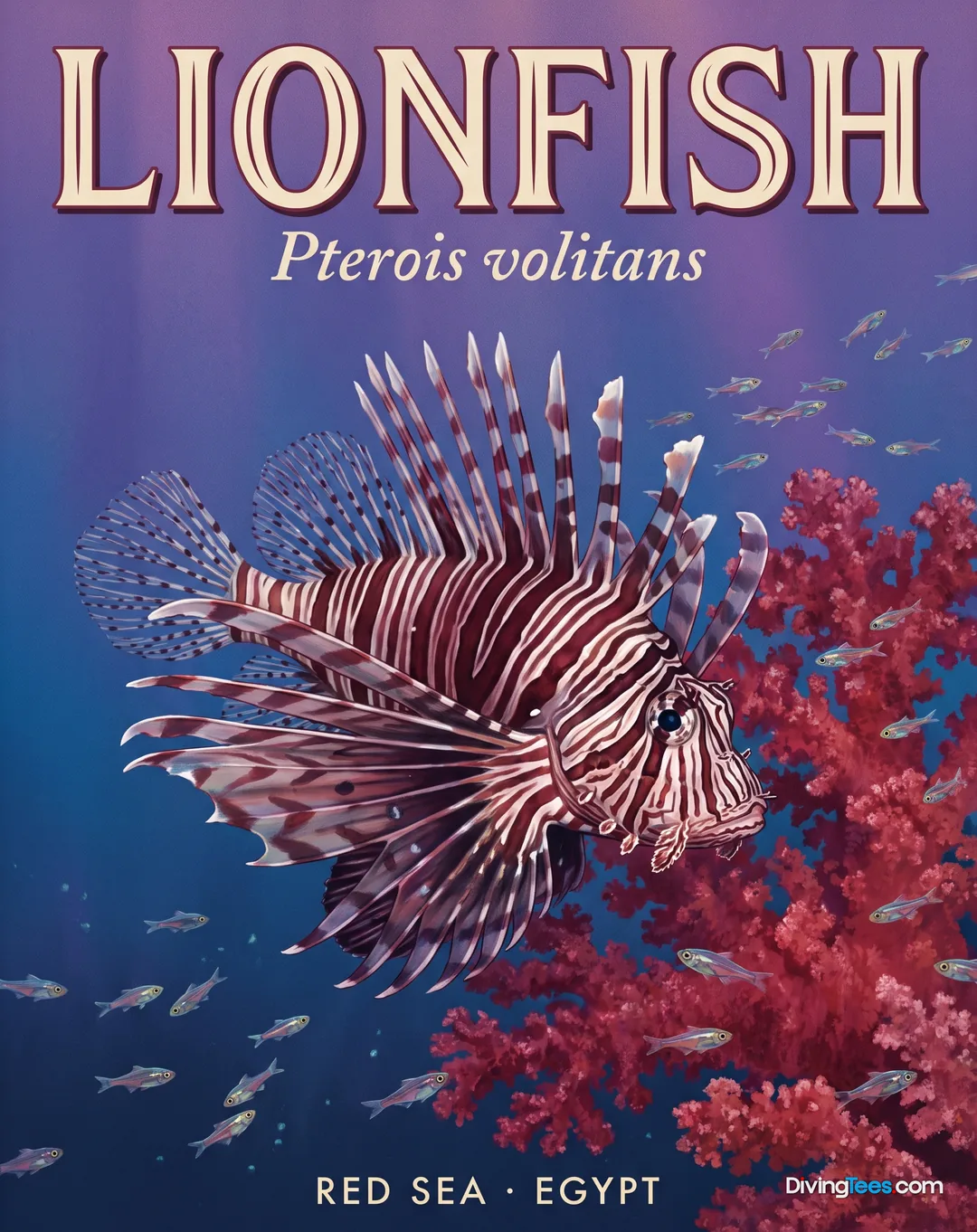
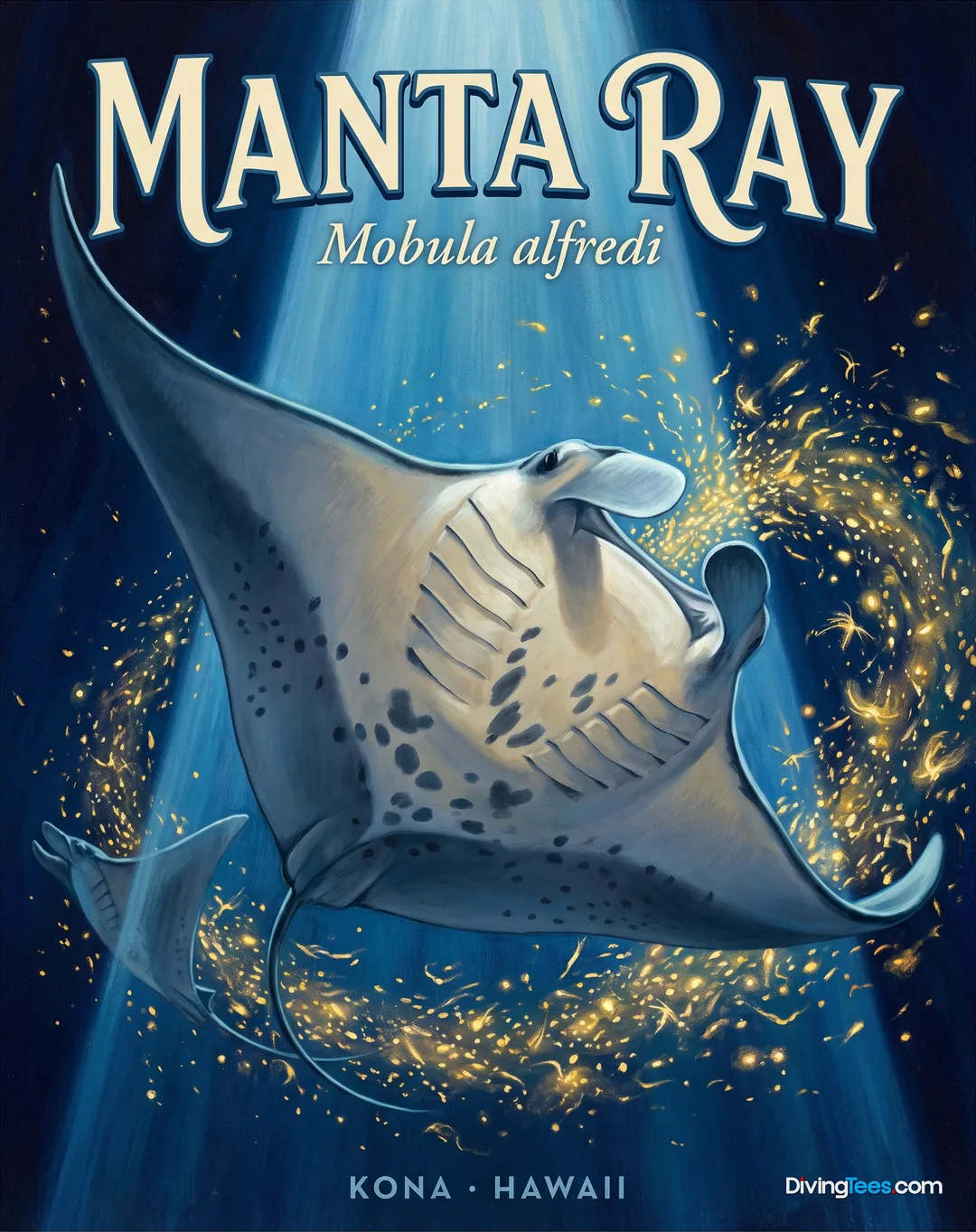
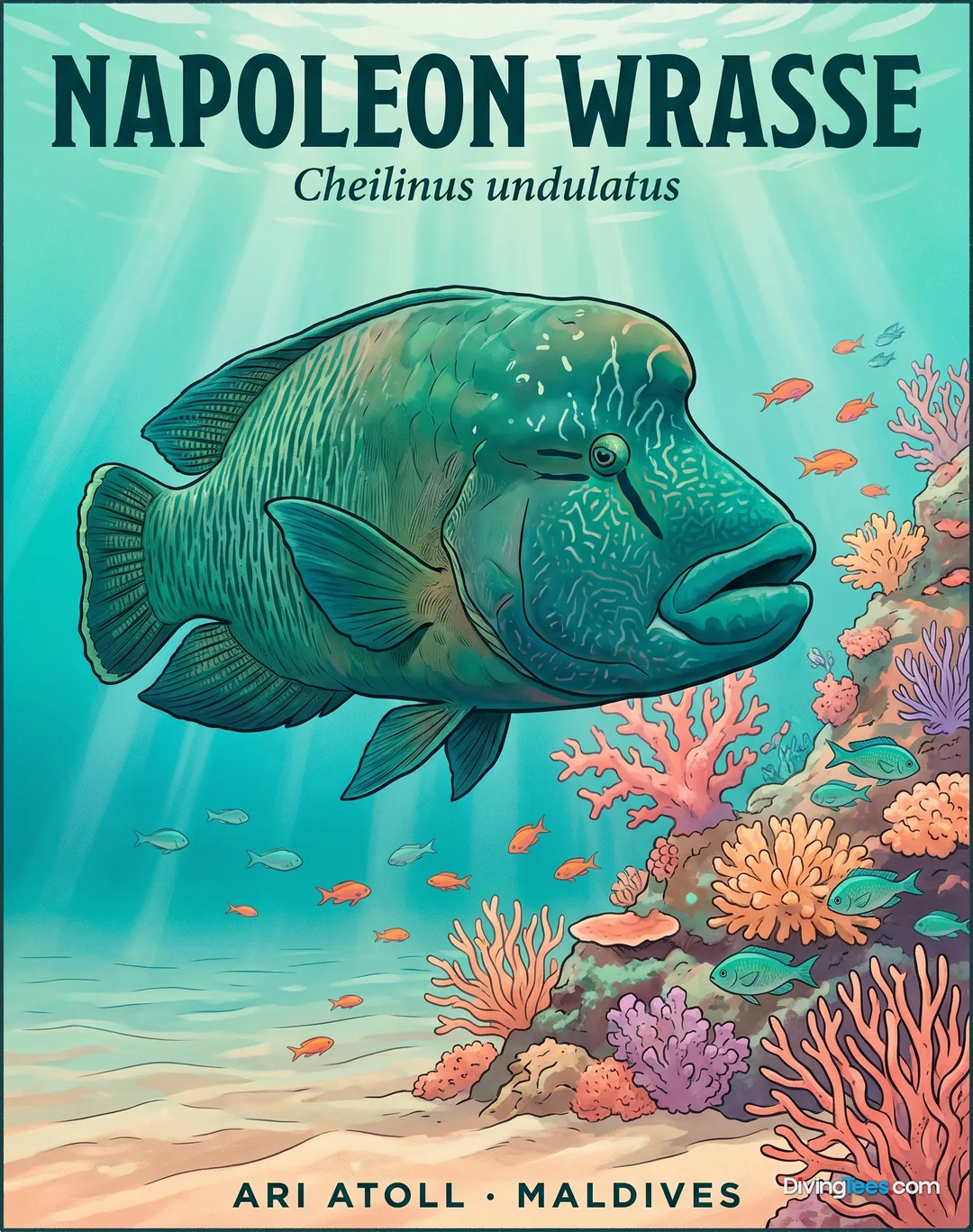
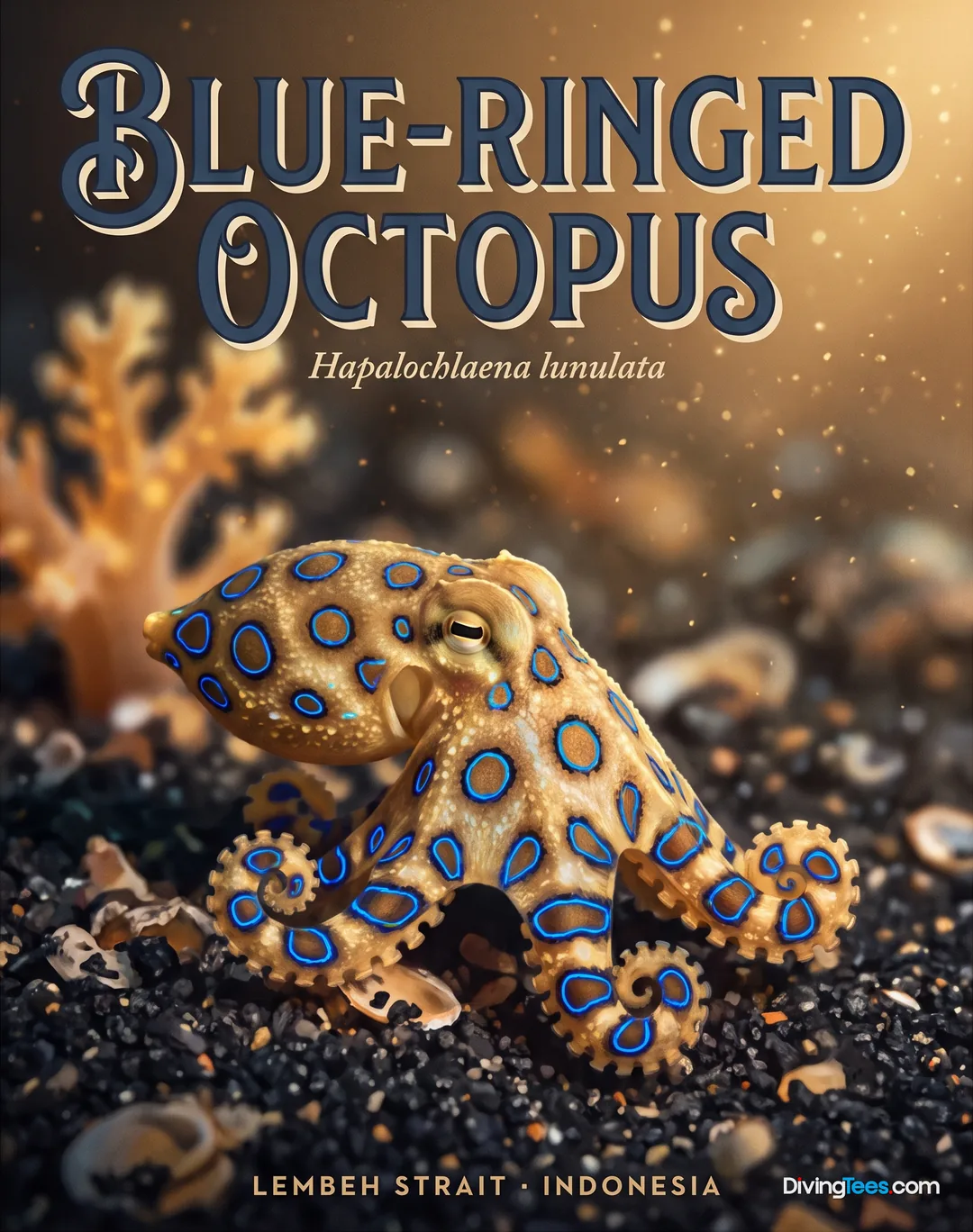
Across the route, the recurring reward is a mix of small reef detail and larger passing animals: nudibranchs, frogfish, cuttlefish, soft corals, shrimps, flatworms, seahorses, morays, scorpionfish and lionfish appear across several sites. Manta rays, whitetip reef sharks and sea turtles are also recorded at several points, while barracuda bring a different scale to the reef. The site-specific encounters give the itinerary its shape. Monad Shoal is the place for thresher sharks visiting cleaning stations, with mobulas and tuna possible there. Kimud Shoal is where a hammerhead may join the thresher-shark encounter. Balicasag Island is the route's site for dolphins, Napoleon wrasse, green turtles and reef sharks. Capitancillo is the place for groupers and triggerfish, including titan triggerfish. Dakit-Dakit has the route's recorded eel sighting, while Lapus Lapus can produce blue-ringed octopus among its coral gardens.

Who puts you in the water
Three guides are listed for Philippine Siren, and the working language is English. The boat asks for at least 50 logged dives and an Advanced Open Water Diver certification or equivalent, so it is intended for divers who can manage their own equipment and follow a proper briefing without beginner-level supervision. The route is not presented as a technical-diving operation: technical diving is not supported. Up to four dives a day are offered, with the guides organising the practical movement from deck to tender and back. The boat lists full safety equipment.
The dive deck and the gear
The dive deck is one of Philippine Siren's strongest reasons to book. It remains spacious for kitting up and storing accessories when all 16 guests are aboard, with personal storage, warm freshwater showers and rinse hosts to keep the return from each dive orderly. Two MCH13 compressors fill the boat's 11-litre aluminium cylinders with air. Nitrox is available for a surcharge, and DIN adaptors are carried. Weights, a weight belt and an SMB are included; BCDs, fins, wetsuits and other rental items are available separately. Photographers get a dedicated camera table, charging stations, special camera storage and separate rinse tanks for underwater cameras. Two high-powered rigid-hulled inflatable tenders handle the trips to the sites, taking divers away from the main vessel and back again.
Between dives
Between dives, the boat gives people several different places to disappear. The covered outdoor saloon keeps the breeze and the view, the indoor saloon provides air-conditioned shade, and the sun deck has loungers for those who want the full glare of the tropics. Kayaks offer a way to leave the boat without putting on a cylinder. A bar, audio and video entertainment, laundry and massage services fill the longer gaps, but none of them changes the central rhythm: wet gear stays on the dive deck, while dry time moves upstairs into shade, sun or the saloon.
A day on board
A day begins with the dive operation rather than with a hotel-style schedule: briefing, equipment check, tender transfer and the first descent, followed by the return to warm freshwater showers and food. The same pattern can repeat for up to four dives, with air fills and camera work happening on the deck between entries. Breakfast, lunch, dinner and snacks divide the day without forcing everyone into one pace; buffet meals let divers eat, rest and return to their equipment as needed. Longer gaps belong on the sun deck, in the covered outdoor saloon or in the air-conditioned indoor saloon. When the boat moves between parts of the route, the sea replaces the dive deck as the view. After the last dive, cameras go to the charging station, wet gear stays organised below and dinner takes place outside under cover.
What you eat aboard
Meals are served buffet style, with both Western and local food, dietary restrictions accommodated and snacks available throughout the day. The main distinction is where the meals happen: the covered outdoor dining area keeps uninterrupted views of the Philippine sea beside the table. Hot and cold soft drinks, tea, coffee, fruit juice and drinking water are available, while alcoholic drinks are separate. Four dives can make a meal feel less like an event than a necessary reset, so the buffet format works here: divers can eat what they need, return for more, and get back to the deck without waiting for a formal service.
Nights at sea
The eight cabins are arranged as Premium Twin/Double Share Cabins, Premium Twin Share Cabins and Premium Double Cabins. Six are fixed or flexible twin arrangements, including cabins that can be set as doubles, while two have fixed double beds. Each has individually controlled air-conditioning, private en-suite bathroom with hot water and enough storage for personal gear. These are lower-deck cabins, so the experience is practical rather than panoramic: close to the boat's working level, cool at night and made for sleeping between dives. The air-conditioned saloon offers a quieter indoor retreat with seating, a cocktail bar and a large screen. Wi-Fi is not available, which keeps the evening tied to the boat rather than a signal.
Premium Twin/Double Share Cabin
Premium Double Cabin
Premium Twin Share Cabin
What to know before boarding
Recorded departures and returns are Mactan to Mactan on the Malapascua & The Visayas and Visayas: Southern Leyte & Malapascua routes. Transfers between Puerto Princesa Airport or a local hotel and the embarkation or disembarkation point are included. Arriving the night before remains the sensible choice for any liveaboard departure.
- Year built
- 2013
- Length
- 40 m
- Beam
- 9.7 m
- Maximum number of passengers
- 16
- Number of cabins
- 8
- Engines
- Marinized Nissan RH-10, Mitsubishi 6D-22
- Tenders
- 2 high-powered rigid-hulled inflatables
- Website
- masterliveaboards.com ↗
Hello, I'm Marina, DivingDeal.com's AI assistant. I answer in detail about hotels, dive centres and liveaboards.
Thinking about the whole trip and the flights? Talk it over with Edith →
Marina is an AI. Some links are affiliate links: DivingDeal may earn a commission, at no extra cost to you. Bookings are made with the partner.