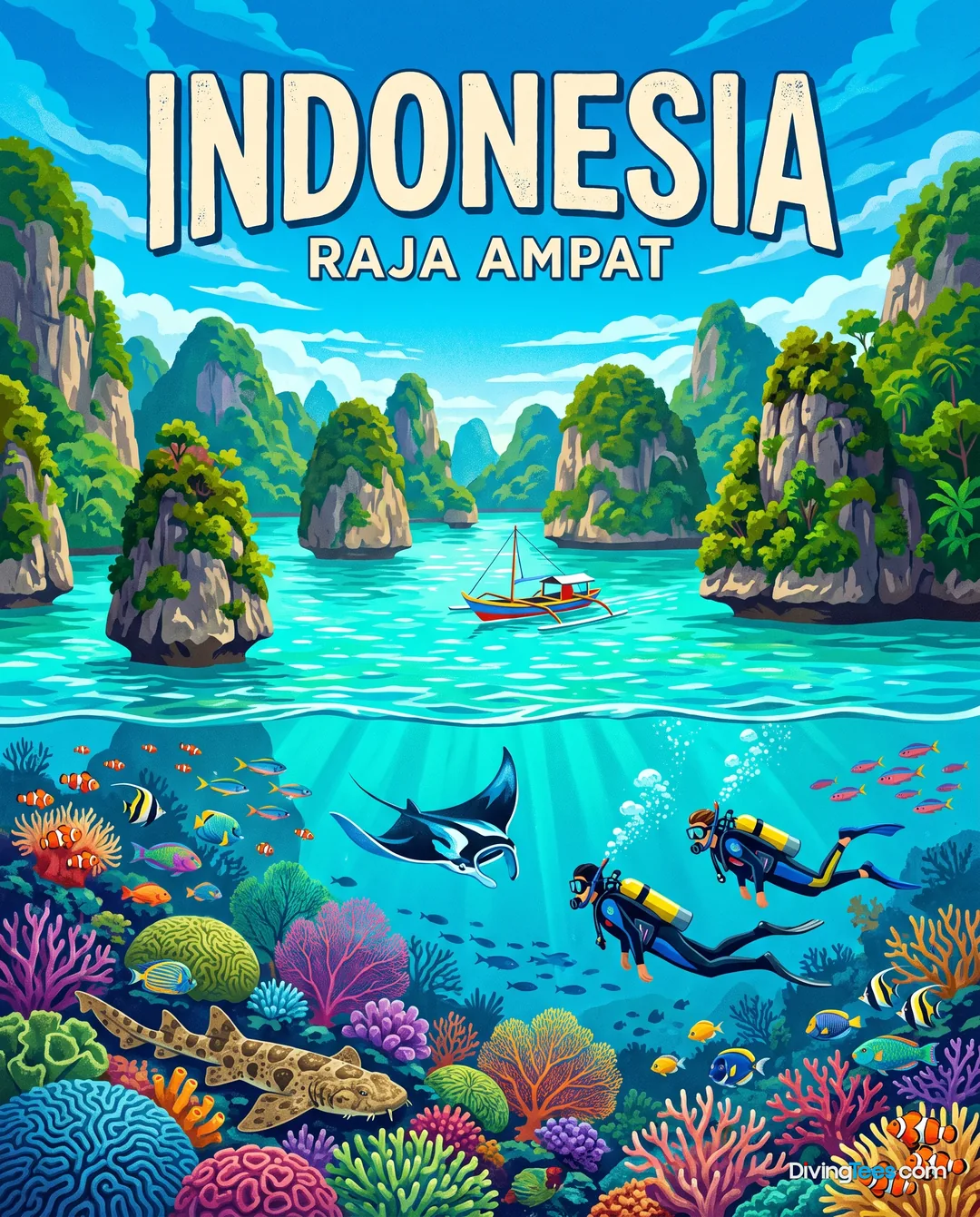
Liveaboards · Indonesia
Anne Bonny — a private Raja Ampat phinisi for small-group diving
What makes this boat unique
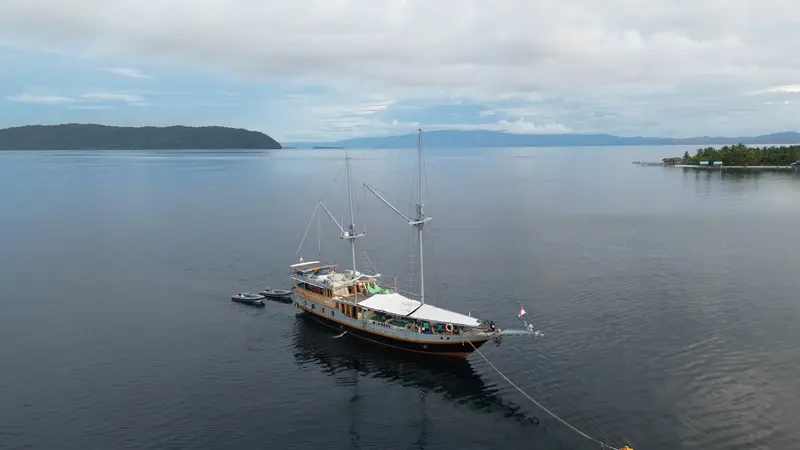
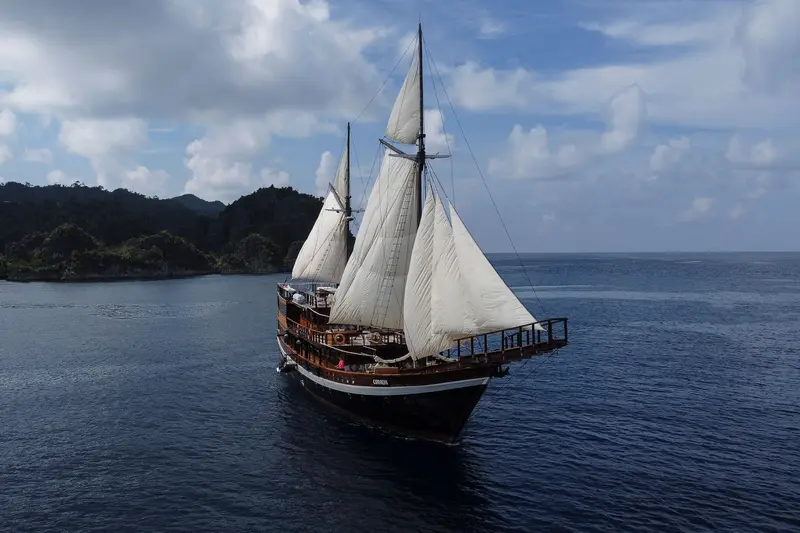
- Anne Bonny is a 30-metre traditional Indonesian phinisi with three cabins and space for up to nine guests.
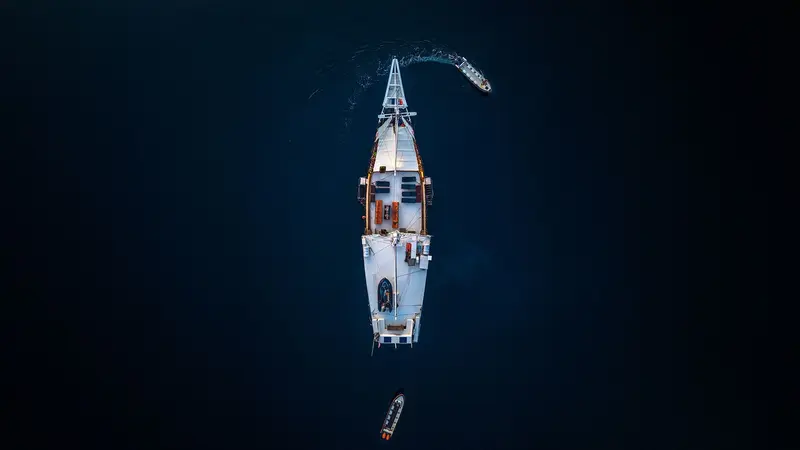
- The boat is available for private charters, with two tenders, a dedicated dive deck and small guided dive groups.
- Two Bauer compressors support the diving operation, with aluminium 12-litre tanks using DIN or Yoke valves.
- Raja Ampat departures from Sorong run for 8, 10 or 11 days, depending on the itinerary.
- Meals combine freshly prepared local and international dishes, with dietary requirements accommodated.
For subtitles in English: start the video firstthen click the gearat the top right of the video, select “Subtitles/CC”, then “Auto-translate” and choose “English”.
The invitation
Anne Bonny is for a group that wants Raja Ampat without sharing the boat with a crowd. The three-cabin layout suits families, friends, photographers and mixed groups of divers and snorkellers who want the itinerary shaped around them rather than fitted into a fixed passenger schedule. The reason to choose her is the combination: a traditional Indonesian hull, a private-boat atmosphere and a proper dive operation built around small groups. The Raja Ampat sites are the draw, from manta cleaning stations to fish-packed reefs and current-swept channels, but the boat changes how easily a group can spend time there. A private charter also makes room for different abilities in the same party: certified divers can pursue demanding reefs while beginners learn at a slower pace, and non-divers can use the tenders, kayaks and shore activities. Anne Bonny is not a large resort at sea. She is a compact expedition boat for people who want the reefs to lead the trip.
Boarding
From the dock, Anne Bonny has the shape and character of a hand-built Indonesian phinisi rather than a converted hotel. The ironwood construction gives the boat a traditional working-vessel feel, while the saloon and open-air areas are arranged for a small private group rather than a crowd moving through separate public spaces. Boarding is straightforward: gear and luggage settle into the cabins, the crew runs the boat orientation and safety briefing, and the dive operation becomes the centre of the voyage. With only three cabins, guests quickly know who is aboard and where everyone is heading between dives. The two tenders matter as much as the hull; they take divers out to the reef and bring them back without turning every entry and exit into a queue. Indoors, there is an air-conditioned saloon and bar. Outside, the open-air saloon and sun deck give the group somewhere to dry off, eat and watch Raja Ampat pass by.
The atmosphere on board
Anne Bonny works best when the guests already have a reason to share the boat: a family, a group of friends, a photography team or divers travelling with non-divers. The crew becomes part of that small circle quickly. They organise the tenders and dive groups, keep track of what each guest needs, and can make the trip work for children as well as experienced divers. Families have found the boat comfortable and easy to live on, with enough structure for diving and enough flexibility for young guests who are not following the same programme. Evenings can be simple or become an event: a beach dinner, live music from the crew, a bonfire or a celebration arranged onboard. The strongest impression is not a formal service routine but the crew noticing details before guests have to ask. That matters on a private boat, where the difference between a smooth week and a tiring one is often the care taken between dives.
The sites you’ll dive
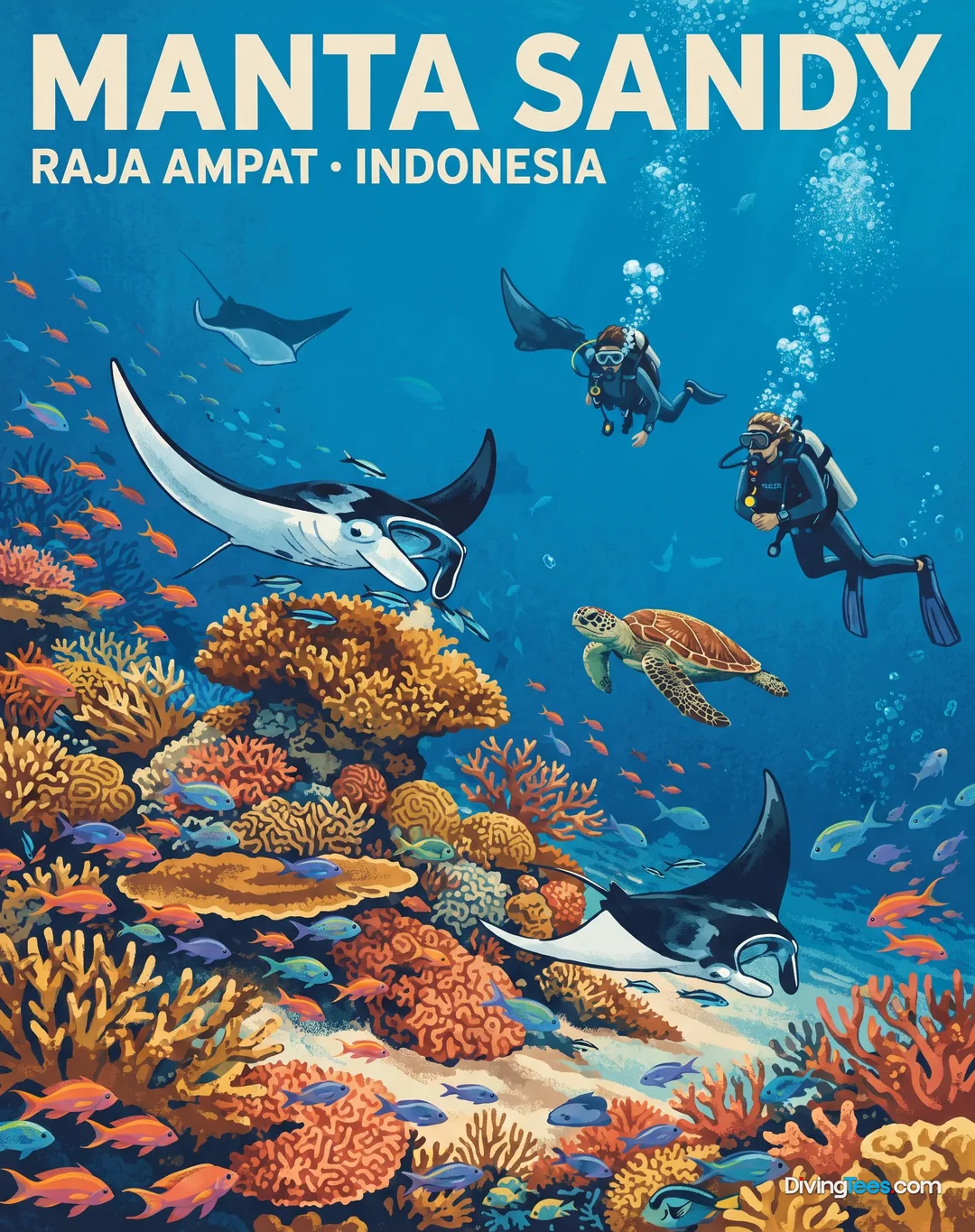
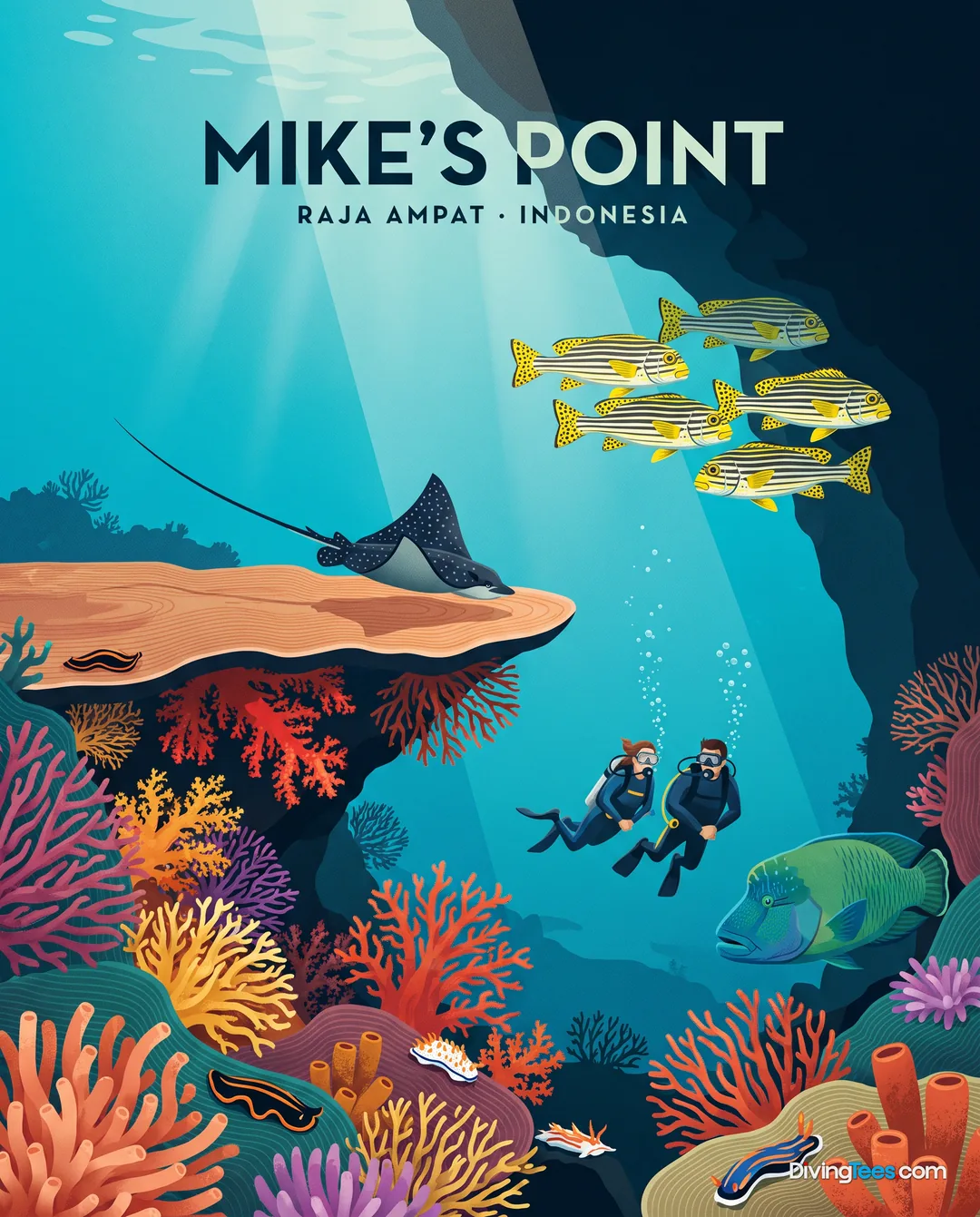
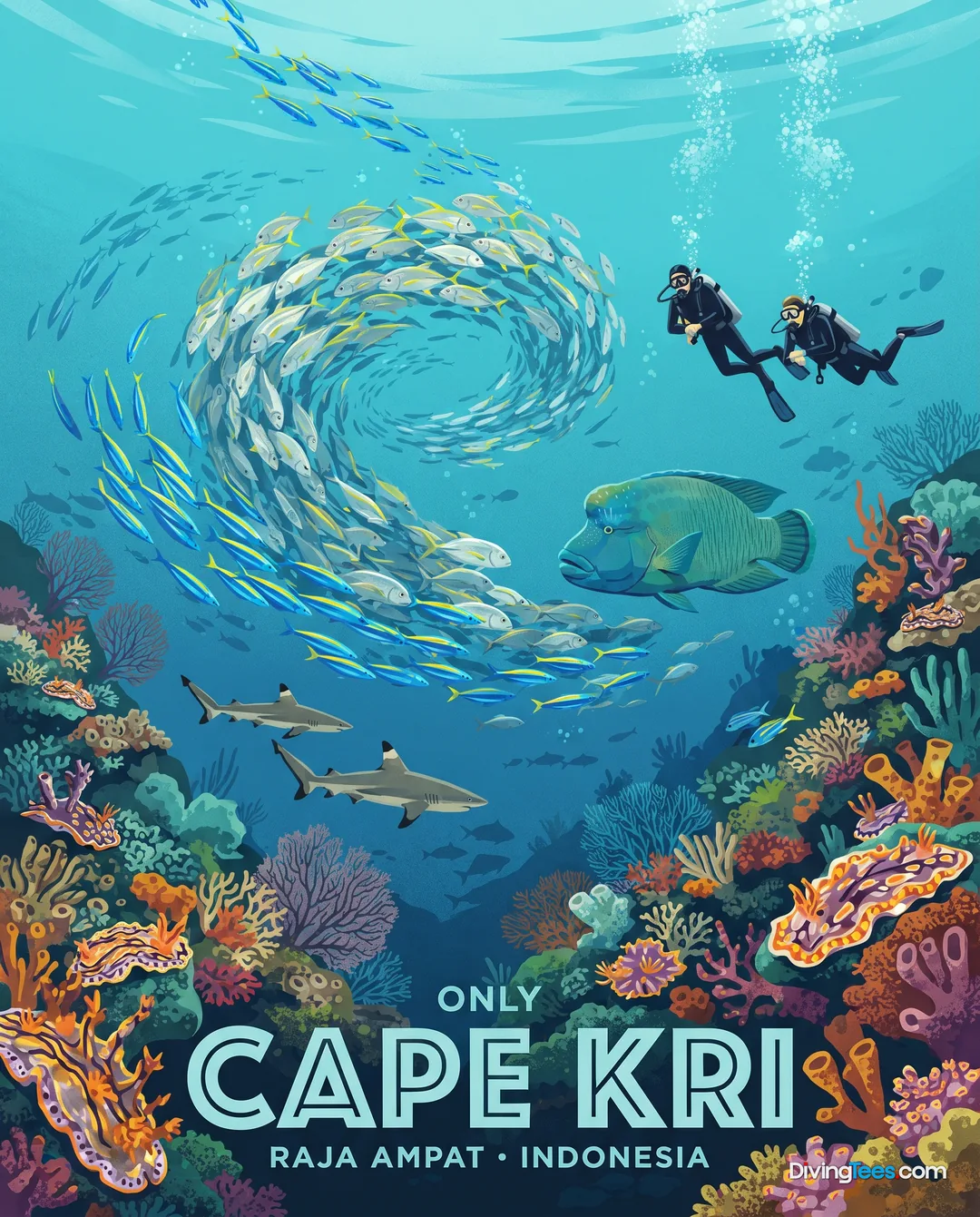
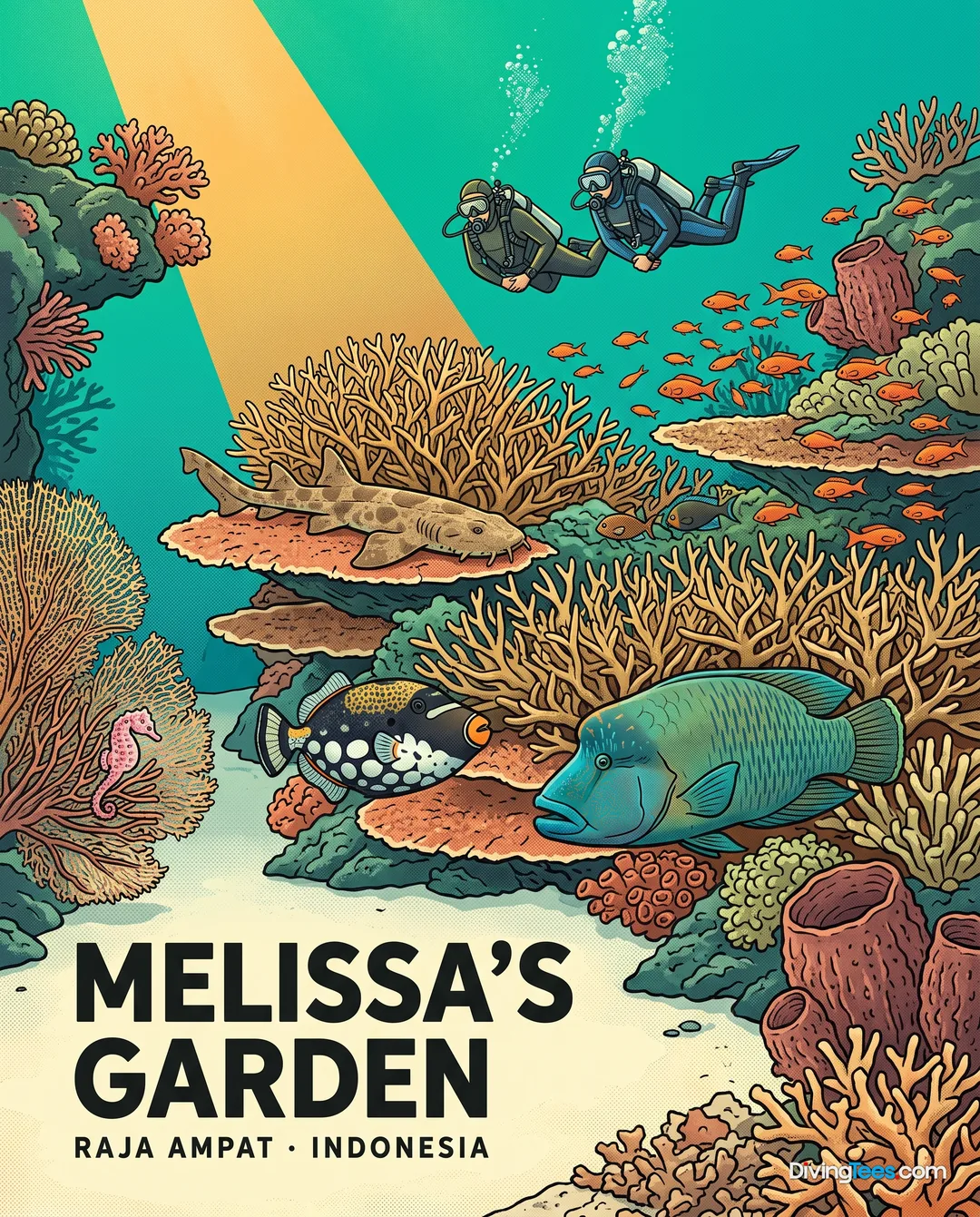
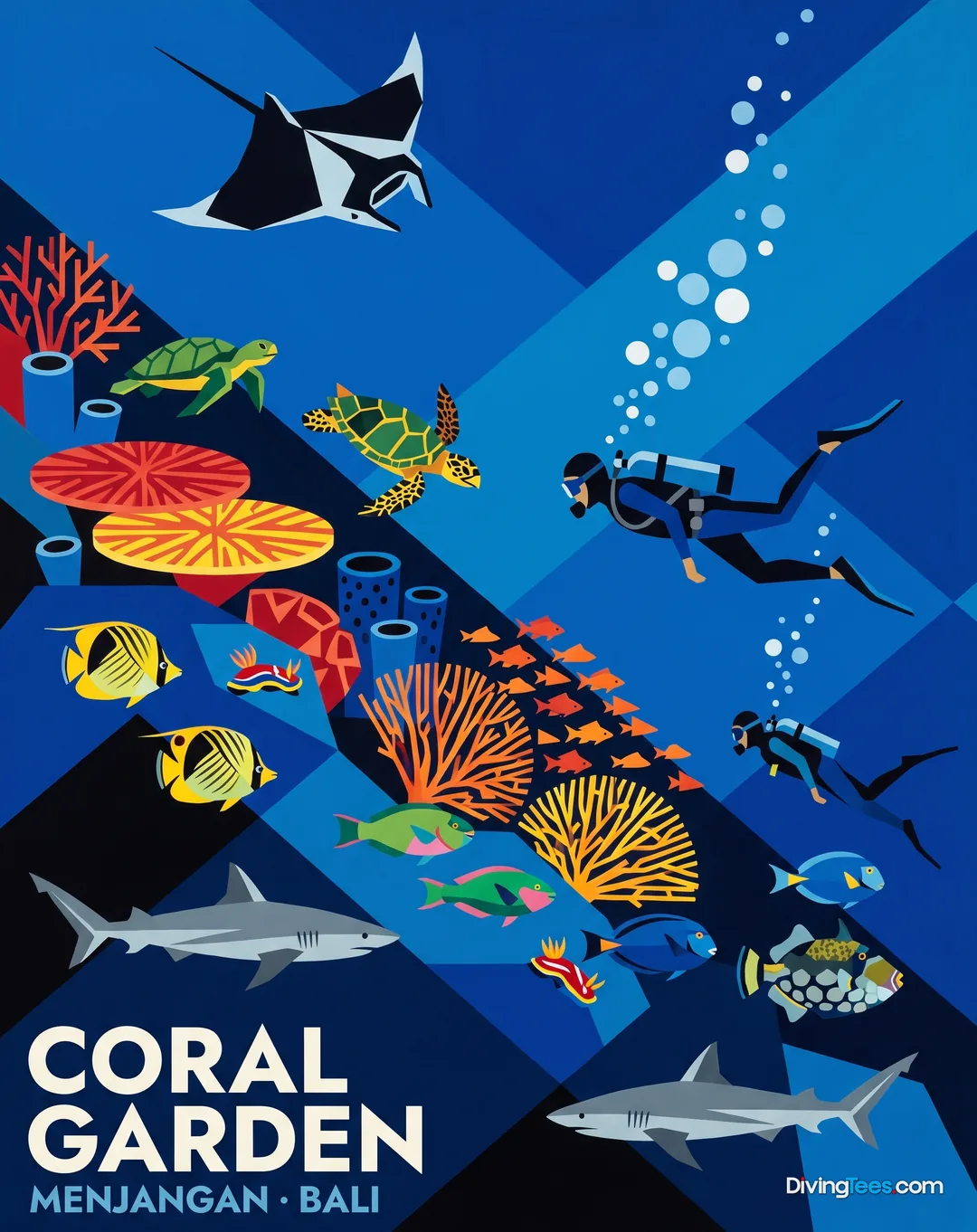
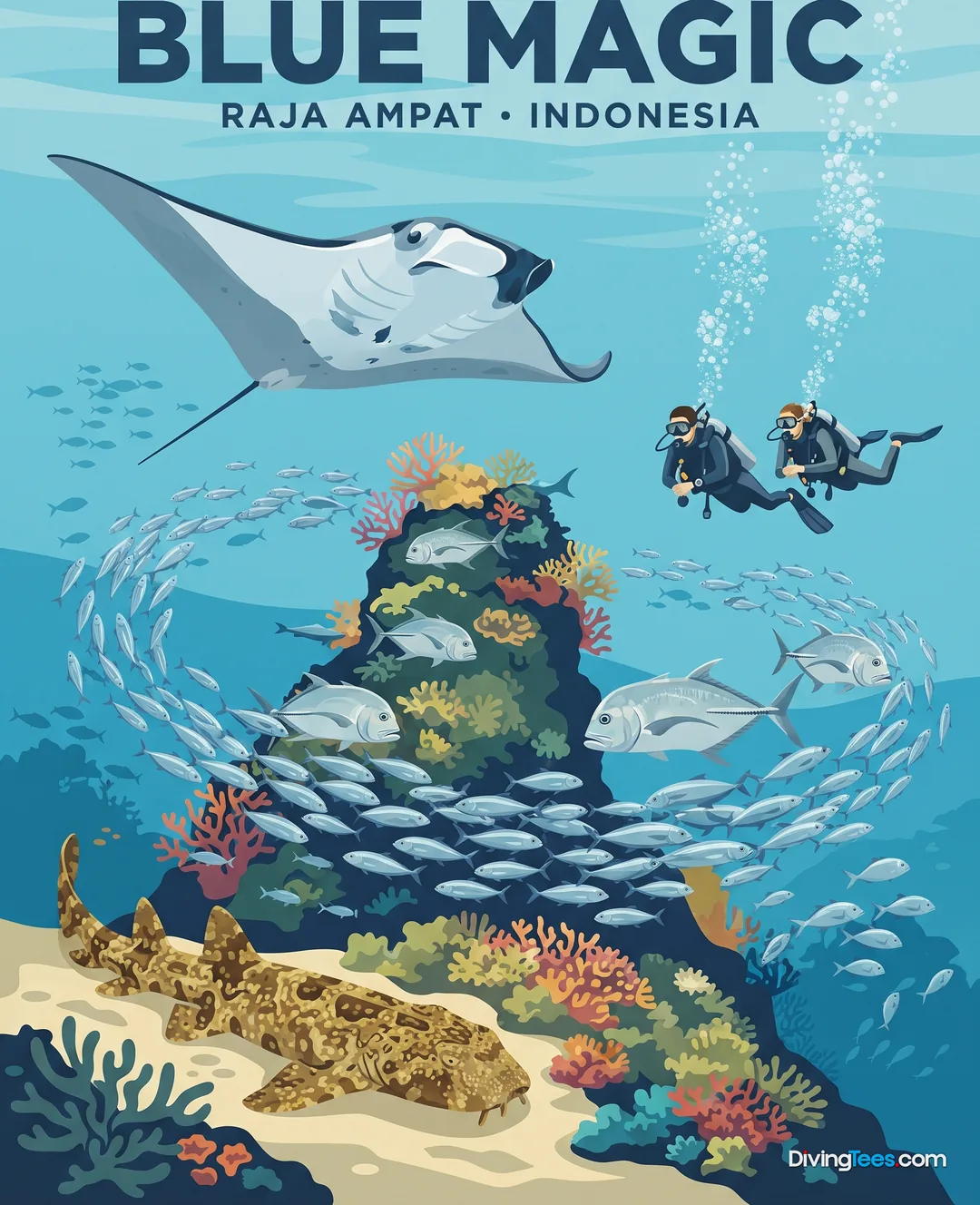
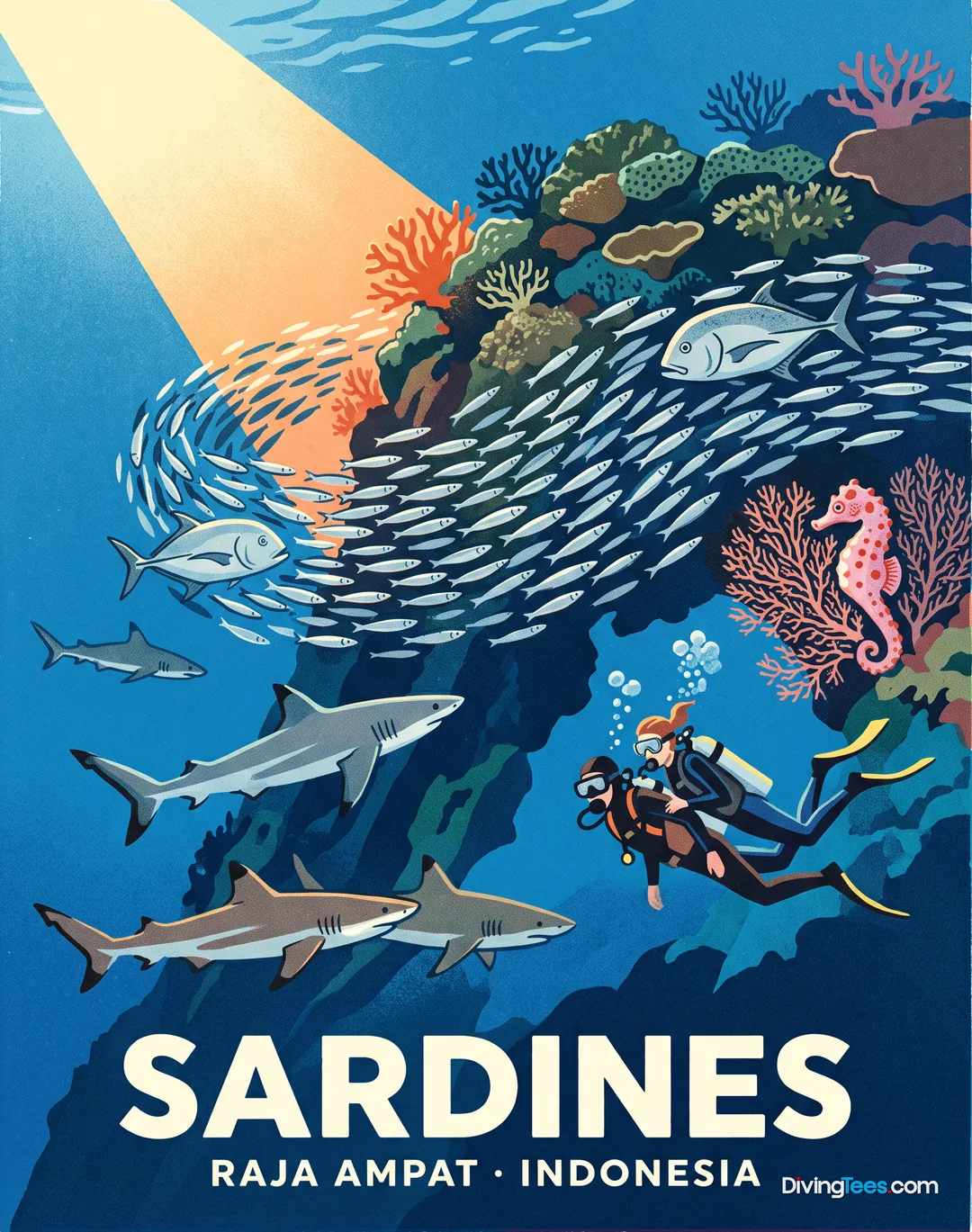
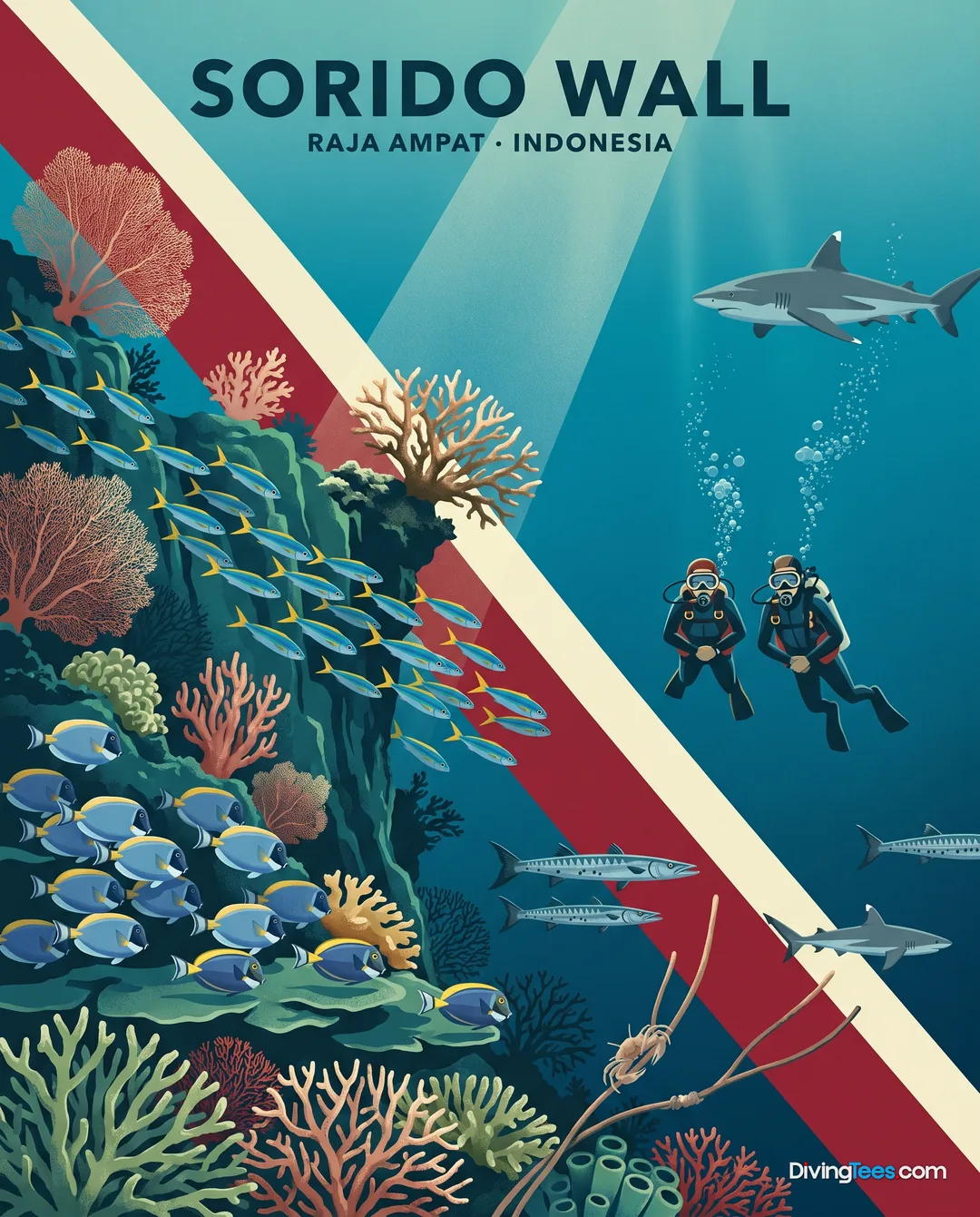
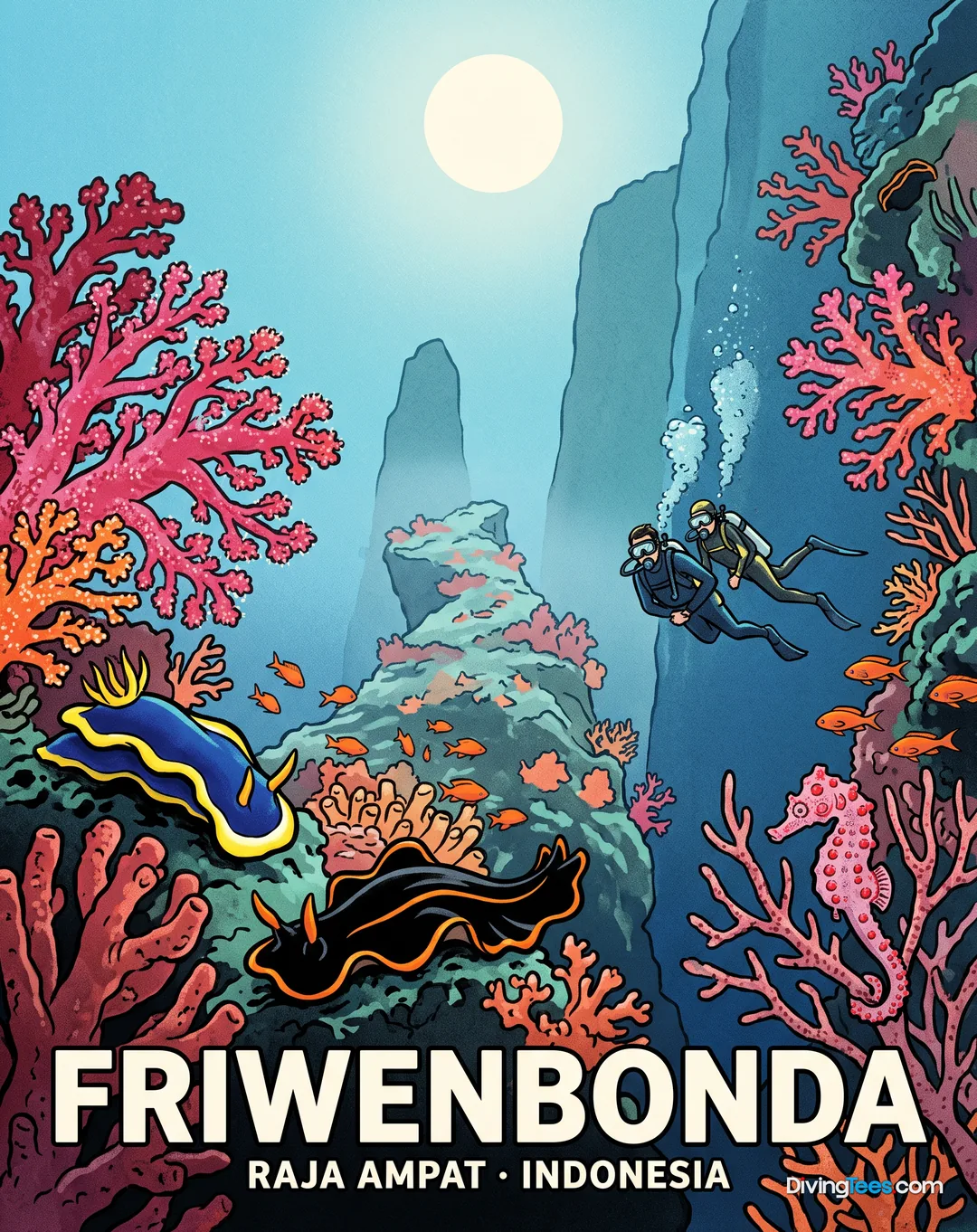
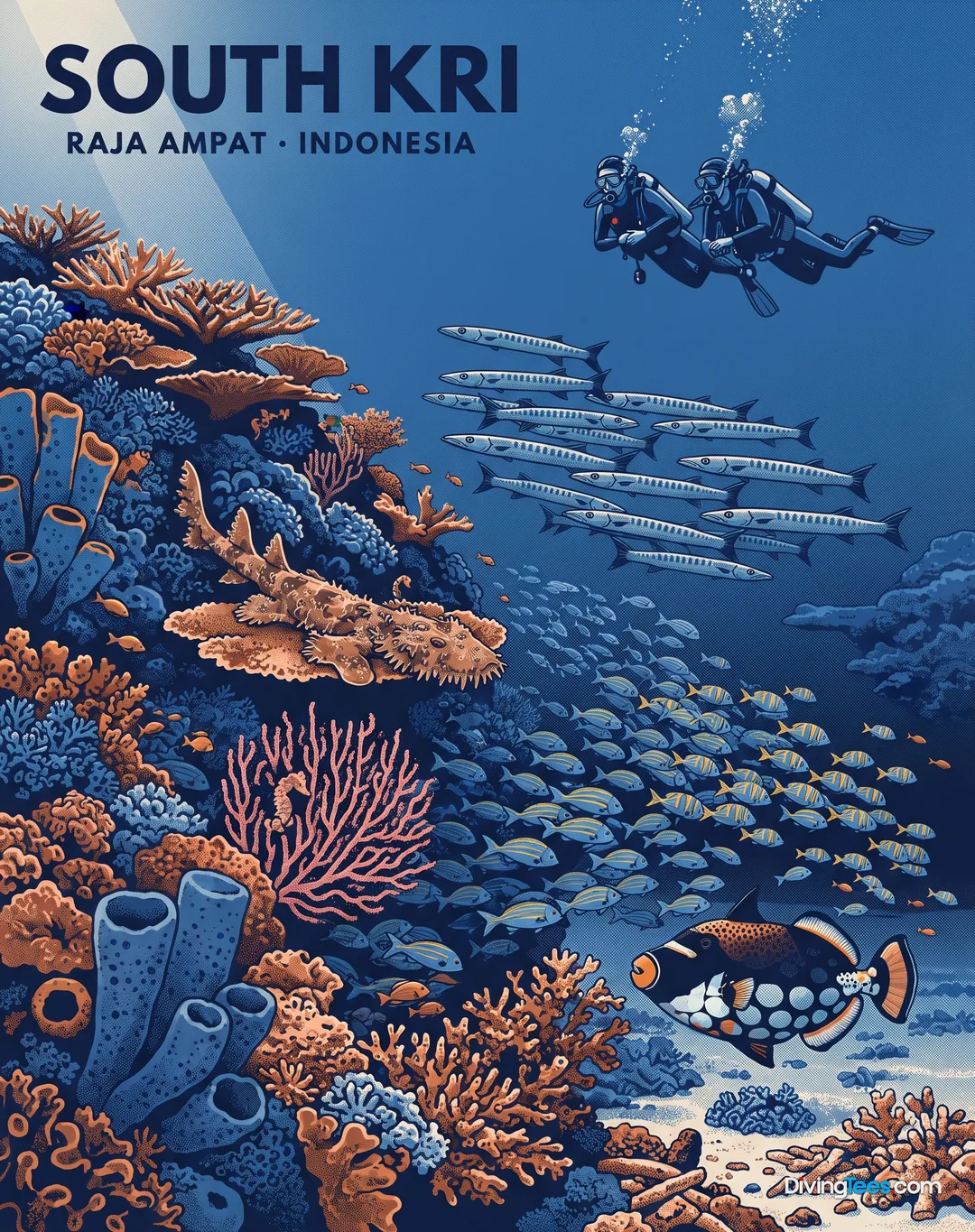
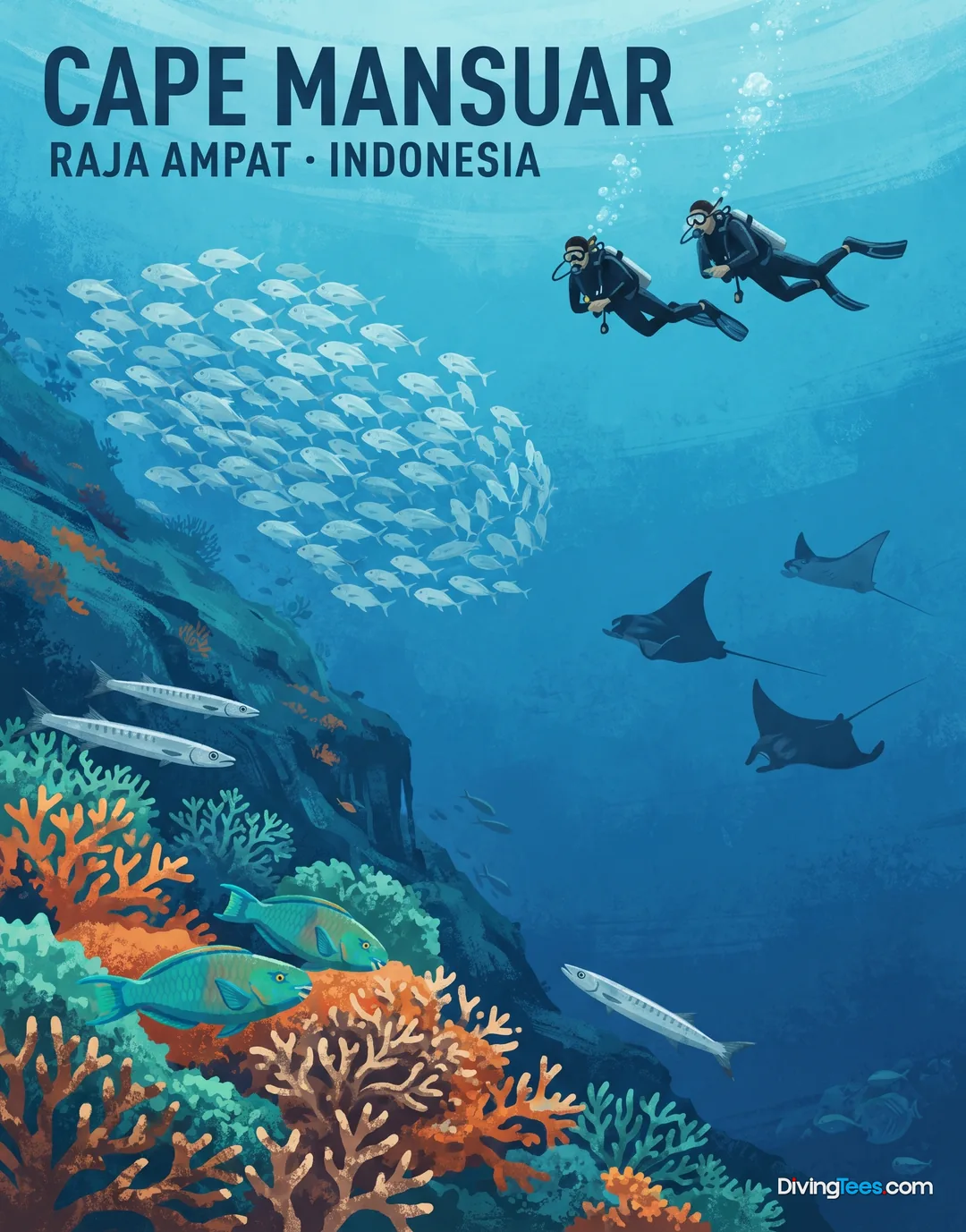
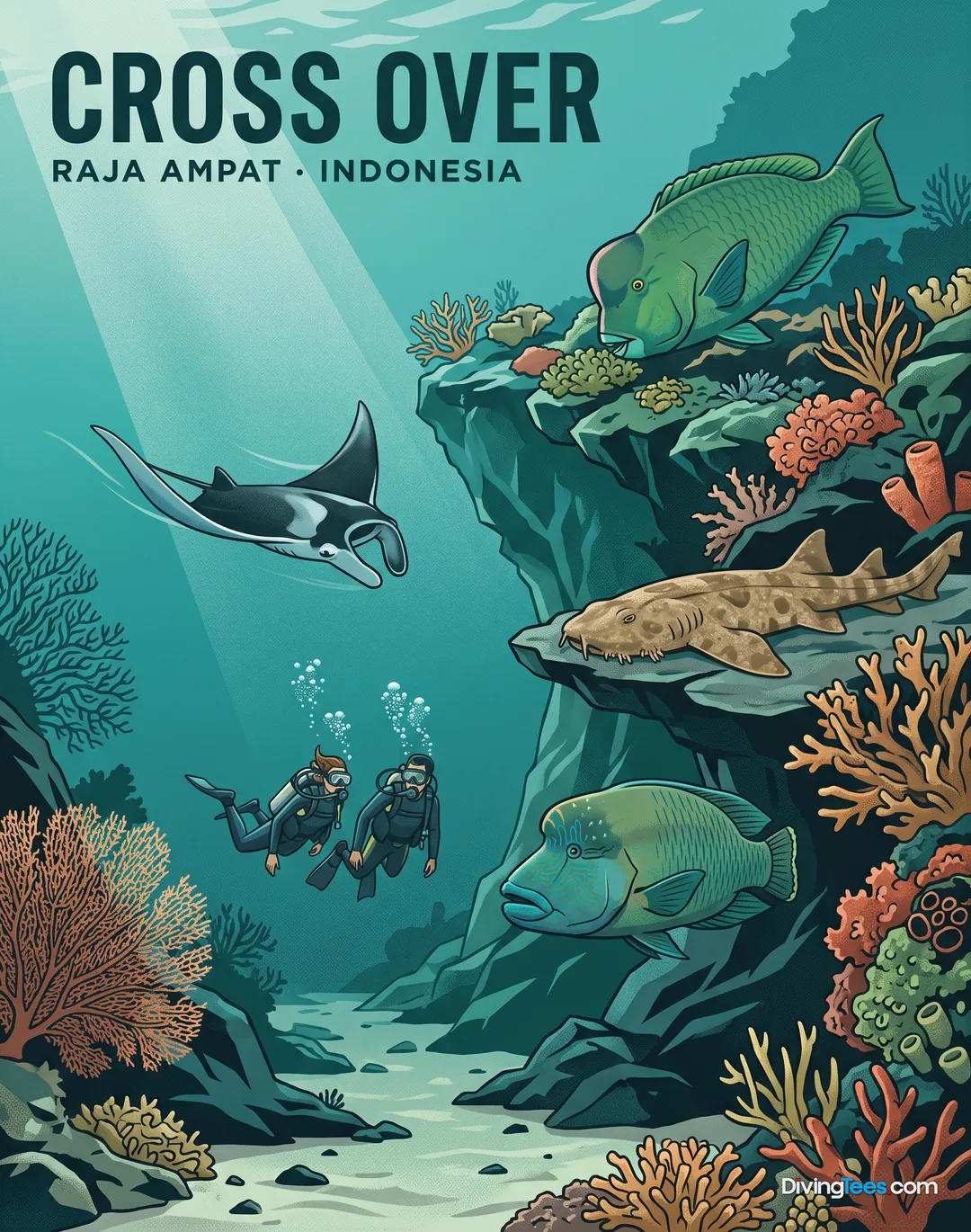
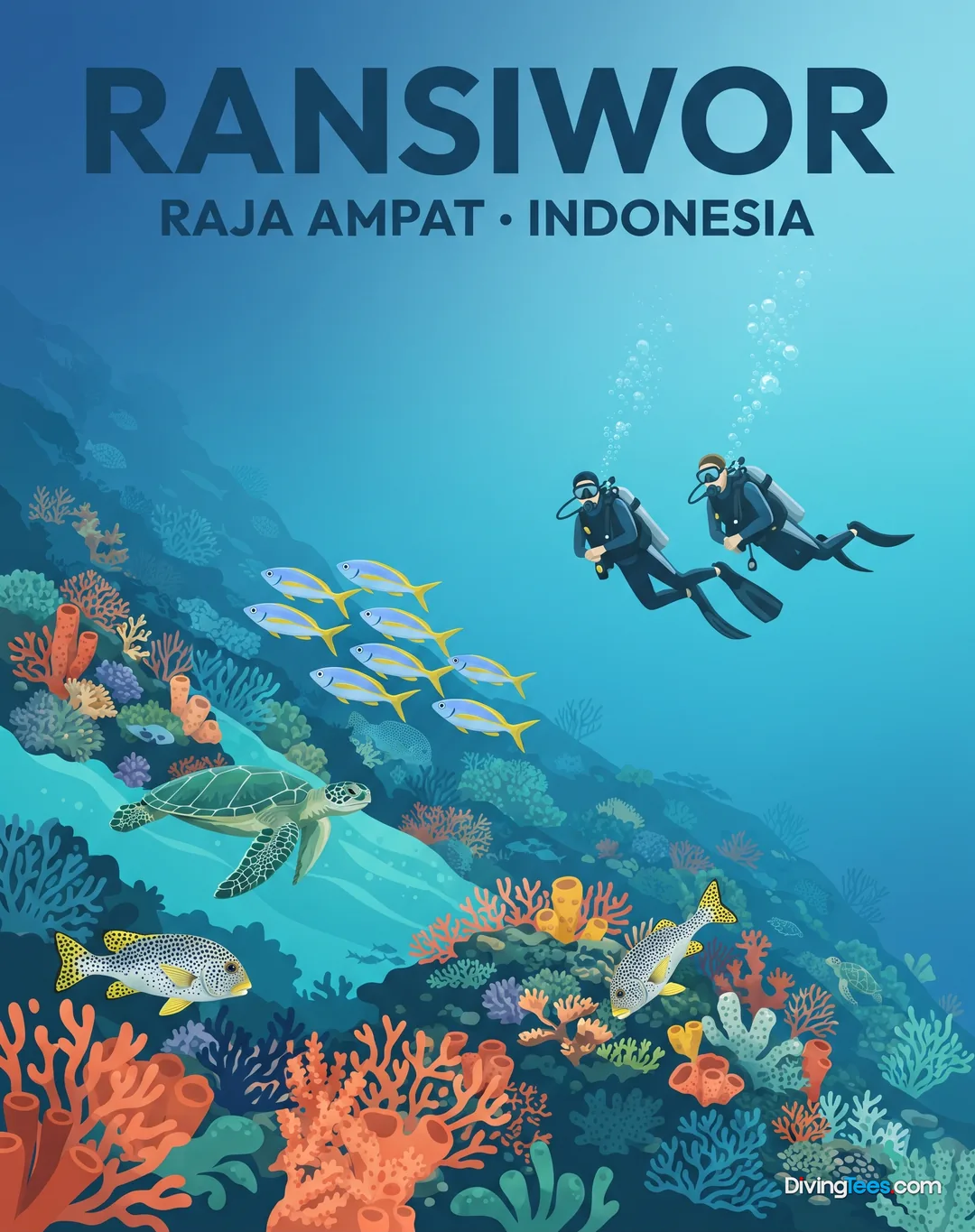
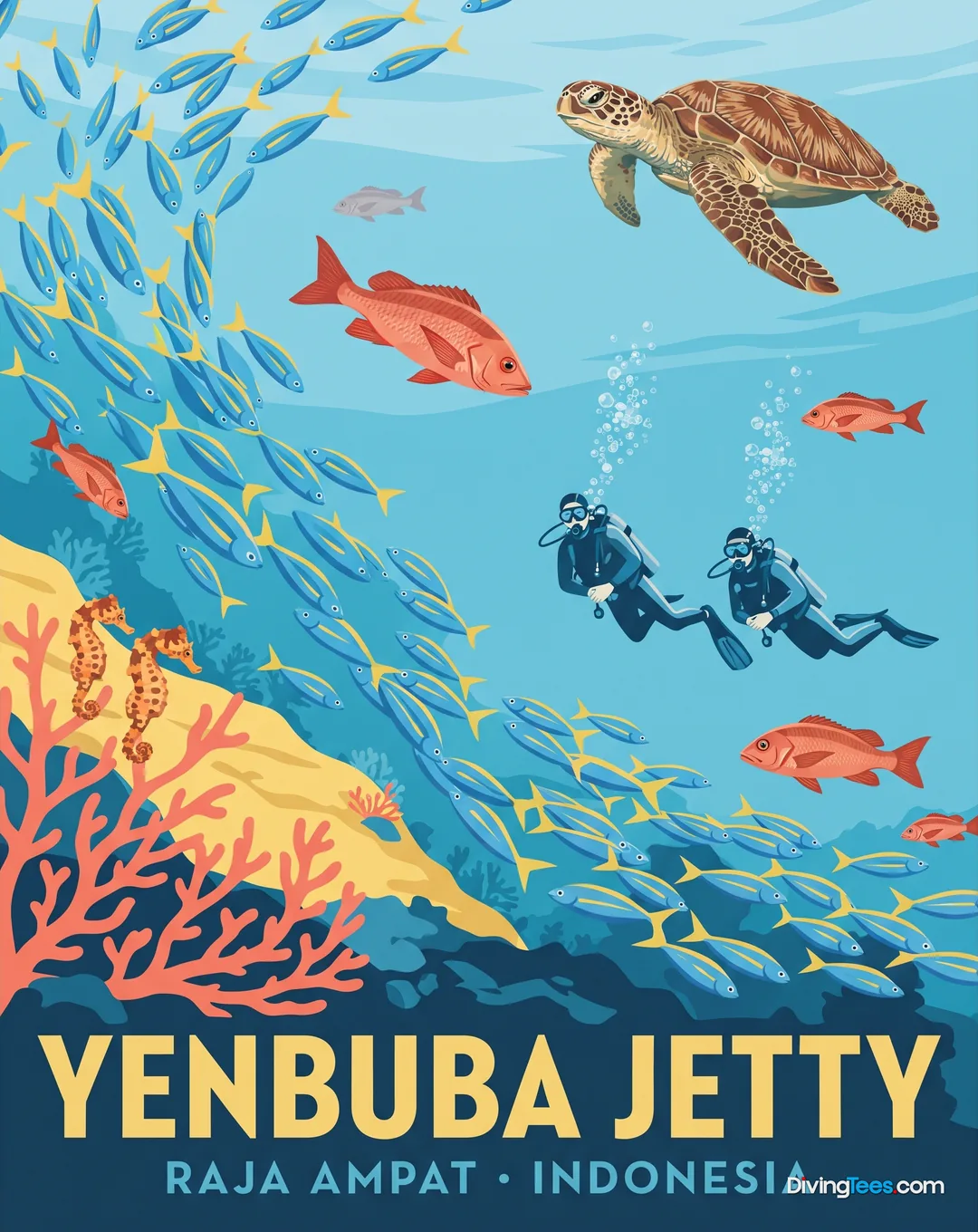
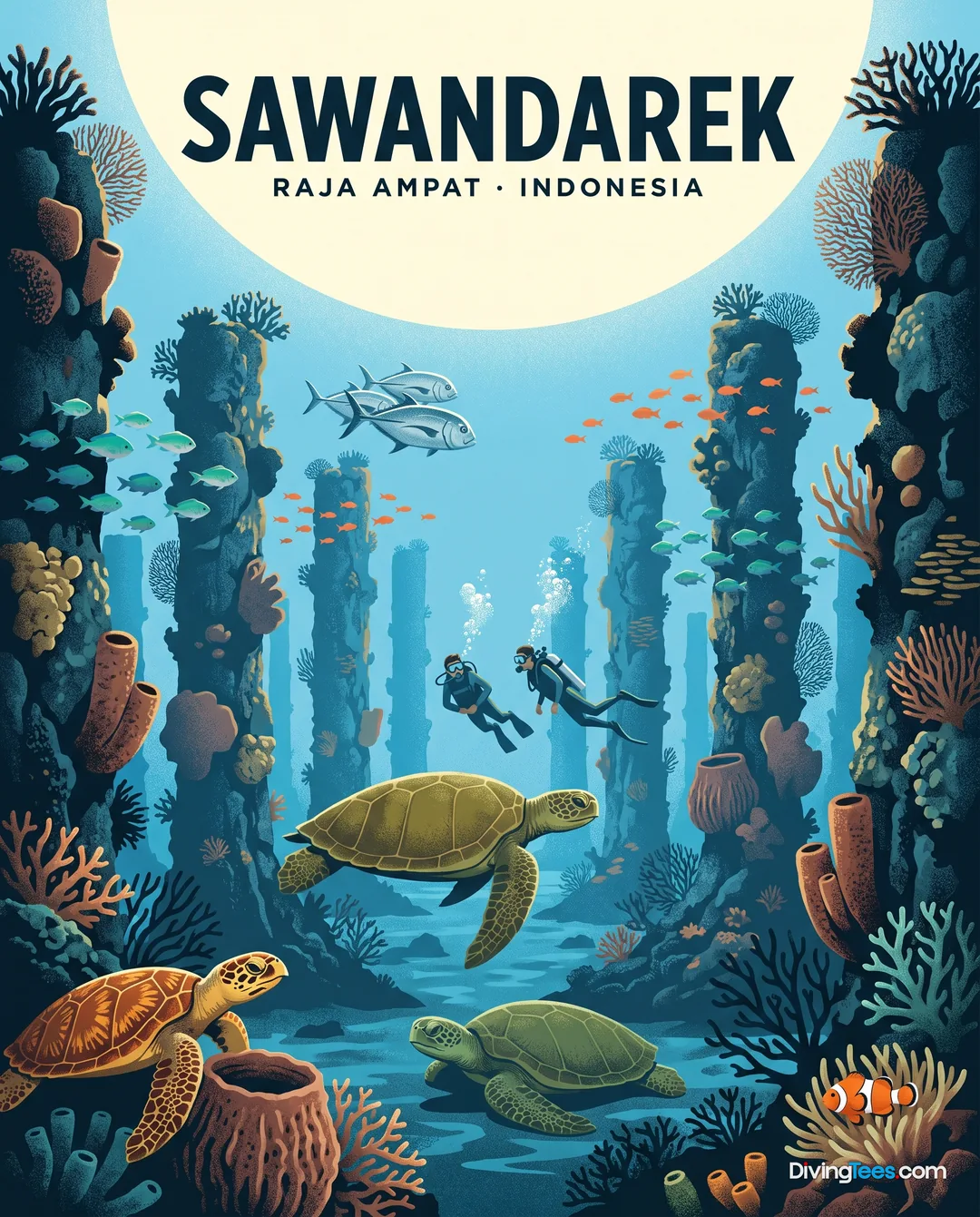
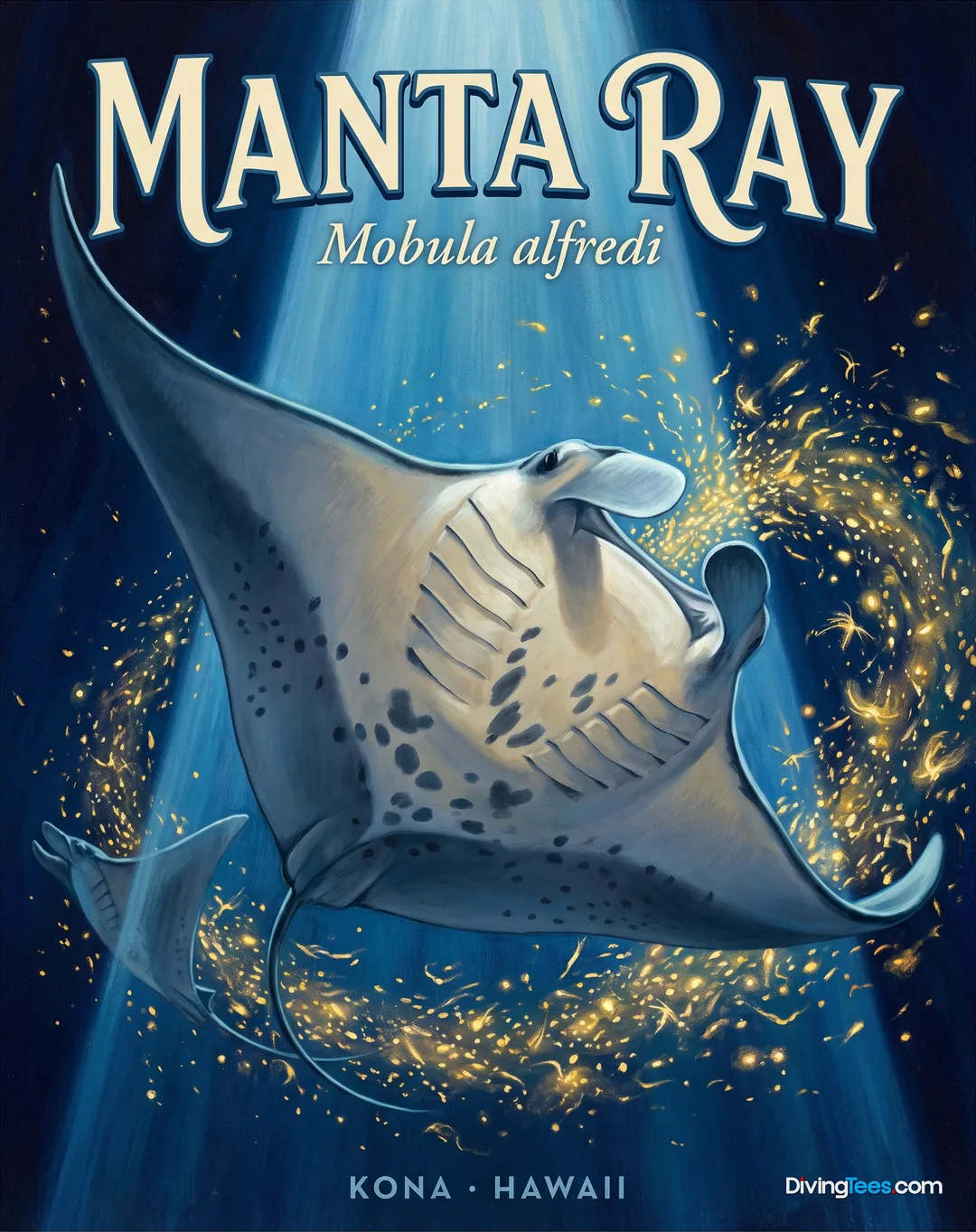
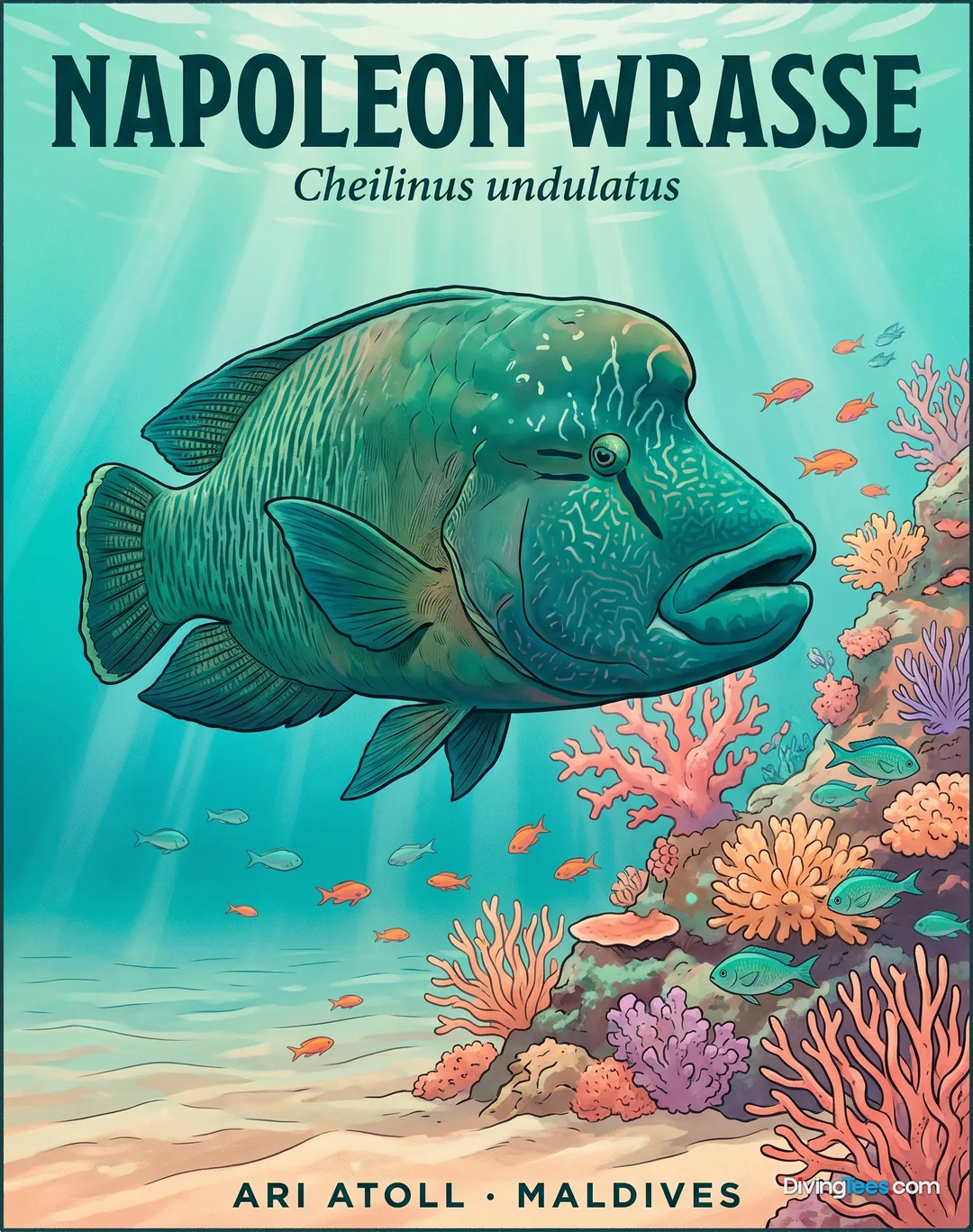
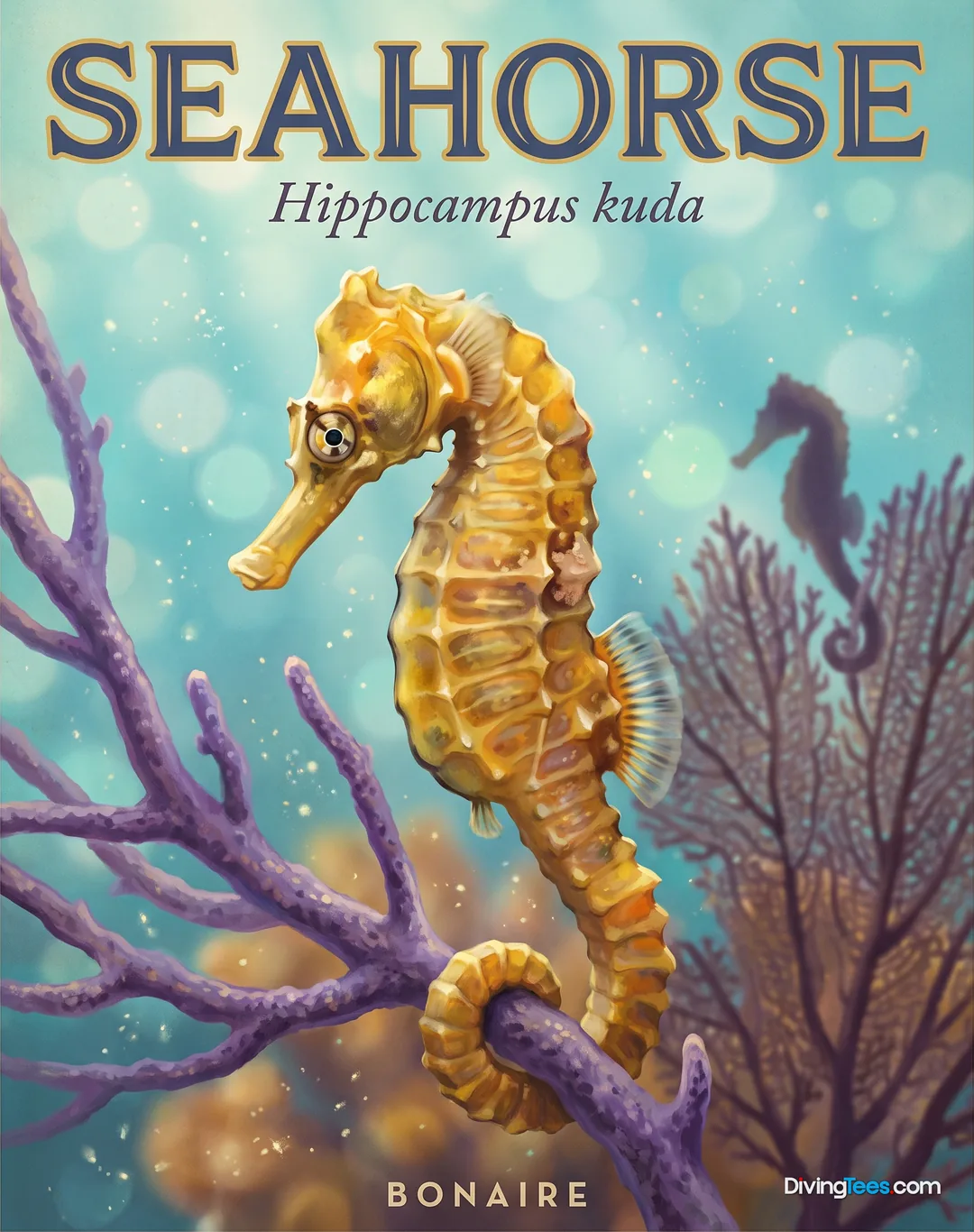
The Raja Ampat route links famous reefs rather than repeating one local circuit. Recorded departures from Sorong run for 8, 10 or 11 days, with the longer itineraries giving more room for sites across the archipelago. Manta Sandy is built around reef manta rays hovering over cleaning stations, with snorkellers able to share the encounter from above. At Mike's Point, reef overhangs hold soft corals and sweetlips, while eagle rays may cross the flat plateau; its stated maximum is -40m. Cape Kri is the fish-heavy landmark, with schooling emperors and fusiliers, Napoleon wrasse and reef sharks; 374 fish species have been observed on a single dive there. Melissa's Garden is a coral garden of soft corals and staghorn formations, with a stated maximum of -35m. Blue Magic drops into schooling fish and oceanic manta country, with wobbegongs, giant trevally and tuna in the blue. Sardines brings dense fish schools and hunting pelagics. Sorido Wall adds barracuda, reef sharks and surgeonfish moving along a wall, while Friwenbonda is a soft-coral wall rich in nudibranchs and pygmy seahorses. South Kri, Cape Mansuar and Cross Over bring drift diving and current-fed fish life. Ransiwor has a stated maximum of -30m, with cleaning stations and yellow-back fusiliers; Yenbuba Jetty has fish circling coral-covered pilings and a gently sloping reef, also to a stated maximum of -30m. Sawandarek is the quieter turtle site, with giant green turtles and schooling jackfish in the shallows.
What you’ll meet underwater
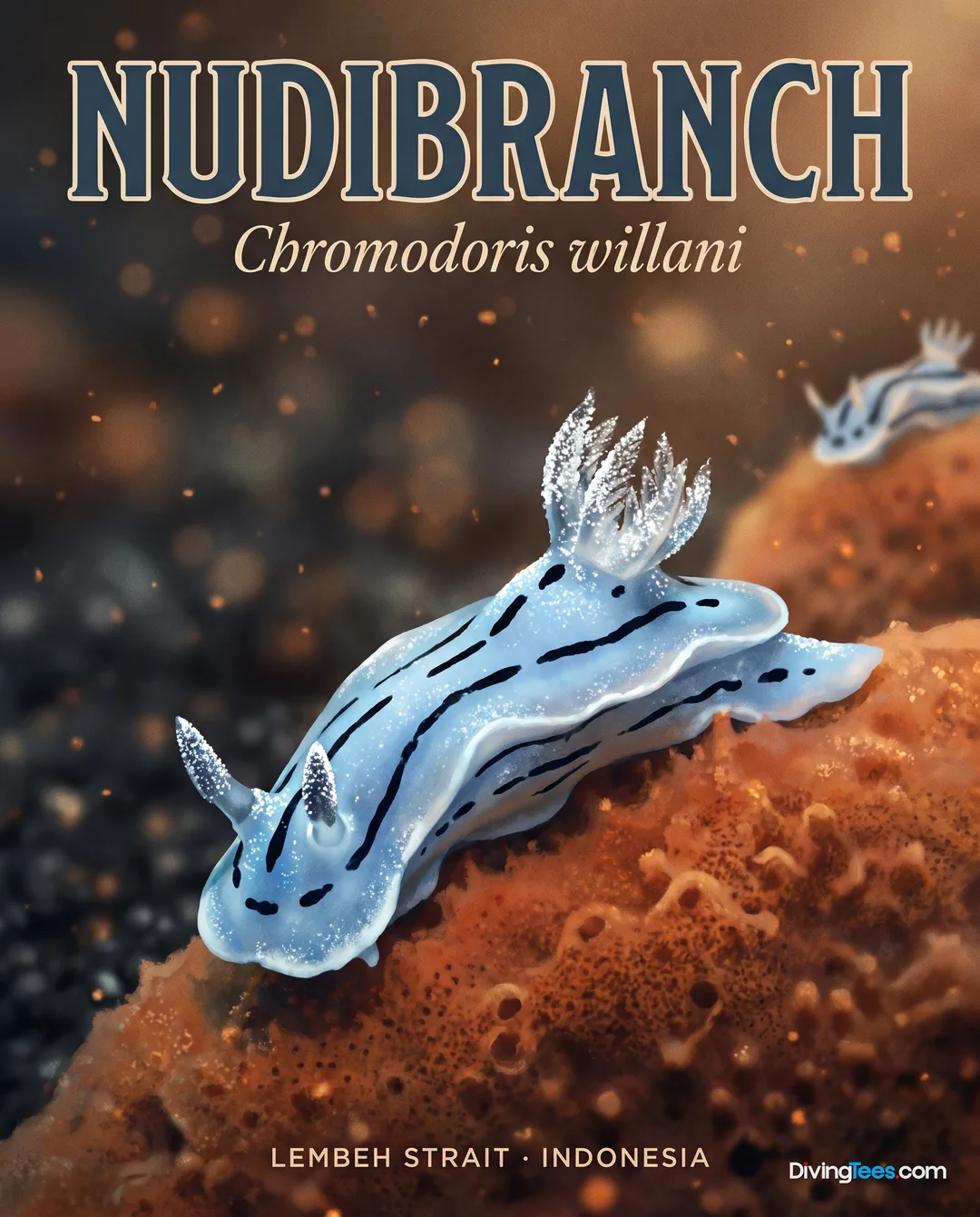
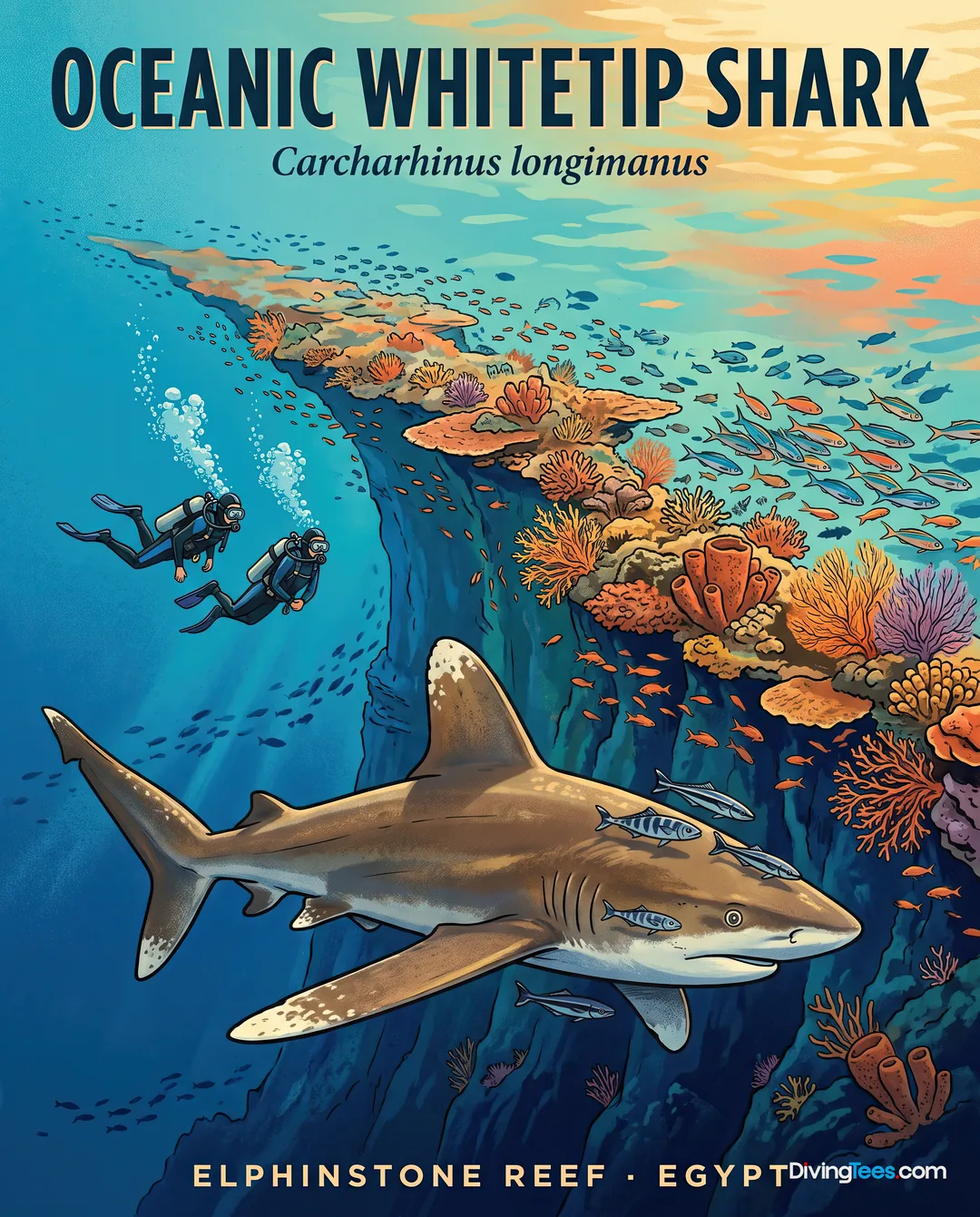
Across this Raja Ampat route, the recurring spectacle is movement: barracuda and reef sharks in the blue, Napoleon wrasse above the reef, blacktip and whitetip reef sharks along slopes, turtles, eagle rays, trevally, fusiliers, sweetlips and humphead parrotfish. Nudibranchs and pygmy seahorses reward slower searches among the corals, while soft-coral gardens keep wide-angle photographers occupied between the larger encounters. The site-specific animals give certain dives their purpose. Cape Kri is the place for the giant grouper, along with the extraordinary fish abundance that has produced the record of 374 species on one dive. Blue Magic is where an oceanic whitetip shark and tuna are specifically recorded, as well as oceanic manta rays drawn to the reef and its currents. Yenbuba Jetty is the site for anthias and damselfish around the pilings. Ransiwor is the place to look for titan triggerfish, octopus and Moorish idols. South Kri adds big-eyed trevally, crabs and shrimp to its macro-and-schooling-fish mix. At Sorido Wall, the distinctive sight is surgeonfish moving with the fusiliers, barracuda and reef sharks along the wall.
Who puts you in the water
The diving is organised around two guides for every five divers, with groups kept small and separated by experience and preference. English is the working language onboard. Before each dive, the briefing covers the site, current and conditions, entry and exit plan, expected profile and emergency procedures; a headcount and debrief follow the dive. The boat accepts complete beginners, with a minimum requirement of zero logged dives and no certification required for an introductory experience. Beginner training is offered on private Anne Bonny charters, including Discover Scuba Diving and the PADI Open Water Diver course. Certified divers can also take Advanced Open Water or Enriched Air Nitrox training onboard. The Open Water course includes four open-water dives and reaches up to 18 metres; the Advanced course includes a deep dive to 30 metres and underwater navigation. Emergency oxygen, first-aid equipment and trained crew support the operation. Divers are still expected to stay within their training and experience, follow the guide and use the required safety equipment.
The dive deck and the gear
The dive deck is built for small-group operations, with personal storage, charging stations and separate rinse tanks for underwater cameras. The boat carries aluminium 12-litre tanks with both DIN and Yoke valves. Two Bauer compressors handle filling, and Nitrox is available at extra cost. Full rental equipment can be arranged onboard, including BCDs, regulators, wetsuits, dive computers, torches and fins; the listed equipment brands include Scubapro, Aqualung and Mares. The two Zodiac/Dhoni tenders carry divers from the main boat to the site and collect them after the dive, keeping the dive groups separate rather than loading everyone into one crowded launch. Divers return to a dedicated working deck, rinse cameras immediately and stow equipment at their stations before heading for the saloon or open deck. A mask and snorkel are supplied for snorkelling, while divers who prefer a particular fit may want to bring their own. The operation is recreational rather than technical: tech diving is not supported.
Between dives
The quiet hours happen on the sun deck, in the open-air saloon or under the shade between meals and briefings. Some guests settle into the loungers with a book; others keep cameras open on the charging stations, watch the islands from the rail or take a kayak into a sheltered lagoon. Two double kayaks and stand-up paddleboards give non-divers and surface intervals a purpose without forcing everyone into another excursion. When the boat relocates, the movement becomes part of the day: water, limestone islands and reef edges slide past while the dive groups wait for the next briefing. Shore time can mean a village visit, an island walk or a beach barbecue rather than another hour spent indoors. Wi-Fi through Starlink is available, though remote cruising can affect the connection. That is useful when it works, but the better gap-filler is usually the deck, where the next site is closer than the next notification.
A day on board
A dive day begins with the first briefing before the 7:00 AM dive. Divers return to the boat for a full breakfast, while Anne Bonny can relocate toward the next reef. The second dive is scheduled around 11:30 AM, followed by lunch and a longer surface interval. The third dive comes around 2:30 PM, leaving time afterward for a shower, camera work, a kayak trip or a quiet hour on the sun deck. On alternating nights, when weather and conditions allow, a 7:00 PM night dive replaces the stillness of the evening with torches, crustaceans and nocturnal reef life. Other nights belong to dinner, a beach barbecue or simply the open-air saloon. The pattern is demanding but clean: brief, dive, eat, move, dive again. By the last dive, the crew already knows which group wants the current, who is watching for macro life and whose camera needs the rinse tank first. The boat’s private format keeps that rhythm adaptable without losing its shape.
What you eat aboard
Meals are freshly prepared aboard and combine local Indonesian cooking with international dishes. The kitchen can work around dietary restrictions, which matters on a private charter where the same group will sit down together several times a day. Food is served as both buffet-style meals and plated dishes, with snacks filling the gaps between dives. The table has a practical role here: after the first dive, a full breakfast replaces the hurried snack common on a day boat; later meals restore divers before the next entry. The emphasis is on plentiful, fresh food rather than a formal restaurant experience. A beach barbecue can also form part of the trip, taking dinner off the boat and onto a secluded shore when the itinerary allows. For a group diving three or four times a day, that steady food supply is not decoration. It is what keeps the fourth dive from feeling like an afterthought.
Nights at sea
There are three cabin categories — Cabin #1, Cabin #2 and Cabin #3 — each intended to keep a private charter together under one roof. The cabins are air-conditioned and have en-suite bathrooms with hot showers, so the end of a long dive day does not involve sharing facilities with the whole boat. Ironwood appears inside the vessel as well as in its traditional construction, giving the accommodation more warmth than a plain white yacht interior. Between dives, the useful distinction is not luxury versus bare-bones; it is whether the group can retreat for a while without losing contact with the sea. The saloon is air-conditioned when the heat builds, while the open-air areas keep the boat connected to the light and wind. At night, the boat becomes quiet enough for the small-group layout to make sense: no long corridor of cabins, no large passenger traffic, just the vessel, the water and the engine carrying the next site closer.
Cabin #1
Cabin #2
Cabin #3
What to know before boarding
Raja Ampat departures and returns use the Port of Sorong. Airport and hotel transfers are included; the crew or driver meets arriving guests and assists with luggage, with hotel pickup on departure day arranged between 9:00 and 10:00 AM. Arriving in Sorong the night before gives the transfer plan room to work without tying the charter to a same-day flight.
- Length
- 30 m
- Beam
- 6.5 m
- Maximum number of passengers
- 9
- Number of cabins
- 3
- Engines
- Yanmar 250 hp
- Tenders
- Zodiac/Dhoni
- Website
- calicojackcharters.com ↗
See dates and prices
If you click these links and make a purchase on the partner site, DivingDeal may earn a commission, at no extra cost to you.
Hello, I'm Marina, DivingDeal.com's AI assistant. I answer in detail about hotels, dive centres and liveaboards.
Thinking about the whole trip and the flights? Talk it over with Edith →
Marina is an AI. Some links are affiliate links: DivingDeal may earn a commission, at no extra cost to you. Bookings are made with the partner.