Liveaboards · Indonesia
Mari — a traditional Indonesian phinisi built around serious diving
Deal on this boat
Per person
£3,249$4,343€3,880 £2,477$3,311€2,958
Discount calculated by us, against the boat's usual price for a trip of the same length.
See all discounted dates ↓What makes this boat unique
- Mari is a South Sulawesi phinisi built from ironwood and teak, with a modern diving setup.
- Seven main-deck cabins with sea views and private bathrooms accommodate a maximum of 14 guests.
- Fourteen crew members, including four dive staff, keep the guest-to-guide ratio at up to 4:1.
- Nitrox is produced on board and available to certified nitrox divers at an additional charge.
For subtitles in English: start the video firstthen click the gearat the top right of the video, select “Subtitles/CC”, then “Auto-translate” and choose “English”.
The invitation
Mari is for divers who want Indonesia’s remote reefs without giving up a boat that works properly between dives. The traditional phinisi character is still there in the timber construction and sailing form, but the purpose is clear: a capable dive operation, small groups and enough deck space to recover after a demanding day. Fourteen guests is a useful limit. It keeps briefings manageable, gives the guides room to respond to different interests, and means the crew can notice what needs doing without making the trip feel formal. That balance is the reason to choose Mari over a larger liveaboard. She is not presented as an ultra-luxury resort at sea; she puts the investment where divers feel it—in the dive operation, the guides, the tenders and the spaces used after surfacing. The routes reach Raja Ampat, Misool, Banda Sea, Triton Bay, Kaimana and the Derawan Islands, including long 13-day expeditions for divers who want the map to keep unfolding.
Boarding
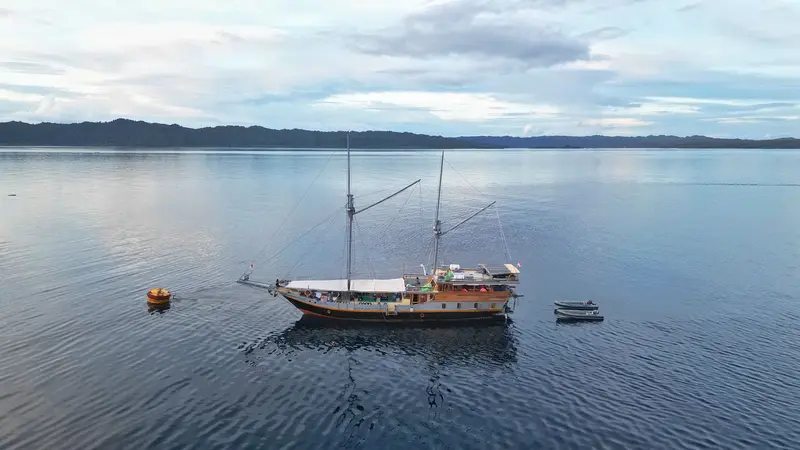
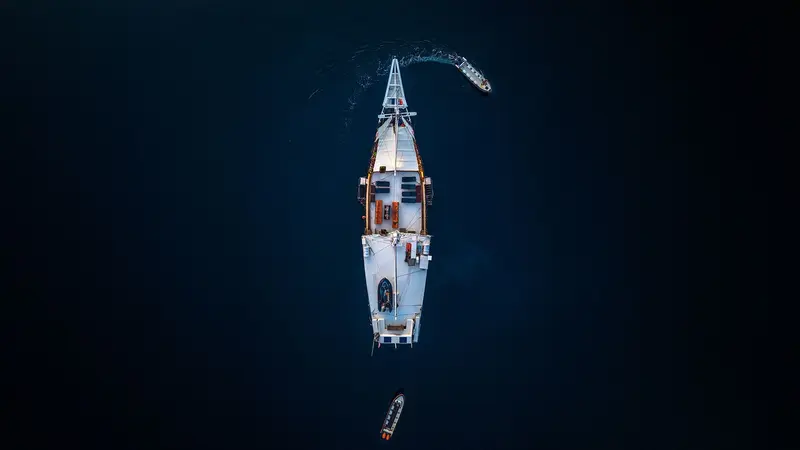
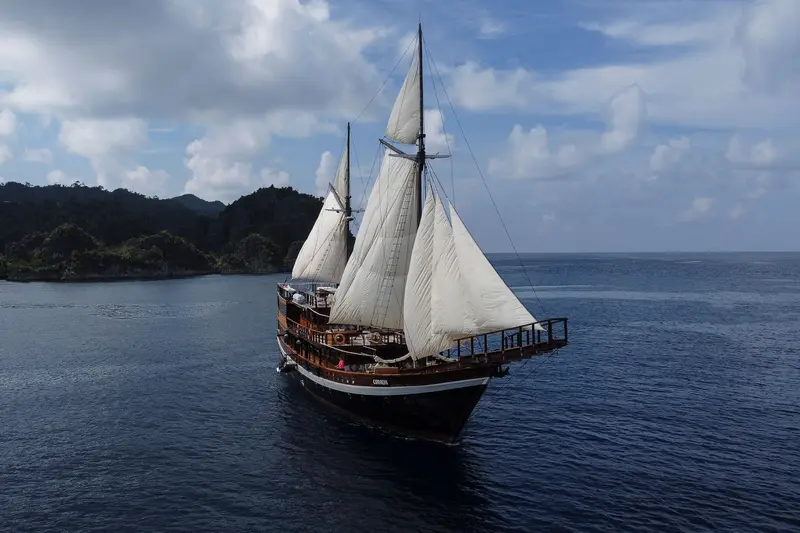
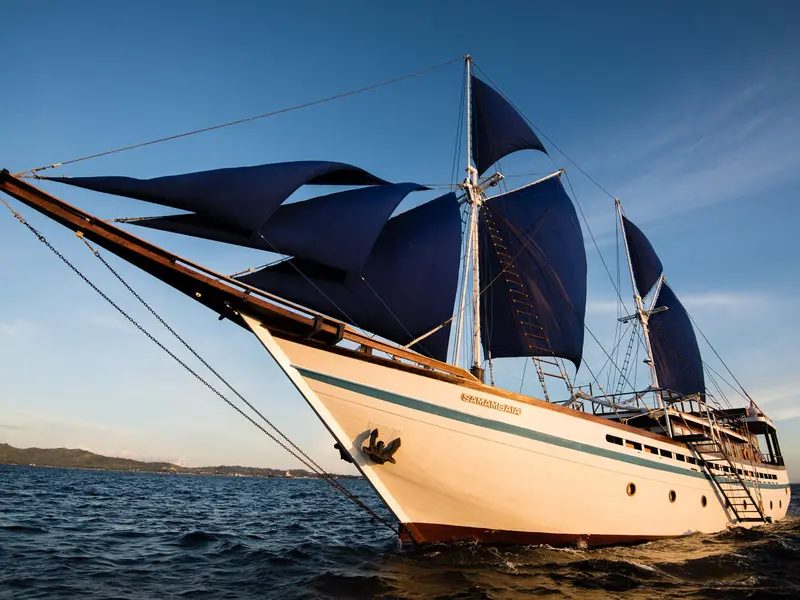
Mari arrives as a working Indonesian sailing yacht rather than a floating hotel: ironwood and teak, practical lines and a hull shaped by the South Sulawesi phinisi tradition. Built in 2008 and renovated in 2018, she combines that older character with a layout designed around diving. The first impression is not polished uniformity but a boat with a maritime identity, softened by open decks and sea-facing guest spaces. Once aboard, movement is straightforward. Cabins sit together on the main deck, the dining and lounge areas are above, and the sky deck gives the boat an open-air top level. The engine room and machinery are below the guest areas. With only 14 guests, the boat becomes familiar quickly: faces at breakfast, the same guides at the briefing, the same crew handing back cameras and tanks. Mari feels personal because the scale allows the operation to stay close.
The atmosphere on board
The atmosphere is close without being crowded. Fourteen crew members look after a maximum of 14 guests, and the effect is practical rather than ceremonial: someone is there to help with the small jobs that become tiring over a week of diving, while the guides stay involved in the actual diving instead of disappearing into a management role. The crew’s attention is most visible in the briefings and after the dives, where photographers can take time with a subject without holding up the whole group. Guides are willing to look for different things within the same route, from mantas to muck life, rather than treating every diver as if they had arrived for the same image. Food is one of Mari’s strongest points, and the boat’s review scores reflect that. The vessel scores lower than its crew, food and diving, suggesting some age in the hull; the gain is a crew that makes the older character feel cared for rather than neglected.
The sites you’ll dive
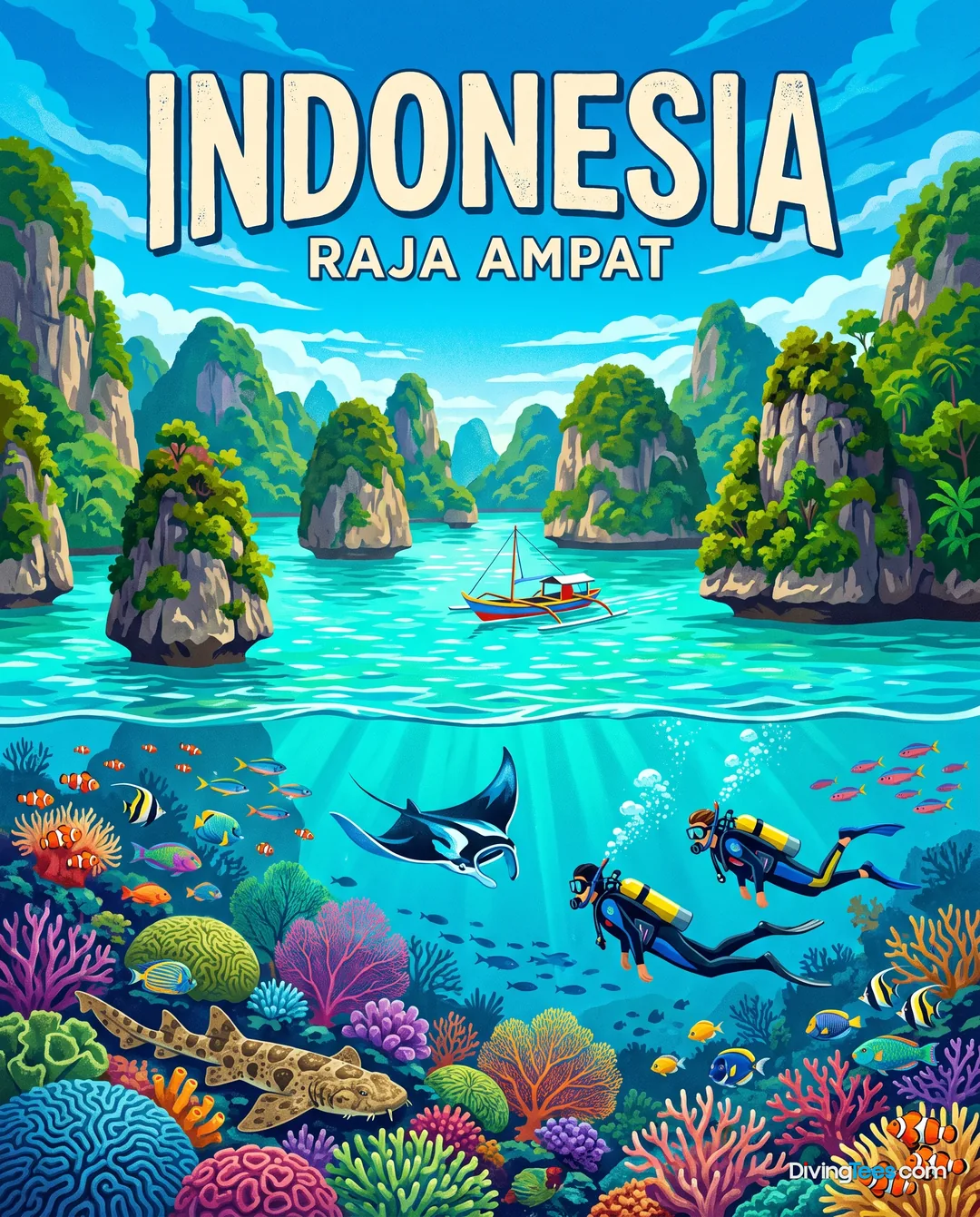
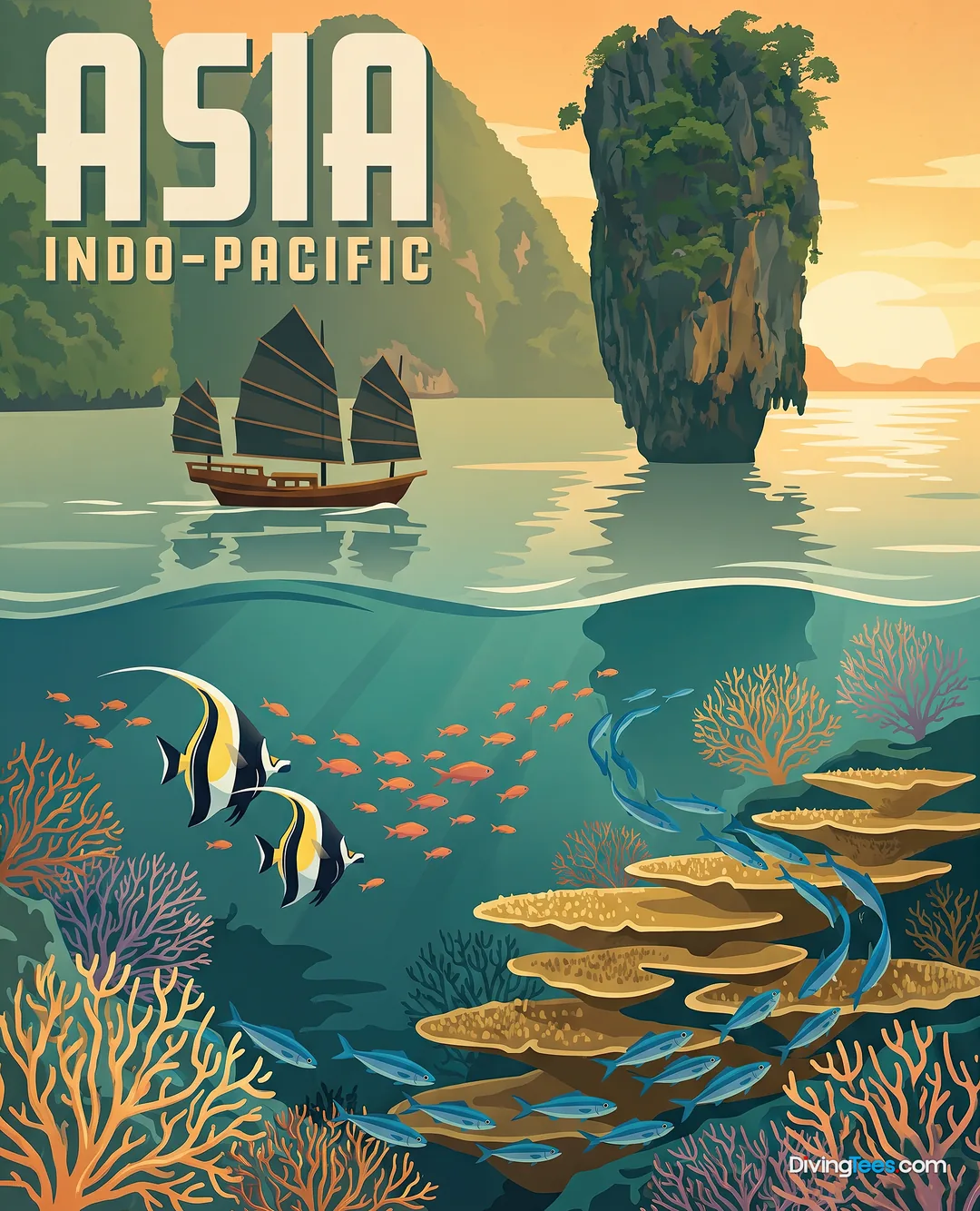
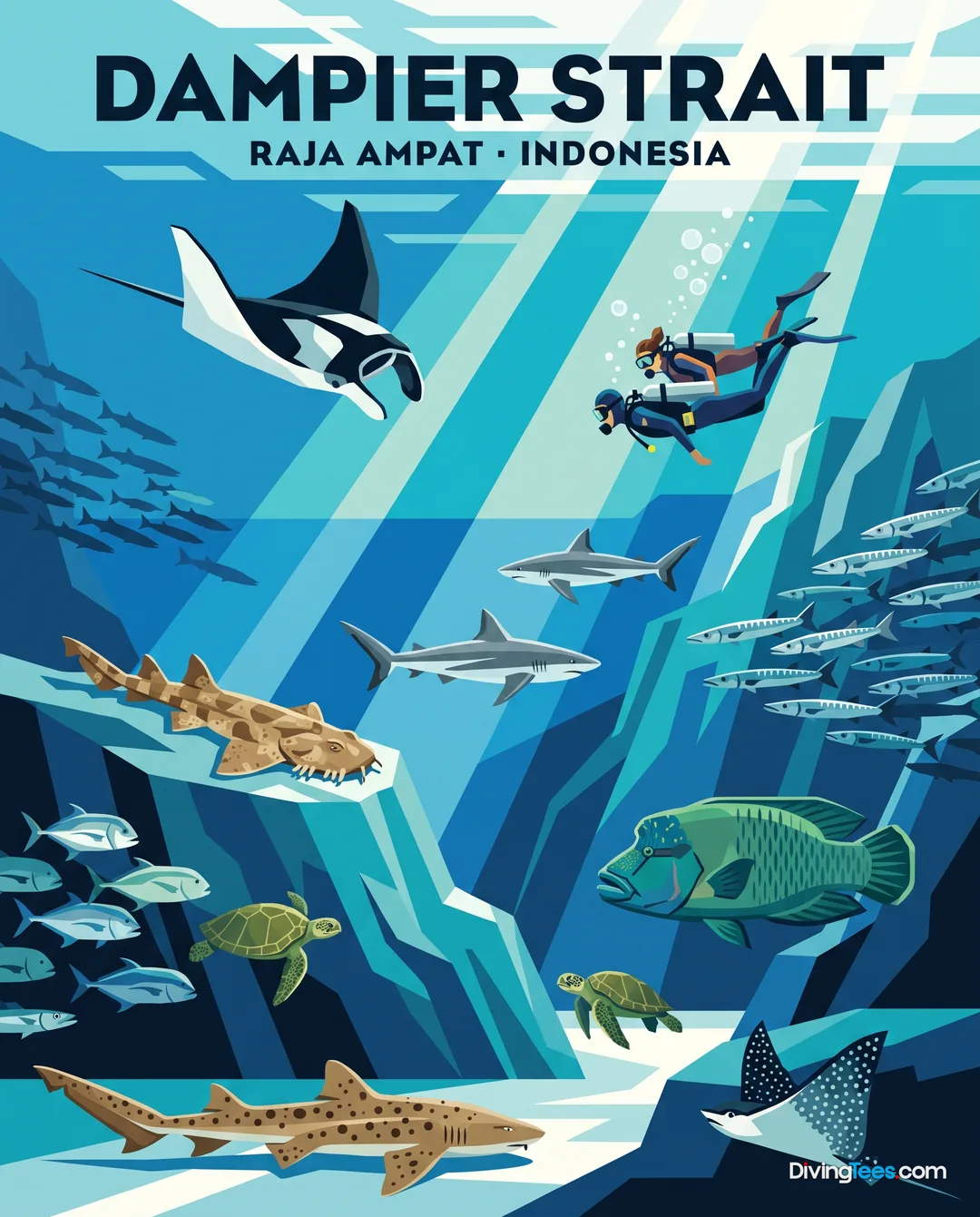
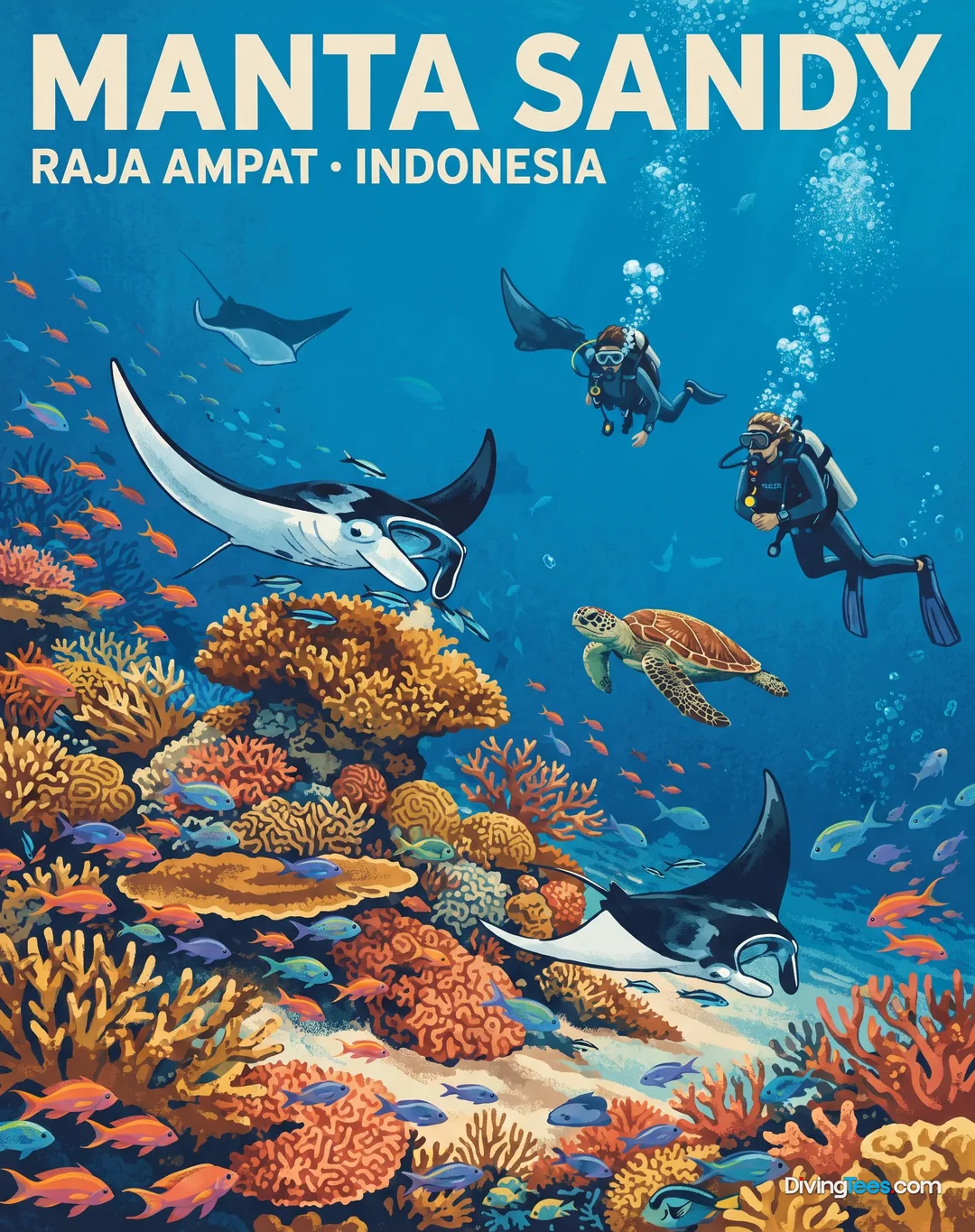
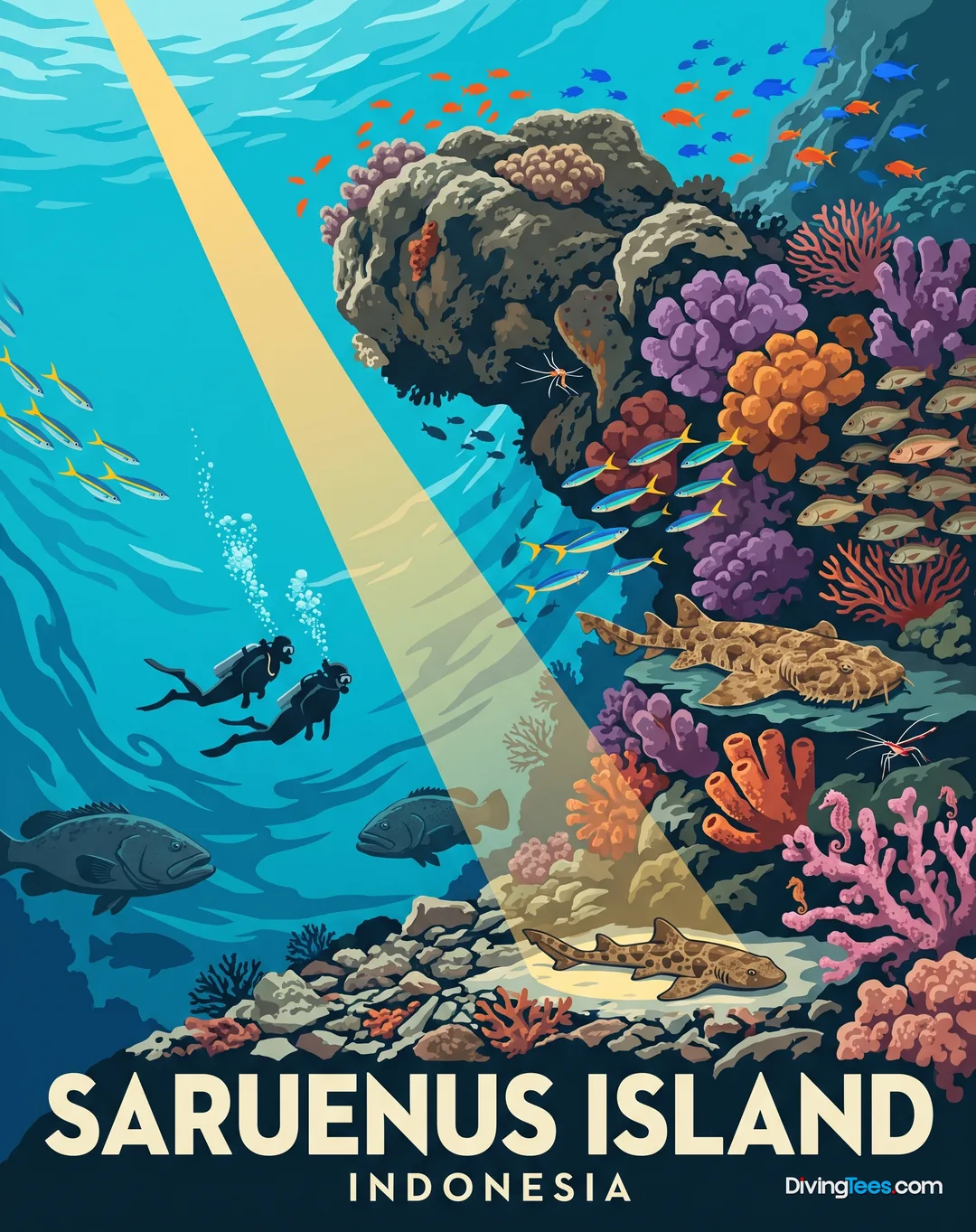
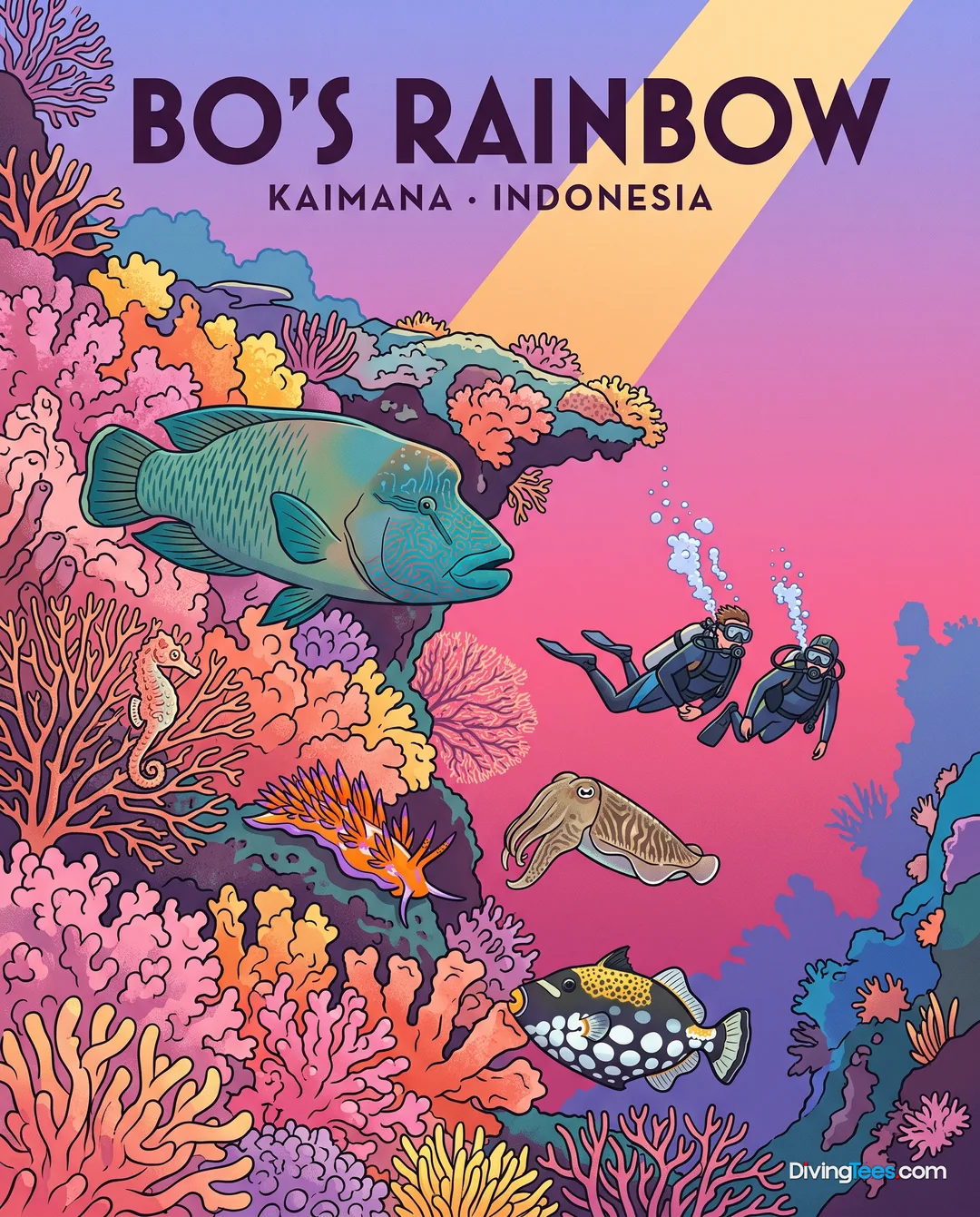
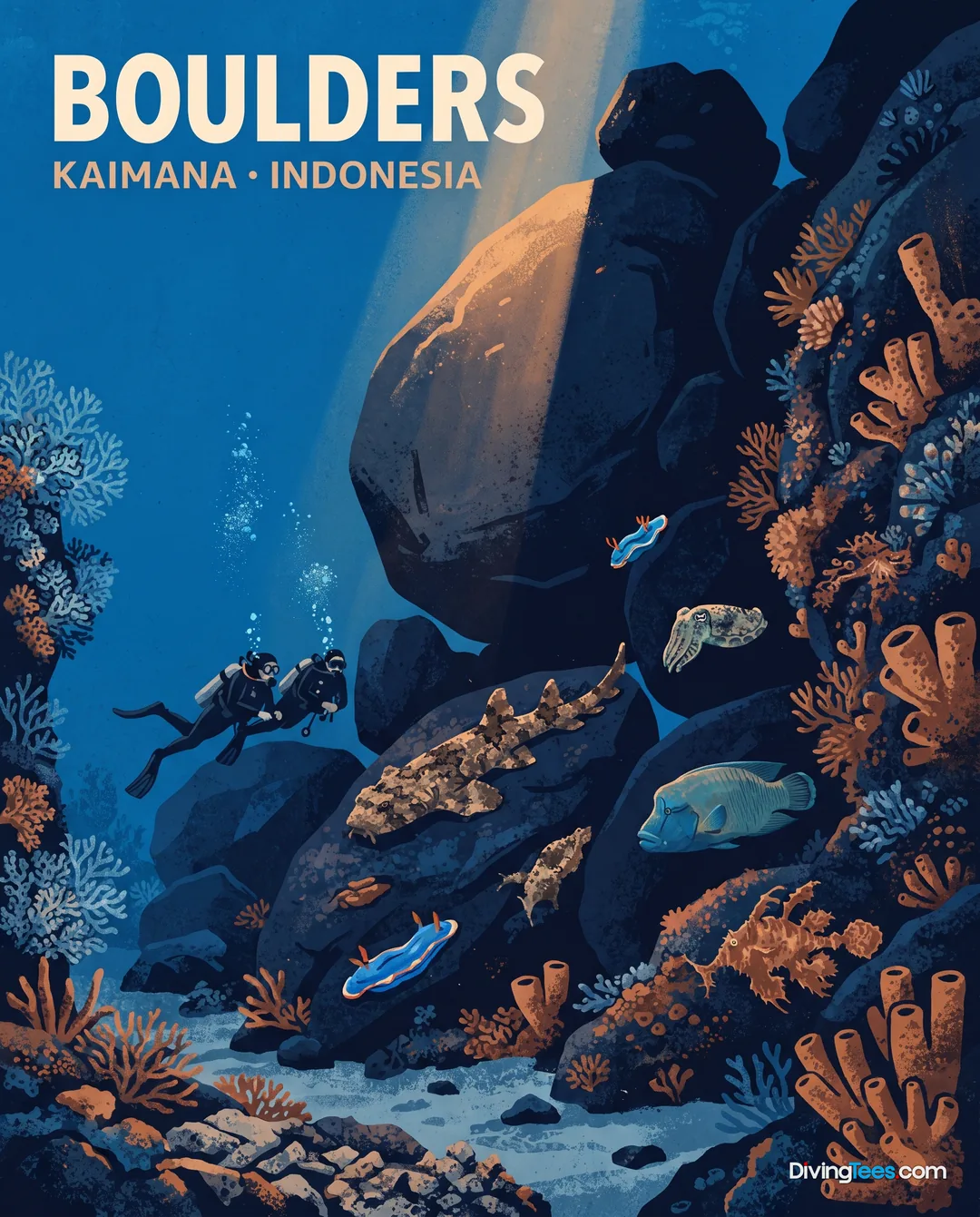
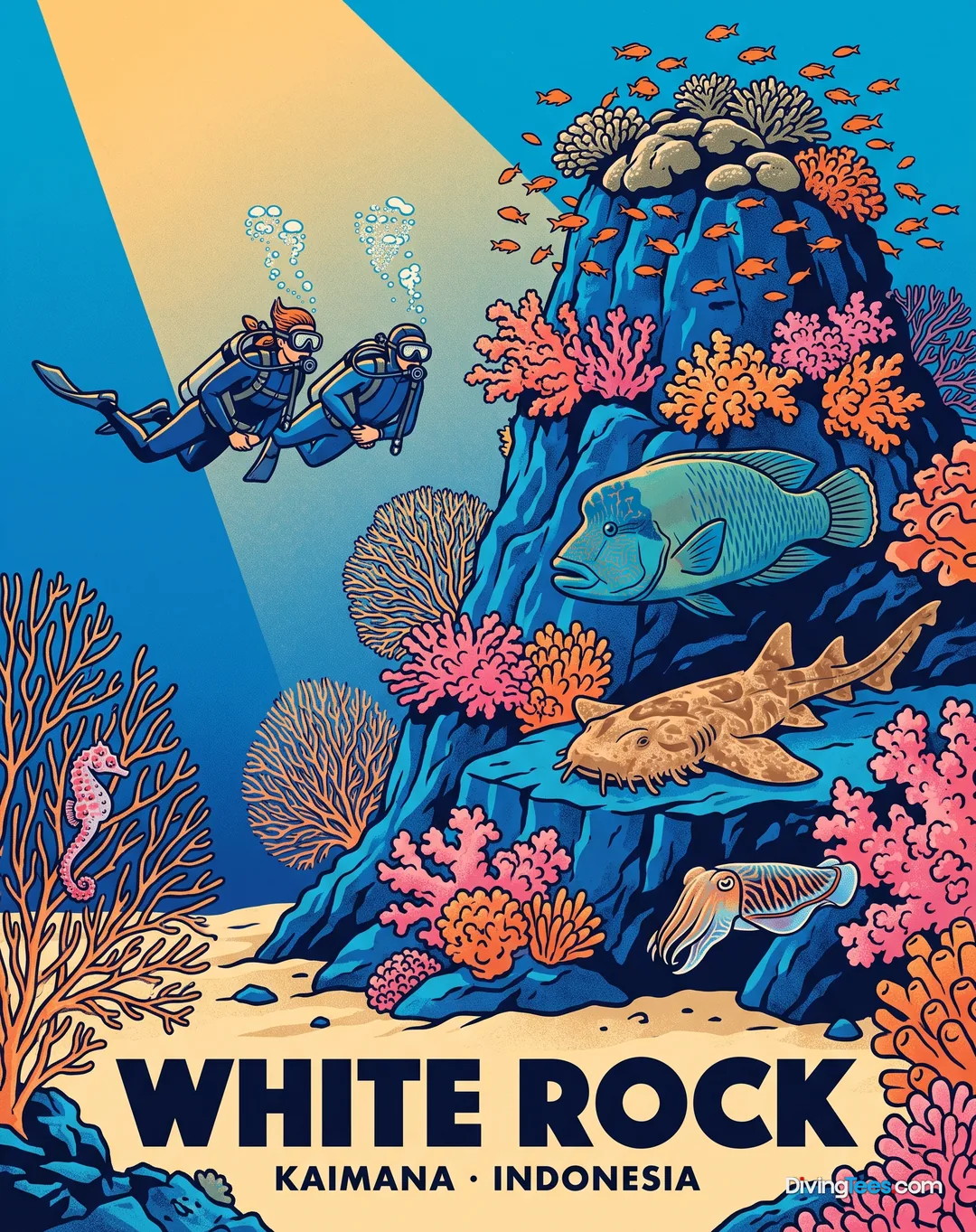
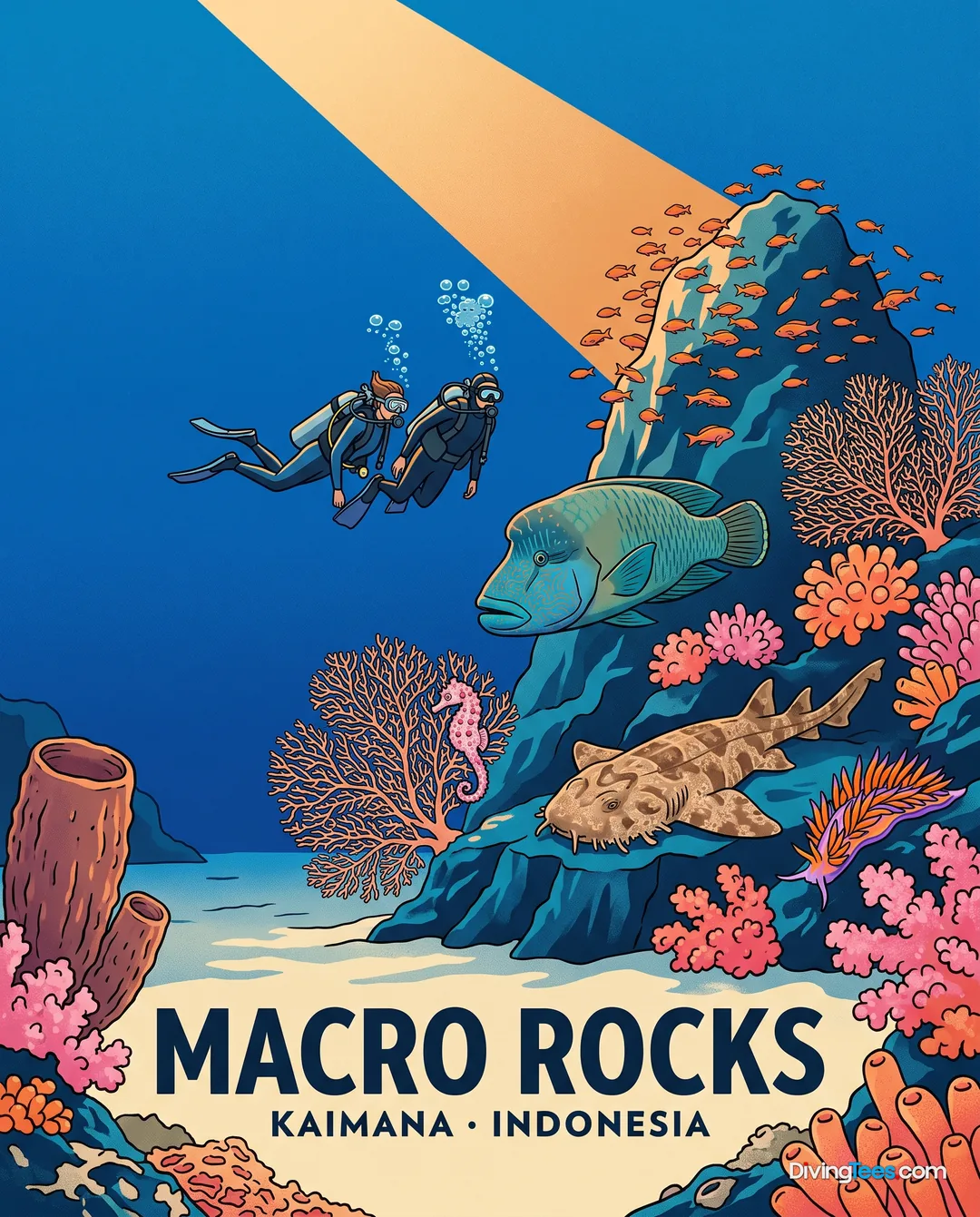
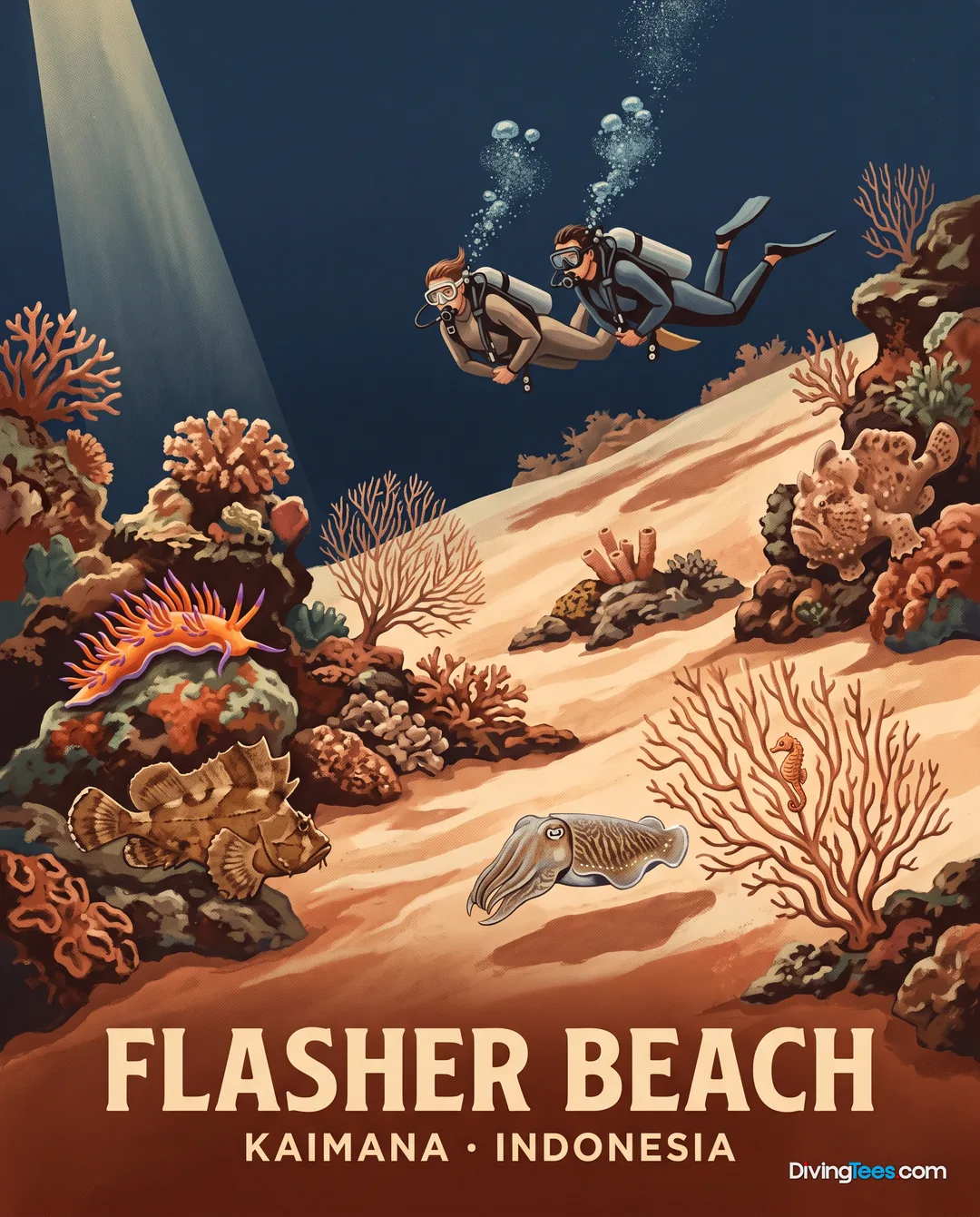
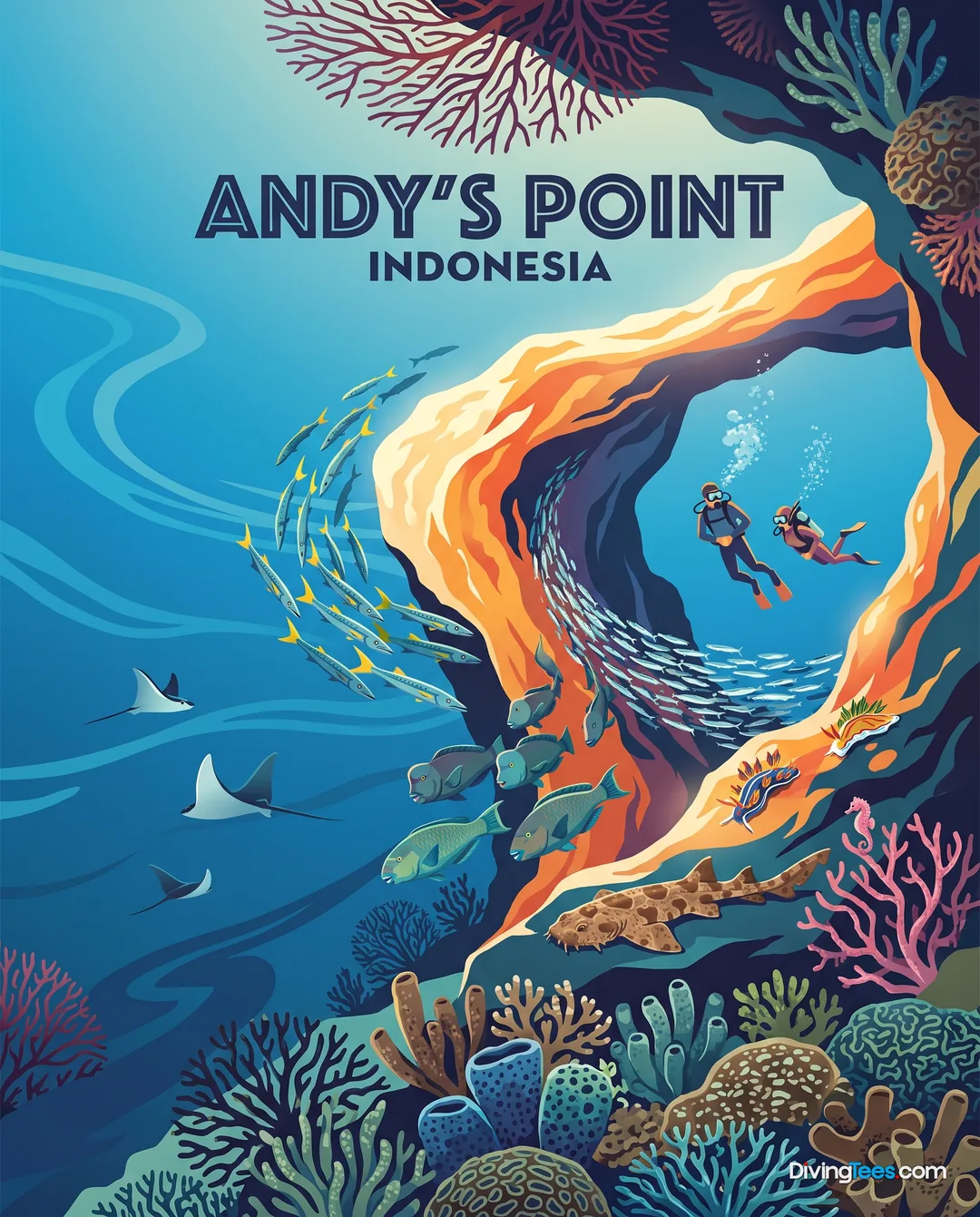
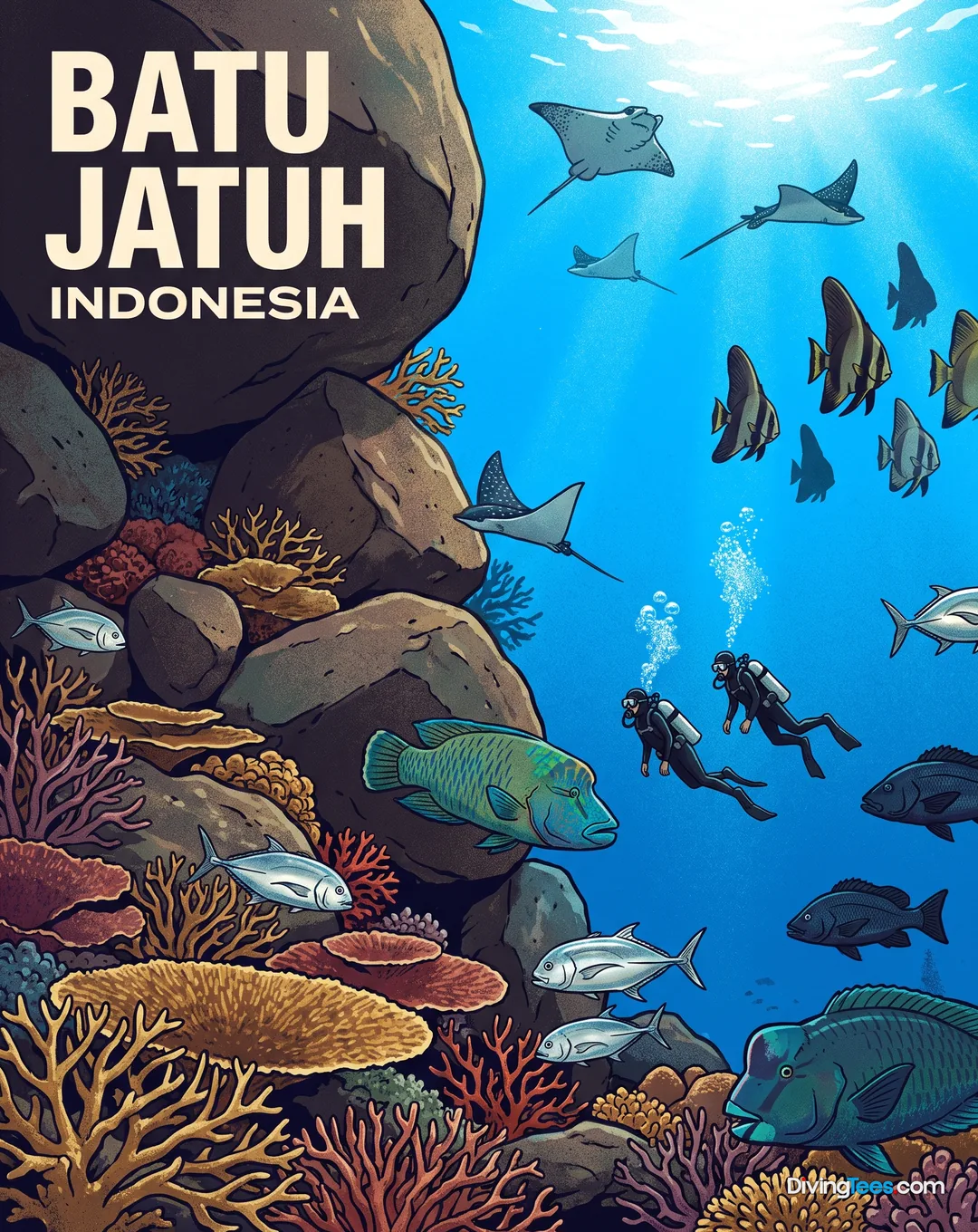
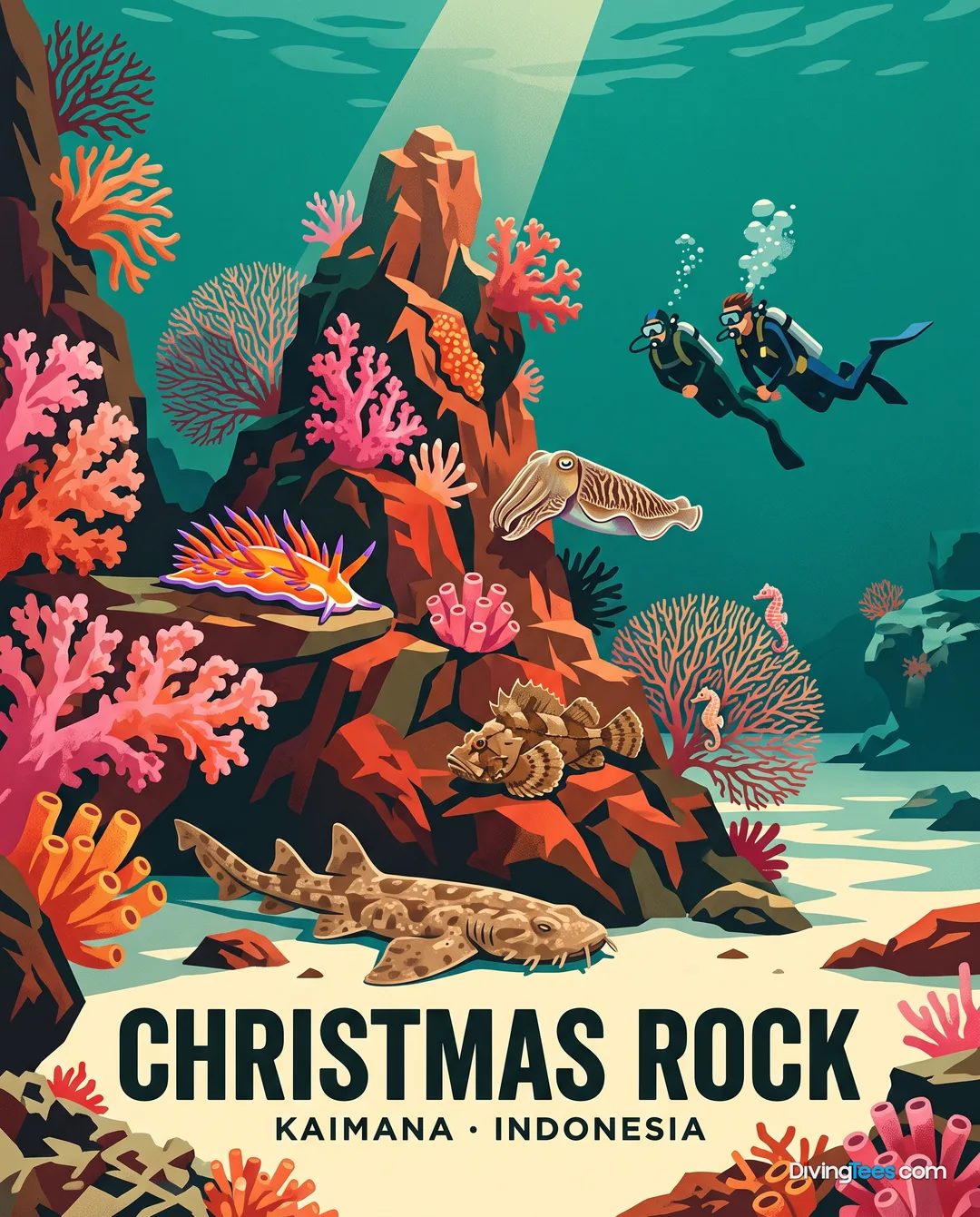
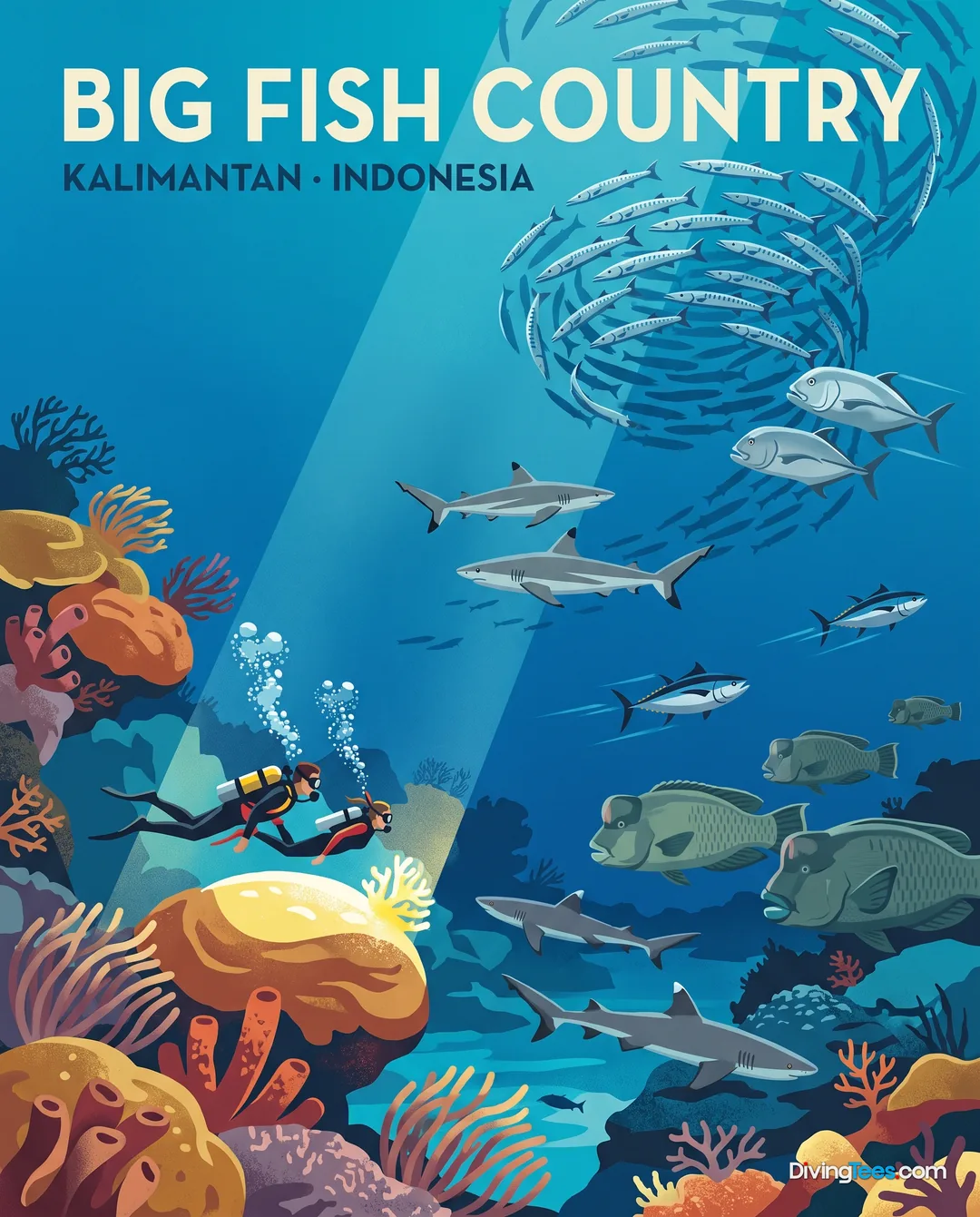
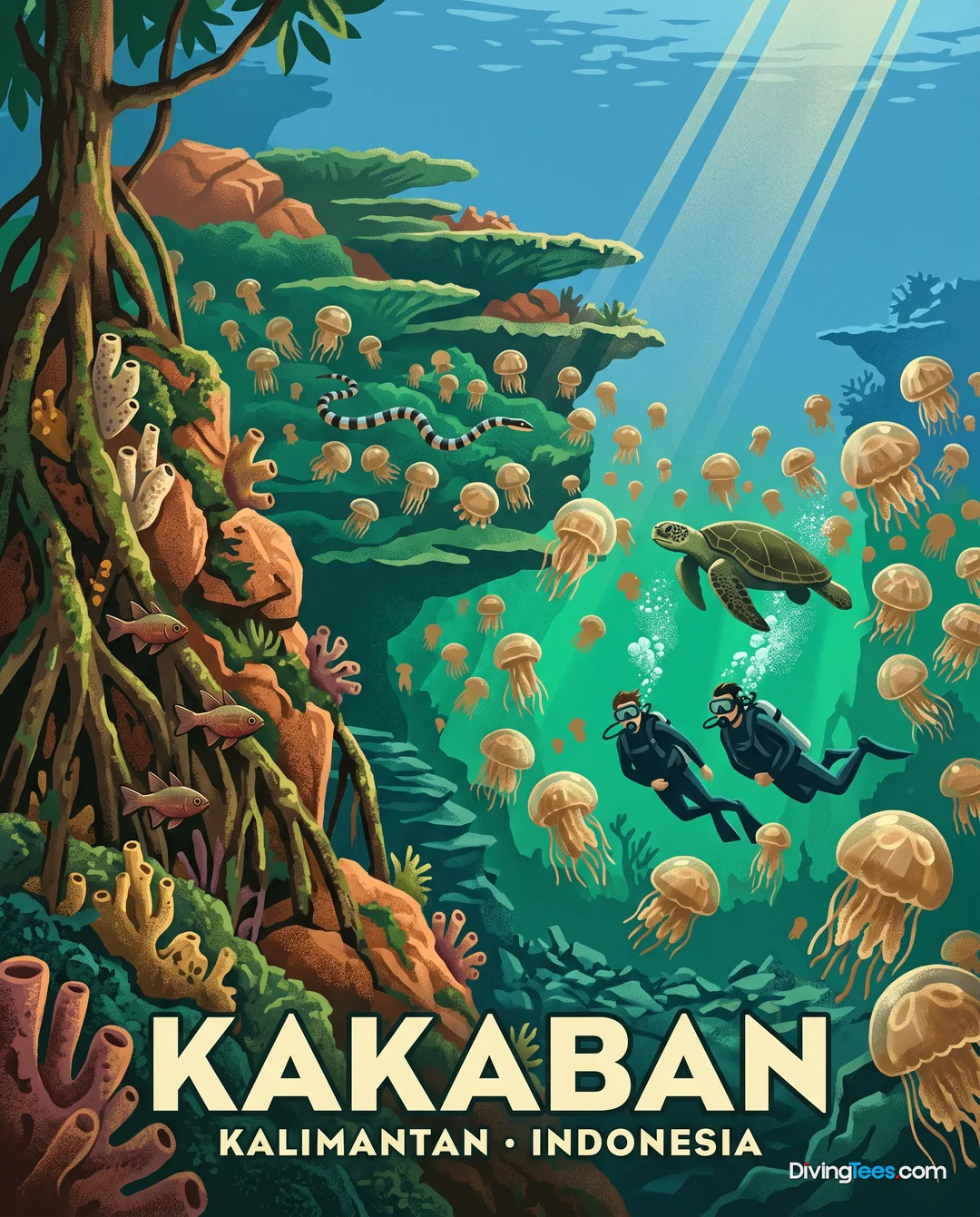
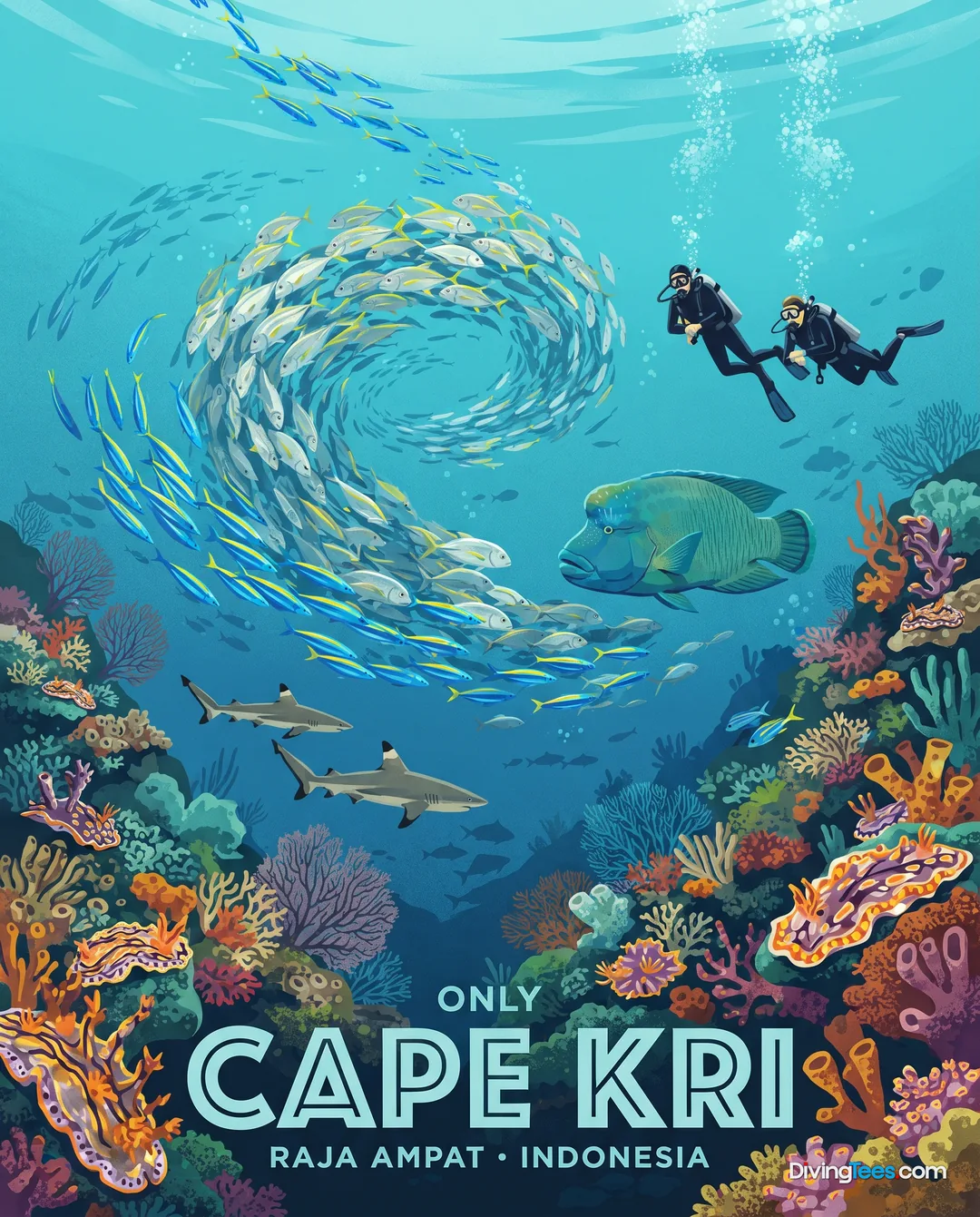
The route can run from the current-rich reefs of Raja Ampat through Kaimana and Triton Bay, or continue farther east toward the Derawan Islands. Shorter Raja Ampat Best of Central & Dampier Strait departures run from Sorong to Sorong for 8 days and 7 nights; the longer combination voyages run for 13 days and 12 nights between ports such as Sorong, Ambon, Kaimana and Saumlaki. At Manta Sandy, reef manta rays hover over cleaning stations, a site that works for snorkelers as well as divers when conditions allow. Mike’s Point combines reef overhangs filled with soft corals and sweetlips with a flat plateau where eagle rays may pass, down to a maximum of -40m. In Kaimana, Saruenus Island is a strong-current drift over soft-coral gardens; Bo’s Rainbow reaches -16m across coral-covered boulders and sandy slopes, while White Rock descends to -14m over gentle soft-coral slopes. Macro Rocks reaches -20m on white sand, and Flasher Beach reaches -20m, where late-afternoon courtship displays may reveal the endemic P. Nursalim flasher wrasse. Andy’s Point brings barracuda and reef sharks into strong current; Batu Jatuh builds immense hard-coral gardens around fallen boulders; Boulders shelters glassfish beneath sea fans and soft corals; Christmas Rock reaches -18m on an isolated reef structure. Farther afield, Big Fish Country is a channel dive with schooling barracuda and sharks, Kakaban offers walls and currents down to -65m, and Cape Kri is known for 374 fish species recorded on one dive.
Itineraries, dates and prices
Prices per person. Each month shows its lowest price: click a month, or pick an itinerary.
Next departures · 35 departuresfrom £2,040$2,727€2,436
December 2026
January 2027
February 2027
Green dot: a discounted departure that month. Discount calculated by us, against the boat's usual price for a trip of the same length.
See dates and prices
If you click these links and make a purchase on the partner site, DivingDeal may earn a commission, at no extra cost to you.
Dates and prices taken from Divebooker and liveaboard.com, updated 25 October 2026
What you’ll meet underwater
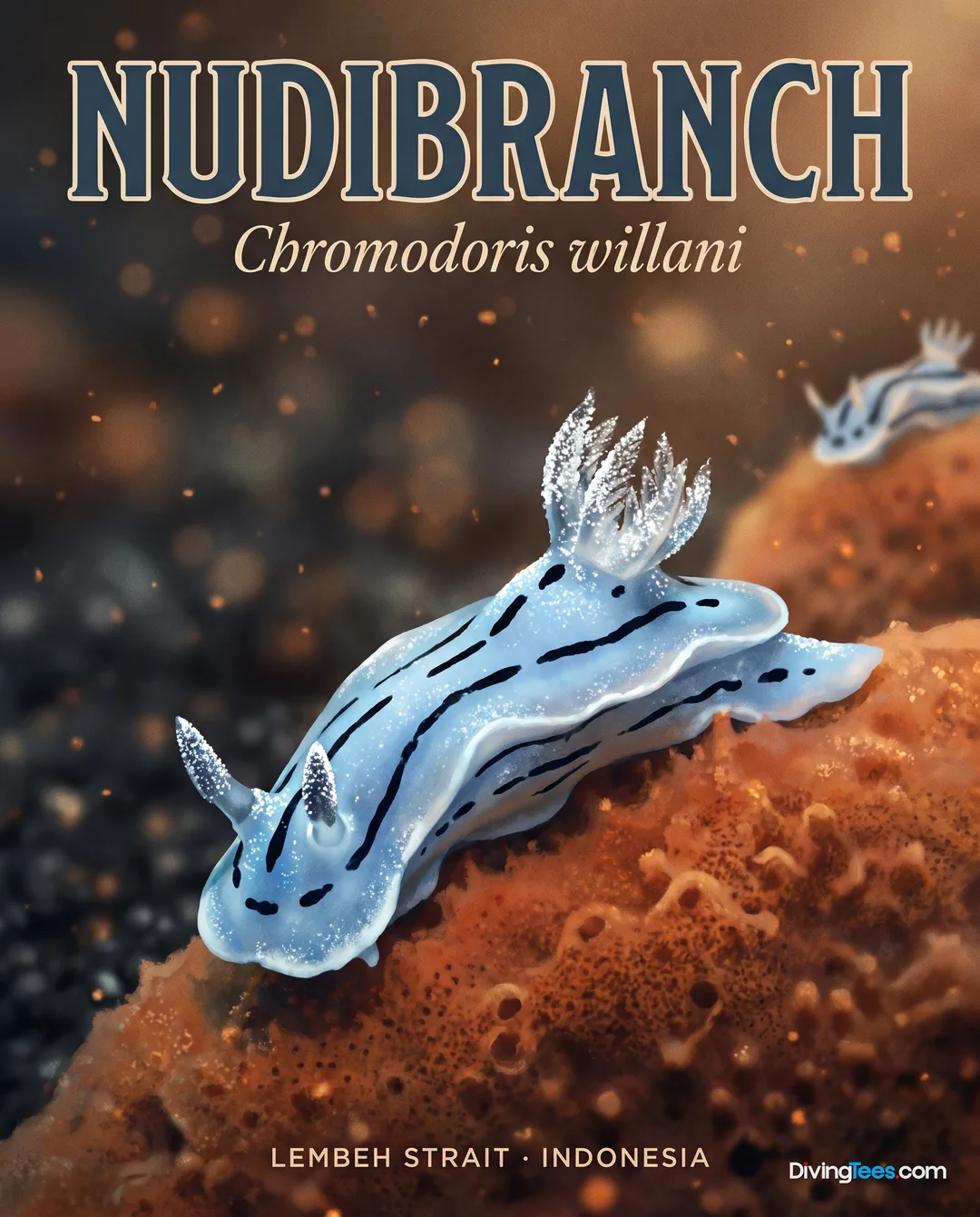
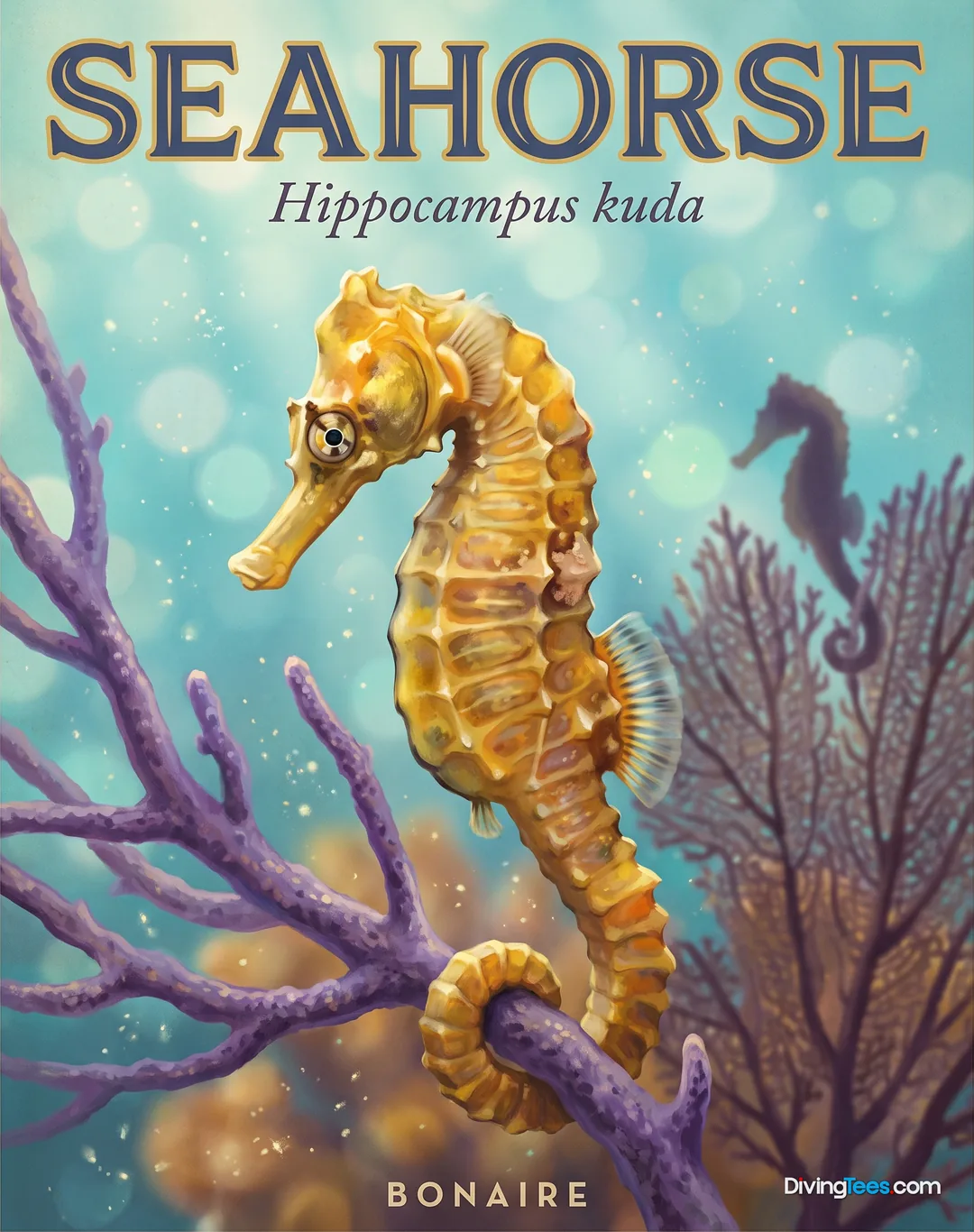
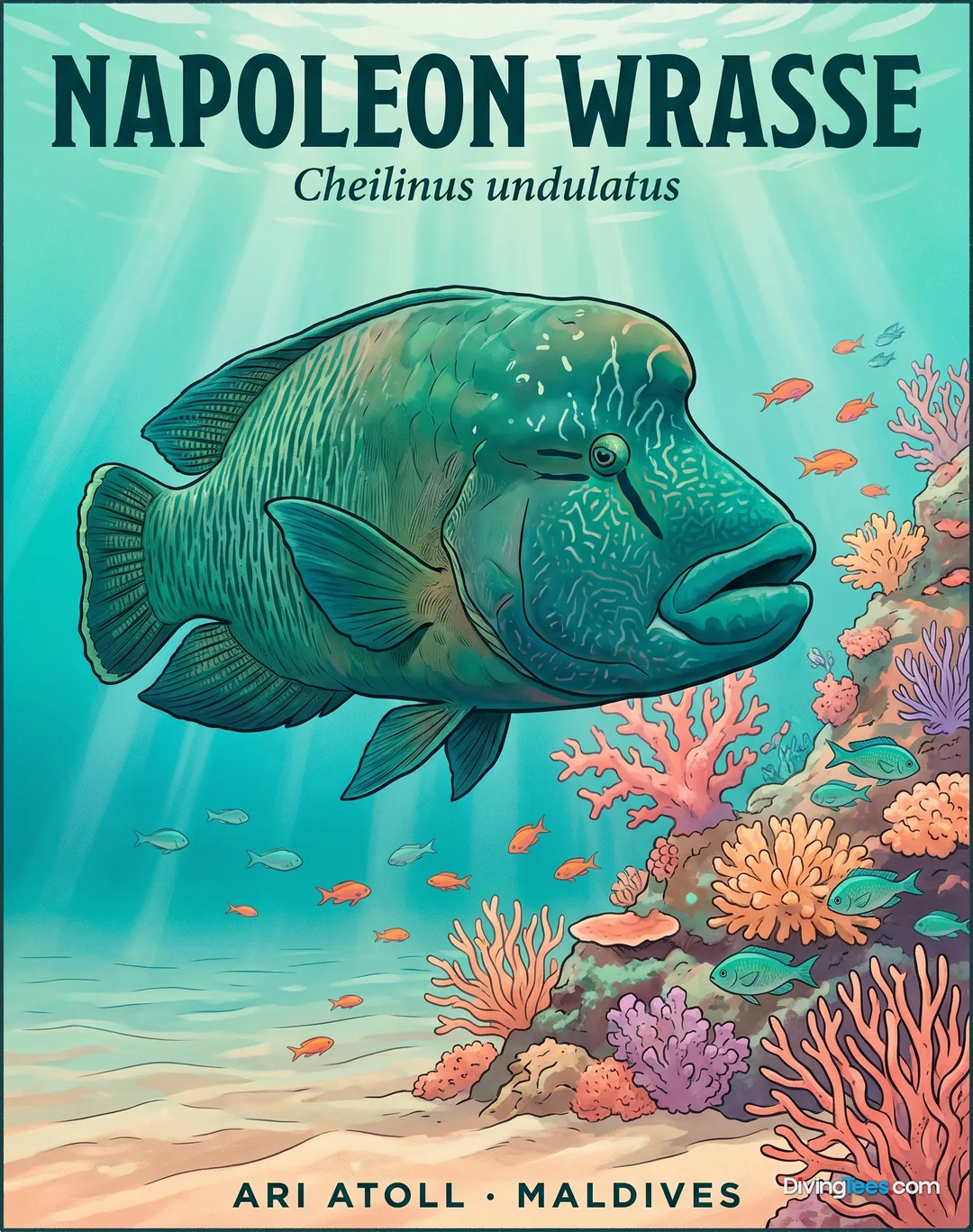
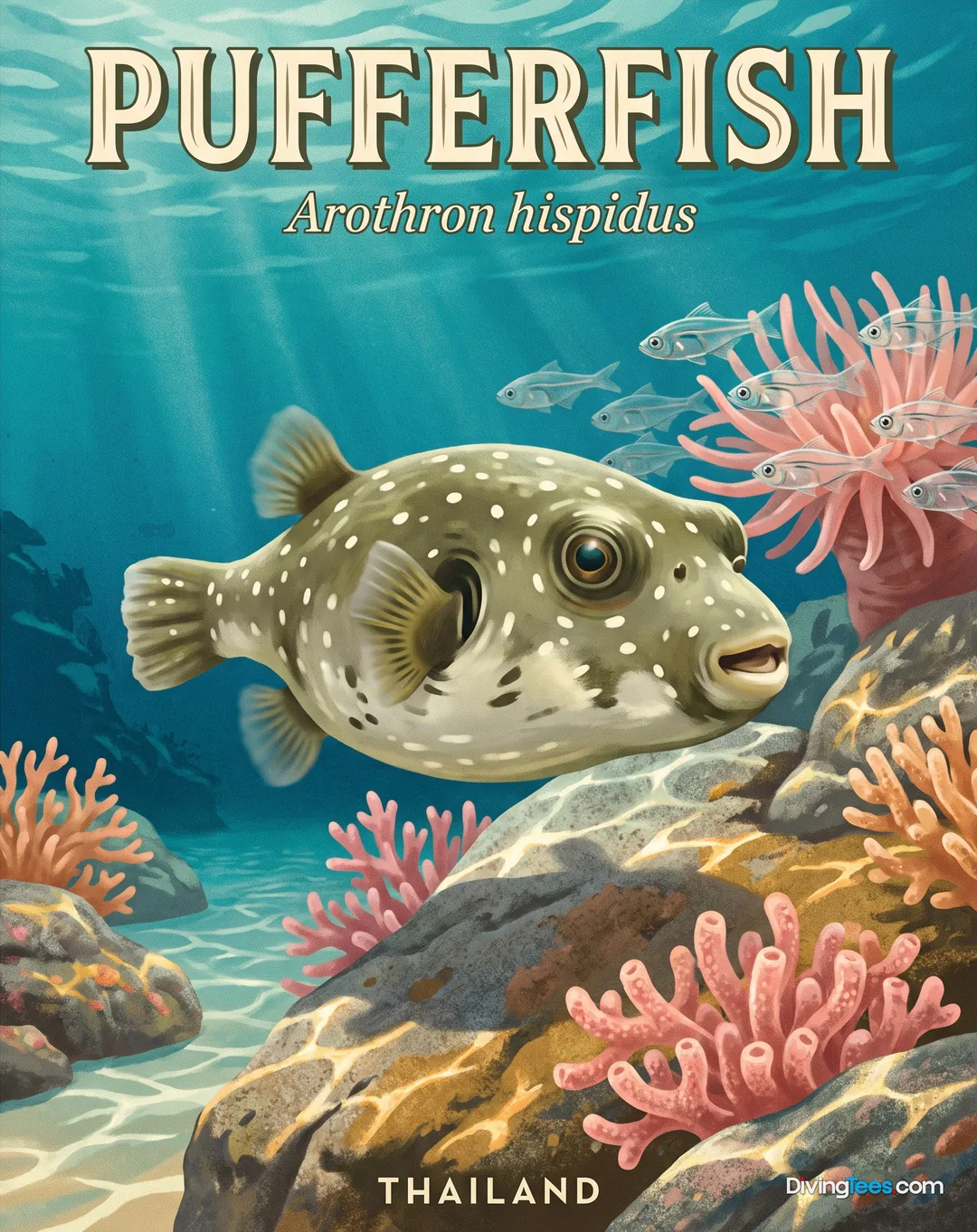
The broad picture is dense reef life rather than one guaranteed headline animal. Nudibranchs and pygmy seahorses recur across much of the route, while barracuda, Napoleon wrasse, manta rays, turtles, trevally, fusiliers, humphead parrotfish, sweetlips and snapper appear across several sites. Cleaning stations explain the manta focus at Manta Sandy, while current-rich points such as Andy’s Point, Saruenus Island and Kakaban can bring larger fish and pelagics into view. The site-specific encounters are what give the itinerary its edges: white-tip reef sharks and blacktip reef sharks are recorded only at Cape Kri, while grey reef sharks, hammerheads and big-eye trevally are recorded only at Kakaban. Saruenus Island is the specific place for castagnoles; Boulders for moray eels, glassfish and pufferfish; Batu Jatuh for batfish; and Christmas Rock for surgeonfish. Flasher Beach is the place to slow down for flasher wrasse, including the endemic P. Nursalim. These are reasons to dive each site, not promises about what will appear on a particular descent.

Who puts you in the water
Four dive staff support the program, with groups limited to a maximum of four divers per guide. That is small enough for a briefing to address the actual site and the actual current, not just repeat a standard paragraph. The guides adjust the plan around tide, weather, current and the experience of the group, and they have been noted for making room for photographers without losing control of the dive. Mari’s baseline requirement is Open Water certification with 30 logged dives; Komodo routes require Open Water certification with 60 logged dives. Dive courses and certifications are not part of the regular cruise offering described here. The crew speaks English, German and Indonesian. Safety equipment includes oxygen, first-aid kits, VHF/DSC/SSB radio, GPS, radar, sonar, emergency position-indicating radio beacon, flares and trained first-aid crew.
The dive deck and the gear
The diving setup is spacious, shaded and arranged for repeated use rather than a single impressive photograph. The regular tank is a 12-litre aluminium tank, with weight belts and weights included; 15-litre tanks and rental equipment are available as paid extras. DIN adapters are carried on board. Nitrox is made through an NRC membrane system and is available to certified nitrox divers at an additional charge. Separate rinse tanks protect cameras from the general equipment wash, and dedicated camera stations give photographers somewhere to prepare and handle gear between dives. Two fibre dinghies support the operation: one 6.5 metres long with a 40 PS Yamaha, and one 4 metres with a 15 PS Yamaha. Divers use the tenders for site access and return to the boat after surfacing, rather than relying on the liveaboard to sit directly above every reef. Oxygen and first-aid kits are carried for dive emergencies; a surface marker buoy is required for diving.
Between dives
Between dives, Mari gives guests several ways to come down from the water. The shaded lounge suits the hours when the sun is high; the forward sundeck and sky deck are there for drying equipment, reading or watching the islands pass. Bean bags and loungers make the upper deck useful without turning it into a furniture display. The dining deck is the social centre, with a bar and 270-degree sea views, while the library offers a quieter change of pace. During longer crossings, the boat itself becomes part of the trip: timber underfoot, open water beyond the rail and enough separate outdoor space that a diver can choose company or silence. Non-divers and snorkelers are welcome, with tenders available for snorkeling and excursions ashore. That makes Mari workable for a mixed group without asking every guest to follow the same underwater schedule.
A day on board
A day starts with a light breakfast before the first early dive and a briefing that sets the site, current and entry plan. Divers return for a fuller breakfast, then eat lunch and dinner around the remaining dives, with snacks filling the short gaps when nobody wants a full plate. The schedule is shaped by the route and conditions, but the familiar liveaboard pattern is there: prepare, brief, dive, rinse, eat, rest, then do it again. The tenders carry divers to the reef and collect them after the ascent, leaving the main boat free to move when a crossing is needed. An afternoon may hold another dive, a snorkel or a shore excursion instead of a long surface interval on deck. When a night dive is included in the cruise program, it belongs at the end of that cycle, after the boat has settled at anchor. The day closes with dinner, equipment drying and sleep before the next briefing.
What you eat aboard
Meals combine Indonesian and Western cooking, with all meals, drinking water, tea, coffee and snacks included. A light breakfast comes before the first early dive, followed by a fuller breakfast once divers are back on deck; lunch, dinner and food between dives keep pace with the day rather than forcing anyone to wait for a formal meal. The kitchen can work around vegetarian, vegan and other dietary requirements when arranged in advance. Local dishes give the route a stronger sense of place, while familiar Western options help after a long series of dives. The al fresco dining area has a bar and wide sea views, turning breakfast into the first debrief of the day and dinner into the point where everyone compares the best find. Beer, wine, spirits and other drinks are separate from the included meals.
Nights at sea
All seven cabins are on the main deck, with bay windows that keep the sea present even when the door is closed. Deluxe and Superior cabins provide the choice of double, twin or bunk arrangements; some Deluxe cabins also have a bunk bed, which gives families and dive buddies more flexibility. Every cabin has a private bathroom, hot water and individually controlled air conditioning. After four dives, that matters more than decorative detail. The cabin is a cool, quiet place to rinse salt from the day, dry off and sleep without climbing through several levels of the boat. Above it, the open sky deck, forward sundeck and shaded lounge spread the group across different pockets of light and shade. The 50-square-metre outdoor dining area faces the sea, so a meal does not require retreating indoors. Mari gives a small passenger group room to separate when needed.
Deluxe Cabin
Superior Cabins
What to know before boarding
Mari’s recorded departures include Sorong–Sorong for Raja Ampat, Sorong–Ambon for Raja Ampat, Misool and Banda Sea, Ambon–Kaimana for Banda Sea and Triton Bay, Kaimana–Saumlaki or the reverse for Triton Bay and the Forgotten Islands, and Kaimana–Sorong for Triton Bay, Misool and Raja Ampat. Boarding runs from 6:30am until noon on departure day, and everyone must be aboard by midday; disembarkation is by midday on the final day. Airport or hotel transfers in the embarkation and disembarkation city are included. Arriving the night before is the sensible choice, especially for routes reached through limited domestic connections.
Deck plan
- Year built
- 2008
- Year renovated
- 2018
- Length
- 32.2 m
- Beam
- 6.5 m
- Maximum number of passengers
- 14
- Number of cabins
- 7
- Number of bathrooms
- 7
- Engines
- Nissan RD8/280 hp
- Cruising speed
- 6-7 knots
- Tenders
- 2 dinghies from fiberglass (6.5 m / 40 hp Yamaha + 4 m / 15 hp Yamaha)
- Website
- mari-liveaboard.com ↗
Hello, I'm Marina, DivingDeal.com's AI assistant. I answer in detail about hotels, dive centres and liveaboards.
Thinking about the whole trip and the flights? Talk it over with Edith →
Marina is an AI. Some links are affiliate links: DivingDeal may earn a commission, at no extra cost to you. Bookings are made with the partner.