Liveaboards · Indonesia
Panunee — a diver-built Indonesian liveaboard with a serious dive deck and a remarkable kitchen
What makes this boat unique
- Panunee was extensively renovated in 2025, including brand-new ensuite bathrooms in every cabin.
- The dive deck gives every diver an individual tank-filling station, personal fin slot and wetsuit hanger.
- Three tenders, including two 100 HP boats and one 40 HP backup, handle transfers to the sites.
- Nitrox is available as an optional extra, with DIN adapters, separate camera and wetsuit rinse tanks, and warm freshwater showers.
- The Raja Ampat route combines current-swept reefs, manta cleaning stations, dense fish schools and close macro encounters.
For subtitles in English: start the video firstthen click the gearat the top right of the video, select “Subtitles/CC”, then “Auto-translate” and choose “English”.
The invitation
Panunee suits divers who want Raja Ampat's full range without giving up a properly organised boat. The route moves from manta stations and schooling pelagics to pygmy seahorses, nudibranchs and small crustaceans, while the dive deck keeps tanks, cameras and wet gear in their own places. That matters over a week of repeated entries and exits. The boat was renovated in 2025, every cabin has a private bathroom, and the kitchen is one of its strongest points: the food score of 9.7 is well ahead of the boat's overall 8.4. In other words, Panunee is not being chosen for the newest hull in the anchorage. It is being chosen for a thoughtful diving setup, a local crew, and meals people remember between dives.
Boarding
At the dock, Panunee presents as a substantial motor yacht rather than a stripped-down working boat. Its aluminum-steel hull has been carried through an extensive 2025 renovation, so the important impression is not new paint for its own sake but a vessel refreshed around the parts guests use every day. Inside, the spaces connect an indoor saloon with an outdoor area and upper-deck lounging, giving divers somewhere to move after climbing back aboard. The layout is built for 18 guests without turning the boat into a floating dormitory: cabins occupy the main and lower decks, while diving has its own working level. The atmosphere is more practical than theatrical. A boat earns its keep here through clean circulation, reliable support systems and a dive platform that does not make every return feel like an obstacle course.
The atmosphere on board
Panunee's strongest human quality is its local crew. English is spoken on board, and the crew's friendliness scores higher than the vessel itself: 8.9 for crew against 8.4 for boat. That difference is useful information. The hull and interiors are not being sold as flawless modern architecture; the people make the practical details work, keep the house moving and give the boat its warmth. With 18 guests and a crew-and-guide team of 19, service is close to the operation rather than distant from it. Evenings are shaped by shared meals, stories from the day's sites and the easy return of divers who have spent hours together in the water. Panunee feels best for travellers who value being looked after by a present, personable team more than having a designer hotel at sea.
The sites you’ll dive
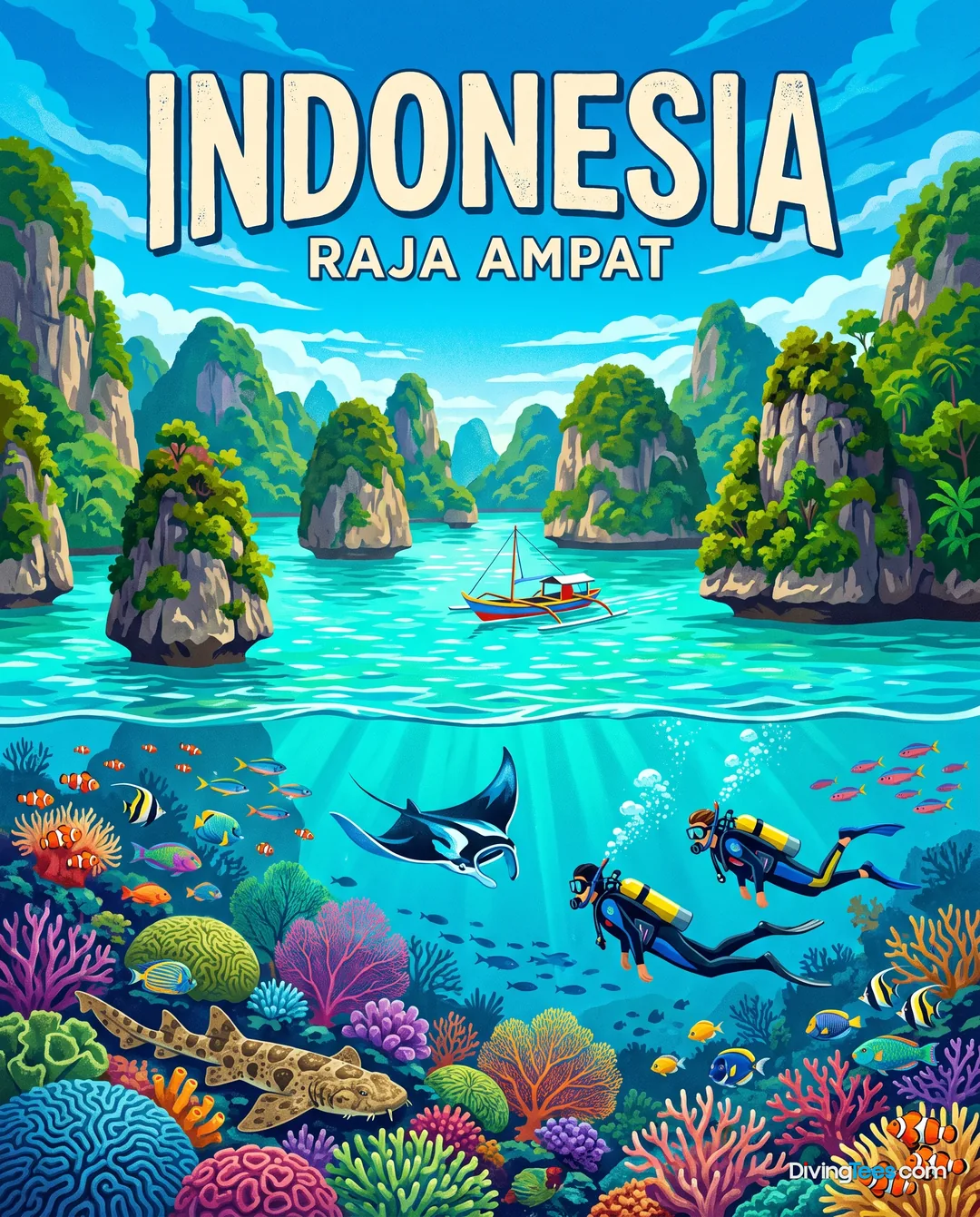
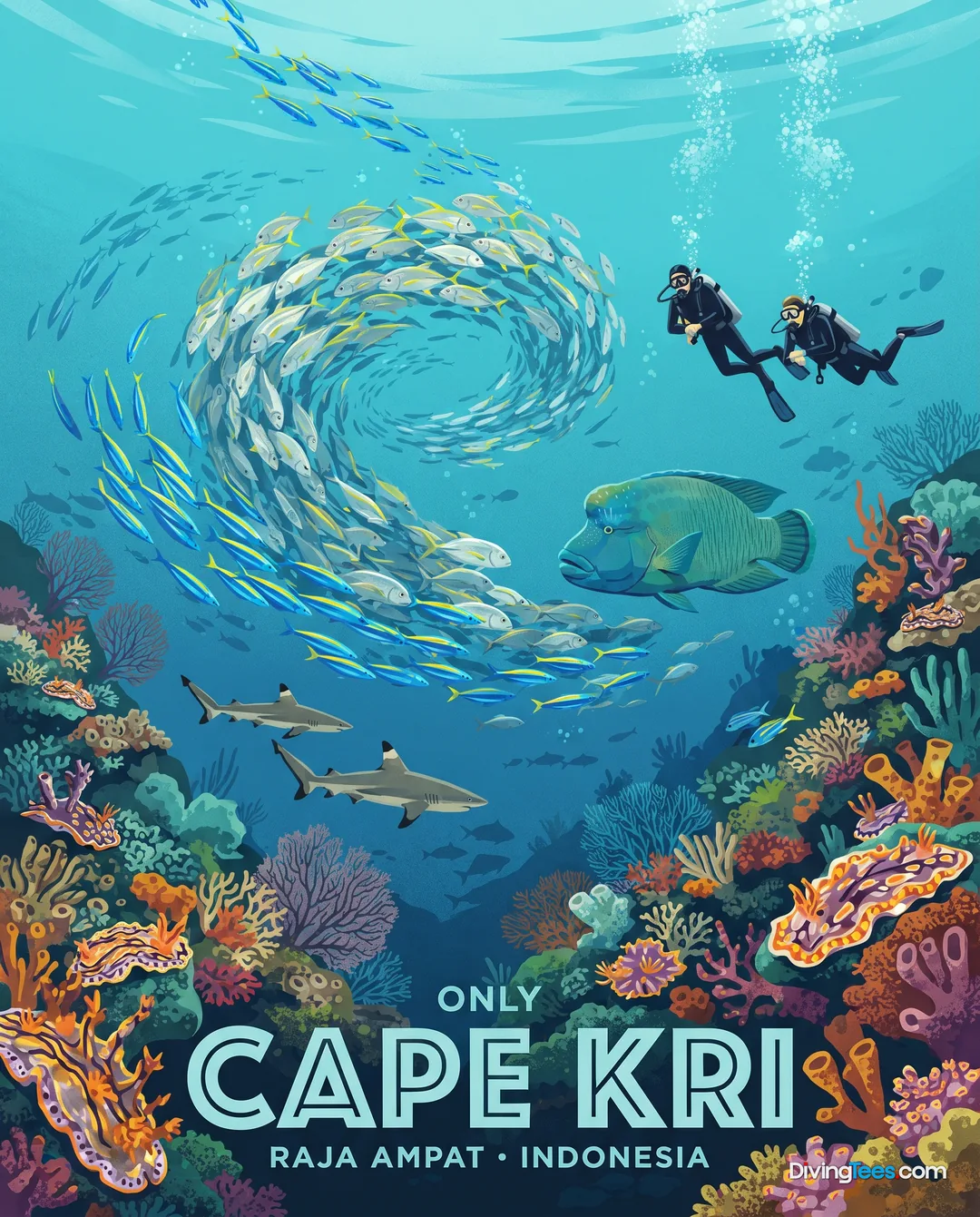
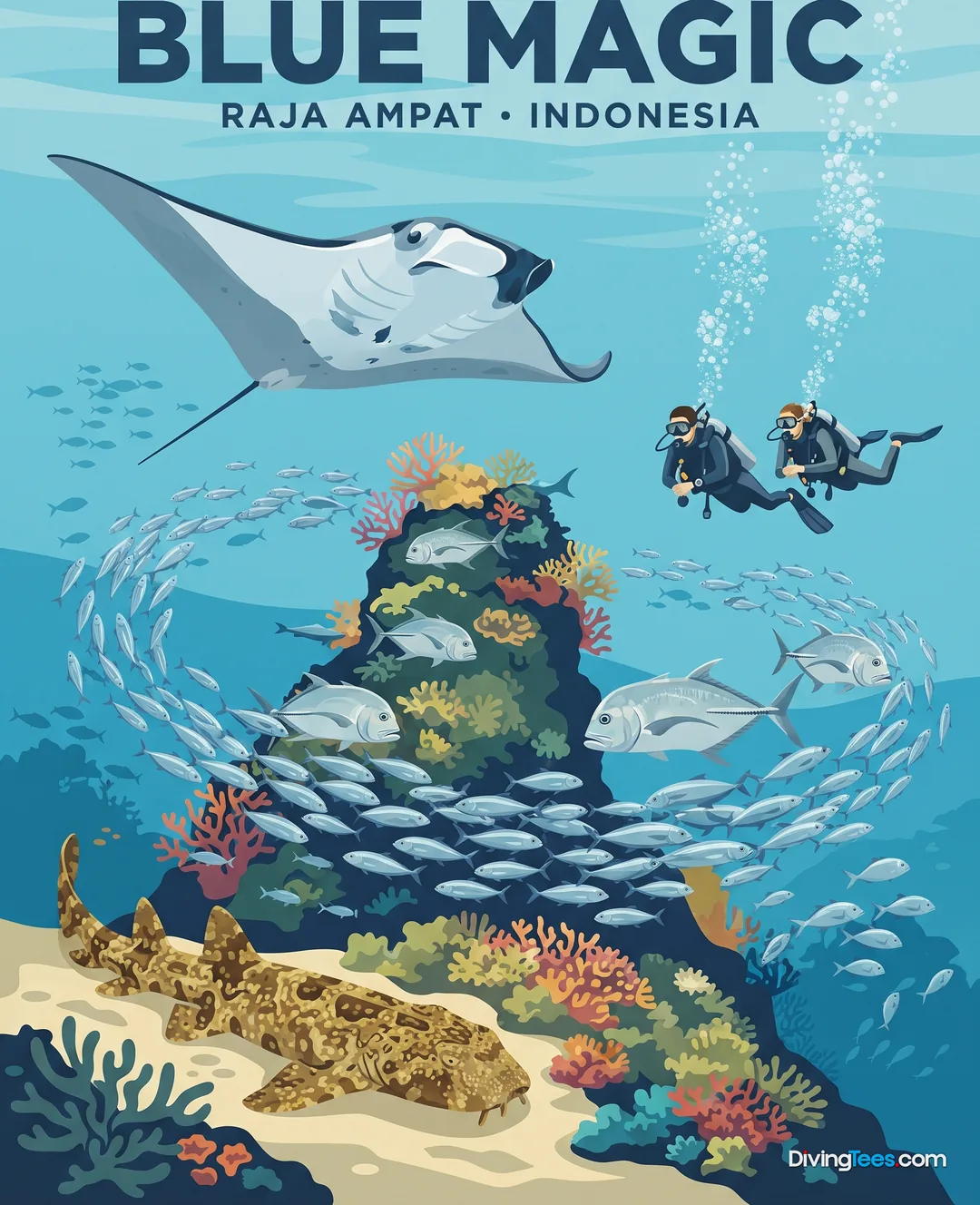
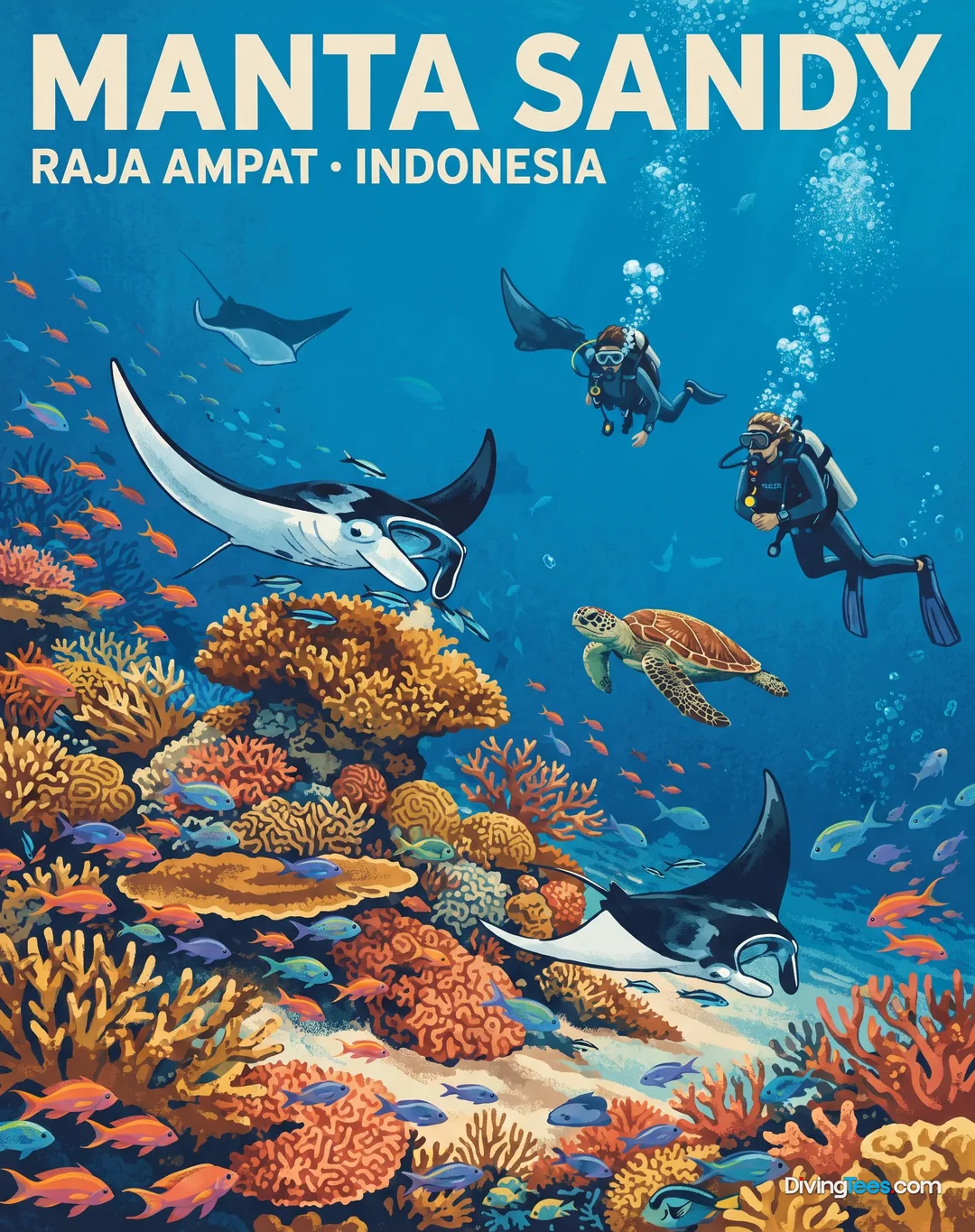
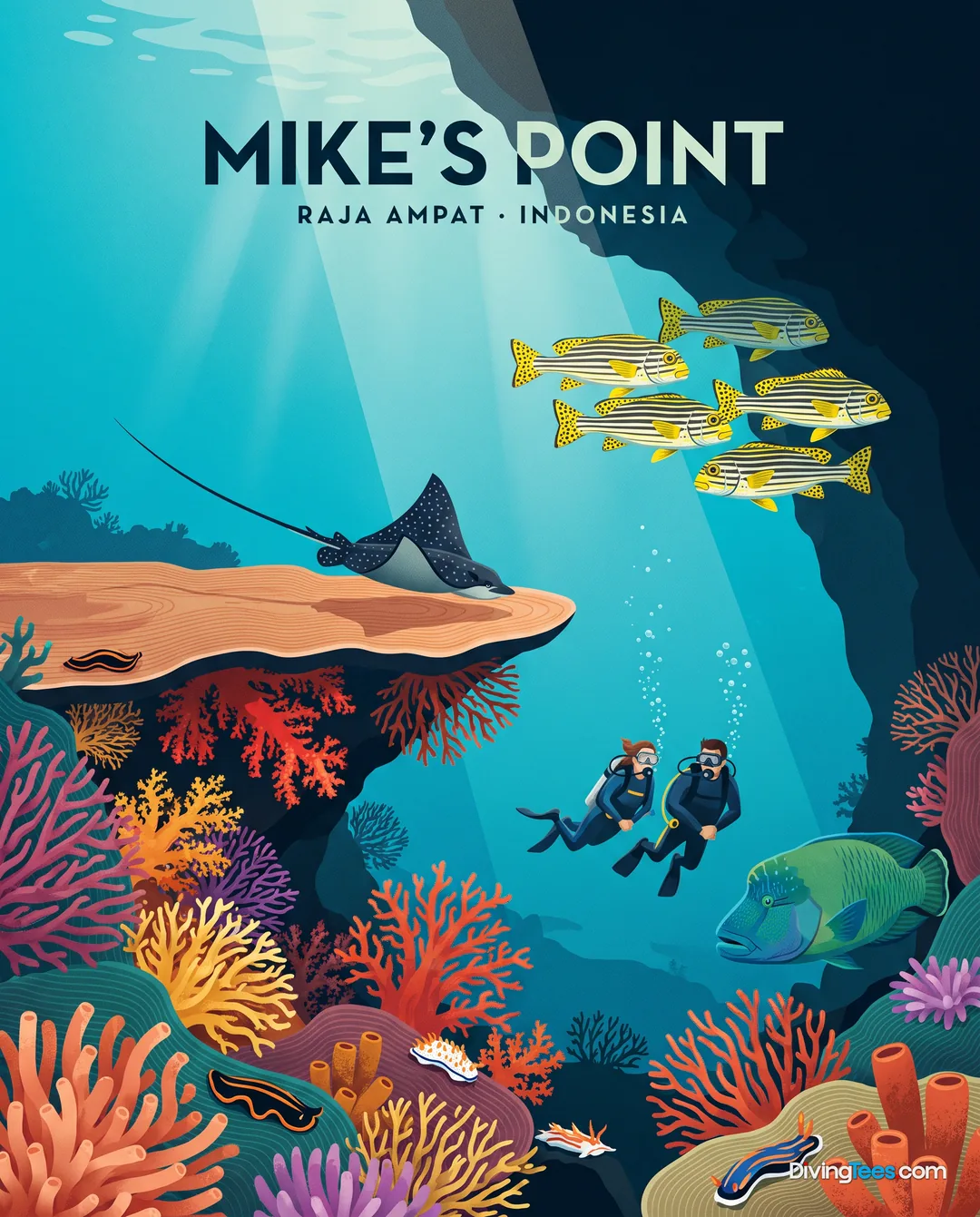
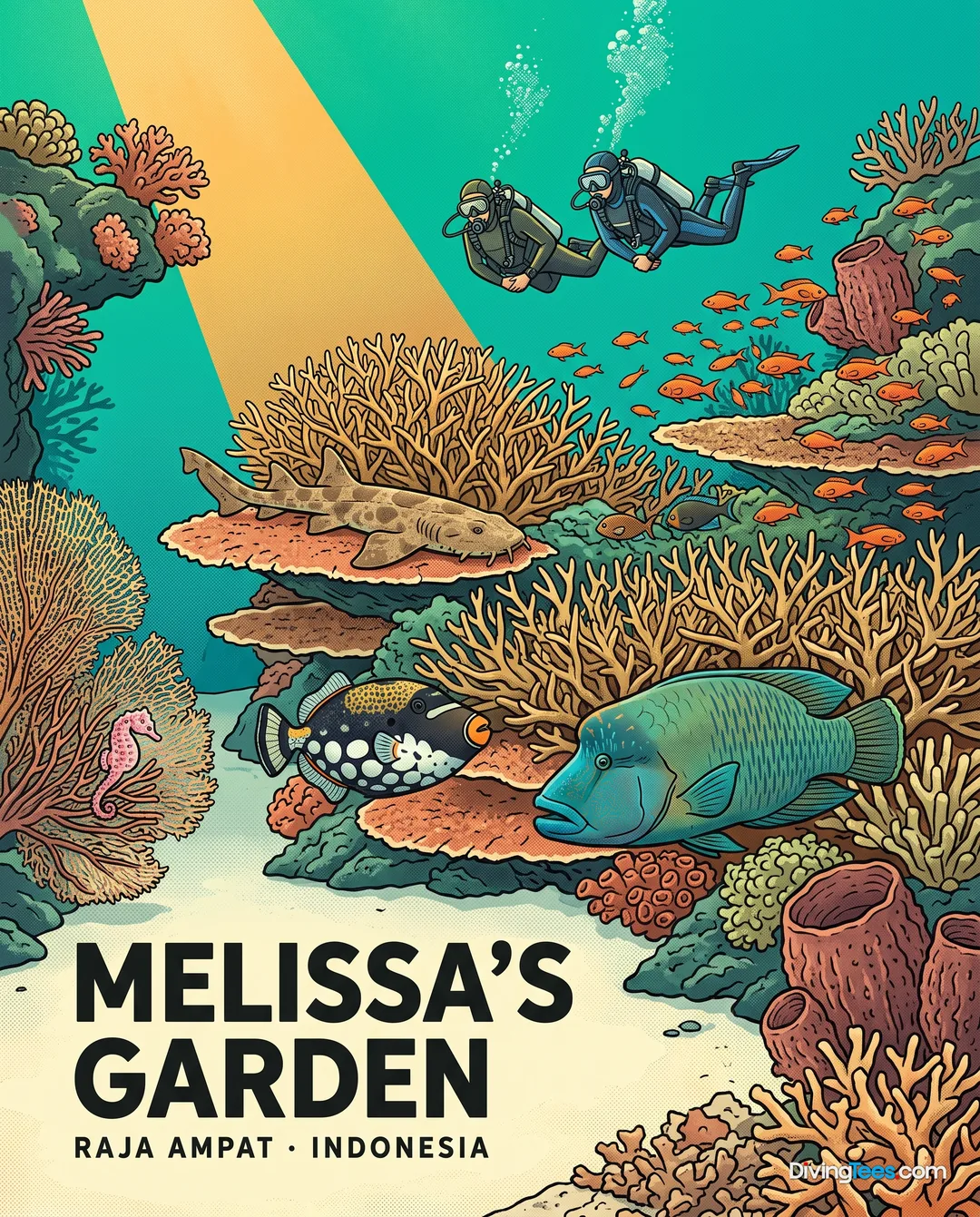
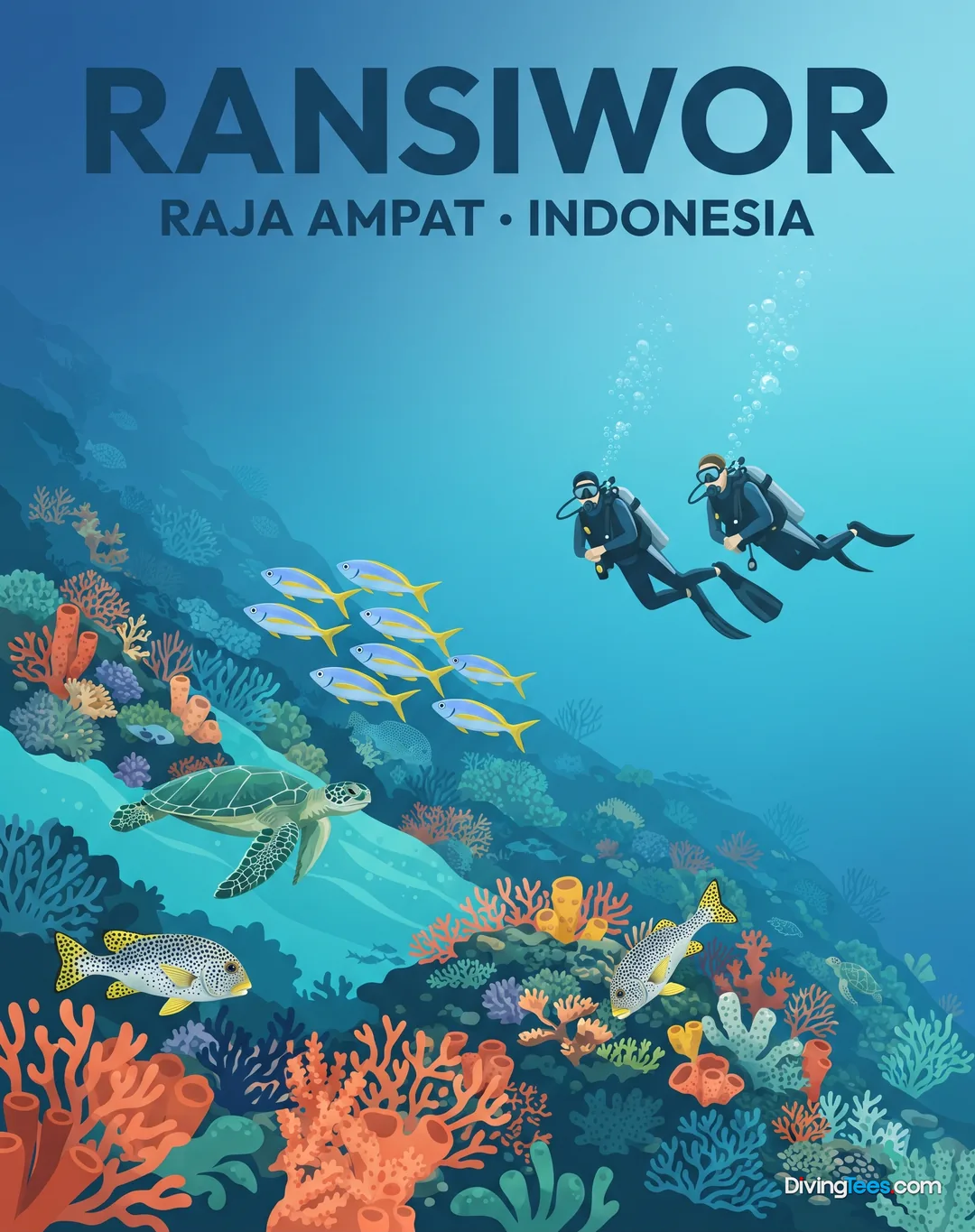
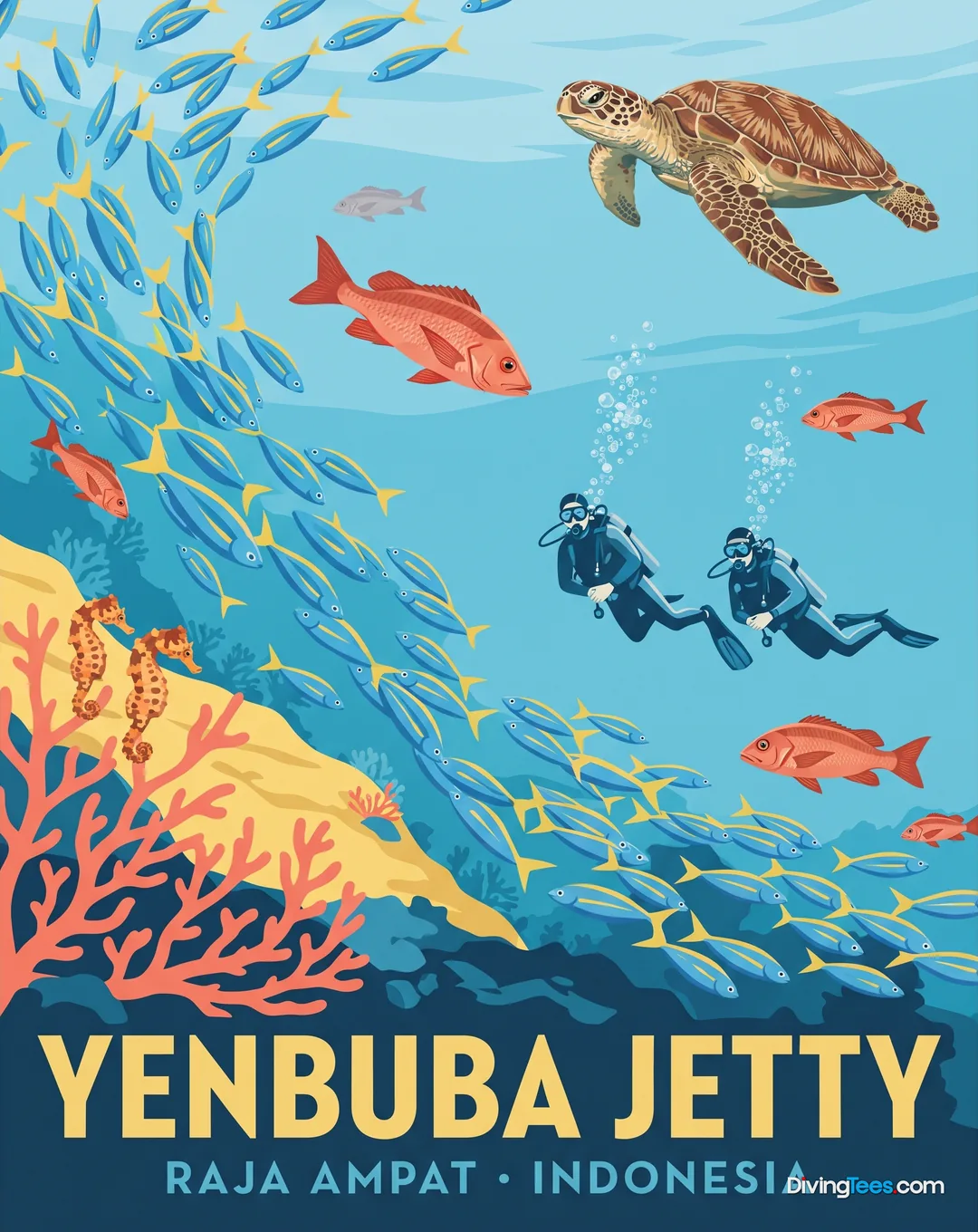
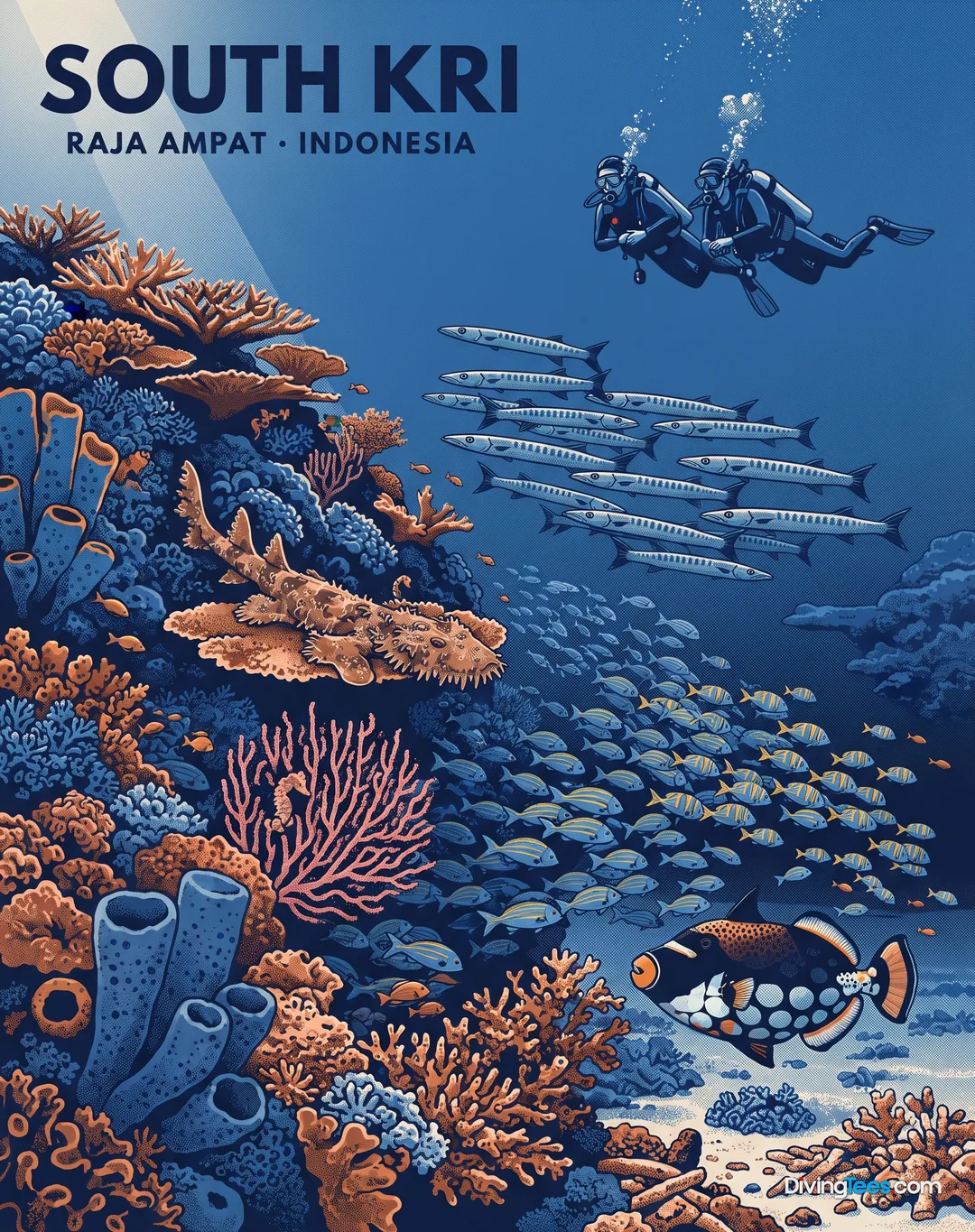
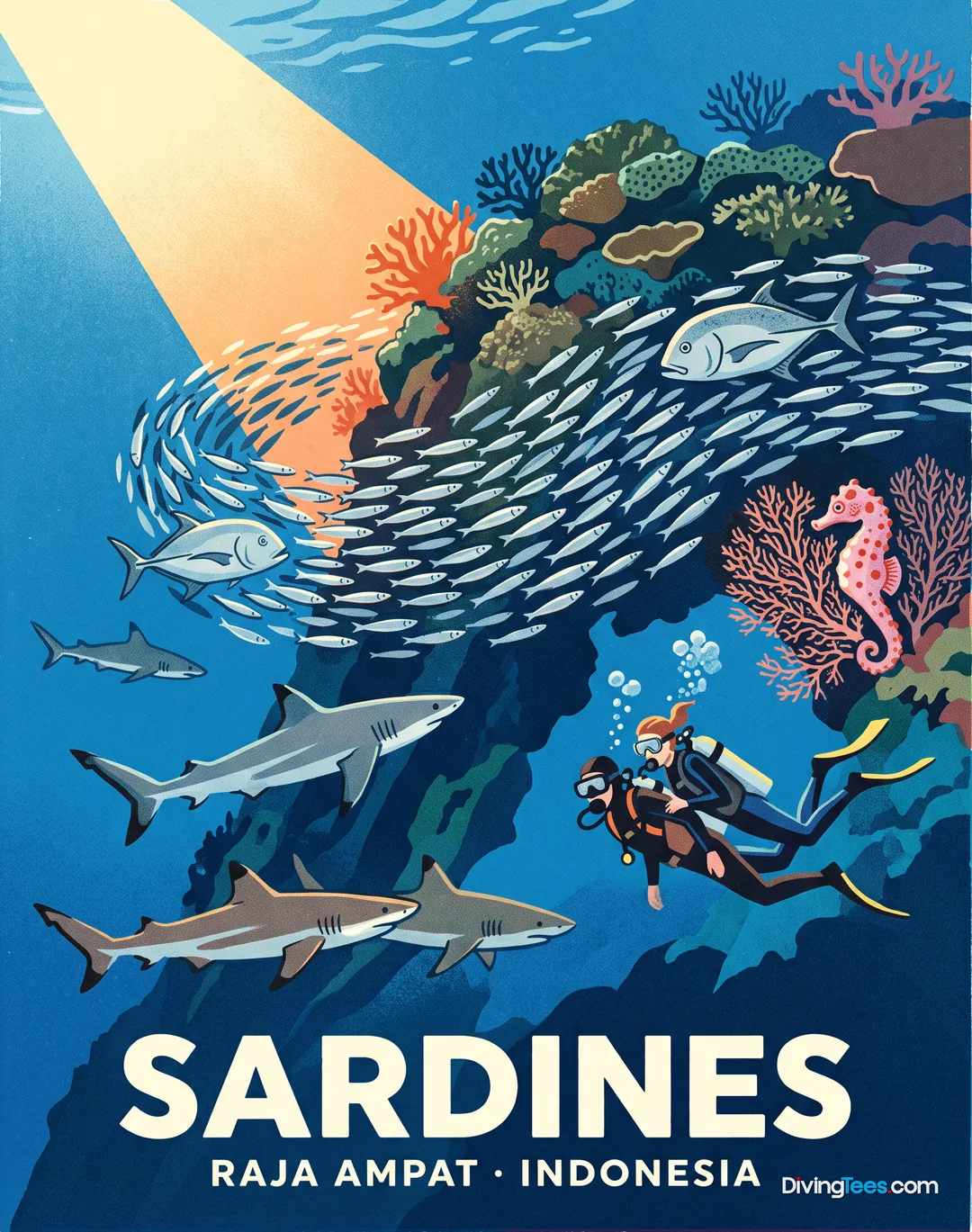
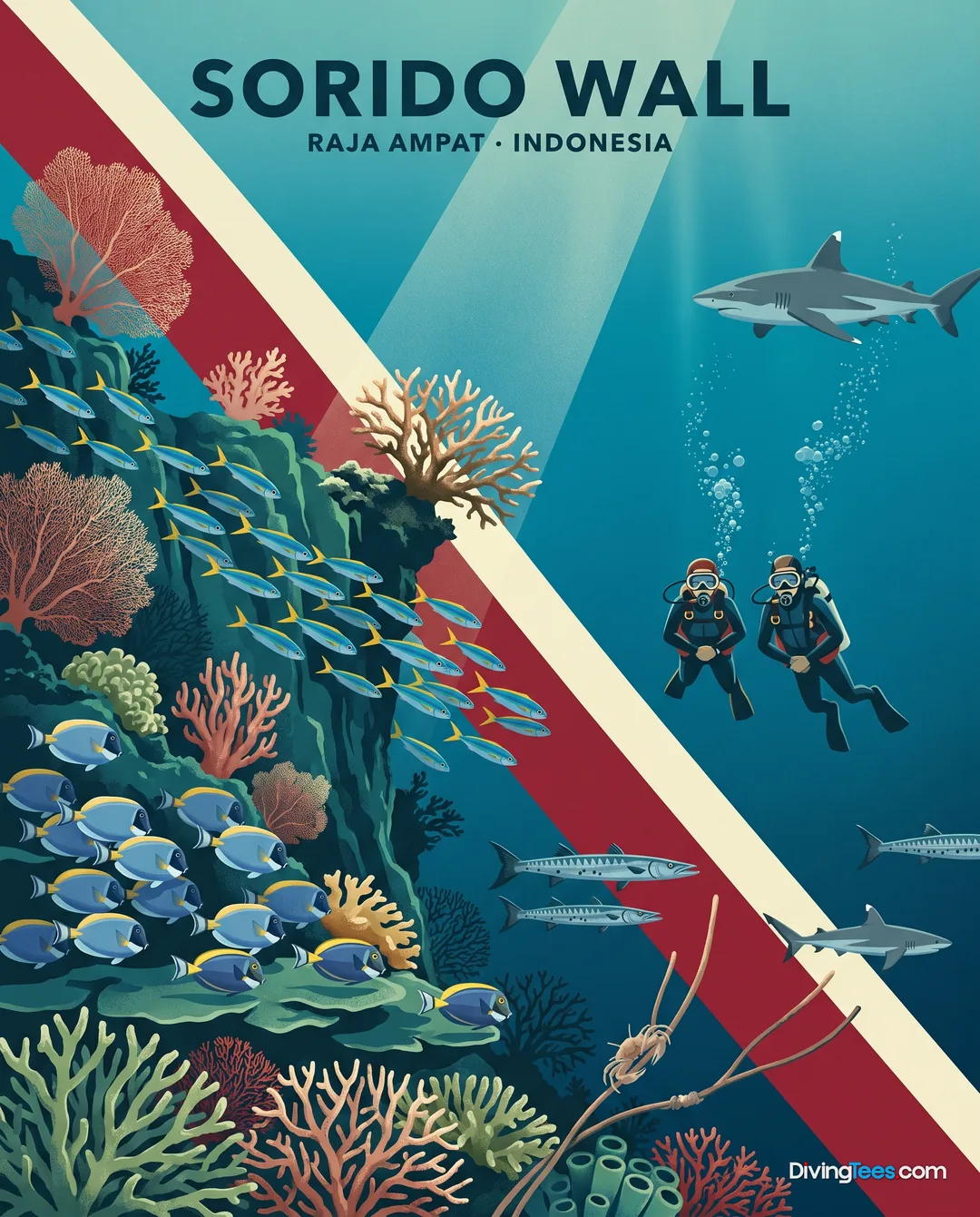
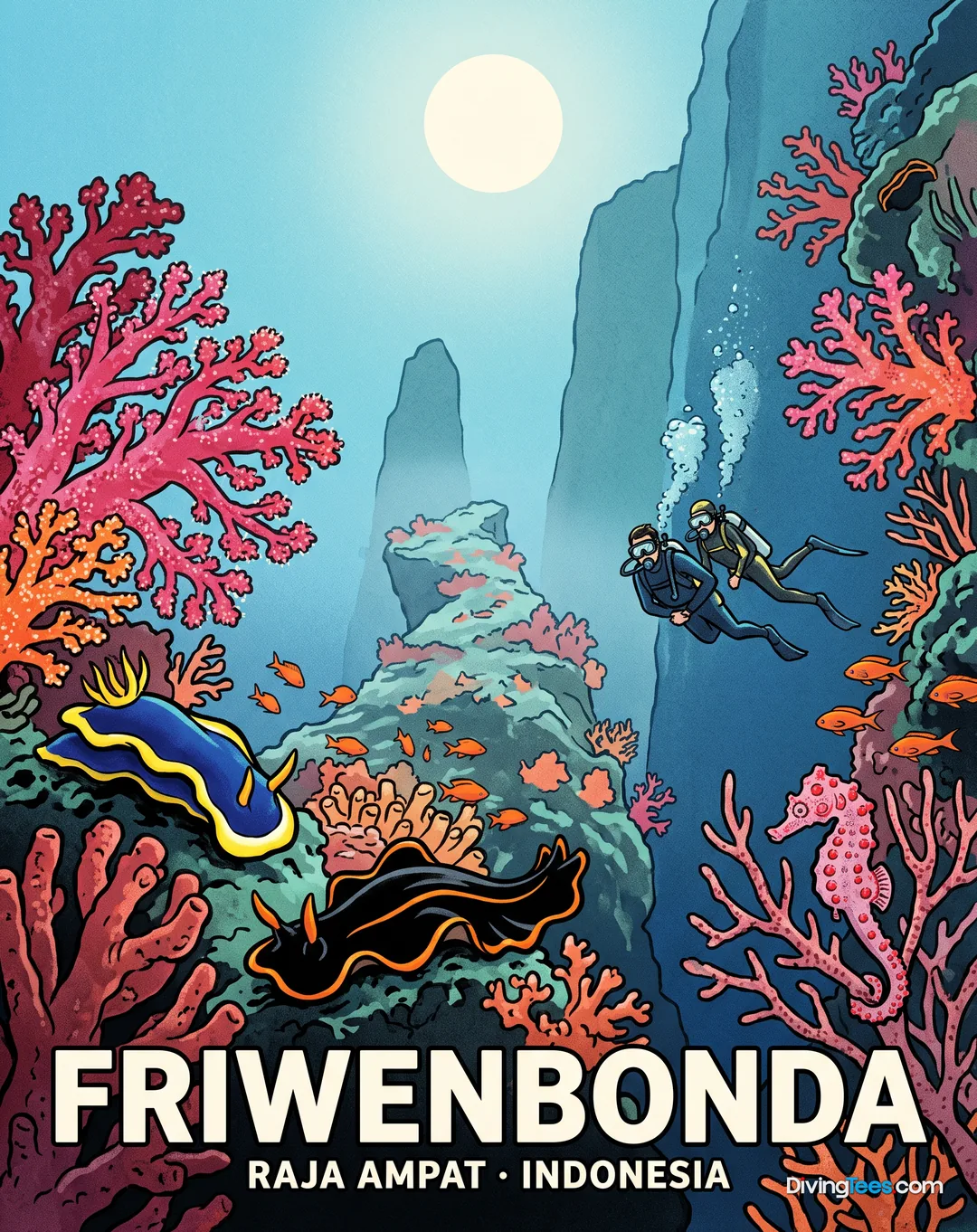
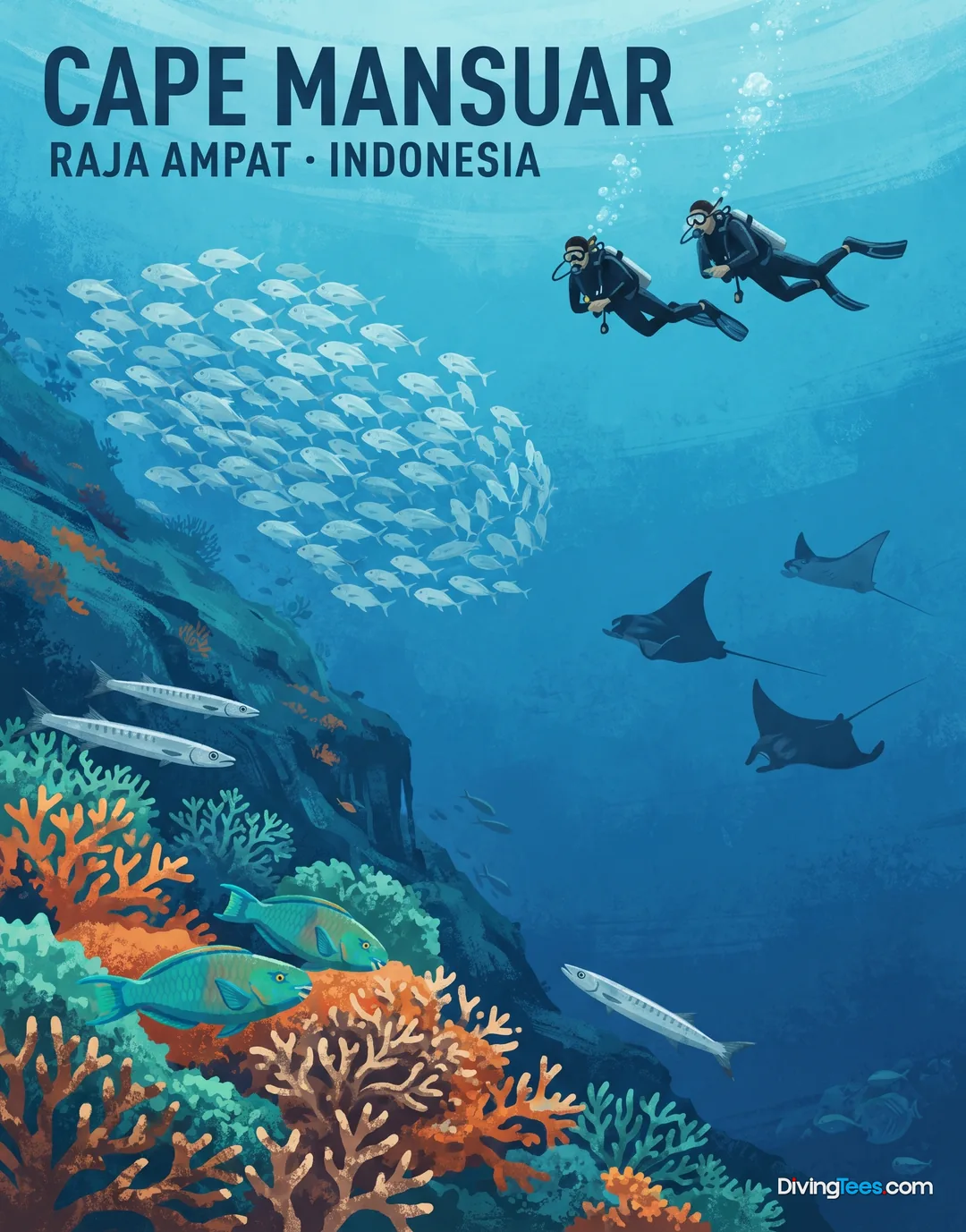
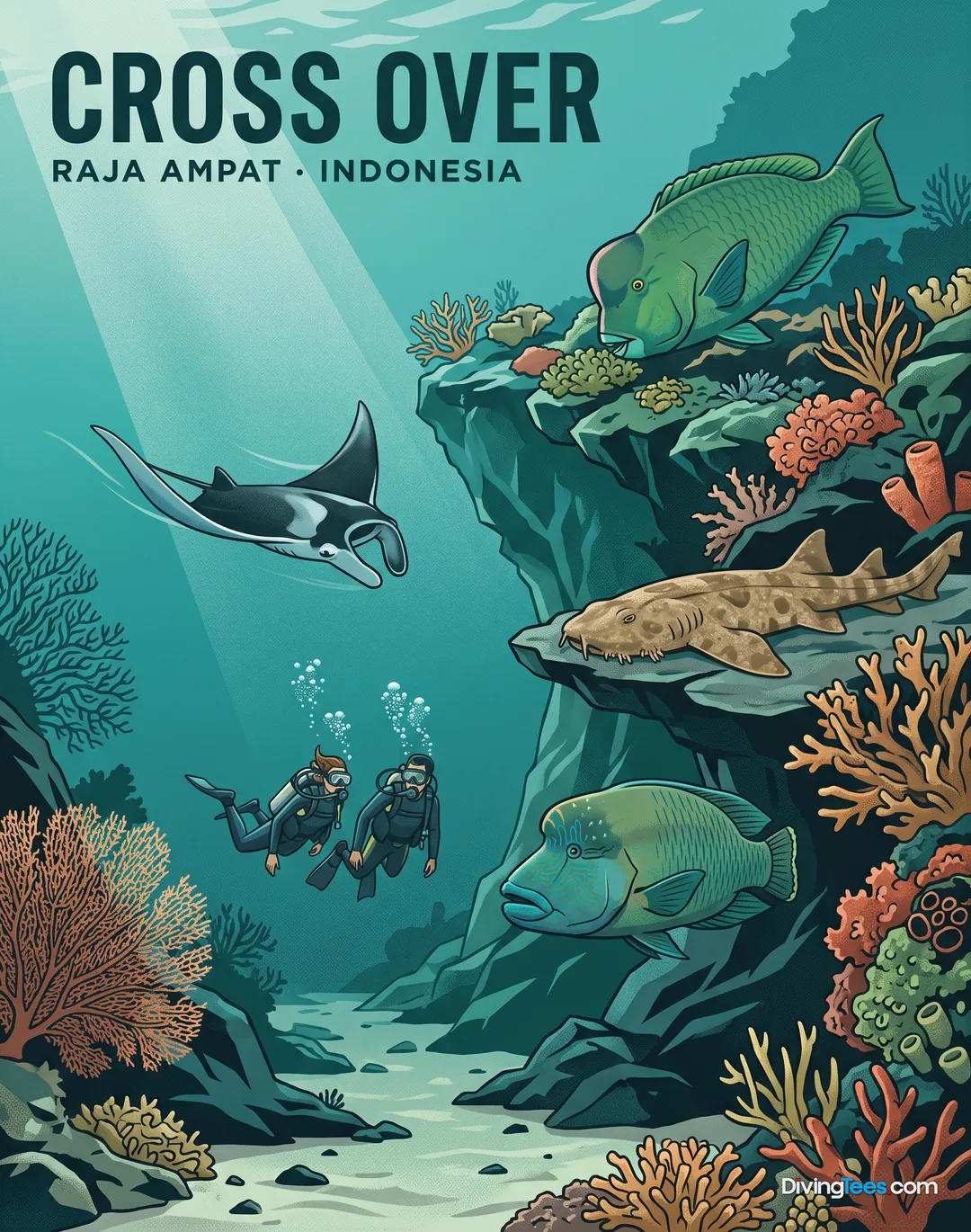
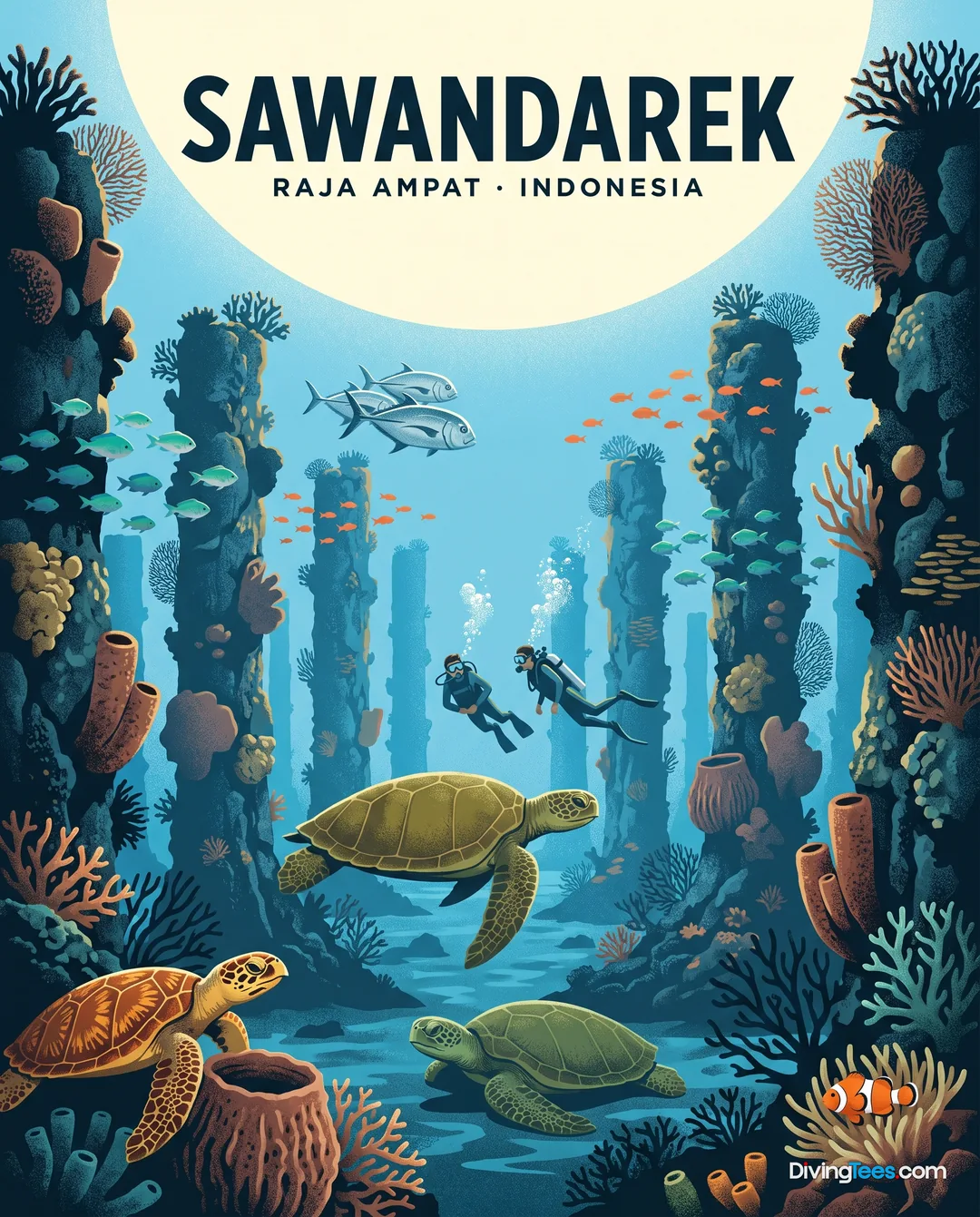
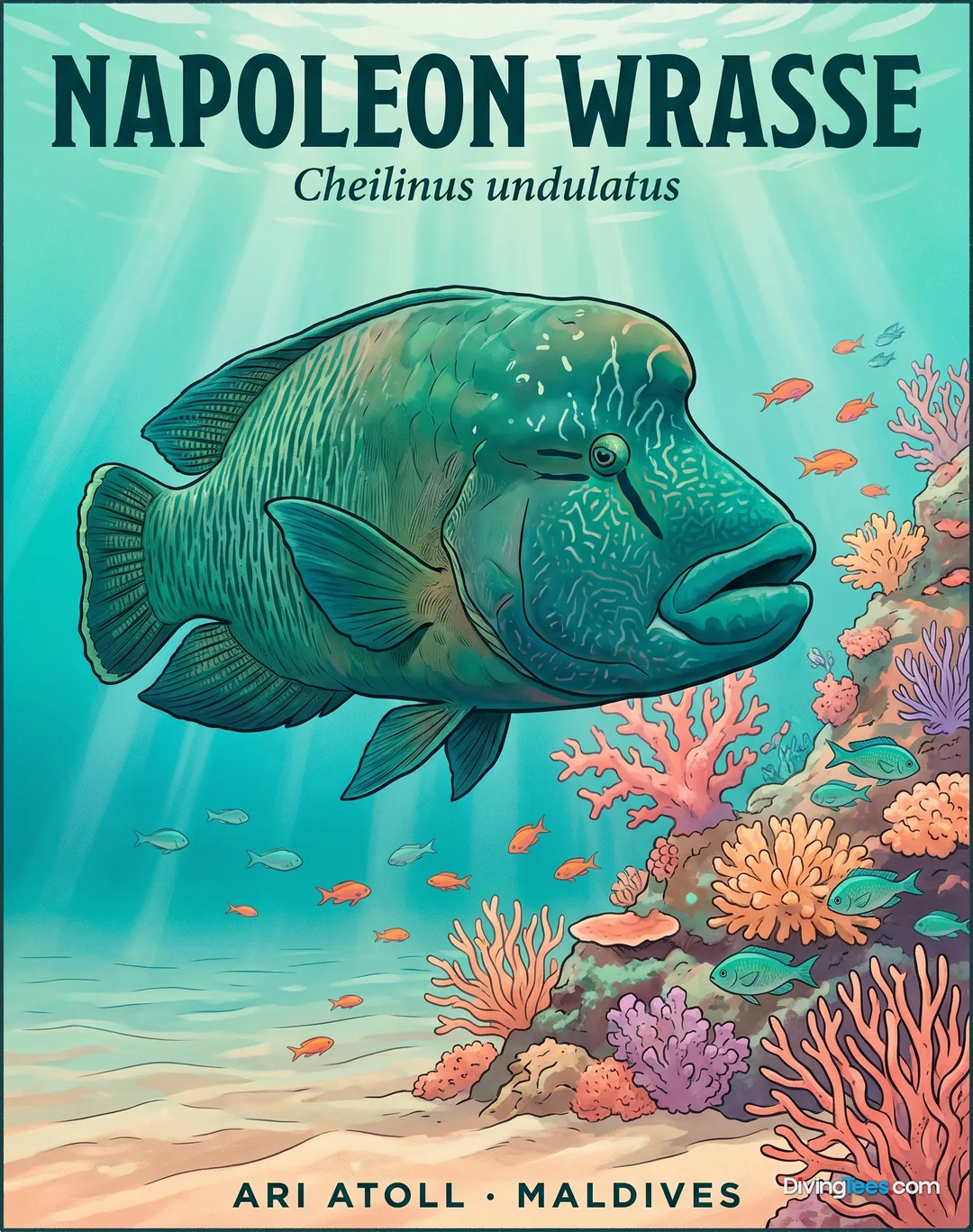
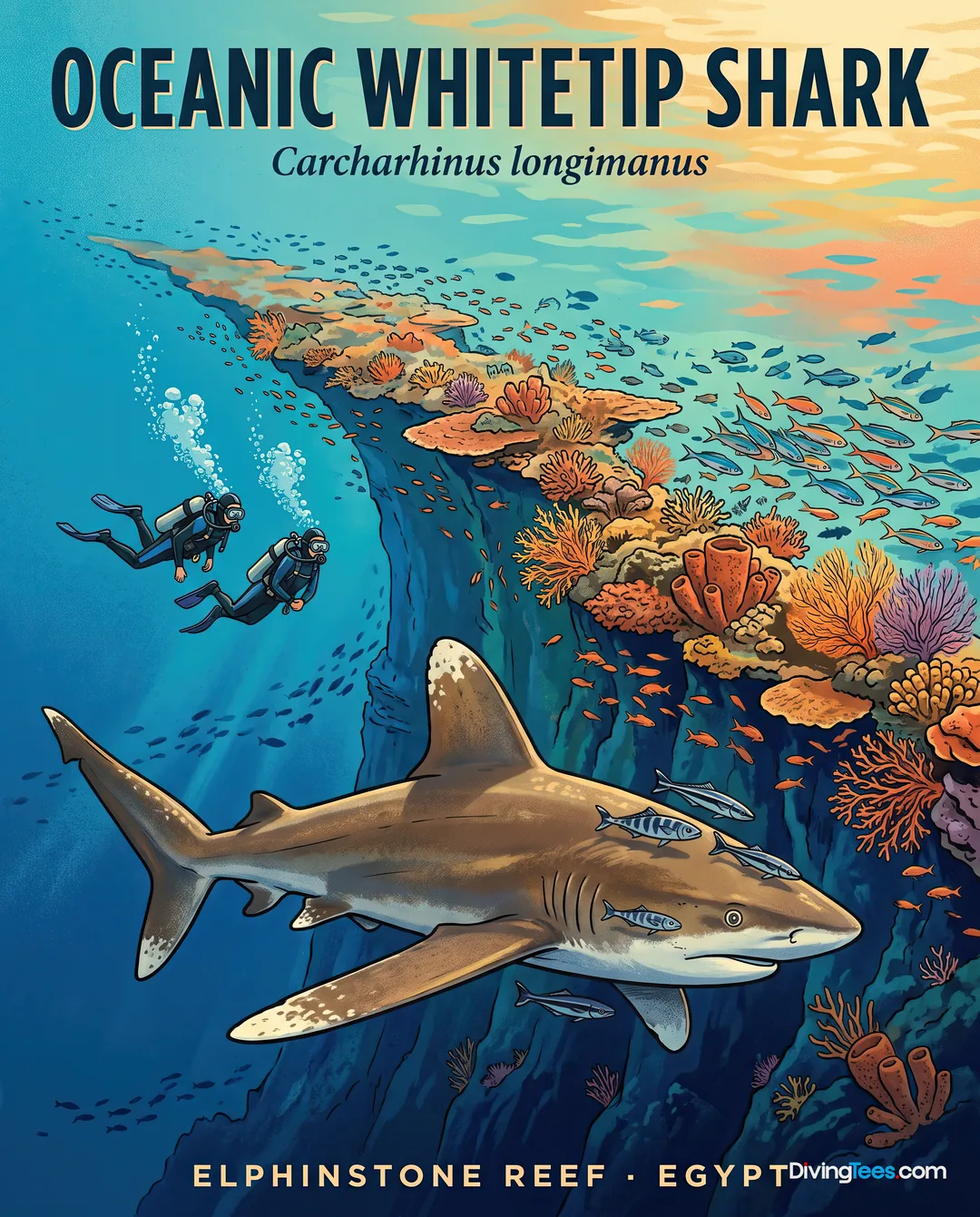
Raja Ampat is the reason to board Panunee. The central route reaches reefs where current turns abundance into movement: Cape Kri holds the record for 374 fish species observed on a single dive, with huge schools of emperors and fusiliers, Napoleon wrasse and reef sharks. At Blue Magic, schooling fish share the blue with oceanic manta rays, wobbegongs, giant trevally, dogtooth tuna and barracuda. Manta Sandy is more focused: reef mantas hover over cleaning stations, accessible to divers and snorkelers. Mike's Point combines soft-coral overhangs with a flat plateau where eagle rays may pass; its maximum depth is -40m. Melissa's Garden is a coral-garden dive of soft corals and staghorn formations, to -35m. Ransiwor slopes gently to -30m, with a busy cleaning station, yellow-back fusiliers, turtles and reef sharks. Yenbuba Jetty reaches -30m beneath fish-filled, coral-covered pilings before opening onto a reef slope. South Kri, Sardines, Sorido Wall, Friwenbonda, Cape Mansuar, Cross Over and Sawandarek add drifts, walls, macro life, turtles, barracuda and dense schooling fish. Listed Raja Ampat departures include Central trips of 7 days/6 nights and Raja Ampat-Misool trips of 9 days/8 nights.
Itineraries, dates and prices
Prices per person. Each month shows its lowest price: click a month, or pick an itinerary.
Next departures · 11 departuresfrom £2,236$2,990€2,671
April 2027
October 2027
November 2027
See dates and prices
If you click these links and make a purchase on the partner site, DivingDeal may earn a commission, at no extra cost to you.
Dates and prices taken from liveaboard.com, updated 23 October 2026
What you’ll meet underwater
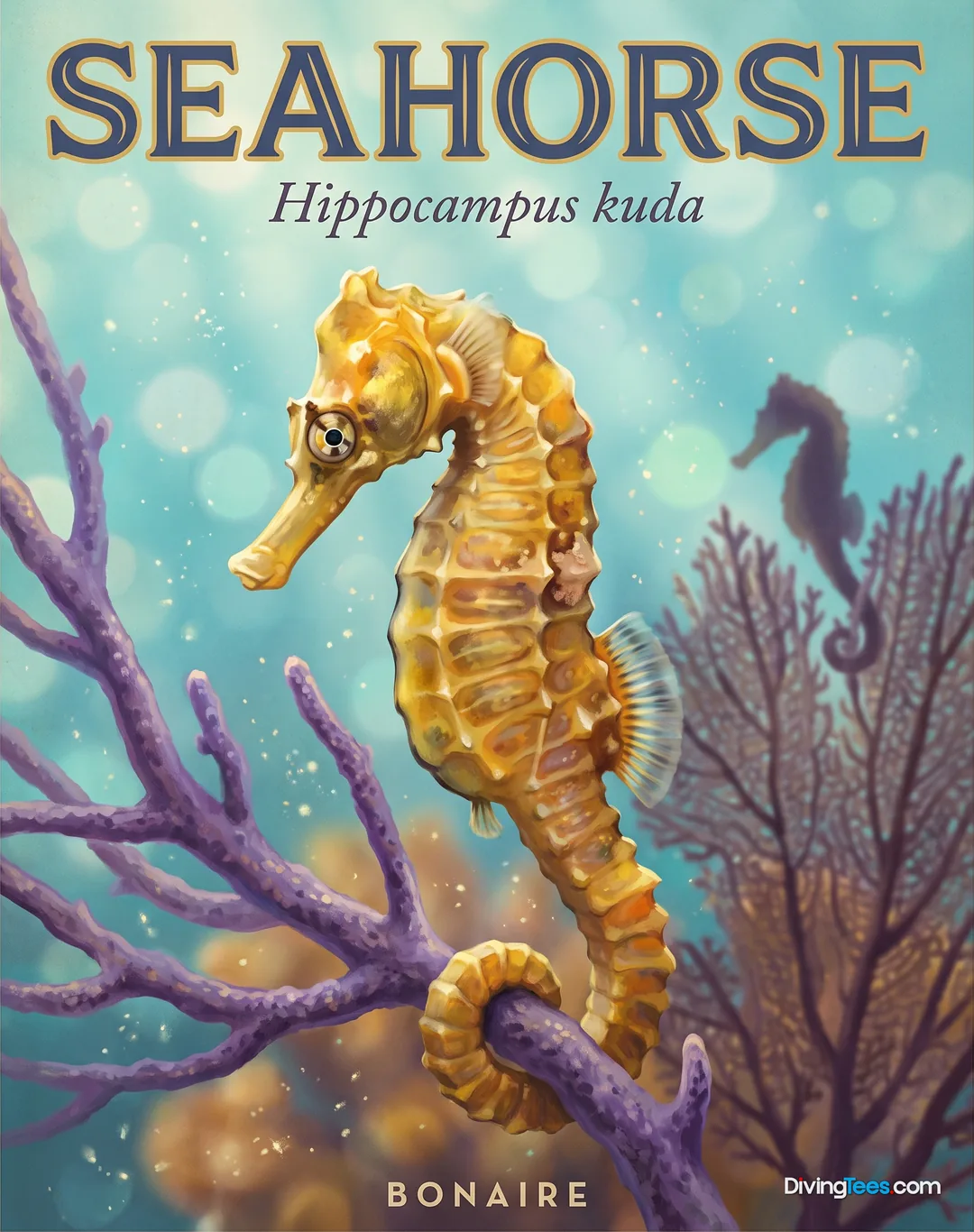
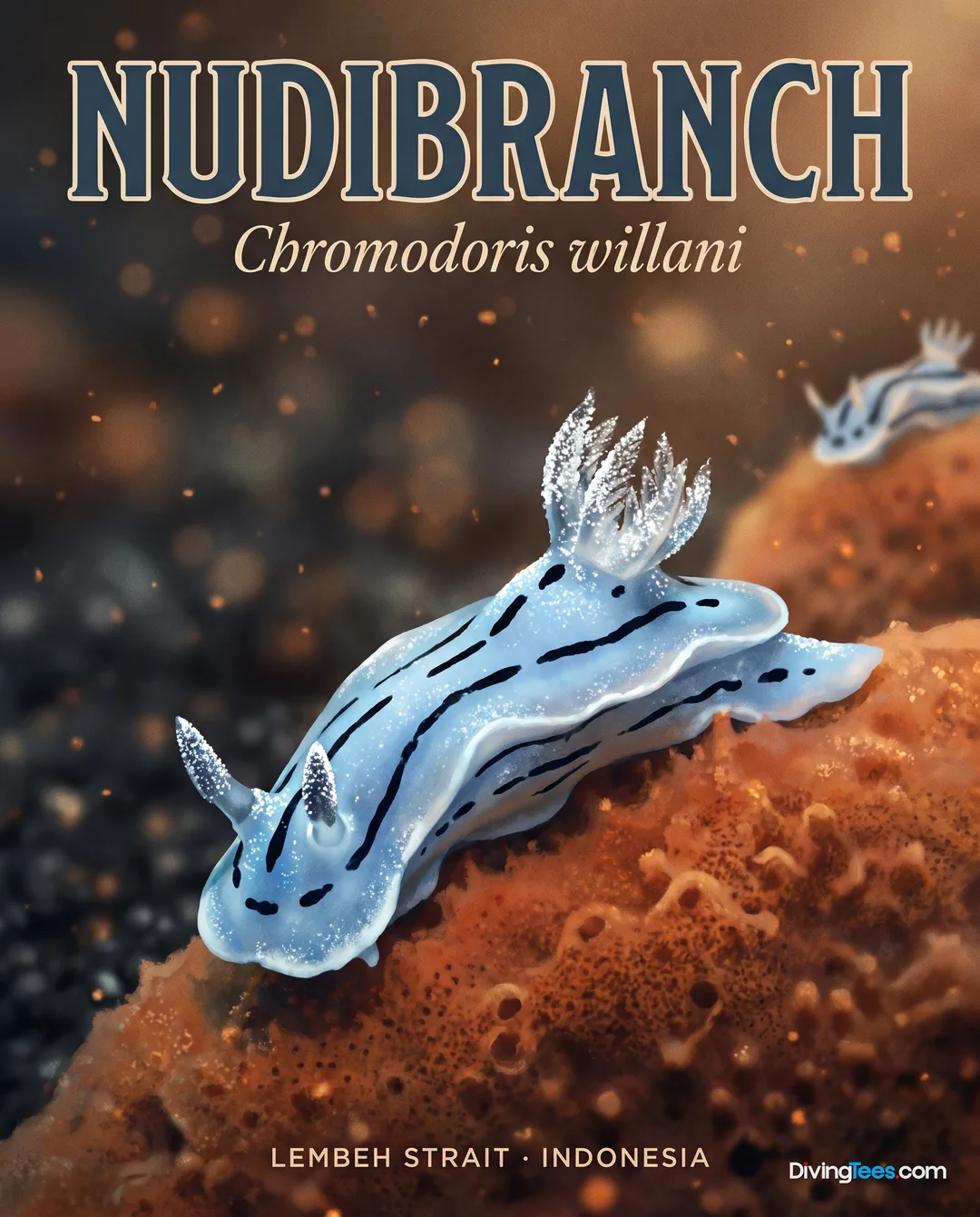
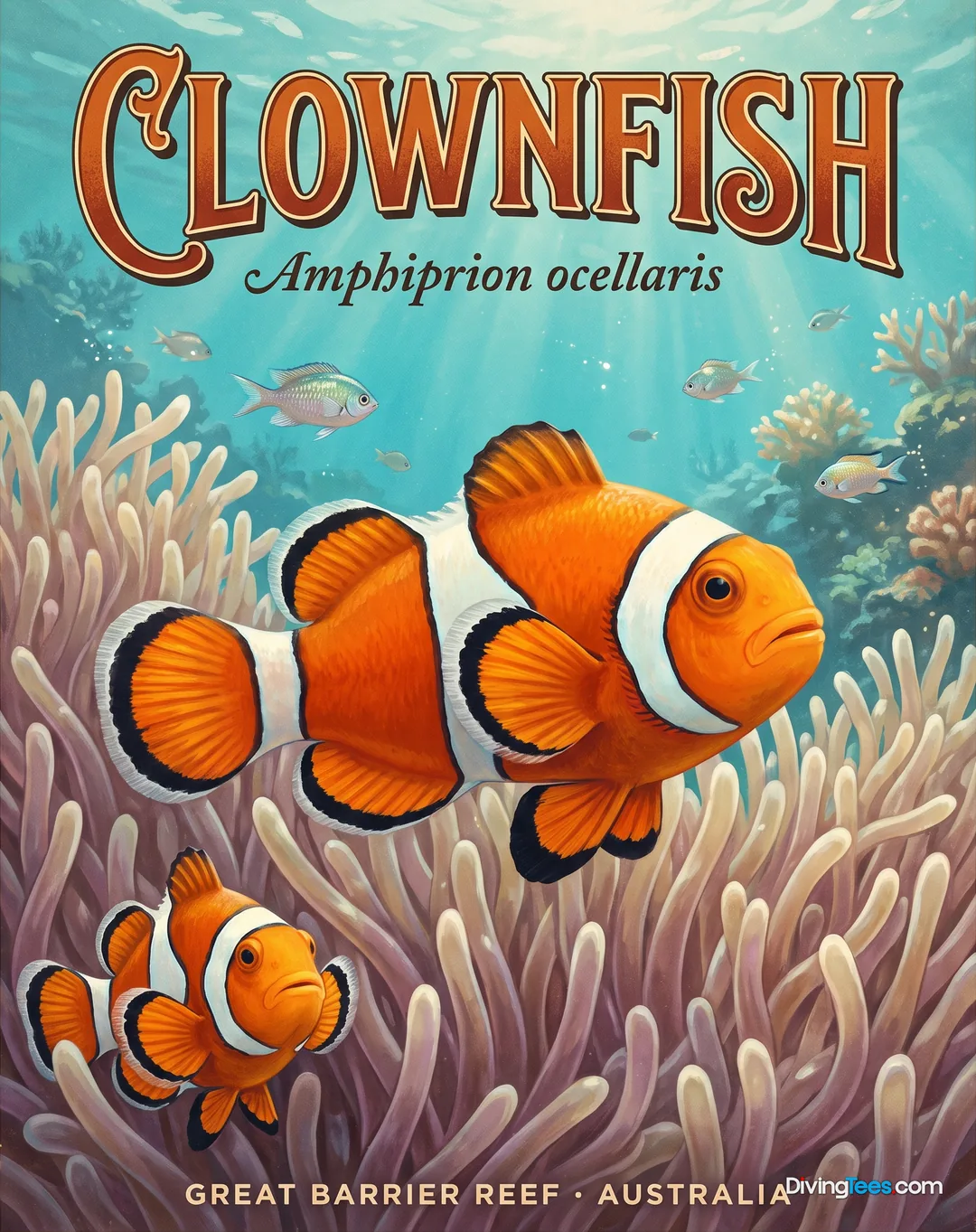
Across this route, the recurring spectacle is movement: barracuda and reef sharks appear across seven sites, carangids and fusiliers across six, with Napoleon wrasse, turtles, sweetlips and humphead parrotfish often sharing the reef. Nudibranchs are recorded at seven sites, while soft corals and pygmy seahorses reward a slower search. The particular encounters give each site its reason to exist. Cape Kri is the place for giant grouper and whitetip reef sharks; Blue Magic is the site associated with oceanic whitetip sharks and tuna; South Kri offers big-eyed trevally, crabs and shrimp alongside schooling fish and macro life. Yenbuba Jetty is where anthias and damselfish gather around the pilings. Ransiwor is the recorded site for octopus and clownfish, while Sorido Wall brings surgeonfish into the mix with barracuda and reef sharks. At Manta Sandy, the cleaning station explains why reef mantas may settle above the reef. Nothing is guaranteed, but the sites are chosen for these specific chances.

Who puts you in the water
The crew and dive team number 19, and English is spoken on board. Panunee carries oxygen, first-aid kits, fire alarms and extinguishers, while life rafts and life jackets are part of the safety equipment. Guides support dives from the dedicated tenders and dive platform, and the crew handles entries, exits, cylinders and wet equipment across a setup built for repeated diving.
The dive deck and the gear
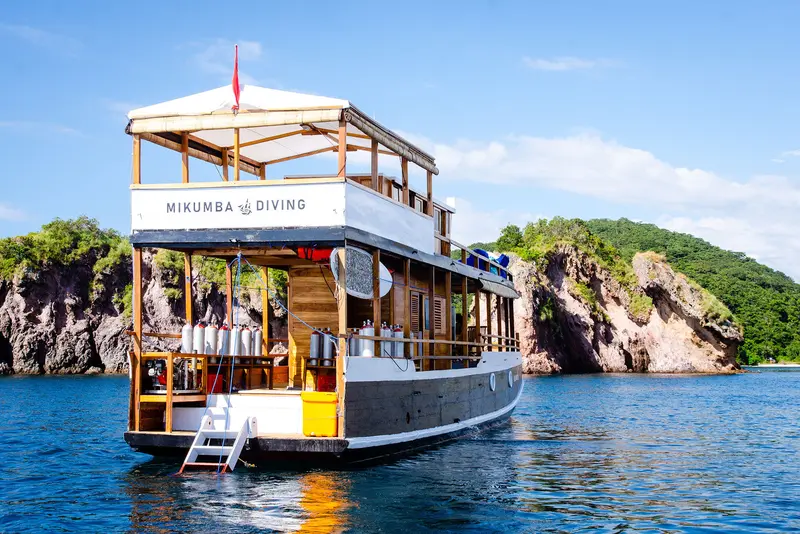
The dive deck is the boat's clearest argument. Each diver has an individual air-filling station, storage beneath the seat, a personal fin slot and a wetsuit hanger, so the daily kit stays assigned instead of spreading across the working area. Three compressors support filling, and Nitrox is available as a paid extra. DIN adapters are on board. The platform is designed for straightforward entries and exits, with two 6-metre tenders powered by 100 HP engines taking divers to the sites and a 40 HP tender kept as backup. Back on board, four shower stations deliver warm fresh water, while separate aluminum rinse tanks protect cameras and wetsuits from sharing the same bath. A dedicated camera station and shaded dive space complete a setup clearly planned by people who know what four dives a day does to a deck.
Between dives
Between dives, Panunee gives guests a choice that is simple and useful: the air-conditioned indoor saloon, the connected outdoor saloon, or the upper deck and terrace when the weather invites people outside. The shaded dive area keeps wet equipment out of the strongest sun, while the sundeck is the place for a book, a camera review or a quiet stretch of sea between briefings. A dedicated photo area and camera rinse tank make the gaps more productive for photographers, without forcing cameras into the dining or sleeping spaces. There is also a library, audio and video entertainment, and space for outdoor dining. When the boat is underway, the open decks let the crossing remain part of the trip rather than dead time in a cabin.
A day on board
A diving day starts with the first briefing before the boat's working areas fill with cylinders and cameras. Divers move through the morning dives, eat between them, and return to the deck for another briefing before the afternoon entry. The schedule is built around four dives a day where the itinerary allows it, with night dives included on board. The gaps are practical rather than empty: rinse a camera, hang a wetsuit, eat, sleep briefly, or move to the shaded saloon while the tenders and crew prepare the next site. The boat gets underway when the route requires it, and the open decks make that crossing visible instead of hiding it behind cabin walls. After the night dive, dinner and a final rinse lead to the quietest part of the day. Then the compressor starts the cycle again.
What you eat aboard
An experienced chef runs a galley that leans towards savoury Asian cooking, with Western dishes also available. Meals are served buffet-style, and the kitchen covers vegetarian and vegan options rather than treating them as an afterthought. Non-alcoholic drinks, tea, coffee and snacks are included, with food available across the day and beer and cocktails available separately. On a four-dive schedule, that rhythm matters more than formal dining: divers can eat properly after a morning entry, take something small before the next briefing, and return to a full meal rather than a plate assembled in haste. The food score of 9.7 tells the clearest story. Panunee's galley is not just supporting the diving; it is one of the reasons the boat stays in people's memory.
Nights at sea
The cabins are all air-conditioned and ensuite, with the interiors refurbished from ceiling to floor. Suite, Grand Deluxe and Deluxe cabins are on the main deck; four Single Deluxe cabins are on the lower deck for solo divers who do not want to share. The single cabins include a working station and private bathroom, while the main-deck cabins give couples or friends a more conventional retreat after the last dive. Cabin windows are portholes, so these are sleeping quarters rather than panoramic viewing rooms. Between dives, the useful luxury is having a private shower and a place to shut the door on wet kit and conversation. The boat also has an indoor saloon and an outdoor saloon, so the night can be spent under air-conditioning or in open air. It is a compact, functional kind of comfort.
Suite Cabin
Single Deluxe
Grand Deluxe Cabin
Deluxe Cabin
What to know before boarding
Raja Ampat trips board and disembark in Sorong. Guests should arrive with enough time before the Raja Ampat check-in time, which is until 1300, and should plan to stay the night before boarding because domestic flight delays can affect the connection. Transfers are arranged from the relevant arrival point when included in the booking; the operator provides the transfer details for the specific trip. The return is also in Sorong, with check-out until 1500.
Deck plan
- Year built
- 2001
- Year renovated
- 2025
- Length
- 38 m
- Beam
- 8 m
- Maximum number of passengers
- 18
- Number of cabins
- 11
- Number of bathrooms
- 12
- Engines
- MAN 1000 hp × 2
- Cruising speed
- 10 knots
- Tenders
- 3 ( 2 × YAMAHA 100 hp 1 × 40 YAMAHA HP)
- Website
- panunee.com ↗
Hello, I'm Marina, DivingDeal.com's AI assistant. I answer in detail about hotels, dive centres and liveaboards.
Thinking about the whole trip and the flights? Talk it over with Edith →
Marina is an AI. Some links are affiliate links: DivingDeal may earn a commission, at no extra cost to you. Bookings are made with the partner.