
Rederis Plongee
Google 4.9/5 (436 reviews)
2.4 km away as the crow flies
Côte Vermeille · France · Mediterranean
Max. depth · 36 mExplore a unique offshore pinnacle in the Côte Vermeille, defined by its dual peaks and dense red gorgonian coverage.
Le Jardin aux Gorgones, also known as Le Jardin des Gorgones, is an isolated pinnacle located northeast of Cap l'Abeille. This site presents a distinct underwater topography, rising from a 36-metre seabed. The most prominent feature is its double-peaked formation, which creates a natural bowl between the two summits. This unique structure provides varied dive profiles, allowing exploration at different depths and around distinct geological features.
The dive begins by descending onto the seamount, where the shallowest sections typically start around 20 metres. As you navigate the site, you'll find the upper parts of both peaks are densely covered with large red gorgonians. These vibrant colonies define the site's character and provide a striking visual impact against the clear Mediterranean water. The unique double relief of the pinnacle helps channel nutrients, fostering this rich growth.
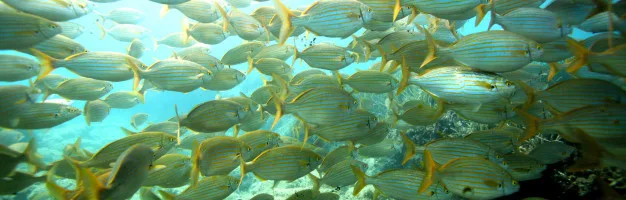
Below the gorgonian-covered plateau, the slopes of the peaks descend, revealing extensive coralligenous formations. This intricate habitat supports a diverse array of marine life. You can observe species like anthias, often schooling around the coral structures, and scorpionfish, well camouflaged within the rocky crevices. Wrasses and sars are common along these slopes, foraging among the invertebrate growth.
Moving deeper towards the base of the peaks, the site extends to its maximum depth of 36 metres. Here, the coralligenous environment continues, providing refuge for various species, including dorades royales. The rich biodiversity and the density of the red gorgonians set this site apart from other, more uniform dive locations along the Côte Vermeille, offering a more intricate and colourful exploration.
Currents at Le Jardin aux Gorgones can be variable. As an exposed offshore pinnacle in the Mediterranean, its position makes it susceptible to changing conditions influenced by weather and sea state. While there isn't a consistently strong flow, the unique bowl-like topography between the two peaks can locally modify water movement. Divers should anticipate these potential shifts and plan their dive accordingly, especially when navigating around the deeper sections of the site.
This dive site is accessible from a minimum depth of 20 metres, reaching a maximum of 36 metres. It requires an Advanced Open Water certification or equivalent, with solid experience in deeper diving environments, specifically feeling comfortable operating between 25 and 36 metres. Currents are variable due to the site's exposed nature and local topography; divers should be prepared for potential changes in water movement. Access to the site is exclusively by boat.
Le Jardin aux Gorgones requires an Advanced Open Water certification or equivalent, along with solid experience in deeper diving environments. You should feel comfortable operating between 25 and 36 metres before choosing this site. Access is exclusively by boat, and the pinnacle’s exposed position requires preparation for changing conditions.
Le Jardin aux Gorgones ranges from 20 to 36 metres. You descend onto an isolated pinnacle rising from a 36-metre seabed, with shallower sections around 20 metres. Its double-peaked formation creates a natural bowl and varied profiles, letting you explore different depths, slopes, geological features, and the deeper base.
Currents at Le Jardin aux Gorgones are variable because the site is an exposed offshore pinnacle. Weather and sea state can change water movement, while the bowl between the two peaks may modify it locally. You should anticipate possible shifts, particularly around the deeper sections, and plan your dive accordingly.
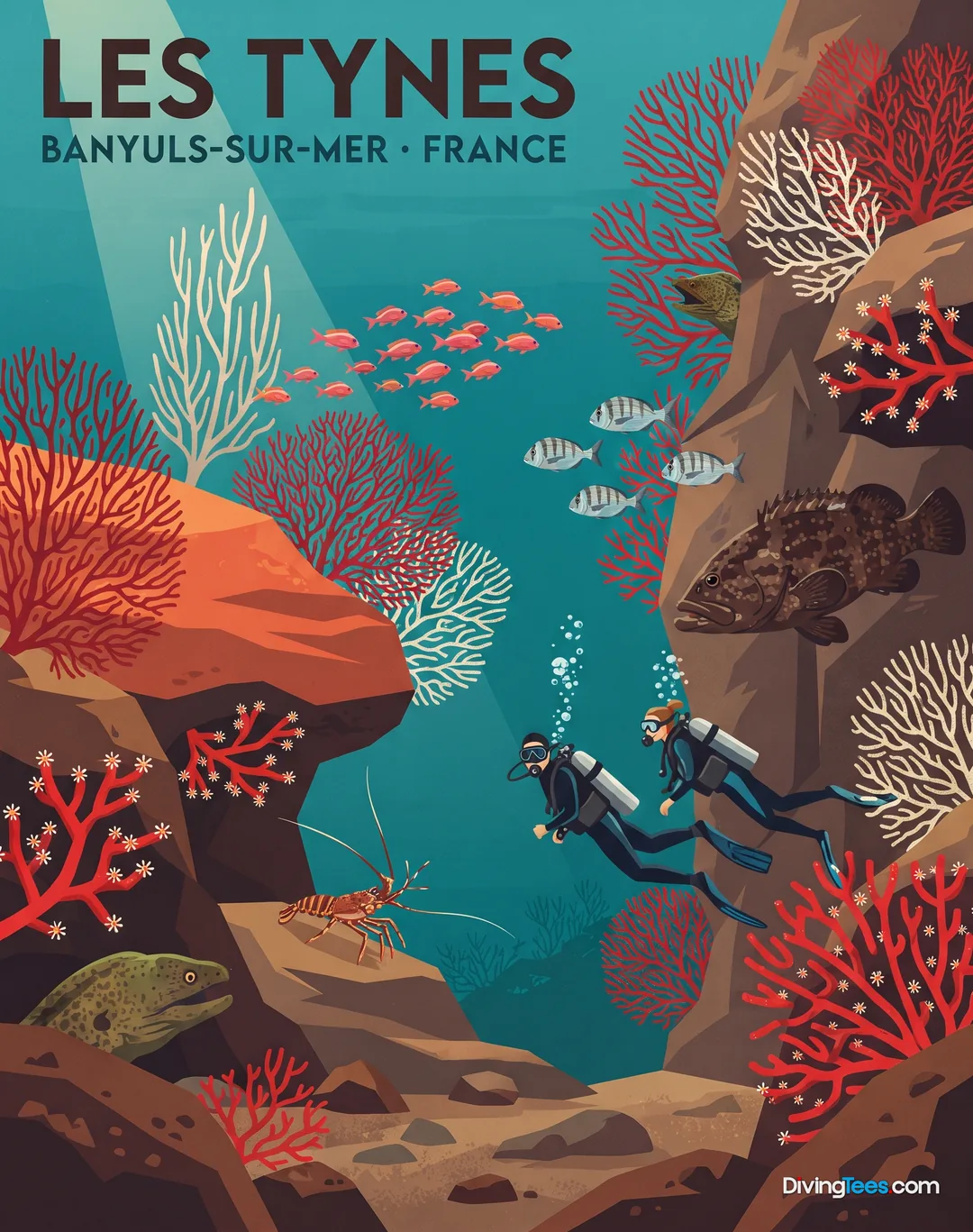
At Le Jardin aux Gorgones, large red gorgonians densely cover the upper parts of both peaks. Coralligenous formations extend across the slopes and base, where you can see schooling anthias, camouflaged scorpionfish, wrasses, sars, and dorades royales. The double-peaked topography adds varied geological features to the underwater exploration.