
Simon Le Paradis Des Bulles
Google 4.9/5 (218 reviews)
less than 1 km away as the crow flies
Côte Vermeille · France · Mediterranean
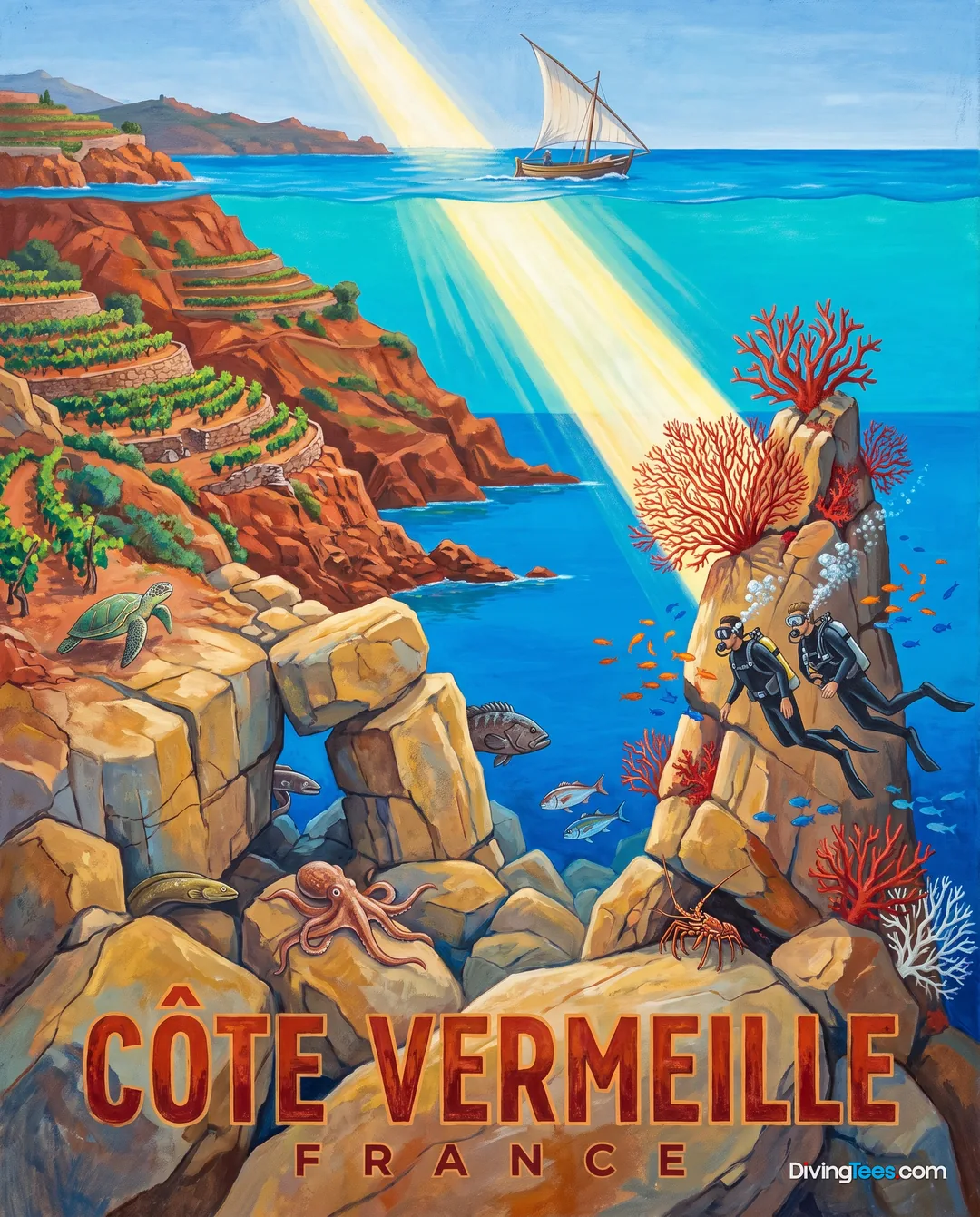
Max. depth · 28 mExplore the varied topography of La Mauresque, a site renowned for its abundant macro life, including numerous nudibranchs, against a backdrop of coralligenous formations and shallow red coral.
Diving La Mauresque begins in the shallows, where rocky bars and sand tongues delineate the initial topography. As you descend, the landscape transitions into a rich coralligenous bottom, marked by a network of canyons, small fissures, and overhangs. This initial phase of the dive sets the stage for the varied underwater architecture that defines the site, moving away from a simple wall dive to a more intricate exploration of diverse geological features.
The dive continues along a series of small drop-offs and isolated pinnacles. These structures are often densely covered in white gorgonians, creating a visual contrast against the rock. The complexity of the relief encourages careful observation, as crevices and undercuts provide shelter and habitat for various species. The journey through these formations offers a dynamic dive, with constant changes in perspective and potential encounters.
La Mauresque stands out for its extensive coralligenous zones, which begin at moderate depths. These formations are not just a backdrop; they are active ecosystems, supporting a concentration of marine life. A notable feature is the presence of red coral at relatively shallow depths, which is unusual for this region. This distinct characteristic adds another layer of interest to the site, offering an opportunity to observe this typically deeper species in a more accessible environment.
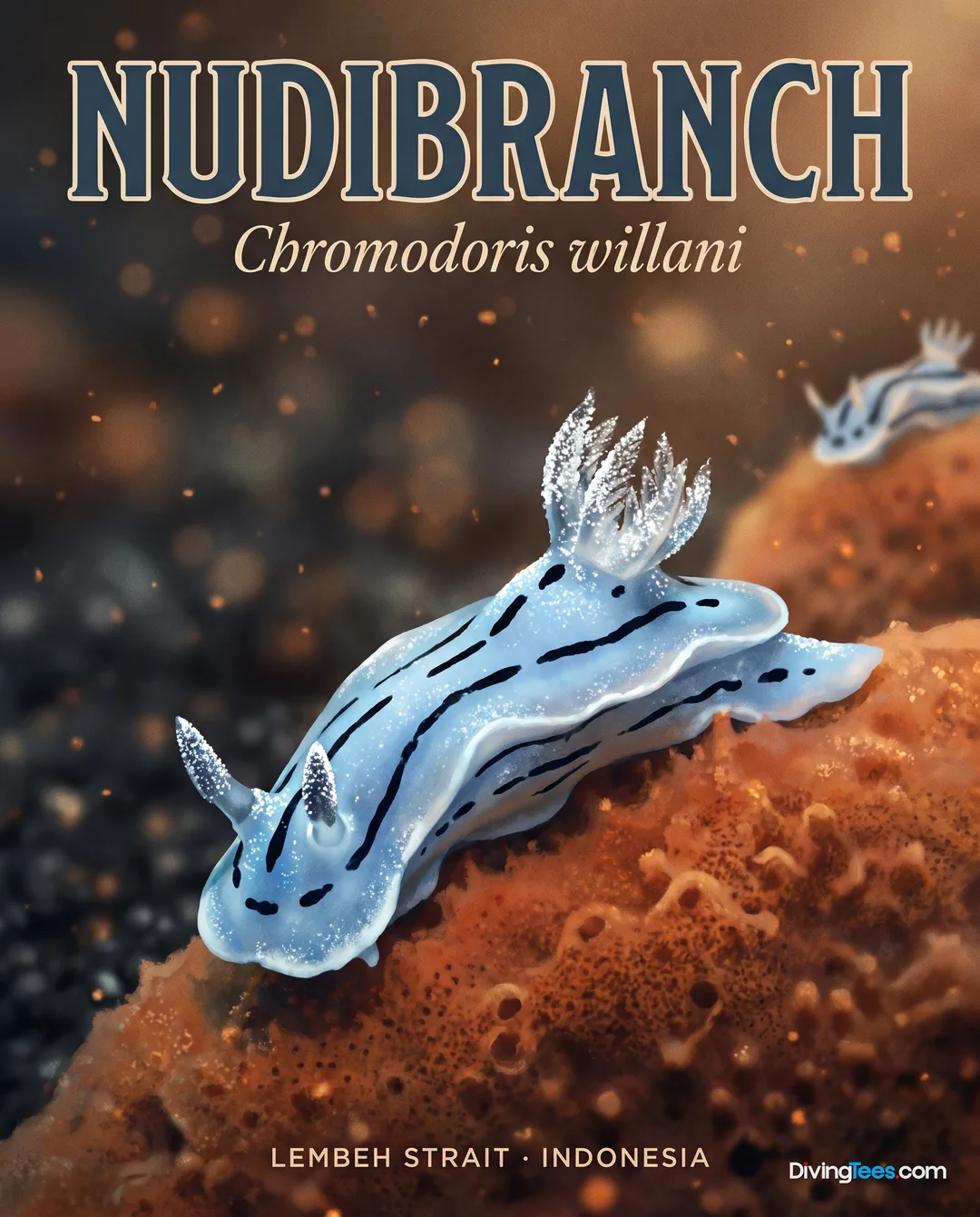
Macro enthusiasts will find La Mauresque particularly rewarding. The site is a known hotspot for nudibranchs, with numerous species present, often found tucked into the various fissures and on the coralligenous structures. This concentration of smaller marine life encourages a slower, more deliberate dive profile, allowing time to search for and observe these delicate creatures in their natural habitat.
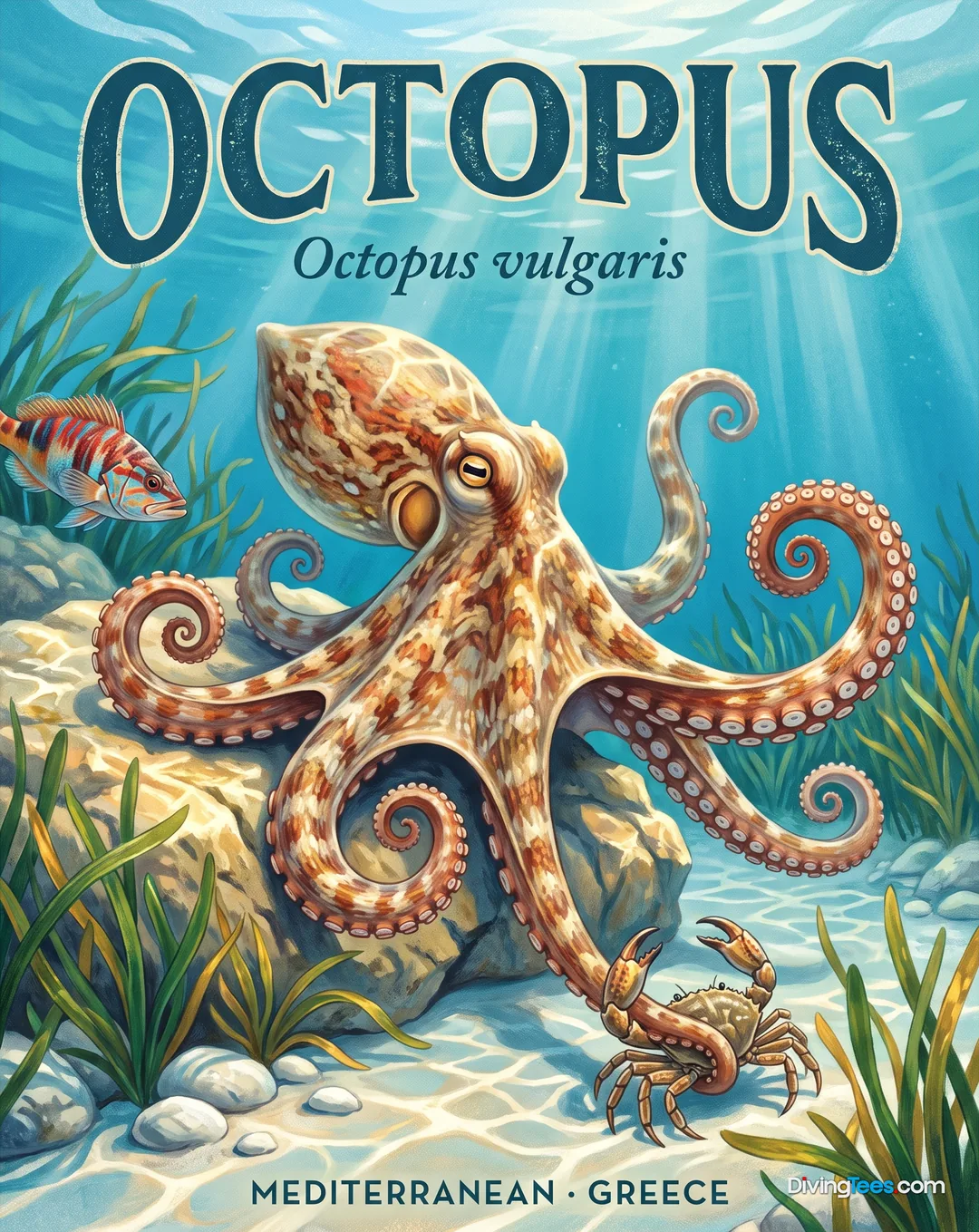
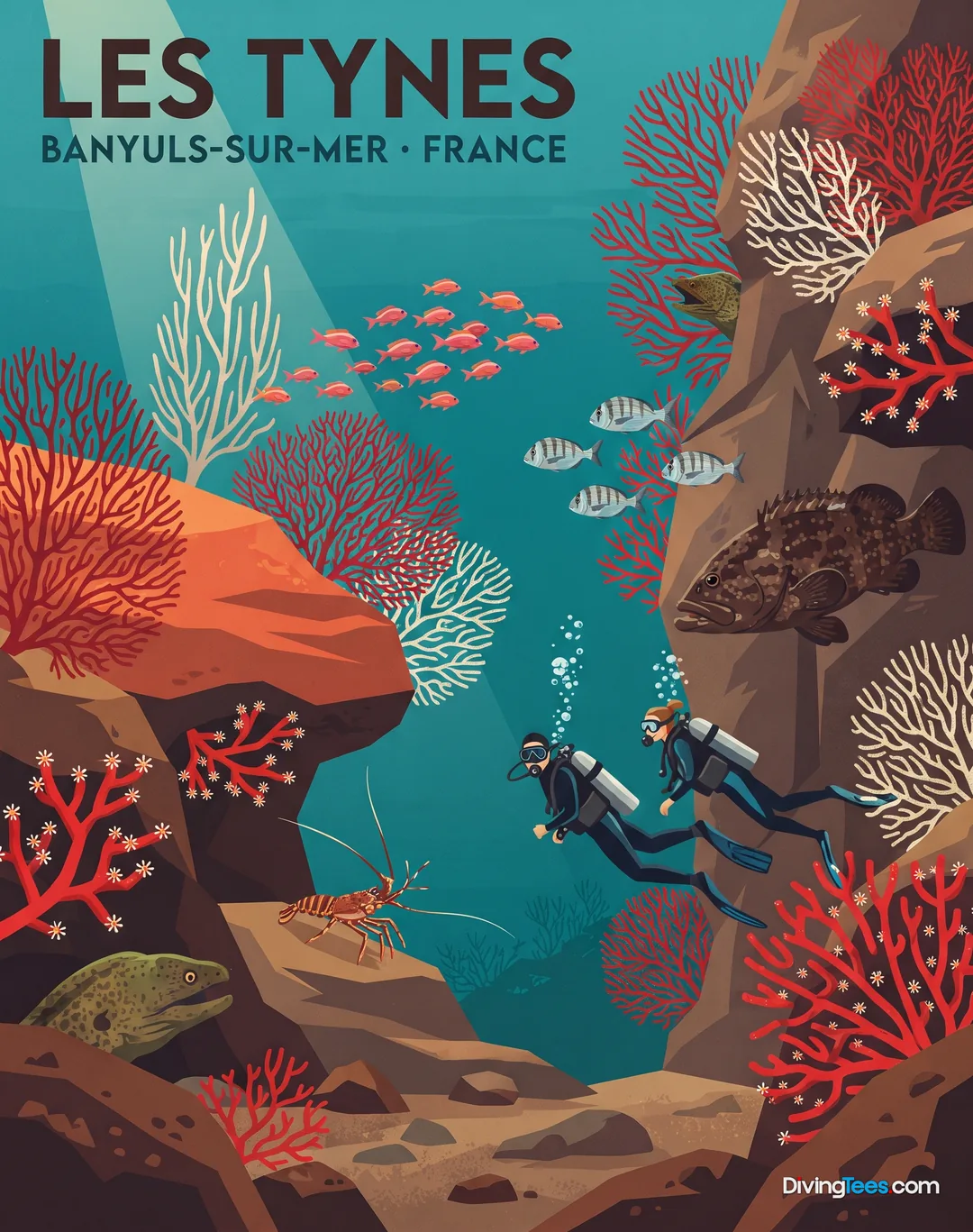
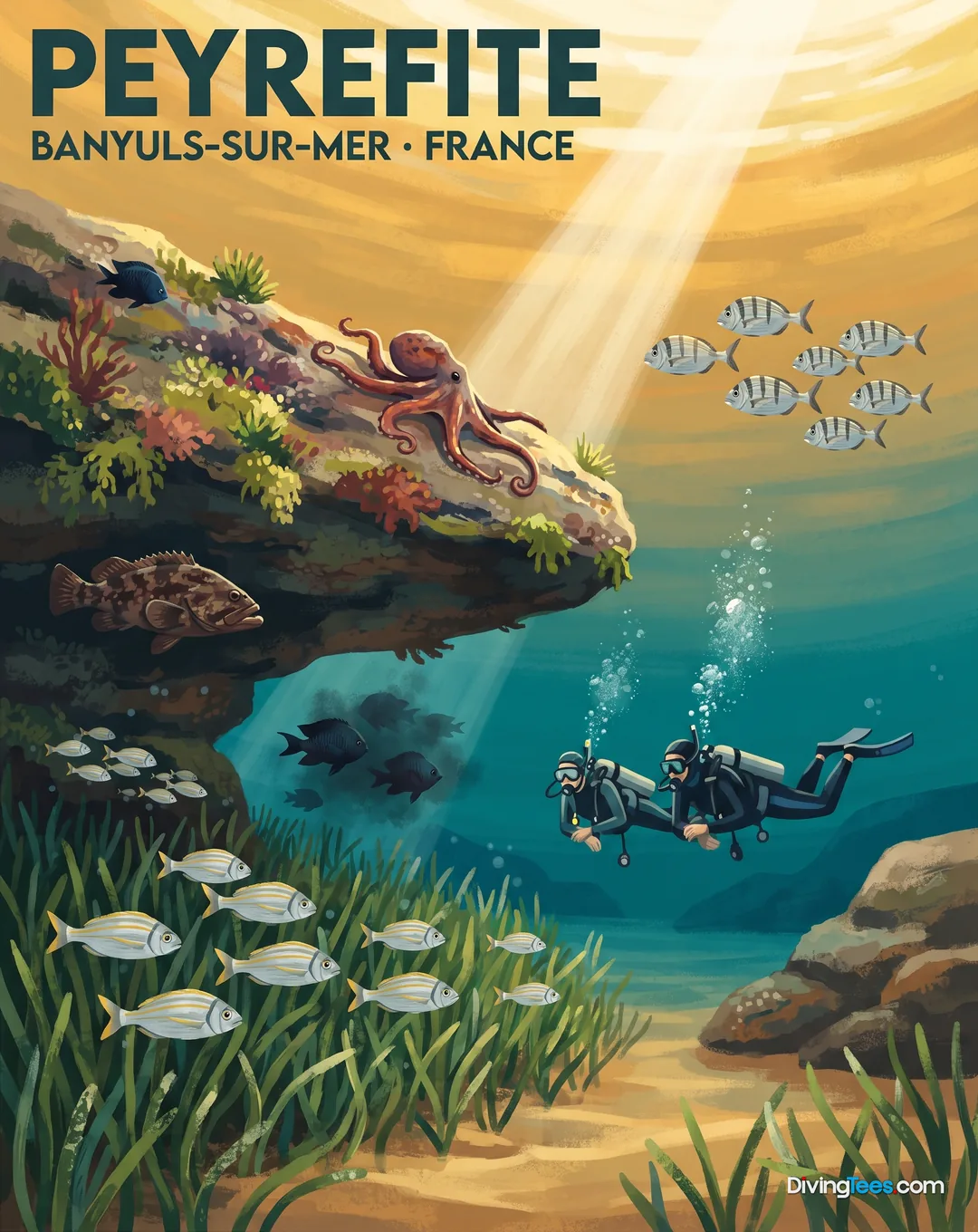
Beyond the macro life, larger inhabitants are also part of the ecosystem. Moray eels and conger eels can be found in the crevices and under the overhangs. Octopus are regularly sighted, often camouflaged against the rock. These resident species contribute to the overall biodiversity and offer opportunities for interactions as you navigate the site's varied terrain.
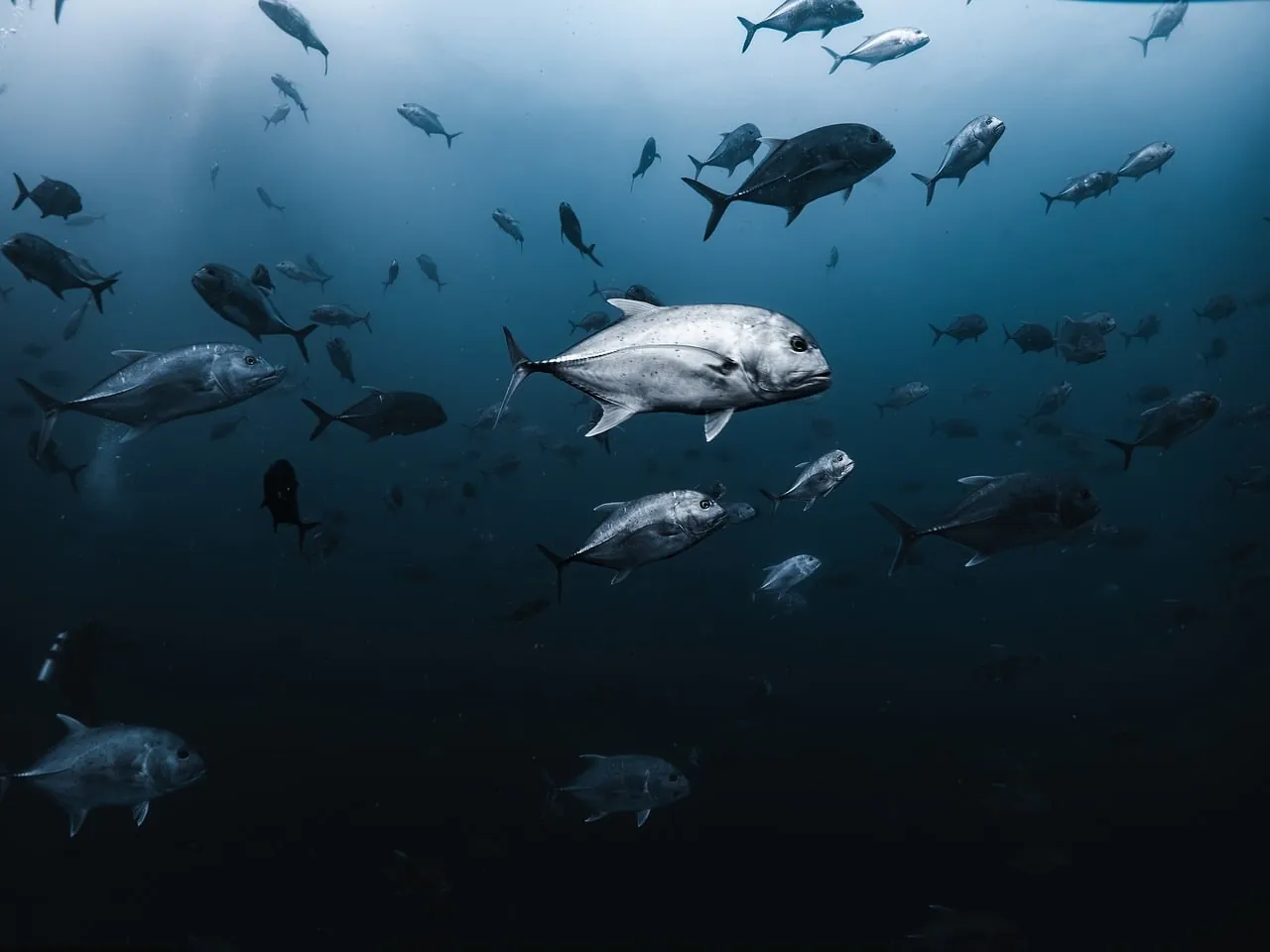
As you move through the site, schools of seabream and salema are common, especially in the mid-water column and around the rocky outcrops. Groupers are present, often solitary and territorial, while barracuda and amberjack can be observed patrolling the deeper sections or offshore. These pelagic and semi-pelagic species add a dynamic element to the dive, particularly when encountered in the transition zones between the plateaus and the deeper waters.
The return to shallower water typically involves ascending to a zone around 8 to 10 meters, which acts as a natural decompression stop and an opportunity for a final exploration of the upper reef. This shallower area often reveals another distinct ecosystem, different from the deeper coralligenous zones, completing a dive profile that spans various depths and habitats.
Access to La Mauresque is primarily from the shore, with a designated entry point accessible on foot from Port-Vendres. This shore-based access means you start and finish your dive directly from the coastline. The profile is a sequence of plateaus, fissures, and coralligenous structures, rather than a continuous wall. This makes precise navigation important, especially on the return leg, to ensure you surface close to your entry point.
La Mauresque is accessible for Open Water Diver certified divers, provided you are comfortable with coastal diving in shallow waters and confident in your return navigation. The dive profile ranges from a minimum depth of 5 meters down to a maximum of 28 meters. Current conditions at this site are variable; while not consistently strong, local exposure and sea state can influence conditions, so be prepared for potential changes. Visibility can fluctuate depending on these factors, but generally offers clear viewing of the site's rich topography and marine life.
La Mauresque is accessible to Open Water Diver certified divers who are comfortable with coastal diving in shallow water and confident with return navigation. Because the site is a shore dive from Port-Vendres and includes plateaus, fissures, canyons, and coralligenous structures, you should be prepared to navigate accurately back to the entry point.
La Mauresque ranges from five to twenty-eight metres. The dive begins in shallow water among rocky bars and sand tongues, then continues through coralligenous formations, drop-offs, and pinnacles. The return usually rises into a shallower zone around eight to ten metres, where you can explore the upper reef before finishing.
Current conditions at La Mauresque are variable. They are not consistently strong, but local exposure and sea state can change the conditions during your dive. You should be prepared for potential changes and remember that visibility can fluctuate as well, although the site generally offers clear views of its topography and marine life.
At La Mauresque, you can explore rocky bars, canyons, fissures, overhangs, pinnacles, and extensive coralligenous formations covered by white gorgonians. Look for red coral, nudibranchs, moray and conger eels, octopus, groupers, barracuda, amberjack, seabream, and salema among the varied habitats and deeper sections.