
Bulles Plongee
Google 4.9/5 (231 reviews)
5.6 km away as the crow flies
Montpellier · France · Mediterranean
Max. depth · 20 mDescend onto a compact rocky outcrop sitting at 20 metres, where European seabass gather and groupers find shelter.
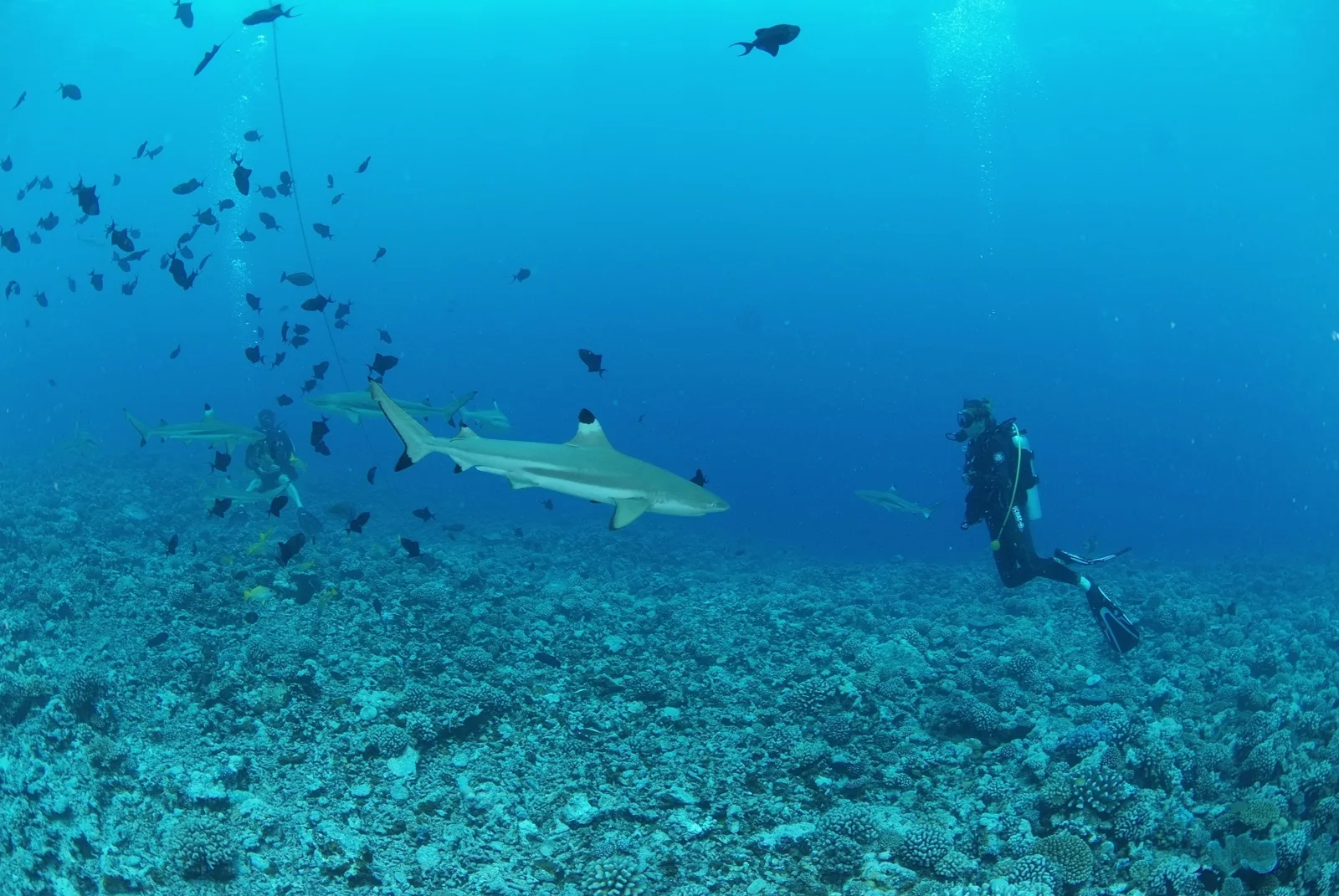
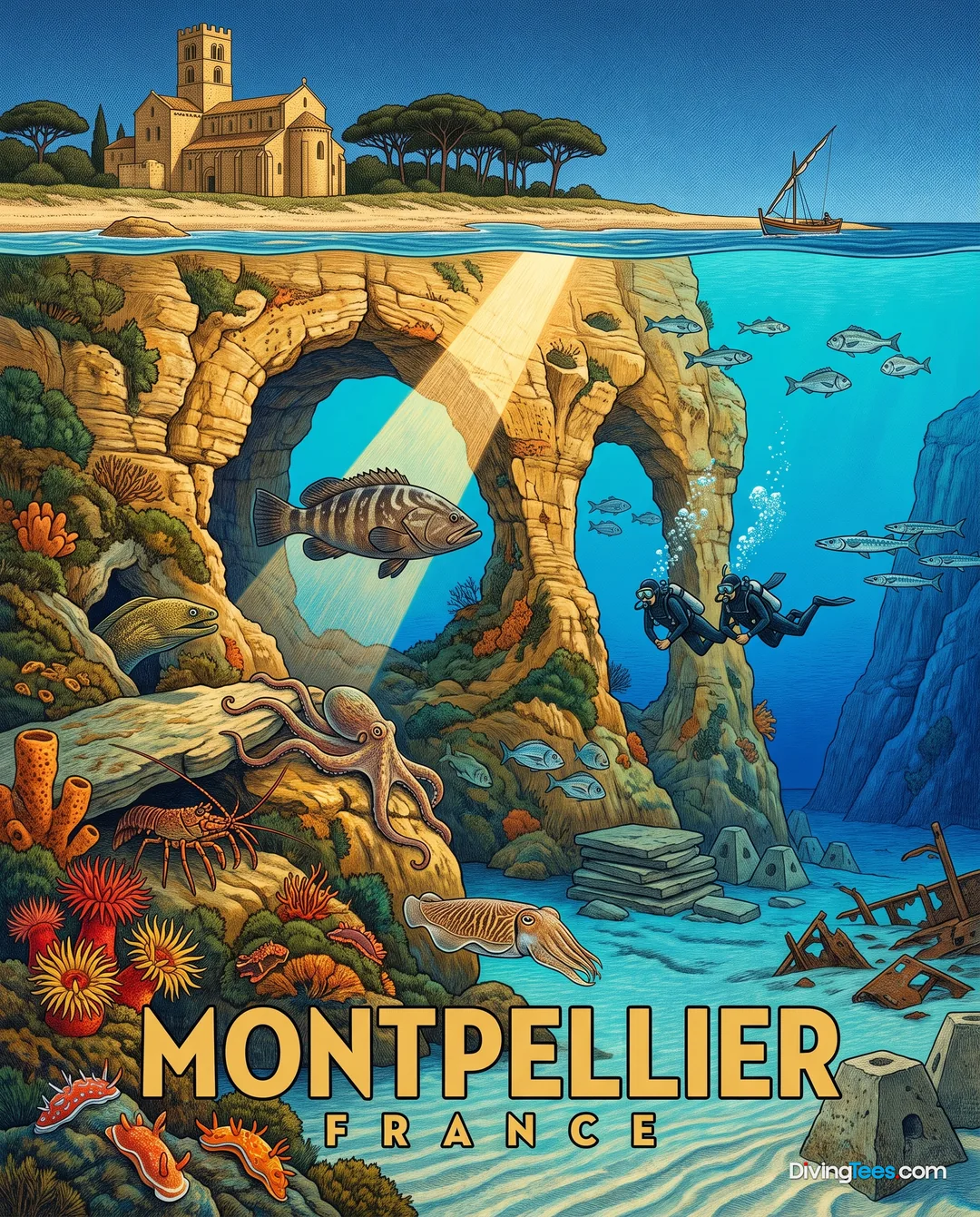
Pierre Aux Loups, also known as La Pierre aux Loups, presents itself as a distinct rocky outcrop rising from a sandy bottom at a maximum depth of 20 metres. It’s a relatively small, compact formation, which means the marine life here is concentrated, giving you a dense experience without needing to cover large distances. The rock itself only rises a few metres from the sand, creating ledges and overhangs that offer immediate shelter and hunting grounds for various species once you reach the bottom.
The dive begins with a descent to around 20 metres, where the rock structure becomes clear. As you approach the site, you'll see how this isolated reef acts as an oasis on the otherwise uniform sandy expanse. This isolation is precisely what makes it so biologically active; it draws in species seeking shelter, food, or a place to aggregate, making observation relatively straightforward as they are often close to the rock.
One of the defining features of Pierre Aux Loups is its reputation as a spawning aggregation site for European seabass (Dicentrarchus labrax). While not a year-round phenomenon, encountering groups of thirty or more seabass here during specific seasons is a real possibility. These aggregations offer a unique opportunity to observe their natural behaviour in a relatively calm environment, allowing for extended viewing of these powerful fish.
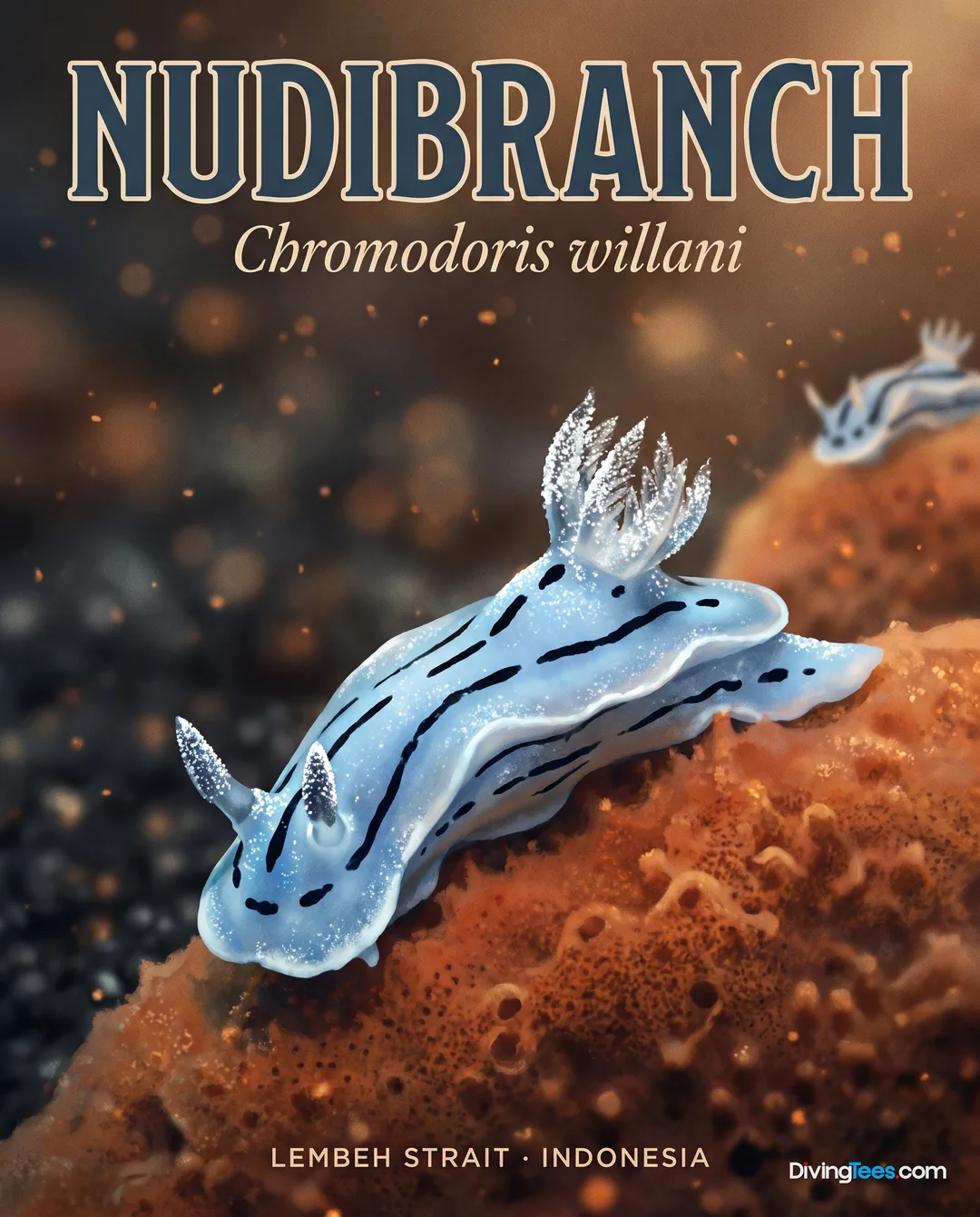
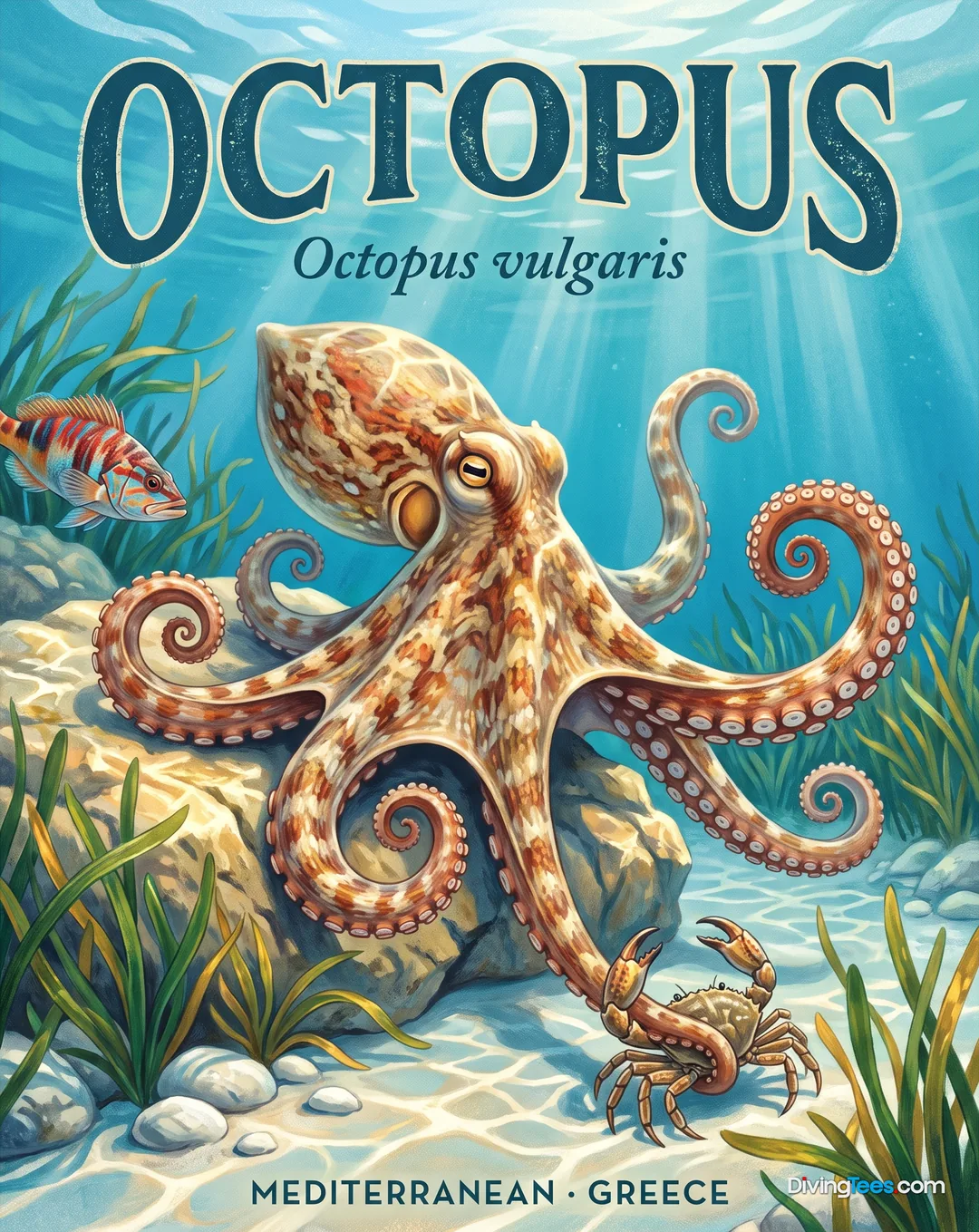
Beyond the seabass, the rock supports a diverse resident population. Expect to find groupers (Epinephelus marginatus) holding tight to the deeper crevices, along with moray eels (Muraena helena) peeking from their holes. Octopuses (Octopus vulgaris) are often camouflaged against the rock, requiring a keen eye to spot, while scorpionfish (Scorpaena scrofa) blend seamlessly with the bottom structure. The smaller, more delicate nudibranchs add splashes of colour across the rock's surface.
Pierre Aux Loups shares a geological and ecological blueprint with the nearby "Pierre à Jacques", located about 200 metres away. Both sites feature very similar architecture and biodiversity, essentially forming a pair of rich, small-scale reefs that are often dived in sequence or as standalone experiences for small groups. This commonality underscores the specific conditions that support marine life in this area, making these twin rocks highly productive habitats.
The current at Pierre Aux Loups is generally light, making for a relaxed dive profile around the rock. Any stronger flow usually coincides with local weather changes rather than being a consistent characteristic of the site. This allows you to take your time exploring the nooks and crannies of the outcrop and observing the resident fauna without fighting a strong push. Visibility typically ranges between 5 and 15 metres, which is sufficient for appreciating the compact nature of the reef and its inhabitants.
This site is accessible from Open Water Diver certification level, with a maximum depth of 20 metres. Current is typically light, making for a calm dive, though occasional stronger flows can occur with weather shifts. Visibility varies between 5 and 15 metres. The best season to dive Pierre Aux Loups runs from April through October, offering the most consistent conditions.
The best season to dive Pierre Aux Loups runs from April through October, when conditions are most consistent. Visibility during this period typically ranges between 5 and 15 metres. This seasonal window suits divers who want to explore the compact rocky outcrop and its marine life with generally calm conditions.
Pierre Aux Loups is accessible from Open Water Diver certification level. The dive begins with a descent to around 20 metres, where the isolated rocky outcrop rises from a sandy bottom. The site reaches a maximum depth of 20 metres, with ledges and overhangs providing shelter for marine life.
Pierre Aux Loups typically has light current, creating a calm dive for relaxed exploration around the rock. Occasional stronger flows can occur when the weather shifts, rather than being a constant feature. Visibility varies between 5 and 15 metres, allowing you to appreciate the compact reef and its inhabitants.
At Pierre Aux Loups, you may encounter European seabass at this known aggregation site, along with resident groupers and moray eels. Look closely for camouflaged octopuses, scorpionfish, and colourful nudibranchs around the rock, ledges, and overhangs. The isolated outcrop concentrates marine life close to the dive route.