Liveaboards · Indonesia
Adelaar — a historic schooner built for small-group diving in Indonesia
What makes this boat unique
- A 1902 Dutch schooner, refitted in 2011 with a classical teak interior and four en-suite cabins.
- The boat carries a maximum of eight guests, supported by a large Indonesian crew, a cruise manager and a divemaster.
- Three Bauer Capitano compressors, aluminium DIN tanks, a membrane nitrox system and two dive tenders serve the diving operation.
- Routes run through Komodo, Raja Ampat, the Banda Sea, Alor, Triton Bay and Kaimana, with trips lasting from 7 to 11 days on the listed departures.
For subtitles in English: start the video firstthen click the gearat the top right of the video, select “Subtitles/CC”, then “Auto-translate” and choose “English”.
The invitation
Adelaar is for divers who want Indonesia's remote sites without giving up the feel of a proper yacht. She began life as a cargo schooner in 1902, crossed oceans under sail, and now carries only eight guests through Komodo, Raja Ampat, the Banda Sea and Triton Bay. That history is not a painted theme: it sits in the vessel's proportions, the teak-lined interior and the way the crew still treats the boat as a working ship. The reason to choose her is the combination of a small guest group and a full dive operation, with enough crew to prepare equipment, run tenders and adapt the programme to the conditions. She also suits a mixed group. Non-divers and snorkelers are welcome, with kayaks, stand-up paddle boards, land excursions and a naturalist guide alongside the diving. This is not the choice for someone looking only for the newest hull. It is for someone who wants old-boat character, serious sites and a crew large enough to make the practical parts disappear.
Boarding
The first surprise is the boat's age. Adelaar was built as a Dutch cargo schooner in 1902, later crossed the Pacific and reached Indonesia in 1993; the current interior came from a major renovation completed in 2011. Her working past remains part of the character, while the inside has been rebuilt in classical yacht style, with paneled teak walls and high ceilings rather than a bare expedition-boat finish. Boarding leads into a vessel that feels made for moving through, not for filling with people. The small guest complement matters immediately: the crew can handle equipment and transfers without a queue forming around every task. The ship has a Dutch schooner rig, but the published operation describes her as a powered liveaboard, cruising at 6.5 knots. The bridge is open to guests, so navigation is not hidden behind a closed door. Adelaar looks back, but she is run as a current dive boat.
The atmosphere on board
Adelaar's atmosphere comes from the ratio of people working to people travelling. With eight guests at most and a crew that includes ten Indonesian seamen, a Western cruise manager and a divemaster, help is close without becoming formal. Passengers describe gear being prepared correctly for every dive, warm ginger tea and snacks waiting after the water, and guides who give photographers time rather than pushing them through a site. That changes the social shape of a week: the same crew handles the small practical details repeatedly, so trust builds quickly. Evenings are less about organised entertainment than about the outdoor lounge, conversation, humour and the occasional drink after the last dive. The boat's age gives the setting its character; the crew supplies the ease. Reviews place the crew slightly below the boat in scoring, but that still means the people are one of Adelaar's strongest reasons to book her.
The sites you’ll dive
The site portfolio moves from Bali and Komodo country toward Raja Ampat and Kaimana, with listed departures from Bali, Labuan Bajo, Maumere, Ambon, Sorong and Kaimana. Trips run from 7 days and 6 nights to 11 days and 10 nights, depending on the route. In Bali, Manta Point reaches -40m and centres on manta cleaning stations; Batu Kelebit drops to -60m between pinnacles rising from white sand, with pelagic fish and coral; Bias Tugel reaches -30m for coral slope life and pygmy seahorses; Gili Mimpang, Gili Biaha and Gili Tepekong each reach -40m, bringing walls, a volcanic cave and current-affected reef respectively. Coral Garden de Tulamben reaches -30m and mixes natural reef with artificial structure; Crystal Bay reaches -45m, with Mola Mola and a bat cave; Blue Corner and Jangka Point reach -30m. In Raja Ampat, Manta Sandy focuses on cleaning stations and Mike's Point reaches -40m with overhangs, soft corals and eagle rays. Kaimana adds Saruenus Island's strong-current soft corals and Bo's Rainbow to -16m.
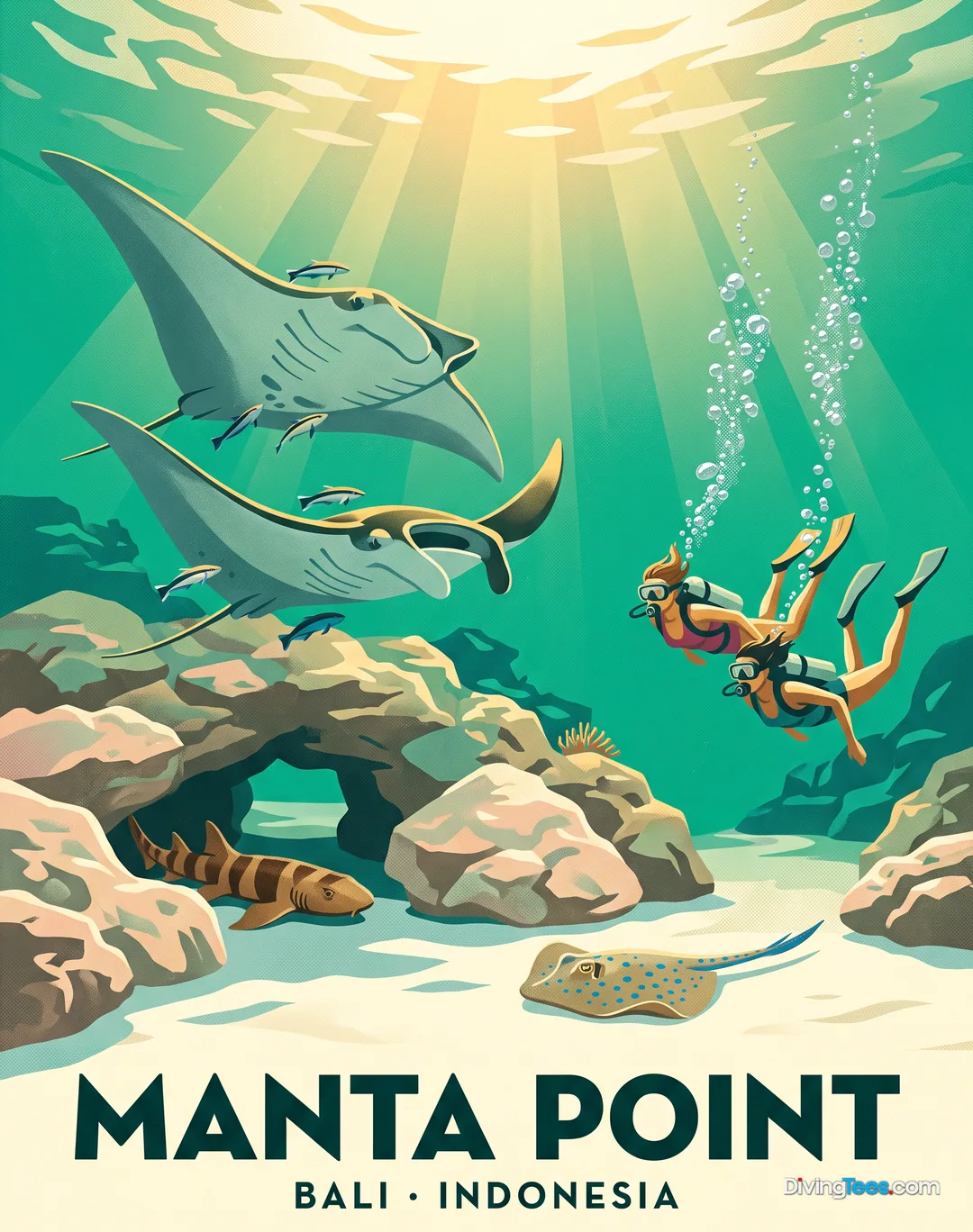
Manta Point →
Max. depth · 40 m
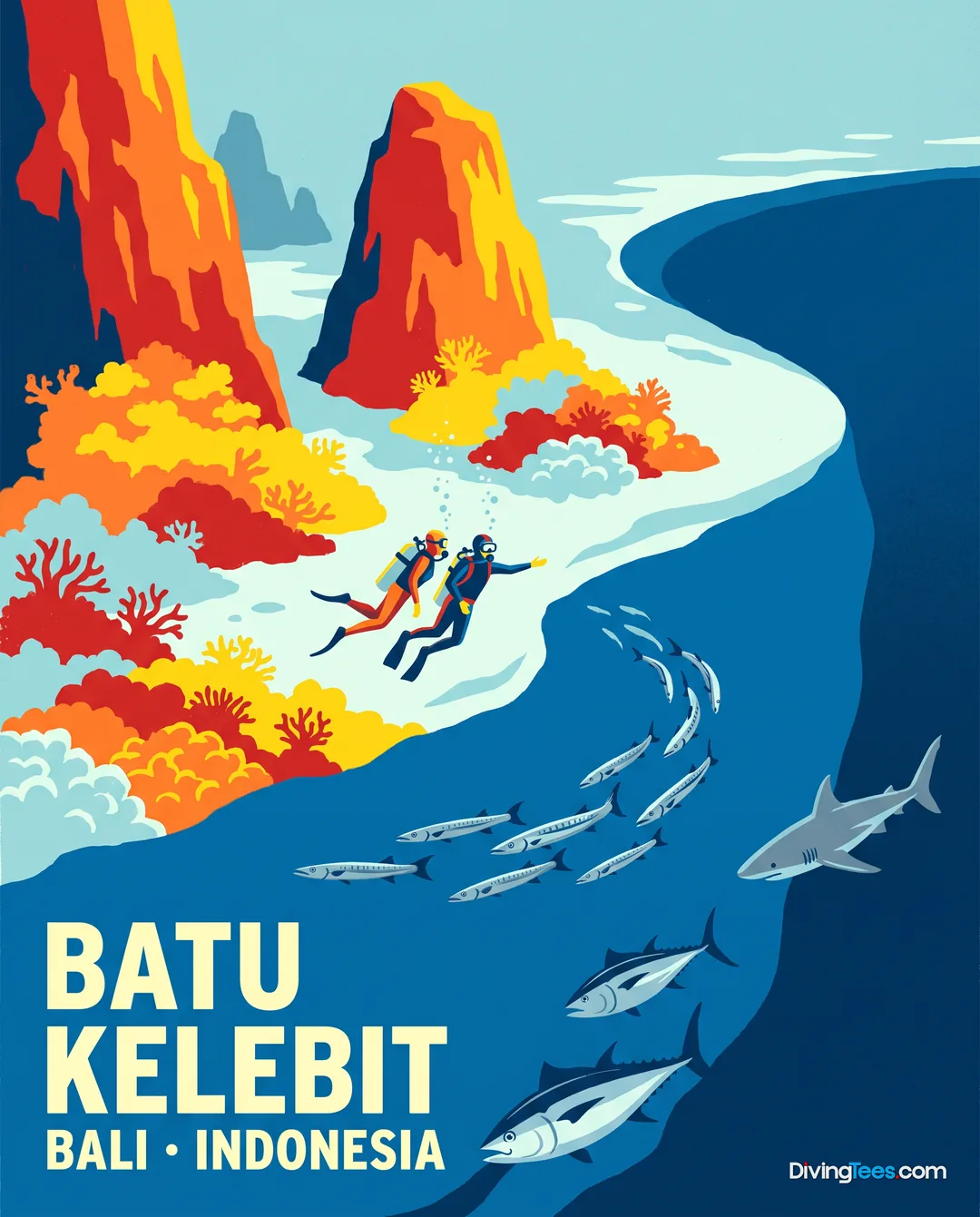
Batu Kelebit →
Max. depth · 60 m
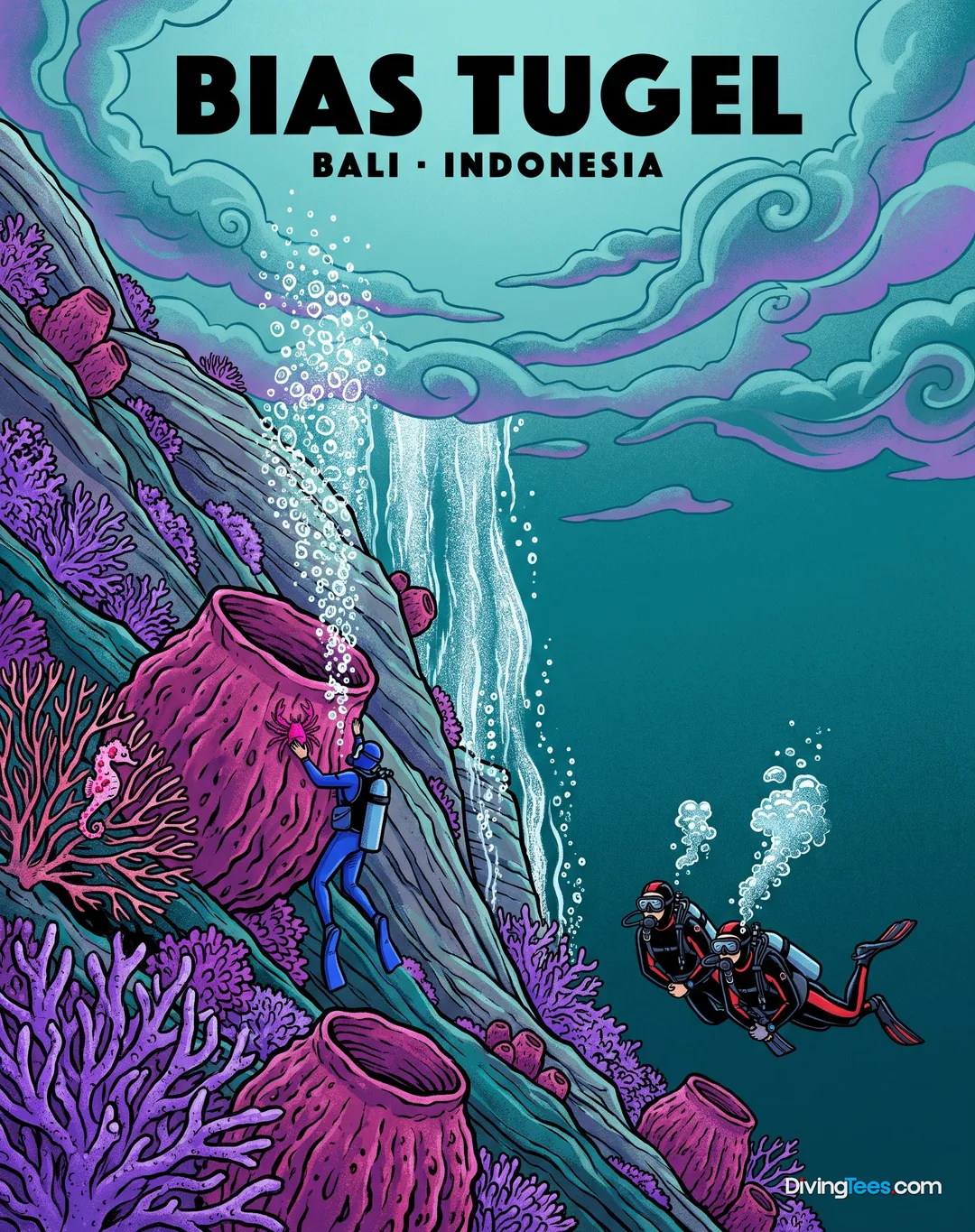
Bias Tugel →
Max. depth · 30 m
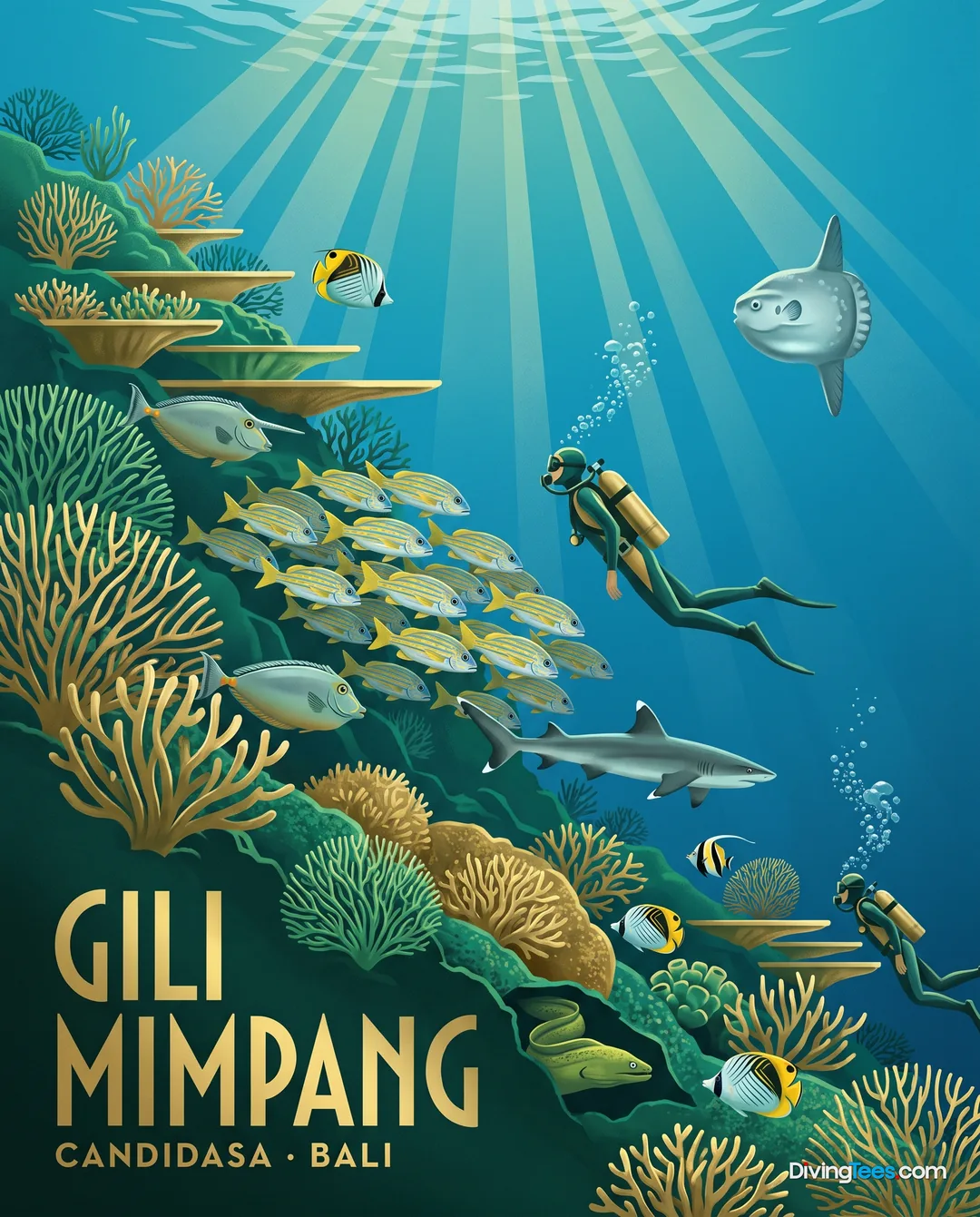
Gili Mimpang →
Max. depth · 40 m
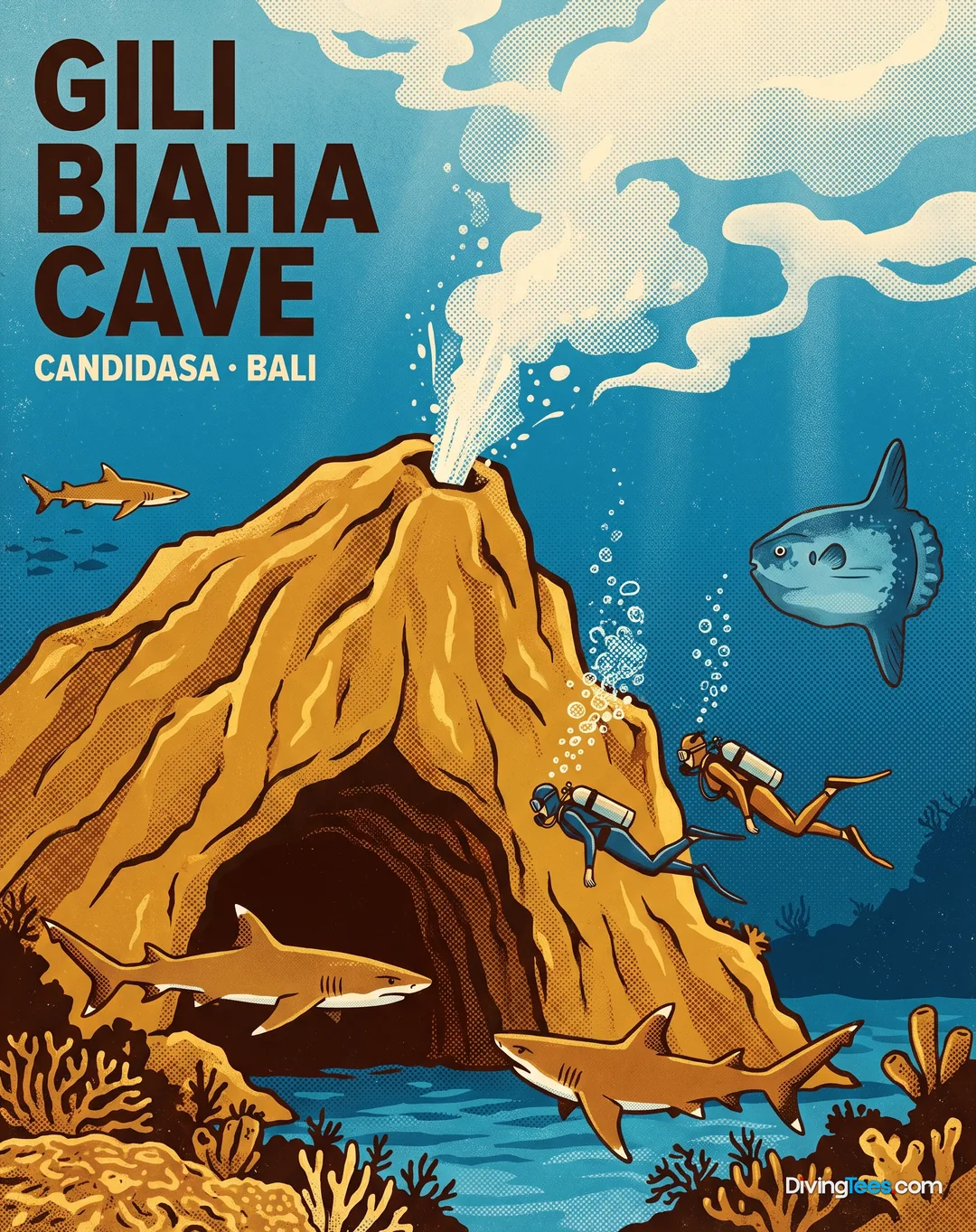
Gili Biaha →
Max. depth · 40 m
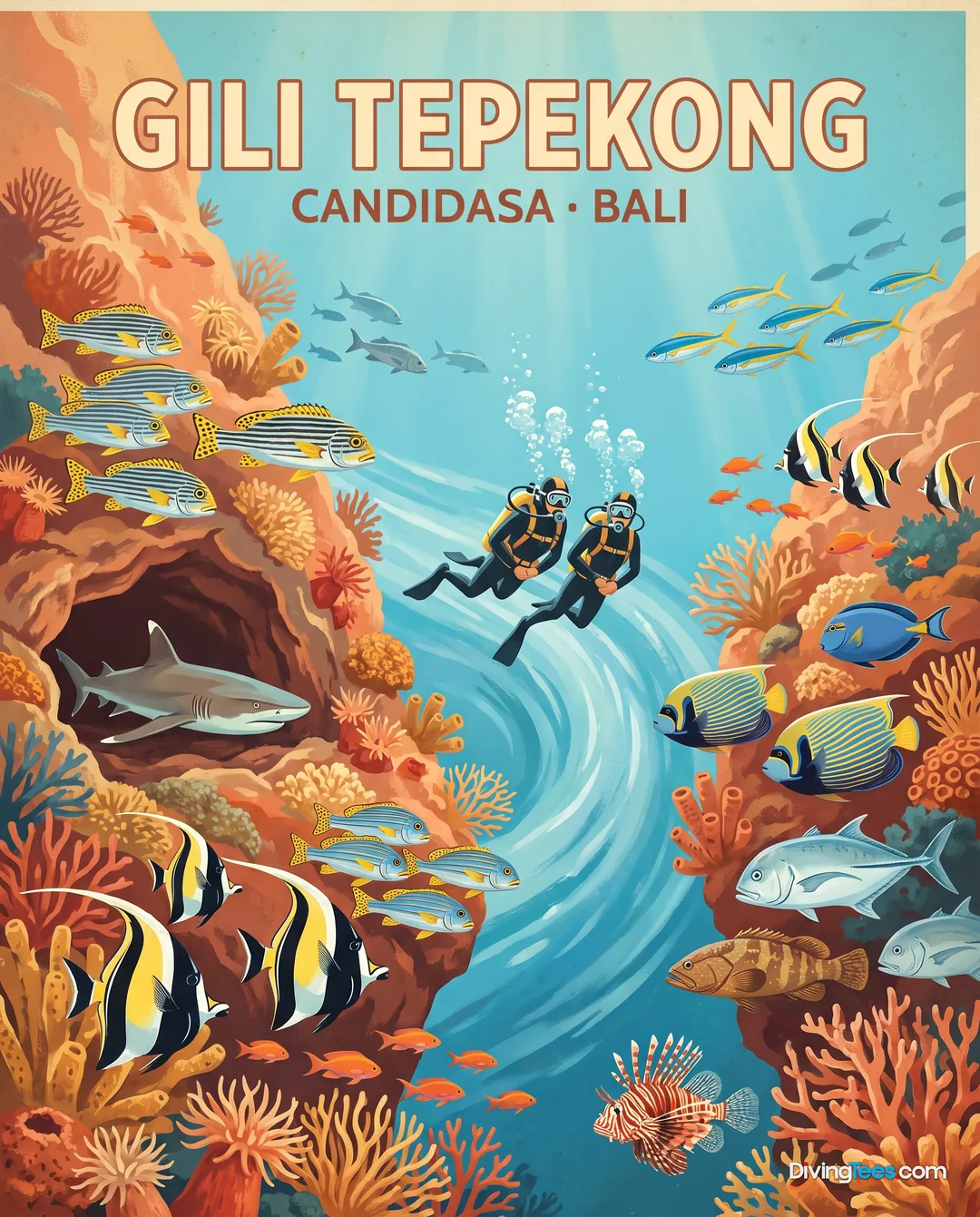
Gili Tepekong →
Max. depth · 40 m
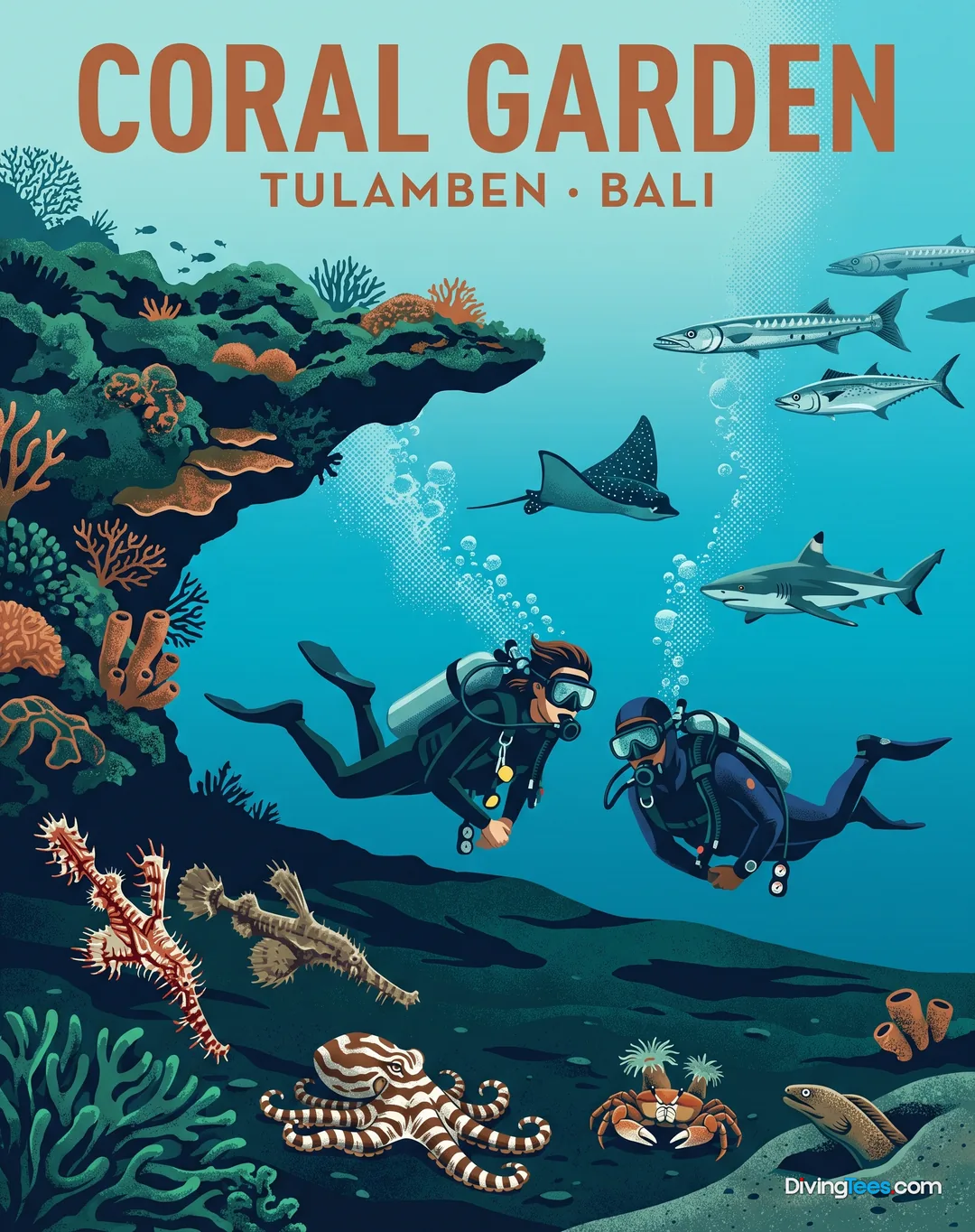
Coral Garden de Tulamben →
Max. depth · 30 m
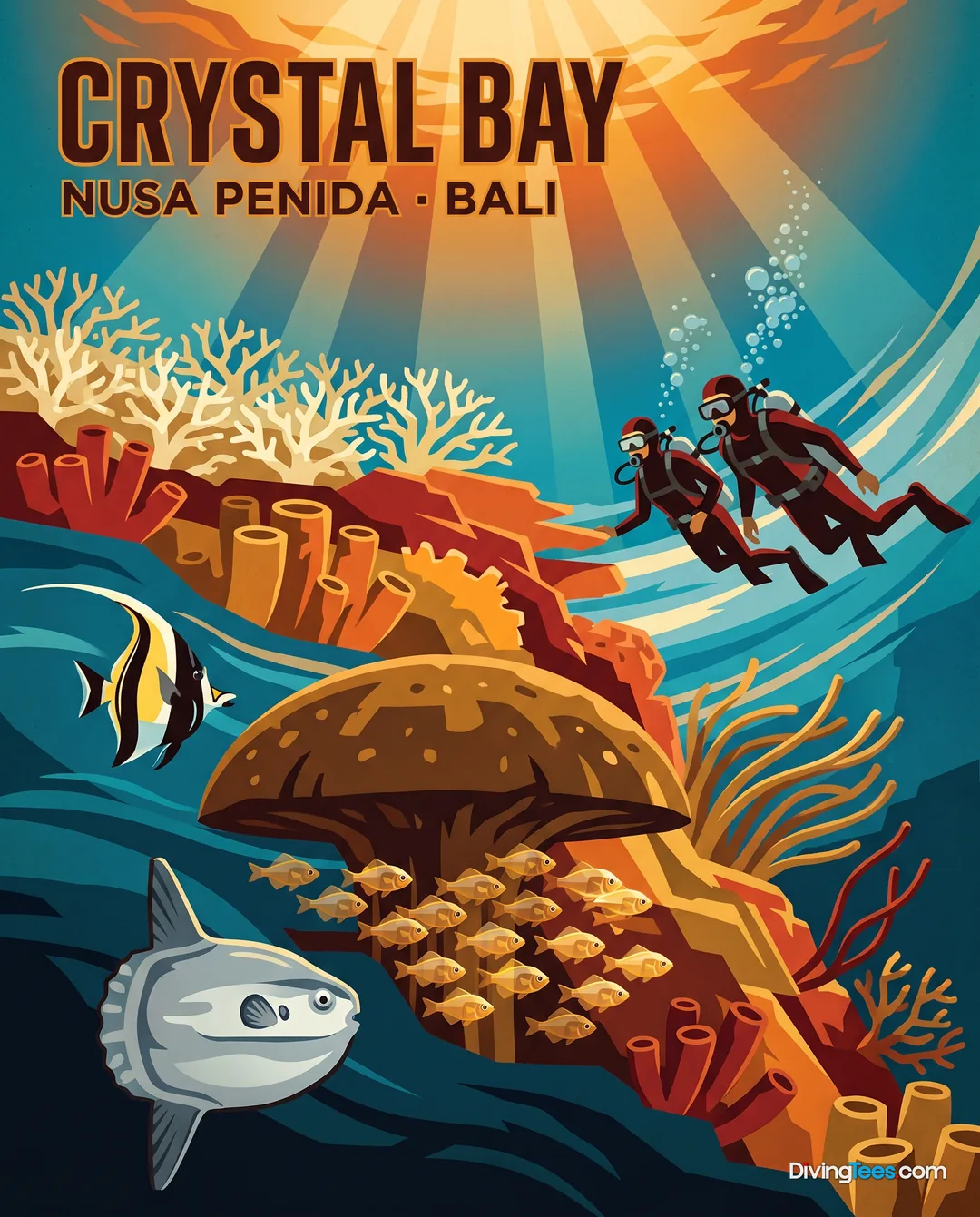
Crystal Bay →
Max. depth · 45 m
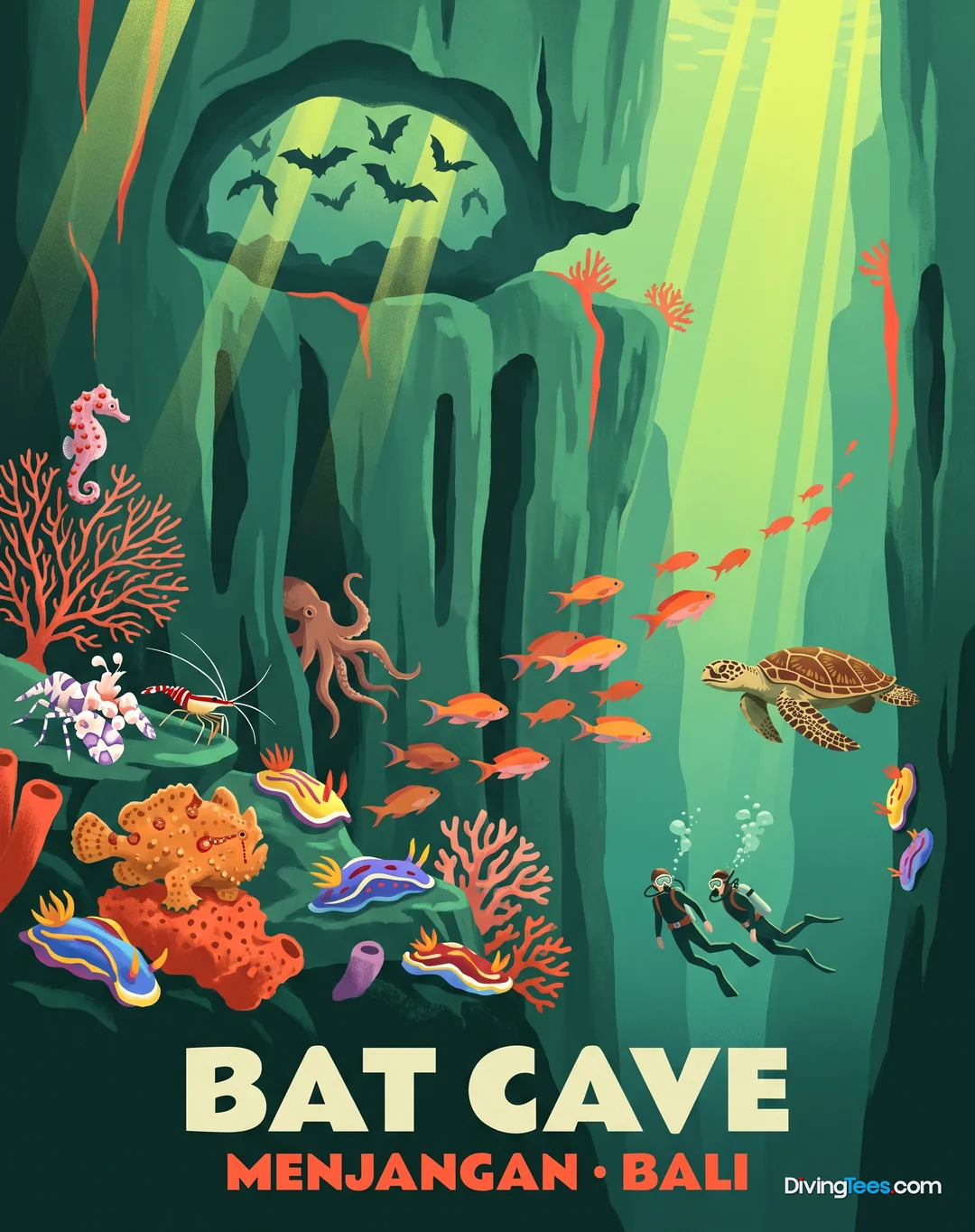
Bat Cave →
Max. depth · 35 m
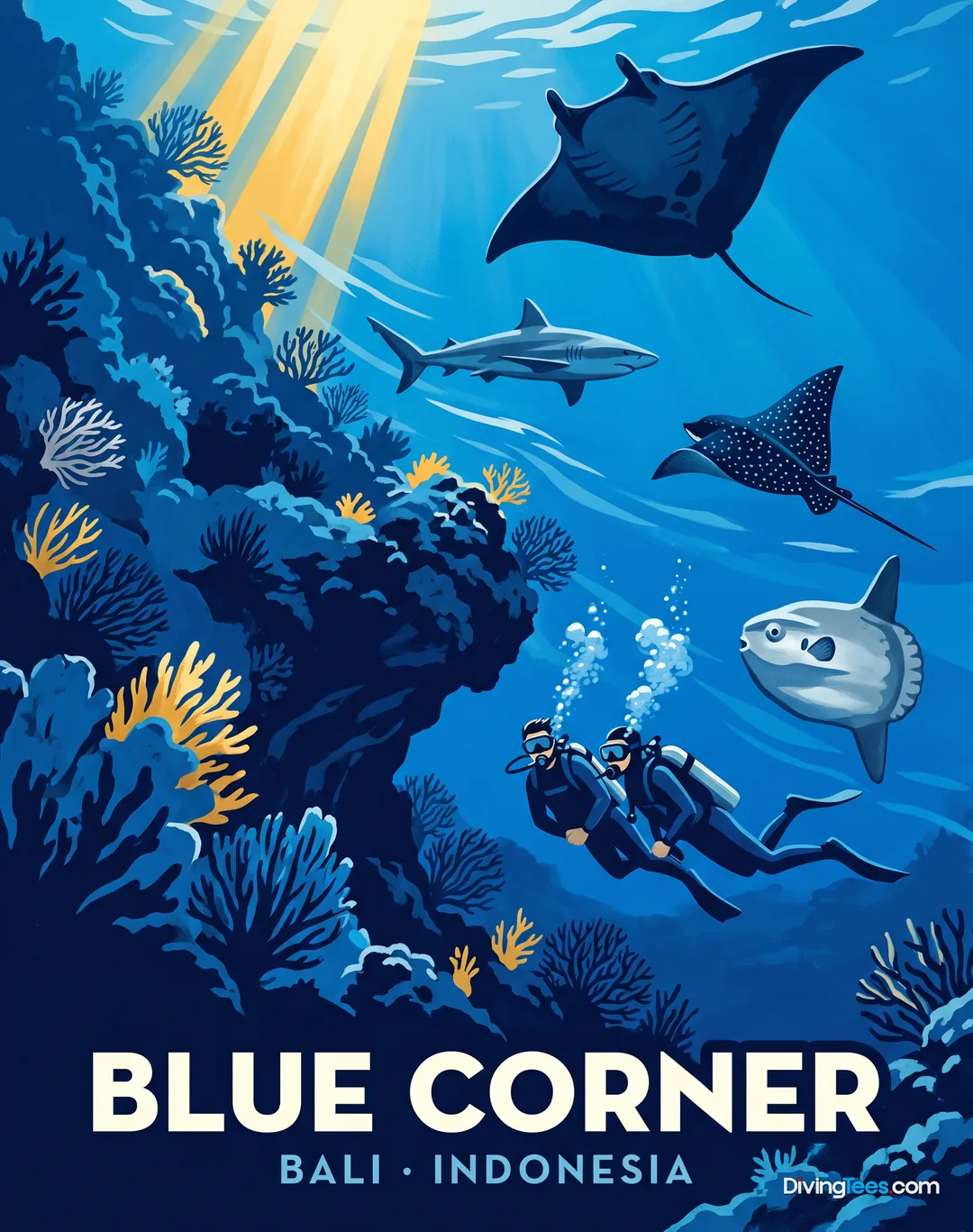
Blue Corner →
Max. depth · 30 m
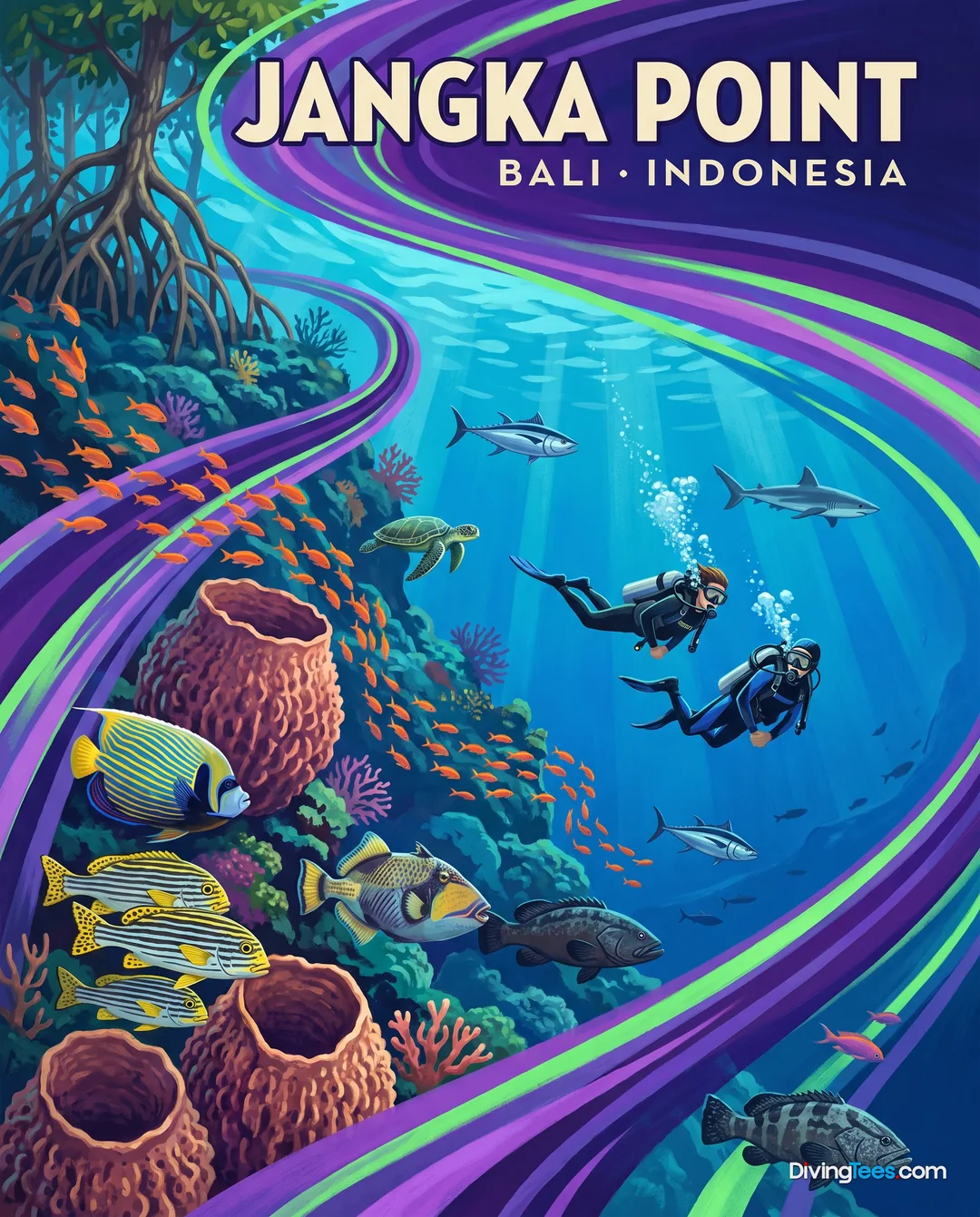
Jangka Point →
Max. depth · 30 m
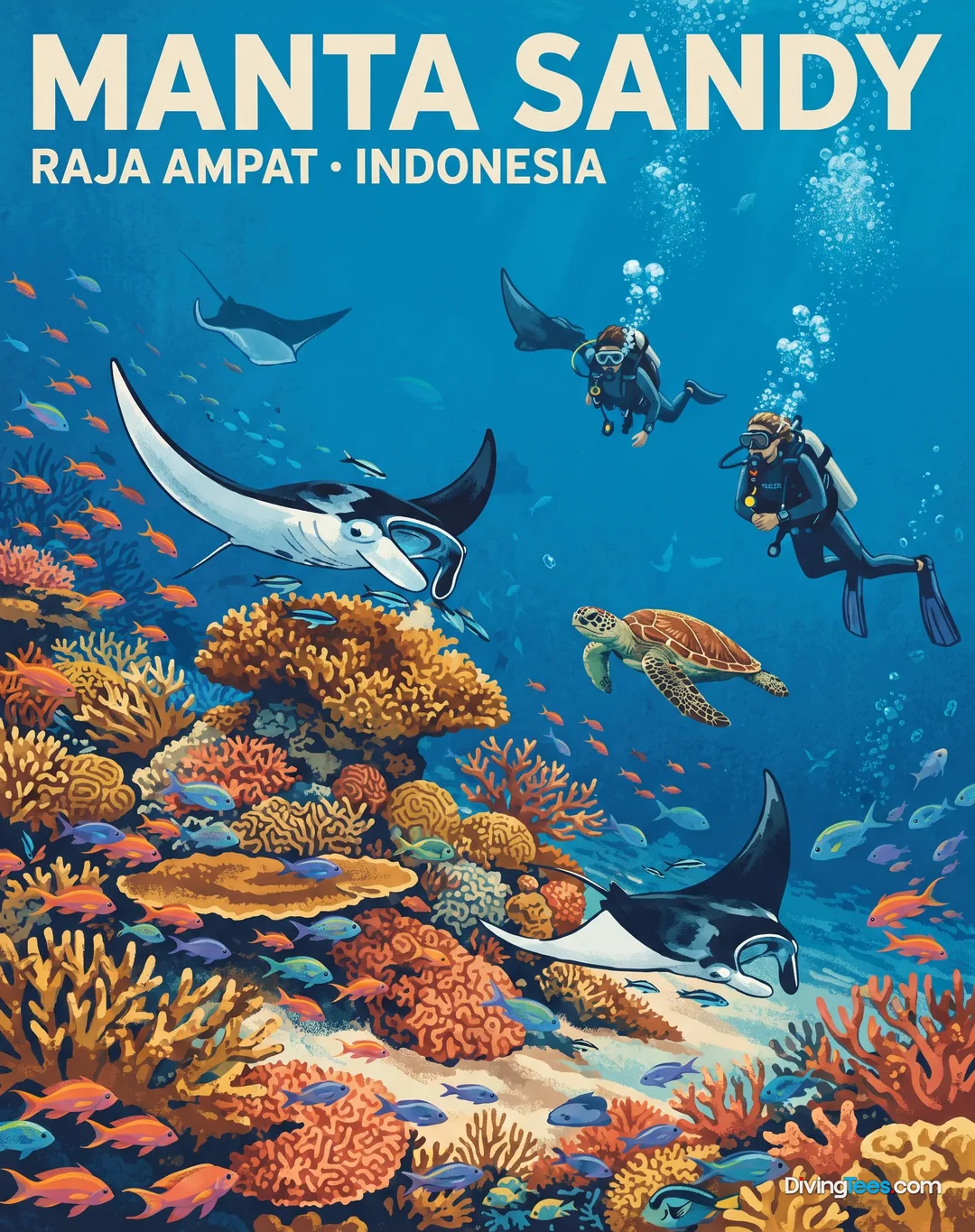
Manta Sandy →
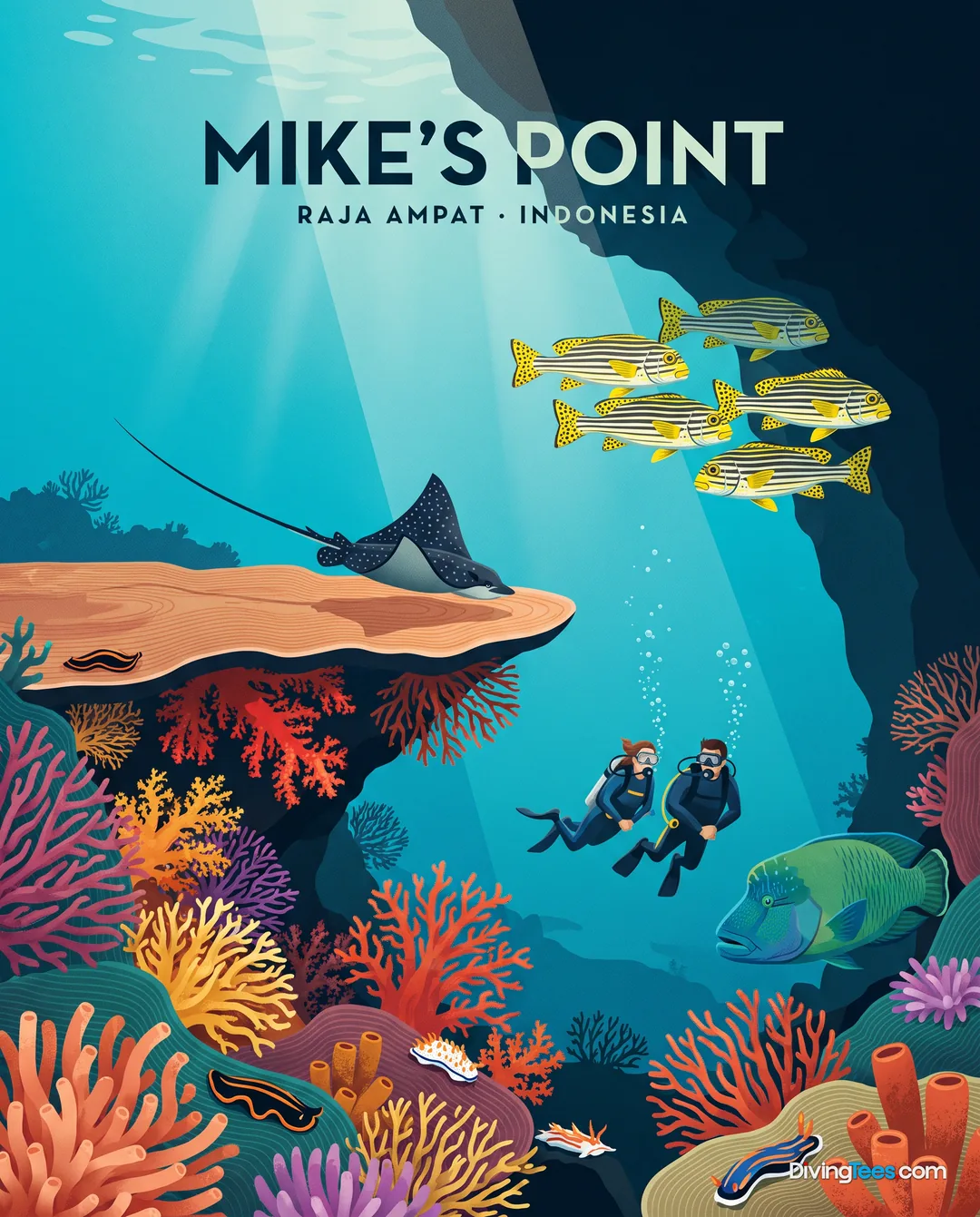
Mike's Point →
Max. depth · 40 m
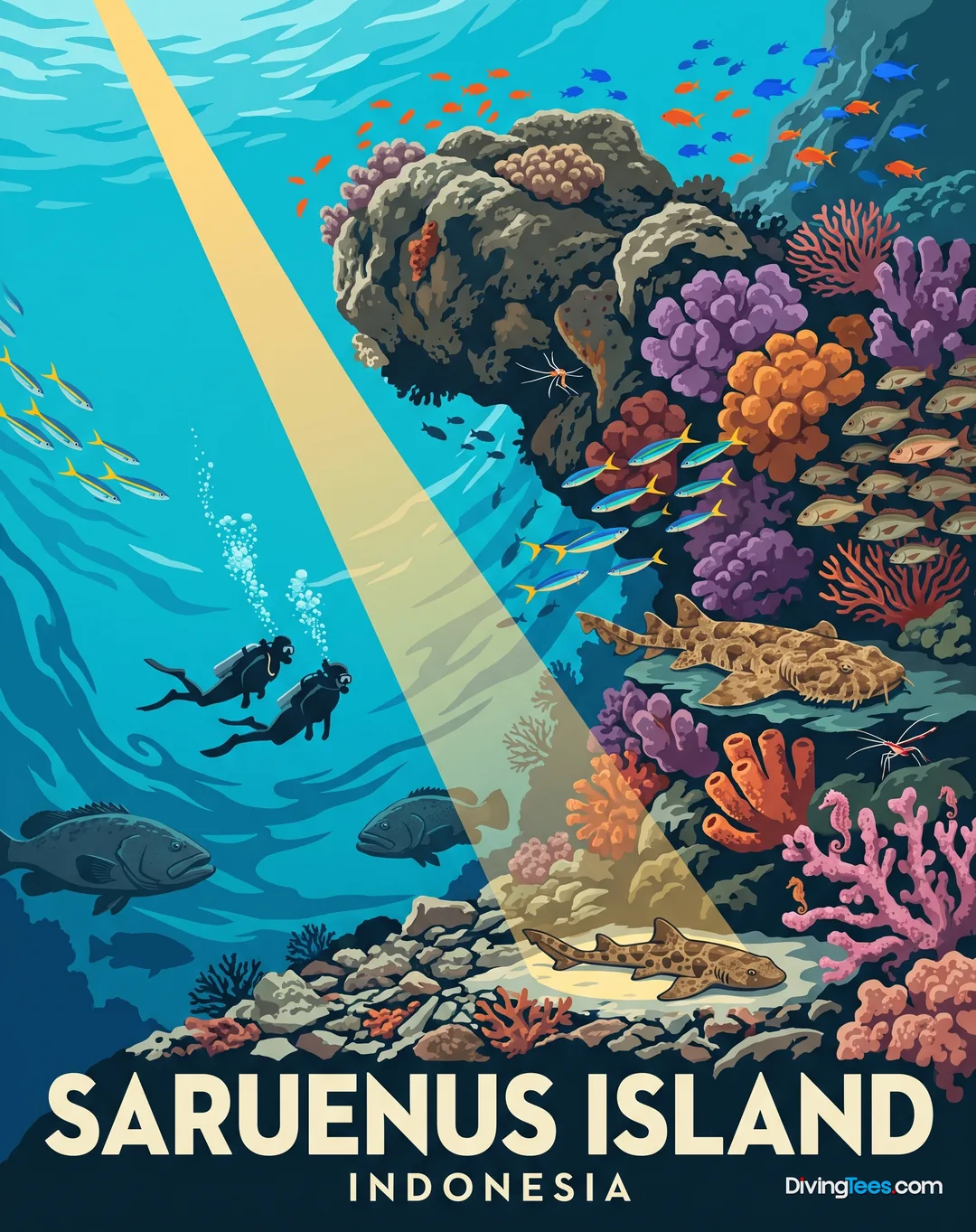
Saruenus Island →
Itineraries, dates and prices
Prices per person. Each month shows its lowest price: click a month, or pick an itinerary.
Next departures · 30 departuresfrom £1,740$2,326€2,078
December 2026
January 2027
February 2027
See dates and prices
If you click these links and make a purchase on the partner site, DivingDeal may earn a commission, at no extra cost to you.
Dates and prices taken from Divebooker and liveaboard.com, updated 24 October 2026
What you’ll meet underwater
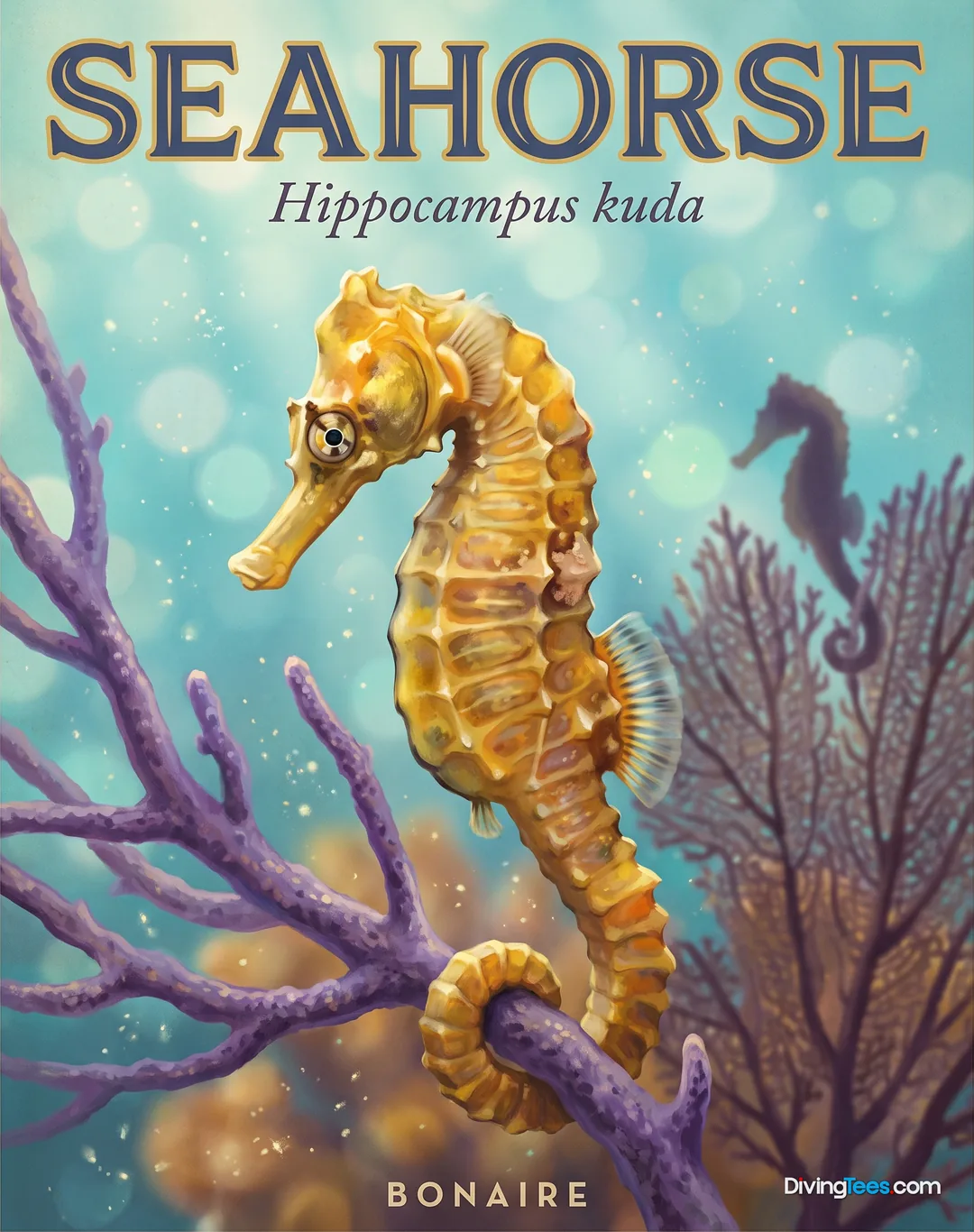
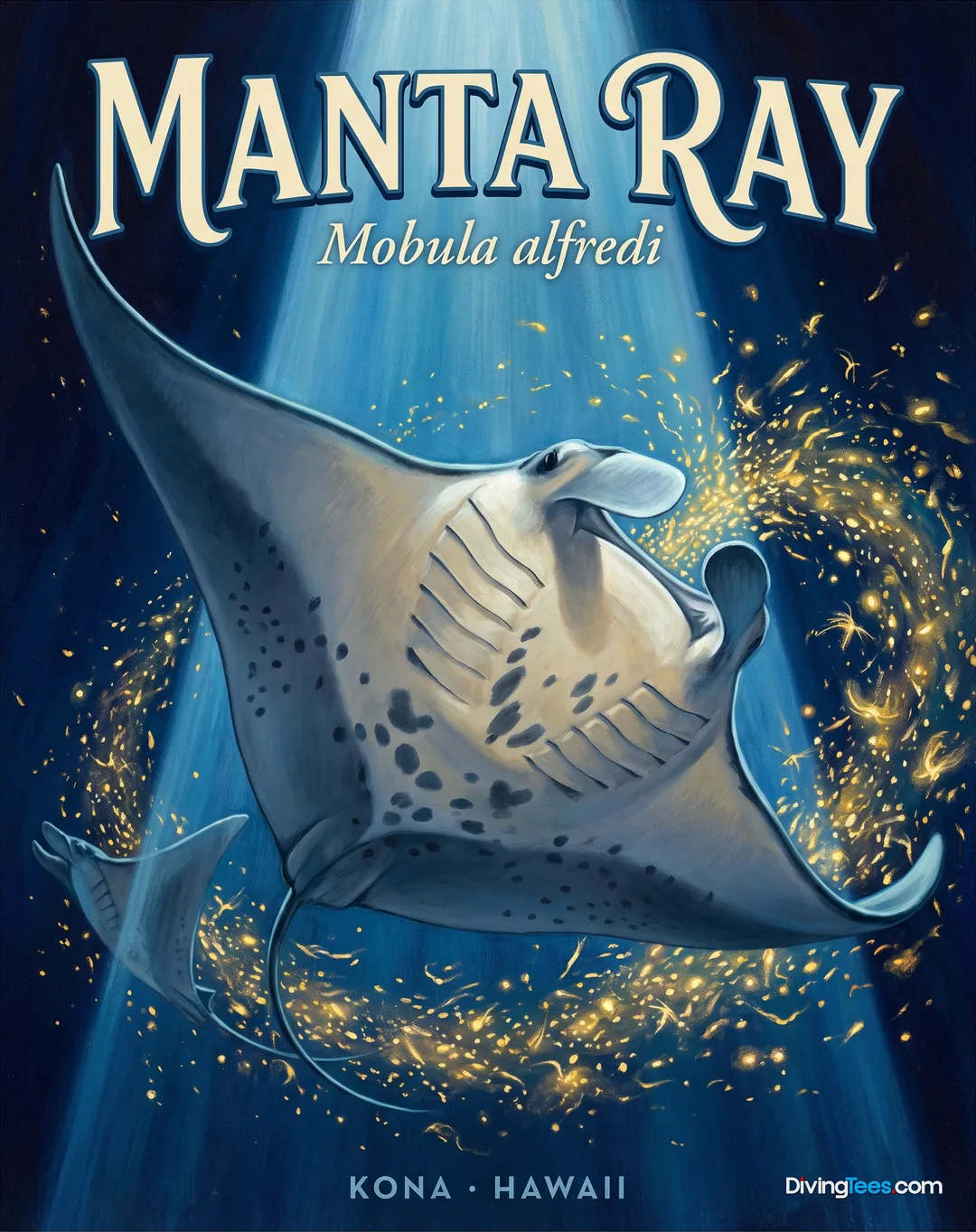
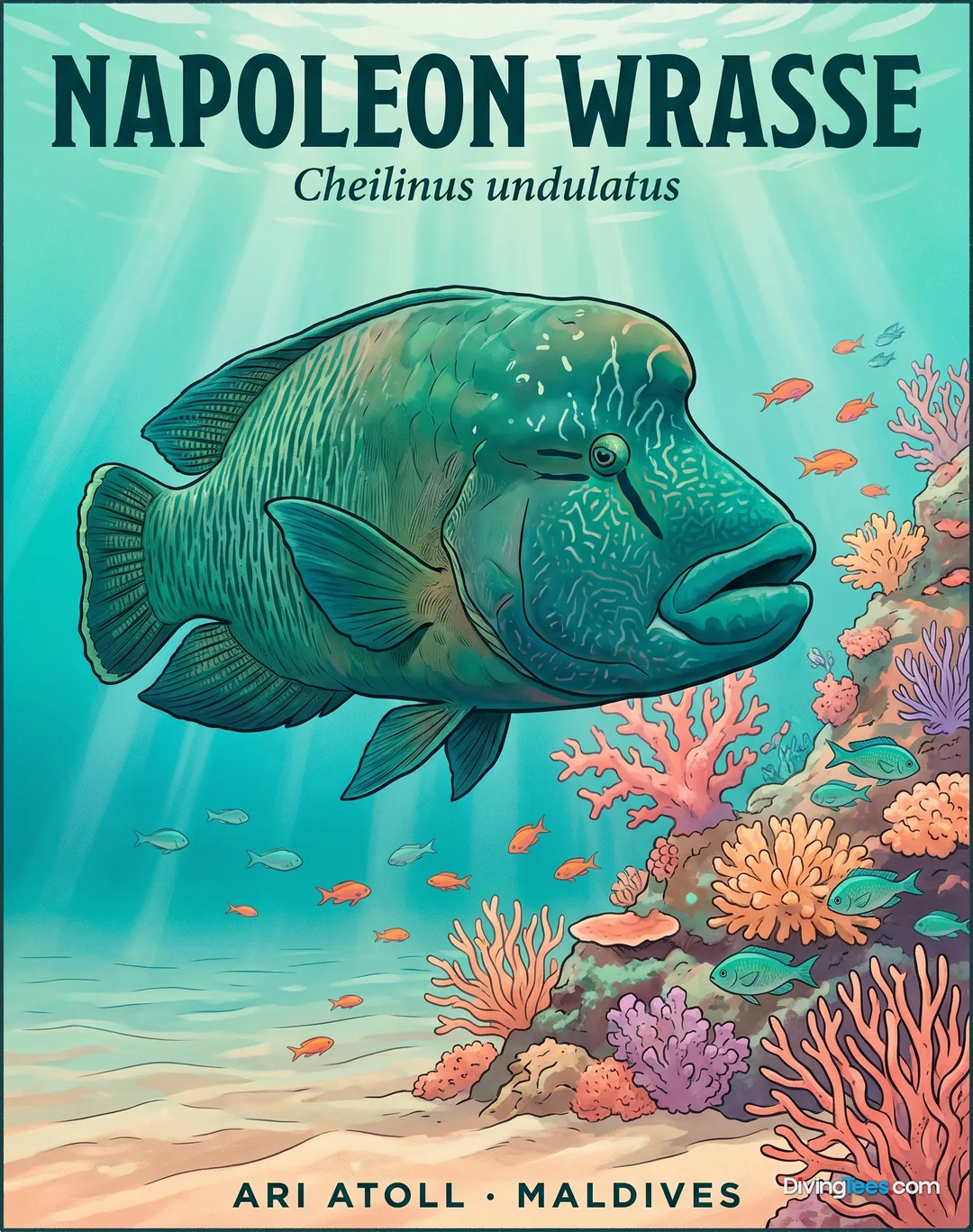
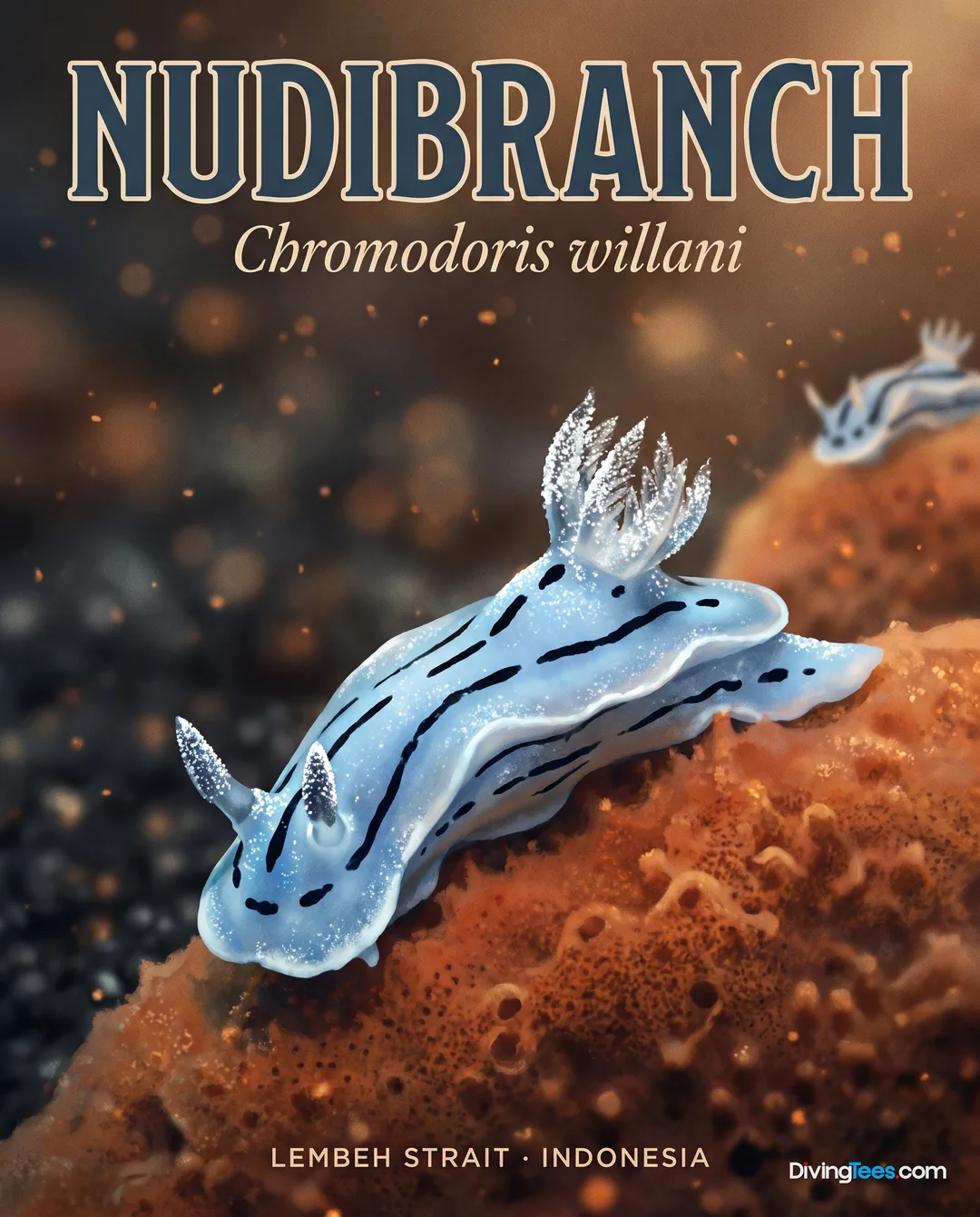
The broad spectacle is large and varied: reef sharks and sea turtles are recorded across much of the route, while Mola Mola, reef manta rays, white-tip reef sharks, barracuda, tuna, Napoleon wrasse, eagle rays, groupers and trevallies appear repeatedly across the sites. Nudibranchs and pygmy seahorses keep the close-looking diver occupied when the pelagics stay out of view. The reason to choose particular sites is more precise. Manta Point and Manta Sandy are built around cleaning stations, where mantas may hold position for divers and snorkelers. Gili Mimpang and Gili Biaha offer chances for white-tip reef sharks and Mola Mola; Crystal Bay adds the green turtle, garden eel, seahorse and squid among its more specific records. Coral Garden de Tulamben is the place for eels, anemones and triggerfish. Saruenus Island is the only listed site for giant grouper, while Batu Kelebit is the place associated with gorgonians. Strong current at Blue Corner and the Canyon at Gili Tepekong is part of why larger animals use these sites, but it also demands respect.
Who puts you in the water
The dive team consists of a Western cruise manager who is a PADI dive instructor and a divemaster, working with the Indonesian crew. The wider crew speaks English, German, French and Indonesian, and the French-language operation also identifies a francophone PADI instructor. Briefings are handled by the dive team and adapted to the group's experience and wishes rather than treated as a fixed script; the crew also works to place dives when sites are less crowded. The close-to-one crew-to-passenger ratio means assistance is available before and after the dive, but the published information does not set a fixed diver-to-guide ratio, minimum logged-dive count or certification level. PADI courses can be arranged on board, and a private dive guide is an optional extra. Safety equipment includes medical oxygen, an ambu bag, first-aid kits, life rafts, an EPIRB, flares and crew trained in first aid. A defibrillator and a formal recall system are not listed.
The dive deck and the gear
The dive operation is built around three Bauer Capitano compressors and aluminium 80-cubic-foot tanks fitted with DIN valves; the valves can be converted to INT, and 100-cubic-foot tanks can be requested. Nitrox comes from a membrane system and is available as an optional extra rather than included by default. The shaded dive area has tank and equipment handling space, a platform and separate rinse facilities for cameras. There is a dedicated camera room, charging stations and a separate camera rinse tank, so photographers do not have to compete with general gear for the same basin. Two aluminium tenders, each with a 60HP Yamaha outboard, carry divers to the sites and are manned by two crew members; that is the part of the system that keeps entries and pickups away from the main hull. Rental equipment is available, but brands and a full rental inventory are not listed. The boat carries assorted spare gear, while the cabins and deck have separate towel supplies.
Between dives
Between dives, Adelaar gives guests several ways to come down from the water without leaving the boat. The shaded dive area is the practical centre, while the air-conditioned salon provides a cooler place to read, edit photographs or simply sleep. The outdoor lounge and terrace are better for watching the islands slide past, and the bridge offers a closer look at navigation, with the captain and crew available for conversation or a game of chess. A two-person kayak and stand-up paddle boards can be used in suitable bays, and land excursions and naturalist-led outings add something beyond the reef. Strong currents around Komodo and Alor mean paddling is not a matter of launching anywhere and going wherever the mood takes you; the crew recommends close support from a tender when needed. The quieter hours therefore have structure, but not pressure.
A day on board
A day aboard is organised around the dive programme rather than a sightseeing timetable. The first briefing comes before the first entry, with the crew already working through tanks, weights and equipment. After the dive, the tender brings divers back to the platform, where the shaded area becomes a place to strip gear, rinse cameras and take the offered drinks and snacks before the next meal. Repositioning happens while guests eat, rest, photograph or sit on the terrace, and the captain may be visible at work from the bridge. The sequence repeats through the planned dives, adjusted to currents, weather, experience and the sites the team wants to reach. When there is an afternoon without a dive, the gap belongs to a kayak, paddle board, land excursion, naturalist outing or a quiet hour in the salon. The day ends with dinner and the boat settled in its next anchorage or underway for the following site.
What you eat aboard
The galley serves full-board meals built around both local Indonesian and Western cooking, with chefs trained to prepare refined food rather than simply feed a dive group. Vegetarian and vegan options are available, and snacks are served throughout the day, which matters more than elaborate presentation once divers are moving between entries. Non-alcoholic drinks, drinking water, tea and coffee are included; beer and a selection of wines are available separately. Meals can be taken outdoors, and the dining service is described as à la carte rather than a single anonymous buffet. The useful measure here is consistency: passengers report that the food holds up across the trip and that special diets are handled without making them an event. On a boat with a small guest group, the table becomes part of the recovery cycle—eat, hydrate, dry out, then get ready to dive again.
Nights at sea
The four guest cabins are on the lower deck, each with a porthole, private bathroom, hot-water shower and individually controlled air-conditioning. That gives the sleeping spaces a clear practical advantage in a tropical climate: the temperature is yours to set after a long day in a wetsuit. The categories are Stateroom 4, Staterooms 2 and 3, and the Master Suite; the boat's capacity keeps the cabin areas from becoming a corridor of strangers. Teak paneling and high ceilings continue the classical yacht style inside, with an entertainment system available in the rooms. The portholes keep the cabins connected to the sea without pretending they are hotel rooms with large picture windows. Between dives, the air-conditioned salon offers a cooler retreat; outside, the terrace and outdoor lounge carry the boat's more open character. Four bathrooms for eight guests is a useful detail on a full dive schedule.
Stateroom 4
Staterooms 2&3
Master Suite
What to know before boarding
Departures and returns vary by itinerary: listed ports include Bali, Labuan Bajo, Maumere, Ambon, Sorong and Kaimana. Transfers between the closest airport or hotel and the harbour are included, with the exact meeting arrangements provided for the booked route. Because these routes involve domestic connections and changing embarkation ports, arriving in the departure area the night before is the sensible choice. The same applies at the end of the cruise if a flight connection matters.
Deck plan
- Year built
- 1902
- Year renovated
- 2011
- Length
- 38 m
- Beam
- 5.5 m
- Maximum number of passengers
- 8
- Number of cabins
- 4
- Number of bathrooms
- 4
- Engines
- Mercedes Marine Diesel (380 hp)
- Cruising speed
- 6.5 knots
- Tenders
- 2 aluminium tenders with 60 hp Yamaha outboards
- Website
- adelaar-cruises.com ↗
Hello, I'm Marina, DivingDeal.com's AI assistant. I answer in detail about hotels, dive centres and liveaboards.
Thinking about the whole trip and the flights? Talk it over with Edith →
Marina is an AI. Some links are affiliate links: DivingDeal may earn a commission, at no extra cost to you. Bookings are made with the partner.