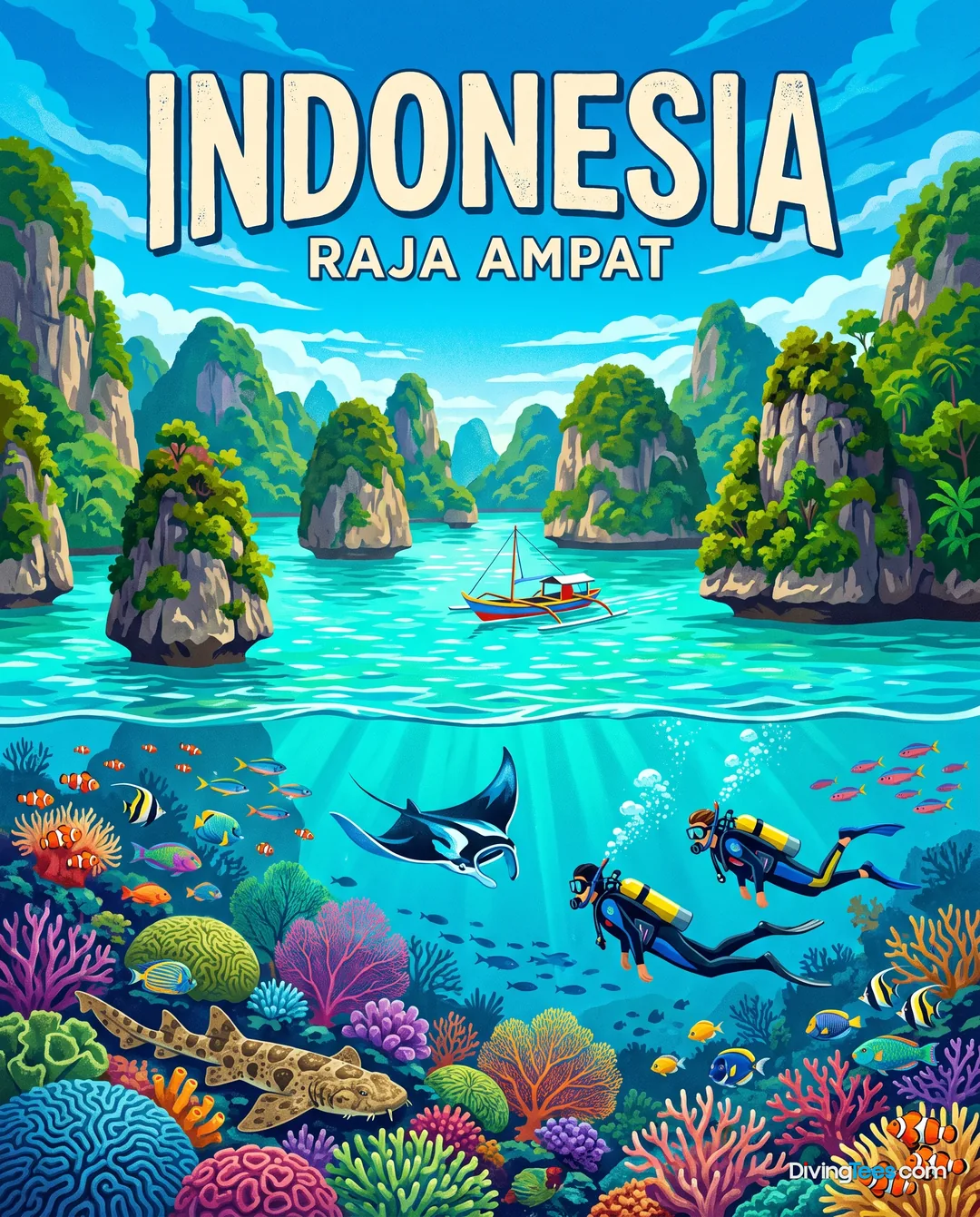
Liveaboards · Indonesia
Cachalo — a modern phinisi built around serious diving
What makes this boat unique
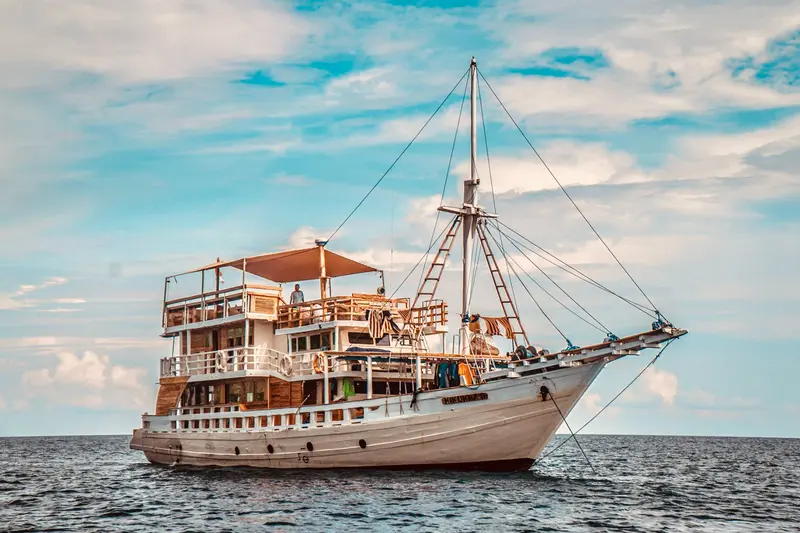
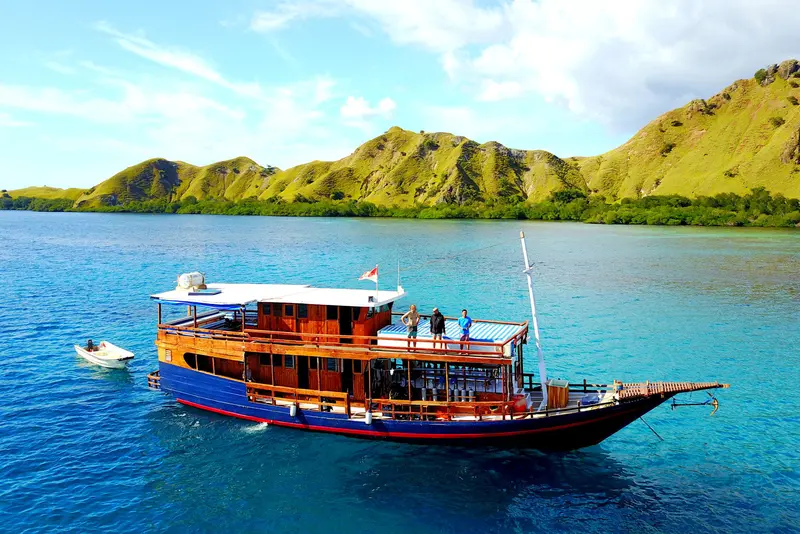
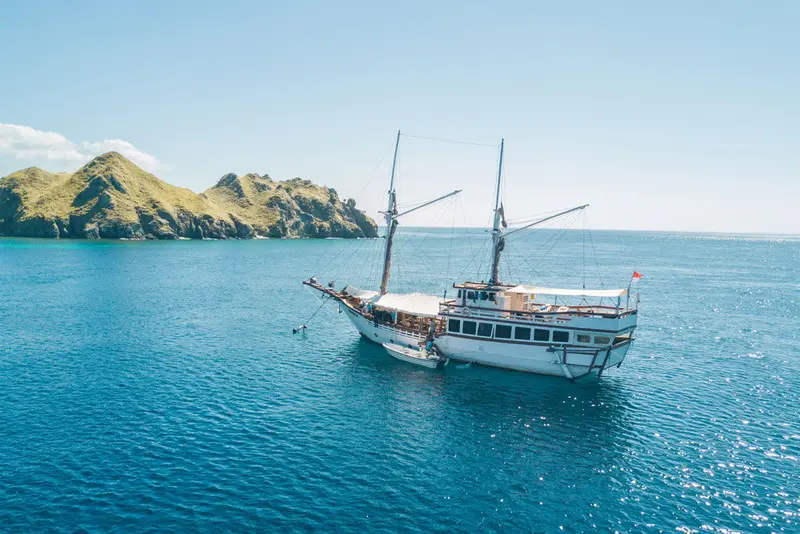
- A 2024 Indonesian phinisi built from ironwood and natural teak, with nine cabins for up to 18 guests.
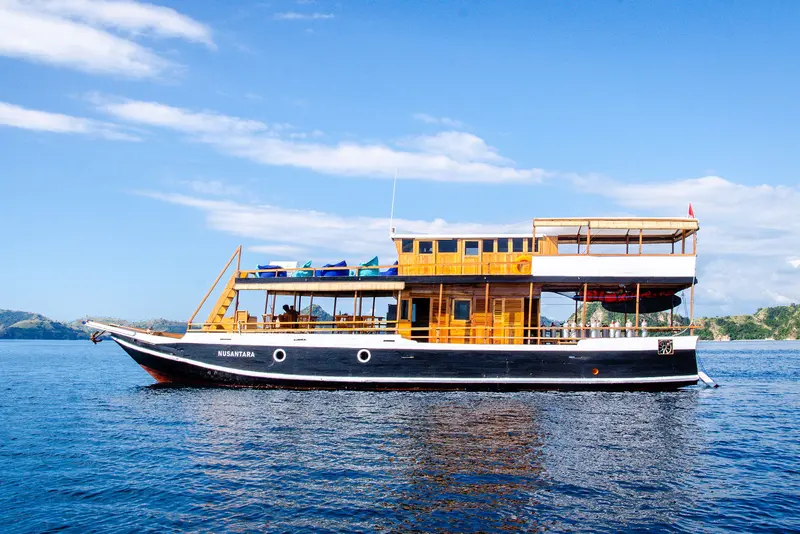
- The dive setup includes free nitrox, a shaded dive area, rinse tanks, a camera rinse, a dive platform and two large diver tenders.
- Routes cover Komodo, the Komodo–Alor crossing, Alor–Ambon, and the Banda Sea.
- Jacuzzi, kayaks, stand-up paddleboards, wakeboards and shore excursions give non-diving hours a clear purpose.
The invitation
Cachalo is for divers who want Indonesia's current-swept pinnacles and walls without giving up the space and finish of a new boat. The traditional phinisi shape and ironwood-and-teak construction give it a real Indonesian identity; the inside is designed as a modern liveaboard, with quiet generators, soundproofed cabins and a dedicated camera area. That combination matters on a crossing or a week of repeated dives: the boat feels made for the sea, but the night does not have to feel like a night in an engine room. Komodo brings coral pinnacles and pelagics, while the longer routes continue towards Alor, Ambon and the Banda Sea. Cachalo suits divers who want the boat itself to be part of the trip, but who still judge it by the quality of the water entry, the tender operation and the time between dives.
Boarding
Cachalo makes a strong first impression at the dock. Its traditional Indonesian phinisi construction is not decorative packaging: the hull was hand-built in South Sulawesi from ironwood and natural teak, then fitted out with modern navigation and guest spaces. The result is a boat with visible craft in its woodwork and the clean, unworn feel of a recent build. Inside, the passageways and lounges are arranged for a group rather than a private yacht, but the boat has enough separate areas to keep a quiet corner available. The engines and generators are designed to keep the ride calm, and the navigation equipment gives the vessel a purposeful, expedition-ready feel. Boarding leads naturally from the social interior to the open decks, then down to the diving operation. Cachalo is polished, but it still looks like what it is: a working Indonesian sailing vessel built to move between remote dive regions.
The atmosphere on board
Cachalo is run as a substantial expedition team rather than a small family boat. The captain, engineer, officers, dive instructors, chefs and service staff each have a defined part in the day, and the close crew-to-guest ratio means help is close when tanks, cameras or meals need attention. The atmosphere should suit divers who like a comfortable base without formal hotel distance: briefings and equipment work happen alongside relaxed time in the lounge, on the shaded deck or around the bar. Indonesian teak, warm cabin finishes and open-air dining keep the boat from feeling clinical. In the evening, dinner, footage from the day and the next route naturally become the subjects. The crew speaks English and Indonesian, and the local team adds regional knowledge to the longer crossings. Cachalo's social life is built less around entertainment than around the things a diving group actually discusses: what moved through the current, what appeared on the wall, and where the next descent will begin.
The sites you’ll dive
Komodo National Park is offered as a 7-day/6-night Labuan Bajo return route. Batu Bolong is a tiny pinnacle with exceptional coral cover down to -40m, where giant trevally, Napoleon wrasse and reef sharks move around the reef. Castle Rock reaches -30m on a submerged pinnacle, with white-tip and grey reef sharks, eagle rays and schooling fish drawn to the current. Crystal Rock drops to -30m in the Lintah Strait, where exposed rock and nutrient-rich water can bring reef sharks, giant trevally and manta rays close. Siaba Besar is shallower, to -18m, and suited to slow searches among coral bommies for frogfish, blue-ringed octopuses, seahorses and nudibranchs. Shotgun reaches -25m, with a current pushing divers along a wall where mantas and sharks gather. Tatawa Besar reaches -25m and combines soft coral, green turtles and reef sharks. Cannibal Rock reaches -30m in Horseshoe Bay, mixing macro life with schooling pelagics. The Komodo/Alor crossing runs 9 days/8 nights from Labuan Bajo to Alor. In Alor, Crucifixion reaches -40m, with overhangs, a vertical wall and two pinnacles. Bama Wall reaches -40m and carries corals and schooling fish in the current. Wolang Cavern reaches -40m, moving from grotto systems and macro life to a soft-coral wall. Cathedral reaches -30m, with a swim-through at 25 to 30 metres. Andy's bus stop reaches -25m and drifts into blue water patrolled by giant trevally. Yellow Corner is a high-current alley known for large pelagics, including hammerhead sharks. Other recorded routes are the 9-day/8-night Alor–Ambon crossing and 8-day/7-night Banda Sea voyages from Ambon to Ambon. Bunaken Marine Park, to -40m, adds steep coral walls, turtles and cruising pelagics.
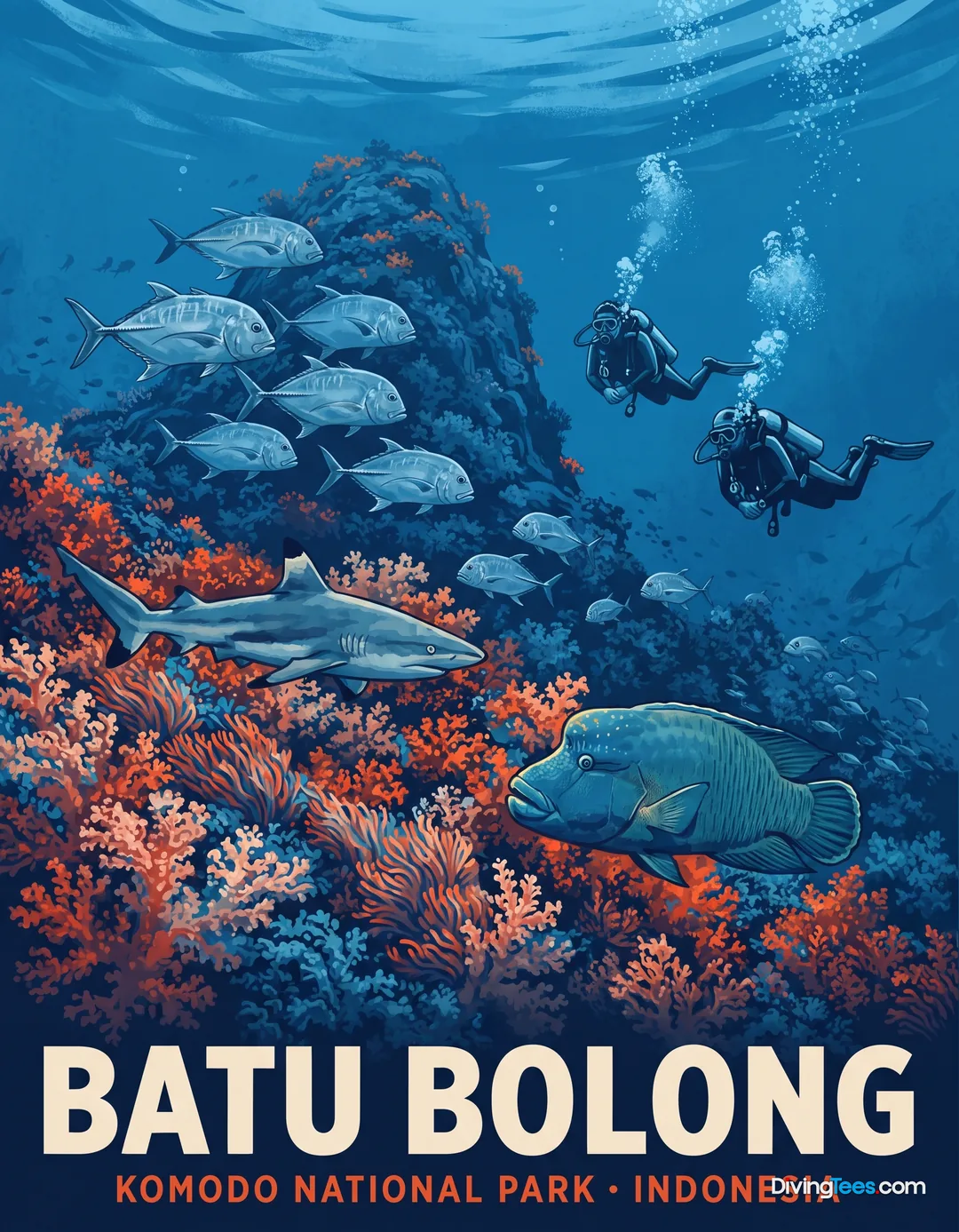
Batu Bolong →
Max. depth · 40 m
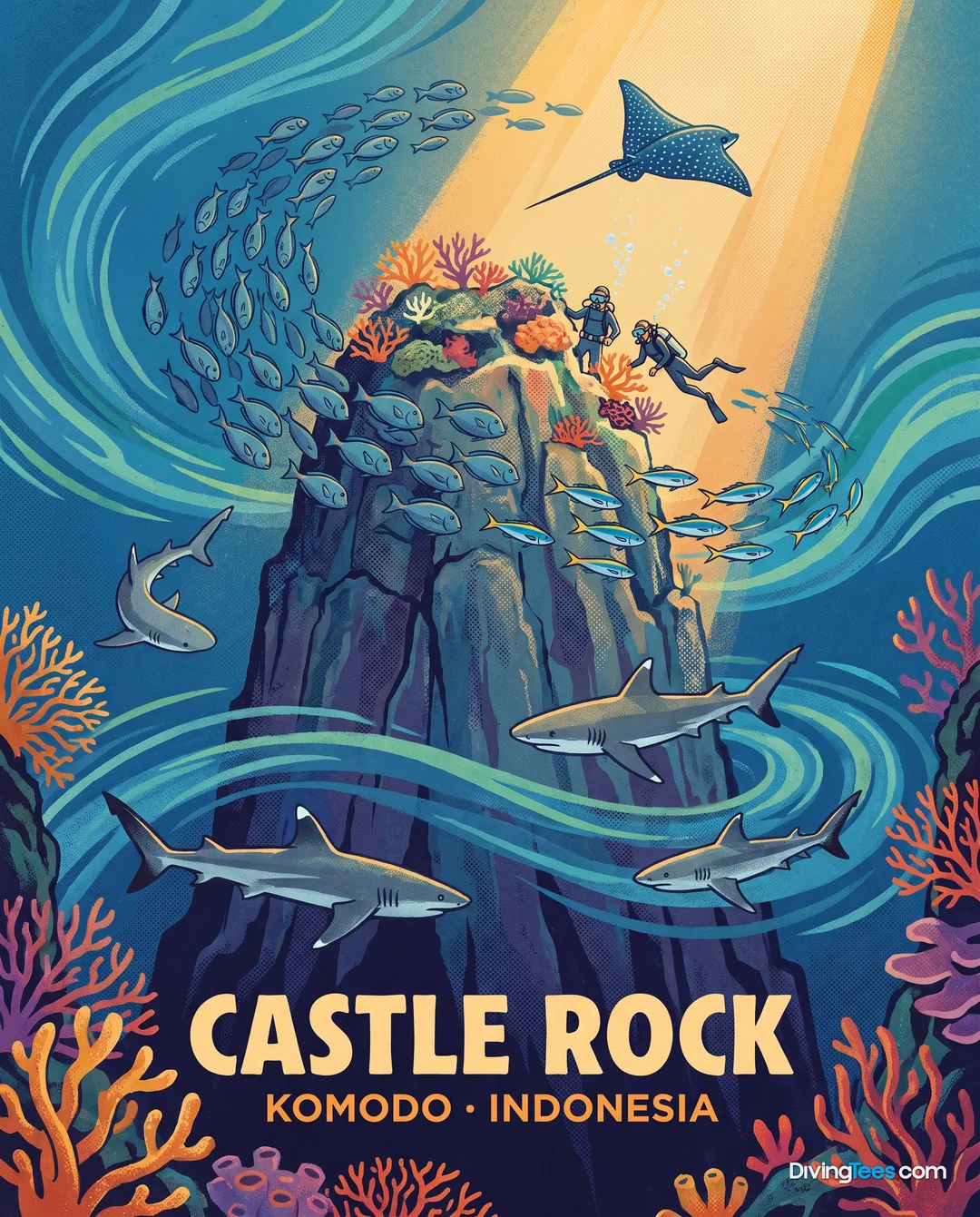
Castle Rock →
Max. depth · 30 m
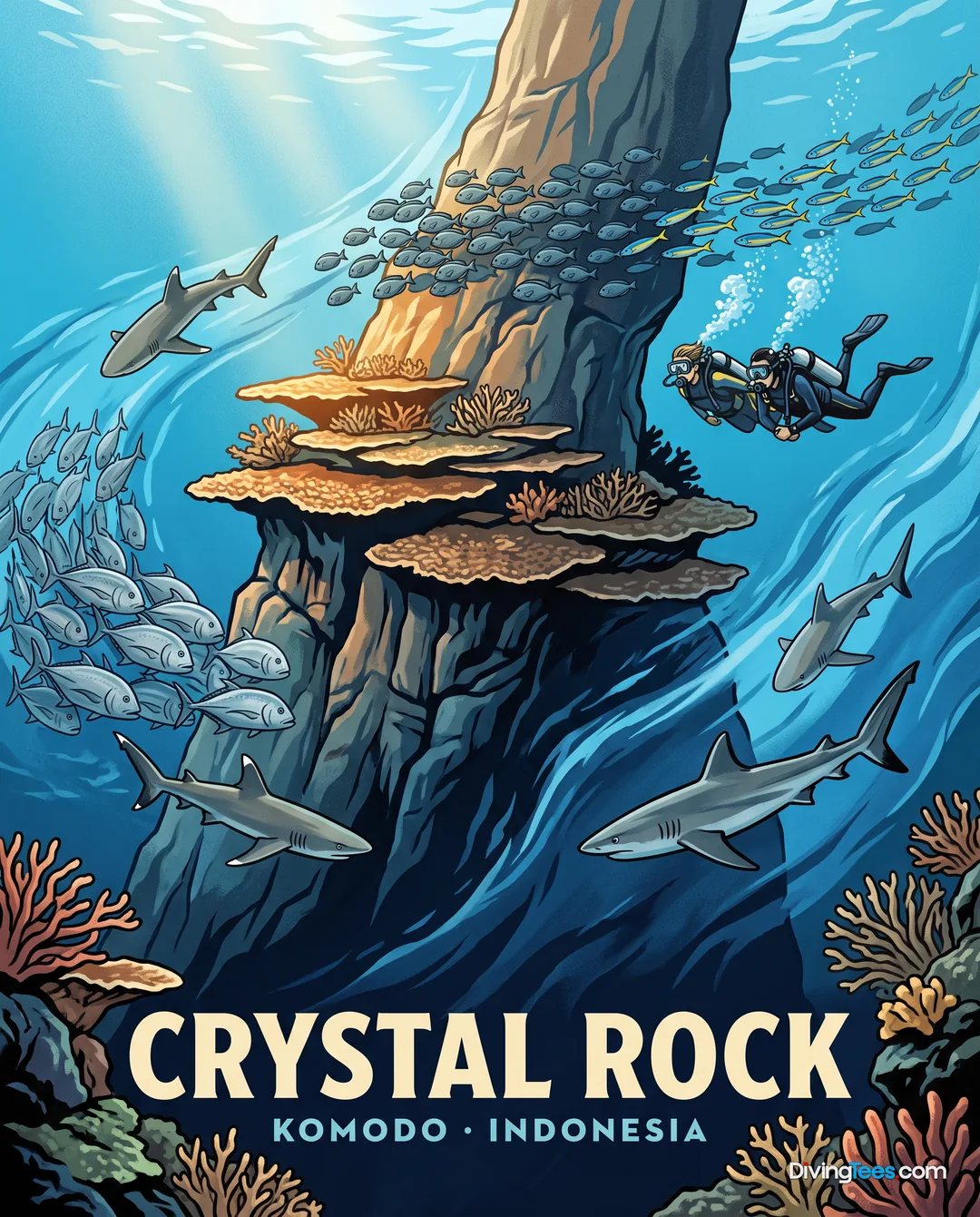
Crystal Rock →
Max. depth · 30 m
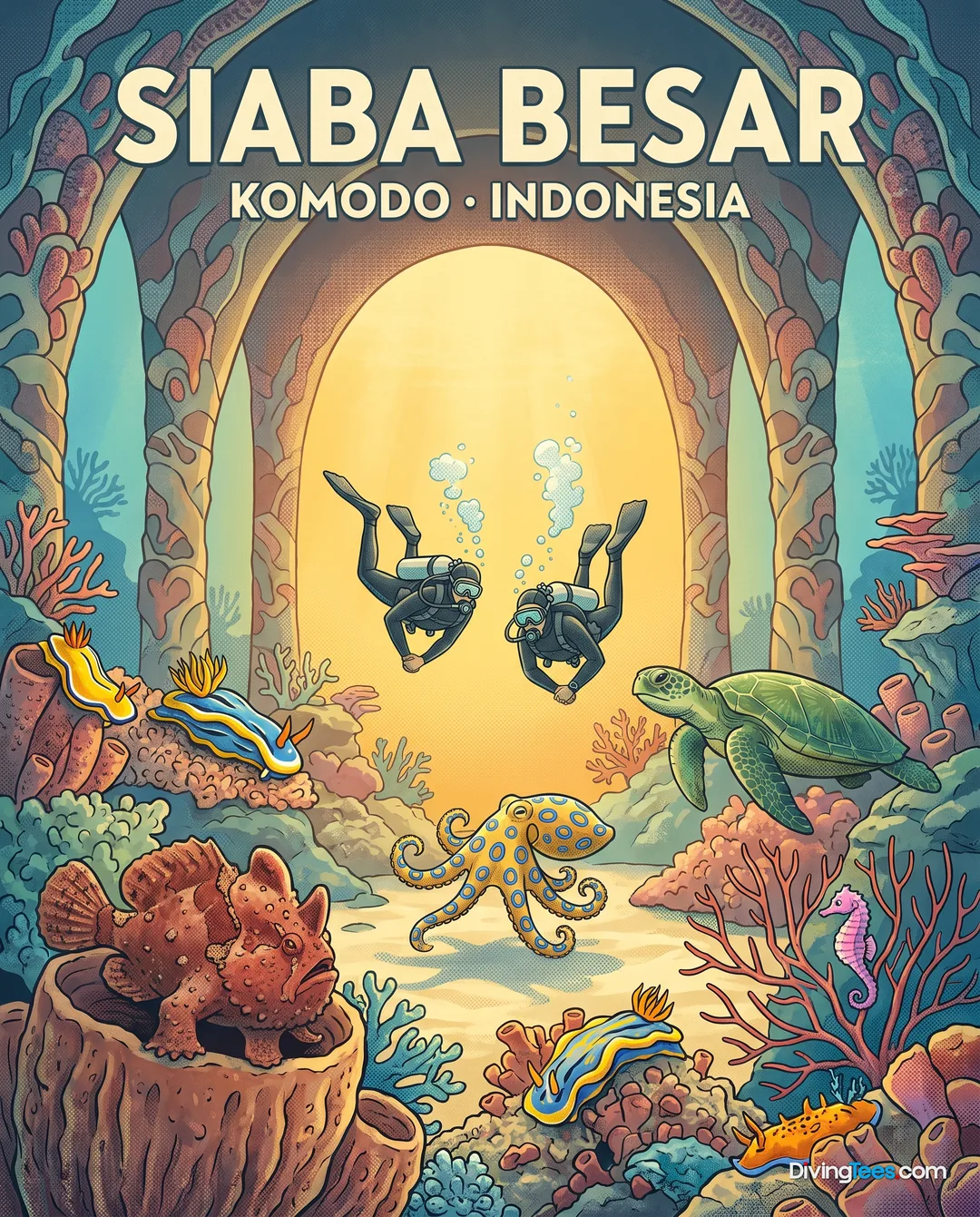
Siaba Besar →
Max. depth · 18 m
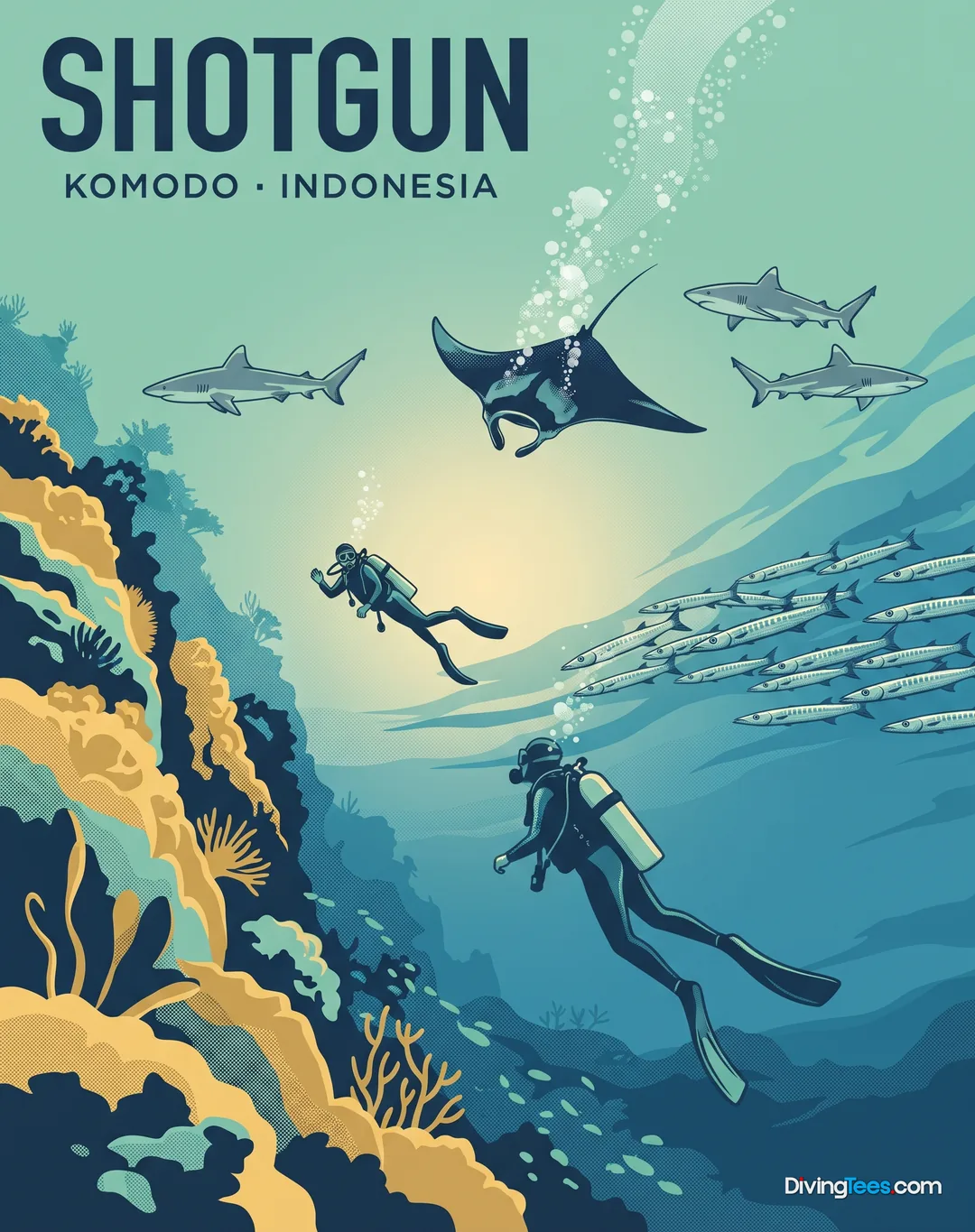
Shotgun →
Max. depth · 25 m
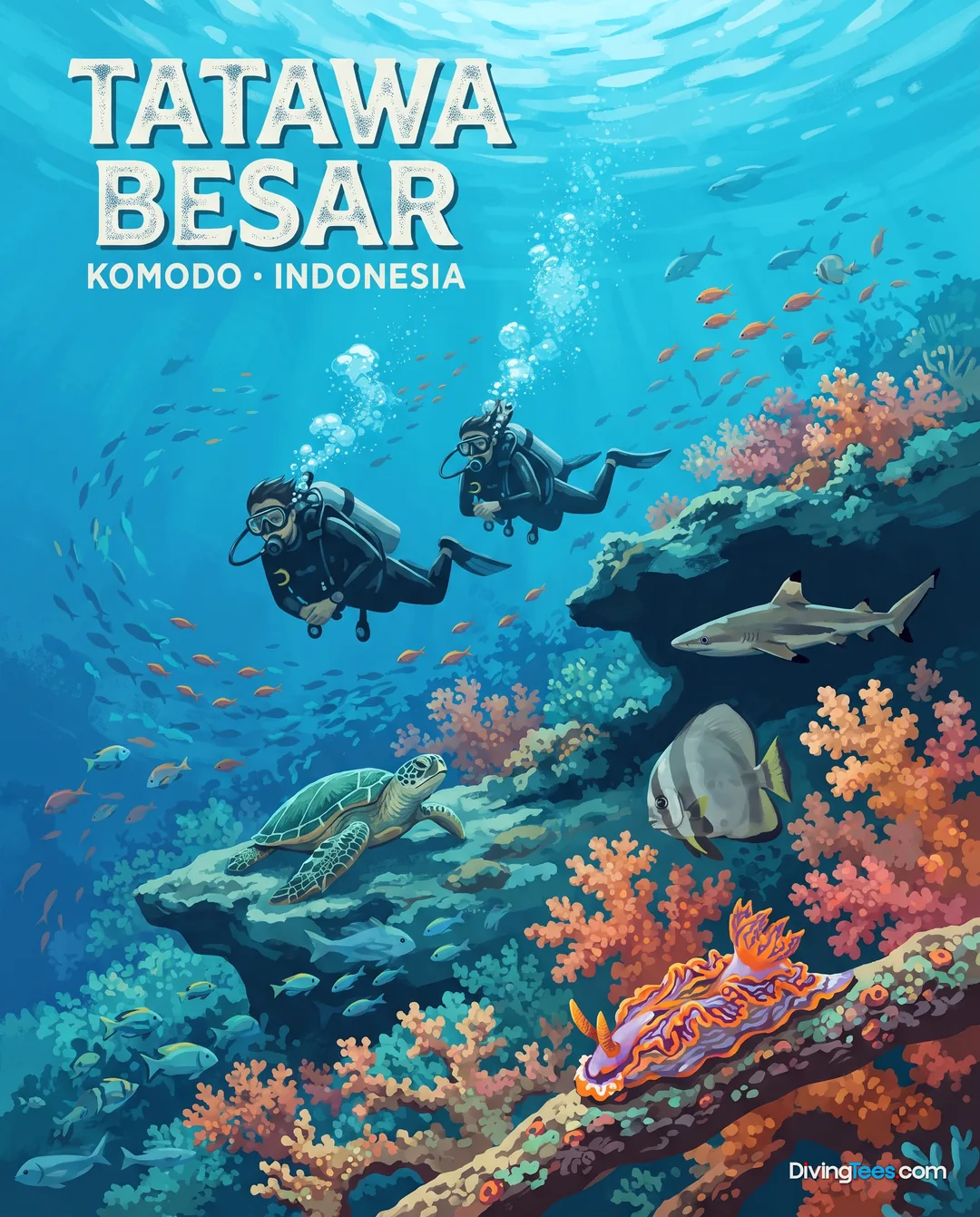
Tatawa Besar →
Max. depth · 25 m
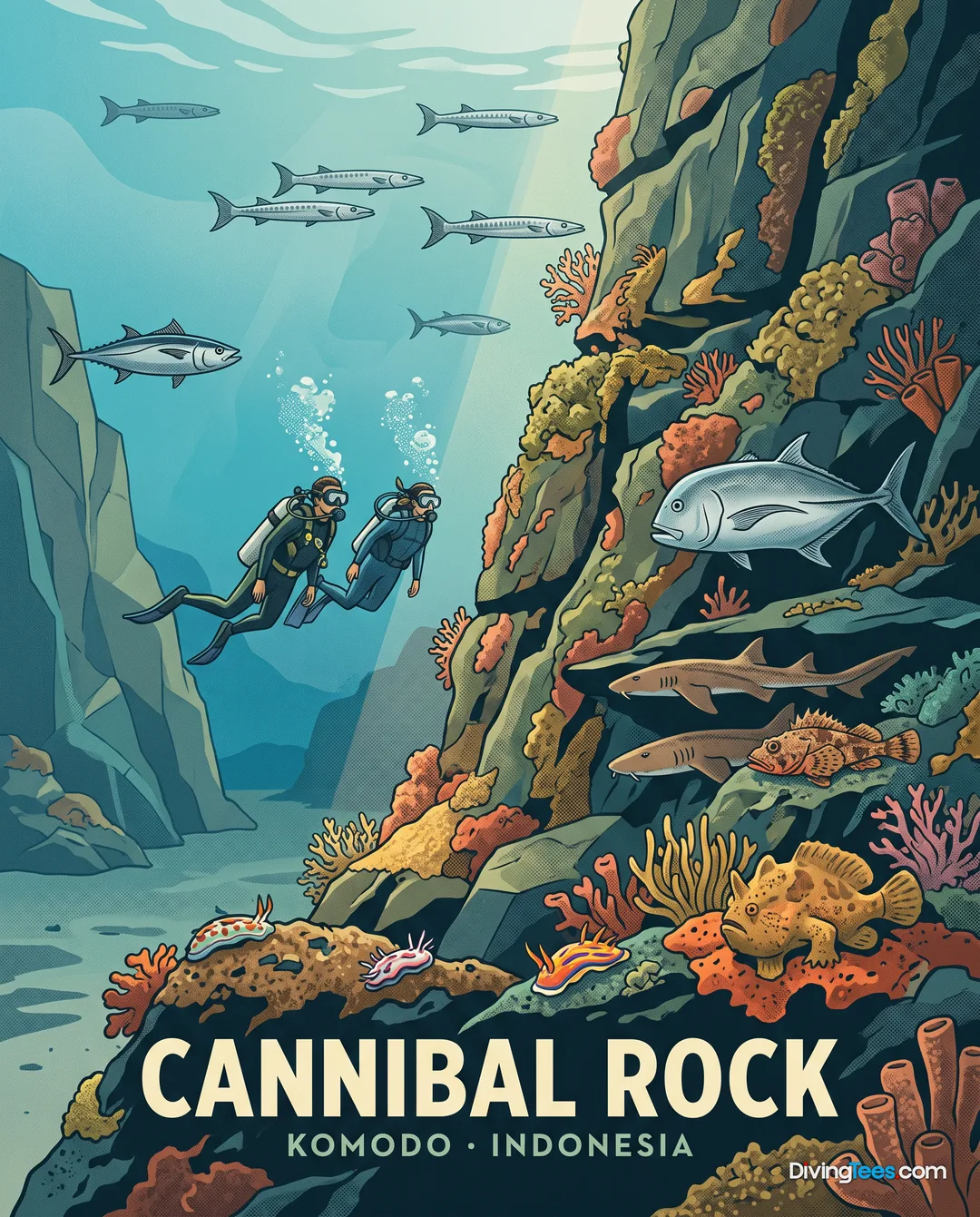
Cannibal Rock →
Max. depth · 30 m
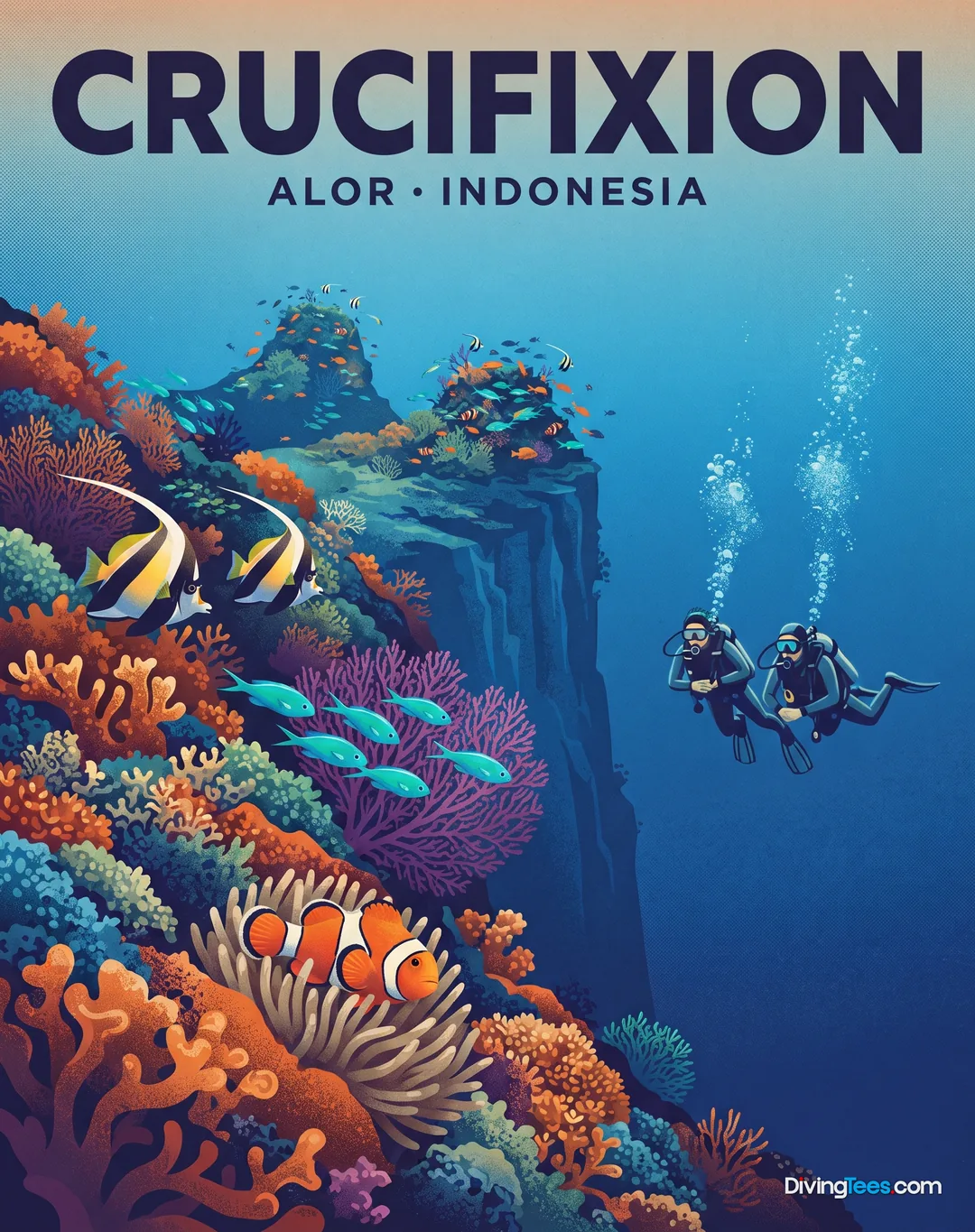
Crucifixion →
Max. depth · 40 m
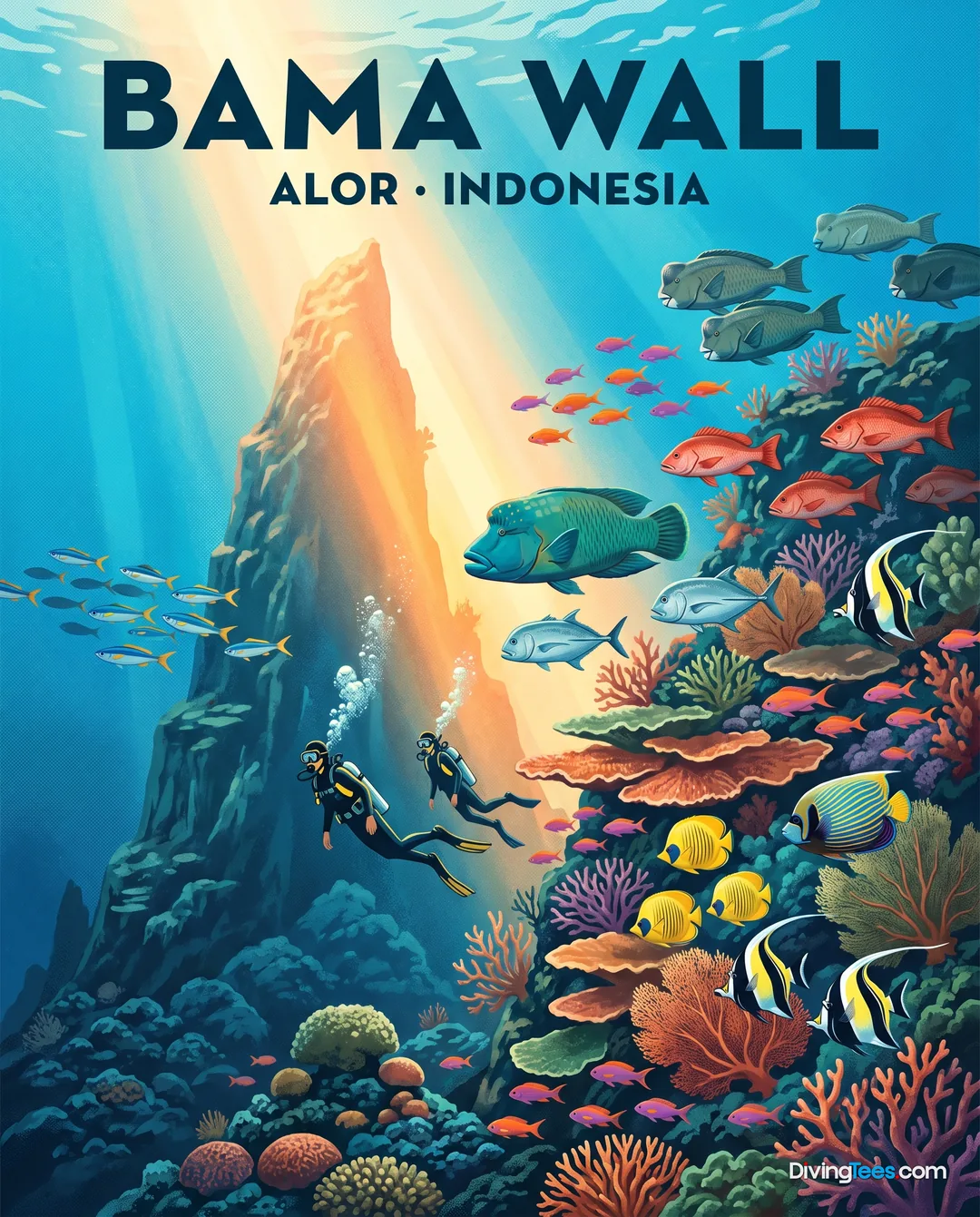
Bama Wall →
Max. depth · 40 m
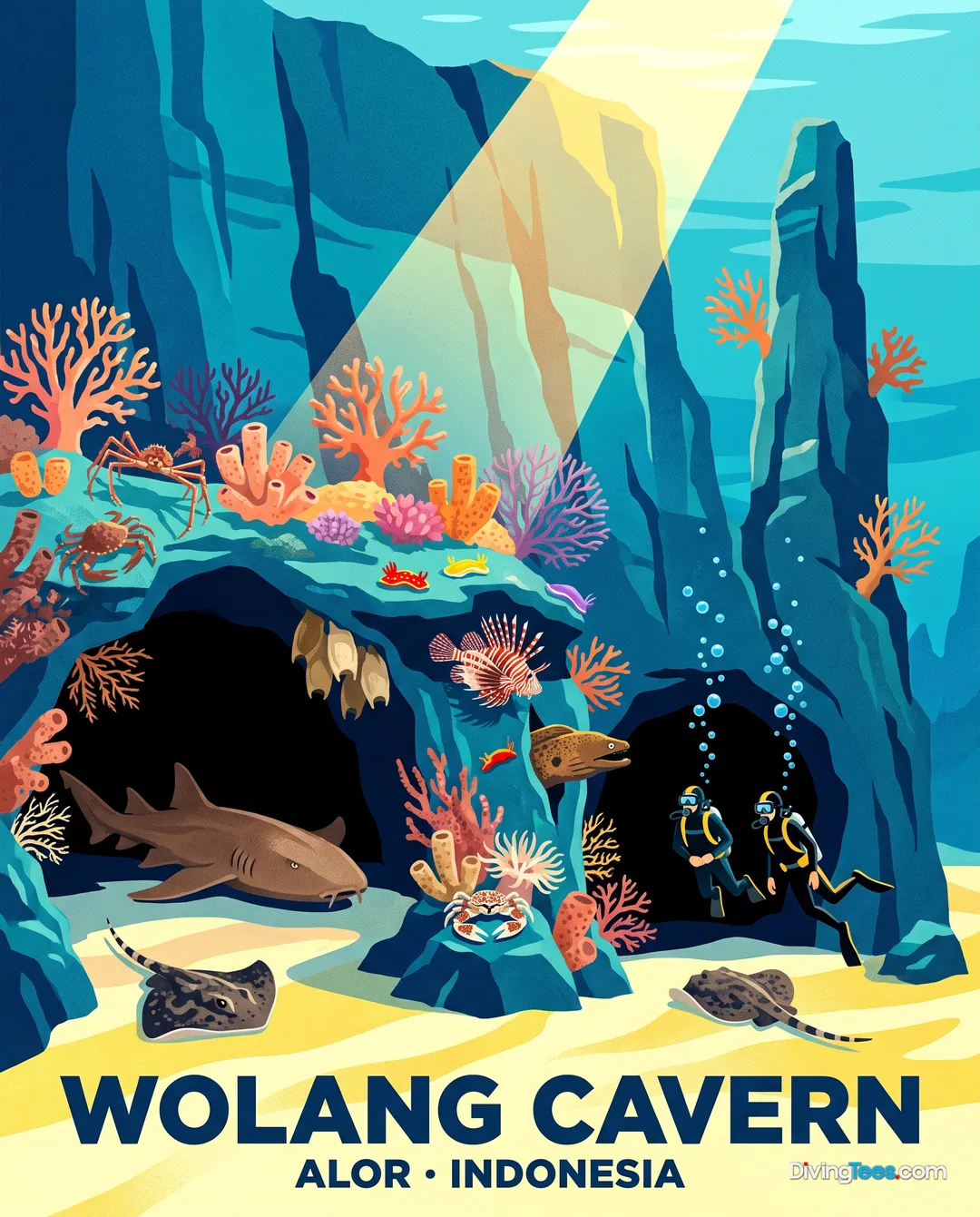
Wolang Cavern →
Max. depth · 40 m
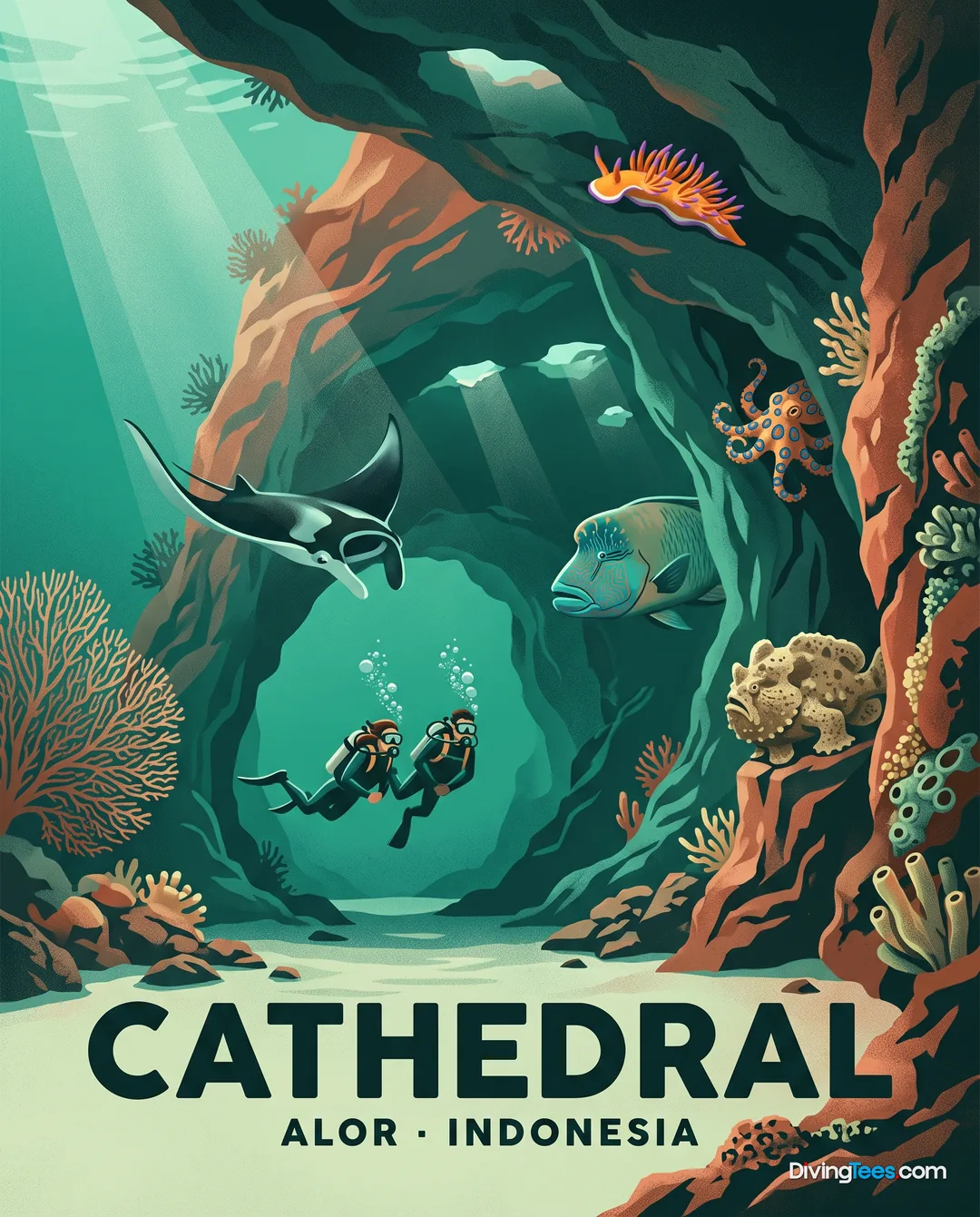
Cathedral →
Max. depth · 30 m
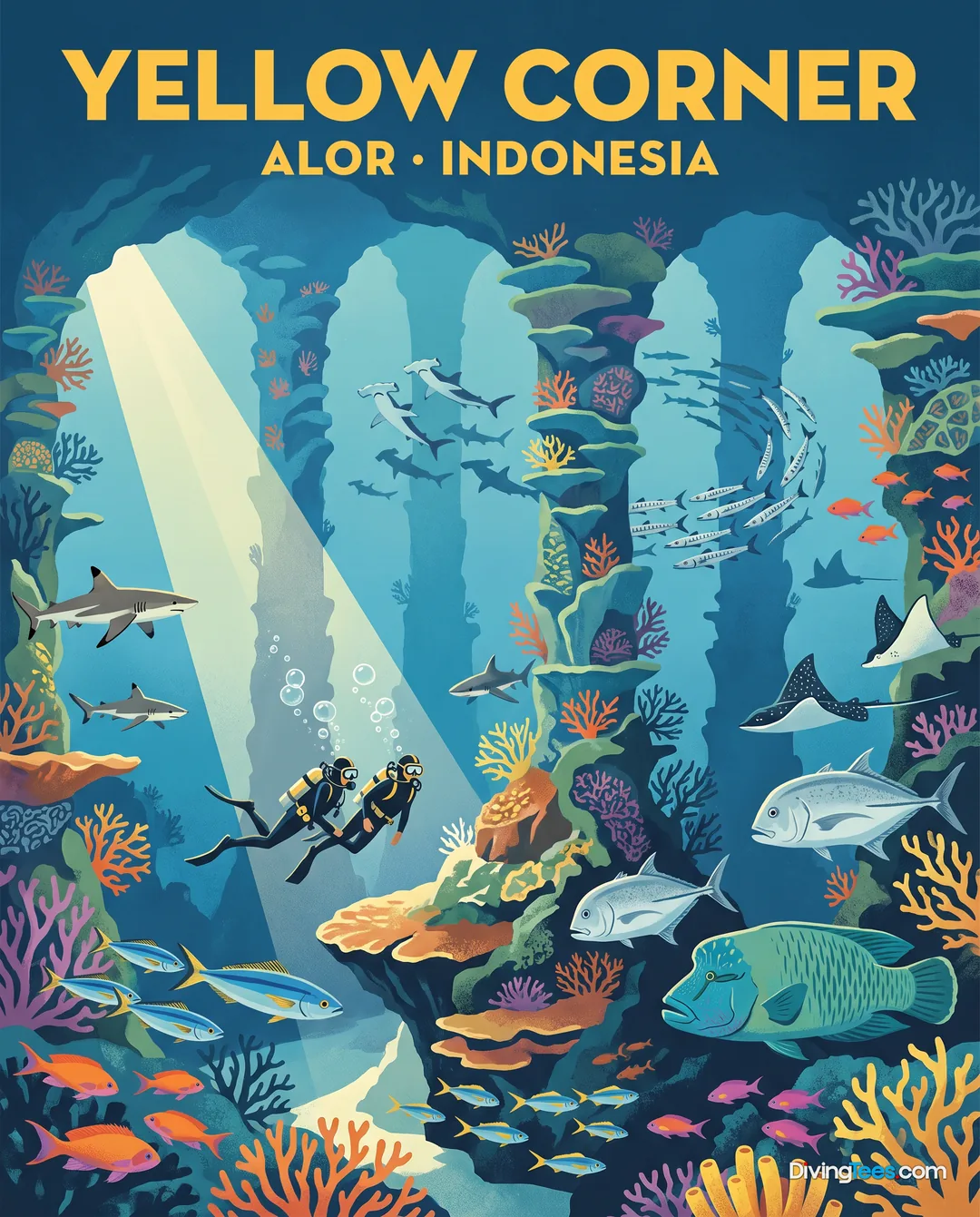
Yellow Corner →
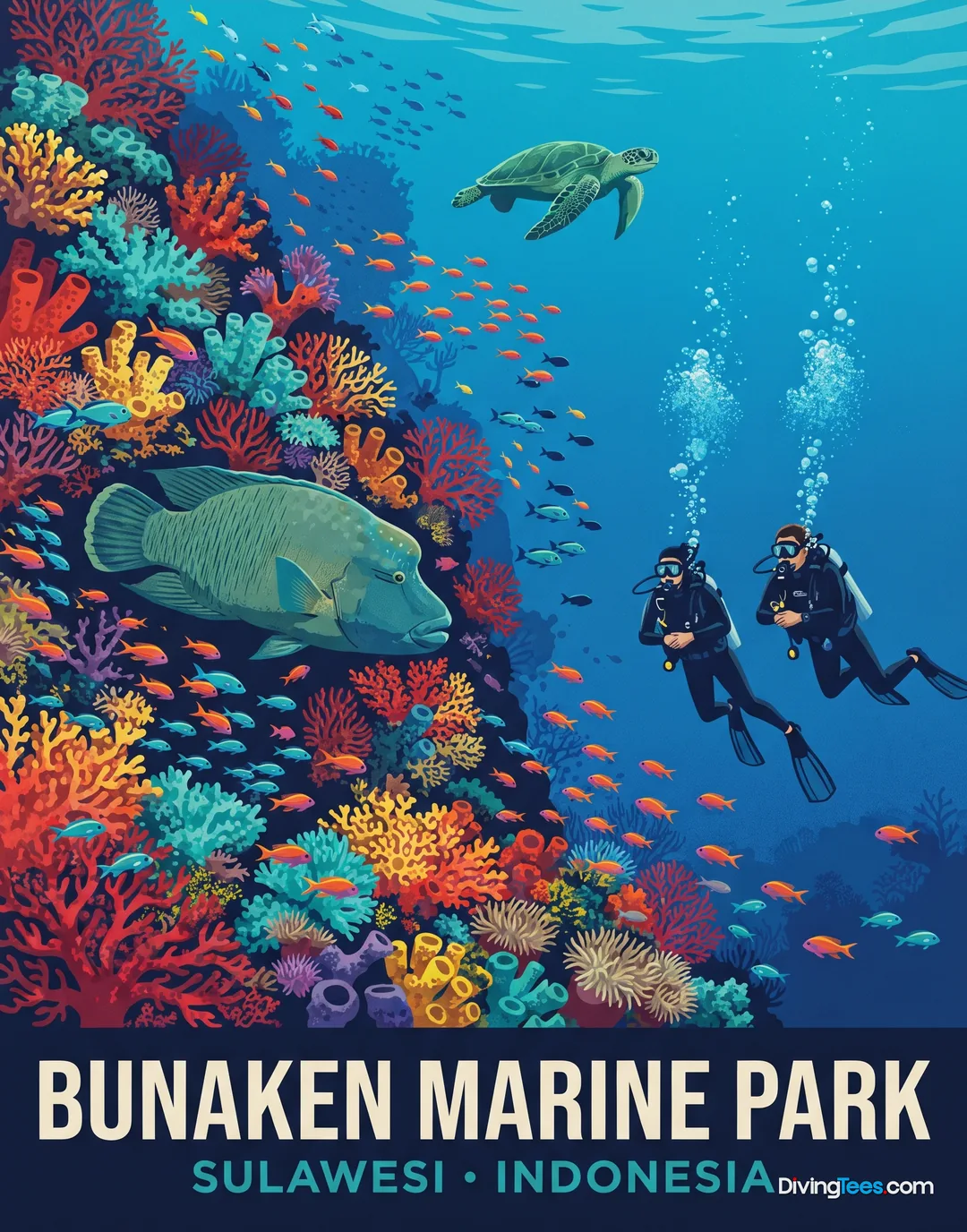
Bunaken Marine Park →
Max. depth · 40 m
Itineraries, dates and prices
Prices per person. Each month shows its lowest price: click a month, or pick an itinerary.
Next departures · 38 departuresfrom £2,093$2,798€2,500
November 2026
December 2026
See dates and prices
If you click these links and make a purchase on the partner site, DivingDeal may earn a commission, at no extra cost to you.
Dates and prices taken from Divebooker and liveaboard.com, updated 25 October 2026
What you’ll meet underwater
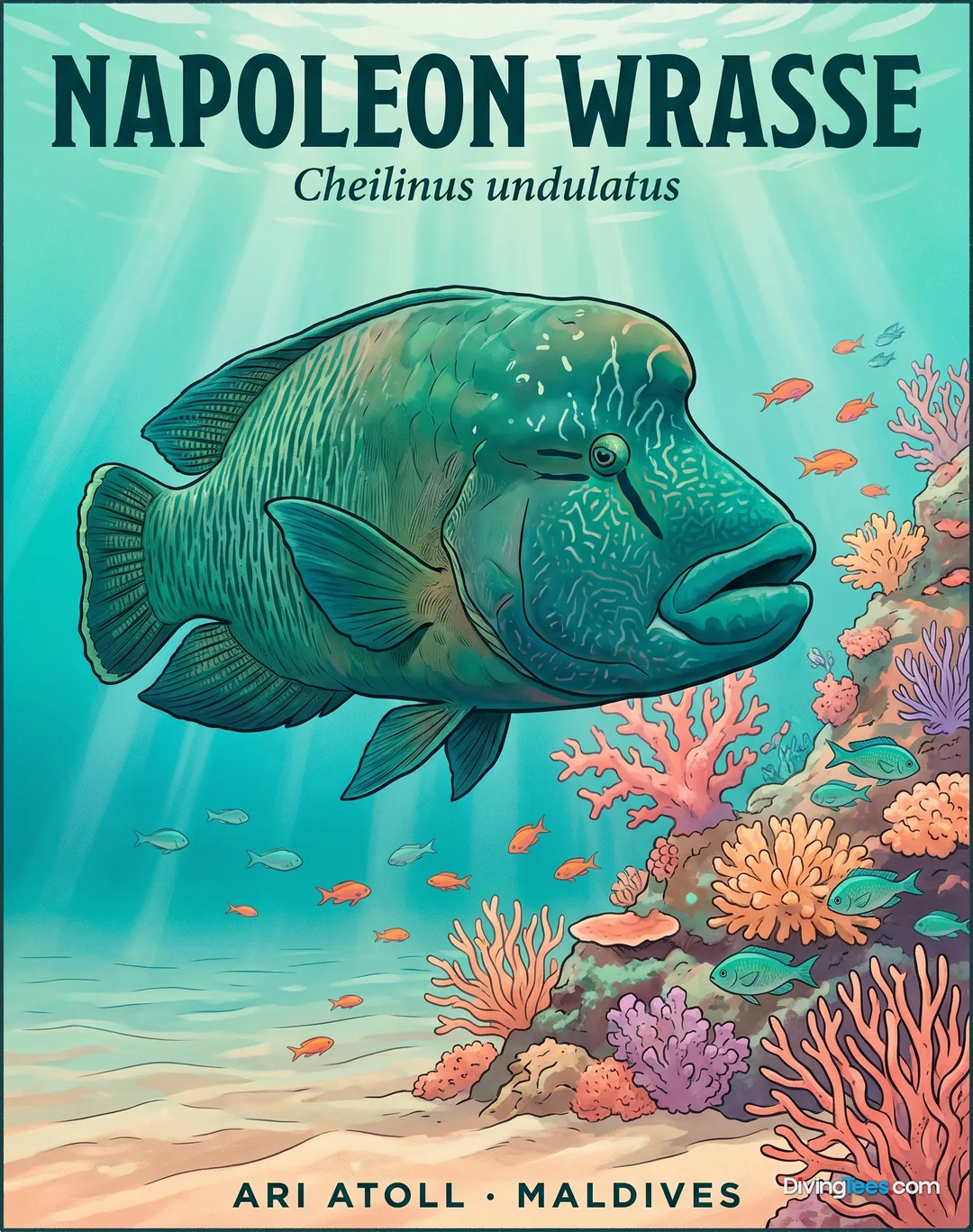
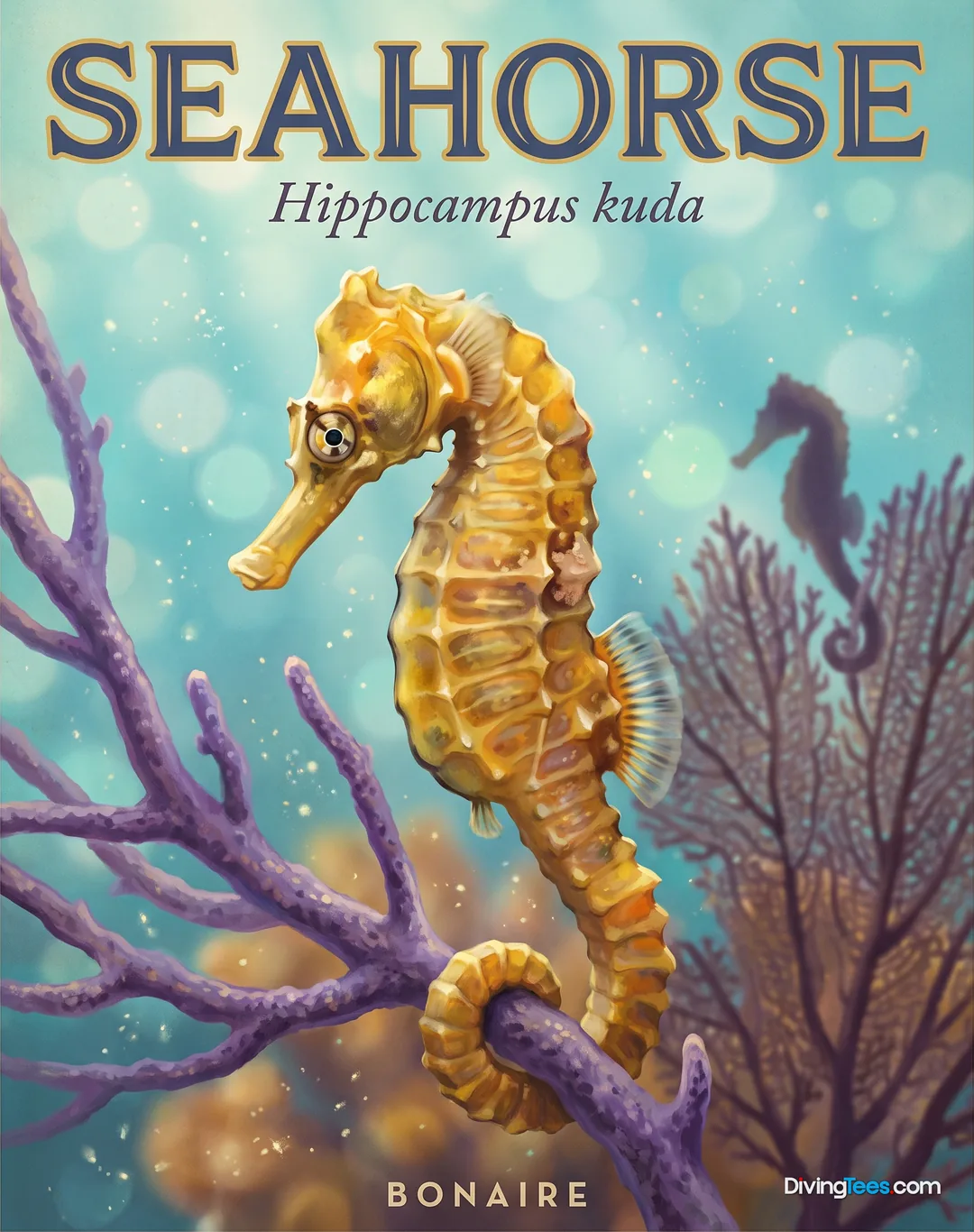
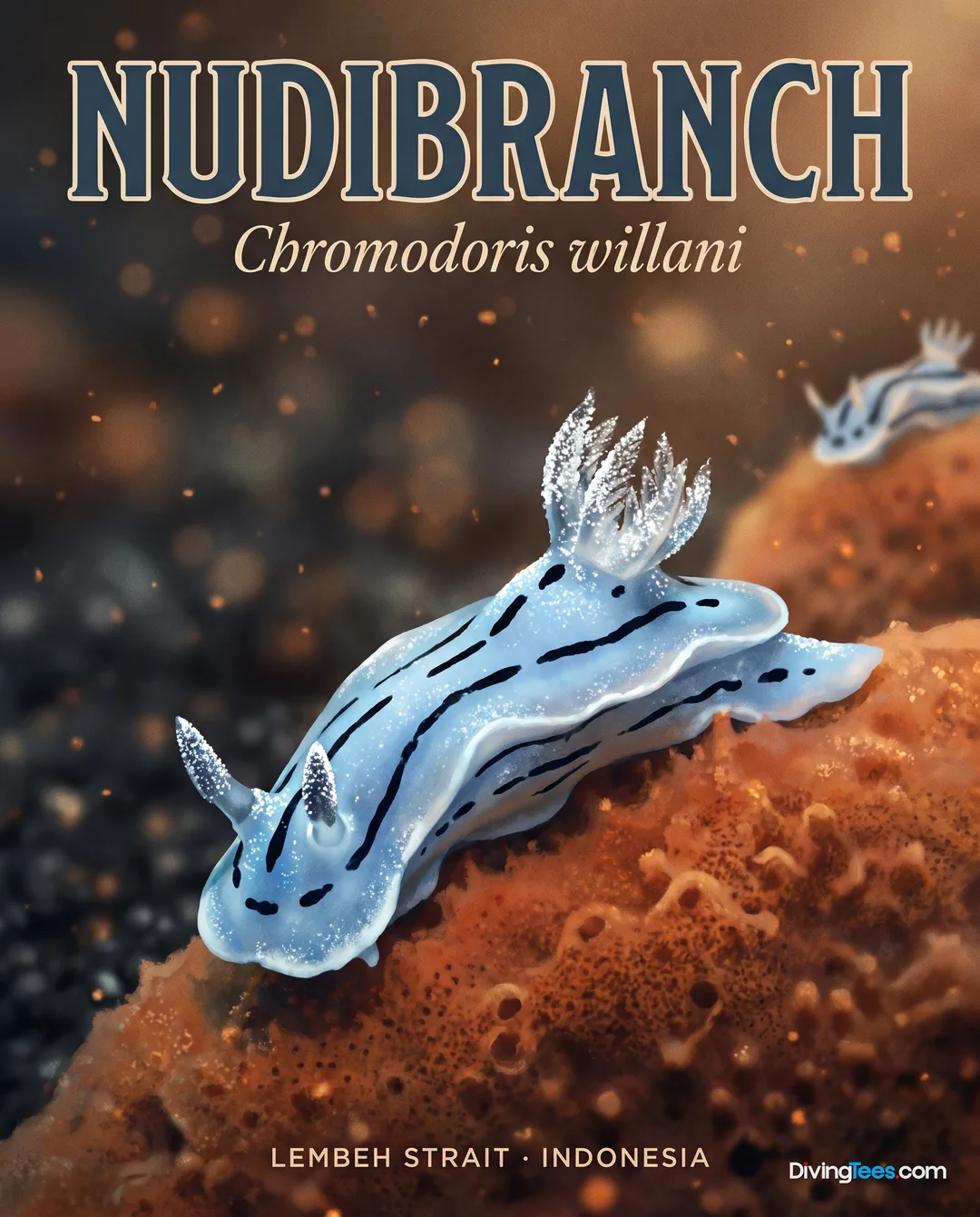
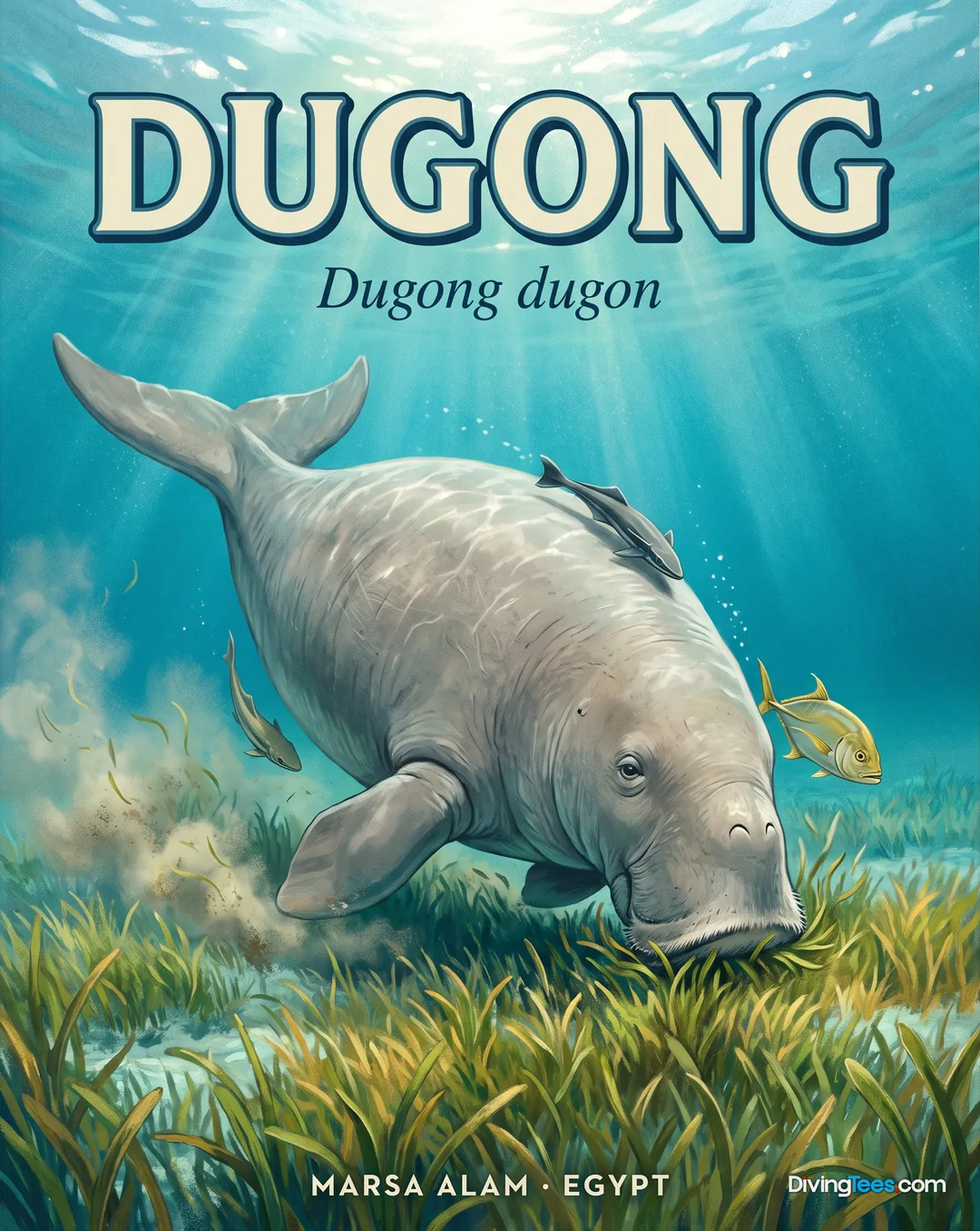
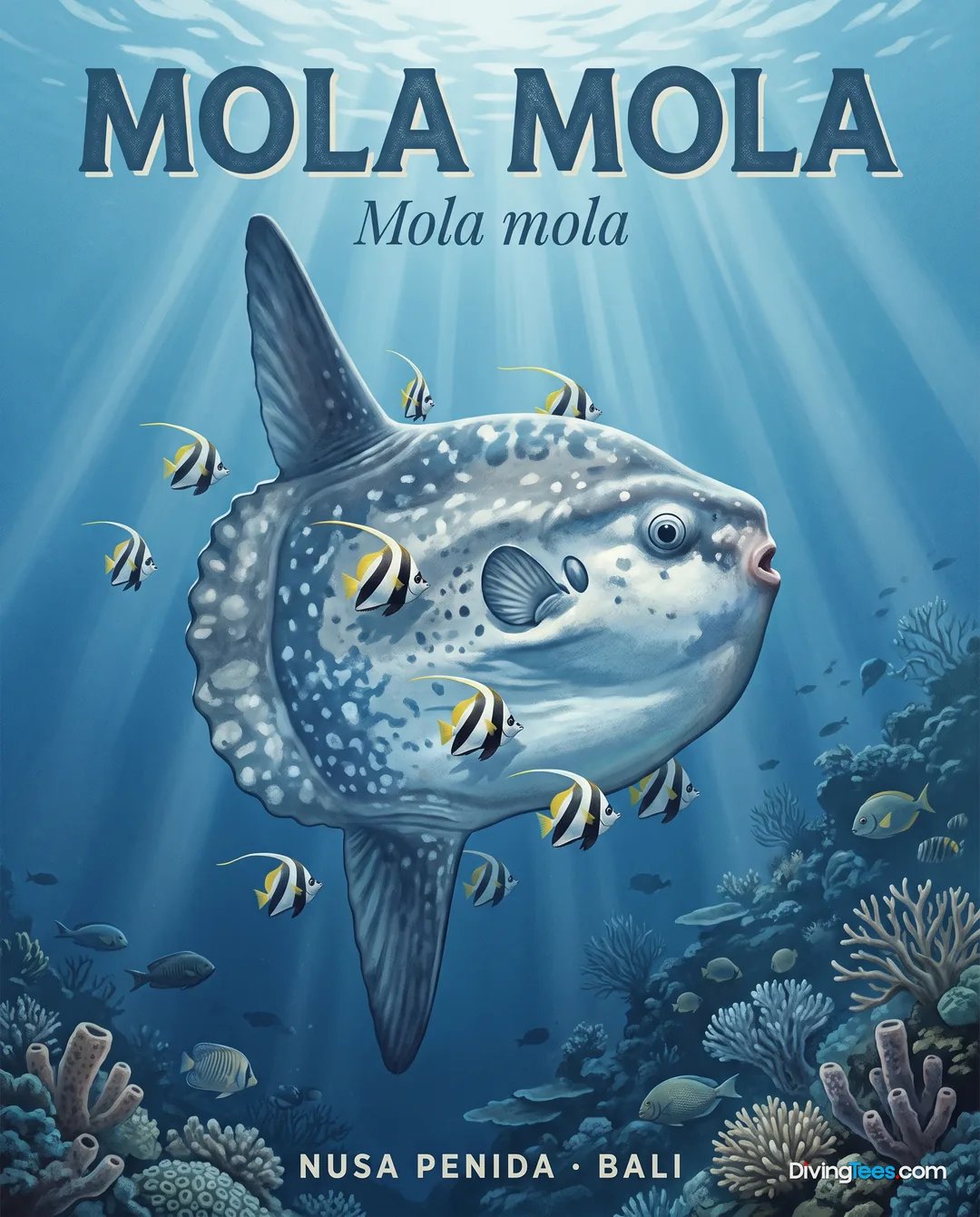
Across these Indonesian routes, the recurring spectacle is large reef life mixed with subjects small enough to keep a macro photographer busy. Napoleon wrasse, reef sharks, barracudas, manta rays, sea turtles, eagle rays, nudibranchs and pygmy seahorses are recorded across several sites, with tuna, dolphins, dugongs, anthias, snappers and giant trevally also part of the wider route. Current is the thread connecting many of the best encounters: nutrient-rich water at Castle Rock and Crystal Rock draws pelagics, while Shotgun's flow carries divers along the wall. Some sightings give a site its particular reason to exist on the itinerary. Cathedral is the only recorded site for the ocean sunfish; Yellow Corner is the only one for hammerhead sharks. Tatawa Besar is the only site listed for triggerfish, Batu Bolong for the recorded hard coral, and Siaba Besar for seahorses, pipefish, ghost pipefish, trumpetfish and the recorded shrimp. Wolang Cavern is the place for the listed lobster, Bunaken Marine Park for angelfish, and Castle Rock for the coachfish. These are possibilities, not promises: current, visibility and animal behaviour decide what appears.

Who puts you in the water
Dive instructors are part of the onboard team, supported by a captain holding an ANT Level II licence and crew trained in first aid. English and Indonesian are spoken. The dive operation carries oxygen, first-aid kits, radios and the navigation and communication equipment needed on remote Indonesian routes. Briefings cover the site, current and entry before divers leave the main deck, while the tenders handle the approach and collection. Private dive guiding is available as an option for divers who want one-to-one attention. Cachalo also welcomes snorkellers and non-divers, so the boat works for mixed groups rather than treating them as passengers waiting on the surface. The routes include current-affected sites such as Castle Rock, Crystal Rock and Yellow Corner, where the briefings and tender operation matter as much as the scenery.
The dive deck and the gear
The diving area is laid out for repeated entries, with shade, a dedicated platform, rinse tanks and separate camera rinsing. A camera station and charging points make the boat practical for photographers, while the platform keeps the transition from deck to water direct. Nitrox is available and included. A full rental setup is available, with BCD, regulator, mask, wetsuit, fins, boots and flashlight; dive computers, additional lights, action cameras, sidemount tanks and 15-litre tanks can also be rented. The two reinforced-fiberglass tenders are 7.5 metres long and fitted with 115 hp engines, giving the crew proper boats for taking divers to sites and collecting them after the dive. Divers board the tenders from Cachalo's dive platform, then return to the main vessel after the pickup. The setup favours current sites where the tender needs to find divers at the surface rather than bring the whole boat close to every pinnacle.
Between dives
Between dives, Cachalo gives the group several ways to get out of the equipment area. The shaded diving space is the practical centre, but the upper decks open onto a 360-degree observation area with a jacuzzi, sun, sea views and places to sit away from the traffic. An indoor lounge and a separate camera station suit the hours when footage needs attention rather than conversation. Kayaks, stand-up paddleboards, wakeboards, fishing and snorkelling take the trip beyond the dive schedule, while island walks and beach barbecues provide a reason to land. The boat also welcomes non-divers and snorkellers, so a mixed group has more to do than wait for the divers to return. On a crossing, that range matters: a quiet deck, a camera table or a paddle from shore can make the surface interval feel like part of the itinerary rather than an interval to endure.
A day on board
A day on Cachalo is organised around the water, not around a hotel timetable. The first briefing comes before the first descent, with the crew covering the site, entry and conditions; after the dive, the tender brings divers back to the platform where equipment can be rinsed and cameras moved to the dedicated station. Breakfast, later meals and snacks keep the gaps between dives practical, while the shaded deck, lounge and open observation areas hold the surface intervals. When the itinerary moves, sailing becomes part of the day rather than an interruption, with the Indonesian coastline passing beyond the deck and kayaks or shore excursions available when the boat anchors. A night dive is included, so the final entry comes after the light has gone and the boat's rhythm changes again. Dinner follows the day's underwater work, often outdoors when the setting allows, before the cabins provide the quiet needed to start again.
What you eat aboard
The galley works across several traditions rather than serving one fixed menu. Indonesian dishes sit alongside Thai, Chinese, Japanese and Western food, with examples including nasi kuning, dumplings, steamed buns, tom yum goong, sushi, sashimi, pizza, burgers, tacos and barbecue. Meals can be served as buffets or à la carte, and the boat also offers vegetarian and vegan choices. Non-alcoholic drinks, tea, coffee and snacks are available through the day, with beer and wine available separately. That matters on a diving boat because meals need to be dependable without becoming heavy: there is food after the water, something to bridge the long gap before the next dive, and a proper dinner when diving is over. Outdoor dining and beach barbecues change the setting when the itinerary allows. The kitchen's strength is variety, with Indonesian ingredients and familiar choices sharing the same table.
Nights at sea
The nine cabins range from Standard cabins on the lower deck to Deluxe balcony cabins and the VVIP Stateroom higher up. The useful difference is not just the label: cabin position changes the view, the access to open air and how removed the room feels from the movement of the boat. Ocean-view cabins, portholes, teak accents, individual climate control, soundproofing and double-layer thermal safety glass make the rooms more private than a basic liveaboard berth. Premium bedding, a safe, minibar, private bathroom and a Dyson hair dryer are part of the finish. The quiet generators help at night, while insulation and humidity protection matter in Indonesia's heat. Balconies are available in selected categories, giving a place to step outside without going to the main deck. The cabin deck sits low and midships, where motion is generally easier to live with, but the better cabin choice depends on whether sleep, view or outdoor space matters most.
VVIP Stateroom - Upper Deck
Deluxe Ocean View Balcony Cabin - Main Deck
Deluxe Ocean View Balcony Cabin - Upper Deck
Standard Ocean View Cabin - Upper Deck
Standard Cabin - Lower Deck
What to know before boarding
Komodo routes depart from and return to Labuan Bajo. The Komodo–Alor crossing departs Labuan Bajo and ends in Alor; the Alor–Ambon crossing runs from Alor to Ambon, while Banda Sea trips leave from and return to Ambon. Airport and hotel transfers are included. Arriving the night before remains the sensible choice, leaving room for delays before boarding.
Deck plan
- Year built
- 2024
- Length
- 51 m
- Beam
- 11 m
- Maximum number of passengers
- 18
- Number of cabins
- 9
- Number of bathrooms
- 9
- Engines
- 1 × Weichai Baudouin 6M33 / 750 hp & 1 × Weichai Baudouin WD12 / 350 hp
- Cruising speed
- 10 knots
- Tenders
- 2 × 7.5 m Reinforced Fiberglass Dinghy Boats with 115 hp
- Website
- cachaloliveaboard.com ↗
Hello, I'm Marina, DivingDeal.com's AI assistant. I answer in detail about hotels, dive centres and liveaboards.
Thinking about the whole trip and the flights? Talk it over with Edith →
Marina is an AI. Some links are affiliate links: DivingDeal may earn a commission, at no extra cost to you. Bookings are made with the partner.