Nyande Raja Ampat
★ 9.6/10 (451 reviews)
8.9 km away as the crow flies
Dive centre · Raja Ampat · Indonesia
4.541 Google reviewsExperience the world's most biodiverse reefs with a PADI 5 Star centre that has pioneered diving in Raja Ampat for over 30 years.
For subtitles in English: start the video firstthen click the gearat the top right of the video, select “Subtitles/CC”, then “Auto-translate” and choose “English”.
Located on the north-western coast of West Papua, Papua Diving has been a cornerstone of the Raja Ampat diving community since 1993. The centre operates from the Dampier Strait, a region famous for its immense biodiversity and complex current systems that fuel a massive concentration of marine life.
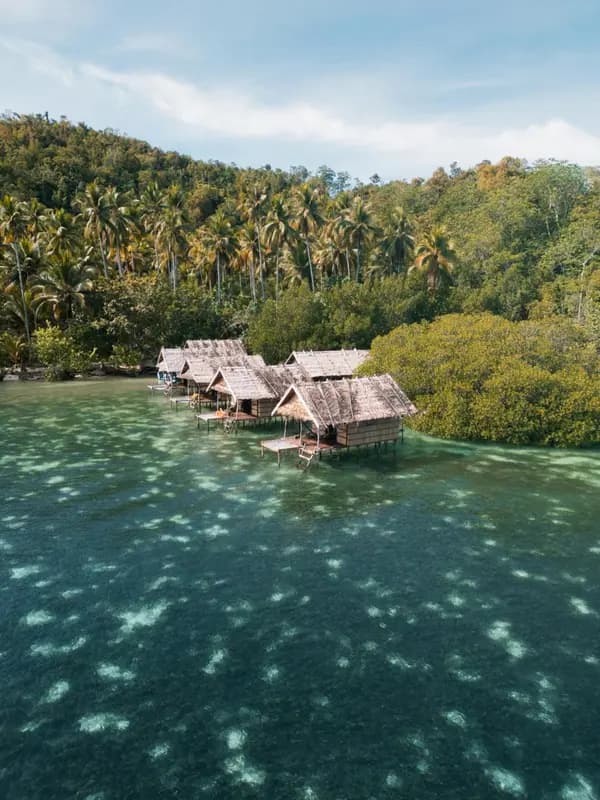
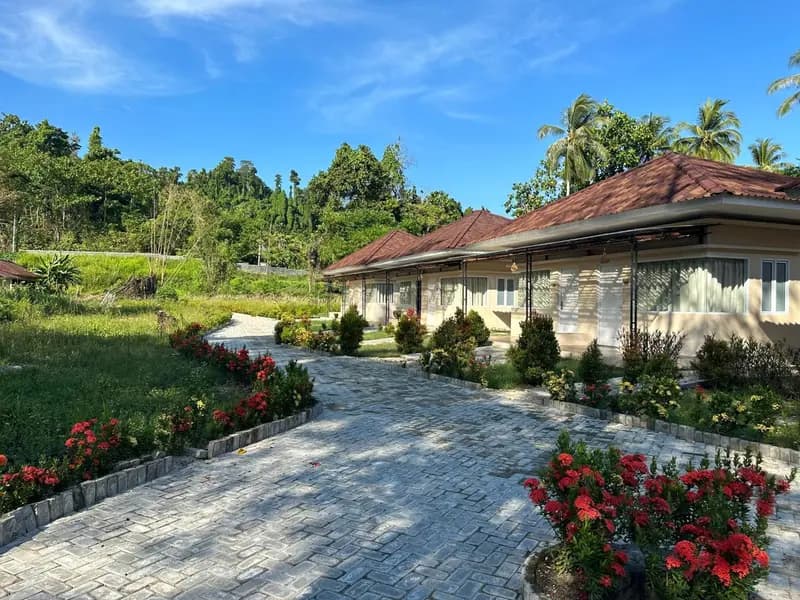
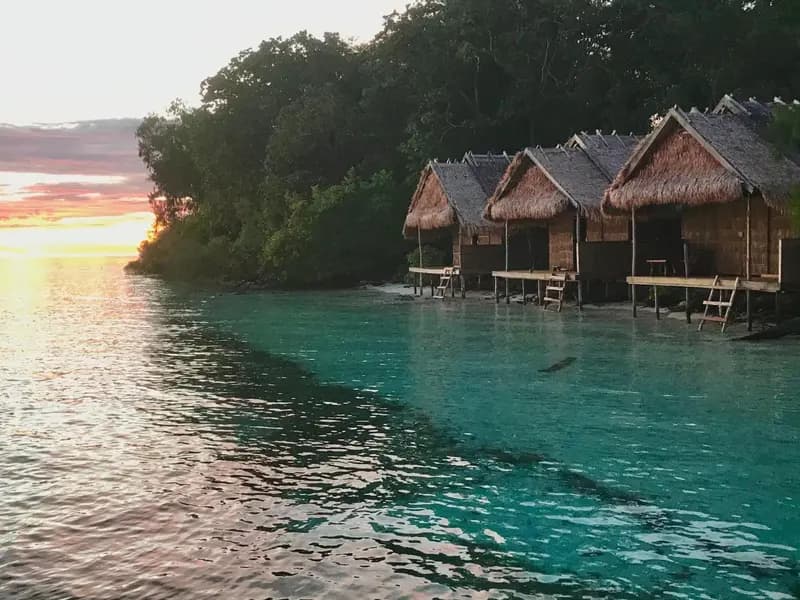
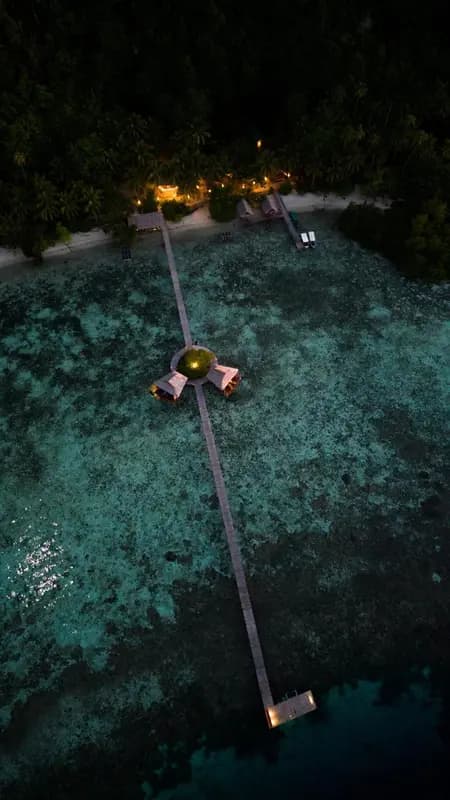
The operation is split between two distinct accommodation options on Kri Island: the Sorido Bay Resort and the Kri Eco Resort. Both are designed to immerse you in the natural environment, with Sorido Bay offering spacious, air-conditioned rooms and villas, while the Kri Eco Resort features traditional Papuan-style cottages built on stilts over the water.
As a pioneer in the region, the centre is deeply integrated with local communities and environmental conservation. They are members of Green Fins and contribute directly to the Raja Ampat Research and Conservation Centre (RARCC), ensuring that the reefs you dive remain protected.
The diving team is composed of experienced PADI instructors and local Papuan guides who possess an unparalleled understanding of the local currents and reef structures. To ensure a safe and personalised experience, the centre maintains a strict ratio of no more than three divers per guide.
Safety and professional standards are central to their operations, with qualified medical personnel available on-site. The centre also hosts the world's first SEACAM centre, specifically catering to the needs of underwater photographers and videographers.
Beyond daily diving, the team provides a full range of training and support. Their commitment to the region is reflected in their sustainable tourism practices and their focus on protecting local marine life, particularly shark populations.
Papua Diving provides a comprehensive range of PADI training, from the initial Discover Scuba Diving programme through to professional certifications. Their course catalogue includes Open Water Diver, Advanced Open Water Diver, and Divemaster.
For divers looking to expand their technical capabilities or safety margins, they offer the Enriched Air Diver (Nitrox) course, the PADI Deep Diver Specialty, and refresher courses for those returning to the water after a break.
The centre operates daily guided boat dives, typically providing three dives per day. This usually consists of two dives in the morning and one in the afternoon, with the option to request an additional sunset or night dive.
For those working or attending workshops, the dedicated dive boats are equipped with a worktable and specific camera stations for rinsing equipment, making adjustments, and discussing technical details. Nitrox is available for all certified divers.
The centre offers full equipment hire for those not travelling with their own kit. While they provide all the necessary components for a dive, they recommend that divers bring their own personal mask, fins, boots, and wetsuit.
On-site facilities include dedicated areas for rinsing and adjusting equipment. For those looking to maintain their own gear, the centre is well-equipped to support your needs, though they specifically note that diving gloves are prohibited on the reefs.
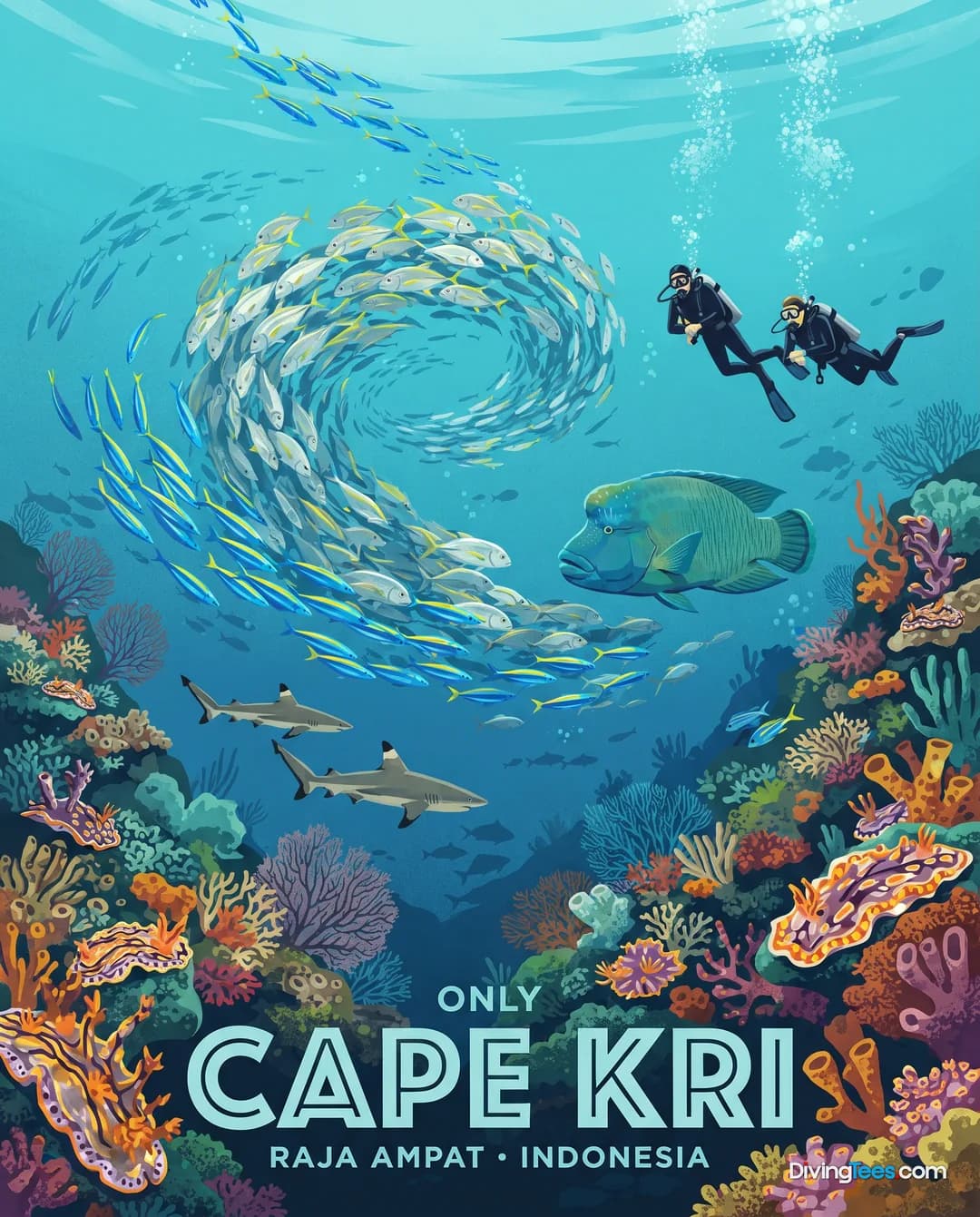
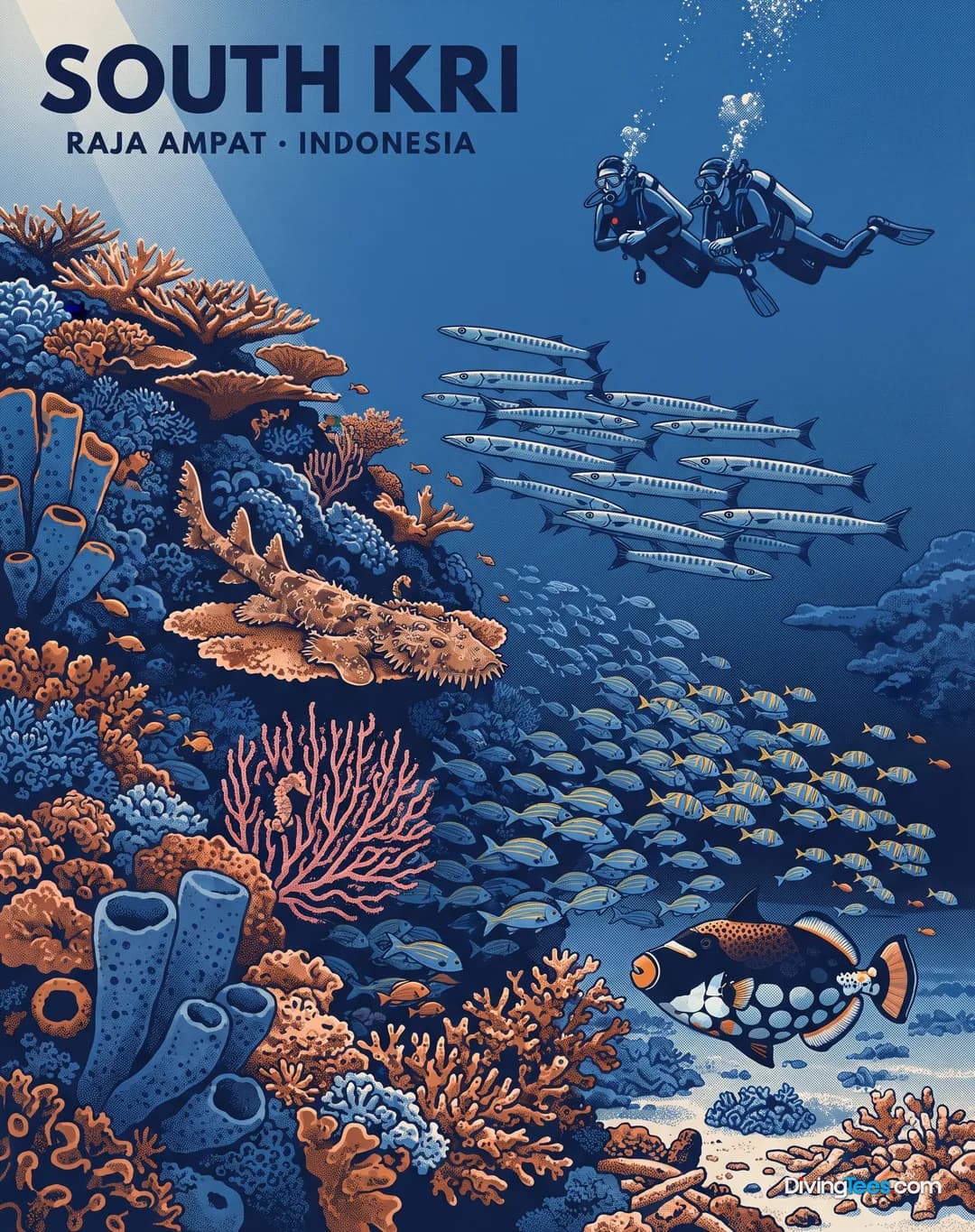
Cape Kri is a world-renowned reef site that holds a record for the highest number of fish species observed in a single dive. It offers everything from massive schools of fish to large predatory species, though the level of difficulty is current-dependent.
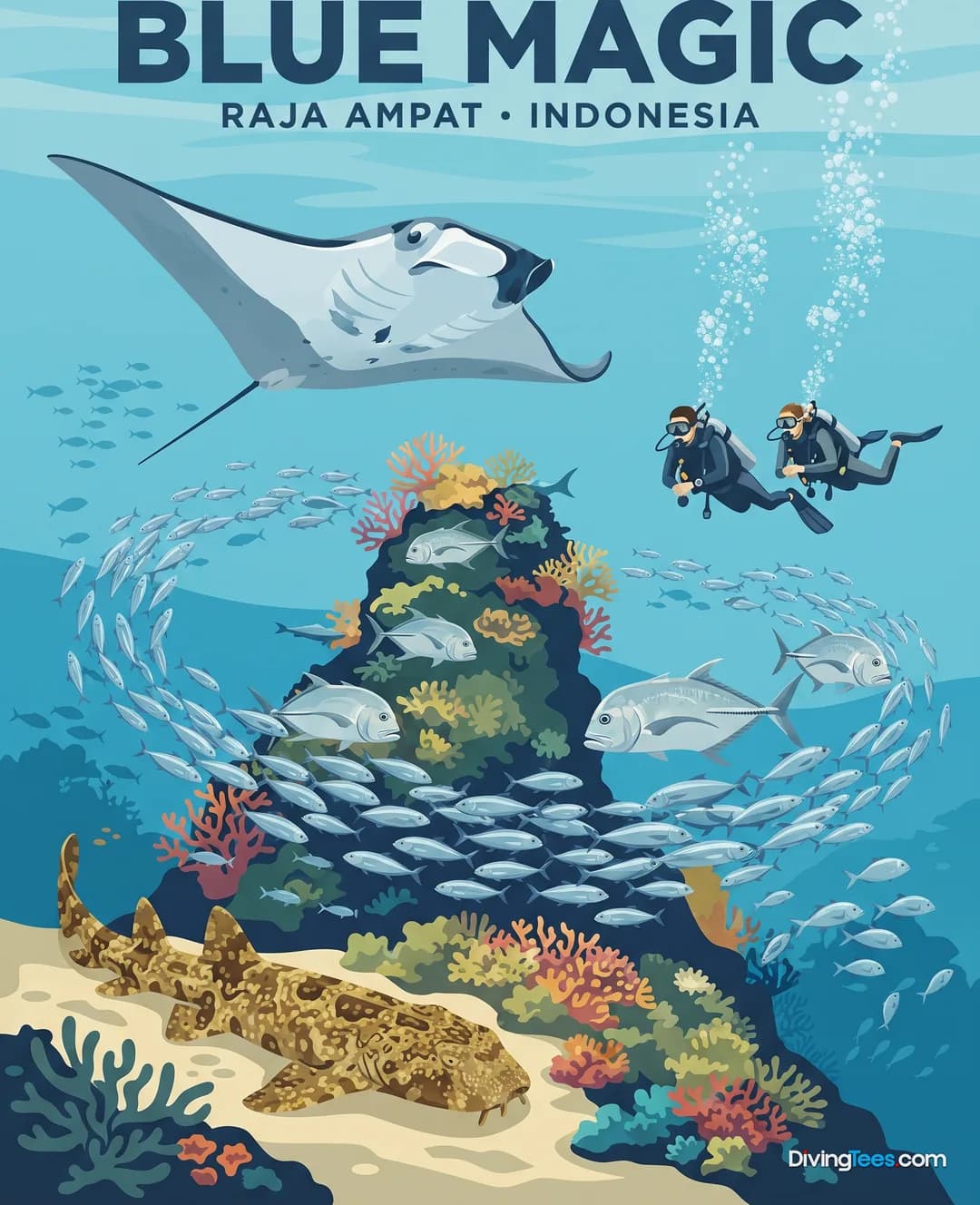
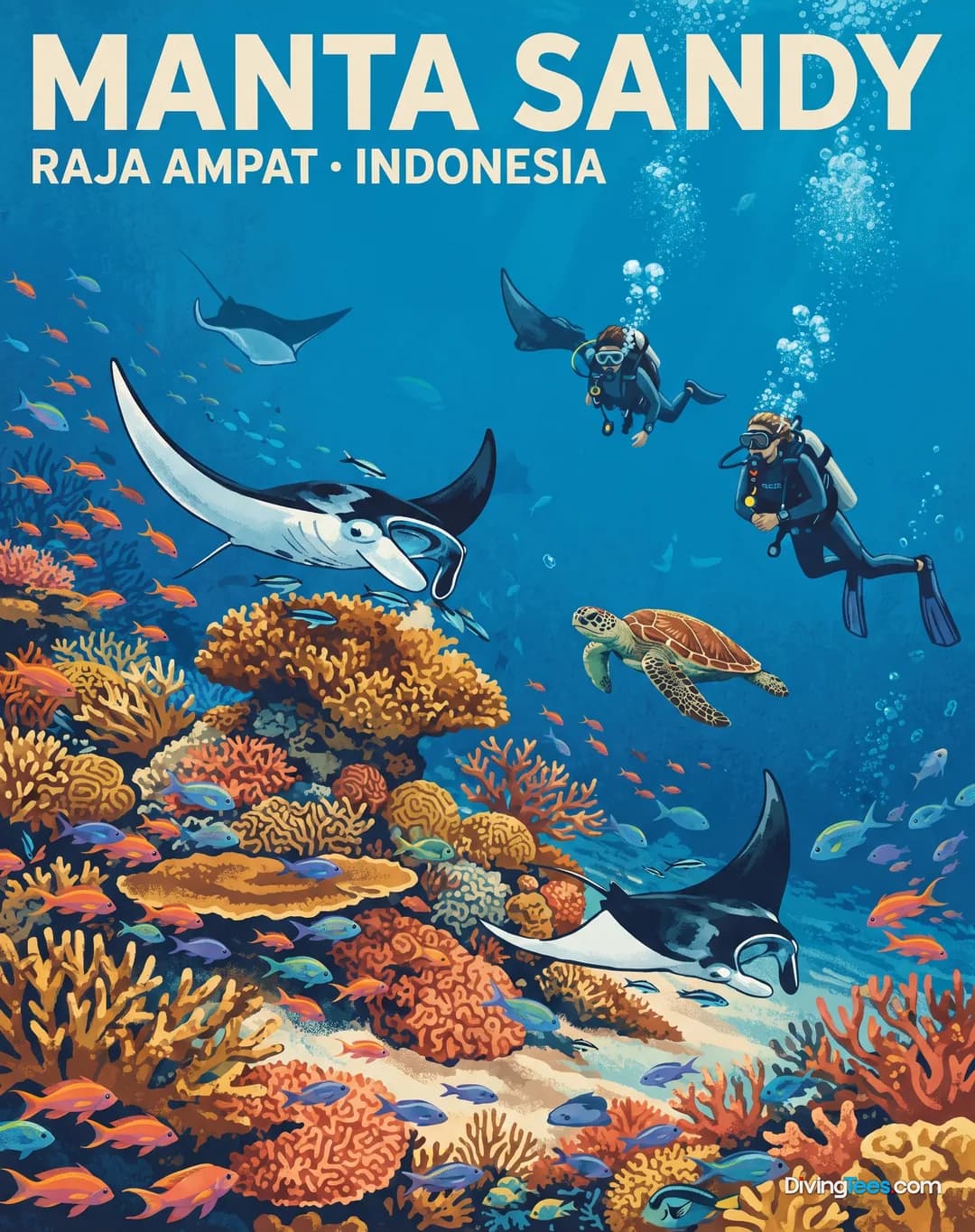
Blue Magic is an intermediate to advanced site located in the blue, known for its massive schools of fish and the presence of wobbegong sharks. It also serves as a cleaning station for oceanic manta rays.
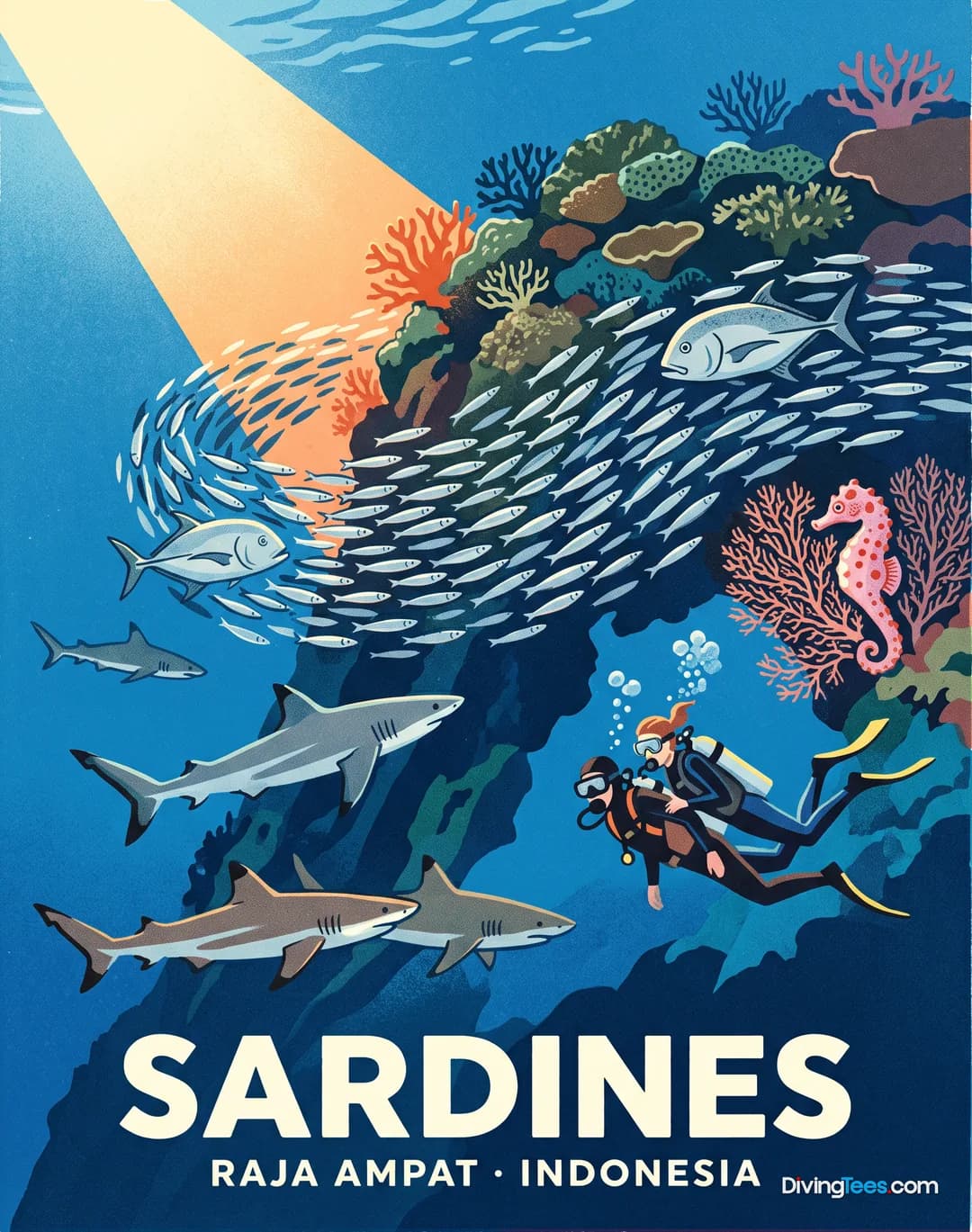
Sardines is a favourite for those seeking high concentrations of life, where reef sharks and pelagic species hunt amongst massive schools of fish. You can also find macro life like pygmy seahorses tucked into the reef.
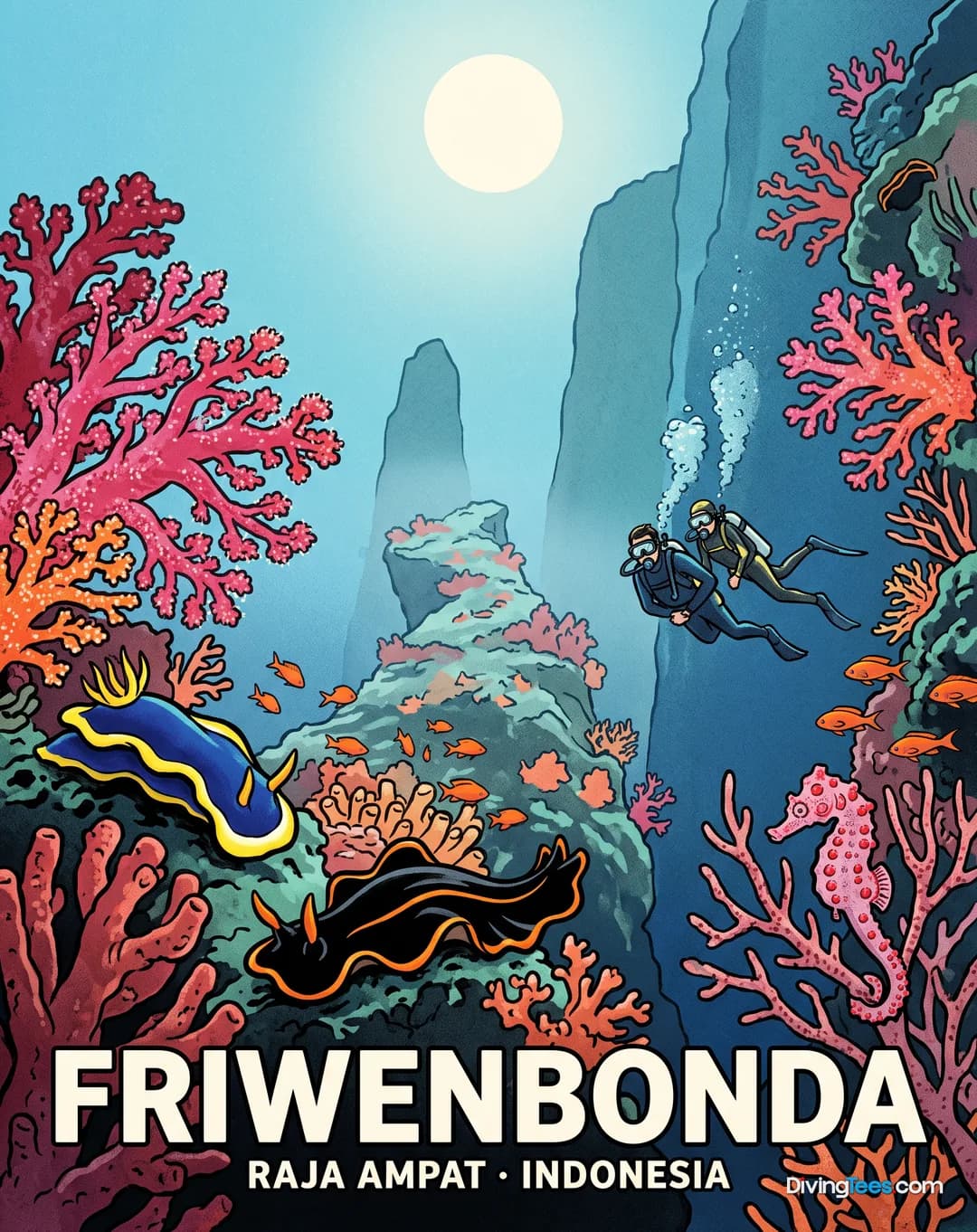
Friwenbonda is a stunning soft coral wall that is highly regarded by underwater photographers. The sunlight hitting the reef top brings out incredible colours, and the site is home to various nudibranchs and flatworms.
down to 35 m
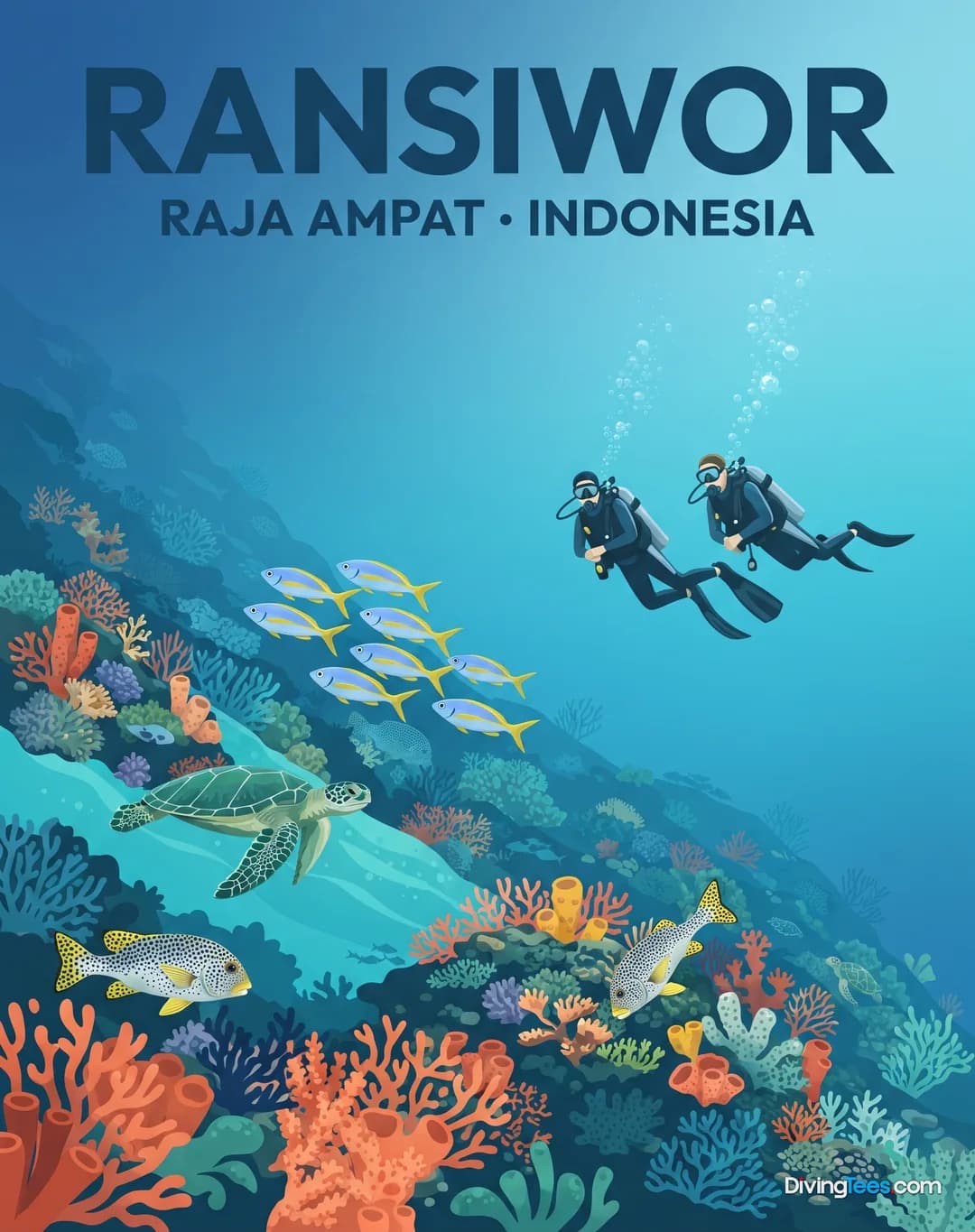
down to 30 m
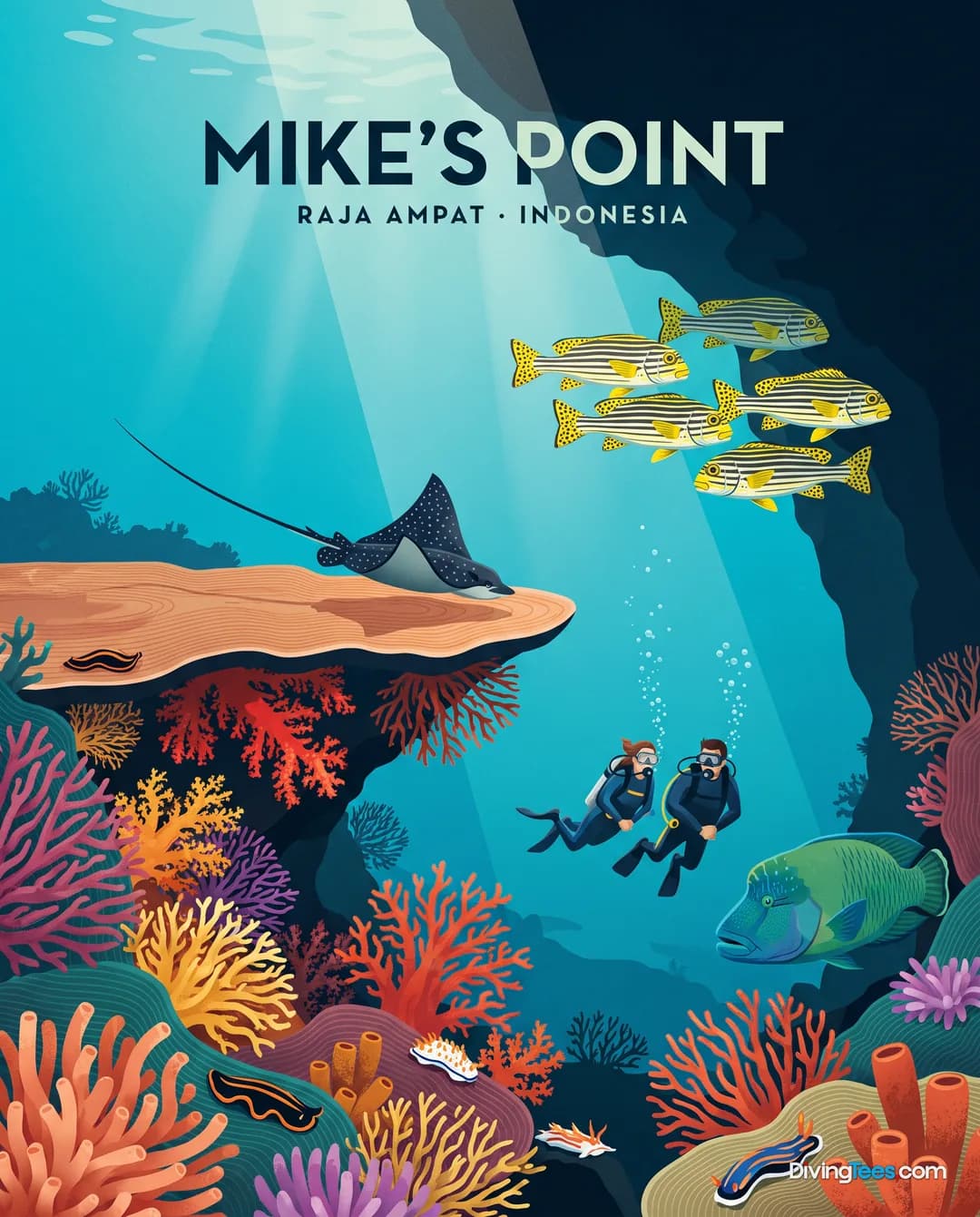
down to 40 m
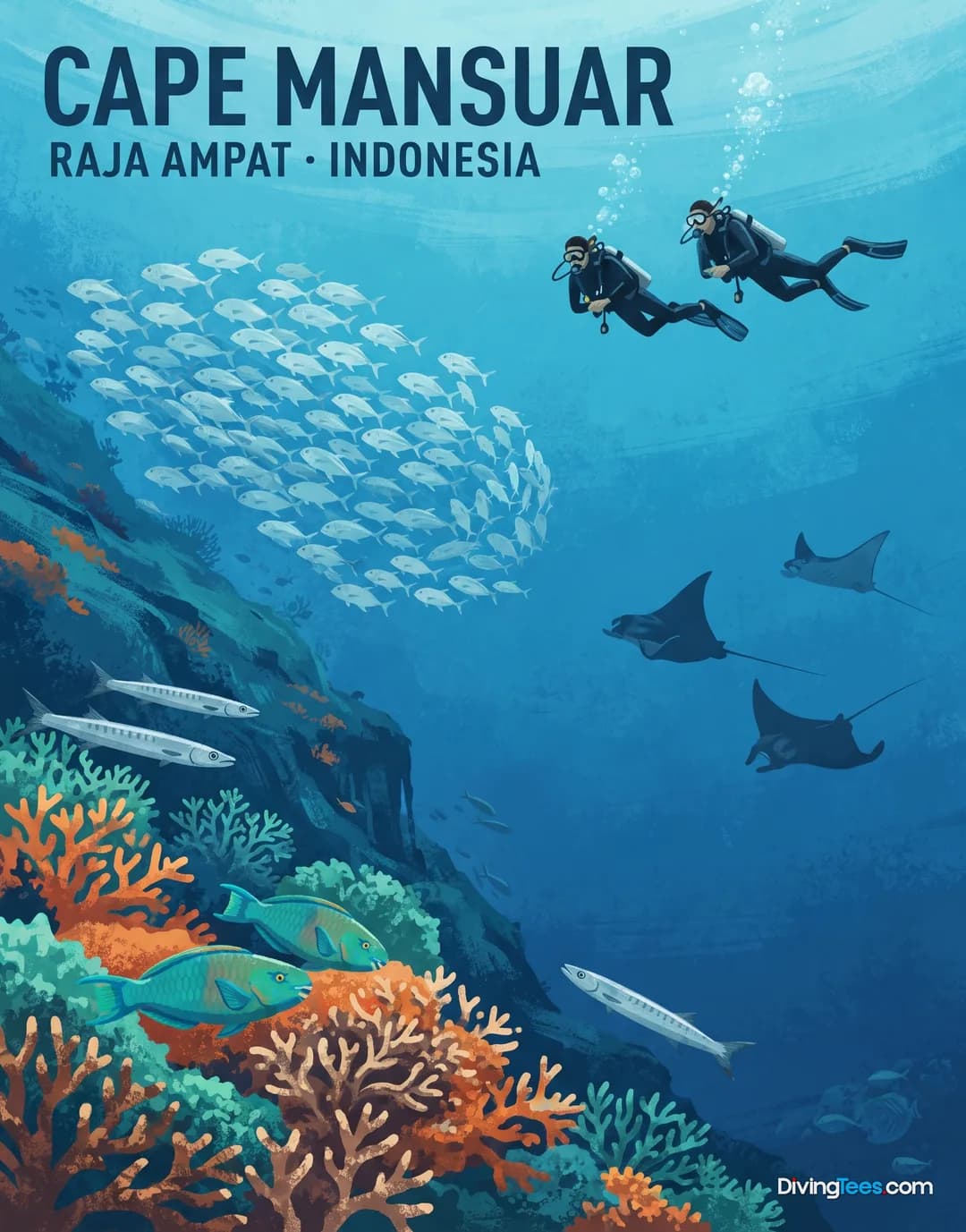
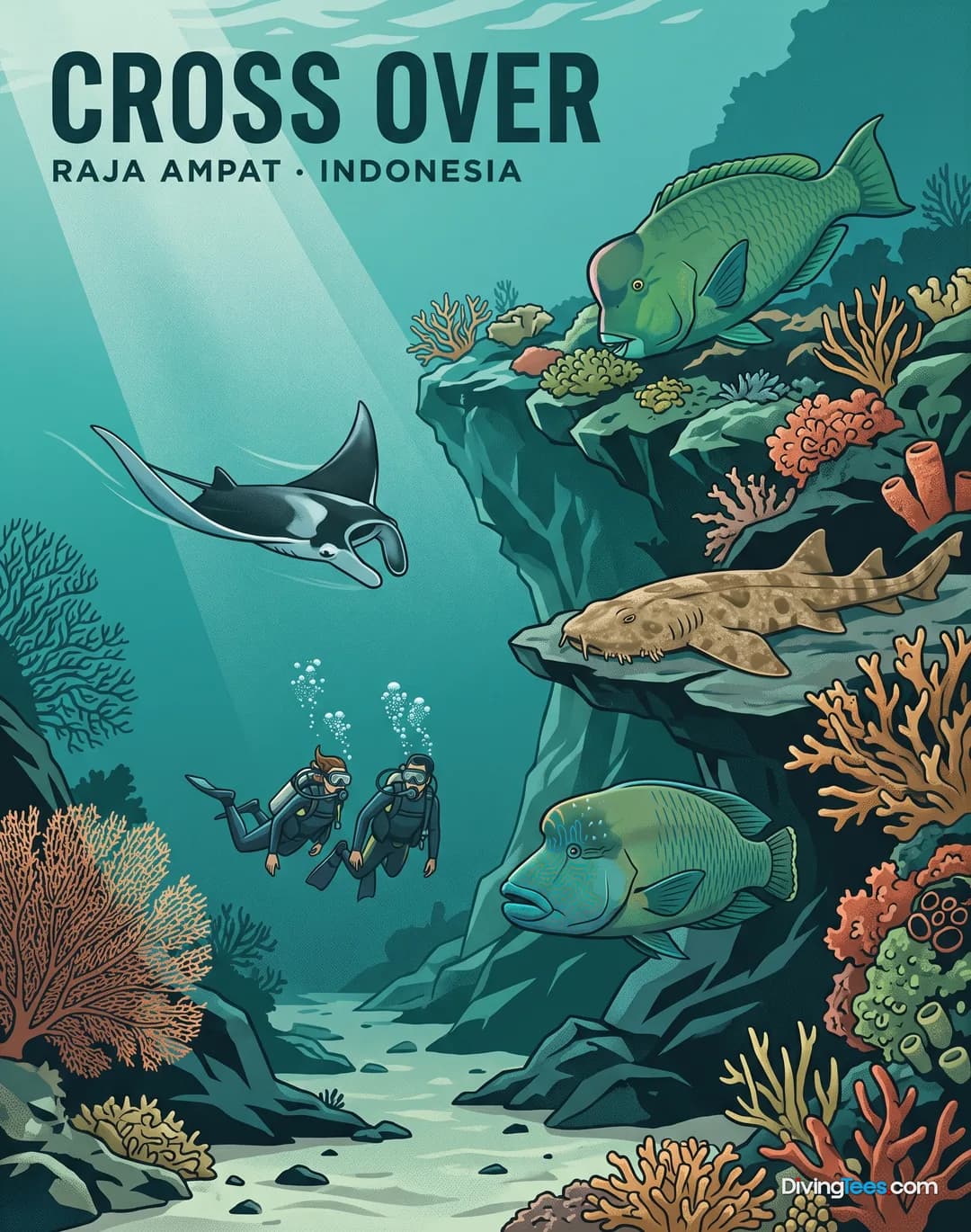
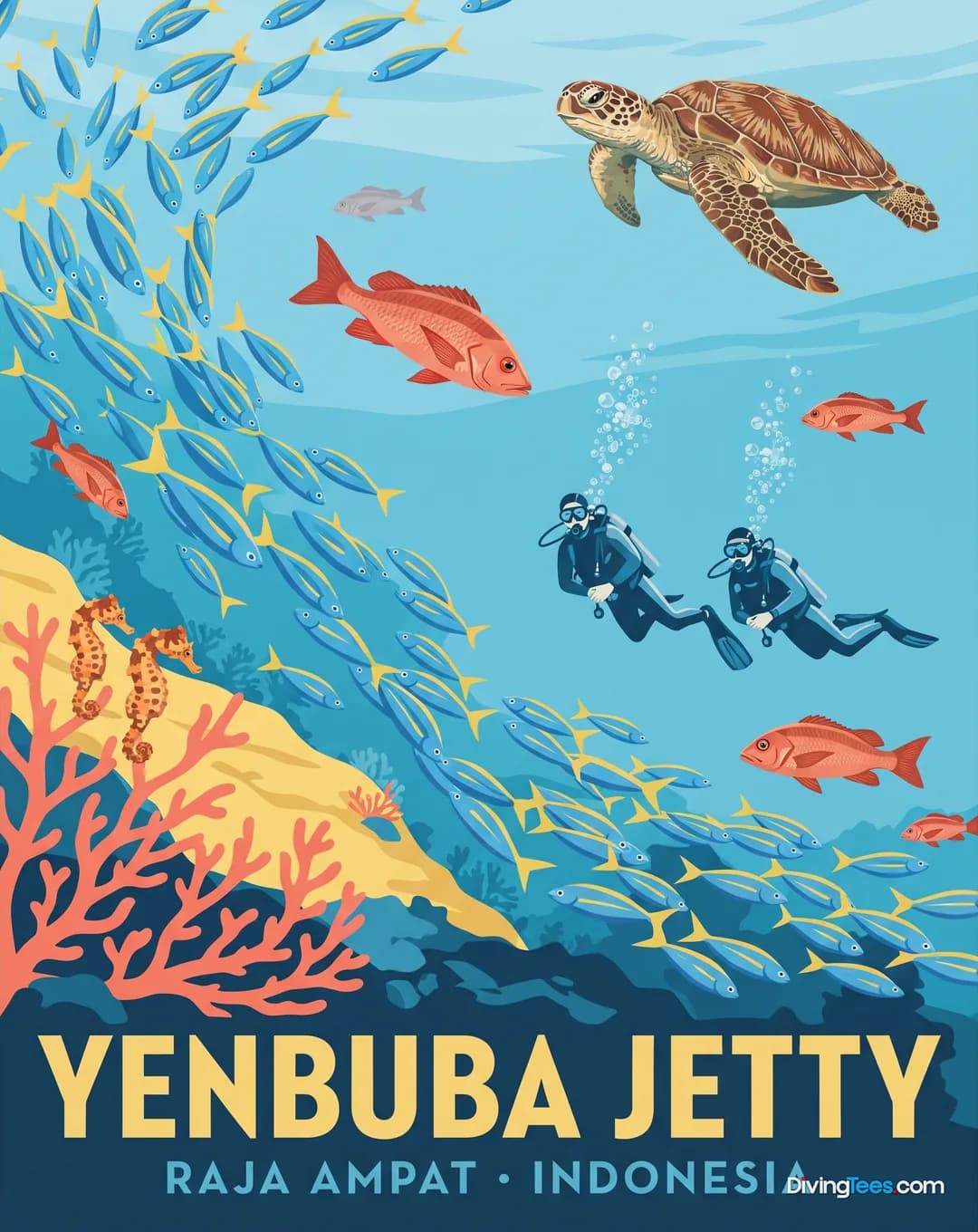
down to 30 m
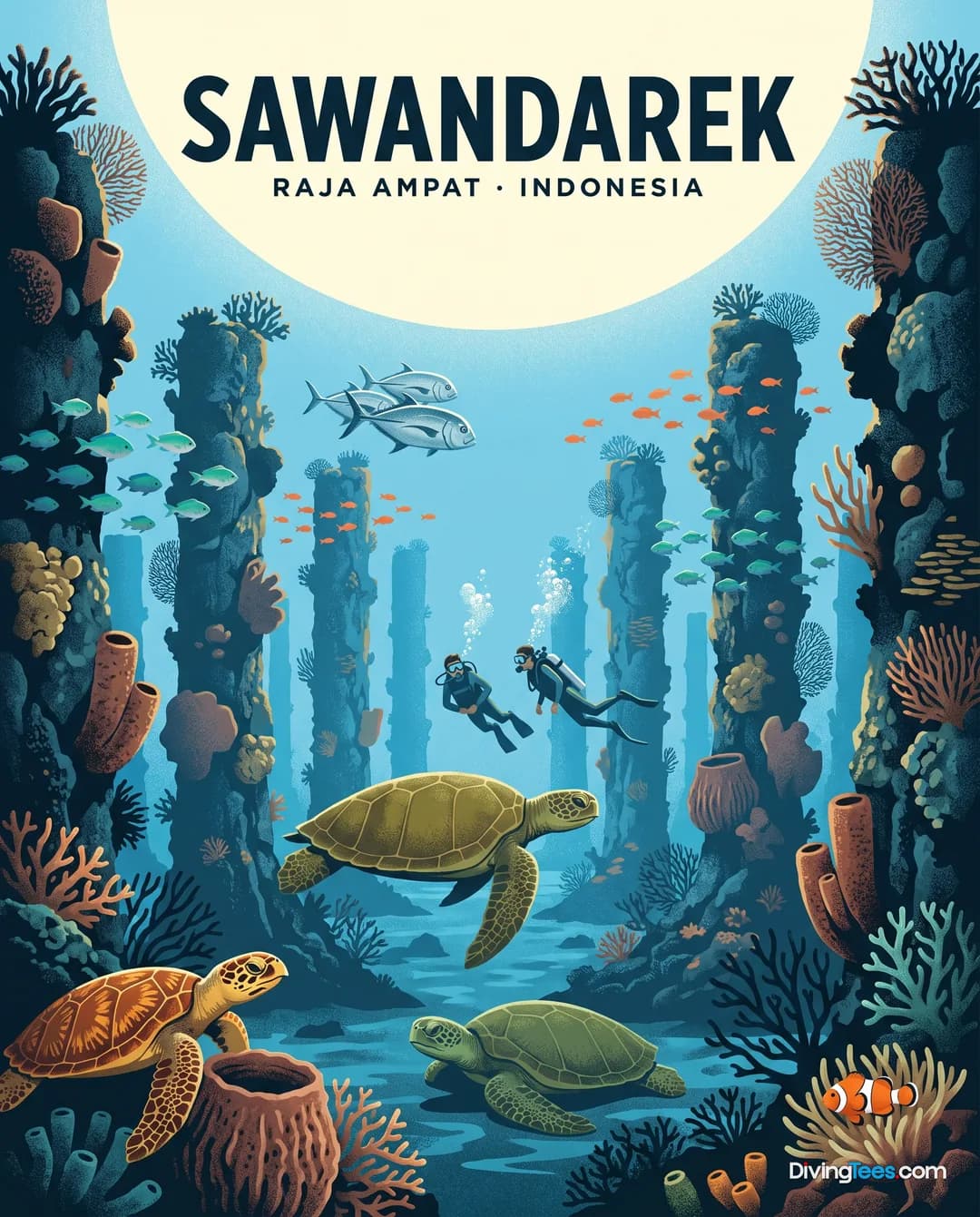
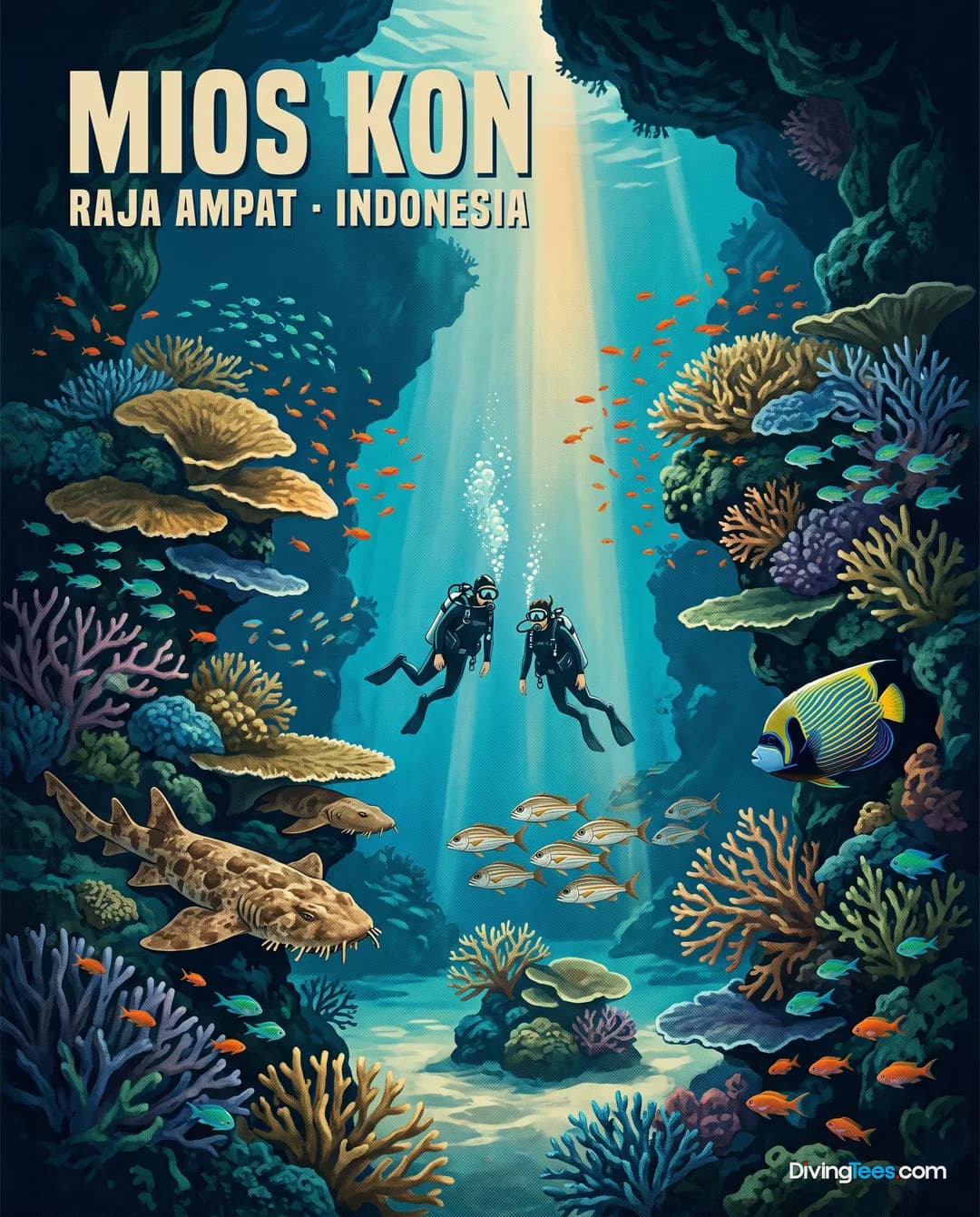
down to 30 m
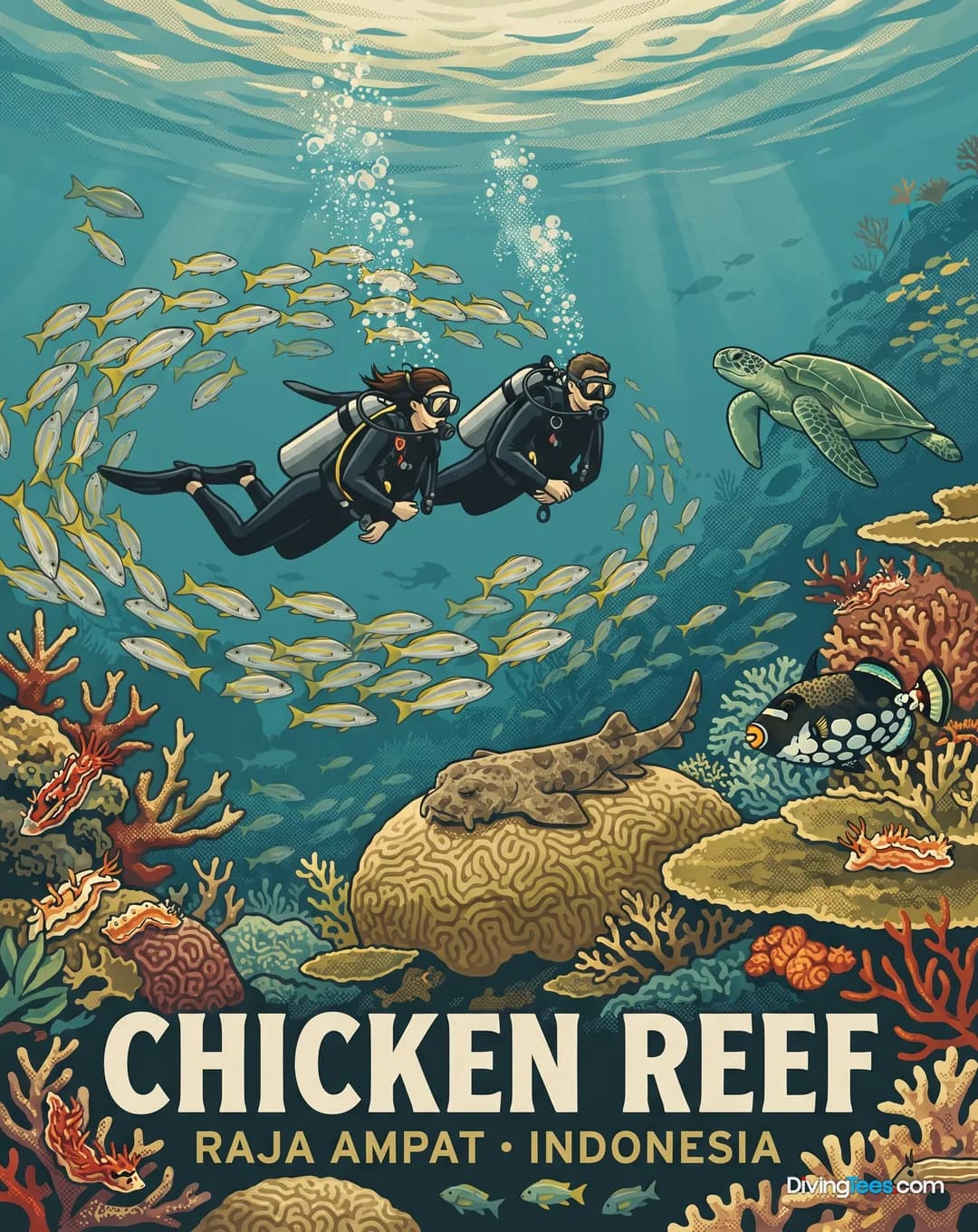
down to 30 m
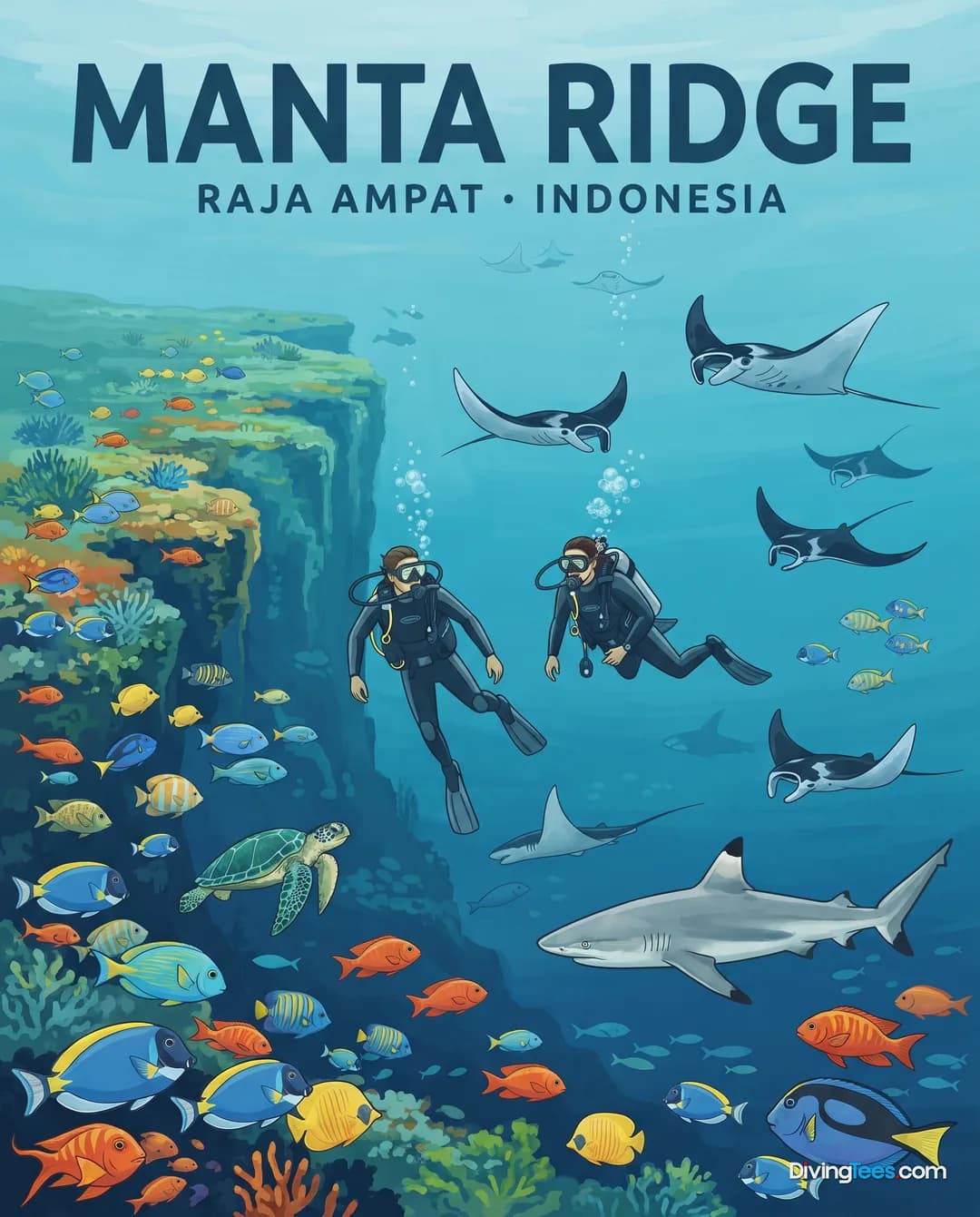
down to 40 m
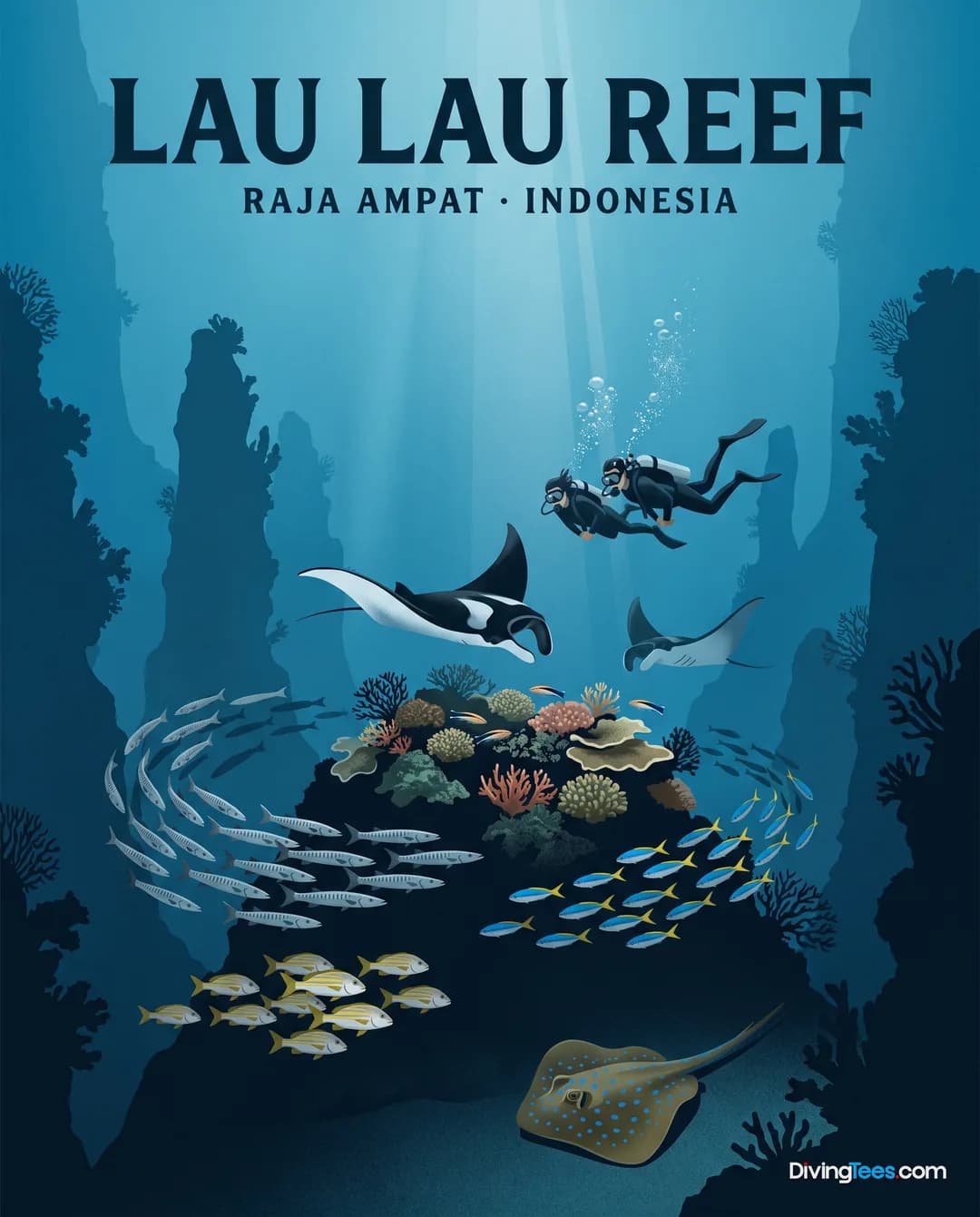
down to 30 m
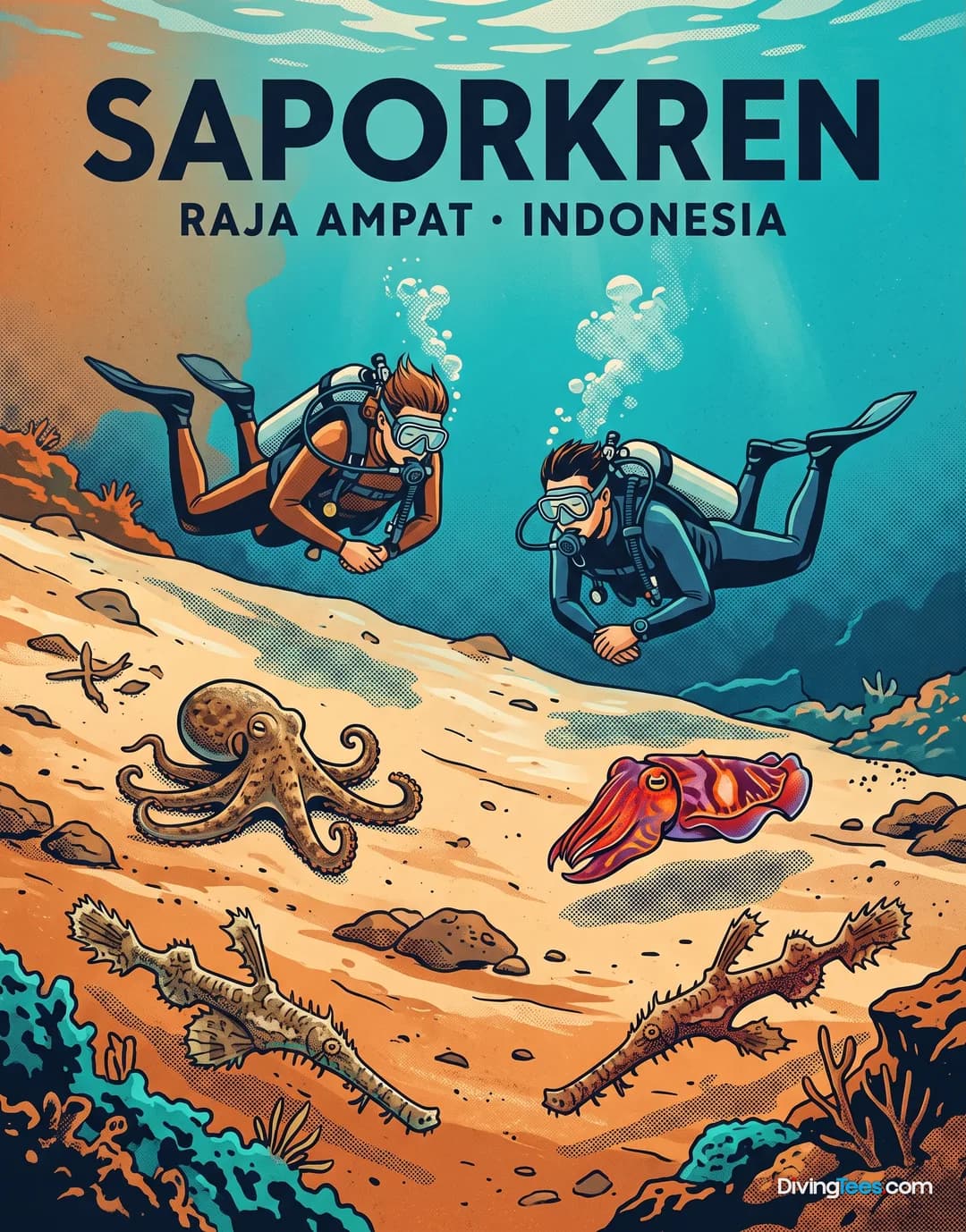
down to 30 m
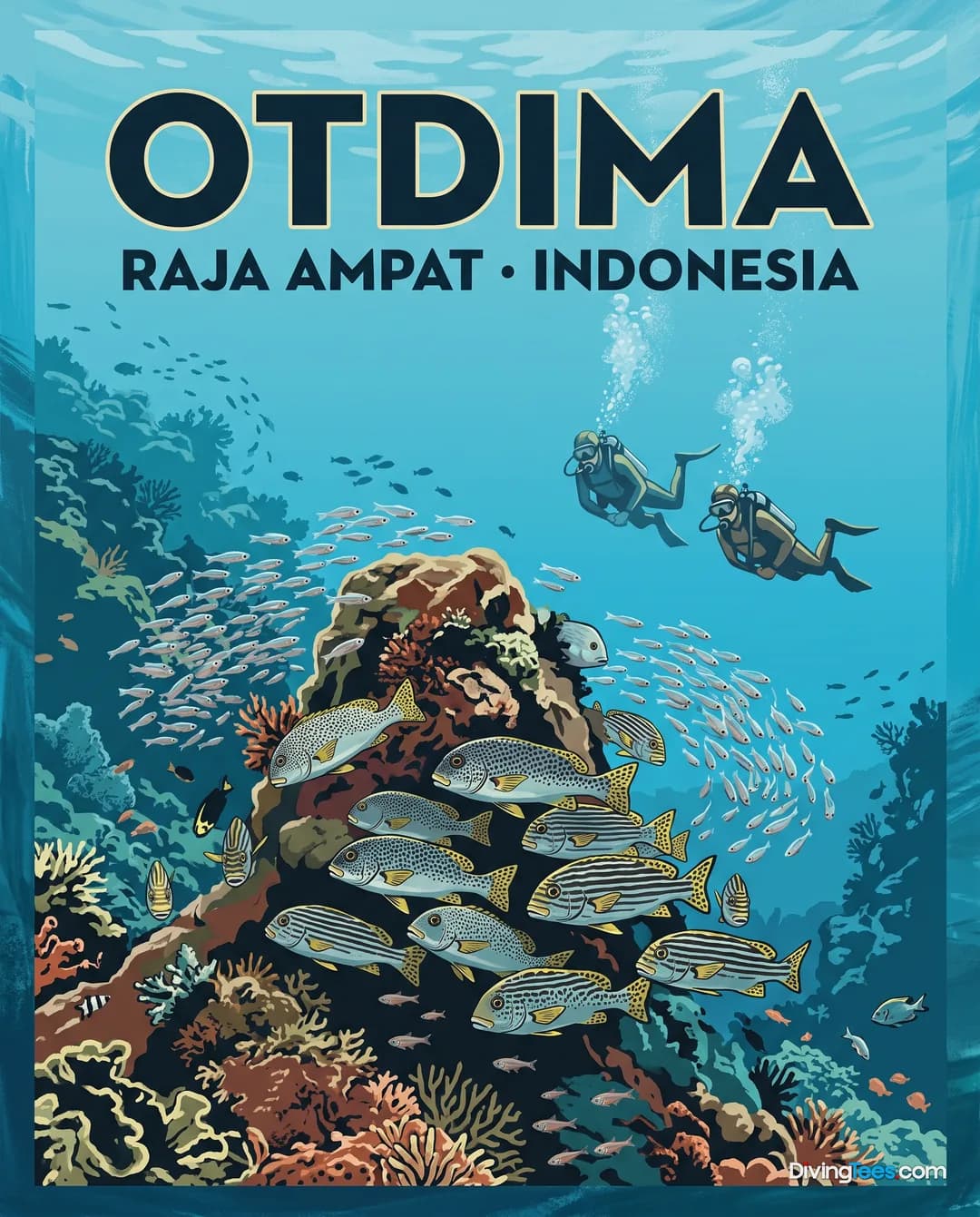
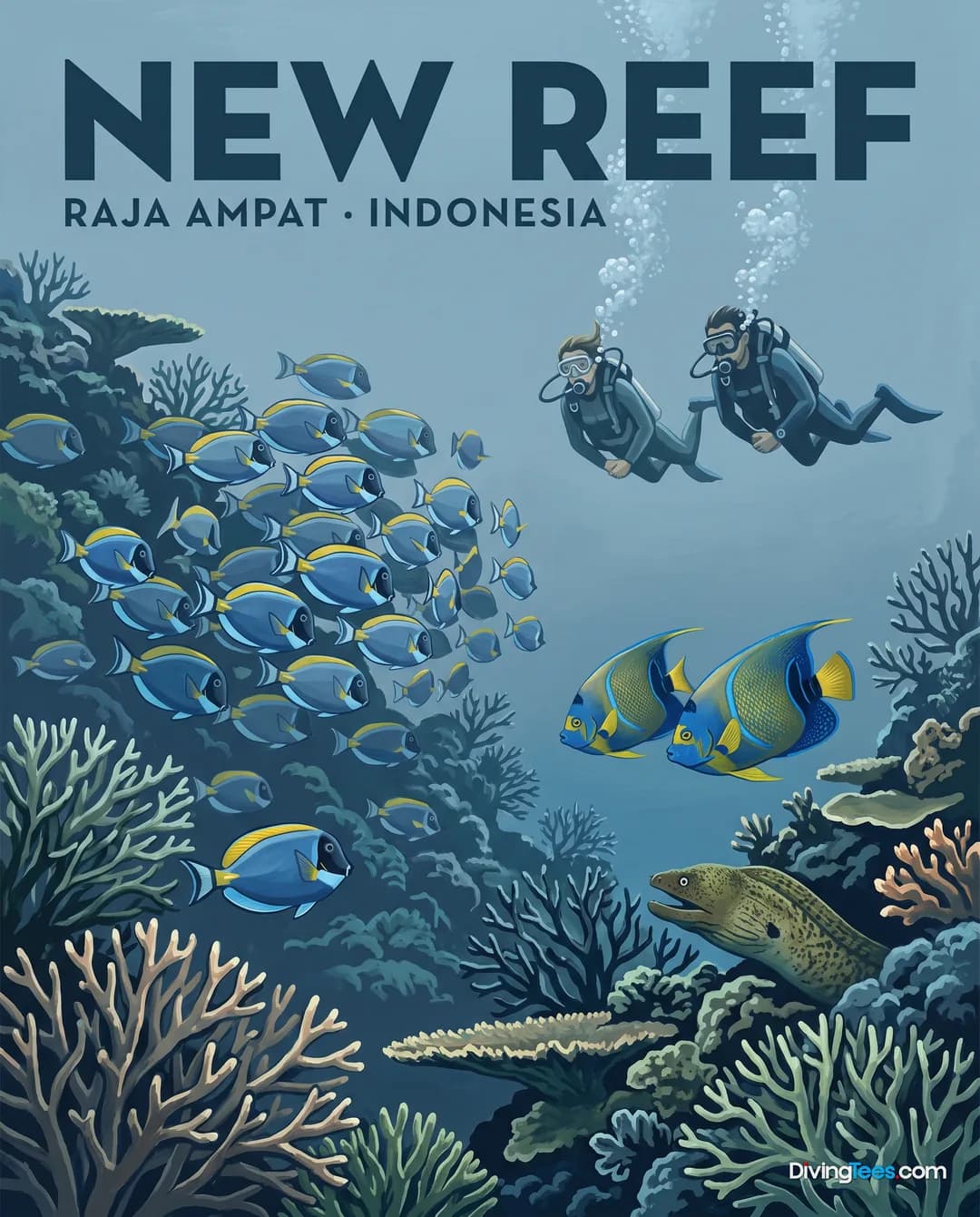
down to 35 m
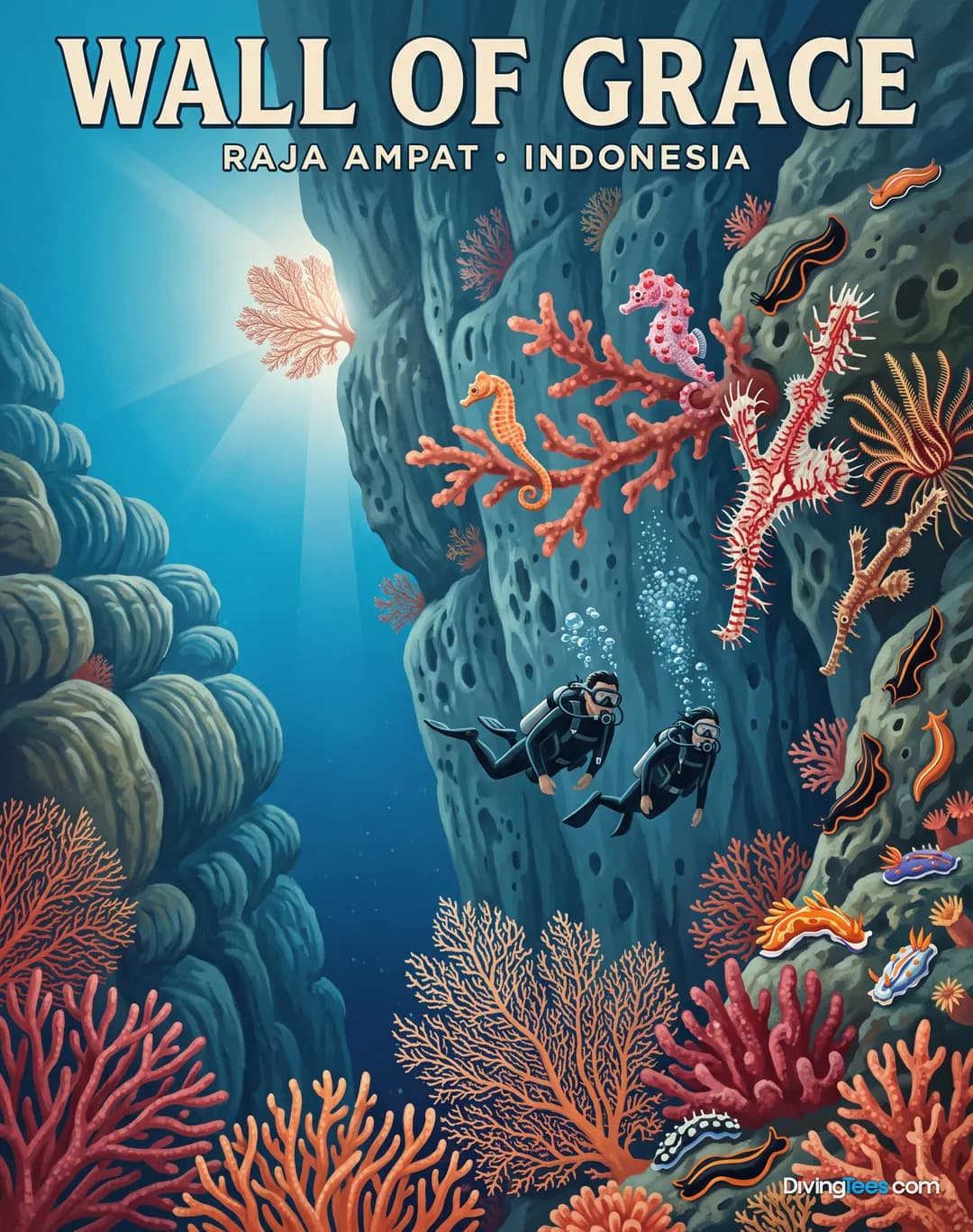
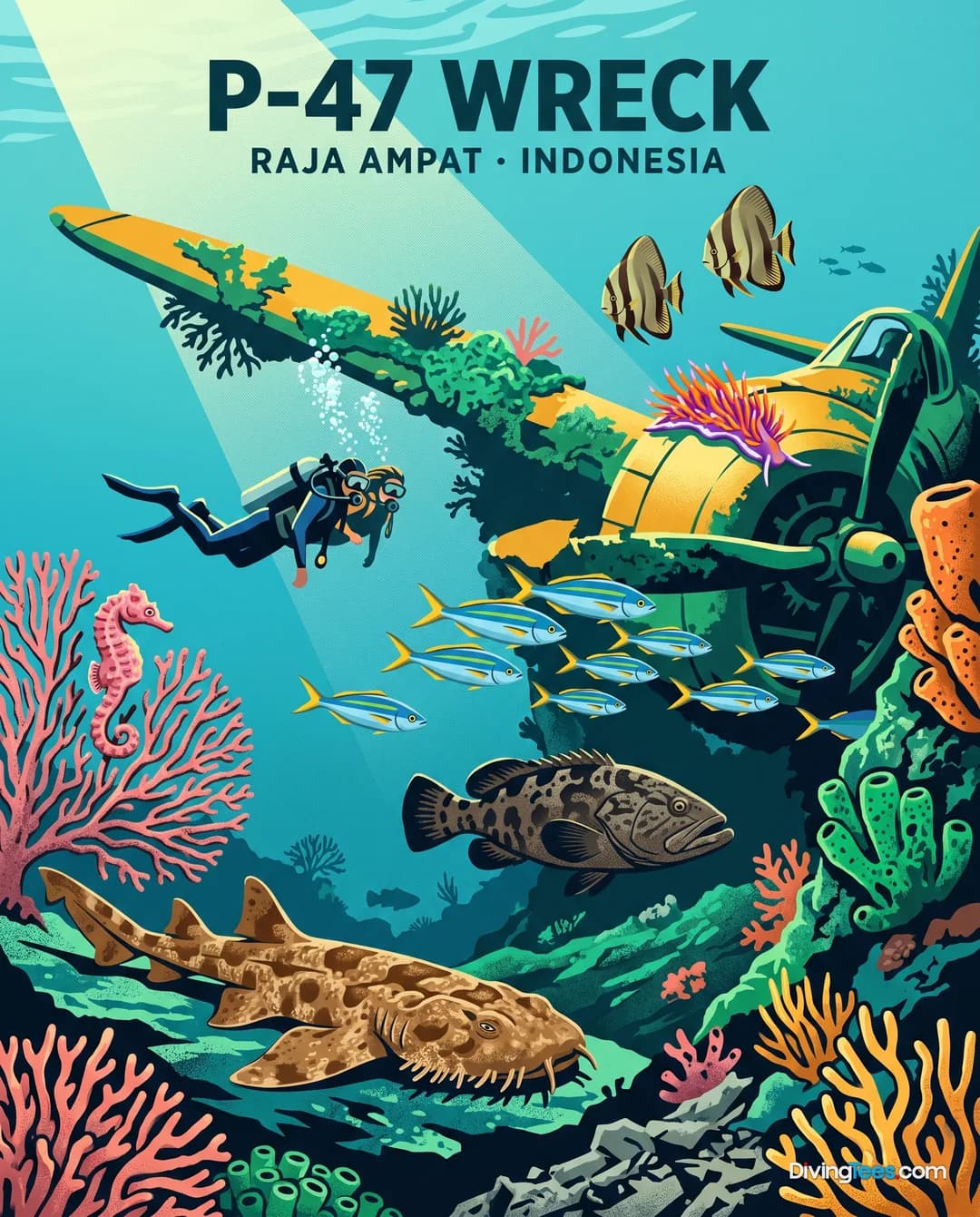
down to 33 m
down to 20 m
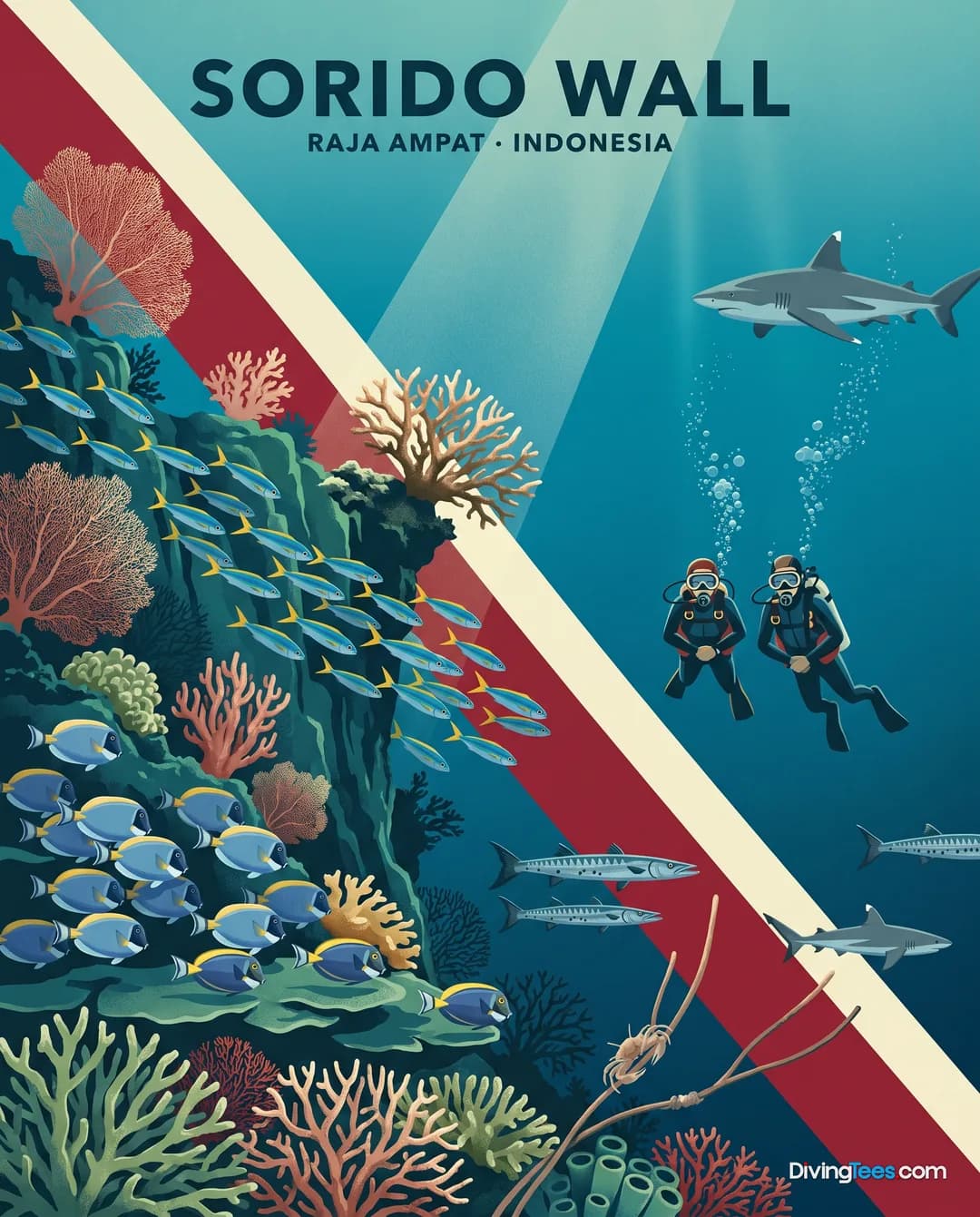
And some of the dive sites the centre runs.
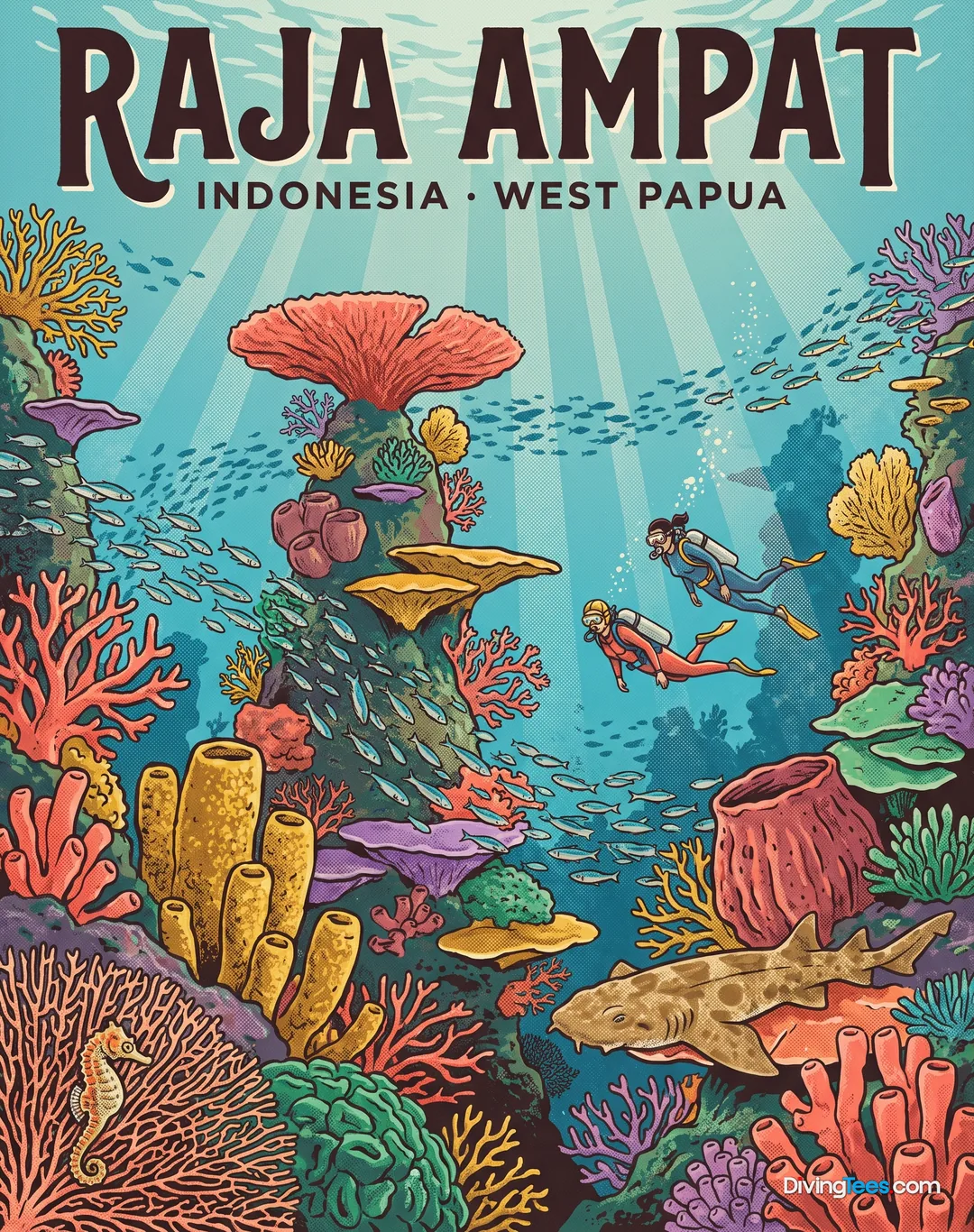
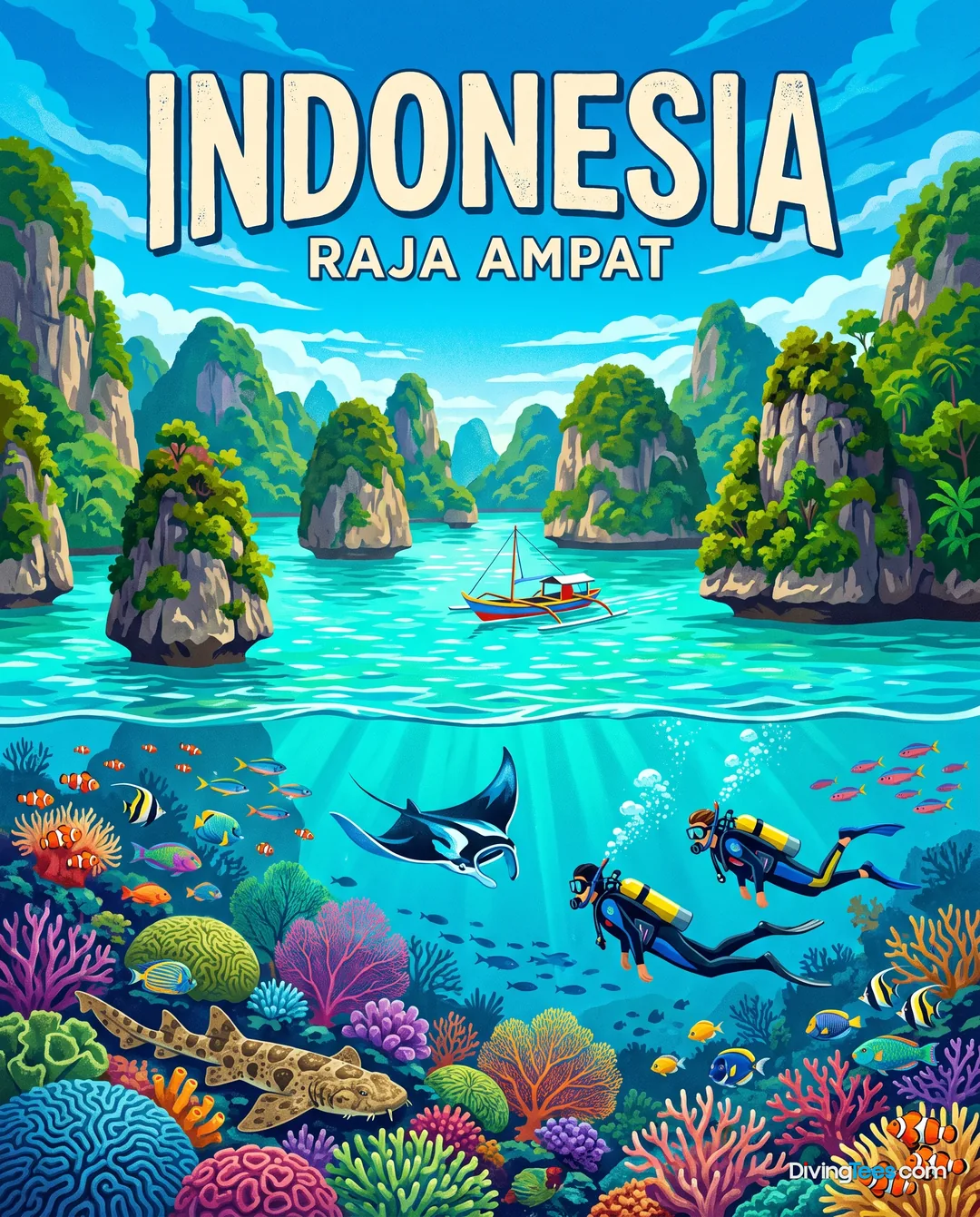
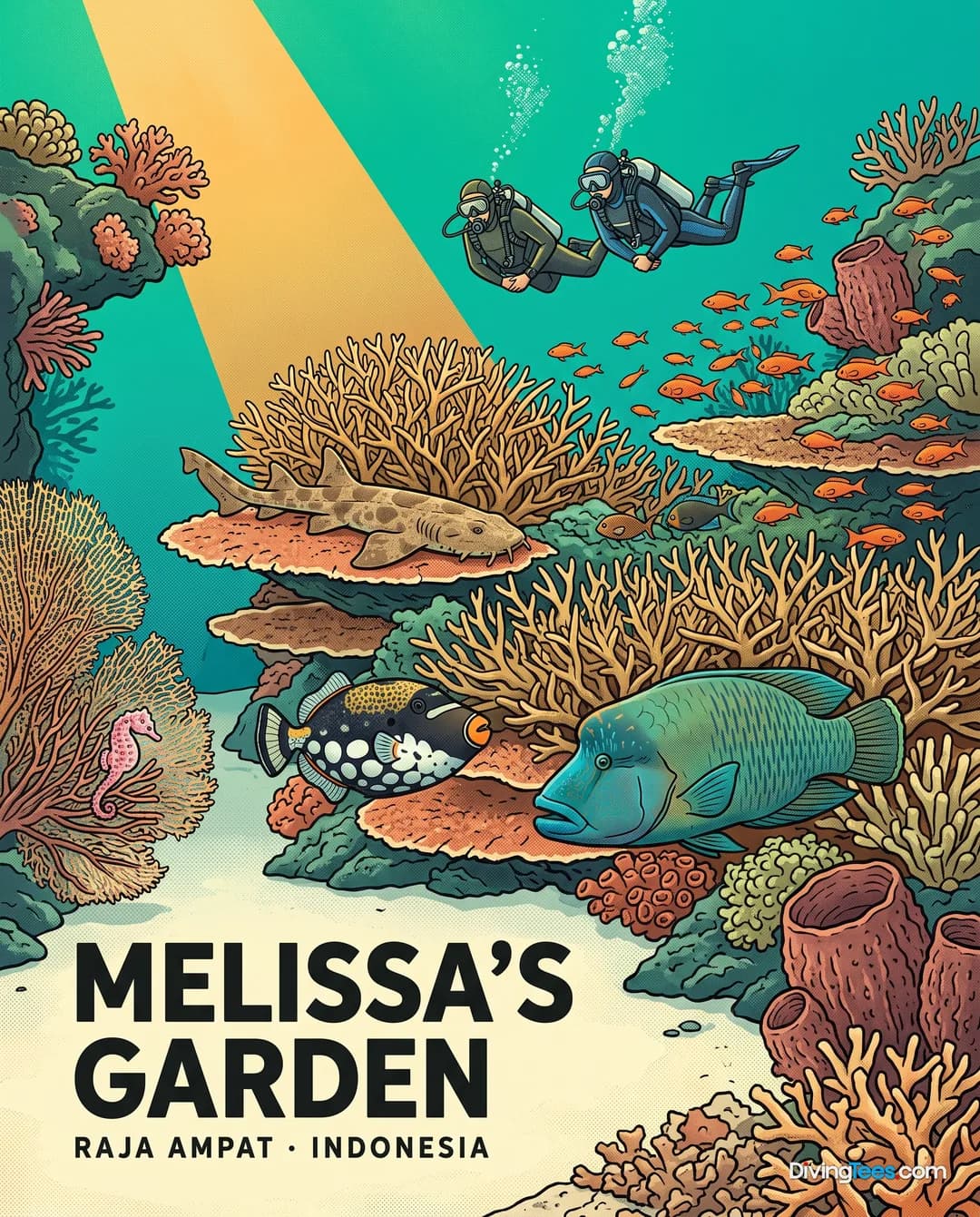
The reefs are a riot of colour, dominated by vast expanses of soft corals (Alcyonacea) and hard corals (Scleractinia). You will find spectacular displays of sea fans (Gorgoniidae), sponges (Porifera), and various species of table corals, lettuce coral, and staghorn coral.
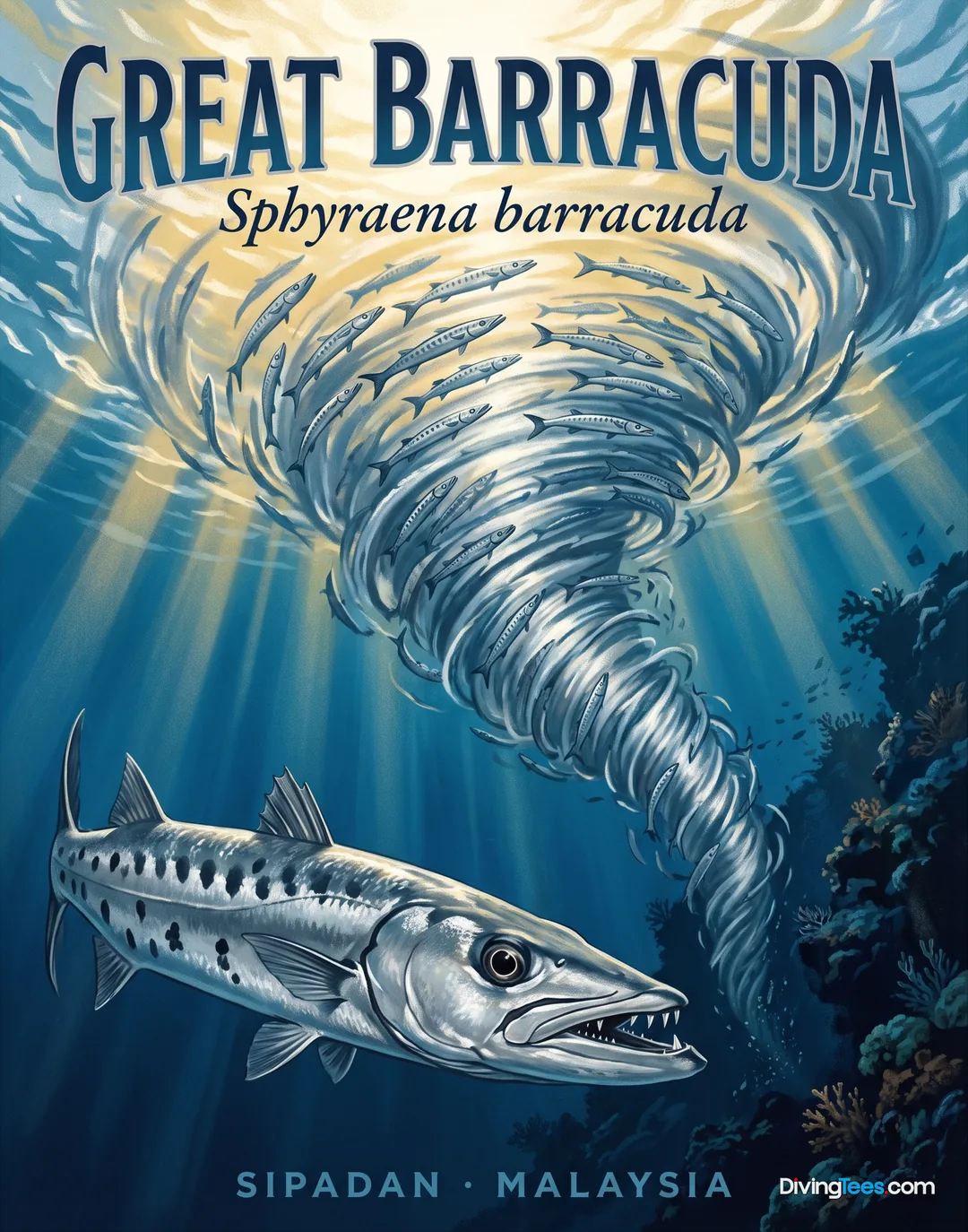
In the blue, the sheer scale of life is staggering. You can encounter massive schools of fusiliers (Caesio), snappers (Lutjanus), and emperors. Large predatory species frequently patrol the area, including Great barracuda (Sphyraena barracuda), various species of sharks (Selachimorpha), and giant trevally. Pelagic encounters are common, with sightings of oceanic manta rays (Mobula alfredi), mobula rays, and occasionally tuna (Thunnus).
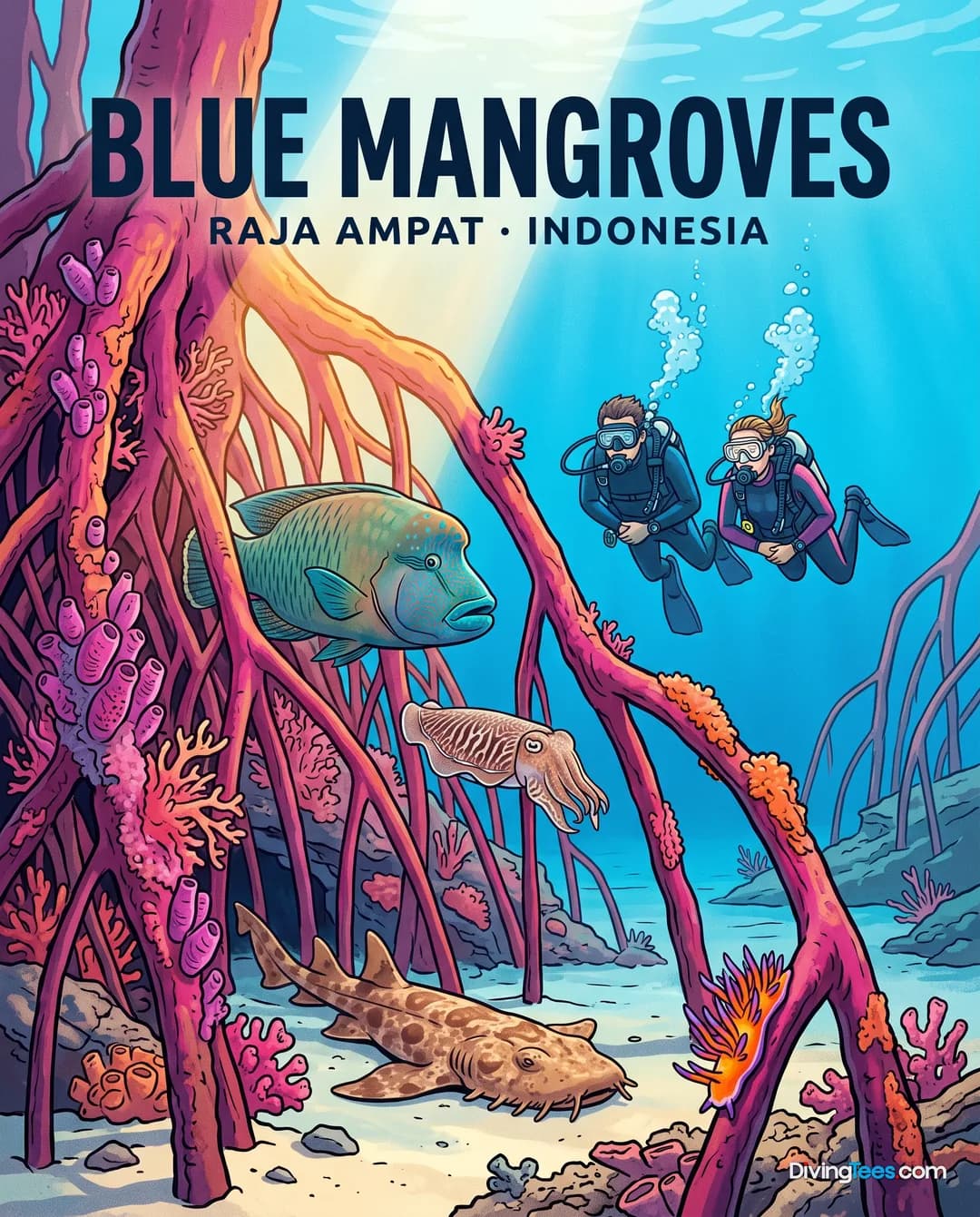
For the macro enthusiast, the sites offer endless discovery. Look closely for the pygmy seahorse (Hippocampus bargibanti), pontohi pygmy seahorse, various nudibranchs (Chromodoris willani), and Ornate ghost pipefish (Solenostomus paradoxus). The sandy bottoms and crevices are home to wobbegong sharks, including the tasselled wobbegong shark, as well as walking sharks, leaf scorpionfish, and various species of octopus (Octopus vulgaris).
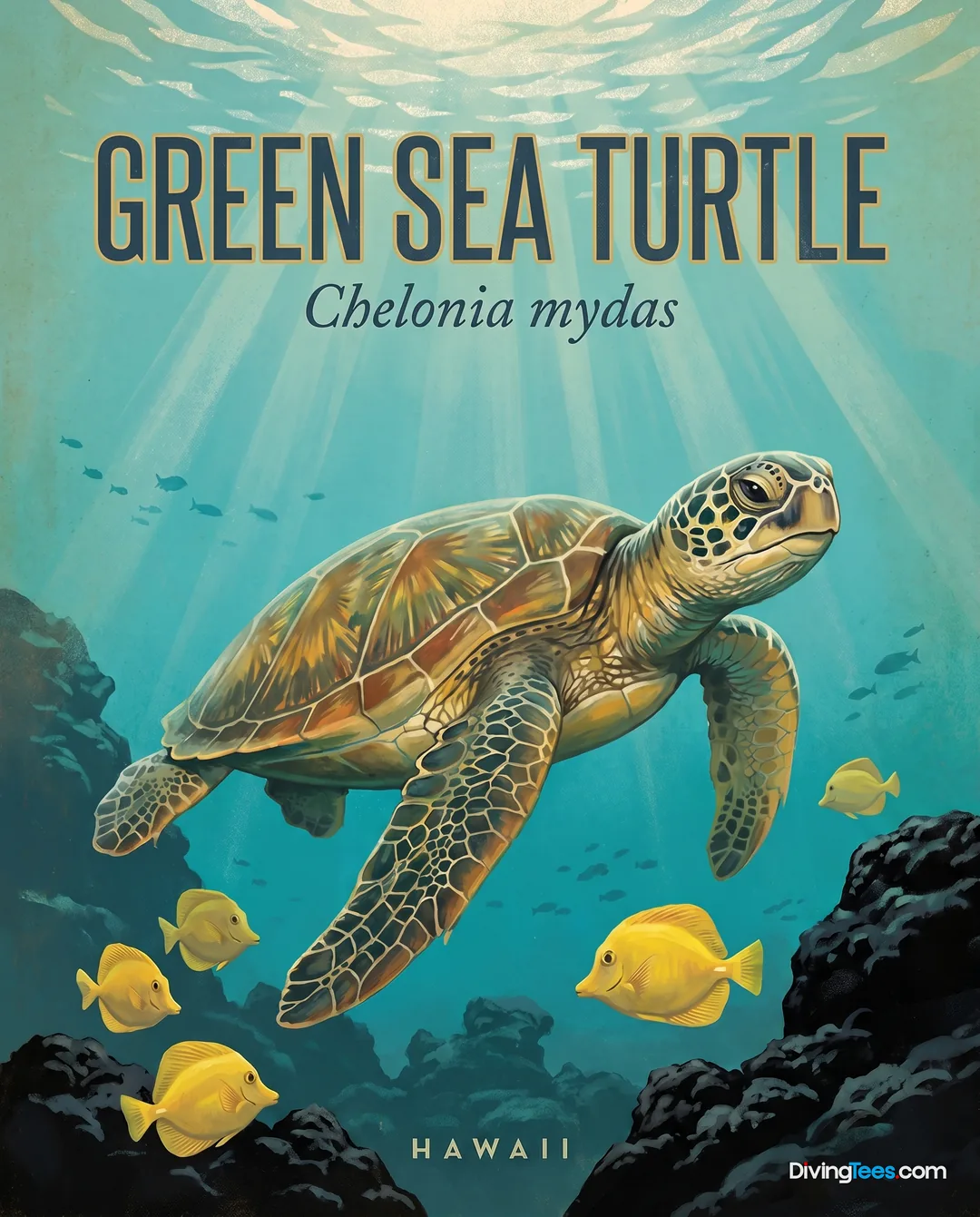
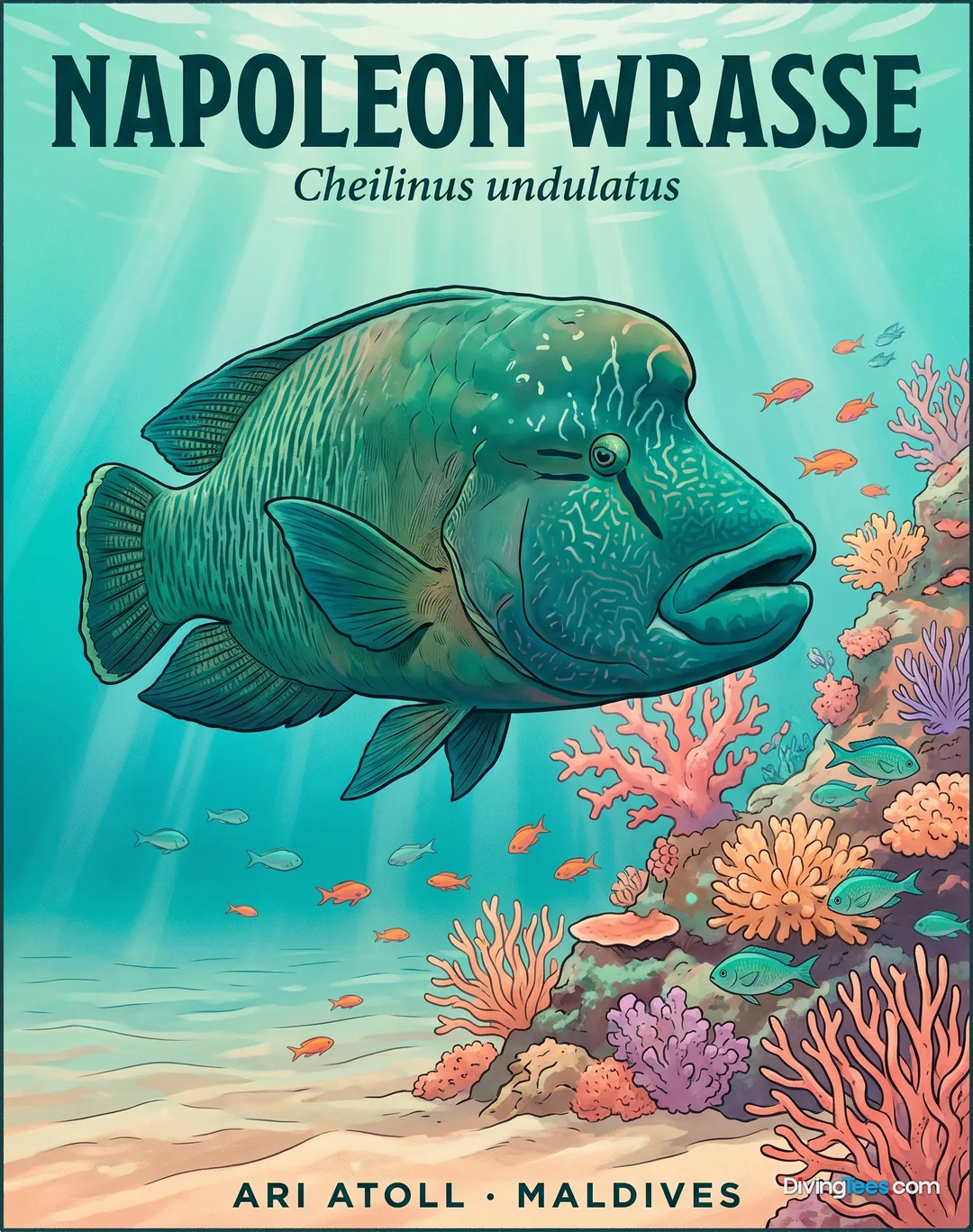
Other notable inhabitants include the Humphead parrotfish (Bolbometopon), green turtle (Cheloniidae), and various species of rays (Batoidea), such as Kuhl's stingrays. You may also spot the Napoleon wrasse (Cheilinus undulatus), various species of sweetlips (Plectorhinchus), and a wide array of crustaceans, including wire coral crabs and mantis shrimp.
Diving in Raja Ampat is heavily influenced by the tides and the movement of water through the Dampier Strait. Currents can range from gentle drifts to strong, unpredictable flows that require experience to navigate, particularly at sites like Manta Ridge or Cape Kri.
The centre operates a strict no-decompression policy. While the sea can become choppy during the summer months, this typically does not interfere with the diving itself, though it may affect surface conditions.
Hello, I'm Marina, DivingDeal.com's AI assistant. I answer in detail about hotels, dive centres and liveaboards.

Thinking about the whole trip and the flights? Talk it over with Edith →
Marina is an AI. Some links are affiliate links: DivingDeal may earn a commission, at no extra cost to you. Bookings are made with the partner.