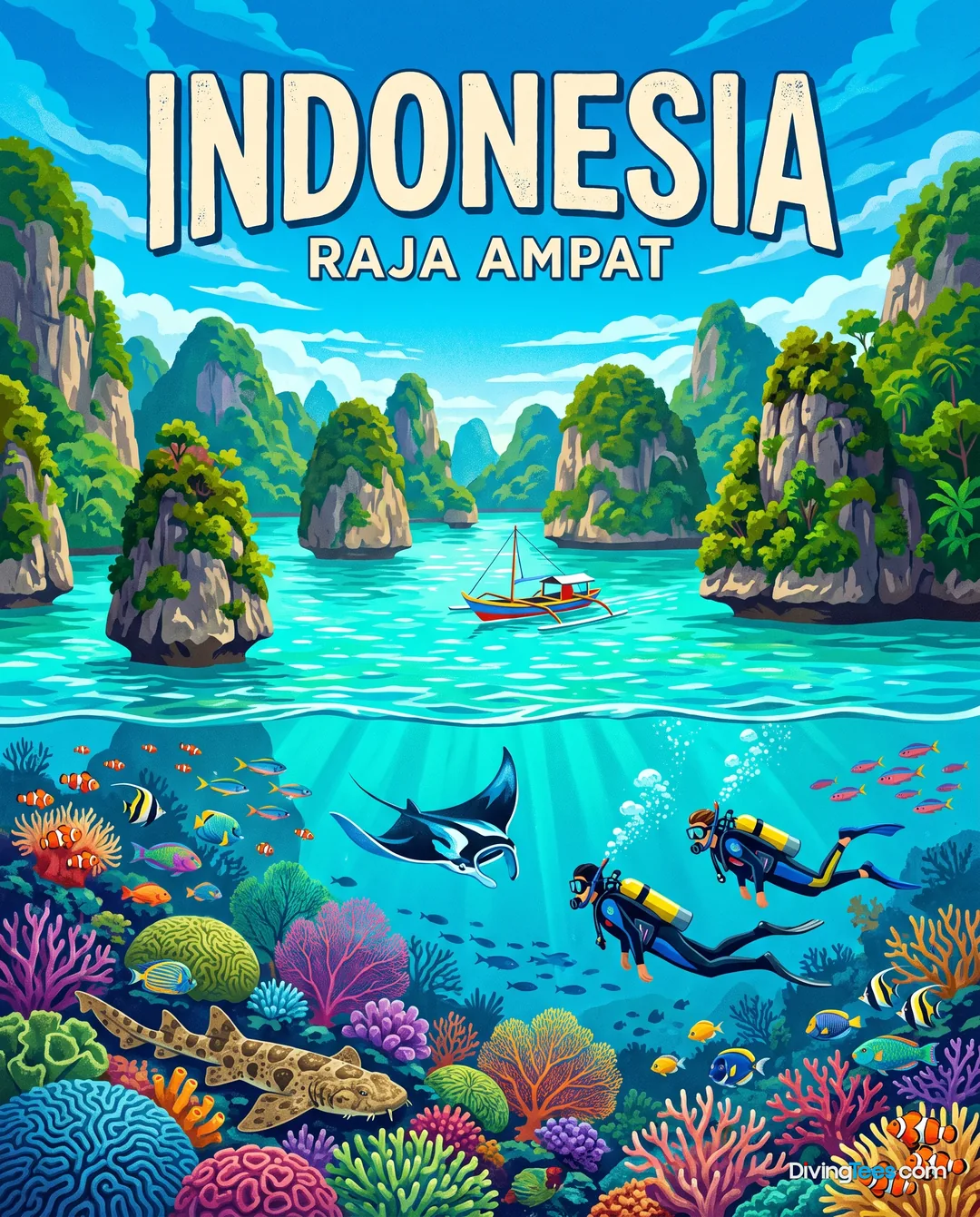
Liveaboards · Indonesia
Mermaid II — a dive-first Indonesian liveaboard with serious food and sites
What makes this boat unique
- Mermaid II carries up to 18 divers in nine cabins, with air conditioning, hot showers and sea-view panoramic windows.
- The dive setup includes a shaded platform, DIN adaptors, separate camera rinse, two 4.7-metre tenders and nitrox as an optional extra.
- Thai, Indonesian and Western food includes vegetarian and vegan choices, snacks throughout the day and free non-alcoholic drinks.
- The boat is particularly suited to divers choosing a route for its guides, dive sites and food, rather than for a resort-style interior.
For subtitles in English: start the video firstthen click the gearat the top right of the video, select “Subtitles/CC”, then “Auto-translate” and choose “English”.
The invitation
Mermaid II makes sense when the destination comes first. The recorded routes run from Bali towards Komodo and Maumere, with options that add the whale sharks of Saleh Bay, or continue into the Ring of Fire through Ambon, the Banda Sea and Alor. That gives the boat a wider job than simply carrying divers from one familiar reef to the next. The attraction is the combination: Indonesian sites with strong currents, pelagic life, macro subjects and wrecks, supported by a crew whose strongest marks are in diving, food and service. The boat is not sold on luxury alone. A budget cabin with a shared bathroom sits alongside deluxe cabins with private bathrooms, while the dive operation remains the centre of the trip. Come aboard for manta cleaning stations, mola mola, sharks, walls, pinnacles and the chance to spend a full voyage moving through some of Indonesia's most varied water.
Boarding
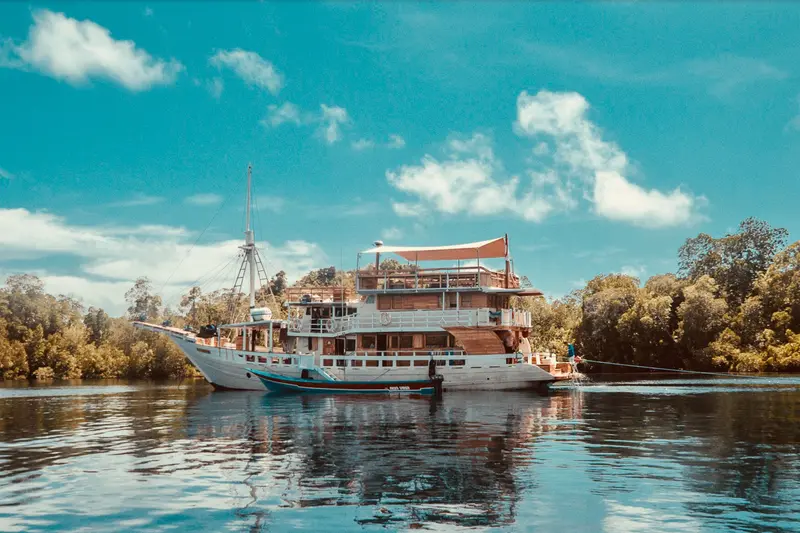
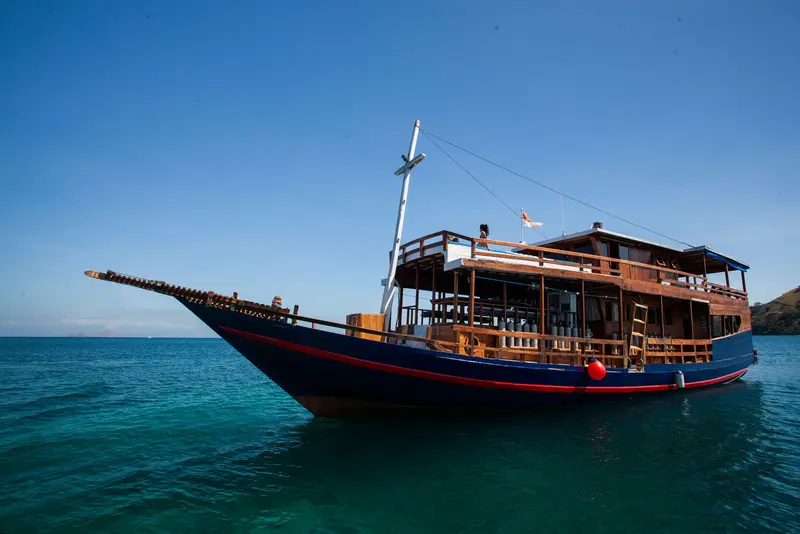
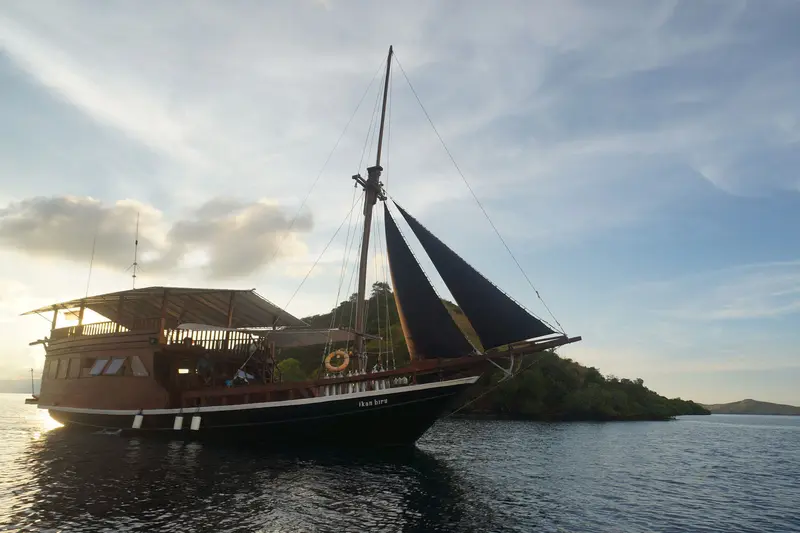
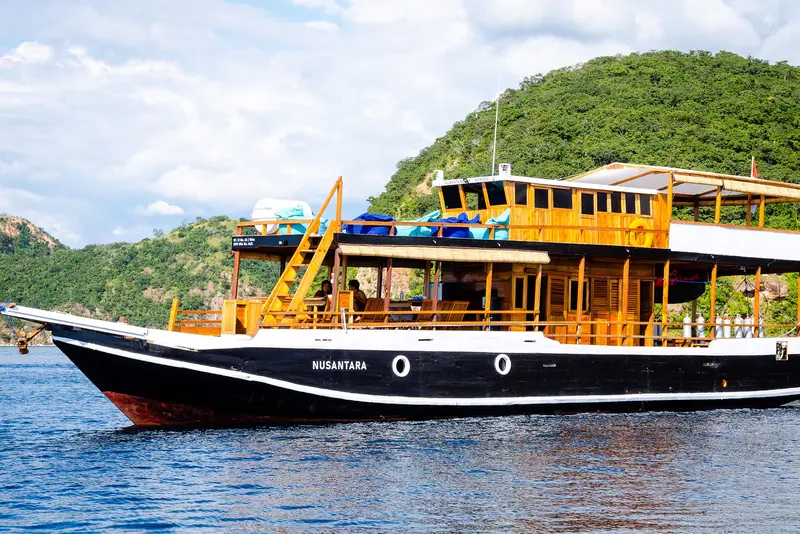
From the dock, Mermaid II presents as a working dive yacht rather than a floating hotel built around decoration. The steel hull and twin Hino engines give the boat a purposeful, solid character, while the broad beam and outdoor areas keep movement practical once divers, cameras and wet equipment are in use. Inside, the main deck carries the cabins, and the upper areas open into shaded and sunny places where people can get out of the way of the dive operation. The boat is large enough to separate sleeping, dining and dive traffic, but with a maximum of 18 passengers the group remains small enough for faces to become familiar quickly. There are two tenders at the dive sites, so the main hull does not have to sit directly over every descent and pickup. Underway, the engines are part of the experience; the payoff is the range of Indonesian itineraries that this platform can cover.
The atmosphere on board
The atmosphere is built by the crew more than by the hull. Passenger feedback consistently describes a team that works together, keeps the boat clean and helps without making a performance of it; food and hospitality are repeatedly singled out alongside the diving. The close-to-one crew-to-passenger ratio supports that impression in practical ways, from handling equipment to keeping the day moving when several groups return at different times. English, Spanish and Indonesian are spoken. With no more than 18 passengers, the social unit is small enough to gather naturally after dinner, compare sightings and talk through the next site. The crew's role is not limited to serving meals: they are present in the transitions that make a liveaboard easy to live on, when a camera needs rinsing, a wet diver needs a towel or a tender needs to collect the group at the surface. That is where Mermaid II earns its strongest reputation.
The sites you’ll dive
The Bali sites on Mermaid II's recorded itineraries move from cleaning stations to walls, wrecks and current-swept corners. Manta Point reaches -40m and is the place for manta rays at natural cleaning stations. Batu Kelebit drops to -60m among huge pinnacles over white sand, with pelagics, sharks, barracuda and rays. Bias Tugel is a gentler-current coral slope to -30m, known for pygmy seahorses and Wally's squat lobster; Gili Mimpang and Gili Biaha both reach -40m, bringing pelagic traffic, white-tip sharks and, at Biaha, a volcanic blowhole and cave. Gili Tepekong has coral gardens and the challenging Canyon, also to -40m. Tulamben adds Coral Garden at -30m, Tulamben Bay and the USS Liberty wreck to -35m, Tulamben Wall to -40m, Kubu Reefs to -24m and the Kubu Boga Wreck to -36m, with a submerged VW Safari on its lower deck. Crystal Bay reaches -45m; Blue Corner and Jangka Point reach -30m. Bali–Komodo–Bali trips run for 8 days/7 nights, while the listed Bali–Komodo–Maumere and Maumere–Komodo–Bali voyages run for 10 days/9 nights; Ring of Fire routes run for 12 days/11 nights.
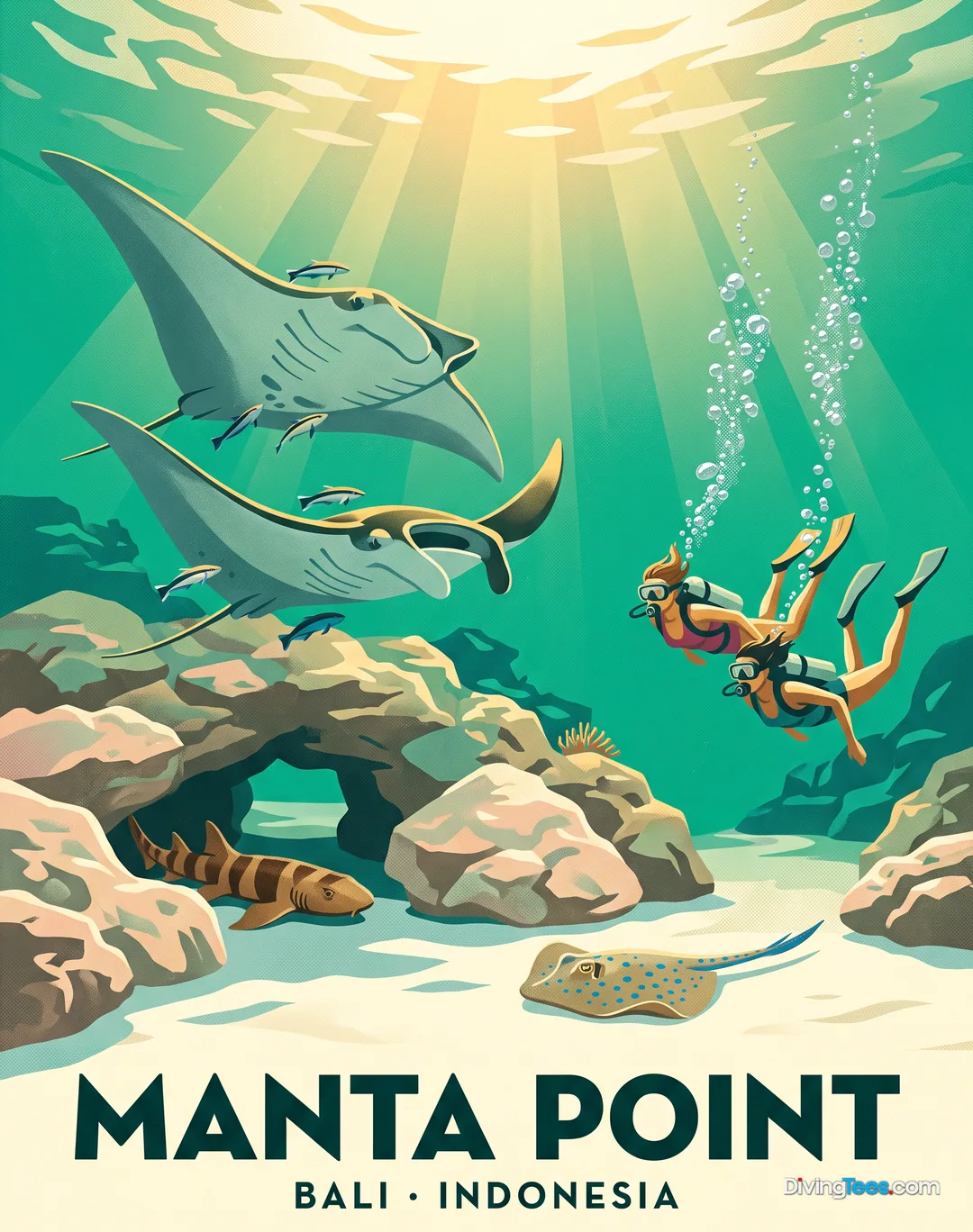
Manta Point →
Max. depth · 40 m
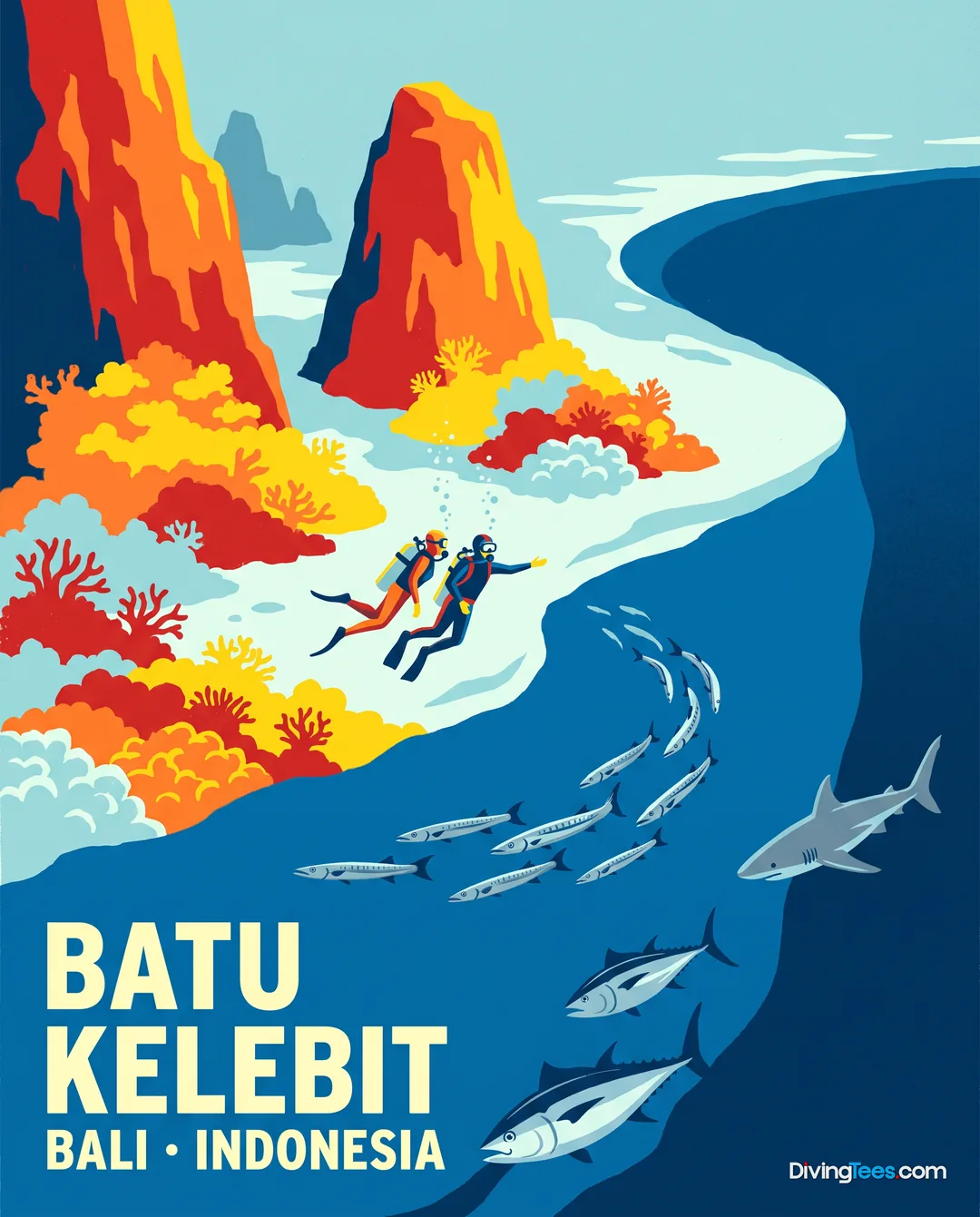
Batu Kelebit →
Max. depth · 60 m
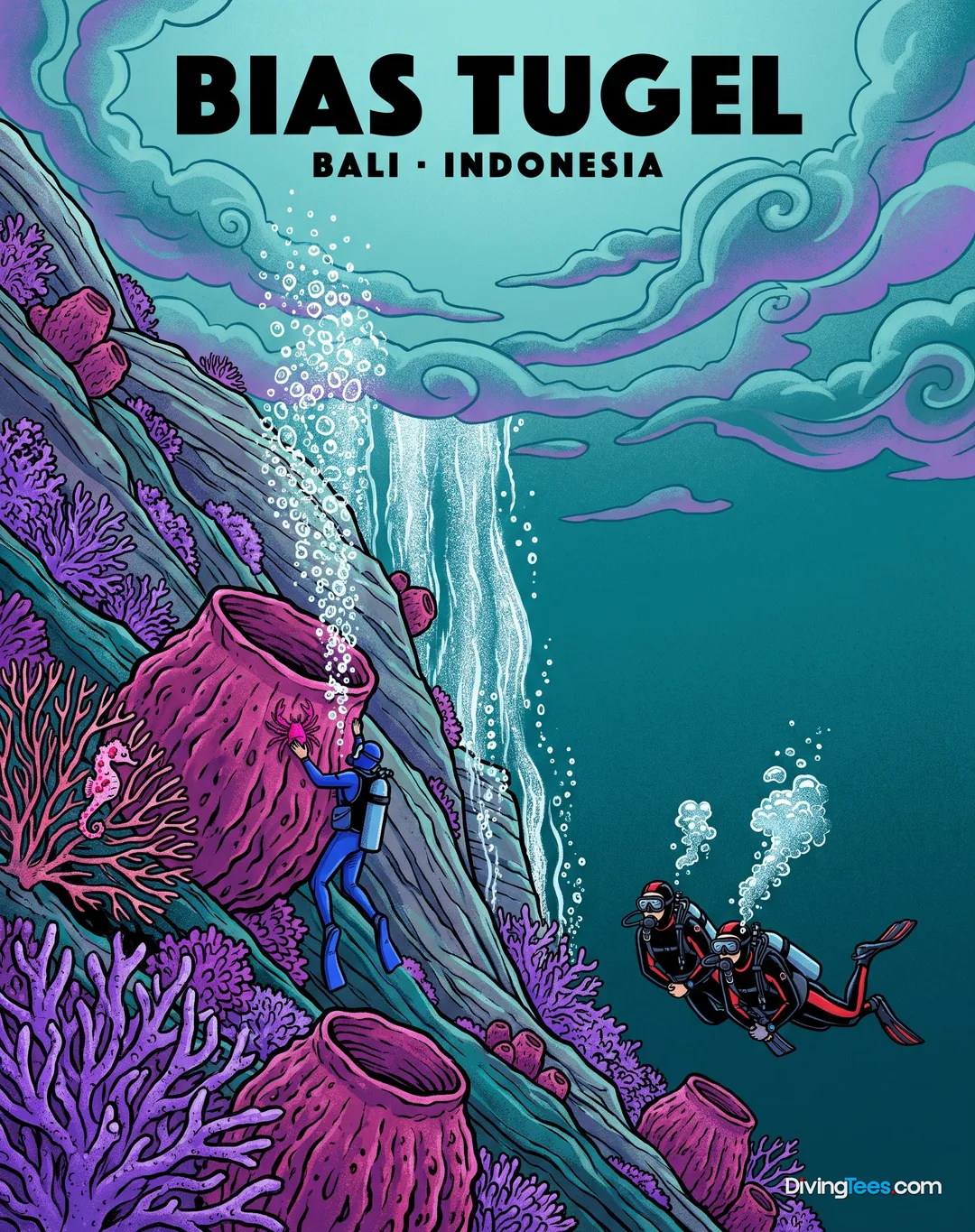
Bias Tugel →
Max. depth · 30 m
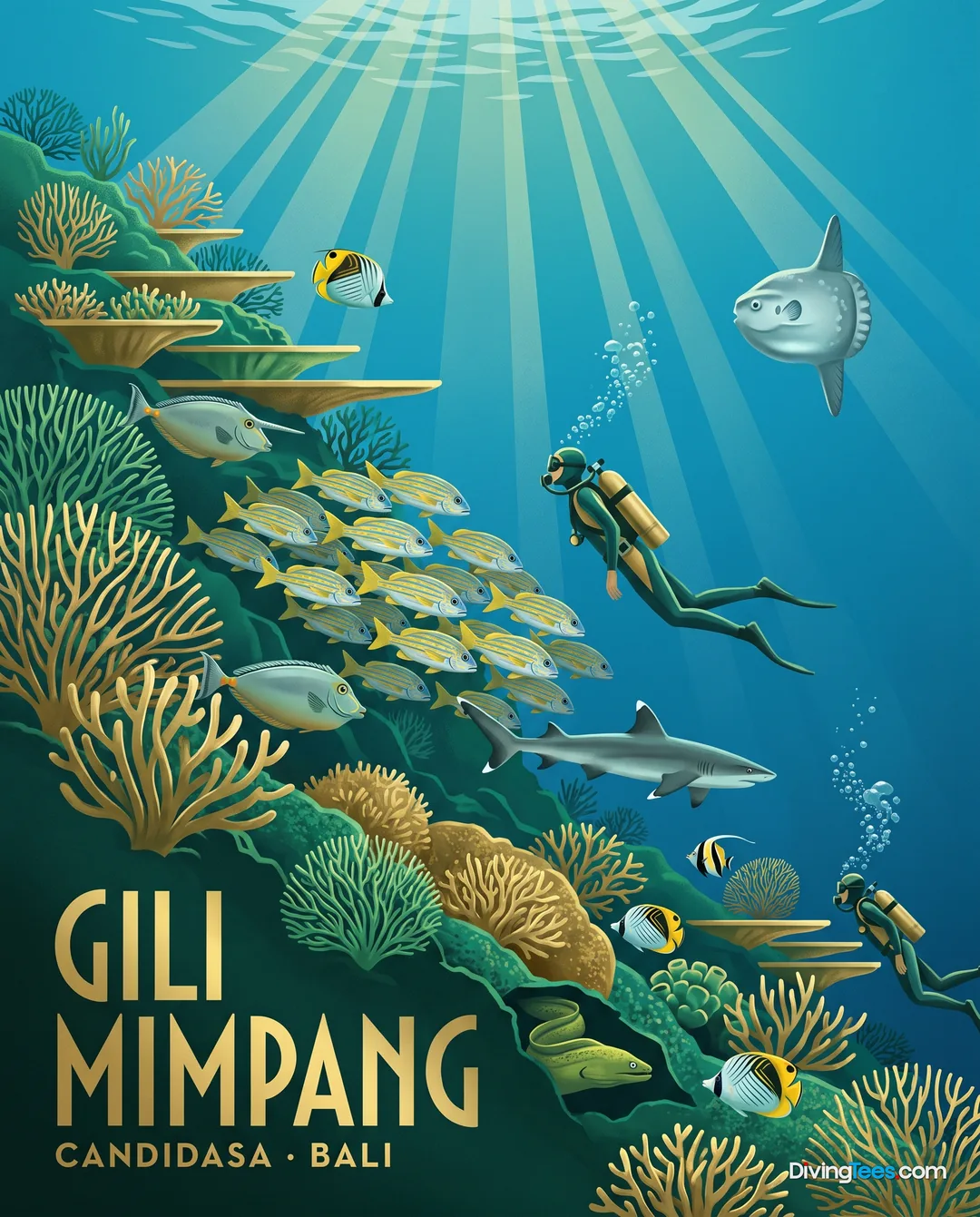
Gili Mimpang →
Max. depth · 40 m
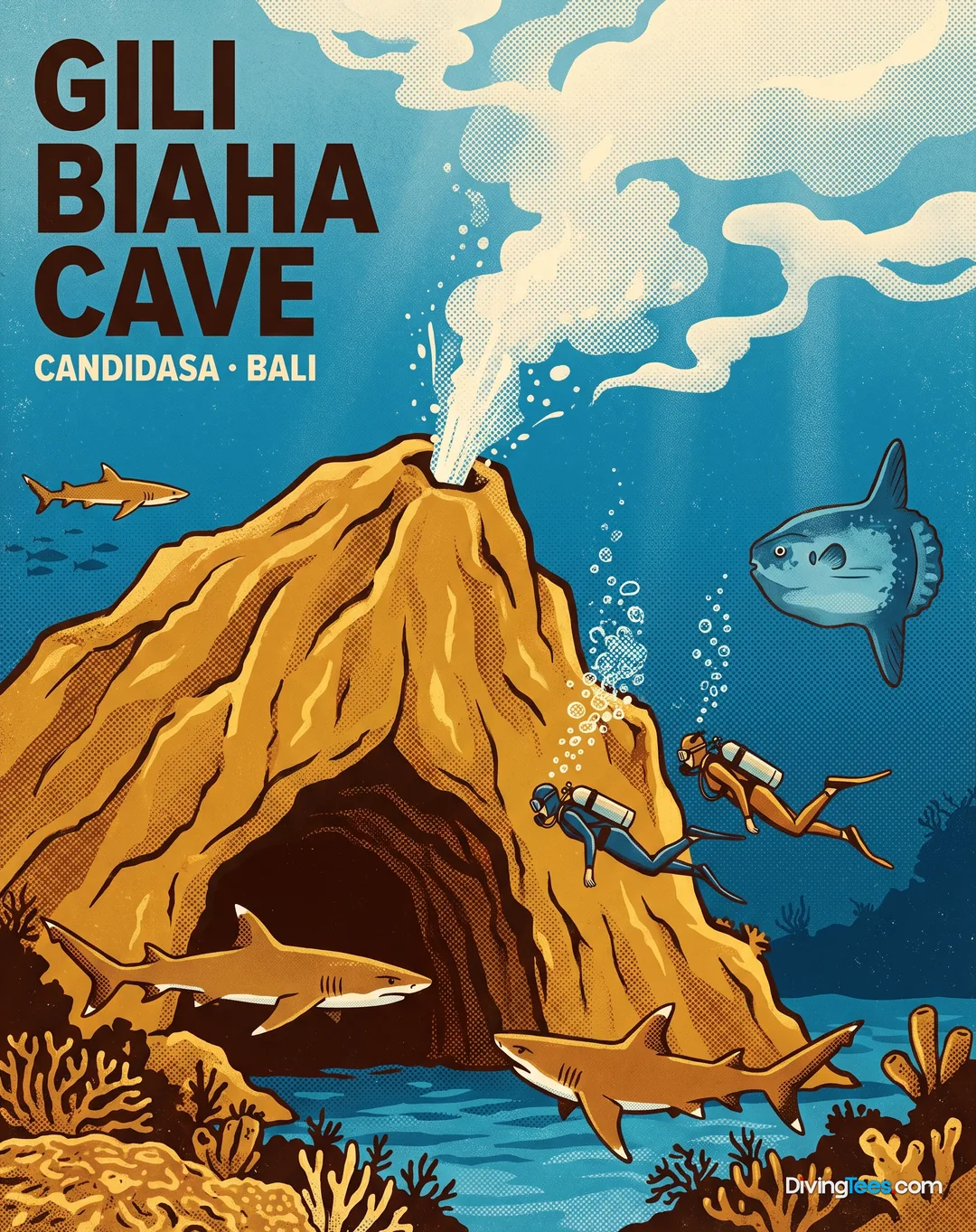
Gili Biaha →
Max. depth · 40 m
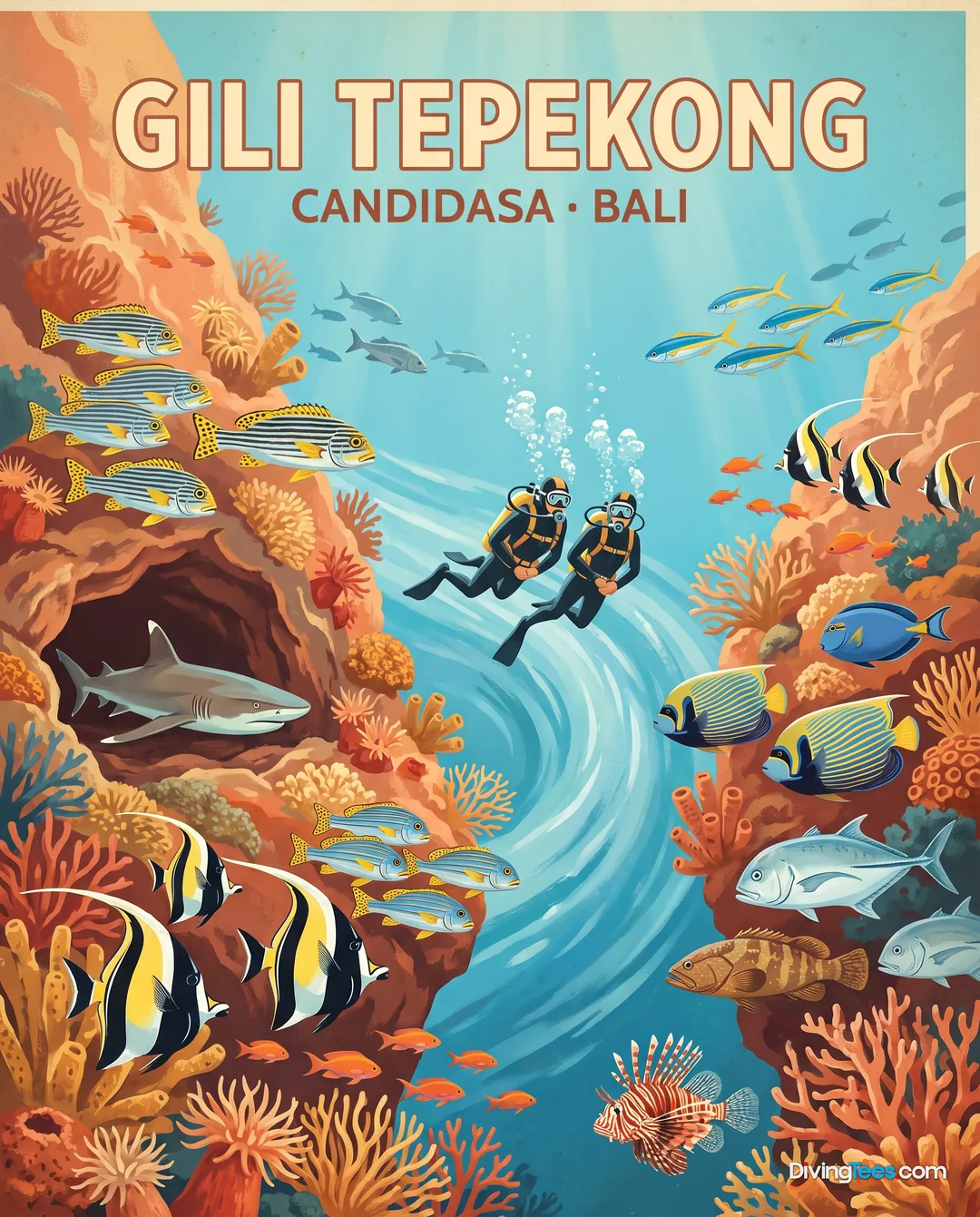
Gili Tepekong →
Max. depth · 40 m
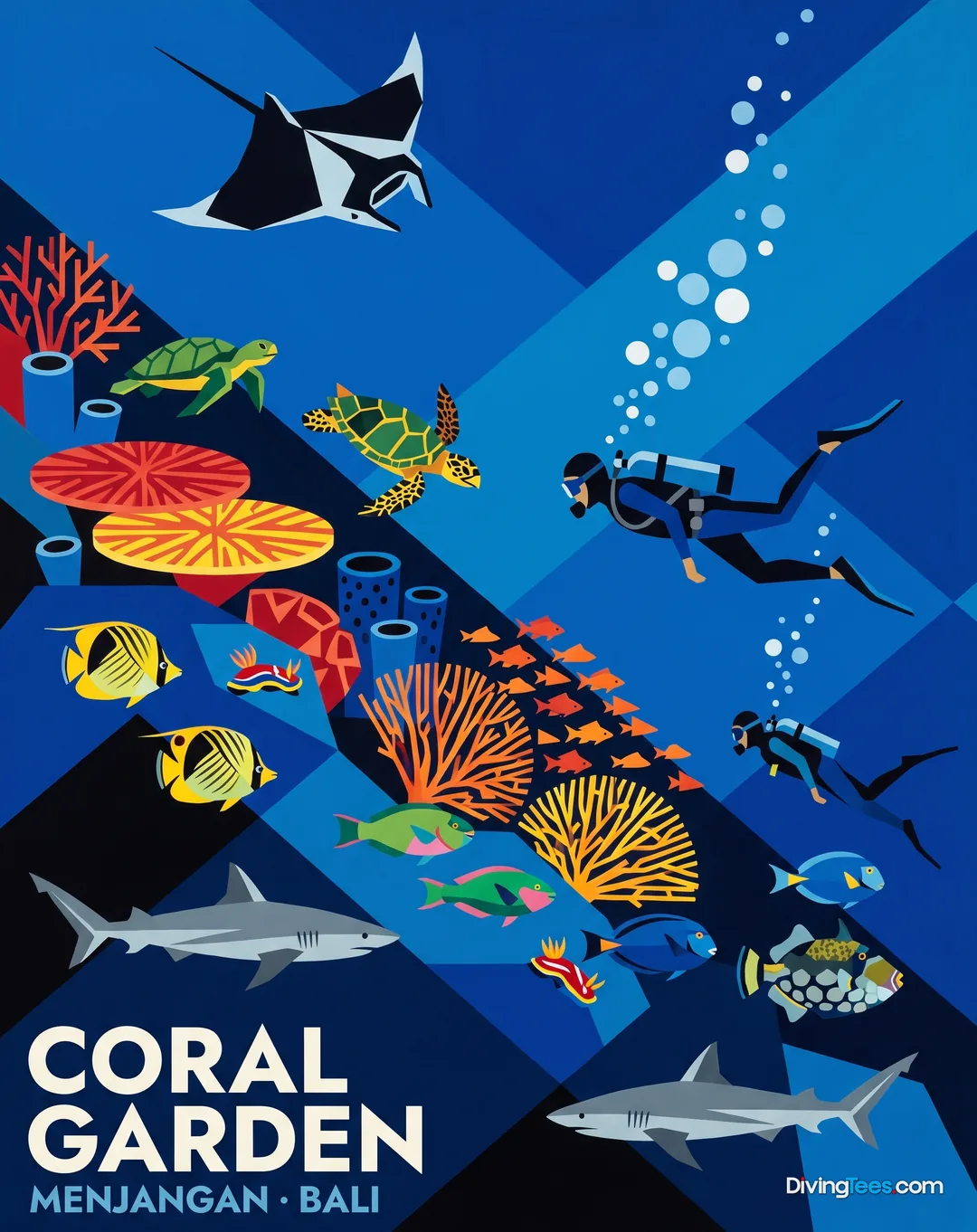
Coral Garden →
Max. depth · 28 m
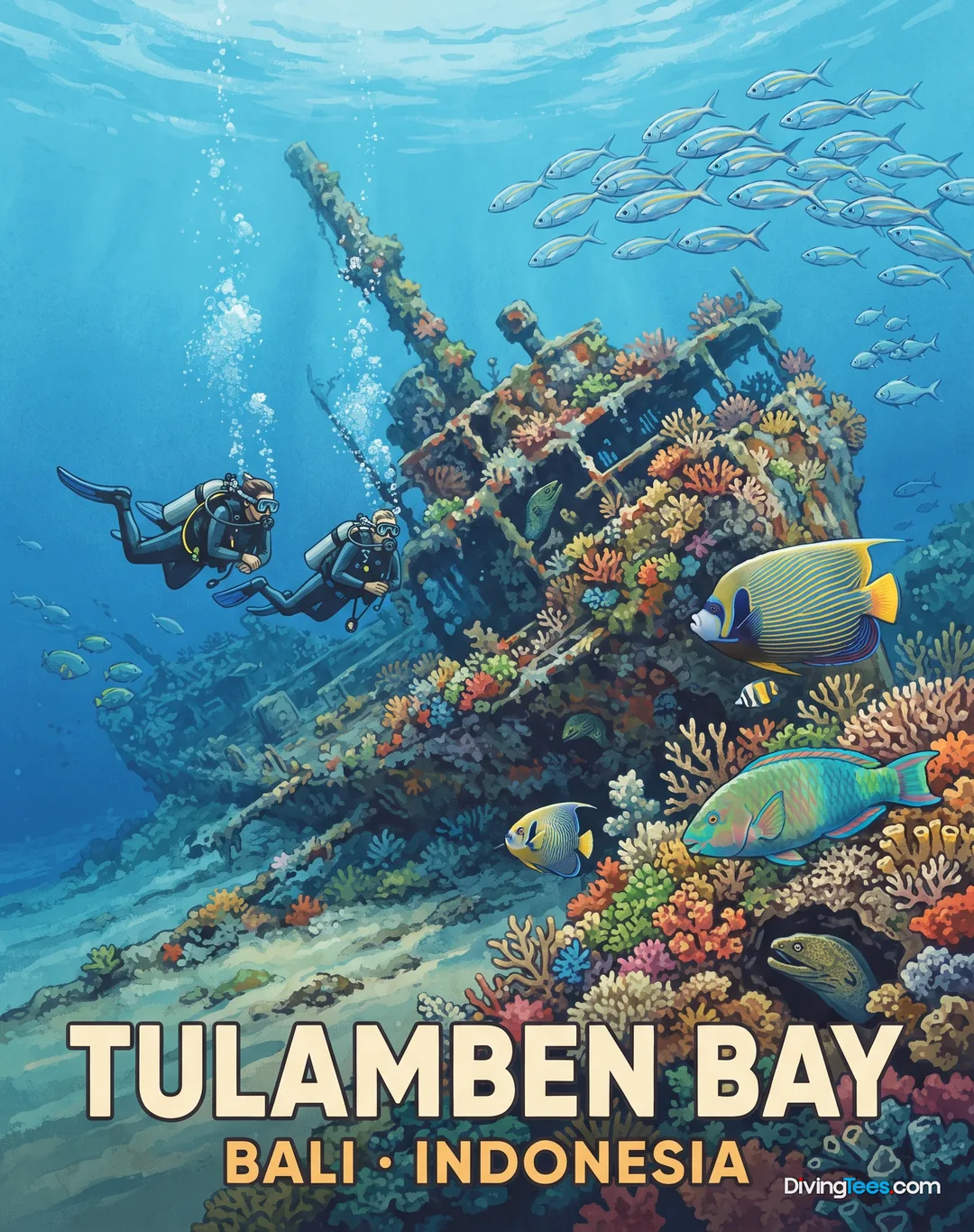
Tulamben Bay →
Max. depth · 35 m
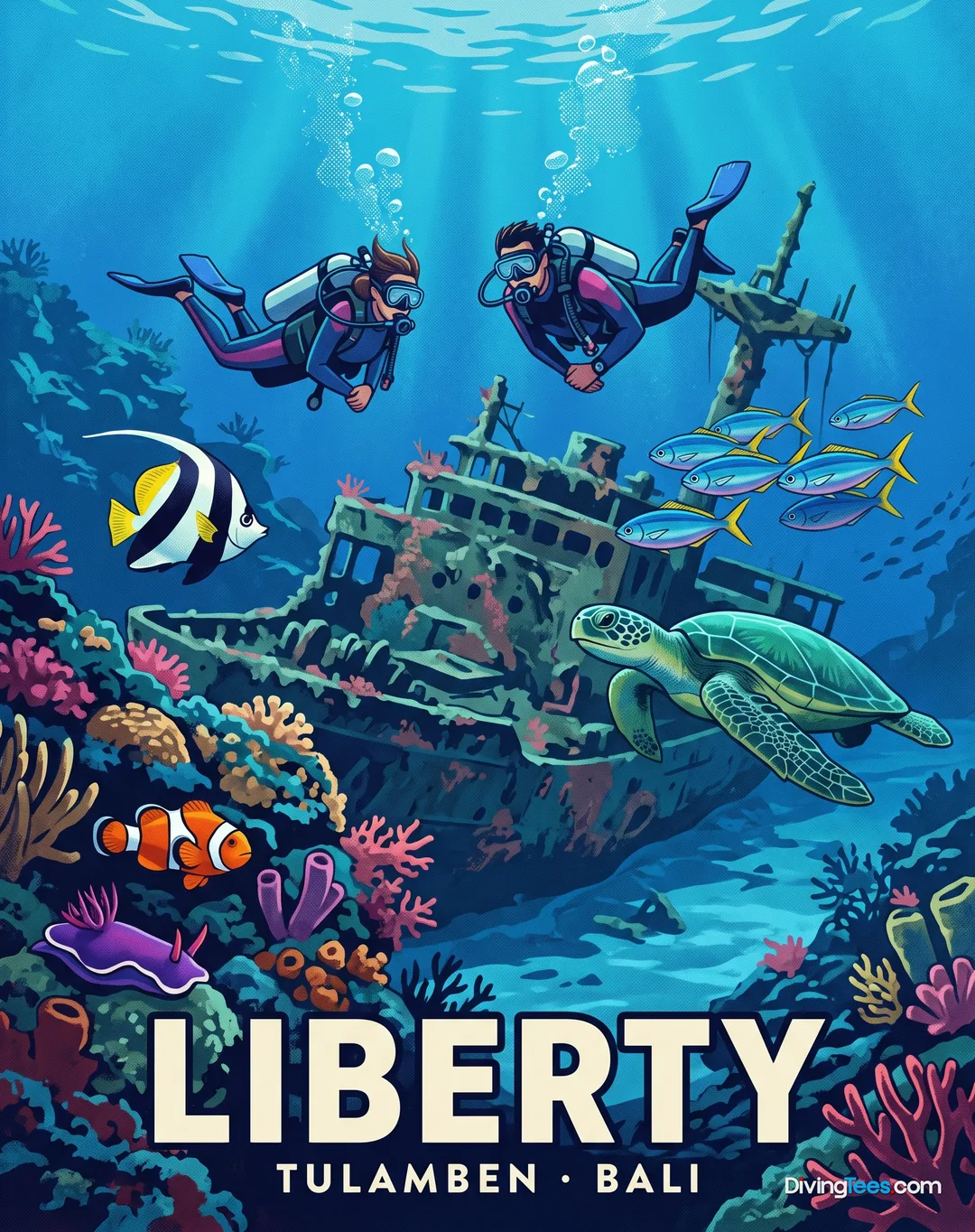
Liberty →
Max. depth · 30 m
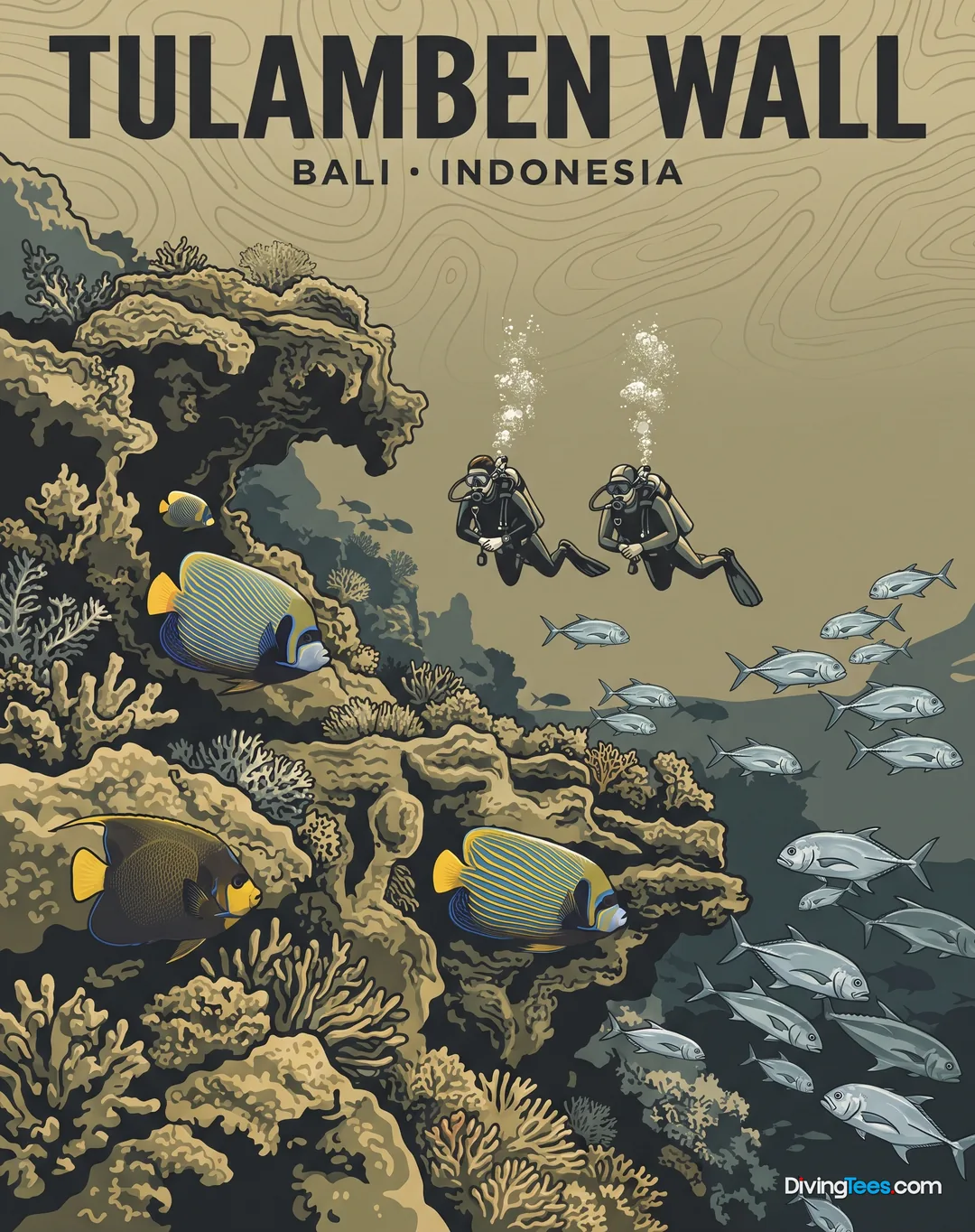
Tulamben Wall →
Max. depth · 40 m
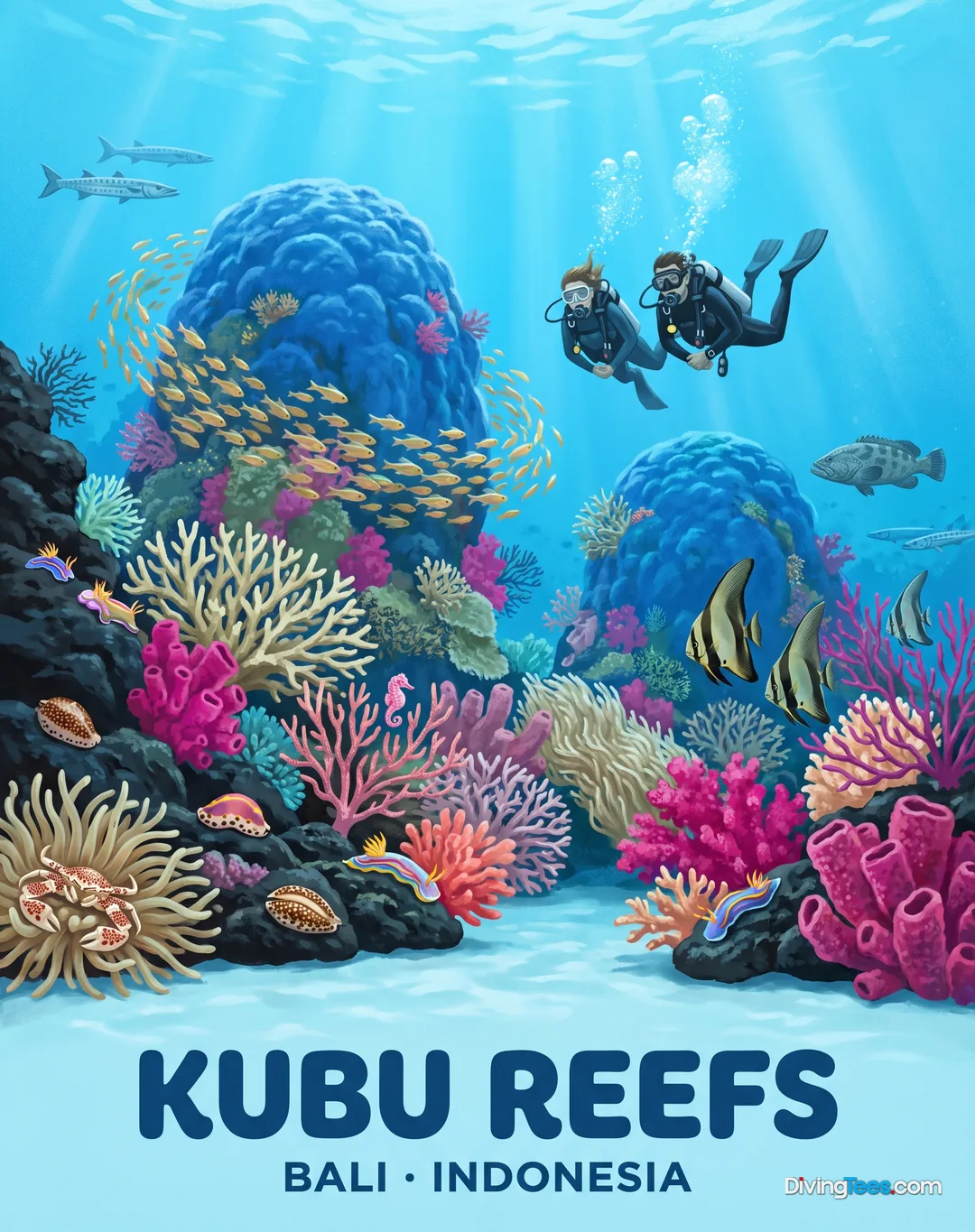
Kubu Reefs →
Max. depth · 24 m
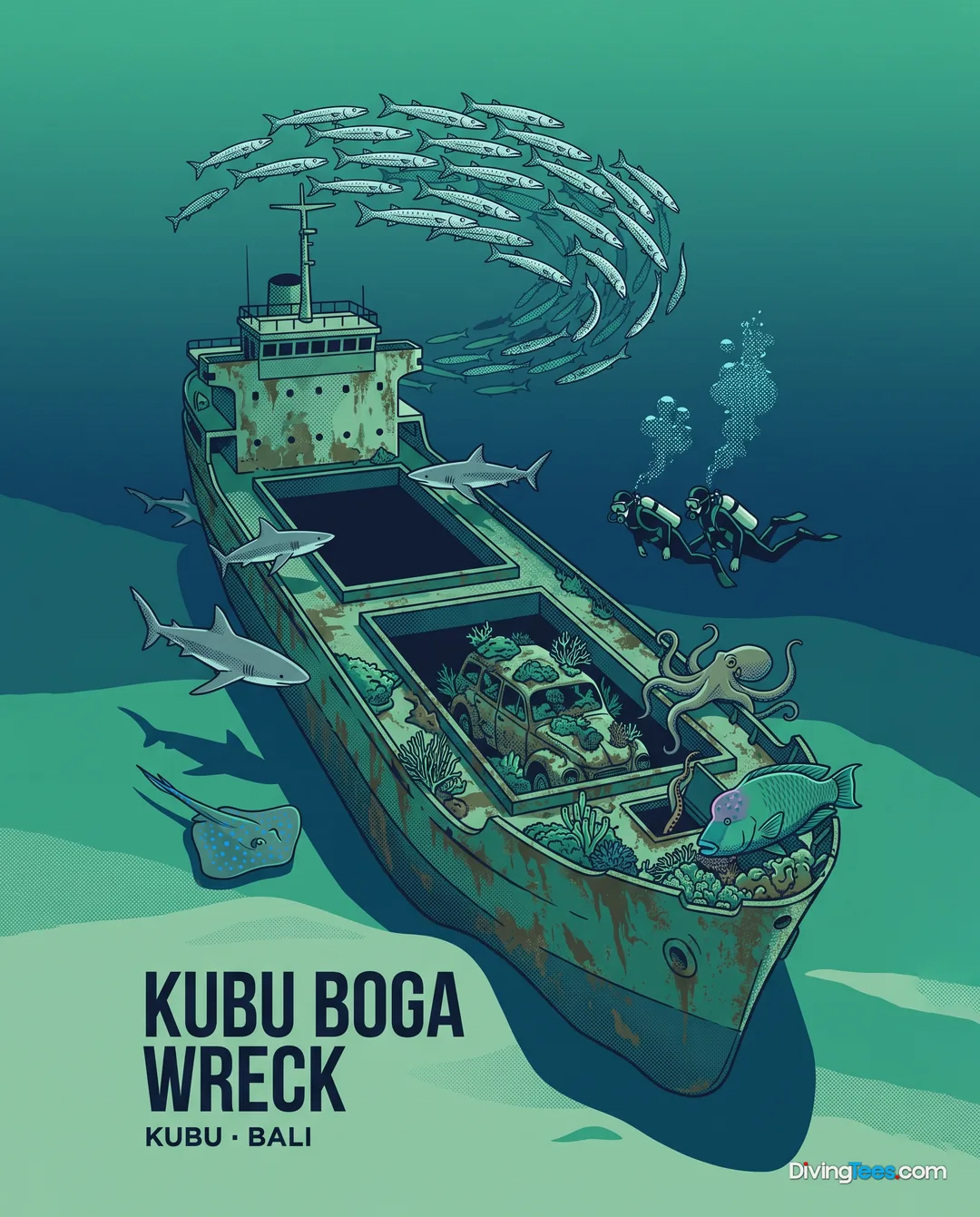
Kubu Boga Wreck →
Max. depth · 36 m
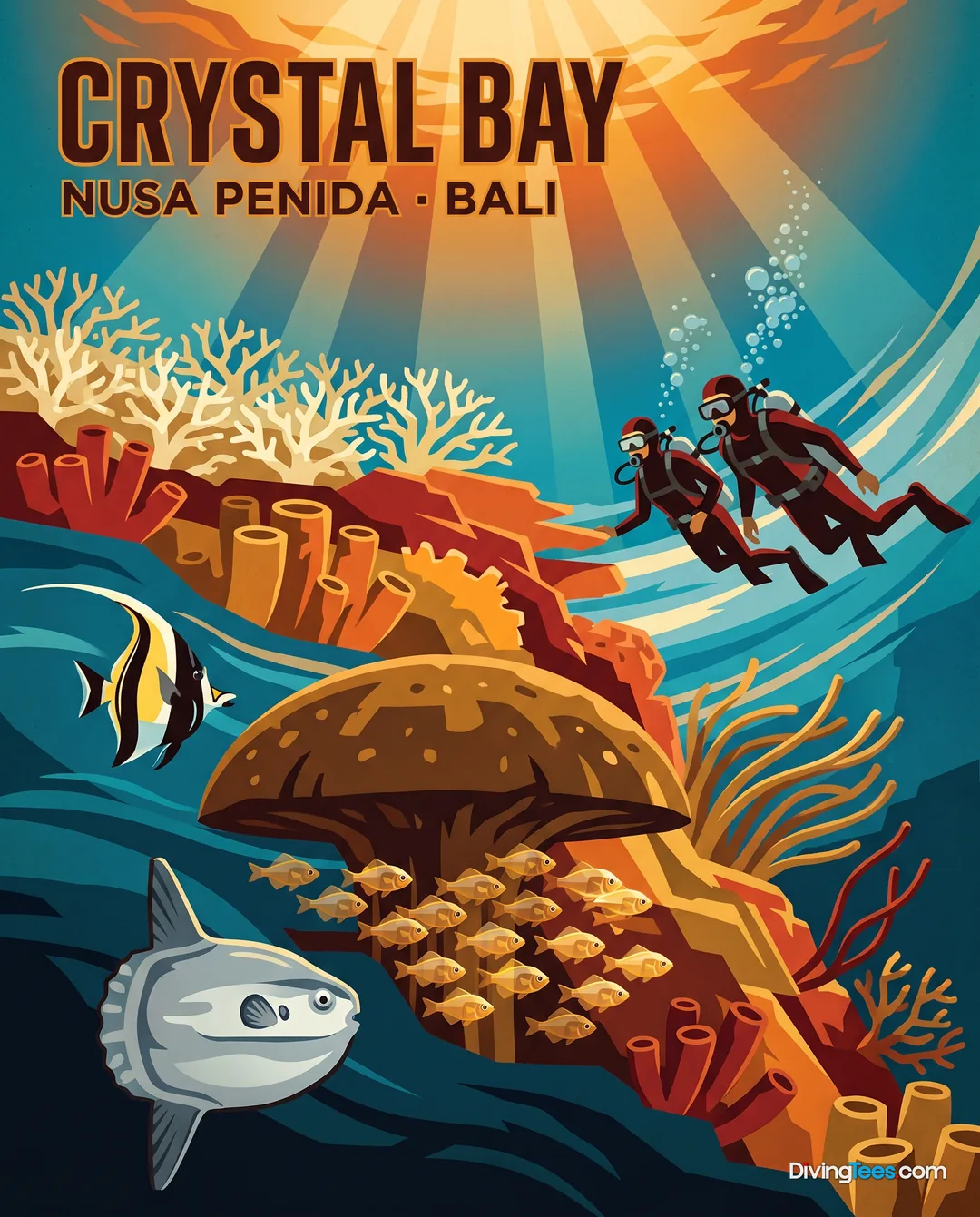
Crystal Bay →
Max. depth · 45 m
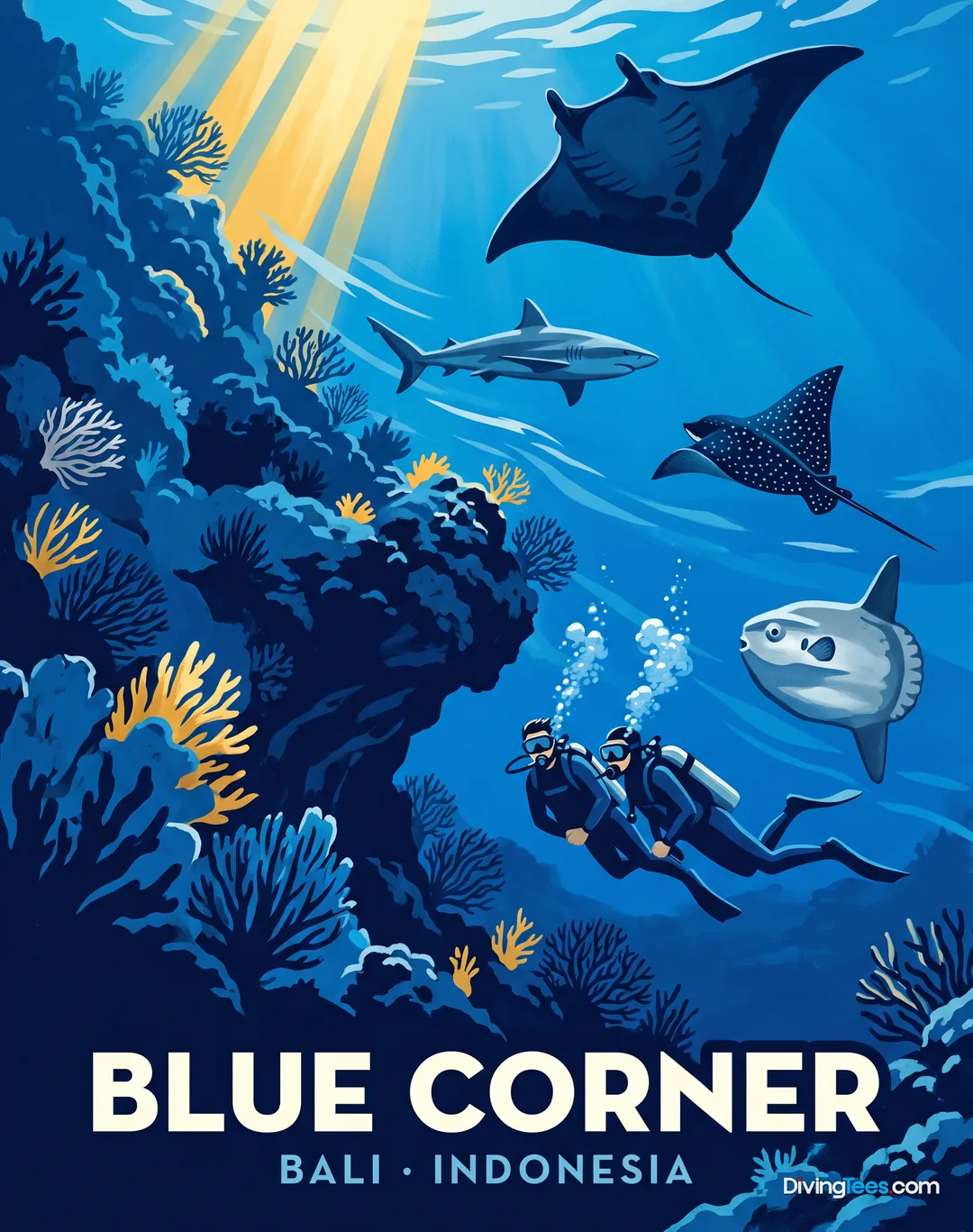
Blue Corner →
Max. depth · 30 m
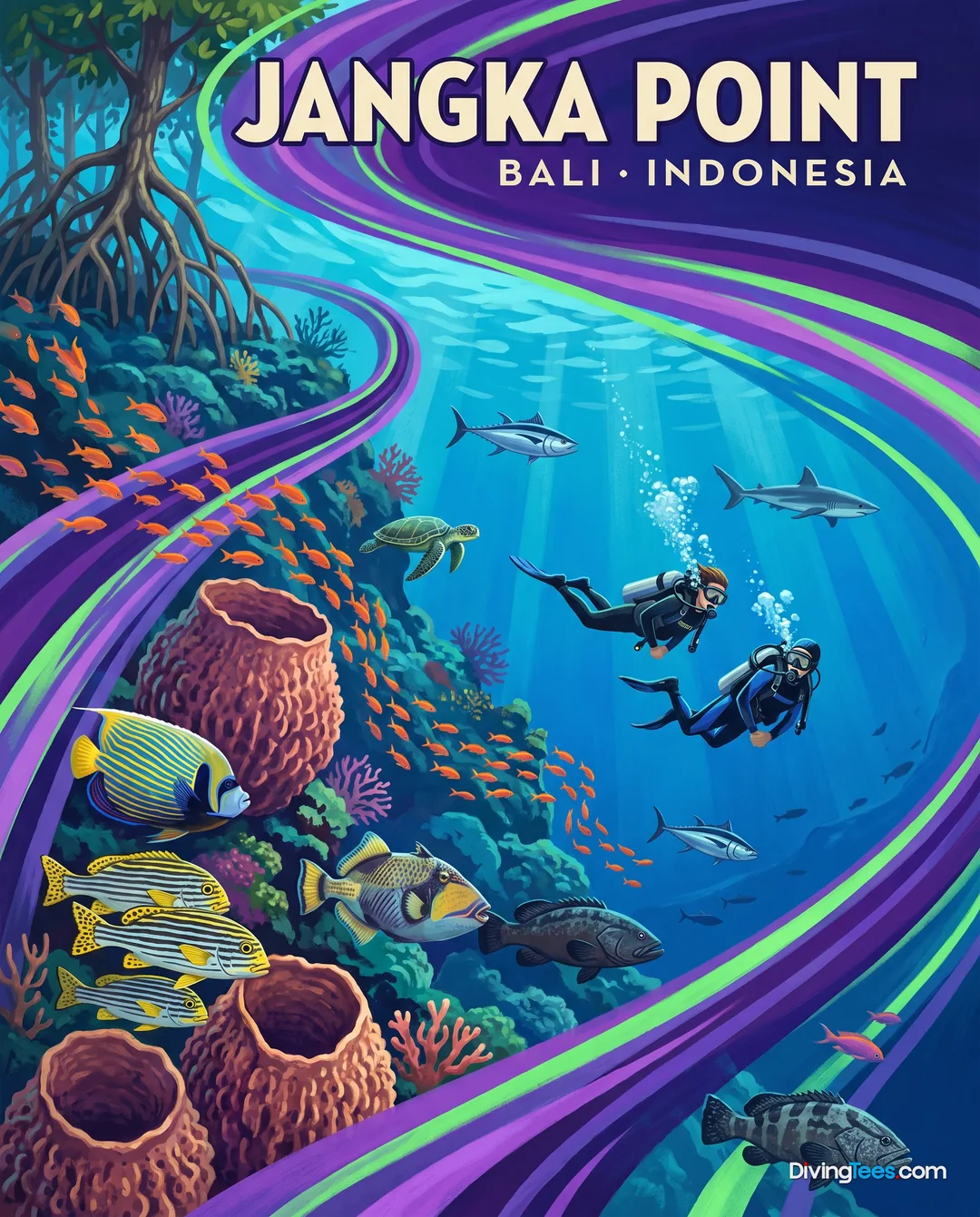
Jangka Point →
Max. depth · 30 m
Itineraries, dates and prices
Prices per person. Each month shows its lowest price: click a month, or pick an itinerary.
Next departures · 22 departuresfrom £2,261$3,022€2,700
December 2026
January 2027
February 2027
See dates and prices
If you click these links and make a purchase on the partner site, DivingDeal may earn a commission, at no extra cost to you.
Dates and prices taken from Divebooker and liveaboard.com, updated 23 October 2026
What you’ll meet underwater
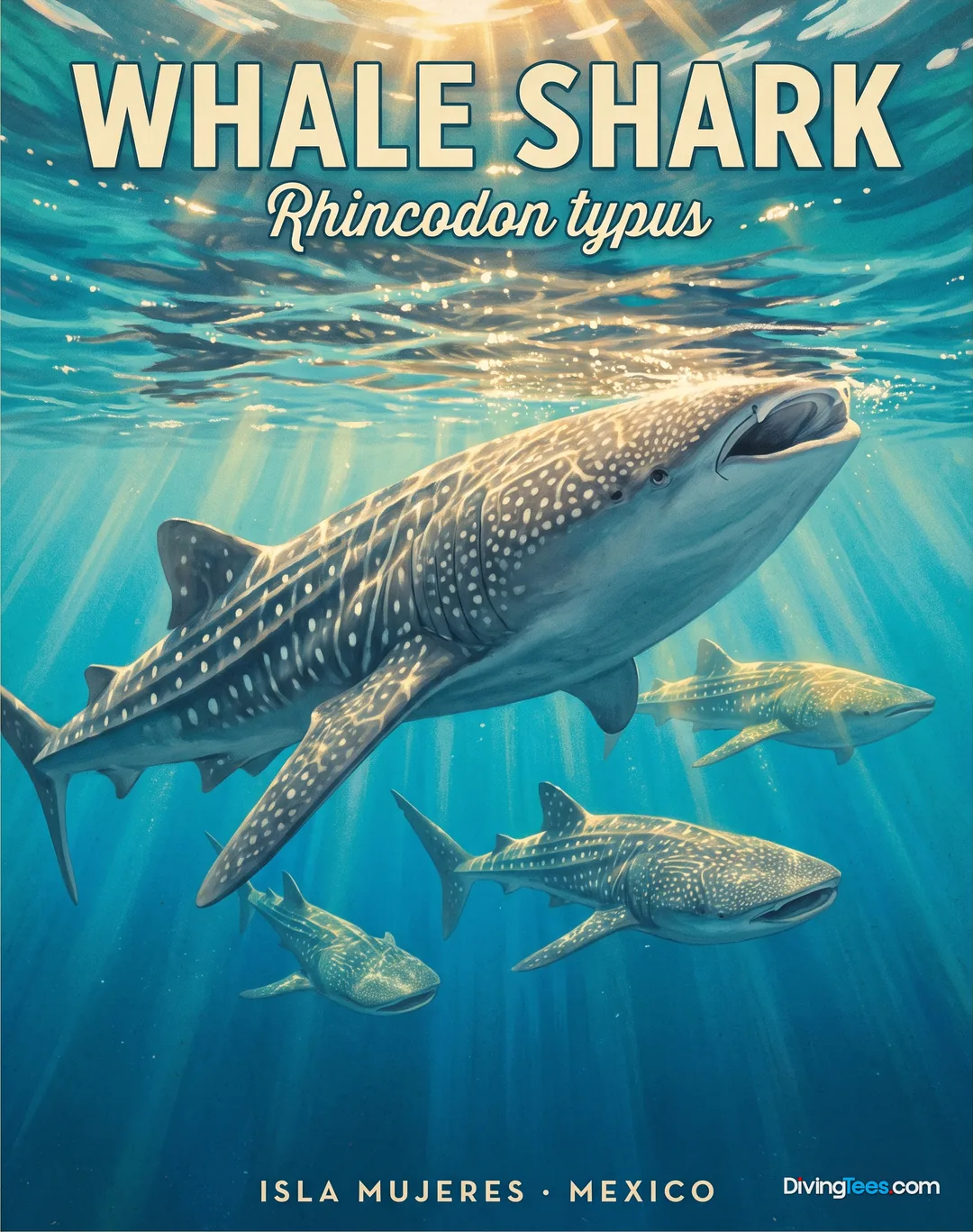
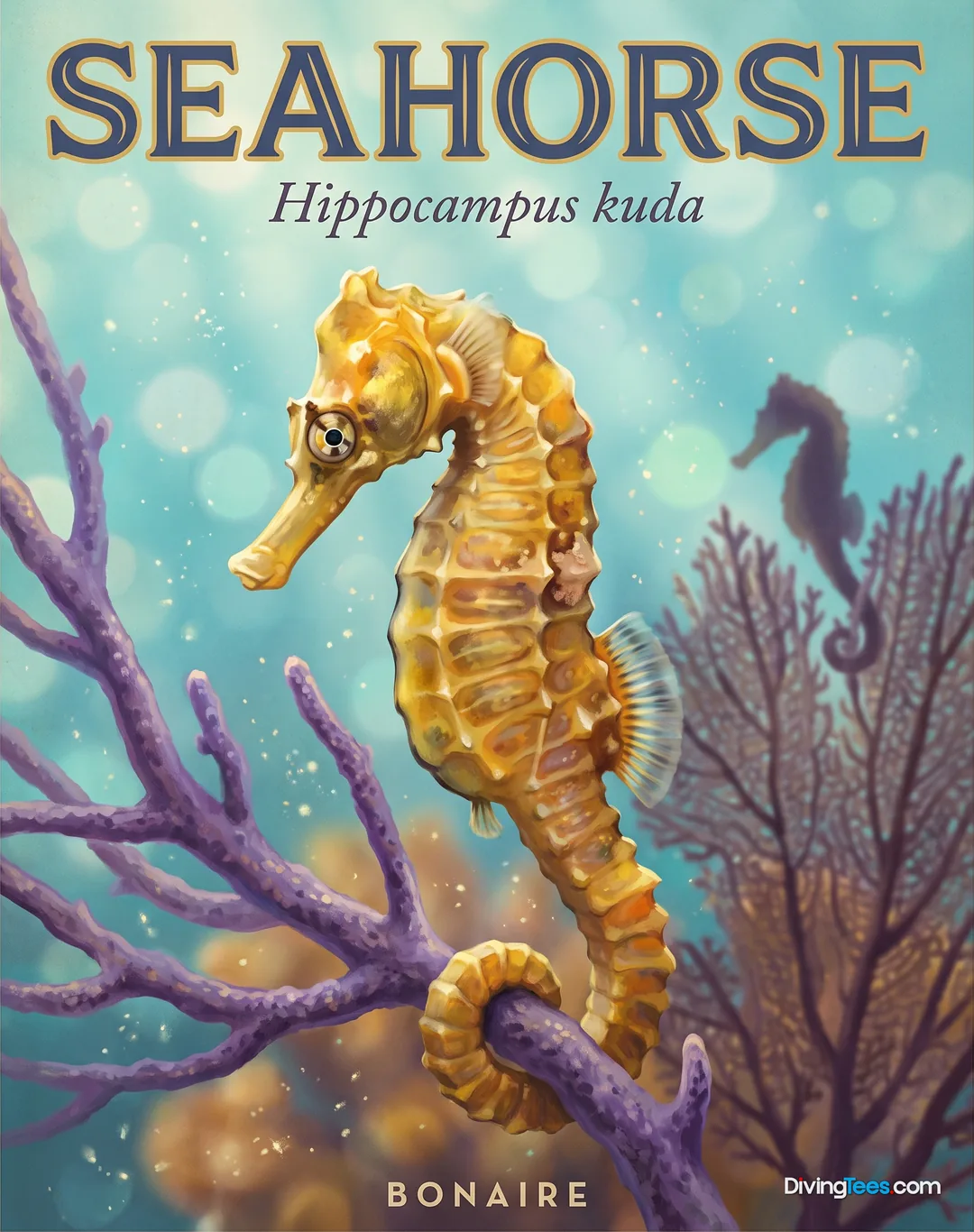
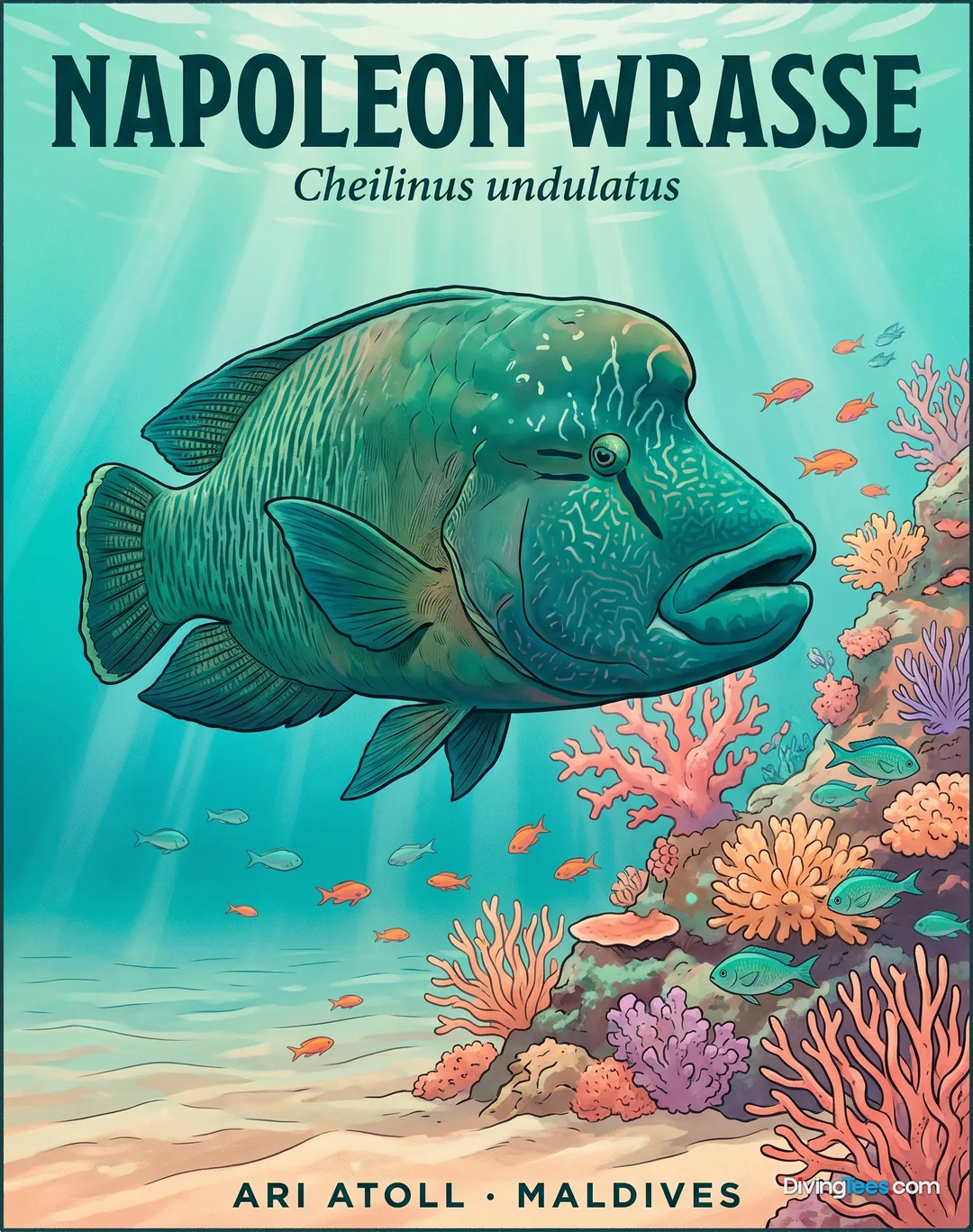
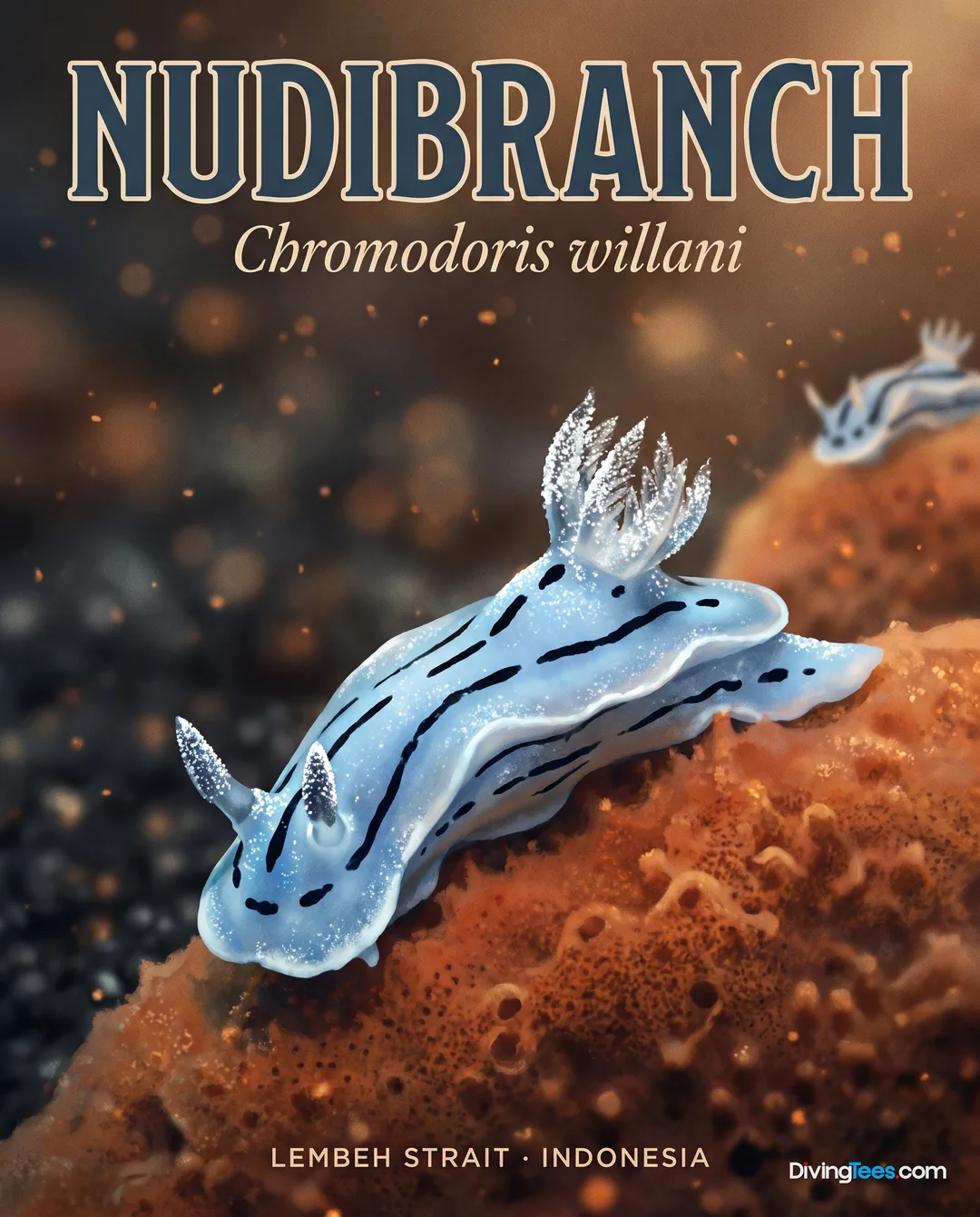
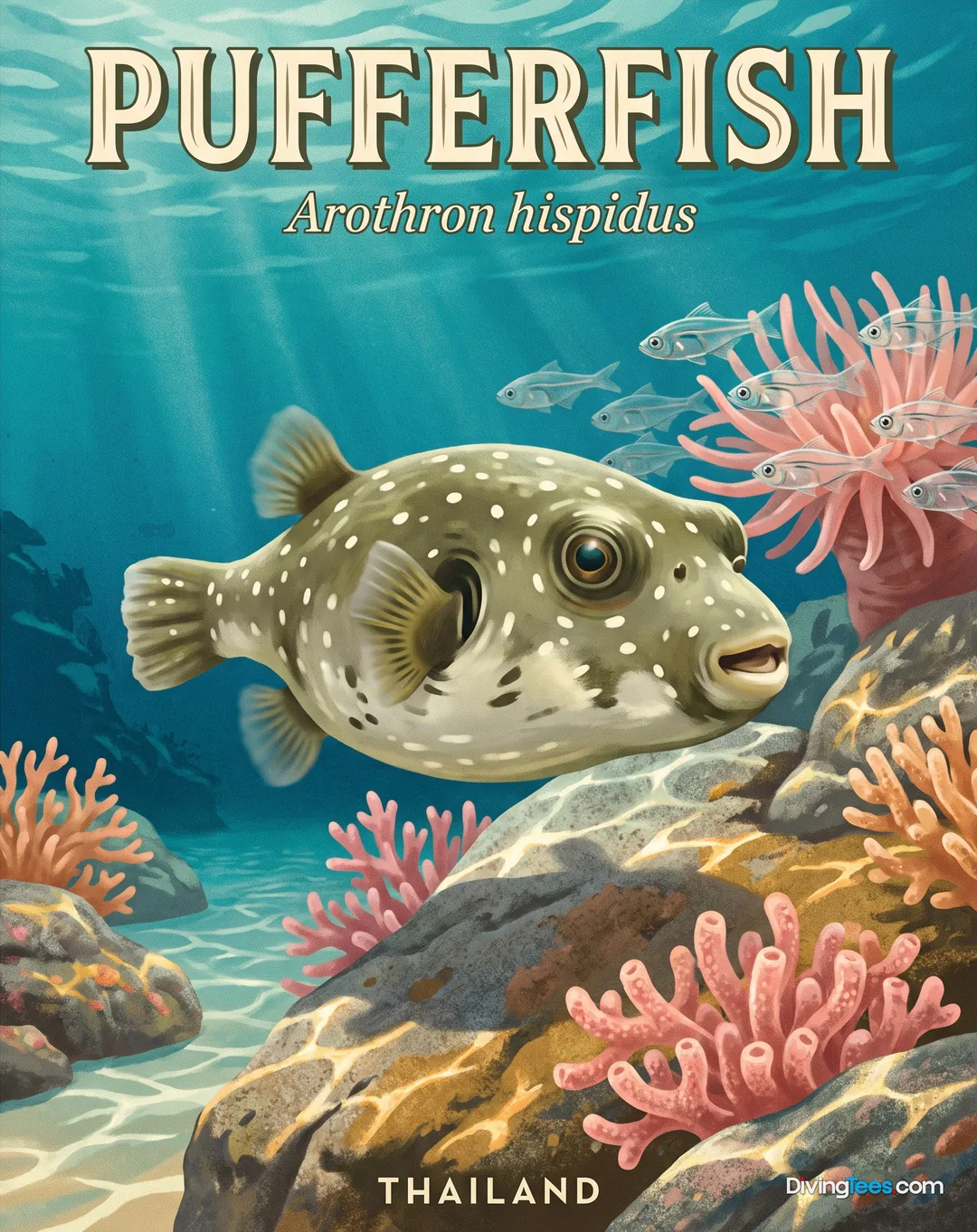
Across this route, the recurring cast is large: reef sharks and sea turtles are recorded at many sites, alongside barracuda, mola mola, white-tip reef sharks, tuna, groupers, manta rays, Napoleon wrasse, blacktip and oceanic sharks, trevallies, eagle rays, morays, nudibranchs and pygmy seahorses. Currents and cleaning stations are part of the reason the bigger animals come through, but sightings remain sightings, not promises. The site-specific prizes give the route its texture. Crystal Bay is the place to look for a green turtle, garden eels, a seahorse, a squid, a coachfish, a boxfish and a pufferfish. Coral Garden de Tulamben is the only listed site for eels and anemones; Gili Biaha for lobsters; Kubu Reefs for nudibranchs; and Gili Mimpang for unicornfish. Manta Point concentrates the ray story at its cleaning stations, while Batu Kelebit's pinnacles bring the open-water species close to the reef. The range is the point: large animals on one dive, a subject smaller than a fingernail on the next.

Who puts you in the water
Dive groups are kept to four divers per guide, a useful limit in Indonesia's current-prone sites and on dives where a tender must collect people at the surface. The crew speaks English, Spanish and Indonesian, and PADI courses are available on board. The boat welcomes snorkellers and non-divers as well as certified divers. Mermaid II carries navigation and fire-safety equipment, including radar, GPS, VHF/DSC/SSB radio, life jackets, fire alarms and extinguishers. A private dive guide is available as an optional extra. For experienced divers, the four-per-guide organisation is the key operational fact; for newer divers, the site choice and current conditions should be discussed with the dive team before entering the water.
The dive deck and the gear
The dive deck is arranged for repeated diving, with a shaded working area, platform entry, freshwater rinse tanks, separate camera rinse and outdoor showers for the return from a dive. DIN adaptors are available. The boat carries two 4.7-metre tenders and ladders, allowing divers to reach the site by tender and return to the pickup boat after surfacing rather than making every entry from the main hull. Nitrox and rental equipment are available as optional extras. Stations for charging cameras and other devices are provided, and the boat has a dedicated photo area. The layout's real advantage is separation: cameras, rinse water and diver traffic each have a defined place instead of competing on one cramped platform.
Between dives
Between dives, the useful places are outside. Mermaid II has shaded dive-deck space for sitting in wet gear, outdoor areas for drying out, a terrace and an observation deck when the boat is moving or the day has opened up. The air-conditioned salon gives divers somewhere cooler after a hot surface interval, while the photo area and separate camera rinse keep imaging work away from the general wash-up. Kayaks are carried for time away from the tanks, and the boat also has a library and audio-video entertainment for the quieter stretches. There is no need to turn every gap into an activity. A typical interval can be as simple as a shower, a snack, a look at the camera and a place in the shade before the next call to the dive deck. Non-divers and snorkellers are welcome, which makes the boat workable for mixed groups.
A day on board
A day begins with the boat and the dive team getting ahead of the divers: equipment is prepared, the compressor work is done and the first briefing sets the site, conditions and group plan. From there, the day is shaped by successive dives, surface intervals, meals and the short practical jobs that make the next descent possible, rinsing a camera, changing tanks, eating, showering and finding shade. When Mermaid II is underway, the observation deck and outdoor areas give the crossing a place in the day rather than leaving everyone inside the salon. The route can then change character: a coral slope, a wall, a wreck, a pinnacle or a current site. Night dives are part of the liveaboard rhythm where the itinerary includes them. The exact number and order of dives depend on the route and conditions, but the boat is designed around diving first and arranging everything else around the next entry.
What you eat aboard
Food is one of Mermaid II's clearest strengths. The galley serves Thai, Indonesian and Western dishes, with buffet meals, vegetarian and vegan options, snacks throughout the day, and free non-alcoholic drinks, water, tea and coffee. That range matters on a dive boat: local dishes give the route a sense of place, while familiar food remains available when a diver wants something simple after a demanding current dive. Meals are full-board and can be served outdoors, with beer and wine available separately. The table is part of the recovery cycle rather than a formal restaurant experience. Divers come back hungry, eat, refill bottles and prepare for the next briefing. The very high food score is consistent with what this setup promises: enough choice for different diets, regular fuel between dives and cooking that does more than keep people fed.
Nights at sea
The cabin choice is practical rather than theatrical. The budget cabin uses a shared bathroom, while the deluxe cabins have private bathrooms; all cabins are air-conditioned and placed on the main deck with panoramic windows. That window matters after a long dive day: the sea is visible without having to leave the bunk, and daylight reaches the room instead of leaving it entirely dependent on artificial light. The boat also provides cabin towels, daily cleaning and hot showers, so wet gear and salt do not have to follow divers into the sleeping space. Wi-Fi and internet are available, although a liveaboard in Indonesian waters is still better understood as a place to disconnect between dives than as a floating office. Choose the budget cabin for the lower-cost berth and accept the shared bathroom. Choose deluxe when privacy between dives is worth more space in the decision.
Budget Cabin
Deluxe Cabins
What to know before boarding
The Bali–Komodo–Bali routes depart from and return to Bali; other recorded departures connect Bali, Komodo and Maumere, or Maumere and Bali. Airport and hotel transfers are included. The transfer arrangement is communicated with the trip details, so arrival information should be supplied accurately when booking. Arriving in the departure area the night before is the sensible choice, rather than tying the boat to a same-day flight.
Deck plan
- Length
- 33 m
- Beam
- 7 m
- Maximum number of passengers
- 18
- Number of cabins
- 9
- Number of bathrooms
- 11
- Engines
- Hino 2 × 450 hp
- Cruising speed
- 9.5 knots
- Tenders
- 2 × 4.7 m/ladders
- Website
- mermaid-liveaboards.com ↗
Hello, I'm Marina, DivingDeal.com's AI assistant. I answer in detail about hotels, dive centres and liveaboards.
Thinking about the whole trip and the flights? Talk it over with Edith →
Marina is an AI. Some links are affiliate links: DivingDeal may earn a commission, at no extra cost to you. Bookings are made with the partner.