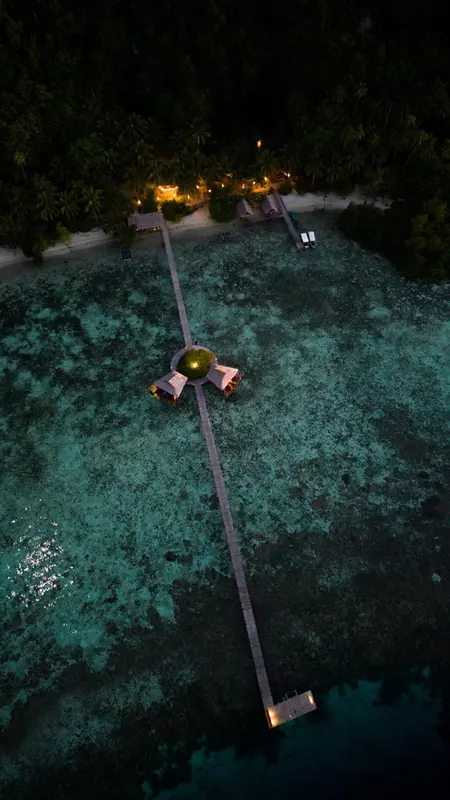
 Dive centre in the hotel
Nyande Raja Ampat
Google 4.8/5 (157 reviews)
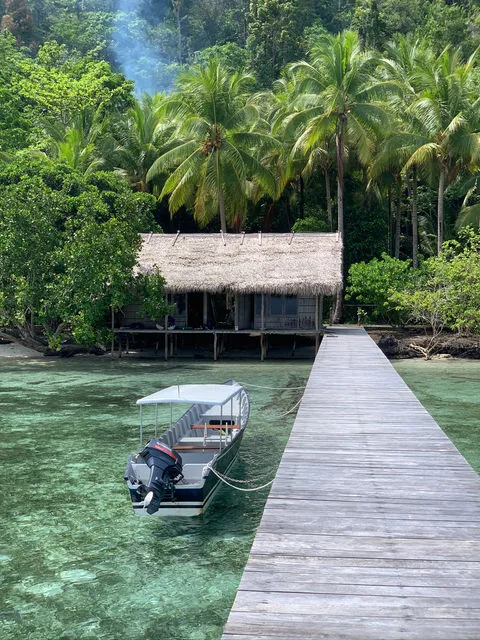
The dive centre
Nyande Raja Ampat
SSI
Google 4.8/5 (161 reviews)
Dives: Piaynemo, Roni reef / Mandarin Fish, Nyande house Reef
Indonesia · Asia
Cape Kri’s fish clouds, Manta Sandy’s cleaning rays and Melissa’s Garden’s coral fields set the scene for boat diving across Raja Ampat.
For subtitles in English: start the video firstthen click the gearat the top right of the video, select “Subtitles/CC”, then “Auto-translate” and choose “English”.
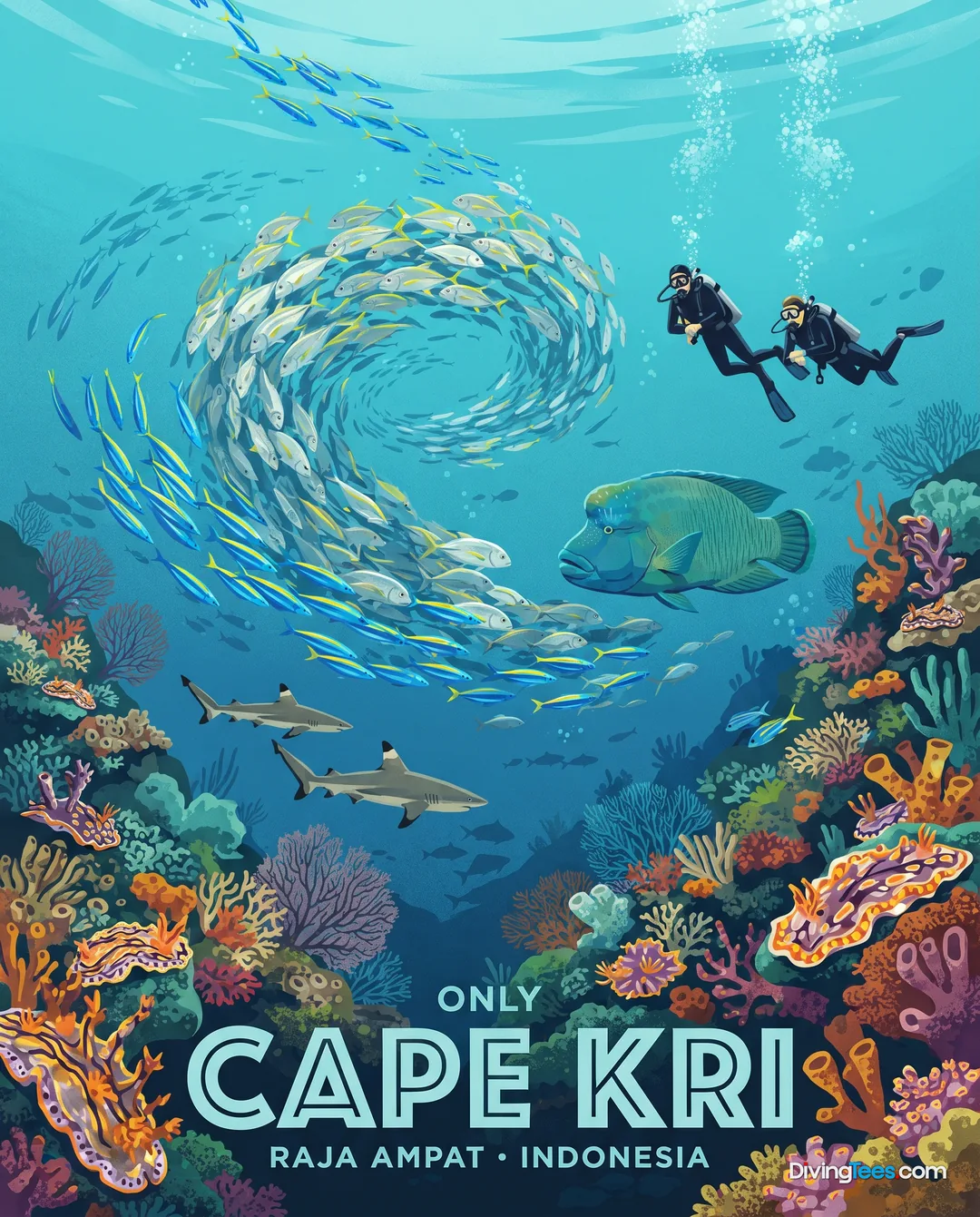
At Cape Kri, a single reef dive once produced a record of 374 fish species. That gives a useful sense of Raja Ampat: this is an Indonesian archipelago explored by boat, not one compact dive resort. Routes link coral gardens, walls, passes, mangrove-fringed bays and exposed points. The reward is a succession of very different underwater scenes, while the cost is a long journey and a holiday shaped around boats, tides and diving rather than a conventional beach stay.
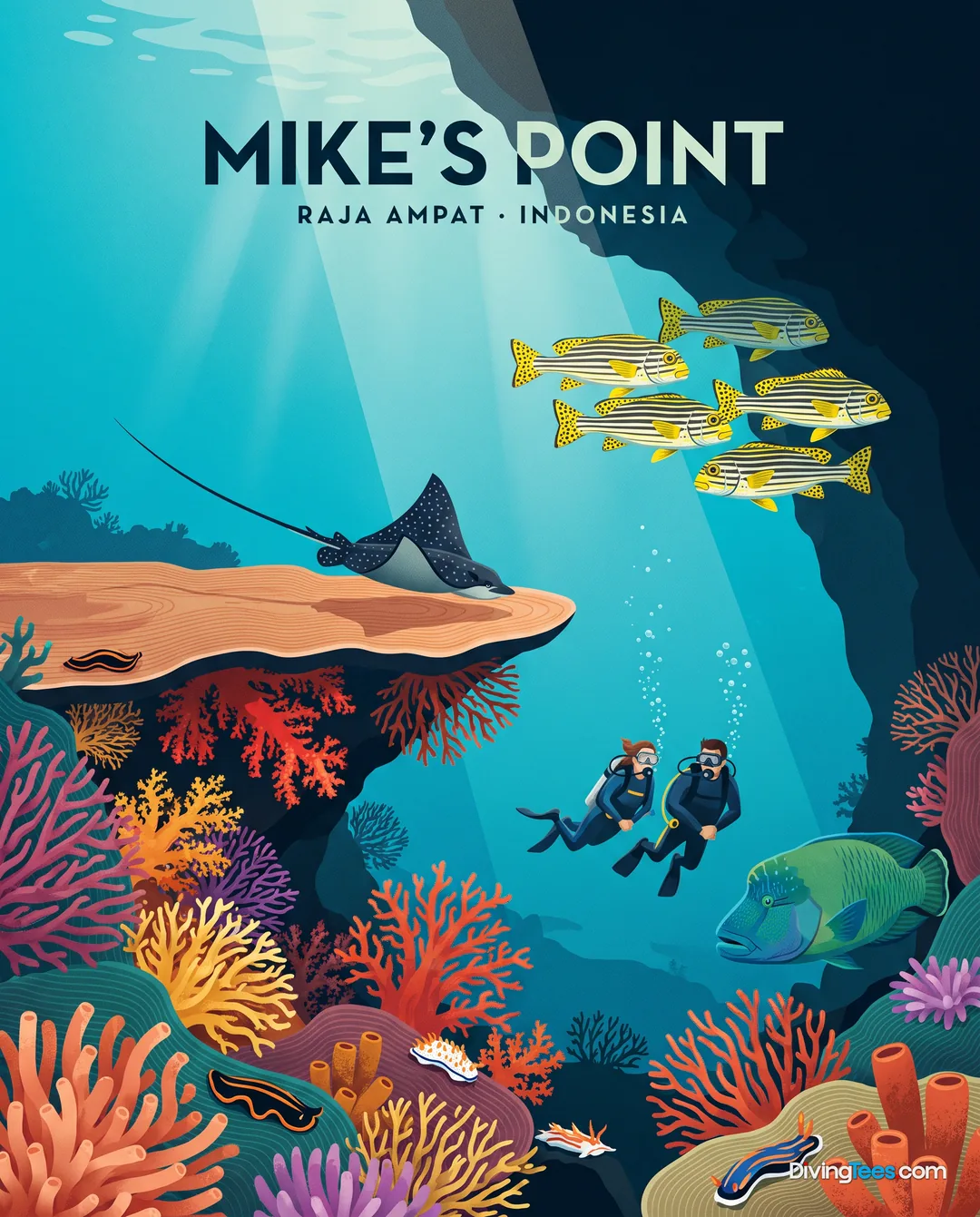
Most dives begin from a boat and follow sloping reefs, walls, plateaux or reef points exposed to moving water. South Kri can be a straightforward drift along a lively reef, while Cape Mansuar and Cross Over demand more attention as currents change with the tide. At Mike’s Point, divers can work beneath soft-coral overhangs before crossing a flatter plateau; Sorido Wall combines a wall, moderate current and schooling pelagics. Blue Magic and Sardines are more demanding when the flow strengthens. Visibility can be excellent, but plankton, runoff and a formed sea may reduce it, particularly near mangroves. Depths range from shallow reef to around 40 metres at Mike’s Point. The essential skill is not simply depth qualification: it is holding position, reading the briefing and making a controlled drift and pickup.
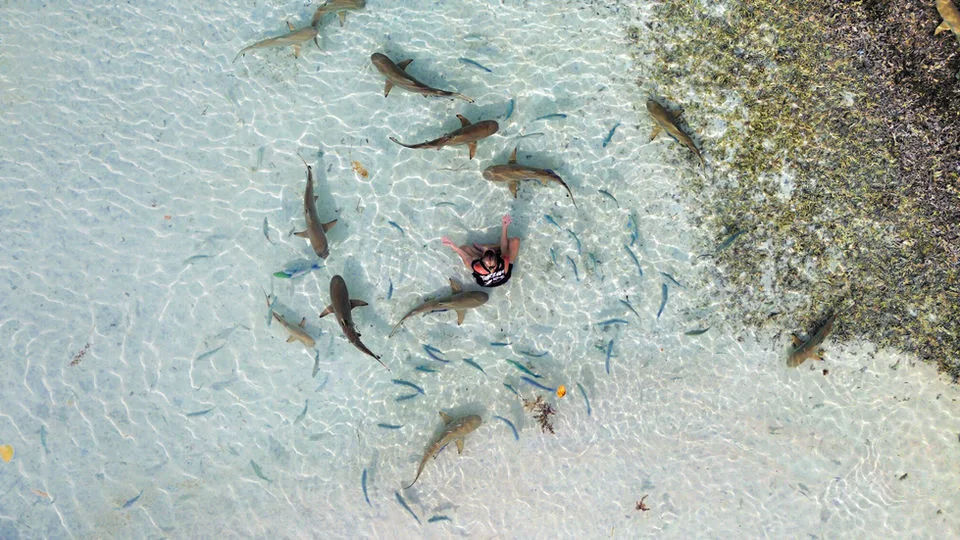
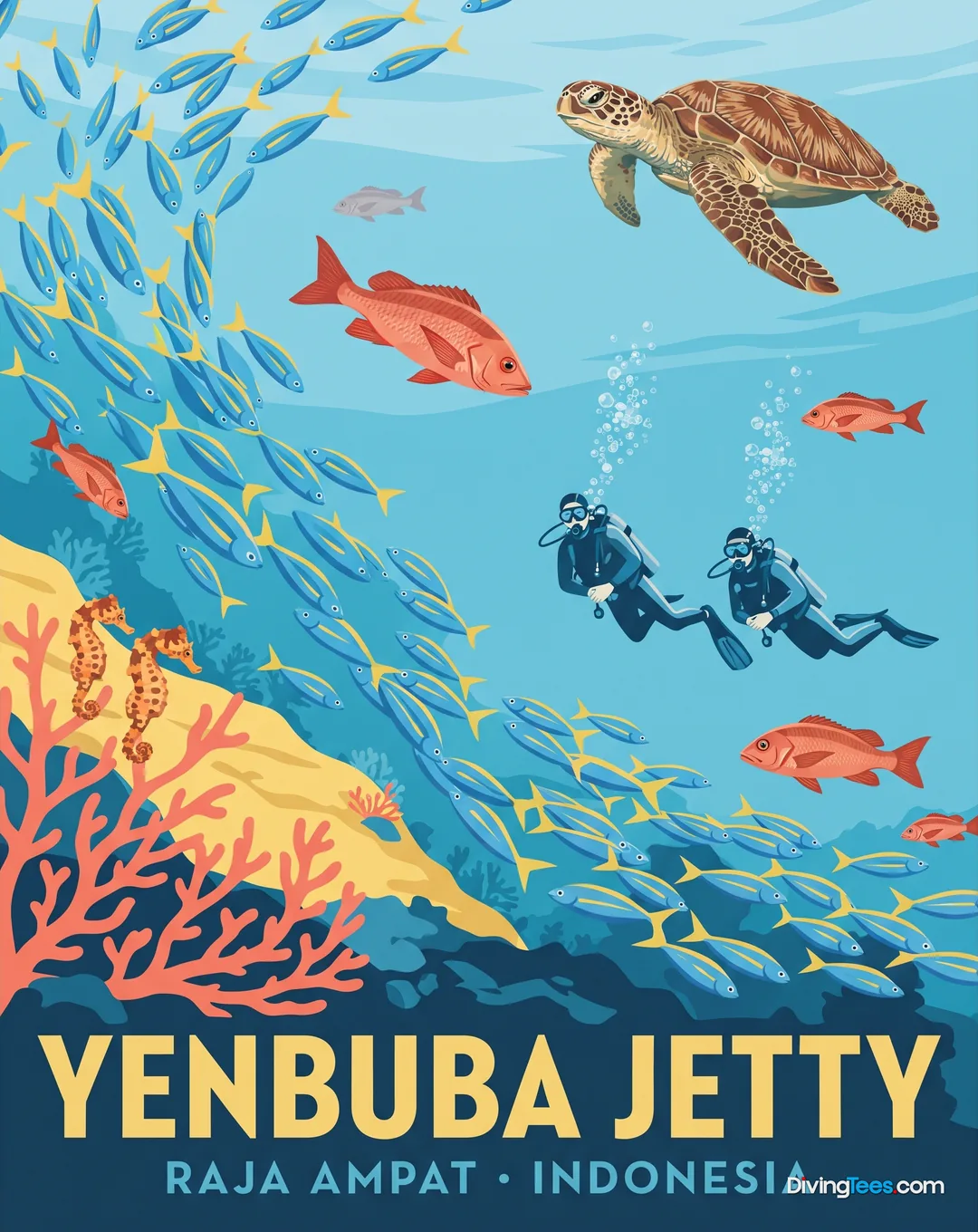
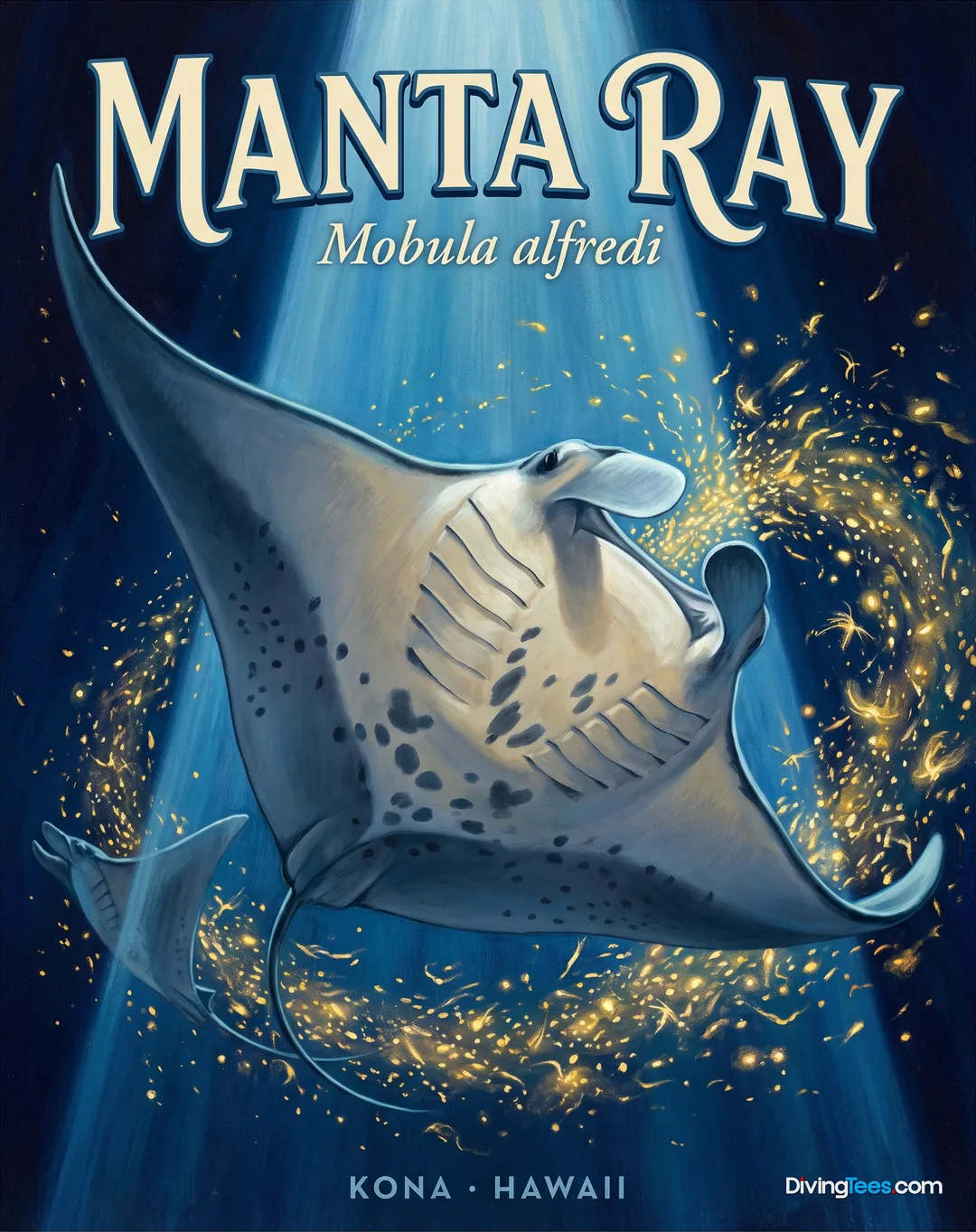
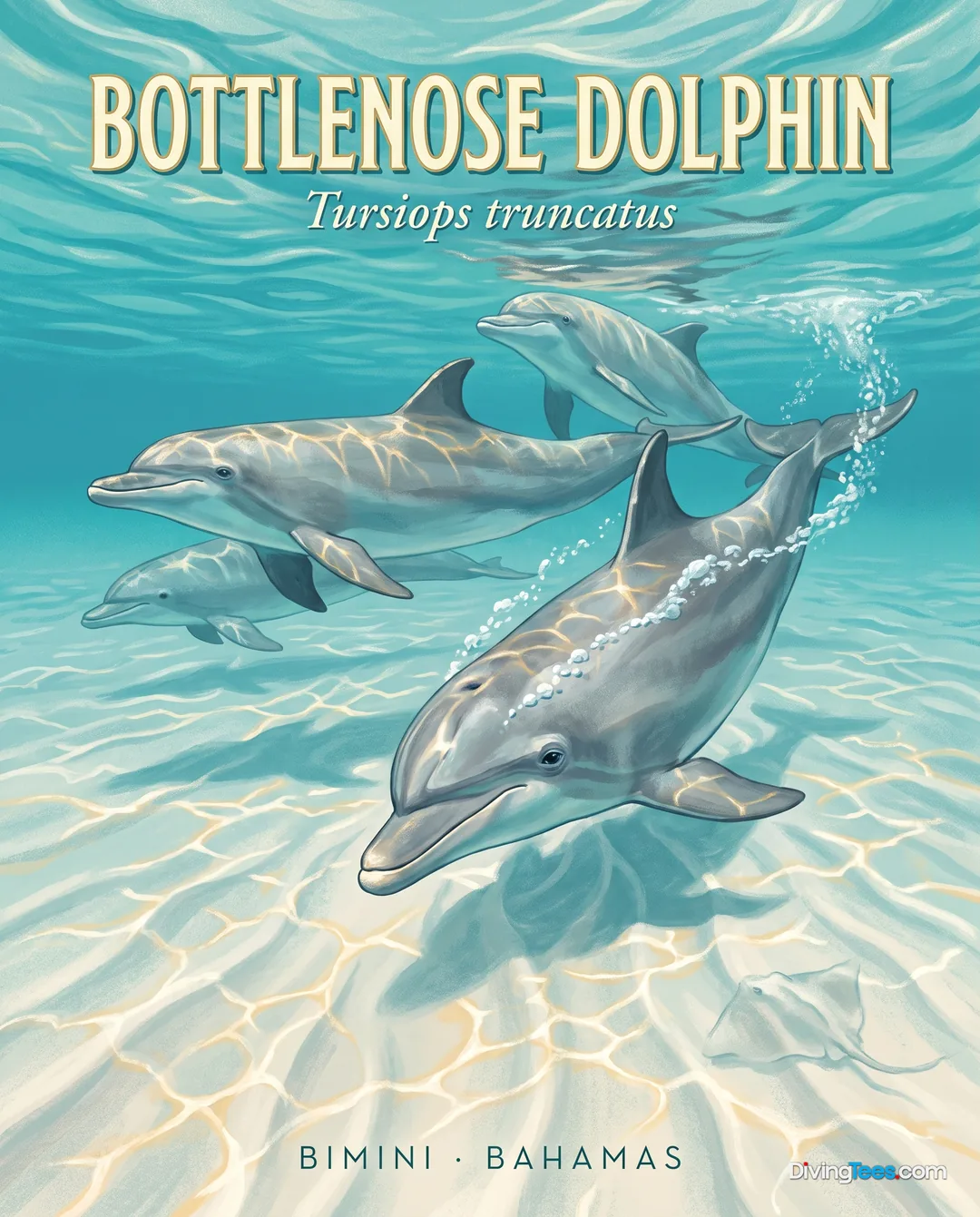
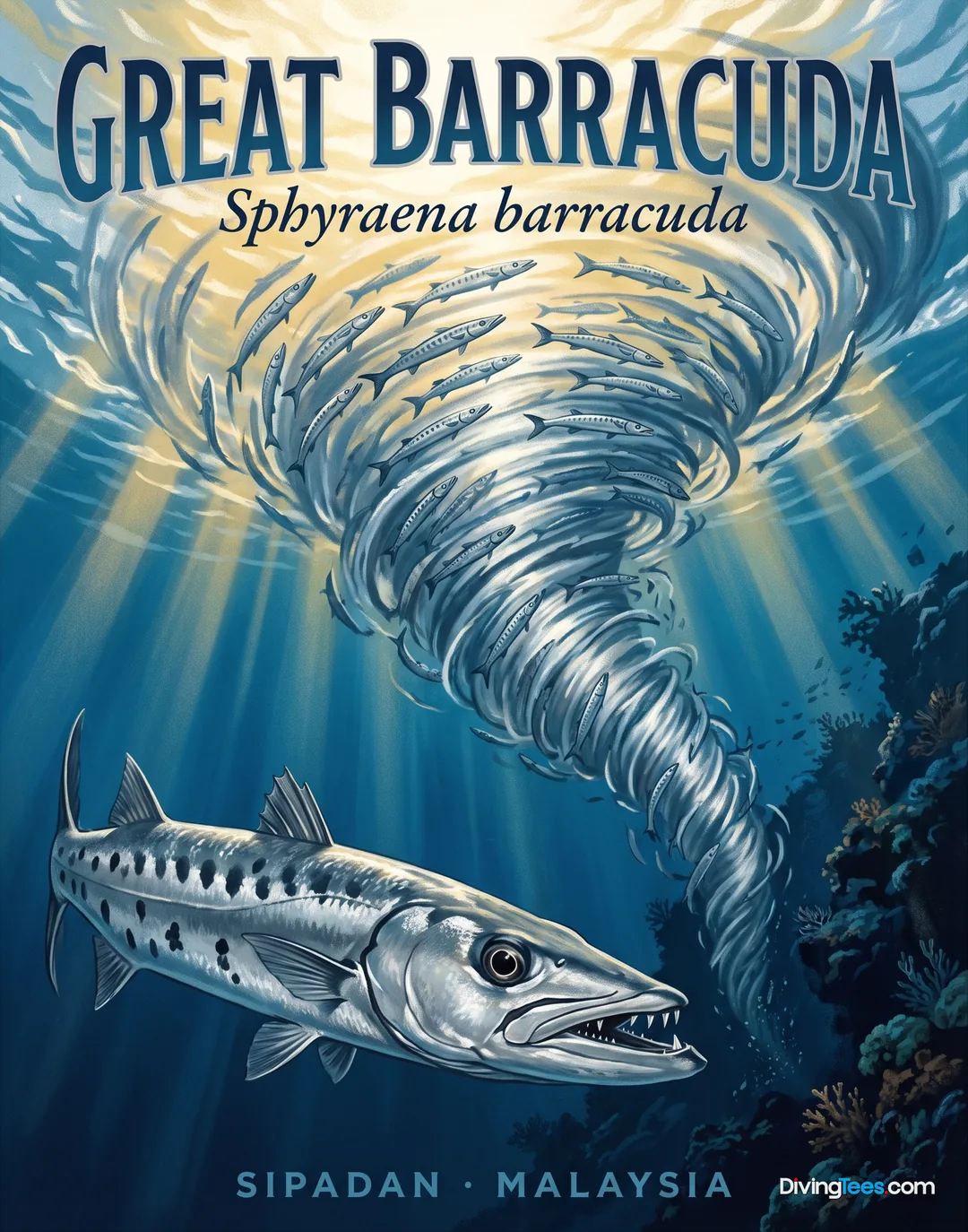
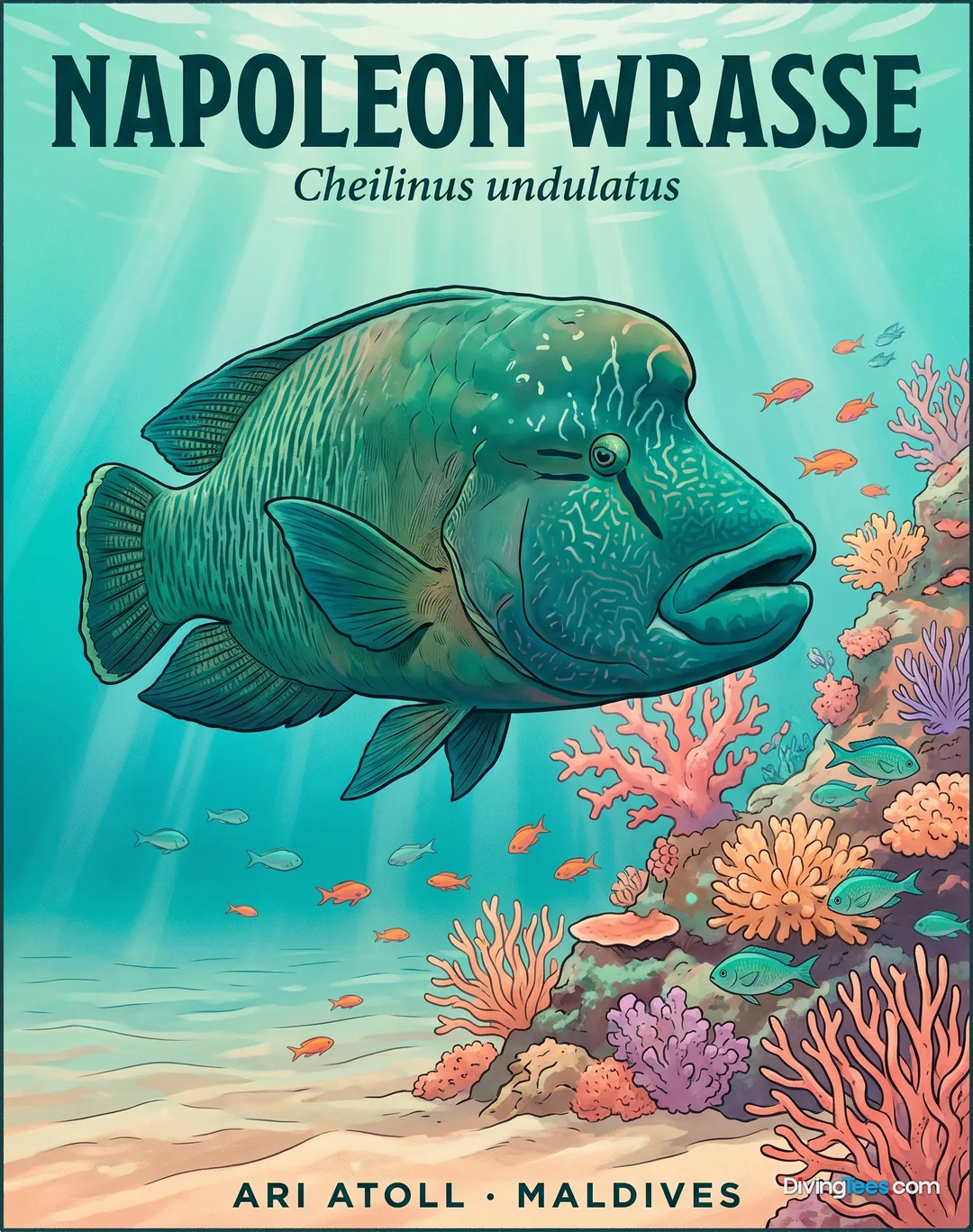
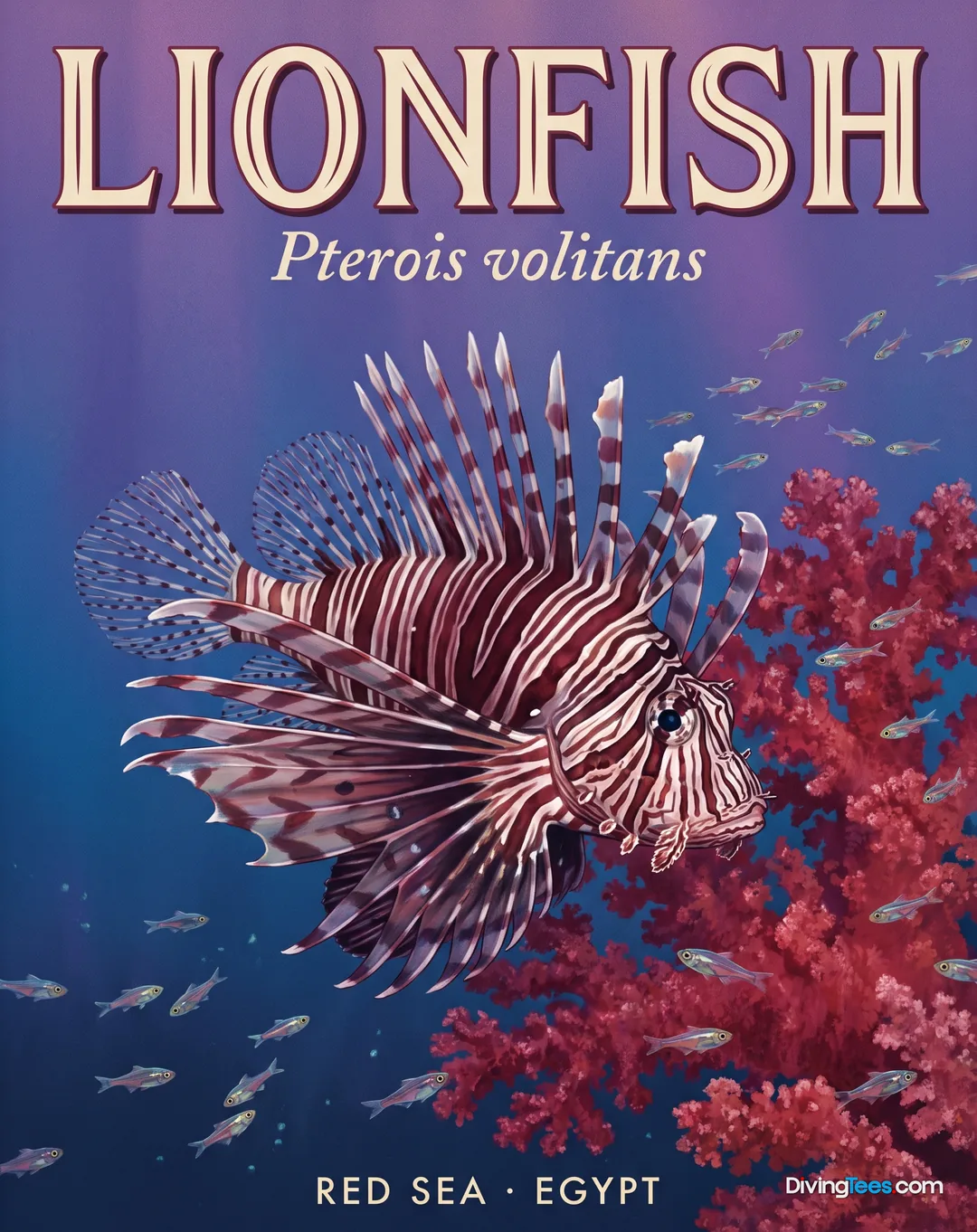
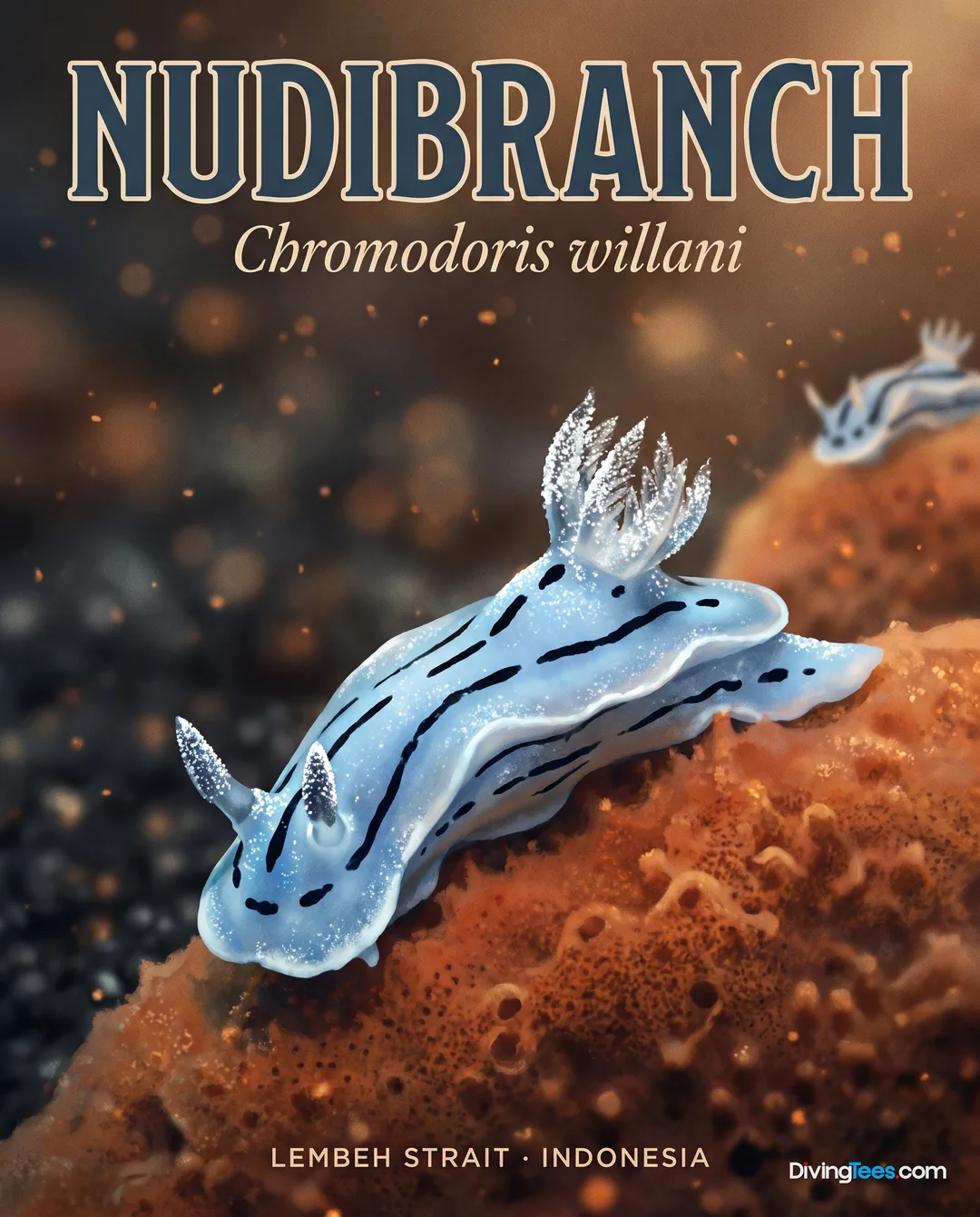
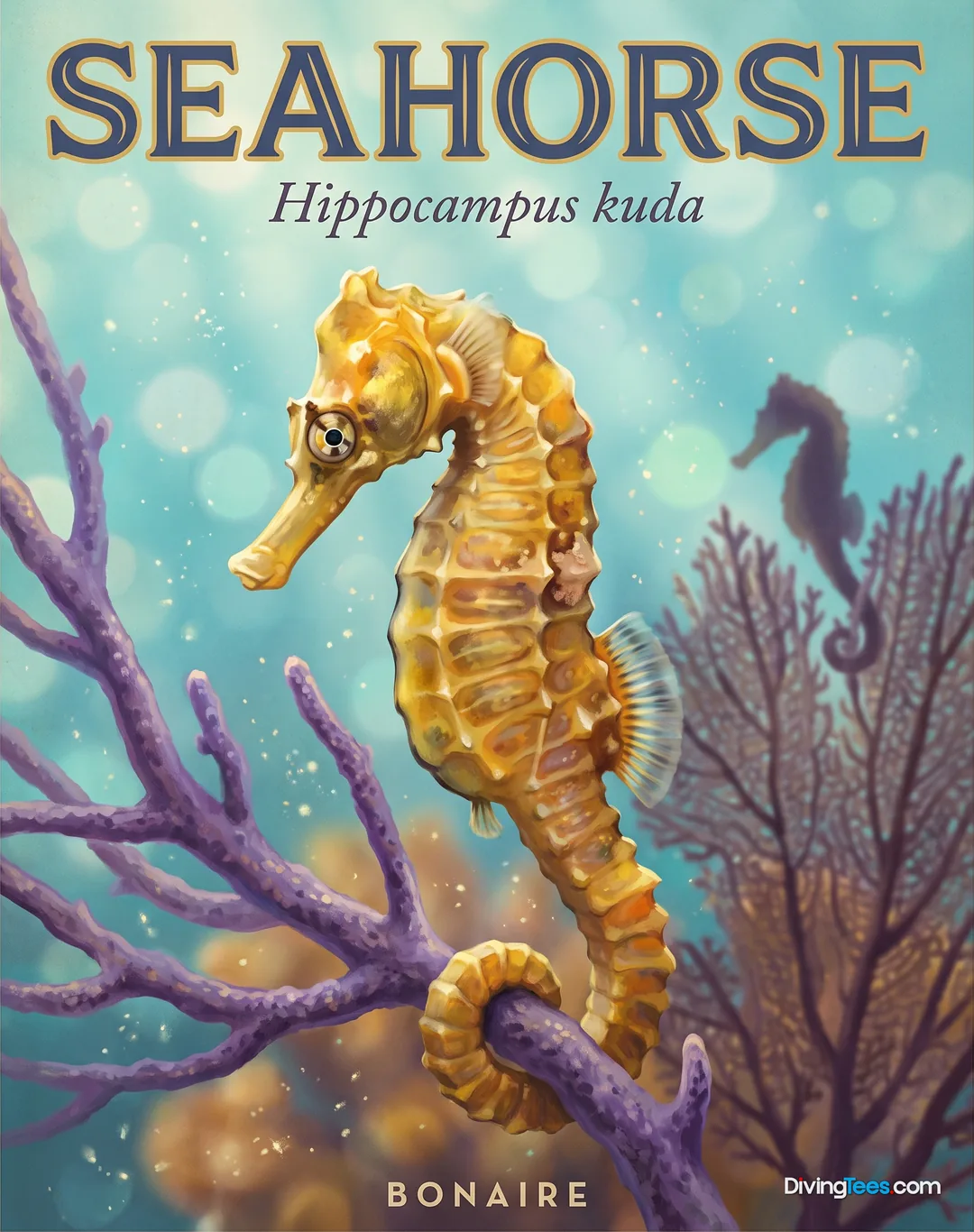
Raja Ampat rewards both wide-angle and patient macro diving. Manta Sandy is used as a cleaning station by reef manta rays, while Blue Magic also brings manta encounters alongside schooling fish, sharks and, at times, wobbegongs. Cape Kri and Sardines put the emphasis on moving water, reef sharks, blacktip reef sharks, barracuda, jacks and fusiliers. In quieter corners, pygmy seahorses, flatworms, nudibranchs and wire coral crabs reward a slower search. Turtles, sweetlips and Napoleon wrasse feature at sites such as Ransiwor and Mike’s Point. The measured site information points to calmer seas from September to November; other site records favour October to April or May to October, so the wildlife itinerary depends on the route and local conditions rather than one universal season.
The clearest practical window in the measured site information is September to November, when the sea is also at its calmest. That matters in Raja Ampat because calmer water makes long boat transfers, entries and surface pickups less tiring, while the currents remain central to the diving. October to April is also commonly associated with drier conditions and improved visibility at several sites, whereas Sardines is listed with a May-to-October window. Raja Ampat is too spread out for one simple calendar to fit every island and passage, so the chosen route matters as much as the month. The main reason to avoid a rigid expectation is that plankton, runoff and tidal water movement can alter visibility locally.
Beginners can enjoy sheltered sites such as Melissa’s Garden, Friwenbonda, South Kri and Ransiwor when the tide and current suit the plan. The destination becomes more comfortable with Advanced experience, particularly for Cape Mansuar, Cross Over, Blue Magic, Sardines and Sorido Wall. An Advanced qualification is useful, while Drift training reflects the actual demands of the passes and points. Nitrox is worthwhile on intensive itineraries. Divers should be honest about buoyancy, surface awareness and drift management; a basic recreational qualification alone does not prepare everyone for a sudden change of flow.
From London Heathrow, London Gatwick or Manchester, the journey starts with an international flight into Indonesia, followed by a domestic flight to Sorong. Connections may run through Jakarta, Singapore or Kuala Lumpur, then the final approach to Raja Ampat is by ferry or organised boat, depending on the island, resort or liveaboard. That maritime leg is not an optional extra; it is part of reaching the archipelago. Leave sensible flexibility between flights and boat movements, since a tight connection can turn a minor delay into a lost transfer. On arrival, the local arrangement is usually simple but boat-dependent: village-based accommodation may put the dive centre within walking distance, while island resorts use an arranged boat or shuttle. The exact transfer plan should be confirmed before departure.
Build the trip around the tide tables and the boat’s current plan, not around a promise of repeating one favourite site. Ask in advance how entries and pickups are handled when the current runs, and whether the boat positions itself for the actual drift rather than leaving divers to solve it at the surface. Start early on busy routes around the archipelago’s headline sites, when fewer boats may be sharing the water. Carry a well-fitted mask, exposure and surface kit: supplies can be limited on remote islands, and replacing a poor fit mid-trip is not straightforward. A small personal sun shelter or dependable sun protection is useful during repeated boat transfers. Allow a buffer for the ferry or organised boat leg, and do not compress the stay so tightly that transit removes the diving. Keep the return day free of diving before the flight, rather than trying to squeeze in a final hurried immersion.
A seven-to-ten-day stay makes more sense than a short visit, because it absorbs the long international journey and the maritime transfers. A liveaboard is the efficient way to link distant reefs, passes and island groups; a land-based stay suits divers happy to work one area from a fixed base. Days usually combine several boat dives, with surface intervals spent moving between reefs. Non-diving time can include lagoons, viewpoints, villages and karst islands. Non-divers have options, but the rhythm remains firmly centred on diving and navigation.
Hello, I'm Marina, DivingDeal.com's AI assistant. I guide you through destinations, areas and countries.
Thinking about the whole trip and the flights? Talk it over with Edith →
Marina is an AI. Some links are affiliate links: DivingDeal may earn a commission, at no extra cost to you. Bookings are made with the partner.
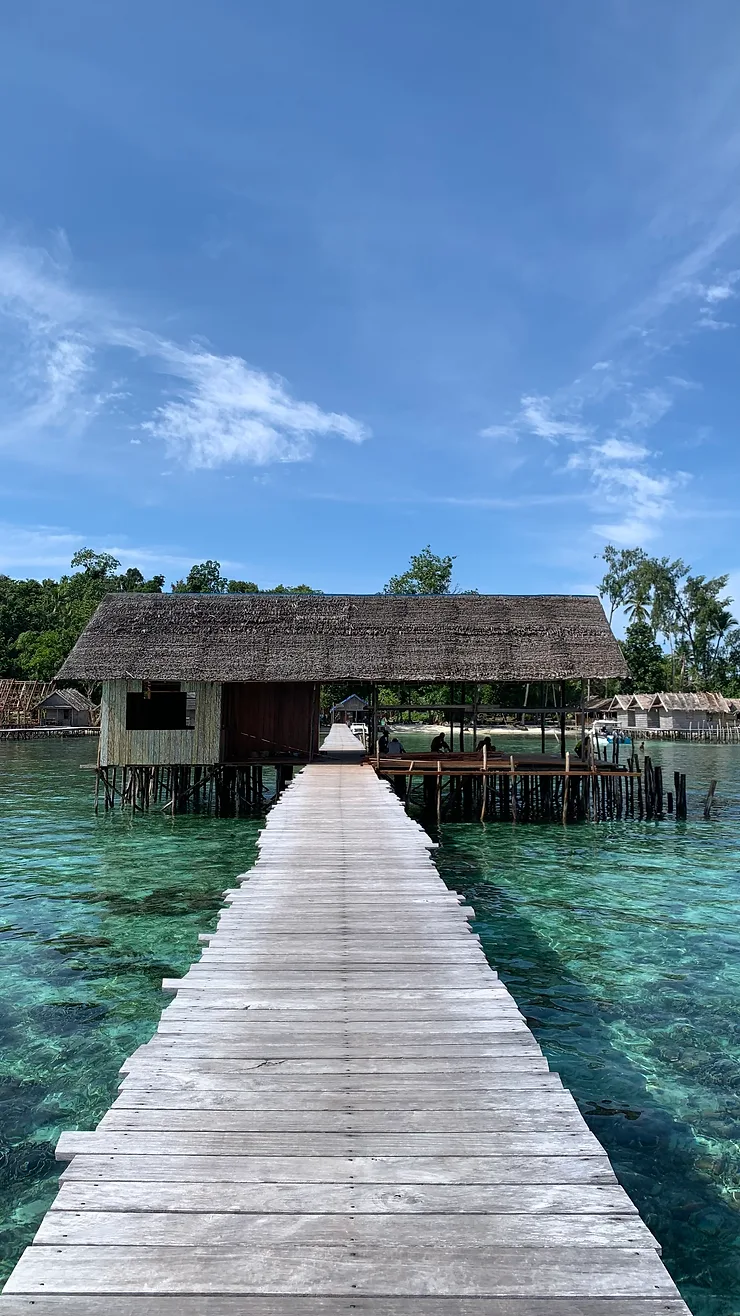
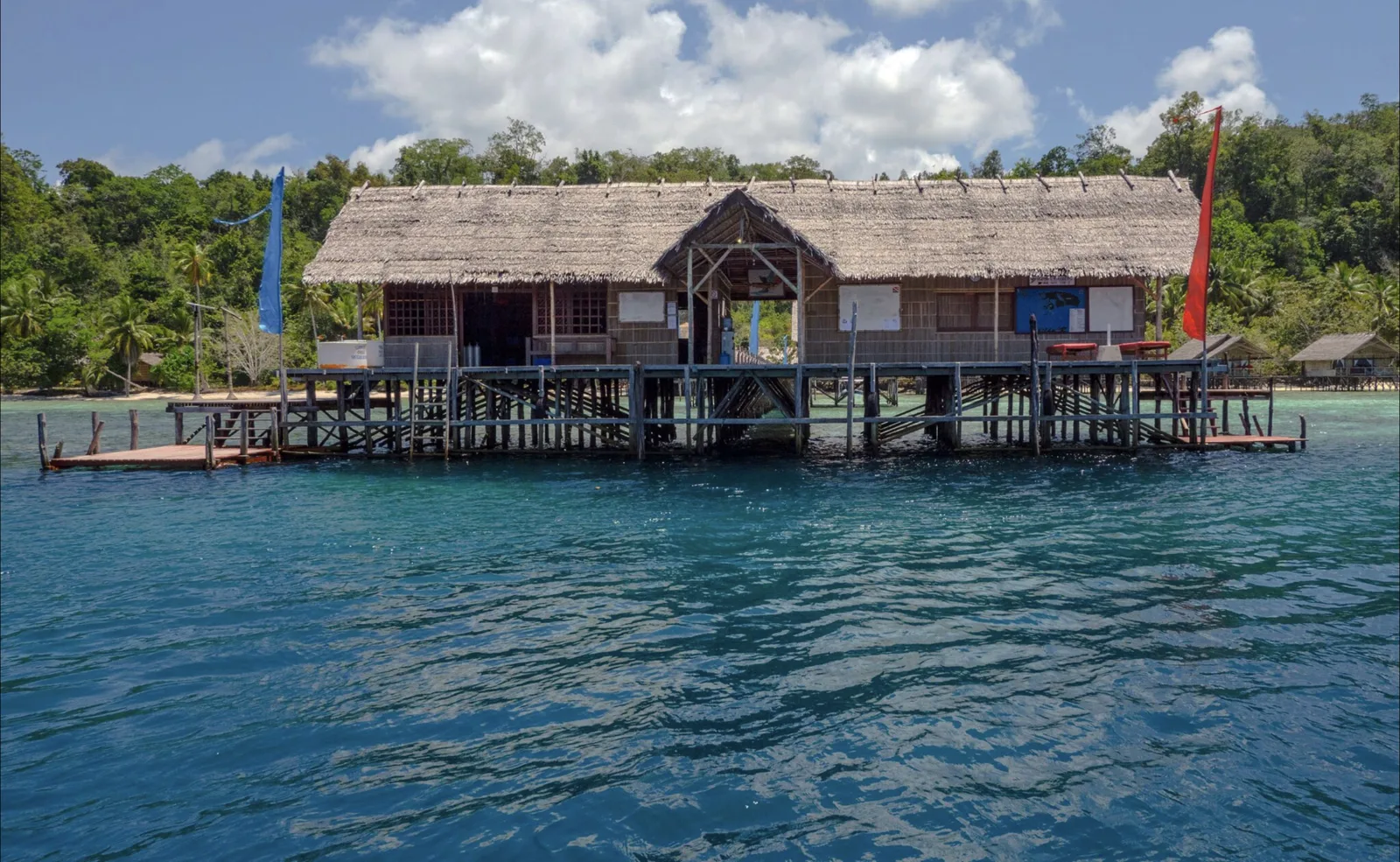
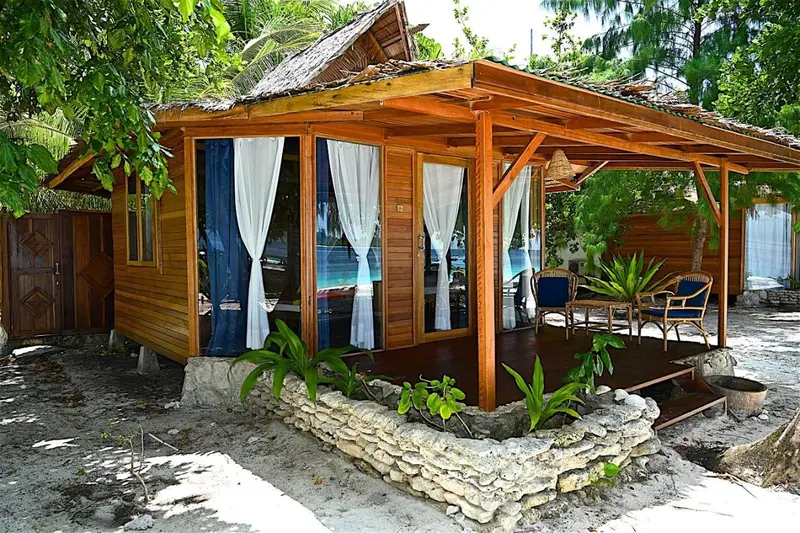
In each one, the dive centre is inside the hotel: step out of your room and go diving.
Dive centre in the hotelGoogle 4.8/5 (157 reviews)
The dive centre
Nyande Raja Ampat
SSI
Google 4.8/5 (161 reviews)
Dives: Piaynemo, Roni reef / Mandarin Fish, Nyande house Reef
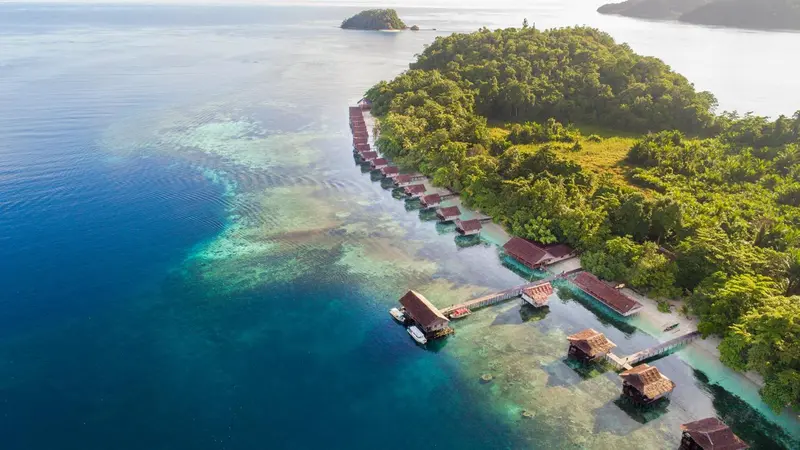 Dive centre in the hotel
Google 4.5/5 (167 reviews)
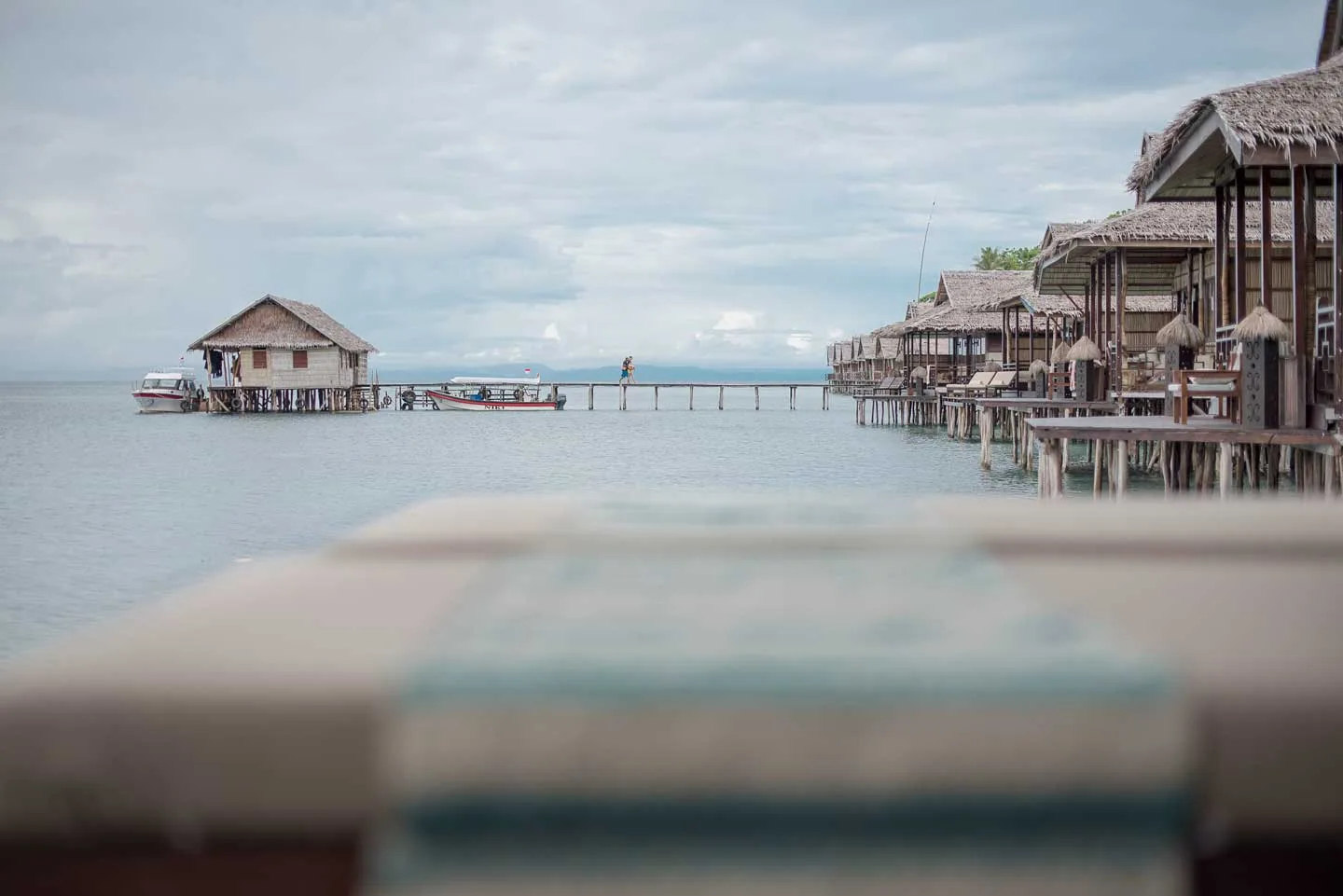
The dive centre
Papua Paradise Eco Resort
PADI
Google 4.5/5 (167 reviews)
Dives: Fam Islands, The Passage, Manta Sandy
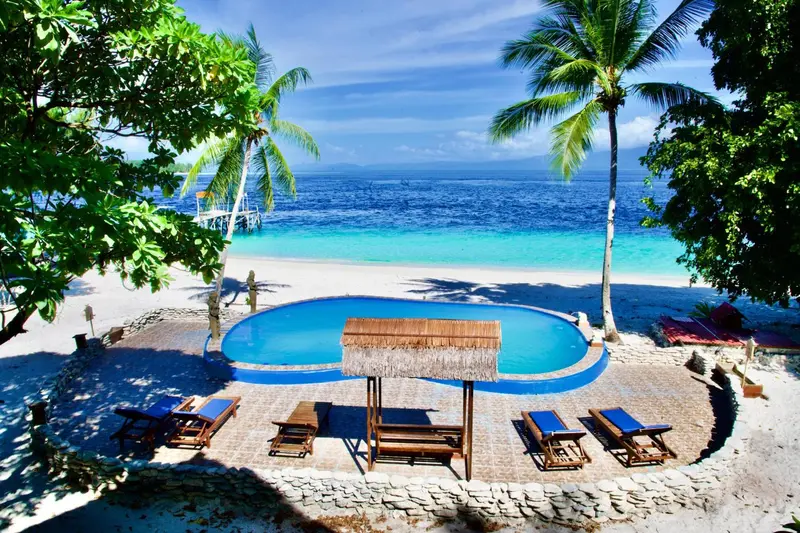 Dive centre in the hotel
Google 4.1/5 (182 reviews)
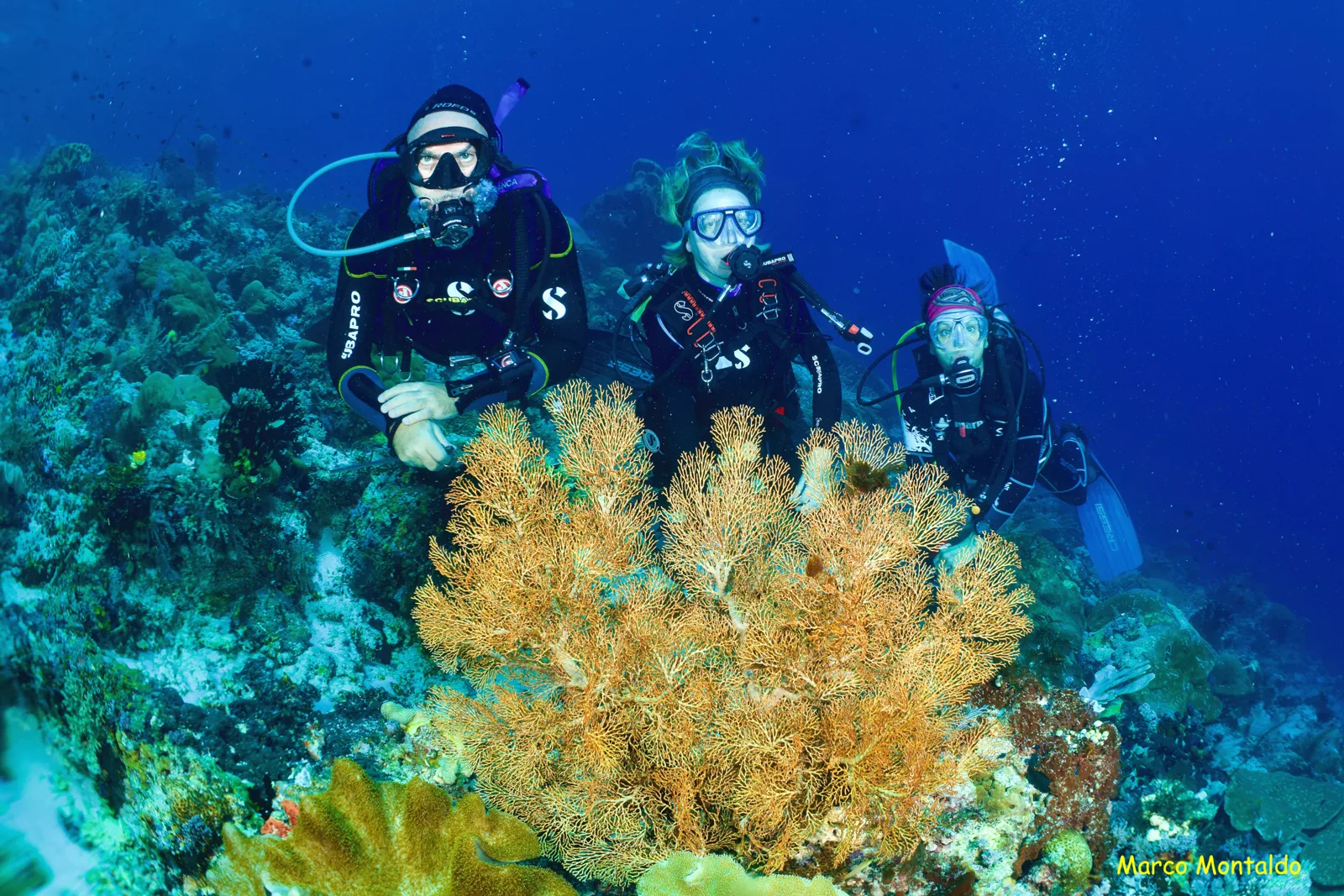
The dive centre
Agusta Eco Resort Diving Center
SSI
Google 4.1/5 (186 reviews)
Dives: Manta Sandy, Mios Kon, Melissa’s Garden
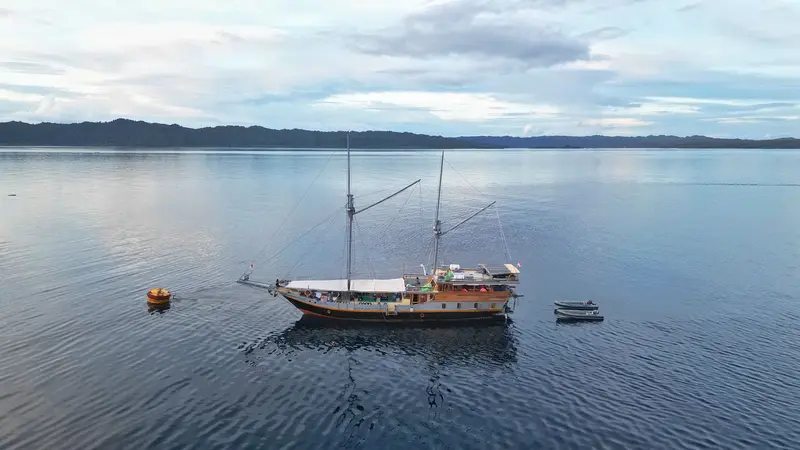
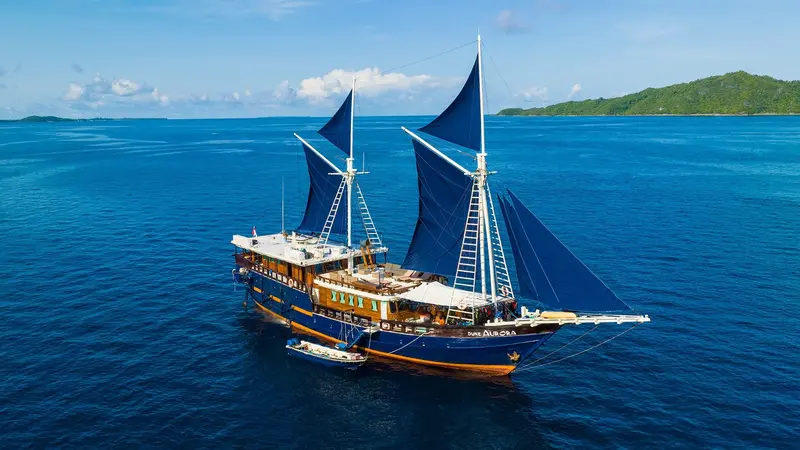
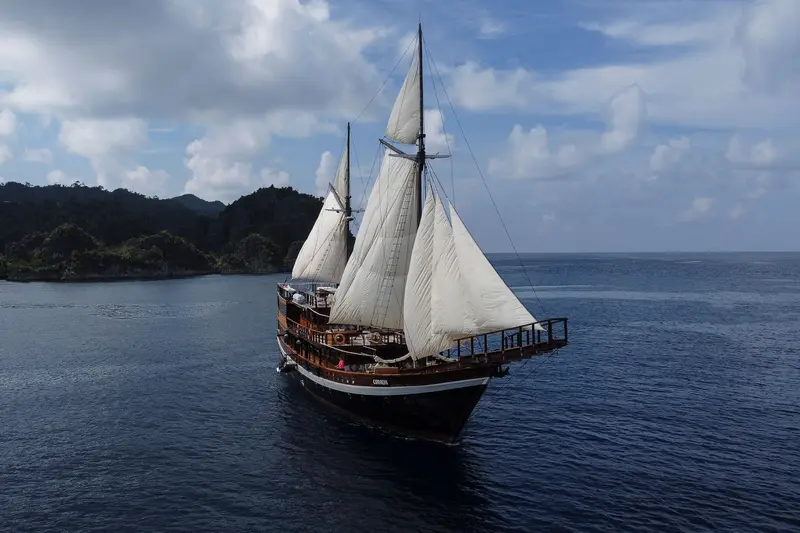
31 liveaboards depart from Raja Ampat another way to explore the region, over several days at sea.
Your last day stays dry: no diving in the 18-24 hours before a flight, the perfect window to see the destination from another angle.
Ratings and reviews collected by Viator and Tripadvisor.
September to November offers calmer seas in the measured site information, which can make boat transfers, entries and surface pickups less tiring. October to April is associated with drier conditions and improved visibility at several sites, while Sardines is listed with a May to October window. Your route and local conditions still matter.
Beginners can enjoy sheltered sites such as Melissa’s Garden, Friwenbonda, South Kri and Ransiwor when tide and current suit the plan. Advanced experience becomes more comfortable at Cape Mansuar, Cross Over, Blue Magic, Sardines and Sorido Wall. Buoyancy, surface awareness, drift management and careful attention to briefings are important.
Raja Ampat offers reef mantas at Manta Sandy, schooling fish, sharks and occasional wobbegongs at Blue Magic, and reef sharks, barracuda, jacks and fusiliers around Cape Kri and Sardines. Slower dives may reveal pygmy seahorses, nudibranchs and wire coral crabs, while turtles, sweetlips and Napoleon wrasse appear at other sites.
Build the itinerary around tide tables and the boat’s current plan. A liveaboard links distant reefs, passes and island groups, while land-based diving suits you if you prefer one area. Confirm transfers, allow flexibility for the ferry or organised boat, carry suitable personal equipment and avoid scheduling diving immediately before your flight.