Liveaboards · Indonesia
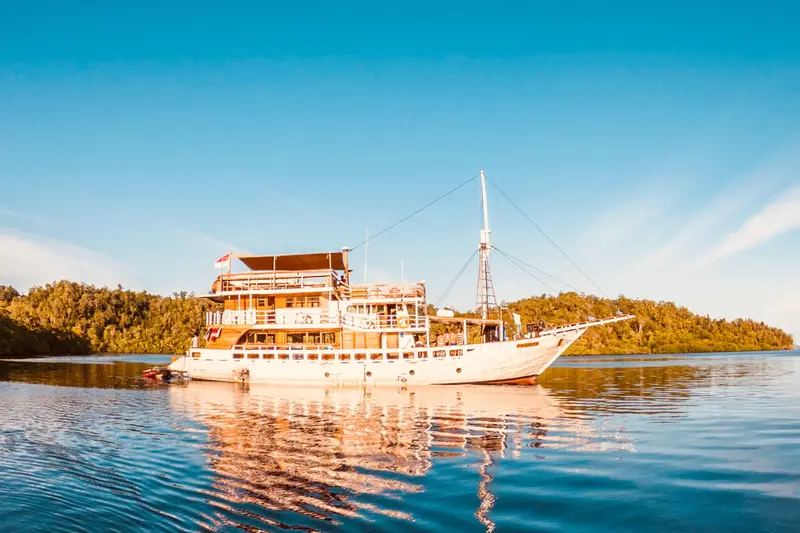
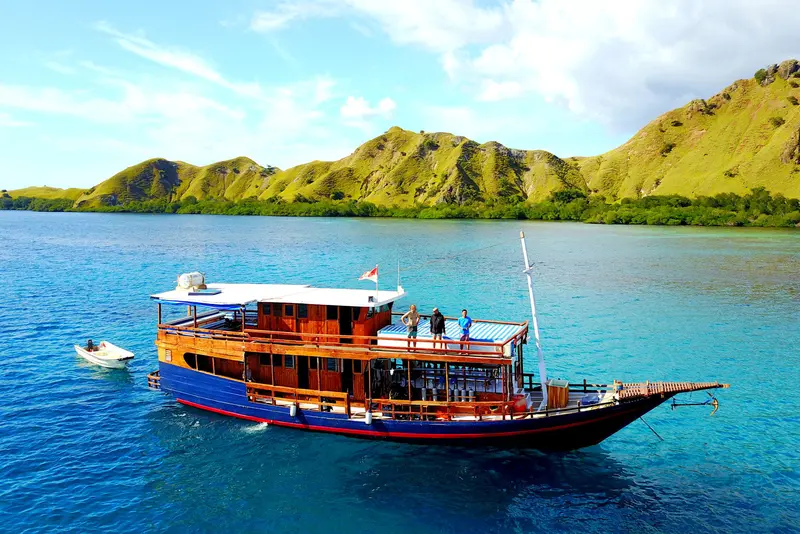
Bajak — a spacious Indonesian phinisi with a pirate soul
What makes this boat unique
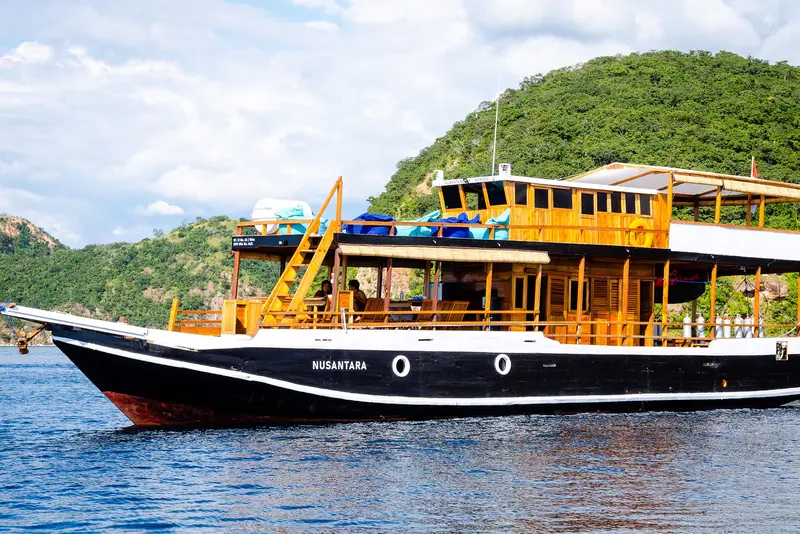
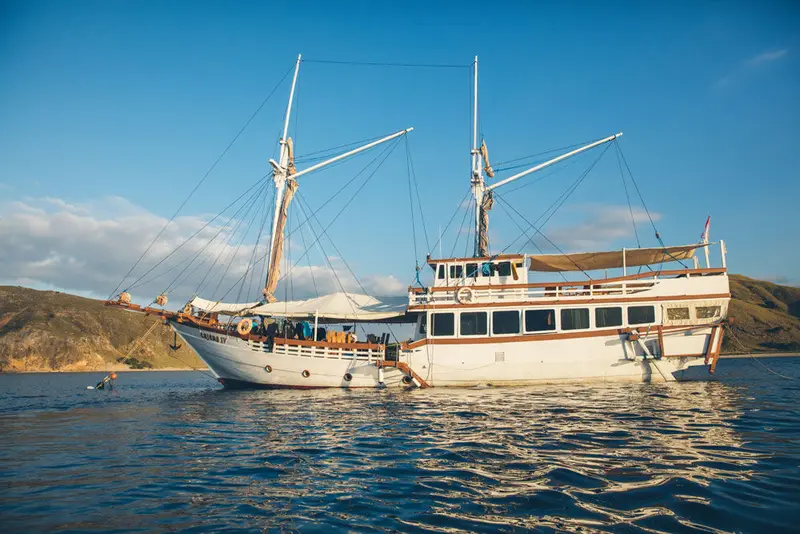
- Bajak is a 28-metre phinisi built from reclaimed ironwood and teak, renovated in 2021 and designed for diving in Komodo National Park.
- The boat carries up to 14 guests in four air-conditioned cabins, with shared and master cabin options on the lower deck.
- Its shaded dive deck has DIN adapters, rinse tanks, a dive platform and a 5-metre tender with a 40HP engine.
- Trips combine Komodo diving with included land excursions, including visits to see Komodo dragons.
For subtitles in English: start the video firstthen click the gearat the top right of the video, select “Subtitles/CC”, then “Auto-translate” and choose “English”.
The invitation
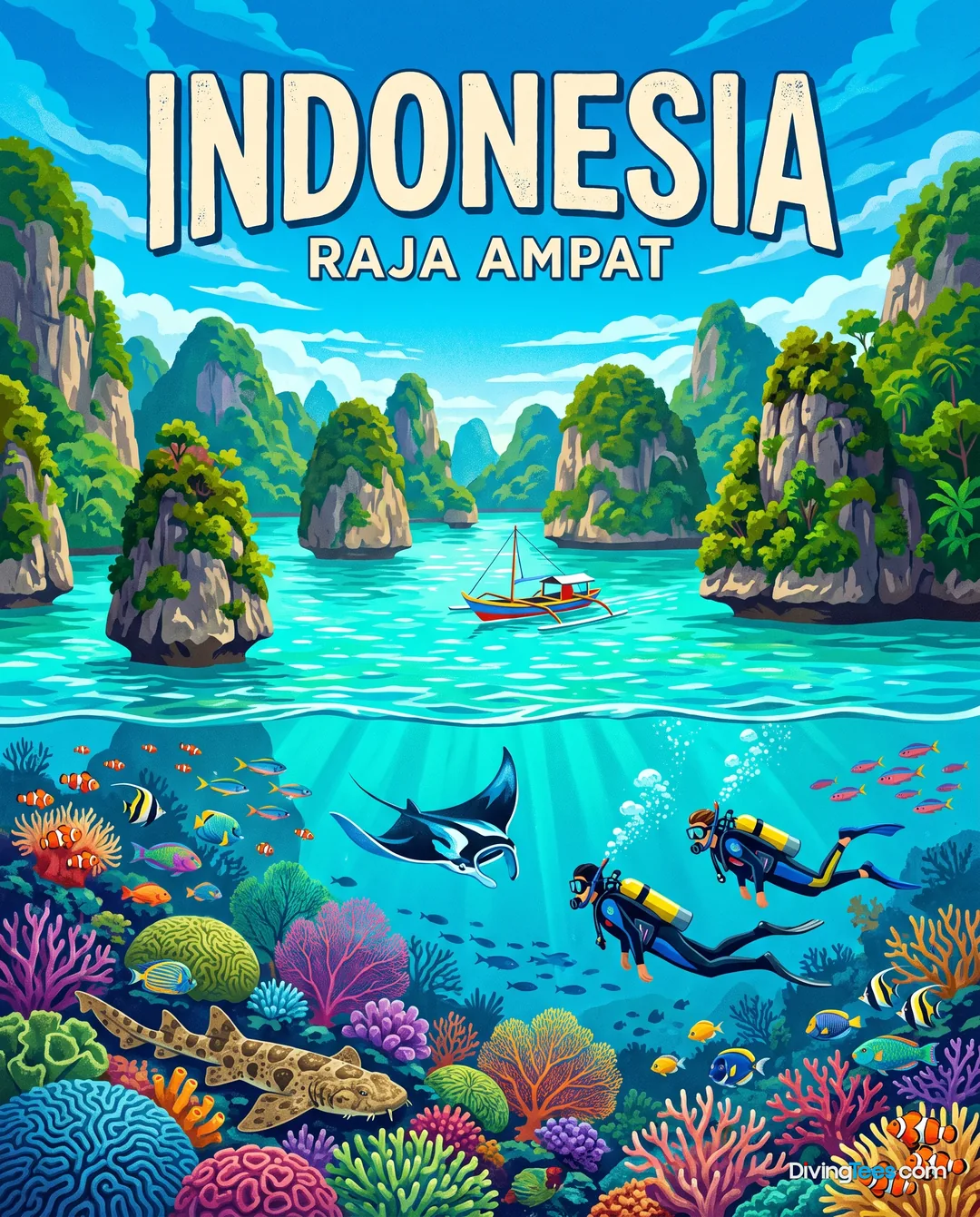
Bajak is for divers who want Komodo from a proper Indonesian boat, not a floating hotel dressed up for the occasion. The reclaimed ironwood and teak give her a working, seafaring character, while the layout leaves room to spread out after a current-heavy dive. She operates only in Komodo National Park, where the value lies in reaching the pinnacles, channels, coral gardens and manta sites that make this route worth the journey. The diving is the reason to board, but the trip does not stop at the gunwale: land excursions to see Komodo dragons are part of the experience. Choose Bajak when the boat should feel connected to Indonesia, the group should remain small enough to know one another, and the crew's warmth matters as much as the site list.
Boarding
From the dock, Bajak presents herself as a traditional phinisi with a broad, purposeful profile rather than a polished resort launch. Reclaimed ironwood and teak carry visible history into the guest areas, and the 2021 renovation keeps that character from becoming roughness. Once aboard, the boat feels arranged around diving: gear moves toward the platform, wet equipment has its place, and the shaded areas matter when the tropical sun is high. The open galley keeps food and conversation close to the shared spaces. Solar-powered quiet time gives parts of the day a welcome break from engine noise, especially when the boat is settled in a bay. She is spacious for a 14-guest liveaboard, with enough room for passengers to separate after a demanding dive without disappearing from the group.
The atmosphere on board
Bajak's strongest asset is the way the crew turns a traditional boat into an easy place to live. Passengers describe the crew as professional, exceptionally friendly and ready to help without making the service feel formal. That shows up in the small moments around diving: equipment is handled, meals arrive without fuss, and the group is kept moving when currents or landings demand it. The crew speaks English. With no more than 14 guests, a solo diver can arrive without a built-in group and still find company quickly, while couples or families can retreat to the deck when they want space. Evenings tend toward shared meals, talk about the day's mantas or drift dives, and the practical preparation for tomorrow. The boat's hull has character; the crew is what makes passengers remember the week.
The sites you’ll dive
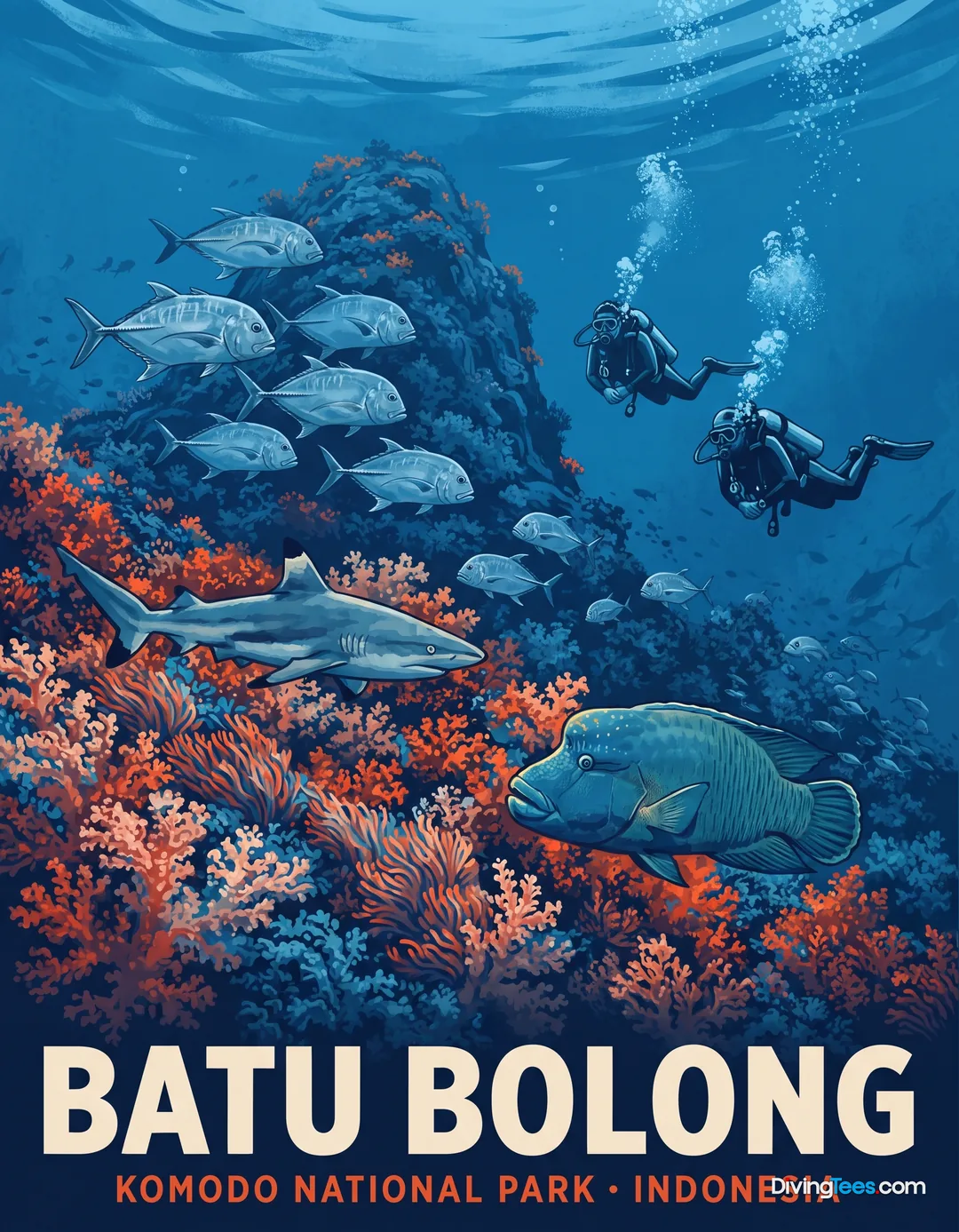
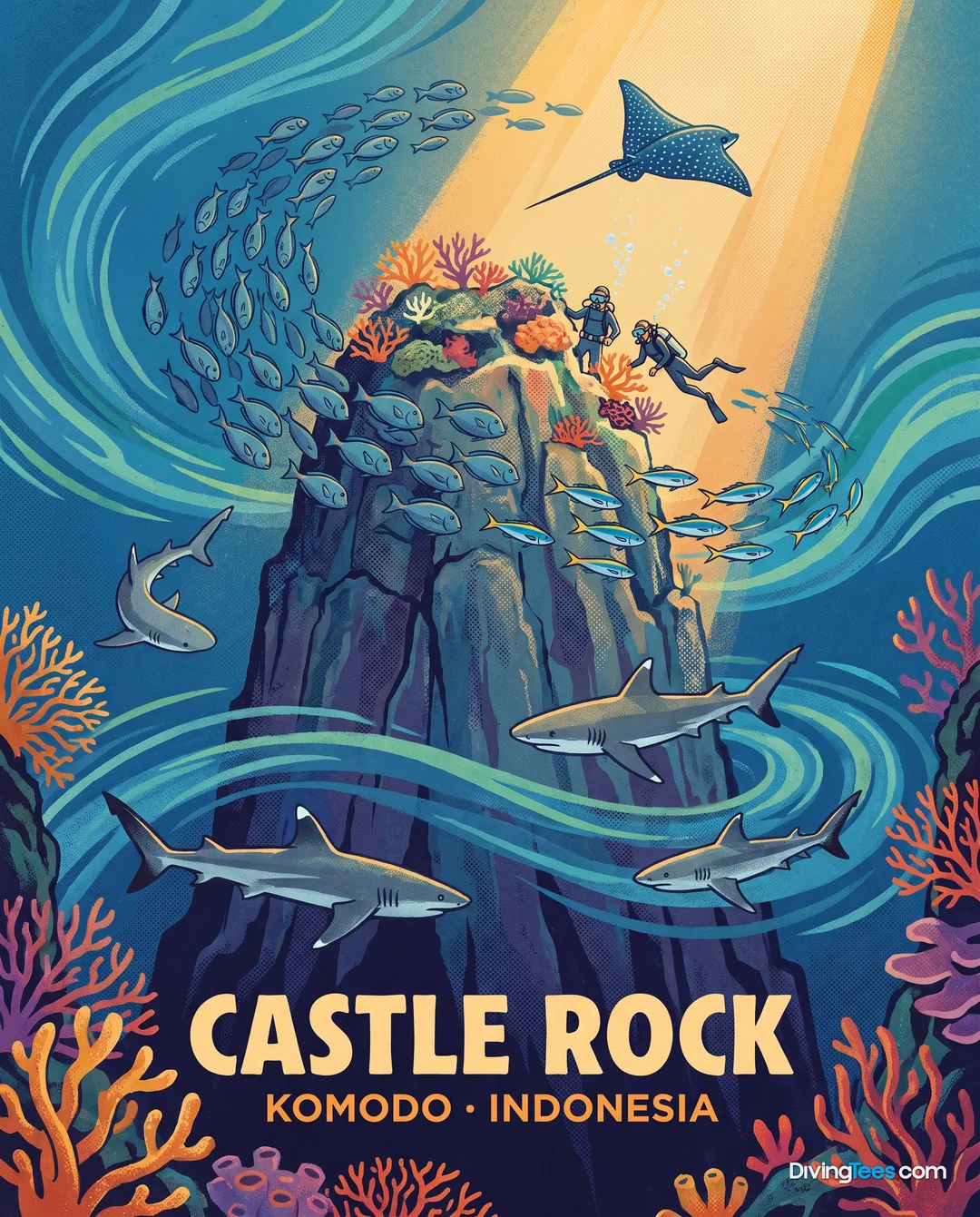
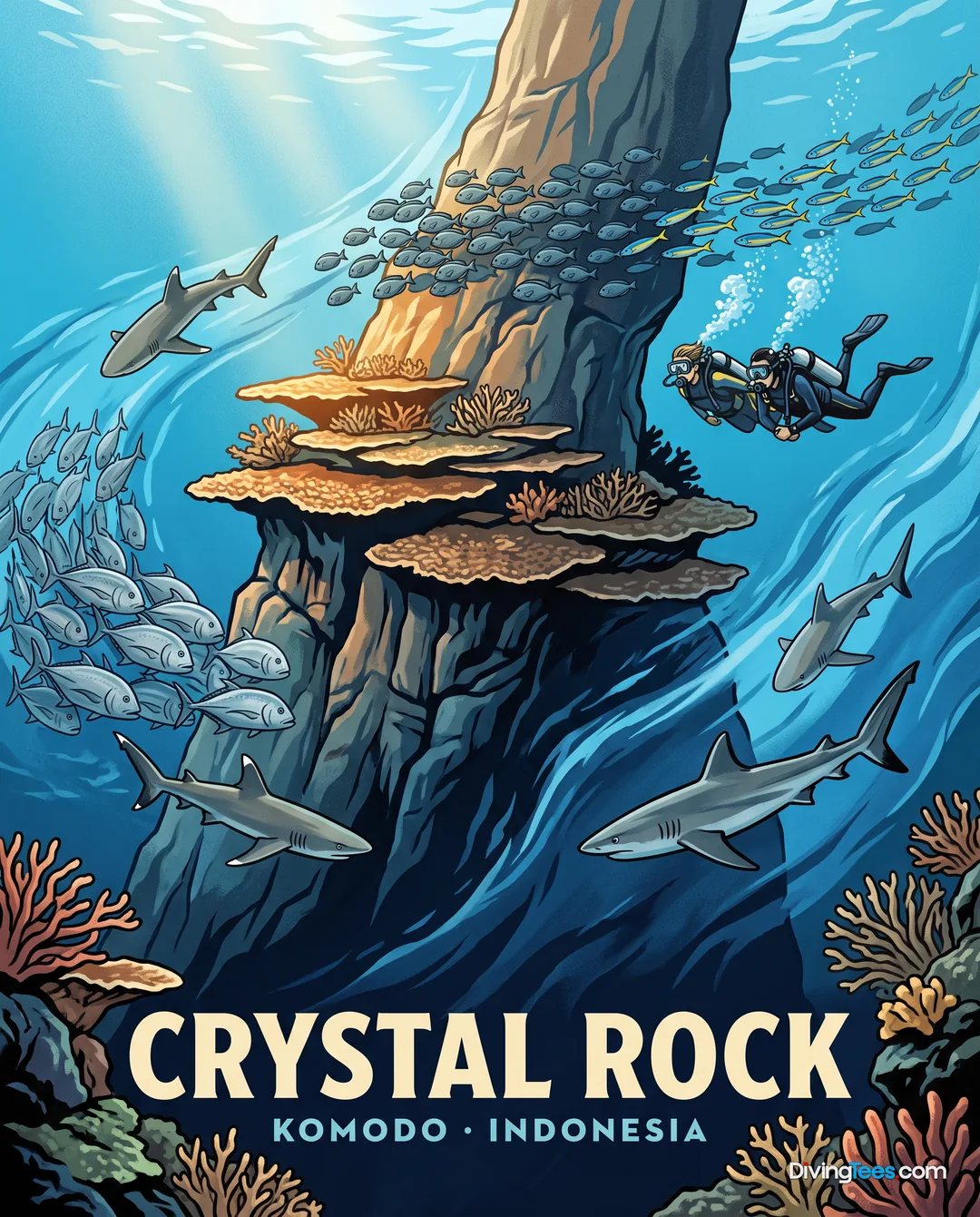
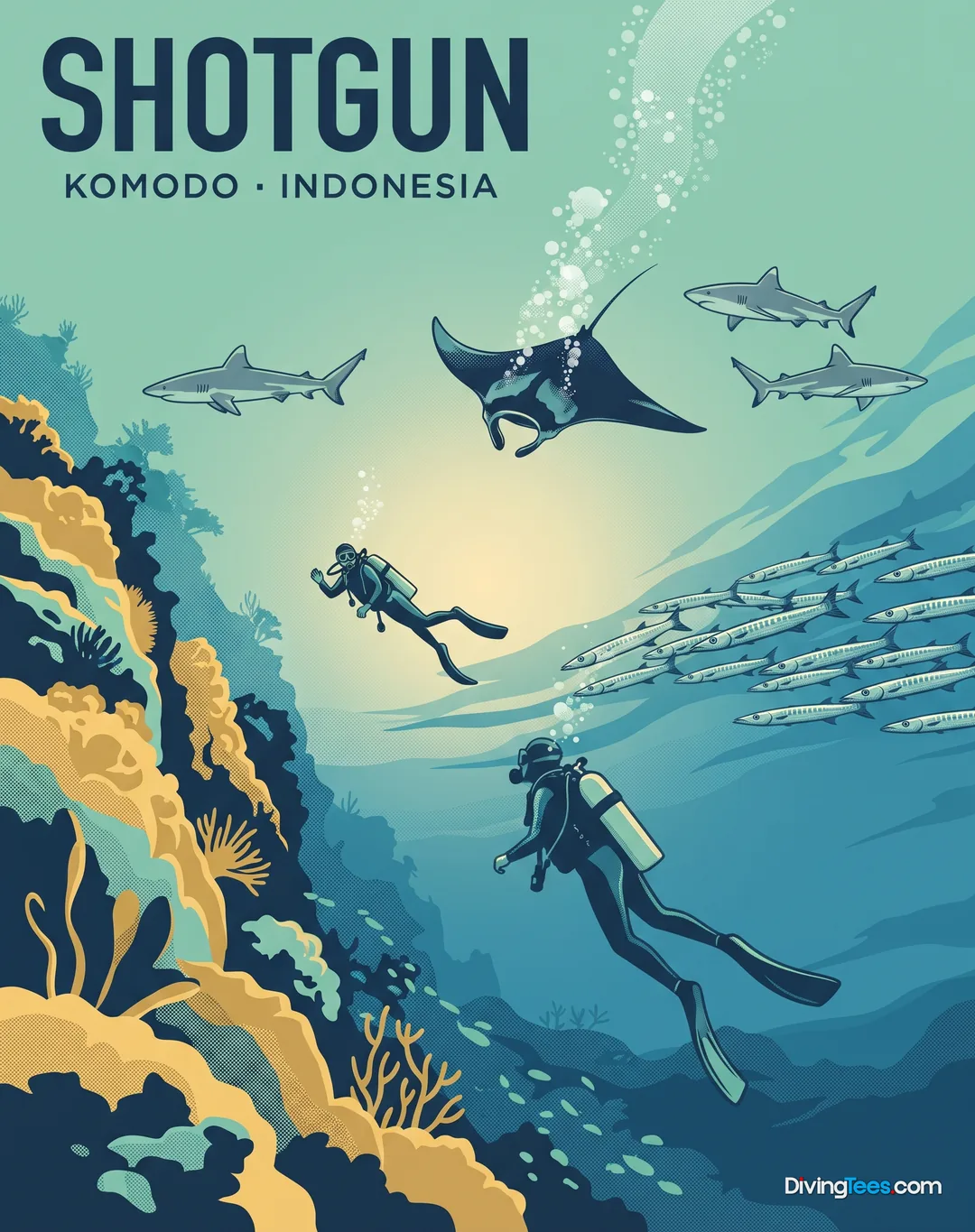
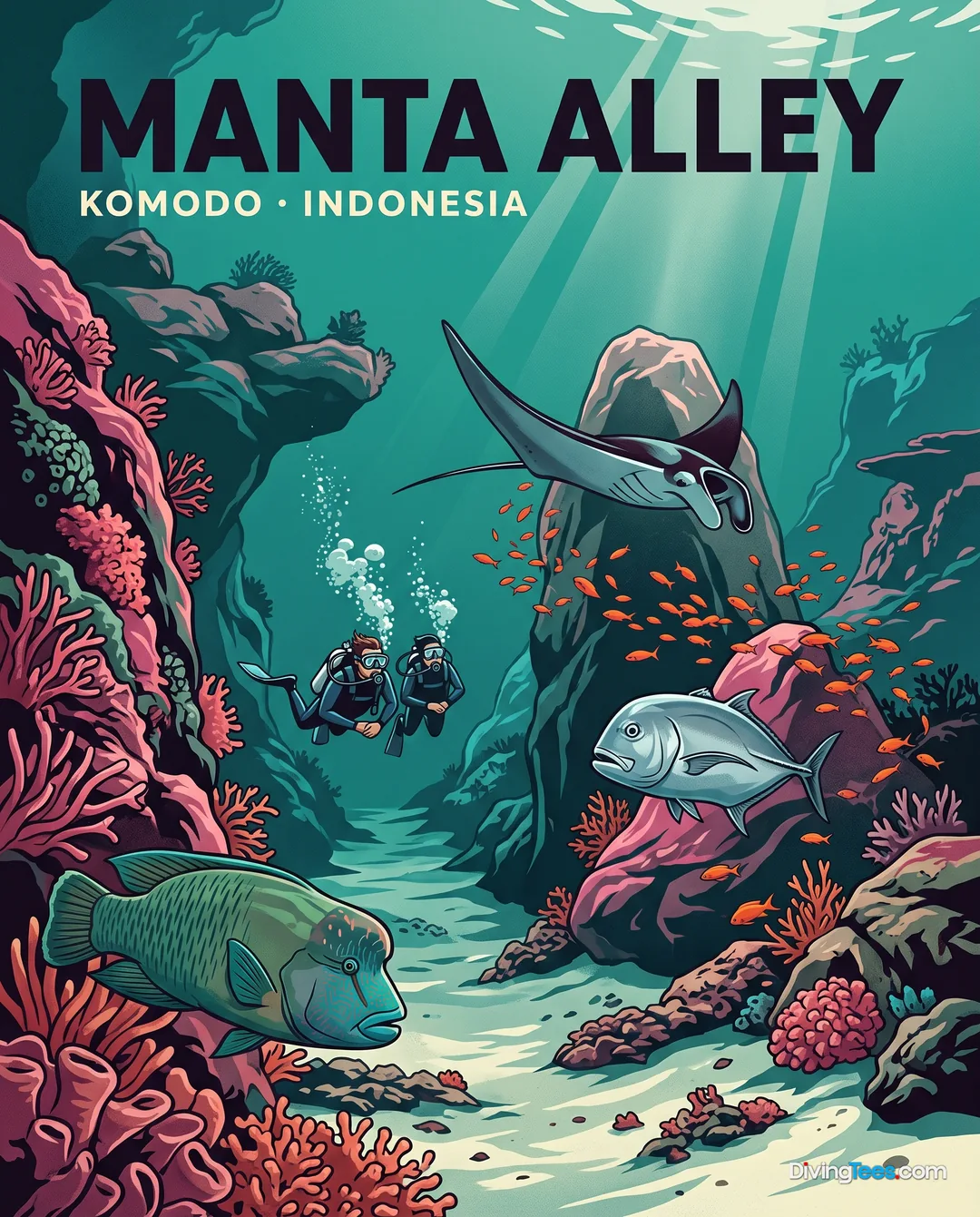
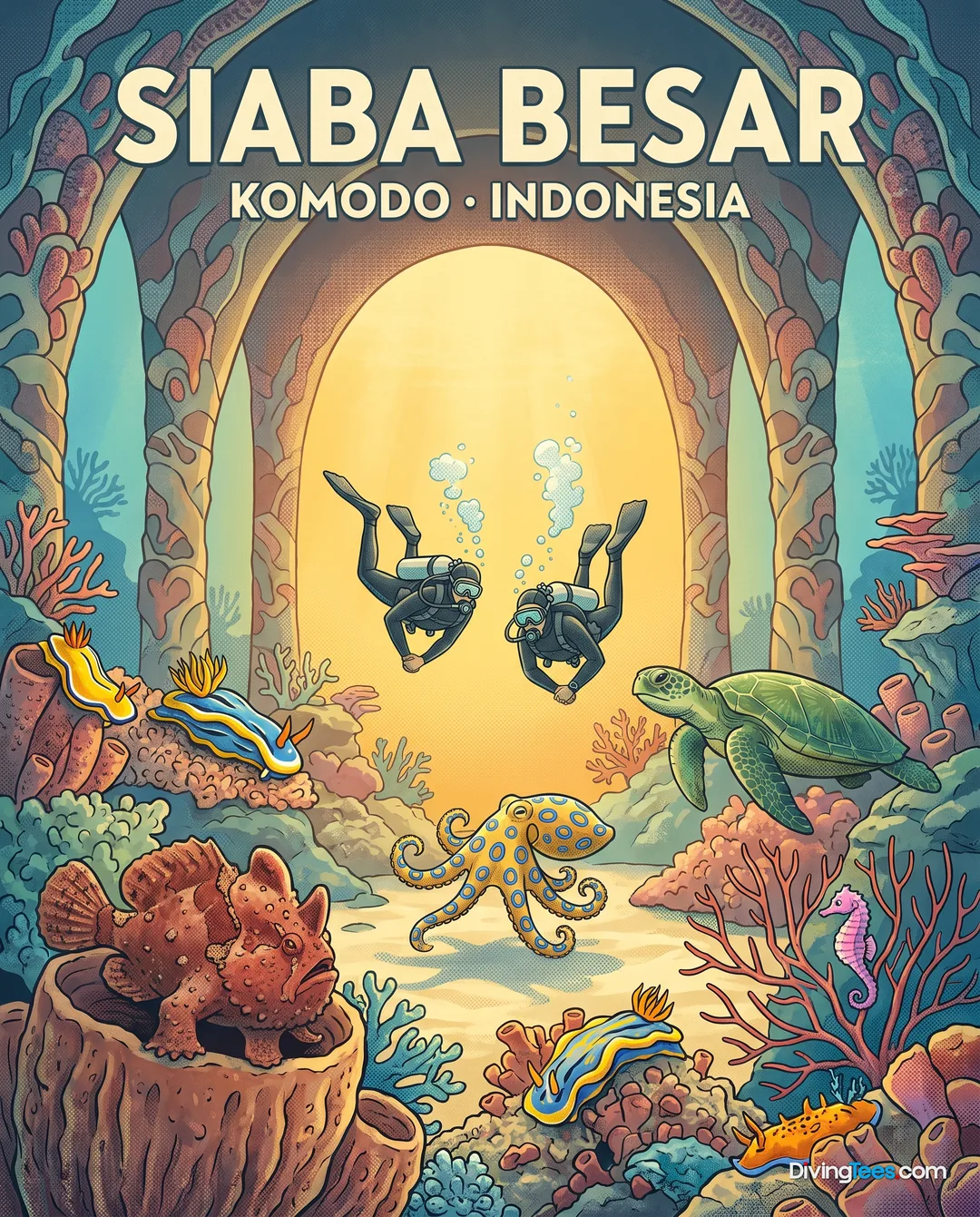
Komodo gives Bajak a route with two distinct moods: exposed pinnacles and channels for current and pelagic action, then sheltered coral and macro sites where looking closely pays off. Batu Bolong is a tiny pinnacle with exceptional coral cover, giant trevally, Napoleon wrasse and reef sharks, to a maximum of -40m. Castle Rock and Crystal Rock are submerged pinnacles to -30m, where nutrient-rich currents draw reef sharks, grey reef sharks, eagle rays and schooling fish; Crystal Rock is in the Lintah Strait. Shotgun reaches -25m and pushes divers along a wall where mantas and sharks gather. Manta Alley is a channel dive to -20m, with strong currents bringing groups of manta rays through the southern waters. Siaba Besar, to -18m, trades adrenaline for frogfish, blue-ringed octopus and seahorses among coral bommies. The recorded departures are 4 Days / 3 Nights, Labuan Bajo to Labuan Bajo. Bajak also offers a 5-day southern route built around 15 dives, Padar and Manta Alley.
Itineraries, dates and prices
Prices per person. Each month shows its lowest price: click a month, or pick an itinerary.
Next departures · 65 departuresfrom £582$778€695
November 2026
December 2026
See dates and prices
If you click these links and make a purchase on the partner site, DivingDeal may earn a commission, at no extra cost to you.
Dates and prices taken from Divebooker and liveaboard.com, updated 24 October 2026
What you’ll meet underwater
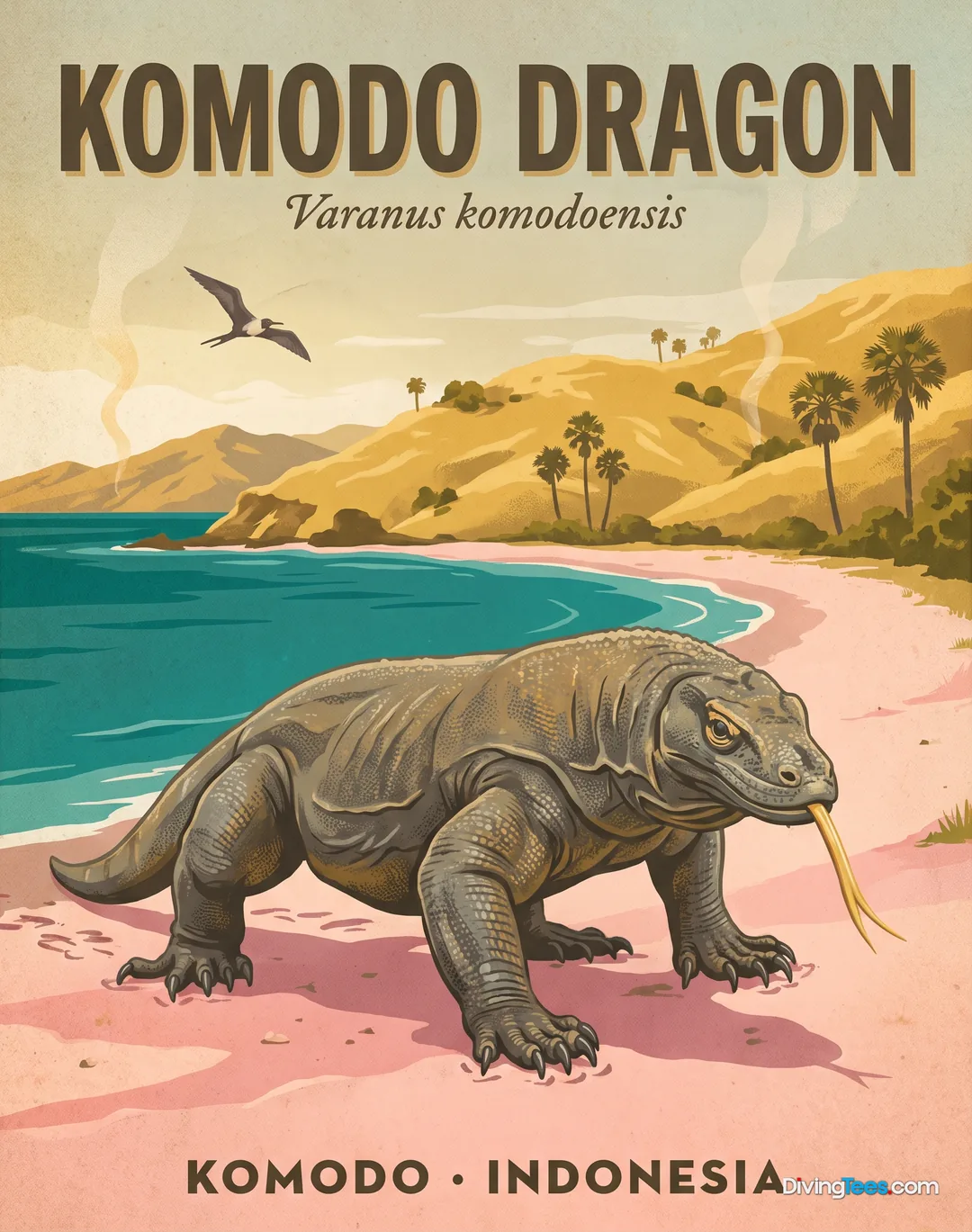
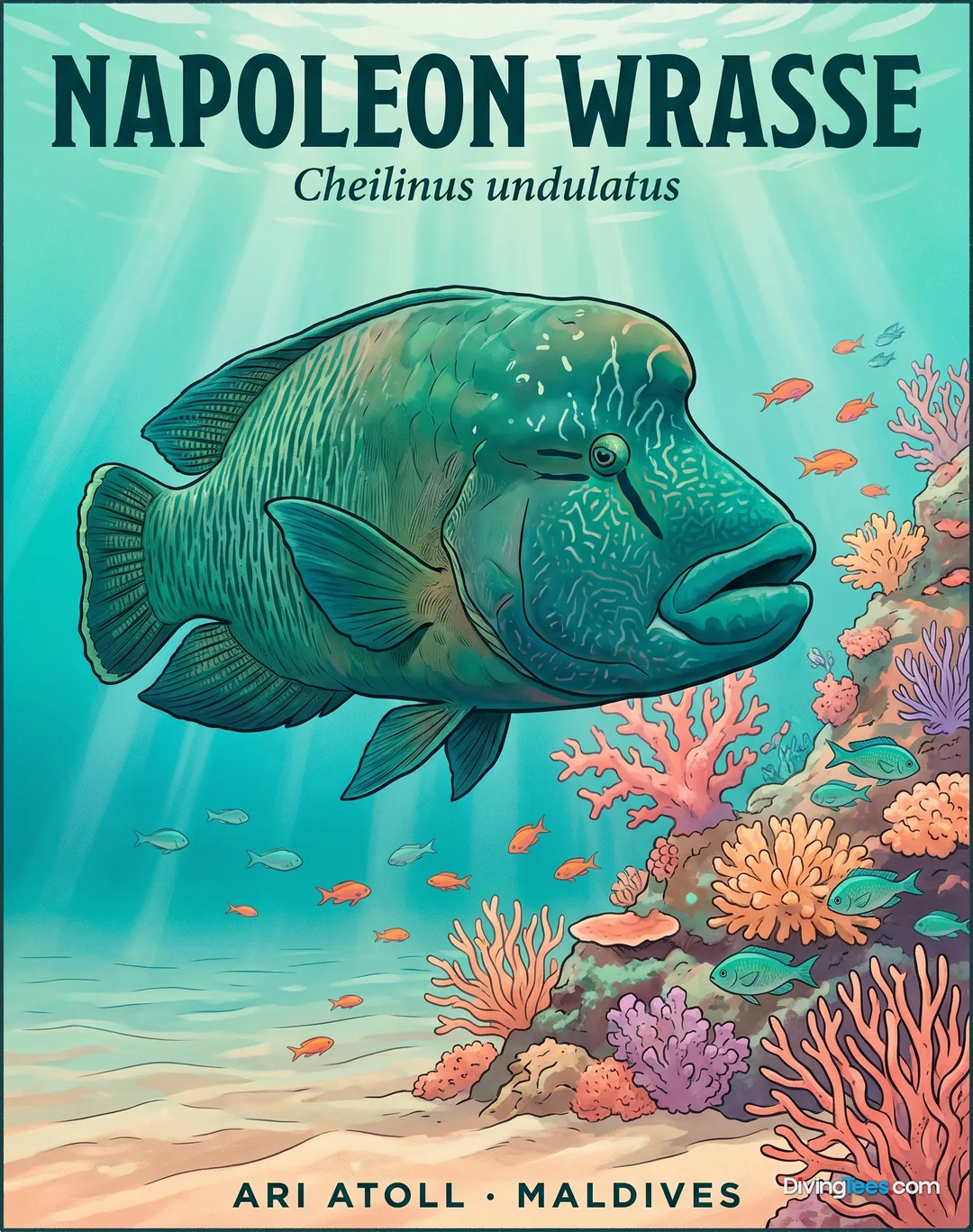
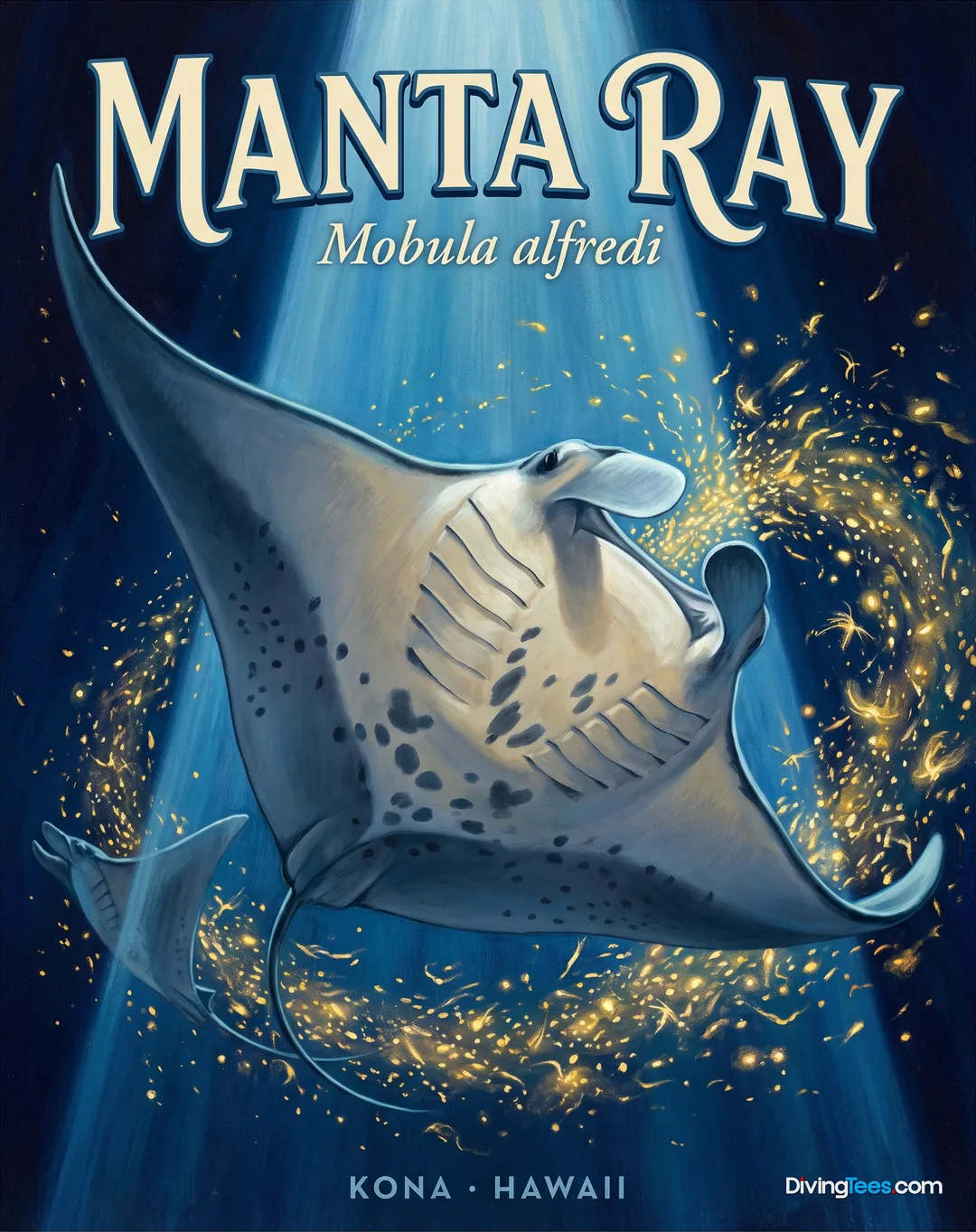
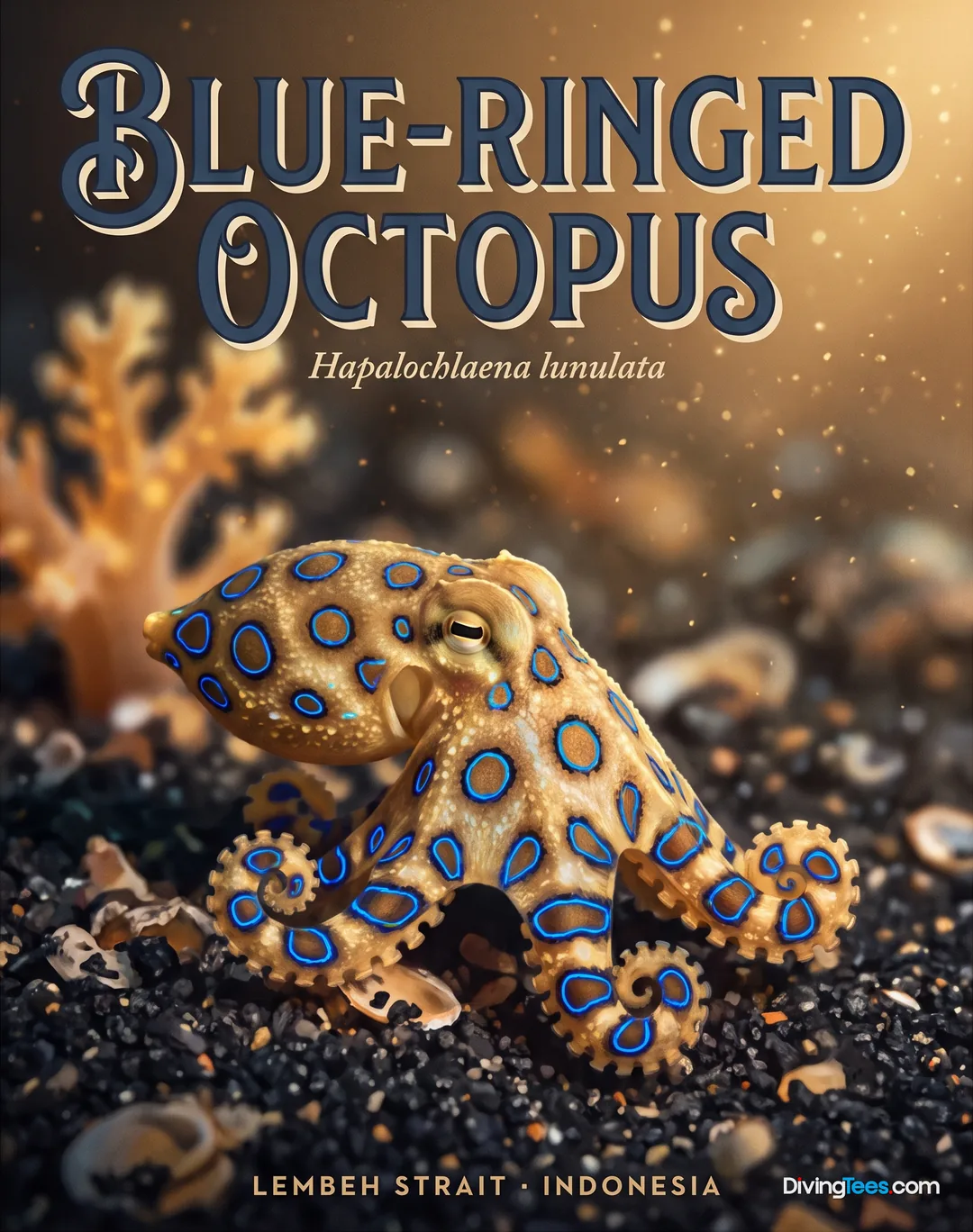
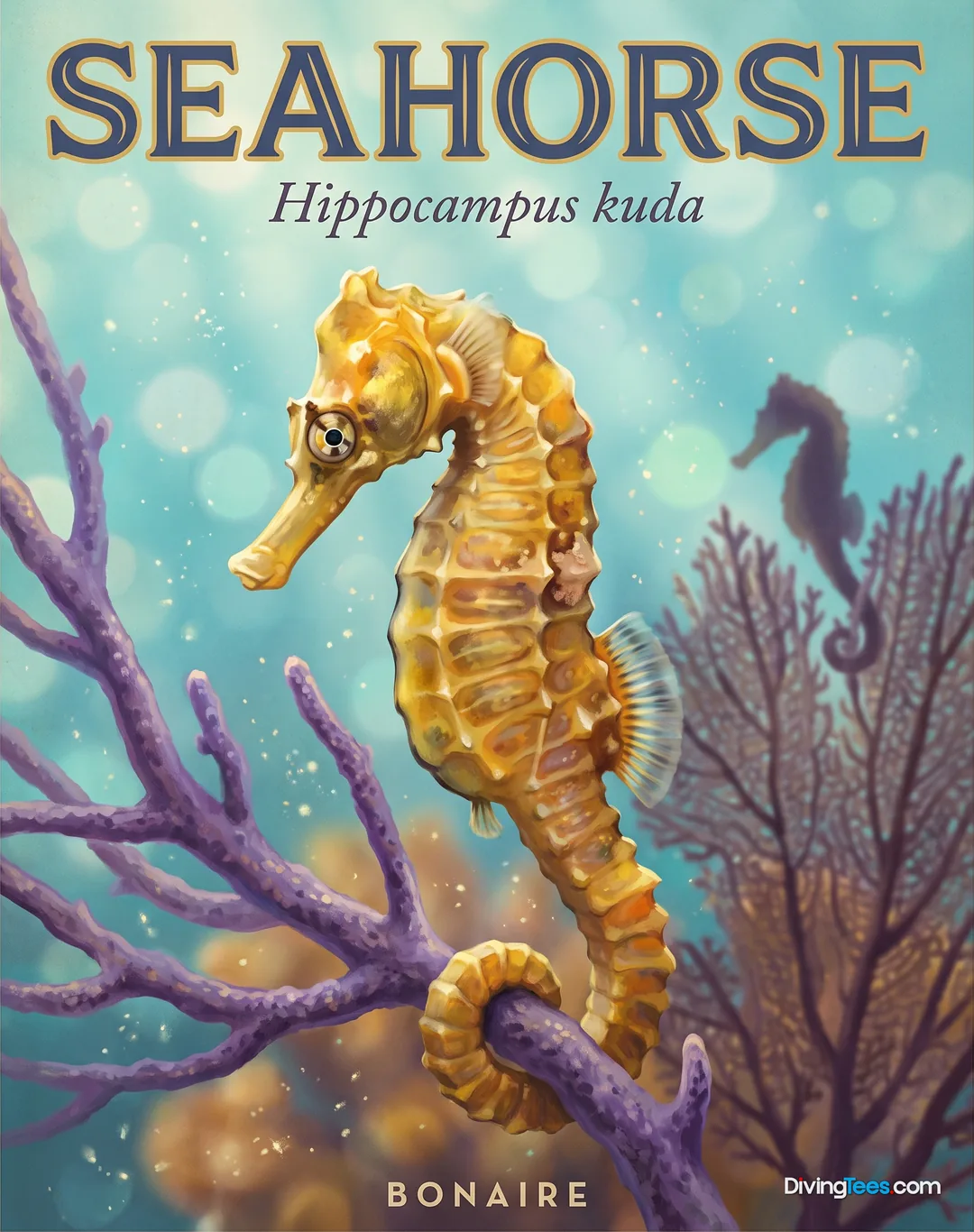
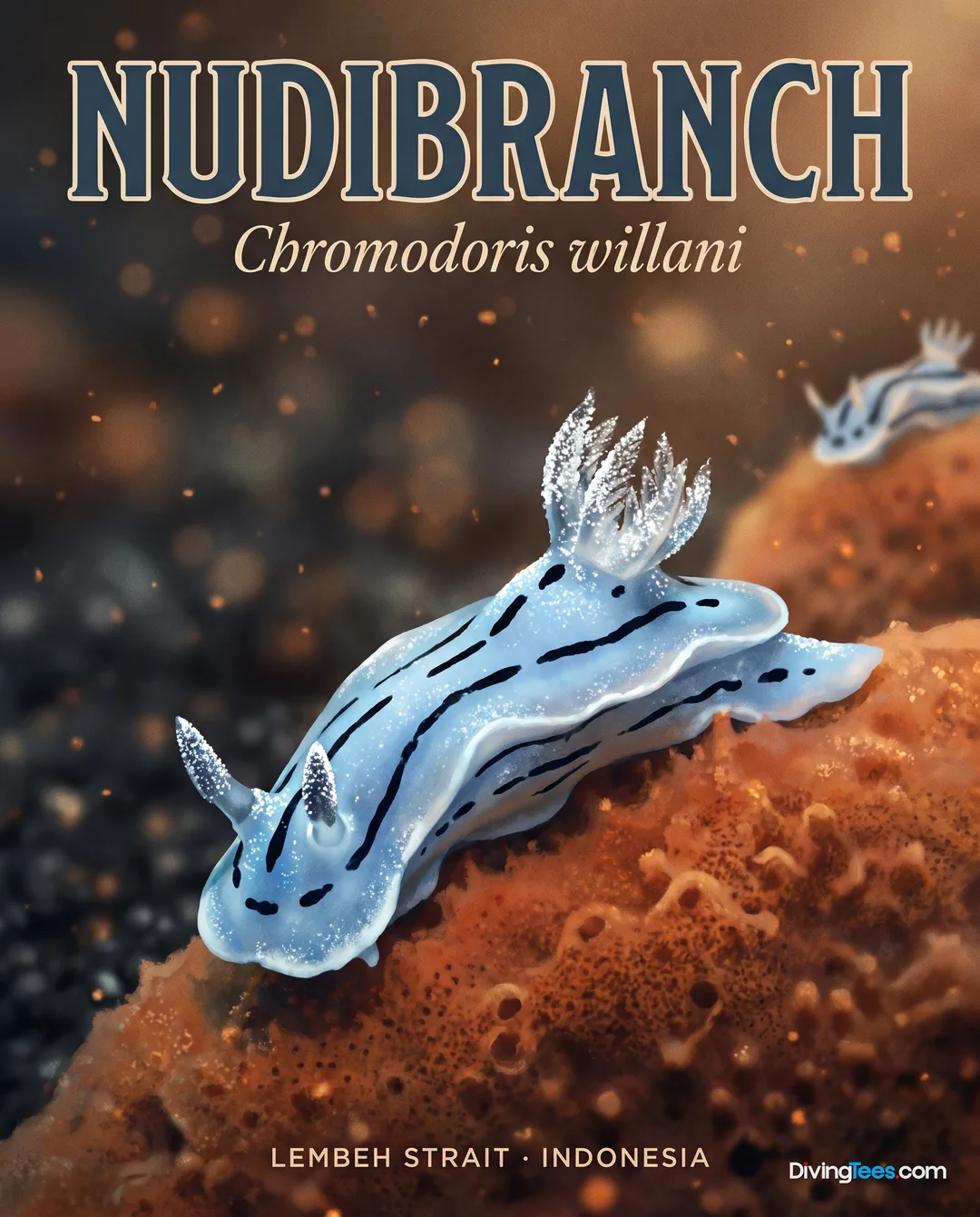
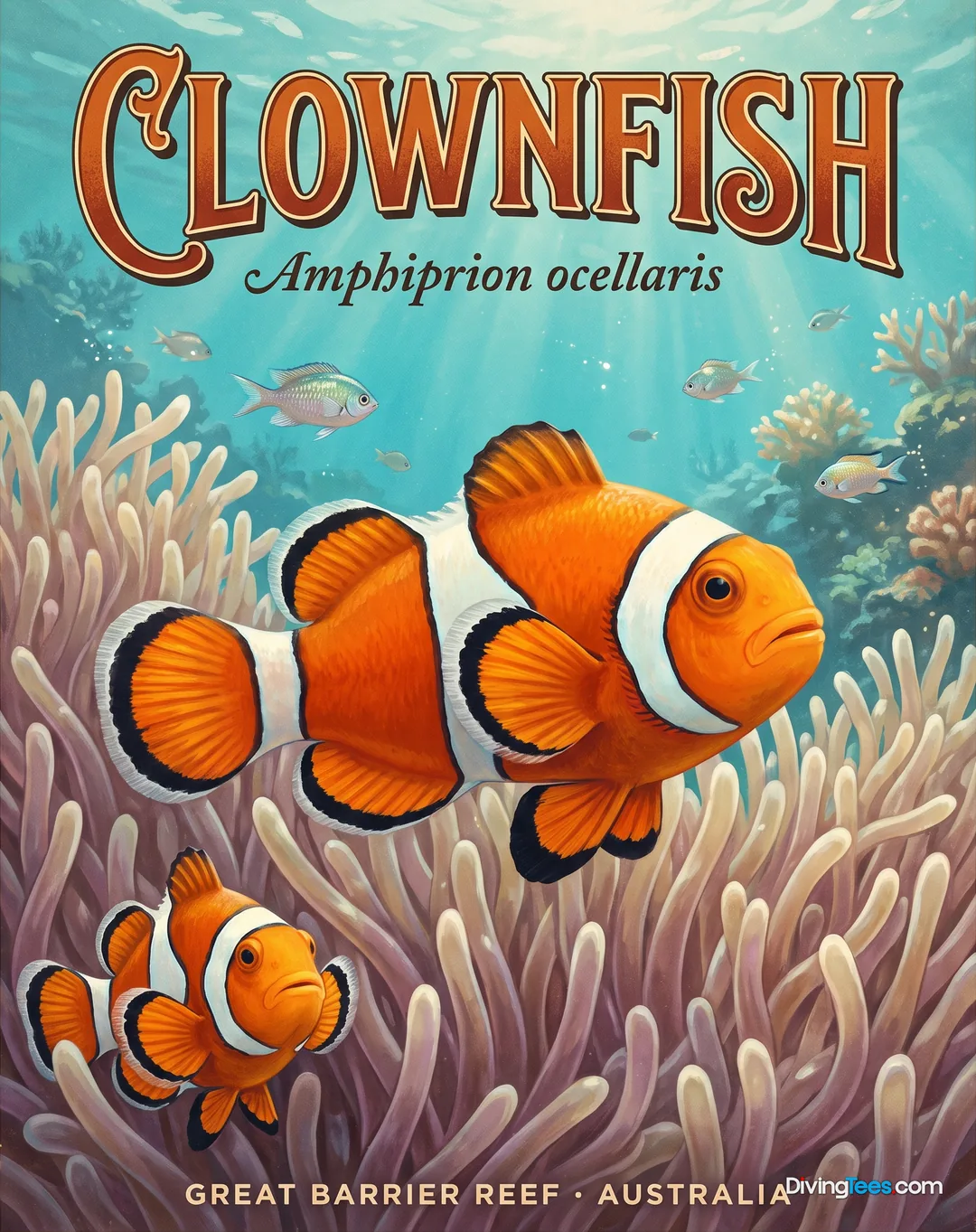
Mantas, reef sharks, sea turtles and nudibranchs are the recurring cast across this route, recorded at ten sites each. Eagle rays appear at nine sites, giant trevally at eight, and soft corals at seven; barracuda and Napoleon wrasse are also regular possibilities. These are not guaranteed sightings, but Komodo's current-swept pinnacles and channels explain why the larger animals keep appearing on the site list. Crystal Rock concentrates pelagic life where strong flow brings a rich food supply, while Manta Alley uses its channel and cleaning areas to draw large groups of mantas. The less common encounters give specific dives their purpose: Golden Passage is the place recorded for leopard sharks and glassfish, Siaba Kecil for lobsters and angelfish, Siaba Besar for ghost pipefish and unicornfish, Sebayur Kecil for clownfish and filefish, and Wainilu for mandarinfish. At Batu Bolong, the coral itself is the spectacle, crowded with trevally, Napoleon wrasse and reef sharks.
Who puts you in the water
Eight crew members run Bajak, and the crew speaks English. Scuba Republic's Komodo team brings local knowledge of the park's sites, currents and marine life, while the boat carries oxygen, first-aid kits, fire alarms and extinguishers, life jackets, lifeboats and marine radios. Radar, sonar and GPS support navigation. Dive briefings are the important handover before each descent: the guide sets out the current, terrain, entry and exit plan, then the tender and platform make the water entry practical. The crew's local knowledge matters in Komodo, where site choice and timing follow the tides.
The dive deck and the gear
The dive deck is shaded and built around a proper platform, with rinse tanks, DIN adapters and a tender for diver transfers. A 5-metre tender powered by a 40HP engine handles the run between Bajak and the site, so divers can be collected away from the main boat after a drift rather than expected to surface beside the hull. Equipment rental is available, while charging stations and a dedicated photo area support photographers between dives. The boat's tanks are filled to 240 bar for each dive, according to passenger experience. An optional Nitrox certification is available as an extra.
Between dives
Between dives, the best place is the shaded deck, where wet gear can dry and divers can stay out of the hard midday sun. Bajak also has open lounging areas, a terrace and a dedicated photo space, so a camera can be handled without taking over the dining table. The boat's solar-powered quiet time creates a different kind of interval when the engines are not the centre of attention. On a longer surface break, there is room to eat outside, read, edit images or simply watch Komodo's islands pass. Some intervals move ashore instead: the trips include excursions to see the dragons and other land visits. The point is not a long menu of distractions. It is having enough deck, shade and quiet to recover properly before the next descent.
A day on board
A Bajak day starts with the boat preparing for the first briefing and divers moving from breakfast toward the platform. The 4-day Komodo Highlights route is built around 12 dives, while the 5-day southern route carries 15, with night dives included in the program. After the first descent, the tender brings divers back to the boat, gear is rinsed, food appears, and the shaded deck becomes the surface interval. The next dive follows once bodies, tanks and conditions are ready. Lunch divides the main diving block from the afternoon descent, and the final dive gives way to a slower stretch of deck time, a land excursion or the move to the next anchorage. After dark, a night dive changes the reef completely: hunting fish, resting parrotfish, nudibranchs and octopus replace the daytime traffic. Then dinner, drying gear and sleep before the cycle begins again.
What you eat aboard
Meals are served as a full-board buffet, with local cooking at the centre of the table and vegetarian and vegan choices available. Food is described as plentiful and consistently strong, which matters more than decoration when the day is built around repeated dives and long surface intervals. Breakfast arrives after the first part of the morning is under way, while lunch follows the main diving block and restores everyone before the afternoon water. Dinner is served outside when the conditions allow, with beer available and other drinks kept separate from the included tea, coffee and drinking water. The open galley keeps the food close to the social heart of the boat. A good meal here is not a pause from the diving; it is what makes the next gear-up possible.
Nights at sea
The four cabins sit on the lower deck and use portholes rather than large picture windows. There is a master cabin alongside shared cabins, including family-friendly arrangements, and the cabins are air-conditioned. That combination makes the sleeping space practical: cool air for the night, a small round view of the water, and the boat's working life close enough to remain part of the setting. Two bathrooms serve the boat, so cabin choice matters more to passengers who value privacy than to divers who are used to liveaboard routines. Bajak's cabins are reported to feel generous rather than cramped, and the boat itself does not feel crowded at full capacity. Nights are therefore less about luxury fittings than having somewhere quiet and cool to recover between dives.
Master Cabin
Shared Cabins
What to know before boarding
Bajak's trips depart from Labuan Bajo and return to Labuan Bajo. Airport and hotel transfers are optional rather than included, and can be arranged separately through the operator. The dive centre is close to the airport and the pier, but arriving in Labuan Bajo the night before remains the sensible choice for a relaxed check-in and boarding.
Deck plan
What the boat does for the ocean
Bajak uses solar power during quiet periods aboard, allowing the engines to stay off while guests rest between dives.
- Year built
- 2015
- Year renovated
- 2021
- Length
- 28 m
- Beam
- 7 m
- Maximum number of passengers
- 14
- Number of cabins
- 4
- Number of bathrooms
- 2
- Engines
- 120 hp Mitsubishi
- Cruising speed
- 7 knots
- Tenders
- 5 m 40 hp
- Website
- scuba-republic.com ↗
Hello, I'm Marina, DivingDeal.com's AI assistant. I answer in detail about hotels, dive centres and liveaboards.
Thinking about the whole trip and the flights? Talk it over with Edith →
Marina is an AI. Some links are affiliate links: DivingDeal may earn a commission, at no extra cost to you. Bookings are made with the partner.