

Rederis Plongee
Google 4.9/5 (436 reviews)
5.1 km away as the crow flies
Banyuls-sur-Mer · France · Mediterranean
Max. depth · 48 mDescend to 45 metres to explore the Saumur, a cargo ship torpedoed in 1944, lying upright with its stern twisted and a well-preserved cannon on its bow.
For subtitles in English: start the video firstthen click the gearat the top right of the video, select “Subtitles/CC”, then “Auto-translate” and choose “English”.
The Saumur, a French cargo-collier built in 1920 in Scotland, now rests on its keel at a depth of 45 metres off Port-Vendres. Its history as a requisitioned vessel, renamed the "Valentino" by Axis forces during World War II, adds a somber layer to the dive experience. Torpedoed by the British submarine HMS Upstart on May 21, 1944, the wreck offers a haunting glimpse into naval history, making it a significant site along the Côte Vermeille.
Your descent will bring you to the main deck, where the ship largely remains upright, though the stern is distinctly twisted on its starboard side, separated from the main hull. The second forward hold has collapsed, but the first hold and the foredeck are surprisingly well-preserved. Keep an eye out for one of the original machine guns still mounted on its turret on the foredeck, a stark reminder of its past as an armed transport, now an emblem of the wreck itself.
Midships, the wheelhouse area reveals structural damage, yet pockets of intact interiors remain. You can still make out the galley with its stoves and, nearby, a bathroom featuring a bathtub and lavabo, hinting at the daily life once lived aboard. This central section offers shelter to various species, and the fragmented structure creates an intricate habitat for smaller marine inhabitants.
Moving towards the stern, you will find a spare propeller lying near the aft mast, offering a good reference point for navigation around the wreck's damaged rear. The third hold is well-preserved, and at its end, the mast bases and ventilators form a distinctive trident-like structure. While the stern itself is heavily damaged and twisted, it remains an integral part of the wreck, attracting specific faunal communities.
The bow of the Saumur presents an impressive sight, with its cannon still mounted and capable of rotating on its axis, even after 70 years underwater. Further forward, in the anchoring chain wells, a large conger eel has made its home. Approach discreetly and avoid shining your torch directly into its dwelling to observe it without disturbance. The two anchors are still at their posts, offering another photographic opportunity.
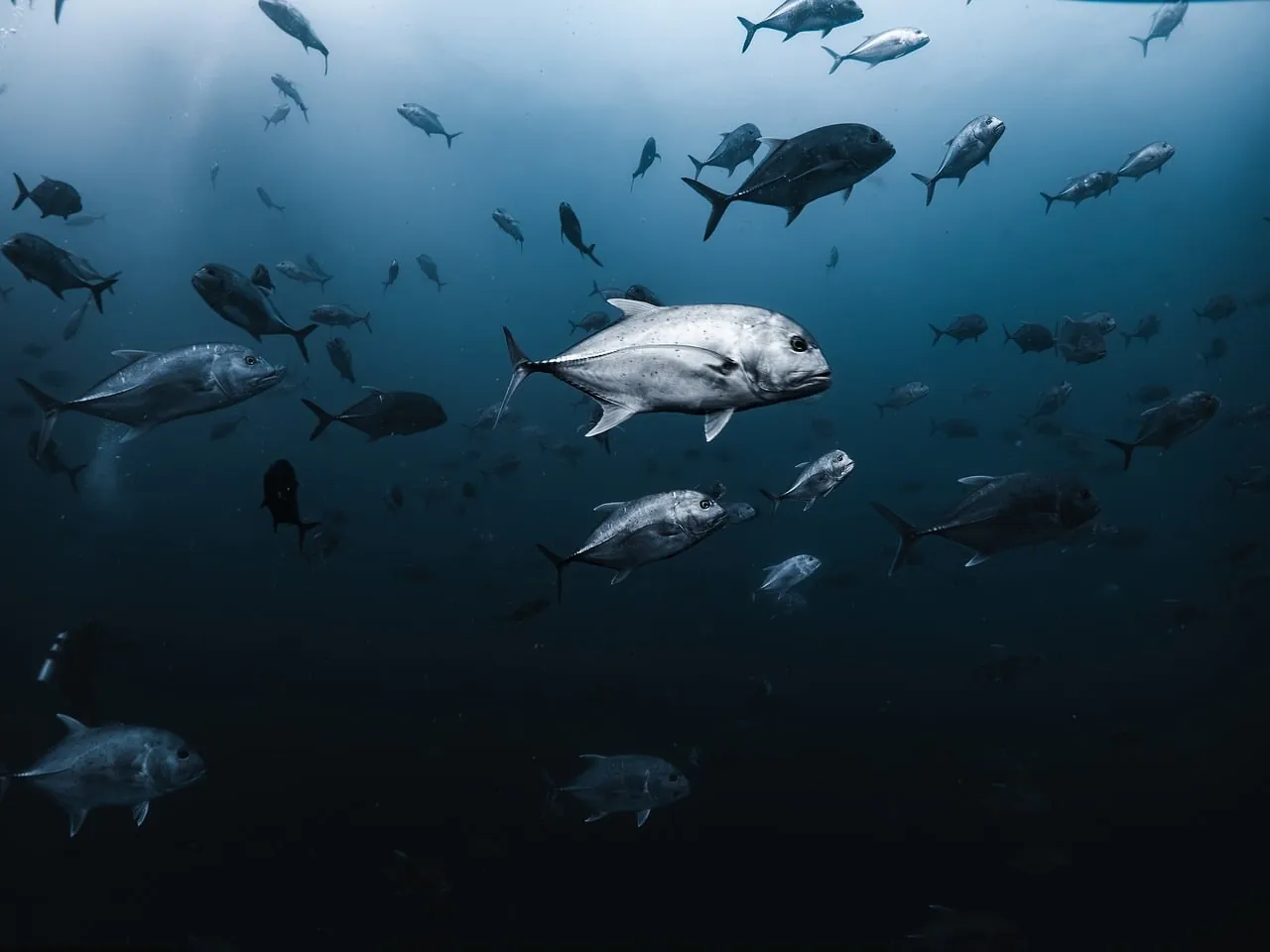
Beyond the historical artifacts and structures, the Saumur hosts a range of marine life. Resident congers frequent the deeper sections, particularly within the chain wells. You'll also encounter anthias, tacauds, chapons, and octopuses among the wreckage. Delicate nudibranchs like flabellinas and doris, along with sea pens and glacial starfish, contribute to the site's rich biodiversity.
Encounters with larger pelagic species are less frequent but possible, with occasional sightings of sunfish (Mola mola) passing by the wreck. The wreck's structure provides ample hunting grounds and shelter, creating a dynamic ecosystem. Fully exploring the Saumur requires multiple dives, each offering a different perspective on its broken but resilient form, ensuring you get a comprehensive understanding of this substantial site.
Diving Le Saumur requires a 'Deep Confirmed' certification level or equivalent practical experience, due to the maximum depth of 45 metres. The wreck site is suitable for divers qualified to manage deep dive profiles and potential currents, though specific current information is not consistently reported. The spring season is often cited as the optimal time to dive this site for clearer conditions.
Spring is often cited as a good time to visit Le Saumur because conditions are clearer. Plan your dive around the wreck’s upright main hull, twisted stern, and preserved bow and foredeck for a clearer experience of this historic cargo ship wreck.
Le Saumur requires Deep Confirmed certification or equivalent practical experience. The wreck descends to around forty-five metres, with a listed depth range reaching deeper. You should be qualified to manage a deep dive profile before exploring the holds, deck, bow, and damaged stern.
At Le Saumur, you should be prepared to manage potential currents while following a deep dive profile. Specific current conditions are not consistently reported, so the site suits divers with the certification or practical experience needed to handle depth and possible water movement around the wreck.
At Le Saumur, you can see a well-preserved bow cannon, a twisted and separate stern, a spare propeller, and visible galley and bathroom features. Conger eels inhabit the chain wells, while anthias, octopuses, nudibranchs, sea pens, fish, and occasional sunfish live around the wreck.